Big And Tall Executive Office Chairs
Executive office chairs are an essential investment for almost any professional. With its sturdy construction and generous dimensions, they provide unparalleled comfort and support for individuals of larger stature. Their ergonomic design promotes proper posture, reducing the risk of back pain and fatigue. Additionally, its sleek appearance adds a touch of sophistication to almost any office setting. Here are some of the great options.
Sort
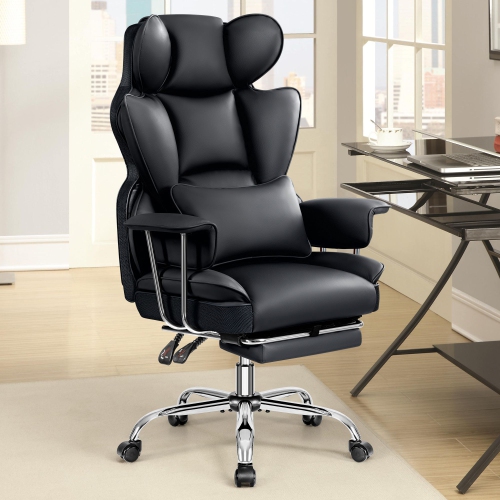
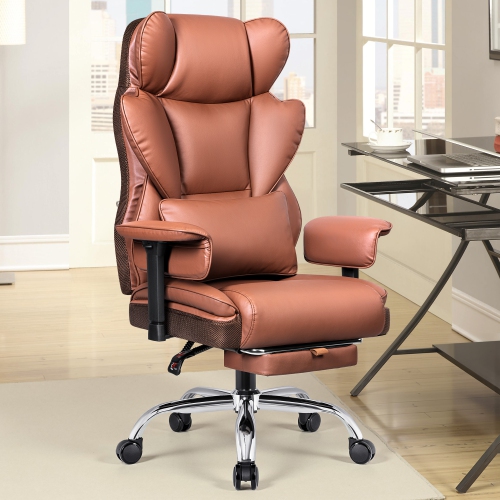
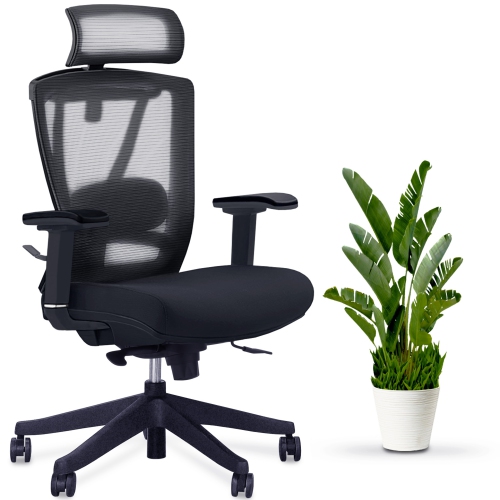

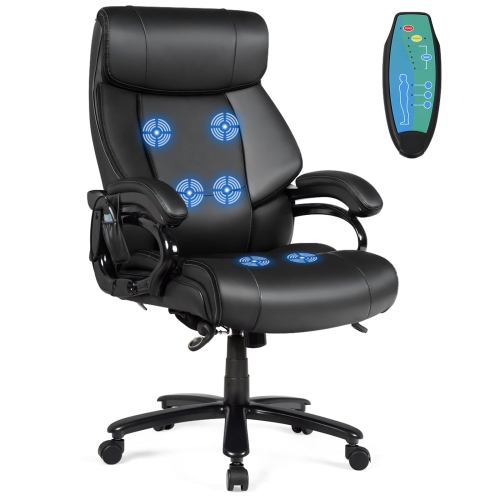
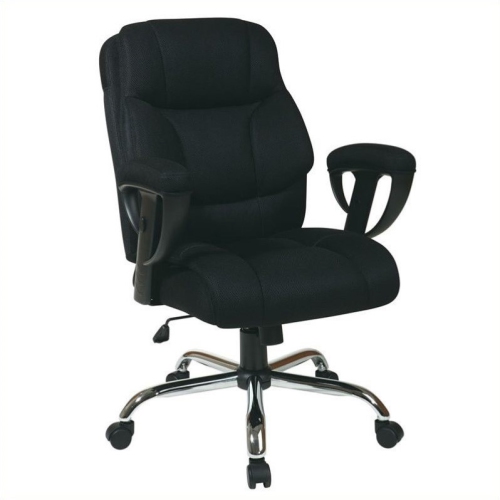

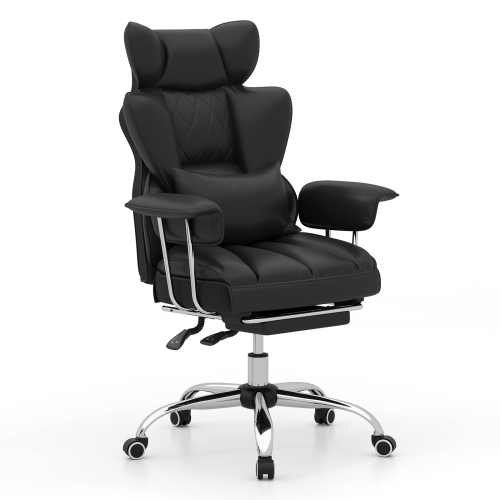
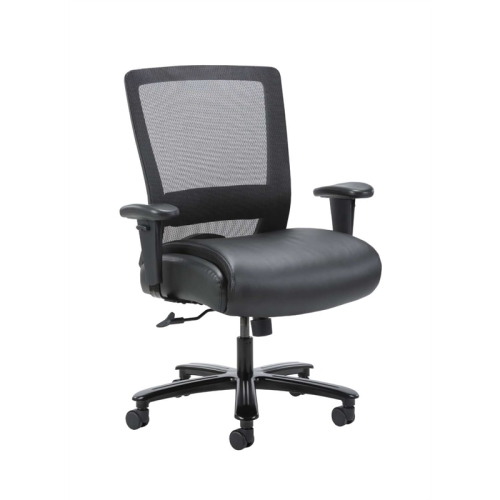

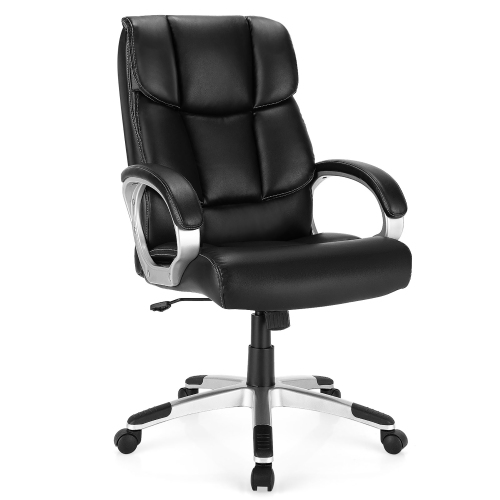
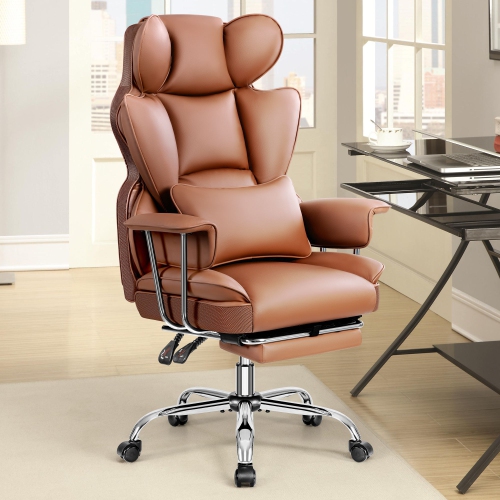
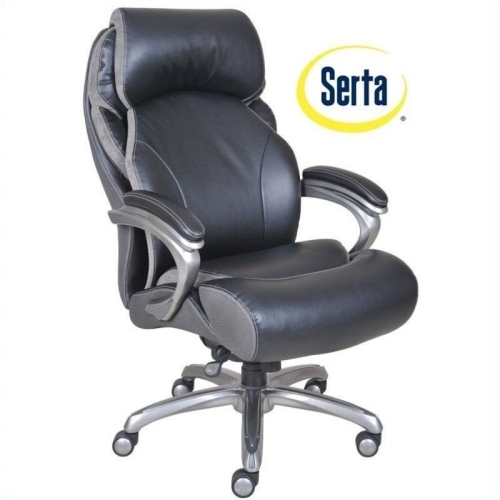
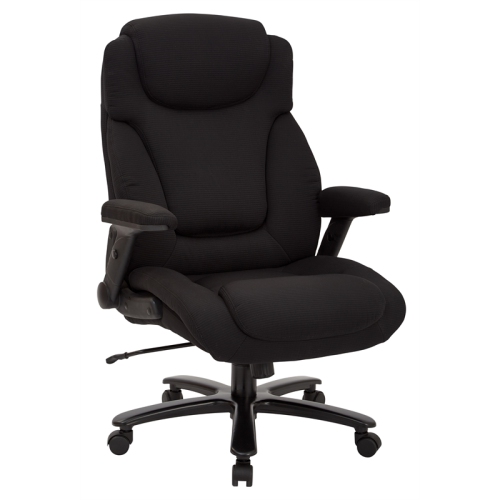
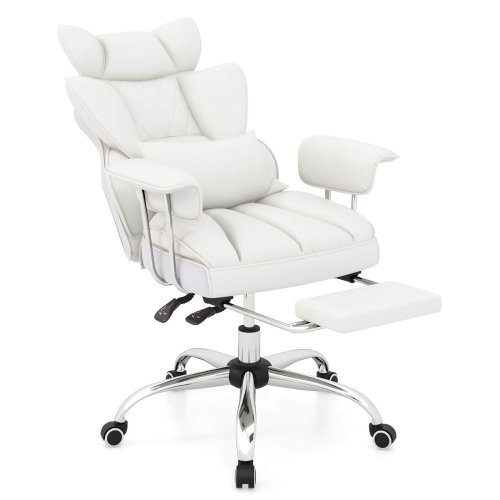
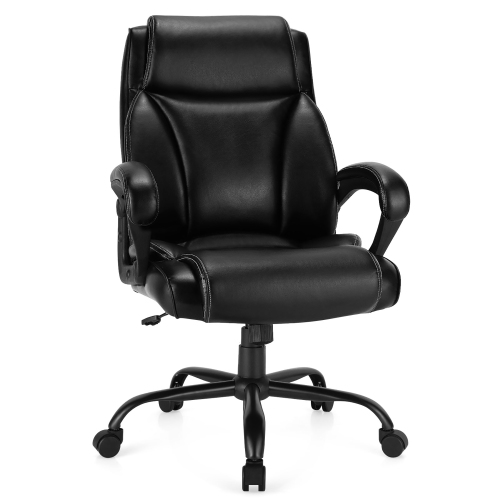
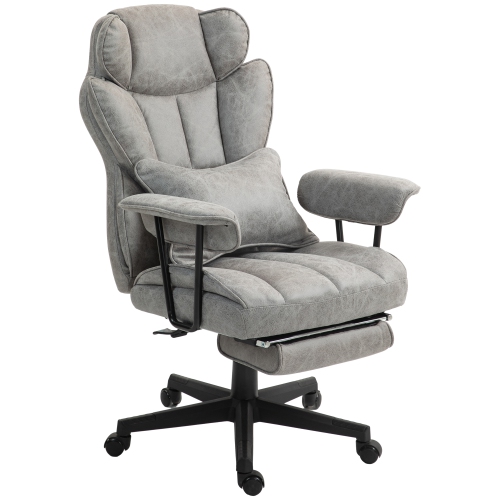
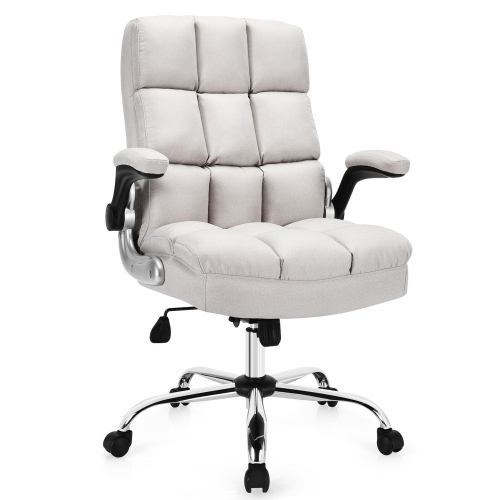
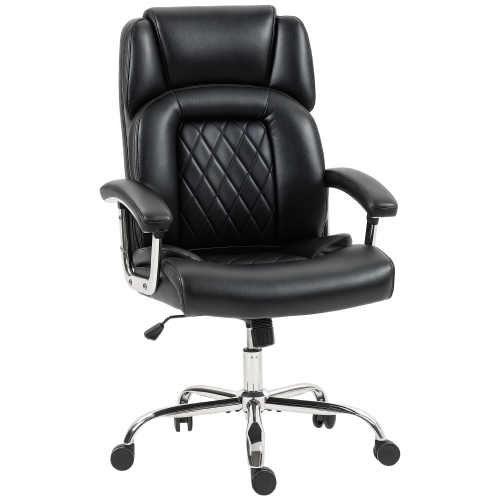
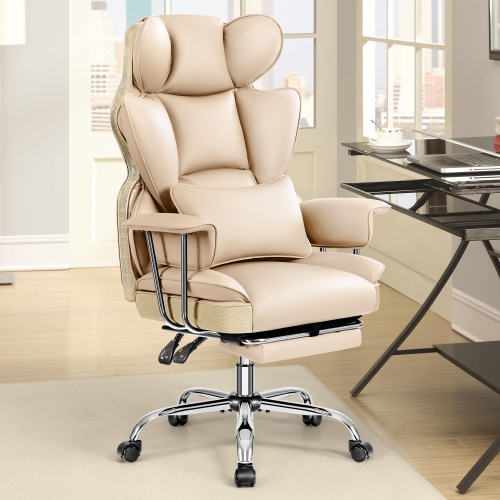
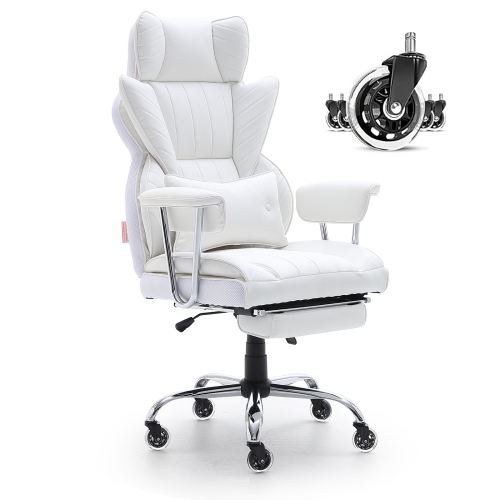
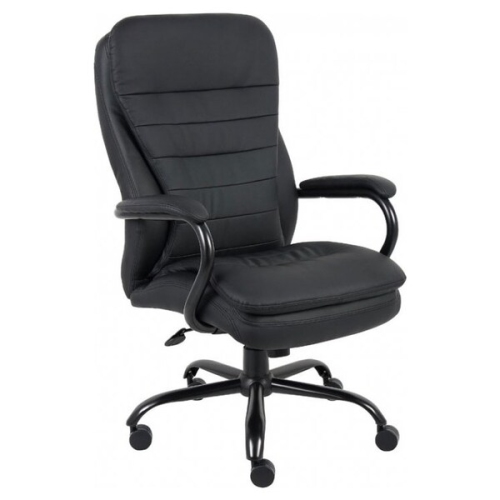
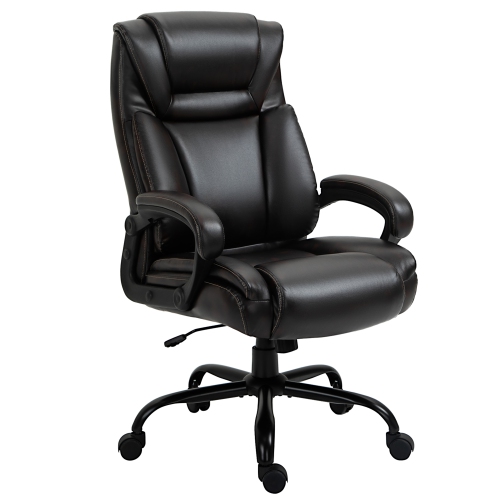
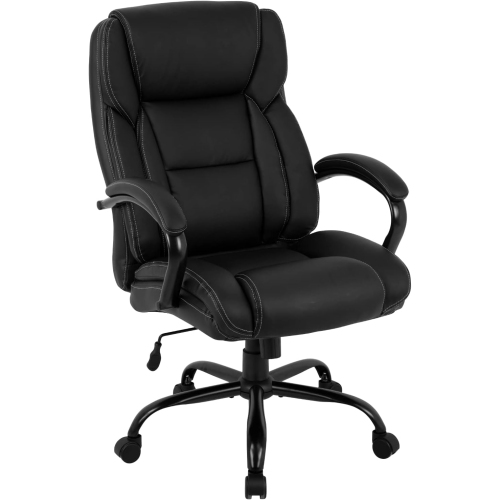
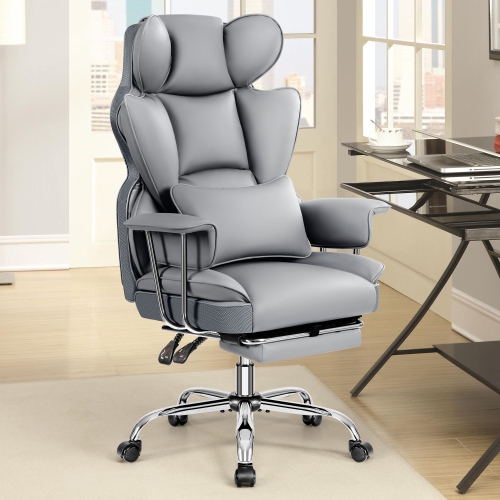
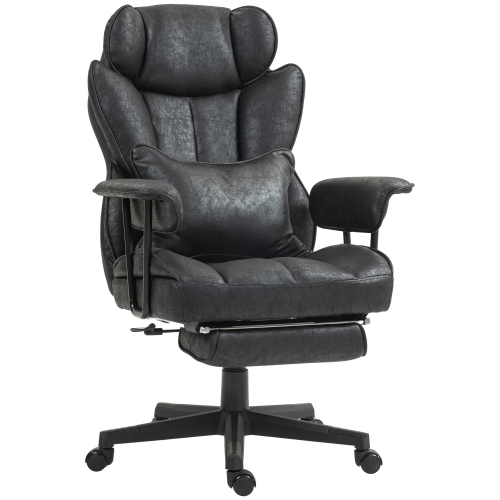
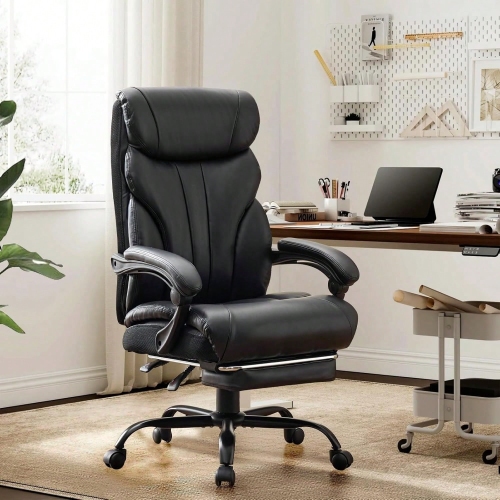
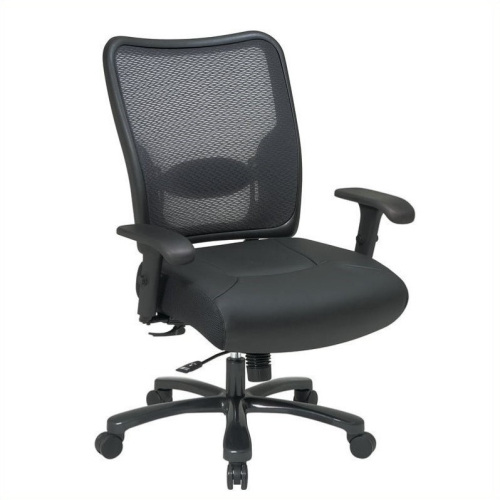
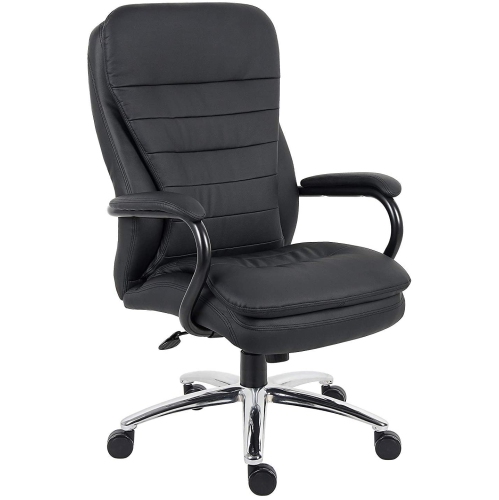
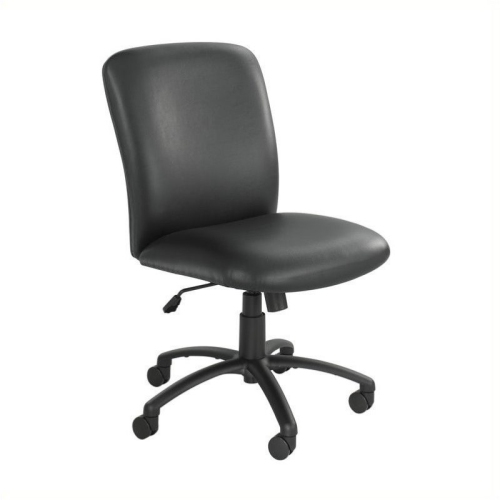
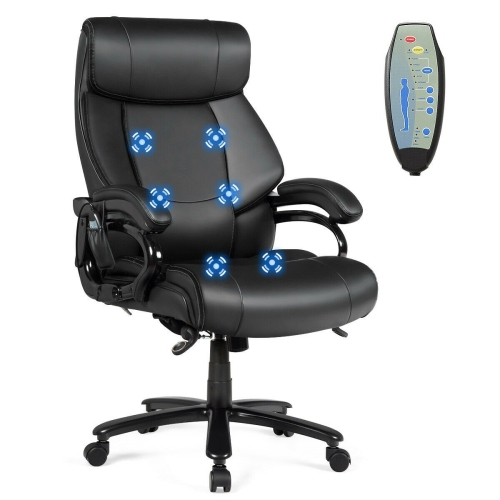



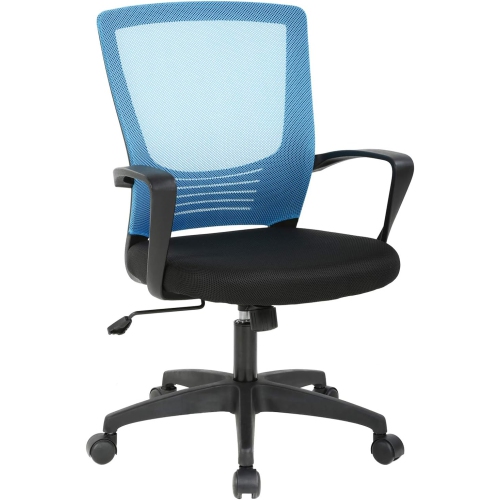
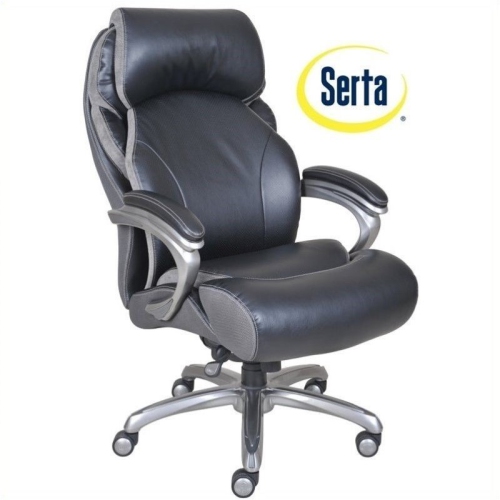
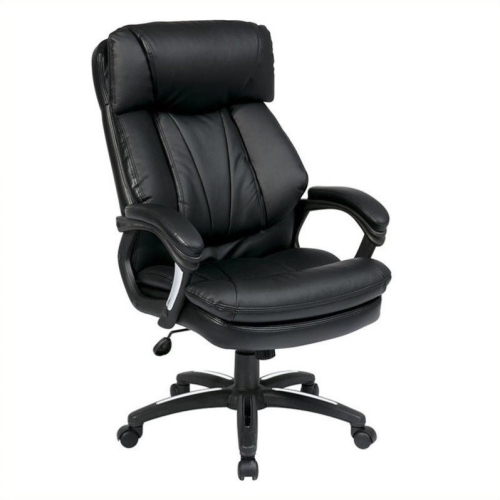
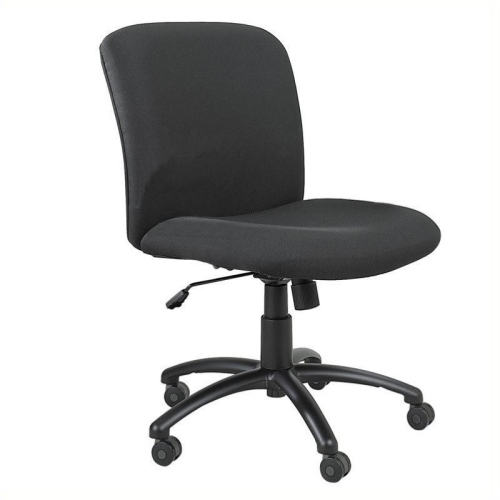
Chair fit goes beyond a wide seat
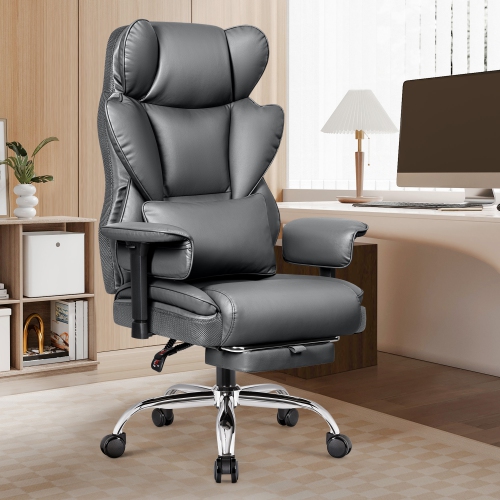
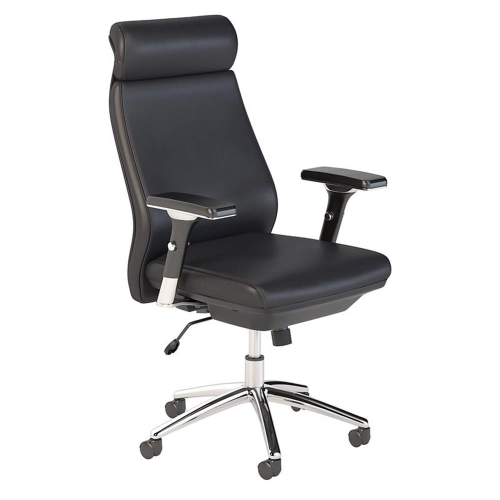
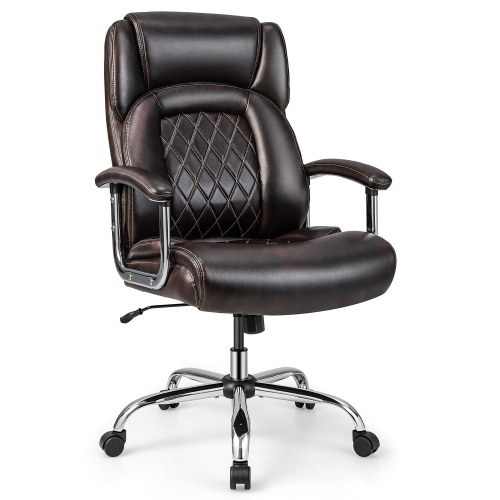
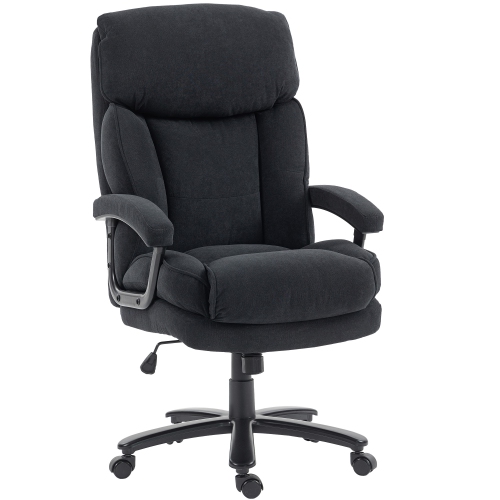
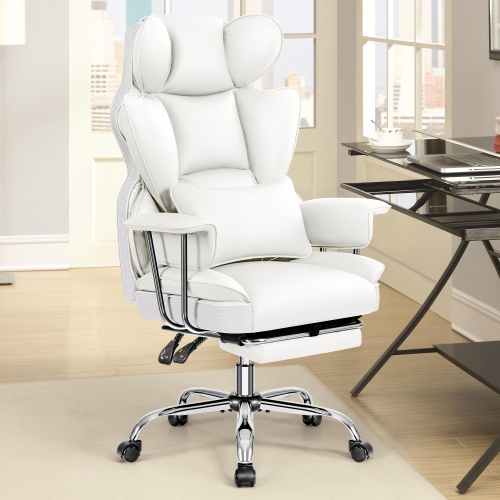
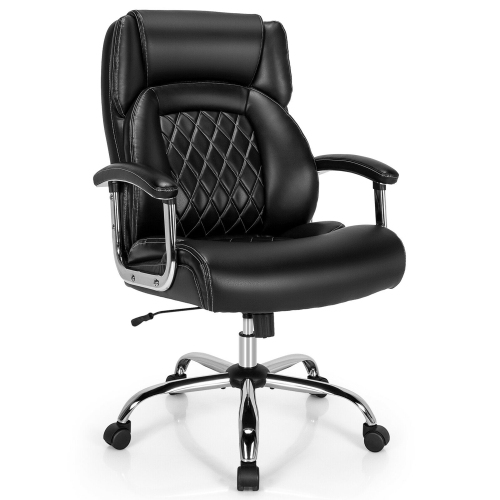
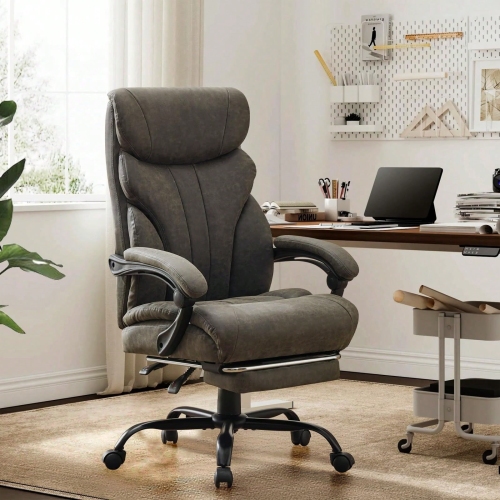
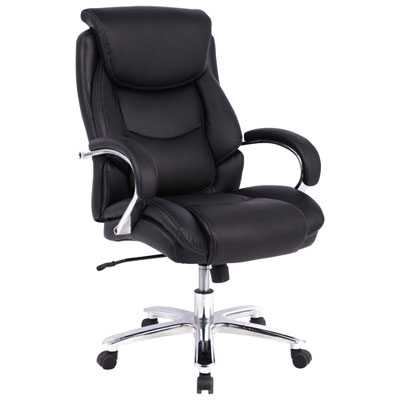
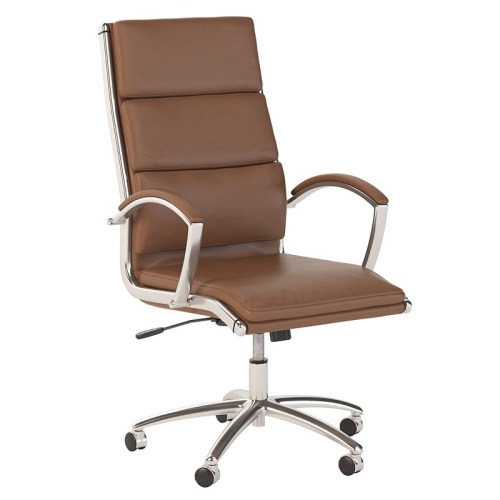
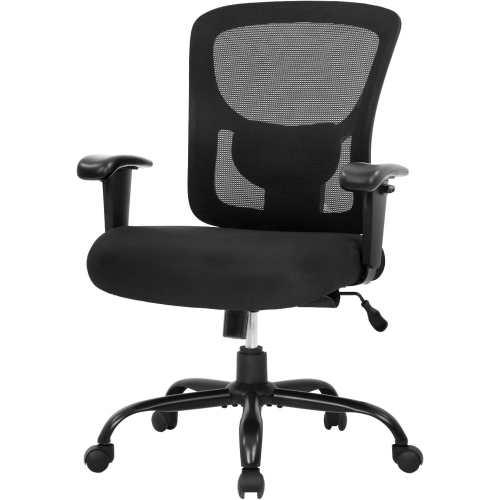
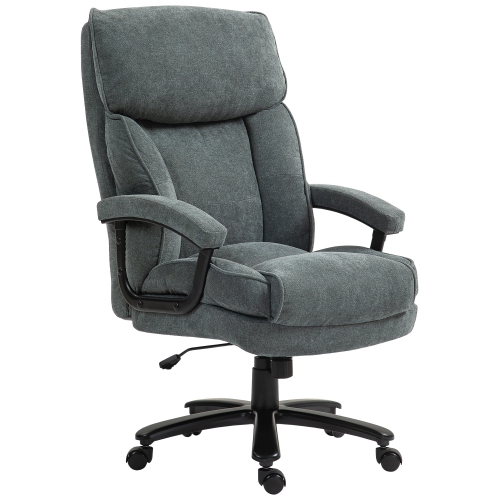
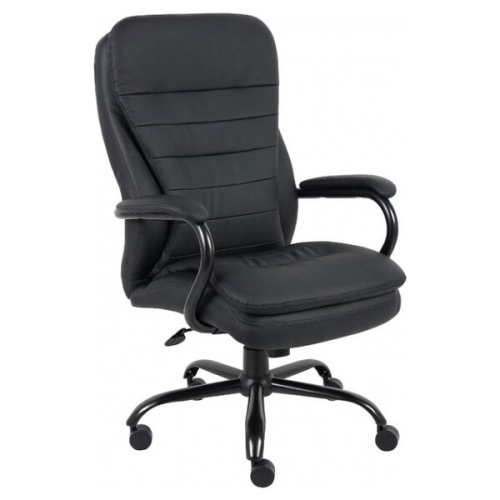
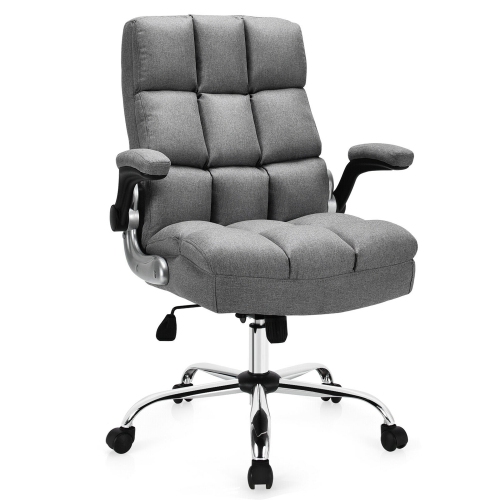
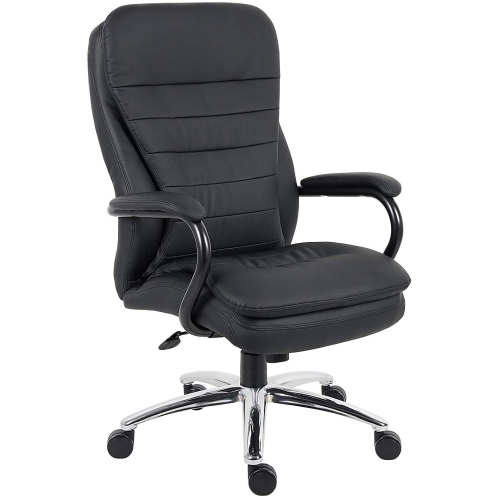
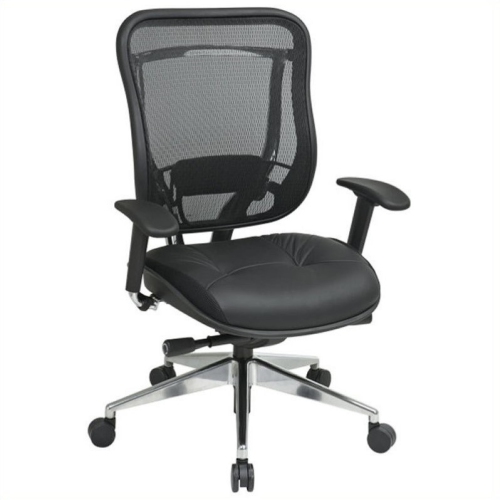
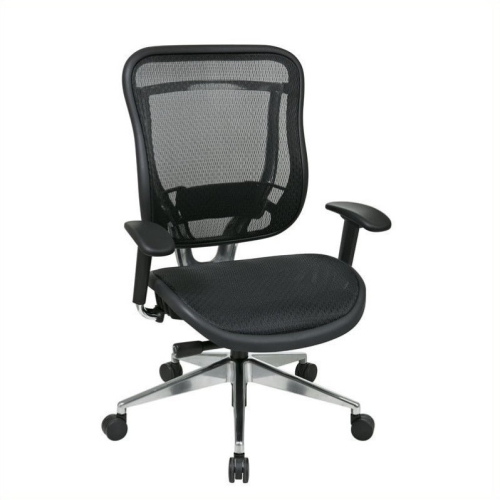
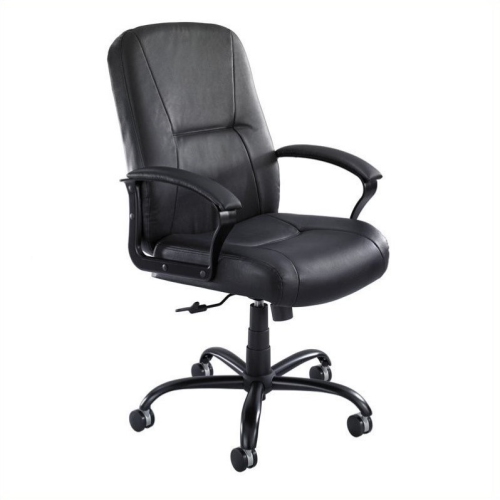
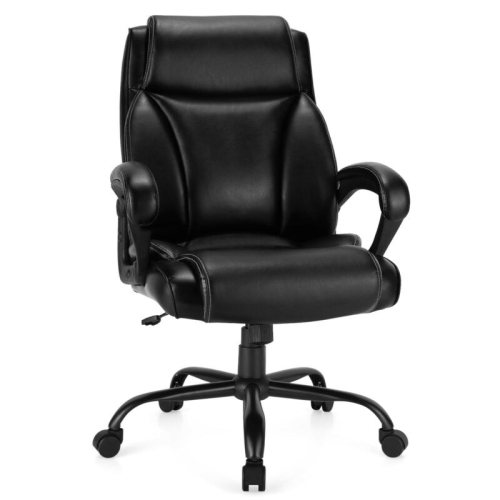
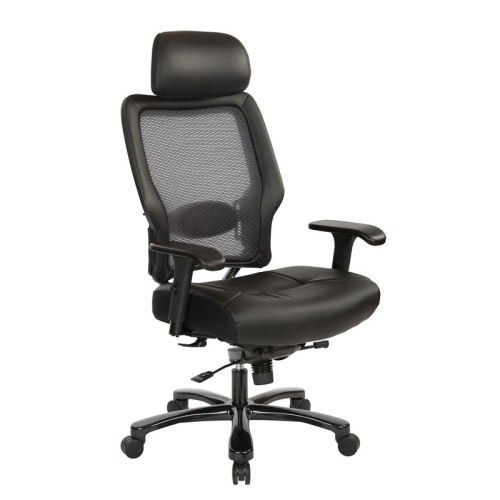
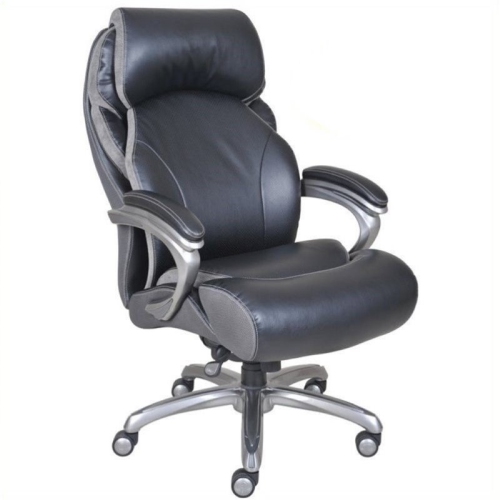
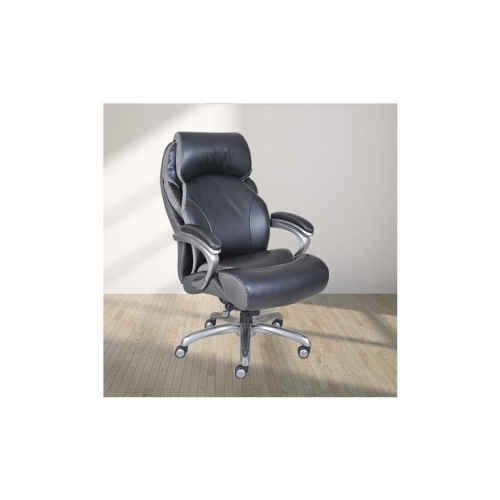
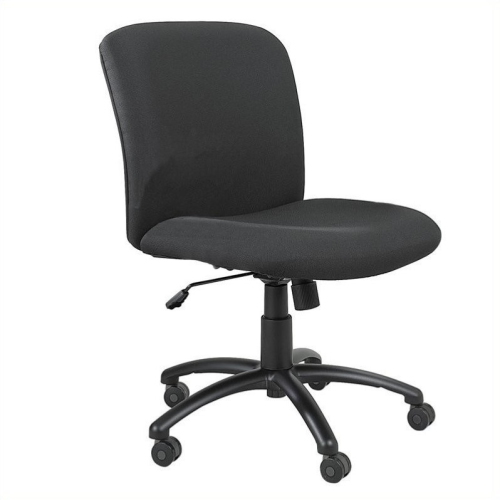
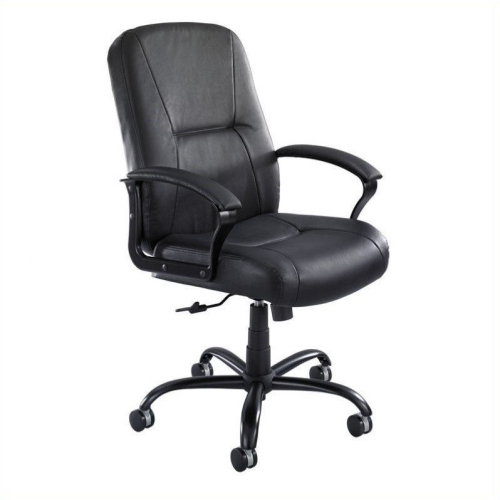
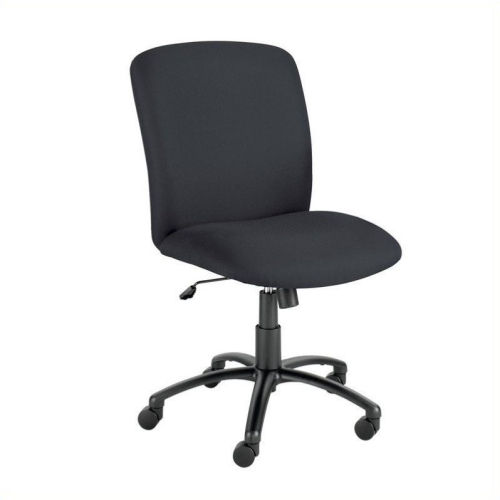
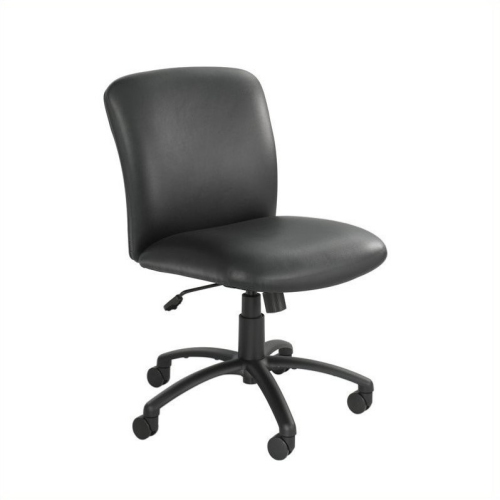
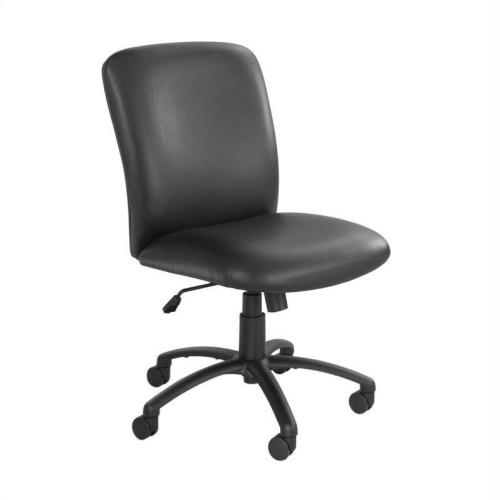
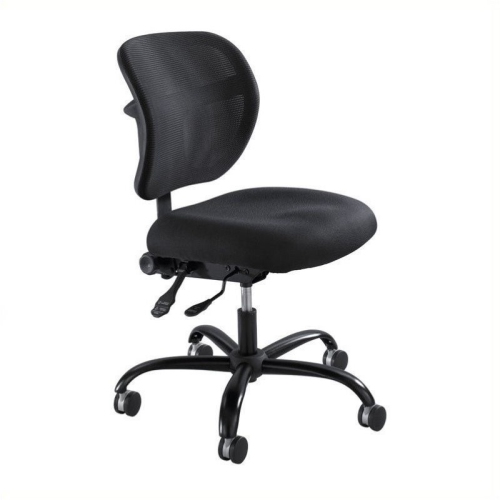
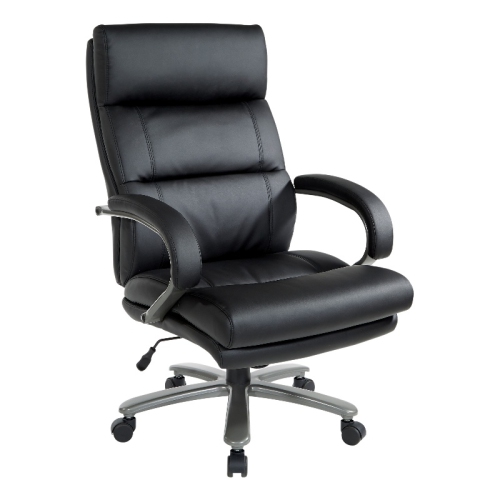
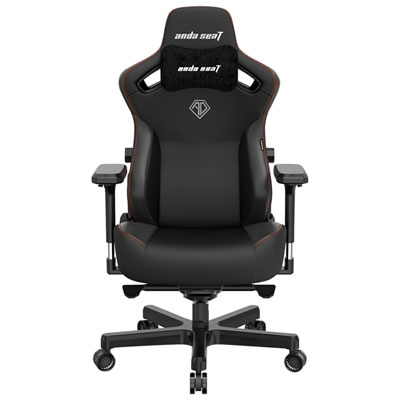
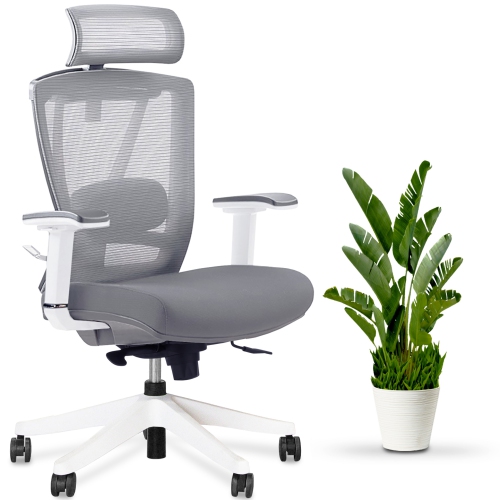
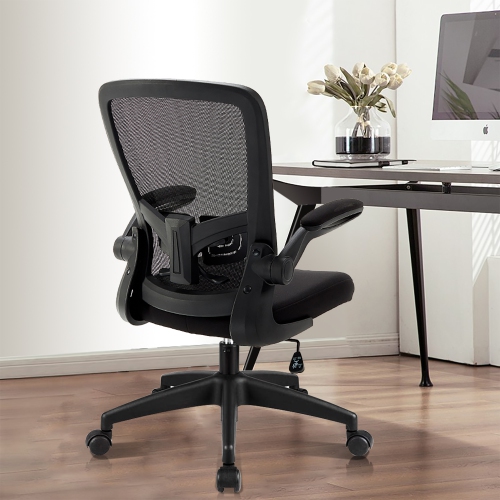
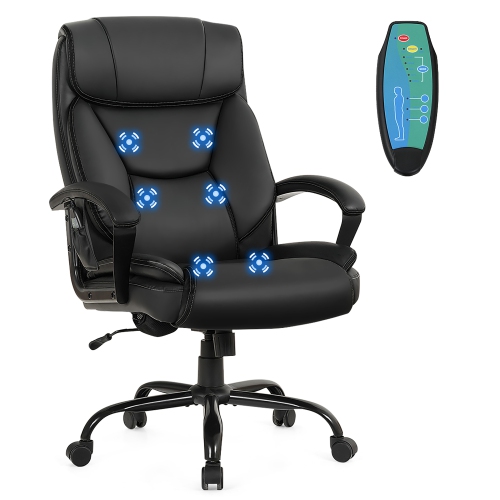
Big and tall executive office chairs combine the substantial cushioning and high-back profile of executive seating with dimensions and structural support suited to larger or taller adults. The category typically includes wider seats, taller backrests, reinforced bases, and higher weight capacities than standard office seating, although the exact combination varies by chair. Published capacities can range from around 350 pounds to 700 pounds or more, making the manufacturer’s stated limit an important starting point rather than something to infer from a chair’s appearance. A broad cushion and thick armrests do not, on their own, indicate a higher load rating. These chairs suit home offices, private workspaces, and shared offices where a standard desk chair may feel narrow, short, or insufficiently supportive. They can also offer a more proportionate fit for someone whose shoulders extend above an ordinary backrest or whose thighs reach well beyond a shallow seat. Big and tall are related needs, but they are not interchangeable: a taller person may need greater seat depth and a higher seat position, while a broader person may place more importance on usable width between the armrests. Some seats measure approximately 22 to 25 inches across, but the seating area can feel smaller when thick side padding or inward-curving arms occupy part of that space. Overall chair width is therefore different from usable seat width. Backrest height matters just as much, especially when an integrated headrest is part of the design; its cushion should meet the intended area rather than press into the shoulders. For a workspace used for writing, spreadsheets, video calls, and reading, a well-matched chair provides room to sit comfortably without forcing an awkward reach towards the desk. Executive styling adds a finished look through broad back panels, upholstered arms, tailored stitching, and substantial bases, but fit remains the defining consideration. The most useful dimensions are those that describe where the body actually rests, not simply the chair’s outer footprint.
Comfort in a big and tall executive office chair depends on how its adjustments work with both the user and the desk. Seat height should allow the feet to rest on the floor or a suitable footrest while keeping the knees in a comfortable position. Taller users may need a higher adjustment range, but raising the chair also changes the relationship between the thighs, armrests, and desktop. A desk with a low drawer or apron can restrict legroom even when the chair itself fits well. Seat depth is another important measurement: the cushion should support the thighs while leaving a small gap behind the knees when the back is against the backrest. An extra-deep seat can suit longer legs, yet prevent a shorter user from reaching the back support without sliding forward. Adjustable seat depth, where offered, gives more flexibility than a fixed cushion. Lumbar support may be built into the backrest or adjustable in height or firmness, and its position should align comfortably with the lower back rather than create a concentrated pressure point. Armrests should let the forearms rest without lifting the shoulders or pushing the elbows too far apart. Height-adjustable or width-adjustable arms can help with that fit, while flip-up arms may make it easier to move closer to a desk; these features are not standard across the category. Tilt tension changes the resistance felt when leaning back, and a tilt lock can hold supported positions where the mechanism allows. Reclining is useful for switching from keyboard work to reading a document, but it does not replace a comfortable upright working position. Thick padding may feel inviting at first, while its firmness and underlying support become more noticeable through repeated use. For lengthy desk sessions, the intended daily-use rating, adjustment range, and ability to change position deserve as much attention as cushion thickness. Even a generously sized chair works best alongside regular movement and a desk layout that keeps frequently used objects within easy reach.
Materials and construction shape how big and tall executive office chairs feel, wear, and fit into a room. Genuine leather offers a distinctive surface and can develop creasing with use, while bonded leather contains leather fibres combined with binding materials and should not be mistaken for a solid leather hide. Faux leather provides a leather-like appearance with its own care requirements, and woven fabric offers a textured alternative that may feel less slippery against clothing. Mesh sections, where included, allow airflow through the backrest, although their feel differs from a fully padded executive back. Upholstery names alone do not establish durability: stitching, cushion construction, surface quality, and the way the covering is secured all contribute to long-term wear. High-density foam can help a seat retain its shape, but density is not the same as firmness, and comfort remains individual. Structural details deserve equal attention, including the base, frame, lift mechanism, and arm attachments. A metal base may be part of a heavy-duty design, but the published capacity applies to the complete chair rather than one visible component. Assembly should follow the manufacturer’s directions, with fasteners checked at the specified intervals and damaged parts addressed before further use. Care is usually straightforward when matched to the upholstery: remove dust and crumbs with a soft cloth or suitable vacuum attachment, blot spills promptly, and use only cleaning products approved for the material. Abrasive cleaners and excessive moisture can damage finishes or coverings. Floor compatibility also matters, particularly when a chair moves between a desk and a nearby cabinet. Casters should suit the flooring, and any protective chair mat should be appropriate for both the floor surface and the load placed on it. Leave enough clearance behind the desk for the chair’s wider base and reclining backrest. For a coordinated workspace, Black Executive Office Chairs offer a colour direction that pairs easily with wood desks, metal storage, and neutral furnishings. Whether the setting is a dedicated study or a professional office, the strongest match balances generous proportions, practical adjustments, suitable materials, and dependable support for everyday desk work.
Comfort in a big and tall executive office chair depends on how its adjustments work with both the user and the desk. Seat height should allow the feet to rest on the floor or a suitable footrest while keeping the knees in a comfortable position. Taller users may need a higher adjustment range, but raising the chair also changes the relationship between the thighs, armrests, and desktop. A desk with a low drawer or apron can restrict legroom even when the chair itself fits well. Seat depth is another important measurement: the cushion should support the thighs while leaving a small gap behind the knees when the back is against the backrest. An extra-deep seat can suit longer legs, yet prevent a shorter user from reaching the back support without sliding forward. Adjustable seat depth, where offered, gives more flexibility than a fixed cushion. Lumbar support may be built into the backrest or adjustable in height or firmness, and its position should align comfortably with the lower back rather than create a concentrated pressure point. Armrests should let the forearms rest without lifting the shoulders or pushing the elbows too far apart. Height-adjustable or width-adjustable arms can help with that fit, while flip-up arms may make it easier to move closer to a desk; these features are not standard across the category. Tilt tension changes the resistance felt when leaning back, and a tilt lock can hold supported positions where the mechanism allows. Reclining is useful for switching from keyboard work to reading a document, but it does not replace a comfortable upright working position. Thick padding may feel inviting at first, while its firmness and underlying support become more noticeable through repeated use. For lengthy desk sessions, the intended daily-use rating, adjustment range, and ability to change position deserve as much attention as cushion thickness. Even a generously sized chair works best alongside regular movement and a desk layout that keeps frequently used objects within easy reach.
Materials and construction shape how big and tall executive office chairs feel, wear, and fit into a room. Genuine leather offers a distinctive surface and can develop creasing with use, while bonded leather contains leather fibres combined with binding materials and should not be mistaken for a solid leather hide. Faux leather provides a leather-like appearance with its own care requirements, and woven fabric offers a textured alternative that may feel less slippery against clothing. Mesh sections, where included, allow airflow through the backrest, although their feel differs from a fully padded executive back. Upholstery names alone do not establish durability: stitching, cushion construction, surface quality, and the way the covering is secured all contribute to long-term wear. High-density foam can help a seat retain its shape, but density is not the same as firmness, and comfort remains individual. Structural details deserve equal attention, including the base, frame, lift mechanism, and arm attachments. A metal base may be part of a heavy-duty design, but the published capacity applies to the complete chair rather than one visible component. Assembly should follow the manufacturer’s directions, with fasteners checked at the specified intervals and damaged parts addressed before further use. Care is usually straightforward when matched to the upholstery: remove dust and crumbs with a soft cloth or suitable vacuum attachment, blot spills promptly, and use only cleaning products approved for the material. Abrasive cleaners and excessive moisture can damage finishes or coverings. Floor compatibility also matters, particularly when a chair moves between a desk and a nearby cabinet. Casters should suit the flooring, and any protective chair mat should be appropriate for both the floor surface and the load placed on it. Leave enough clearance behind the desk for the chair’s wider base and reclining backrest. For a coordinated workspace, Black Executive Office Chairs offer a colour direction that pairs easily with wood desks, metal storage, and neutral furnishings. Whether the setting is a dedicated study or a professional office, the strongest match balances generous proportions, practical adjustments, suitable materials, and dependable support for everyday desk work.
Top selling and popular products
-
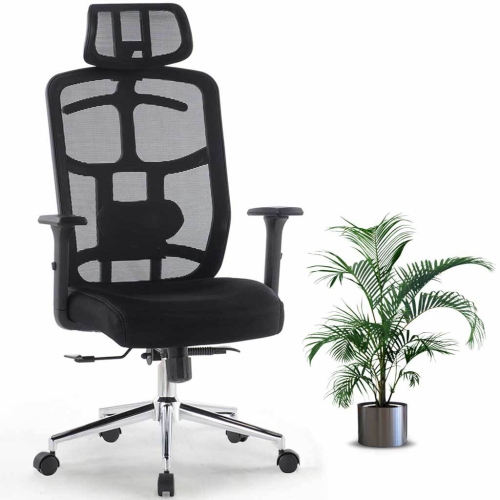 Your price for this item is $114.99
 -
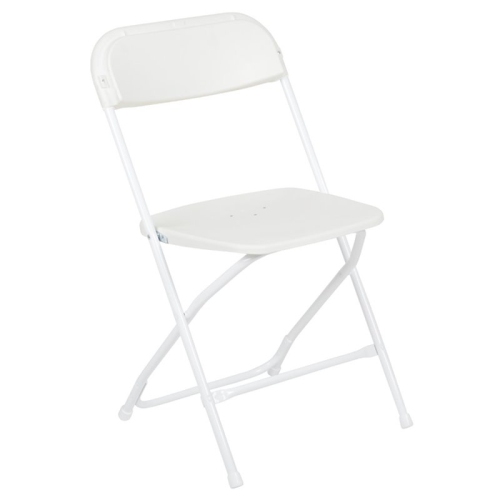 Your price for this item is $123
 -
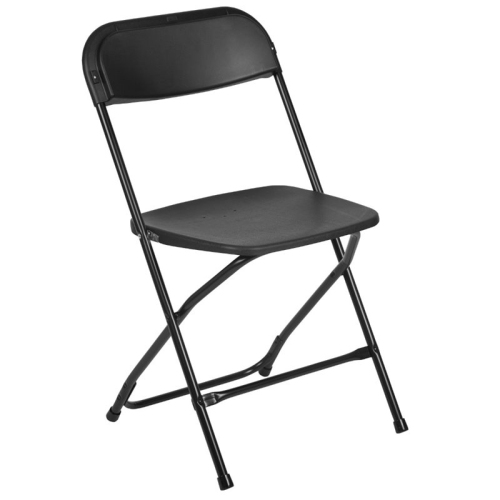 Your price for this item is $139.99
 -
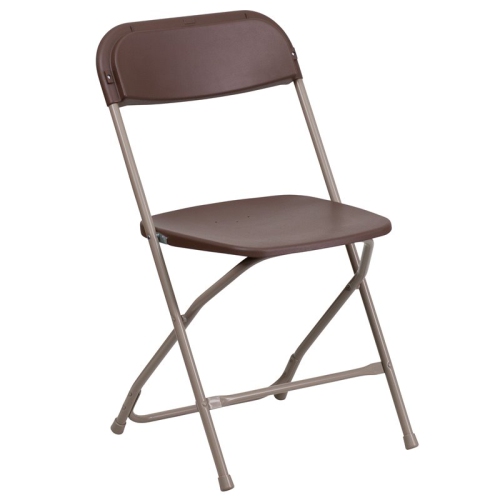 Your price for this item is $139.99
 -
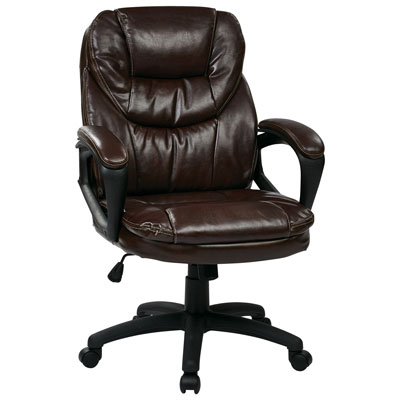 Your price for this item is $203.98
 -
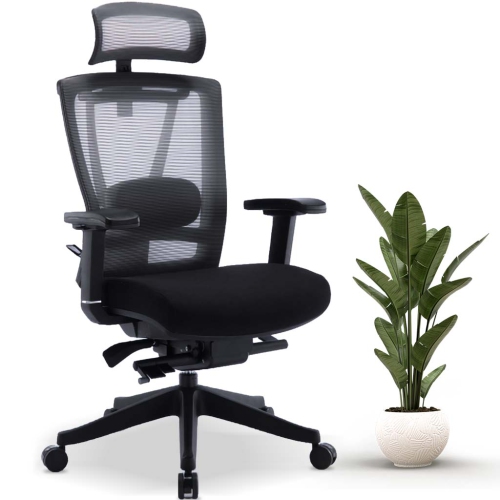 Your price for this item is $379.99
 -
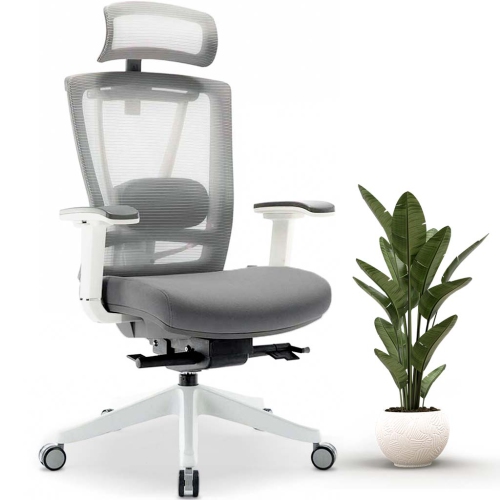 Your price for this item is $379.99
 -
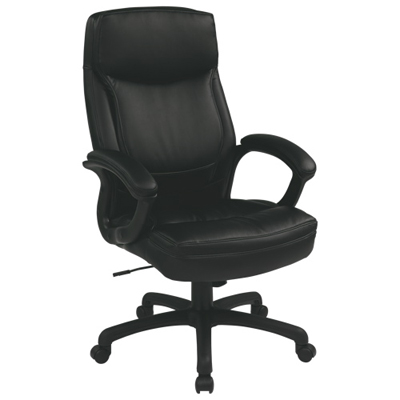 Your price for this item is $594.99
Discover more categories related to Big And Tall Executive Office Chairs
Top Collections:
Pokemon Centers, Kindle Devices, Best Budget Office Chairs, Apple iPhones 16, Best Laptops for Writers, iPhone 15 Apple, Canon G7X Cameras, Refurbished Apple Laptops, Alarm Clock, Motorola Razr Phones
Some products may be subject to Environmental Handling Fees
(EHF) depending on your province.
Learn more about EHFs.