Black Dining Table And Chairs
Enhance your dining experience with our black dining tables and chairs. Whether you're looking to revamp your dining room decor or simply need a stylish and functional upgrade, our collection offers a variety of options to suit your taste and space. From sleek and modern designs to timeless classics, our black dining tables and chairs are crafted with quality materials to ensure durability and long-lasting style.
Sort
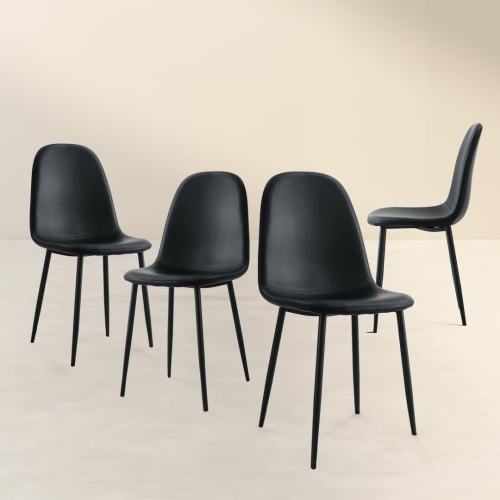
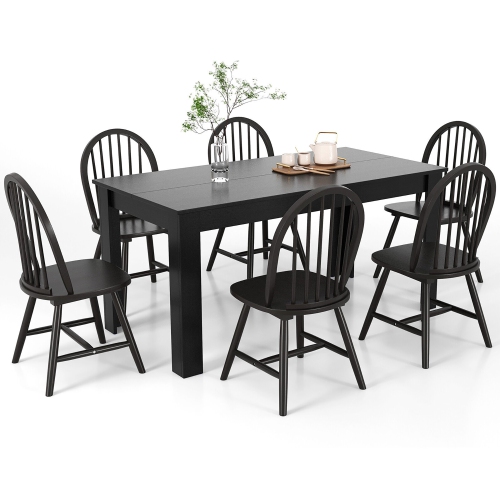
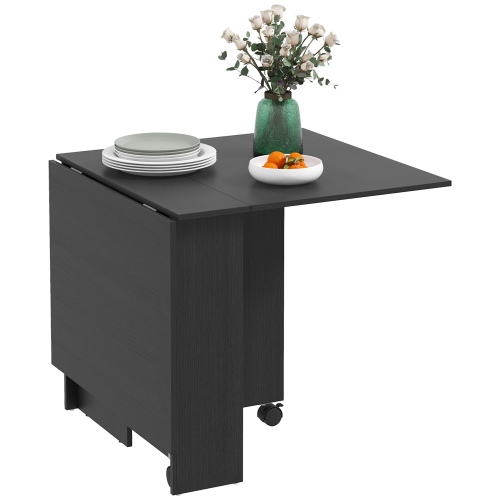
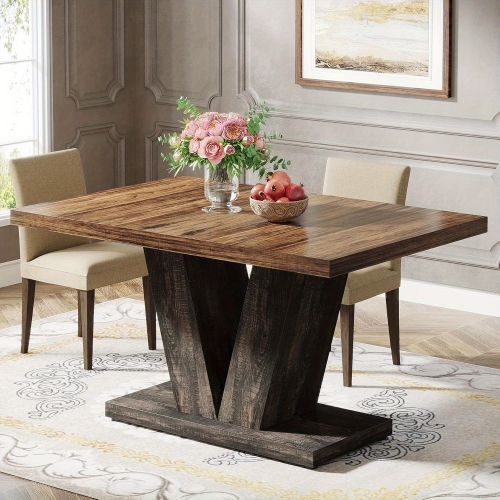
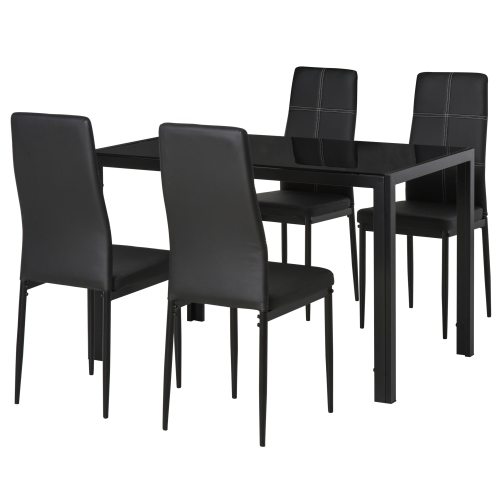
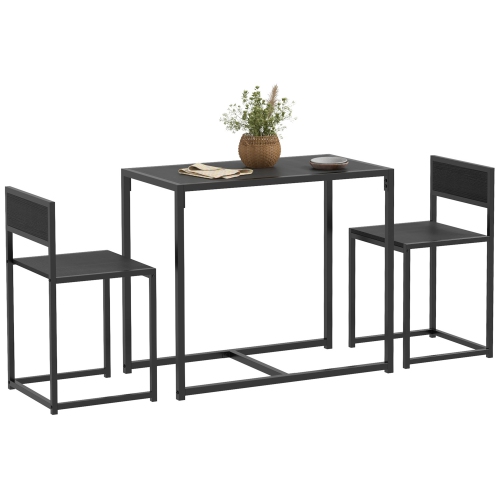
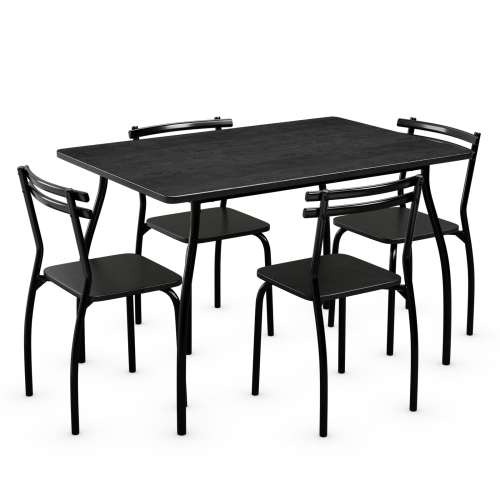
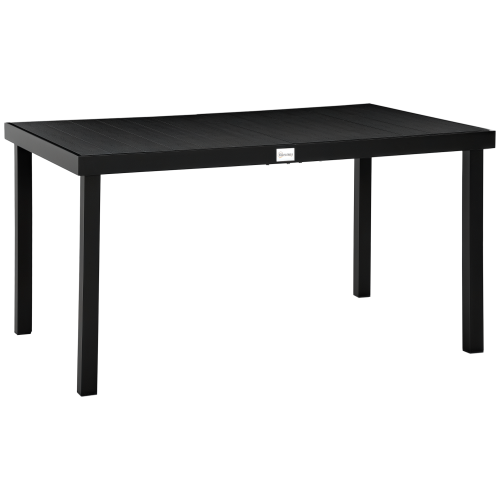
The details that soften a dark dining set
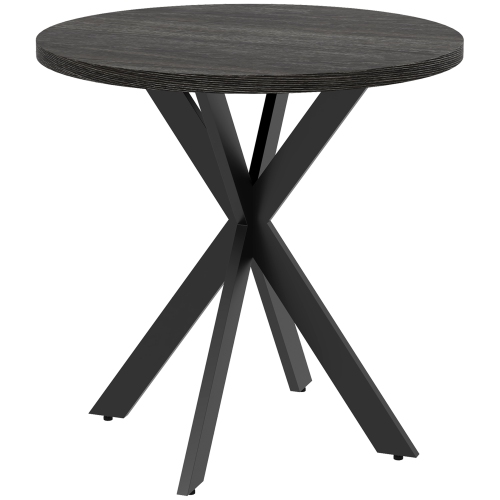
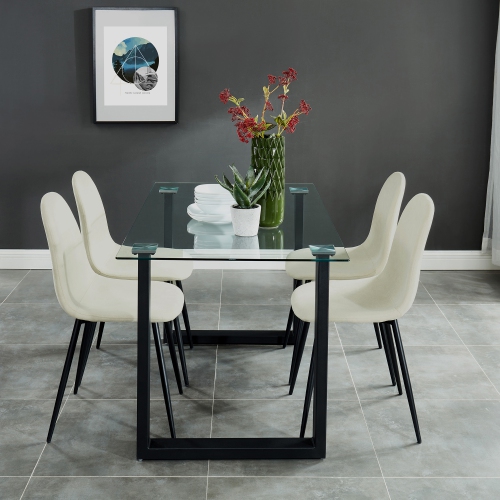
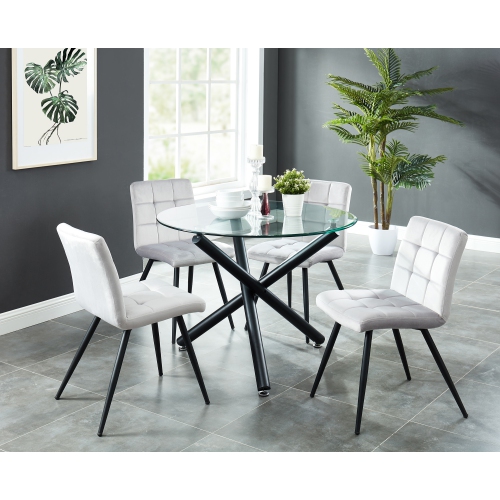
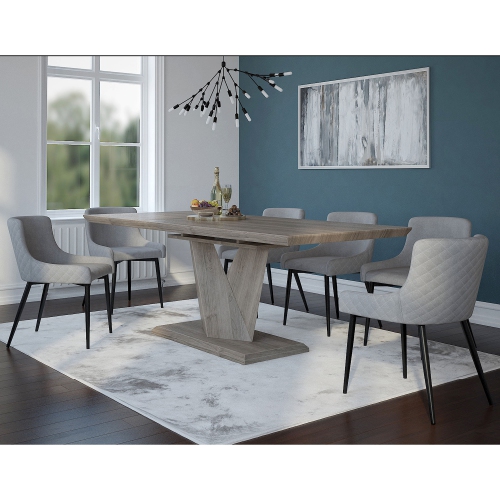
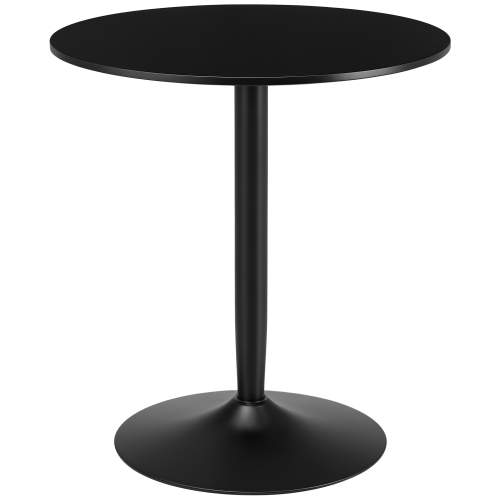
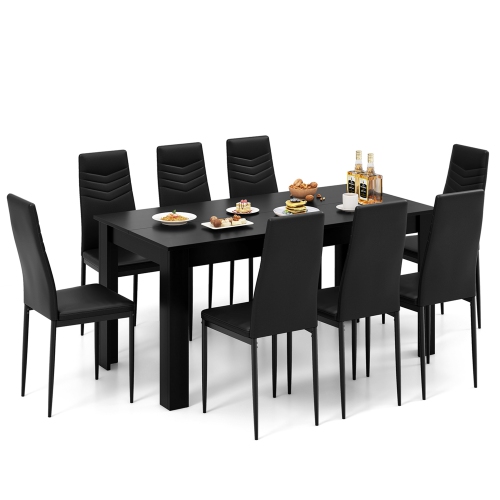
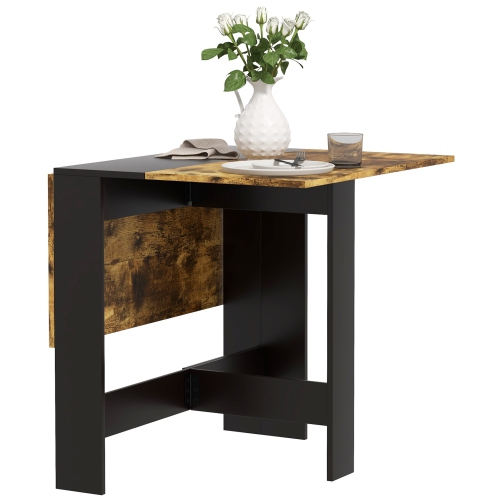
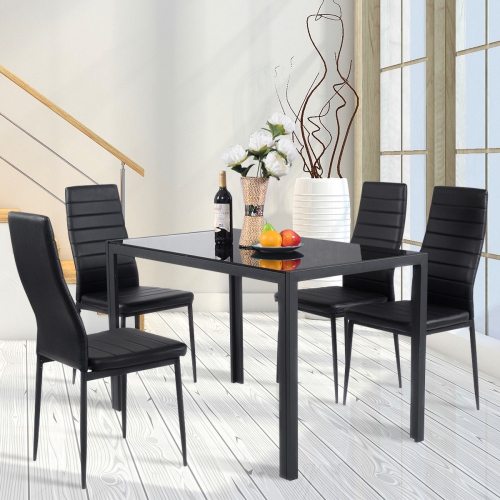
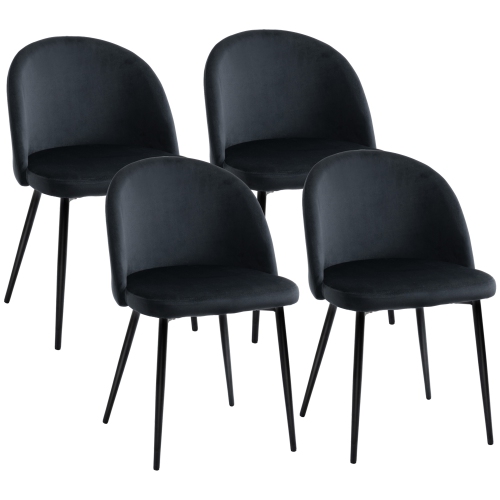
A black dining table and chairs give a dining space a clear focal point, whether the setting is a separate room, an open-plan living area, or a compact kitchen nook. Black can feel crisp and architectural against pale walls, warm alongside oak flooring, or understated among deeper colours and textured fabrics. The finish makes a difference: matte surfaces soften reflections, while glossy finishes catch the light and create a more polished look. A visible wood grain adds depth without interrupting the overall colour, and slim metal legs can keep a dark dining set from feeling too heavy in a smaller space. Matching tables and chairs create a consistent silhouette, but a coordinated arrangement does not have to look identical from every angle. A black tabletop with upholstered chairs, for example, brings softness to the seating area while retaining a strong visual connection. Chairs with curved backs can balance a rectangular table, while straight, open frames suit a simpler, more angular design. The room’s everyday role matters just as much as its appearance. A dining set might hold breakfast before work, a laptop in the afternoon, and shared dishes at dinner, so its proportions and surfaces need to support more than an occasional meal. Households that linger over dinner may value padded seats and supportive backs, while a busy kitchen eating area may be better served by easily wiped seating. For an apartment, a visually light base and chairs that tuck neatly beneath the tabletop can help the room feel less crowded. In a larger dining room, a broader table and more substantial chairs can give the arrangement an appropriate sense of scale. Other Black Dining Furniture can carry that colour through nearby storage and serving areas, with differences in texture keeping the room from feeling overly uniform. Repeating black in a cabinet handle, picture frame, or light fixture can also connect the dining area to the rest of the home without making every surface the same colour.
The most useful measure of fit is not simply whether a table fits inside a room, but whether people can sit down, move their chairs, and pass behind one another comfortably. Measuring the proposed footprint with painter’s tape makes it easier to picture how a dining set will interact with doorways, drawers, and neighbouring furniture. As a general starting point, about 36 inches between the table edge and a wall or other obstruction gives chairs room to pull out, though a busy walkway may need more space. Allowing roughly 24 inches of table edge per person helps establish a workable seating arrangement, with additional room worth considering for wide chairs or place settings. Table legs and supports can change the usable seating space considerably. A pedestal base may leave more flexibility around the edge, whereas corner legs or a low stretcher can restrict where knees and feet sit. Round tables encourage conversation across a smaller group and avoid projecting corners in a tight nook. Rectangular tables often suit longer rooms and larger households, while oval shapes combine an extended surface with curved ends. Extendable tables offer flexibility for visitors, provided there is enough clearance when the tabletop is fully opened and a suitable place to store any removable leaves. Chair dimensions deserve the same attention as the table footprint. Seat height, tabletop thickness, and the depth of the apron beneath the table all affect legroom; around 10 to 12 inches between the seat and the underside of the tabletop is a common starting point, but an apron can reduce that clearance. Armchairs also need enough space for their arms to slide underneath if tucked-in seating is important. For someone using the table for work as well as meals, back support and a comfortable seated position may matter more than a sculptural profile. A rug should extend far enough beyond the table that chair legs remain on it when the chairs are pulled out, helping prevent an awkward edge beneath the seating area.
Materials and construction shape how black dining tables and chairs feel, wear, and respond to everyday care. Solid wood brings natural variation and a substantial feel, although its finish determines much of its resistance to spills and scratches. Wood veneer offers a real-wood surface over a supporting core, but deep damage can be harder to repair because the decorative layer is thin. Engineered wood with a laminate surface can be practical for frequent use, with careful attention to seams and edges helping prevent moisture damage. Metal frames provide a different look and can support slender chair and table profiles, while the quality of joints, fasteners, and protective coatings influences long-term stability. Glass tabletops create reflections and visual openness, but fingerprints and crumbs may be more noticeable, particularly against a black base or dark surface. Upholstery introduces another set of considerations. Fabric can add texture and a softer seat, while leather and synthetic coverings have their own cleaning requirements and may respond differently to spills, friction, and household use. In homes with children, frequent guests, or pets, accessible corners, manageable chair weight, and surfaces suited to regular cleaning can make daily routines easier. Black finishes do not all hide wear equally: pale dust, dried water marks, and scratches that expose a lighter layer underneath may stand out. A soft cloth and a cleaning method approved for the particular material are safer starting points than abrasive pads or a general-purpose spray. Promptly wiping spills, using coasters and trivets, and placing protective pads beneath serving pieces help preserve the tabletop without preventing normal use. Chair glides should suit the flooring and be checked for trapped grit, while assembled furniture benefits from occasional checks for loose fittings in line with its care instructions. Durability also comes from choosing a set that suits the household rather than appearance alone. A steady table, comfortable chairs, and a finish that fits the daily cleaning routine make a black dining set a welcoming place for quick meals, unhurried conversations, and the ordinary activities that gather people around a table.
The most useful measure of fit is not simply whether a table fits inside a room, but whether people can sit down, move their chairs, and pass behind one another comfortably. Measuring the proposed footprint with painter’s tape makes it easier to picture how a dining set will interact with doorways, drawers, and neighbouring furniture. As a general starting point, about 36 inches between the table edge and a wall or other obstruction gives chairs room to pull out, though a busy walkway may need more space. Allowing roughly 24 inches of table edge per person helps establish a workable seating arrangement, with additional room worth considering for wide chairs or place settings. Table legs and supports can change the usable seating space considerably. A pedestal base may leave more flexibility around the edge, whereas corner legs or a low stretcher can restrict where knees and feet sit. Round tables encourage conversation across a smaller group and avoid projecting corners in a tight nook. Rectangular tables often suit longer rooms and larger households, while oval shapes combine an extended surface with curved ends. Extendable tables offer flexibility for visitors, provided there is enough clearance when the tabletop is fully opened and a suitable place to store any removable leaves. Chair dimensions deserve the same attention as the table footprint. Seat height, tabletop thickness, and the depth of the apron beneath the table all affect legroom; around 10 to 12 inches between the seat and the underside of the tabletop is a common starting point, but an apron can reduce that clearance. Armchairs also need enough space for their arms to slide underneath if tucked-in seating is important. For someone using the table for work as well as meals, back support and a comfortable seated position may matter more than a sculptural profile. A rug should extend far enough beyond the table that chair legs remain on it when the chairs are pulled out, helping prevent an awkward edge beneath the seating area.
Materials and construction shape how black dining tables and chairs feel, wear, and respond to everyday care. Solid wood brings natural variation and a substantial feel, although its finish determines much of its resistance to spills and scratches. Wood veneer offers a real-wood surface over a supporting core, but deep damage can be harder to repair because the decorative layer is thin. Engineered wood with a laminate surface can be practical for frequent use, with careful attention to seams and edges helping prevent moisture damage. Metal frames provide a different look and can support slender chair and table profiles, while the quality of joints, fasteners, and protective coatings influences long-term stability. Glass tabletops create reflections and visual openness, but fingerprints and crumbs may be more noticeable, particularly against a black base or dark surface. Upholstery introduces another set of considerations. Fabric can add texture and a softer seat, while leather and synthetic coverings have their own cleaning requirements and may respond differently to spills, friction, and household use. In homes with children, frequent guests, or pets, accessible corners, manageable chair weight, and surfaces suited to regular cleaning can make daily routines easier. Black finishes do not all hide wear equally: pale dust, dried water marks, and scratches that expose a lighter layer underneath may stand out. A soft cloth and a cleaning method approved for the particular material are safer starting points than abrasive pads or a general-purpose spray. Promptly wiping spills, using coasters and trivets, and placing protective pads beneath serving pieces help preserve the tabletop without preventing normal use. Chair glides should suit the flooring and be checked for trapped grit, while assembled furniture benefits from occasional checks for loose fittings in line with its care instructions. Durability also comes from choosing a set that suits the household rather than appearance alone. A steady table, comfortable chairs, and a finish that fits the daily cleaning routine make a black dining set a welcoming place for quick meals, unhurried conversations, and the ordinary activities that gather people around a table.
Top selling and popular products
-
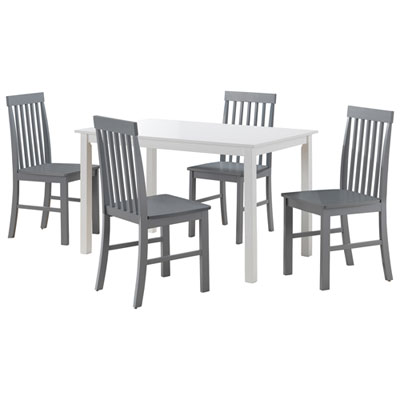 Your price for this item is $872.99
 -
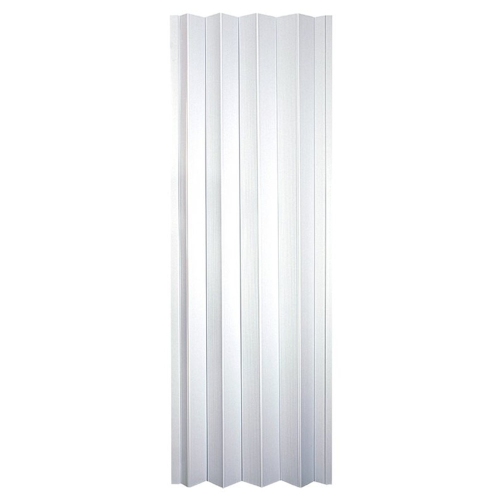 Your price for this item is $197.99
 -
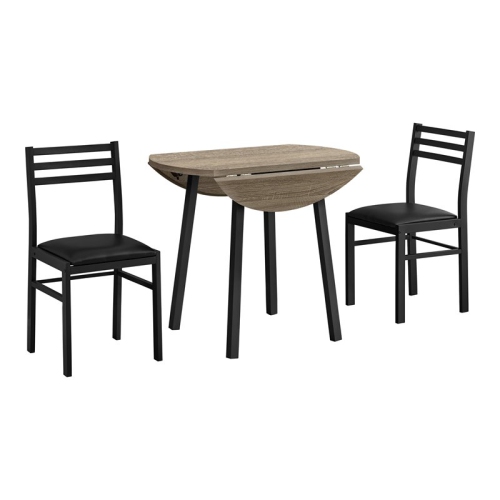 Your price for this item is $219.97
 -
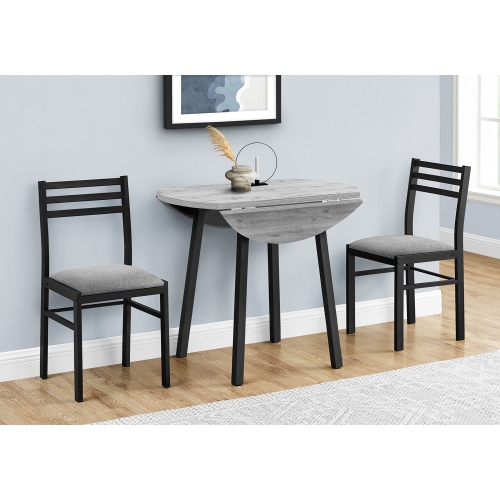 Your price for this item is $219.97
 -
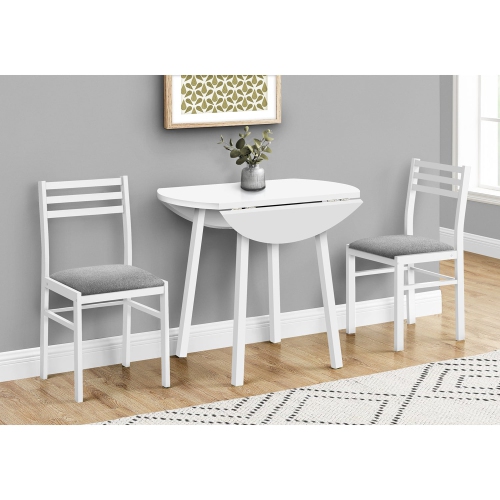 Your price for this item is $219.97
 -
 Your price for this item is $325.99
 -
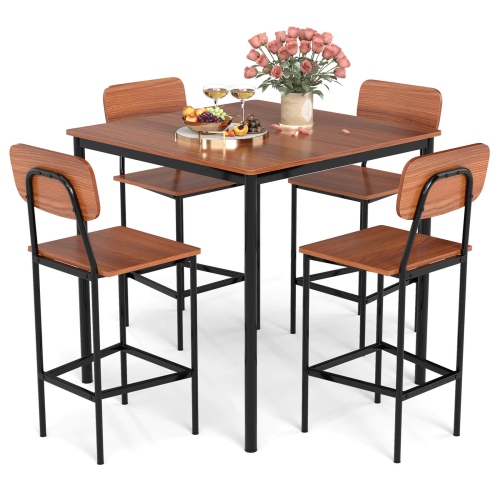 Your price for this item is $265.99
 -
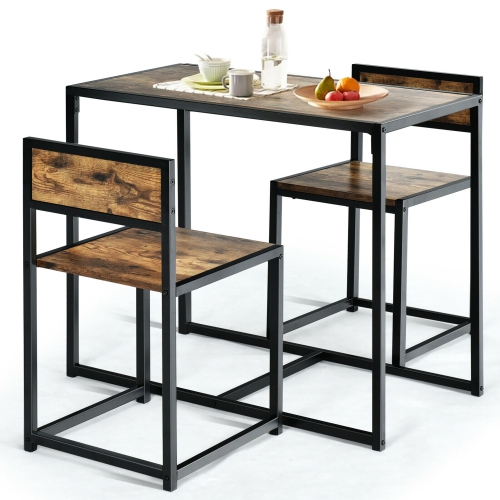 Your price for this item is $149.99
Discover more categories related to Black Dining Table And Chairs
Top Collections:
Pokemon Centers, Kindle Devices, Best Budget Office Chairs, Apple iPhones 16, Best Laptops for Writers, iPhone 15 Apple, Canon G7X Cameras, Refurbished Apple Laptops, Alarm Clock, Motorola Razr Phones
Some products may be subject to Environmental Handling Fees
(EHF) depending on your province.
Learn more about EHFs.