Black Vanity Lights
Enhance the ambiance of your space with our stunning selection of black vanity lights. Designed to add a touch of sophistication and style, these sleek fixtures effortlessly blend functionality with modern aesthetics. Whether you're looking to update your bathroom, bedroom, or almost any other area in need of an illuminating upgrade, black vanity lights offer a versatile and elegant solution. Here are some great options available.
Sort

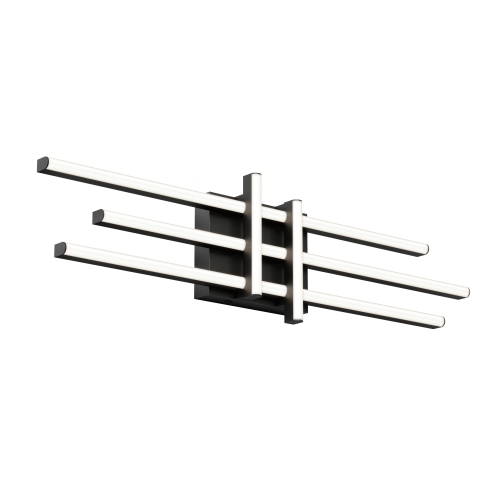
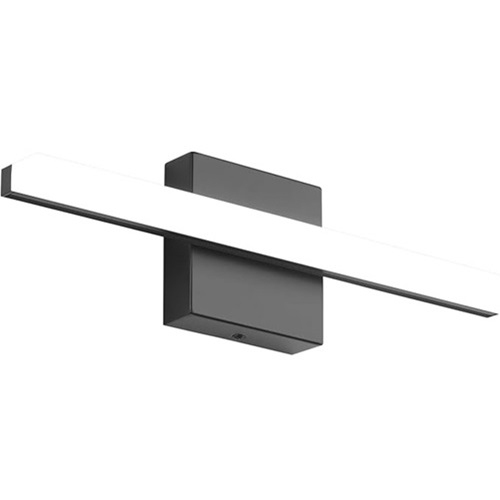
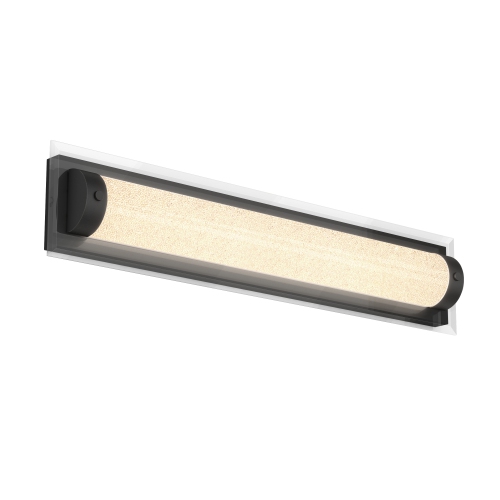
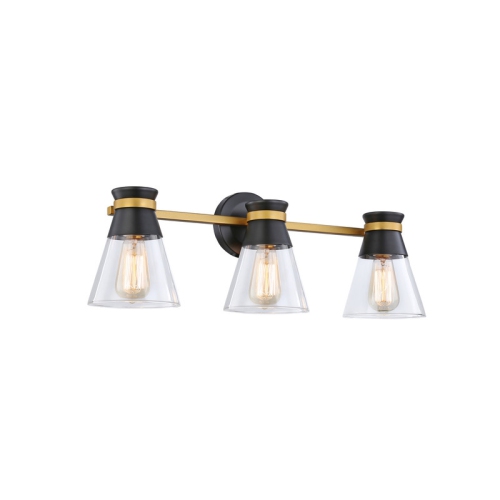
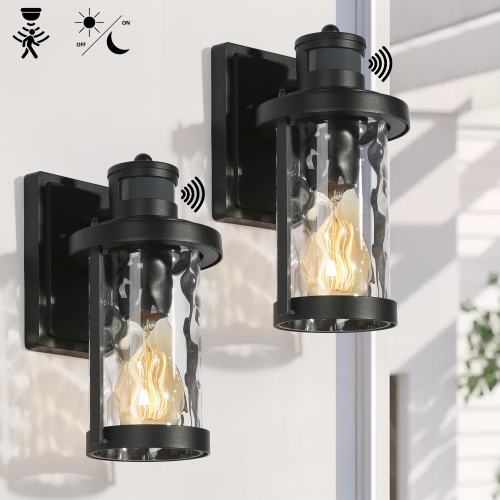
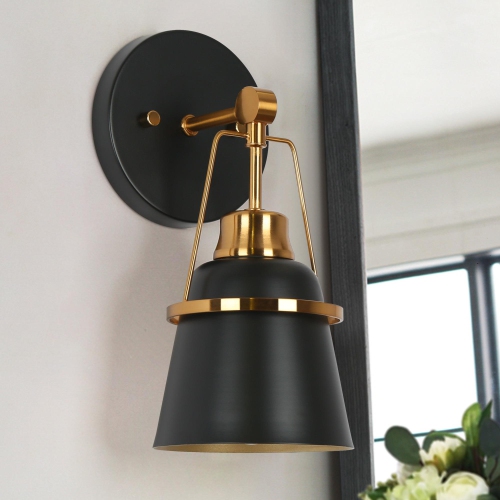
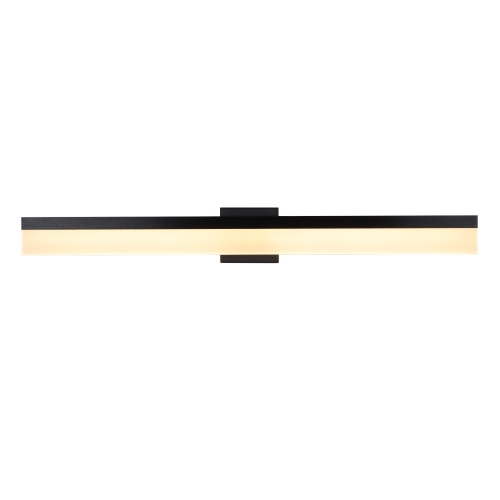
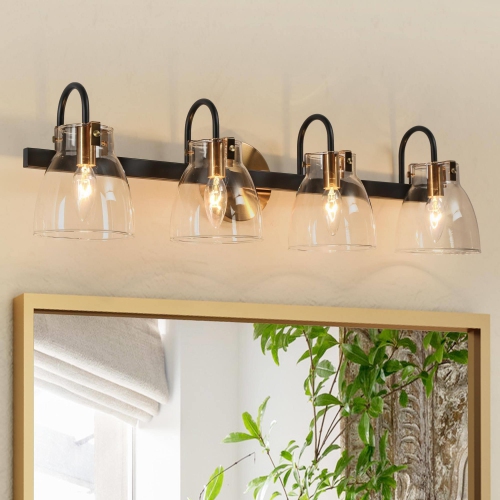
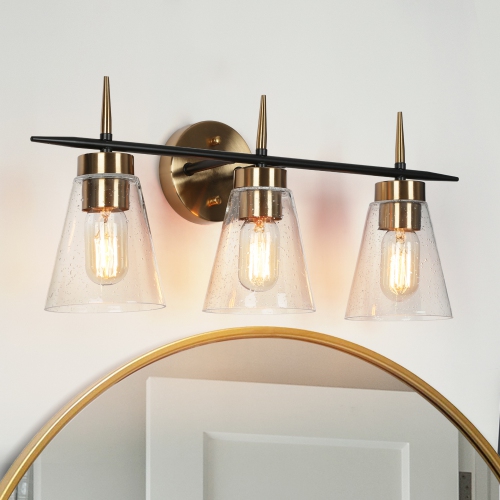
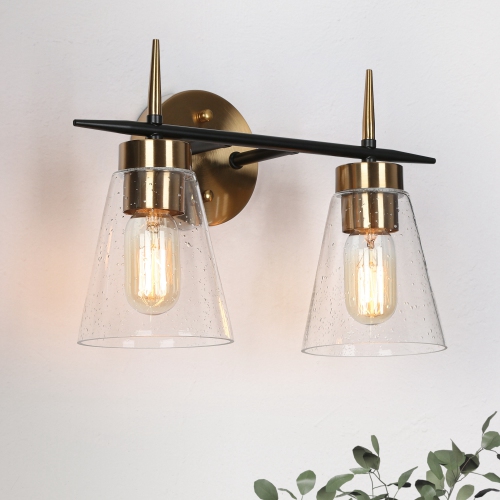
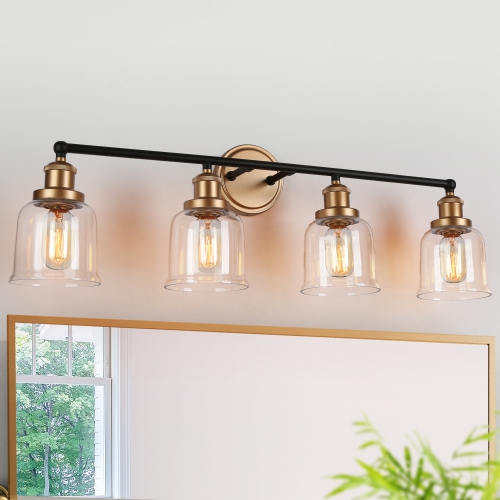
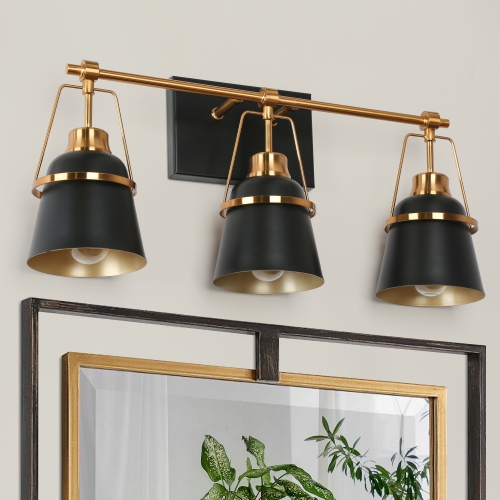
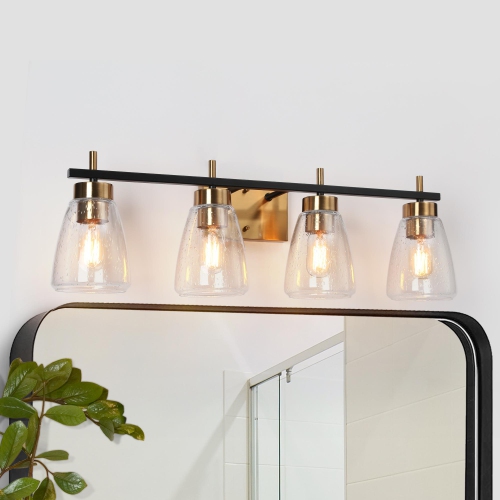
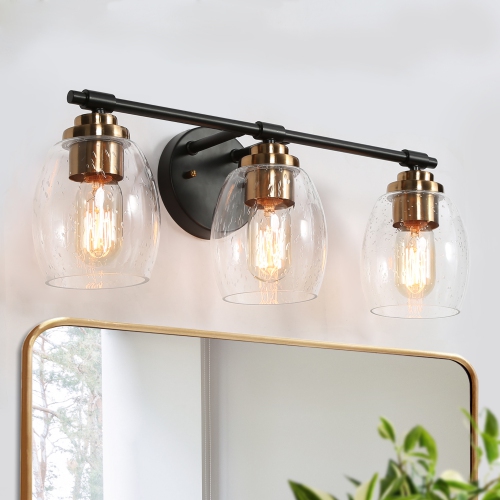
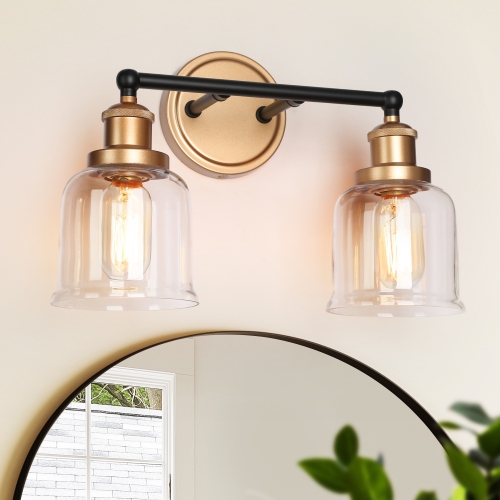
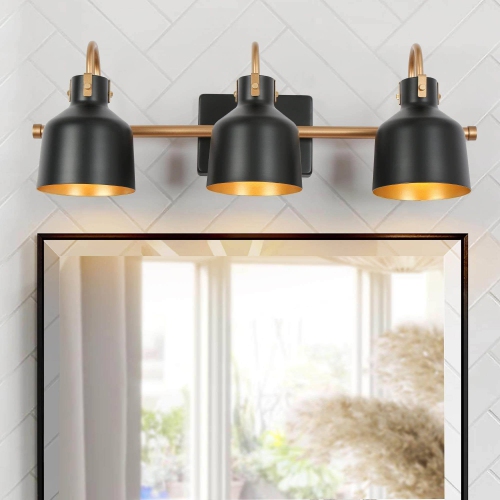

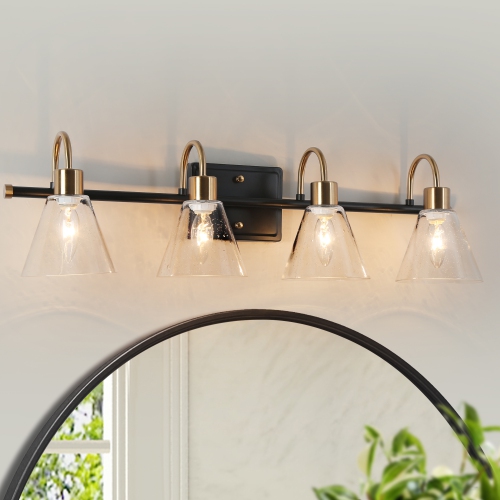
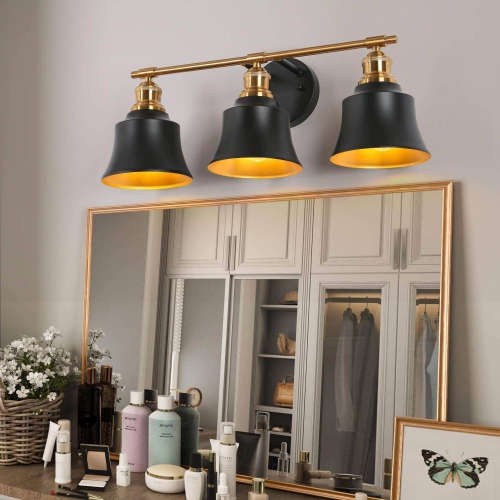
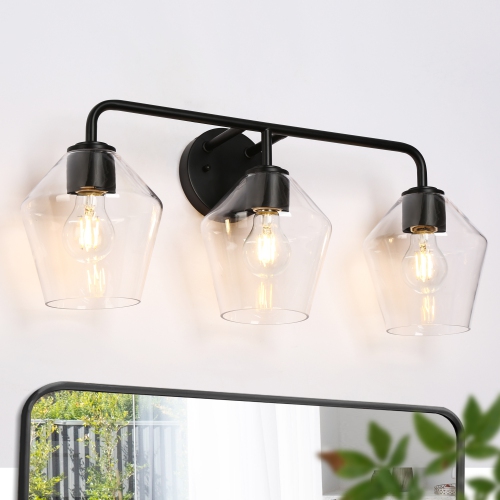
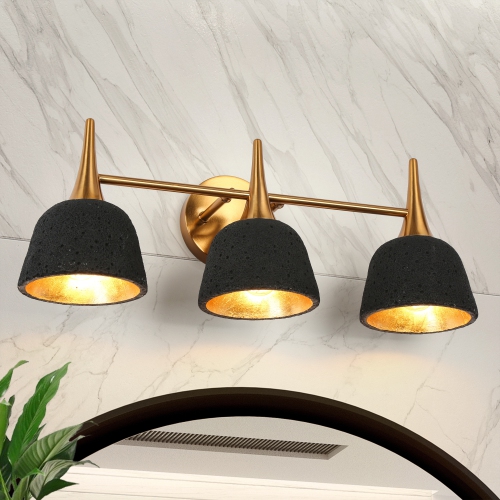
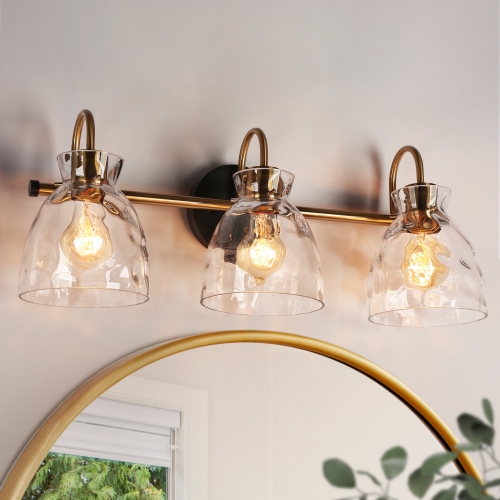
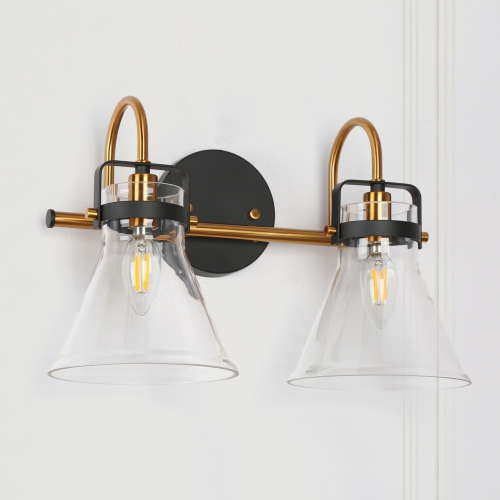
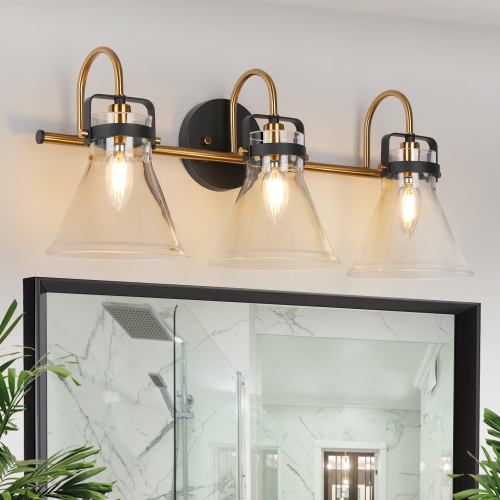
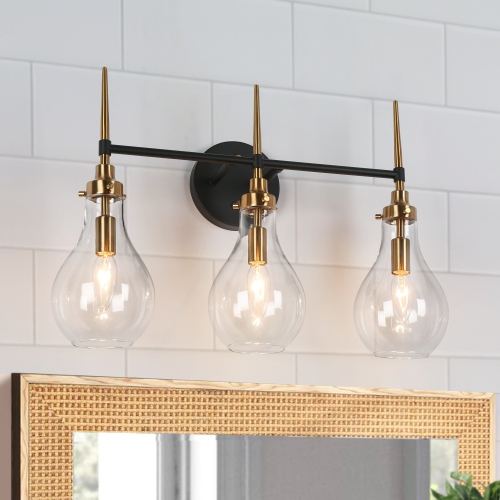
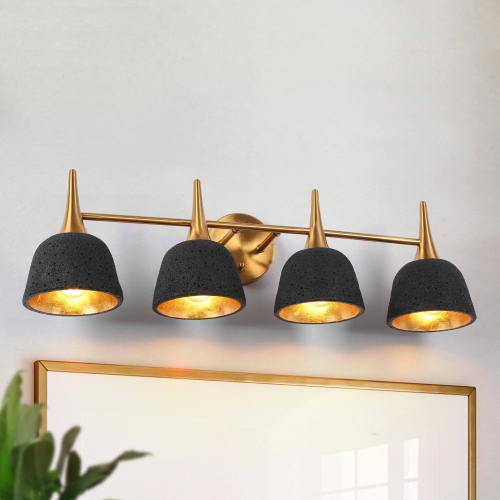
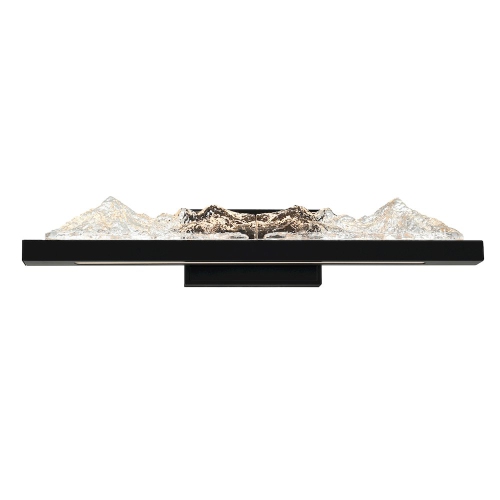
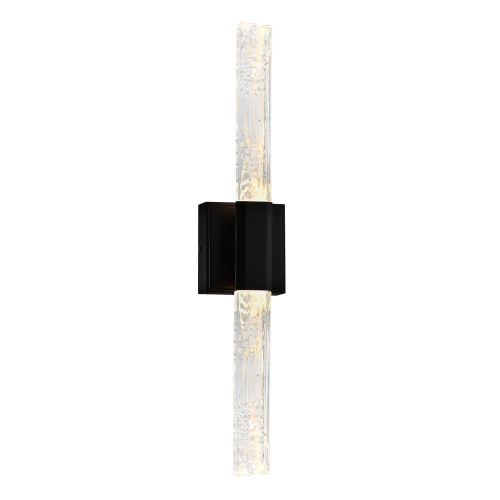
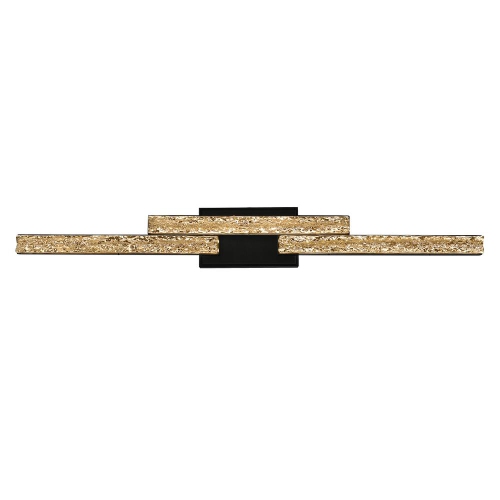
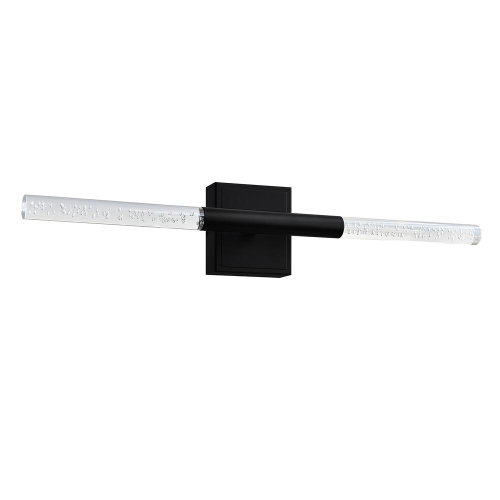
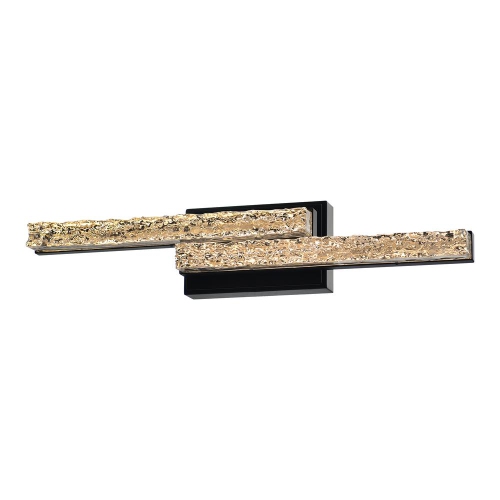
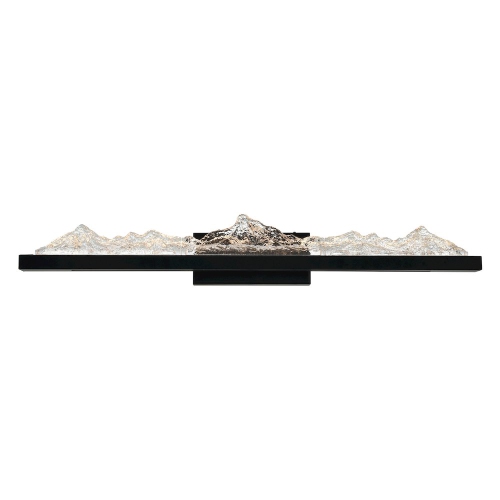
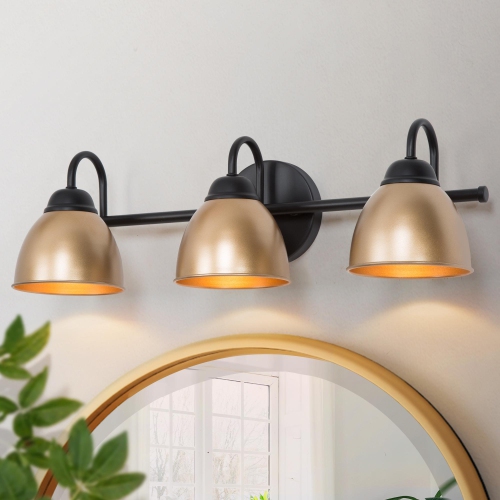
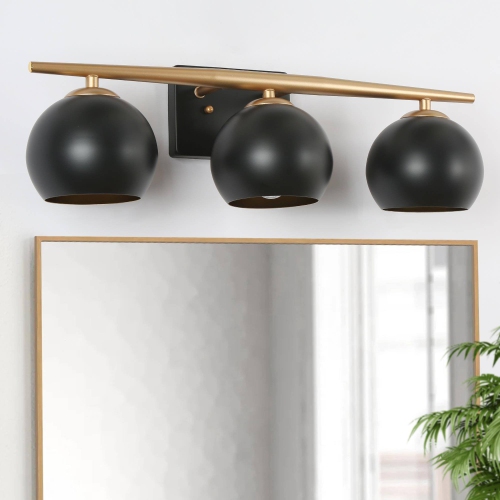
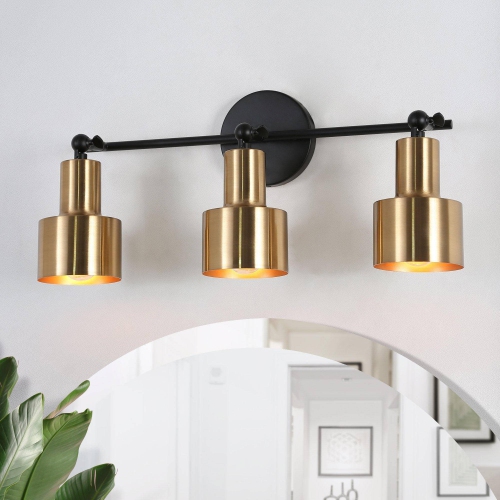
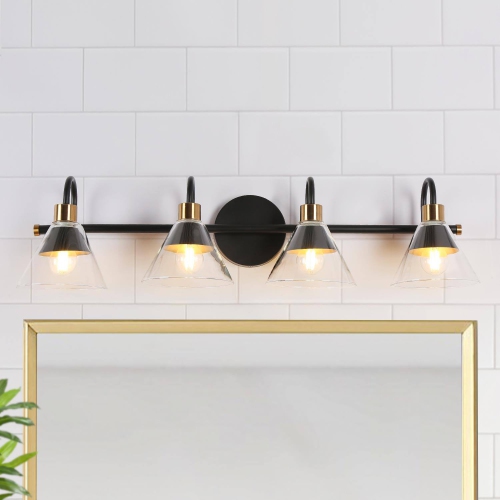

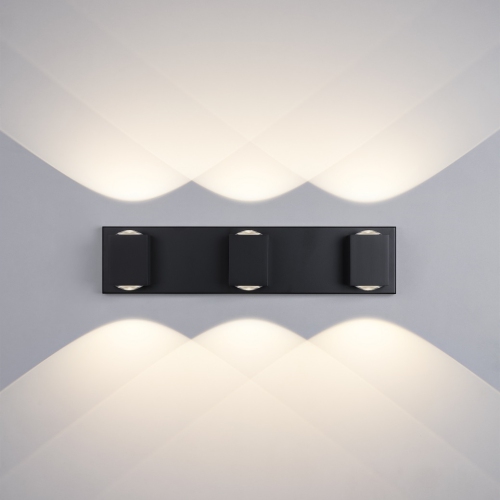
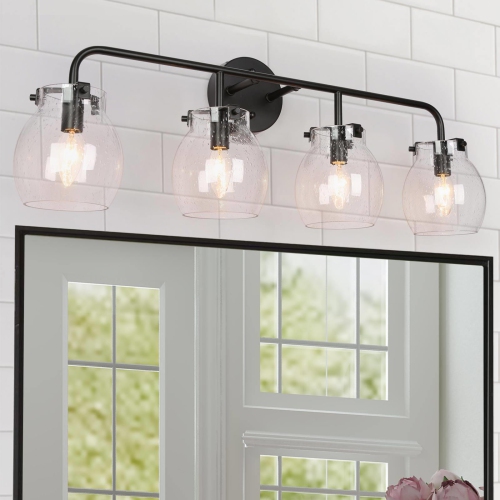
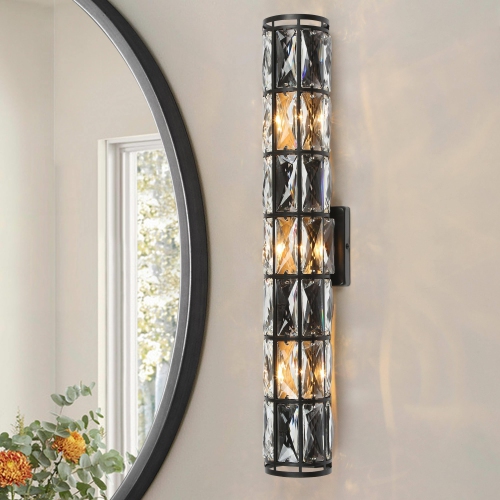
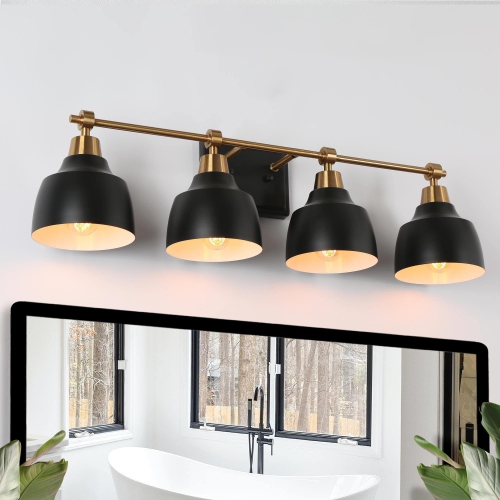
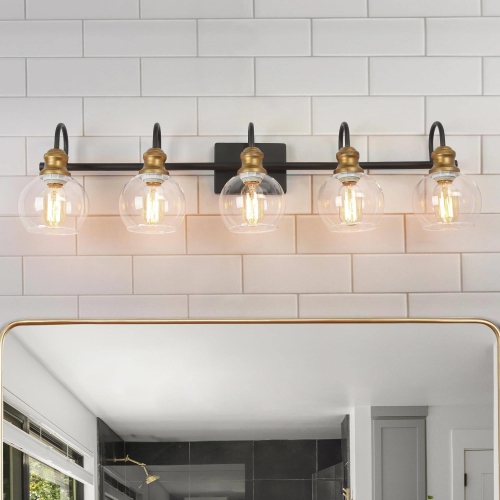
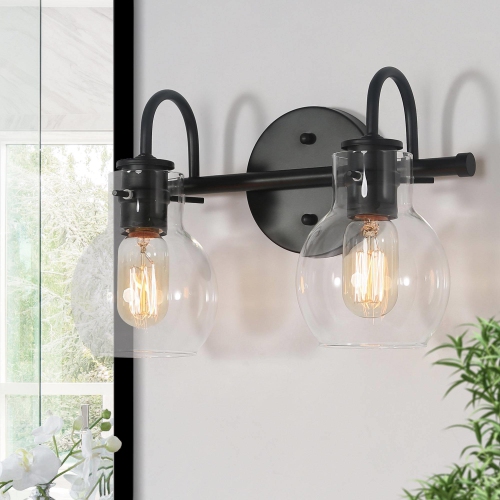
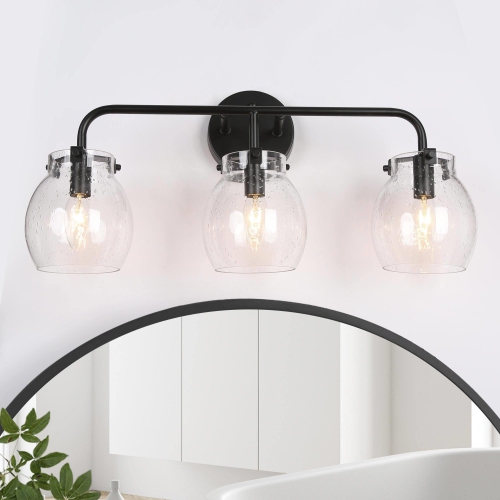
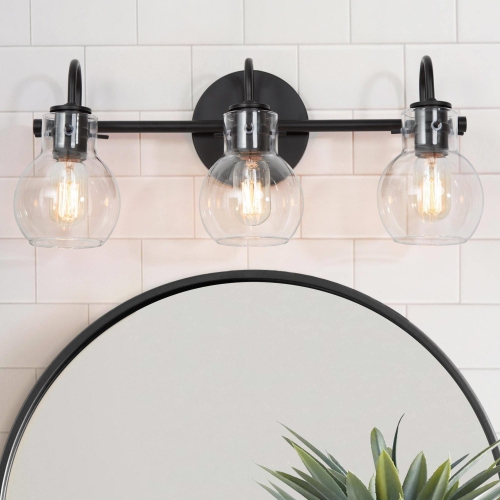
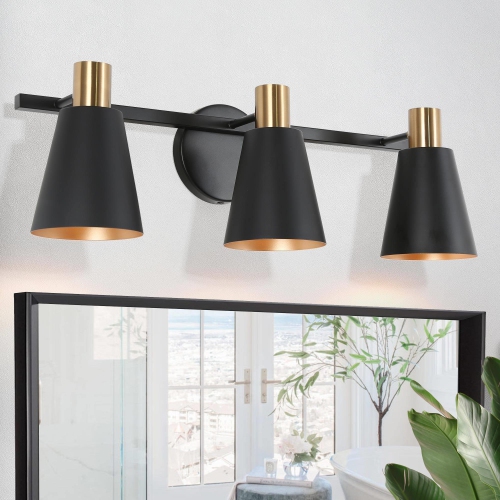

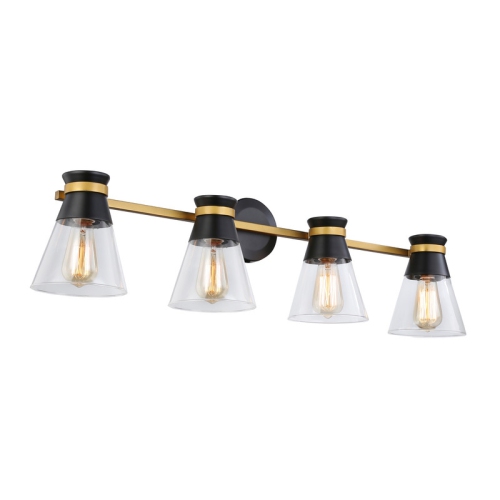
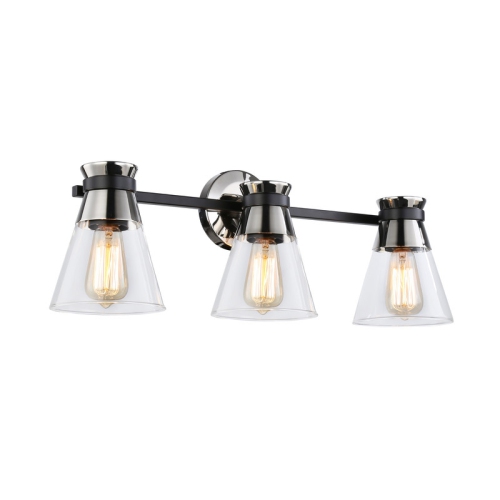
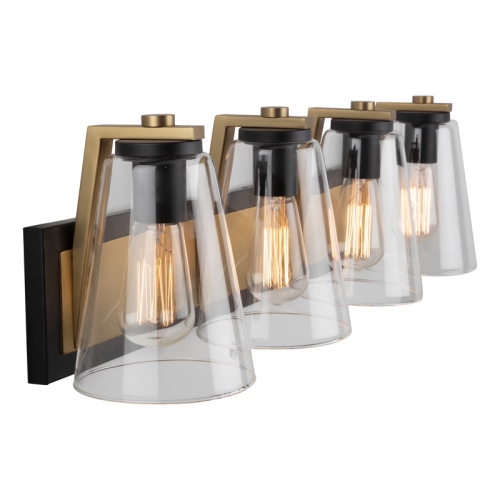
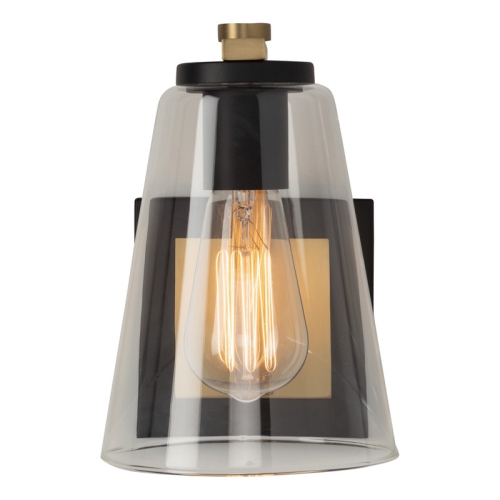
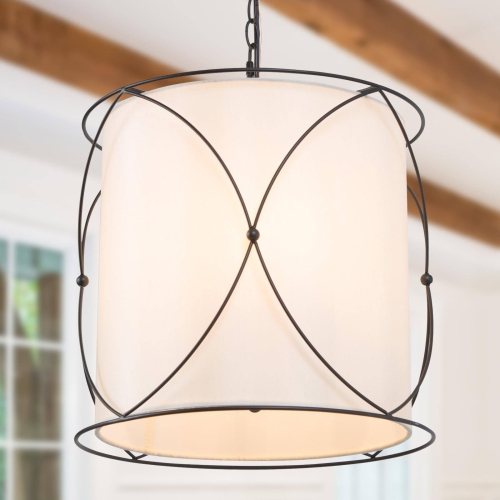
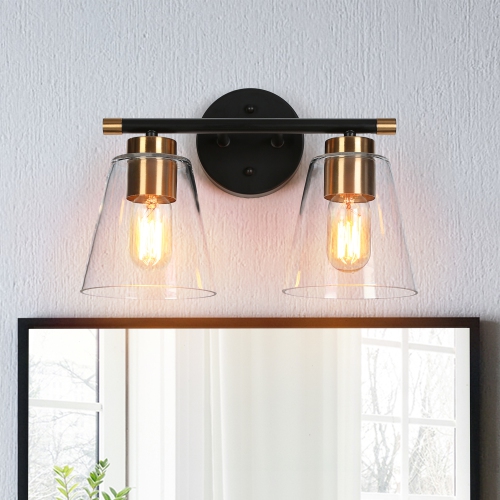
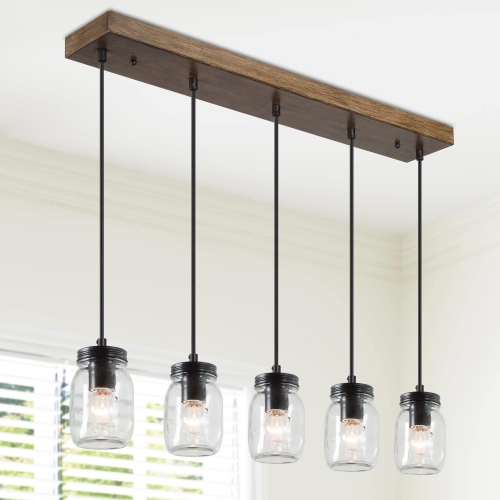
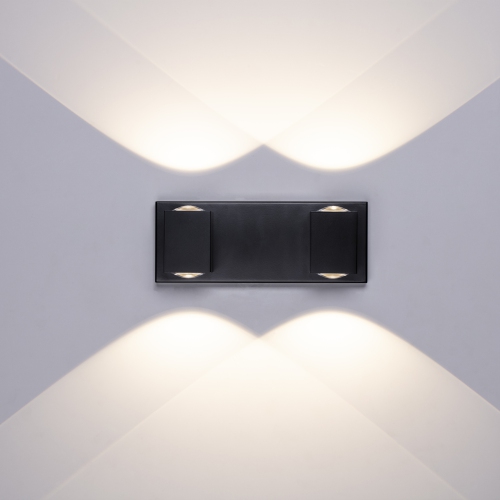

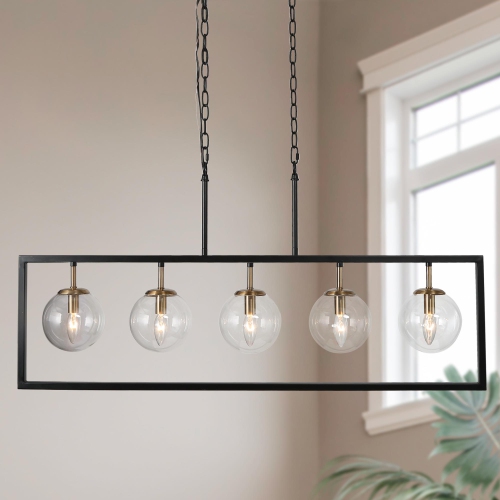
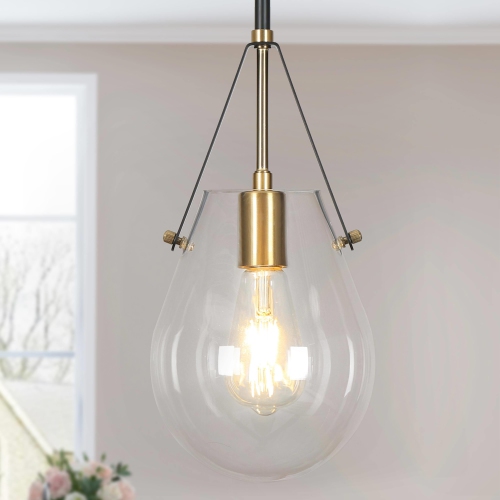
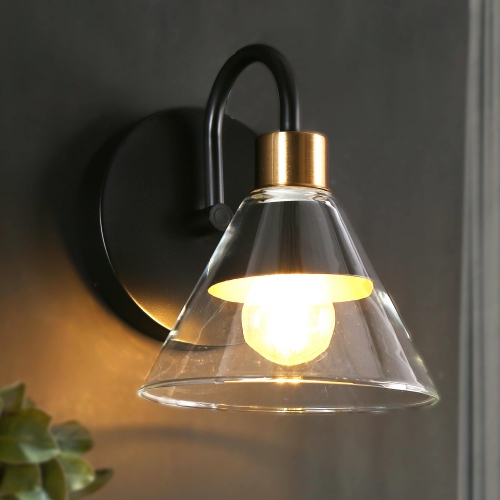
Dark finishes that define the space around your mirror
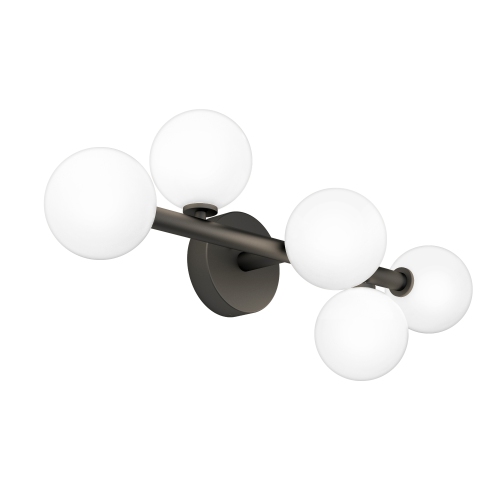
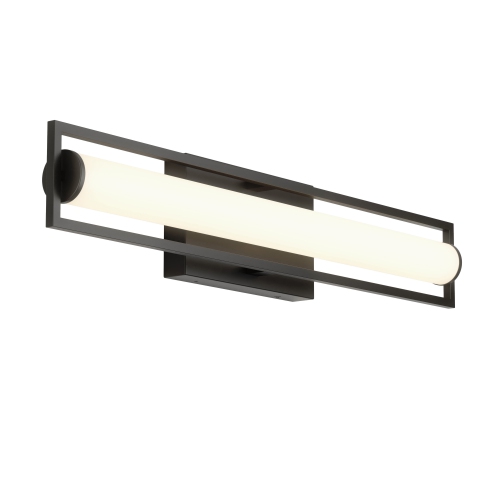
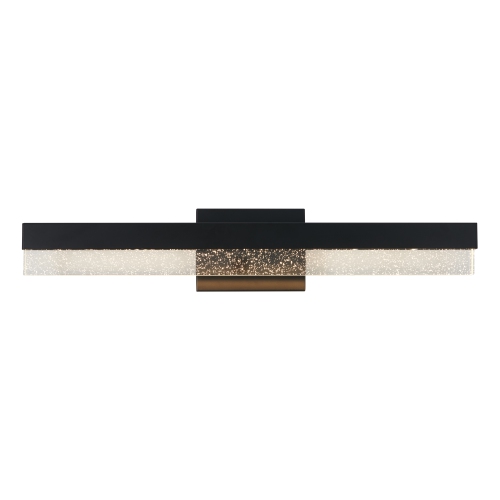
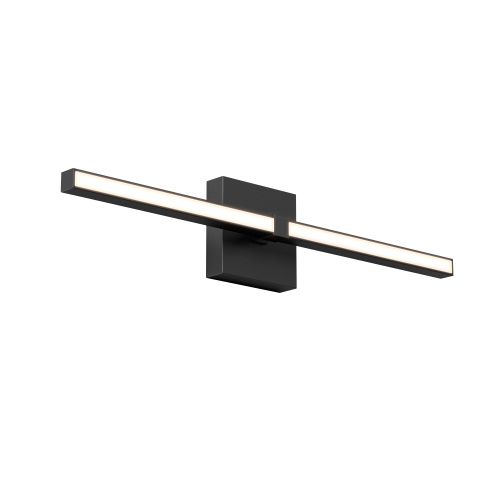
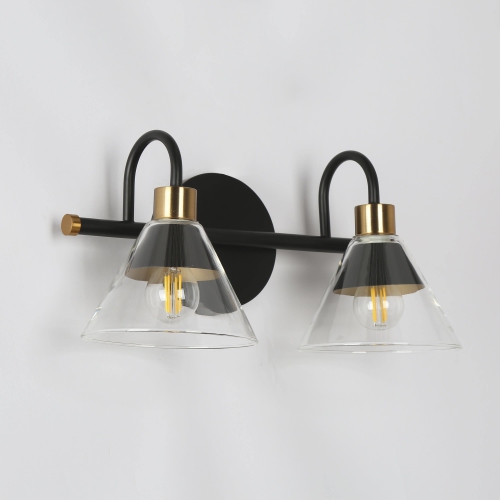
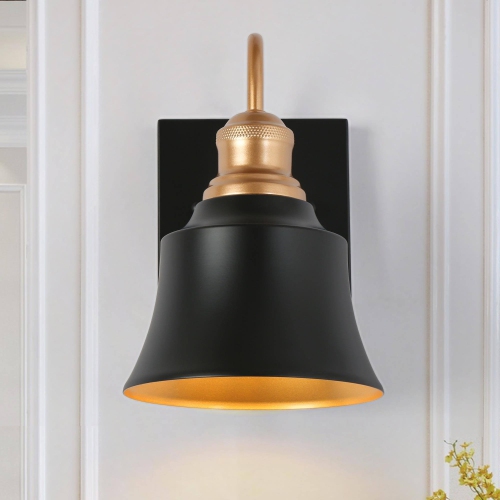
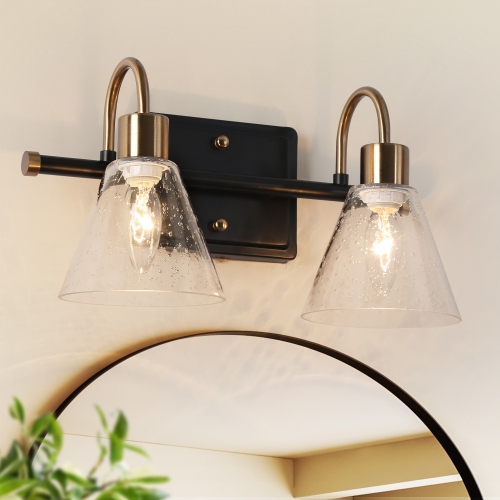
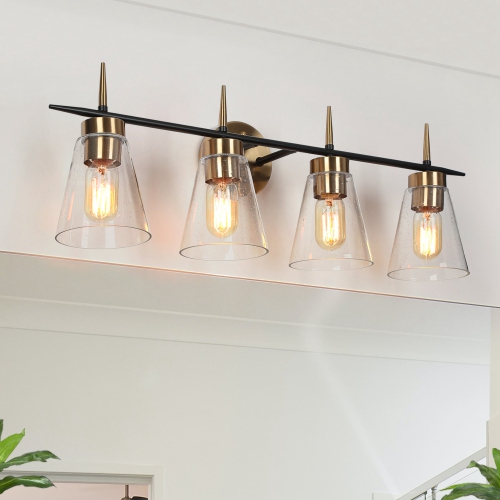
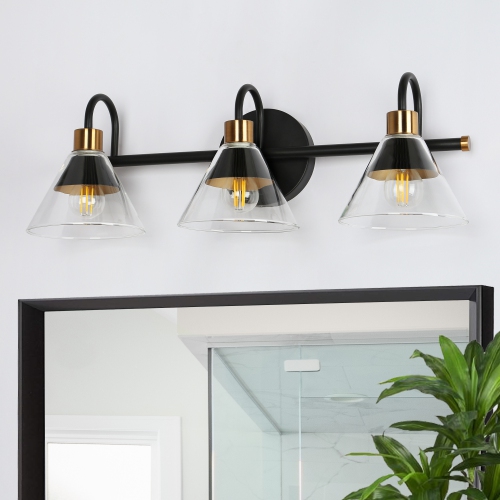
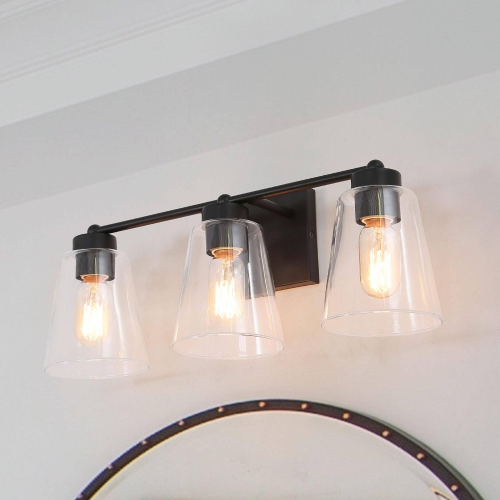
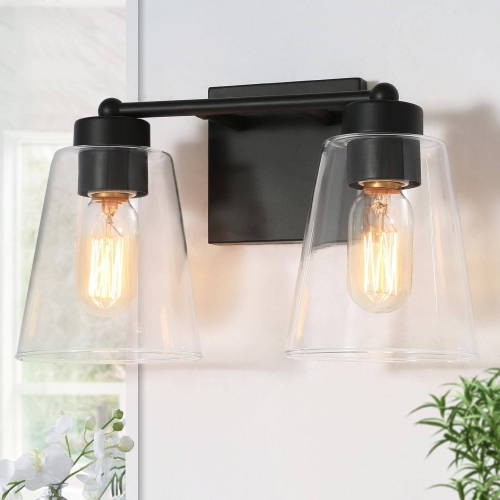
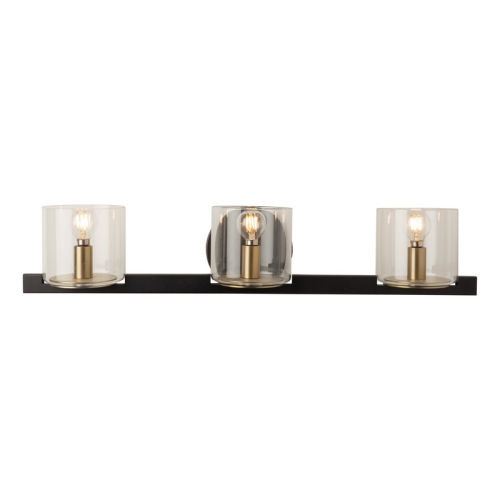
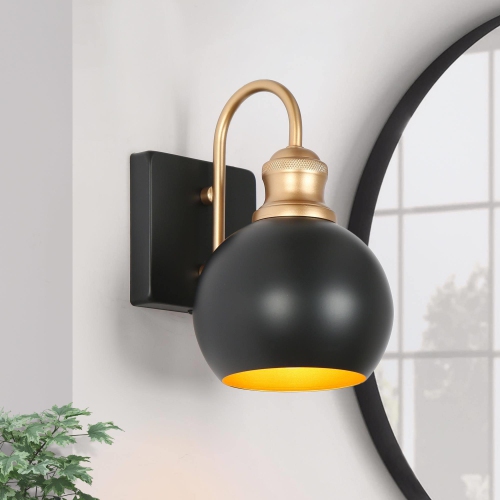
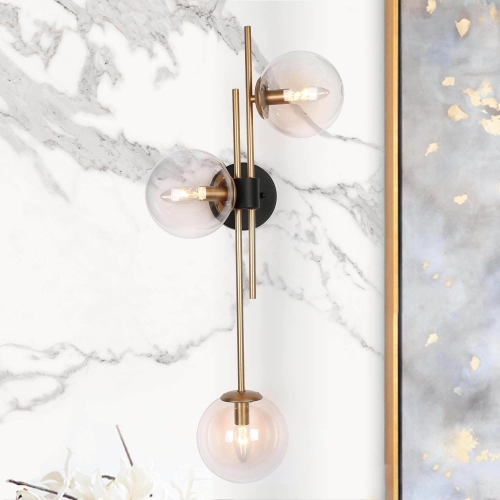
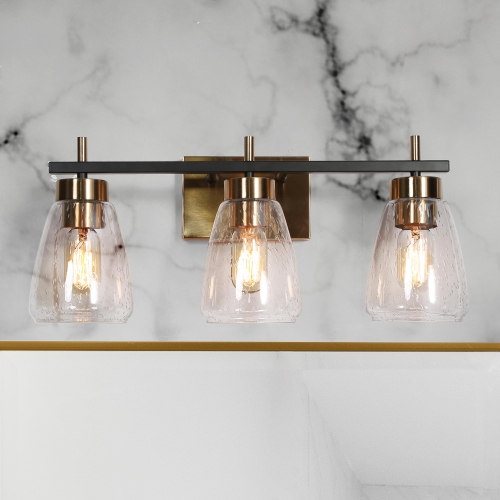
Black vanity lights bring definition to the space around a mirror, adding a dark outline that can feel crisp and architectural or soft and understated, depending on the shape of the fixture. Against a white wall, a black frame creates clear contrast; beside charcoal tile or a dark-painted vanity, it becomes part of a more layered palette. The finish works comfortably with pale oak, walnut, marble-look surfaces, textured tile, and simple painted cabinetry, making it a versatile choice for bathrooms, powder rooms, and dedicated dressing areas. Matte black tends to have a muted appearance, while satin and glossy finishes catch more reflected light and can make the fixture a stronger focal point. Shapes matter just as much as finish. A straight bar with evenly spaced shades can reinforce the clean lines of a rectangular mirror, while rounded glass shades soften angular cabinetry. Open metal frames and visible bulbs lend a more industrial character, whereas slim profiles and diffused light suit a quieter, more streamlined space. Clear glass keeps the structure visually light and leaves the bulb visible, so bulb shape and brightness become part of the overall look. Frosted or opal glass obscures the light source and spreads light more gently, which can be especially welcome at close range. Black lighting does not need to match every fitting in the room exactly. It can connect with a black mirror frame, cabinet pulls, or shower hardware, or provide a deliberate contrast to brushed metal taps. Repeating the finish in a few details can help the room feel cohesive without making every surface identical. Within the wider range of Bath Vanity Lights, black finishes offer a distinctive way to frame the mirror while leaving room for different cabinet colours, wall treatments, and accessories. Their appeal extends from compact guest bathrooms to shared family spaces where the lighting needs to look considered and support everyday routines.
The best fit depends on the relationship between the light, mirror, vanity, and people using the space. A fixture can look balanced in a photograph yet feel too wide over a narrow mirror or project too far into a shallow room. Overall width, backplate dimensions, shade depth, and clearance around nearby cabinets all deserve attention. Above a mirrored medicine cabinet, for example, the light must leave enough room for the door to open without touching a shade. An existing electrical box also affects placement: a larger backplate may cover marks left by an older fitting, but it does not automatically resolve an awkward mounting position. Over-mirror bars are useful where wall space is limited, while a pair of side-mounted lights can illuminate the face more evenly when the layout allows. In a double-vanity bathroom, separate lighting centred on each mirror can give each person a more defined area for shaving, applying makeup, or getting ready. Brightness should support those close-up tasks without creating uncomfortable glare. A row of exposed bulbs may feel much brighter at eye level than a shaded fixture with similar light output, so the way the light is distributed matters alongside its lumen rating. Colour temperature affects how the room appears, too: warmer light can make wood tones feel inviting, while a more neutral white can provide a clearer look at facial details. Good colour rendering helps skin tones, clothing, and cosmetics appear more natural. Dimming adds flexibility for a shared bathroom or a dressing area, provided the bulbs or integrated light source are compatible with the dimmer. Fixtures with replaceable bulbs allow changes within the manufacturer's stated bulb type and wattage limits; integrated LED designs have a built-in light source, so their stated brightness, colour temperature, and service options are worth checking carefully. A black shade with an opaque exterior may direct most of its light through the opening rather than around the room. For that reason, vanity lighting often works best alongside ceiling lighting rather than being expected to illuminate the entire bathroom on its own.
Materials and construction influence how black vanity lights hold up to daily use as well as how they look once installed. Metal frames may use steel, aluminium, or other materials, and the black surface may be painted, powder-coated, or finished by another process. A well-applied finish should look consistent across the backplate, arms, and visible fasteners, with neatly finished edges and secure shade fittings. Powder coating can provide a durable surface, but no finish is immune to scratches, harsh cleaning products, or prolonged moisture exposure. Bathroom suitability must come from the fixture's stated rating, not its colour or appearance. Damp-location and wet-location ratings are different, and placement near a bath or shower needs to meet the applicable requirements for that location. Hardwired installation is best handled by a qualified electrician who can confirm the mounting, wiring, and any local electrical requirements. Some fixtures permit shades to face upward or downward, while others are designed for one orientation only; following the installation instructions protects both intended performance and safety. Everyday care is usually straightforward once the power is off and the fixture has cooled. A soft, dry or lightly dampened cloth can lift dust and marks from many black finishes, although the manufacturer's cleaning directions should take priority. Abrasive pads and strong cleaners can alter the sheen or damage the coating, and cleaning liquid should not be sprayed into sockets or electrical components. Clear glass may show droplets and fingerprints more readily than textured or frosted glass, while intricate cages and narrow gaps take longer to dust than smooth, open shapes. Removable shades can make cleaning easier when they are designed to be taken off safely. For a busy household, accessible bulbs, securely attached glass, and uncomplicated surfaces can be as valuable as an appealing silhouette. Whether the setting is a frequently used family bathroom, a small powder room, or a personal grooming space, well-proportioned black vanity lighting combines a strong visual detail with practical illumination for the routines that happen at the mirror every day.
The best fit depends on the relationship between the light, mirror, vanity, and people using the space. A fixture can look balanced in a photograph yet feel too wide over a narrow mirror or project too far into a shallow room. Overall width, backplate dimensions, shade depth, and clearance around nearby cabinets all deserve attention. Above a mirrored medicine cabinet, for example, the light must leave enough room for the door to open without touching a shade. An existing electrical box also affects placement: a larger backplate may cover marks left by an older fitting, but it does not automatically resolve an awkward mounting position. Over-mirror bars are useful where wall space is limited, while a pair of side-mounted lights can illuminate the face more evenly when the layout allows. In a double-vanity bathroom, separate lighting centred on each mirror can give each person a more defined area for shaving, applying makeup, or getting ready. Brightness should support those close-up tasks without creating uncomfortable glare. A row of exposed bulbs may feel much brighter at eye level than a shaded fixture with similar light output, so the way the light is distributed matters alongside its lumen rating. Colour temperature affects how the room appears, too: warmer light can make wood tones feel inviting, while a more neutral white can provide a clearer look at facial details. Good colour rendering helps skin tones, clothing, and cosmetics appear more natural. Dimming adds flexibility for a shared bathroom or a dressing area, provided the bulbs or integrated light source are compatible with the dimmer. Fixtures with replaceable bulbs allow changes within the manufacturer's stated bulb type and wattage limits; integrated LED designs have a built-in light source, so their stated brightness, colour temperature, and service options are worth checking carefully. A black shade with an opaque exterior may direct most of its light through the opening rather than around the room. For that reason, vanity lighting often works best alongside ceiling lighting rather than being expected to illuminate the entire bathroom on its own.
Materials and construction influence how black vanity lights hold up to daily use as well as how they look once installed. Metal frames may use steel, aluminium, or other materials, and the black surface may be painted, powder-coated, or finished by another process. A well-applied finish should look consistent across the backplate, arms, and visible fasteners, with neatly finished edges and secure shade fittings. Powder coating can provide a durable surface, but no finish is immune to scratches, harsh cleaning products, or prolonged moisture exposure. Bathroom suitability must come from the fixture's stated rating, not its colour or appearance. Damp-location and wet-location ratings are different, and placement near a bath or shower needs to meet the applicable requirements for that location. Hardwired installation is best handled by a qualified electrician who can confirm the mounting, wiring, and any local electrical requirements. Some fixtures permit shades to face upward or downward, while others are designed for one orientation only; following the installation instructions protects both intended performance and safety. Everyday care is usually straightforward once the power is off and the fixture has cooled. A soft, dry or lightly dampened cloth can lift dust and marks from many black finishes, although the manufacturer's cleaning directions should take priority. Abrasive pads and strong cleaners can alter the sheen or damage the coating, and cleaning liquid should not be sprayed into sockets or electrical components. Clear glass may show droplets and fingerprints more readily than textured or frosted glass, while intricate cages and narrow gaps take longer to dust than smooth, open shapes. Removable shades can make cleaning easier when they are designed to be taken off safely. For a busy household, accessible bulbs, securely attached glass, and uncomplicated surfaces can be as valuable as an appealing silhouette. Whether the setting is a frequently used family bathroom, a small powder room, or a personal grooming space, well-proportioned black vanity lighting combines a strong visual detail with practical illumination for the routines that happen at the mirror every day.
Top selling and popular products
-
 Your price for this item is $99.99
 -
 Your price for this item is $419.99
 -
 Your price for this item is $159
 -
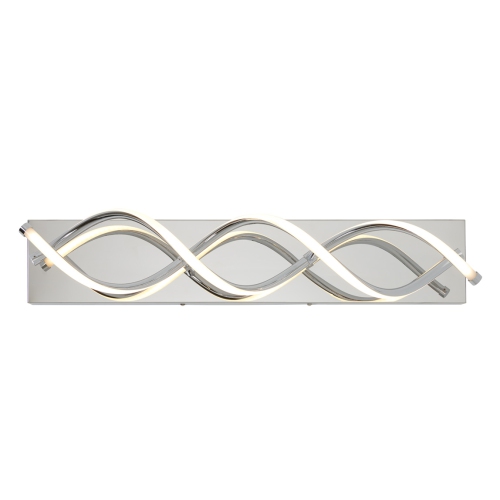 Your price for this item is $169.99
 -
 Your price for this item is $49.99
 -
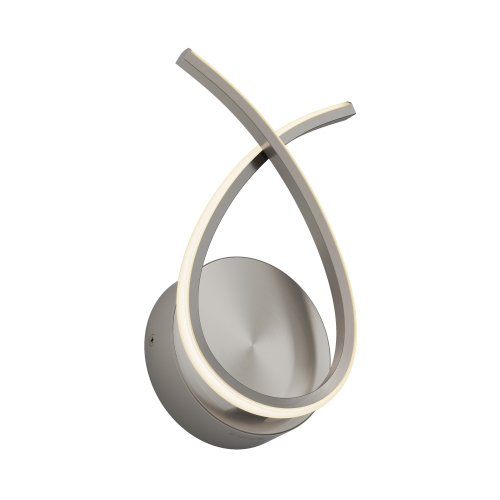 Your price for this item is $59.99
 -
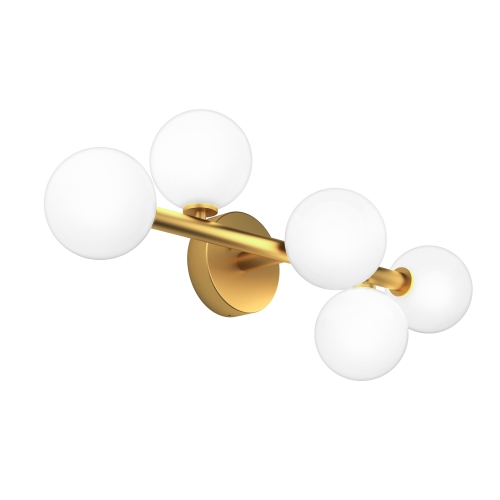 Your price for this item is $139
 -
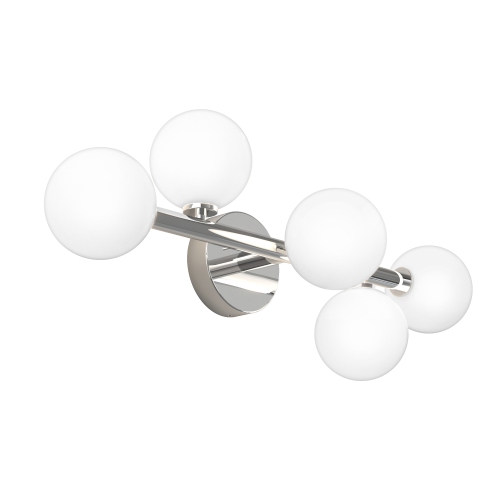 Your price for this item is $139
Discover more categories related to Black Vanity Lights
Top Collections:
Pokemon Centers, Kindle Devices, Best Budget Office Chairs, Apple iPhones 16, Best Laptops for Writers, iPhone 15 Apple, Canon G7X Cameras, Refurbished Apple Laptops, Alarm Clock, Motorola Razr Phones
Some products may be subject to Environmental Handling Fees
(EHF) depending on your province.
Learn more about EHFs.