Blackout Curtains With Rings
Blackout Curtains With Rings offer a stylish and practical solution for enhancing comfort and privacy in any room. Designed for easy installation, these curtains combine functionality with a sleek look that complements a variety of home décor styles. Whether you're updating your bedroom, living room, or office, Blackout Curtains With Rings provide an effective way to create a cozy atmosphere while adding a touch of elegance to your space. Explore a wide selection to find the perfect fit for your windows and enjoy an upgraded home environment.
Sort
How ring styles and curtain fit affect light blocking
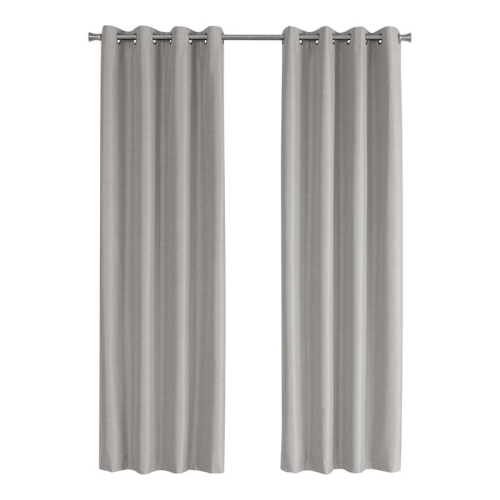
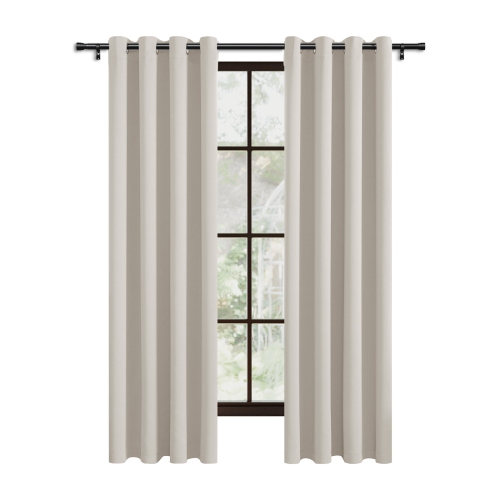
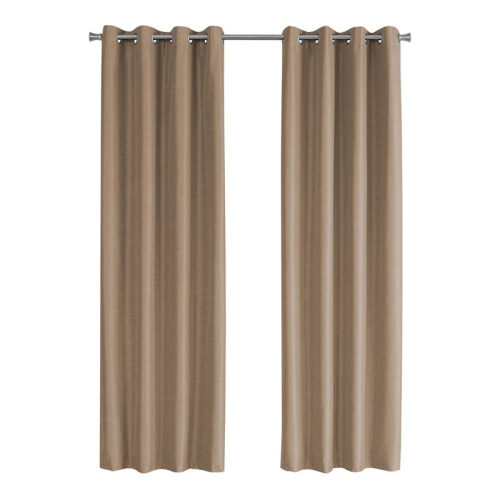
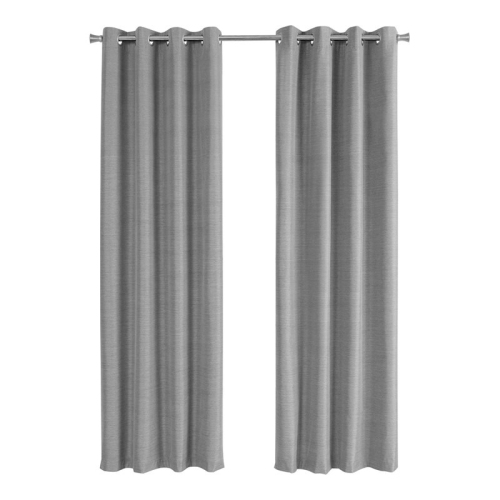
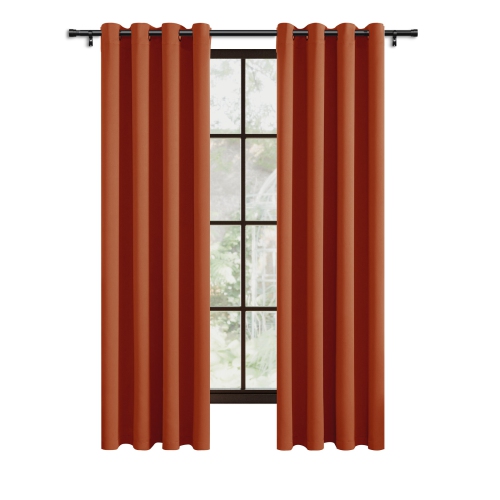
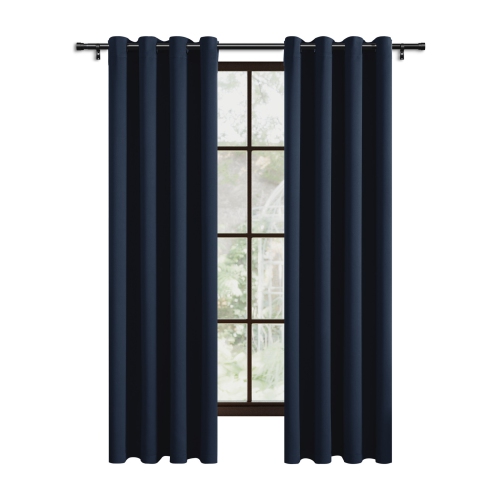
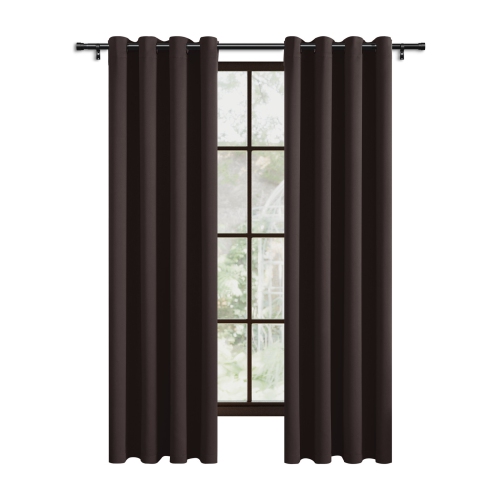
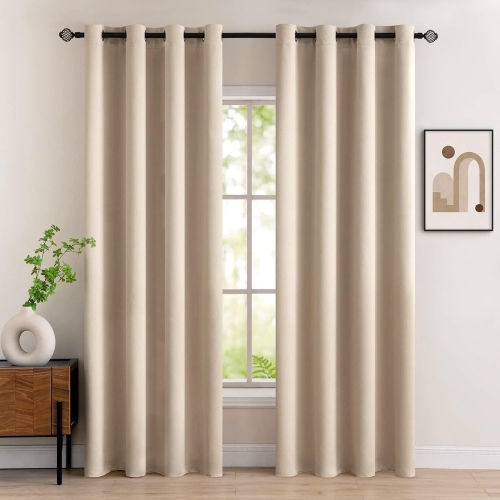
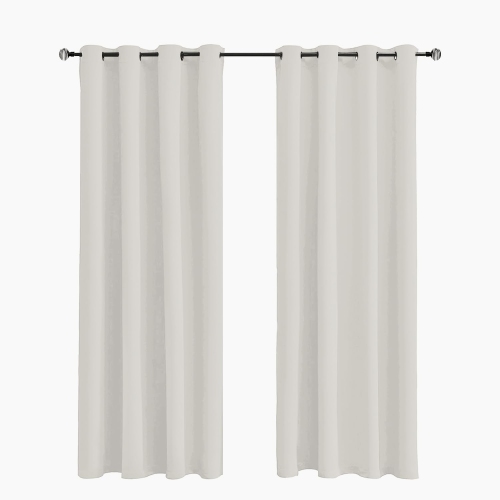
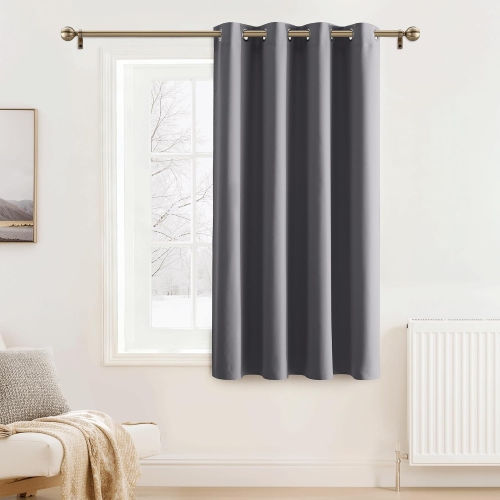
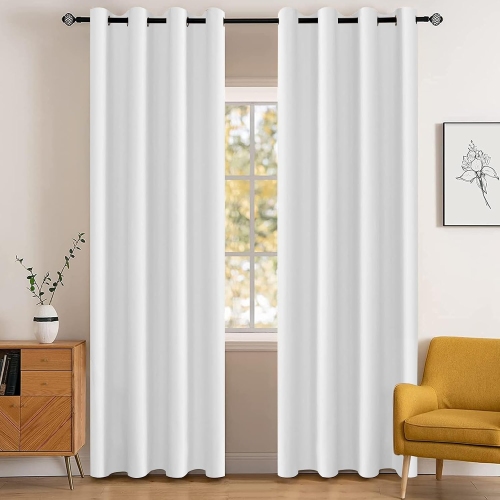
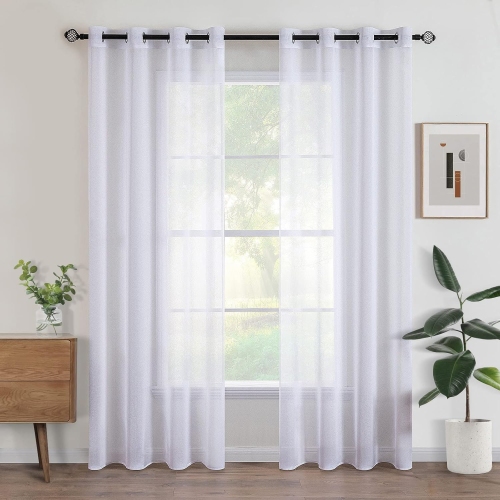
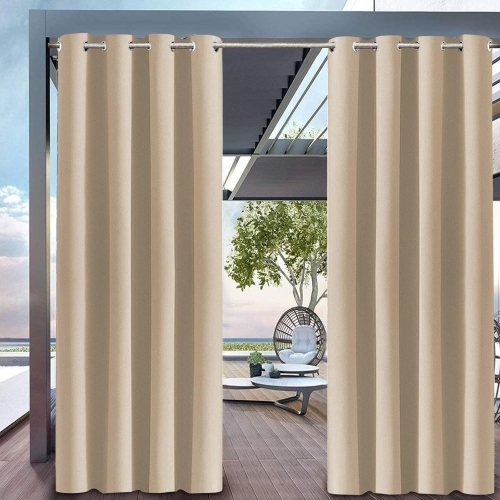
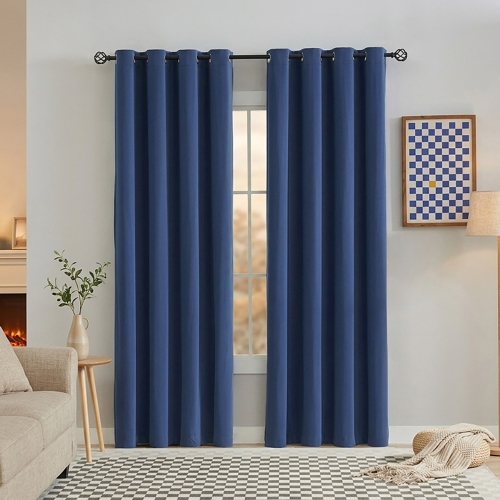
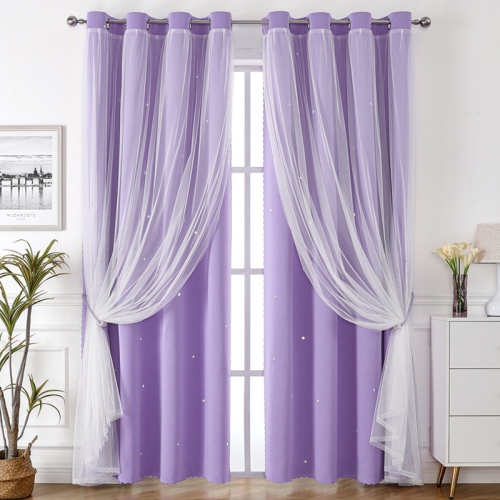
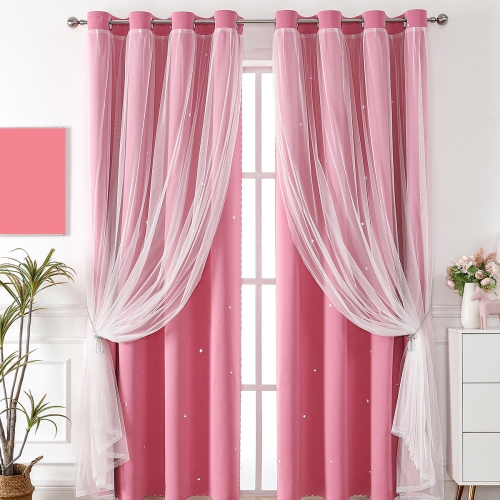
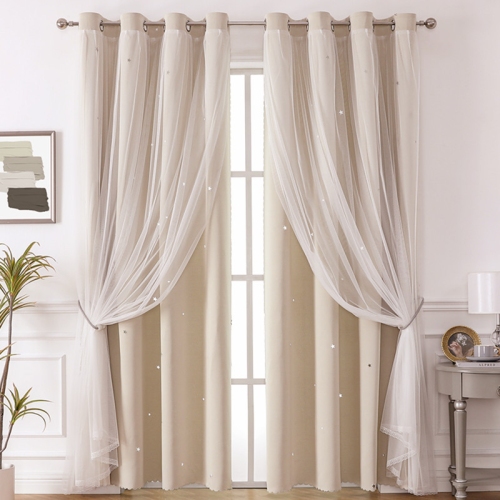
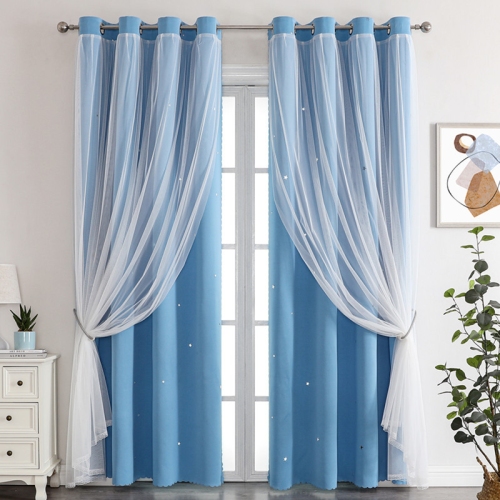
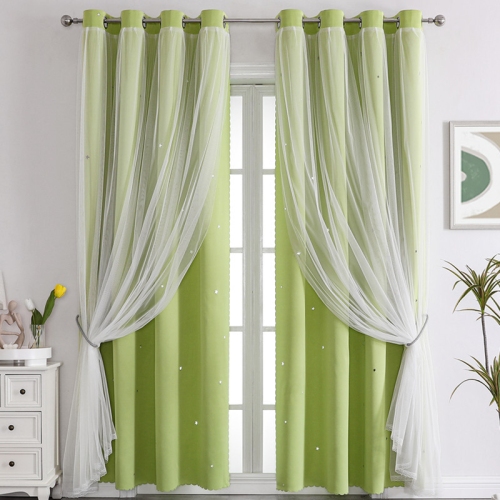
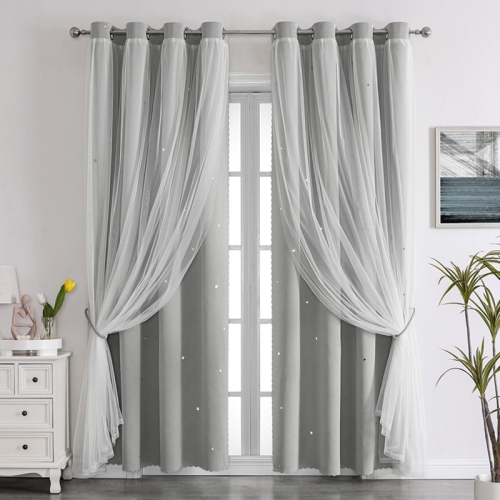
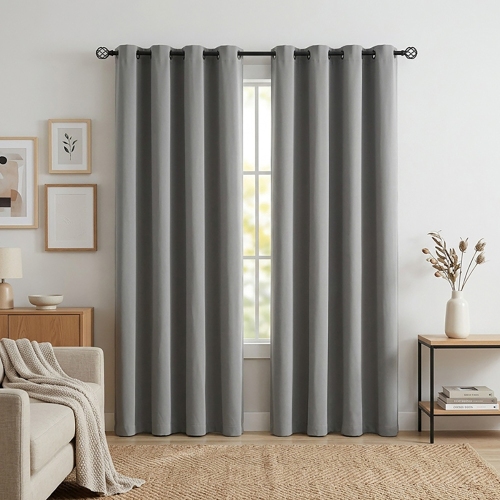
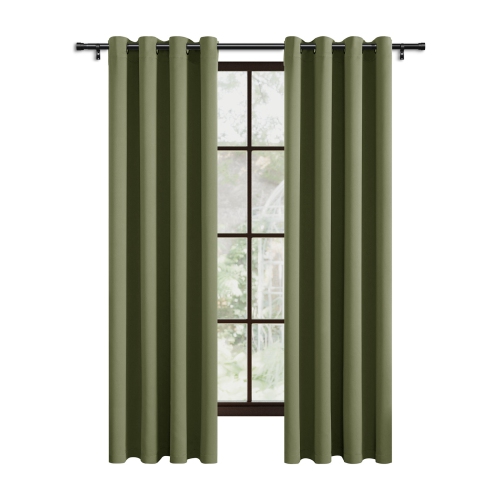
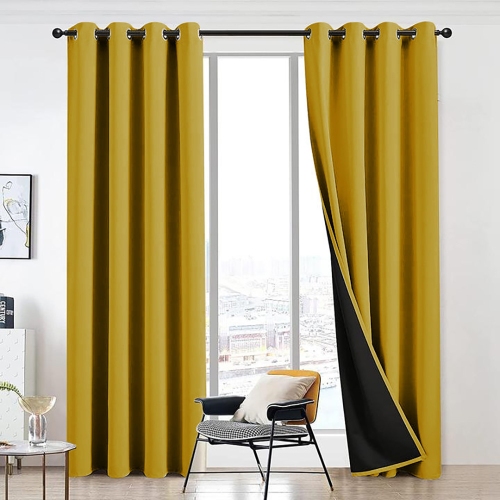
Blackout curtains with rings are light-blocking window panels that hang from a curtain rod using built-in grommets, separate clip rings, or drapery hooks attached to rings. These hanging styles let the panels move along the rod for opening and closing, while giving each curtain a distinct shape. Grommets, also called eyelets, are rings set directly into the fabric header; the rod passes through them to create broad, regular folds. Clip rings sit above the panel and grip its top edge, making them useful for compatible flat-top curtains without a sewn-in ring header. Hook-and-ring arrangements connect drapery hooks in the back of a reinforced header to small loops on separate rings, often supporting a more tailored, pleated appearance. The distinction matters because “with rings” can describe different constructions, and a panel designed for rings does not necessarily include the hanging hardware. Beyond the header, the defining feature is the fabric’s ability to block light. Blackout curtains may use a tightly woven multilayer fabric, a separate lining, or a light-blocking backing. Room-darkening curtains reduce incoming light but are not always equivalent to blackout fabric, so the stated light-blocking performance is more useful than the fabric colour alone. A pale curtain with an effective blackout backing can block more light than a dark curtain made from an unlined, loosely woven material. These panels suit bedrooms, nurseries, guest rooms, and media rooms where greater control over daylight or outside lighting is helpful. Someone who sleeps during the day may use them to darken a bedroom, while a household with a television opposite a window may close them to reduce screen glare. They also provide privacy when fully drawn, although coverage at the edges remains important. For a shared living space, ring-mounted curtains offer a practical balance: the panels can stay open for natural light and close when a darker, more private room is preferred.
Fit is just as important as fabric when choosing blackout curtains with rings. Even a panel described as blocking all light through its material will not make a room completely dark if light can pass above, below, or around it. Window width is therefore only the starting point. A rod that extends beyond the frame allows the curtains to overlap the sides of the opening, while mounting it above the frame can improve coverage at the top. The appropriate extension depends on the window, nearby walls, and mounting surface. A wraparound rod can help compatible panels return towards the wall, reducing the open space at the outer edges. The combined curtain width should also allow for folds rather than simply matching the rod span: panels stretched flat may leave little overlap at the centre and can look sparse. Many styles use a total fabric width around one and a half to two times the rod width, but pleated panels may have their fullness built into the stated finished width, making the manufacturer’s measuring guidance important. Check whether dimensions refer to a single panel or a pair before planning coverage. Length measurements depend on the hanging method, too. Clip rings suspend fabric below the rod, whereas grommet panels usually have some fabric above the eyelets, so two panels with the same stated length may finish at different heights. Measuring from the appropriate hanging point helps avoid an unexpected gap above the floor or fabric dragging underfoot. Ring openings need enough clearance to travel freely over the rod, and the rod, brackets, and wall fixings must support the weight of lined fabric. Matching the panels with suitable Curtain Rods for Blackout Curtains helps bring these details together. Centre supports can limit how far rings travel, so their placement should suit the way the panels open. Where a bed, desk, or sofa sits close to the window, consider whether there is enough room for the gathered fabric at each side.
Material, construction, and care influence how blackout curtains look and perform after repeated use. Polyester and polyester blends are common choices, with finishes ranging from smooth woven surfaces to linen-look textures. Cotton blends can provide a softer, more relaxed appearance, while velvet-style fabrics give folds greater visual depth. The face fabric determines much of the look, but the lining or backing may do most of the light blocking; a textured surface alone does not indicate blackout performance. Heavier fabric often forms substantial folds and may need stronger hardware, while a lighter multilayer construction can be easier to handle during cleaning. For curtains opened and closed every day, securely fitted grommets, reinforced headers, even seams, and well-finished hems are useful construction details. Clip rings should be suitable for the panel weight and spaced to support the fabric evenly, since widely spaced clips can allow the top edge to sag. Hooks should be fitted into the intended header tape or pockets rather than pushed through a light-blocking backing unless the manufacturer specifies that method. Ring finish also affects the overall appearance: visible hardware can coordinate with a rod and nearby cabinet handles, or blend into the fabric for a quieter look. In a bedroom with patterned bedding, plain panels can keep the window from competing with the rest of the room; a subtle woven texture adds interest without introducing another print. Care instructions deserve attention before choosing a fabric, especially for large panels that may be awkward to wash at home. Some curtains are machine washable, while others need spot cleaning or professional care. Removable rings and hooks generally need to come off before washing, and coated backings may require restrictions on heat, ironing, and tumble drying. Following the label helps protect the finish and reduce shrinkage that could alter the coverage. Gentle vacuuming with an appropriate upholstery attachment can help manage surface dust between deeper cleans. In children’s rooms, keep curtain fabric and accessible hardware away from cots and climbing furniture, and secure the rod properly. Thoughtful sizing and compatible hardware make blackout curtains easier to live with, not simply darker when closed.
Fit is just as important as fabric when choosing blackout curtains with rings. Even a panel described as blocking all light through its material will not make a room completely dark if light can pass above, below, or around it. Window width is therefore only the starting point. A rod that extends beyond the frame allows the curtains to overlap the sides of the opening, while mounting it above the frame can improve coverage at the top. The appropriate extension depends on the window, nearby walls, and mounting surface. A wraparound rod can help compatible panels return towards the wall, reducing the open space at the outer edges. The combined curtain width should also allow for folds rather than simply matching the rod span: panels stretched flat may leave little overlap at the centre and can look sparse. Many styles use a total fabric width around one and a half to two times the rod width, but pleated panels may have their fullness built into the stated finished width, making the manufacturer’s measuring guidance important. Check whether dimensions refer to a single panel or a pair before planning coverage. Length measurements depend on the hanging method, too. Clip rings suspend fabric below the rod, whereas grommet panels usually have some fabric above the eyelets, so two panels with the same stated length may finish at different heights. Measuring from the appropriate hanging point helps avoid an unexpected gap above the floor or fabric dragging underfoot. Ring openings need enough clearance to travel freely over the rod, and the rod, brackets, and wall fixings must support the weight of lined fabric. Matching the panels with suitable Curtain Rods for Blackout Curtains helps bring these details together. Centre supports can limit how far rings travel, so their placement should suit the way the panels open. Where a bed, desk, or sofa sits close to the window, consider whether there is enough room for the gathered fabric at each side.
Material, construction, and care influence how blackout curtains look and perform after repeated use. Polyester and polyester blends are common choices, with finishes ranging from smooth woven surfaces to linen-look textures. Cotton blends can provide a softer, more relaxed appearance, while velvet-style fabrics give folds greater visual depth. The face fabric determines much of the look, but the lining or backing may do most of the light blocking; a textured surface alone does not indicate blackout performance. Heavier fabric often forms substantial folds and may need stronger hardware, while a lighter multilayer construction can be easier to handle during cleaning. For curtains opened and closed every day, securely fitted grommets, reinforced headers, even seams, and well-finished hems are useful construction details. Clip rings should be suitable for the panel weight and spaced to support the fabric evenly, since widely spaced clips can allow the top edge to sag. Hooks should be fitted into the intended header tape or pockets rather than pushed through a light-blocking backing unless the manufacturer specifies that method. Ring finish also affects the overall appearance: visible hardware can coordinate with a rod and nearby cabinet handles, or blend into the fabric for a quieter look. In a bedroom with patterned bedding, plain panels can keep the window from competing with the rest of the room; a subtle woven texture adds interest without introducing another print. Care instructions deserve attention before choosing a fabric, especially for large panels that may be awkward to wash at home. Some curtains are machine washable, while others need spot cleaning or professional care. Removable rings and hooks generally need to come off before washing, and coated backings may require restrictions on heat, ironing, and tumble drying. Following the label helps protect the finish and reduce shrinkage that could alter the coverage. Gentle vacuuming with an appropriate upholstery attachment can help manage surface dust between deeper cleans. In children’s rooms, keep curtain fabric and accessible hardware away from cots and climbing furniture, and secure the rod properly. Thoughtful sizing and compatible hardware make blackout curtains easier to live with, not simply darker when closed.
Top selling and popular products
-
 Your price for this item is $39.99
 -
 Your price for this item is $65.99
 -
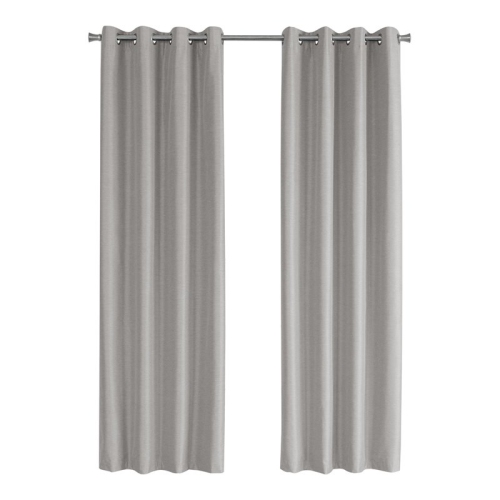 Your price for this item is $42.97
 -
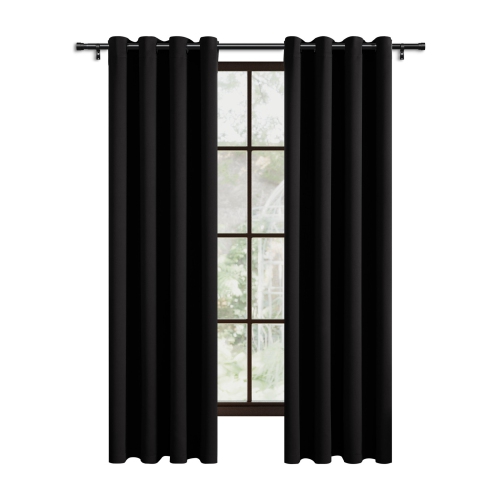 Your price for this item is $49.99
 -
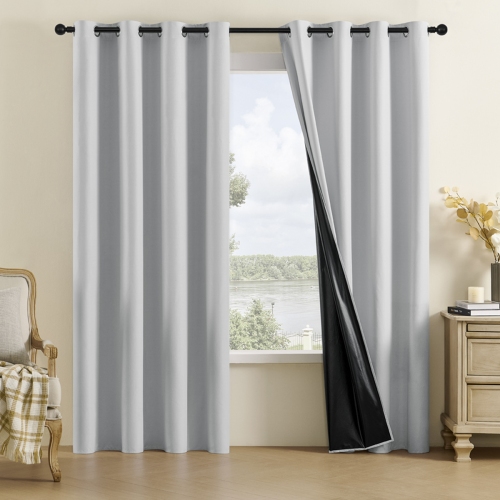 Your price for this item is $65.99
 -
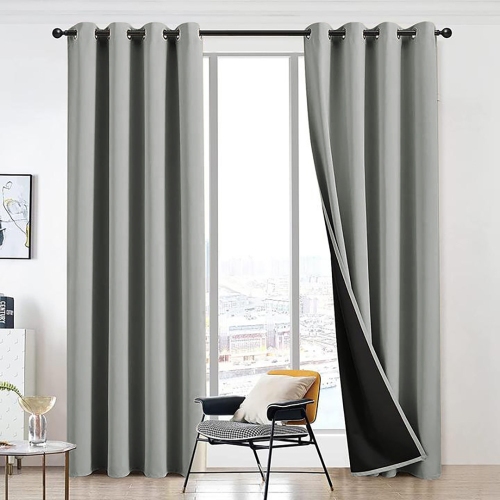 Your price for this item is $108.99
 -
 Your price for this item is $49.99
 -
 Your price for this item is $108.99
Discover more categories related to Blackout Curtains With Rings
Top Collections:
Pokemon Centers, Kindle Devices, Best Budget Office Chairs, Apple iPhones 16, Best Laptops for Writers, iPhone 15 Apple, Canon G7X Cameras, Refurbished Apple Laptops, Alarm Clock, Motorola Razr Phones
Some products may be subject to Environmental Handling Fees
(EHF) depending on your province.
Learn more about EHFs.