Blue Carpet Runners
Enhance the aesthetic appeal of your home with our collection of blue carpet runners. Perfect for adding a pop of color and style to your entryway, hallway, or any space in need of a decorative touch, these versatile runners are both functional and fashionable. Whether you're looking to protect your floors, create a cohesive decor theme, or simply elevate the overall look of your living space, our selection of blue carpet runners offers a variety of sizes, patterns, and materials to suit your unique preferences and needs.
Sort
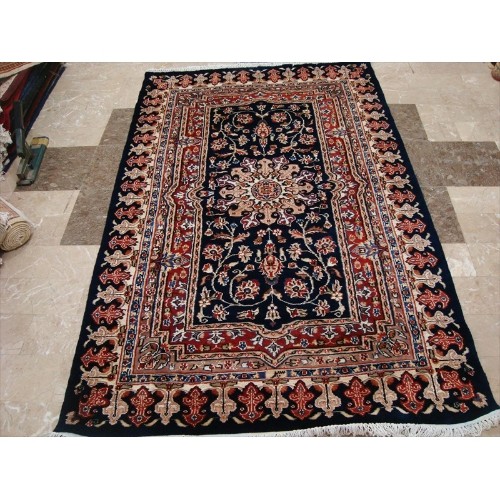
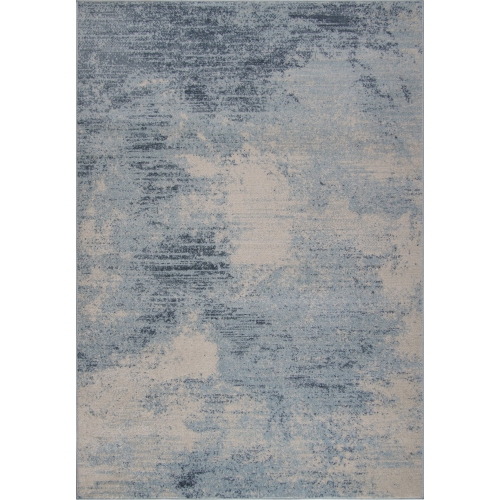
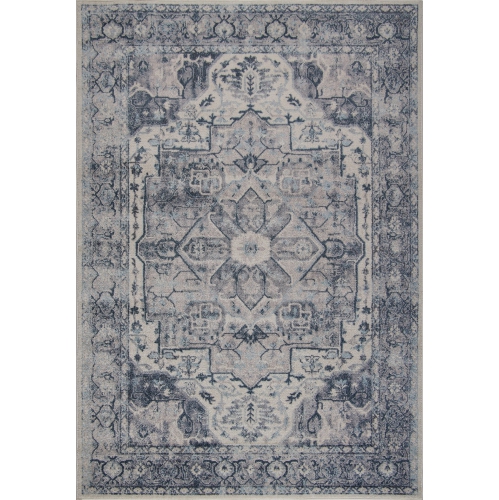
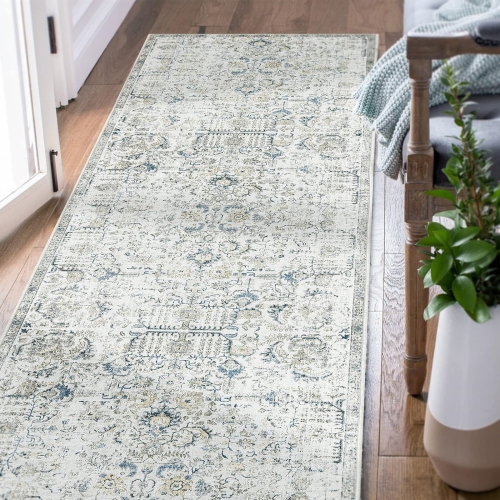
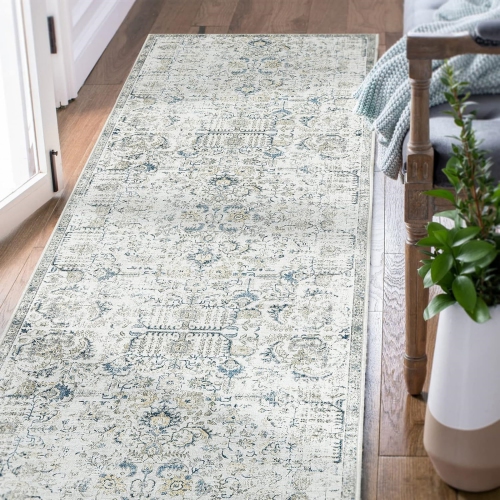
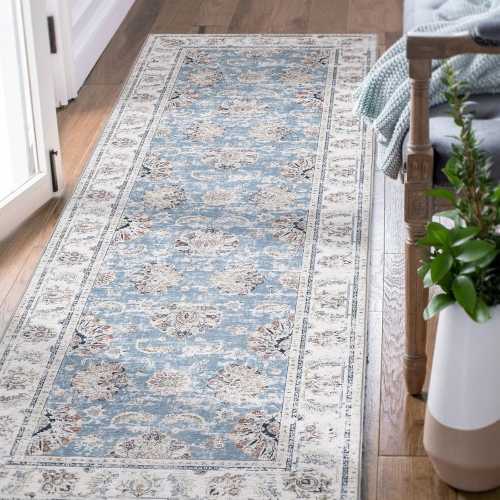
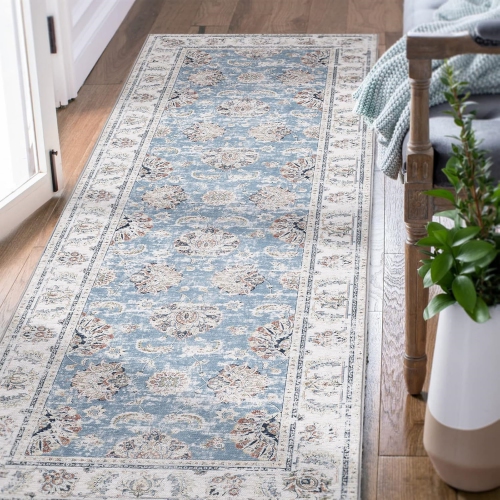
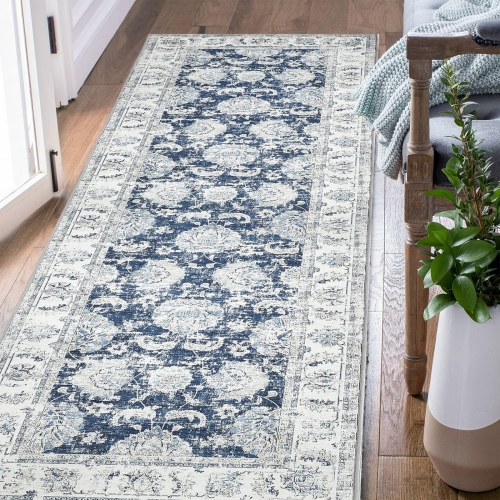
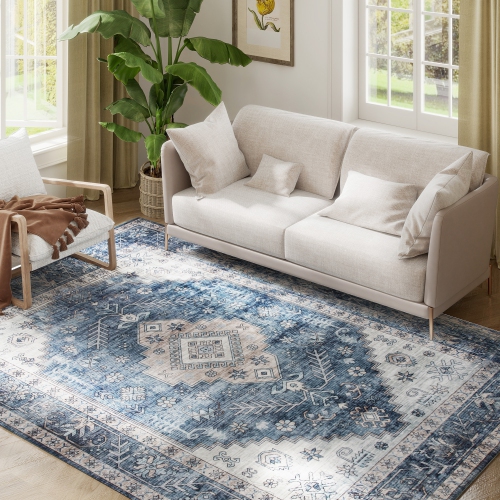
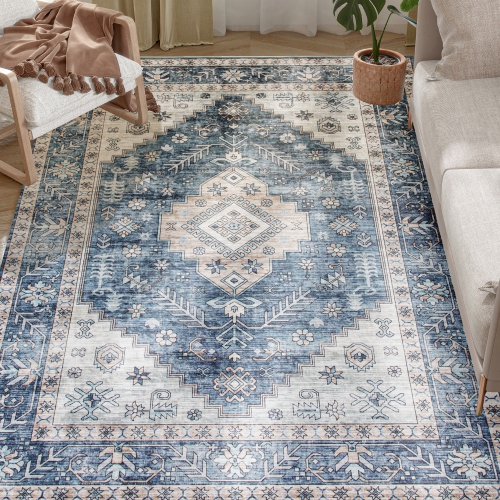
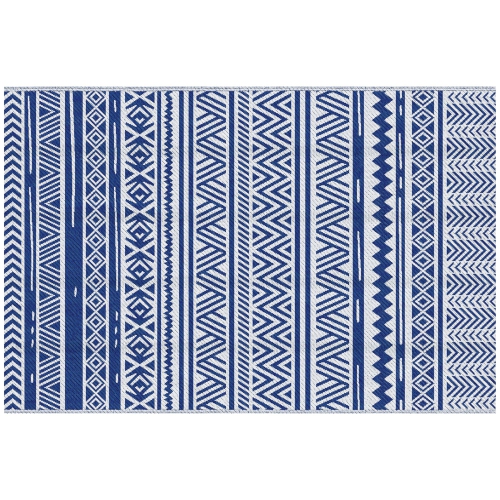
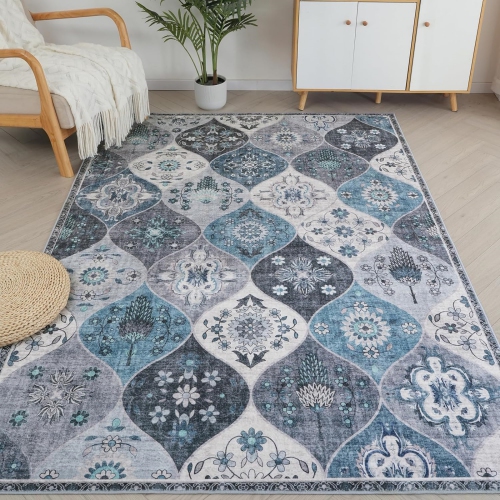
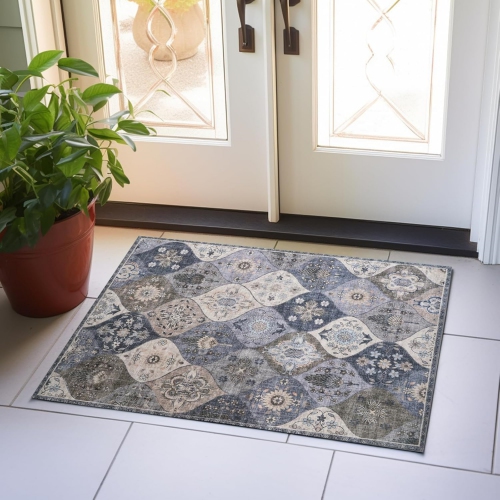
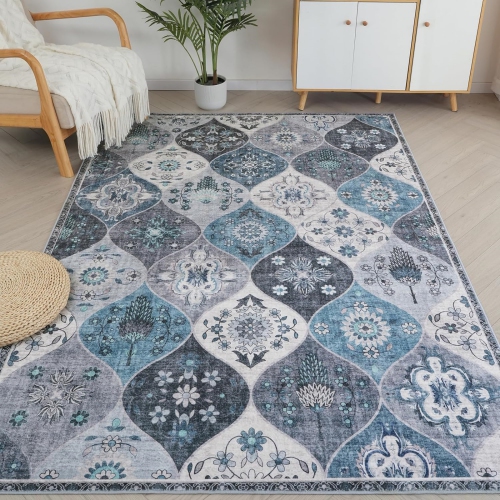
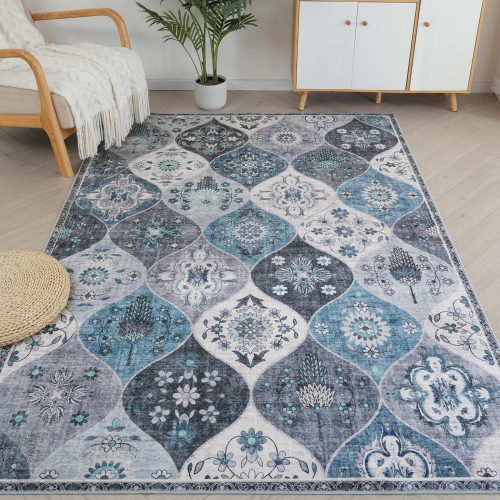
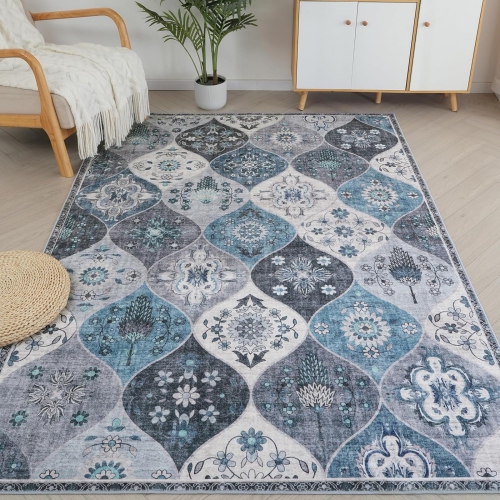
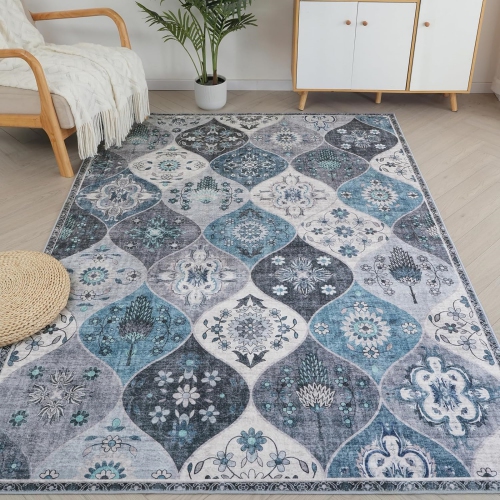
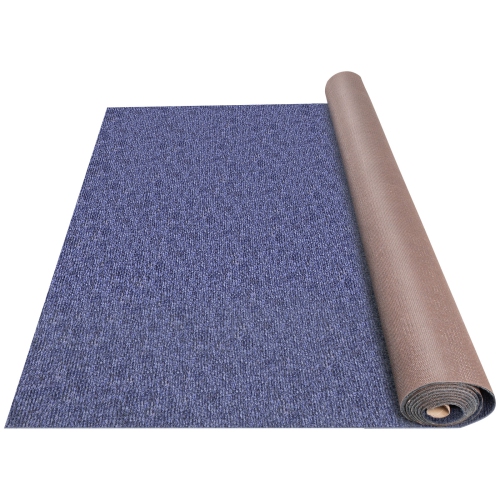
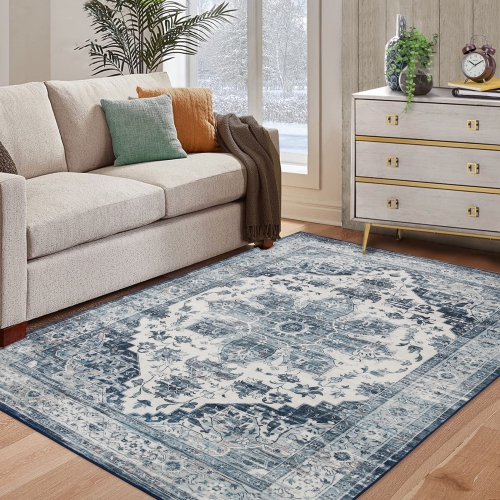
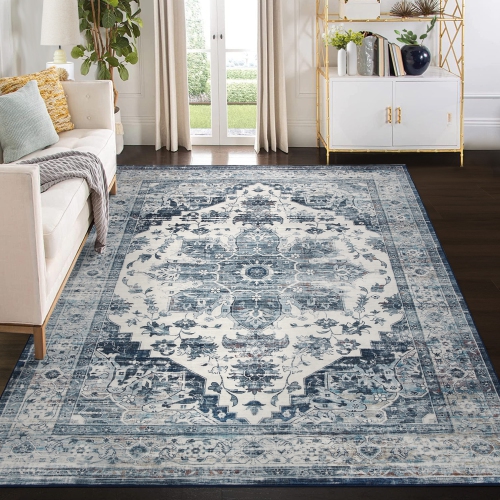
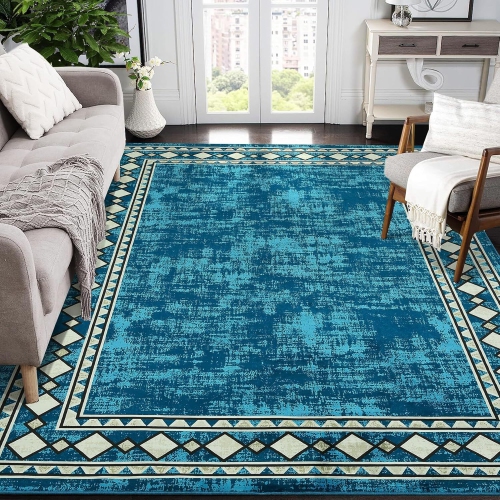
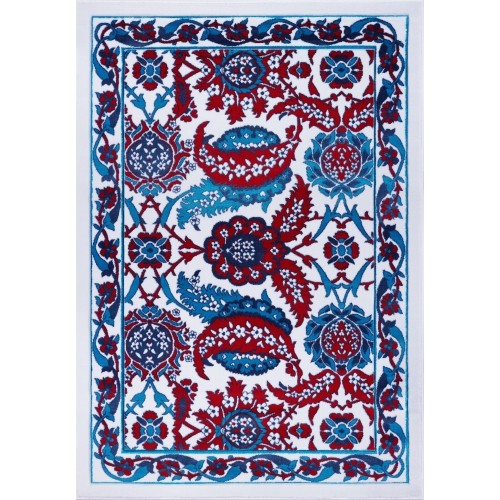
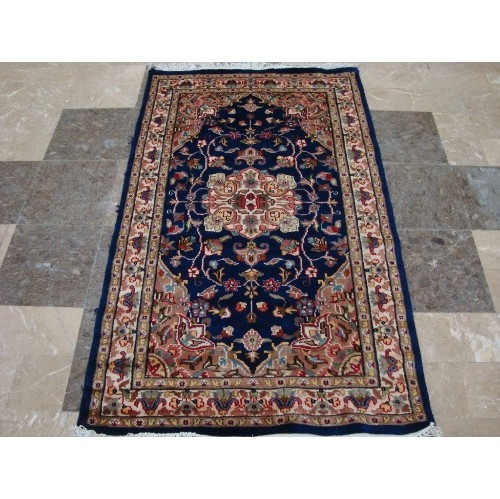
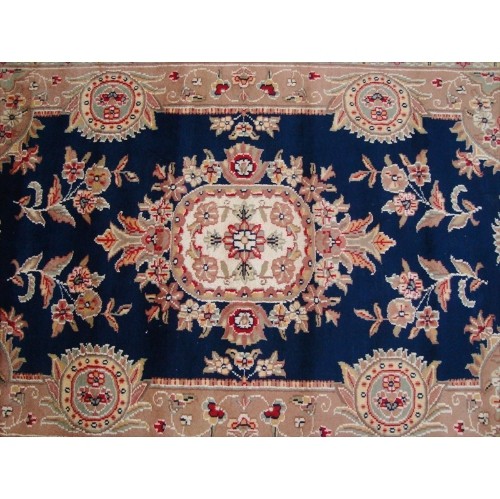
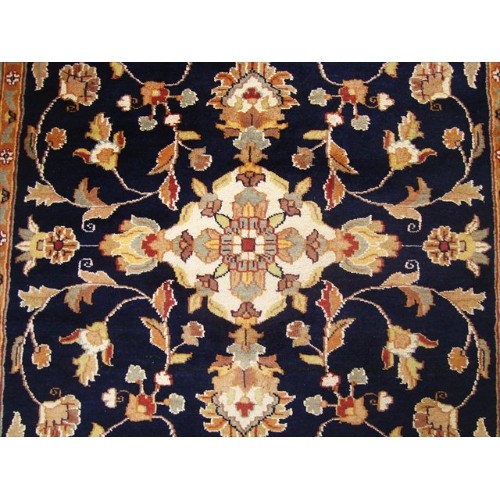
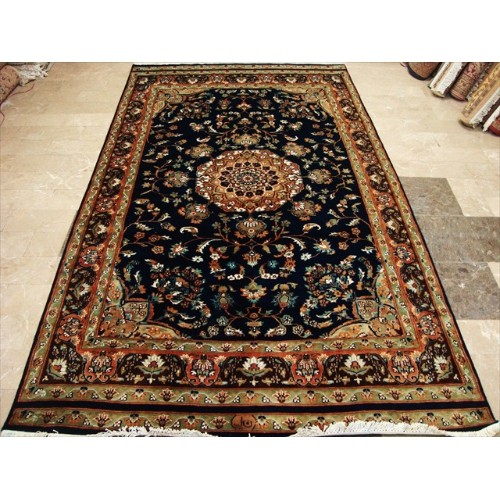
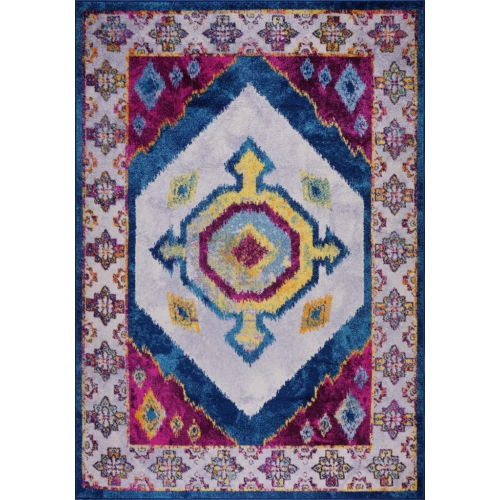
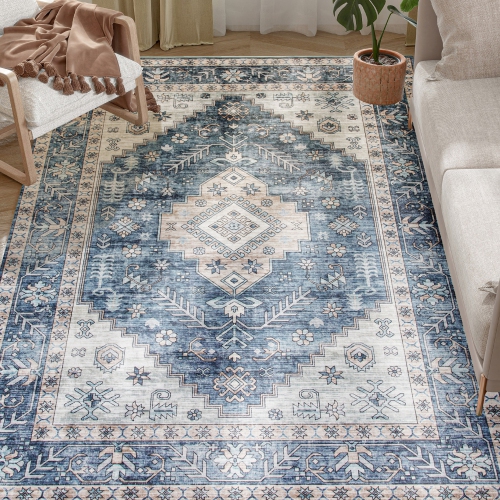
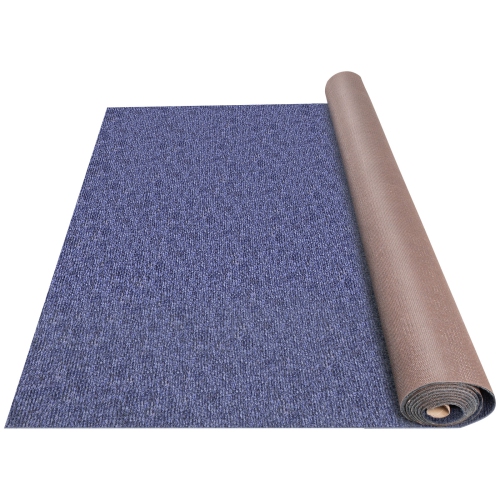
Softness and colour for the spaces between rooms
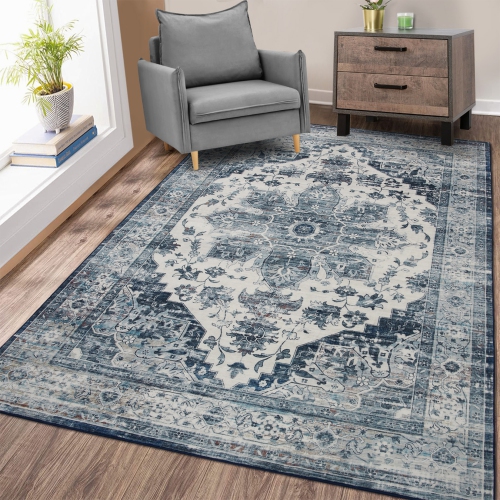
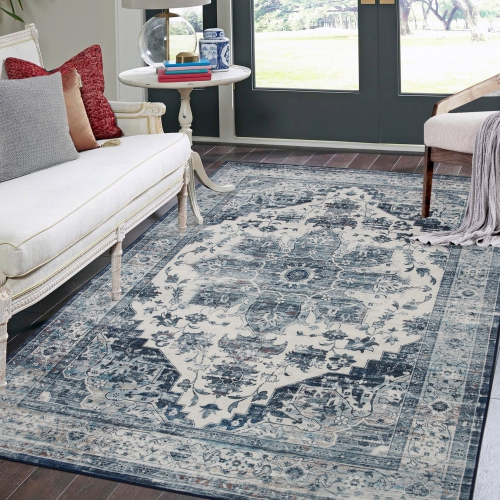
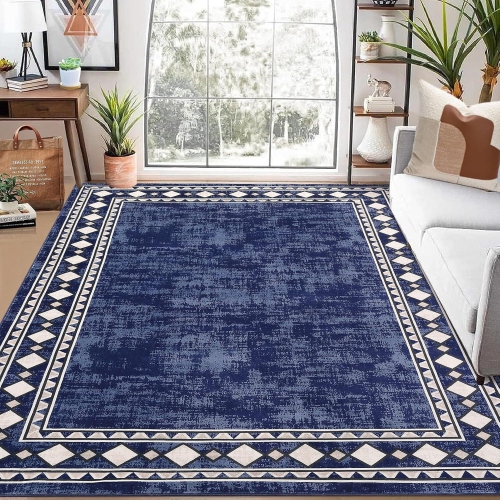
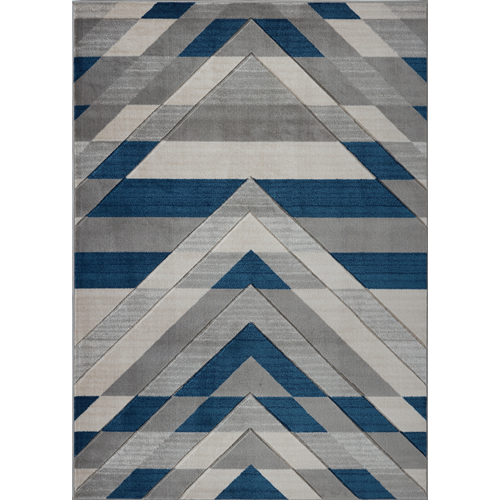
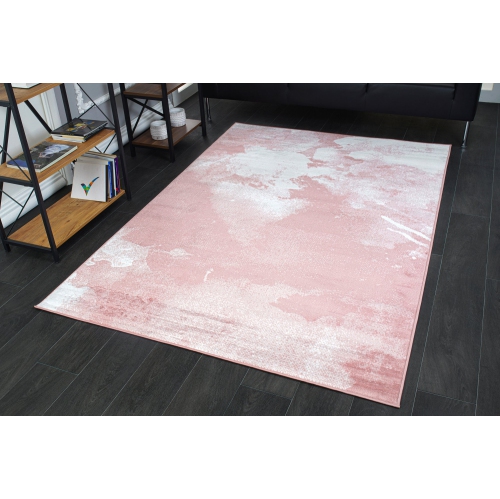
Blue carpet runners are long, narrow floor coverings that bring colour, softness, and definition to hallways, entryways, staircases, and other connecting spaces. Their proportions suit areas where a full-size area rug would feel crowded, leaving a visible border of flooring while creating a comfortable path through the room. Common runner widths range from about two to three feet, with lengths varying to suit short entrances, extended corridors, or fitted installations. Blue offers a particularly versatile palette: navy adds depth against pale wood and white walls, denim tones sit comfortably beside warm timber furniture, and lighter shades lend an airy feel to compact spaces. In a hallway lined with bedroom doors, a muted blue runner can connect several rooms without competing with their individual colours. In an entrance, a blue geometric or softly mottled pattern can make everyday lint and small marks less noticeable than they would be on a uniform surface, though every runner still needs regular cleaning. Borders draw attention to the runner’s shape, while repeating motifs add interest along a long stretch of floor. Colour also changes with lighting; a blue that appears crisp beside a window may look darker under warm evening light. Texture contributes just as much to the overall effect, from the clean outline of a flatweave to the softer surface of a cut-pile design. Blue hallway runners can complement neutral furnishings, pick up a colour already present in artwork, or introduce contrast beside terracotta and honey-coloured finishes. For rooms with a gentler colour scheme, Pink Carpets offer another direction, particularly alongside cream, grey, and light wood. Beyond their appearance, runners add a softer landing underfoot and may help reduce the sharp sound of footsteps on hard flooring. That combination makes them useful in busy family homes, apartments with long entrances, and bedrooms where a narrow strip of carpet beside the bed provides a warmer first step during the cooler months.
Materials and construction influence how a blue carpet runner feels, how it wears, and how much attention it needs. Polypropylene is commonly used for its resistance to many everyday stains and its suitability for practical, frequently used spaces, although performance depends on the weave and overall construction. Nylon is valued for resilience under repeated foot traffic, while polyester can provide softness and clear colour. Wool offers a naturally springy feel and rich texture, but it may shed initially and usually calls for more careful cleaning. Cotton runners can feel lighter and less bulky, though washability depends on the complete product, including its backing, rather than the fibre alone. A low-pile or flatwoven surface generally fits more easily beneath doors and is often simpler to vacuum in a hallway that sees shoes, bags, and daily movement. A deeper pile feels plush beside a bed or in a quieter passage, but it can hold more crumbs and grit and may interfere with door clearance. In a home with pets, tightly constructed surfaces without long fringe may be more practical than loosely looped textures that can catch claws. Where children frequently play on the floor, softness matters, but so do secure placement and straightforward spill care. Blue kitchen runners can add comfort along a counter or island, provided the material and backing suit the space and spills are dealt with promptly. An ordinary indoor runner is not a substitute for an absorbent entrance mat where wet boots leave slush or moisture. Layering the functions by placing a suitable mat at the doorway and a runner farther inside helps keep the carpeted path drier. Durability also comes down to details such as firmly finished edges, stable backing, and a construction suited to the expected traffic. A darker shade may disguise some marks, but it can also show pale pet hair; a varied blue pattern often creates a more forgiving appearance without eliminating the need for routine care.
Fit is about more than finding a runner that matches the length of a corridor. A well-proportioned runner leaves enough exposed flooring along both sides to sit comfortably within the space, without bunching against skirting boards or disappearing beneath every piece of furniture. Measuring the usable floor area includes accounting for door swings, thresholds, floor vents, and any cabinet or drawer that opens close to the ground. The combined thickness of the runner and its pad matters wherever a door passes over it. On wood, tile, or other smooth floors, a compatible rug pad or backing can help limit movement, but the materials should be suitable for the floor finish and checked regularly. A runner that shifts, curls at the corners, or obstructs a walking aid needs attention rather than simply being smoothed down repeatedly. Stair runners have different requirements from loose hallway runners: they need construction appropriate for stairs, accurate measurements across treads and risers, and secure installation. Non-slip backing alone is not a substitute for proper fastening on a staircase. Blue event carpet runners serve another purpose, defining an aisle or welcoming route for a celebration or gathering; the surface, edge security, and suitability for indoor or outdoor use all matter, especially where guests cross between different floor levels. Everyday care helps preserve both appearance and function across these uses. Regular vacuuming removes abrasive grit before it works deeper into the fibres, and the appropriate vacuum setting helps avoid pulling at loops or fringe. Blotting a spill with a clean cloth, rather than rubbing it outward, can reduce spreading, while any cleaning solution should follow the care label and be tested in an inconspicuous area. Machine washing is appropriate only when expressly permitted, and both the runner and the floor beneath it should be fully dry before replacement. Rotating a loose runner, where its shape and placement allow, can help distribute wear. These practical details make a blue runner easier to live with, whether it softens a quiet bedside space or carries the daily traffic between the front door and the rest of the home.
Materials and construction influence how a blue carpet runner feels, how it wears, and how much attention it needs. Polypropylene is commonly used for its resistance to many everyday stains and its suitability for practical, frequently used spaces, although performance depends on the weave and overall construction. Nylon is valued for resilience under repeated foot traffic, while polyester can provide softness and clear colour. Wool offers a naturally springy feel and rich texture, but it may shed initially and usually calls for more careful cleaning. Cotton runners can feel lighter and less bulky, though washability depends on the complete product, including its backing, rather than the fibre alone. A low-pile or flatwoven surface generally fits more easily beneath doors and is often simpler to vacuum in a hallway that sees shoes, bags, and daily movement. A deeper pile feels plush beside a bed or in a quieter passage, but it can hold more crumbs and grit and may interfere with door clearance. In a home with pets, tightly constructed surfaces without long fringe may be more practical than loosely looped textures that can catch claws. Where children frequently play on the floor, softness matters, but so do secure placement and straightforward spill care. Blue kitchen runners can add comfort along a counter or island, provided the material and backing suit the space and spills are dealt with promptly. An ordinary indoor runner is not a substitute for an absorbent entrance mat where wet boots leave slush or moisture. Layering the functions by placing a suitable mat at the doorway and a runner farther inside helps keep the carpeted path drier. Durability also comes down to details such as firmly finished edges, stable backing, and a construction suited to the expected traffic. A darker shade may disguise some marks, but it can also show pale pet hair; a varied blue pattern often creates a more forgiving appearance without eliminating the need for routine care.
Fit is about more than finding a runner that matches the length of a corridor. A well-proportioned runner leaves enough exposed flooring along both sides to sit comfortably within the space, without bunching against skirting boards or disappearing beneath every piece of furniture. Measuring the usable floor area includes accounting for door swings, thresholds, floor vents, and any cabinet or drawer that opens close to the ground. The combined thickness of the runner and its pad matters wherever a door passes over it. On wood, tile, or other smooth floors, a compatible rug pad or backing can help limit movement, but the materials should be suitable for the floor finish and checked regularly. A runner that shifts, curls at the corners, or obstructs a walking aid needs attention rather than simply being smoothed down repeatedly. Stair runners have different requirements from loose hallway runners: they need construction appropriate for stairs, accurate measurements across treads and risers, and secure installation. Non-slip backing alone is not a substitute for proper fastening on a staircase. Blue event carpet runners serve another purpose, defining an aisle or welcoming route for a celebration or gathering; the surface, edge security, and suitability for indoor or outdoor use all matter, especially where guests cross between different floor levels. Everyday care helps preserve both appearance and function across these uses. Regular vacuuming removes abrasive grit before it works deeper into the fibres, and the appropriate vacuum setting helps avoid pulling at loops or fringe. Blotting a spill with a clean cloth, rather than rubbing it outward, can reduce spreading, while any cleaning solution should follow the care label and be tested in an inconspicuous area. Machine washing is appropriate only when expressly permitted, and both the runner and the floor beneath it should be fully dry before replacement. Rotating a loose runner, where its shape and placement allow, can help distribute wear. These practical details make a blue runner easier to live with, whether it softens a quiet bedside space or carries the daily traffic between the front door and the rest of the home.
Top selling and popular products
-
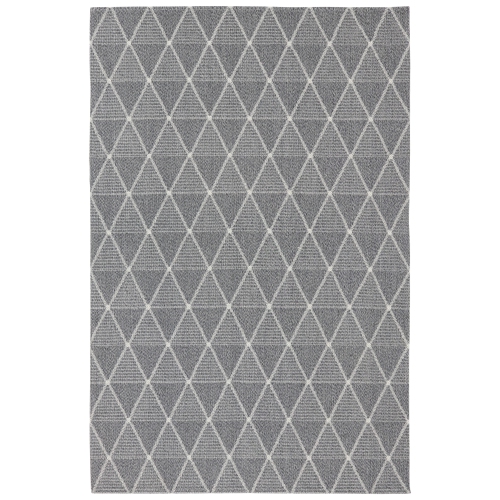 Your price for this item is $130.55
 -
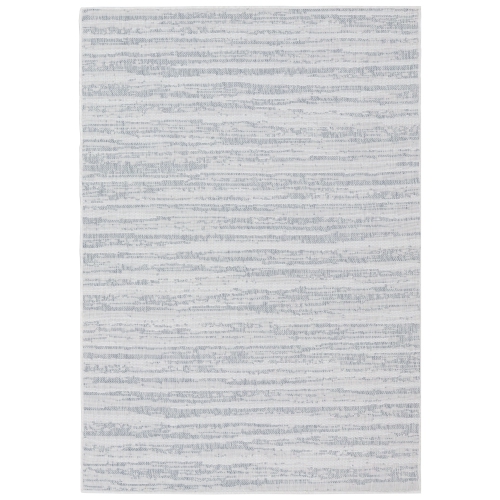 Your price for this item is $129.15
 -
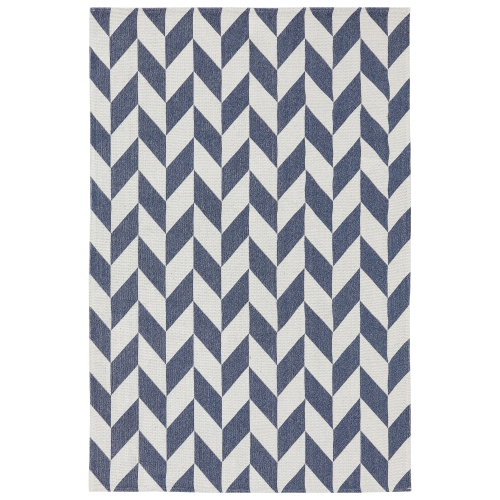 Your price for this item is $130.55
 -
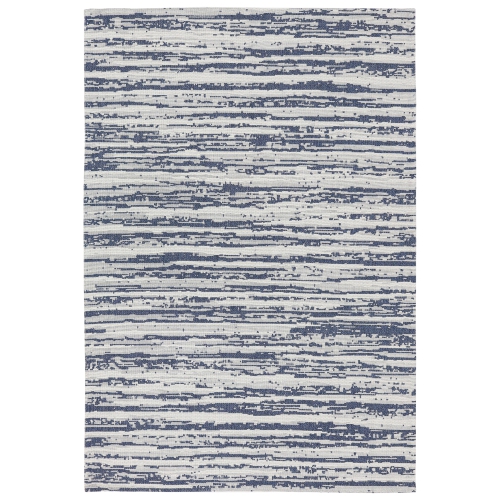 Your price for this item is $130.55
 -
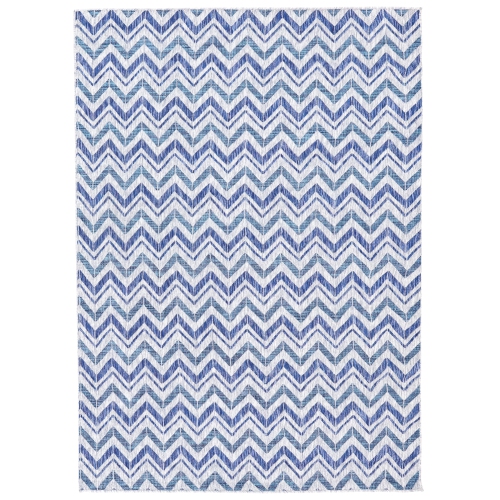 Your price for this item is $129.15
 -
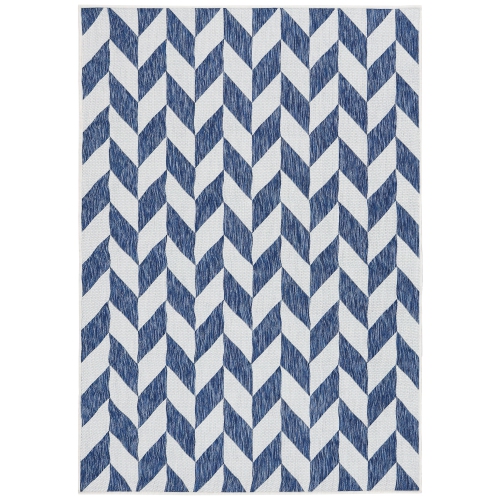 Your price for this item is $129.15
 -
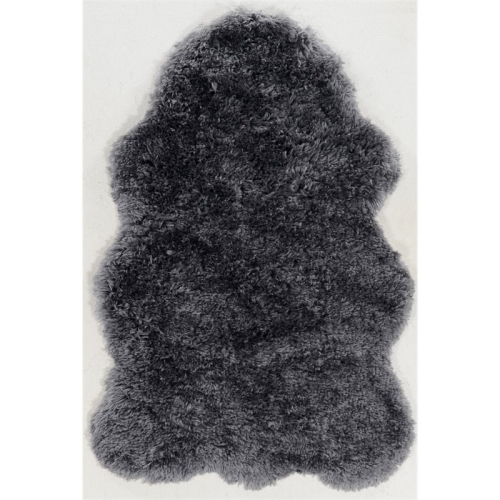 Your price for this item is $269.46
 -
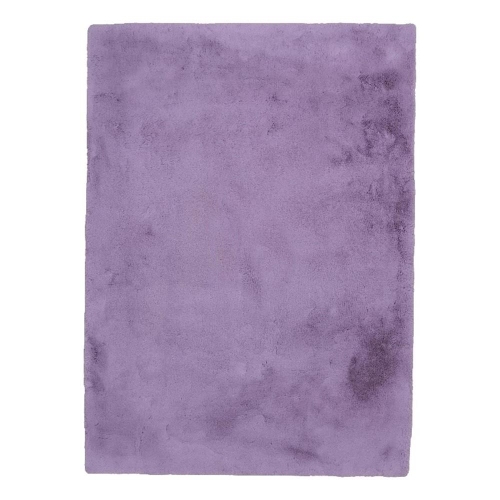 Your price for this item is $219.8
Discover more categories related to Blue Carpet Runners
Top Collections:
Pokemon Centers, Kindle Devices, Best Budget Office Chairs, Apple iPhones 16, Best Laptops for Writers, iPhone 15 Apple, Canon G7X Cameras, Refurbished Apple Laptops, Alarm Clock, Motorola Razr Phones
Some products may be subject to Environmental Handling Fees
(EHF) depending on your province.
Learn more about EHFs.