Body Mirrors
Enhance your daily routine with a sleek and functional body mirror, designed to elevate your space while providing a full-length reflection for your styling needs. Whether you're getting ready for the day ahead or adding a decorative touch to your room, these mirrors offer both practicality and style. From minimalist designs to ornate frames, explore our collection to find the perfect body mirror that suits your aesthetic preferences and enhances the functionality of your living space.
Sort
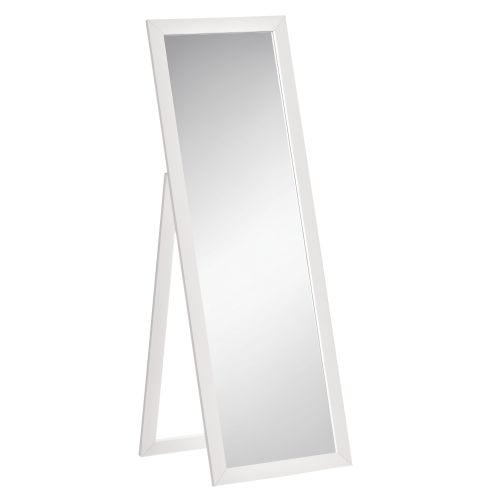
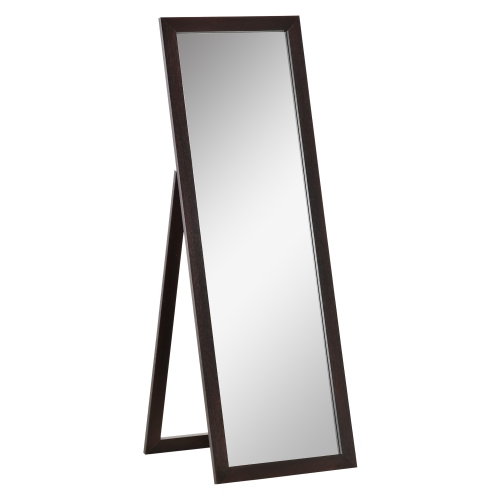
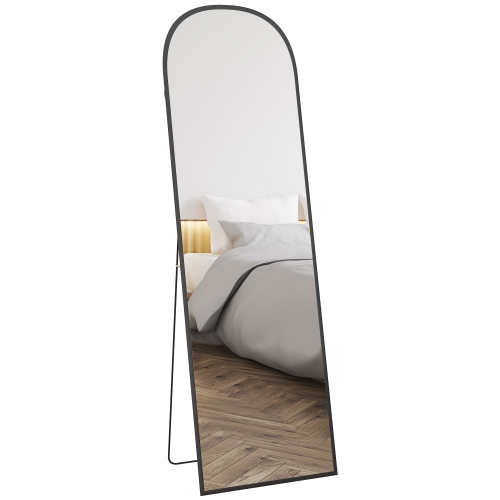
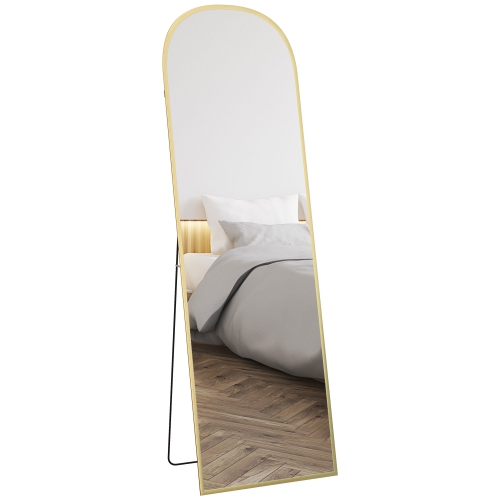

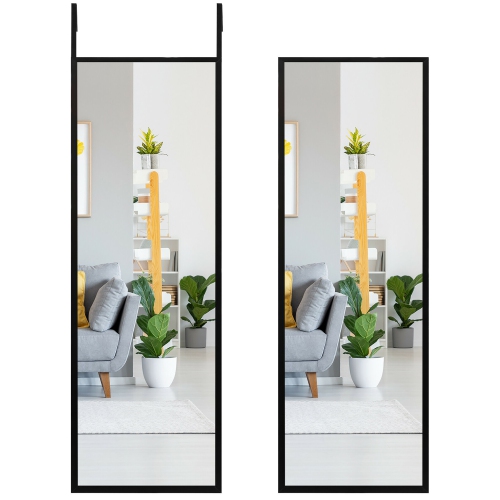
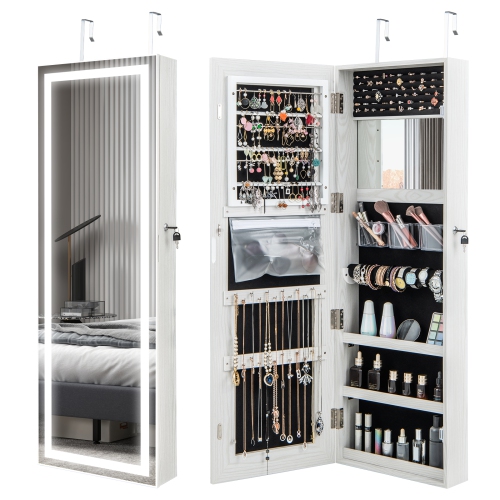
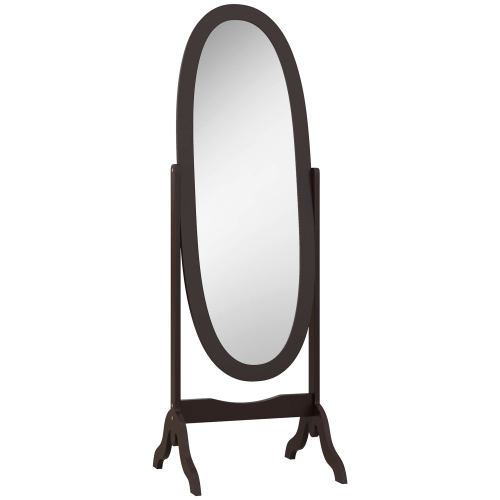
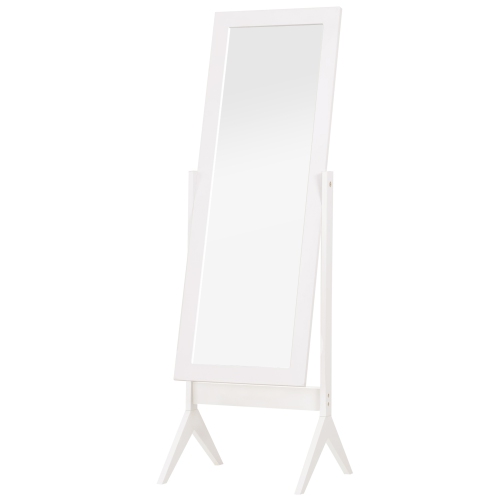
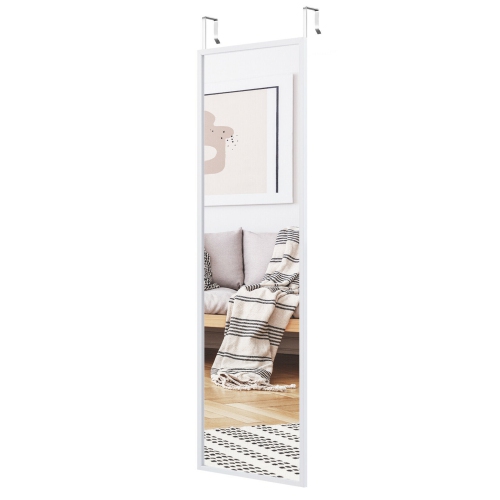
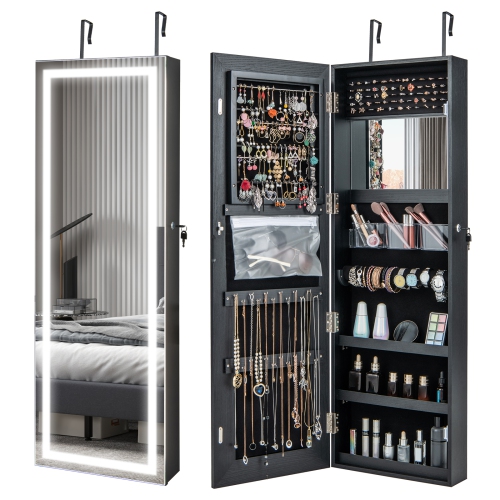

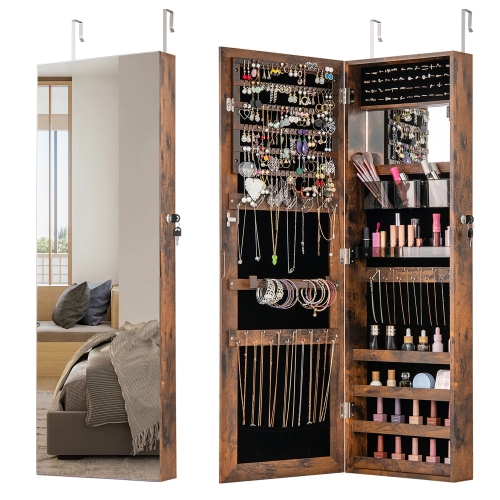
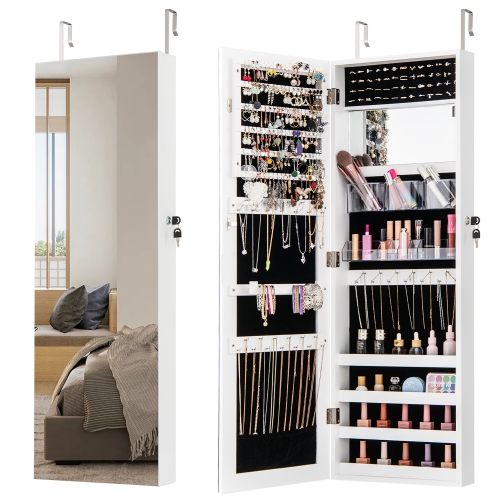
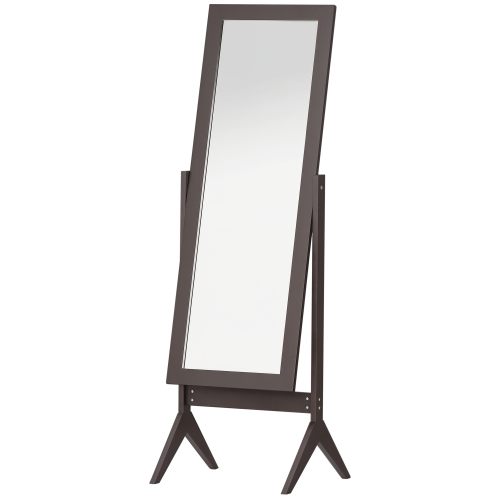
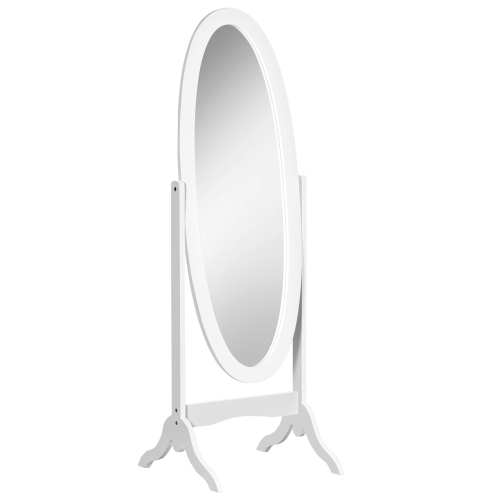
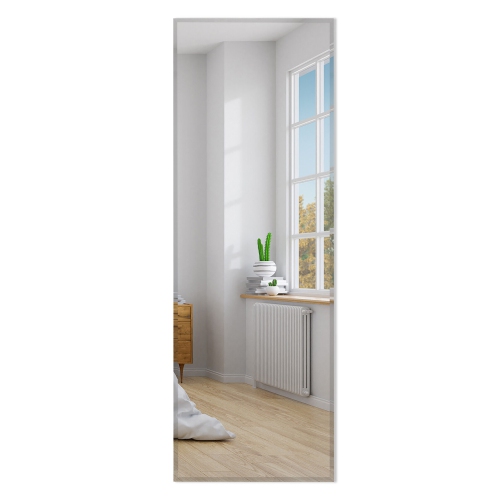
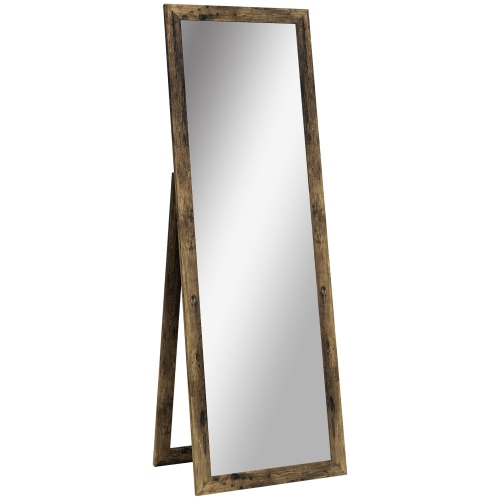
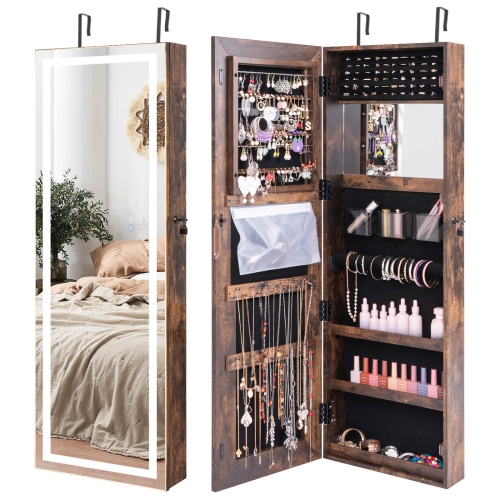
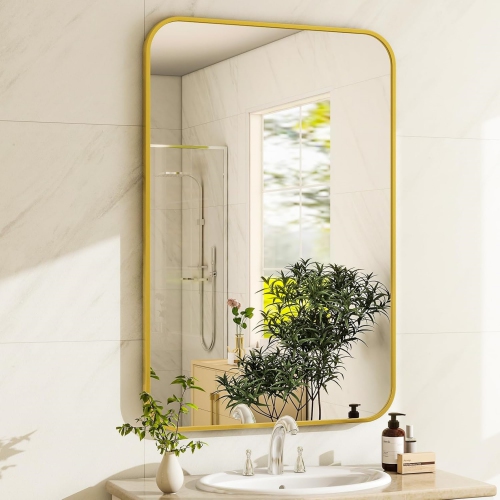
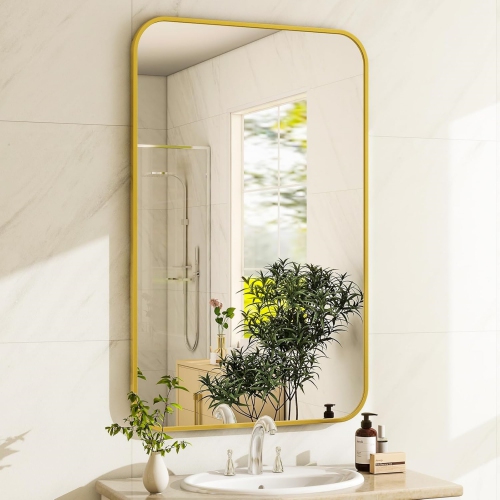
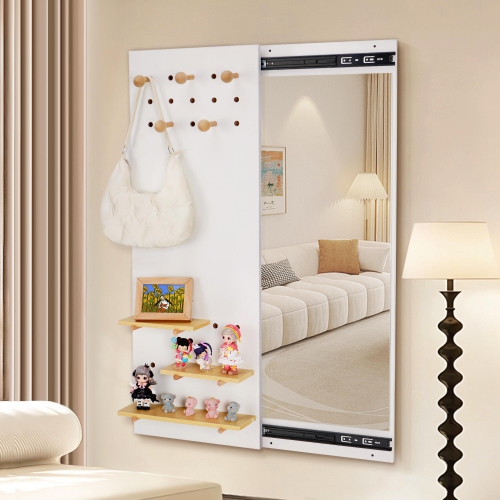
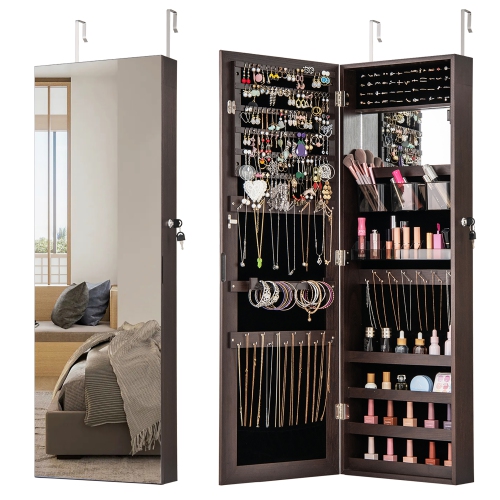
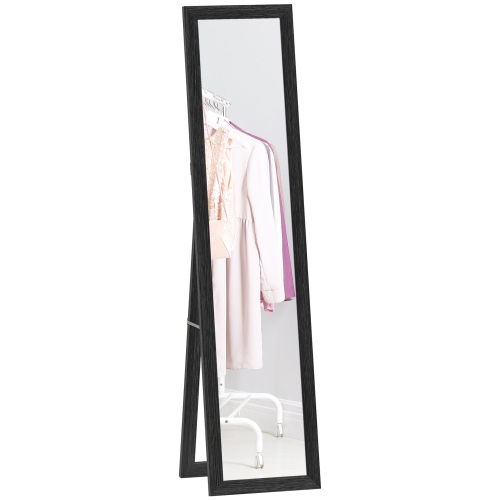
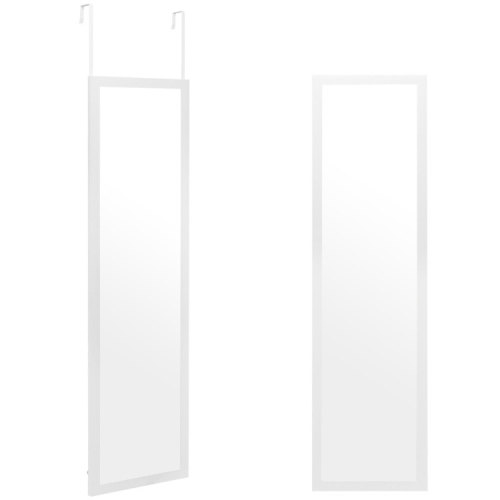
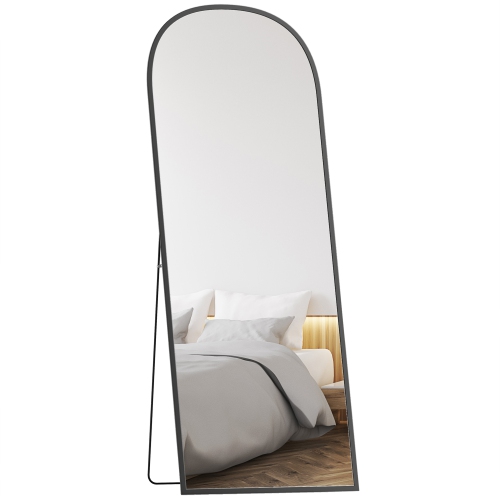
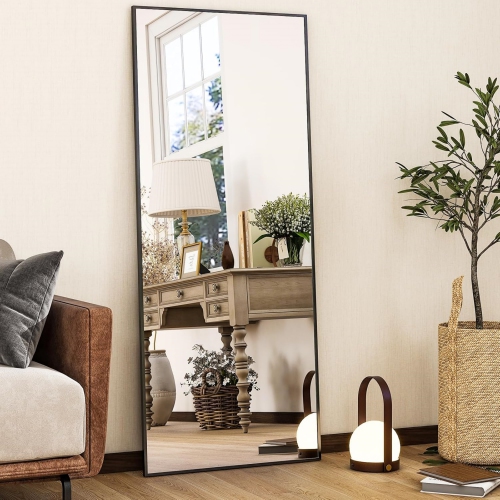
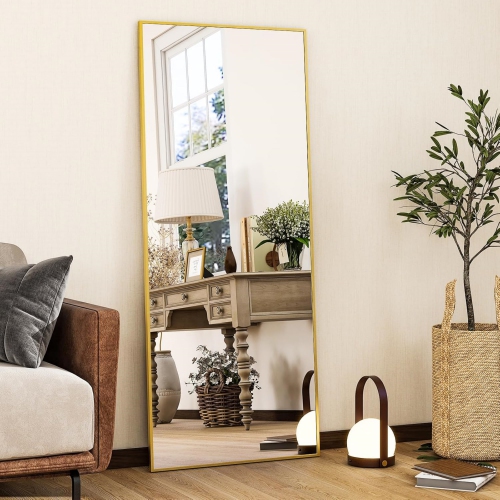
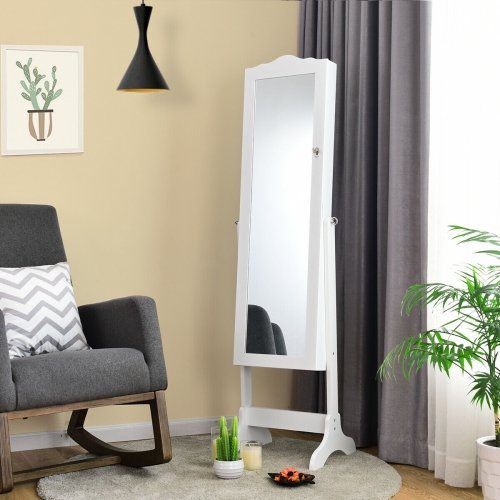
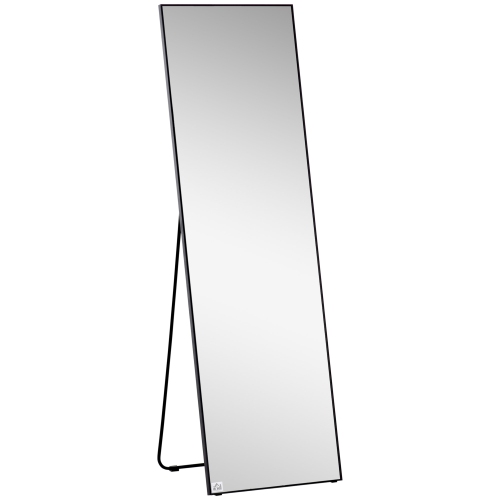
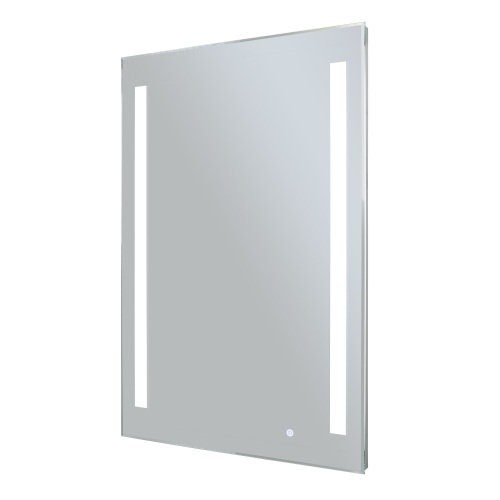
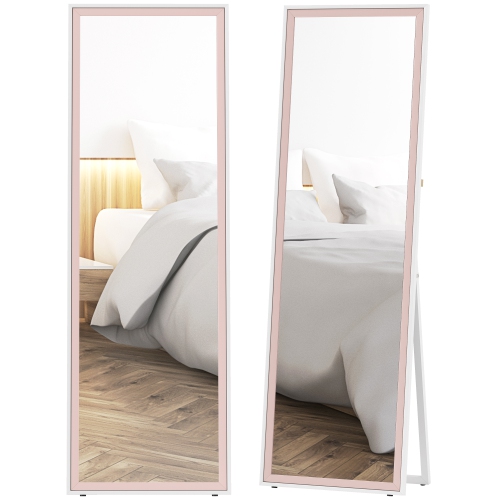
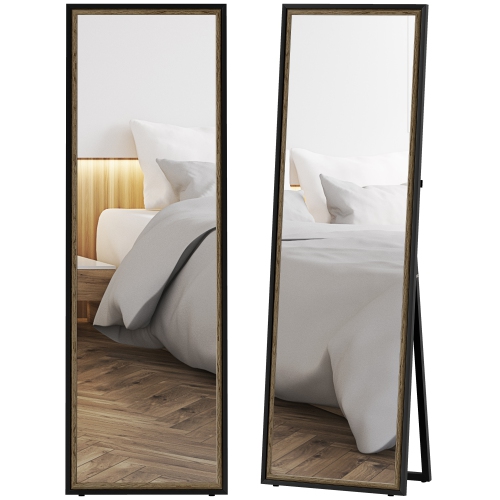
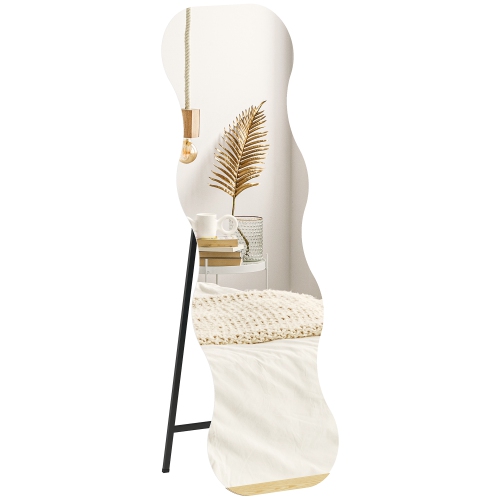
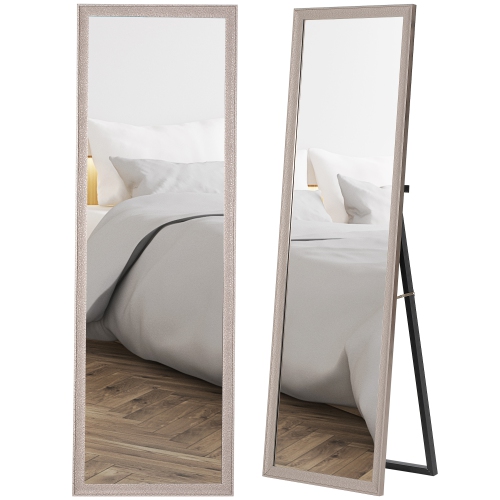
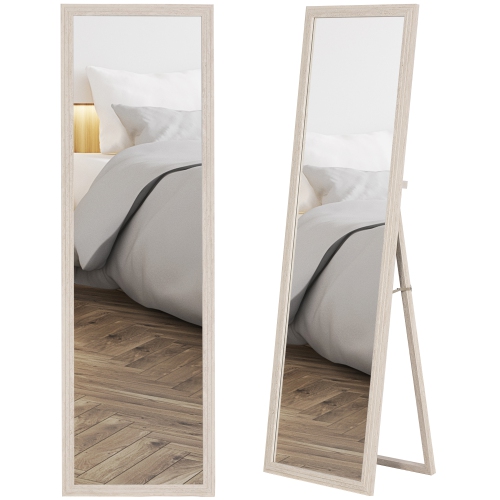
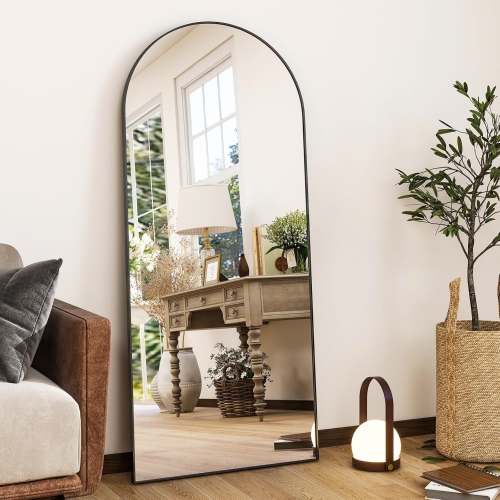
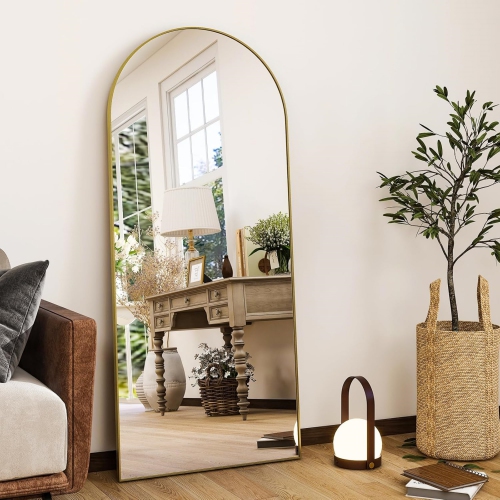
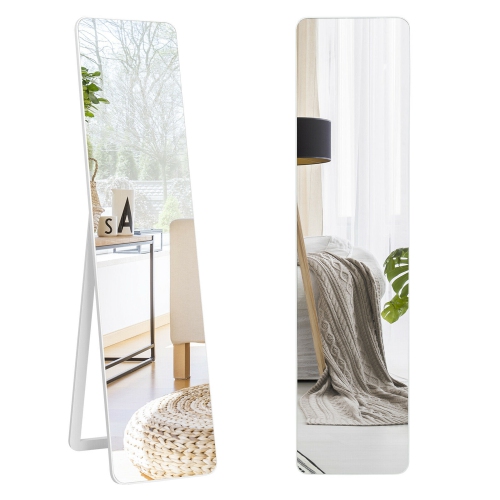
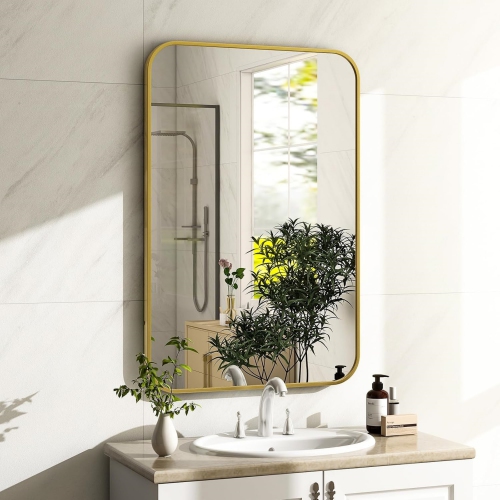
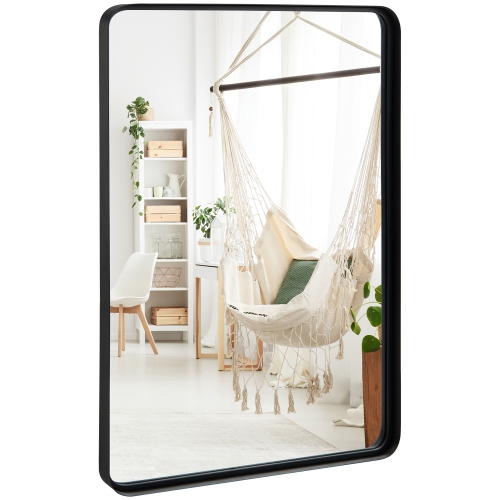
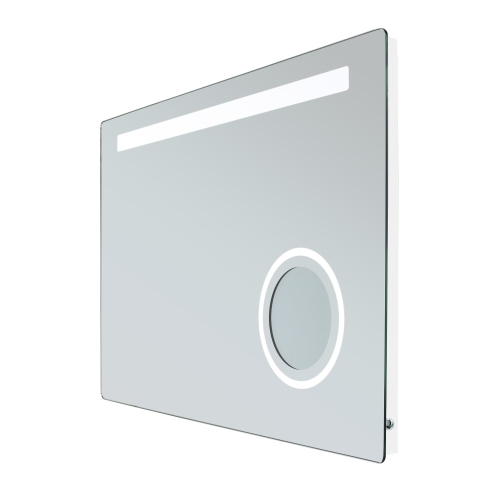

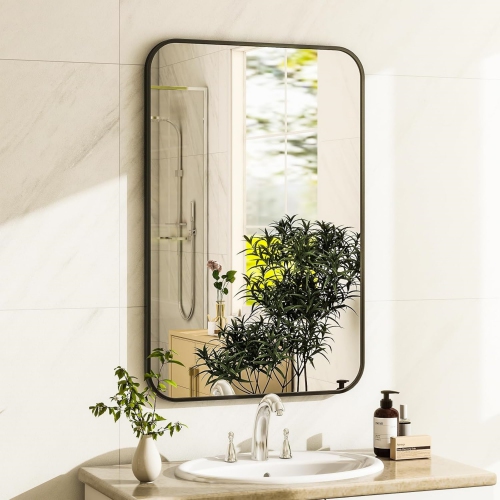
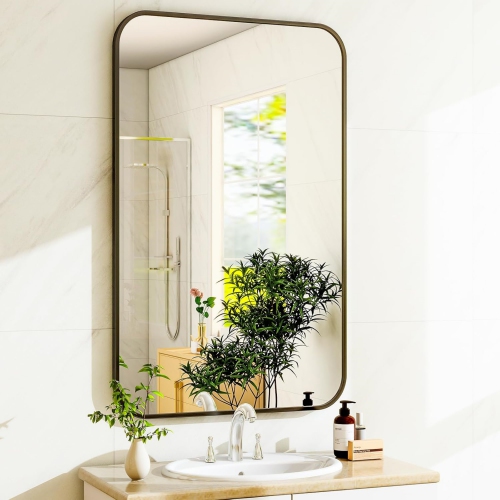
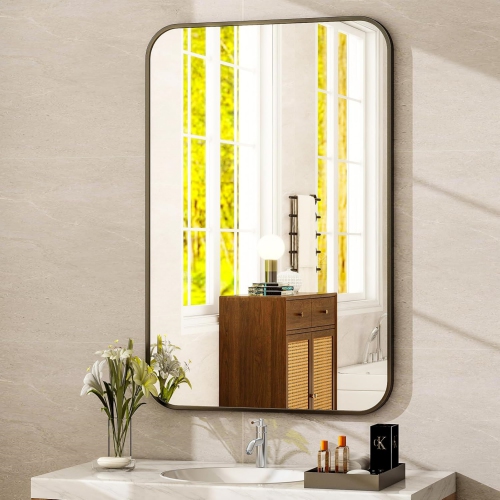
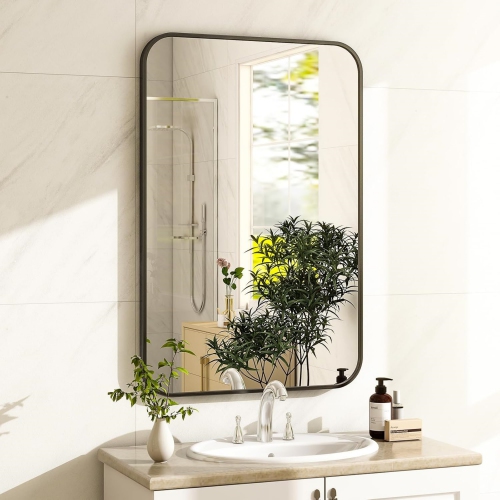

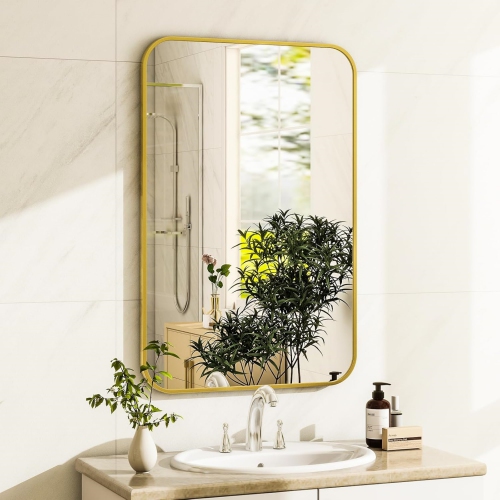
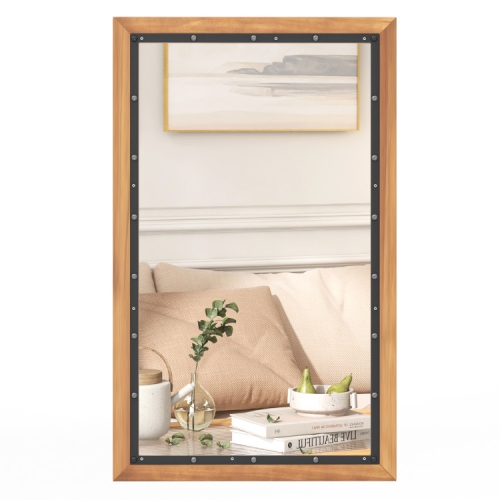
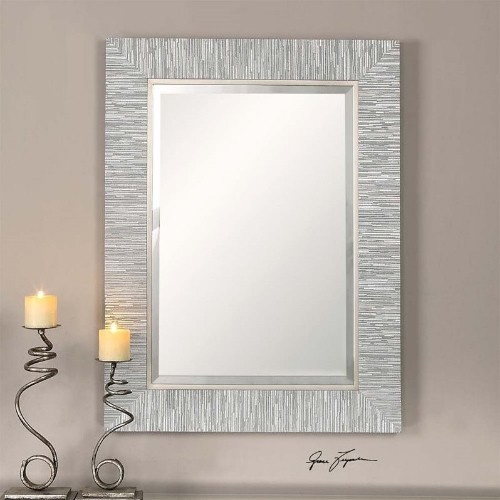
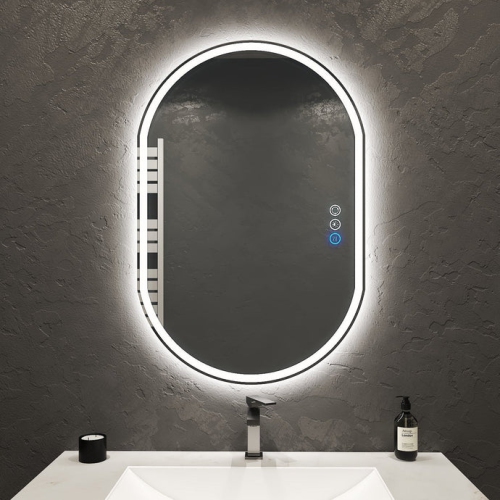
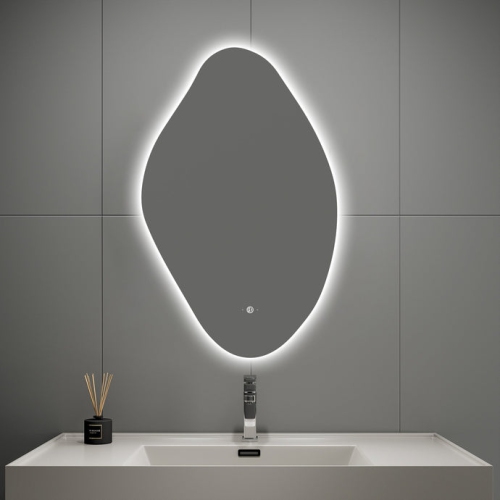
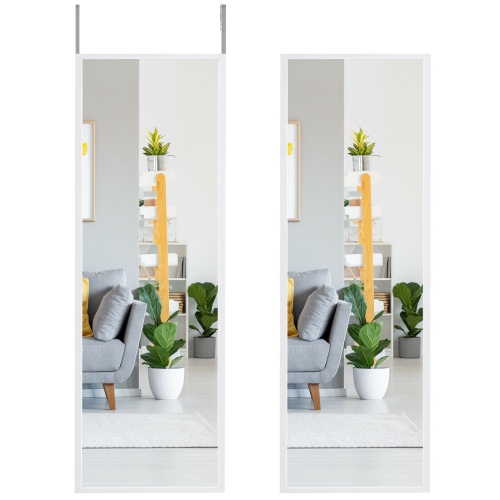

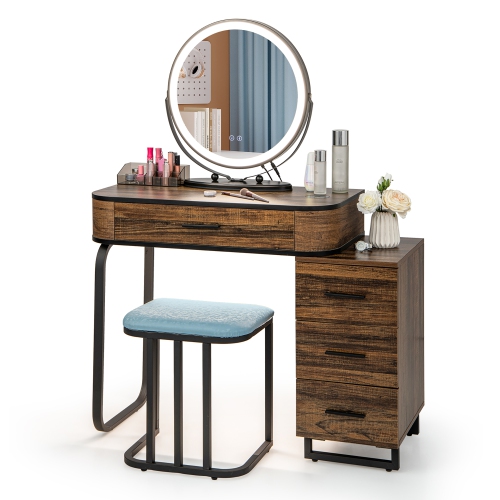

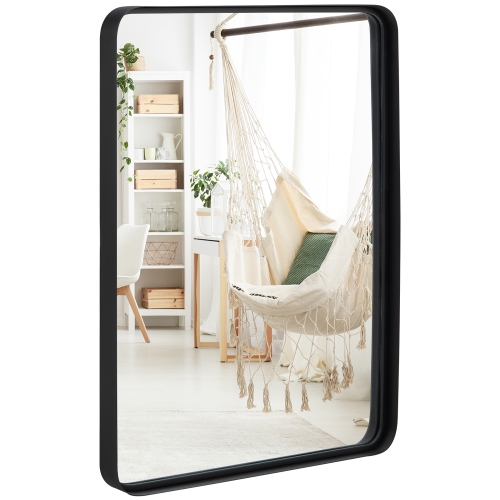
A head-to-toe view that fits your space
Body mirrors, also called full-length or full-body mirrors, provide a head-to-toe reflection for dressing, checking proportions, and seeing how an outfit comes together. Their tall shape makes them useful in bedrooms, dressing areas, walk-in closets, and entryways, where a smaller mirror may show only the face and shoulders. A full-length view makes it easier to judge the length of trousers, see how shoes work with a hemline, or straighten a jacket before leaving home. The most suitable size depends on both the person using the mirror and the space around it: mirror height, mounting position, viewing distance, and angle all affect how much of the body is visible. A narrow mirror can suit the wall beside a wardrobe, while a wider surface allows more room to move sideways without losing the reflection. In a shared dressing area, extra width can also make everyday use more comfortable for people of different heights. Placement matters as much as dimensions. A mirror tucked behind an open door may be out of the way but awkward to use, whereas one facing a clear section of floor leaves room to step back and see an entire outfit. Reflected light can make a room feel brighter, and a thoughtfully positioned mirror can create a greater sense of depth without changing the floor plan. What appears in the reflection becomes part of the room’s visual character, whether that is a tidy bedside table, a piece of artwork, or the contents of an open closet. Rectangular body mirrors offer clean lines that sit naturally beside doors and cabinetry, while arched tops introduce a softer outline among square furniture shapes. Rounded corners, thin borders, and broader frames each give a different visual weight, allowing a practical dressing mirror to feel like an intentional part of the room rather than an afterthought.
Freestanding, leaning, wall-mounted, and over-the-door body mirrors suit different layouts and routines. A freestanding mirror uses a supporting stand or base and can be useful where wall space is limited or furniture arrangements change. Its footprint includes the support behind it, not just the width of the reflective panel, so adequate clearance helps keep it out of walking routes. Some standing designs allow the angle to be adjusted, although the reflection should be assessed from the position where it will normally be used. Leaning mirrors create a relaxed look against a bedroom or dressing-room wall, but they still need the securing method specified by the manufacturer; simply resting a large mirror against a wall is not a substitute for proper installation. Wall-mounted designs leave the floor clear and work well beside a dresser or along a hallway, provided the wall structure and mounting hardware can support the mirror’s weight. Over-the-door styles make use of a surface that might otherwise go unused, particularly in compact bedrooms or small apartments. Their fit depends on door thickness, hanger dimensions, and enough clearance for the door to close without rubbing or straining the hardware. Frame materials influence both appearance and day-to-day care. Wood brings visible grain and warmth, with finishes that can blend with bedside tables, wardrobes, or other furniture. Metal frames offer crisp edges and can suit either understated or more industrial interiors, depending on their profile and finish. Engineered wood and moulded frames provide other shapes and surface treatments, with durability depending on construction, protective finishes, and handling. Frameless mirrors put the emphasis on the reflection and can feel visually lighter, although exposed edges deserve particular care during moving and installation. A backing that sits securely, firmly joined frame corners, and mounting points suited to the mirror’s weight are practical details that matter beyond appearance. For households with children or pets, secure placement away from active play areas is especially important, regardless of the mirror’s style.
Reflection quality, lighting, and care help determine how satisfying a body mirror is to use over time. A clear, even reflection makes it easier to assess clothing without distracting ripples or distortion. Straight lines such as a doorframe or wardrobe edge can reveal visible waviness in the glass, while a strongly tilted mirror may change the apparent proportions of the person reflected. Lighting also affects the experience: a mirror near a well-lit dressing area can show garment details more clearly than one in a dim corner. Strong light directly behind the person may cast the front of an outfit into shadow, and a bright lamp reflected at eye level can create uncomfortable glare. For spaces that need added illumination, LED Mirrors offer a related option, with light placement, brightness controls, and power requirements varying by design. An illuminated mirror needs a suitable power arrangement, with cords kept clear of walking paths and electrical installation completed as required by the manufacturer. Standard body mirrors also benefit from simple, regular care. A soft, lint-free cloth helps lift fingerprints and dust without scratching the surface, and an appropriate cleaner applied to the cloth rather than sprayed heavily onto the mirror helps limit liquid collecting around the edges. Abrasive pads and harsh chemicals can damage frames, coatings, or reflective backing, so care directions should match the materials. Moisture resistance matters if a mirror will sit near a bathroom or another humid area; a design intended for a dry bedroom should not be assumed suitable for that location. Large mirrors need careful handling during a move, with protected corners and support that follows the manufacturer’s directions. For someone furnishing a first apartment, updating a dressing space, or creating a more accessible place to get ready, a body mirror can be a useful housewarming gift when its size and installation needs suit the home. The lasting appeal comes from a straightforward combination: a comfortable full-length view, a frame that feels at home with nearby furnishings, and a secure position that makes everyday dressing easier.
Freestanding, leaning, wall-mounted, and over-the-door body mirrors suit different layouts and routines. A freestanding mirror uses a supporting stand or base and can be useful where wall space is limited or furniture arrangements change. Its footprint includes the support behind it, not just the width of the reflective panel, so adequate clearance helps keep it out of walking routes. Some standing designs allow the angle to be adjusted, although the reflection should be assessed from the position where it will normally be used. Leaning mirrors create a relaxed look against a bedroom or dressing-room wall, but they still need the securing method specified by the manufacturer; simply resting a large mirror against a wall is not a substitute for proper installation. Wall-mounted designs leave the floor clear and work well beside a dresser or along a hallway, provided the wall structure and mounting hardware can support the mirror’s weight. Over-the-door styles make use of a surface that might otherwise go unused, particularly in compact bedrooms or small apartments. Their fit depends on door thickness, hanger dimensions, and enough clearance for the door to close without rubbing or straining the hardware. Frame materials influence both appearance and day-to-day care. Wood brings visible grain and warmth, with finishes that can blend with bedside tables, wardrobes, or other furniture. Metal frames offer crisp edges and can suit either understated or more industrial interiors, depending on their profile and finish. Engineered wood and moulded frames provide other shapes and surface treatments, with durability depending on construction, protective finishes, and handling. Frameless mirrors put the emphasis on the reflection and can feel visually lighter, although exposed edges deserve particular care during moving and installation. A backing that sits securely, firmly joined frame corners, and mounting points suited to the mirror’s weight are practical details that matter beyond appearance. For households with children or pets, secure placement away from active play areas is especially important, regardless of the mirror’s style.
Reflection quality, lighting, and care help determine how satisfying a body mirror is to use over time. A clear, even reflection makes it easier to assess clothing without distracting ripples or distortion. Straight lines such as a doorframe or wardrobe edge can reveal visible waviness in the glass, while a strongly tilted mirror may change the apparent proportions of the person reflected. Lighting also affects the experience: a mirror near a well-lit dressing area can show garment details more clearly than one in a dim corner. Strong light directly behind the person may cast the front of an outfit into shadow, and a bright lamp reflected at eye level can create uncomfortable glare. For spaces that need added illumination, LED Mirrors offer a related option, with light placement, brightness controls, and power requirements varying by design. An illuminated mirror needs a suitable power arrangement, with cords kept clear of walking paths and electrical installation completed as required by the manufacturer. Standard body mirrors also benefit from simple, regular care. A soft, lint-free cloth helps lift fingerprints and dust without scratching the surface, and an appropriate cleaner applied to the cloth rather than sprayed heavily onto the mirror helps limit liquid collecting around the edges. Abrasive pads and harsh chemicals can damage frames, coatings, or reflective backing, so care directions should match the materials. Moisture resistance matters if a mirror will sit near a bathroom or another humid area; a design intended for a dry bedroom should not be assumed suitable for that location. Large mirrors need careful handling during a move, with protected corners and support that follows the manufacturer’s directions. For someone furnishing a first apartment, updating a dressing space, or creating a more accessible place to get ready, a body mirror can be a useful housewarming gift when its size and installation needs suit the home. The lasting appeal comes from a straightforward combination: a comfortable full-length view, a frame that feels at home with nearby furnishings, and a secure position that makes everyday dressing easier.
Top selling and popular products
-
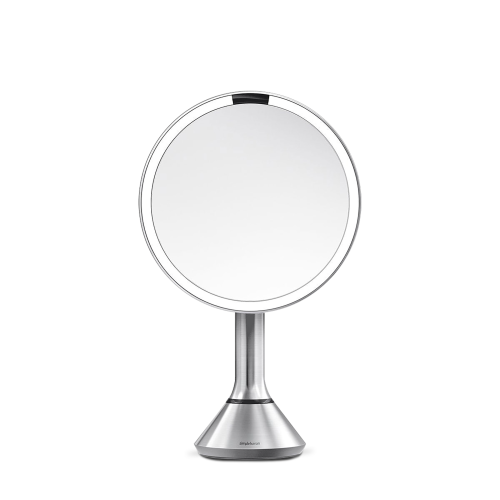 Your price for this item is $270
 -
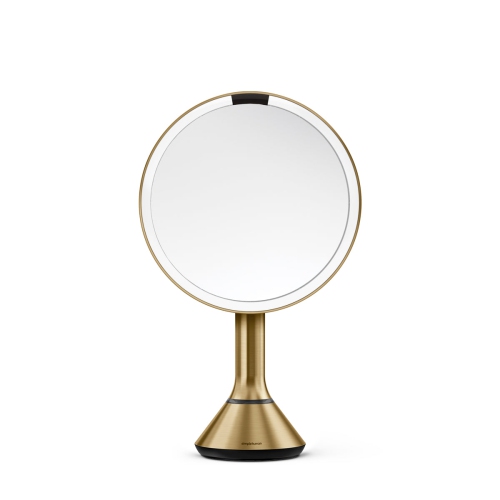 Your price for this item is $270
 -
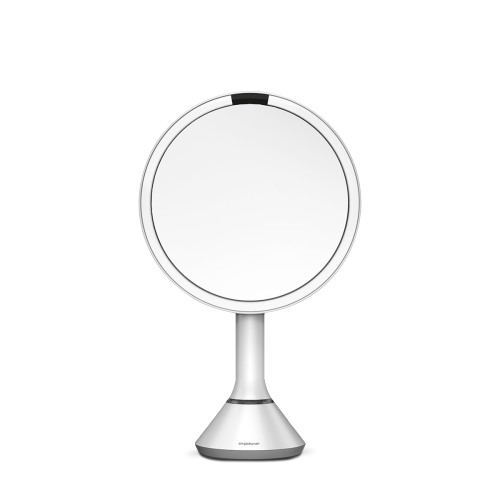 Your price for this item is $270
 -
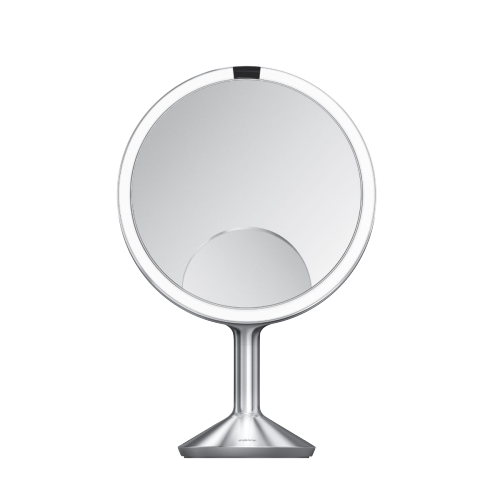 Your price for this item is $450
 -
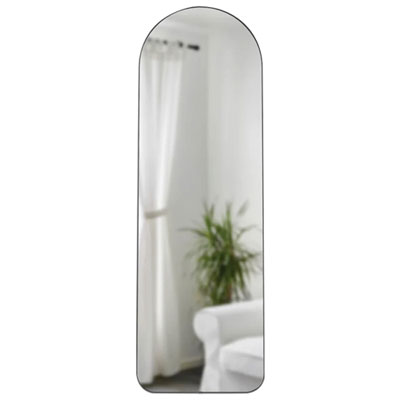 Your price for this item is $158.98
 -
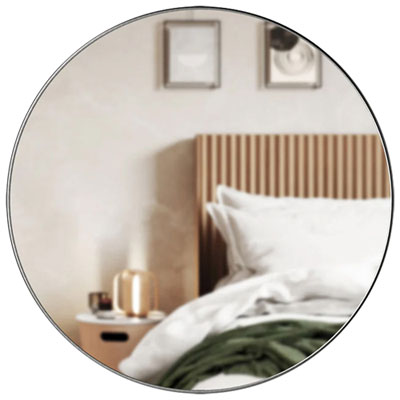 Your price for this item is $149.99
 -
 Your price for this item is $400
 -
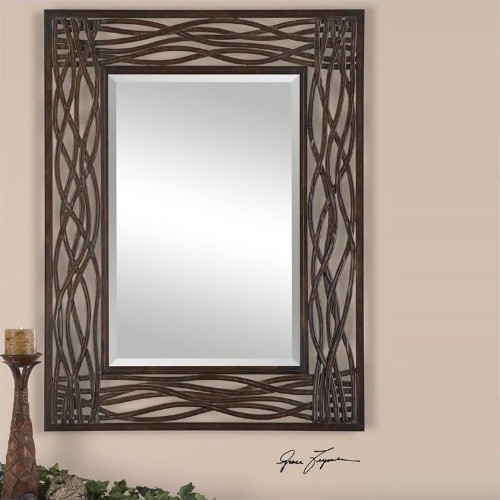 Your price for this item is $833.35
Discover more categories related to Body Mirrors
Top Collections:
Pokemon Centers, Kindle Devices, Best Budget Office Chairs, Apple iPhones 16, Best Laptops for Writers, iPhone 15 Apple, Canon G7X Cameras, Refurbished Apple Laptops, Alarm Clock, Motorola Razr Phones
Some products may be subject to Environmental Handling Fees
(EHF) depending on your province.
Learn more about EHFs.