Border Fences
Create a stylish and secure boundary around your property with our selection of border fences. Whether you're looking to enhance your outdoor space or add a layer of protection, these fences offer both functionality and style. From classic designs to modern options, find the perfect border fence to suit your aesthetic preferences and security needs. Explore our range of durable materials and versatile styles to elevate the look of your home's exterior while maintaining privacy and safety.
Sort
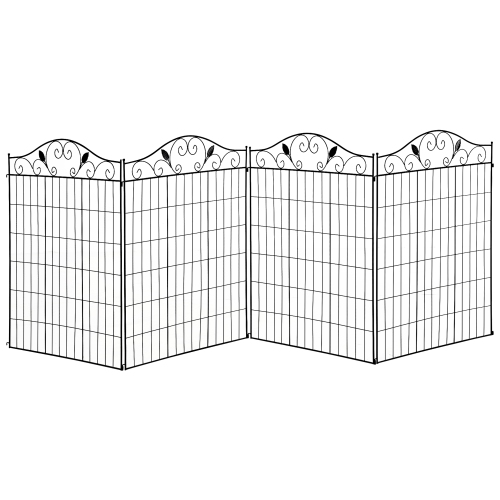
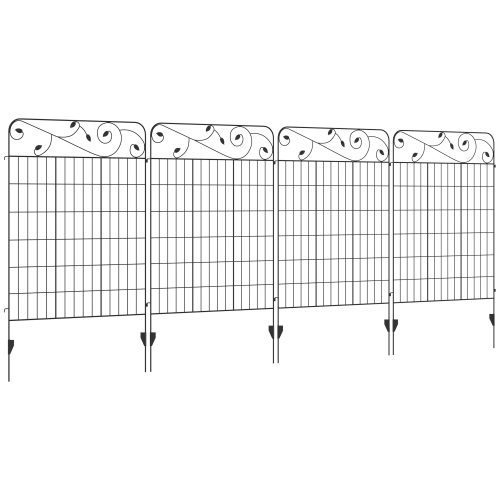
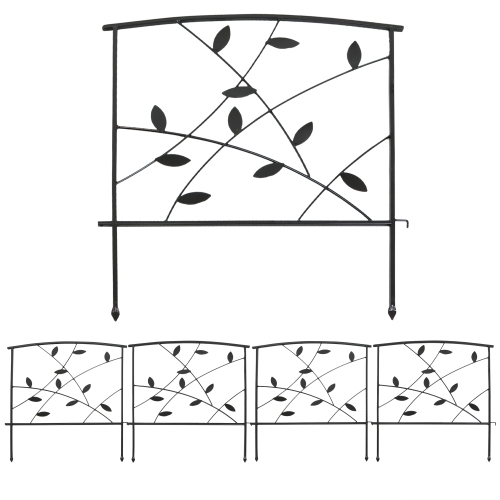
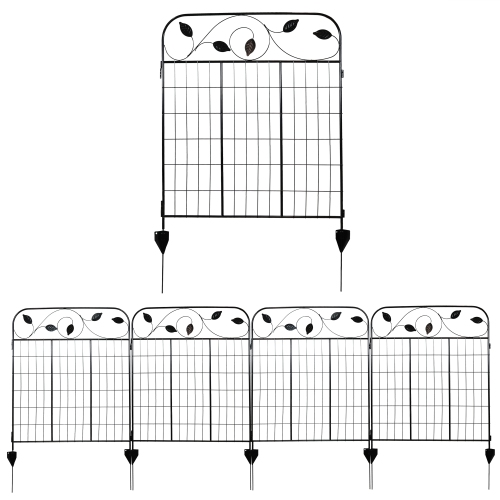
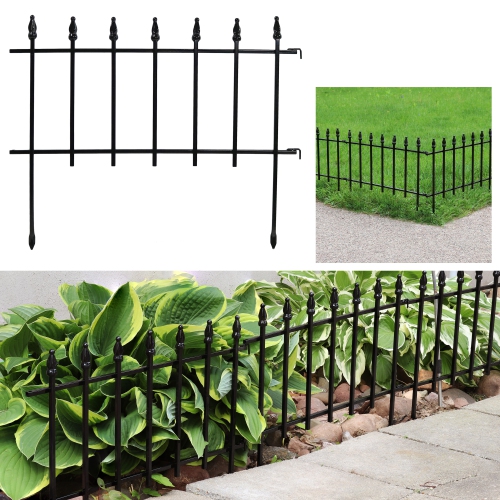
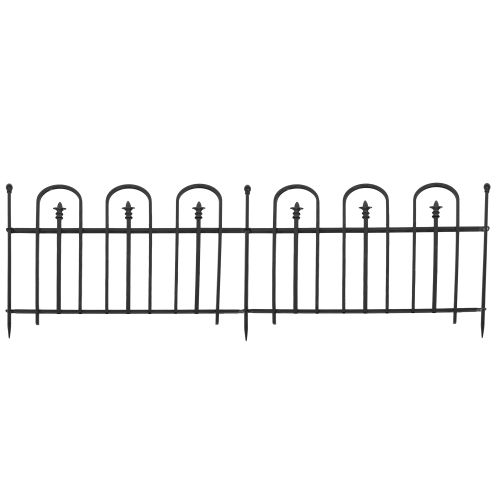
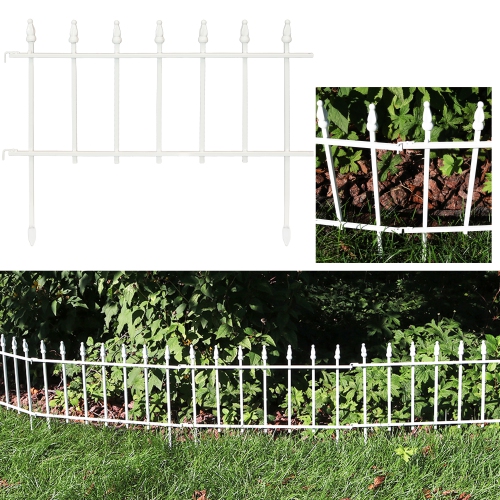
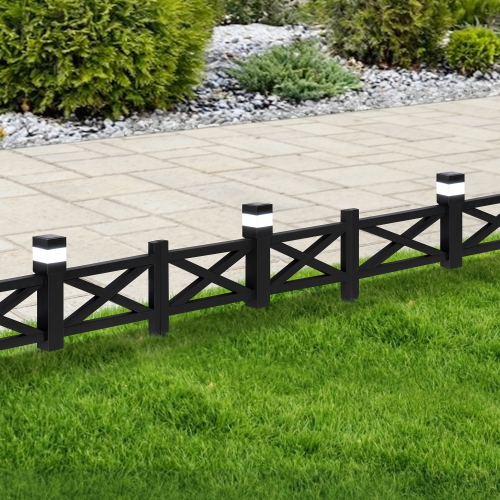
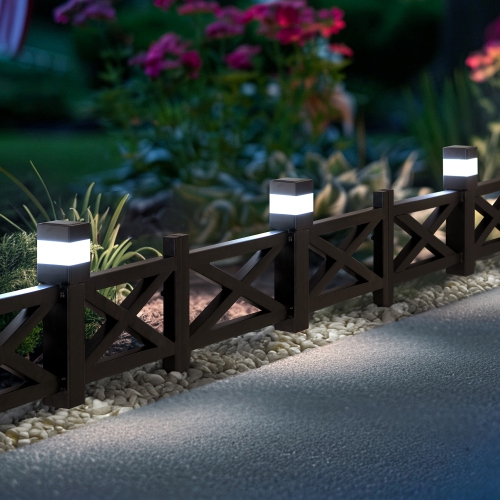

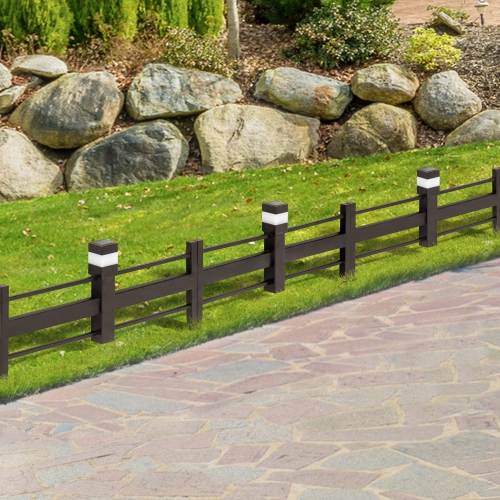

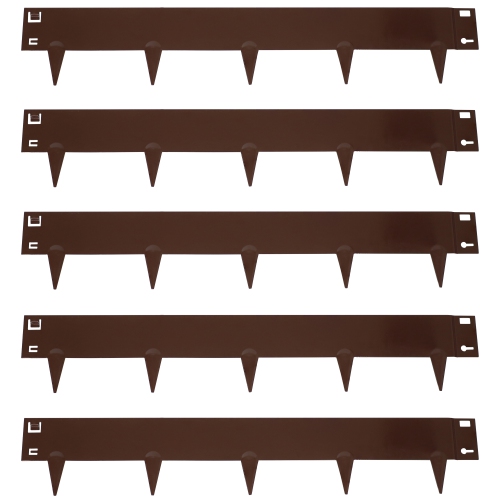

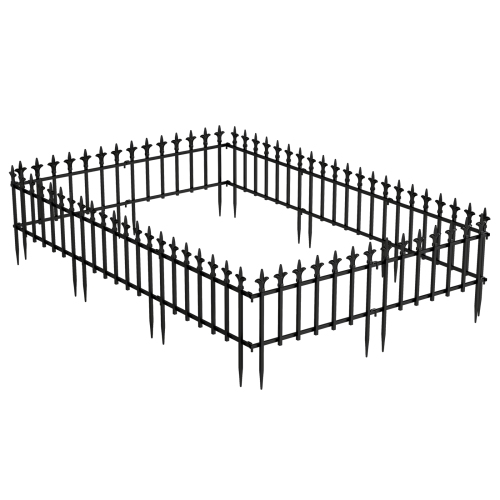
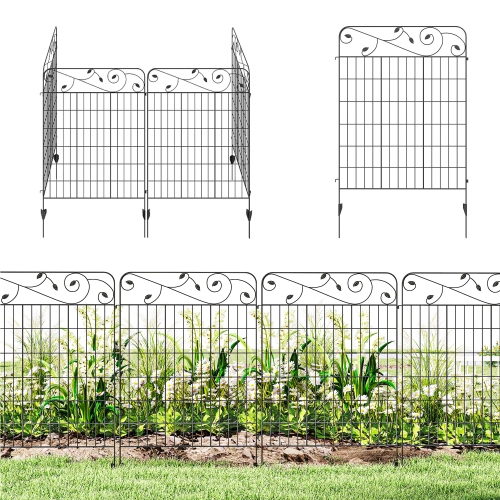
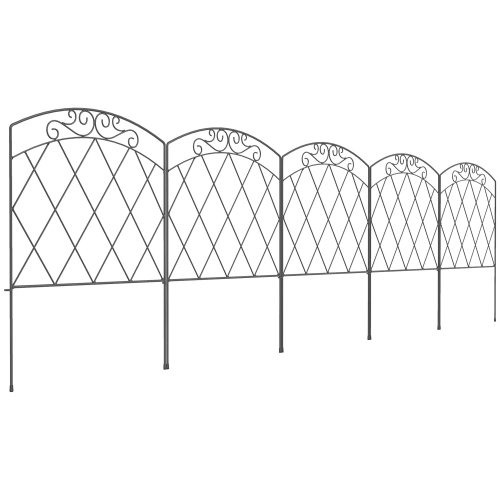
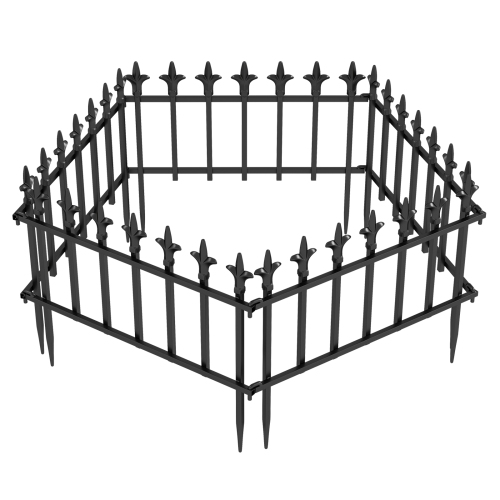
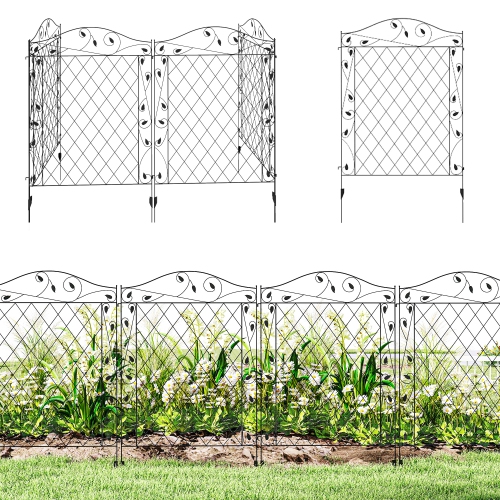
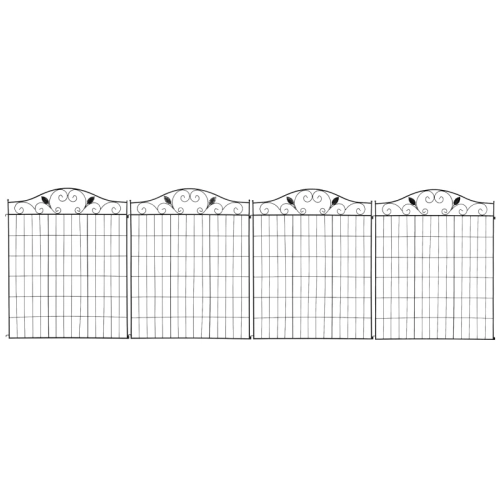
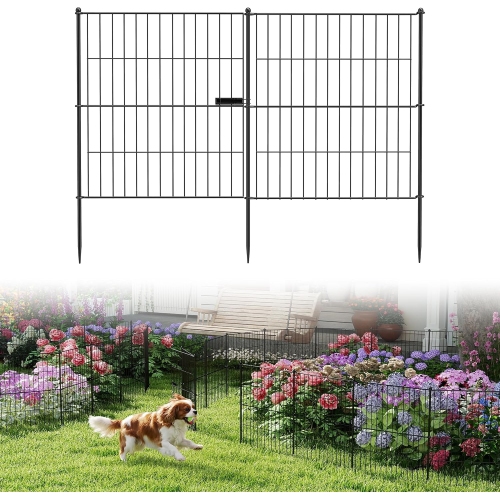
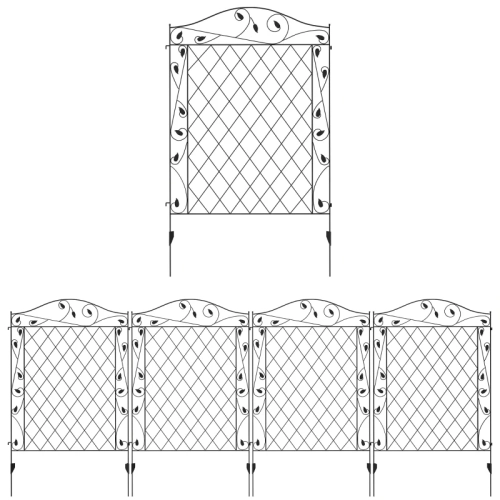
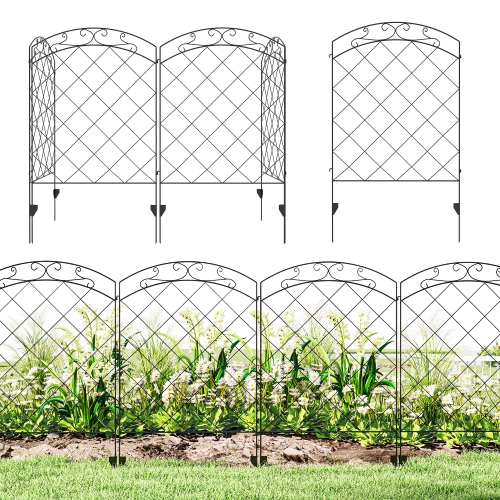
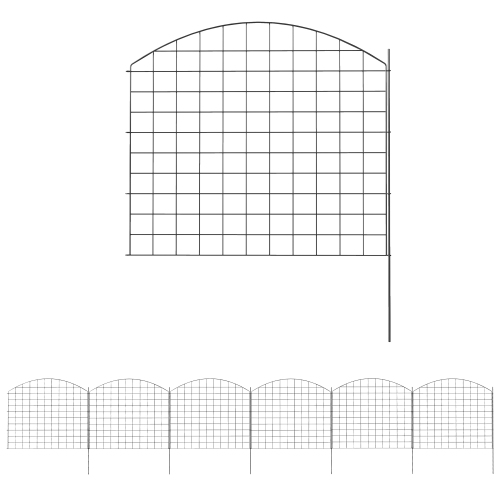
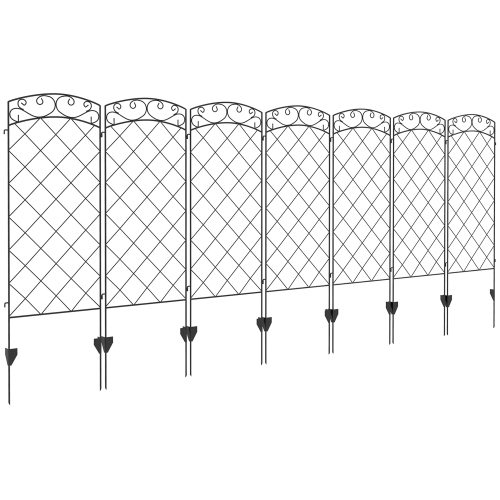
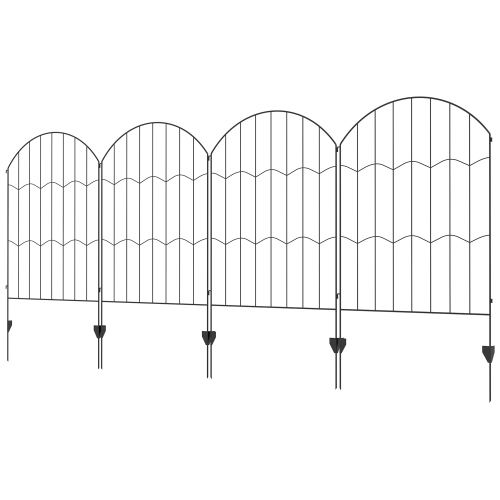
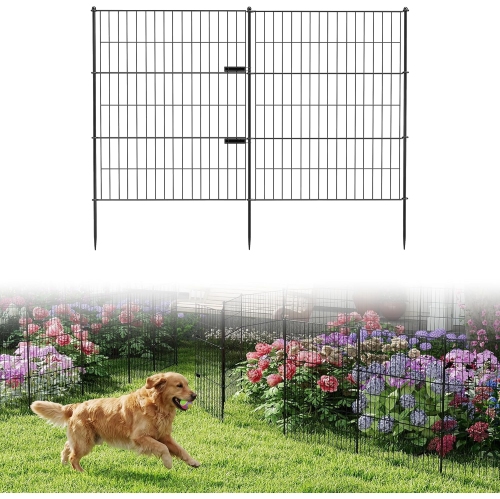
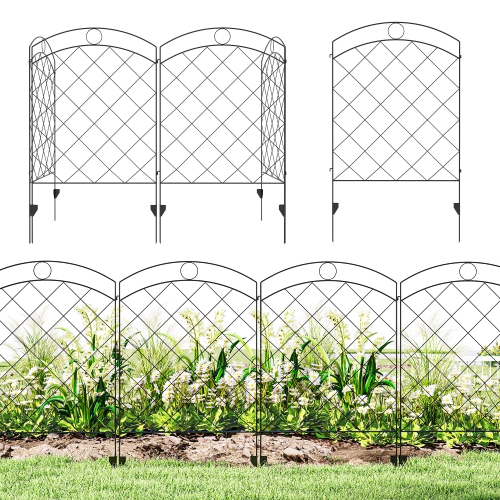
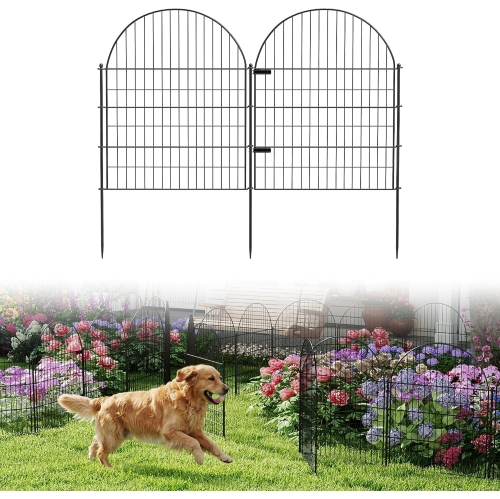
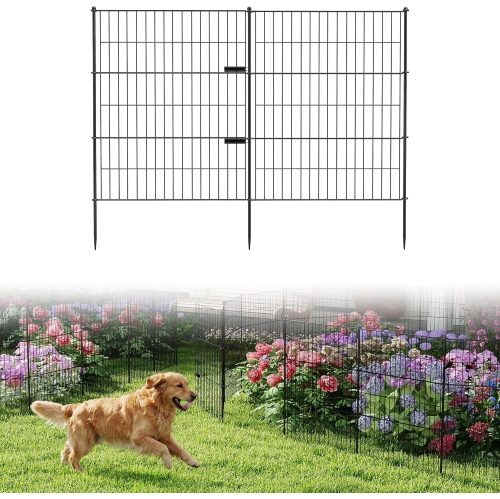
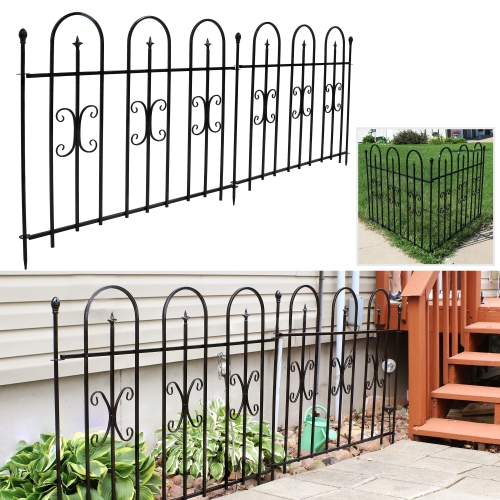
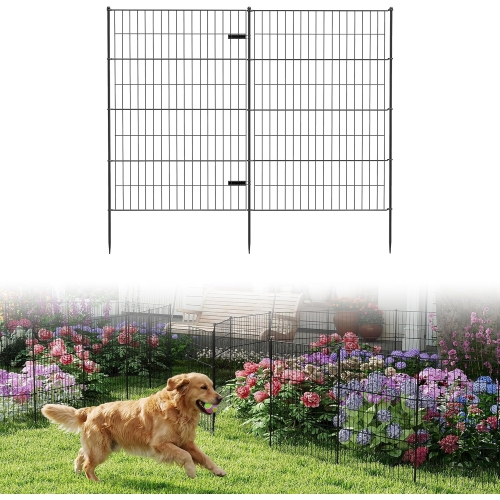
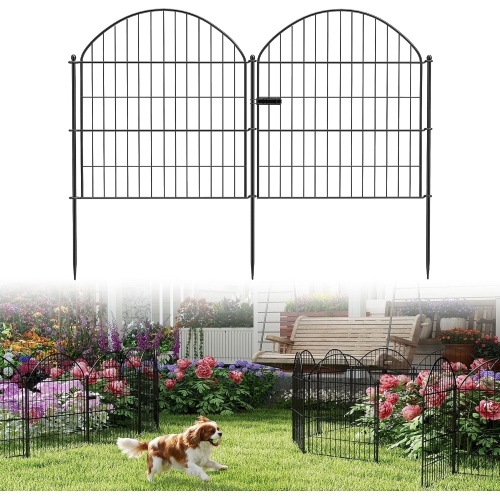
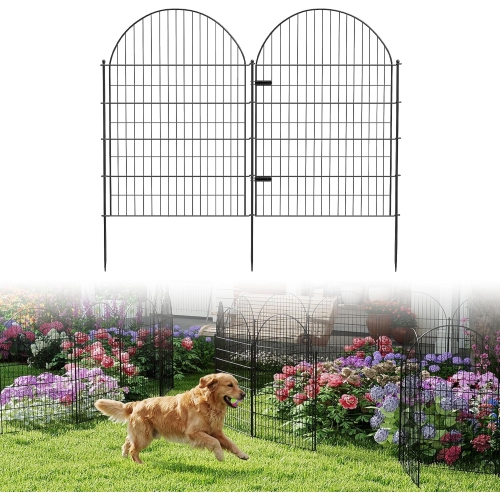
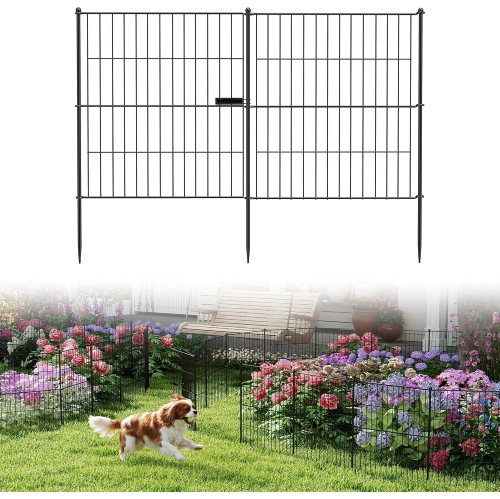
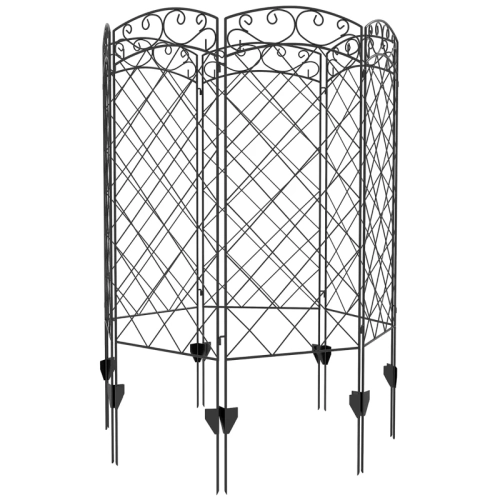
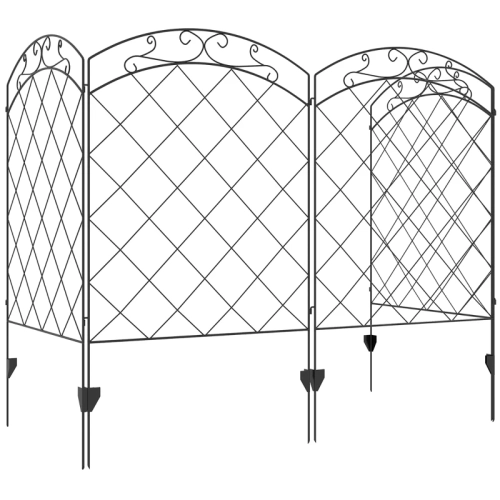
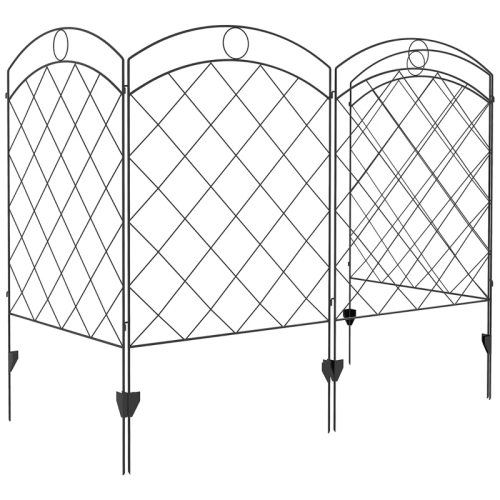
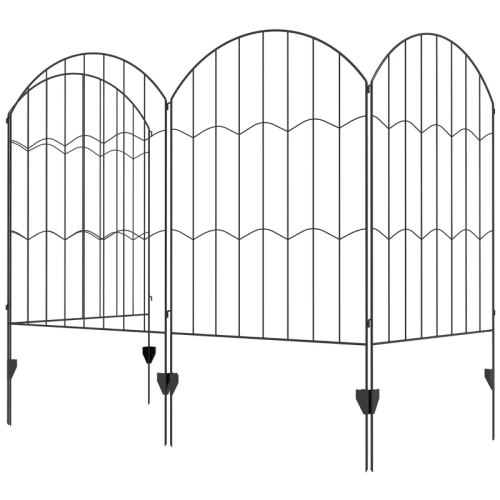
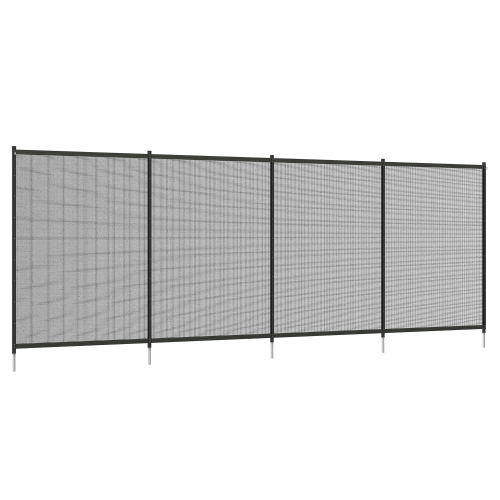
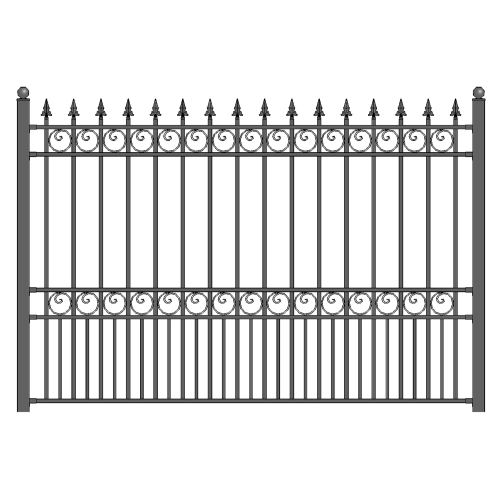
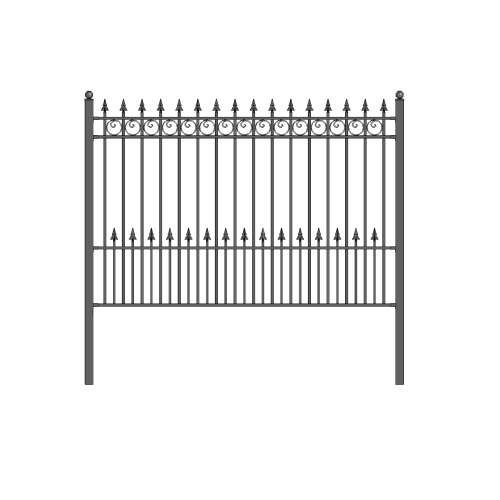
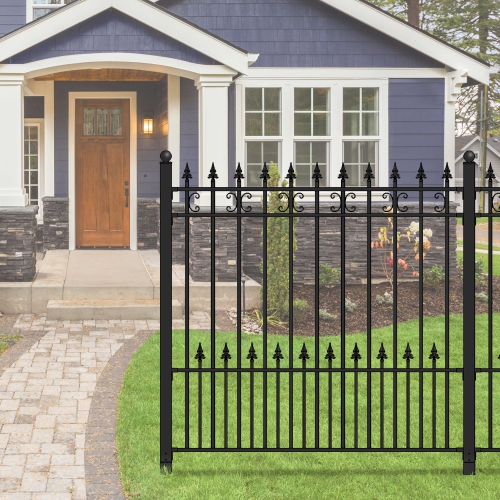
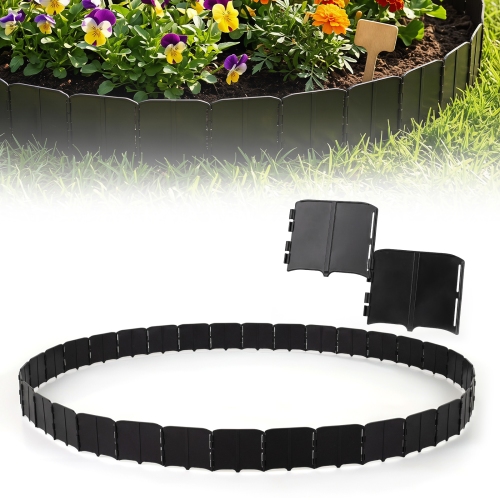
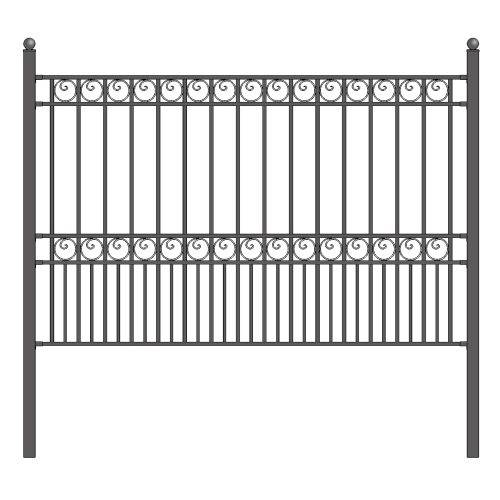
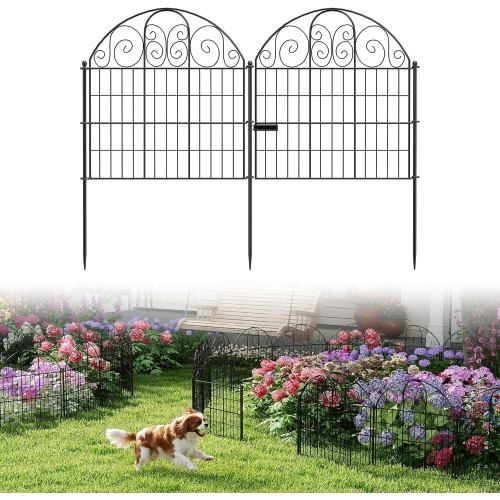


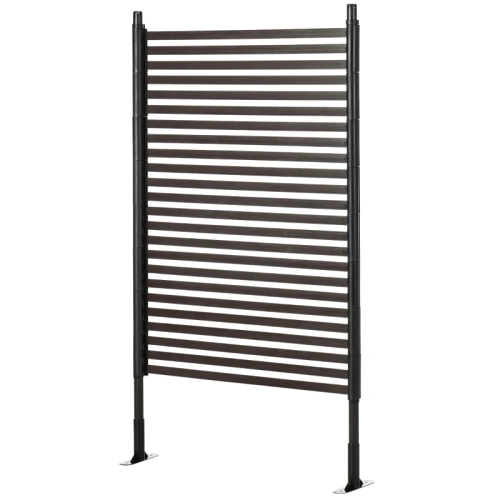
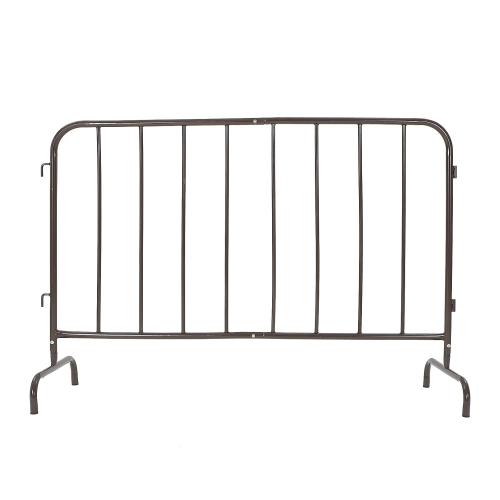

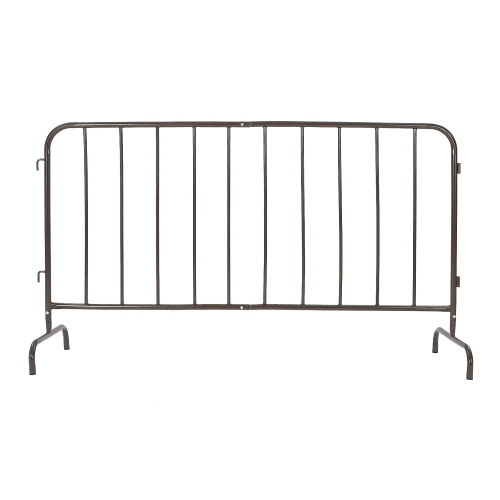
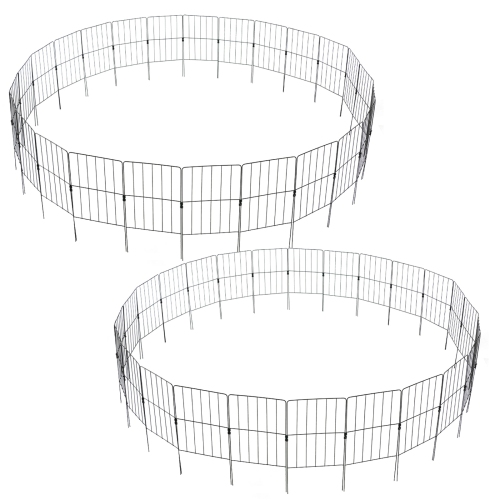

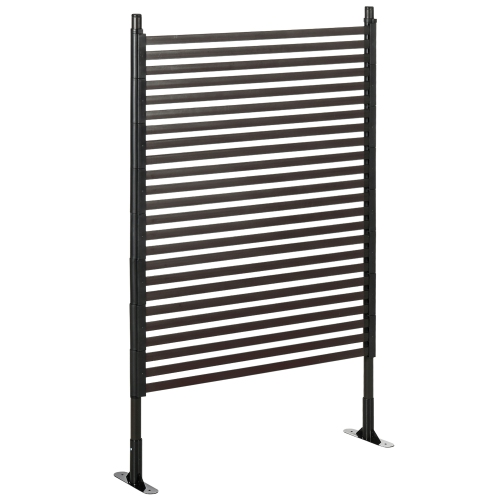
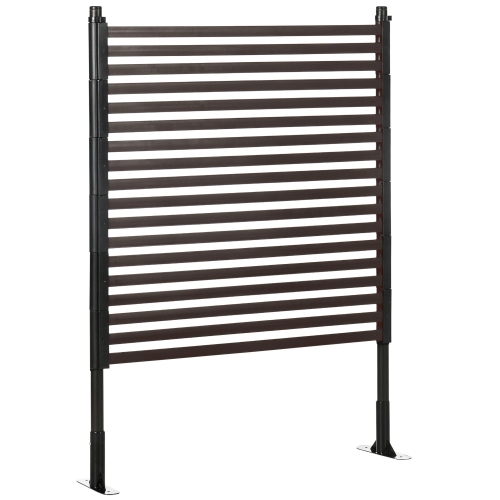
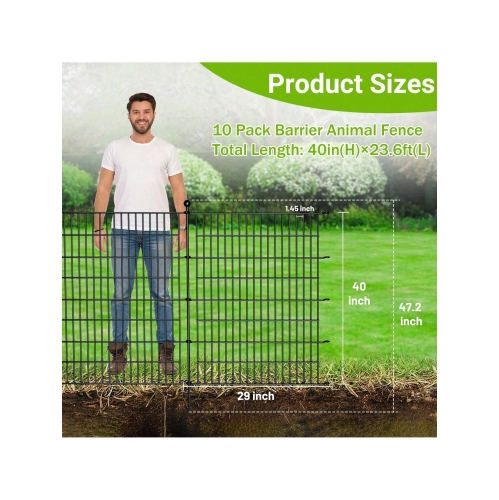


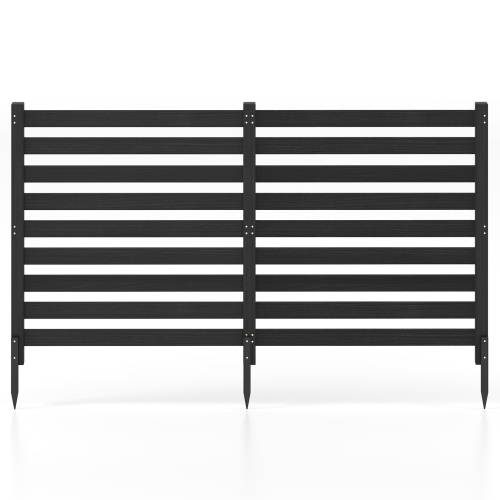
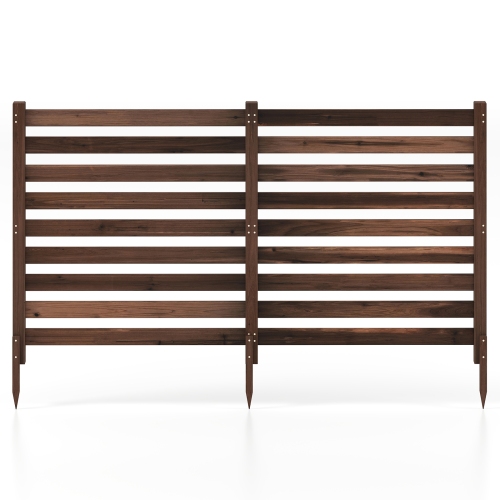
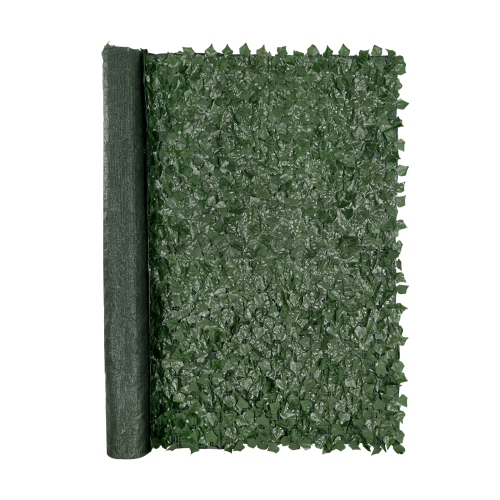
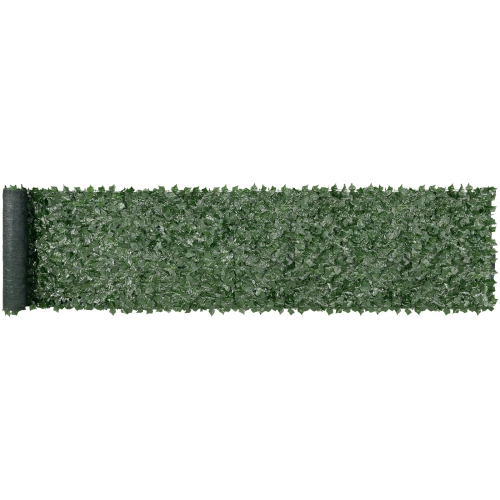
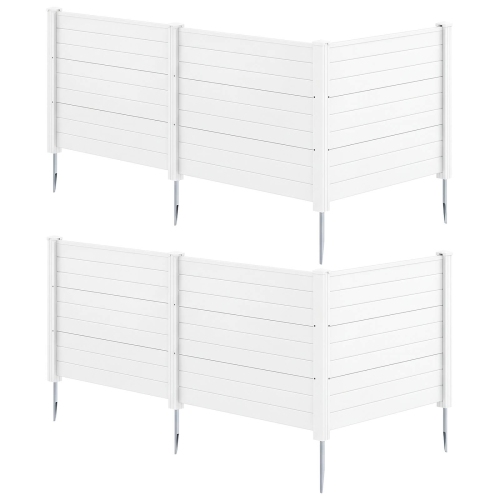


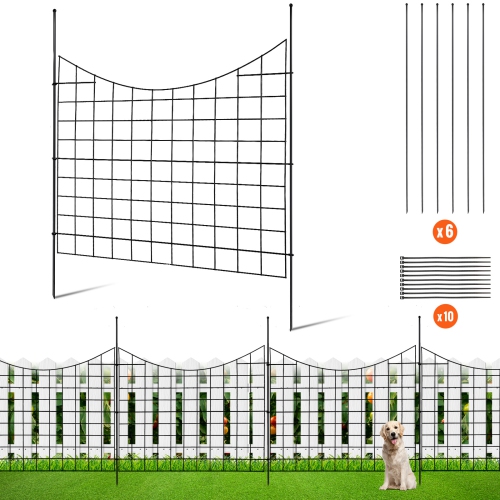
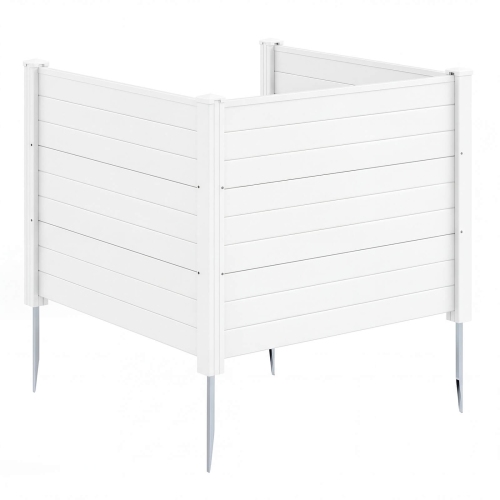
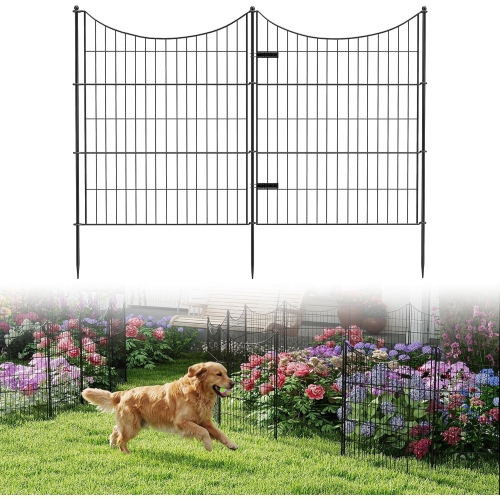
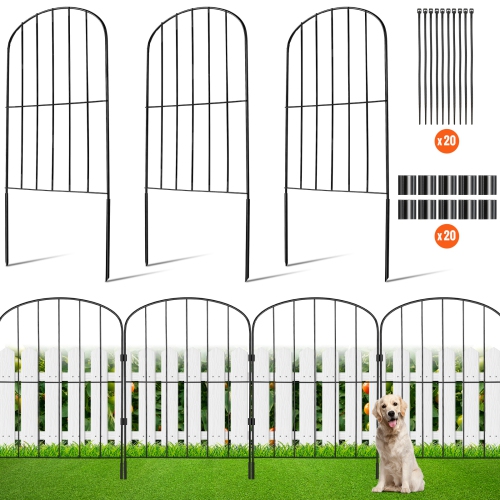


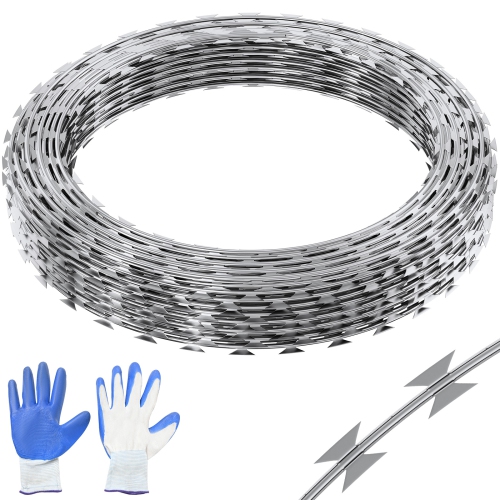
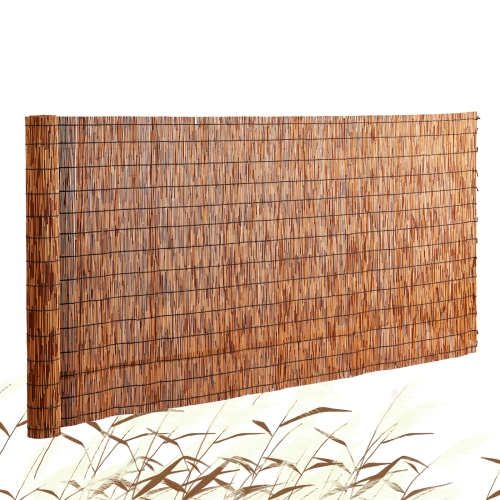
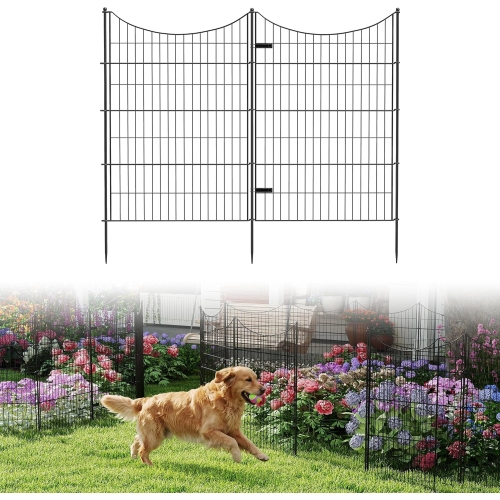
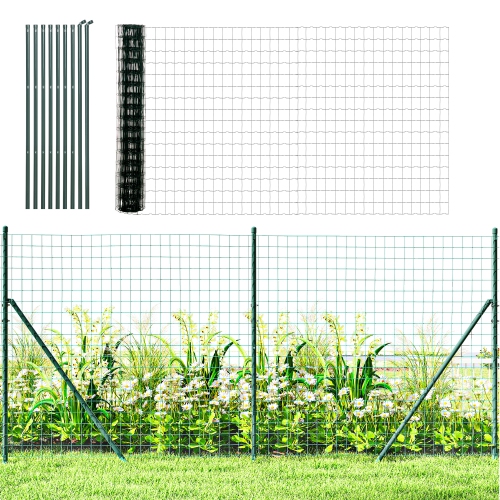

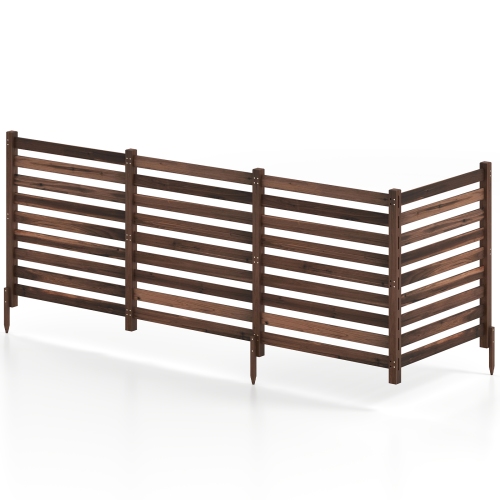
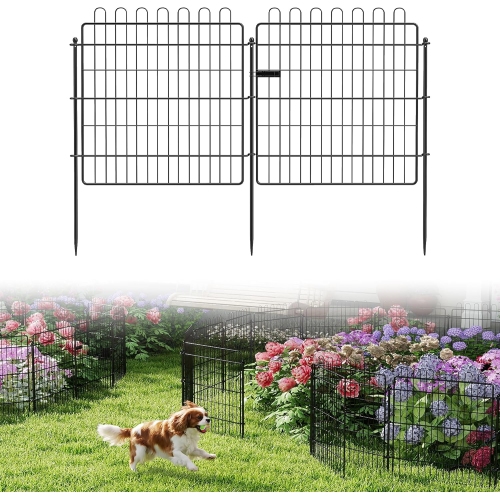
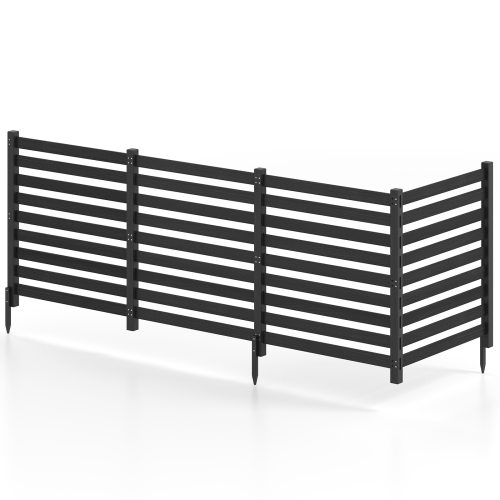
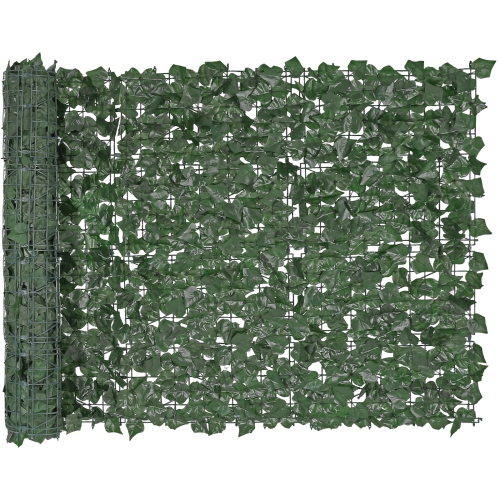
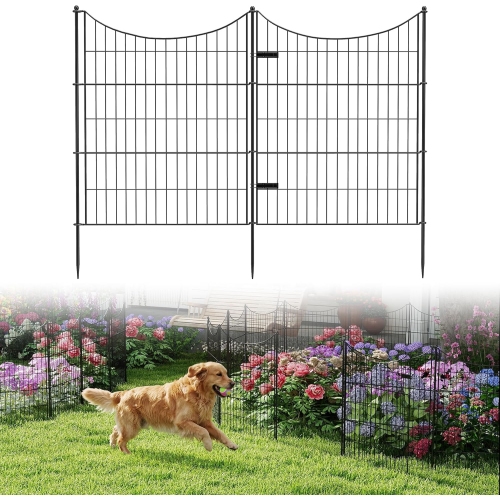

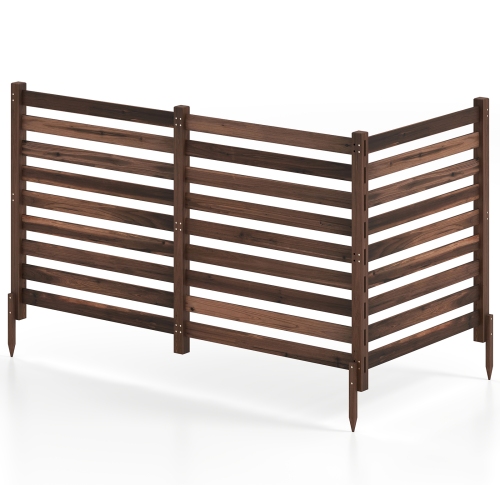
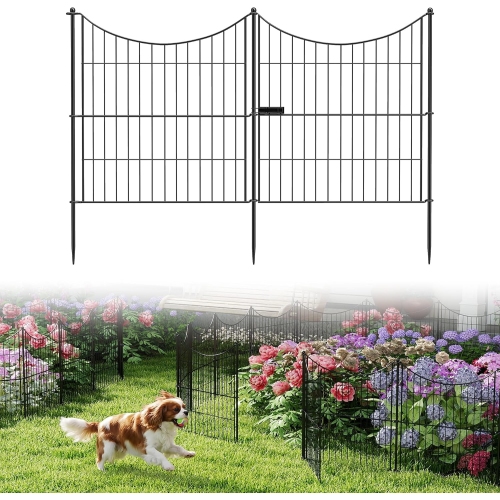
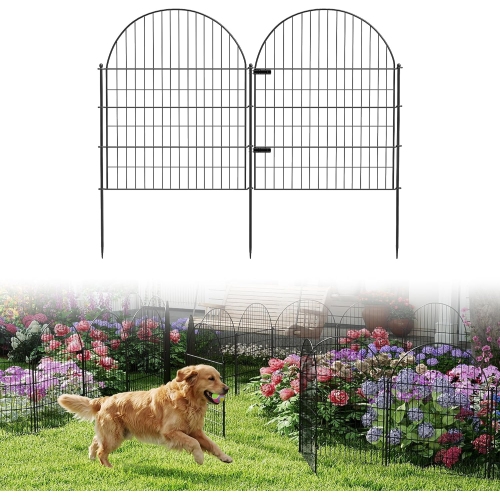


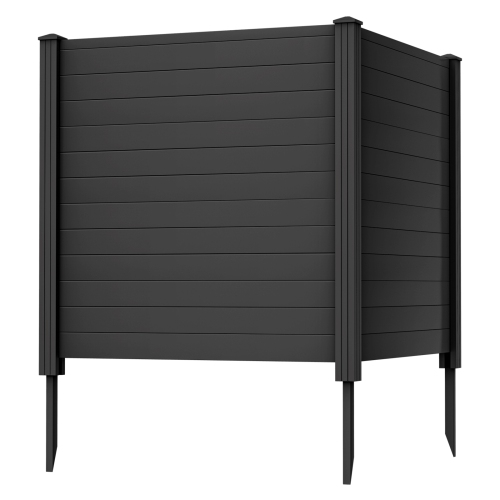
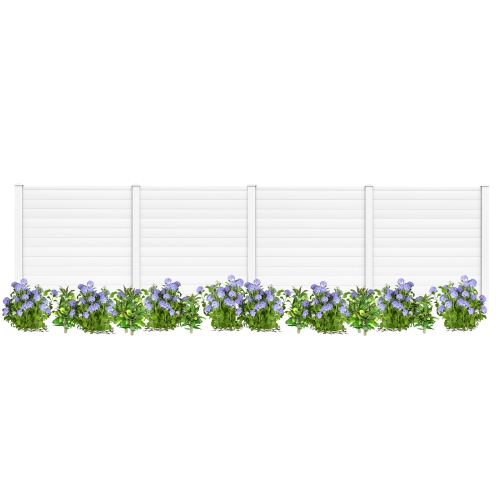
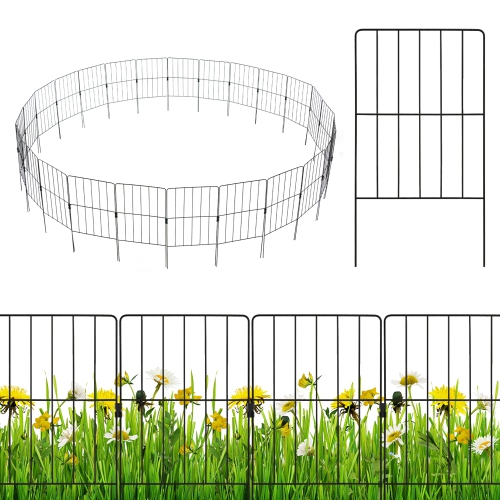

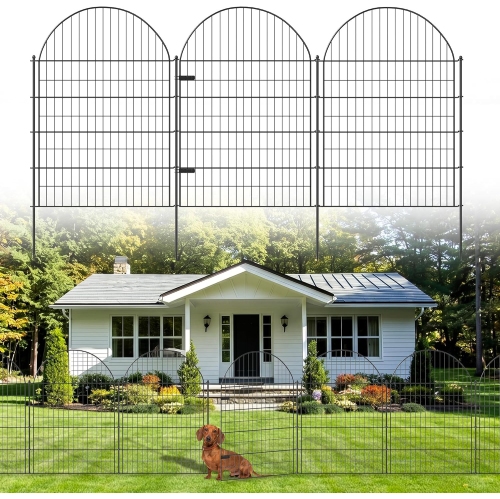
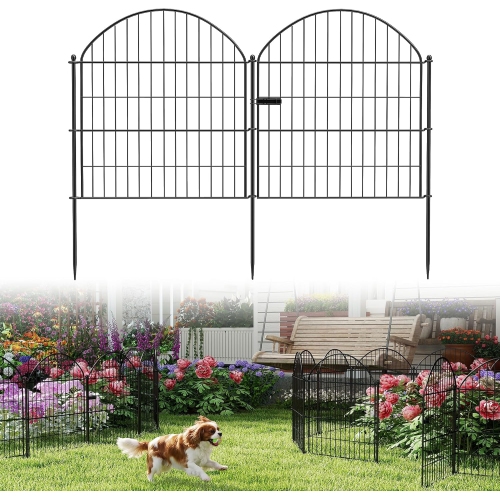
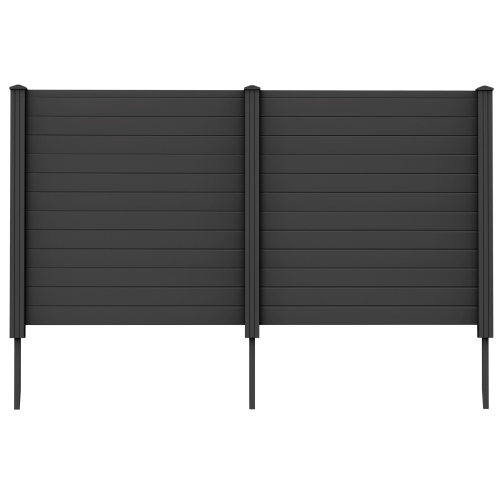
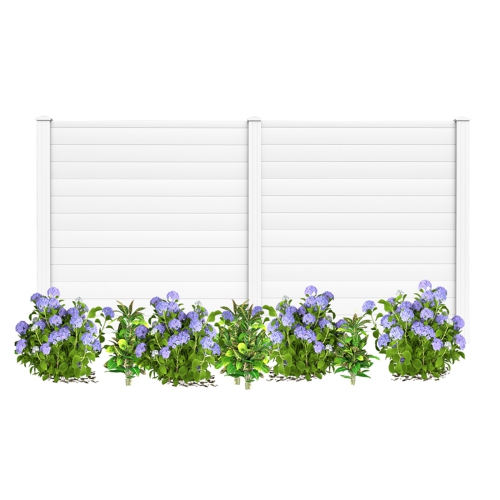

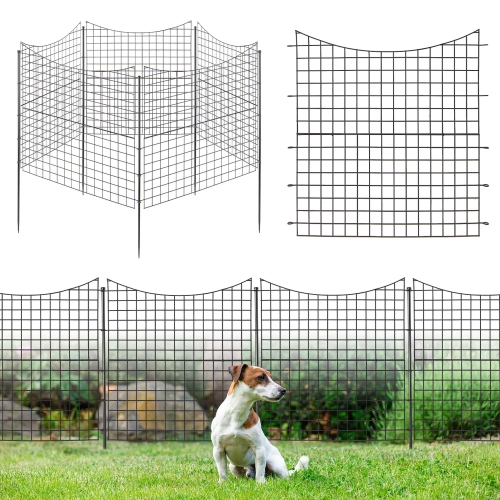
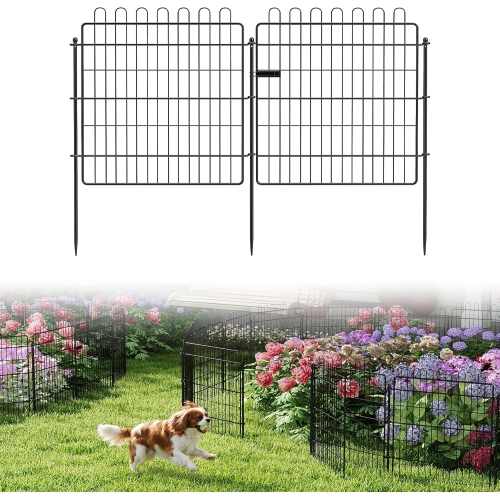
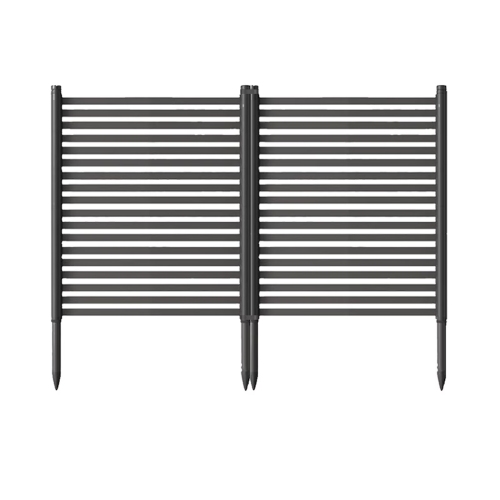

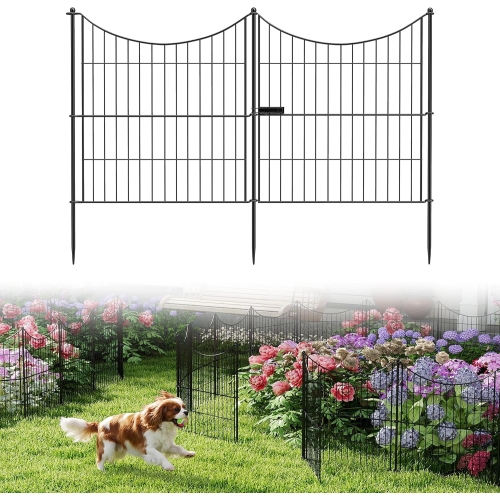

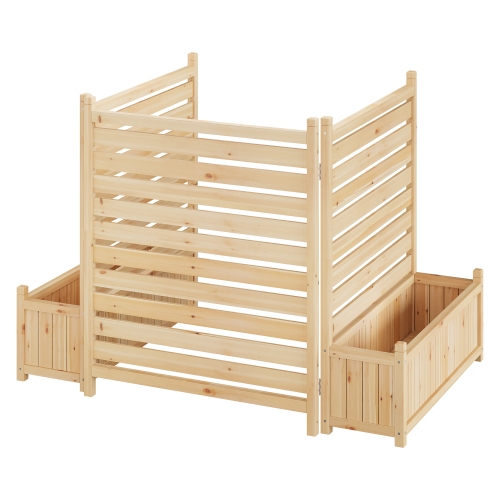
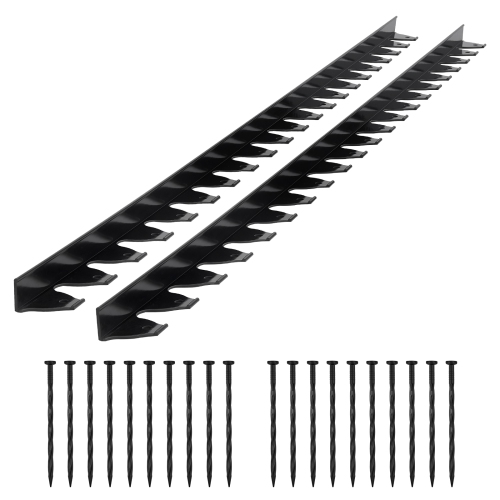

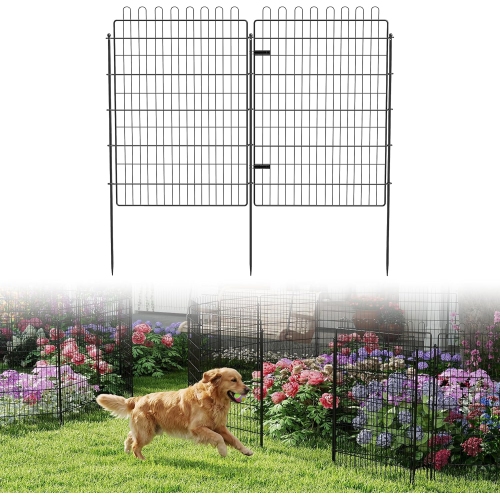
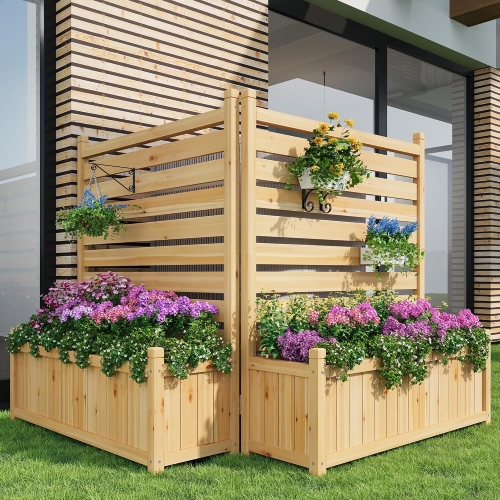
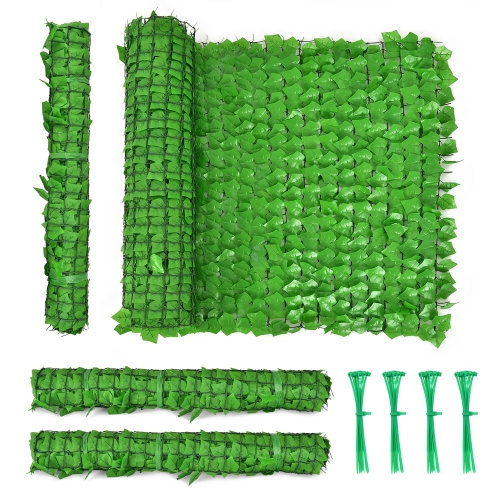






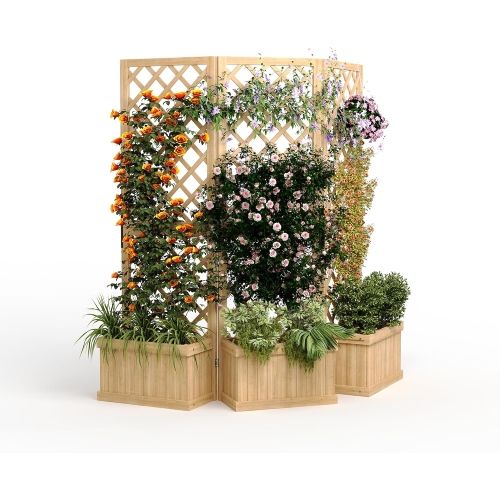


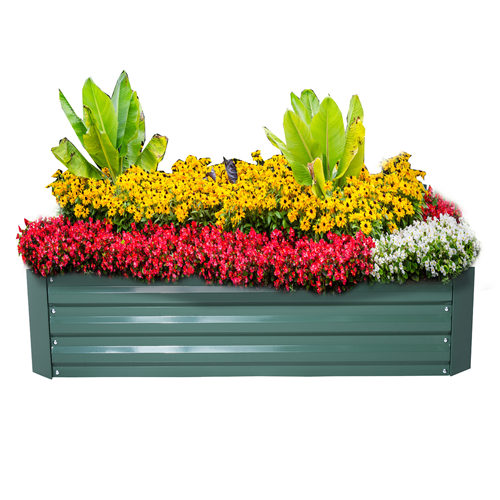
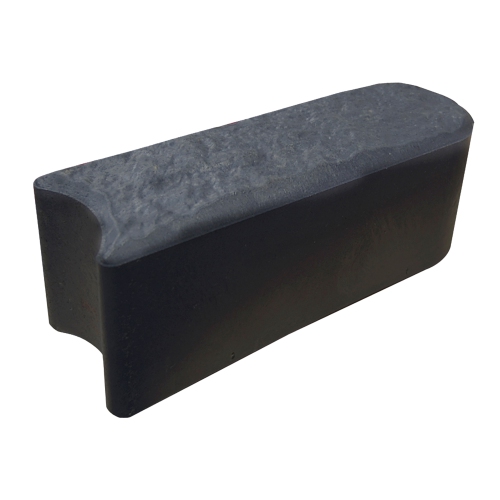

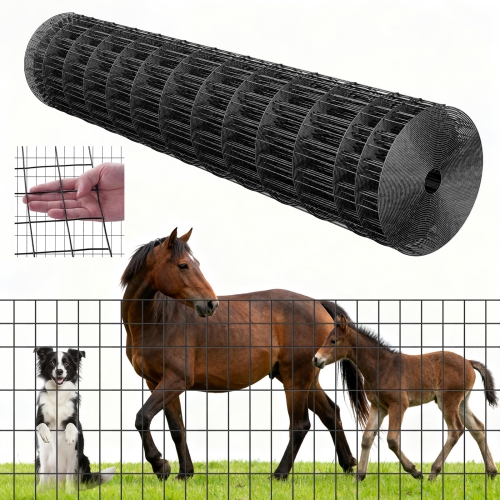


Low-profile boundaries that frame gardens without hiding plants
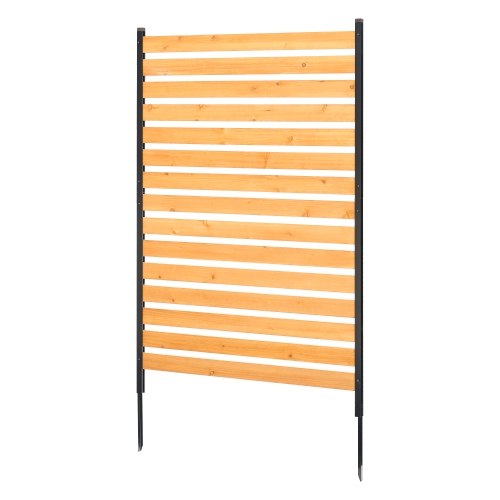
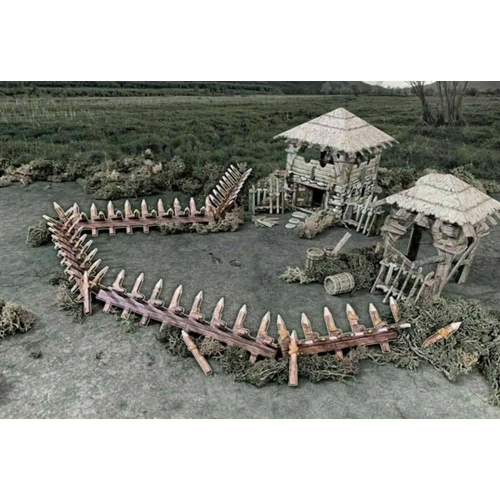
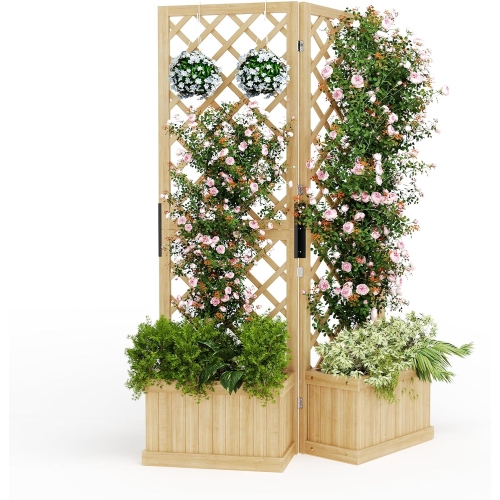
Border fences are low-profile barriers that outline garden beds, line pathways, and separate planted areas from the rest of a yard. They add a visible boundary without the height or enclosure of a full-sized fence, making them useful beside a front walk, around a vegetable patch, or along the edge of a patio. Their main purpose is to define a space, although some designs can also discourage foot traffic or help limit access by small animals. The right construction depends on which of those jobs matters most. Open arches and widely spaced rails provide a clear visual outline while leaving flowers and foliage in view; closely spaced pickets or mesh create a more continuous barrier. Neither style should be assumed to contain pets or exclude wildlife without checking its height, openings, anchoring method, and intended use. A short fence beside a flower bed might remind a child where the path ends, but it is not a child safety barrier. Likewise, an ornamental border is not a substitute for pool fencing, a secure dog enclosure, or a property-line fence that meets local requirements. Visually, border fencing can bring order to a busy planting scheme by repeating a simple shape along the bed. Slim metal panels suit spaces where the plants should remain the focus, while picket profiles make a more noticeable frame. Woven willow and wood designs introduce texture beside leafy planting, gravel, or stone. Colour also affects how prominent the boundary feels: dark finishes tend to sit quietly behind foliage, while lighter finishes create a stronger outline. For a coordinated layout, Garden Borders can provide context for the broader mix of edging styles used around planting areas. Above-ground fencing defines the perimeter visually, whereas edging designed to extend into the soil may serve a different purpose, such as separating lawn roots from a bed or helping hold loose material in place.
Materials influence a border fence’s weight, rigidity, appearance, and care requirements. Powder-coated steel offers a firm structure with relatively slender rails, making it a practical choice for repeated panels along a straight path or rectangular bed. Its coating helps protect the metal, but it does not make every fence rustproof; scratches, exposed joints, and damaged stake ends can become points where corrosion starts. Wrought iron has a substantial appearance and often suits traditional settings, though its weight and finish can require more attention during handling and upkeep. Plastic and PVC border fences are generally lighter and easier to reposition, with profiles ranging from small pickets to simple rails. Their strength varies with material thickness, panel shape, and connection design, so a lightweight visual divider should not be treated as a load-bearing barrier. Wood brings visible grain and a softer-looking outline, while woven willow offers an irregular texture that works well around informal beds. For either material, suitability for direct soil contact matters, particularly where the lower edge stays damp. Treatment, construction, and the supplier’s care directions are more useful indicators of expected service life than appearance alone. Smooth edges, sound joints, and secure fasteners are worth attention across all materials, especially beside routes used by children or pets. Routine care is usually straightforward: remove soil buildup where practical, clear plant growth from connectors, and inspect panels for loose fittings, cracks, splinters, or damaged finishes. Use cleaning methods compatible with the material rather than abrasive tools that could strip a protective surface. Where a manufacturer permits touch-ups, addressing a small coating defect promptly can help protect the surrounding metal. Avoid leaning heavy tools against narrow sections or using ornamental rails to support a hose filled with water. Border fencing is most durable when its construction matches the task and the panels are not asked to carry weight or resist pressure beyond their intended purpose.
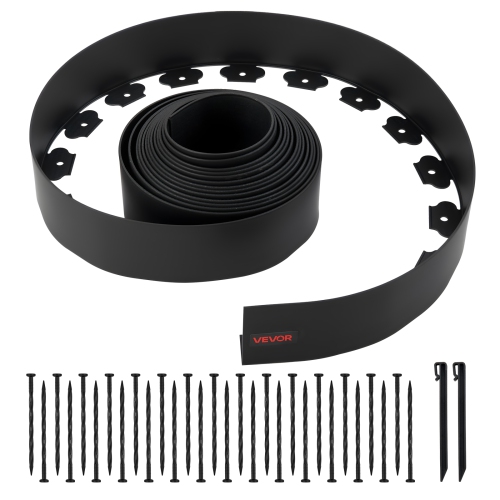
Fit starts with the shape and length of the boundary, not just the height of the fence. A straight run beside a walkway is relatively simple to measure, but curved beds, tight corners, and sloping ground place different demands on the connections. Rigid panels may form a series of short angles around a curve, while flexible or rolled designs can follow a rounded edge more closely within their stated bending limits. Check the installed coverage of connected sections, since overlapping joints can reduce the total length compared with adding individual panel widths. Overall height can also include the portion driven into the ground, leaving less fence visible above the soil than the full measurement suggests. For animal deterrence, that exposed height and the size of every opening matter, including gaps beneath panels and at corners. Rabbits may pass through openings that appear small, and digging or jumping animals can get around a shallow border. No-dig, stake-in designs avoid the need for continuous trenching, but they still need suitable soil and enough stake depth to stand securely. Compacted ground, buried stones, and established roots can make placement difficult; forcing a stake may bend it or damage nearby planting. Before inserting stakes, check for irrigation tubing, lighting cables, and other buried services, using local utility-locating services where appropriate. A border alongside a narrow path should leave comfortable clearance for walking, moving bins, or pushing a wheelbarrow, with no projecting connectors at ankle height. Around a vegetable bed, removable sections or a planned opening make it easier to reach plants without repeatedly stepping over the fence. Lawn edges need room for mowing and trimming, while beds that receive mulch need access for spreading it. These small layout details are especially useful for gardeners refreshing an established yard, households separating play space from planting, and anyone adding definition to a compact courtyard. A well-fitted border follows the space cleanly, stays accessible for everyday care, and provides the level of separation its design can realistically deliver.
Top selling and popular products
-
 Your price for this item is $199
-
 Your price for this item is $430.99
-
 Your price for this item is $480.99
-
 Your price for this item is $130.99
-
 Your price for this item is $221.99
-
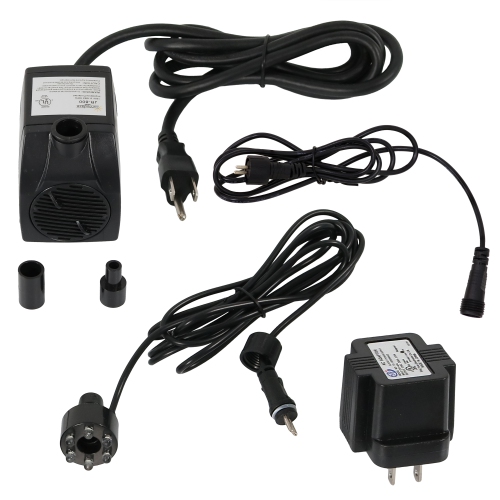 Your price for this item is $69.45
-
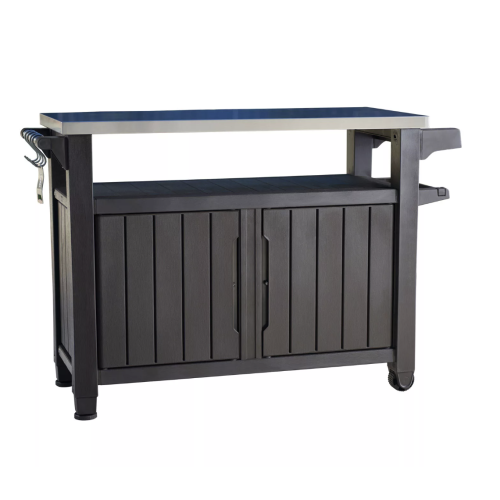 Your price for this item is $520.99
-
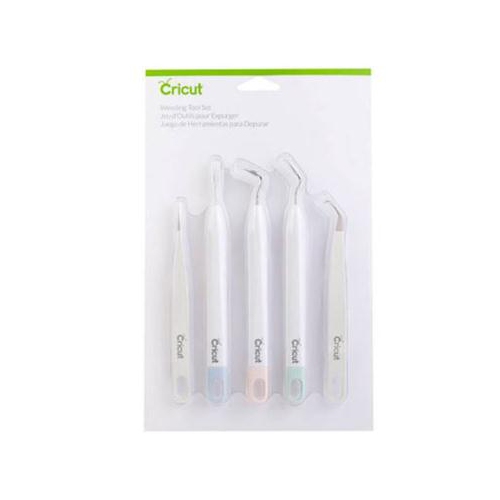 Your price for this item is $26.99
Discover more categories related to Border Fences
Top Collections:
Pokemon Centers, Kindle Devices, Best Budget Office Chairs, Canon G7X Cameras, Apple iPhones 16, Samsung Galaxy Phones, Refurbished Apple Laptops, Laptops for Students, iPhone 15 Apple, Budget Smartphones
Some products may be subject to Environmental Handling Fees
(EHF) depending on your province.
Learn more about EHFs.