Breakfast Table Sets
Create the perfect morning oasis in your home with our selection of breakfast table sets. Whether you're looking to revamp your kitchen space or create a cozy nook for enjoying your daily meals, our range of breakfast table sets offers style, functionality, and durability. From sleek modern designs to classic and rustic options, find the ideal set that suits your taste and fits seamlessly into your home decor. Start your day off right with a breakfast table set that brings both charm and practicality to your living space.
Sort
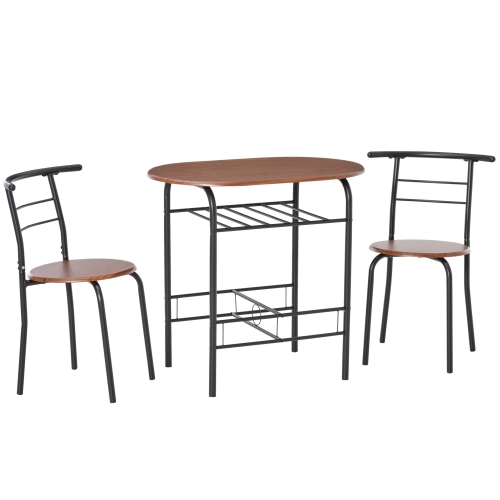
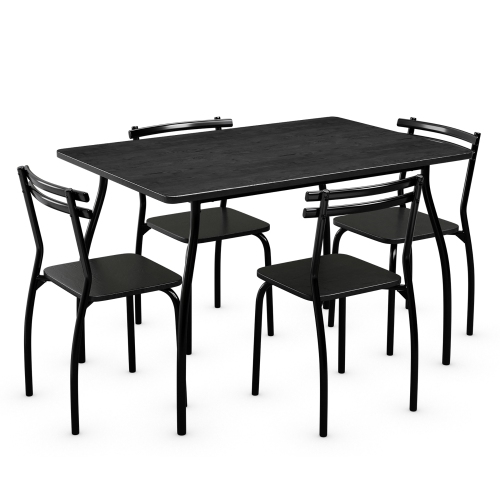
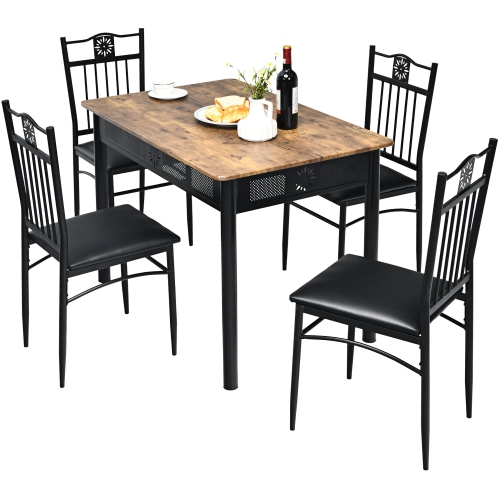
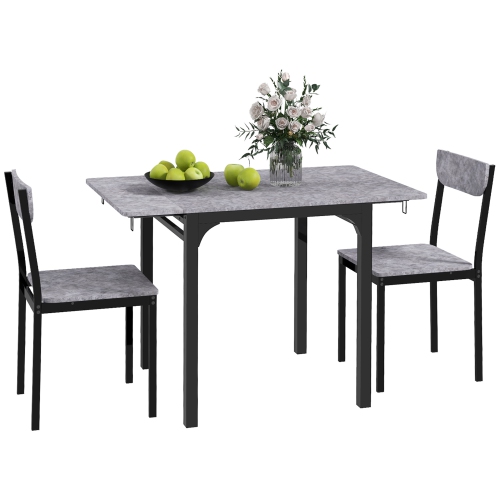
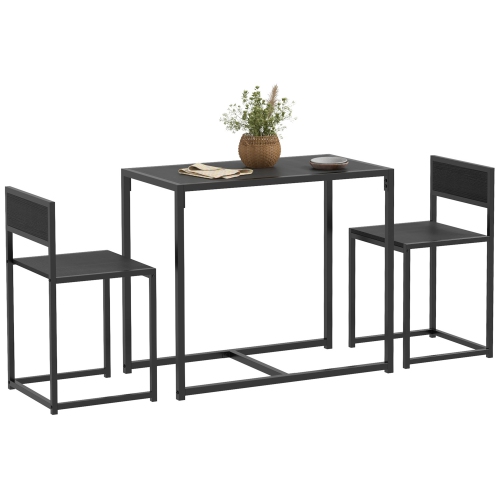
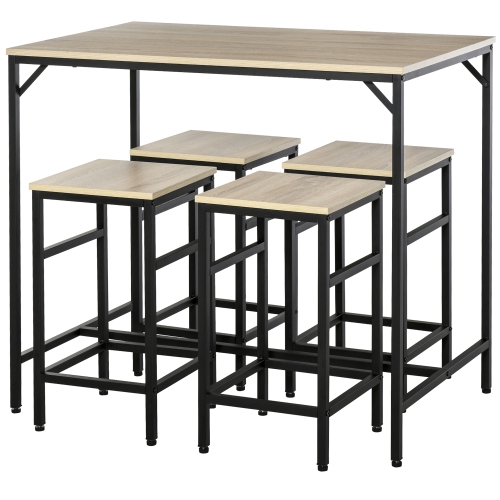

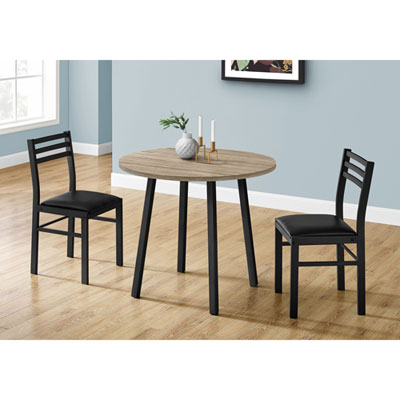
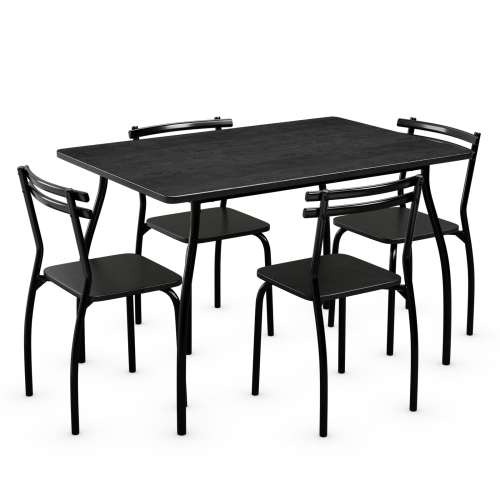
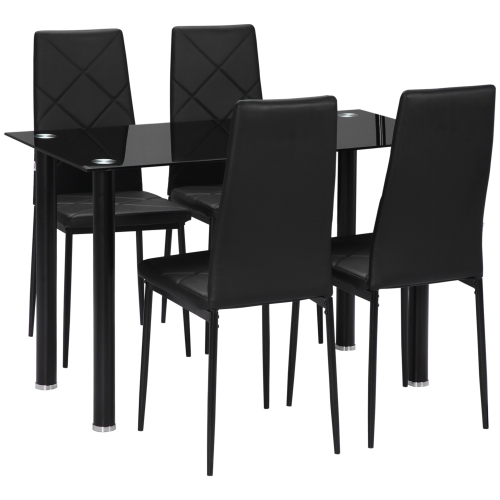
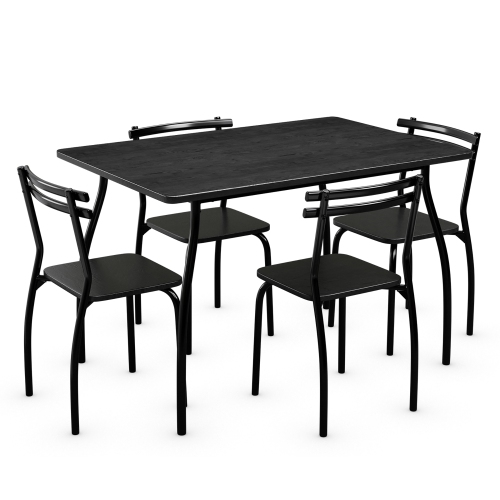
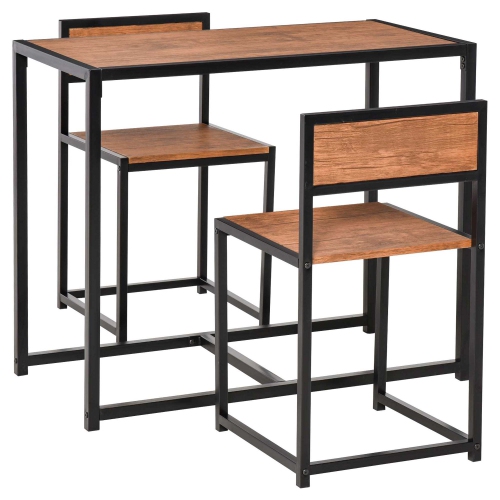
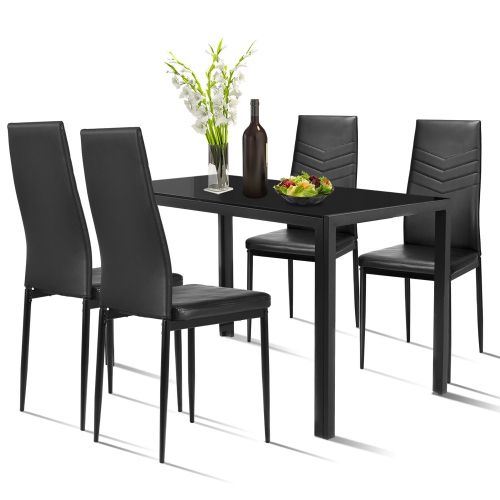

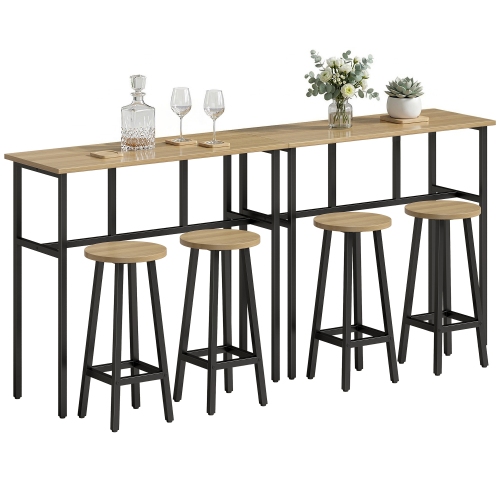
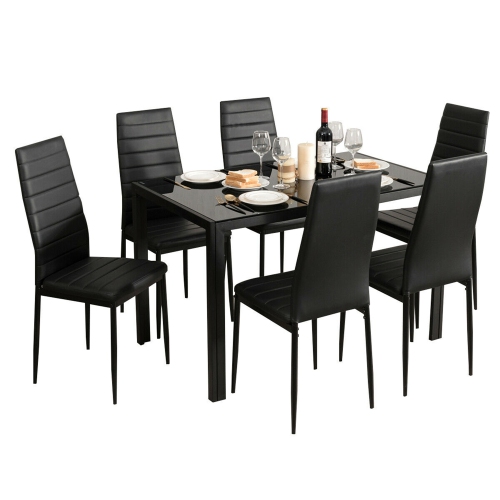
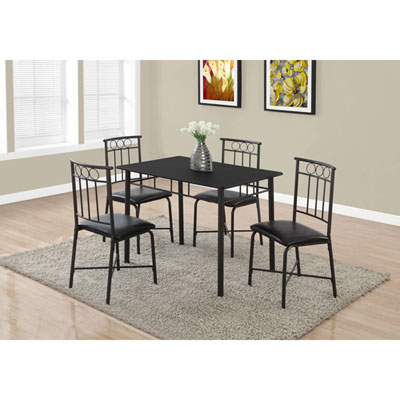
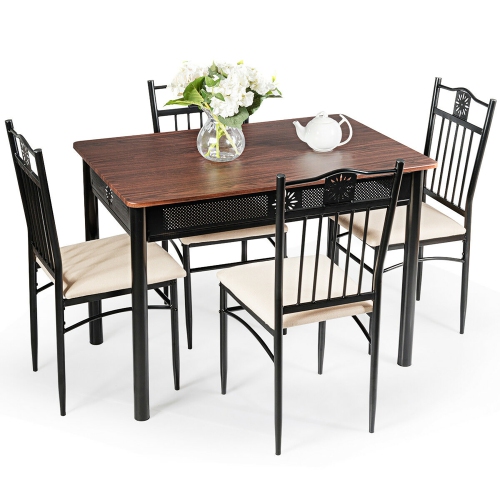
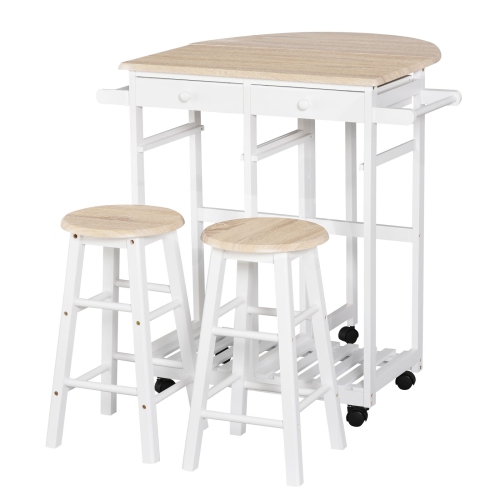
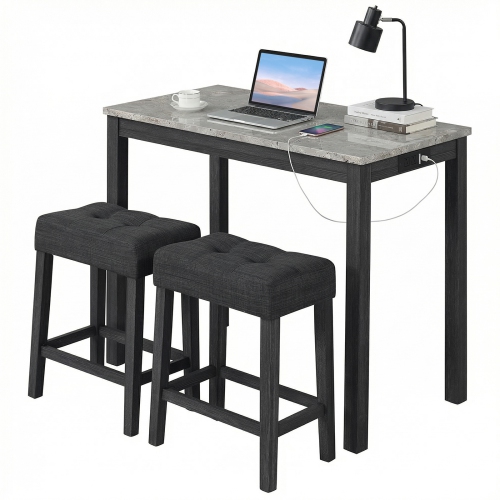
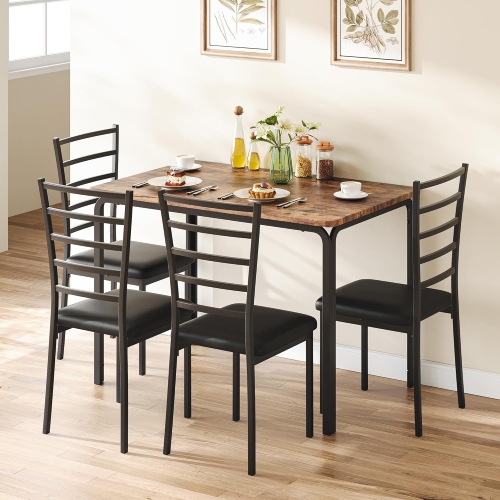
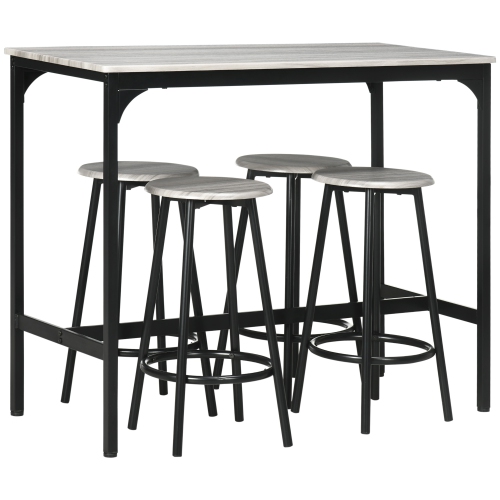
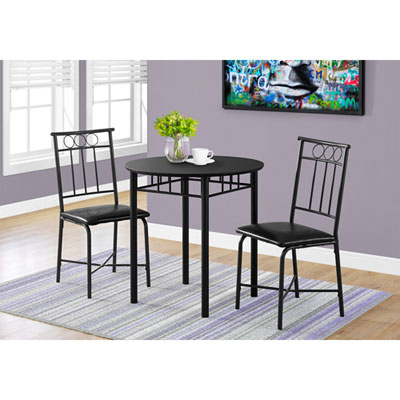
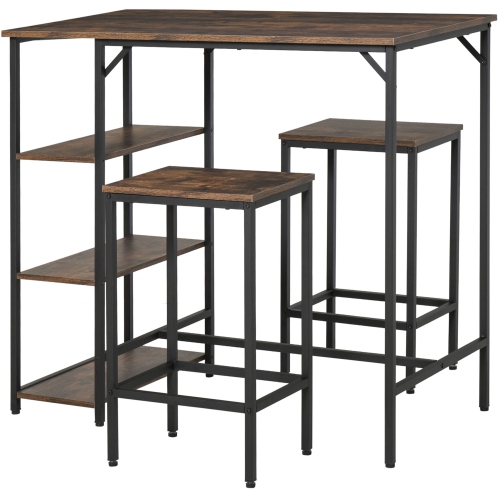
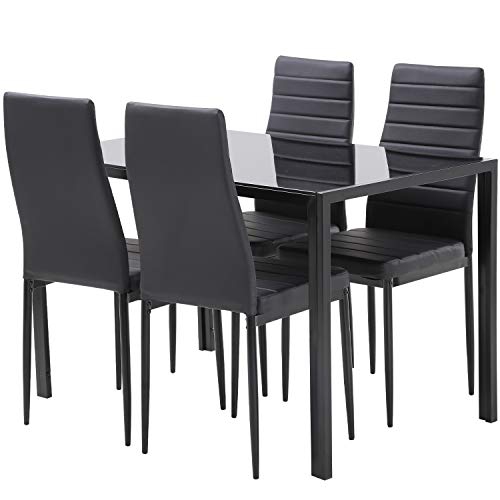
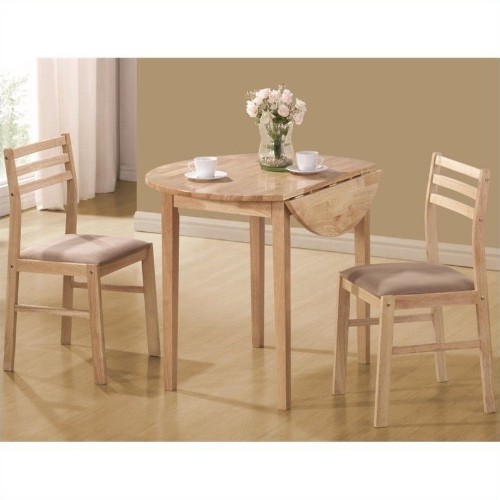
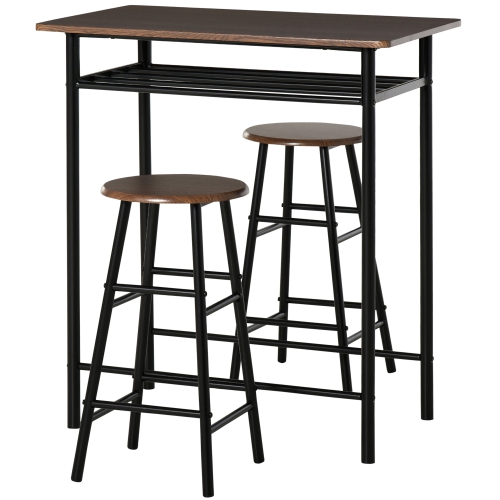
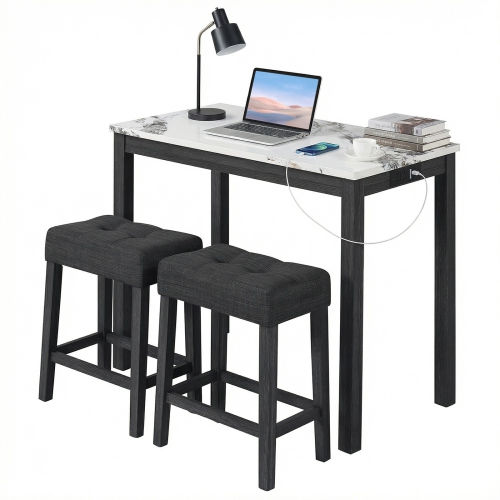
Room for everyday meals, even in smaller kitchens
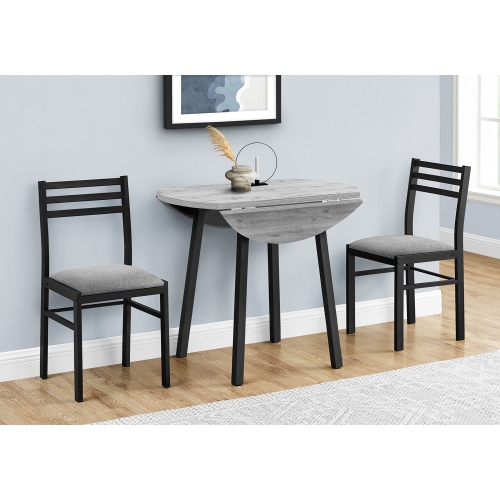
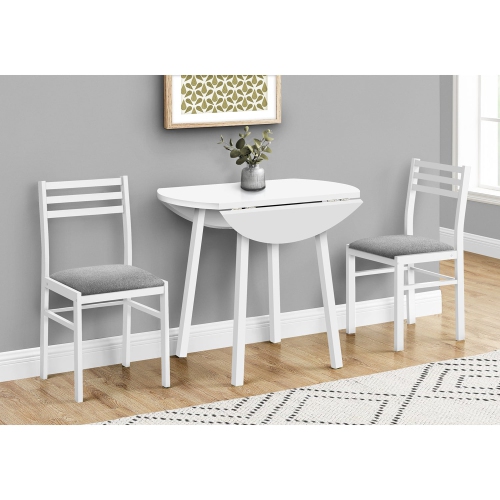
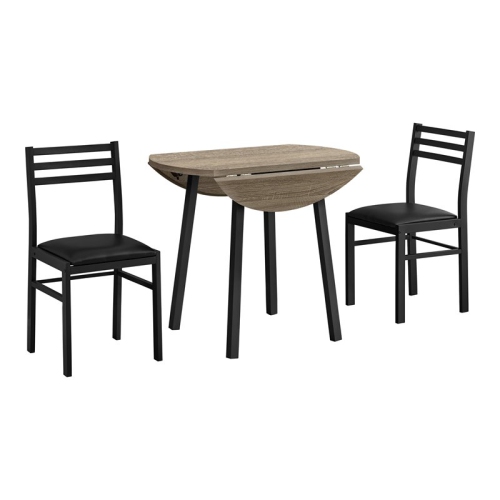
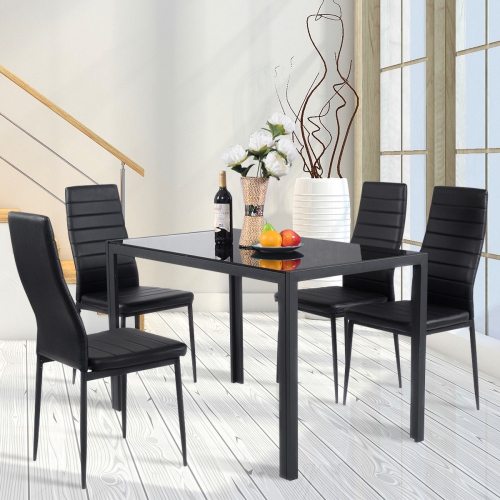
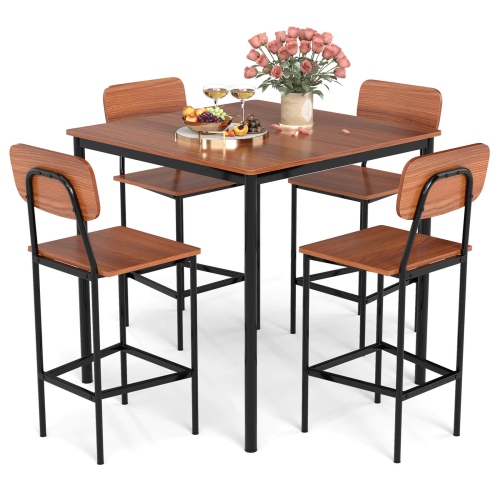
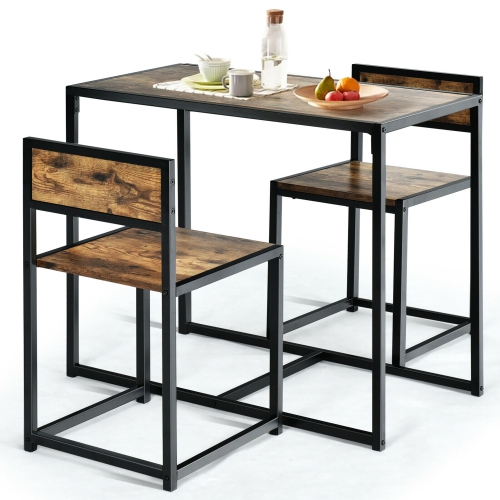
Breakfast table sets combine a dining-height or counter-height table with coordinating chairs, stools, or benches to create a dedicated place for everyday meals. Their compact proportions make them a practical fit for kitchens, breakfast nooks, apartments, and open-plan living spaces where a full dining suite would take up too much room. A small table beside the kitchen can hold toast, fruit, and coffee without turning the main food preparation surface into a dining area. It can also provide a comfortable spot for a quick lunch, a crossword, or a conversation while dinner is being prepared. Three-piece breakfast sets generally include a table and two seats, while five-piece arrangements commonly pair a table with four chairs; sets with benches may seat more people than their piece count suggests. The seating arrangement matters as much as the table size. Two chairs facing each other suit a couple or a shared apartment, while a bench along one side can work well for a household that needs flexible seating. Round tabletops make conversation easy and remove projecting corners from the layout, although the chairs still need room to move. Square tables sit neatly in compact nooks, and rectangular tables can follow the line of a wall or fit a longer kitchen. Drop-leaf designs offer a smaller footprint between meals, with additional surface space when the leaves are raised. Some compact sets allow the seats to tuck beneath the tabletop, helping keep a walkway clear when the table is not in use. That detail is particularly useful where the route between a refrigerator, sink, and doorway passes close to the eating area. Breakfast table sets are distinct from Coffee Tables, which are generally lower and designed for use beside sofas rather than upright dining chairs. Matching the furniture to the way the room is used helps create an eating area that feels like part of the home rather than an obstacle in it.
A comfortable breakfast nook depends on the space around the furniture, not simply whether the tabletop fits within an empty patch of floor. Measurements should account for baseboards, nearby cabinets, door swings, and the distance needed to pull out a chair and sit down. As a general planning reference, about 36 inches between the table edge and a wall or other obstruction allows room for many dining chairs to move, while a route used by people walking behind seated diners benefits from more space. The dimensions and layout of the room may call for a different arrangement, especially where mobility aids are used. Table bases also affect usable seating space: a pedestal can leave more freedom for chair placement, whereas widely spaced legs may work better with a bench that slides underneath. Checking the distance between the legs is useful when tuck-away seating is important. Standard dining tables are commonly around 28 to 30 inches high, while counter-height tables are often around 34 to 36 inches high and require appropriately sized seating. Roughly 10 to 12 inches between the seat and the underside of the tabletop is a useful starting point for legroom, though an apron beneath the table can reduce that clearance. For daily meals, back support, seat depth, and a stable footrest on taller stools can make a noticeable difference. A low-backed chair may keep a small room visually open, while a fuller backrest can feel more comfortable when breakfast turns into a longer conversation. Benches accommodate changing seating needs, but someone seated in the middle may need others to move before getting up. Households with young children may find standard-height seating easier to manage than tall stools, although suitability depends on the child and the furniture design. Rounded corners can soften a tight layout, but a stable base and unobstructed passage remain important. Even a compact tabletop needs enough usable surface for plates, cups, and elbows; an oversized centrepiece can quickly crowd a table intended for two.
Materials, finishes, and construction influence both the appearance of a breakfast table set and how it handles everyday use. Solid wood brings natural grain and variation, with finishes ranging from pale tones to deeper colours that complement existing cabinetry. Wood surfaces can show dents, scratches, or marks from moisture, so placemats, coasters, and prompt attention to spills help preserve their finish. Some solid wood surfaces can be refinished, depending on their construction and coating. Wood veneer provides a real wood surface over a supporting core, while laminate and other manufactured finishes offer a wide range of looks and are often straightforward to wipe clean. Their edges and seams still need protection from standing liquid, which can damage the underlying material if it penetrates. Metal frames can give a set a slender profile, although stability depends on the joints, bracing, and assembly rather than the material alone. Glass tabletops lend visual lightness to a small nook and show off the base underneath, but fingerprints and crumbs tend to be more visible. The specified cleaning method matters for every surface, particularly where abrasive pads or harsh cleaners could scratch or dull the finish. Upholstered chairs add softness for lingering over a meal, while unupholstered seats simplify cleanup after cereal spills or sticky fingers. Fabric care instructions are worth noting in homes where the breakfast table also hosts crafts or homework. For durability, useful details include secure connections, a steady base, suitable weight limits, and floor protectors that help prevent scratching when chairs move. Assembly requirements deserve attention too: tightening fasteners as directed and checking them periodically can help keep the furniture stable. A coordinated set can bring cohesion to a first apartment, a downsized home, or a family kitchen without requiring every nearby furnishing to match. It can also be a thoughtful housewarming gift when the recipient’s measurements, seating needs, and preferences are known. Whether used for solitary morning coffee or shared meals, the most suitable breakfast table set balances a manageable footprint with comfortable seating, dependable construction, and care requirements that fit the household’s routine.
A comfortable breakfast nook depends on the space around the furniture, not simply whether the tabletop fits within an empty patch of floor. Measurements should account for baseboards, nearby cabinets, door swings, and the distance needed to pull out a chair and sit down. As a general planning reference, about 36 inches between the table edge and a wall or other obstruction allows room for many dining chairs to move, while a route used by people walking behind seated diners benefits from more space. The dimensions and layout of the room may call for a different arrangement, especially where mobility aids are used. Table bases also affect usable seating space: a pedestal can leave more freedom for chair placement, whereas widely spaced legs may work better with a bench that slides underneath. Checking the distance between the legs is useful when tuck-away seating is important. Standard dining tables are commonly around 28 to 30 inches high, while counter-height tables are often around 34 to 36 inches high and require appropriately sized seating. Roughly 10 to 12 inches between the seat and the underside of the tabletop is a useful starting point for legroom, though an apron beneath the table can reduce that clearance. For daily meals, back support, seat depth, and a stable footrest on taller stools can make a noticeable difference. A low-backed chair may keep a small room visually open, while a fuller backrest can feel more comfortable when breakfast turns into a longer conversation. Benches accommodate changing seating needs, but someone seated in the middle may need others to move before getting up. Households with young children may find standard-height seating easier to manage than tall stools, although suitability depends on the child and the furniture design. Rounded corners can soften a tight layout, but a stable base and unobstructed passage remain important. Even a compact tabletop needs enough usable surface for plates, cups, and elbows; an oversized centrepiece can quickly crowd a table intended for two.
Materials, finishes, and construction influence both the appearance of a breakfast table set and how it handles everyday use. Solid wood brings natural grain and variation, with finishes ranging from pale tones to deeper colours that complement existing cabinetry. Wood surfaces can show dents, scratches, or marks from moisture, so placemats, coasters, and prompt attention to spills help preserve their finish. Some solid wood surfaces can be refinished, depending on their construction and coating. Wood veneer provides a real wood surface over a supporting core, while laminate and other manufactured finishes offer a wide range of looks and are often straightforward to wipe clean. Their edges and seams still need protection from standing liquid, which can damage the underlying material if it penetrates. Metal frames can give a set a slender profile, although stability depends on the joints, bracing, and assembly rather than the material alone. Glass tabletops lend visual lightness to a small nook and show off the base underneath, but fingerprints and crumbs tend to be more visible. The specified cleaning method matters for every surface, particularly where abrasive pads or harsh cleaners could scratch or dull the finish. Upholstered chairs add softness for lingering over a meal, while unupholstered seats simplify cleanup after cereal spills or sticky fingers. Fabric care instructions are worth noting in homes where the breakfast table also hosts crafts or homework. For durability, useful details include secure connections, a steady base, suitable weight limits, and floor protectors that help prevent scratching when chairs move. Assembly requirements deserve attention too: tightening fasteners as directed and checking them periodically can help keep the furniture stable. A coordinated set can bring cohesion to a first apartment, a downsized home, or a family kitchen without requiring every nearby furnishing to match. It can also be a thoughtful housewarming gift when the recipient’s measurements, seating needs, and preferences are known. Whether used for solitary morning coffee or shared meals, the most suitable breakfast table set balances a manageable footprint with comfortable seating, dependable construction, and care requirements that fit the household’s routine.
Top selling and popular products
-
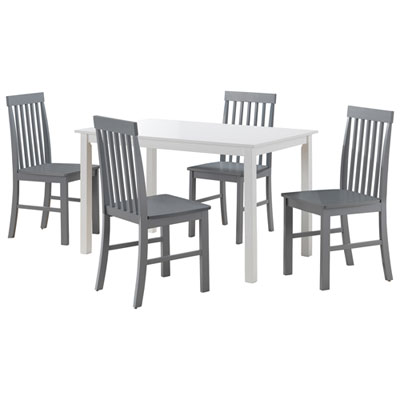 Your price for this item is $872.99
 -
 Your price for this item is $197.99
 -
 Your price for this item is $219.97
 -
 Your price for this item is $219.97
 -
 Your price for this item is $219.97
 -
 Your price for this item is $325.99
 -
 Your price for this item is $265.99
 -
 Your price for this item is $149.99
Discover more categories related to Breakfast Table Sets
Top Collections:
Pokemon Centers, Kindle Devices, Best Budget Office Chairs, Apple iPhones 16, Best Laptops for Writers, iPhone 15 Apple, Canon G7X Cameras, Refurbished Apple Laptops, Alarm Clock, Motorola Razr Phones
Some products may be subject to Environmental Handling Fees
(EHF) depending on your province.
Learn more about EHFs.