Candles Canada
Illuminate your space with the warm and inviting glow of candles from Best Buy. Whether you're looking to create a cozy ambiance, set the mood for a relaxing evening, or enjoy your favorite scents, our wide selection of candles has something for everyone. From elegant pillar candles to fragrant soy wax options, you'll find the perfect addition to your home decor here. Explore our collection and discover the magic of candlelight today.
Sort


How candle shape and scent suit your space
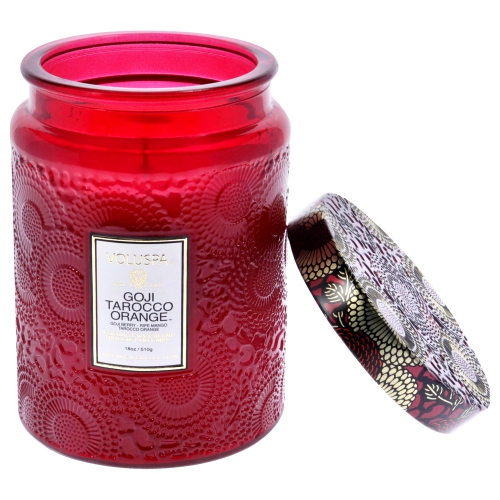
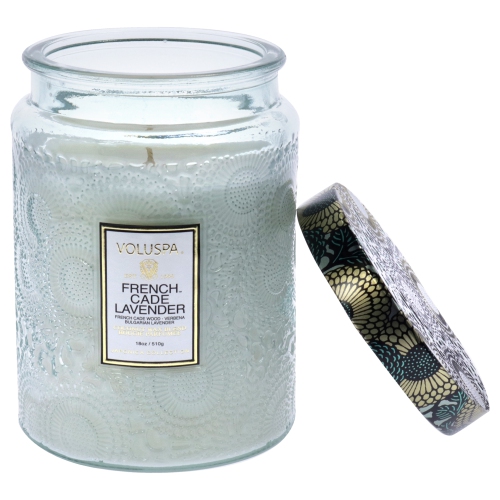
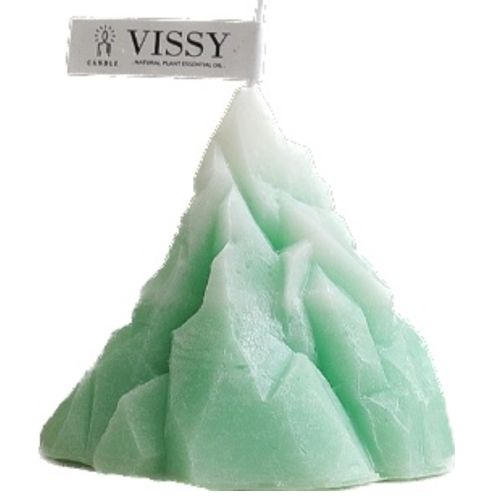
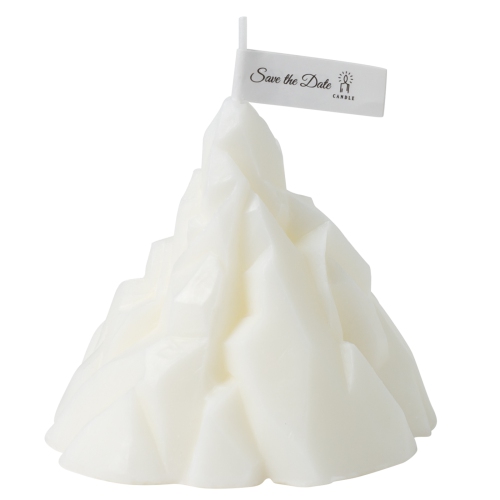
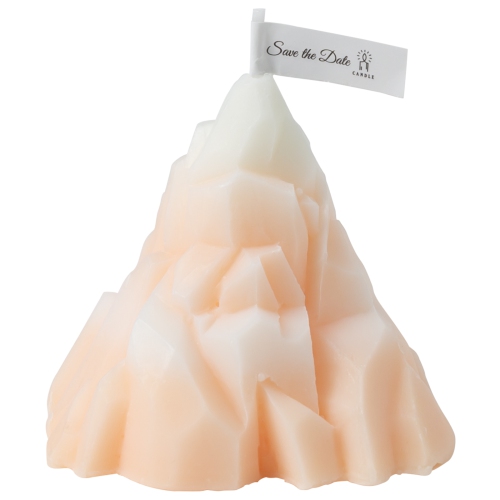
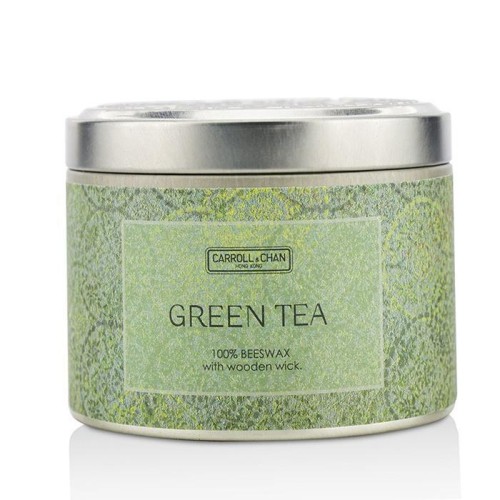
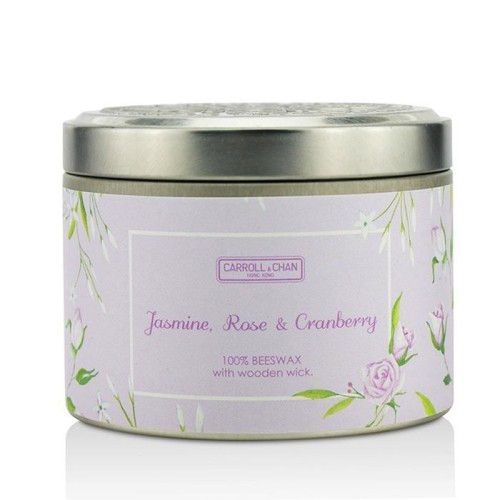
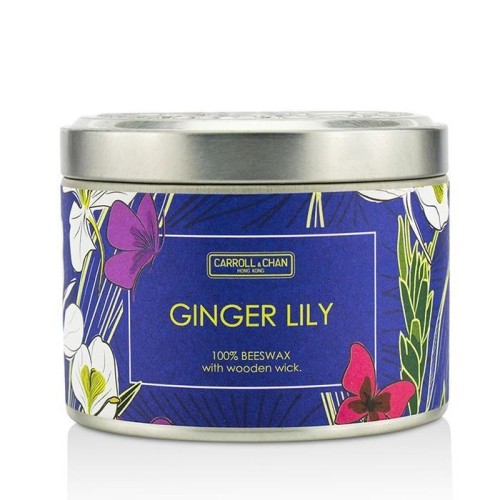
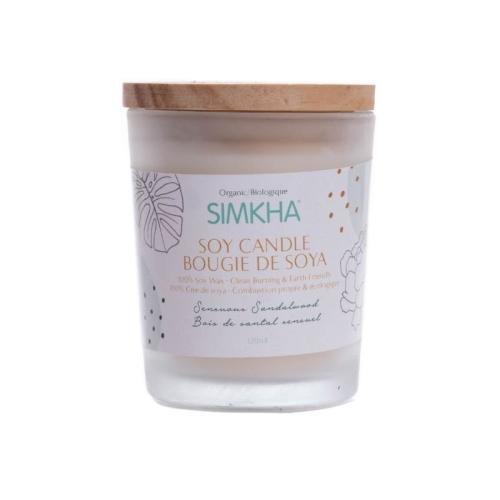
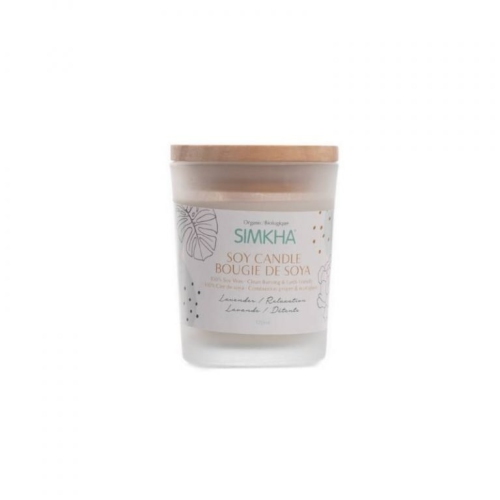
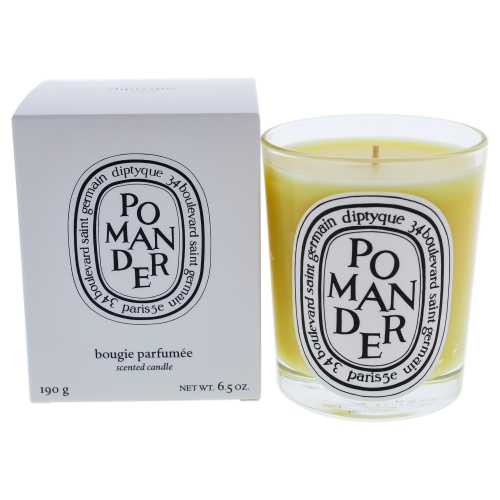
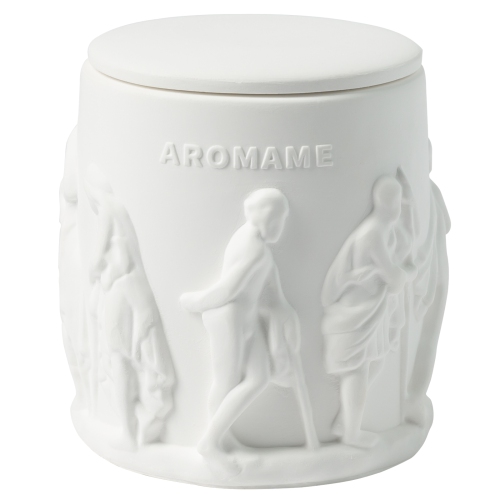
Candles bring a distinctive combination of light, scent, and decorative detail to homes across Canada, whether the setting is a compact apartment, a busy family living room, or a dining space reserved for gathering with friends. Their appeal can be as simple as the soft movement of a flame or as personal as a fragrance that recalls fresh linen, citrus peel, or a favourite flower. Different candle styles suit different routines and spaces. Jar candles contain the wax in a vessel and can feel at home on a side table or mantel when there is adequate clearance from nearby objects. Pillar candles have a more sculptural presence and need a suitable heat-resistant holder to catch any dripping wax. Tapers bring height to a dining arrangement, while tealights and votives create smaller points of light in holders designed for their shape. The proportions matter as much as the colour: a tall taper needs a stable holder with a snug fit, while a broad pillar needs a base that supports its full width. Unscented candles work particularly well near food, where the aroma of a meal can remain the focus. For other spaces, fragrance families offer different impressions. Citrus and herbal notes can feel crisp and lively, floral notes range from delicate to richly perfumed, and wood or vanilla notes often lend a rounded, familiar character. Scent strength depends on the formulation, candle size, and room, so a fragrance that feels subtle in an open living area may be much more noticeable in a small office. Personal preference is especially important in shared spaces, where a strong fragrance may not suit everyone. Colour and finish also help a candle fit into a room without dominating it. Cream, charcoal, and muted earth tones sit comfortably alongside many furnishings, while saturated colours can repeat an accent from artwork or upholstery. For interiors built around clean lines and restrained details, Modern Candles can complement that visual direction through simple silhouettes and thoughtfully proportioned vessels.
Wax, wick construction, and vessel design all influence how a candle performs over time. Common wax types include paraffin, soy, beeswax, coconut wax, and blends that combine different characteristics. The wax alone does not determine burn quality or fragrance strength; the relationship between the wax, wick, fragrance, and container matters too. Beeswax may have a naturally mild honey-like aroma, while other waxes are often used as a base for added fragrance. Cotton and wooden wicks have different appearances and care requirements, and some wooden wicks produce a gentle crackling sound. A multi-wick candle spreads the flame across a wider surface, but it also requires enough space and a suitable surface for its larger vessel. Burn-time estimates are useful for understanding intended use, although actual performance varies with wick maintenance, drafts, and the length of each session. A candle enjoyed during a short dinner has a different routine from one lit for an extended evening at home. Following the maker’s recommended burn duration helps match the candle to those habits. Where the instructions call for it, allowing the surface wax to melt evenly during an initial burn can reduce tunnelling, in which wax remains around the sides while the centre burns down. That does not mean leaving a candle burning beyond its stated limit to achieve a full melt pool. Regular wick trimming to the specified length, along with removing loose wick fragments and other debris before lighting, supports a steadier flame. Care between uses matters as well. A lid can keep dust off a cooled candle, but should not be used to extinguish the flame unless the maker specifically permits it. Direct sunlight can affect colour and shape, while knocks or rough handling can damage a vessel. Glass or ceramic containers with cracks should not be used for burning. Discontinuing use at the remaining-wax level specified by the manufacturer helps avoid overheating the base. These practical details contribute more to a satisfying candle experience than appearance alone, particularly for candles intended for regular use rather than occasional display.
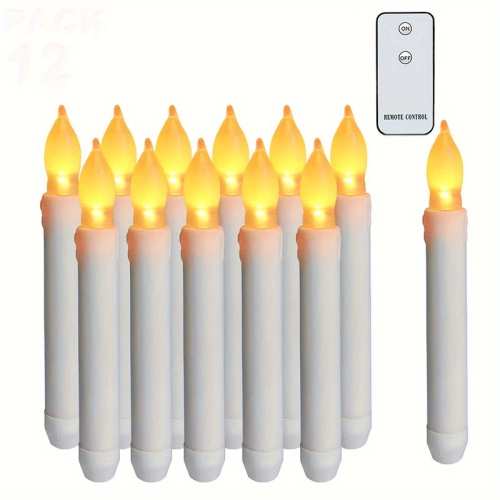
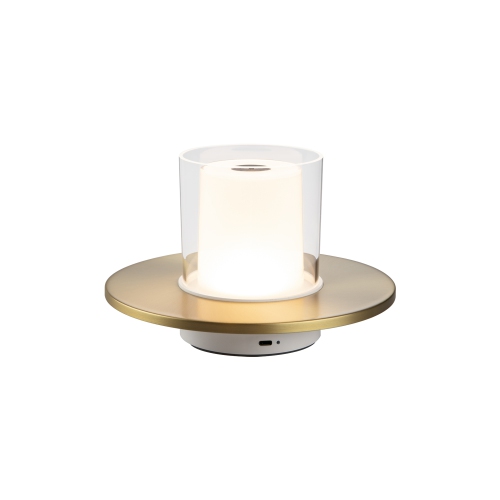
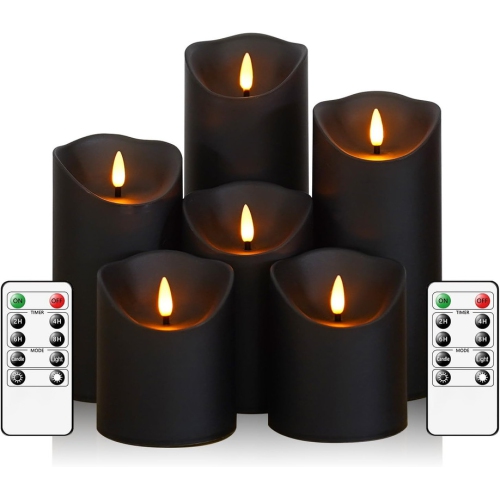
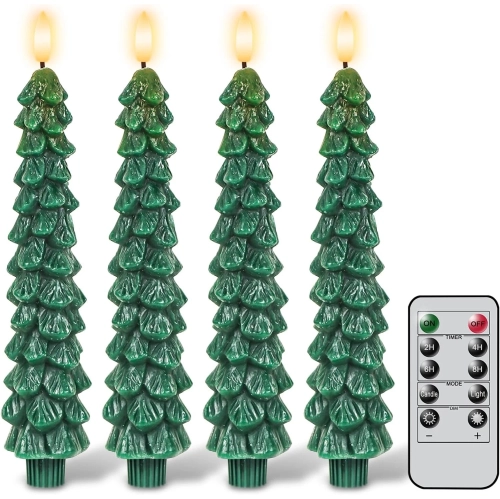
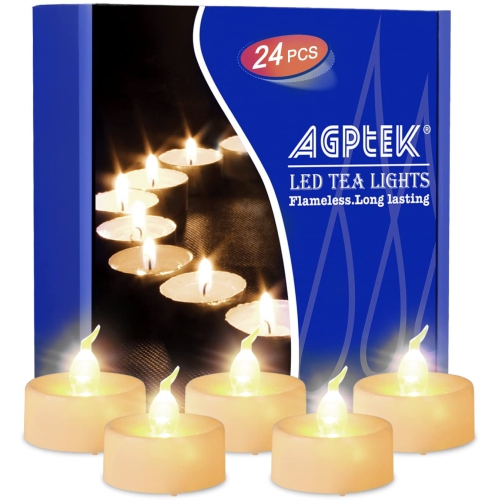
Intended placement helps narrow the choice between a traditional candle and a flameless alternative. A real flame belongs on a stable, heat-resistant surface, away from curtains, books, hanging decorations, and anything else that could catch fire. It also needs clearance above it and separation from other lit candles according to the manufacturer’s directions. Even an attractive tray is not automatically suitable for supporting burning candles; its material and construction need to tolerate the intended use. Lit candles should stay within sight and out of reach of children and pets, and should be extinguished before leaving the room or going to sleep. For a bookshelf, a bedside setting, or a household where an open flame is impractical, LED candles offer a similar decorative shape without a burning wick. Some have wax exteriors for a more familiar texture, while others use durable plastic shells. Flickering light effects, timers, and remote controls can make them convenient for repeated arrangements, though their appearance and functions vary. Battery type and access are worth considering, especially when several candles will be used together. Any model with button or coin batteries needs a securely closed compartment and careful handling to keep batteries away from children. Outdoor placement requires candles or flameless designs specifically labelled for that use; an indoor decorative vessel should not be assumed suitable. Candles also make thoughtful gifts for housewarmings, birthdays, hosts, and small celebrations because they combine a useful object with a personal decorative touch. The recipient’s preferences provide the strongest starting point: someone who enjoys fragrance may appreciate a familiar scent family, while someone sensitive to perfume may prefer an unscented or flameless option. A neutral vessel can fit easily into an established room, whereas a more expressive shape may suit someone who treats home accessories as part of their personal style. A compatible holder can make a taper or pillar feel complete as a gift, provided its dimensions and intended use match. Whether chosen for everyday ambience, a table setting, or a gesture of appreciation, candles are most enjoyable when their size, finish, fragrance, and care needs fit naturally into the way a space is used.
Wax, wick construction, and vessel design all influence how a candle performs over time. Common wax types include paraffin, soy, beeswax, coconut wax, and blends that combine different characteristics. The wax alone does not determine burn quality or fragrance strength; the relationship between the wax, wick, fragrance, and container matters too. Beeswax may have a naturally mild honey-like aroma, while other waxes are often used as a base for added fragrance. Cotton and wooden wicks have different appearances and care requirements, and some wooden wicks produce a gentle crackling sound. A multi-wick candle spreads the flame across a wider surface, but it also requires enough space and a suitable surface for its larger vessel. Burn-time estimates are useful for understanding intended use, although actual performance varies with wick maintenance, drafts, and the length of each session. A candle enjoyed during a short dinner has a different routine from one lit for an extended evening at home. Following the maker’s recommended burn duration helps match the candle to those habits. Where the instructions call for it, allowing the surface wax to melt evenly during an initial burn can reduce tunnelling, in which wax remains around the sides while the centre burns down. That does not mean leaving a candle burning beyond its stated limit to achieve a full melt pool. Regular wick trimming to the specified length, along with removing loose wick fragments and other debris before lighting, supports a steadier flame. Care between uses matters as well. A lid can keep dust off a cooled candle, but should not be used to extinguish the flame unless the maker specifically permits it. Direct sunlight can affect colour and shape, while knocks or rough handling can damage a vessel. Glass or ceramic containers with cracks should not be used for burning. Discontinuing use at the remaining-wax level specified by the manufacturer helps avoid overheating the base. These practical details contribute more to a satisfying candle experience than appearance alone, particularly for candles intended for regular use rather than occasional display.
Intended placement helps narrow the choice between a traditional candle and a flameless alternative. A real flame belongs on a stable, heat-resistant surface, away from curtains, books, hanging decorations, and anything else that could catch fire. It also needs clearance above it and separation from other lit candles according to the manufacturer’s directions. Even an attractive tray is not automatically suitable for supporting burning candles; its material and construction need to tolerate the intended use. Lit candles should stay within sight and out of reach of children and pets, and should be extinguished before leaving the room or going to sleep. For a bookshelf, a bedside setting, or a household where an open flame is impractical, LED candles offer a similar decorative shape without a burning wick. Some have wax exteriors for a more familiar texture, while others use durable plastic shells. Flickering light effects, timers, and remote controls can make them convenient for repeated arrangements, though their appearance and functions vary. Battery type and access are worth considering, especially when several candles will be used together. Any model with button or coin batteries needs a securely closed compartment and careful handling to keep batteries away from children. Outdoor placement requires candles or flameless designs specifically labelled for that use; an indoor decorative vessel should not be assumed suitable. Candles also make thoughtful gifts for housewarmings, birthdays, hosts, and small celebrations because they combine a useful object with a personal decorative touch. The recipient’s preferences provide the strongest starting point: someone who enjoys fragrance may appreciate a familiar scent family, while someone sensitive to perfume may prefer an unscented or flameless option. A neutral vessel can fit easily into an established room, whereas a more expressive shape may suit someone who treats home accessories as part of their personal style. A compatible holder can make a taper or pillar feel complete as a gift, provided its dimensions and intended use match. Whether chosen for everyday ambience, a table setting, or a gesture of appreciation, candles are most enjoyable when their size, finish, fragrance, and care needs fit naturally into the way a space is used.
Top selling and popular products
-
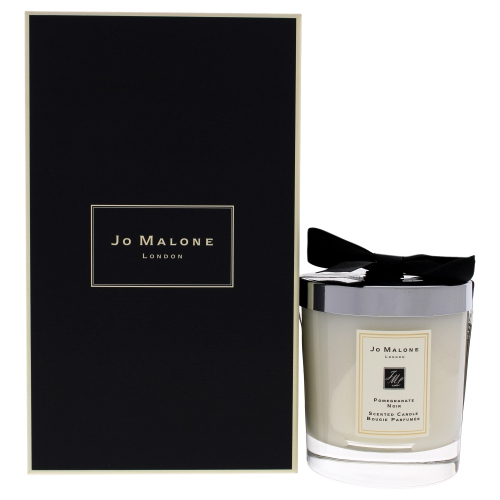 Your price for this item is $414.58
 -
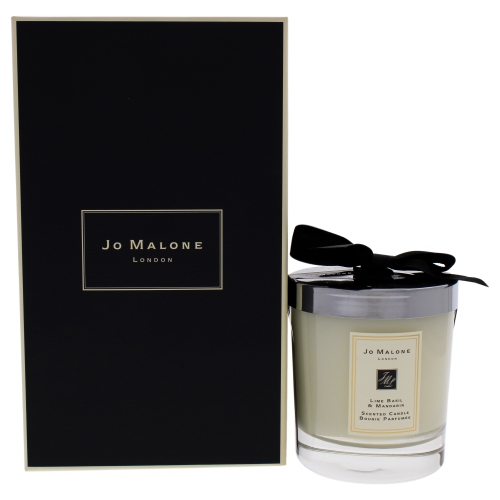 Your price for this item is $414.58
 -
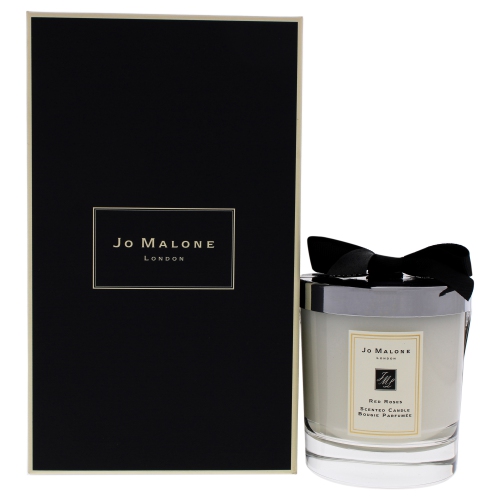 Your price for this item is $414.58
 -
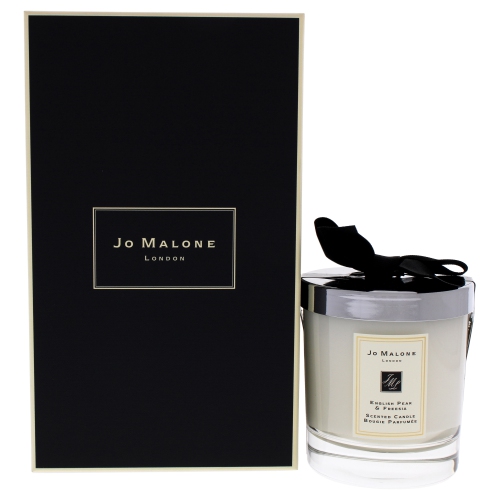 Your price for this item is $414.58
 -
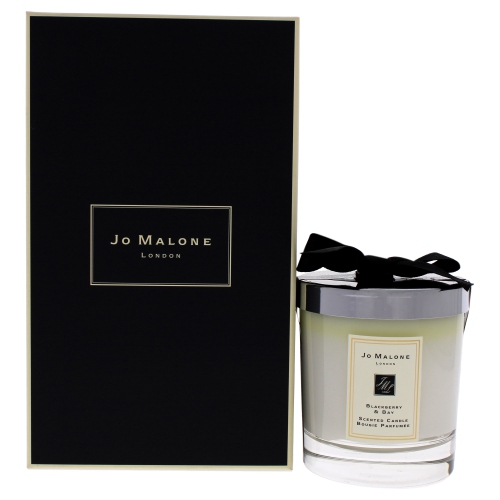 Your price for this item is $414.58
 -
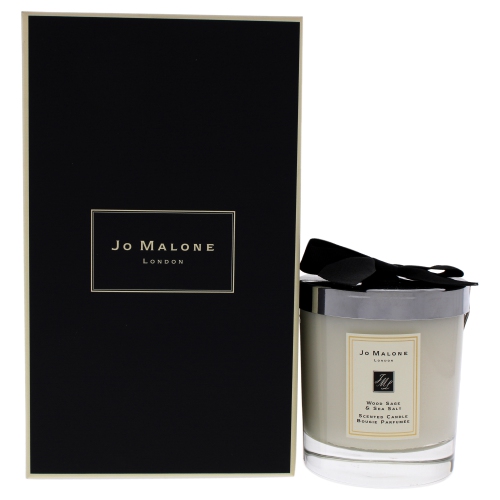 Your price for this item is $414.58
 -
 Your price for this item is $437.99
 -
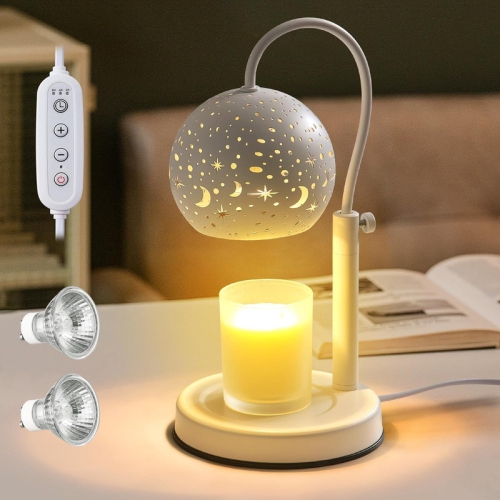 Your price for this item is $59.99
Discover more categories related to Candles Canada
Top Collections:
Pokemon Centers, Kindle Devices, Best Budget Office Chairs, Apple iPhones 16, Canon G7X Cameras, iPhone 15 Apple, Alarm Clock, Refurbished Apple Laptops, Flip Phones, Best Laptops for Writers
Some products may be subject to Environmental Handling Fees
(EHF) depending on your province.
Learn more about EHFs.