Carpet Protector Mats
Transform your living space while safeguarding your flooring with a high-quality carpet protector mat. Ideal for both home and office settings, these mats offer a practical solution to prevent wear and tear on carpets caused by daily foot traffic, furniture movement, or office chairs. Designed to blend seamlessly with your decor, carpet protector mats provide a durable barrier that maintains the pristine condition of your carpets, ensuring they look fresh and new for years to come. Explore a range of styles and sizes to find the perfect fit for your needs, and enjoy peace of mind knowing your floors are protected without compromising on style or functionality.
Sort
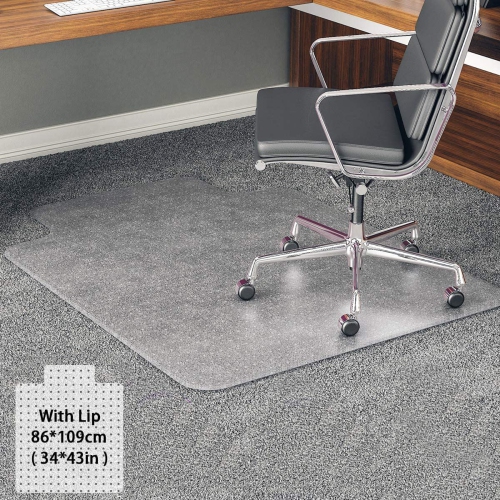
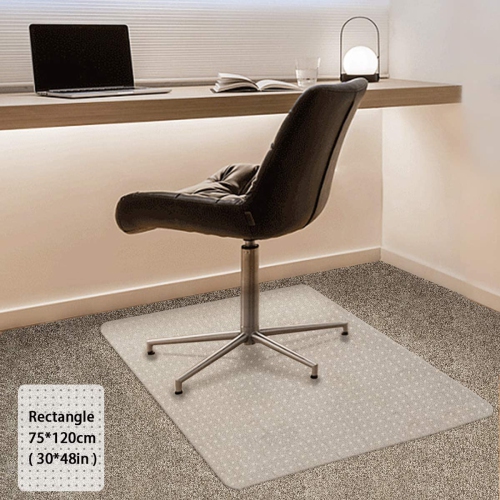
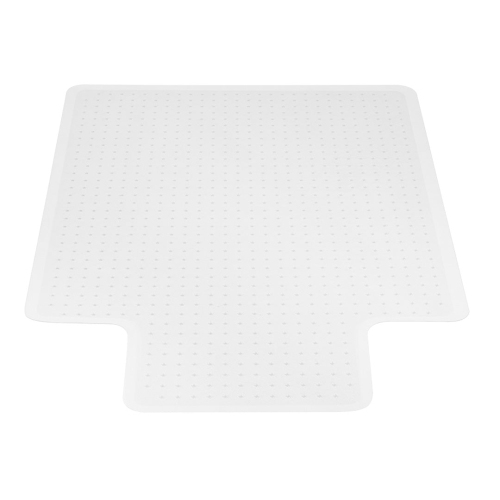
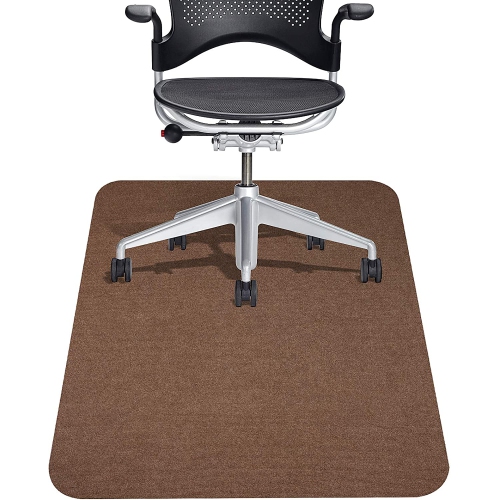
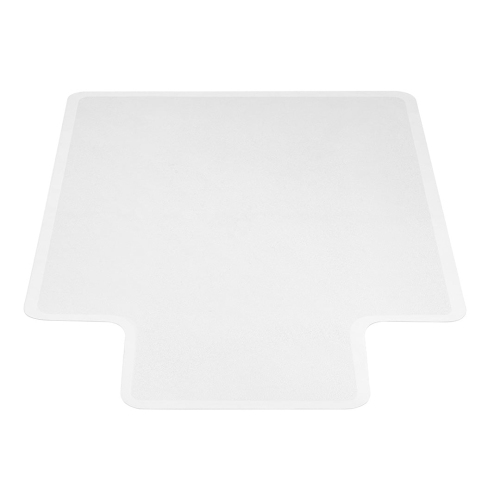
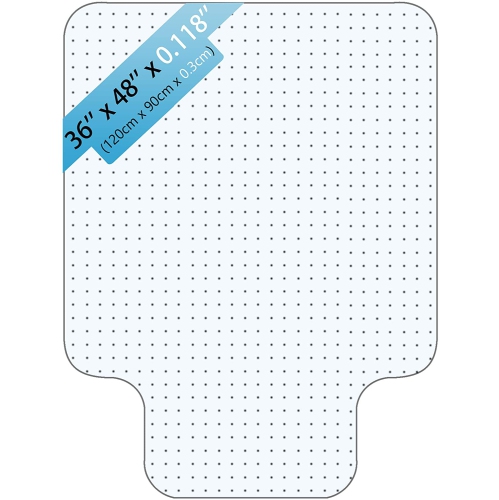
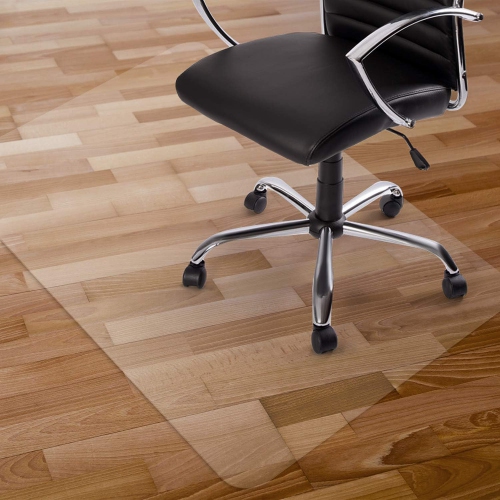
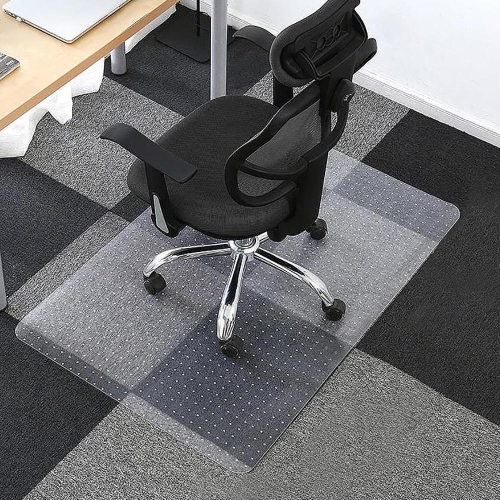

Practical protection for busy carpeted rooms and workspaces
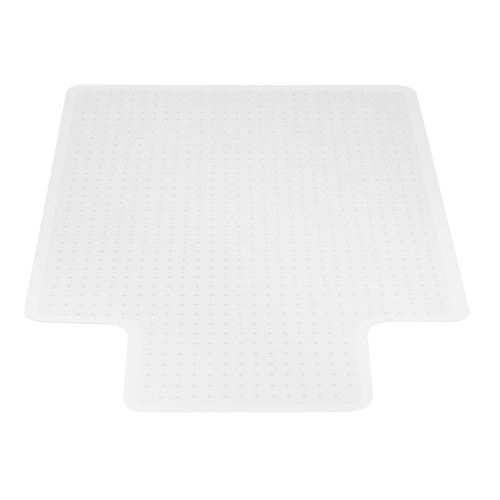
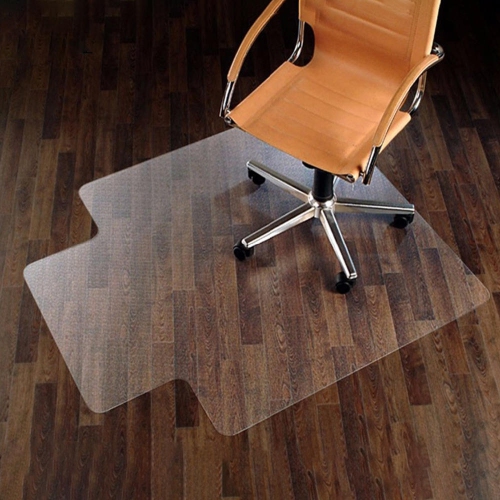
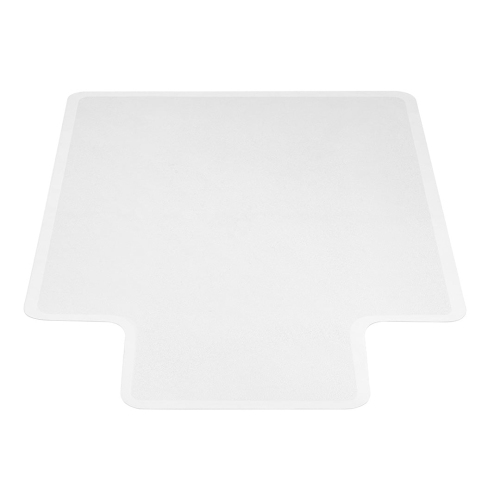
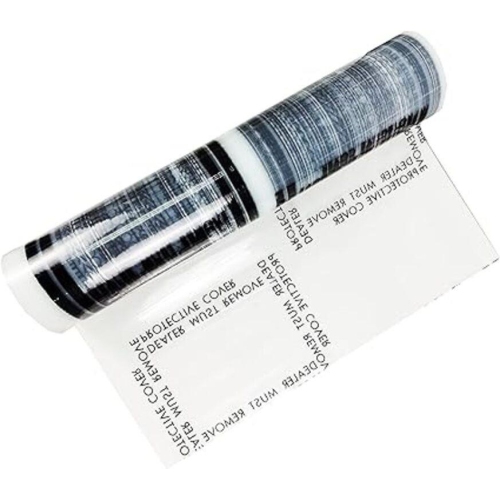
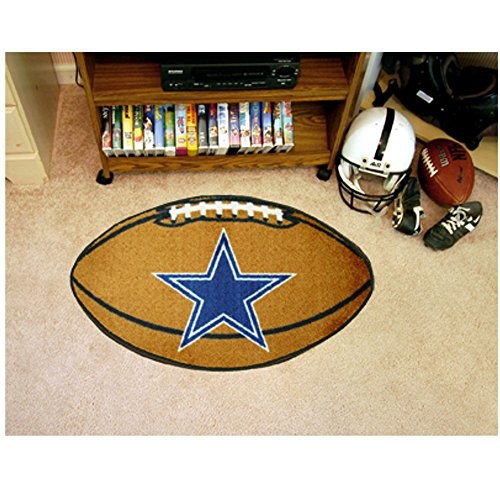
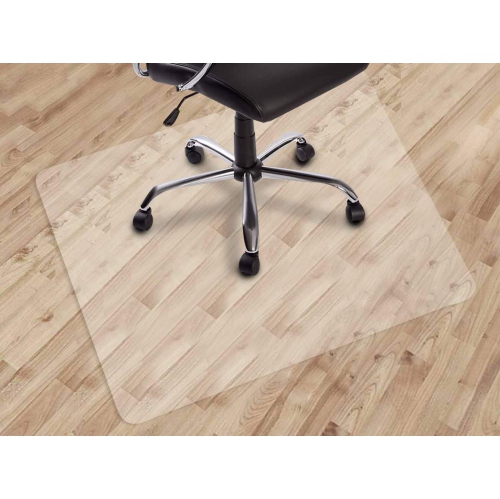
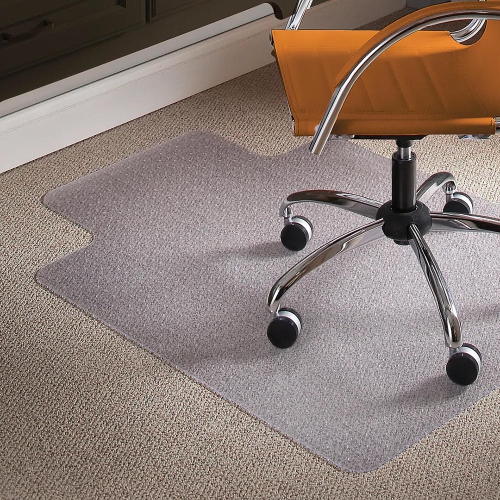
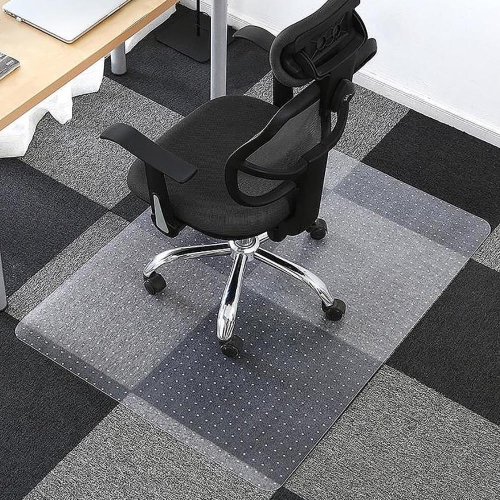
Carpet protector mats are a practical way to help keep carpeted rooms looking tidy while making everyday spaces more comfortable to use. They can shield carpet from rolling office chairs, repeated foot traffic, tracked-in moisture, food and drink spills, furniture marks, and the gradual flattening that happens along busy routes. Different styles are designed for different jobs, so it helps to consider where the mat will be placed before choosing one. A clear chair mat is suited to a home office, study area, reception space, or workstation where casters move back and forth throughout the day. A hallway runner or carpet protector is better for entryways, corridors, play areas, and other paths where people regularly walk. Temporary protection film can cover carpet during painting, decorating, repairs, renovations, or a move, while a protective underlay or rug pad can add cushioning and help limit the transfer of spills and pressure beneath an area rug. For a broader selection of options for carpeted and hard-surface areas, explore Floor Protection Mats. These products can be especially useful in homes with children, pets, mobility equipment, or frequent guests, as well as apartments, classrooms, studios, and workplaces that need high-traffic areas to be easier to maintain. They also make a thoughtful housewarming gift for someone setting up a home office, furnishing a new flat, or preparing a busy family room. A well-chosen mat is easy to appreciate because it supports the way a room is used without requiring a major change to the décor.
The carpet’s pile is one of the most important details to check when selecting a protector mat. Low-pile carpet has short, closely packed fibres and usually works well with a flatter chair mat that allows casters to roll smoothly. Medium- and deep-pile carpets need a mat with suitable clearance and a backing or cleat design made to grip without sliding. A mat that is too thin may flex under the weight of a chair, while one with unsuitable anchors may move, crack, or fail to sit flat. Measure the available area, including the space needed to pull a chair away from a desk, and consider whether the mat should fit only beneath the chair or extend under the desk and surrounding equipment. The shape matters as well: rectangular mats are useful for straight workstations, while contoured designs can follow a desk with a central opening. Material affects the feel, appearance, and expected durability. Polycarbonate and other rigid surfaces are often selected for demanding office use because they resist dents and provide a firm rolling surface. Vinyl can offer flexibility and is convenient for lighter-duty or temporary protection. Transparent finishes allow more of the carpet colour and pattern to remain visible, while textured or fabric-style surfaces may blend more naturally with a hallway or living area. For runners and entryway mats, look for a surface that helps catch moisture and loose debris, along with an underside that stays in place on carpet. A non-slip backing is generally appropriate where the mat is meant to grip the carpet itself; mats designed for hard flooring may use a different backing, so they should not be treated as interchangeable. Check the manufacturer’s guidance for carpet type, maximum load, cleaning, and placement before use, particularly if the mat will support a heavy chair, cabinet, or piece of equipment.
Using a carpet protector mat effectively begins with a clean, level surface. Vacuum loose dirt and debris from the carpet first, then allow any dampness to dry before positioning the mat. Place it so the area of greatest wear is covered, keeping edges clear of door swings and ensuring the mat lies flat rather than curling upward. In a home office, position the chair mat so the casters remain on its surface during normal movement; this can reduce the repeated compression caused by rolling over the same patch of carpet. In a hallway or near an entrance, choose a length and width that follow the main walking route without becoming a tripping hazard. During painting, moving, or renovation work, temporary film should be installed according to its instructions and removed within the recommended period so it does not become difficult to lift or leave adhesive residue. Regular care can include vacuuming, wiping spills promptly, and cleaning the mat with the method recommended for its material. Avoid harsh cleaners or excessive moisture unless the care instructions specifically allow them, and inspect the edges and underside from time to time for grit, movement, or wear. Homes that experience muddy footwear, damp outerwear, seasonal debris, or increased indoor activity during the cooler months can benefit from placing protection at the points where people enter, sit, work, and play. Selecting the right size, material, backing, and carpet compatibility makes the mat more useful day after day, helping preserve the comfort and appearance of the room while supporting the routines that take place in it.
The carpet’s pile is one of the most important details to check when selecting a protector mat. Low-pile carpet has short, closely packed fibres and usually works well with a flatter chair mat that allows casters to roll smoothly. Medium- and deep-pile carpets need a mat with suitable clearance and a backing or cleat design made to grip without sliding. A mat that is too thin may flex under the weight of a chair, while one with unsuitable anchors may move, crack, or fail to sit flat. Measure the available area, including the space needed to pull a chair away from a desk, and consider whether the mat should fit only beneath the chair or extend under the desk and surrounding equipment. The shape matters as well: rectangular mats are useful for straight workstations, while contoured designs can follow a desk with a central opening. Material affects the feel, appearance, and expected durability. Polycarbonate and other rigid surfaces are often selected for demanding office use because they resist dents and provide a firm rolling surface. Vinyl can offer flexibility and is convenient for lighter-duty or temporary protection. Transparent finishes allow more of the carpet colour and pattern to remain visible, while textured or fabric-style surfaces may blend more naturally with a hallway or living area. For runners and entryway mats, look for a surface that helps catch moisture and loose debris, along with an underside that stays in place on carpet. A non-slip backing is generally appropriate where the mat is meant to grip the carpet itself; mats designed for hard flooring may use a different backing, so they should not be treated as interchangeable. Check the manufacturer’s guidance for carpet type, maximum load, cleaning, and placement before use, particularly if the mat will support a heavy chair, cabinet, or piece of equipment.
Using a carpet protector mat effectively begins with a clean, level surface. Vacuum loose dirt and debris from the carpet first, then allow any dampness to dry before positioning the mat. Place it so the area of greatest wear is covered, keeping edges clear of door swings and ensuring the mat lies flat rather than curling upward. In a home office, position the chair mat so the casters remain on its surface during normal movement; this can reduce the repeated compression caused by rolling over the same patch of carpet. In a hallway or near an entrance, choose a length and width that follow the main walking route without becoming a tripping hazard. During painting, moving, or renovation work, temporary film should be installed according to its instructions and removed within the recommended period so it does not become difficult to lift or leave adhesive residue. Regular care can include vacuuming, wiping spills promptly, and cleaning the mat with the method recommended for its material. Avoid harsh cleaners or excessive moisture unless the care instructions specifically allow them, and inspect the edges and underside from time to time for grit, movement, or wear. Homes that experience muddy footwear, damp outerwear, seasonal debris, or increased indoor activity during the cooler months can benefit from placing protection at the points where people enter, sit, work, and play. Selecting the right size, material, backing, and carpet compatibility makes the mat more useful day after day, helping preserve the comfort and appearance of the room while supporting the routines that take place in it.
Top selling and popular products
-
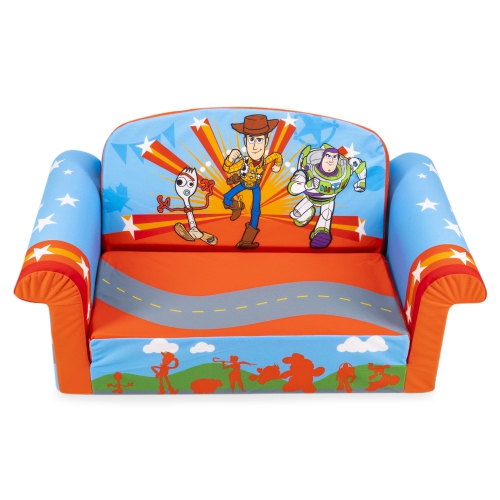 Your price for this item is $171.99
 -
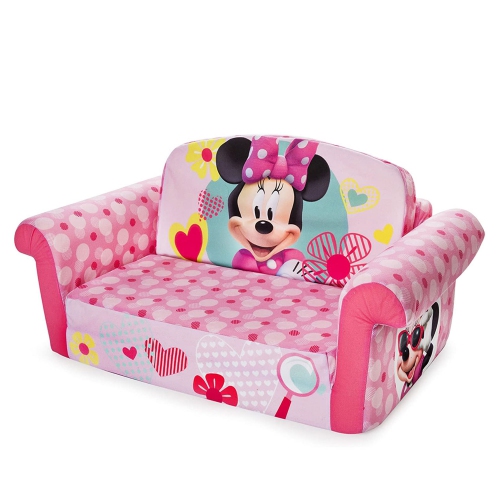 Your price for this item is $145.99
 -
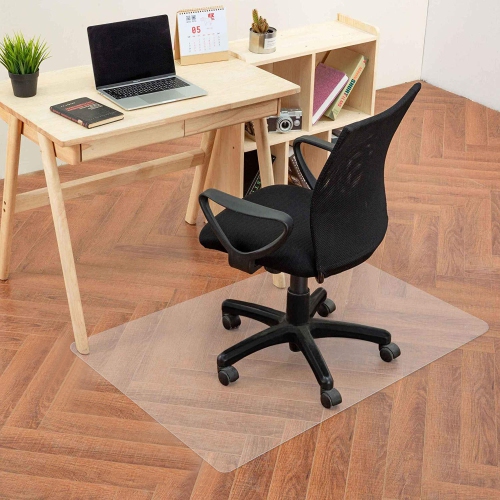 Your price for this item is $34.99
 -
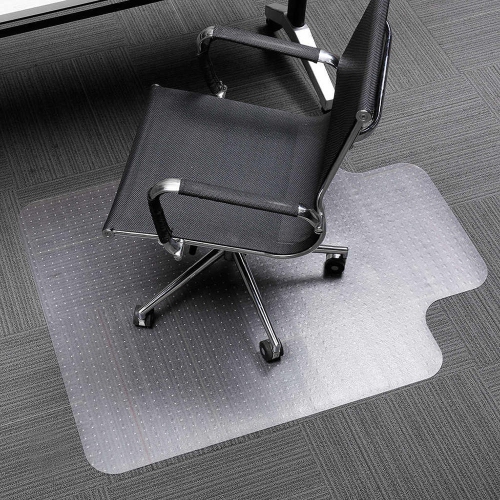 Your price for this item is $32.99
 -
 Your price for this item is $29.99
 -
 Your price for this item is $49.99
 -
 Your price for this item is $31.99
 -
 Your price for this item is $34.99
Discover more categories related to Carpet Protector Mats

Top Collections:
Pokemon Centers, Kindle Devices, Best Budget Office Chairs, Apple iPhones 16, Best Laptops for Writers, iPhone 15 Apple, Canon G7X Cameras, Refurbished Apple Laptops, Alarm Clock, Motorola Razr Phones
Some products may be subject to Environmental Handling Fees
(EHF) depending on your province.
Learn more about EHFs.