Cast Aluminium Benches
Create a stylish and inviting outdoor space with these cast aluminum benches. Crafted with durability and elegance in mind, these benches are the perfect addition to almost any garden, patio, or balcony. Whether you're looking for a cozy spot to relax and unwind or an attractive seating option for entertaining guests, these cast aluminum benches offer both comfort and style. With their sturdy construction and weather-resistant properties, these benches are built to withstand the elements and provide years of enjoyment.
Sort
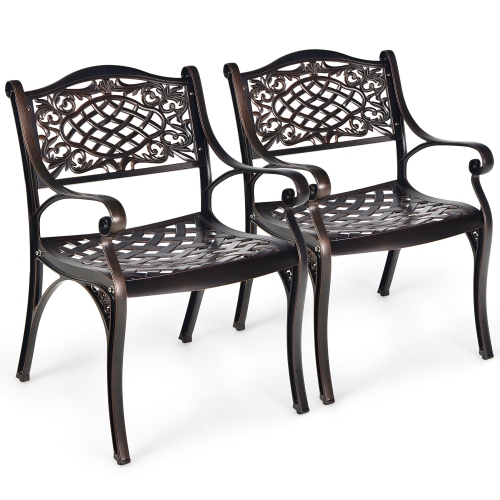
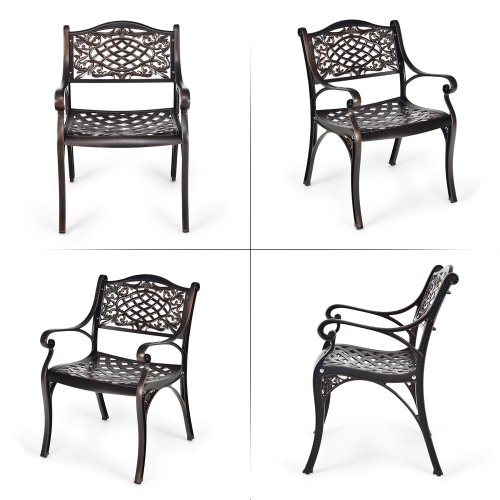
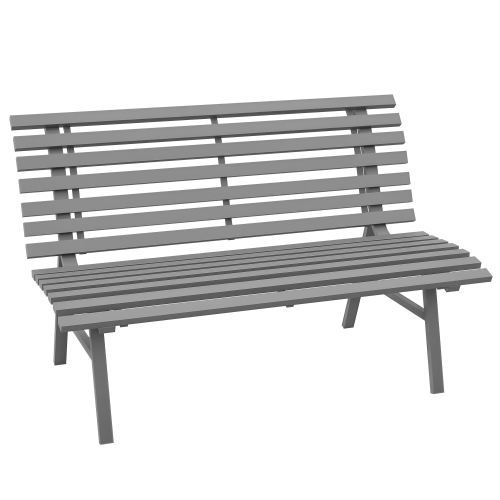
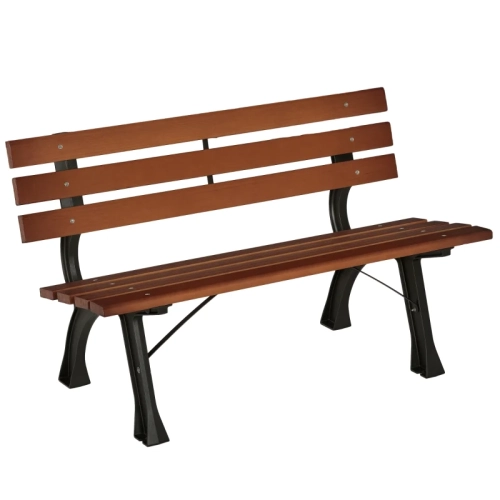
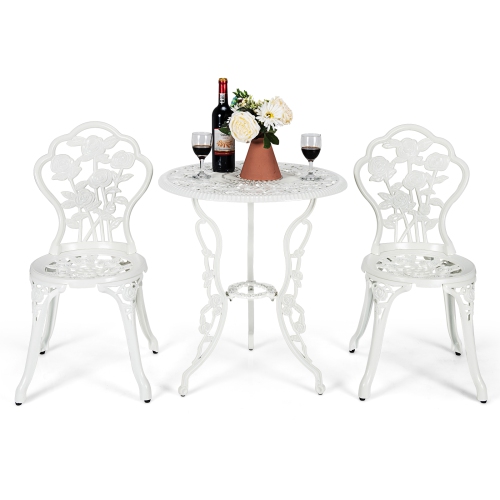
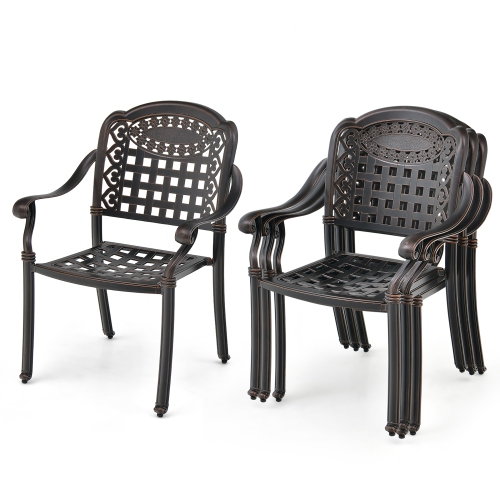
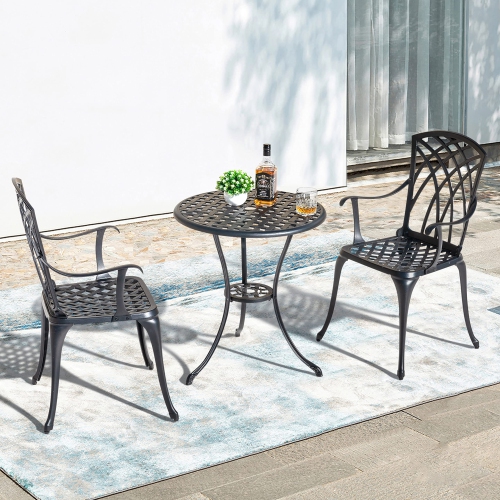
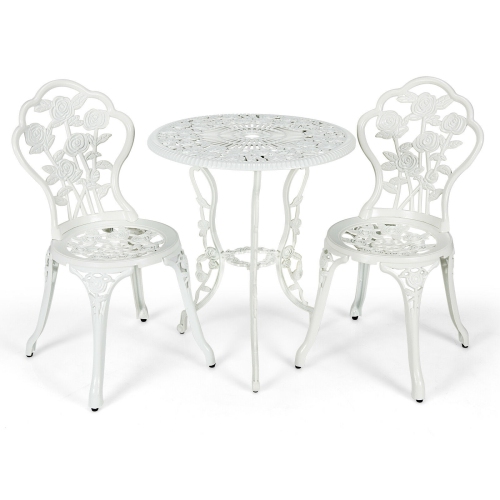
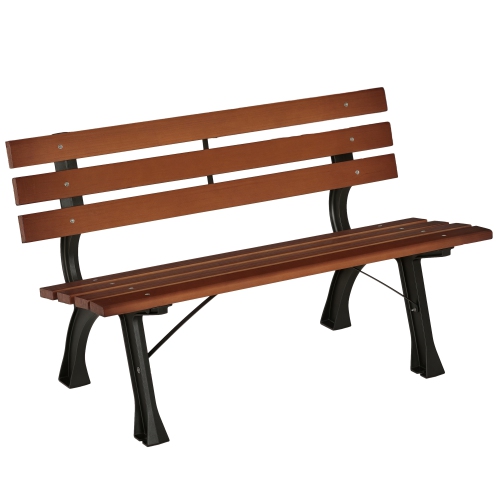
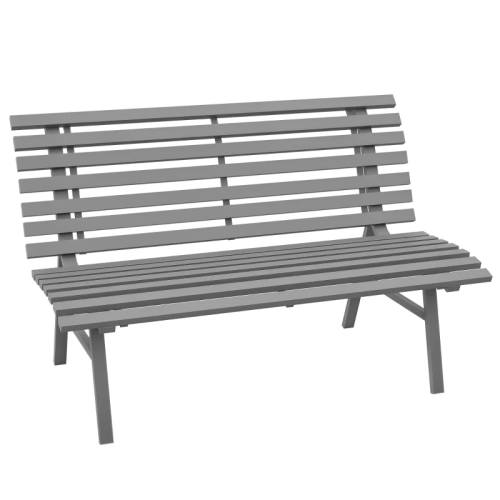
Detailed garden seating with less weight than cast iron
Cast aluminium benches are outdoor seats made with aluminium components shaped in moulds, often featuring patterned backs, curved arms, and openwork seats. They bring a furniture-like finish to a garden path, patio, porch, or courtyard without the substantial weight of a comparable cast iron bench. Aluminium does not develop the reddish rust associated with iron, making it a practical material for seating exposed to moisture. It can still oxidize or corrode under certain conditions, however, and its finish, hardware, and construction all contribute to long-term durability. Many designs have a powder-coated or painted surface that adds colour and helps protect the metal, while textured finishes can give the frame an aged appearance. Black, bronze, white, and muted green finishes suit different settings, from a simple paved entrance to a planted garden with winding paths. Casting allows for details such as lattice panels, scrolling shapes, and botanical motifs, although simpler profiles can work equally well beside contemporary planters and clean-lined patio furniture. A bench creates a shared place to sit without arranging several separate chairs, whether it is used for conversation near the front door or a quiet pause beside a flower bed. Two-person designs are common, while wider versions may accommodate three people, depending on their stated seating capacity and weight limit. The material is generally lighter than cast iron, but a completed bench can still be substantial; dimensions and listed weight are more useful than appearance alone when judging how easily it can be moved. Openwork surfaces allow water to pass through rather than collect across a solid seat, though joints and recessed details may still hold moisture. These qualities make cast aluminium garden benches appealing to people who want defined outdoor seating with manageable routine care. Their usefulness comes from the combination of material, shape, and placement, rather than an assumption that every metal bench performs the same way.
Comfort and fit depend on more than the overall width of a cast aluminium bench. Usable seat width, measured between the arms, determines how much room people have to sit together, while seat depth influences whether the backrest feels supportive or too far away. A gently contoured seat can feel different from a flat lattice surface, especially during a longer conversation. Backrest height and angle also matter: an upright back suits a brief rest near an entrance, while a more relaxed profile may be preferable beside a patio table. Armrests provide somewhere to rest the forearms and may offer support when sitting down or standing up, provided the bench is stable and designed for that use. For someone furnishing a compact porch, the full footprint should leave space for the door to open and for people carrying bags to pass comfortably. Along a garden walkway, a bench is most useful when its legs rest on a level, firm surface rather than soft ground where individual feet can sink. On a balcony, checking access dimensions, building rules, and any applicable load restrictions helps establish whether the intended placement is suitable. Leg spacing and foot shape deserve attention on decks, where narrow feet may sit awkwardly over gaps between boards. Protective pads suitable for outdoor use can help limit marks on some surfaces, subject to the flooring and furniture manufacturers’ recommendations. Cushions soften the feel of metal seating, but their dimensions should match the usable seat rather than the bench’s widest outside measurement. Ties or other suitable fastenings help keep them positioned, and removable covers make routine cleaning more convenient. For a coordinated patio arrangement, Cast Aluminum Furniture Sets can complement a bench used as separate seating nearby. Matching every detail is not essential; repeating a finish colour, a curved arm shape, or a cushion fabric can connect the pieces without making the space feel overly uniform. A small side table within comfortable reach adds a practical spot for a book or drink without crowding the seat.
The durability of cast aluminium benches depends on the complete assembly, including the thickness and quality of the castings, the connections between sections, and the suitability of the fasteners. Aluminium parts may resist rust, but steel bolts or other hardware can behave differently if their protective finish wears away. Tight, correctly assembled joints help prevent movement that can strain connections over time. Where assembly is required, following the supplied sequence and avoiding overtightening are important, since excessive force can damage threads or cast components. A bench should sit evenly without rocking, and its stated weight capacity should be respected regardless of how sturdy it looks. For routine cleaning, a soft cloth or brush with mild soap and water is usually a sensible starting point, followed by rinsing and drying where practical; the manufacturer’s care directions take precedence. Abrasive cleaners and stiff wire brushes can scratch coated surfaces, while strong chemicals may discolour or damage a finish. Dirt tends to settle around patterned backs, arm joints, and the underside of the seat, so those areas benefit from occasional attention. Small chips should be addressed using a repair method approved for the coating rather than covered with an unsuitable paint. Outdoor suitability does not mean that every bench can remain uncovered through all Canadian conditions without wear. Freezing moisture, prolonged exposure, salt, and trapped debris may affect finishes or fittings, and cushions often need separate storage. A properly fitted, ventilated cover can reduce exposure when the bench is not in use, provided it does not trap persistent dampness against the frame. Sheltered placement or storage may be recommended for some designs, and lighter benches may need additional precautions in exposed locations. For daily use, a well-positioned bench offers an inviting seat for neighbours chatting at the entrance, family members watching children play, or someone taking a break from tending plants. It can also make a thoughtful housewarming gift when the recipient’s space, preferred style, and ability to manage delivery and assembly are known. The most satisfying fit balances visual detail with comfortable proportions, sound construction, and care requirements that suit the household.
Comfort and fit depend on more than the overall width of a cast aluminium bench. Usable seat width, measured between the arms, determines how much room people have to sit together, while seat depth influences whether the backrest feels supportive or too far away. A gently contoured seat can feel different from a flat lattice surface, especially during a longer conversation. Backrest height and angle also matter: an upright back suits a brief rest near an entrance, while a more relaxed profile may be preferable beside a patio table. Armrests provide somewhere to rest the forearms and may offer support when sitting down or standing up, provided the bench is stable and designed for that use. For someone furnishing a compact porch, the full footprint should leave space for the door to open and for people carrying bags to pass comfortably. Along a garden walkway, a bench is most useful when its legs rest on a level, firm surface rather than soft ground where individual feet can sink. On a balcony, checking access dimensions, building rules, and any applicable load restrictions helps establish whether the intended placement is suitable. Leg spacing and foot shape deserve attention on decks, where narrow feet may sit awkwardly over gaps between boards. Protective pads suitable for outdoor use can help limit marks on some surfaces, subject to the flooring and furniture manufacturers’ recommendations. Cushions soften the feel of metal seating, but their dimensions should match the usable seat rather than the bench’s widest outside measurement. Ties or other suitable fastenings help keep them positioned, and removable covers make routine cleaning more convenient. For a coordinated patio arrangement, Cast Aluminum Furniture Sets can complement a bench used as separate seating nearby. Matching every detail is not essential; repeating a finish colour, a curved arm shape, or a cushion fabric can connect the pieces without making the space feel overly uniform. A small side table within comfortable reach adds a practical spot for a book or drink without crowding the seat.
The durability of cast aluminium benches depends on the complete assembly, including the thickness and quality of the castings, the connections between sections, and the suitability of the fasteners. Aluminium parts may resist rust, but steel bolts or other hardware can behave differently if their protective finish wears away. Tight, correctly assembled joints help prevent movement that can strain connections over time. Where assembly is required, following the supplied sequence and avoiding overtightening are important, since excessive force can damage threads or cast components. A bench should sit evenly without rocking, and its stated weight capacity should be respected regardless of how sturdy it looks. For routine cleaning, a soft cloth or brush with mild soap and water is usually a sensible starting point, followed by rinsing and drying where practical; the manufacturer’s care directions take precedence. Abrasive cleaners and stiff wire brushes can scratch coated surfaces, while strong chemicals may discolour or damage a finish. Dirt tends to settle around patterned backs, arm joints, and the underside of the seat, so those areas benefit from occasional attention. Small chips should be addressed using a repair method approved for the coating rather than covered with an unsuitable paint. Outdoor suitability does not mean that every bench can remain uncovered through all Canadian conditions without wear. Freezing moisture, prolonged exposure, salt, and trapped debris may affect finishes or fittings, and cushions often need separate storage. A properly fitted, ventilated cover can reduce exposure when the bench is not in use, provided it does not trap persistent dampness against the frame. Sheltered placement or storage may be recommended for some designs, and lighter benches may need additional precautions in exposed locations. For daily use, a well-positioned bench offers an inviting seat for neighbours chatting at the entrance, family members watching children play, or someone taking a break from tending plants. It can also make a thoughtful housewarming gift when the recipient’s space, preferred style, and ability to manage delivery and assembly are known. The most satisfying fit balances visual detail with comfortable proportions, sound construction, and care requirements that suit the household.
Top selling and popular products
-
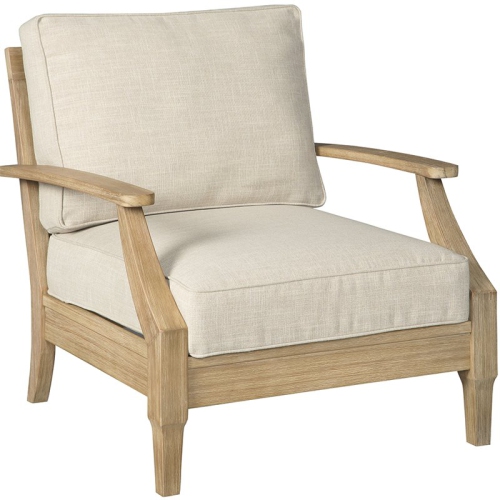 Your price for this item is $1227.67
 -
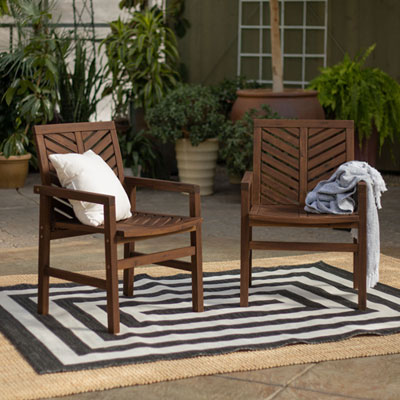 Your price for this item is $604.99
 -
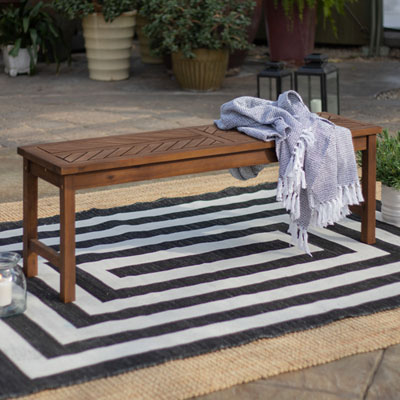 Your price for this item is $371.99
 -
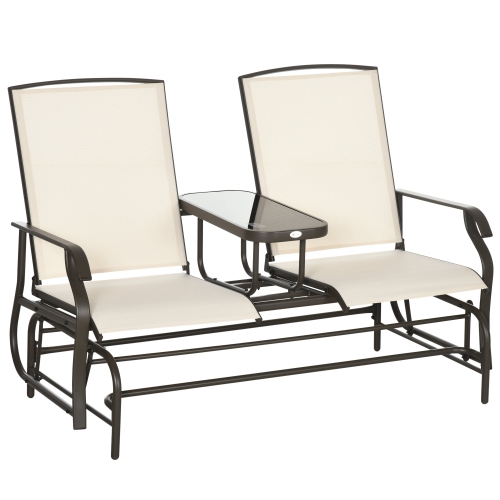 Your price for this item is $189.99
 -
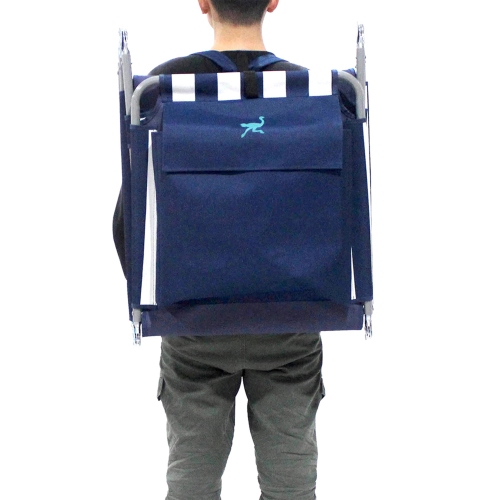 Your price for this item is $204.99
 -
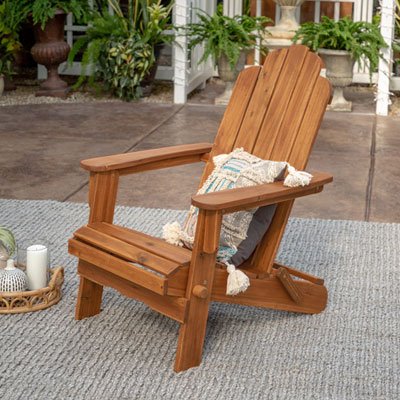 Your price for this item is $461.99
 -
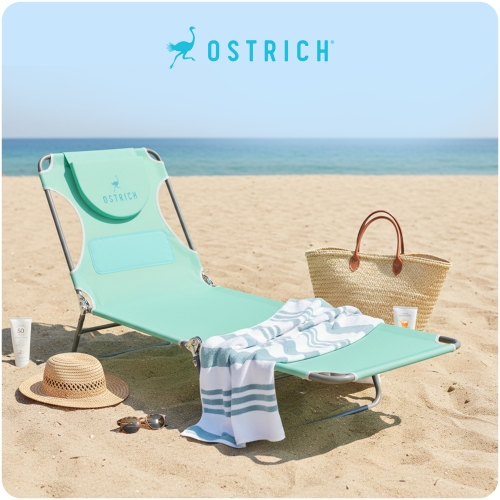 Your price for this item is $170.99
 -
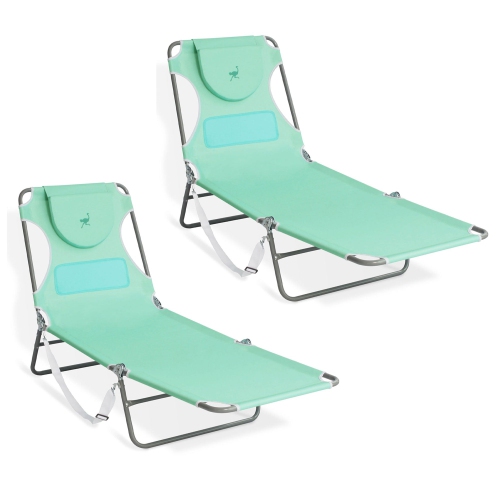 Your price for this item is $392.99
Discover more categories related to Cast Aluminium Benches
Top Collections:
Pokemon Centers, Kindle Devices, Best Budget Office Chairs, Apple iPhones 16, Best Laptops for Writers, iPhone 15 Apple, Canon G7X Cameras, Refurbished Apple Laptops, Alarm Clock, Motorola Razr Phones
Some products may be subject to Environmental Handling Fees
(EHF) depending on your province.
Learn more about EHFs.