Cast Aluminum Round Patio Tables
Create the perfect outdoor oasis with cast aluminum patio tables. Crafted with durability and style in mind, these tables are designed to withstand the elements while enhancing your outdoor space. With their timeless design and sturdy construction, these types of tables offer both functionality and aesthetic appeal, making them a must-have addition to your outdoor furniture collection.
Sort
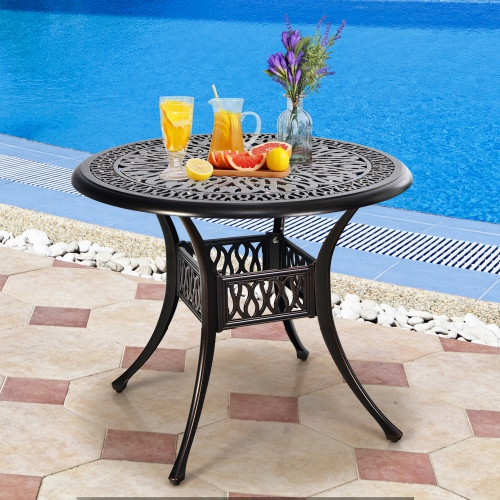
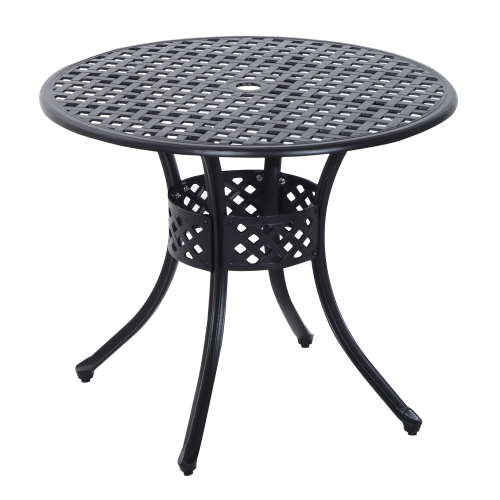

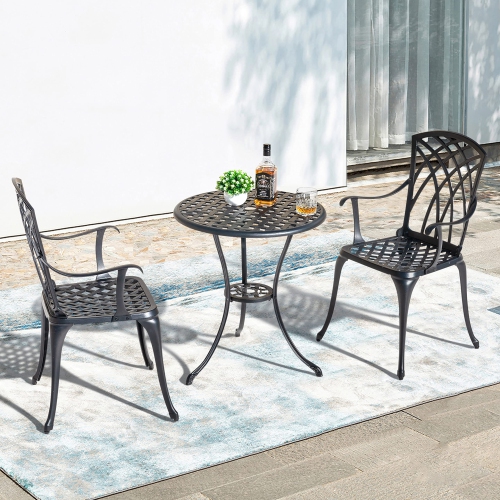
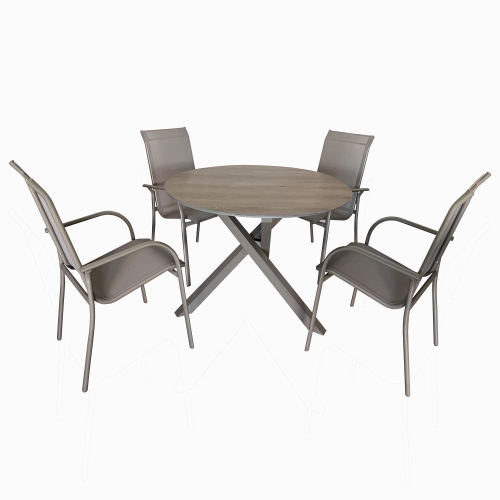
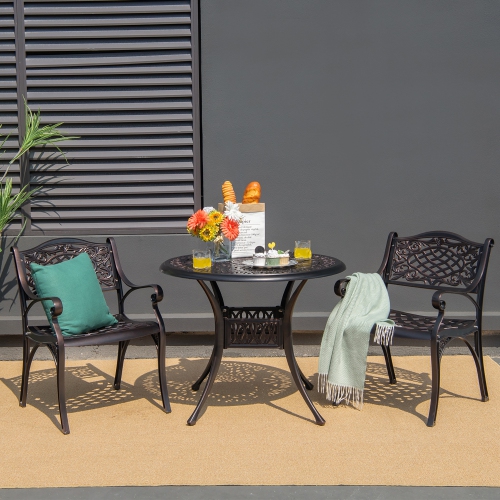
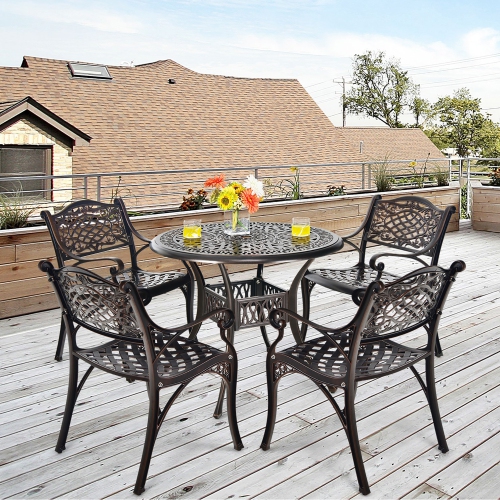

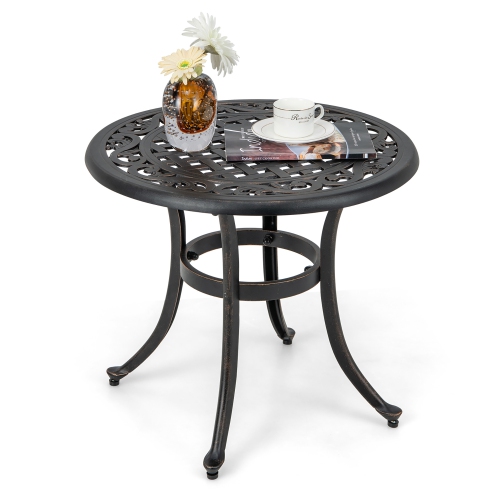
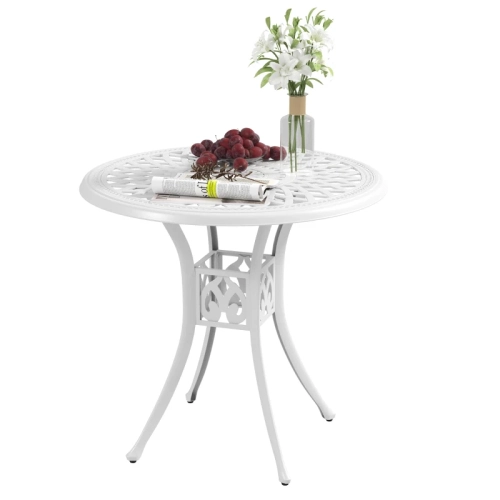
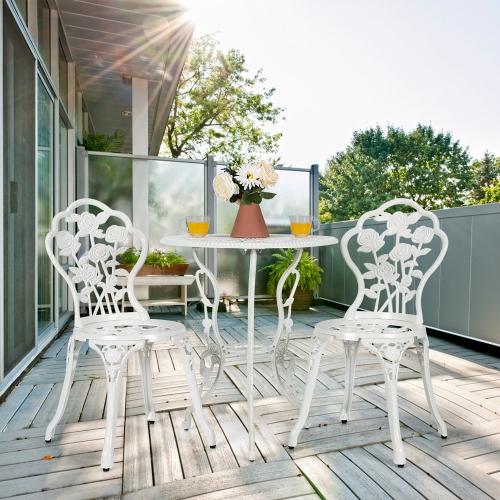
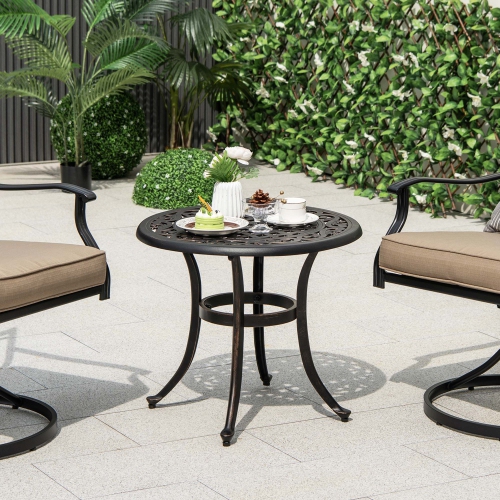
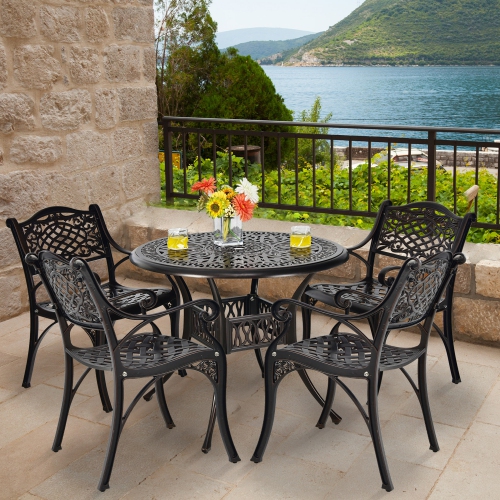
Circular tops put conversation at the centre of meals
Cast aluminum round patio tables bring a solid metal surface and a welcoming shape to outdoor dining areas, balconies, decks, and garden seating spaces. Their circular tops keep everyone facing the centre, making conversation comfortable over breakfast for two or a shared meal with friends. Without corners projecting into the seating area, a round table can also fit naturally beside curved planting beds or within a compact arrangement of chairs. Cast aluminum is made by pouring molten aluminum into moulds, allowing tabletops and bases to feature lattice patterns, scrolling details, or simpler shapes with substantial edges. Unlike iron, aluminum does not develop red rust, although its surface can oxidize and its protective finish still benefits from regular care. Many designs have a powder-coated finish that adds colour and helps protect the metal from outdoor exposure. Black, white, bronze-tone, and copper-tone finishes offer different looks, from crisp contrast against pale cushions to softer combinations with stone paving and wood fencing. The casting process can give these tables more heft than lightweight hollow-frame aluminum designs, but actual weight and stability depend on the table’s construction, dimensions, and base. A heavier table is not automatically secure in strong winds, especially when paired with an open umbrella. For everyday use, the appeal is a balance of sturdy construction, manageable upkeep, and detailing that can complement both traditional and contemporary patio furniture. A small bistro-style table creates a place for coffee and a book, while a dining-height table with a broader top provides room for plates, serving dishes, and relaxed gatherings. Within the wider range of Round Aluminum Patio Tables, cast designs are distinguished by their moulded shapes and often more substantial appearance. Openwork tops feel visually lighter, while more continuous surfaces provide a steadier resting place for small objects. Both can suit outdoor dining, with the tabletop pattern influencing how comfortably glassware, cutlery, and other everyday essentials sit.
The right fit depends on more than the diameter of the tabletop. Around 30 to 32 inches across is a common starting point for a two-person bistro arrangement, while a table around 40 to 48 inches may accommodate four people, depending on chair width, leg placement, and the space needed for place settings. Larger diameters can accommodate more seating, but the stated seating capacity is best considered alongside the actual dimensions rather than treated as a guarantee of comfort. A pair of wide armchairs needs more room than two slim dining chairs, and a full meal takes up more surface area than drinks and a snack. On a balcony, the table also needs to leave access to the door and any storage, without chairs blocking the route when someone is seated. About 36 inches of clearance between the table edge and a wall or railing is a useful planning allowance for pulling out chairs; a route behind occupied chairs generally needs more. Table height matters just as much. Standard outdoor dining tables are often approximately 28 to 30 inches high, while occasional tables sit lower and work better beside lounge seating. Clearance beneath the tabletop should accommodate knees and allow chair arms to slide underneath where intended. A central pedestal can reduce interference from legs around the perimeter, though a broad pedestal foot may still affect foot placement. Four-legged bases offer a familiar layout, with comfort depending on where each chair meets the frame. Adjustable feet, where included, help compensate for small irregularities in paving or decking, but cannot make a sloping or unstable surface suitable. For a table that will hold an umbrella, the hole diameter, pole size, and space beneath the base all need to work together. Openings around 2 inches are common, but measurements vary. The tabletop opening positions the pole; it does not replace a properly sized umbrella base. These details matter when arranging a quiet breakfast corner, furnishing a shared household patio, or creating a dining space that can comfortably welcome guests.
Care and durability are closely connected to the finish, hardware, and way a cast aluminum round patio table is used. A soft cloth or sponge with mild soap and water is usually suitable for routine cleaning, followed by a rinse and drying where practical. Manufacturer care instructions take priority, particularly for textured coatings or hand-applied finishes. Abrasive pads, harsh cleaners, and pressure washing can damage coatings or force water into joints. Lattice tops may let rain pass through, but the openings can also catch crumbs, leaves, and pollen; a soft brush helps reach the recesses without scraping the surface. Spills are easier to remove before they dry, and placemats or coasters can reduce marks from dishes and drinks. Hot cookware needs a suitable trivet rather than direct contact with the finish. Although aluminum itself does not form red rust, fasteners or other components may be made from different metals, so checking joints and exposed hardware remains worthwhile. Loose bolts can cause movement during use, while worn foot caps may leave marks on decking or stone. Small chips in a coating are best addressed using the manufacturer’s suggested touch-up method before damage spreads. For patios exposed to snow and freezing conditions, protected storage or a well-fitted, breathable furniture cover can help limit accumulated moisture and debris. A cover should be secured without trapping damp material against the tabletop, and water should not be left pooling in recessed areas. Umbrellas are best closed and secured when unattended, with removal or storage appropriate to the conditions and manufacturer directions. Cast aluminum tables suit people who want the detail of moulded metal without the considerable weight of many cast-iron alternatives, though larger tables may still require two people to move safely. Their usefulness extends from a single-person reading spot to a family dining area, with the best match shaped by seating habits, available floor space, and the amount of tabletop needed. A well-proportioned table leaves room for the ordinary pleasures of outdoor living: a breakfast tray, a bowl of fruit, or dinner shared without elbows competing for space.
The right fit depends on more than the diameter of the tabletop. Around 30 to 32 inches across is a common starting point for a two-person bistro arrangement, while a table around 40 to 48 inches may accommodate four people, depending on chair width, leg placement, and the space needed for place settings. Larger diameters can accommodate more seating, but the stated seating capacity is best considered alongside the actual dimensions rather than treated as a guarantee of comfort. A pair of wide armchairs needs more room than two slim dining chairs, and a full meal takes up more surface area than drinks and a snack. On a balcony, the table also needs to leave access to the door and any storage, without chairs blocking the route when someone is seated. About 36 inches of clearance between the table edge and a wall or railing is a useful planning allowance for pulling out chairs; a route behind occupied chairs generally needs more. Table height matters just as much. Standard outdoor dining tables are often approximately 28 to 30 inches high, while occasional tables sit lower and work better beside lounge seating. Clearance beneath the tabletop should accommodate knees and allow chair arms to slide underneath where intended. A central pedestal can reduce interference from legs around the perimeter, though a broad pedestal foot may still affect foot placement. Four-legged bases offer a familiar layout, with comfort depending on where each chair meets the frame. Adjustable feet, where included, help compensate for small irregularities in paving or decking, but cannot make a sloping or unstable surface suitable. For a table that will hold an umbrella, the hole diameter, pole size, and space beneath the base all need to work together. Openings around 2 inches are common, but measurements vary. The tabletop opening positions the pole; it does not replace a properly sized umbrella base. These details matter when arranging a quiet breakfast corner, furnishing a shared household patio, or creating a dining space that can comfortably welcome guests.
Care and durability are closely connected to the finish, hardware, and way a cast aluminum round patio table is used. A soft cloth or sponge with mild soap and water is usually suitable for routine cleaning, followed by a rinse and drying where practical. Manufacturer care instructions take priority, particularly for textured coatings or hand-applied finishes. Abrasive pads, harsh cleaners, and pressure washing can damage coatings or force water into joints. Lattice tops may let rain pass through, but the openings can also catch crumbs, leaves, and pollen; a soft brush helps reach the recesses without scraping the surface. Spills are easier to remove before they dry, and placemats or coasters can reduce marks from dishes and drinks. Hot cookware needs a suitable trivet rather than direct contact with the finish. Although aluminum itself does not form red rust, fasteners or other components may be made from different metals, so checking joints and exposed hardware remains worthwhile. Loose bolts can cause movement during use, while worn foot caps may leave marks on decking or stone. Small chips in a coating are best addressed using the manufacturer’s suggested touch-up method before damage spreads. For patios exposed to snow and freezing conditions, protected storage or a well-fitted, breathable furniture cover can help limit accumulated moisture and debris. A cover should be secured without trapping damp material against the tabletop, and water should not be left pooling in recessed areas. Umbrellas are best closed and secured when unattended, with removal or storage appropriate to the conditions and manufacturer directions. Cast aluminum tables suit people who want the detail of moulded metal without the considerable weight of many cast-iron alternatives, though larger tables may still require two people to move safely. Their usefulness extends from a single-person reading spot to a family dining area, with the best match shaped by seating habits, available floor space, and the amount of tabletop needed. A well-proportioned table leaves room for the ordinary pleasures of outdoor living: a breakfast tray, a bowl of fruit, or dinner shared without elbows competing for space.
Top selling and popular products
-
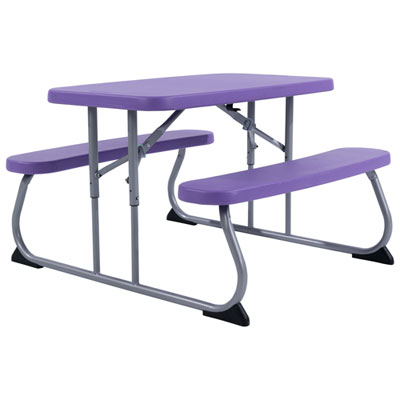 Your price for this item is $123.98
 -
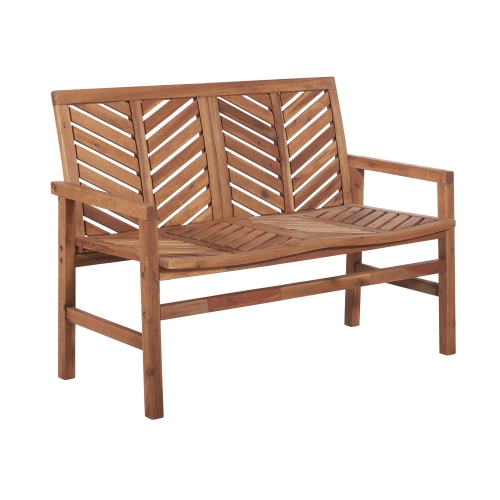 Your price for this item is $481.58
 -
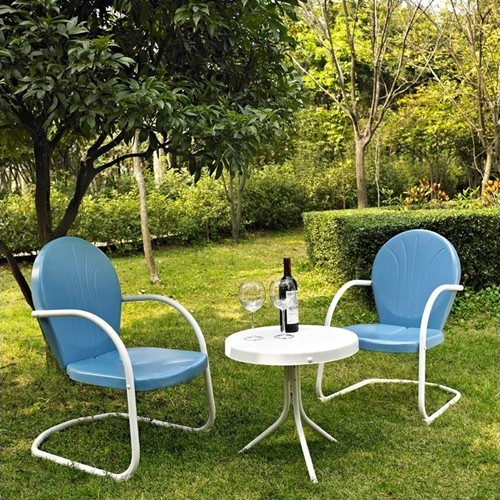 Your price for this item is $815.42
 -
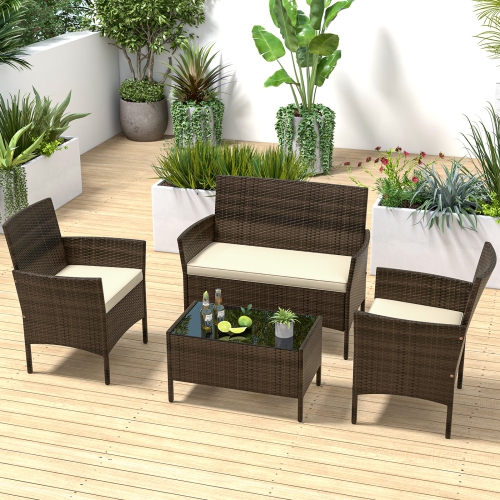 Your price for this item is $246.99
 -
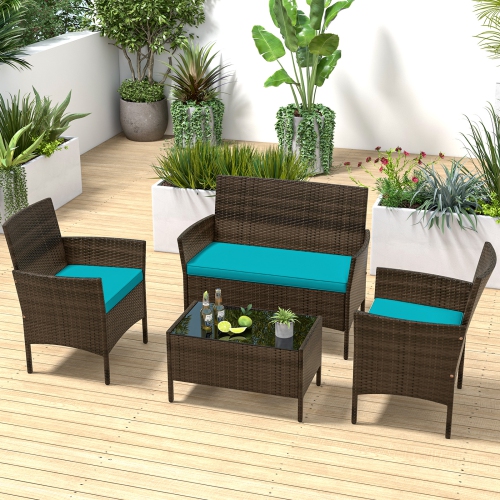 Your price for this item is $232.99
 -
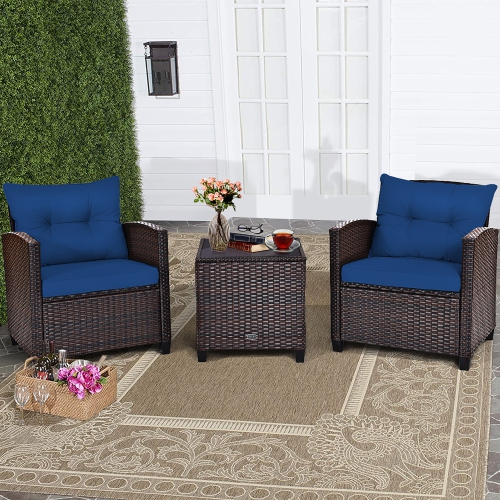 Your price for this item is $229.99
 -
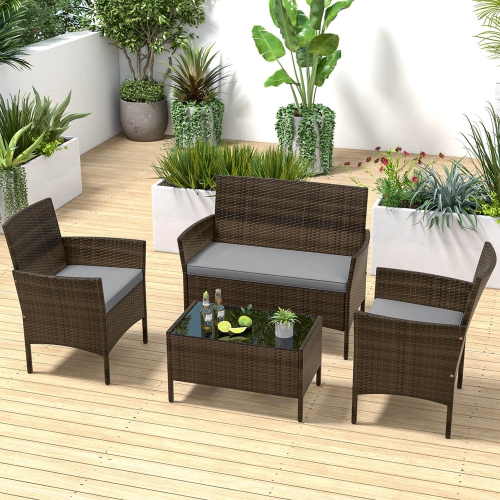 Your price for this item is $236.99
 -
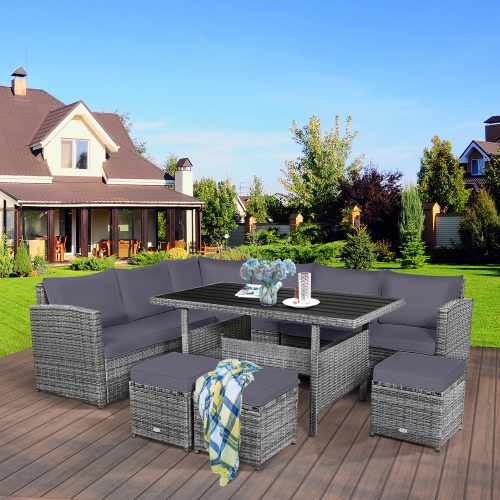 Your price for this item is $899.99
Discover more categories related to Cast Aluminum Round Patio Tables
Top Collections:
Pokemon Centers, Kindle Devices, Best Budget Office Chairs, Apple iPhones 16, Best Laptops for Writers, iPhone 15 Apple, Canon G7X Cameras, Refurbished Apple Laptops, Alarm Clock, Motorola Razr Phones
Some products may be subject to Environmental Handling Fees
(EHF) depending on your province.
Learn more about EHFs.