Cat Climbing Trees
Transform your home into a feline paradise with our selection of cat climbing trees. Designed to satisfy your cat's natural instincts to climb, scratch, and perch up high, these trees provide the perfect playground for your furry friend. Whether your cat loves to lounge in cozy hideaways, sharpen their claws on sisal posts, or observe their surroundings from elevated platforms, we have a variety of options to cater to every cat's preferences. Explore our collection of cat climbing trees and create a stimulating environment that will keep your pet entertained and happy for hours on end.
Sort






Why the right perch matters more than height
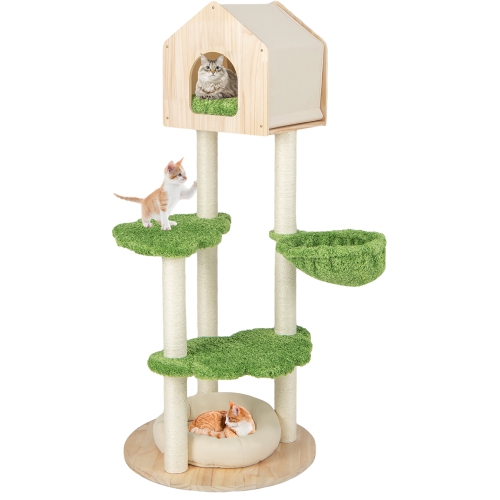
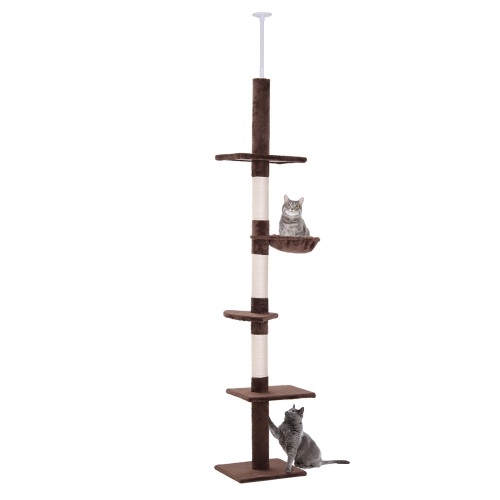
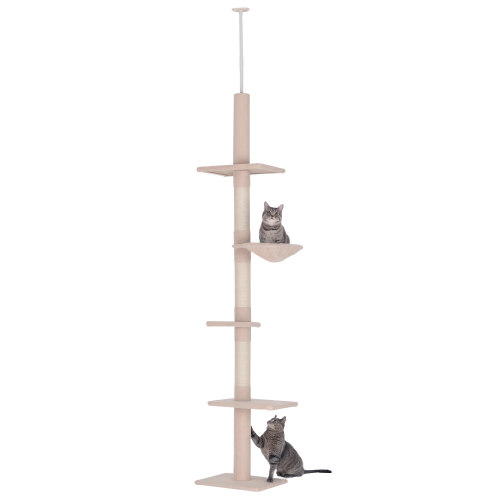
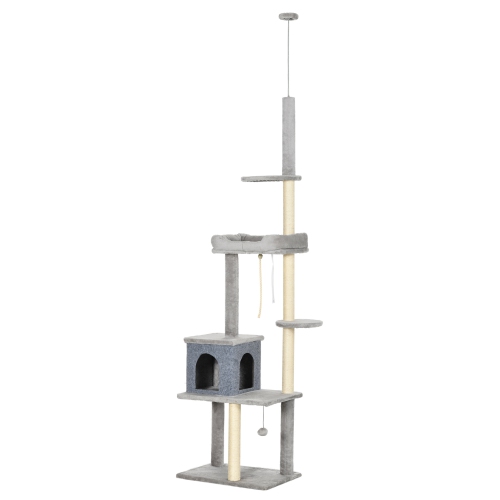
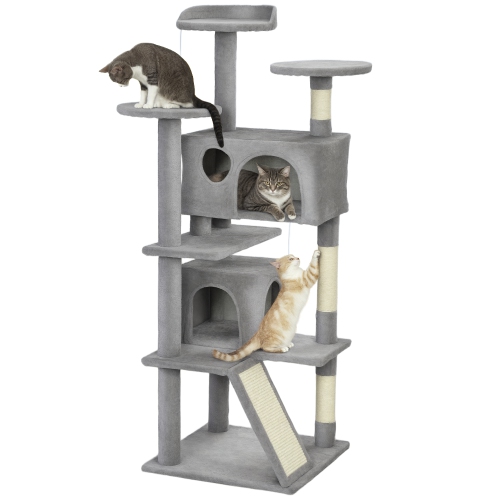
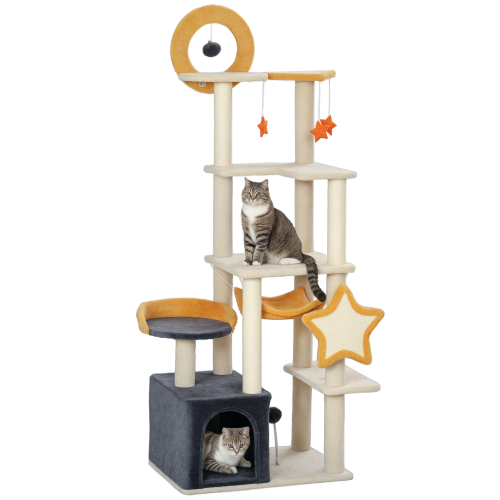
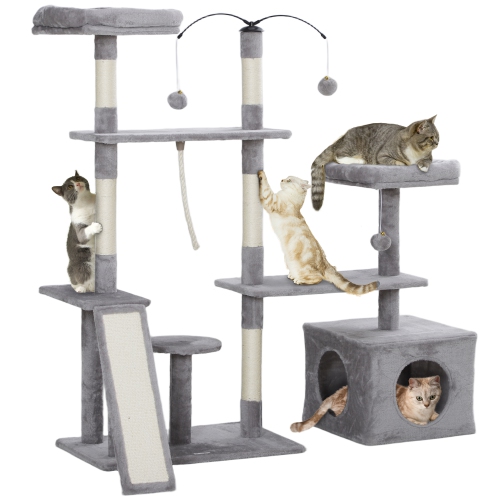
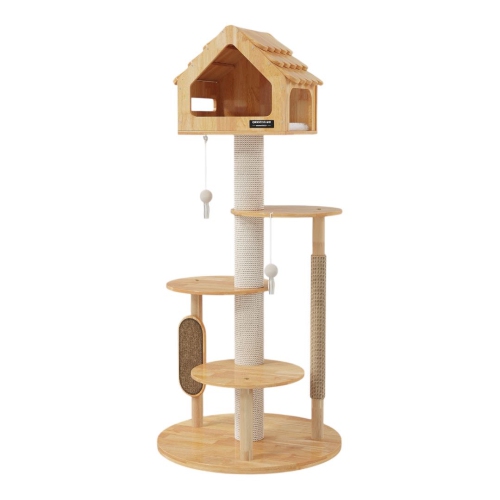
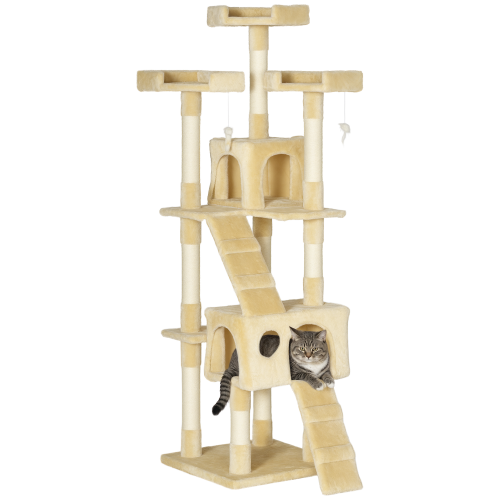
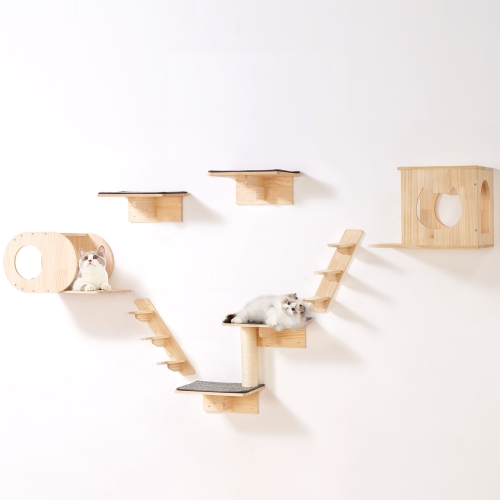
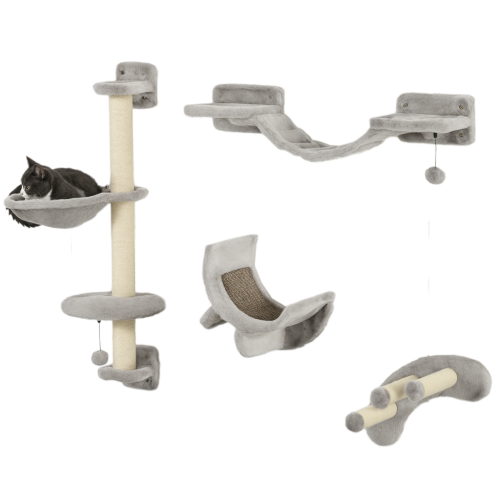
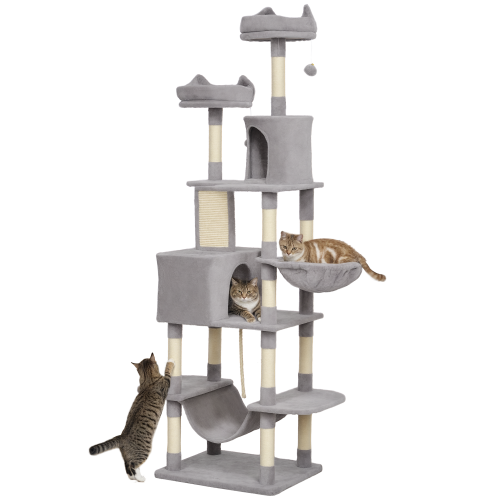
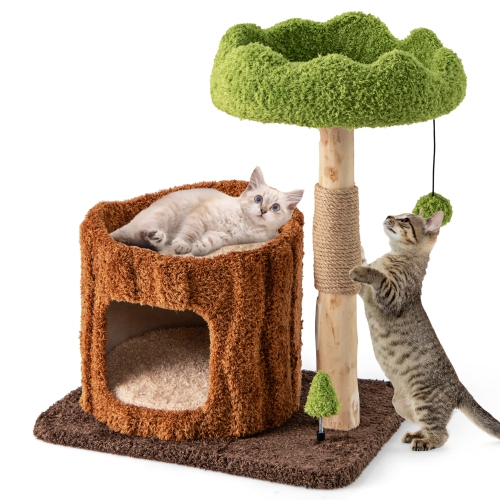
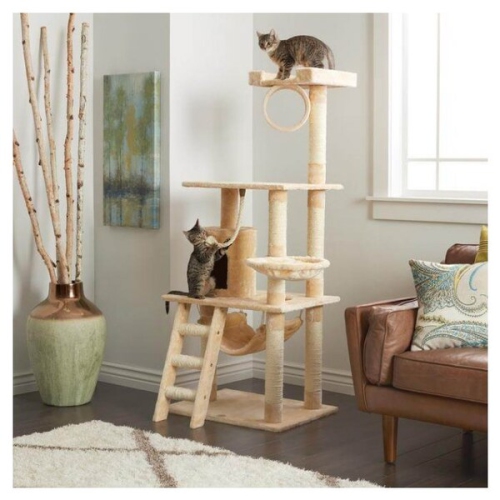
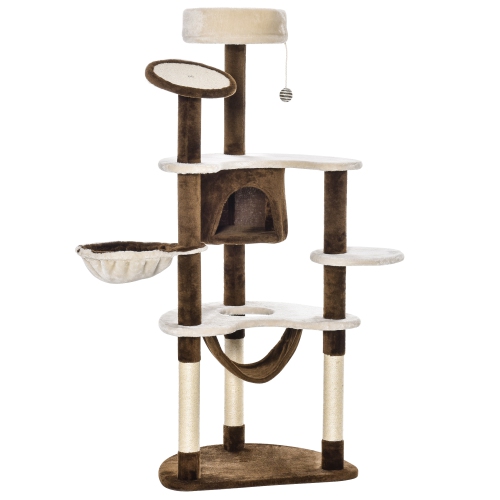
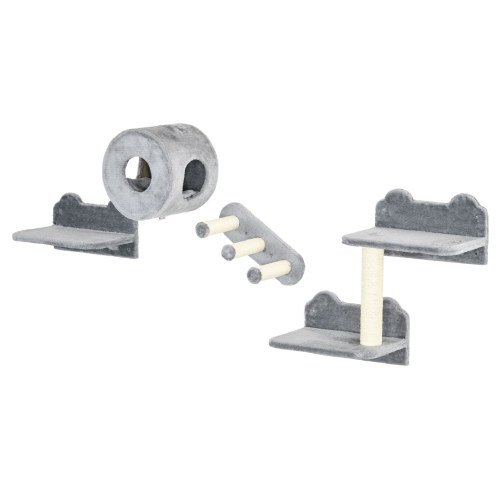
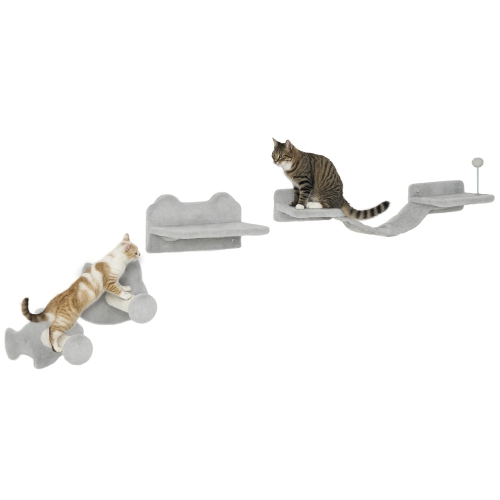
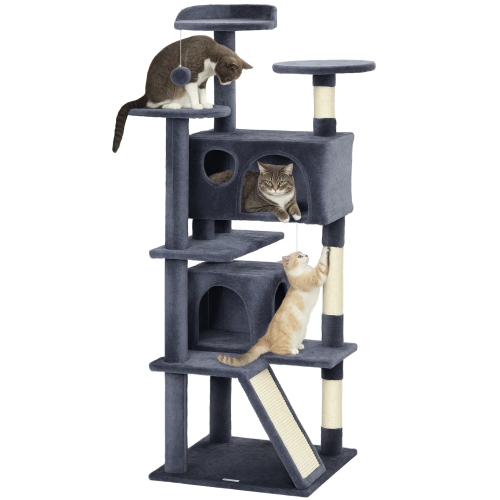
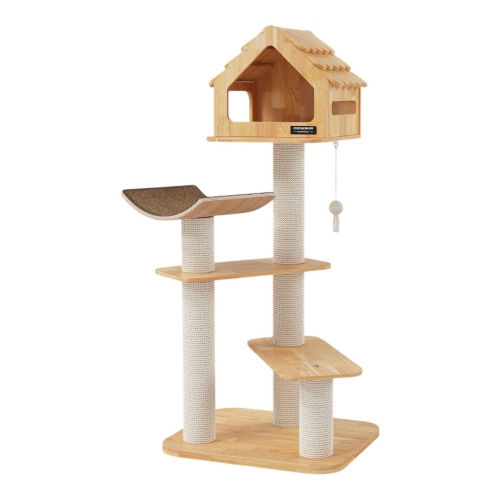
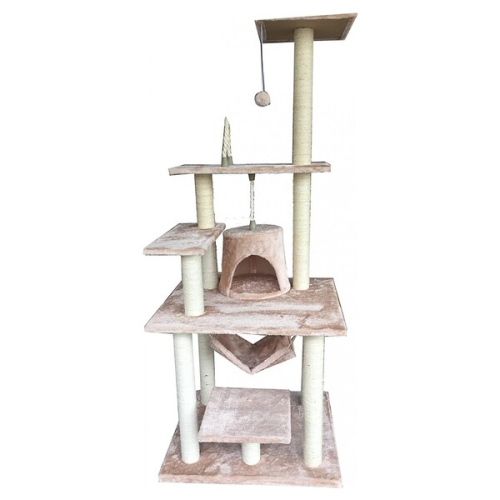
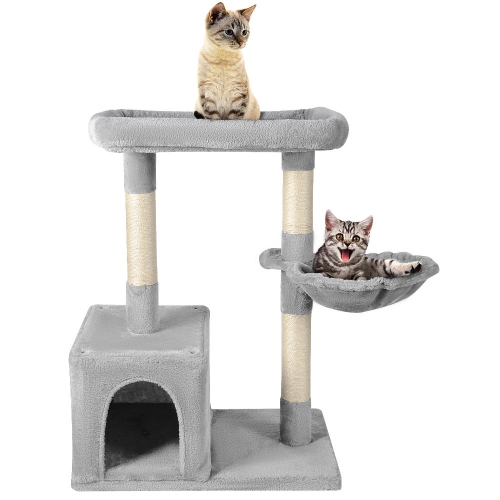
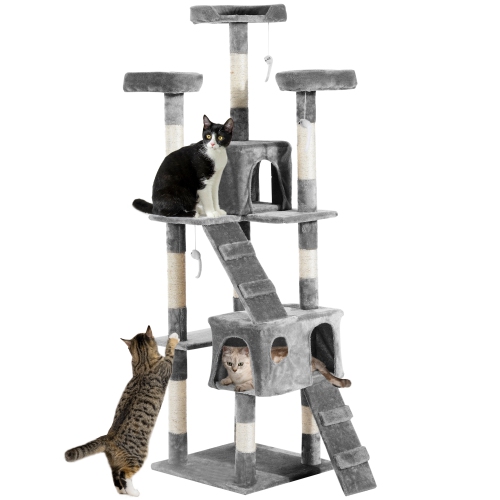
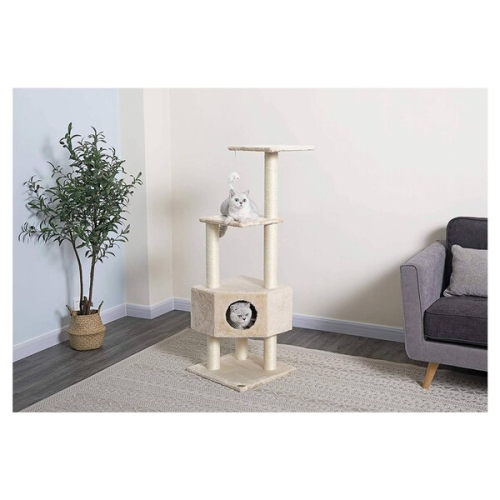
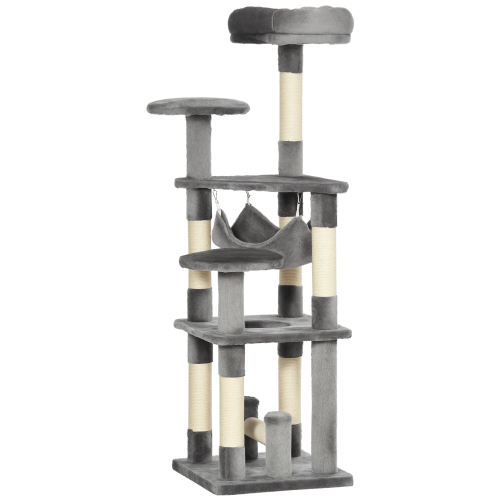
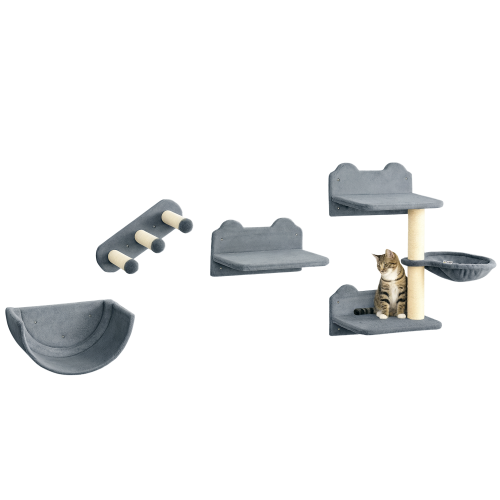
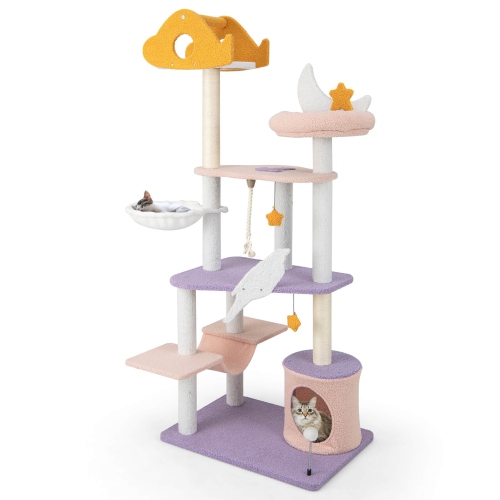
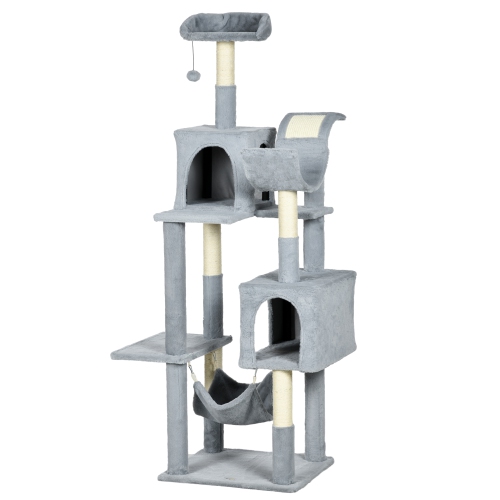
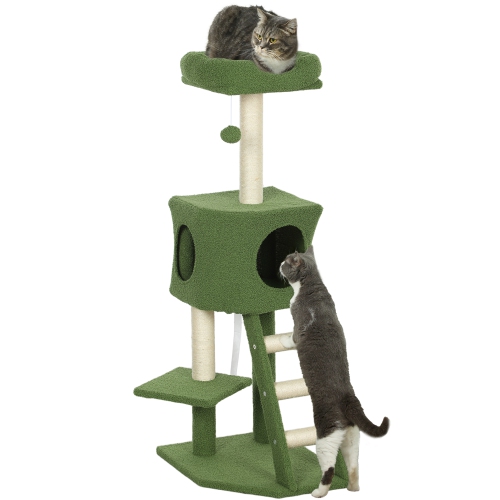
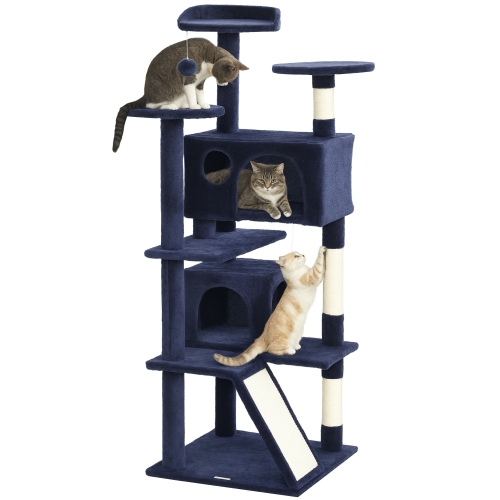
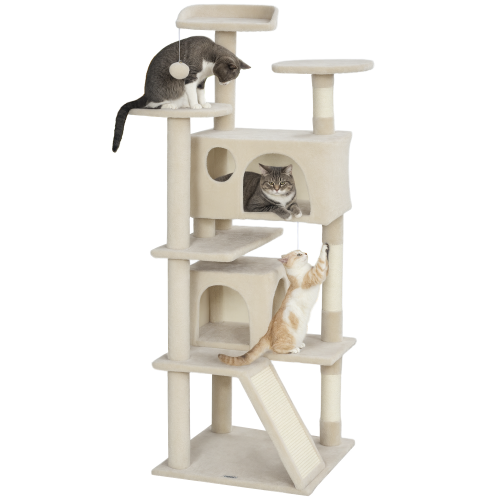
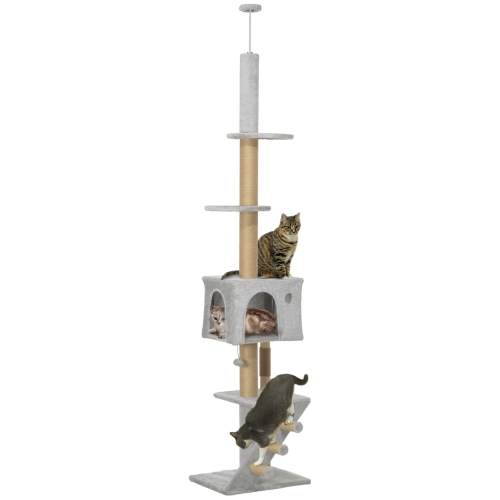
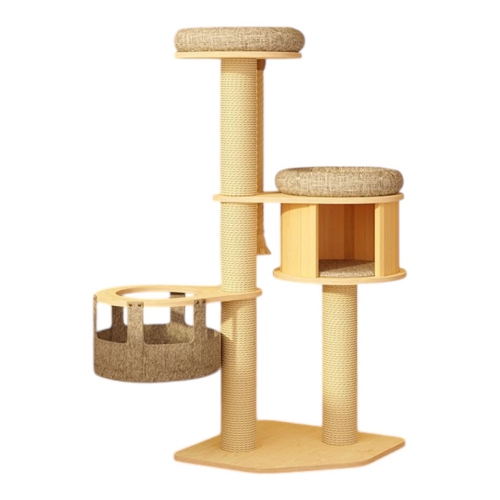
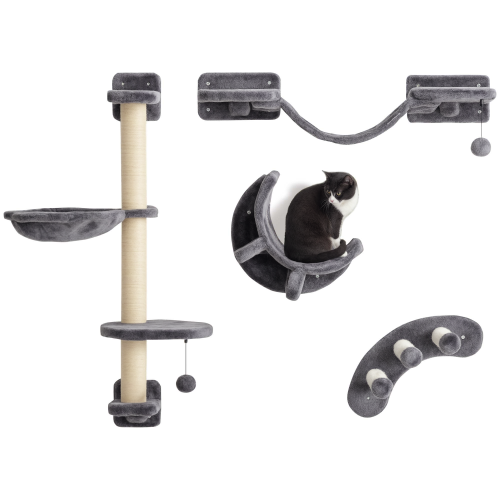
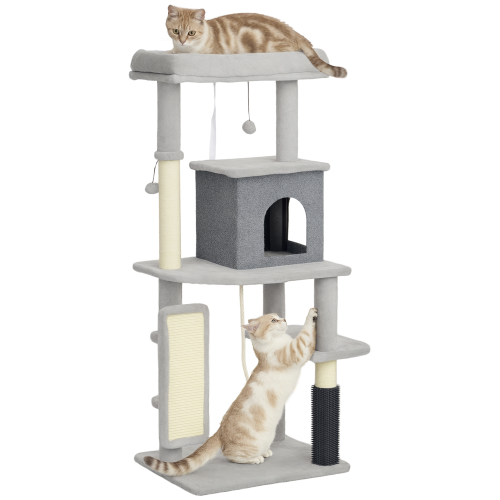
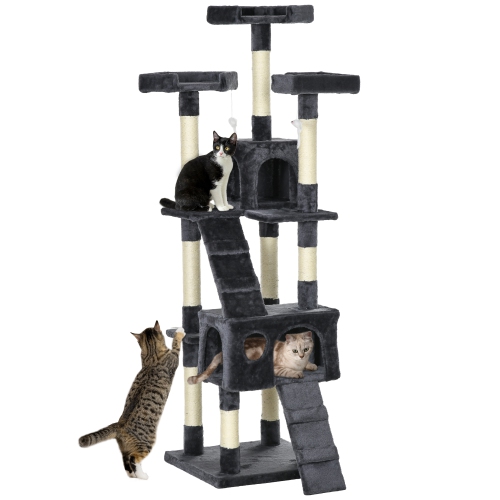
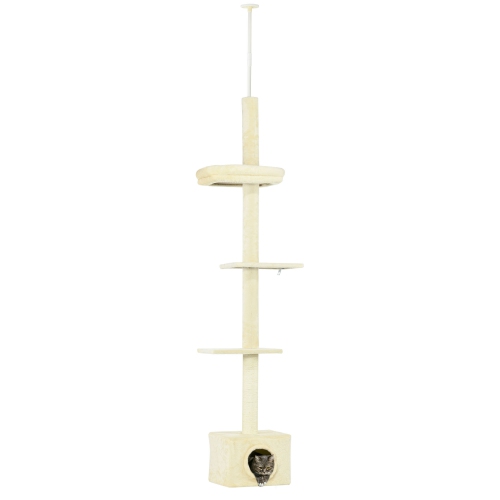
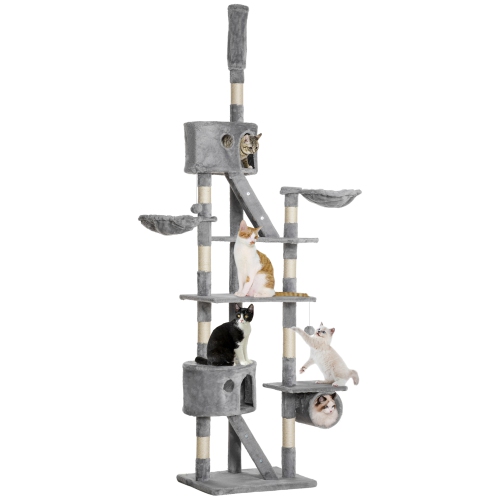
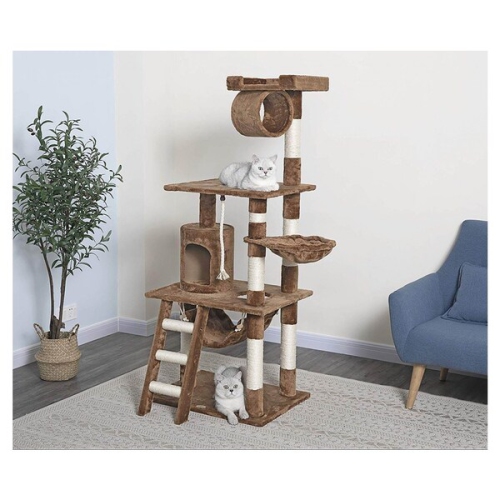
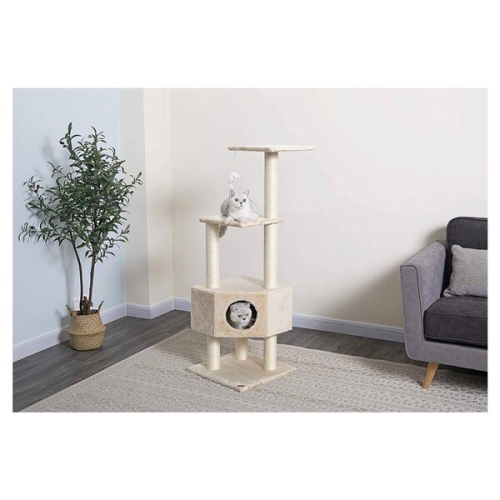
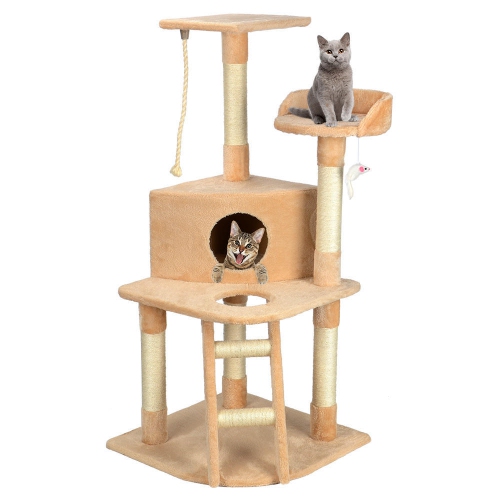
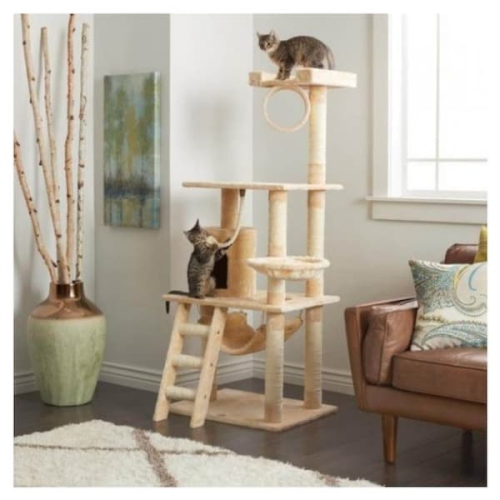
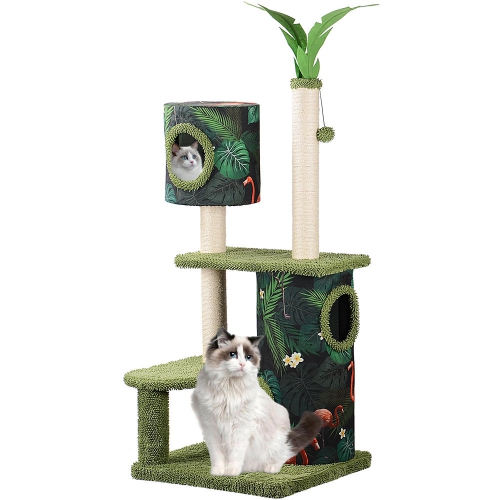
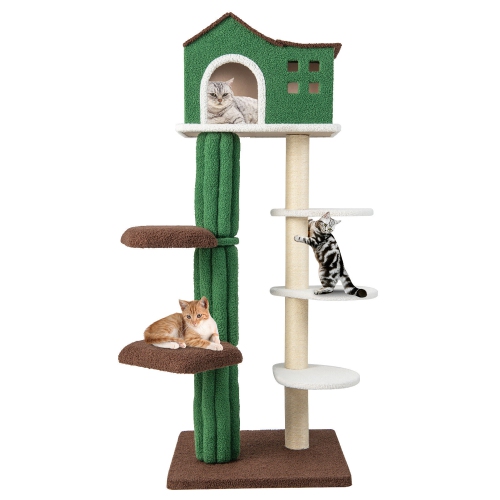
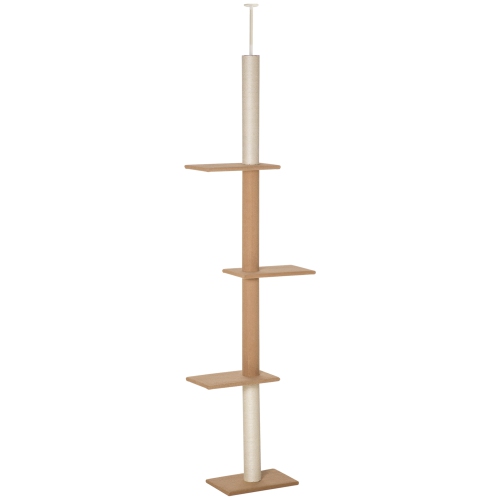
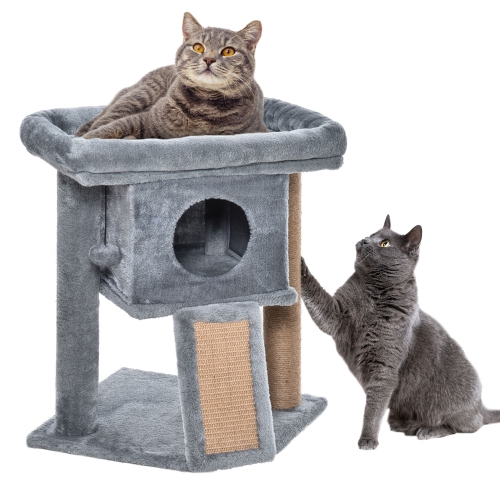
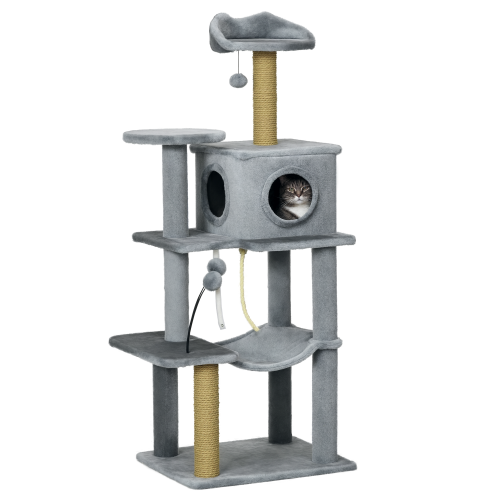
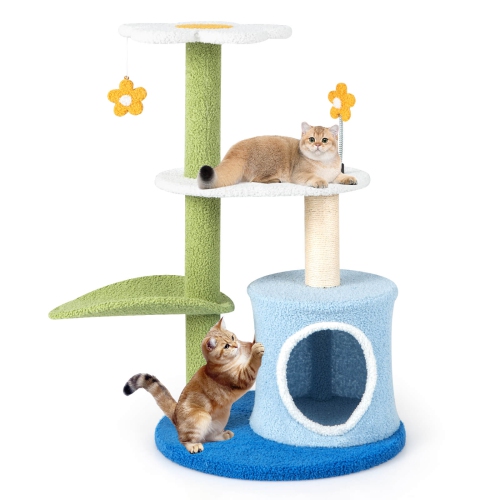
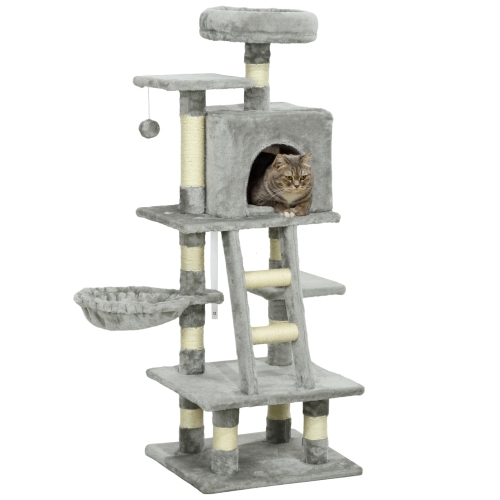
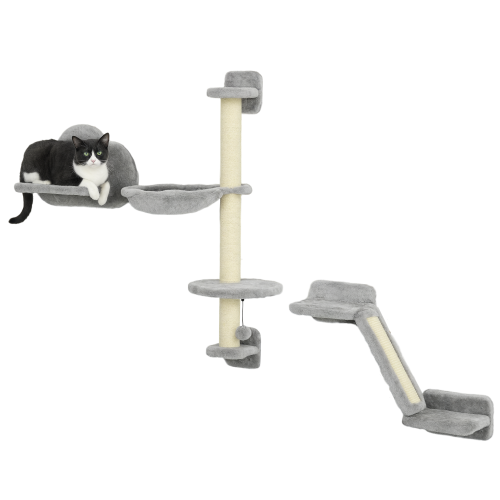
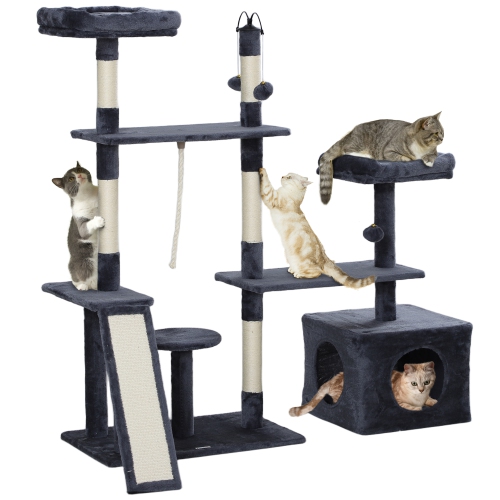
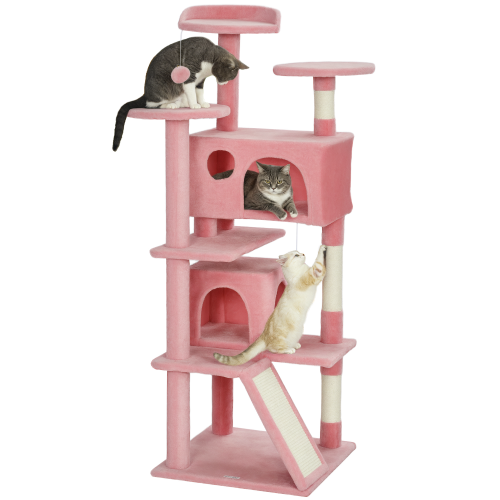
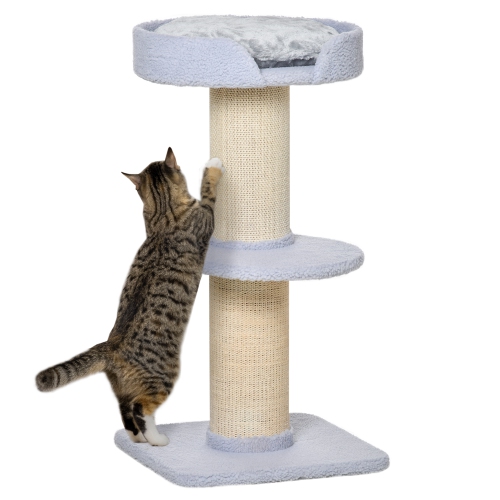
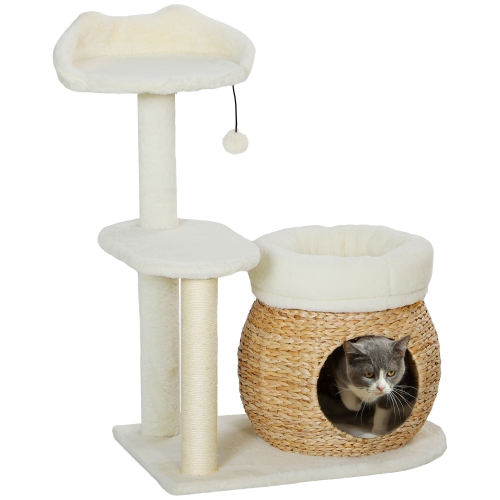
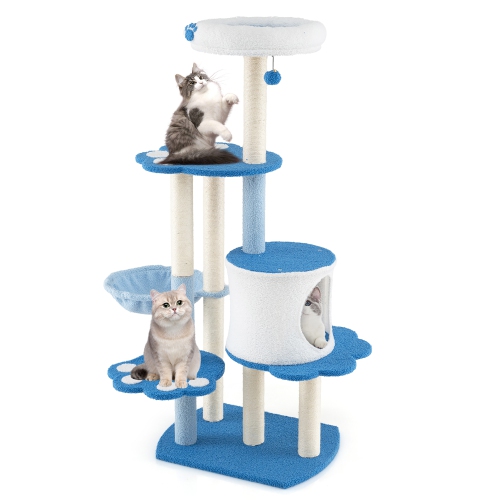
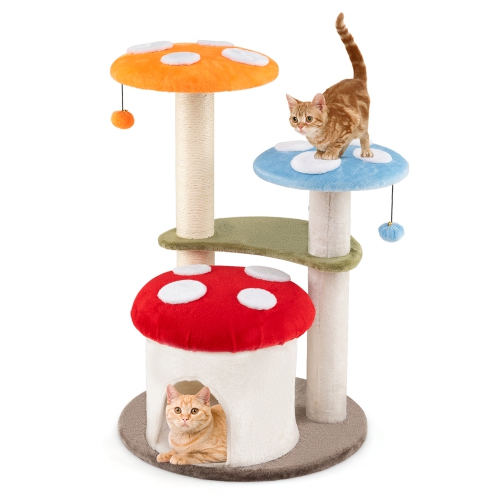
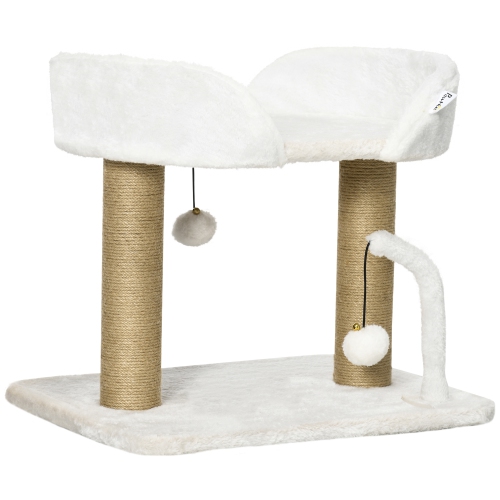
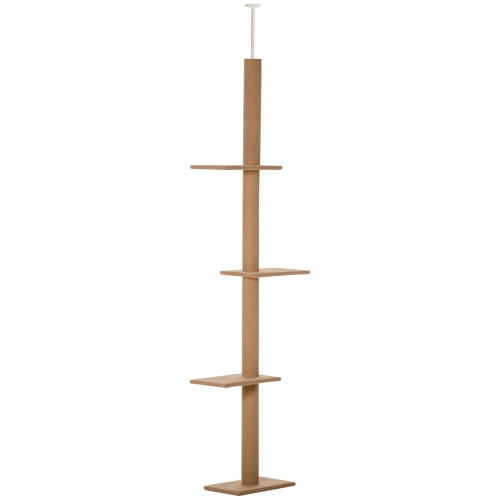
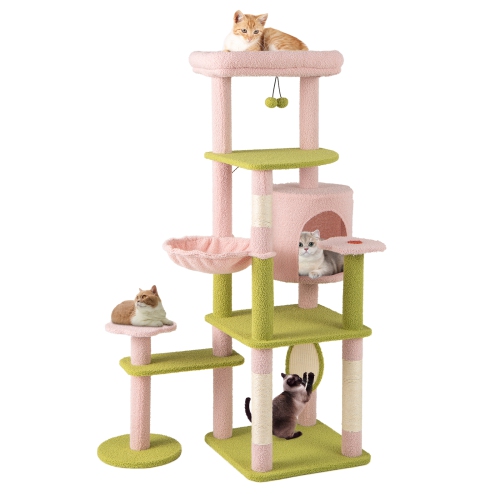
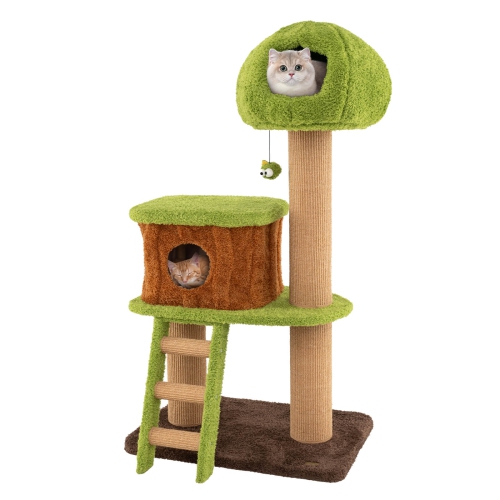
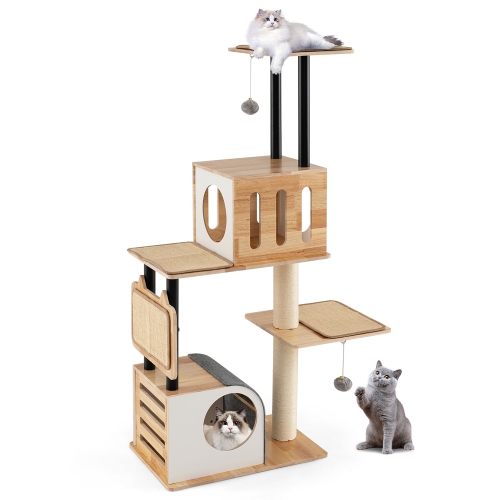
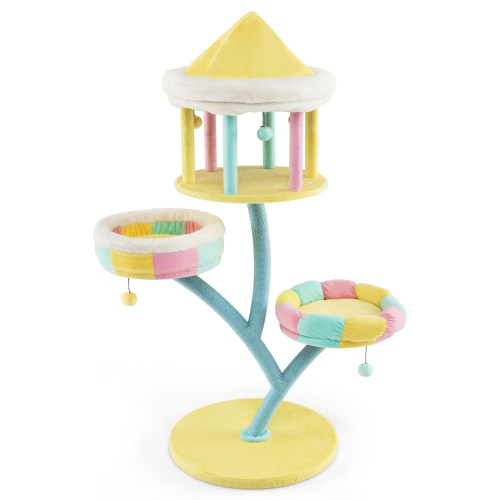
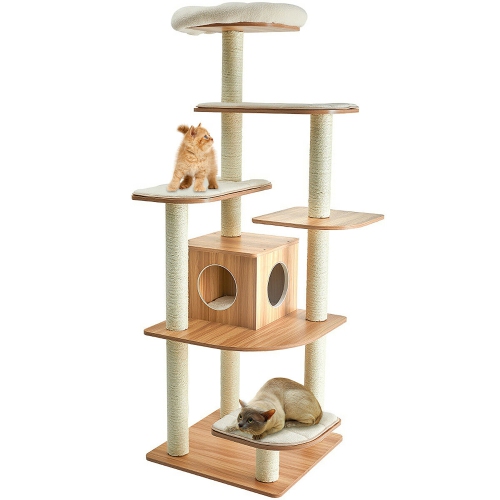
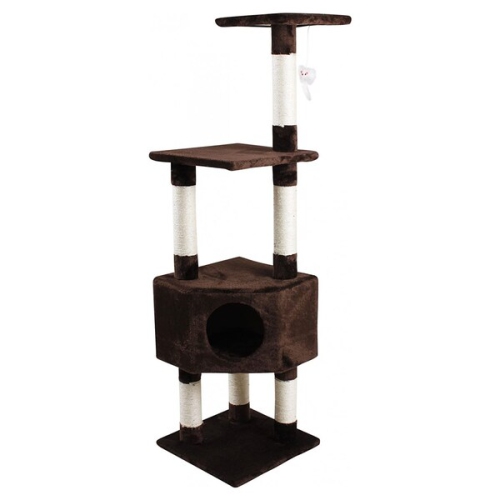
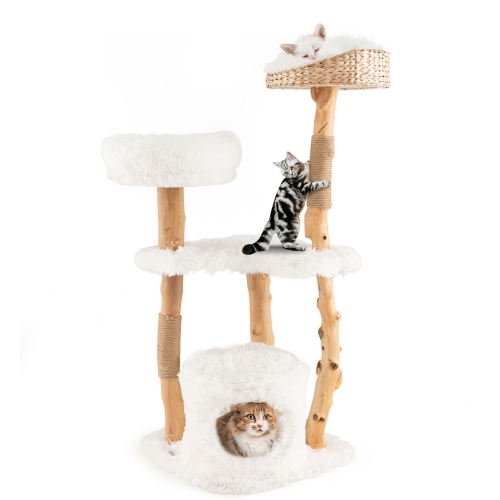
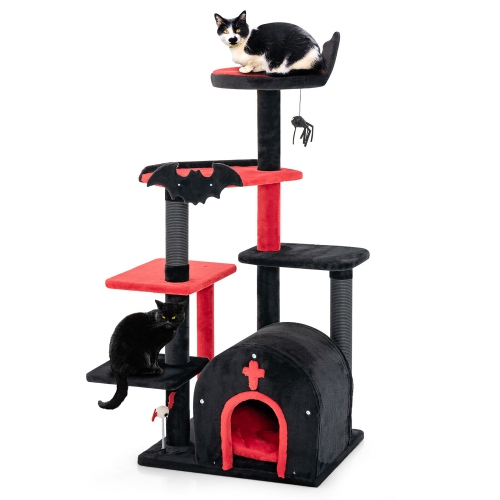
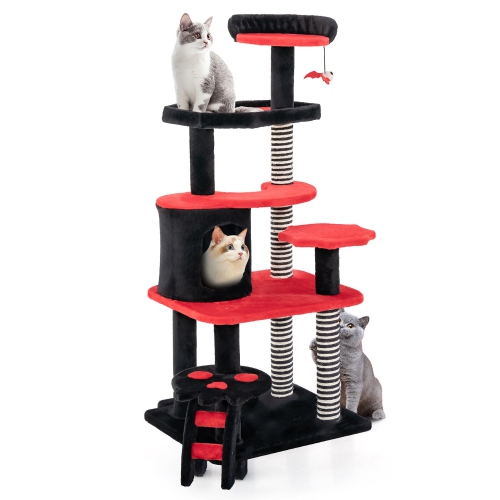
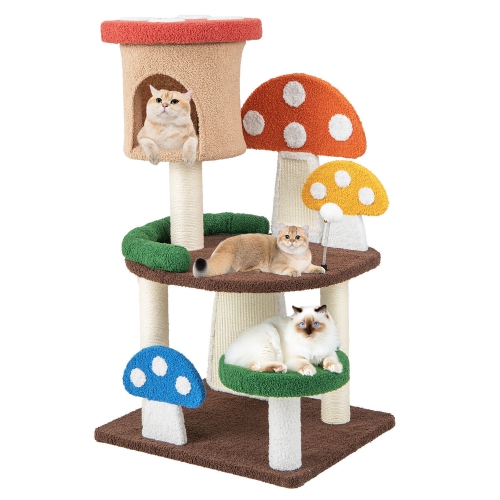
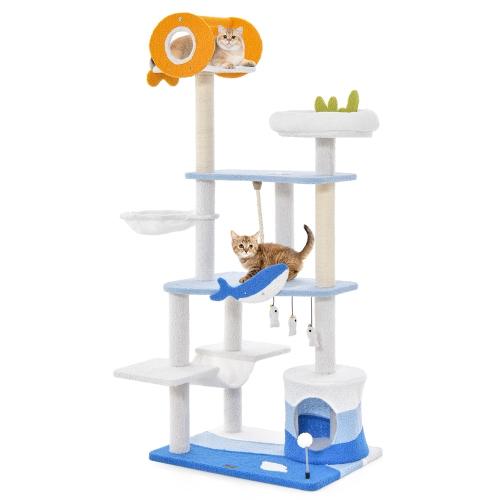
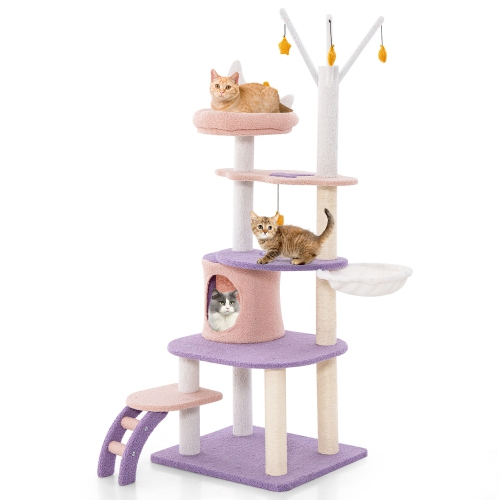
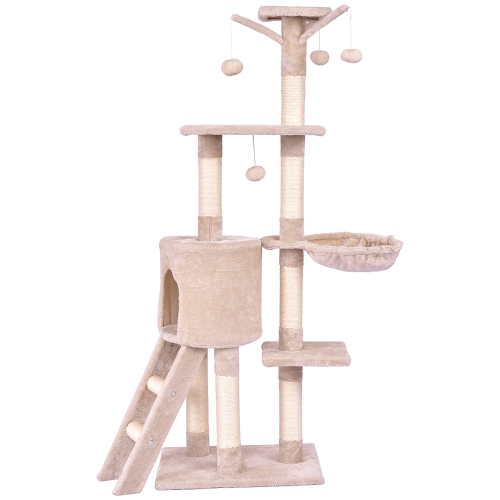
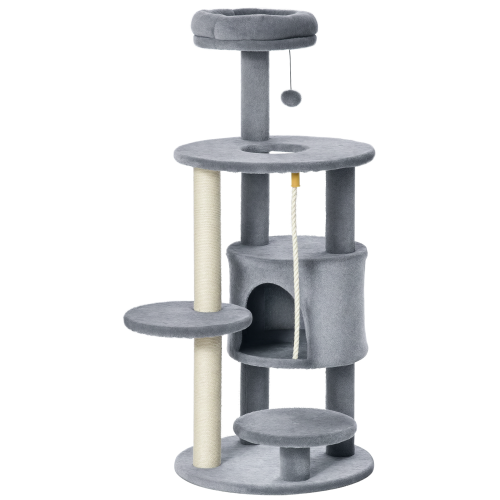
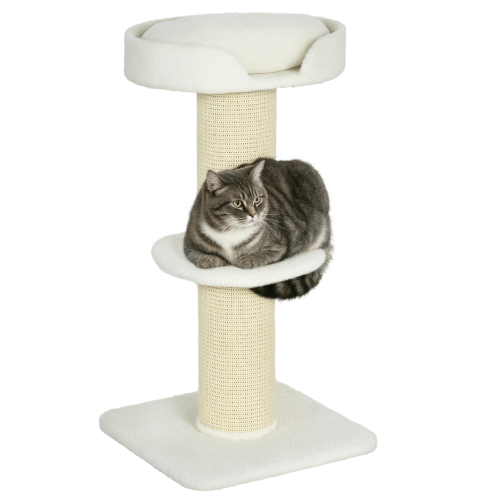
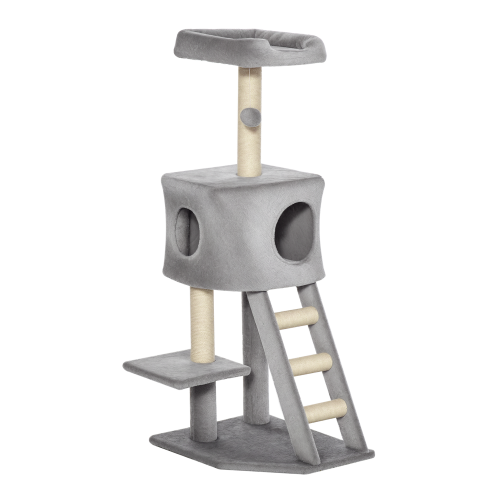
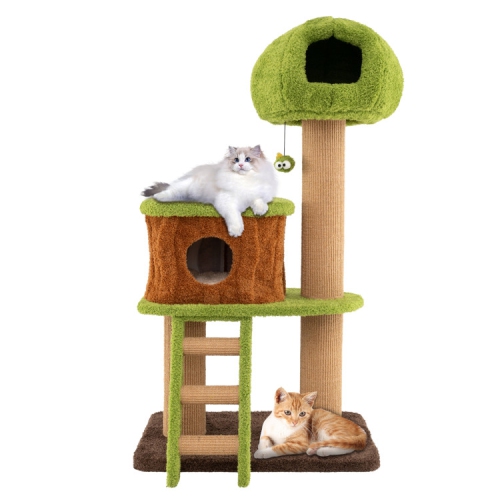
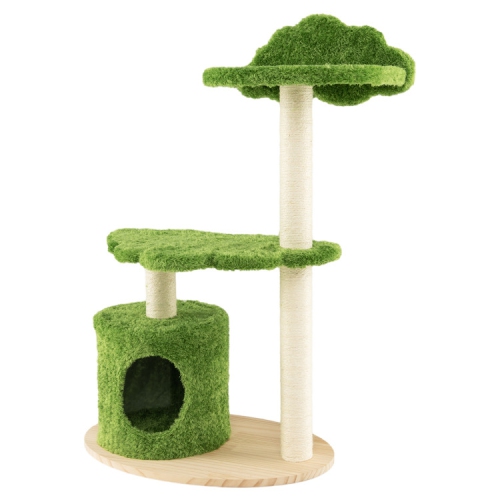
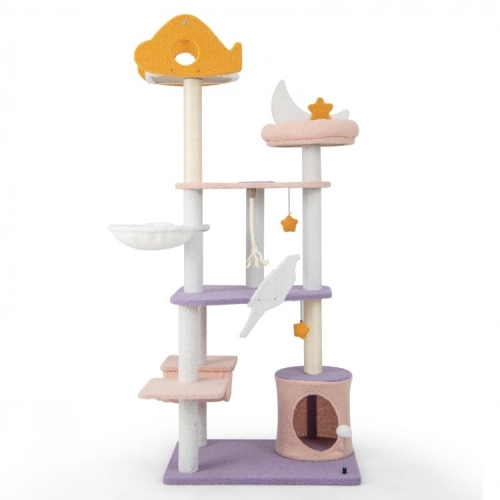
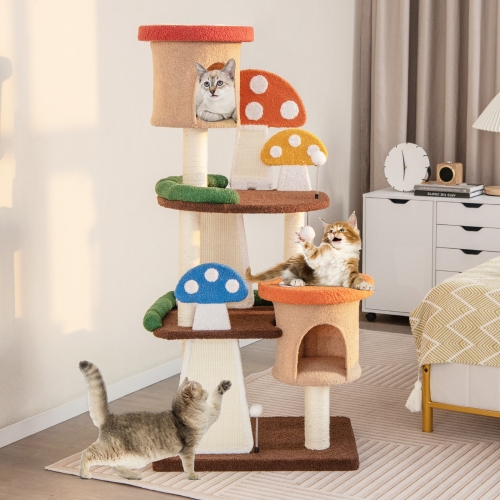
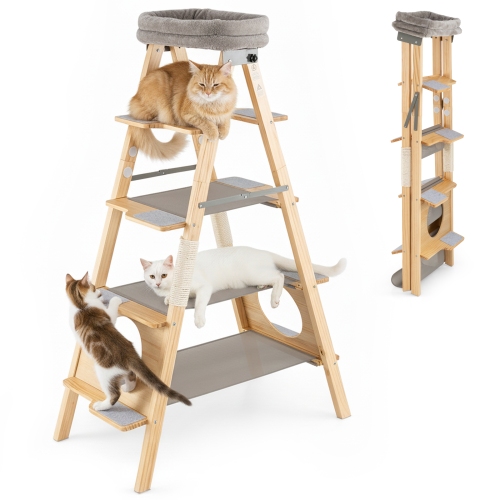
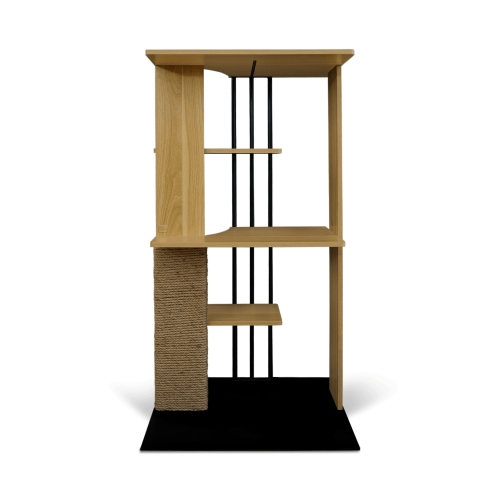
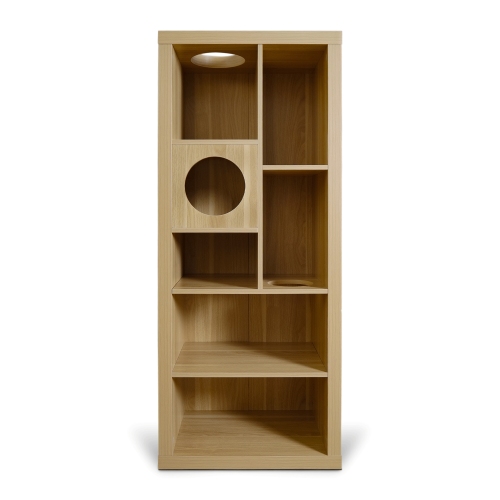
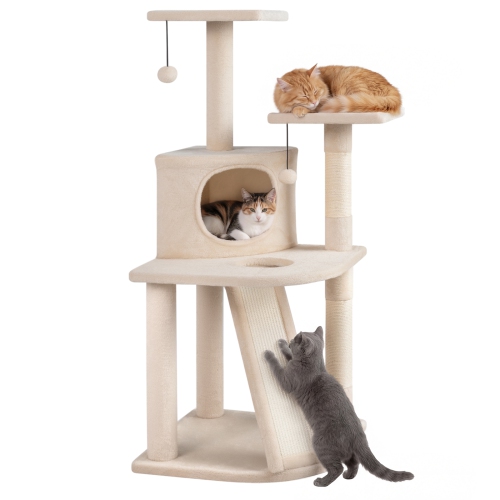
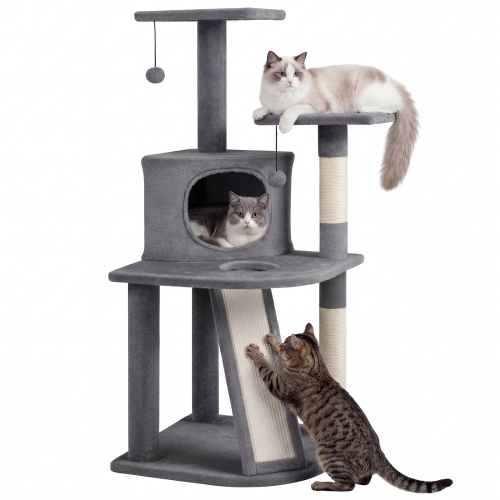
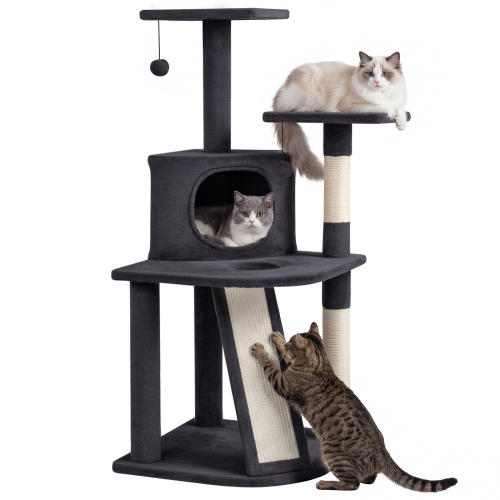
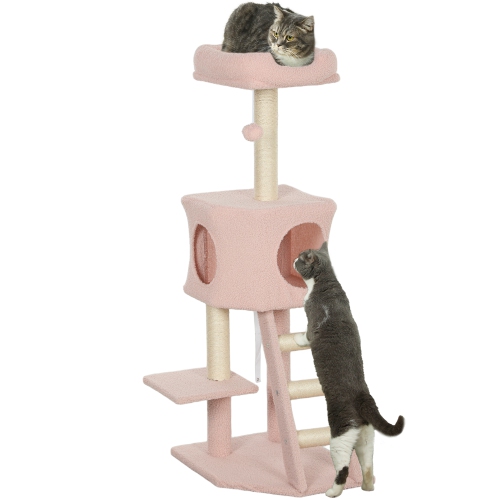
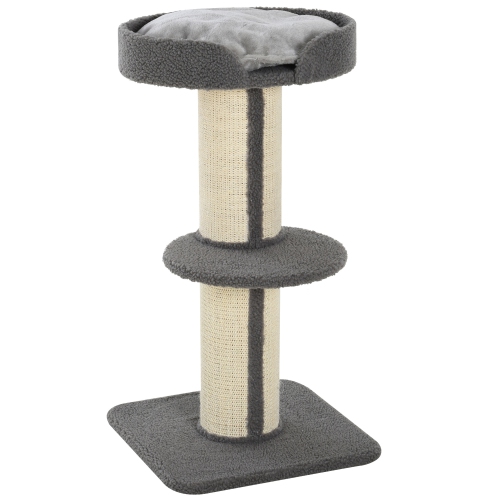
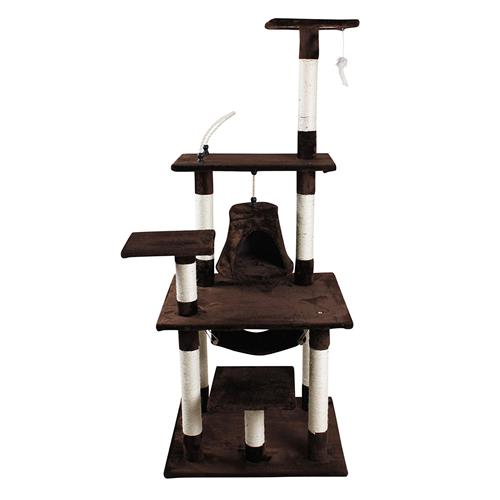
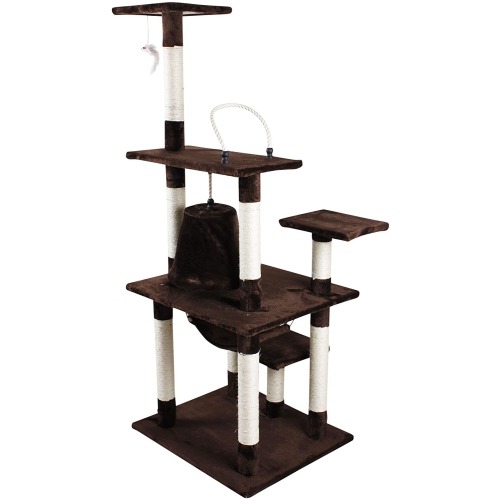
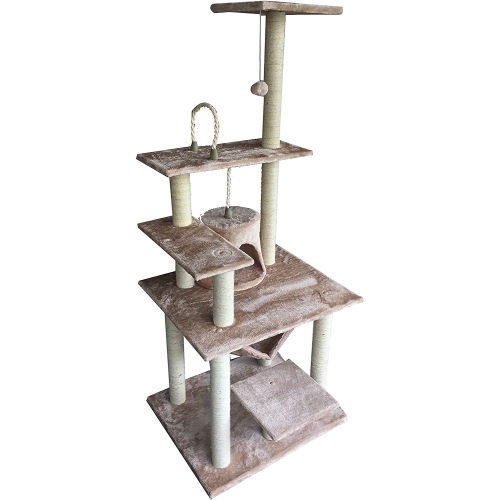
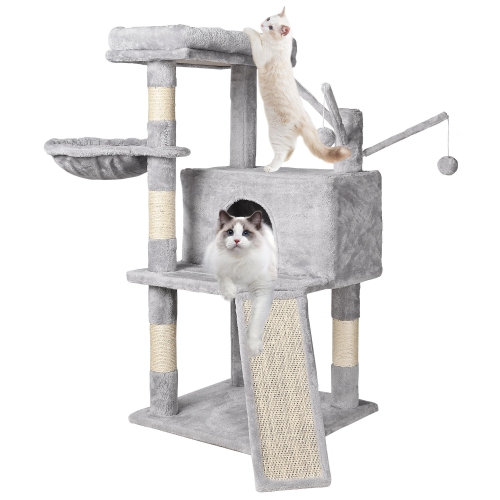
Cat climbing trees are indoor pet furniture that combine raised platforms, scratching surfaces, and resting spots in a structure designed for climbing and everyday use. They give cats a place to stretch, survey a room, retreat for a nap, and move between different heights without relying on shelves or kitchen cabinets. A perch above the sofa can become a familiar lookout, while a sheltered cubby below offers a quieter place to curl up. These different spaces suit the way many cats alternate between short bursts of activity and long periods of rest. Cat trees, cat towers, and cat condos often share features, though their layouts vary: some emphasize open platforms and upright scratching posts, while others include enclosed sleeping areas, hammocks, ramps, or connecting steps. The most useful arrangement depends on how a cat moves and spends its time. An energetic adult may enjoy a series of staggered platforms that create a clear route to the top. A kitten, a cautious climber, or an older cat with reduced mobility may be better suited to lower levels with shorter distances between them. For a larger cat, generous landing surfaces and a bed that supports the whole body matter more than the number of platforms. In a home with several cats, multiple resting places and more than one accessible route can help pets use the structure without crowding each other. A tall tower is not automatically a better fit than a broad, lower tree; accessible levels, usable space, and a steady base are what make the furniture inviting. Scratching posts also give cats an appropriate surface for a natural behaviour that helps maintain their claws and lets them stretch. Placing that surface near a favourite resting area can encourage regular use, although a cat tree alone cannot guarantee that a cat will stop scratching other furniture. A well-matched design supports play, rest, and scratching within a defined area of the home.
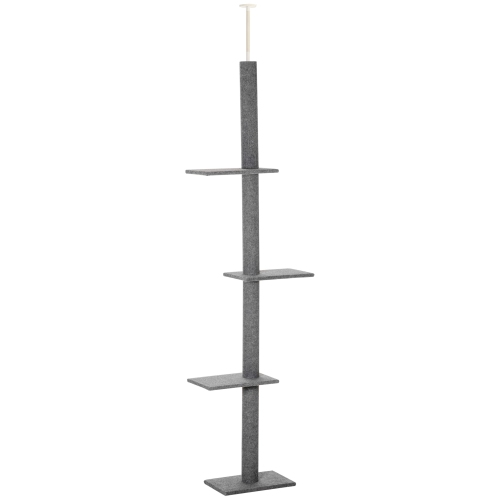
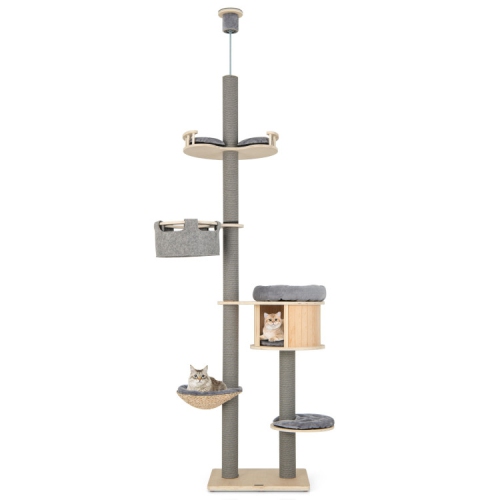
Materials and construction affect how a cat climbing tree feels underfoot, how securely it stands, and how well it holds up to repeated use. Common structures use engineered wood panels or solid wood components, with posts and platforms covered in plush fabric, carpet, sisal rope, or woven scratching material. Soft coverings provide comfortable lounging surfaces and traction for climbing, while exposed wood surfaces can be easier to wipe clean when their finish allows it. Sisal-wrapped posts offer a textured surface for scratching, but the height and placement of the post are important too. A cat that scratches while standing upright needs enough uninterrupted length to extend comfortably, rather than a short section blocked by a platform. Cats that prefer scratching flat surfaces may make more use of a horizontal pad incorporated into the base. For resting areas, look beyond the outside measurements: thick side cushions can reduce usable bed space, and a compact cubby opening may not suit a broad-bodied cat. Hammocks need secure attachment points and a stated capacity appropriate for the pet using them. The structure’s overall weight limit should also match its intended use, especially when two cats may occupy it at once; individual platforms can have separate limits. Stability depends on the relationship between the base, height, supports, and assembly, not simply on how substantial a tower looks. A wide base and securely fastened connections help resist movement when a cat jumps onto a platform from the side. Where a design includes a wall restraint or another securing system, installation needs to follow the supplied directions and suit the mounting surface. Floor-to-ceiling designs require particular attention to ceiling height, contact surfaces, and the specified fitting method. For households that want pet furniture to sit comfortably alongside a sofa, bookcase, or desk, Modern Cat Trees offer another way to explore the category. Clean-lined shapes, neutral colours, and wood-look finishes can blend into shared living spaces, but appearance works best alongside practical details such as grippy landings, accessible sleeping areas, and scratching surfaces positioned where a cat can actually reach them.
Fit includes the space around a cat tree as well as its footprint on the floor. A platform that extends beyond the base, a hanging toy, or the room a cat needs to jump down can make the working area larger than expected. In an apartment, a vertical tower may make good use of a corner, provided there is a clear approach and enough room for safe movement between levels. A lower, wider structure may suit a room with limited overhead clearance or a cat that prefers modest heights. Placement beside a window can provide an engaging view, but the tree should not give access to an unsecured screen, blind cords, or a ledge that creates a fall risk. Keeping the route clear of fragile objects also matters when an enthusiastic climber launches from the top perch. Some cats settle more readily on furniture placed near everyday household activity; others prefer a quieter position where they can rest without being disturbed. Allowing a cat to approach at its own pace, with supervised play nearby or a familiar blanket on a suitable platform, can make a new tree feel less unfamiliar. Ongoing care helps preserve comfort and function. Hair and loose debris tend to collect along bed edges, inside cubbies, and around rope-wrapped posts, so regular vacuuming and attention to seams are useful. Removable covers simplify cleaning when they are washable, while fixed upholstery may need spot cleaning according to its care label. Cleaned surfaces should dry fully before use. Periodic checks for loose fasteners, wobbling platforms, exposed staples, torn fabric, and fraying rope are especially worthwhile in busy multi-cat homes. Dangling toys and cords also need inspection, with damaged pieces removed before they can be chewed or swallowed. Replaceable scratching sections or cushions can help extend the useful life of the structure where the design supports them. As a gift for a cat-owning household, a climbing tree is most thoughtful when its dimensions, cleaning needs, and layout suit both the pet and the room it will occupy.
Materials and construction affect how a cat climbing tree feels underfoot, how securely it stands, and how well it holds up to repeated use. Common structures use engineered wood panels or solid wood components, with posts and platforms covered in plush fabric, carpet, sisal rope, or woven scratching material. Soft coverings provide comfortable lounging surfaces and traction for climbing, while exposed wood surfaces can be easier to wipe clean when their finish allows it. Sisal-wrapped posts offer a textured surface for scratching, but the height and placement of the post are important too. A cat that scratches while standing upright needs enough uninterrupted length to extend comfortably, rather than a short section blocked by a platform. Cats that prefer scratching flat surfaces may make more use of a horizontal pad incorporated into the base. For resting areas, look beyond the outside measurements: thick side cushions can reduce usable bed space, and a compact cubby opening may not suit a broad-bodied cat. Hammocks need secure attachment points and a stated capacity appropriate for the pet using them. The structure’s overall weight limit should also match its intended use, especially when two cats may occupy it at once; individual platforms can have separate limits. Stability depends on the relationship between the base, height, supports, and assembly, not simply on how substantial a tower looks. A wide base and securely fastened connections help resist movement when a cat jumps onto a platform from the side. Where a design includes a wall restraint or another securing system, installation needs to follow the supplied directions and suit the mounting surface. Floor-to-ceiling designs require particular attention to ceiling height, contact surfaces, and the specified fitting method. For households that want pet furniture to sit comfortably alongside a sofa, bookcase, or desk, Modern Cat Trees offer another way to explore the category. Clean-lined shapes, neutral colours, and wood-look finishes can blend into shared living spaces, but appearance works best alongside practical details such as grippy landings, accessible sleeping areas, and scratching surfaces positioned where a cat can actually reach them.
Fit includes the space around a cat tree as well as its footprint on the floor. A platform that extends beyond the base, a hanging toy, or the room a cat needs to jump down can make the working area larger than expected. In an apartment, a vertical tower may make good use of a corner, provided there is a clear approach and enough room for safe movement between levels. A lower, wider structure may suit a room with limited overhead clearance or a cat that prefers modest heights. Placement beside a window can provide an engaging view, but the tree should not give access to an unsecured screen, blind cords, or a ledge that creates a fall risk. Keeping the route clear of fragile objects also matters when an enthusiastic climber launches from the top perch. Some cats settle more readily on furniture placed near everyday household activity; others prefer a quieter position where they can rest without being disturbed. Allowing a cat to approach at its own pace, with supervised play nearby or a familiar blanket on a suitable platform, can make a new tree feel less unfamiliar. Ongoing care helps preserve comfort and function. Hair and loose debris tend to collect along bed edges, inside cubbies, and around rope-wrapped posts, so regular vacuuming and attention to seams are useful. Removable covers simplify cleaning when they are washable, while fixed upholstery may need spot cleaning according to its care label. Cleaned surfaces should dry fully before use. Periodic checks for loose fasteners, wobbling platforms, exposed staples, torn fabric, and fraying rope are especially worthwhile in busy multi-cat homes. Dangling toys and cords also need inspection, with damaged pieces removed before they can be chewed or swallowed. Replaceable scratching sections or cushions can help extend the useful life of the structure where the design supports them. As a gift for a cat-owning household, a climbing tree is most thoughtful when its dimensions, cleaning needs, and layout suit both the pet and the room it will occupy.
Top selling and popular products
-
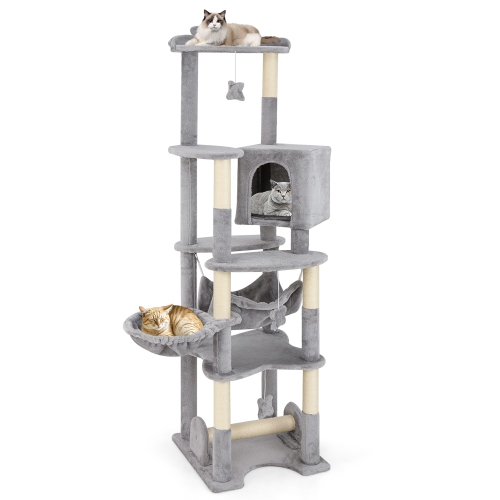 Your price for this item is $105.99
 -
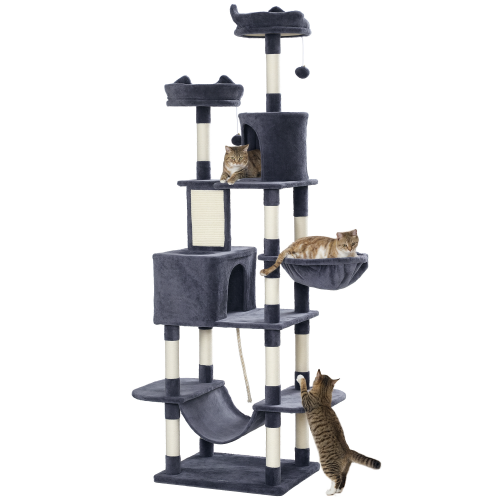 Your price for this item is $99.99
 -
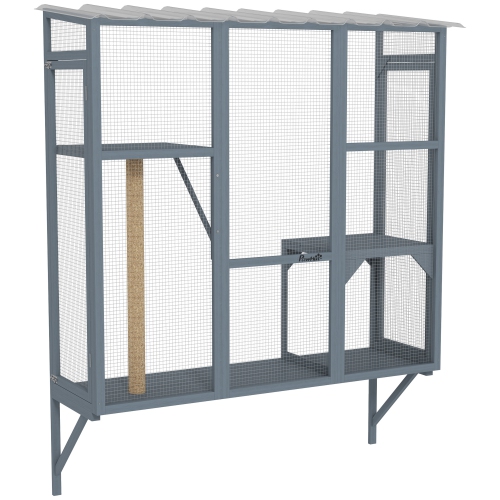 Your price for this item is $266.99
 -
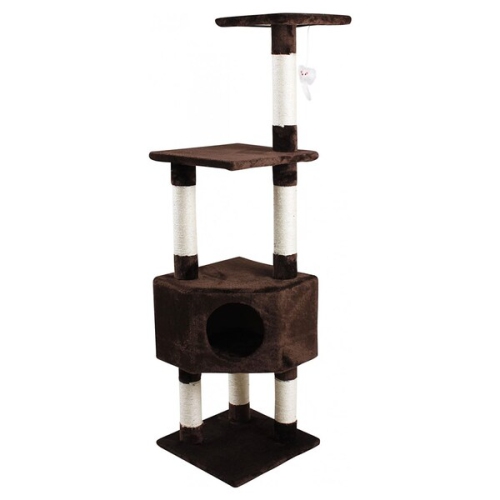 Your price for this item is $58.69
 -
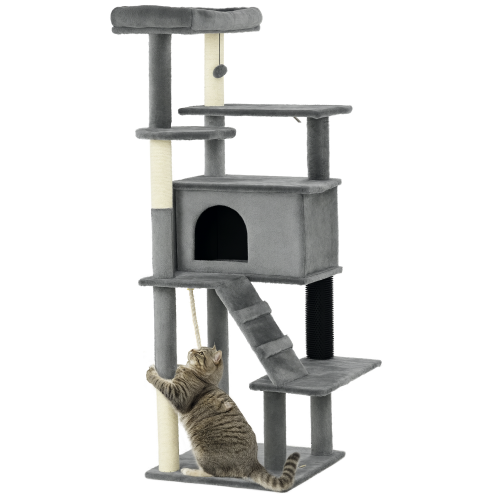 Your price for this item is $73.99
 -
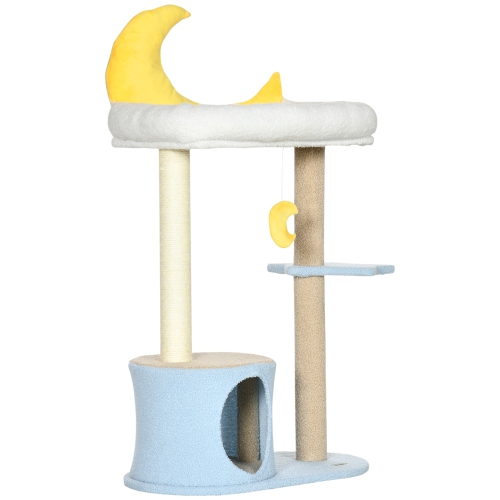 Your price for this item is $67.99
 -
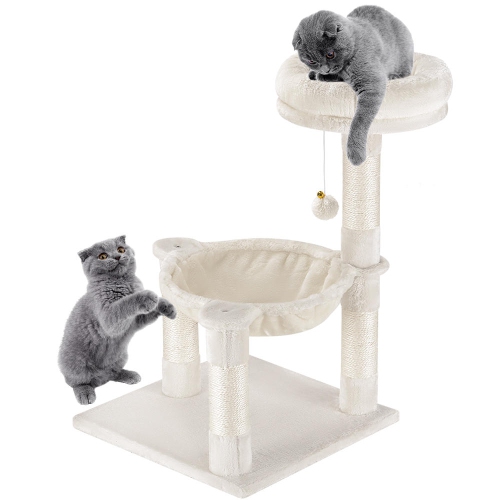 Your price for this item is $36.99
 -
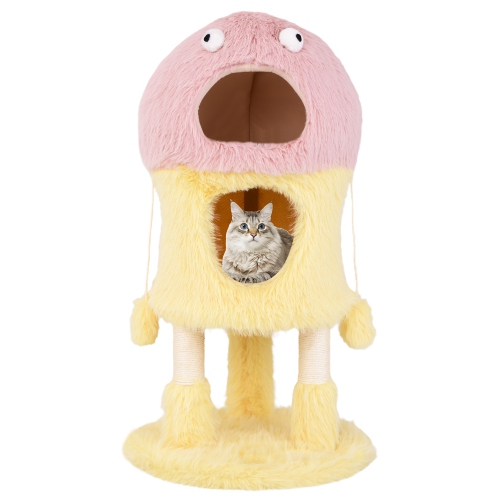 Your price for this item is $95.99
Discover more categories related to Cat Climbing Trees
Top Collections:
Pokemon Centers, Kindle Devices, Best Budget Office Chairs, Apple iPhones 16, Best Laptops for Writers, iPhone 15 Apple, Canon G7X Cameras, Refurbished Apple Laptops, Alarm Clock, Motorola Razr Phones
Some products may be subject to Environmental Handling Fees
(EHF) depending on your province.
Learn more about EHFs.