Chairs With Footrest
Upgrade your relaxation game with these chairs with footrests. Whether you're looking to kick back and unwind after a long day or create a cozy reading nook, these chairs are designed to provide optimal comfort and support. With a variety of styles, materials, and features to choose from, finding the perfect chair with a footrest has never been easier. From sleek and modern designs to plush and luxurious options, discover the perfect addition to your home decor that will elevate your lounging experience to new heights.
Sort
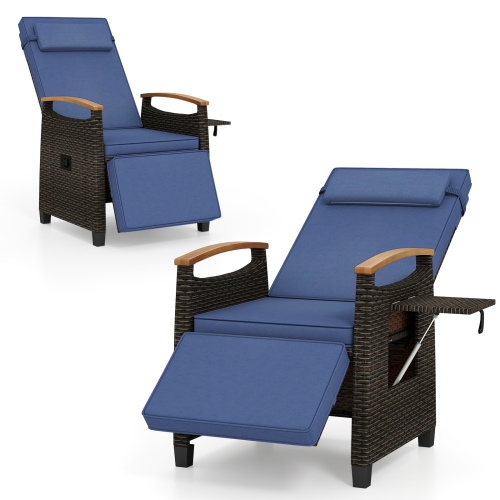
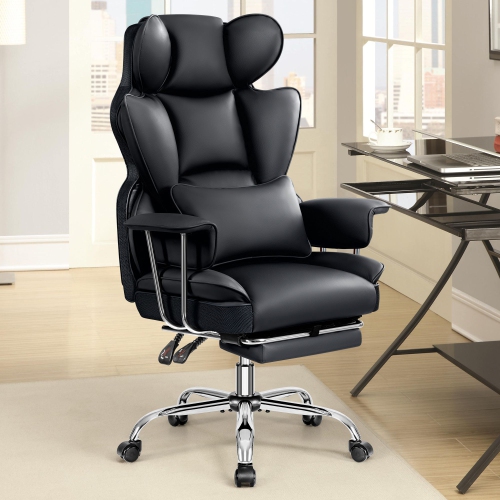
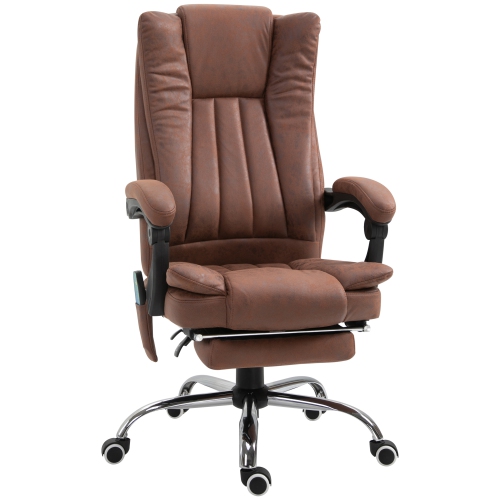
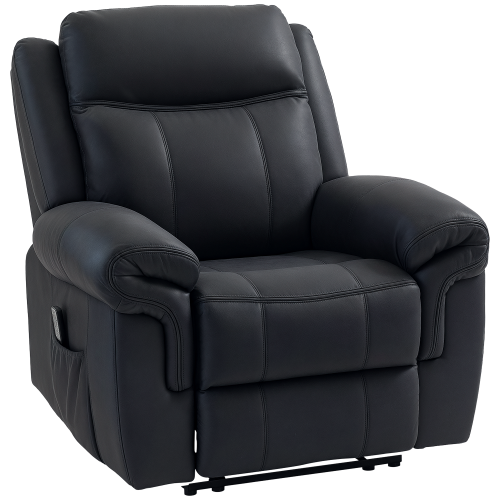
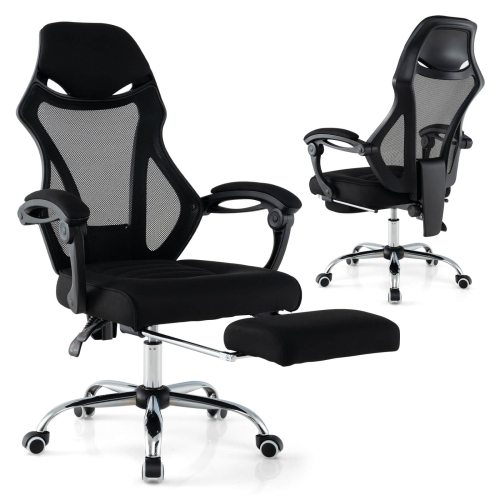
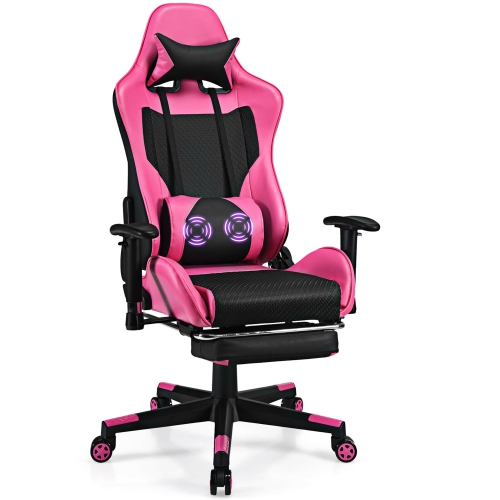
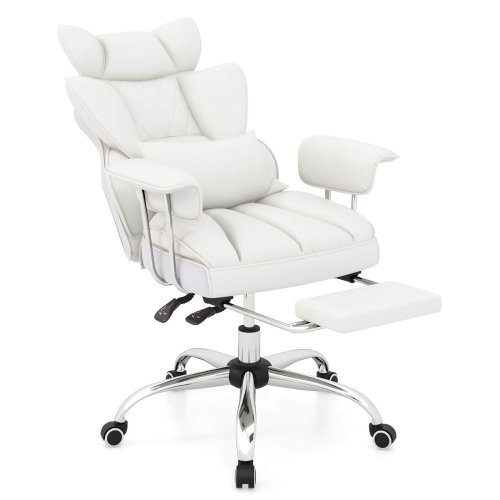
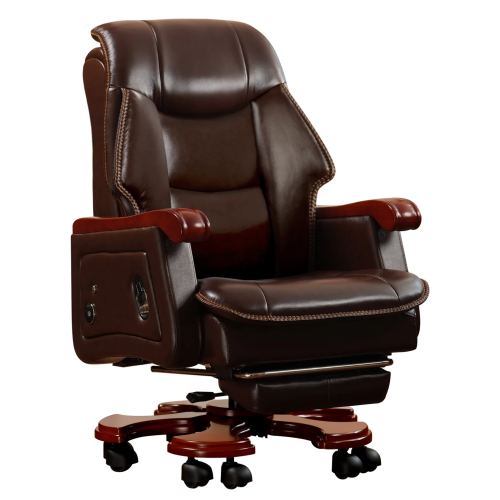
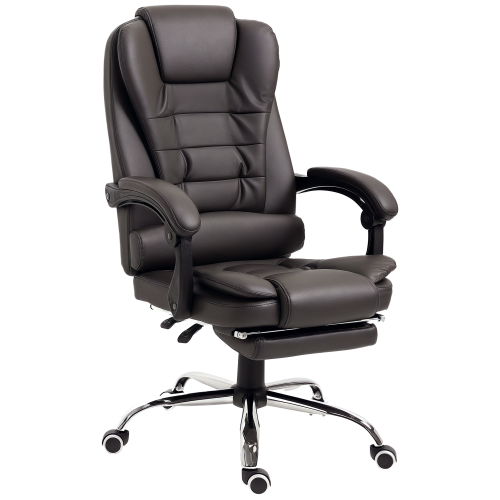
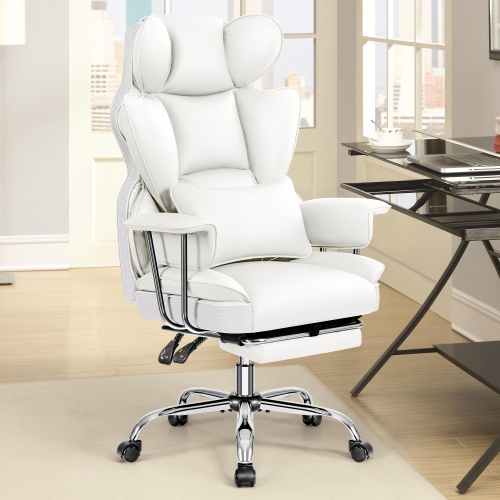
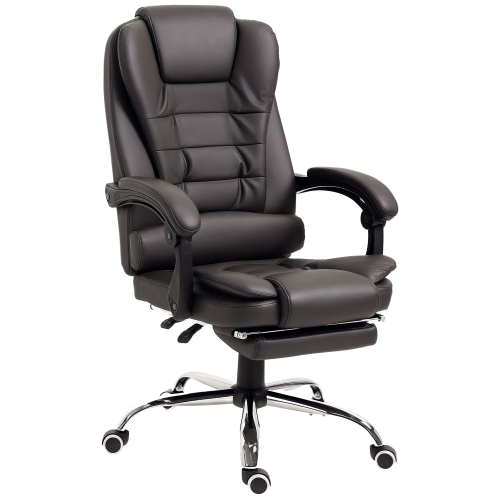
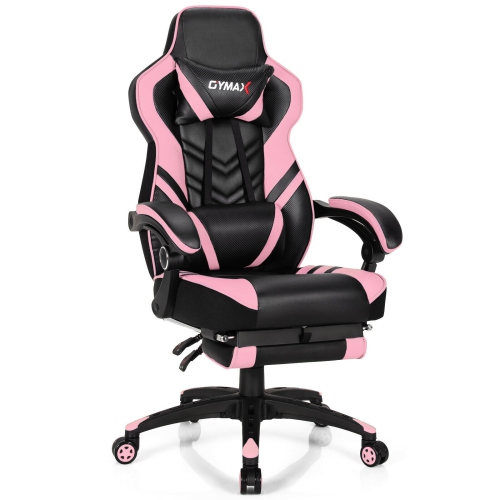
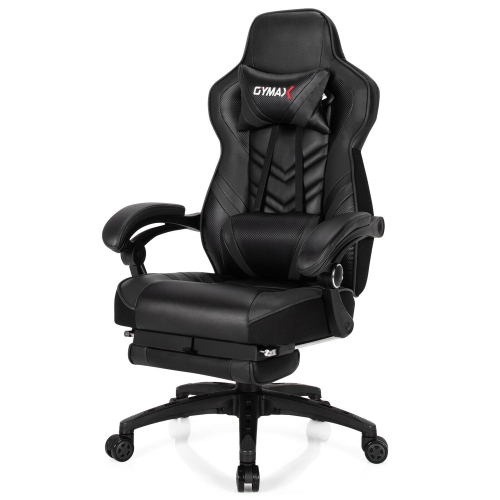
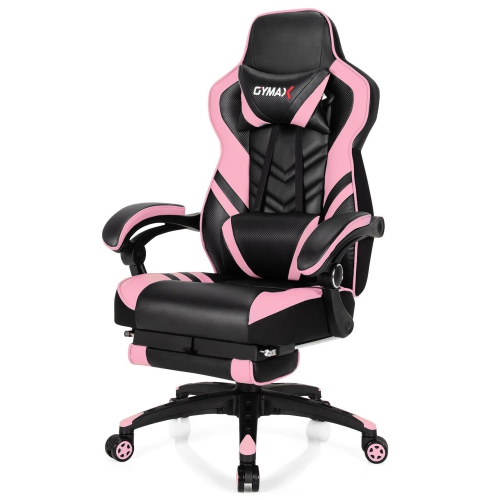
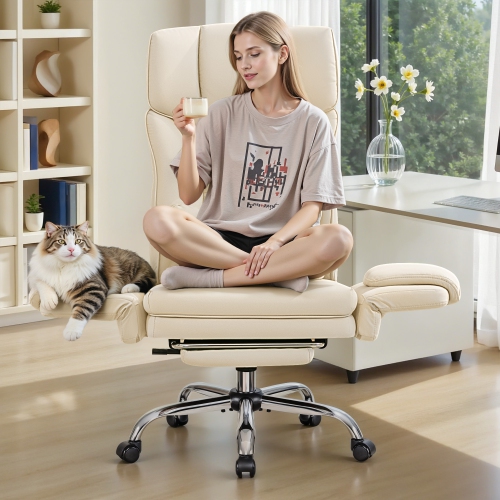
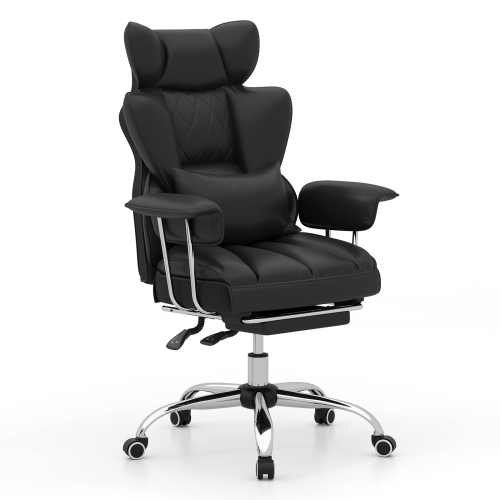
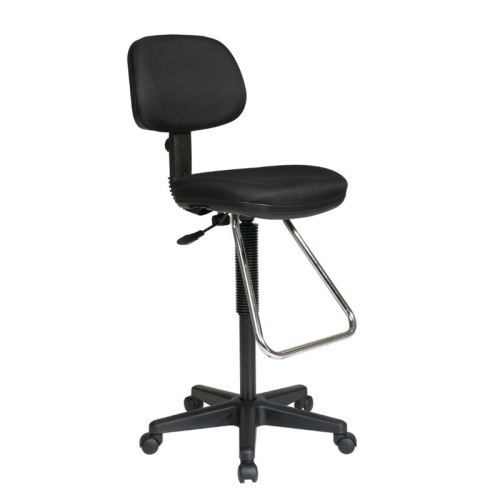
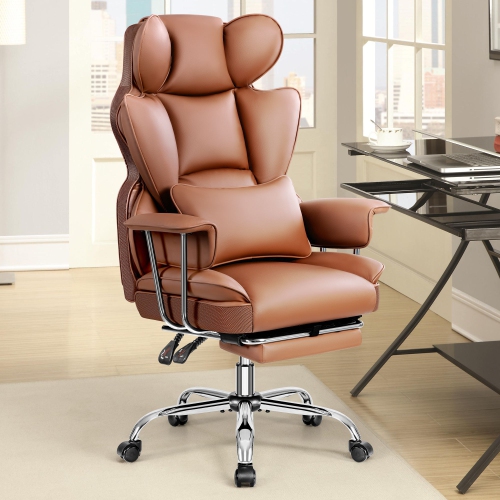
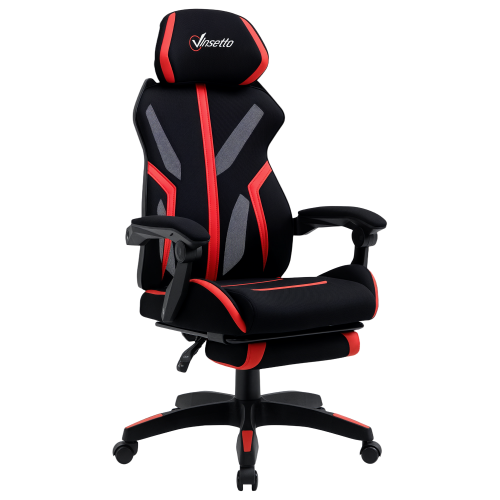
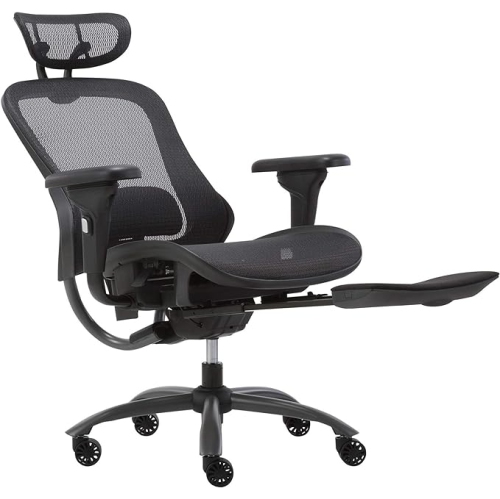

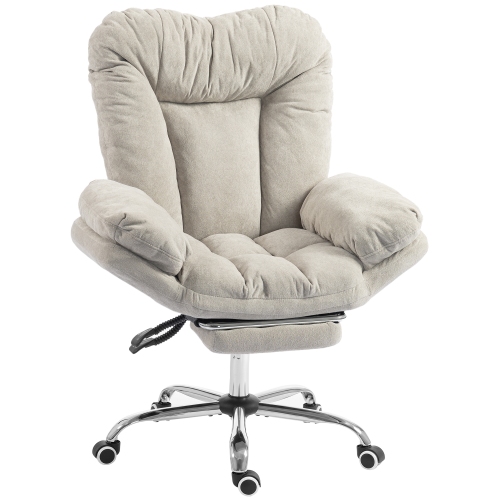
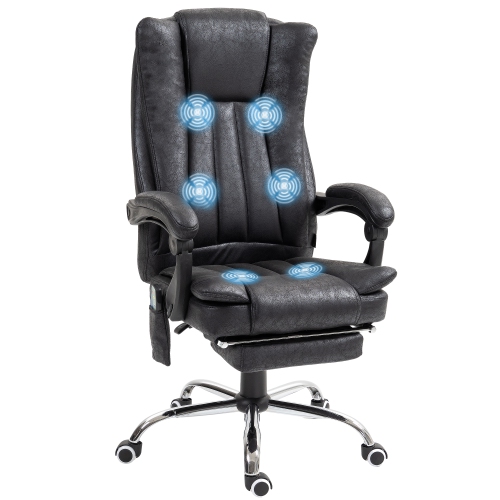
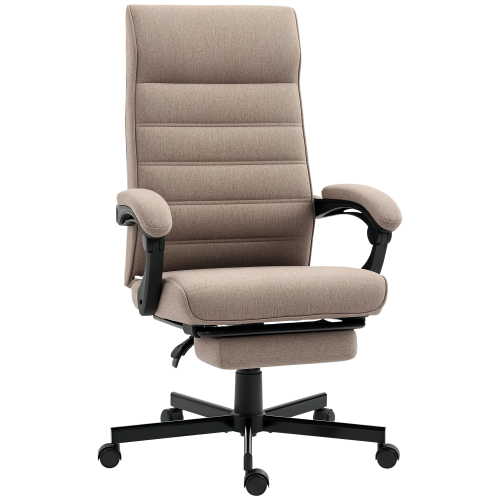
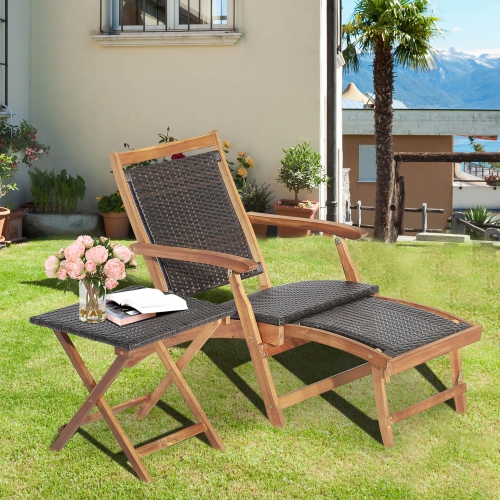
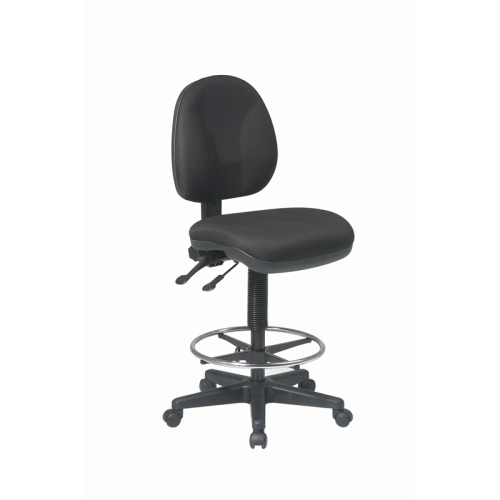
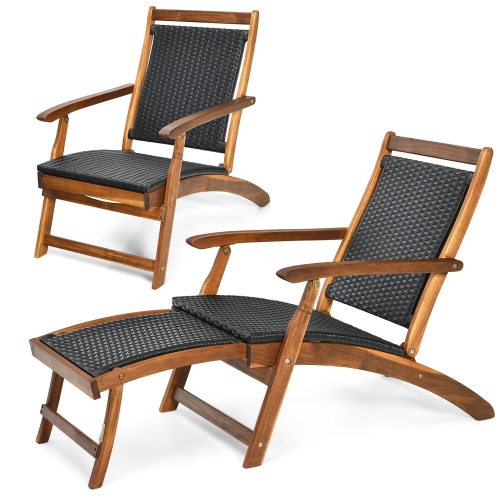

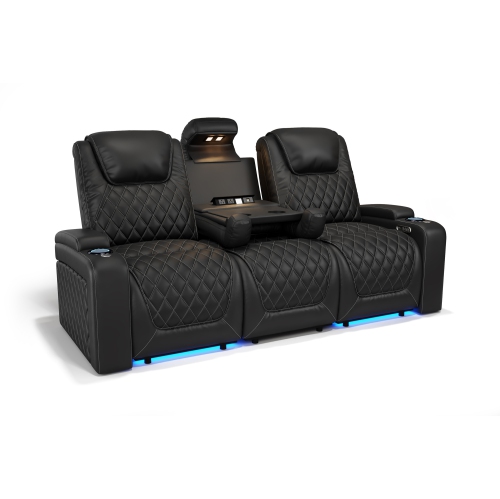
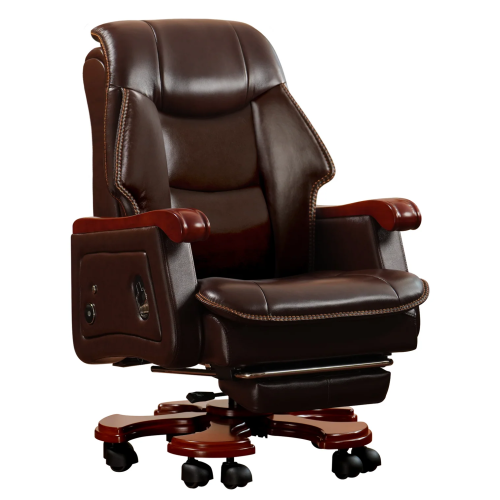
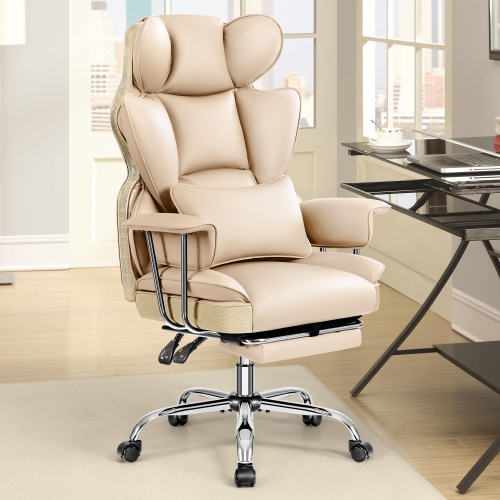
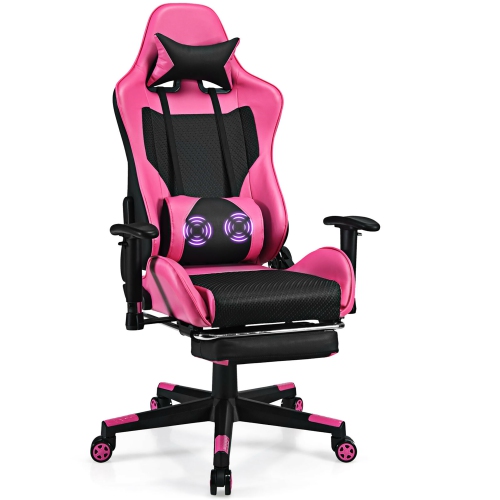
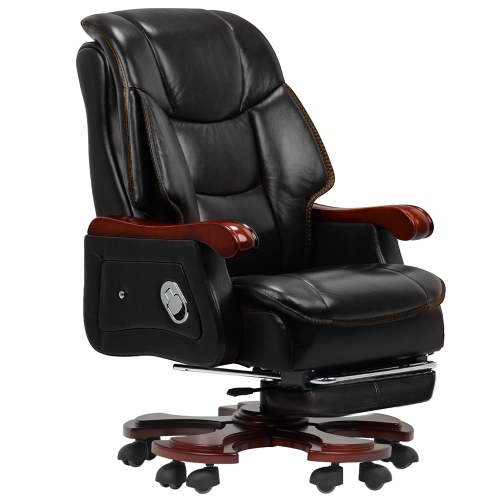
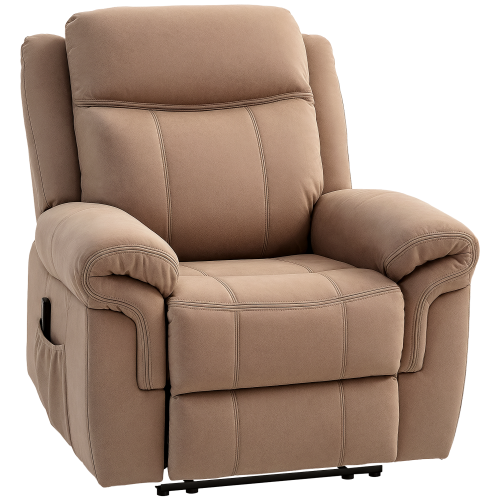
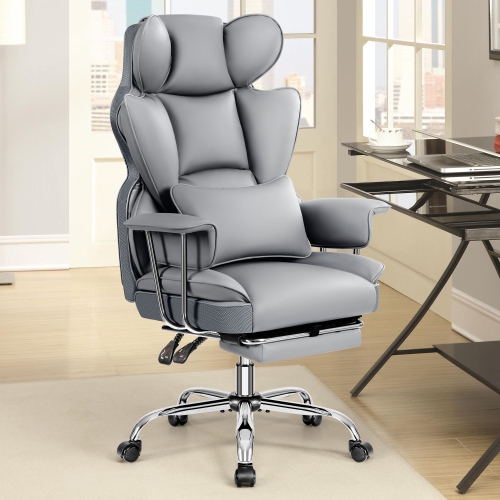
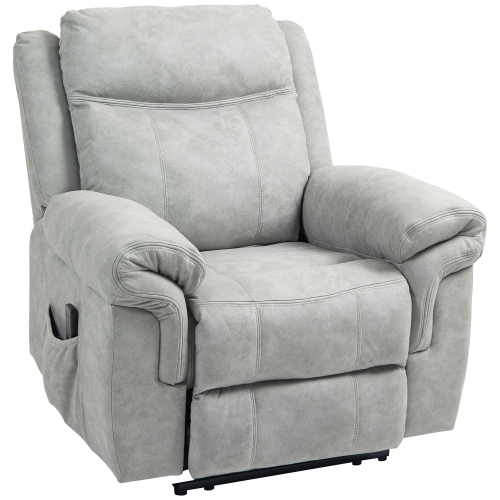
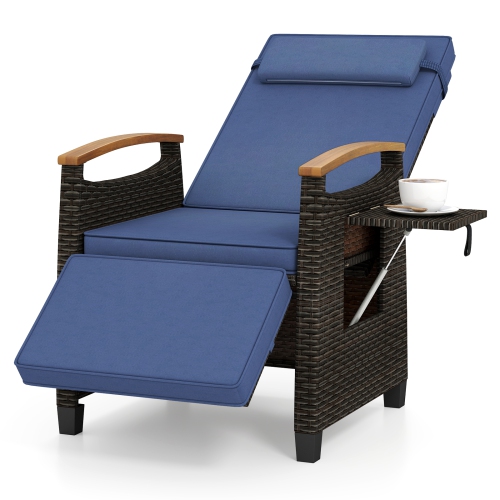
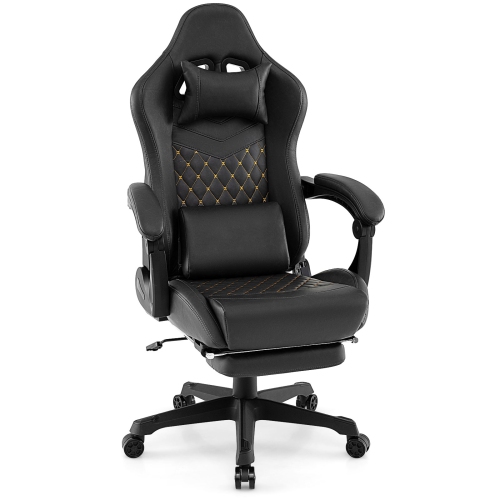
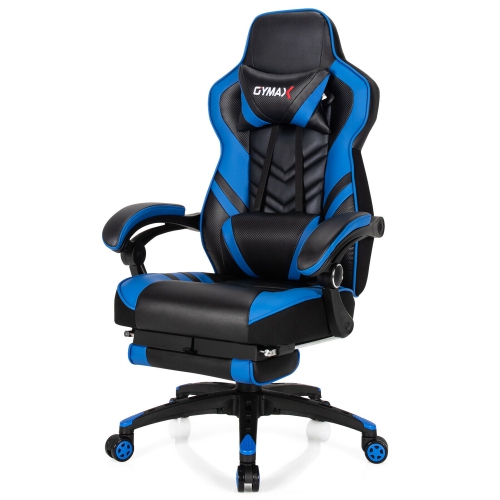
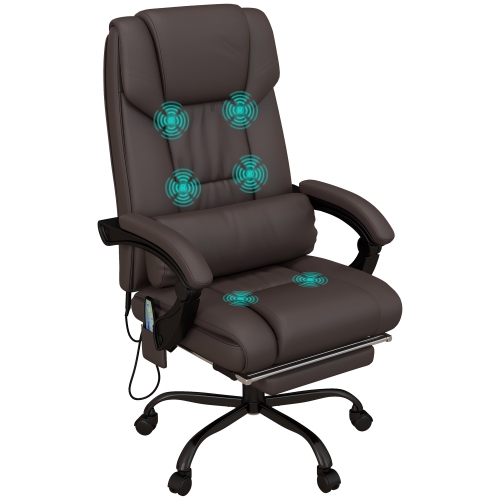
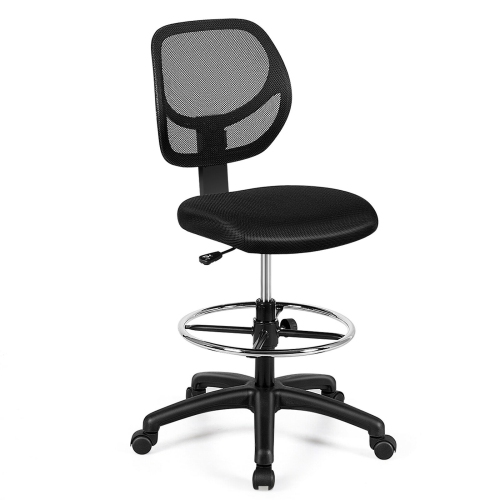
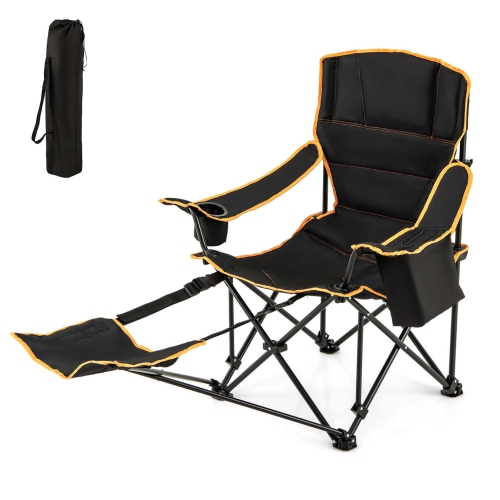
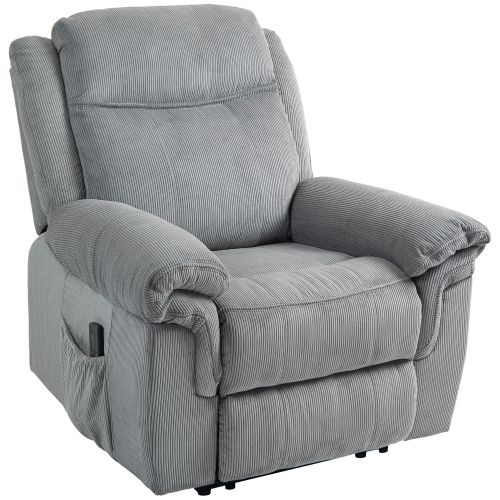
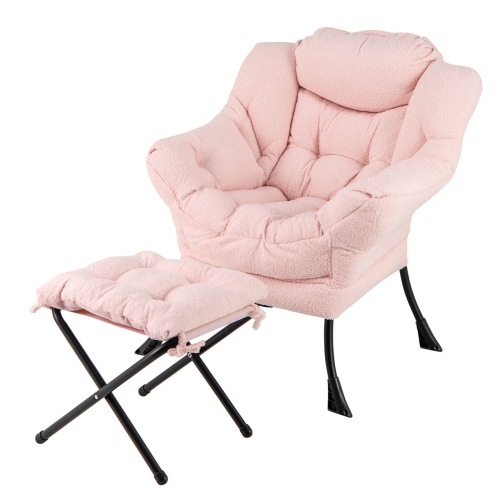
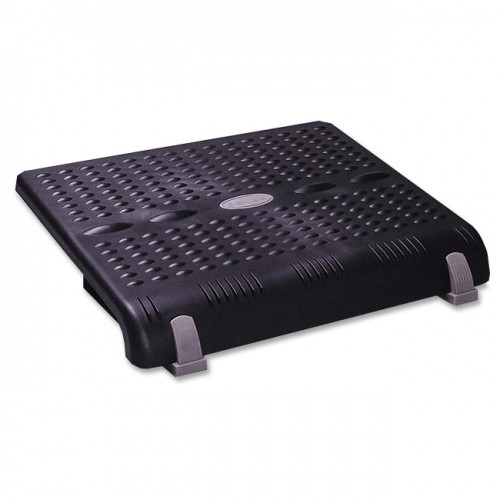
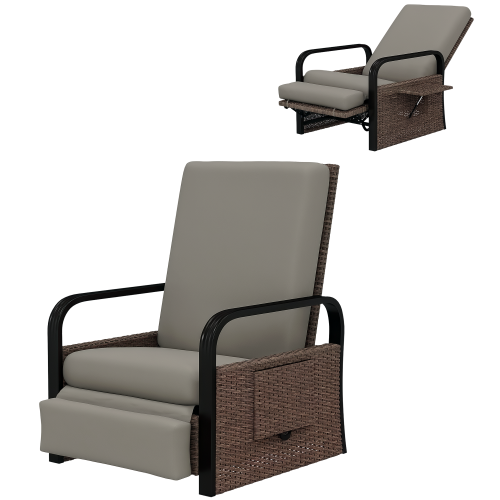
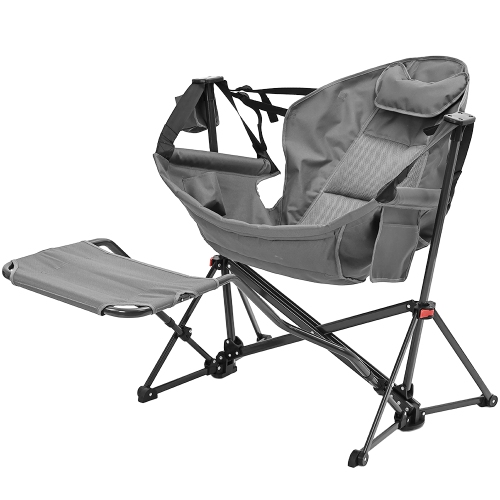
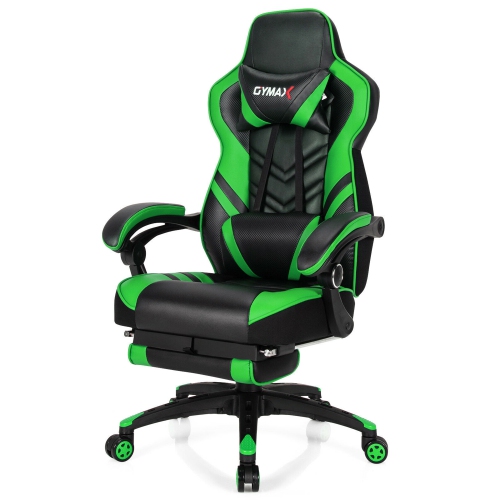
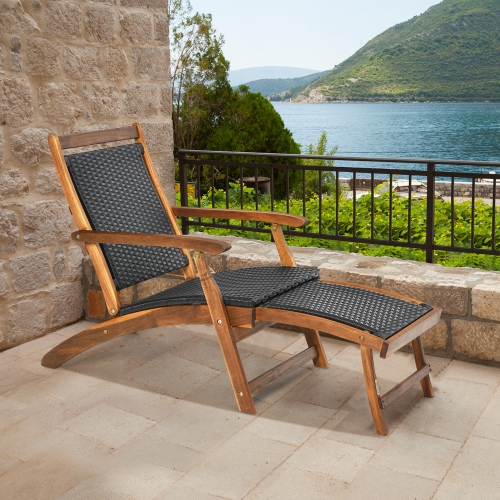

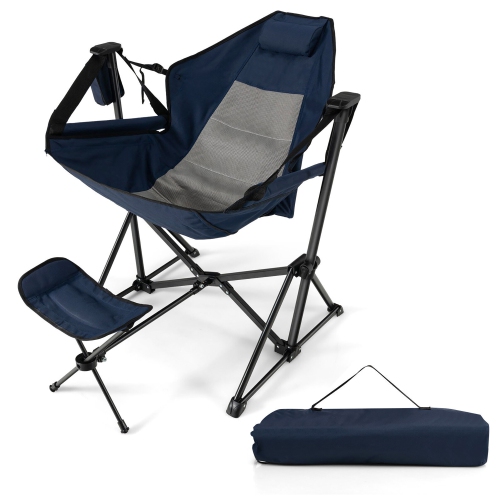
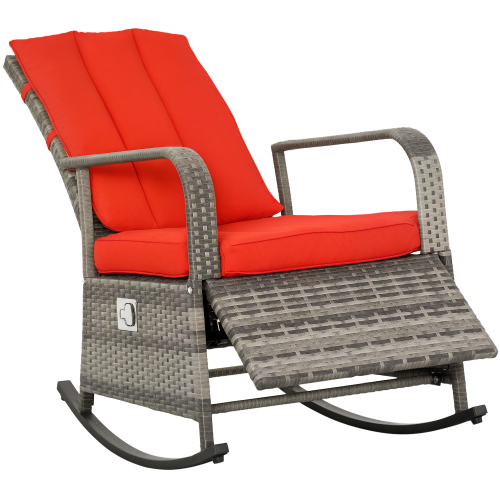
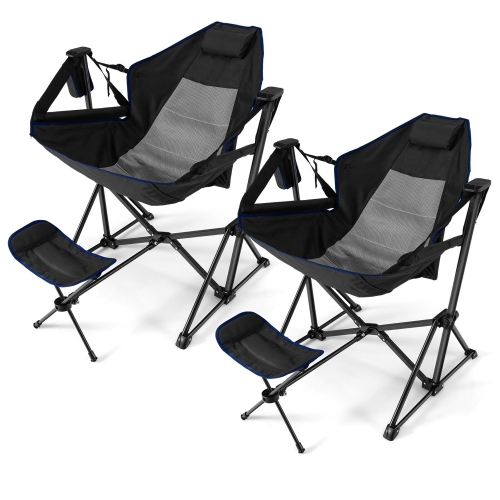
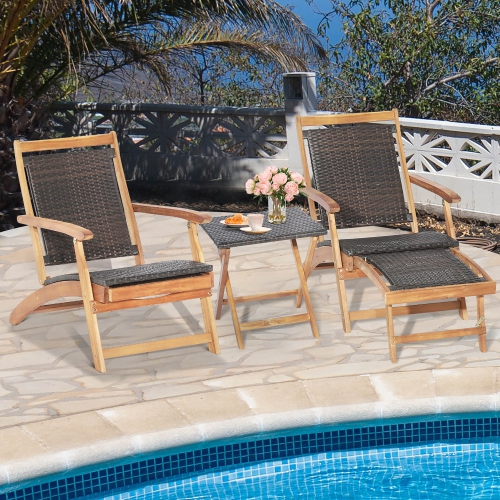
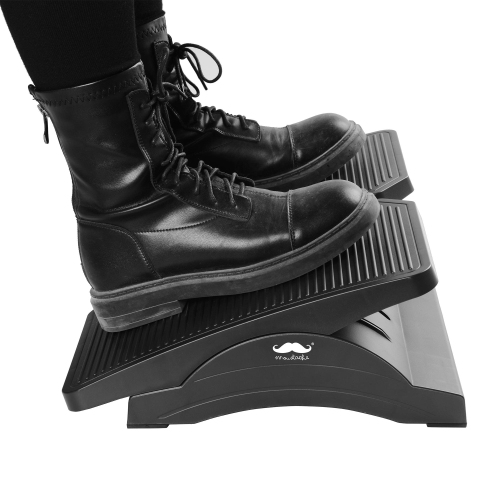
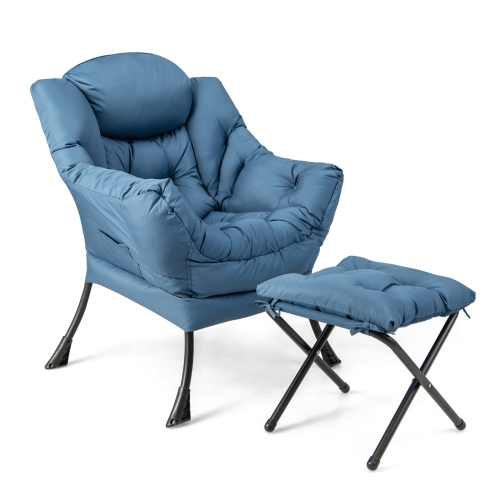

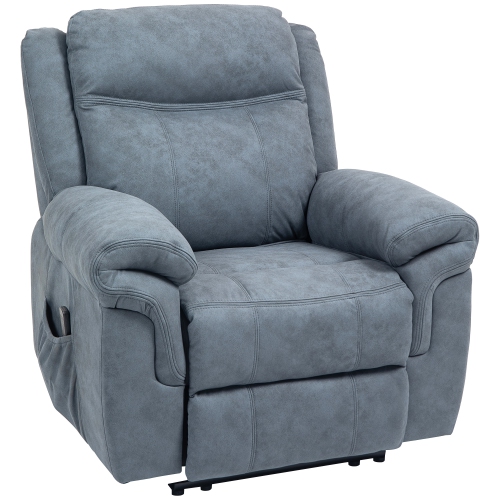
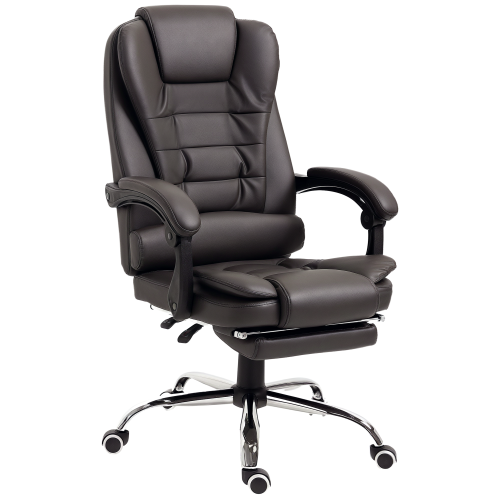
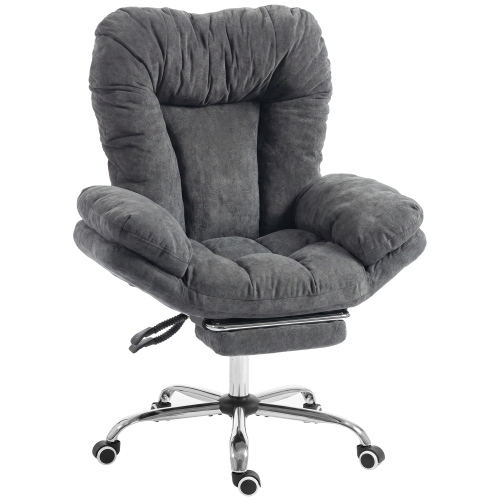
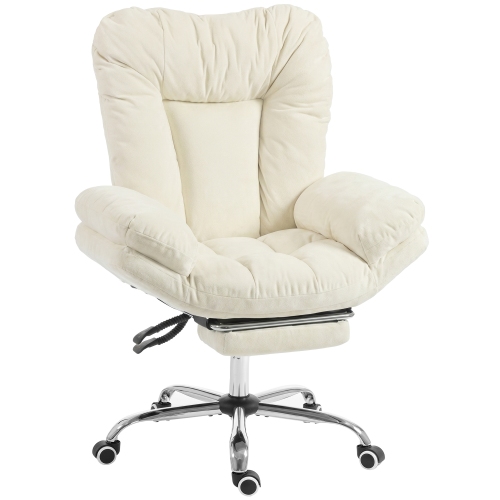
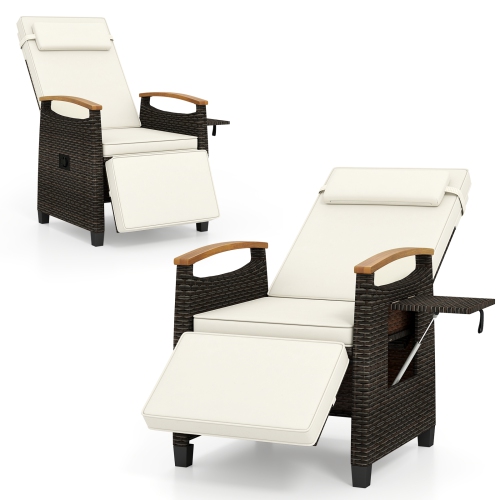
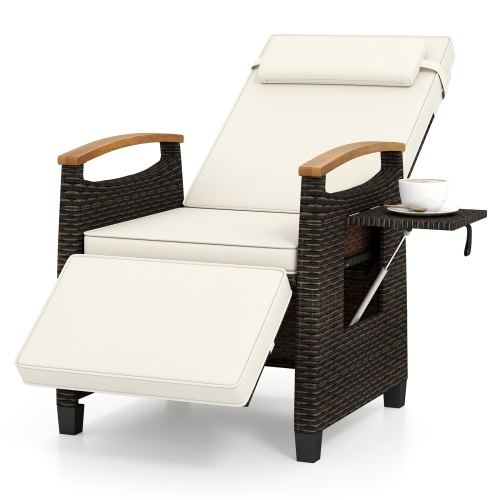
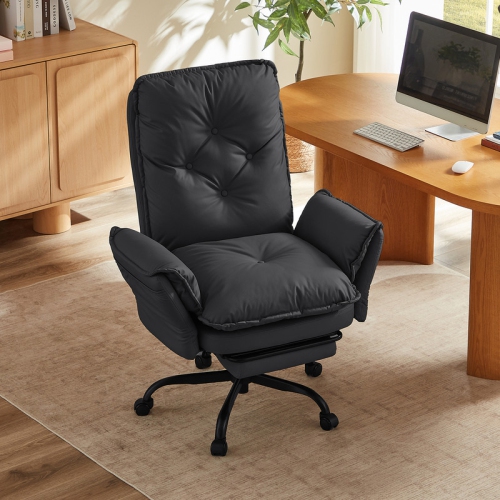
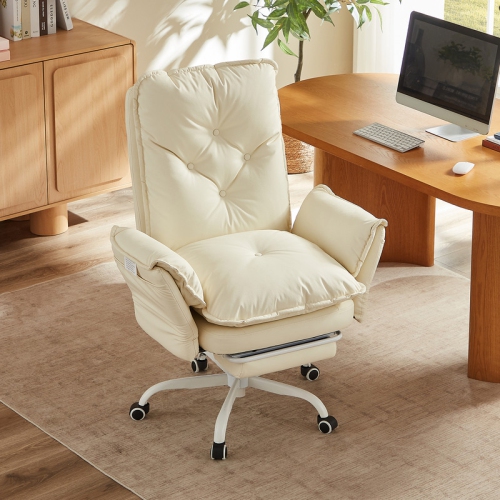
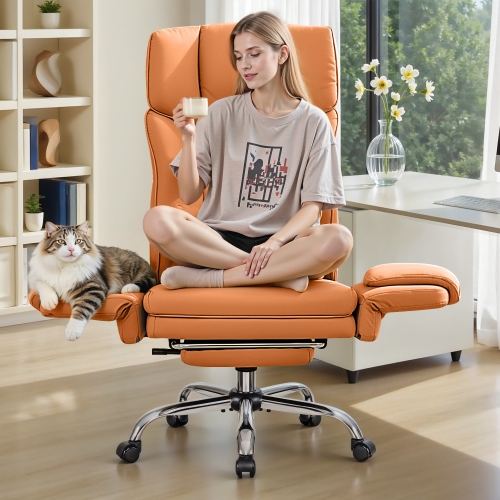
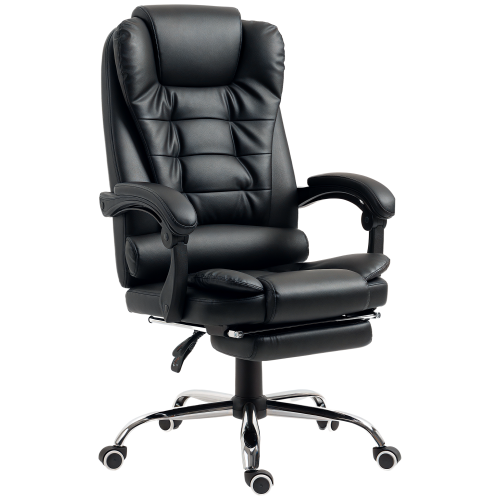
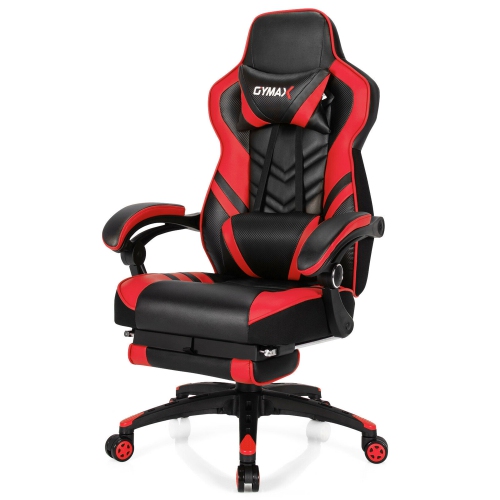
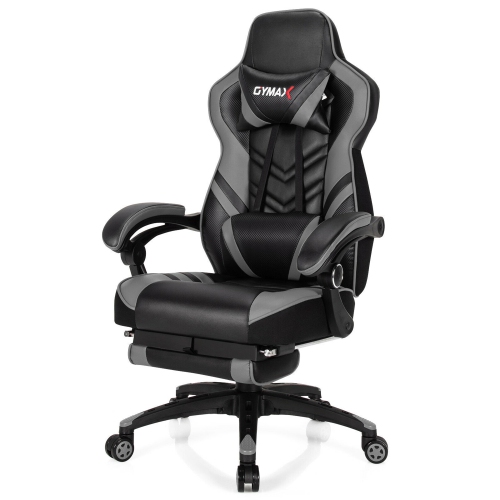

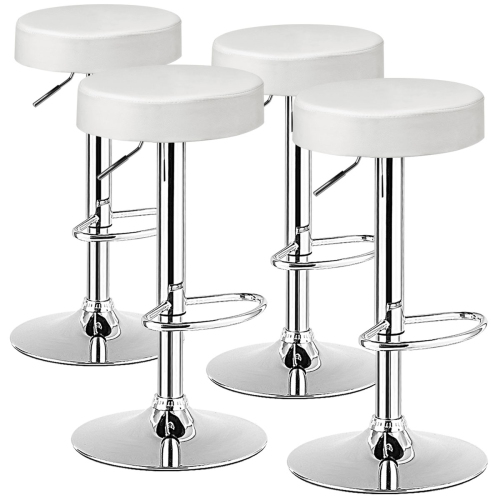
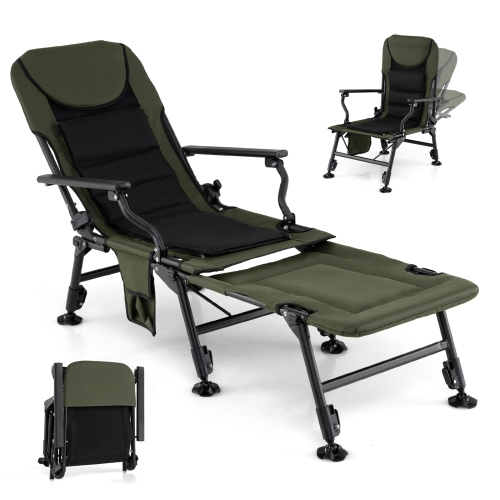
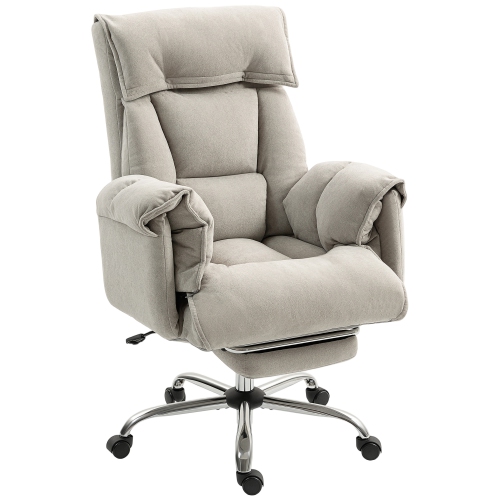
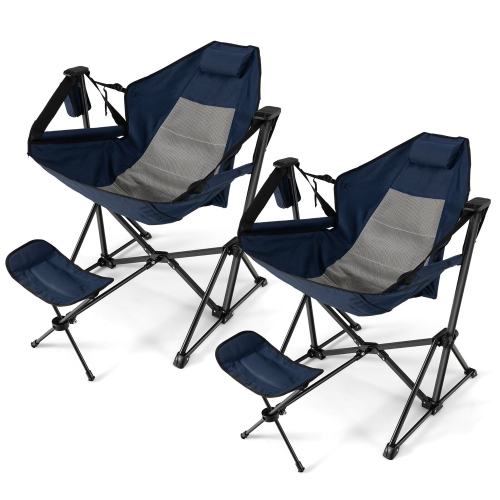
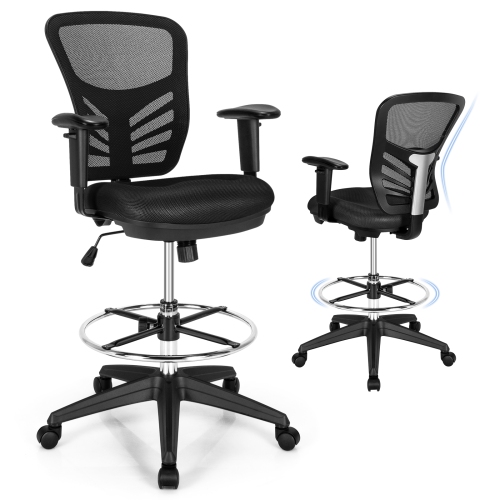
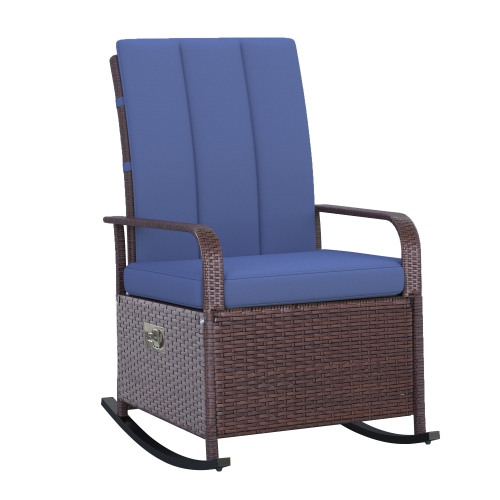
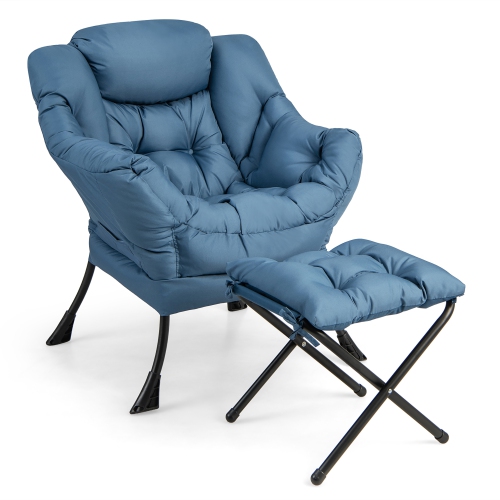
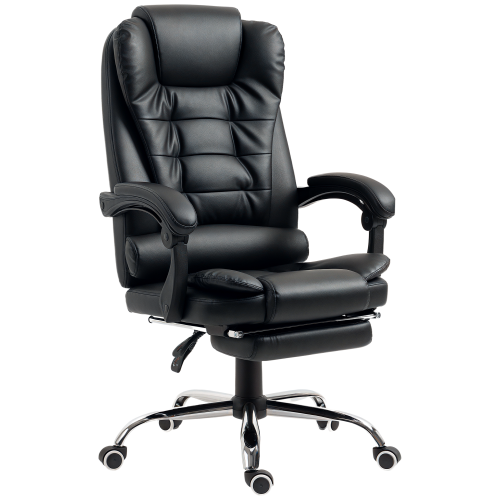
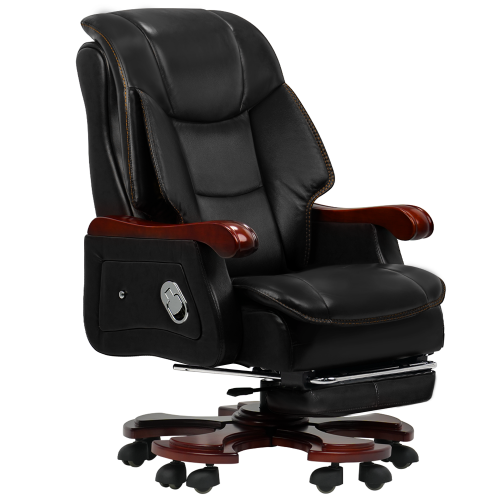
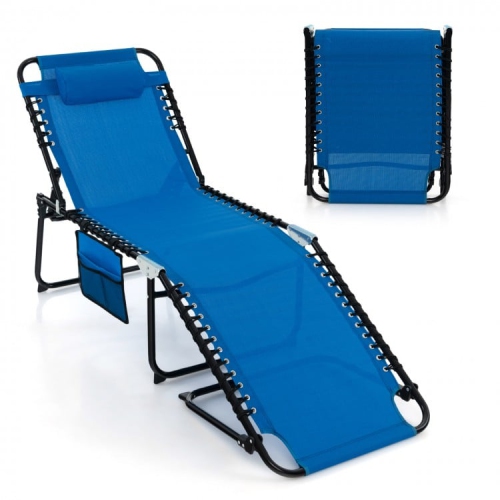
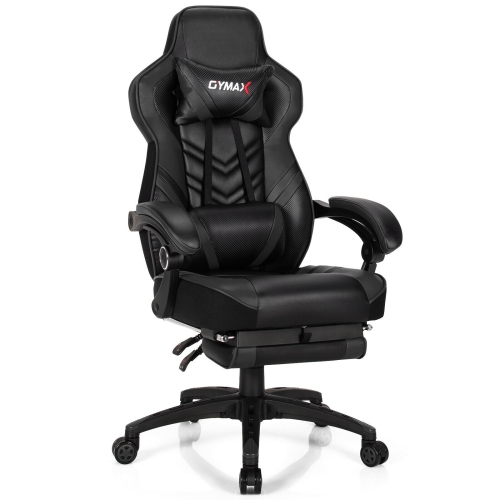


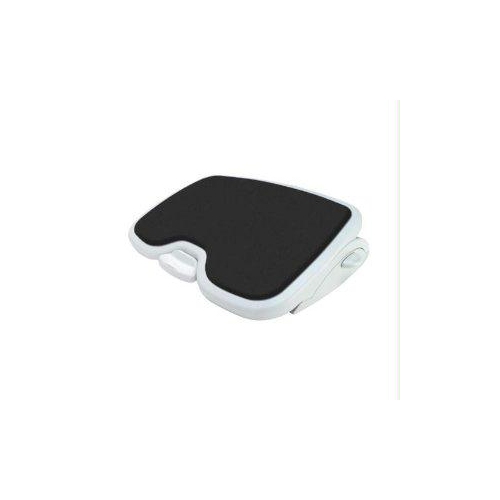
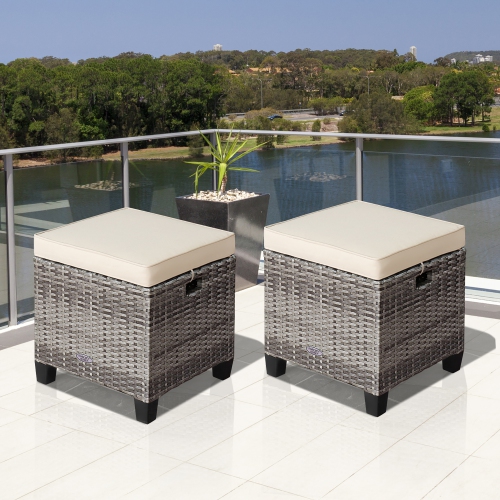
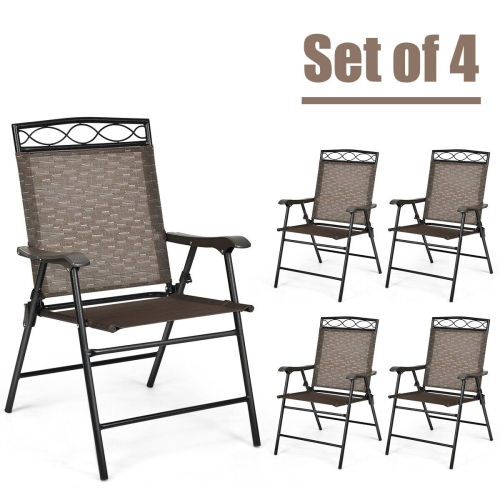
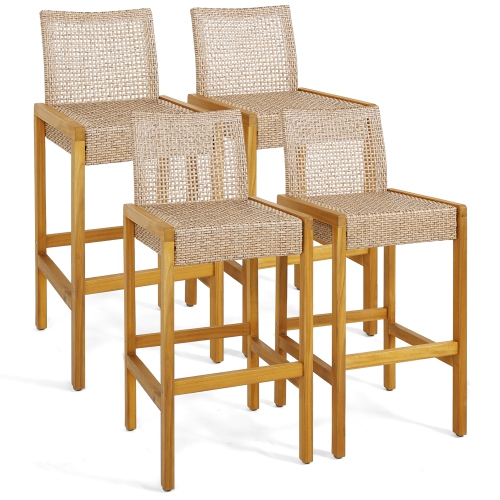
Built-in footrests or separate ottomans: comfort depends on fit
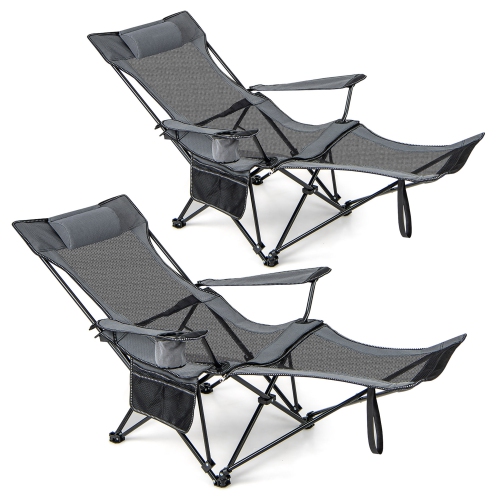
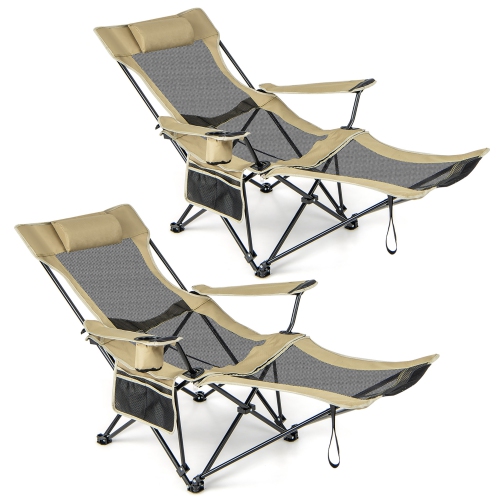
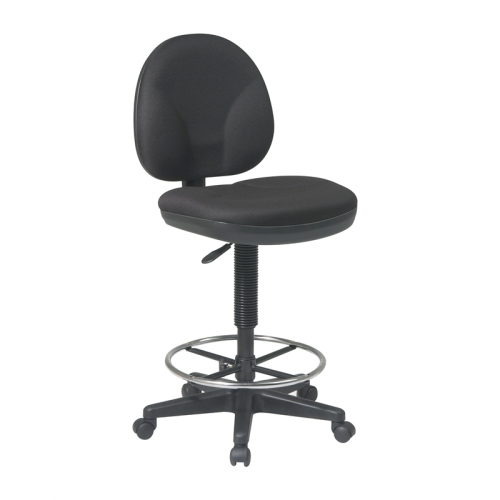
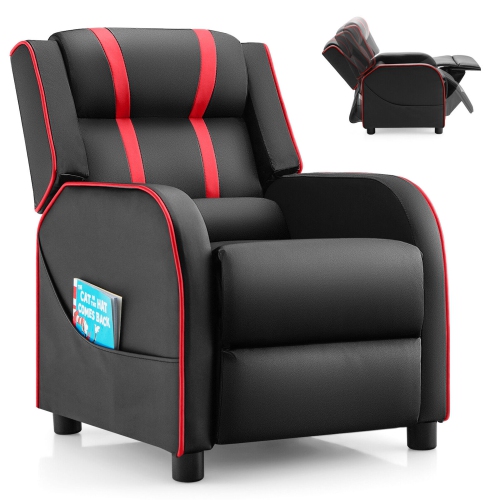
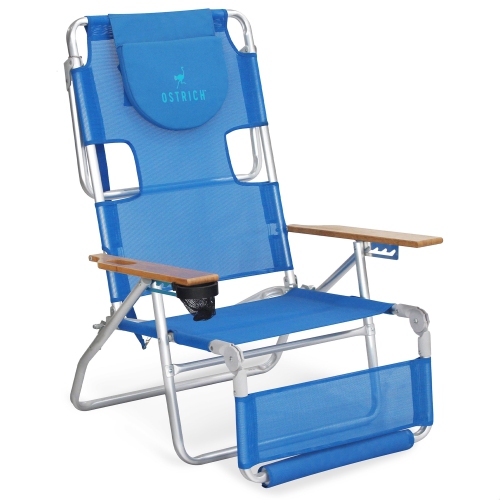
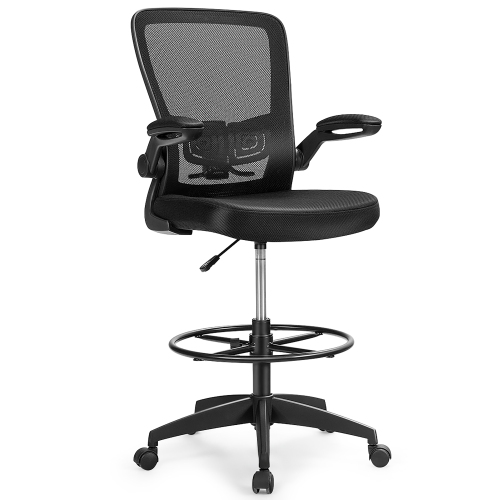
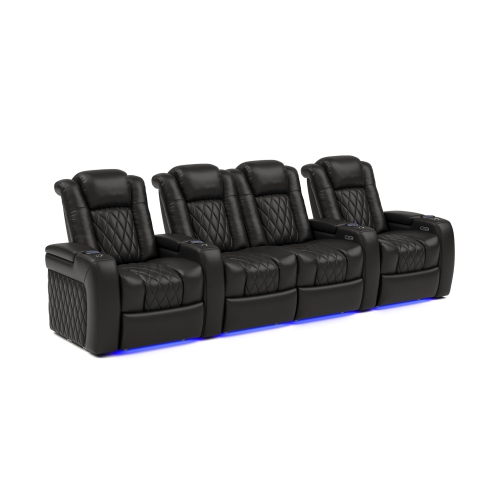
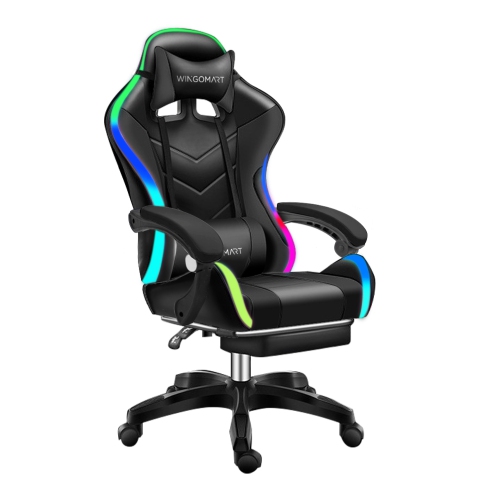
Chairs with footrests combine a seat with a place to support the feet or lower legs, making it easier to move between sitting upright and leaning back for a break. The category includes office chairs with retractable leg supports, padded gaming chairs, living room recliners, and accent chairs paired with matching ottomans. Each suits a different routine: a desk chair may need to roll neatly under a workstation, while a reading chair should feel comfortable beside a lamp with enough room to stretch out. Built-in footrests typically slide out from beneath the seat or lift as part of a reclining mechanism. A separate ottoman offers more flexibility in placement, though it takes up floor space even when the chair is upright unless it can nest beneath the seat. Neither arrangement is automatically more comfortable; the better fit depends on the chair’s proportions, the support surface, and how it will be used. For someone who spends time at a computer, a retractable footrest can provide a change of position between tasks, but it does not replace a properly adjusted seat, suitable desk height, or regular movement. While typing, feet generally need stable support on the floor or a separate under-desk footrest, with the keyboard and mouse within easy reach. An extended leg support is usually more useful when leaning back to read, watch a video, or pause between activities. For play spaces that also serve as home offices, gaming chairs with footrests bring this feature into seating designed around computer and console use. In a living room, a recliner or chair-and-ottoman arrangement can create a comfortable spot for a book, a film, or a conversation. Shared spaces benefit from seating that adjusts easily, particularly when people of different heights use the same chair. The most useful design is one that supports the intended activity without making everyday movement around the room awkward.
Comfort depends as much on dimensions as it does on padding, so seat height, seat depth, backrest shape, and footrest reach deserve attention together. A seat that is too deep may leave a shorter person sliding forward to bend their knees comfortably, losing contact with the backrest in the process. A seat that is too shallow can leave a taller person wanting more thigh support. When sitting upright with the back supported, a small gap between the seat edge and the backs of the knees helps avoid a cramped fit. Once the footrest is extended, its position should let the legs rest comfortably without a hard edge pressing into the calves or ankles. Some supports are short padded platforms, while others form a broader surface connected to the reclining seat; photographs alone may not make that difference obvious. Seat width and armrest spacing also matter, especially for anyone who likes to read with elbows supported or shift position during a film. Adjustable armrests can help a desk chair fit beneath a work surface, while fixed upholstered arms offer a different feel for lounging. Check the chair’s full footprint with the back reclined and the footrest open, not just its upright dimensions. A chair that fits beside a sofa may block a walkway when extended, and some recliners need clearance behind the backrest as well as in front. Reclining controls should be reachable without an awkward twist, and the return movement should suit the person using the chair. Manual mechanisms may require leg pressure or body weight to close, whereas powered designs need access to an electrical outlet and a safely routed cord. Weight capacity, permitted reclining positions, and any separate limits for the footrest should follow the manufacturer’s specifications. A footrest is not an extra seat or a step. In homes with children or pets, keeping the area around moving linkages clear is especially important whenever the chair opens or closes.
Materials influence how a chair feels in daily use and how much attention it needs over time. Woven upholstery offers texture and a broad choice of colours, though crumbs and dust can settle into seams and textured surfaces. Smooth leather and synthetic upholstery can be easier to wipe after a minor spill, but their cleaning requirements differ, and unsuitable products may damage the finish. Mesh backrests have a lighter, more open feel and are common on task-oriented seating; their comfort depends on tension, edge construction, and the shape of the supporting frame. Padding also varies considerably. A deeply cushioned seat may feel inviting at first, while a firmer seat can make changing position and standing up easier for some people. Neither softness nor thickness alone establishes long-term support. Frame construction, secure joints, a stable base, and smoothly operating adjustment hardware all contribute to durability. On wheeled chairs, caster compatibility matters: wheels intended for carpet may behave differently on a hard floor, and a suitable chair mat can help protect the surface where recommended. Routine care starts with the upholstery label and assembly instructions. Vacuum accessible seams with an appropriate attachment, blot spills promptly rather than rubbing them in, and use only cleaning methods approved for the material. Retractable rails and reclining mechanisms should remain free of objects that could obstruct their travel; lubricants should be applied only if the manufacturer recommends them. Periodic checks of accessible fasteners can help catch loosening, particularly on a chair that swivels, rolls, and reclines throughout the day. Assembly requirements are worth considering too, since larger upholstered sections can be awkward to carry through doorways or up stairs. For a gift, the recipient’s height, preferred seat firmness, room layout, and ability to operate the controls matter more than an impressive list of adjustments. A chair with a footrest can be a thoughtful addition to a reading corner, study, or entertainment space when it fits both the person and the room. Well-chosen proportions and manageable care requirements help make that extra leg support a feature that gets used rather than one that stays tucked away.
Comfort depends as much on dimensions as it does on padding, so seat height, seat depth, backrest shape, and footrest reach deserve attention together. A seat that is too deep may leave a shorter person sliding forward to bend their knees comfortably, losing contact with the backrest in the process. A seat that is too shallow can leave a taller person wanting more thigh support. When sitting upright with the back supported, a small gap between the seat edge and the backs of the knees helps avoid a cramped fit. Once the footrest is extended, its position should let the legs rest comfortably without a hard edge pressing into the calves or ankles. Some supports are short padded platforms, while others form a broader surface connected to the reclining seat; photographs alone may not make that difference obvious. Seat width and armrest spacing also matter, especially for anyone who likes to read with elbows supported or shift position during a film. Adjustable armrests can help a desk chair fit beneath a work surface, while fixed upholstered arms offer a different feel for lounging. Check the chair’s full footprint with the back reclined and the footrest open, not just its upright dimensions. A chair that fits beside a sofa may block a walkway when extended, and some recliners need clearance behind the backrest as well as in front. Reclining controls should be reachable without an awkward twist, and the return movement should suit the person using the chair. Manual mechanisms may require leg pressure or body weight to close, whereas powered designs need access to an electrical outlet and a safely routed cord. Weight capacity, permitted reclining positions, and any separate limits for the footrest should follow the manufacturer’s specifications. A footrest is not an extra seat or a step. In homes with children or pets, keeping the area around moving linkages clear is especially important whenever the chair opens or closes.
Materials influence how a chair feels in daily use and how much attention it needs over time. Woven upholstery offers texture and a broad choice of colours, though crumbs and dust can settle into seams and textured surfaces. Smooth leather and synthetic upholstery can be easier to wipe after a minor spill, but their cleaning requirements differ, and unsuitable products may damage the finish. Mesh backrests have a lighter, more open feel and are common on task-oriented seating; their comfort depends on tension, edge construction, and the shape of the supporting frame. Padding also varies considerably. A deeply cushioned seat may feel inviting at first, while a firmer seat can make changing position and standing up easier for some people. Neither softness nor thickness alone establishes long-term support. Frame construction, secure joints, a stable base, and smoothly operating adjustment hardware all contribute to durability. On wheeled chairs, caster compatibility matters: wheels intended for carpet may behave differently on a hard floor, and a suitable chair mat can help protect the surface where recommended. Routine care starts with the upholstery label and assembly instructions. Vacuum accessible seams with an appropriate attachment, blot spills promptly rather than rubbing them in, and use only cleaning methods approved for the material. Retractable rails and reclining mechanisms should remain free of objects that could obstruct their travel; lubricants should be applied only if the manufacturer recommends them. Periodic checks of accessible fasteners can help catch loosening, particularly on a chair that swivels, rolls, and reclines throughout the day. Assembly requirements are worth considering too, since larger upholstered sections can be awkward to carry through doorways or up stairs. For a gift, the recipient’s height, preferred seat firmness, room layout, and ability to operate the controls matter more than an impressive list of adjustments. A chair with a footrest can be a thoughtful addition to a reading corner, study, or entertainment space when it fits both the person and the room. Well-chosen proportions and manageable care requirements help make that extra leg support a feature that gets used rather than one that stays tucked away.
Top selling and popular products
-
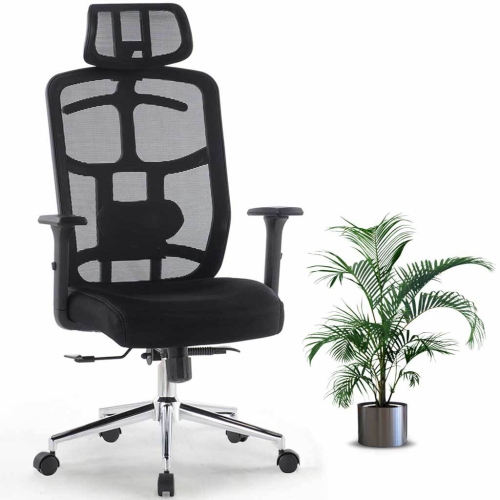 Your price for this item is $114.99
 -
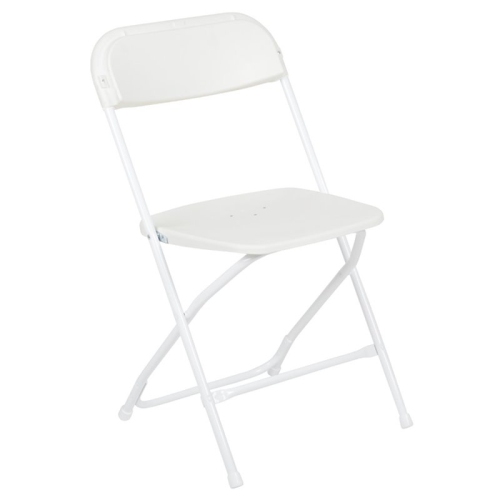 Your price for this item is $123
 -
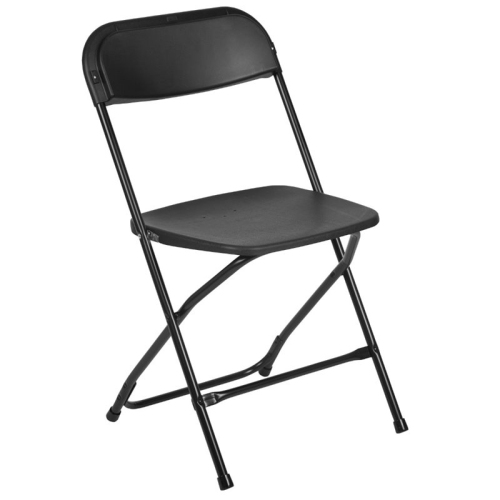 Your price for this item is $139.99
 -
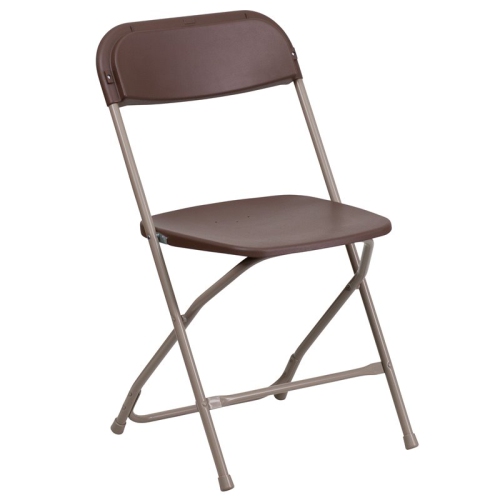 Your price for this item is $139.99
 -
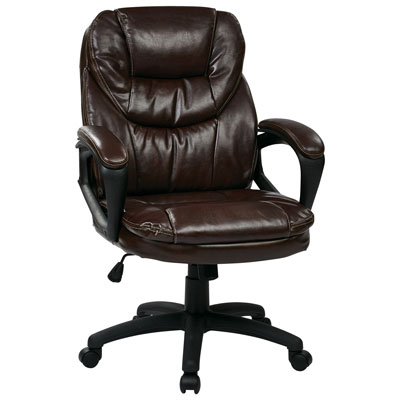 Your price for this item is $203.98
 -
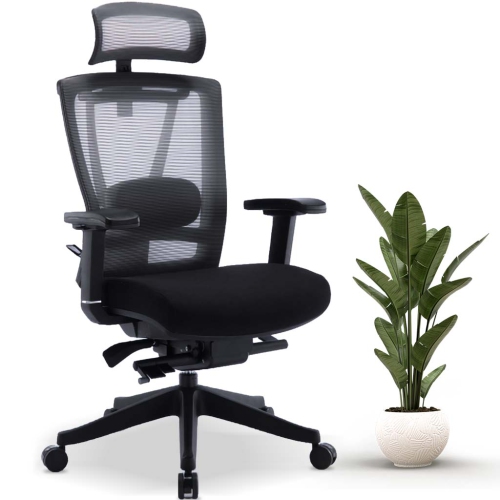 Your price for this item is $379.99
 -
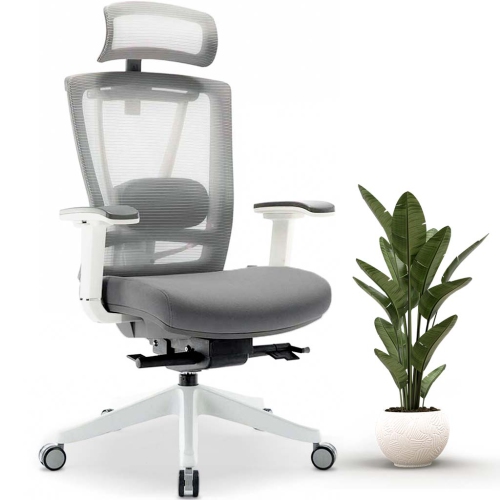 Your price for this item is $379.99
 -
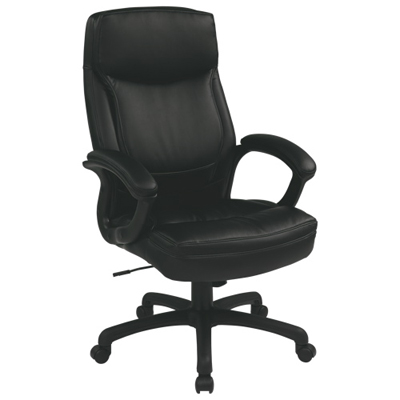 Your price for this item is $594.99
Discover more categories related to Chairs With Footrest
Top Collections:
Pokemon Centers, Kindle Devices, Best Budget Office Chairs, Apple iPhones 16, Best Laptops for Writers, iPhone 15 Apple, Canon G7X Cameras, Refurbished Apple Laptops, Alarm Clock, Motorola Razr Phones
Some products may be subject to Environmental Handling Fees
(EHF) depending on your province.
Learn more about EHFs.