Chaise Lounges With Cushions
Create a relaxing oasis in your home with our collection of chaise lounges with cushions. Whether you're looking to unwind after a long day or soak up the sun on your patio, these stylish and comfortable loungers are the perfect addition to any space. With a variety of designs and materials to choose from, you can find the perfect chaise lounge that suits your style and enhances your relaxation experience. From plush cushions to durable frames, our selection offers both comfort and durability, ensuring that you can enjoy lounging in style for years to come. Transform your living space into a luxurious retreat with our range of chaise lounges with cushions.
Sort
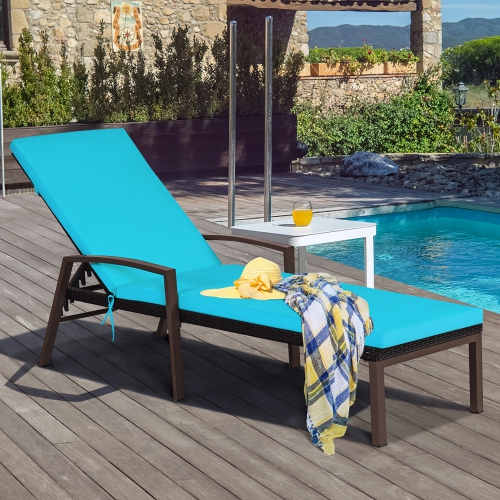
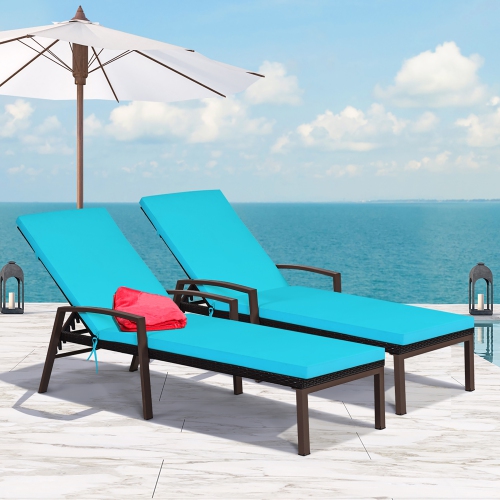
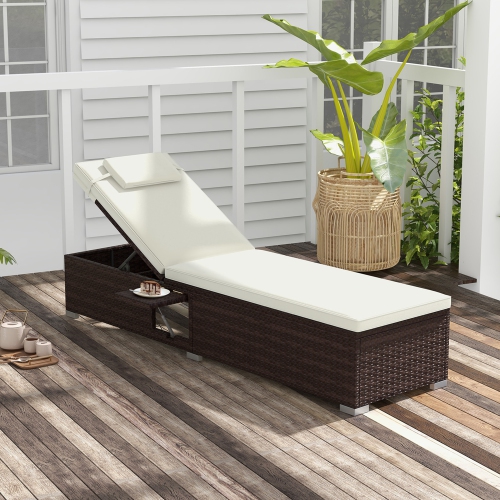
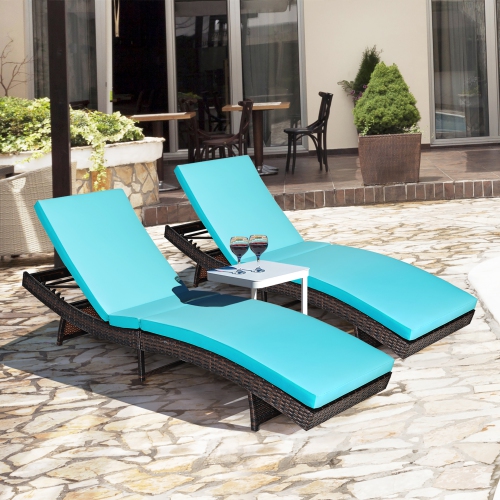
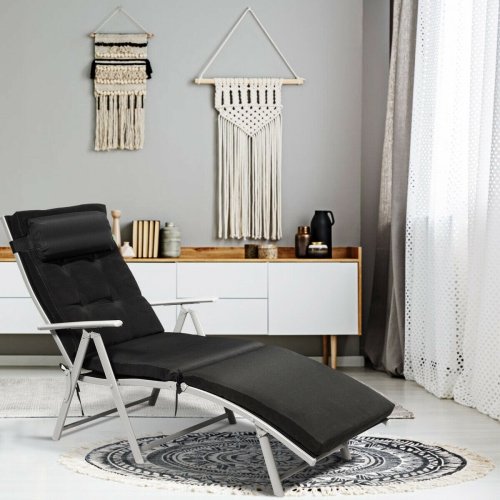
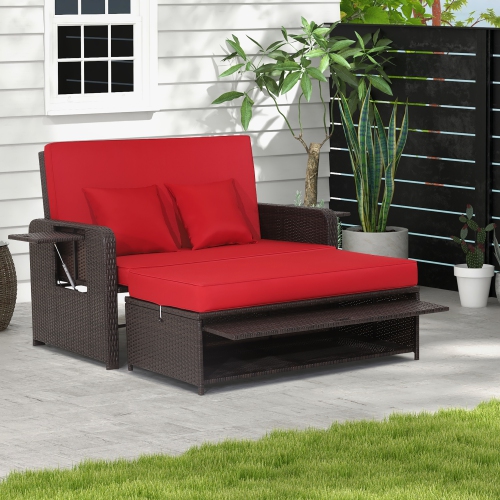
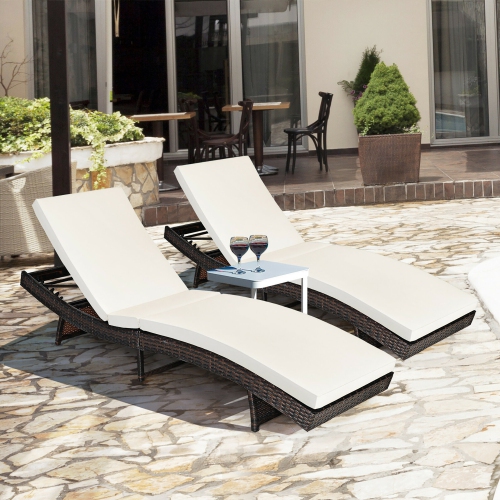
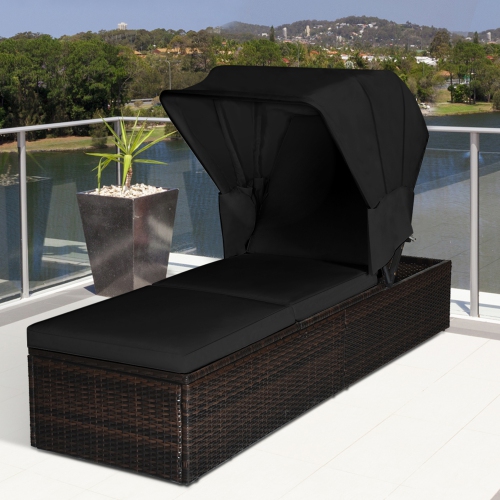
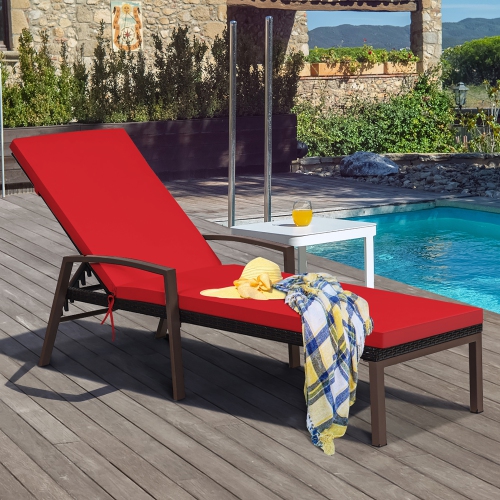
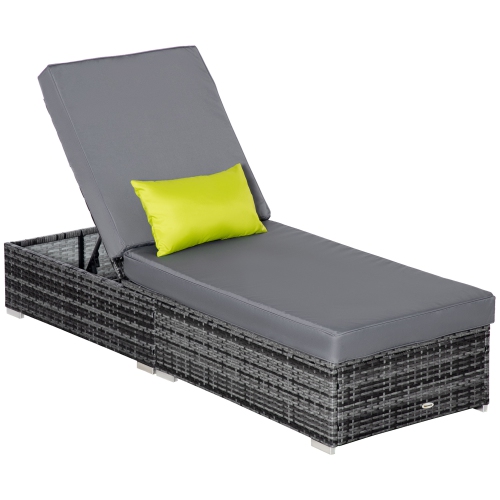
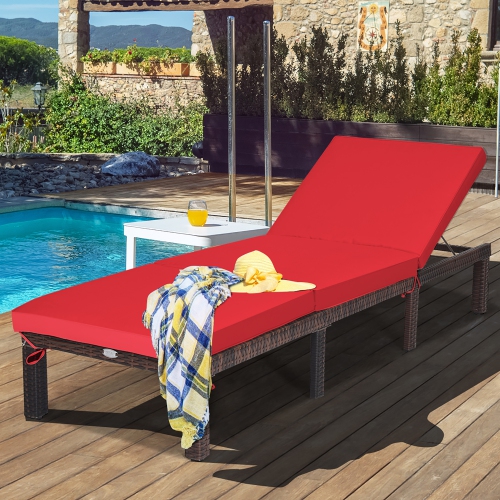
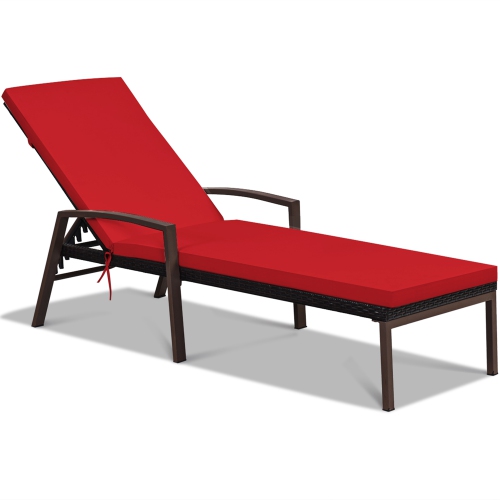

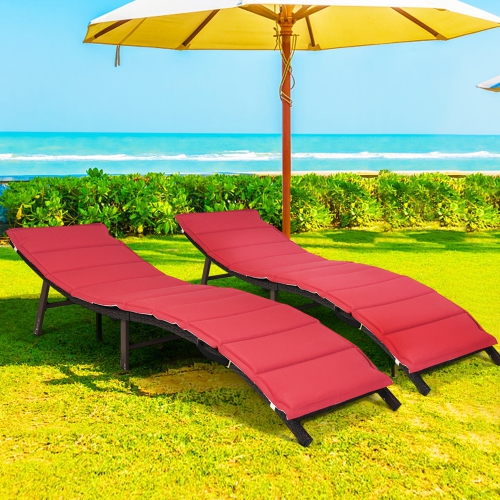
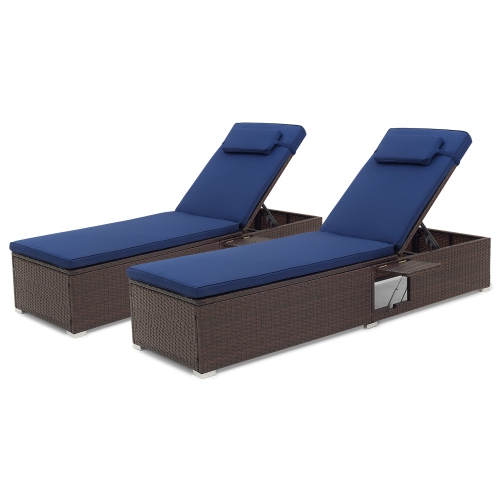
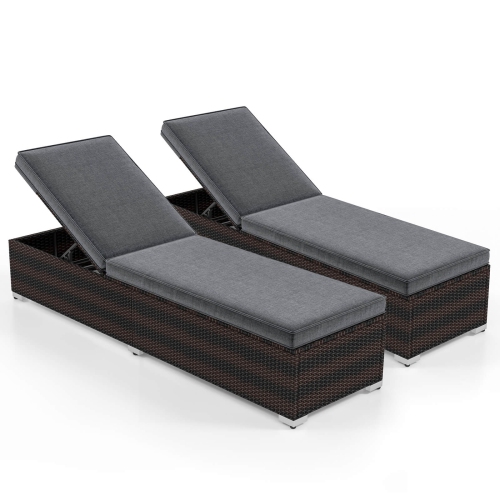
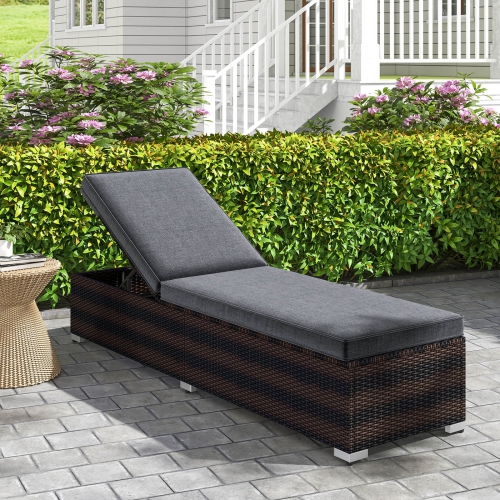
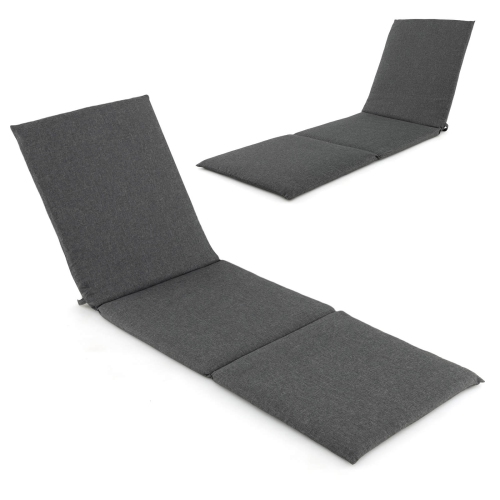
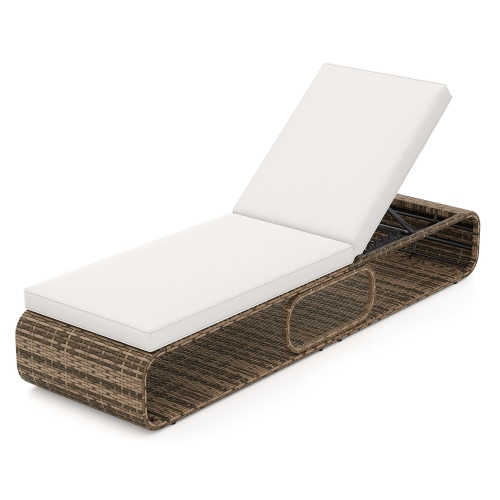
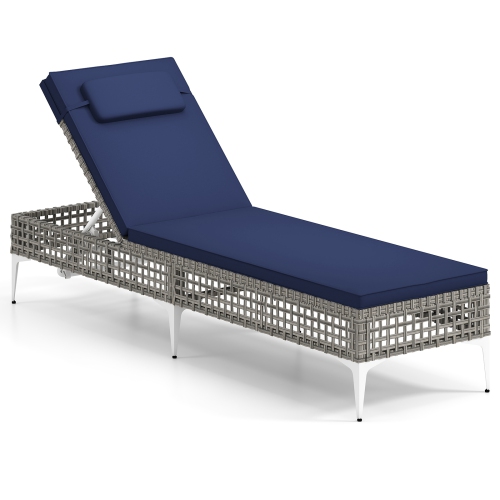
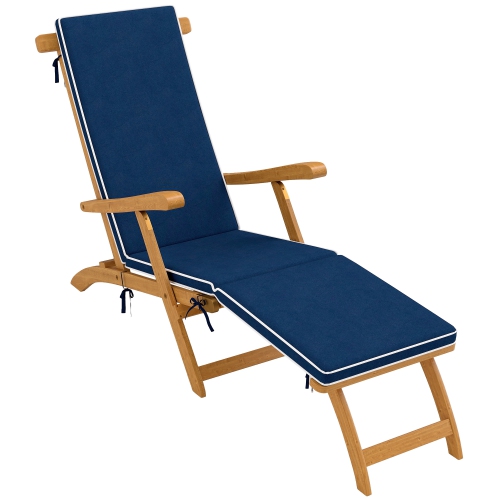
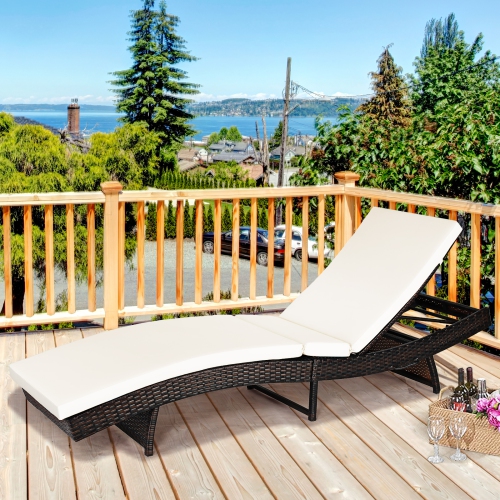
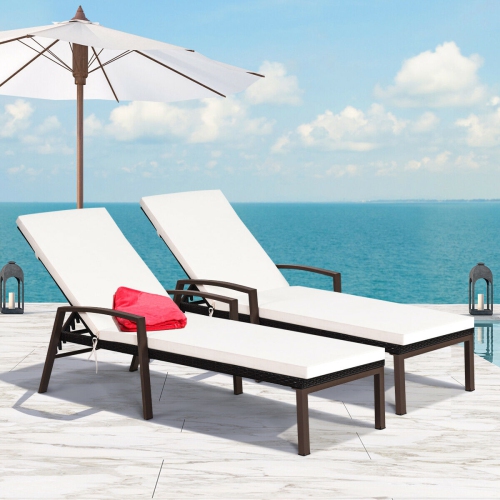
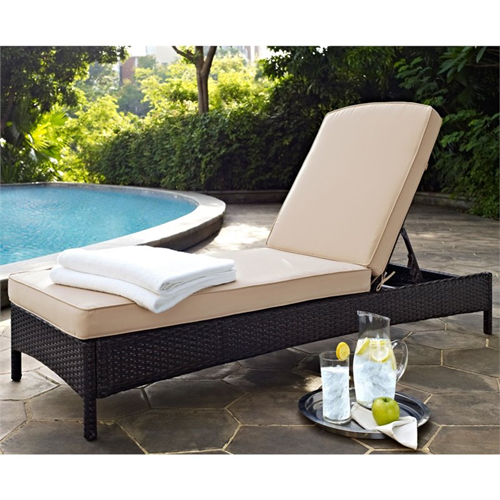
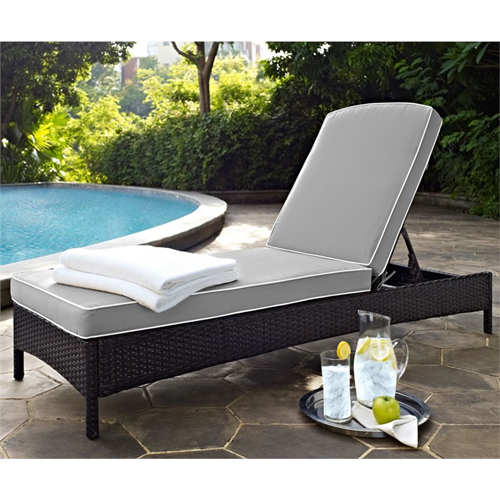
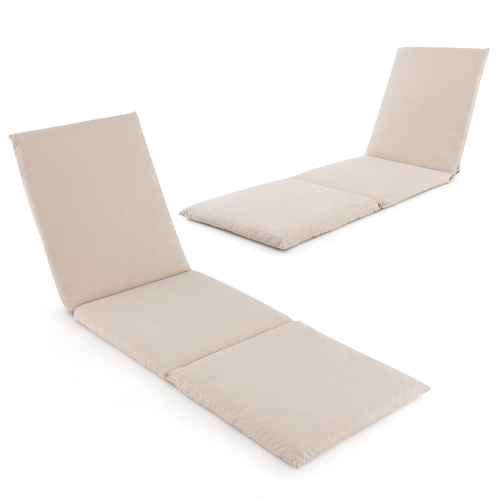
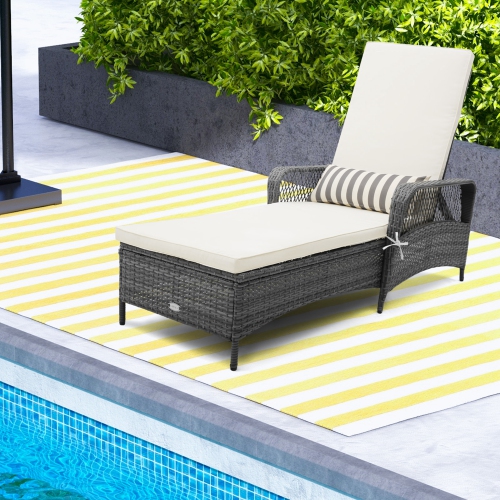
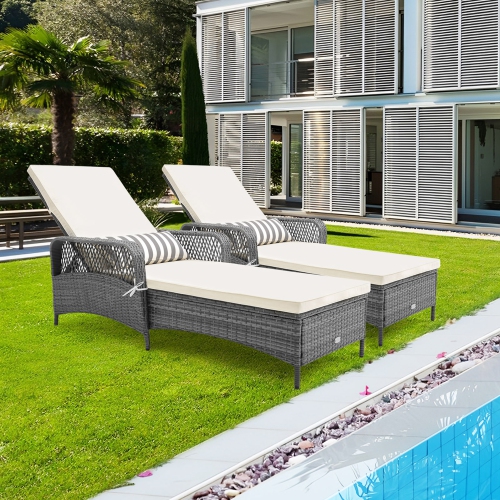
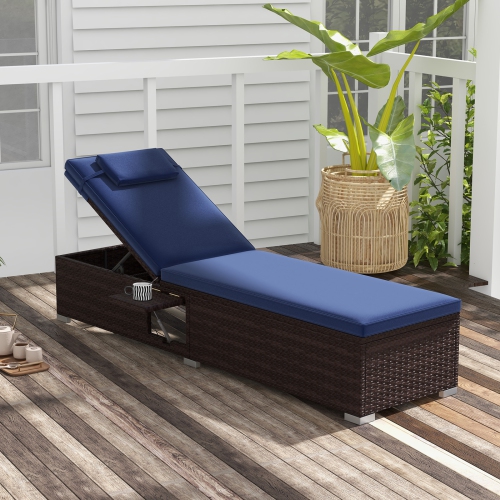
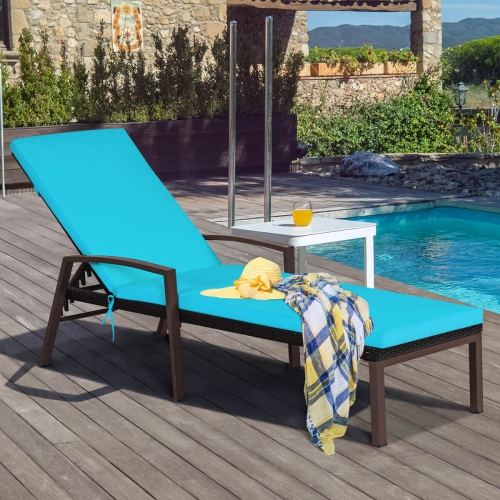
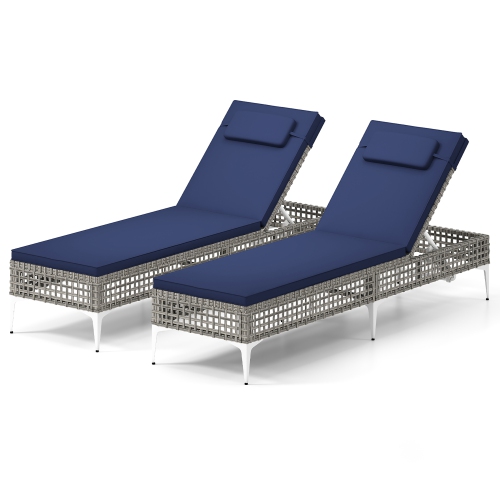
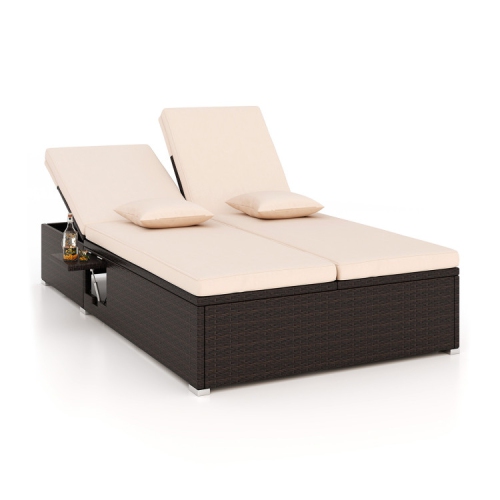
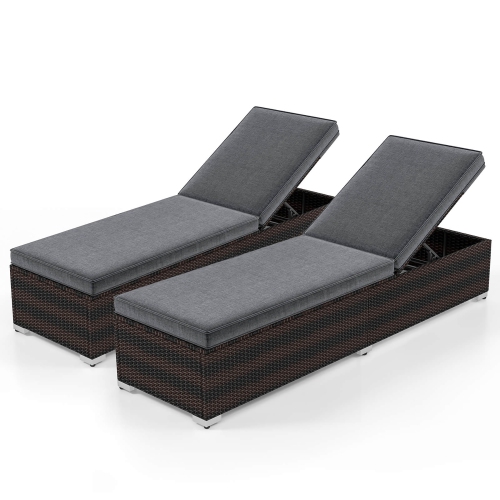
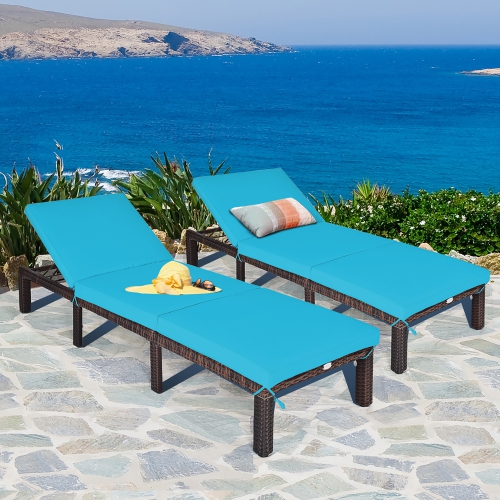
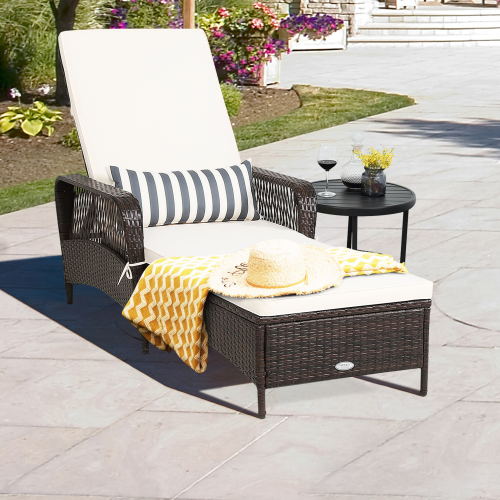
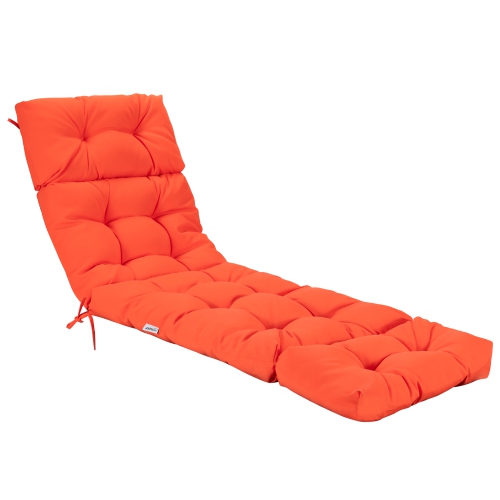
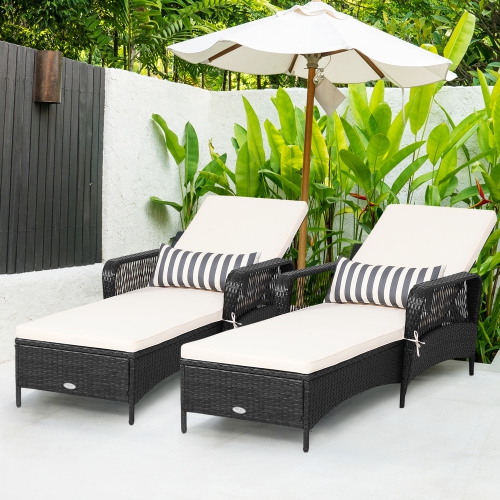
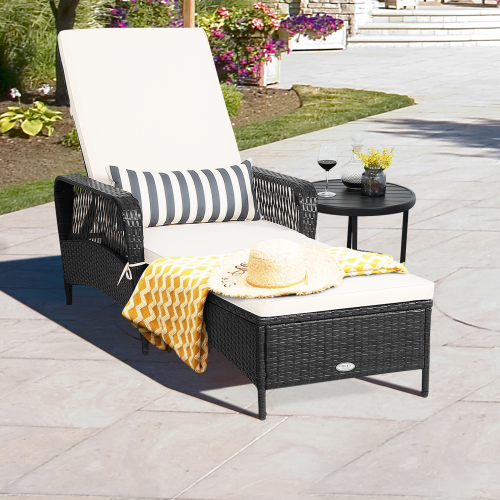
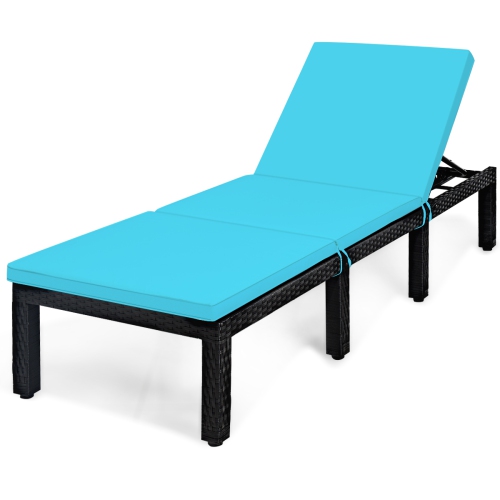
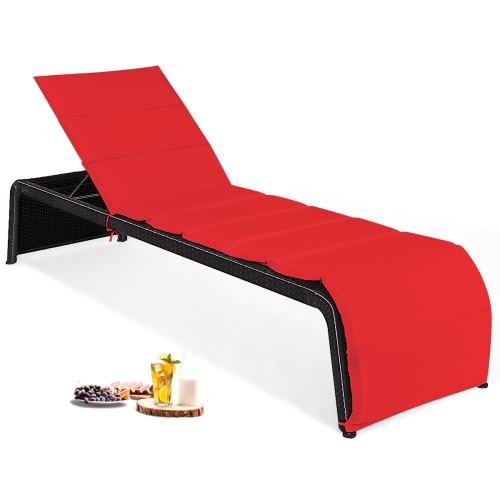
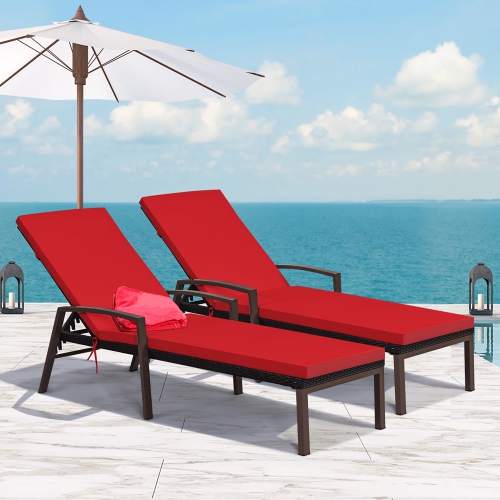
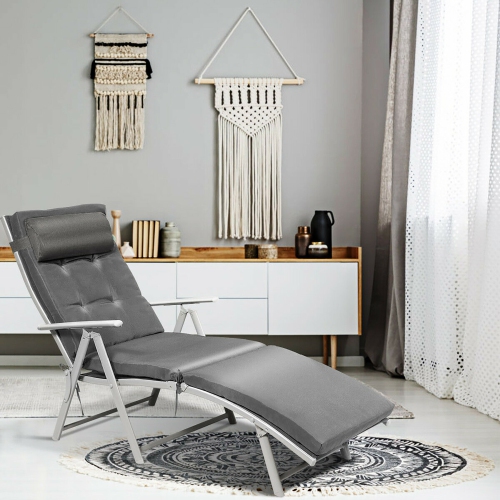
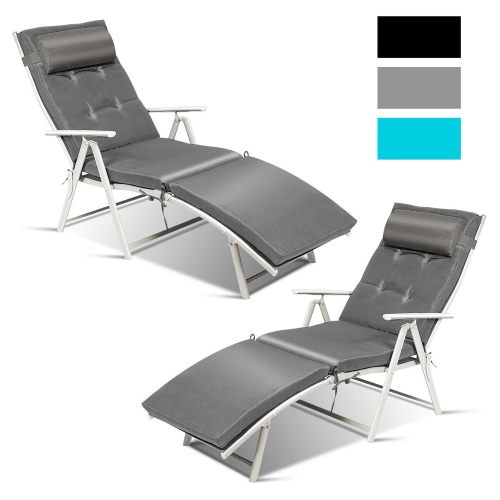
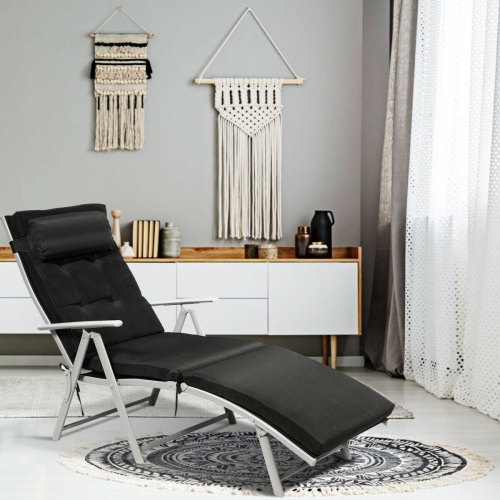
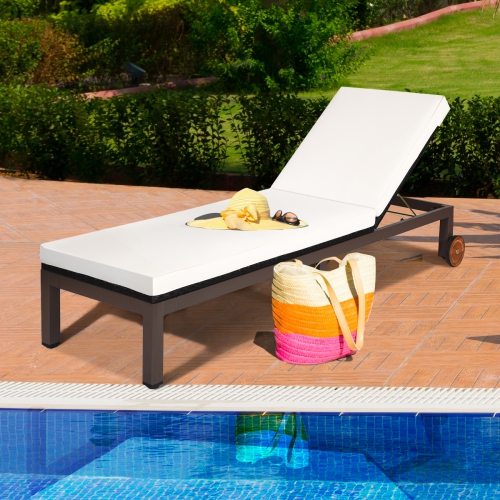
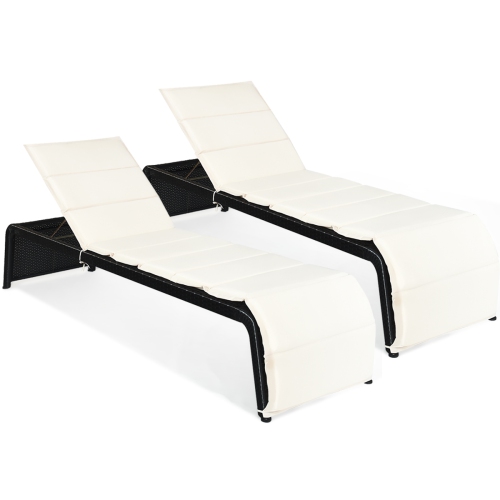
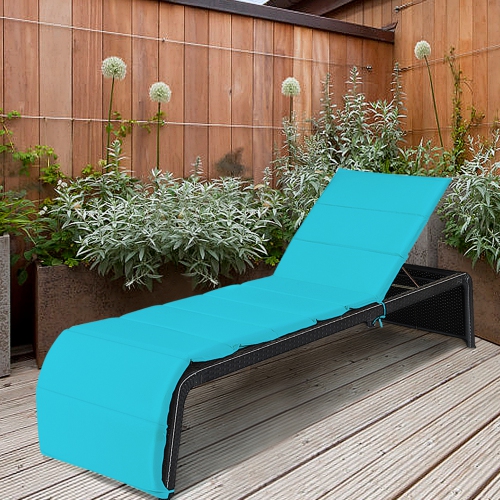
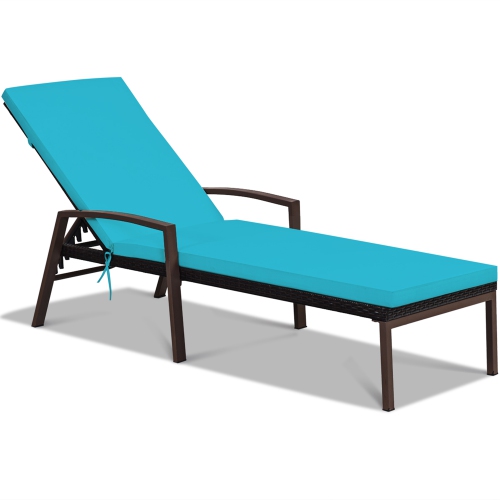
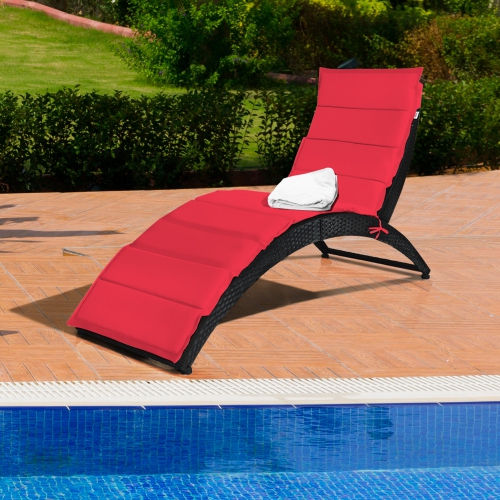
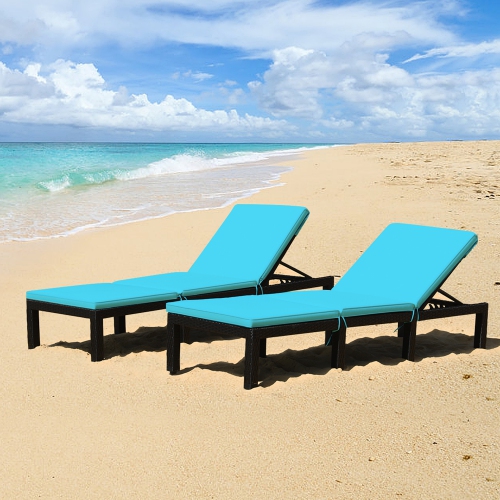
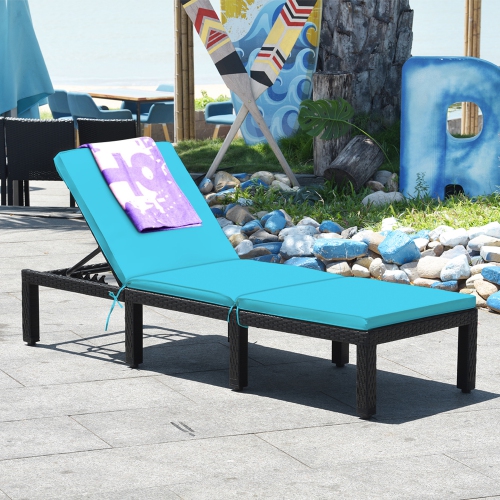
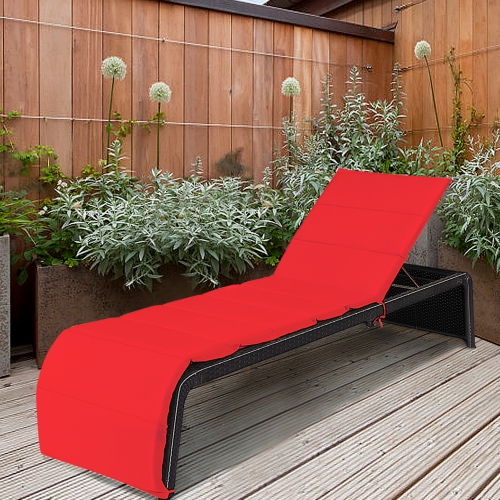
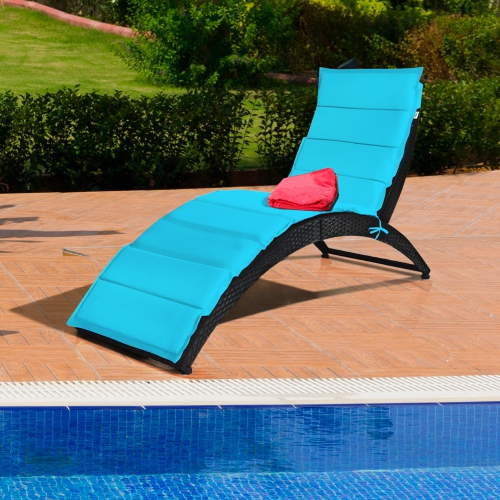
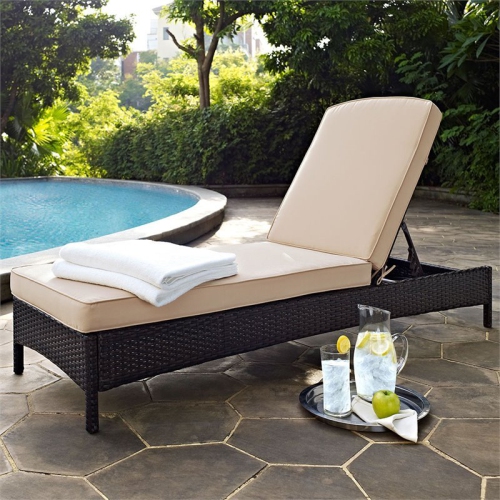
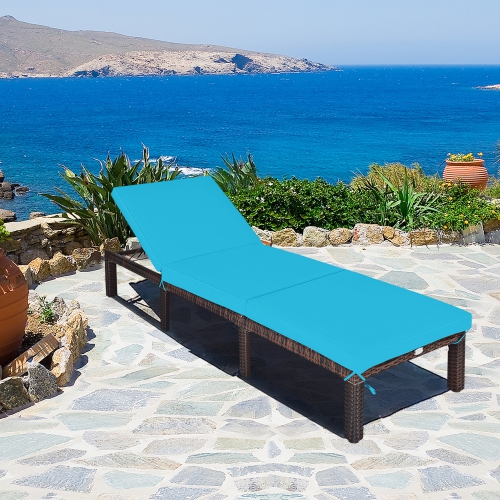
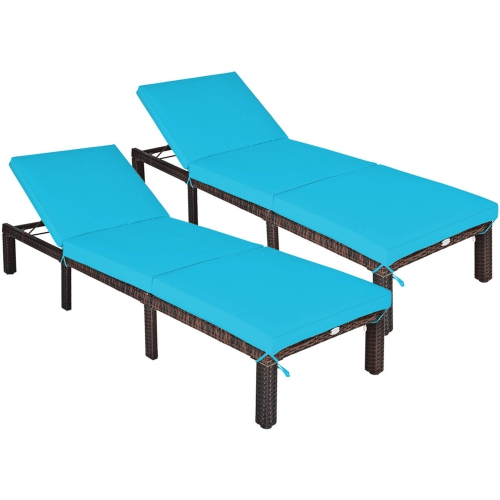
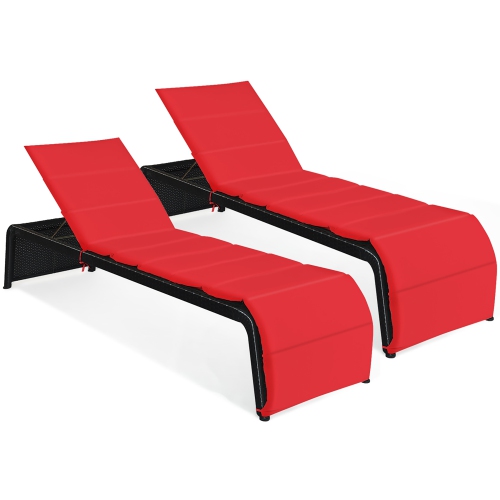
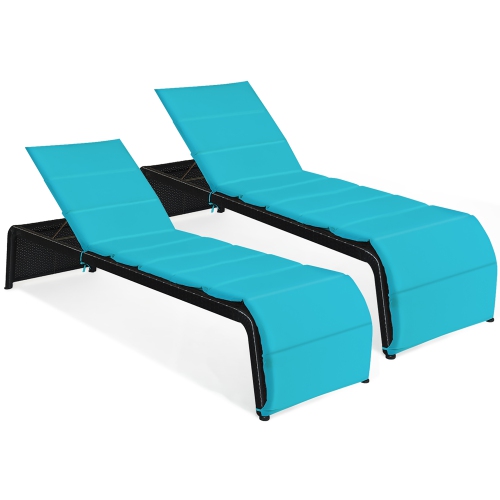
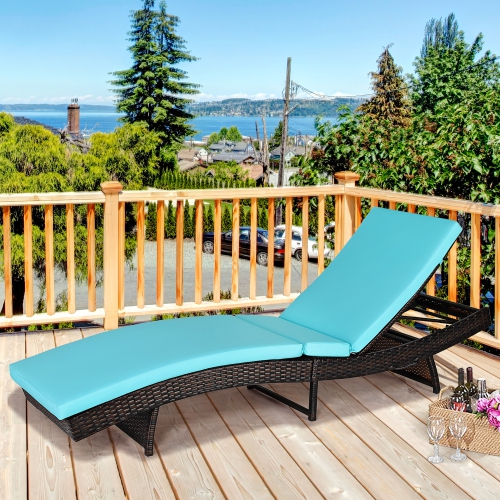
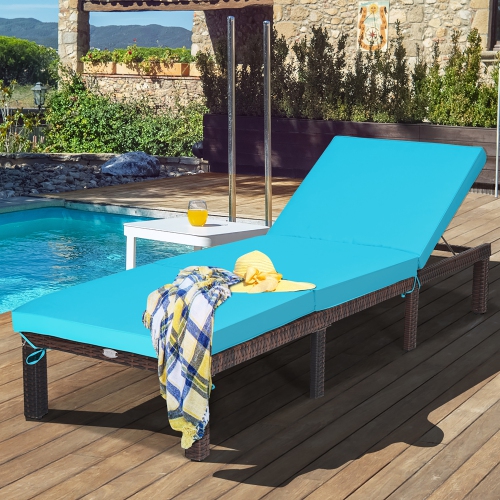
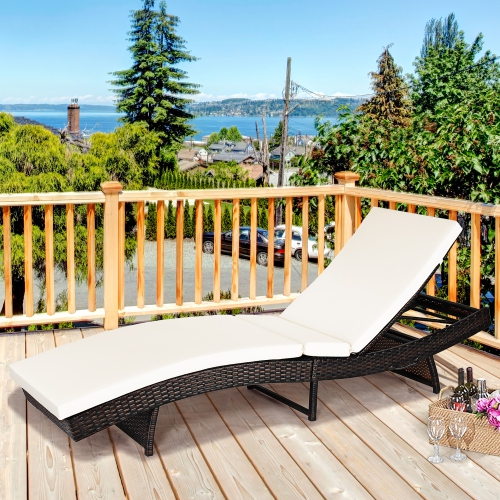
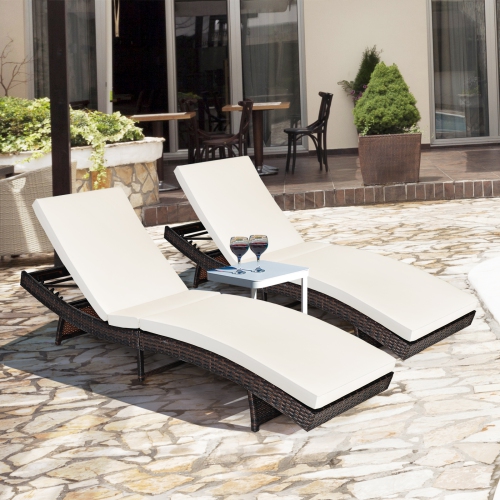
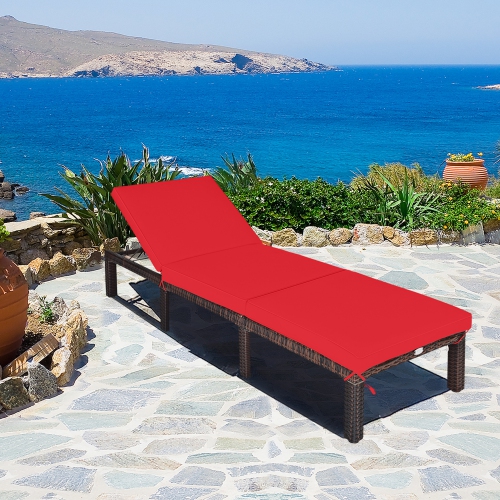
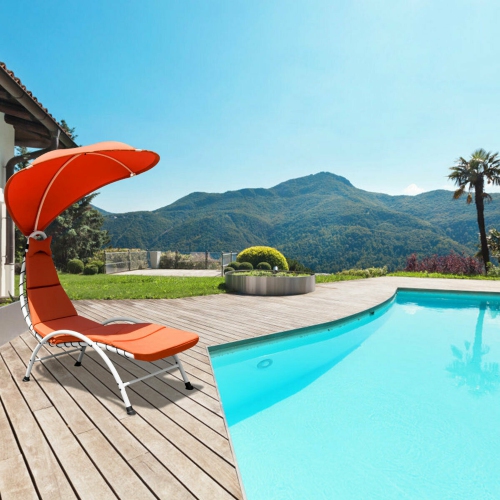
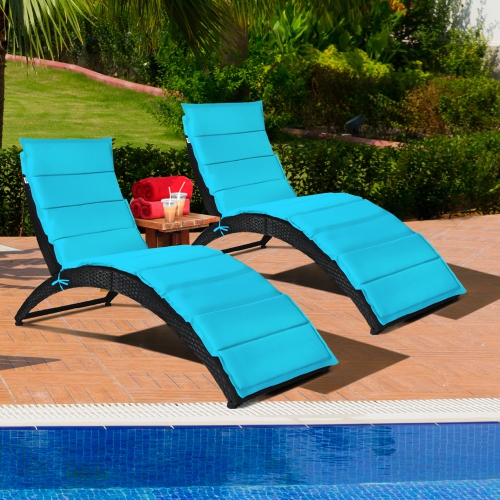
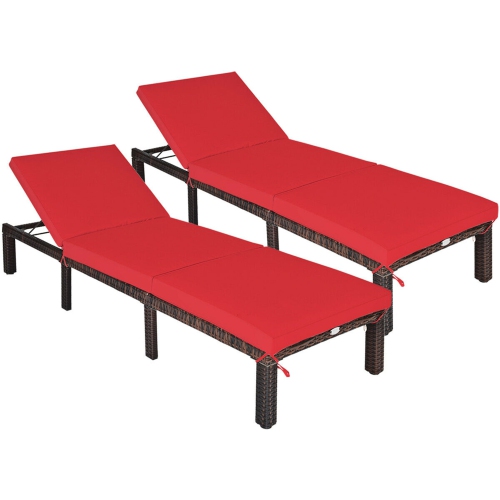
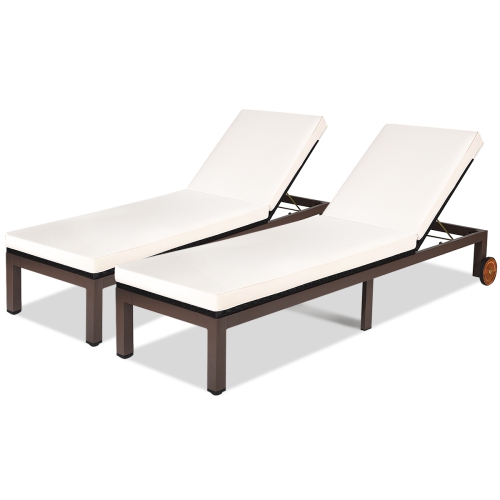
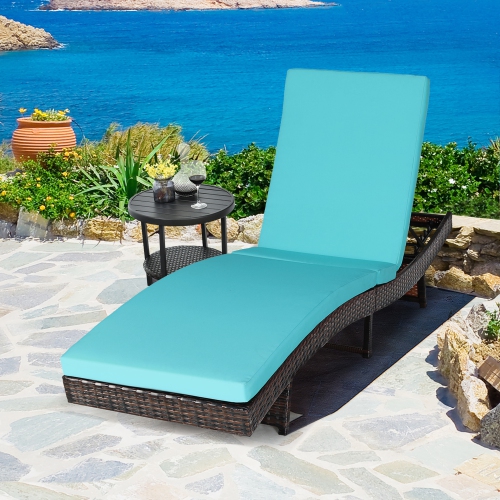
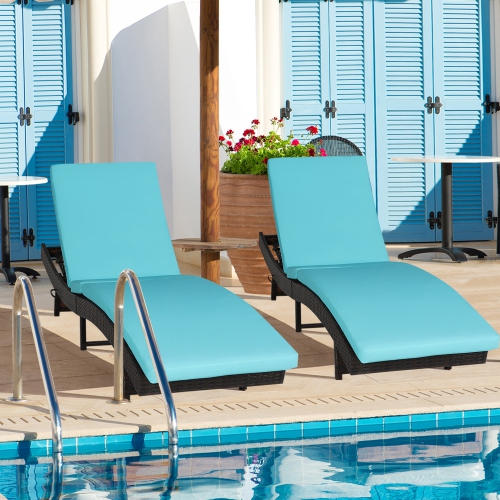
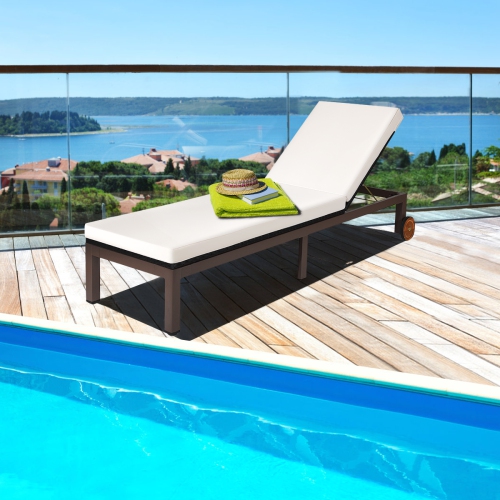
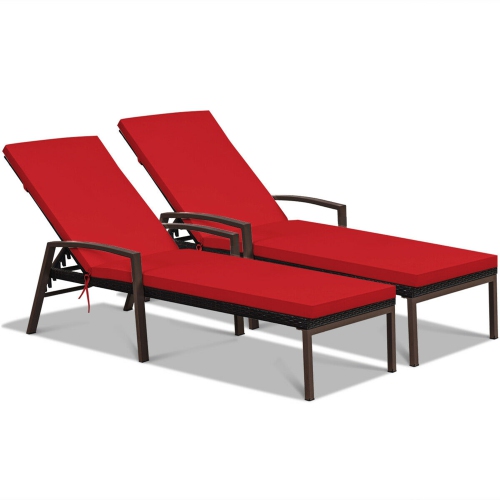
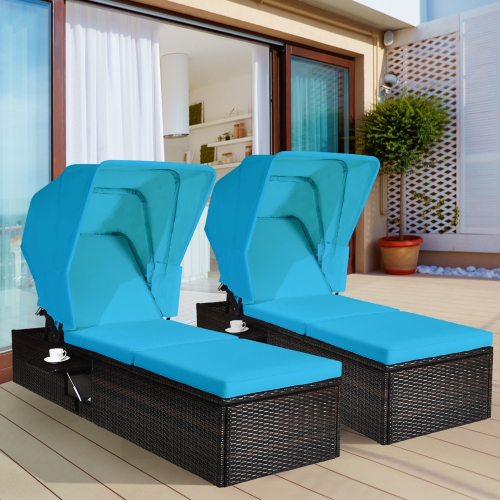
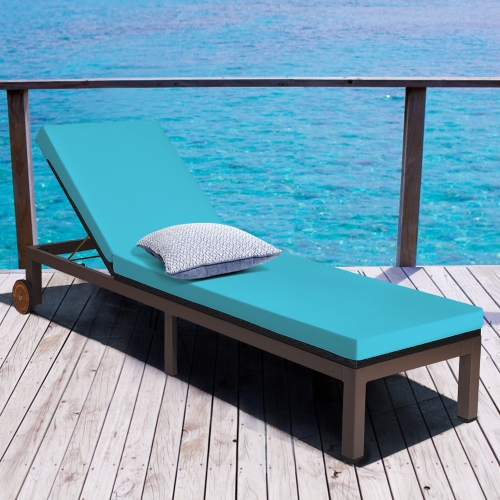
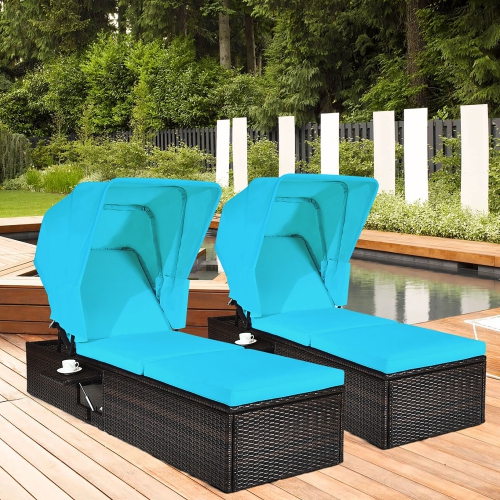
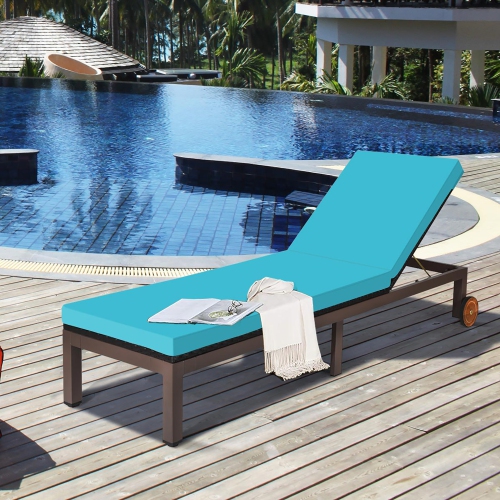
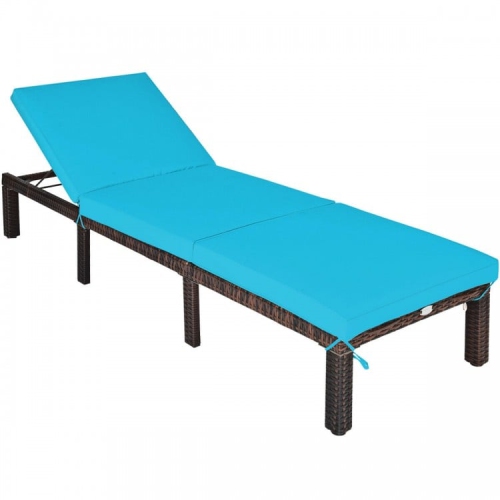
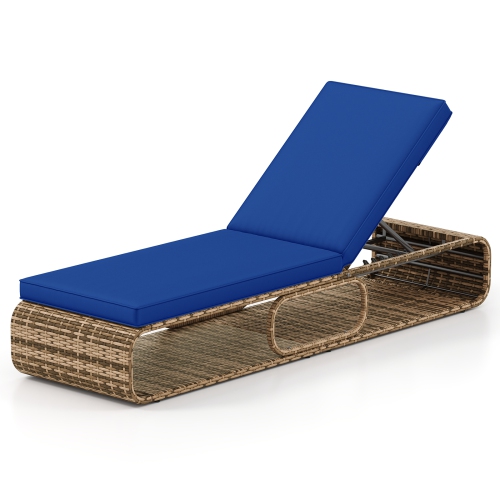
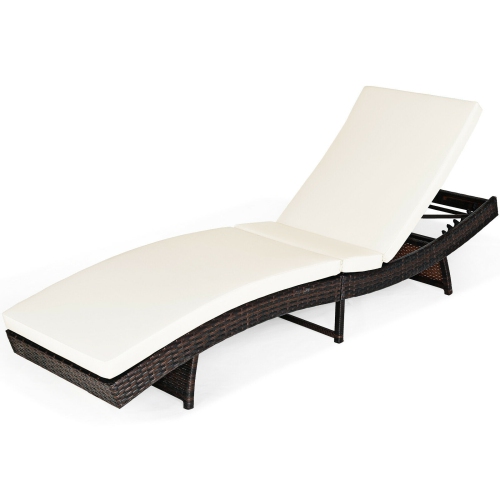
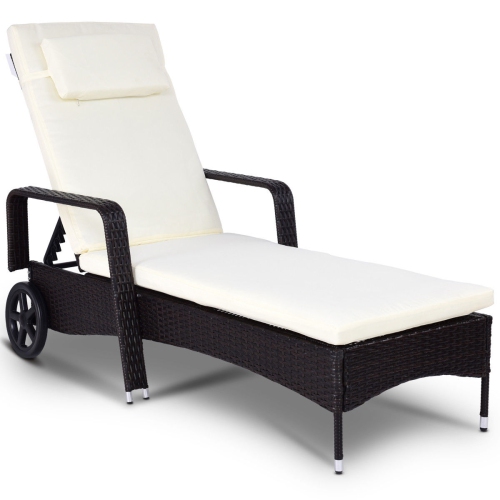
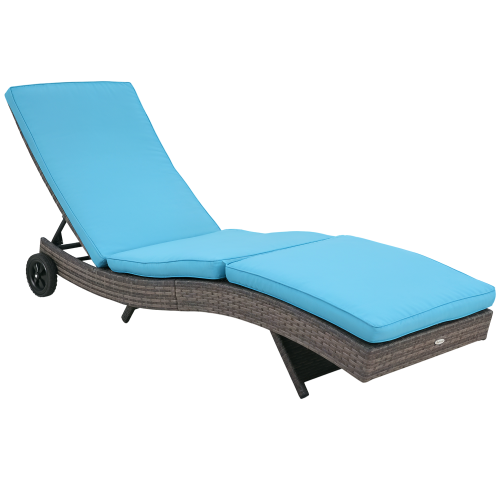
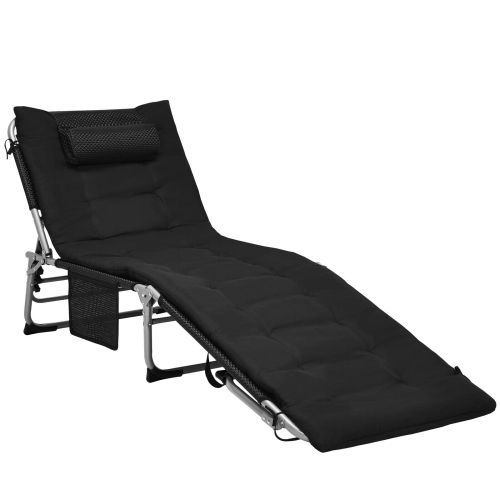
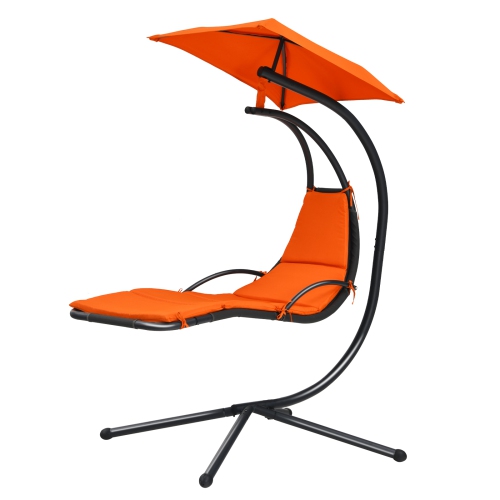
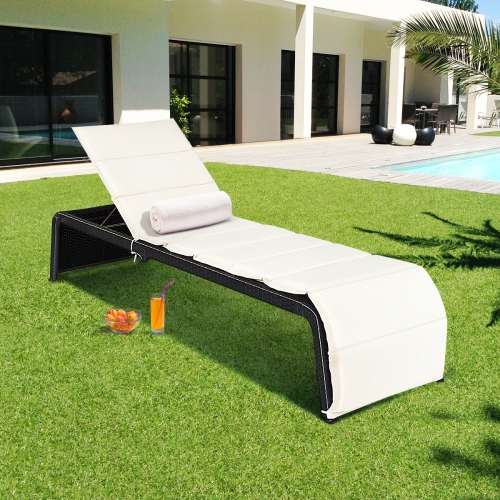
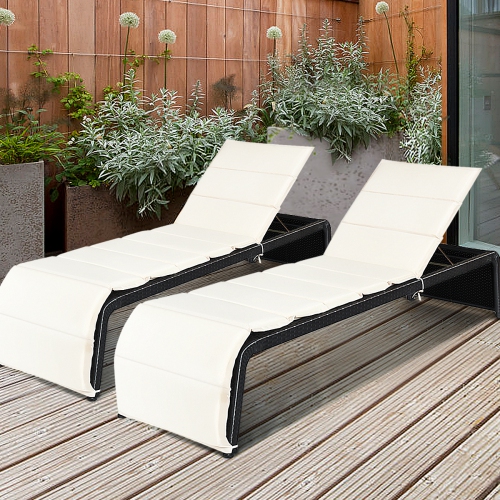
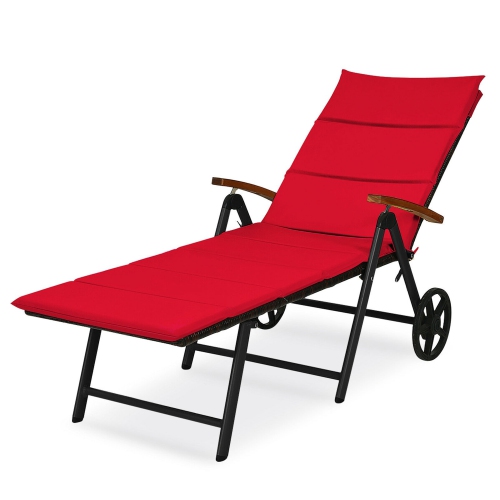

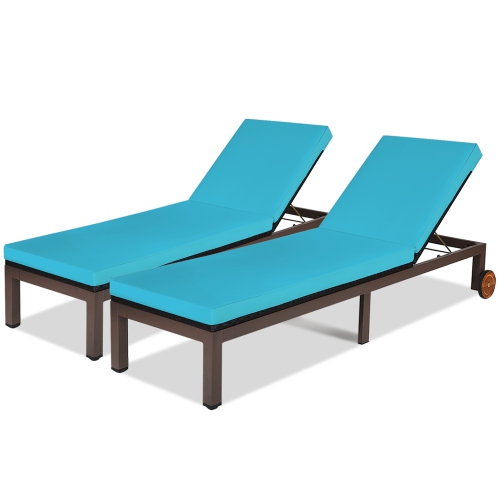
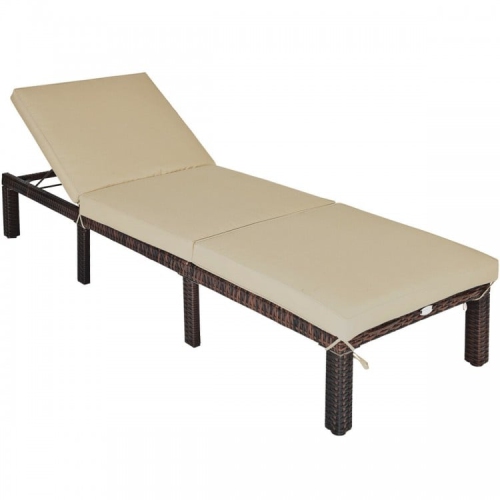
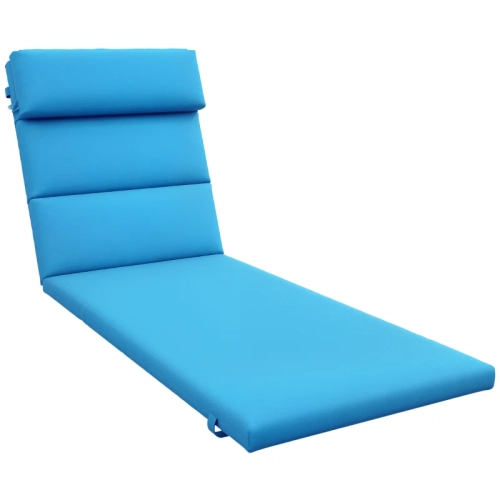
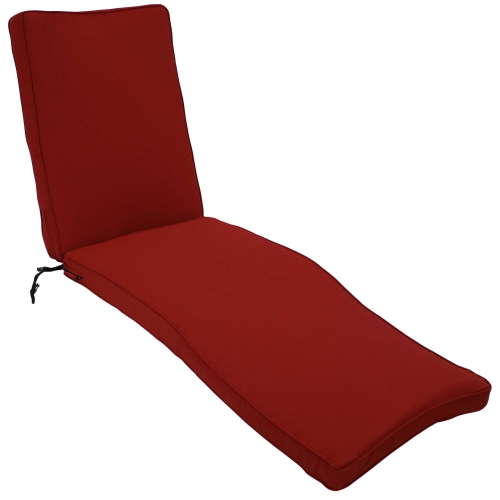
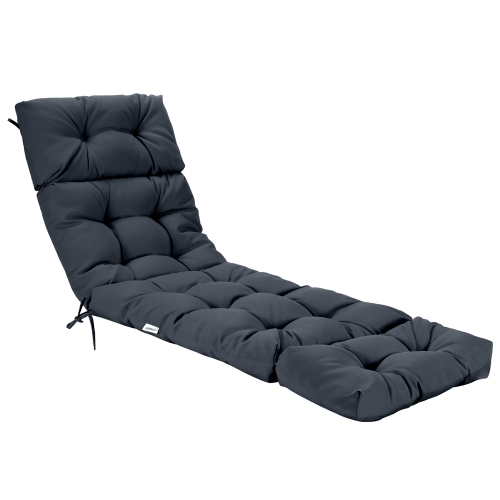
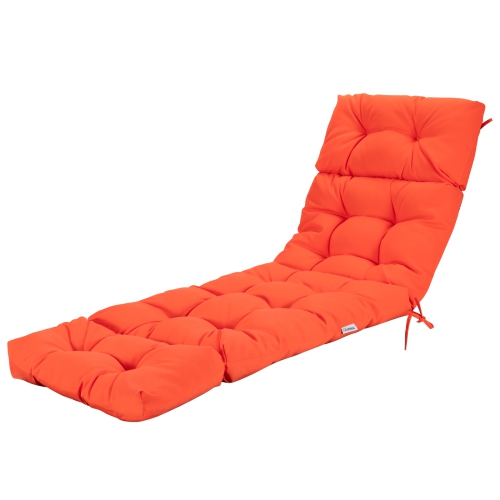
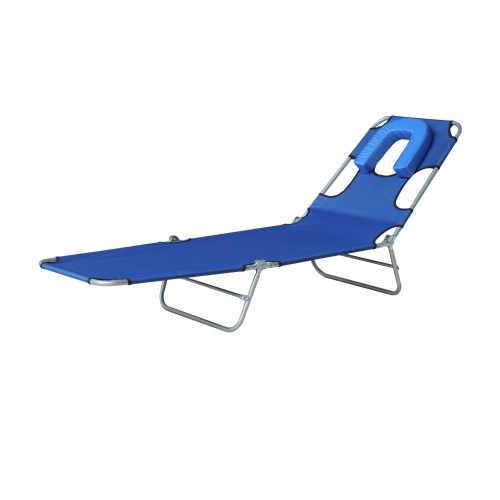
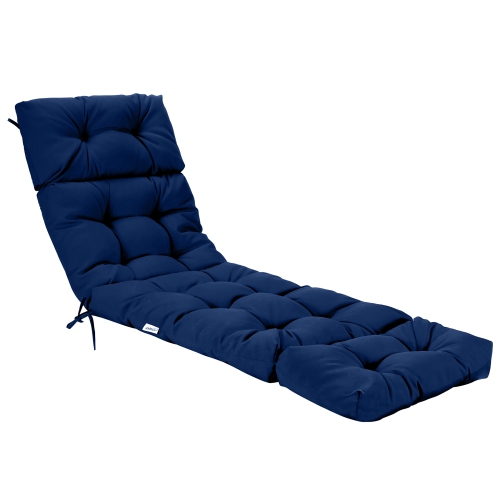
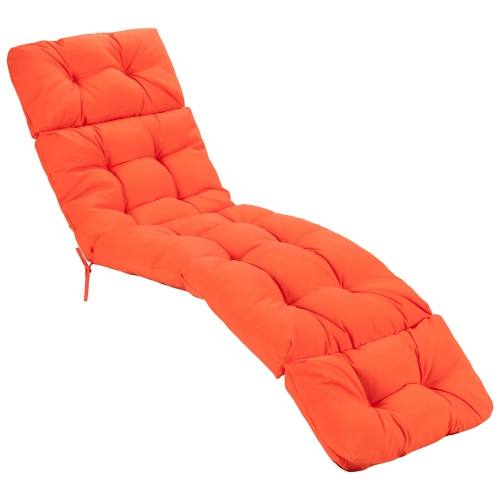
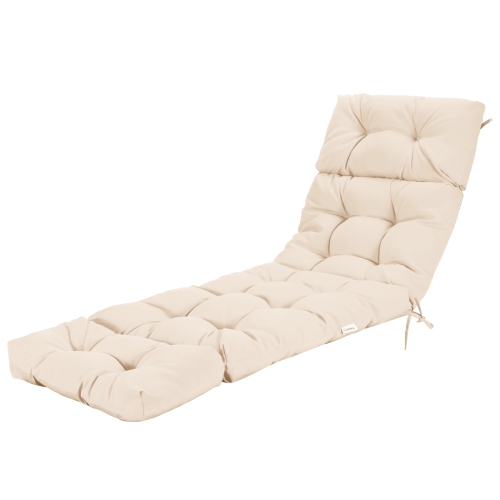
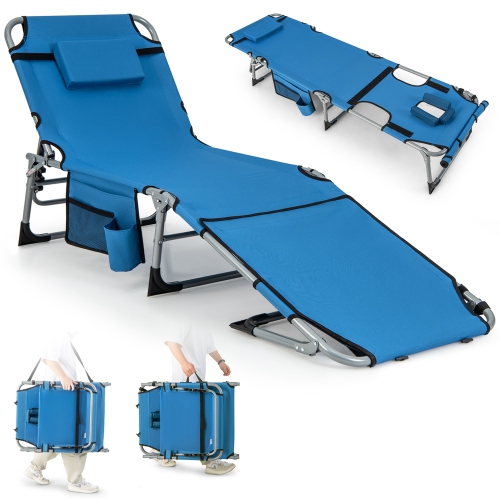
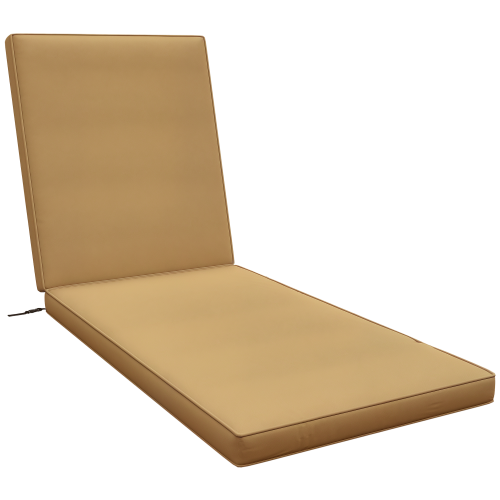
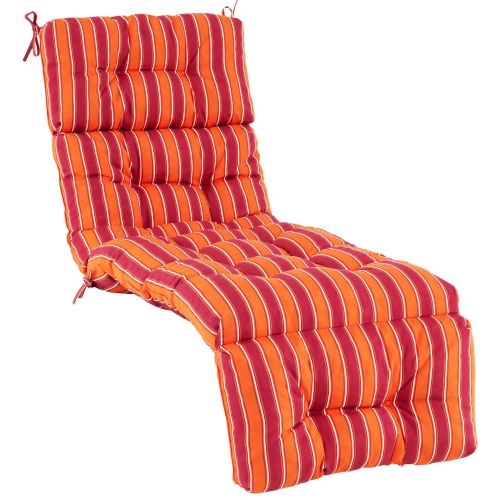
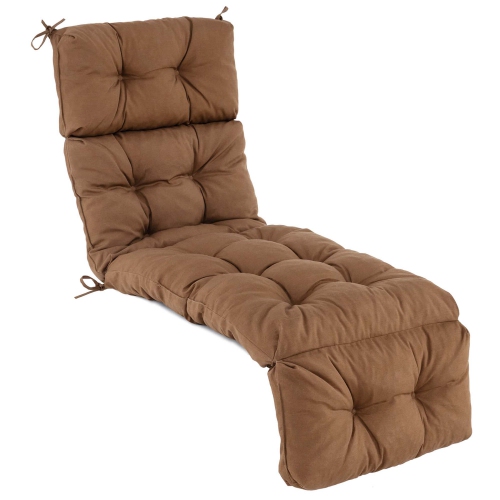
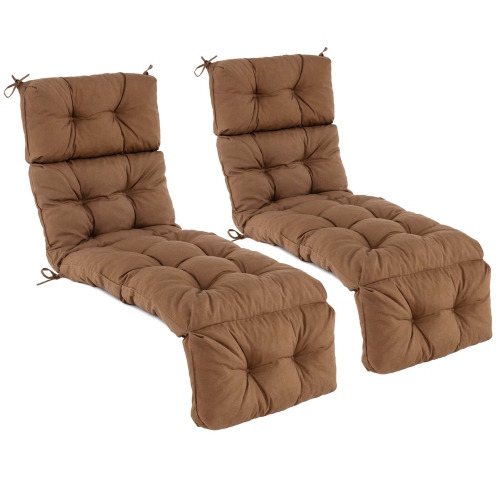
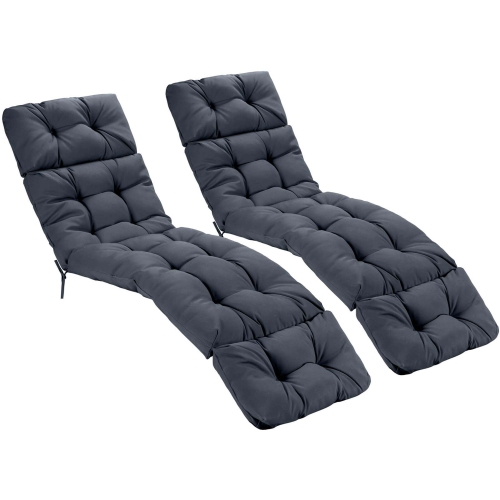
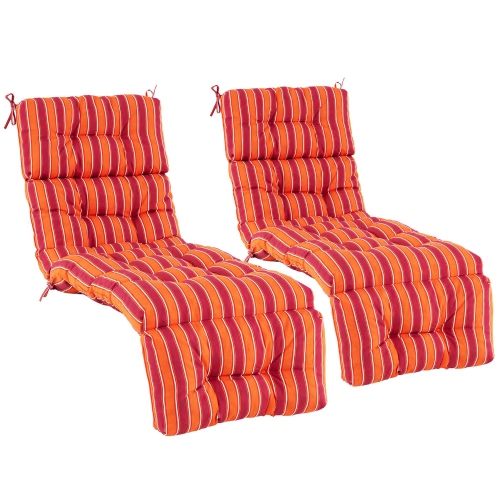
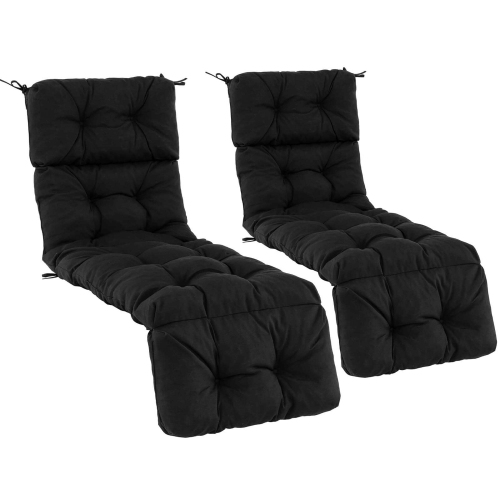
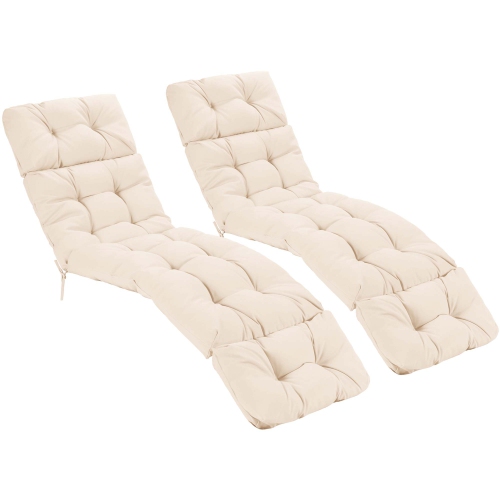
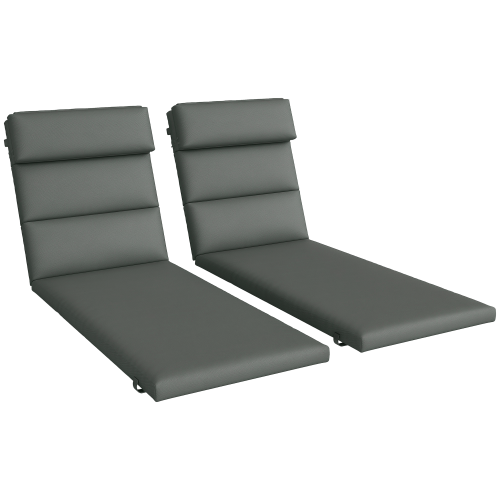
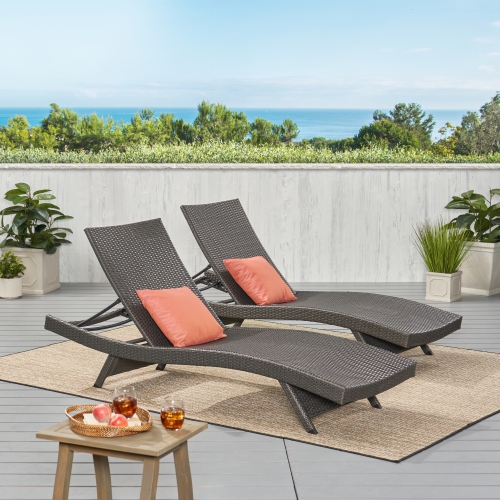
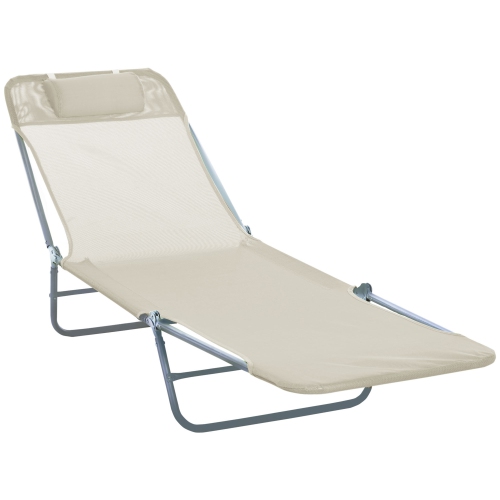
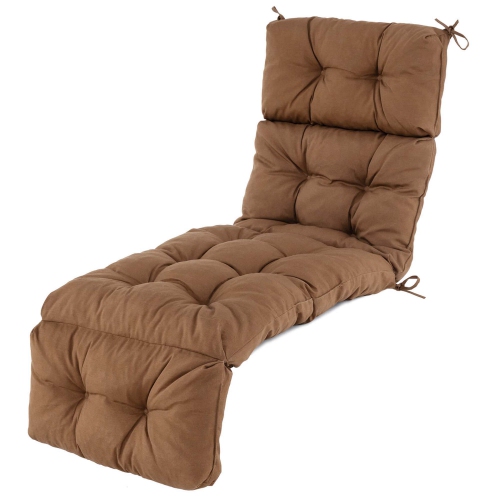
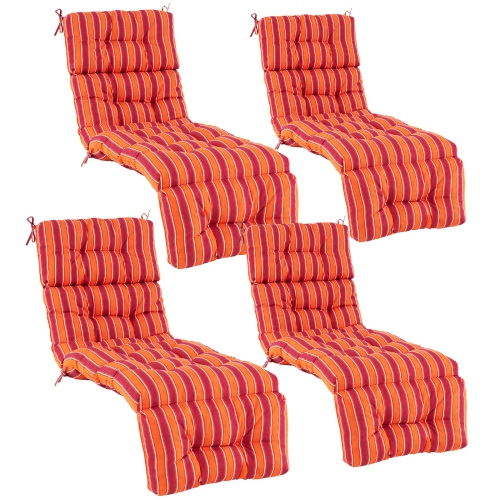
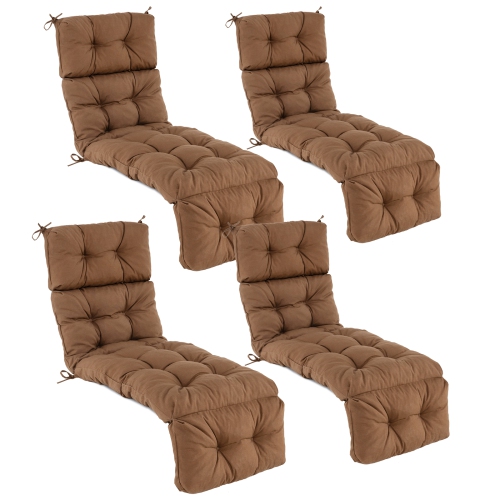
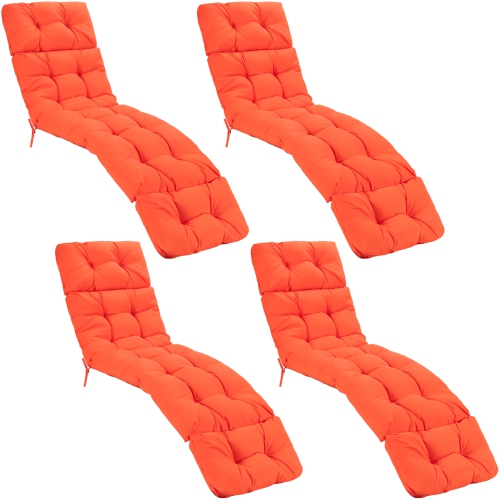
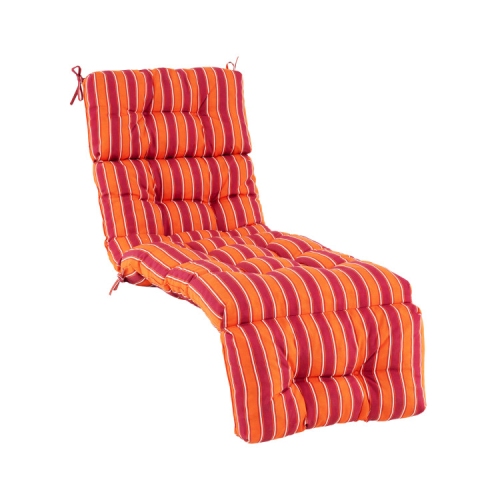
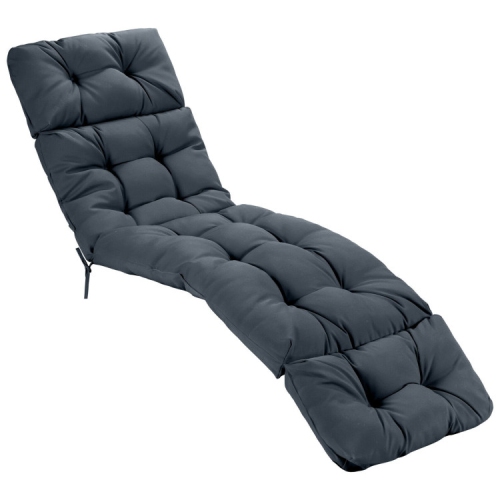
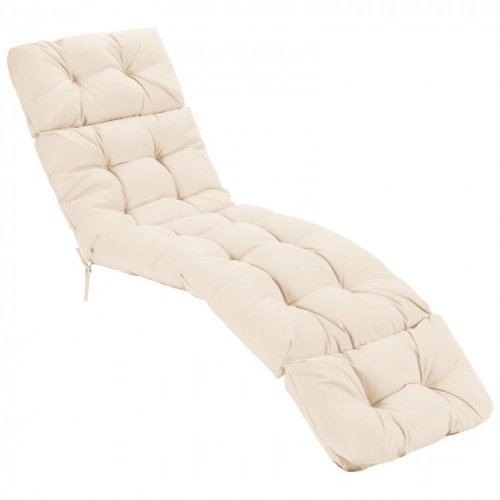
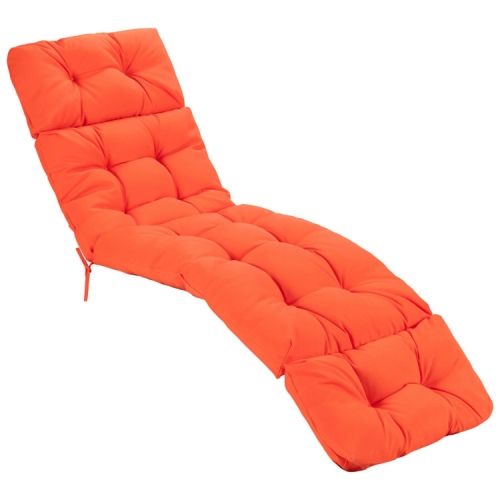
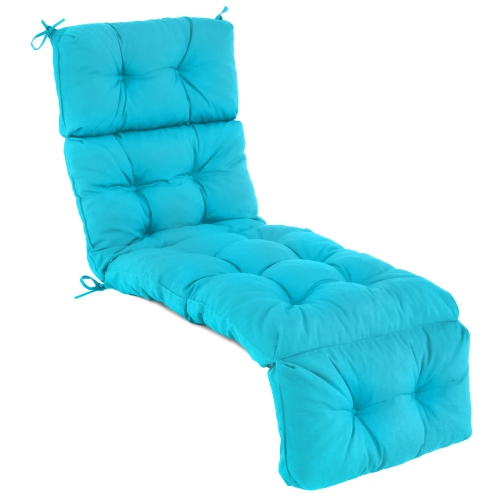
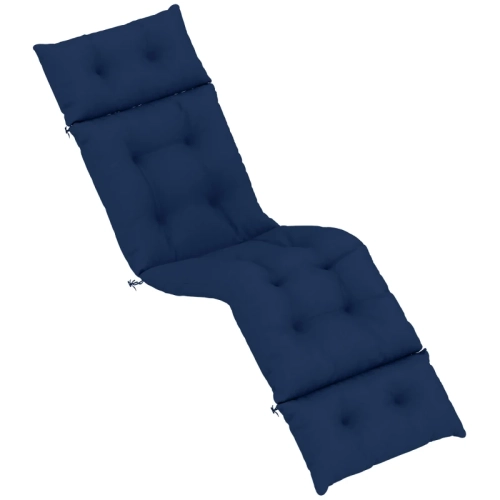
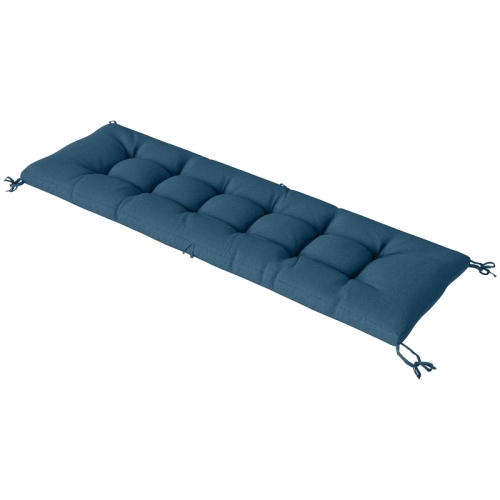
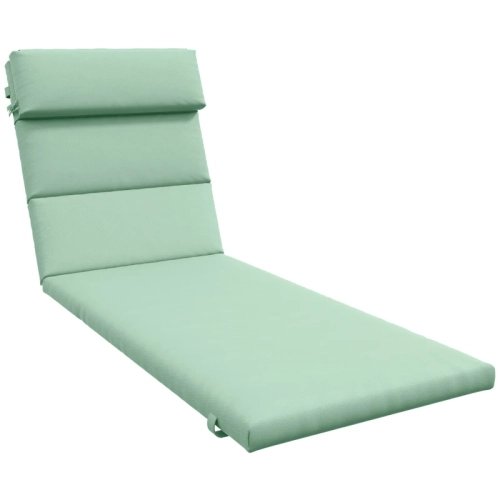
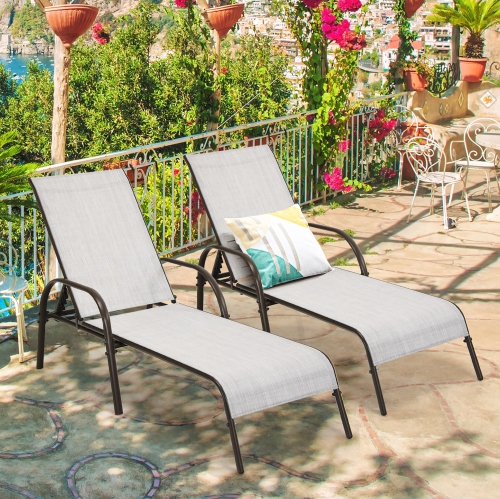
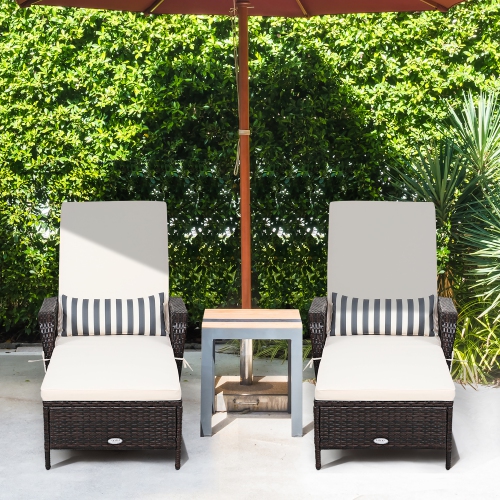
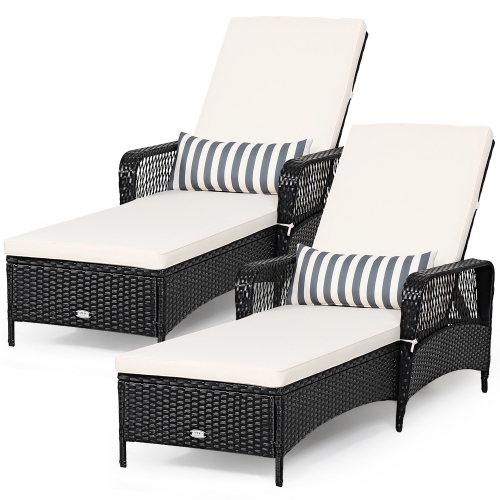

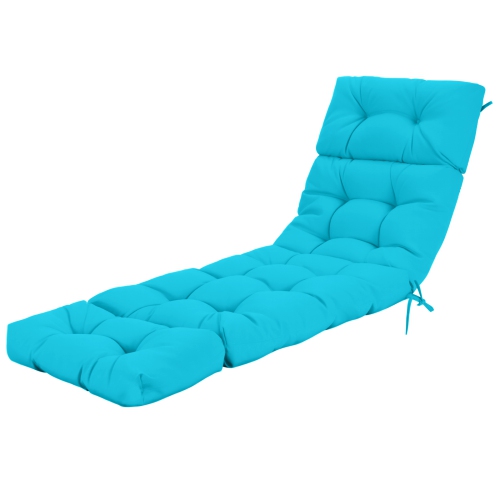
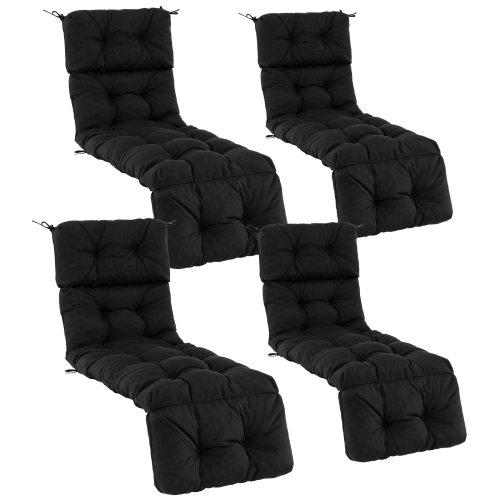
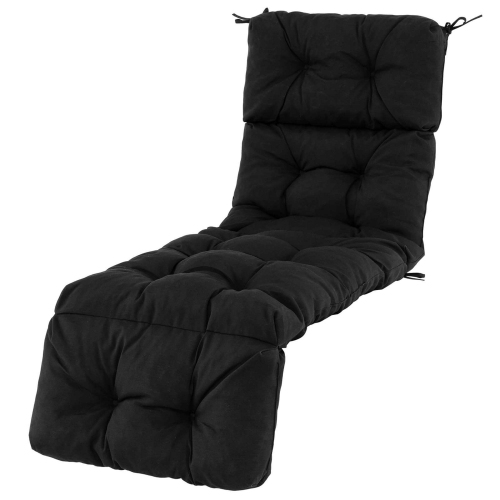
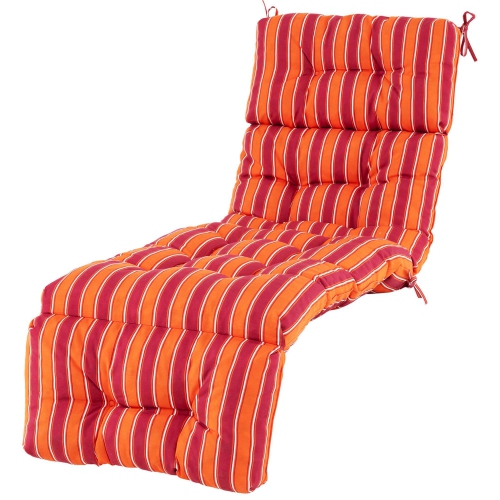
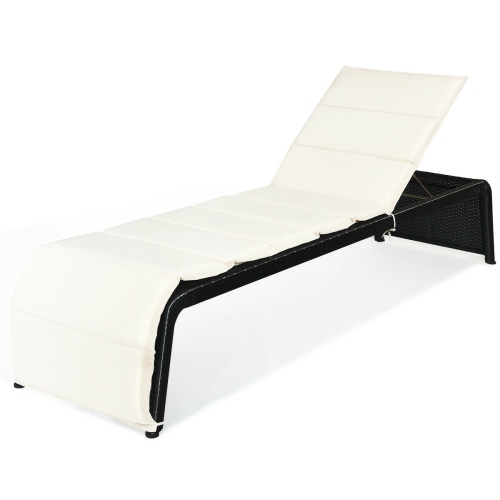
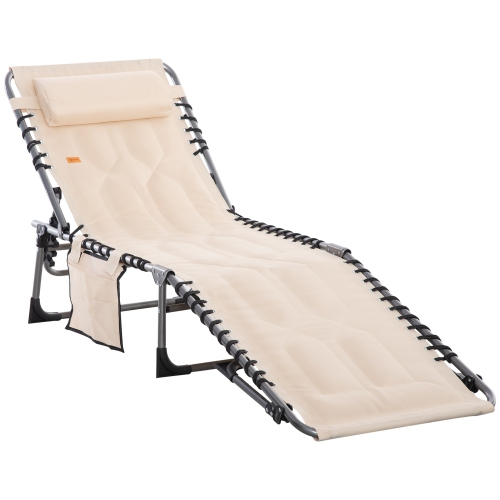
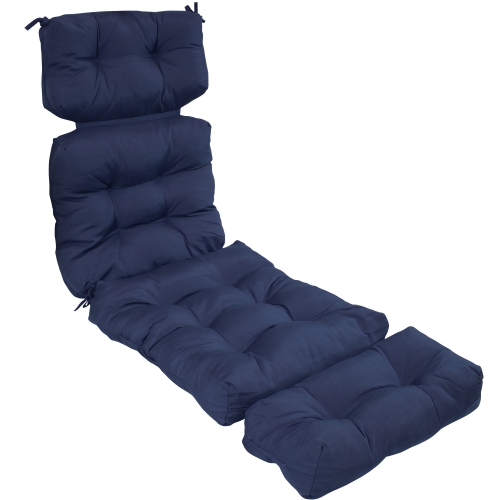
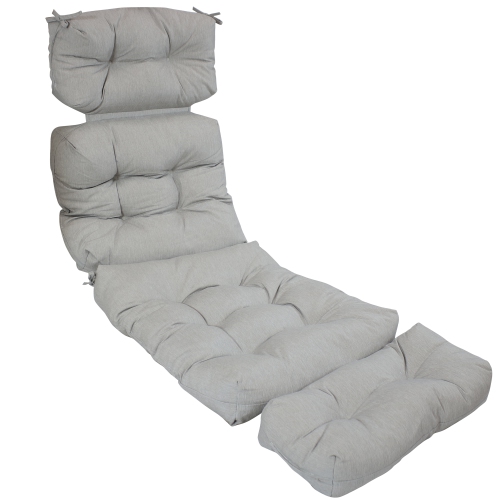
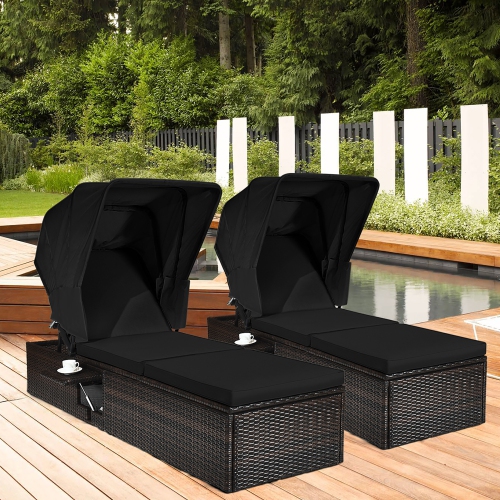
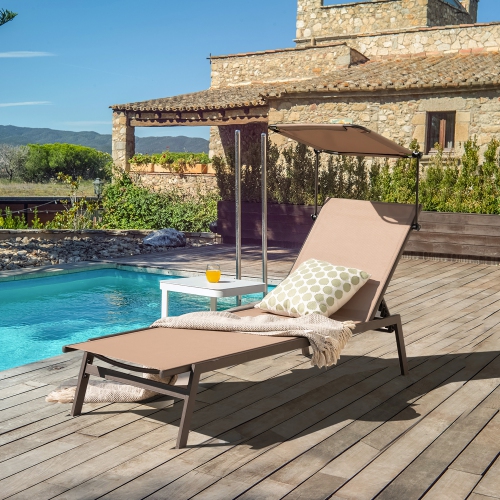
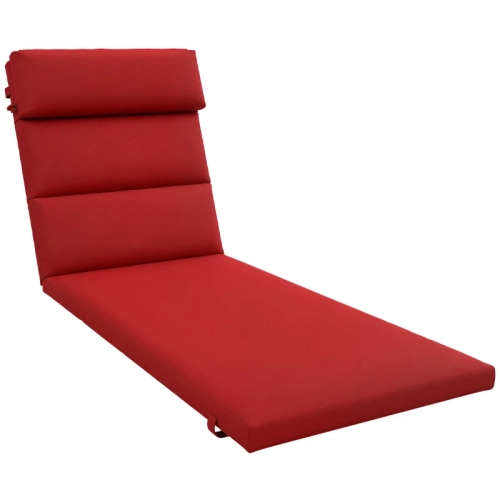
Stretching out comfortably takes more than a thick cushion
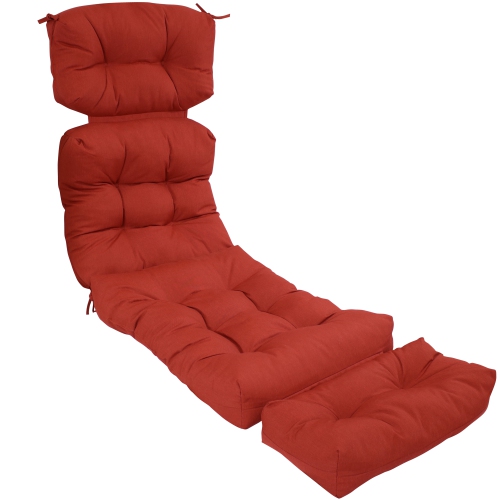
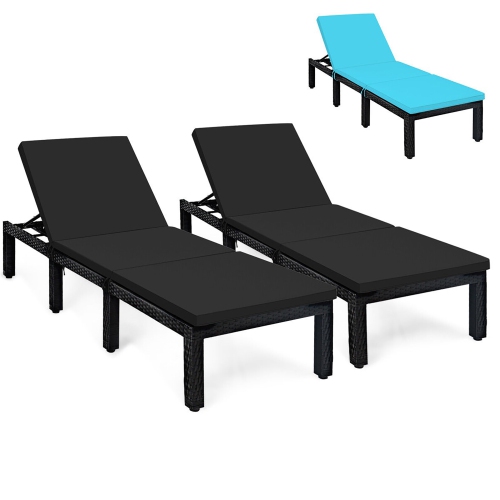
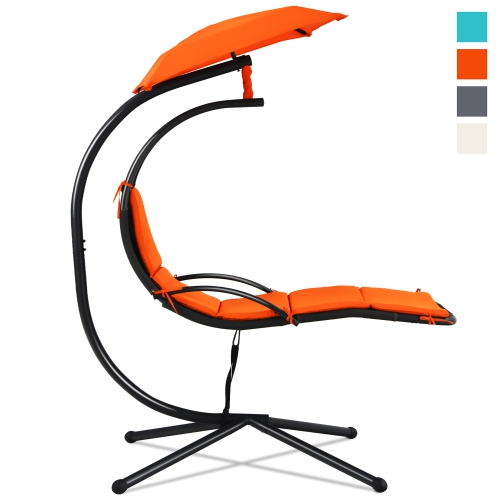
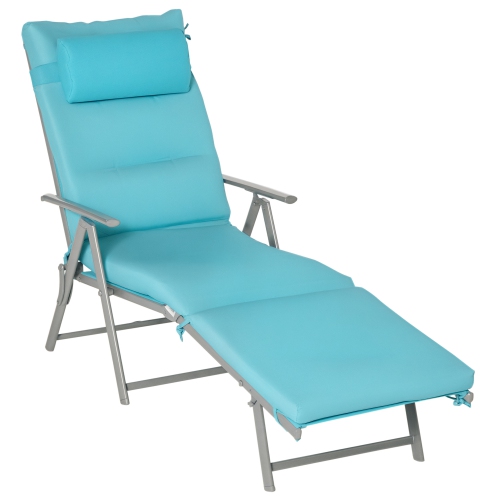
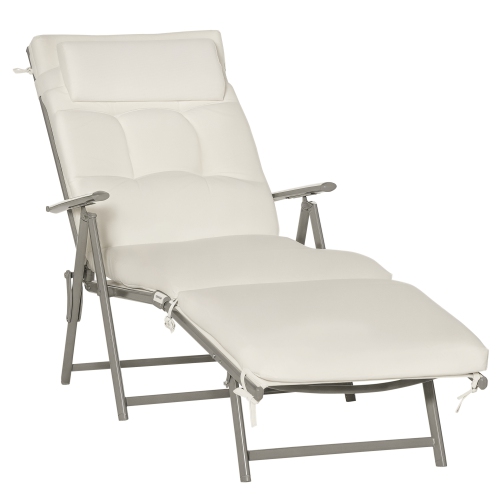
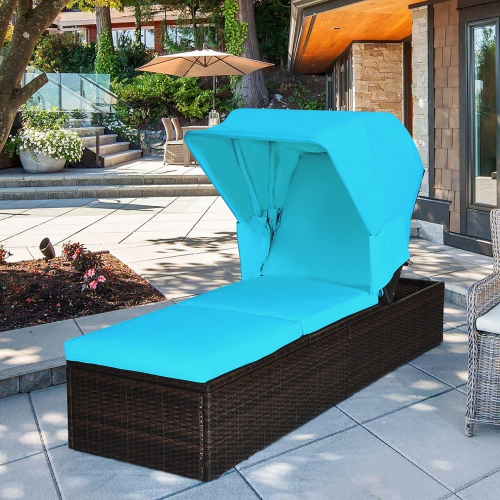
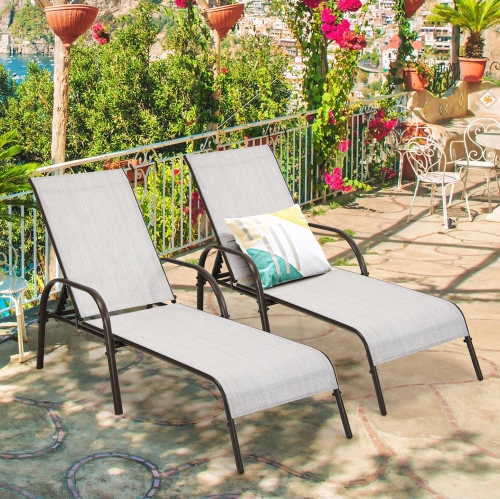
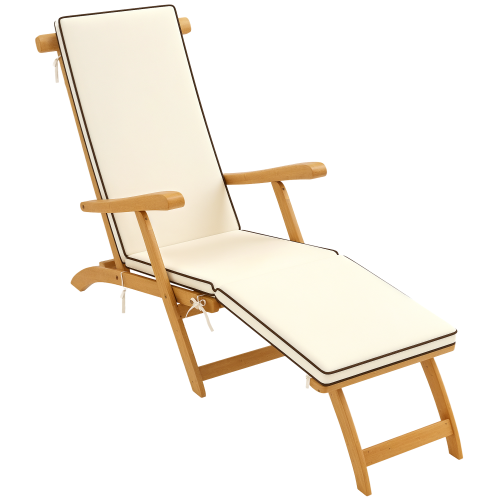
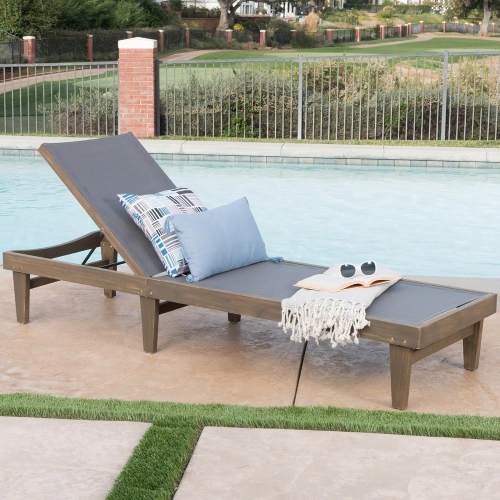
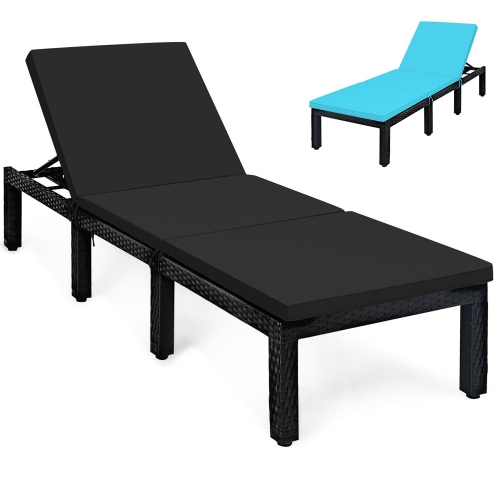
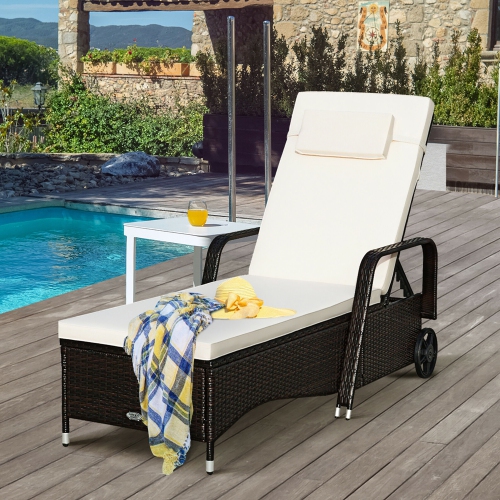
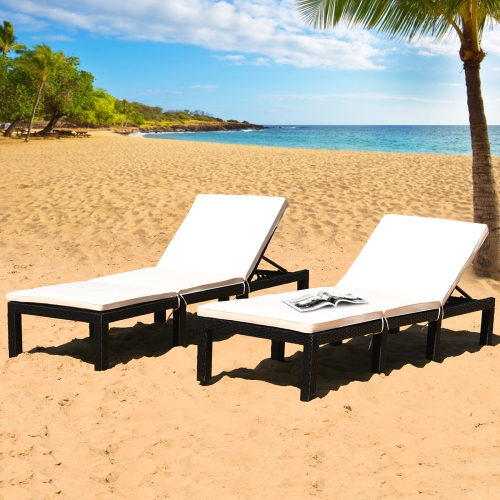
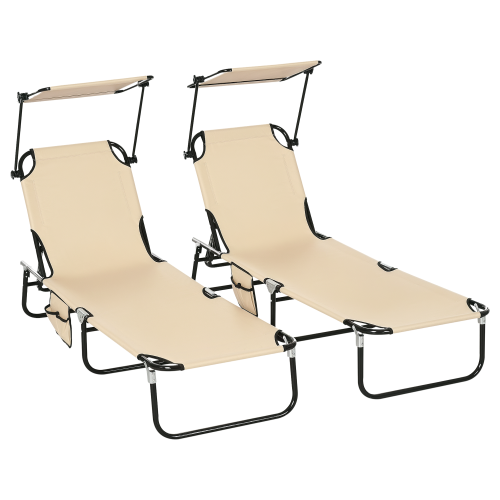
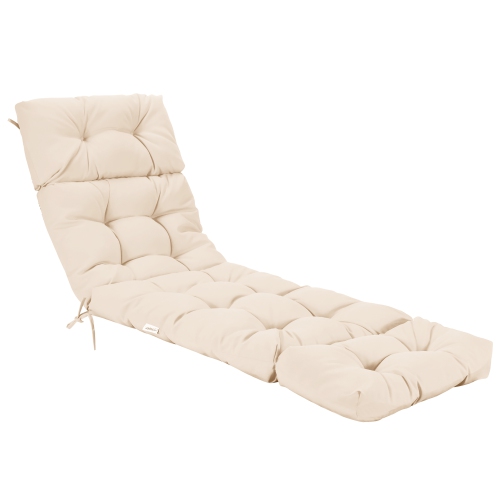
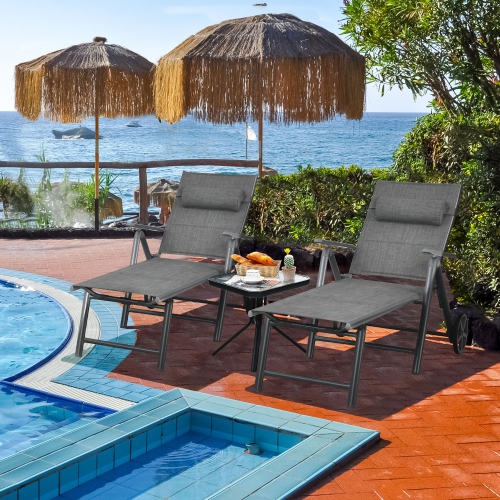
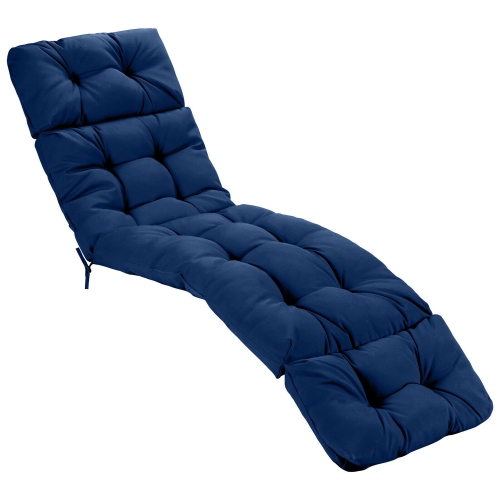
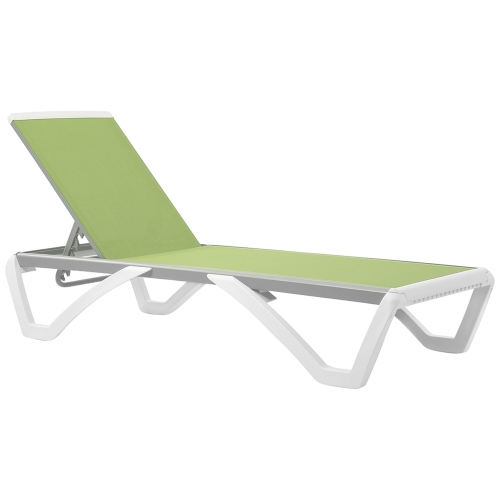
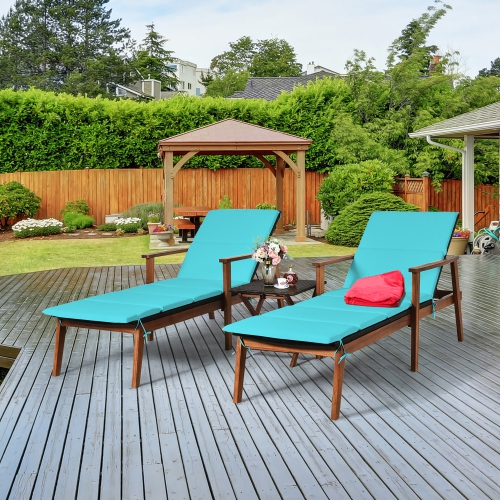
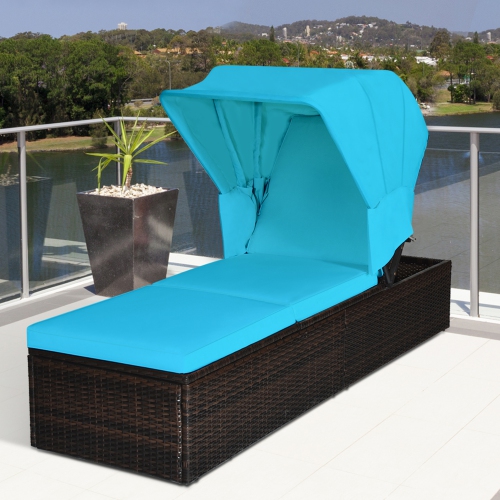
Chaise lounges with cushions combine an extended seat for stretching out with a padded surface that makes a patio, deck, or poolside seating area more comfortable. Unlike a standard outdoor chair, a chaise supports the legs as well as the back, creating a place to read, listen to music, or relax between swims without needing a separate footrest. The frame provides structure, while the cushion softens contact at the shoulders, hips, and heels. Together, their shape and proportions matter more than cushion thickness alone: a well-fitting pad should follow the seat and backrest without bunching at the bend or hanging over the edges. Adjustable backrests offer flexibility for different activities, with upright positions suited to conversation or reading and lower positions suited to reclining. Not every adjustable chaise lies completely flat, so the range of positions is an important distinction. Armrests can provide a comfortable place to rest the elbows, although armless designs leave more room to move sideways onto the seat. For a smaller deck, one cushioned chaise beside a compact table can create a comfortable retreat without the footprint of a full seating set. A pair can define a shared lounging area, provided there is enough space between them to get in and out comfortably. Measure the chaise at its full reclined length, not just in its upright position, and leave clearance for doors, walking routes, and nearby furniture. Seat height also affects everyday use: a low profile may suit an open poolside layout, while a higher seat may be easier for someone who finds low furniture difficult to rise from. Taller users may prefer a longer seat, and anyone planning to spend extended periods reclining will benefit from checking the usable width, backrest height, and stated weight capacity. A cushion adds softness, but it cannot compensate for a frame that feels too narrow or a backrest that ends below the shoulders.
Frame materials give cushioned outdoor chaise lounges much of their character and influence how they need to be cared for. Aluminum is relatively lightweight and does not rust like iron or steel, making it practical for furniture that needs to be repositioned around a patio. Its finish, joints, and hardware still deserve attention, particularly near a pool where splashes can leave residue. Steel can provide a sturdy structure, but scratches in a protective coating may expose the metal to rust; following the manufacturer’s cleaning and touch-up guidance helps protect the finish. Wood brings visible grain and a warmer look to an outdoor seating arrangement. Acacia and teak are among the woods used for patio furniture, though their maintenance requirements differ, and the recommended care depends on the species and finish. Some wood surfaces change colour with exposure, while others need periodic treatment to maintain their appearance. Woven resin wicker, often made from polyethylene, offers a textured surface over a supporting frame. The weave should feel secure, with neatly finished edges, and the underlying frame material remains important to the chaise’s durability. Cushion construction deserves the same attention as the frame. Outdoor-rated polyester and solution-dyed acrylic are common cover materials, but their resistance to fading, moisture, and wear varies by fabric and treatment. Water-repellent fabric can help shed light splashes; it does not make the cushion waterproof or suitable for being left wet indefinitely. Foam density, cushion thickness, and the way the fill drains all affect comfort and drying time. A thick cushion may feel plush, while a firmer, well-supported pad may hold its shape better during longer lounging sessions. Ties, straps, or other fasteners help keep the cushion aligned as the backrest moves. Seams should sit comfortably away from pressure points, and a hinged or segmented cushion should bend where the chaise bends. Removable covers can simplify care, but a zipper does not automatically mean the cover is machine washable. The care label is the best reference for suitable cleaning methods.
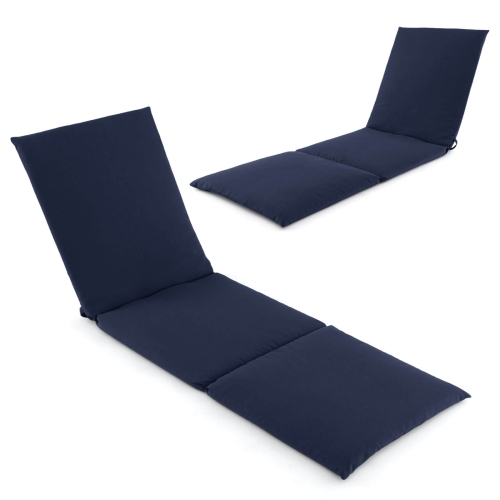
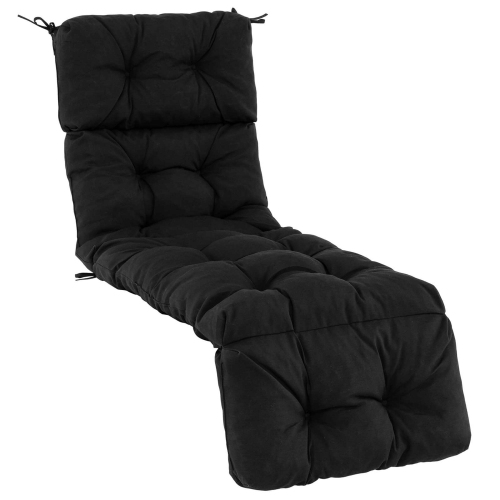
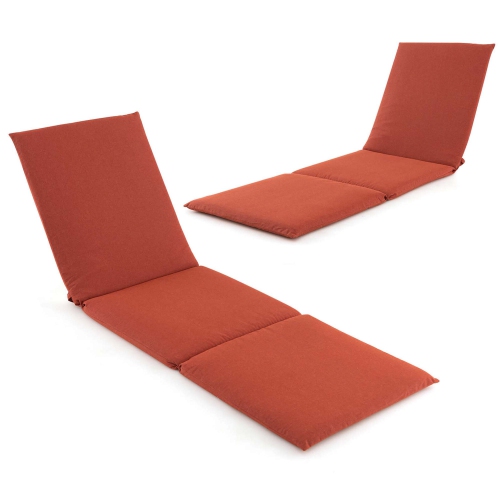
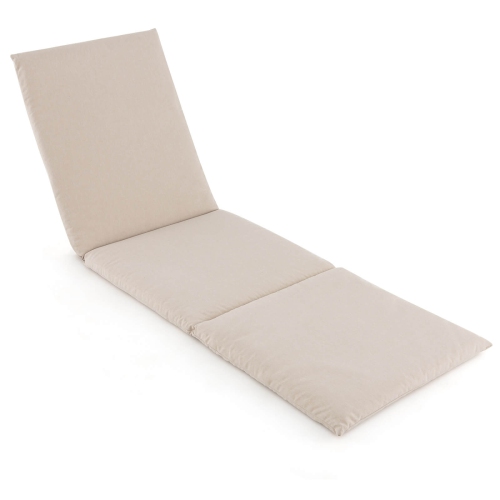
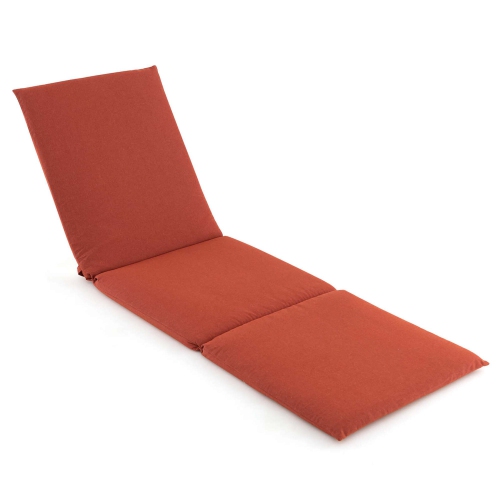
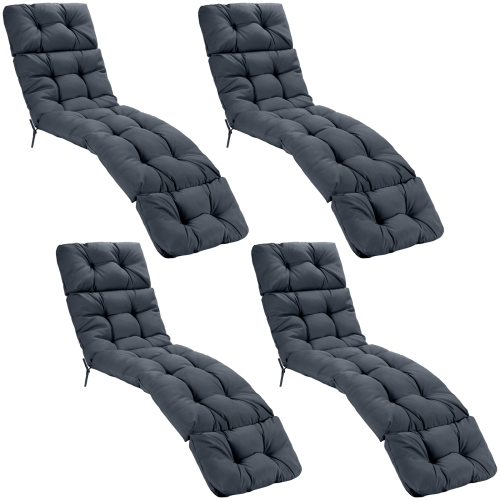
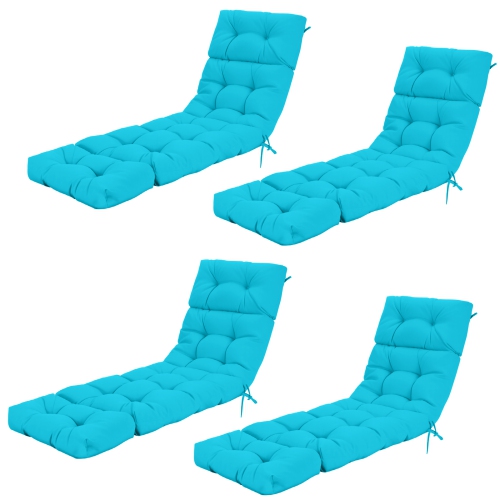
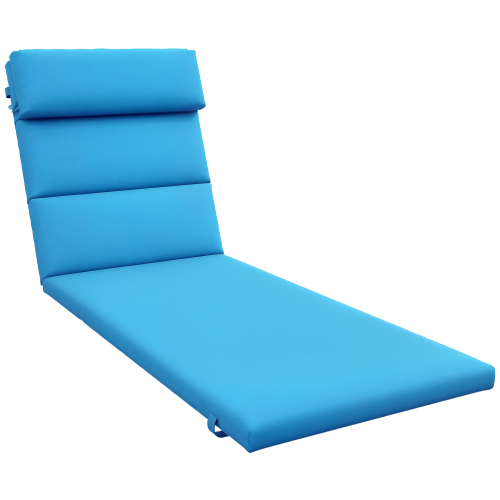
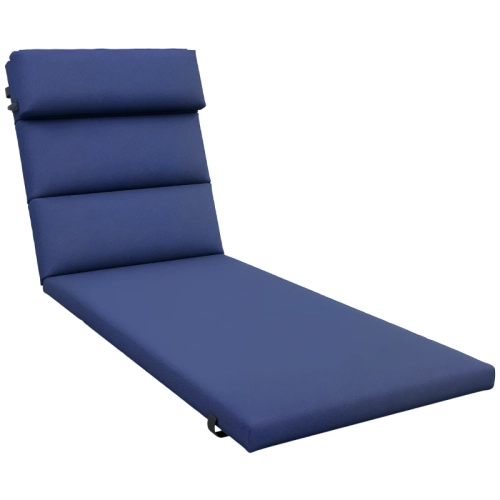
The most useful features are often the ones that make a chaise easier to live with day after day. Rear wheels can help when moving a lounger across a level patio, while folding or stackable frames may simplify storage; these features vary by design and may require the cushions to be removed first. Backrest adjustments should lock securely into place and be operated as directed, with fingers kept clear of moving parts. A stable, level surface helps prevent rocking, and feet suited to the flooring can reduce the chance of marking deck boards or patio tiles. Cushion colour and texture also shape the seating area. Beige, grey, and other neutral shades pair easily with wood, woven furniture, and metal tables, while deeper colours can add contrast against pale paving. Patterns may make small marks less noticeable, although no colour replaces regular cleaning. Brushing away loose debris before it settles into the fabric and treating spills promptly with an approved cleaner can help keep cushions looking tidy. Allow both covers and filling to dry thoroughly before storing them, and avoid packing damp cushions into a closed storage box. Where a protective furniture cover is used, a suitable fit and ventilation help limit trapped moisture. For longer periods without use, follow the frame and cushion storage instructions rather than assuming that outdoor-rated materials need no protection. Replacement cushions can refresh the feel and appearance of a sound frame, but the fit needs to be precise. The Outdoor Chaise Lounge Cushions page is relevant when considering separate padding or a future replacement. Useful measurements include the seat and back sections, overall width, thickness, and the position of the fold and attachment points. A cushion that is too thick can interfere with armrests or change how the backrest feels, while one that is too short leaves part of the frame exposed. For a shared household, easily secured cushions, manageable frame weight, and straightforward cleaning can be as valuable as a particular style. Matching these practical details to the people using the space helps create a lounging area that feels comfortable, orderly, and easy to enjoy.
Frame materials give cushioned outdoor chaise lounges much of their character and influence how they need to be cared for. Aluminum is relatively lightweight and does not rust like iron or steel, making it practical for furniture that needs to be repositioned around a patio. Its finish, joints, and hardware still deserve attention, particularly near a pool where splashes can leave residue. Steel can provide a sturdy structure, but scratches in a protective coating may expose the metal to rust; following the manufacturer’s cleaning and touch-up guidance helps protect the finish. Wood brings visible grain and a warmer look to an outdoor seating arrangement. Acacia and teak are among the woods used for patio furniture, though their maintenance requirements differ, and the recommended care depends on the species and finish. Some wood surfaces change colour with exposure, while others need periodic treatment to maintain their appearance. Woven resin wicker, often made from polyethylene, offers a textured surface over a supporting frame. The weave should feel secure, with neatly finished edges, and the underlying frame material remains important to the chaise’s durability. Cushion construction deserves the same attention as the frame. Outdoor-rated polyester and solution-dyed acrylic are common cover materials, but their resistance to fading, moisture, and wear varies by fabric and treatment. Water-repellent fabric can help shed light splashes; it does not make the cushion waterproof or suitable for being left wet indefinitely. Foam density, cushion thickness, and the way the fill drains all affect comfort and drying time. A thick cushion may feel plush, while a firmer, well-supported pad may hold its shape better during longer lounging sessions. Ties, straps, or other fasteners help keep the cushion aligned as the backrest moves. Seams should sit comfortably away from pressure points, and a hinged or segmented cushion should bend where the chaise bends. Removable covers can simplify care, but a zipper does not automatically mean the cover is machine washable. The care label is the best reference for suitable cleaning methods.
The most useful features are often the ones that make a chaise easier to live with day after day. Rear wheels can help when moving a lounger across a level patio, while folding or stackable frames may simplify storage; these features vary by design and may require the cushions to be removed first. Backrest adjustments should lock securely into place and be operated as directed, with fingers kept clear of moving parts. A stable, level surface helps prevent rocking, and feet suited to the flooring can reduce the chance of marking deck boards or patio tiles. Cushion colour and texture also shape the seating area. Beige, grey, and other neutral shades pair easily with wood, woven furniture, and metal tables, while deeper colours can add contrast against pale paving. Patterns may make small marks less noticeable, although no colour replaces regular cleaning. Brushing away loose debris before it settles into the fabric and treating spills promptly with an approved cleaner can help keep cushions looking tidy. Allow both covers and filling to dry thoroughly before storing them, and avoid packing damp cushions into a closed storage box. Where a protective furniture cover is used, a suitable fit and ventilation help limit trapped moisture. For longer periods without use, follow the frame and cushion storage instructions rather than assuming that outdoor-rated materials need no protection. Replacement cushions can refresh the feel and appearance of a sound frame, but the fit needs to be precise. The Outdoor Chaise Lounge Cushions page is relevant when considering separate padding or a future replacement. Useful measurements include the seat and back sections, overall width, thickness, and the position of the fold and attachment points. A cushion that is too thick can interfere with armrests or change how the backrest feels, while one that is too short leaves part of the frame exposed. For a shared household, easily secured cushions, manageable frame weight, and straightforward cleaning can be as valuable as a particular style. Matching these practical details to the people using the space helps create a lounging area that feels comfortable, orderly, and easy to enjoy.
Top selling and popular products
-
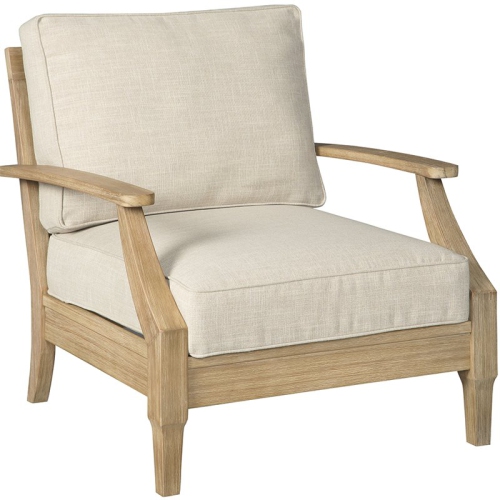 Your price for this item is $1227.67
 -
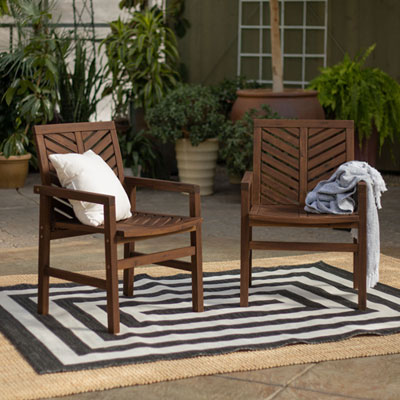 Your price for this item is $604.99
 -
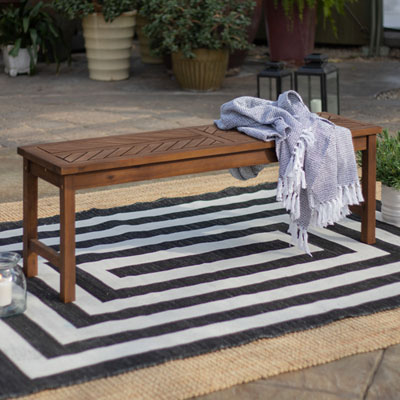 Your price for this item is $371.99
 -
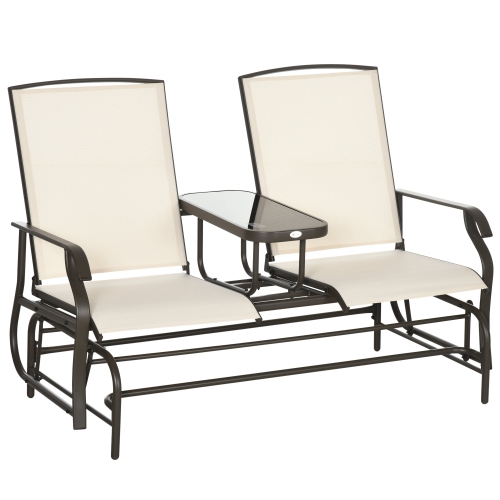 Your price for this item is $189.99
 -
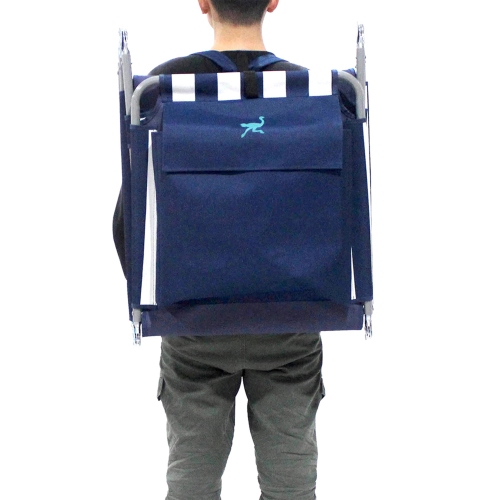 Your price for this item is $204.99
 -
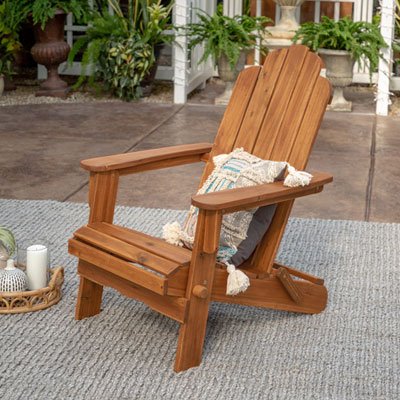 Your price for this item is $461.99
 -
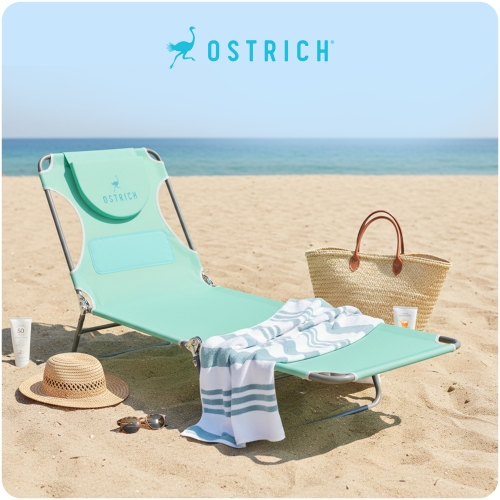 Your price for this item is $170.99
 -
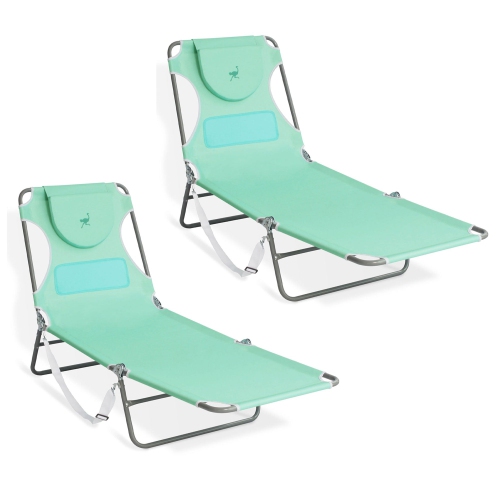 Your price for this item is $392.99
Discover more categories related to Chaise Lounges With Cushions
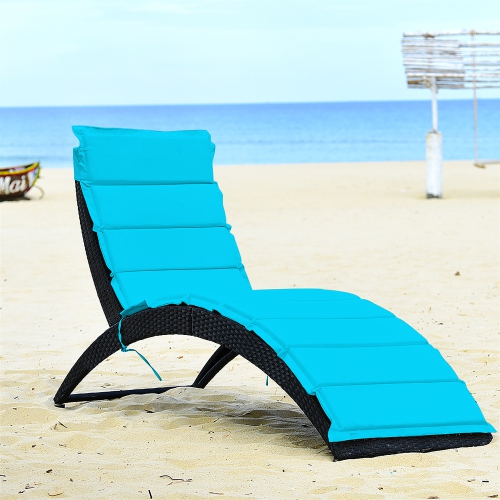
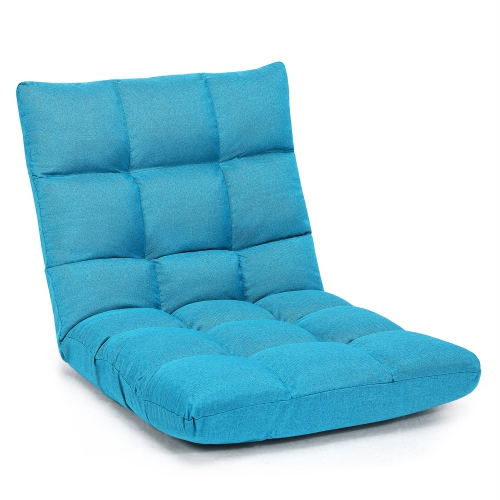
Top Collections:
Pokemon Centers, Kindle Devices, Best Budget Office Chairs, Apple iPhones 16, Best Laptops for Writers, iPhone 15 Apple, Canon G7X Cameras, Refurbished Apple Laptops, Alarm Clock, Motorola Razr Phones
Some products may be subject to Environmental Handling Fees
(EHF) depending on your province.
Learn more about EHFs.