Chicken Wire Fence
Looking to secure your garden or property with a versatile and durable fencing option? Explore our selection of chicken wire fences, perfect for keeping out unwanted critters while maintaining a clear view of your surroundings. Whether you're a seasoned gardener looking to protect your plants or a homeowner in need of a reliable barrier, our range of chicken wire fences offers both functionality and affordability. Find the right fit for your project and enjoy peace of mind knowing your space is well-protected.
Sort
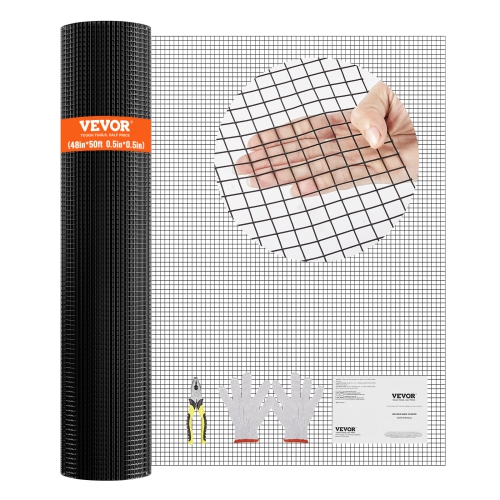
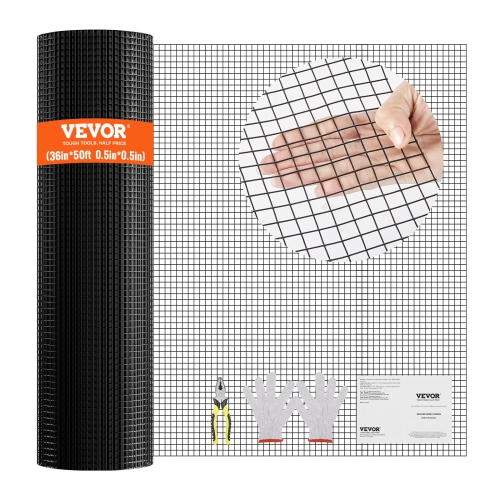
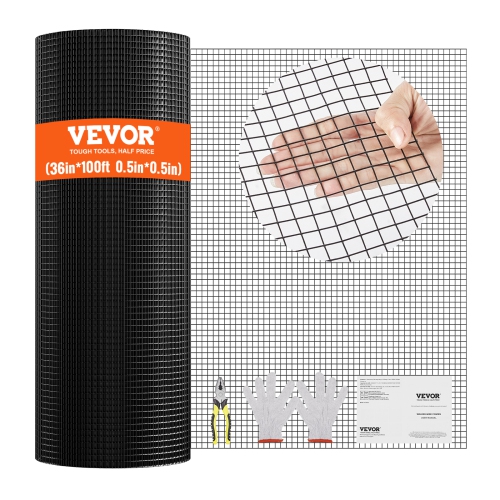
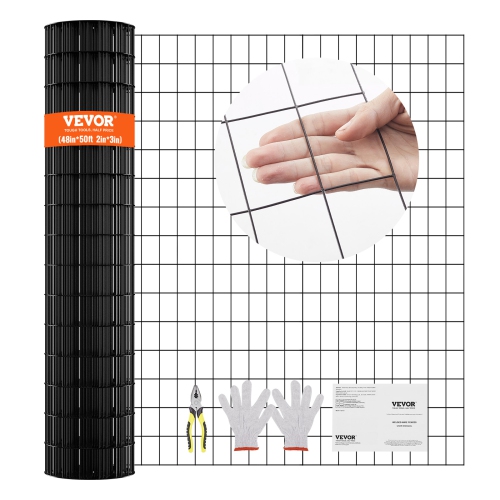

How mesh, gauge and roll size shape your project
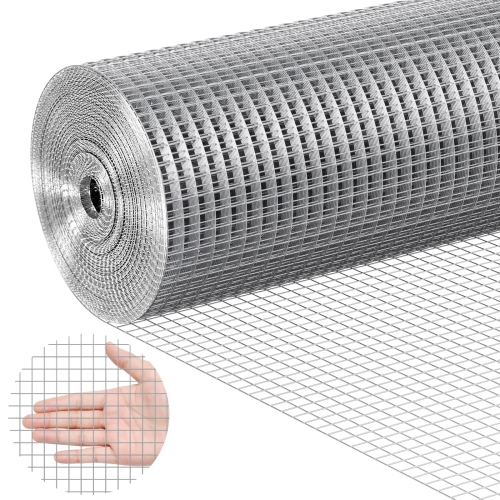
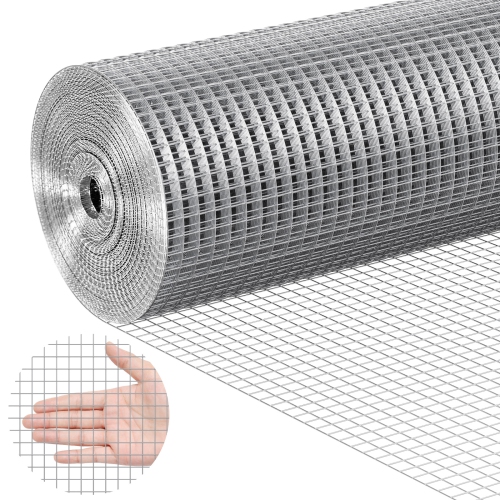
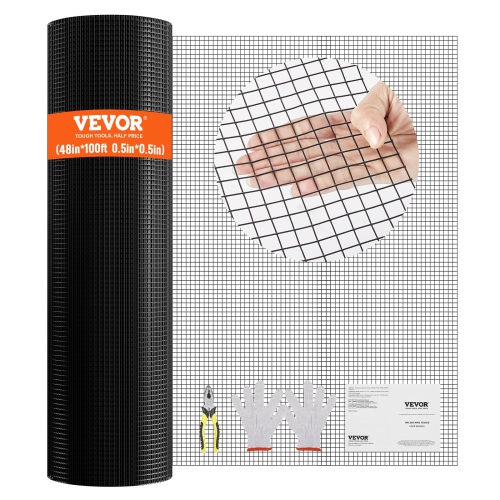
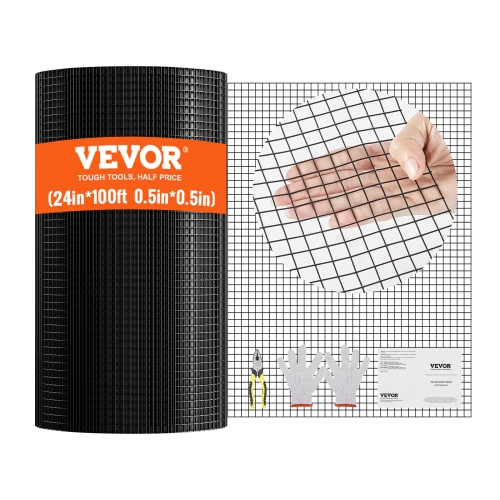
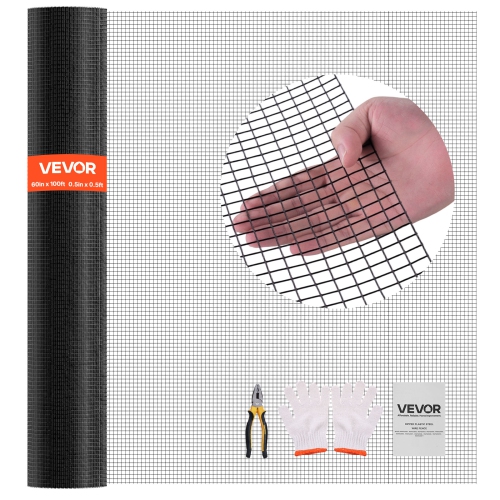
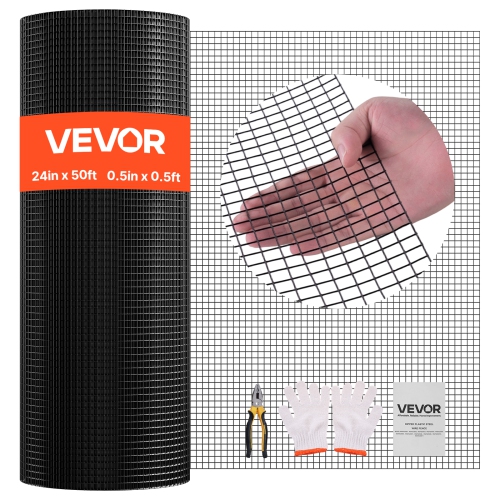
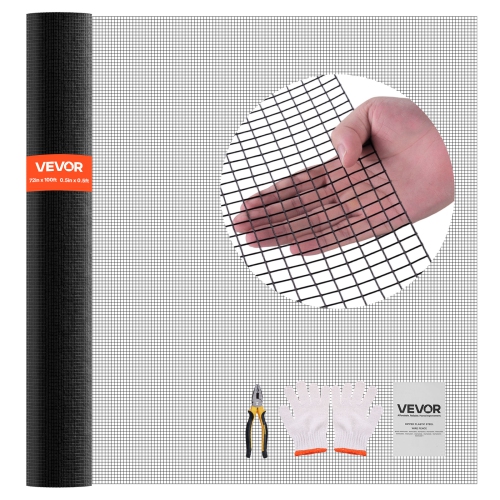
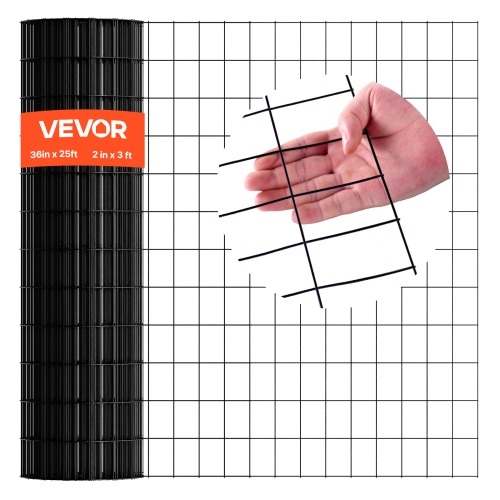
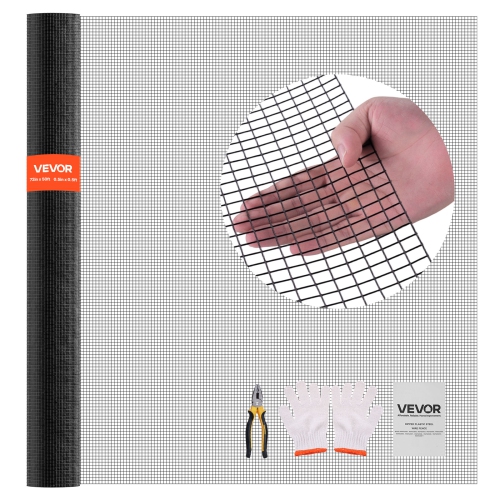
Chicken wire fence is a practical choice for gardeners, backyard poultry keepers, hobby farmers and DIYers who need a lightweight, flexible barrier for everyday outdoor projects. It is commonly made from galvanized steel, a finish that helps the wire resist rust when exposed to rain, dew and changing temperatures. The familiar hexagonal mesh is available with openings that are often about 1 inch or 2 inches wide, allowing you to choose a finer or more open barrier depending on what you need to contain or deter. A finer mesh can be useful around seedlings, vegetable beds and smaller birds, while a wider mesh may suit larger enclosures, decorative structures or general yard projects. Chicken wire is typically sold in rolls, making it easier to cover long stretches of fencing, form temporary partitions or cut sections to fit irregular spaces. Its light construction also makes it manageable for one person to carry and shape, although gloves, sturdy cutters and eye protection are sensible when handling cut edges. When browsing chicken wire fence products, consider the total length and height required, the size of the openings, the wire gauge and the conditions where the fence will be used. A standard roll may cover a surprising amount of ground, but measuring the perimeter first helps reduce waste and makes it easier to plan overlaps at corners, gates and joining points. Keep in mind that wire gauge affects how the fencing feels and performs: lighter wire is generally easier to bend around posts, raised beds and curved frames, while heavier wire can provide added rigidity for projects that need a firmer structure. For a broader selection of fencing materials and formats, browse Wire Fences and compare the available dimensions before choosing the roll that suits your space.
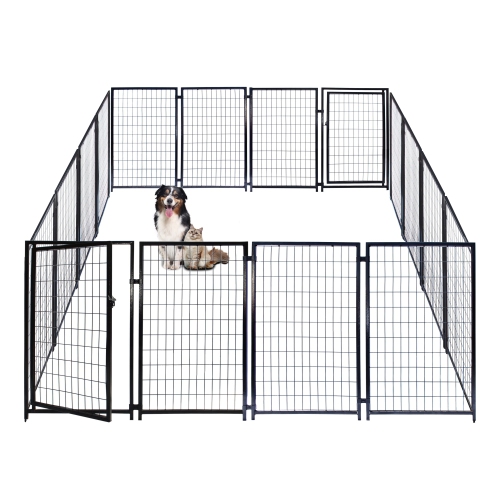
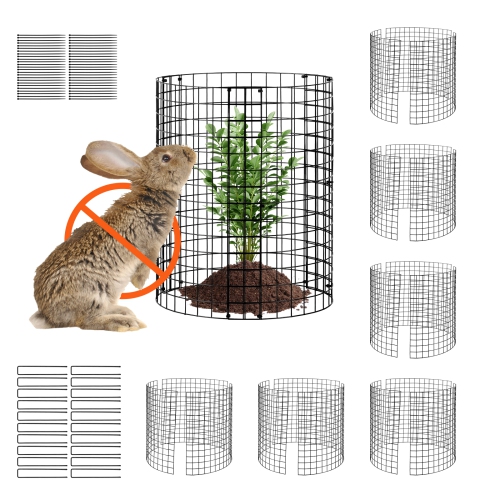
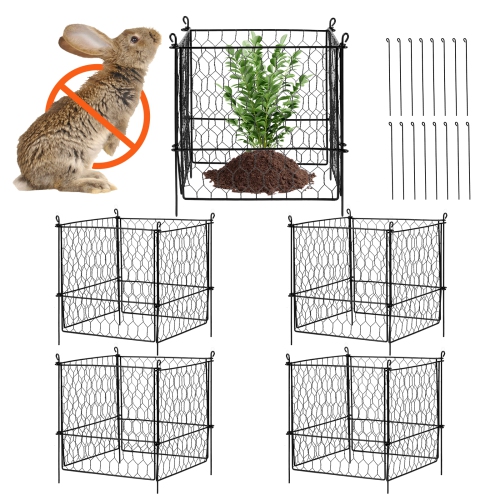
Chicken wire fence is widely used to keep backyard chickens, ducks and other small birds within a defined area while allowing airflow and daylight through the enclosure. It can be attached to wooden stakes, metal posts, frames or existing structures to create a run, divide a coop area or close off a sheltered section of the yard. For poultry, pay close attention to the height and the way the lower edge is secured, since determined birds can push under loose fencing and some may fly or climb over a low barrier. Chicken wire can also help protect gardens from rabbits, squirrels and other small animals that nibble leaves, dig around roots or damage young plants. A border around a raised bed or a removable cover over a planting area can add a useful layer of protection during the growing season, while a simple frame can shield recently planted seeds from curious pets and birds. This type of fencing is also handy for compost bins, light trellises, craft forms, decorative garden structures and temporary work areas. Its flexibility lets you shape it around posts, arches, planters and uneven ground, though sharp or exposed ends should always be folded back, capped or fastened safely. Chicken wire is not intended to stop large predators or provide a heavy-duty security barrier, so projects involving dogs, coyotes, raccoons or other strong animals may require a more robust fencing material with smaller openings and stronger supports. In cooler months, inspect the fence after wind, frost or heavy precipitation, particularly where the wire meets the ground or where fasteners attach it to a frame. A little extra tension and a secure fastening pattern can help prevent sagging, gaps and lifted edges as outdoor conditions change.
Choosing chicken wire fence is often less about finding one universal size and more about matching the material to the job. Start by estimating the length of each side, then add extra material for overlaps, corners, door openings and the portion that may be tucked or anchored along the ground. If the fence will surround a garden, measure around the full bed rather than relying on a rough visual estimate, and allow enough height for a comfortable top edge that will not interfere with watering or harvesting. For an animal enclosure, consider whether the fence needs to cover the sides, roof and any openings beneath the structure. Mesh size matters as much as roll length: small birds and young poultry need openings that are appropriately sized for their bodies, while a wider opening may be adequate for a decorative frame or larger garden boundary. Look for galvanized steel when the fence will be used outdoors and exposed to moisture, and check the gauge when you need a balance between easy shaping and structural support. These products can be especially useful for people setting up a first backyard coop, refreshing a garden before the cooler months or working on hands-on projects at home. They can also make a thoughtful practical gift for a new homeowner, gardener or hobby farmer when paired with other useful outdoor supplies, provided the recipient has a project in mind. Whether it is formed into a neat garden border, stretched between posts for a poultry run or shaped into a simple frame for a creative project, chicken wire fence offers an adaptable way to organize outdoor spaces and protect the work that goes into them.
Chicken wire fence is widely used to keep backyard chickens, ducks and other small birds within a defined area while allowing airflow and daylight through the enclosure. It can be attached to wooden stakes, metal posts, frames or existing structures to create a run, divide a coop area or close off a sheltered section of the yard. For poultry, pay close attention to the height and the way the lower edge is secured, since determined birds can push under loose fencing and some may fly or climb over a low barrier. Chicken wire can also help protect gardens from rabbits, squirrels and other small animals that nibble leaves, dig around roots or damage young plants. A border around a raised bed or a removable cover over a planting area can add a useful layer of protection during the growing season, while a simple frame can shield recently planted seeds from curious pets and birds. This type of fencing is also handy for compost bins, light trellises, craft forms, decorative garden structures and temporary work areas. Its flexibility lets you shape it around posts, arches, planters and uneven ground, though sharp or exposed ends should always be folded back, capped or fastened safely. Chicken wire is not intended to stop large predators or provide a heavy-duty security barrier, so projects involving dogs, coyotes, raccoons or other strong animals may require a more robust fencing material with smaller openings and stronger supports. In cooler months, inspect the fence after wind, frost or heavy precipitation, particularly where the wire meets the ground or where fasteners attach it to a frame. A little extra tension and a secure fastening pattern can help prevent sagging, gaps and lifted edges as outdoor conditions change.
Choosing chicken wire fence is often less about finding one universal size and more about matching the material to the job. Start by estimating the length of each side, then add extra material for overlaps, corners, door openings and the portion that may be tucked or anchored along the ground. If the fence will surround a garden, measure around the full bed rather than relying on a rough visual estimate, and allow enough height for a comfortable top edge that will not interfere with watering or harvesting. For an animal enclosure, consider whether the fence needs to cover the sides, roof and any openings beneath the structure. Mesh size matters as much as roll length: small birds and young poultry need openings that are appropriately sized for their bodies, while a wider opening may be adequate for a decorative frame or larger garden boundary. Look for galvanized steel when the fence will be used outdoors and exposed to moisture, and check the gauge when you need a balance between easy shaping and structural support. These products can be especially useful for people setting up a first backyard coop, refreshing a garden before the cooler months or working on hands-on projects at home. They can also make a thoughtful practical gift for a new homeowner, gardener or hobby farmer when paired with other useful outdoor supplies, provided the recipient has a project in mind. Whether it is formed into a neat garden border, stretched between posts for a poultry run or shaped into a simple frame for a creative project, chicken wire fence offers an adaptable way to organize outdoor spaces and protect the work that goes into them.
Top selling and popular products
-
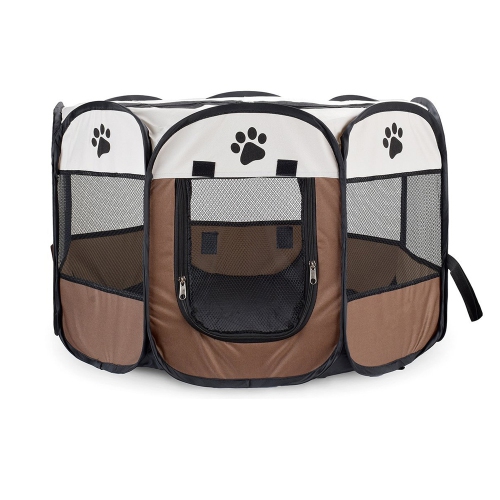 Your price for this item is $25.99
 -
 Your price for this item is $139.99
 -
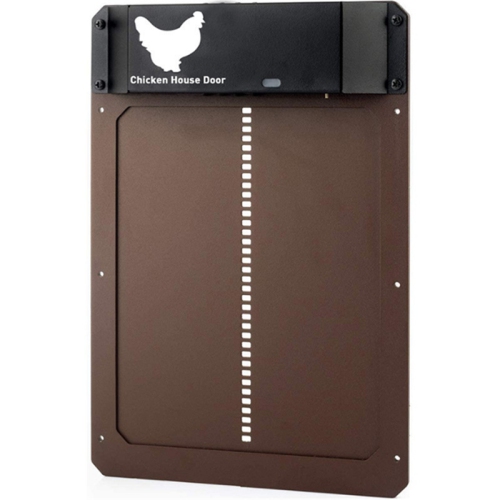 Your price for this item is $75.99
 -
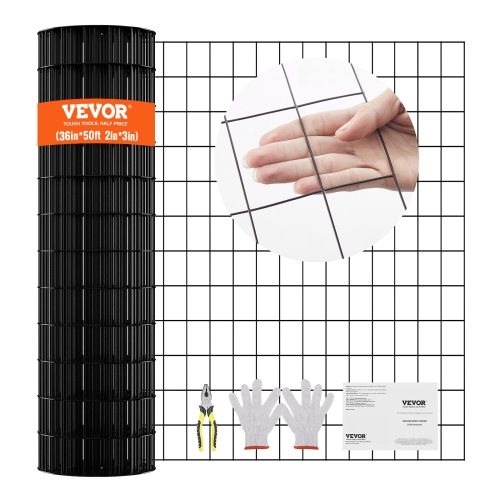 Your price for this item is $65.9
 -
 Your price for this item is $40.99
 -
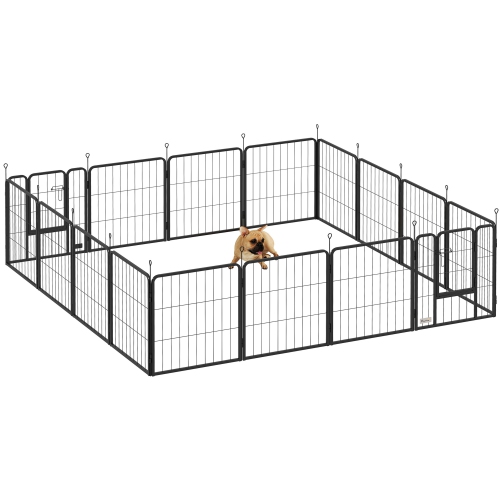 Your price for this item is $156.99
 -
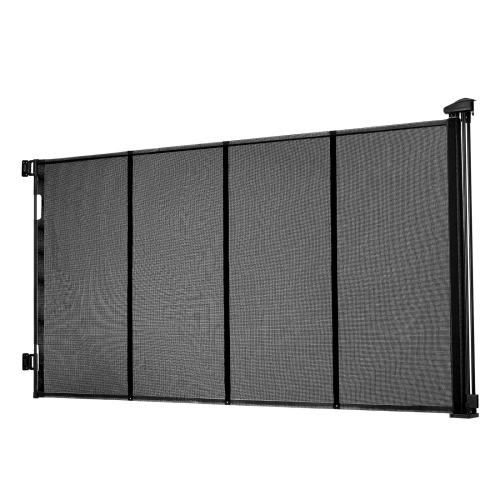 Your price for this item is $69.9
 -
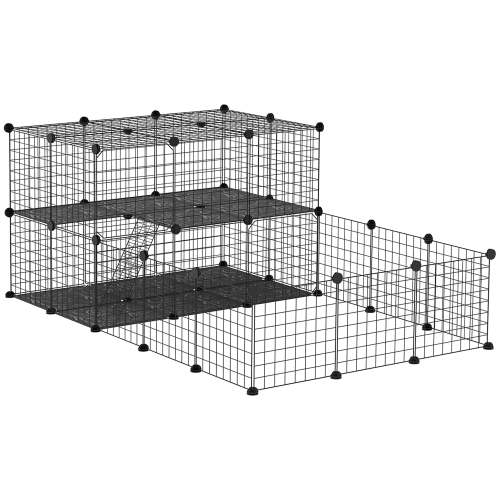 Your price for this item is $84.99
Discover more categories related to Chicken Wire Fence
Top Collections:
Pokemon Centers, Kindle Devices, Best Budget Office Chairs, Apple iPhones 16, Canon G7X Cameras, iPhone 15 Apple, Alarm Clock, Refurbished Apple Laptops, Flip Phones, Best Laptops for Writers
Some products may be subject to Environmental Handling Fees
(EHF) depending on your province.
Learn more about EHFs.