Christmas Art
Transform your home into a winter wonderland with an enchanting selection of Christmas art. Perfect for adding a festive touch to any space, these captivating pieces bring the magic of the holiday season to life. Whether you're looking to create a cozy atmosphere with classic motifs or make a bold statement with contemporary designs, there's something to suit every style and taste. Celebrate the joy and warmth of Christmas by elevating your décor with art that inspires and delights, creating cherished memories for years to come.
Sort

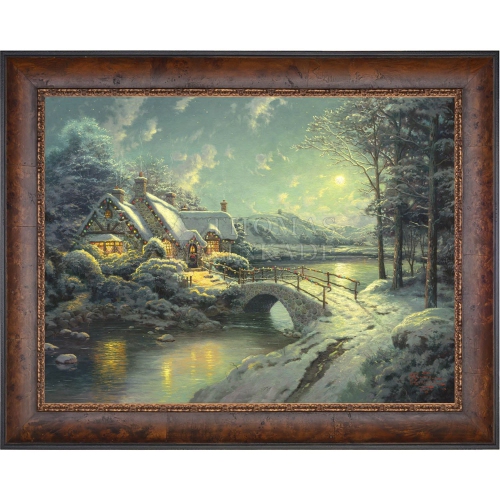
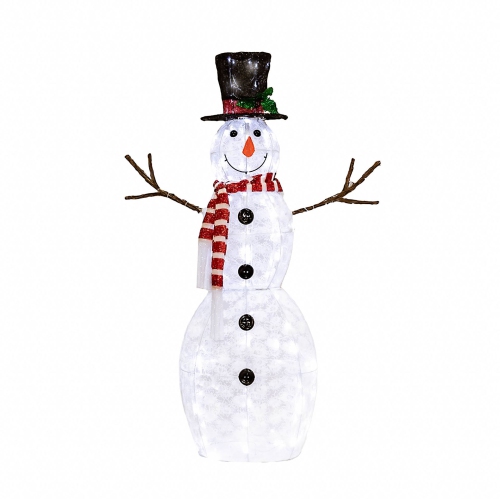
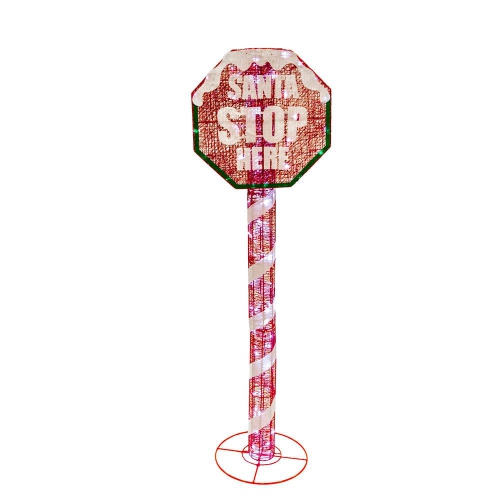


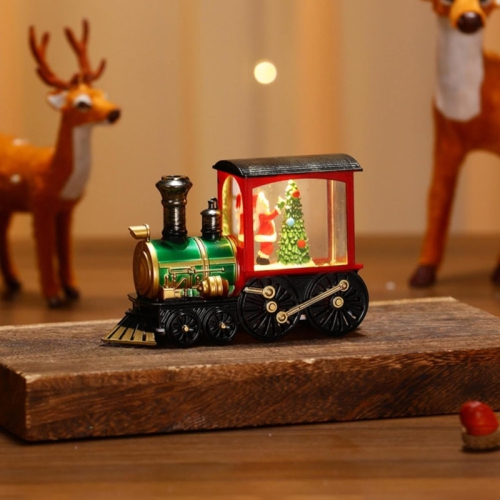
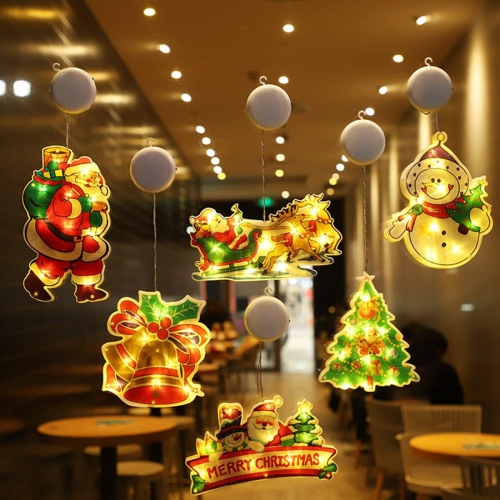

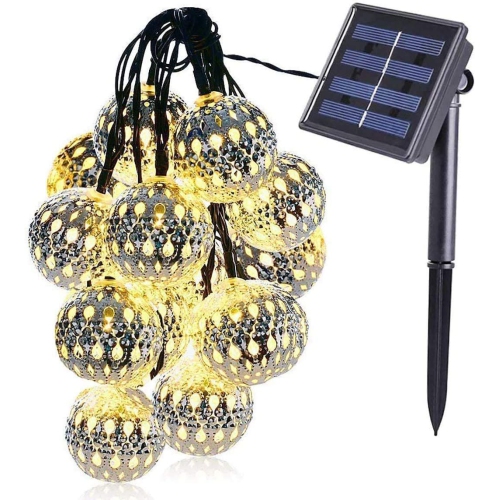
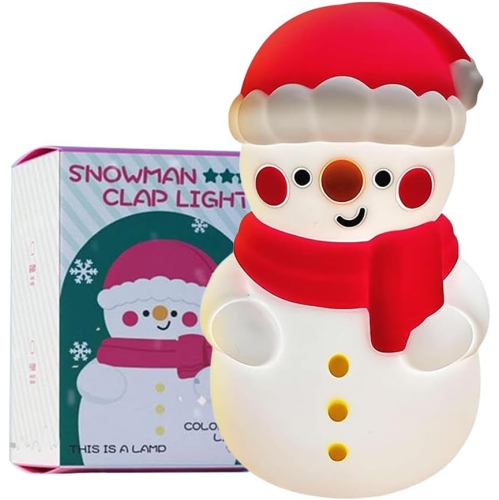
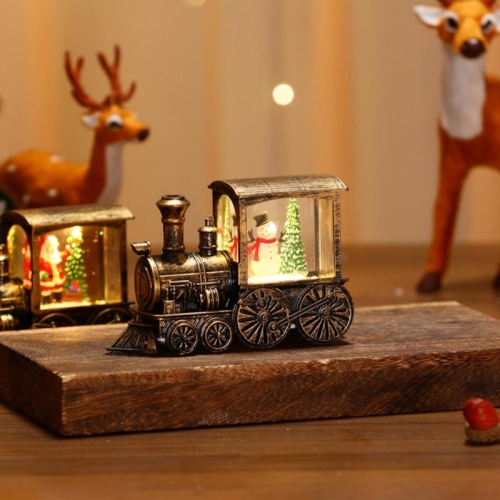
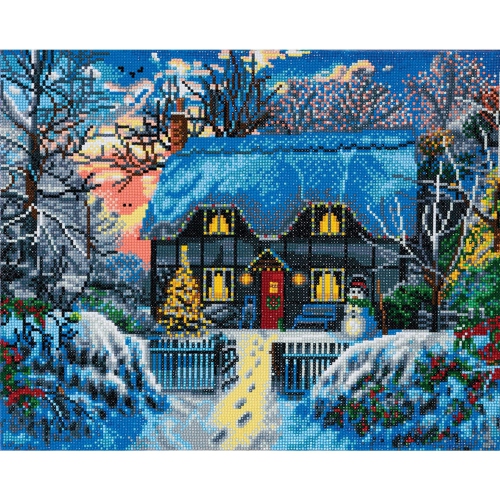
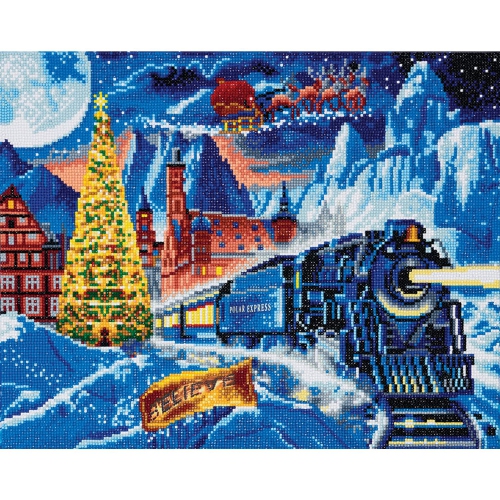
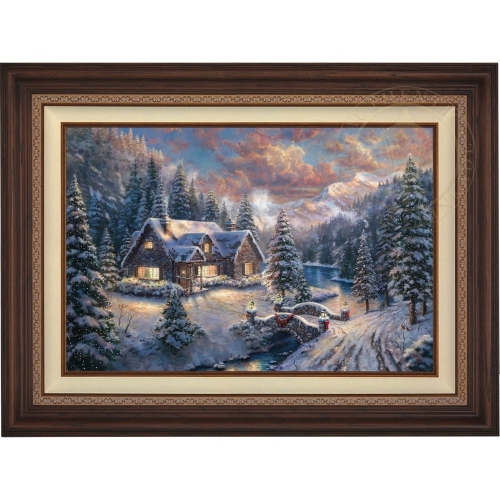
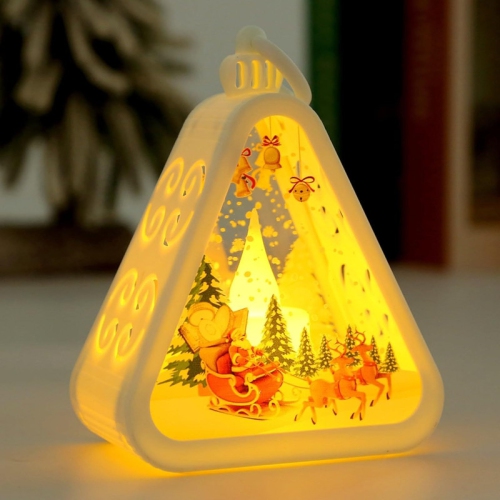
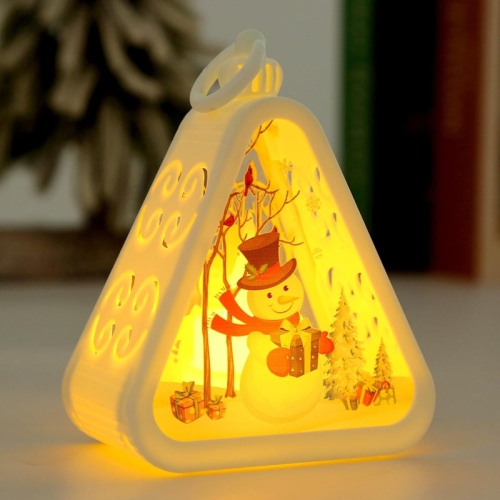
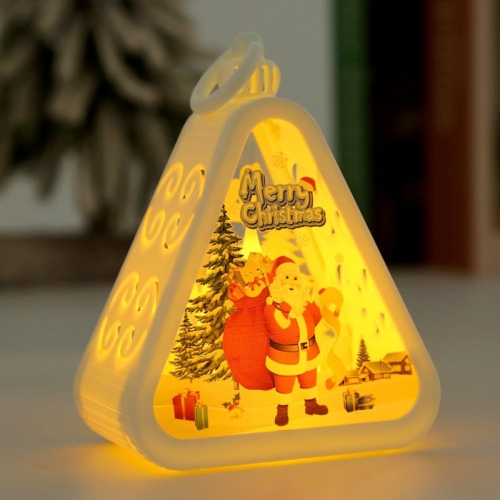
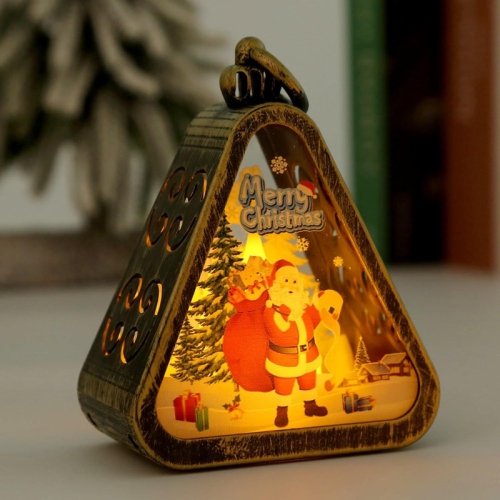

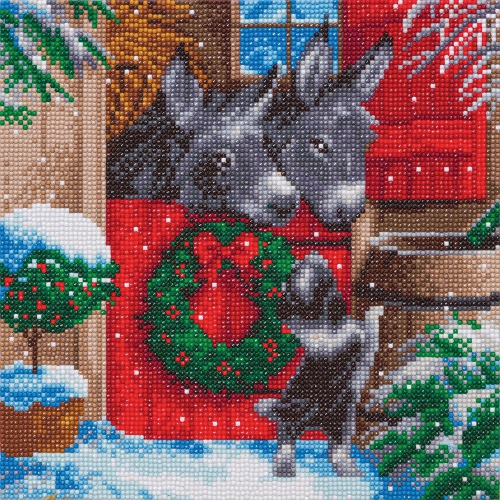

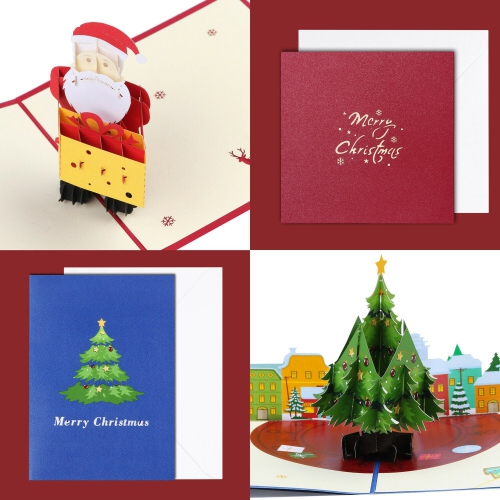

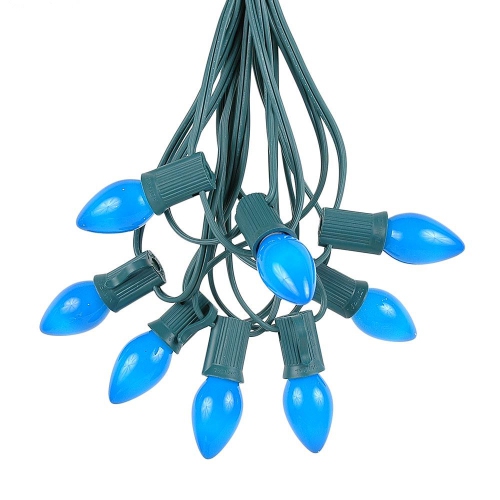
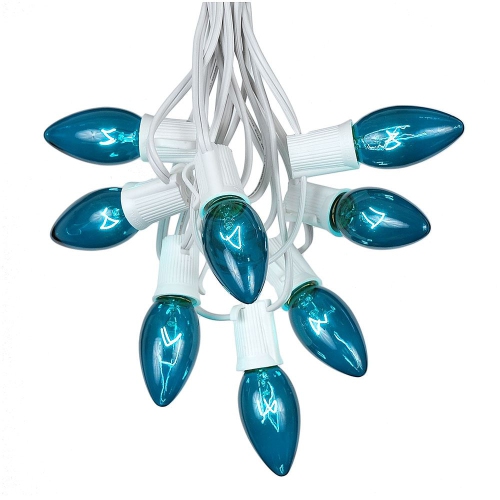
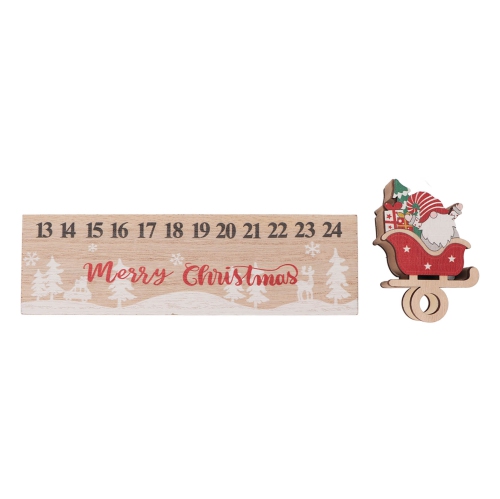



Winter landscapes and Santa illustrations set different moods
Christmas art brings the familiar imagery of the holiday into framed prints, canvas wall art, illustrations, and other decorative pieces for the home. Snow-covered evergreens, village streets glowing at dusk, Father Christmas, and reindeer are common subjects, alongside nativity scenes, botanical studies of holly, and simple seasonal lettering. Each style creates a different mood: a softly painted winter landscape feels quiet and restful, while a colourful illustration of Santa’s sleigh adds a playful touch to a family room. Vintage-inspired Christmas prints often feature muted reds, warm cream backgrounds, and detailed linework that suit traditional furnishings. Contemporary artwork may use spare compositions, abstract trees, or a restrained palette of white, green, and gold. The distinction between explicitly festive imagery and broader winter subjects also matters. A snowy woodland scene can remain a natural part of a room through the cooler months, while stockings, wrapped gifts, and Christmas greetings make the holiday connection immediate. Christmas wall art works particularly well in spaces where people gather, such as living rooms, dining areas, and entryways, but smaller compositions can add warmth to a reading nook or bedside wall without taking over the room. For a cohesive arrangement, artwork can share a colour or motif with Classic Christmas Decorations, rather than matching every surrounding detail. A painting of a candlelit window, for example, can sit comfortably near brass accents and plain greenery, while a cheerful snowman illustration pairs naturally with brighter family decorations. Religious imagery may hold particular meaning for households that celebrate the spiritual traditions of Christmas; winter landscapes and botanical designs offer a less specific seasonal expression. The strongest choice is often a subject that feels personal, whether it recalls a snowy walk, a favourite childhood story, or the welcoming glow of a home prepared for guests.
The material and finish of Christmas art influence both its appearance and how it fits into a room. Canvas has a woven texture that can soften an image and give printed artwork a painterly quality, especially when viewed from across a living room. Stretched canvas also creates depth at the wall, while a surrounding frame gives its edges a more defined outline. Paper prints can preserve fine lines and delicate colour transitions, making them well suited to detailed drawings, botanical illustrations, and reproductions of vintage holiday imagery. Heavier paper generally feels more substantial during handling, although paper weight alone does not establish print quality or resistance to fading. A mount adds breathing room around an image, and glazing helps shield the surface from dust and incidental contact. Glass and acrylic glazing differ in weight and resistance to breakage; either may produce reflections depending on its finish and placement. Matte surfaces tend to reduce distracting glare, while glossy finishes can make colours appear more vivid under suitable lighting. Wood and metal formats bring different visual qualities, from visible grain and rustic texture to smooth surfaces and crisp edges. Their suitability for a particular space depends on the construction, coating, and hanging system rather than the material name alone. Dimensions deserve equal attention, particularly when the listed size could refer to the image, the canvas, or the complete outer frame. Above a sideboard, artwork needs enough presence to relate to the furniture without crowding nearby lamps or greenery. In a narrow hallway, a shallow frame may be a better fit than a deep canvas that projects into the walkway. Viewing distance affects the result, too: intricate illustrations reward a closer look, whereas larger shapes and clear contrasts remain readable from across the room. Coordinated groups can create a collected feel, but consistent spacing and a shared colour palette help keep several festive images from looking busy. Existing wall space, furniture height, and nearby light sources all influence how comfortably the finished arrangement sits within the home.
Christmas artwork is often displayed for a limited season and brought out again in later years, so durability involves careful handling and storage as well as everyday use. Secure frame corners, neatly finished canvas edges, and properly attached hanging hardware are practical details that support repeated installation. Wall fixings need to suit both the weight of the artwork and the wall surface, particularly in busy entryways or homes with children and pets. Artwork displayed above a mantel should remain clear of heat, smoke, and open flames; a festive setting does not make ordinary prints or frames heat-resistant. Strong direct sunlight can fade some inks and pigments over time, while damp spaces and sharp changes in humidity may affect paper, canvas, and wood. Care should follow the maker’s directions, with gentle dusting appropriate for many frames and finished surfaces. Cleaning liquid should not be sprayed directly onto artwork or allowed to seep beneath glazing. For seasonal storage, clean, dry pieces benefit from protected corners, suitable wrapping, and a location away from moisture or temperature extremes. Unframed paper prints are generally best kept flat with appropriate protective materials, rather than folded into a box of ornaments. Digital Christmas art offers a different way to introduce seasonal imagery, displaying a winter painting or festive illustration on a compatible screen without storing another physical frame. File resolution, screen proportions, supported formats, and permitted use all affect whether a digital image is suitable, and screen-based art should be clearly distinguished from a physical print. As a gift, Christmas art can suit a host, a relative establishing new holiday traditions, or someone who enjoys changing the look of a room with the seasons. Smaller framed formats are often easier to place, while larger artwork calls for a clearer understanding of the recipient’s space and taste. A nostalgic village scene may appeal to someone who loves traditional celebrations, while an understated evergreen study can suit a quieter interior. Thoughtful choices balance the festive subject with the colours, scale, and character of the home, giving the artwork a place in celebrations for years to come.
The material and finish of Christmas art influence both its appearance and how it fits into a room. Canvas has a woven texture that can soften an image and give printed artwork a painterly quality, especially when viewed from across a living room. Stretched canvas also creates depth at the wall, while a surrounding frame gives its edges a more defined outline. Paper prints can preserve fine lines and delicate colour transitions, making them well suited to detailed drawings, botanical illustrations, and reproductions of vintage holiday imagery. Heavier paper generally feels more substantial during handling, although paper weight alone does not establish print quality or resistance to fading. A mount adds breathing room around an image, and glazing helps shield the surface from dust and incidental contact. Glass and acrylic glazing differ in weight and resistance to breakage; either may produce reflections depending on its finish and placement. Matte surfaces tend to reduce distracting glare, while glossy finishes can make colours appear more vivid under suitable lighting. Wood and metal formats bring different visual qualities, from visible grain and rustic texture to smooth surfaces and crisp edges. Their suitability for a particular space depends on the construction, coating, and hanging system rather than the material name alone. Dimensions deserve equal attention, particularly when the listed size could refer to the image, the canvas, or the complete outer frame. Above a sideboard, artwork needs enough presence to relate to the furniture without crowding nearby lamps or greenery. In a narrow hallway, a shallow frame may be a better fit than a deep canvas that projects into the walkway. Viewing distance affects the result, too: intricate illustrations reward a closer look, whereas larger shapes and clear contrasts remain readable from across the room. Coordinated groups can create a collected feel, but consistent spacing and a shared colour palette help keep several festive images from looking busy. Existing wall space, furniture height, and nearby light sources all influence how comfortably the finished arrangement sits within the home.
Christmas artwork is often displayed for a limited season and brought out again in later years, so durability involves careful handling and storage as well as everyday use. Secure frame corners, neatly finished canvas edges, and properly attached hanging hardware are practical details that support repeated installation. Wall fixings need to suit both the weight of the artwork and the wall surface, particularly in busy entryways or homes with children and pets. Artwork displayed above a mantel should remain clear of heat, smoke, and open flames; a festive setting does not make ordinary prints or frames heat-resistant. Strong direct sunlight can fade some inks and pigments over time, while damp spaces and sharp changes in humidity may affect paper, canvas, and wood. Care should follow the maker’s directions, with gentle dusting appropriate for many frames and finished surfaces. Cleaning liquid should not be sprayed directly onto artwork or allowed to seep beneath glazing. For seasonal storage, clean, dry pieces benefit from protected corners, suitable wrapping, and a location away from moisture or temperature extremes. Unframed paper prints are generally best kept flat with appropriate protective materials, rather than folded into a box of ornaments. Digital Christmas art offers a different way to introduce seasonal imagery, displaying a winter painting or festive illustration on a compatible screen without storing another physical frame. File resolution, screen proportions, supported formats, and permitted use all affect whether a digital image is suitable, and screen-based art should be clearly distinguished from a physical print. As a gift, Christmas art can suit a host, a relative establishing new holiday traditions, or someone who enjoys changing the look of a room with the seasons. Smaller framed formats are often easier to place, while larger artwork calls for a clearer understanding of the recipient’s space and taste. A nostalgic village scene may appeal to someone who loves traditional celebrations, while an understated evergreen study can suit a quieter interior. Thoughtful choices balance the festive subject with the colours, scale, and character of the home, giving the artwork a place in celebrations for years to come.
Top selling and popular products
-
 Your price for this item is $32.99
 -
 Your price for this item is $90.99
 -
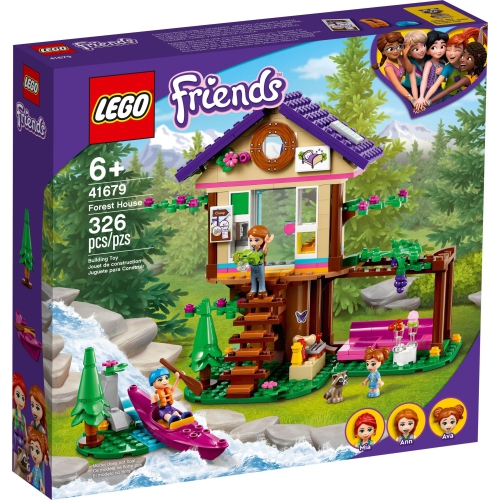 Your price for this item is $116.16
 -
 Your price for this item is $361.99
 -
 Your price for this item is $69.9
 -
 Your price for this item is $79.9
 -
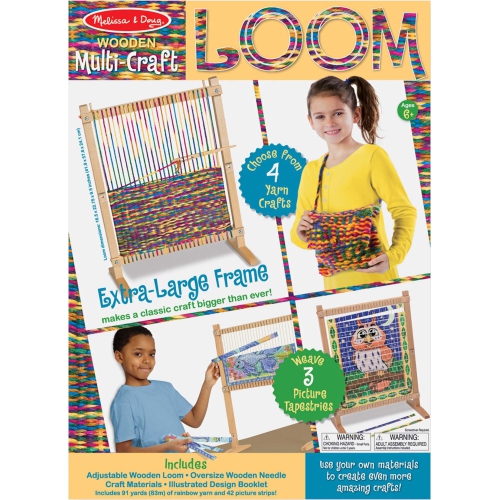 Your price for this item is $72.99
 -
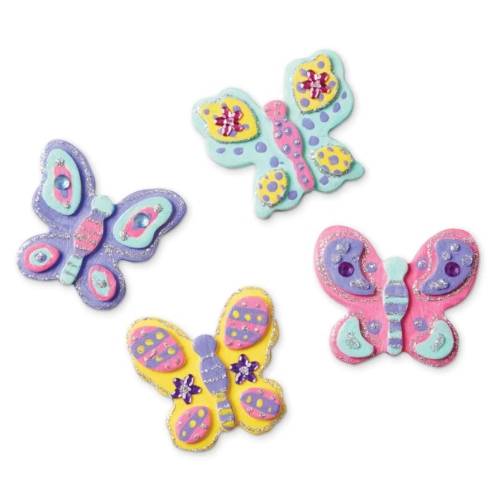 Your price for this item is $25.99
Discover more categories related to Christmas Art
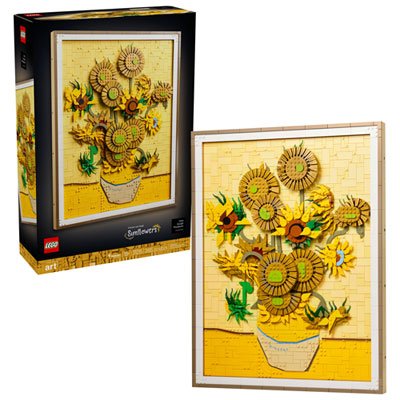

Top Collections:
Pokemon Centers, Kindle Devices, Best Budget Office Chairs, Apple iPhones 16, Canon G7X Cameras, iPhone 15 Apple, Alarm Clock, Refurbished Apple Laptops, Flip Phones, Best Laptops for Writers
Some products may be subject to Environmental Handling Fees
(EHF) depending on your province.
Learn more about EHFs.