Christmas Tree Toppers for Large Trees
Christmas Tree Toppers for Large Trees add a stunning finishing touch to your holiday décor, bringing extra height and sparkle to your festive centerpiece. Whether you’re aiming for a classic, traditional look or a bold, modern statement, the right tree topper elevates your seasonal style and draws every eye to your beautifully decorated tree. Explore a wide variety of Christmas Tree Toppers for Large Trees designed to complement grand displays and create a memorable focal point in any room.
Sort
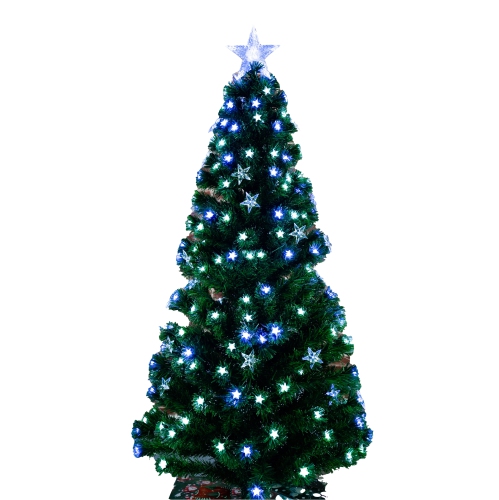
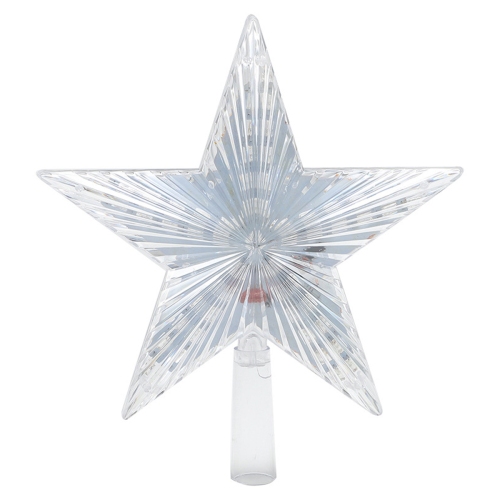
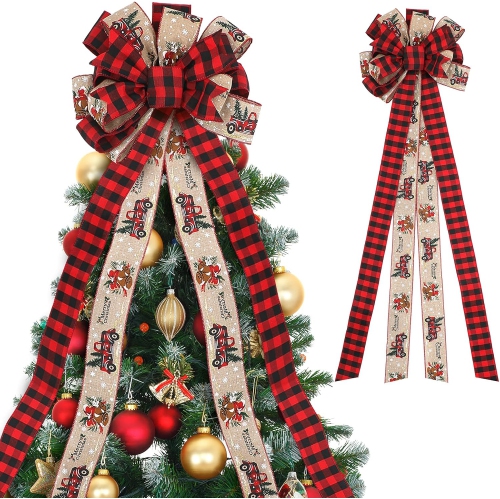
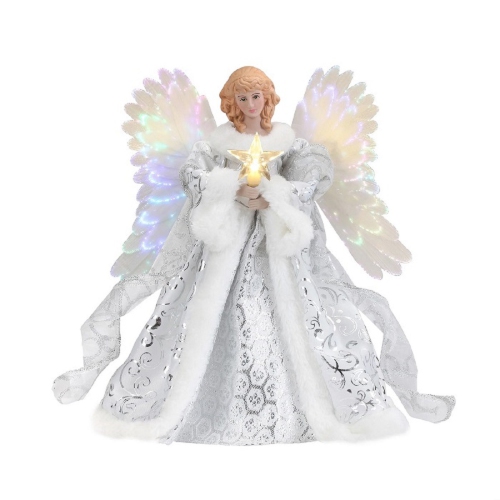
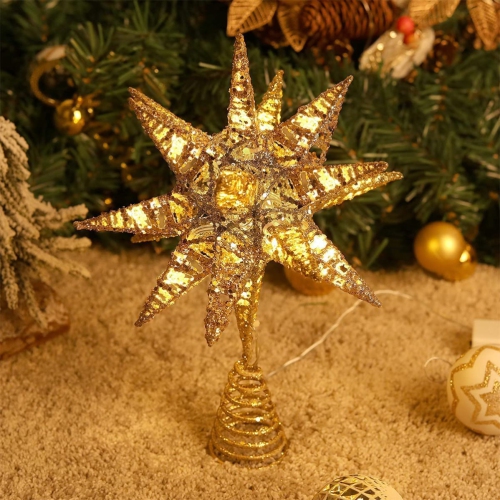
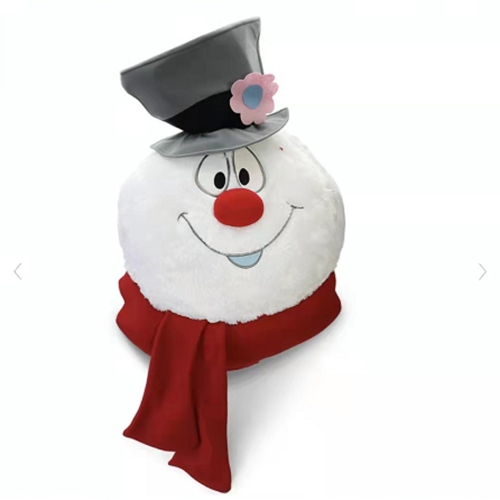
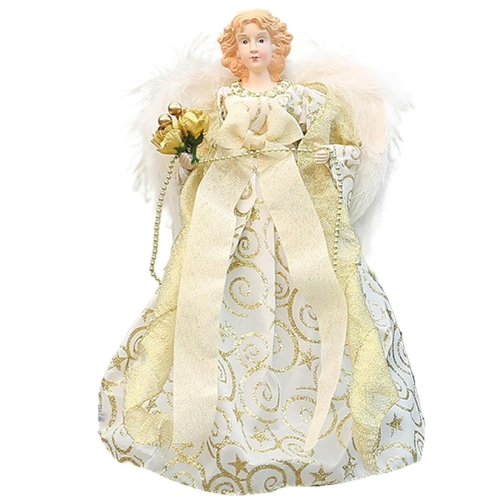
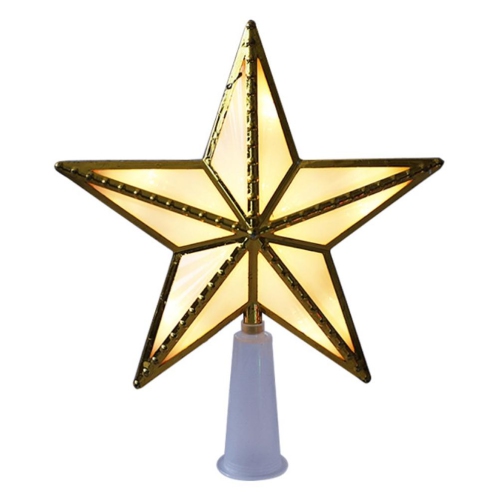








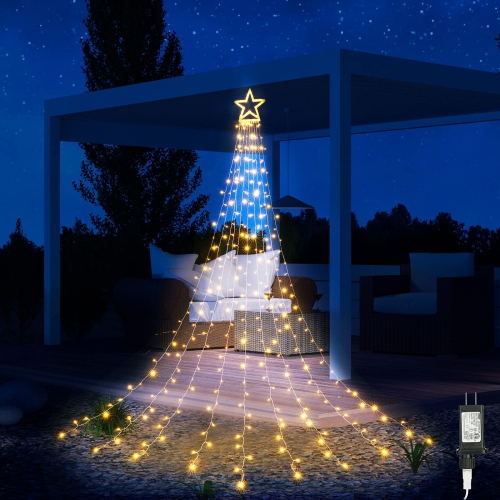
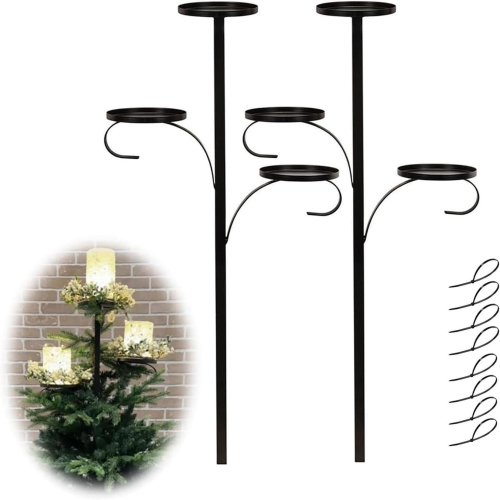
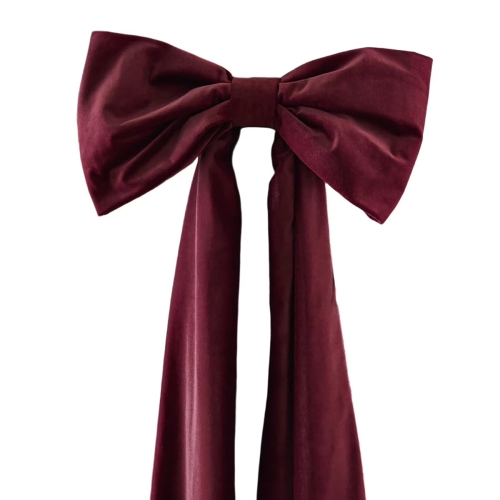
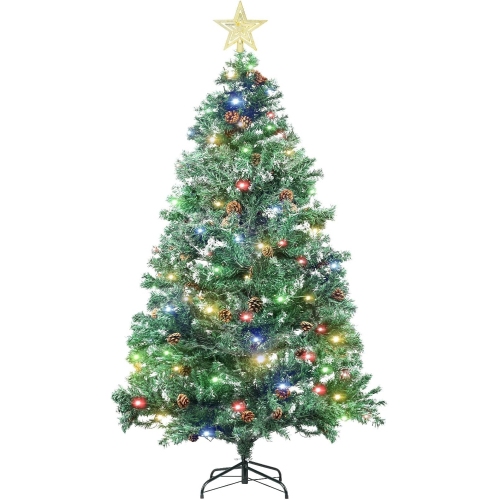
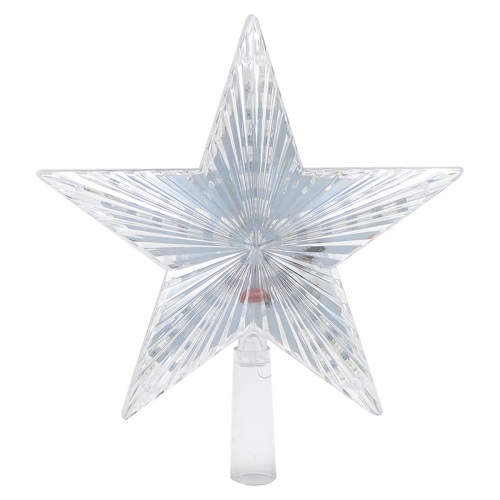
A balanced treetop starts with the right proportions
Christmas tree toppers for large trees give tall, full displays a finishing touch that holds its own above layers of lights, ribbon, and ornaments. For Christmas trees 8 feet and taller, toppers measuring roughly 9 to 16 inches in height or width are a useful starting point for balanced proportions, although especially broad trees or rooms with high ceilings may suit larger designs. These measurements are not a fixed rule: the width of the upper branches, the shape of the topper, and the space between the tree and ceiling all affect the result. A narrow spire can add substantial height without much visual weight, while a wide star or generous bow fills more space across the treetop. On a full tree in an open living room, a small topper may disappear when viewed from the doorway; on a slender tree beside a staircase, an oversized design can overwhelm the silhouette. Stars, angels, bows, snowflakes, and finial shapes each create a different focal point. A five-point star offers a familiar outline that remains easy to distinguish across a room, while an angel brings a traditional character through its wings, gown, and sculpted details. Layered ribbon bows soften the peak and can extend into long tails that connect the topper with the rest of the tree. Metallic finishes catch nearby light, clear accents add sparkle, and fabric surfaces create a softer contrast against glossy ornaments. Colour can tie the entire display together, whether that means warm gold above burgundy ornaments, silver with blue accents, or a red bow repeated in smaller touches throughout the branches. The strongest visual match is not always the most elaborate design. A simple shape with enough width can look more balanced than an intricate but undersized topper, especially on a large tree that is often seen from a distance.
Fit matters as much as appearance because a large Christmas tree topper needs support without bending the tree’s highest branch or leaning to one side. Natural trees vary in the thickness and strength of their central stem, while artificial trees may have a flexible wire tip, a reinforced upper section, or a specified attachment point. Spring-style bases, cone bases, clips, and ties suit different branch structures, so the attachment method and the topper’s weight deserve attention alongside its dimensions. A broad, lightweight frame may be easier to support than a smaller solid ornament, particularly on a tree with delicate upper branches. The listed measurements should also make clear whether they include the mounting base, ribbon tails, or projecting details. Available ceiling clearance is best assessed with the tree already in its stand, allowing for the topper’s visible height above the point where it attaches. A star that looks modest beside an unassembled tree can sit surprisingly close to the ceiling once the full display is upright. For a manufactured tree, Christmas Tree Toppers for Artificial Trees offers a related category where branch construction and attachment style are especially relevant. Illuminated toppers introduce another practical consideration: how power reaches the top of a tall tree. Plug-in designs need a cord route that follows the branches without pulling on the topper, while battery-powered styles need an accessible battery compartment or controls. A tree’s existing light connection should only be used when the topper is explicitly compatible with it. Warm white light creates a gentle glow around traditional ornaments, while cooler white or multicoloured light can echo other lighting on the tree. An unlit topper can be just as prominent when surrounding string lights illuminate its edges. In either case, a secure position away from ceiling fixtures, fans, and heat sources helps keep the finished display suited to its space.
Materials influence how a topper looks on the tree, how easily it can be handled, and how well it holds up between Christmas celebrations. Metal frames provide crisp outlines and can support open designs that let the tree lights show through, although weight and finish vary considerably. Moulded plastic can offer substantial size without the weight of glass, making it practical for some tall displays. Glass brings shine and fine detail but needs careful handling, especially when the topper must be lifted above shoulder height. Fabric angels and ribbon toppers add texture, with wired ribbon allowing loops and tails to be shaped around the upper branches. Paper-based details, flocked surfaces, feathers, and applied glitter may need particularly gentle care to avoid crushing, shedding, or marking. Indoor toppers should stay indoors unless their labelling specifically permits outdoor use; a covered porch does not necessarily protect delicate finishes or electrical components from moisture. In family homes, a lightweight, securely attached design can be a practical choice, but a topper’s position high on the tree does not replace the need for a stable tree stand and safely routed cords around children and pets. Large toppers also suit reception areas, shared gathering spaces, and other indoor settings where the tree needs a clear focal point across a wider room, subject to the location’s display requirements. As a gift, a topper can mark a first Christmas in a new home or become part of a household’s recurring holiday traditions, particularly when its size and style match the recipient’s tree. Between uses, gentle dusting with a soft, dry cloth is appropriate for many finishes, while delicate fabrics and electrical designs need care according to their instructions. A rigid storage box with cushioning around points, wings, and other projections helps prevent bent frames and broken details. Ribbon loops retain their shape better when they are not compressed beneath heavier ornaments, and removable batteries should be stored separately as directed. Thoughtful handling and storage help a well-chosen topper remain a familiar finishing touch for many Christmases.
Fit matters as much as appearance because a large Christmas tree topper needs support without bending the tree’s highest branch or leaning to one side. Natural trees vary in the thickness and strength of their central stem, while artificial trees may have a flexible wire tip, a reinforced upper section, or a specified attachment point. Spring-style bases, cone bases, clips, and ties suit different branch structures, so the attachment method and the topper’s weight deserve attention alongside its dimensions. A broad, lightweight frame may be easier to support than a smaller solid ornament, particularly on a tree with delicate upper branches. The listed measurements should also make clear whether they include the mounting base, ribbon tails, or projecting details. Available ceiling clearance is best assessed with the tree already in its stand, allowing for the topper’s visible height above the point where it attaches. A star that looks modest beside an unassembled tree can sit surprisingly close to the ceiling once the full display is upright. For a manufactured tree, Christmas Tree Toppers for Artificial Trees offers a related category where branch construction and attachment style are especially relevant. Illuminated toppers introduce another practical consideration: how power reaches the top of a tall tree. Plug-in designs need a cord route that follows the branches without pulling on the topper, while battery-powered styles need an accessible battery compartment or controls. A tree’s existing light connection should only be used when the topper is explicitly compatible with it. Warm white light creates a gentle glow around traditional ornaments, while cooler white or multicoloured light can echo other lighting on the tree. An unlit topper can be just as prominent when surrounding string lights illuminate its edges. In either case, a secure position away from ceiling fixtures, fans, and heat sources helps keep the finished display suited to its space.
Materials influence how a topper looks on the tree, how easily it can be handled, and how well it holds up between Christmas celebrations. Metal frames provide crisp outlines and can support open designs that let the tree lights show through, although weight and finish vary considerably. Moulded plastic can offer substantial size without the weight of glass, making it practical for some tall displays. Glass brings shine and fine detail but needs careful handling, especially when the topper must be lifted above shoulder height. Fabric angels and ribbon toppers add texture, with wired ribbon allowing loops and tails to be shaped around the upper branches. Paper-based details, flocked surfaces, feathers, and applied glitter may need particularly gentle care to avoid crushing, shedding, or marking. Indoor toppers should stay indoors unless their labelling specifically permits outdoor use; a covered porch does not necessarily protect delicate finishes or electrical components from moisture. In family homes, a lightweight, securely attached design can be a practical choice, but a topper’s position high on the tree does not replace the need for a stable tree stand and safely routed cords around children and pets. Large toppers also suit reception areas, shared gathering spaces, and other indoor settings where the tree needs a clear focal point across a wider room, subject to the location’s display requirements. As a gift, a topper can mark a first Christmas in a new home or become part of a household’s recurring holiday traditions, particularly when its size and style match the recipient’s tree. Between uses, gentle dusting with a soft, dry cloth is appropriate for many finishes, while delicate fabrics and electrical designs need care according to their instructions. A rigid storage box with cushioning around points, wings, and other projections helps prevent bent frames and broken details. Ribbon loops retain their shape better when they are not compressed beneath heavier ornaments, and removable batteries should be stored separately as directed. Thoughtful handling and storage help a well-chosen topper remain a familiar finishing touch for many Christmases.
Top selling and popular products
-
 Your price for this item is $69.95
 -
 Your price for this item is $130
 -
 Your price for this item is $150
 -
 Your price for this item is $150
 -
 Your price for this item is $109.99
 -
 Your price for this item is $79.99
 -
 Your price for this item is $87.99
 -
 Your price for this item is $120
Discover more categories related to Christmas Tree Toppers for Large Trees
Top Collections:
Pokemon Centers, Budget 4K TVs, Best Budget Office Chairs, Kindle Devices, Canon G7X Cameras, Apple iPhones 16, iPhone 15 Apple, Laptops for Business Work, Xiaomi Phones, Flip Phones
Some products may be subject to Environmental Handling Fees
(EHF) depending on your province.
Learn more about EHFs.