Chrome Faucets
Elevate the aesthetics of your kitchen or bathroom with the sleek and modern appeal of chrome faucets. Known for their reflective shine and versatile design, chrome faucets seamlessly blend with any decor style, offering a touch of elegance and sophistication. Whether you're renovating your space or simply updating fixtures, these faucets provide a contemporary charm that enhances both functionality and style. Explore our selection to find the perfect chrome faucet that complements your unique taste and transforms your home into a haven of modern luxury.
Sort
There’s more to a polished faucet than its shine
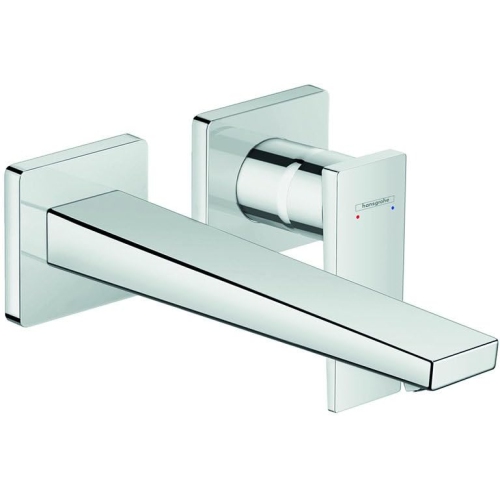
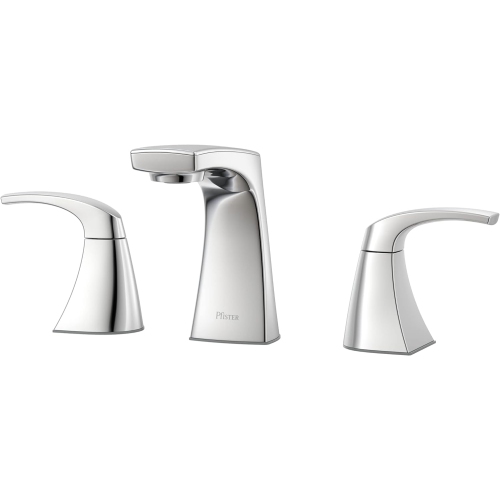
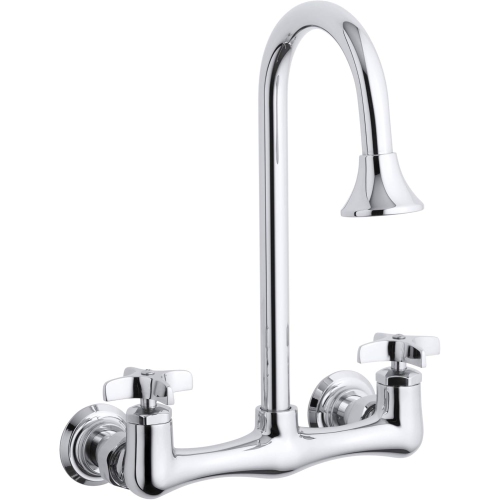
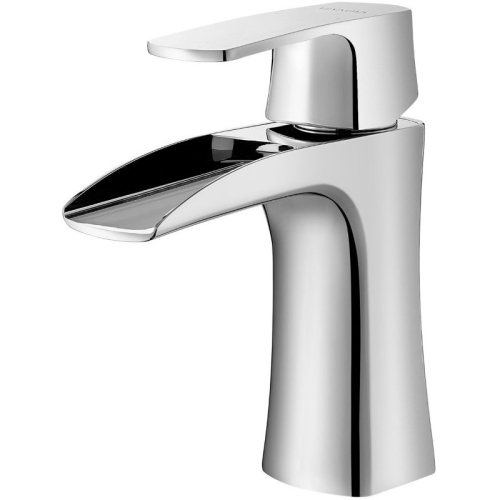
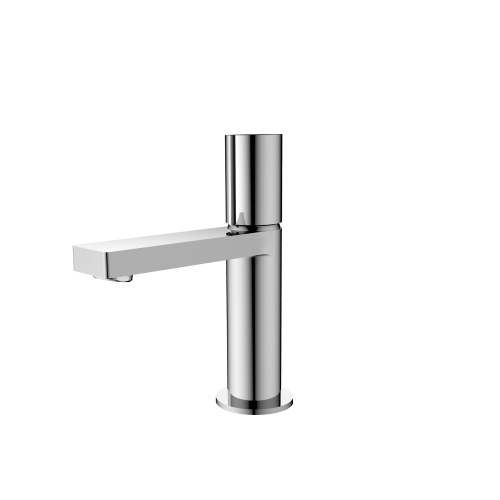
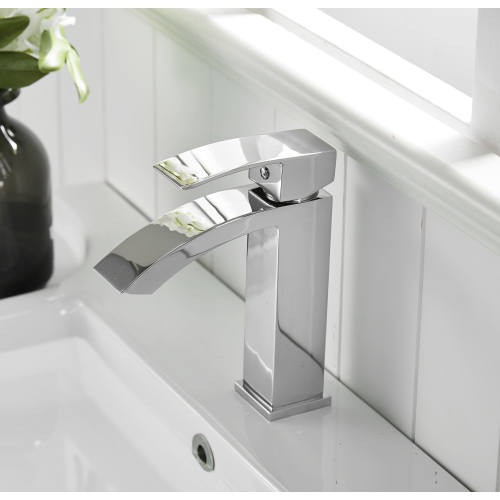
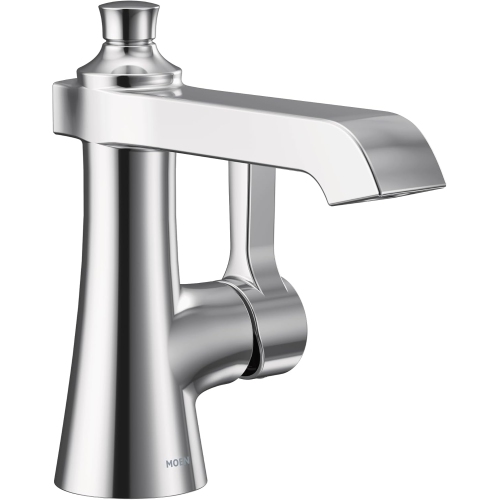
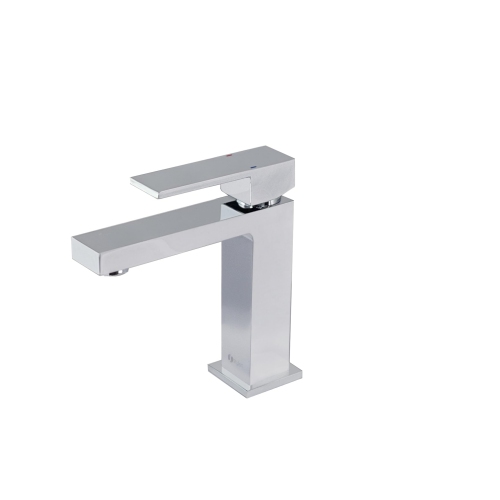
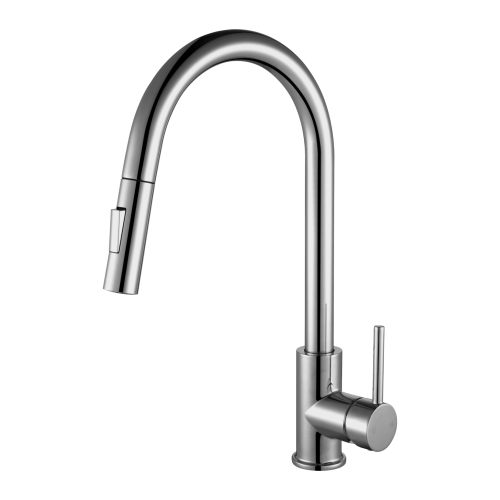
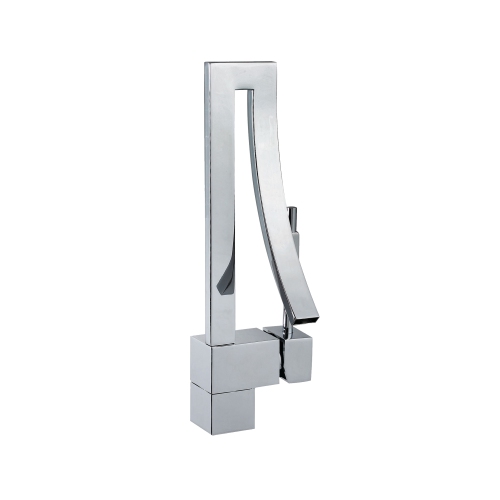
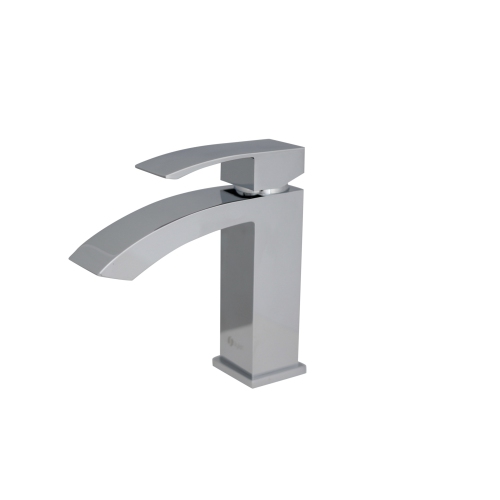
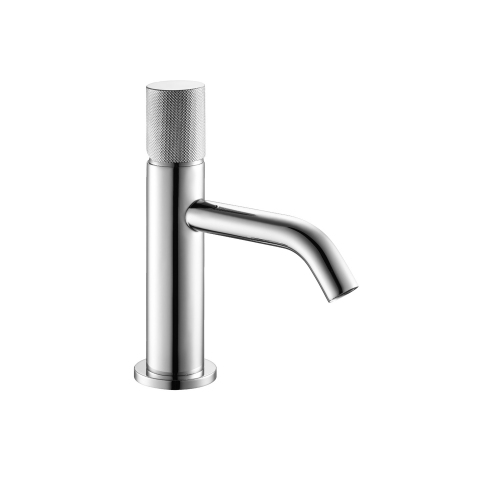
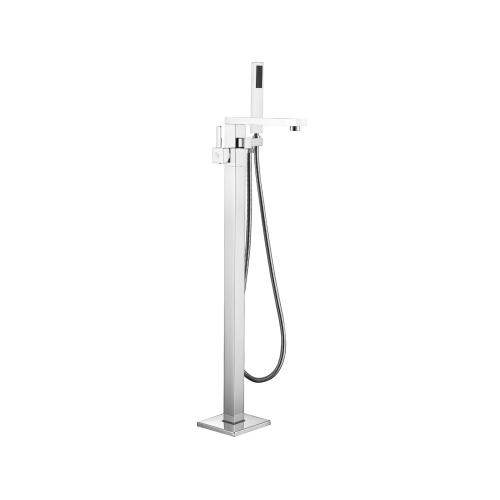
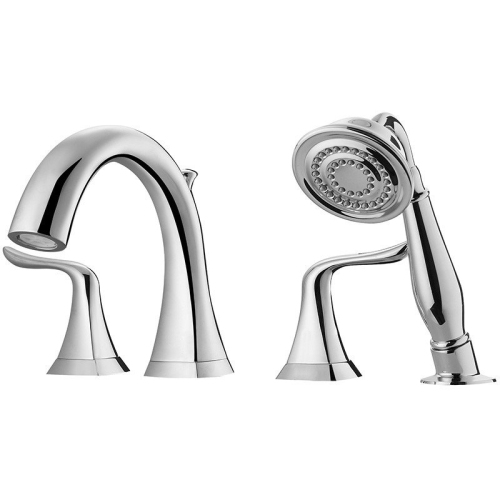
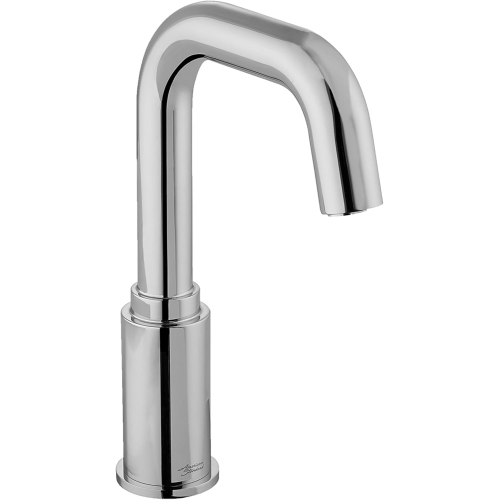
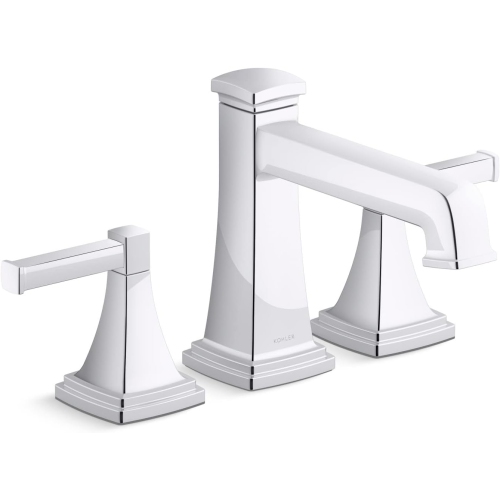
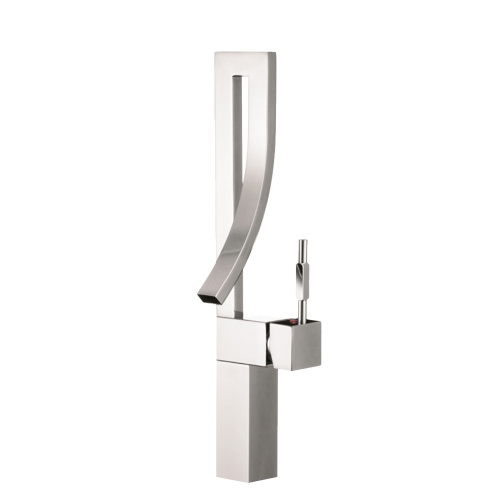
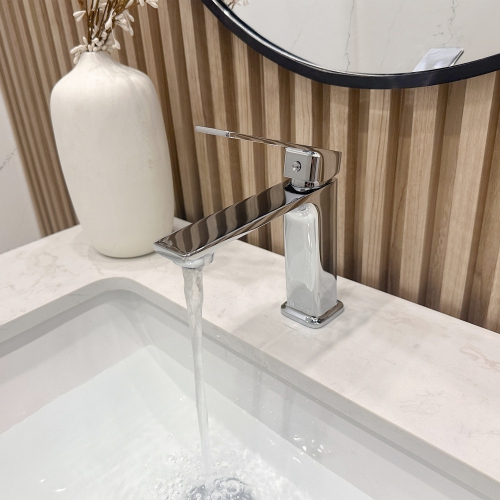
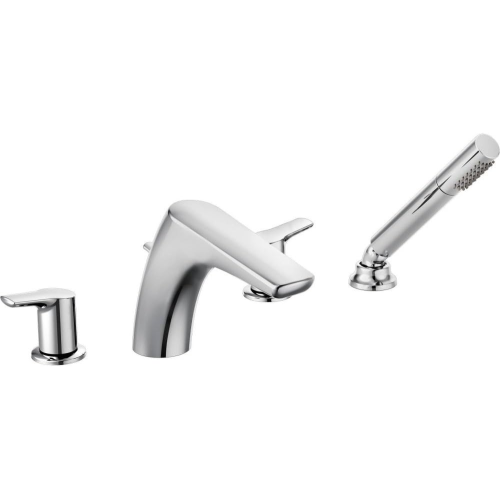
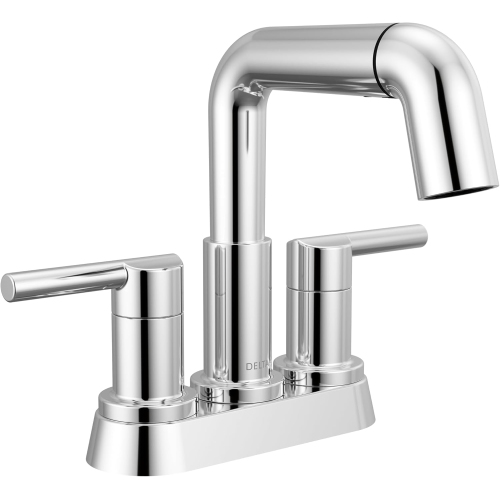
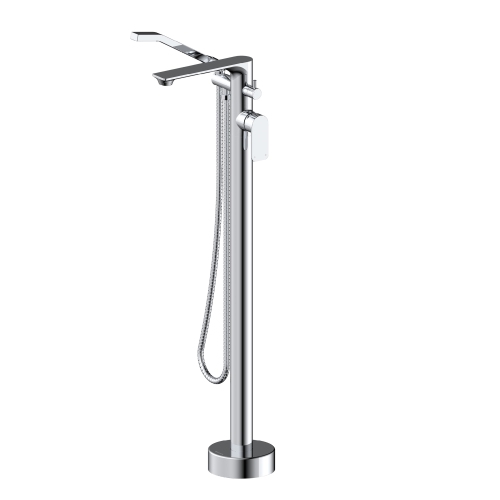
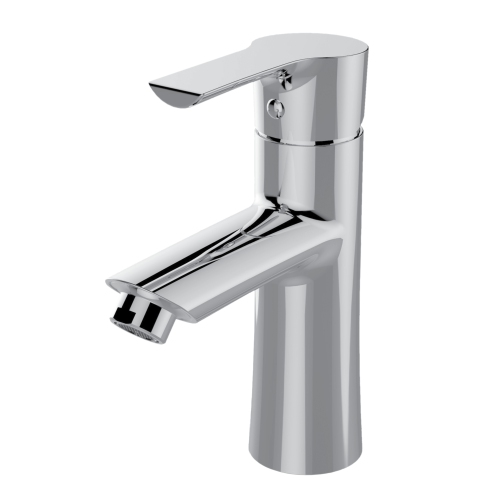
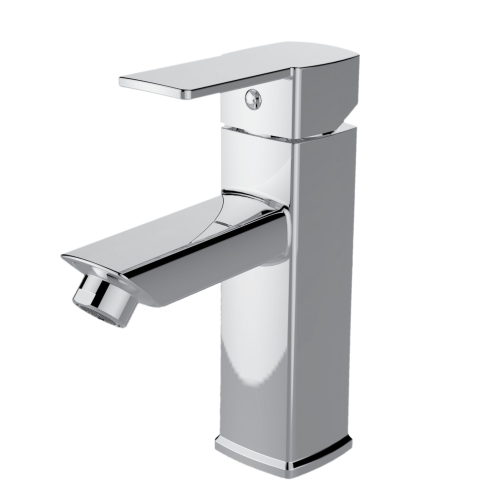
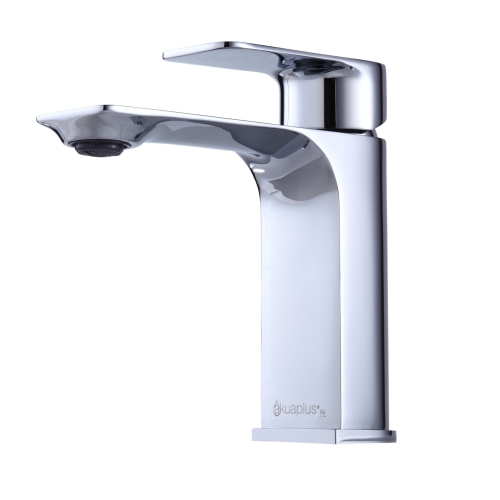
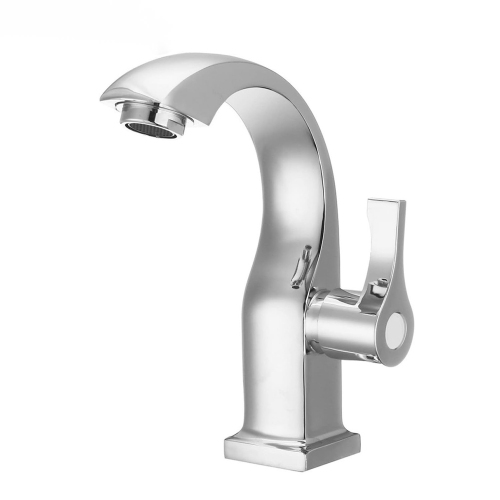
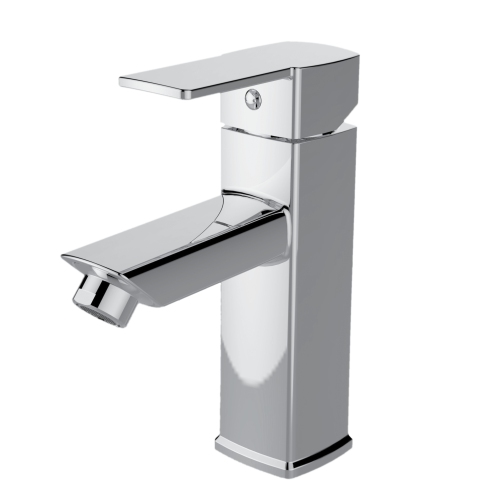
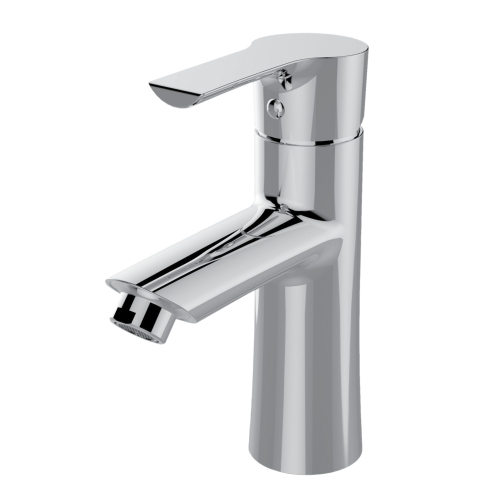
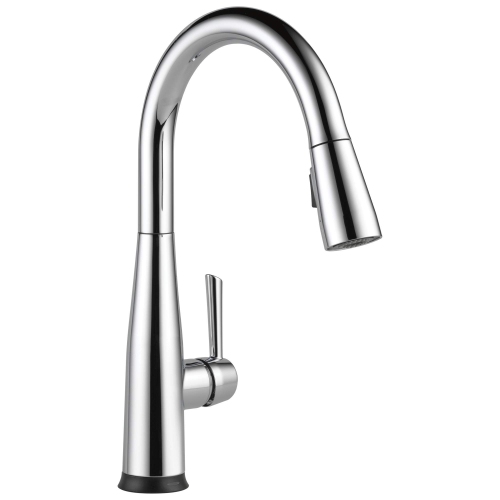
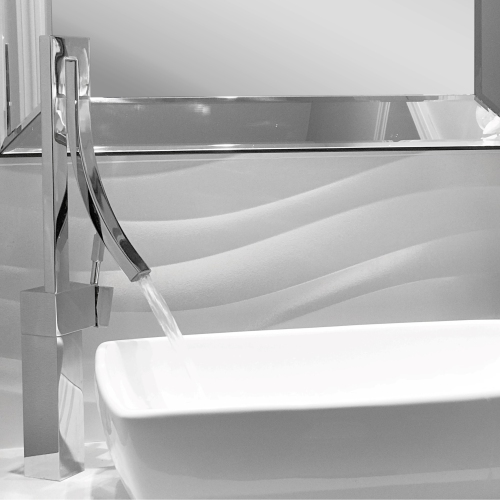
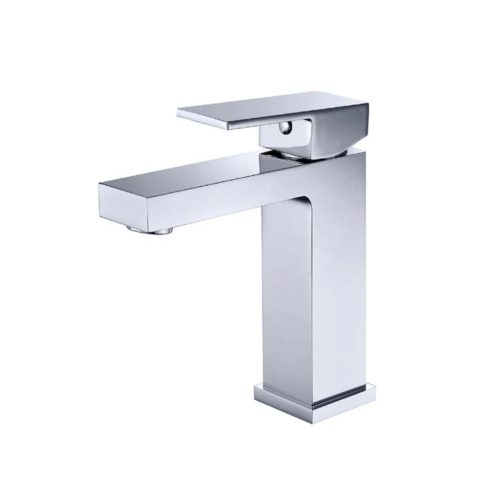
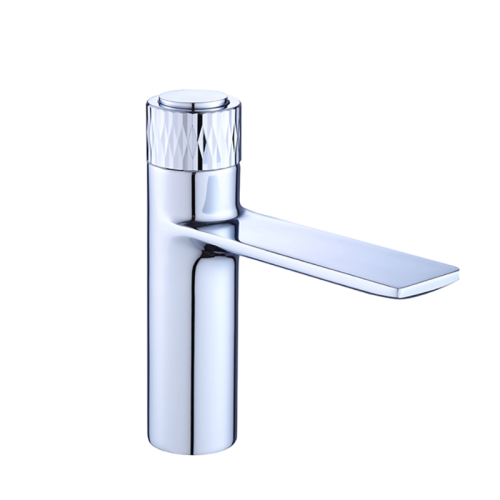
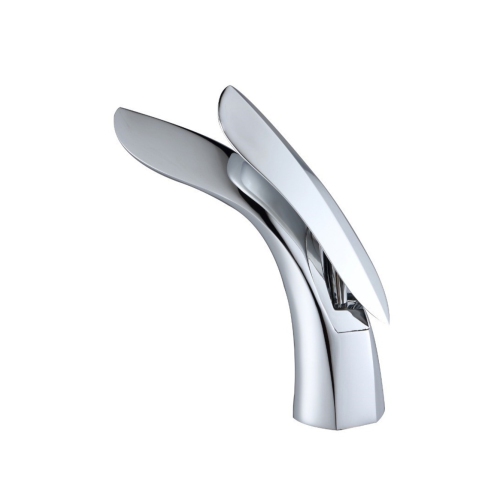
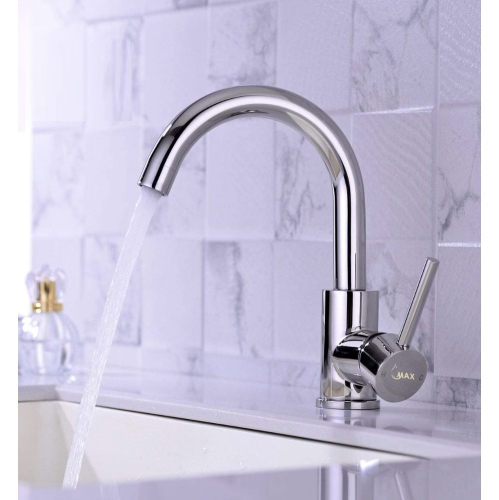
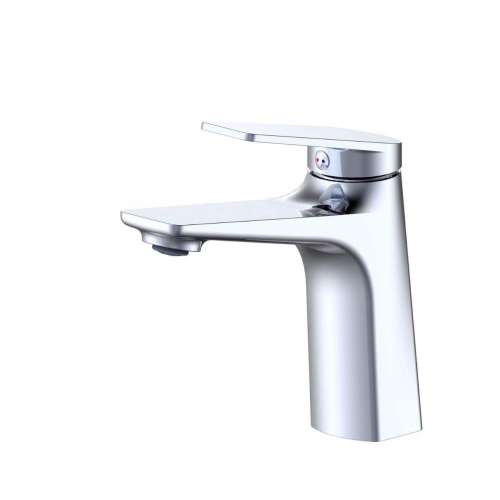
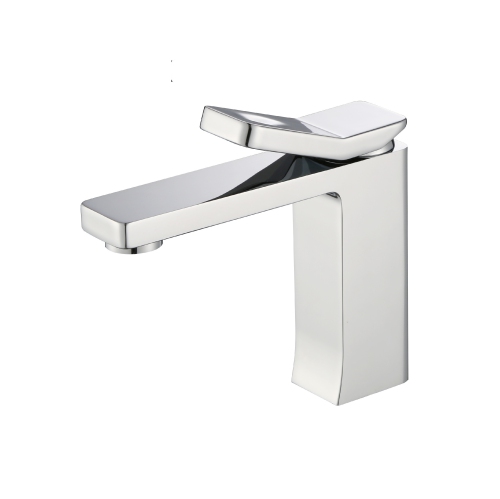
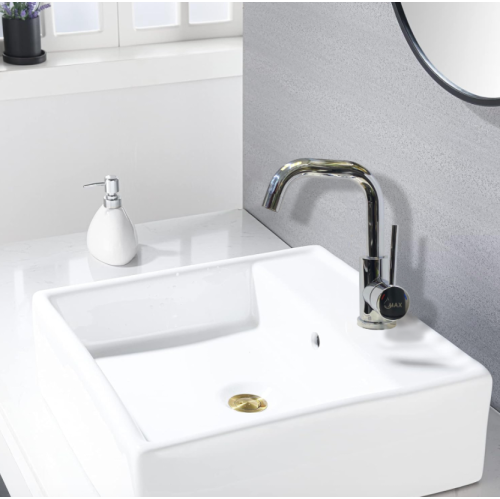
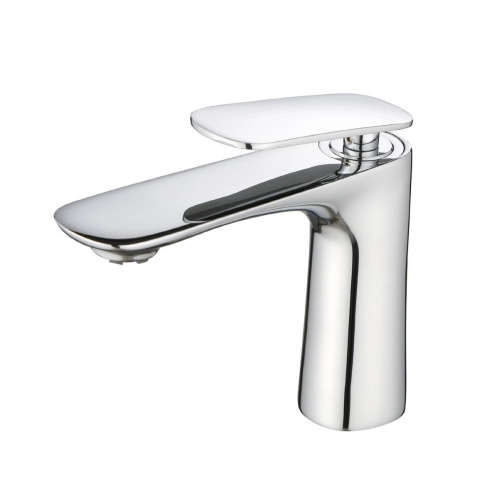
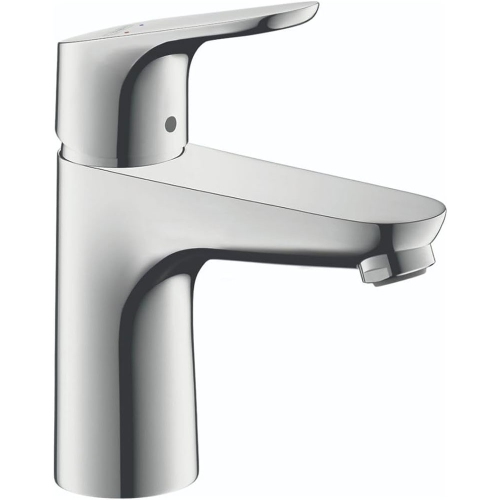
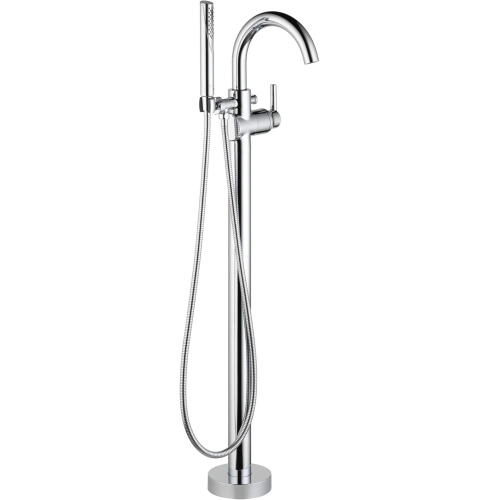
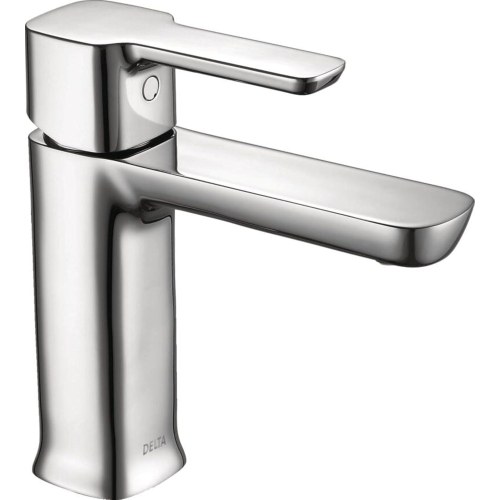
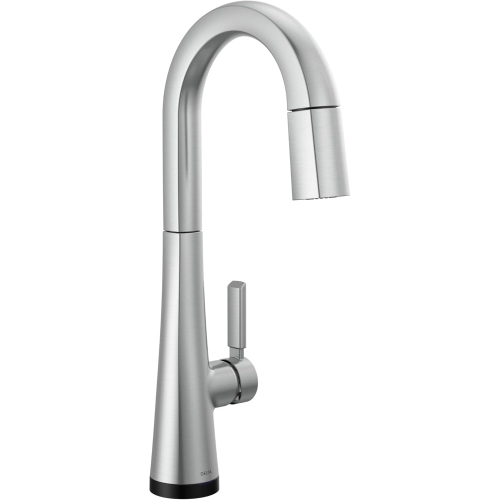
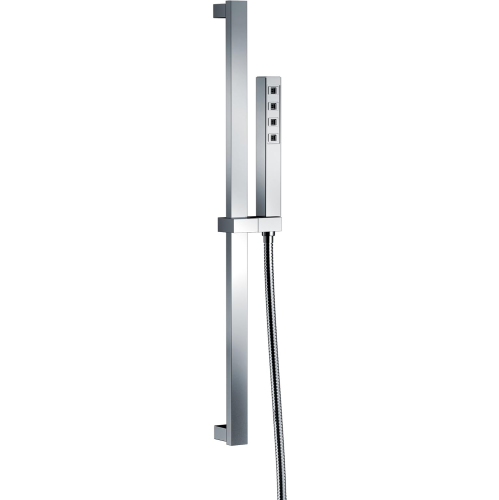
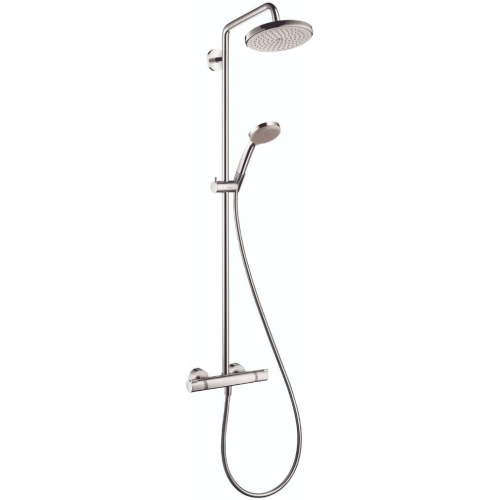
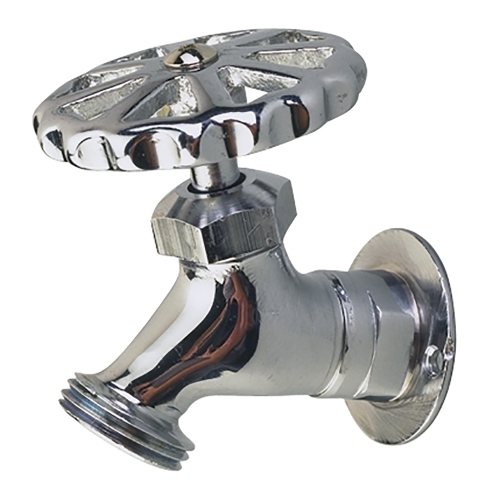
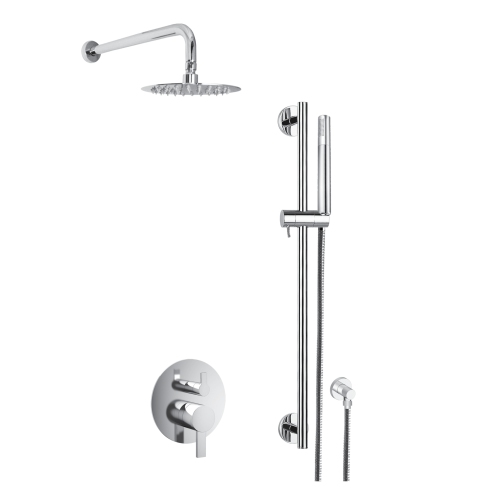
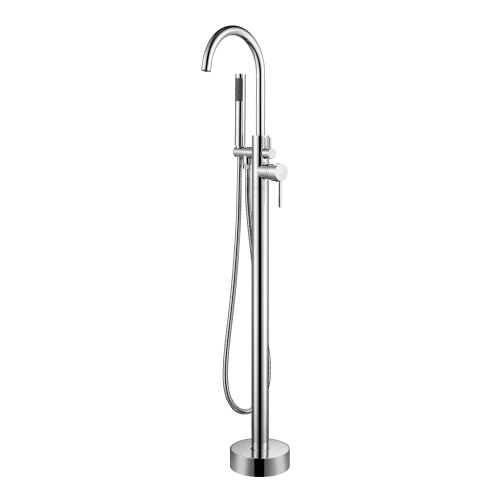
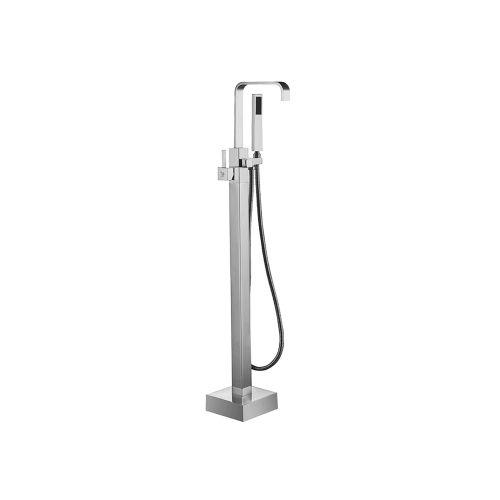
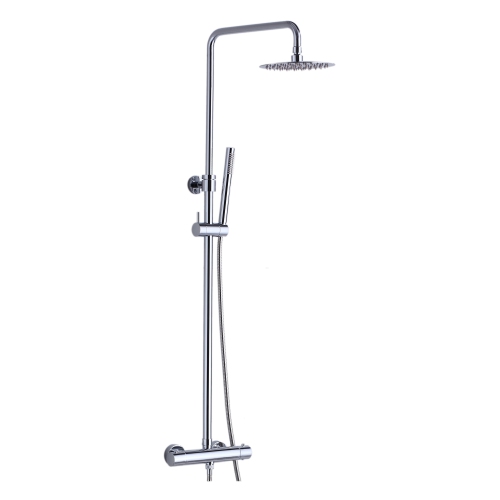
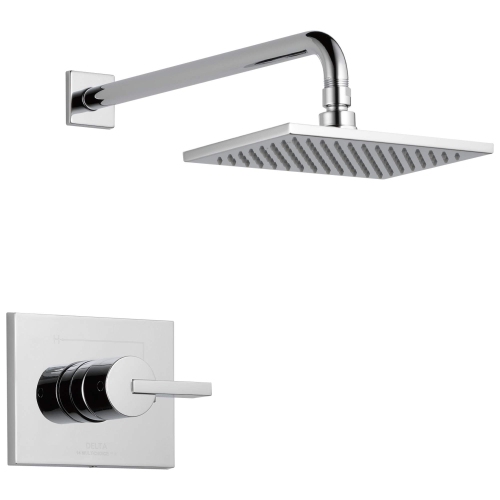
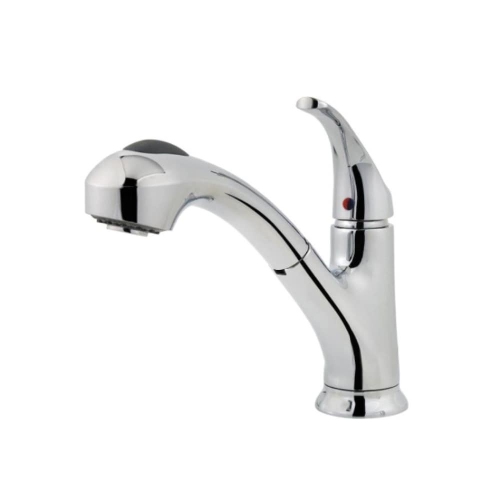
Chrome faucets bring a bright, reflective finish to kitchen sinks, bathroom vanities, and utility areas, with shapes that range from clean, straight lines to gently curved spouts and traditional cross handles. Chrome generally refers to the plated exterior rather than the material throughout the faucet; beneath that surface, the body may be brass, stainless steel, or another metal, depending on its construction. The finish creates a smooth, polished appearance that pairs easily with white ceramic, patterned tile, natural stone, and wood cabinetry. In a compact bathroom, a simple chrome basin faucet can sit neatly alongside a mirrored cabinet without adding visual clutter. At a kitchen sink, a taller curved spout can provide a striking focal point while leaving room for everyday washing and food preparation. Chrome works across contemporary and traditional interiors, making it a practical choice when replacing a faucet without changing the surrounding room. Its reflective surface can show fingerprints, dried droplets, and mineral deposits, so its appearance depends partly on regular, gentle cleaning. A well-applied chrome finish offers a durable surface for everyday handling, although resistance to wear also depends on the underlying materials, plating quality, and care. Solid construction matters as much as the shine: a handle that moves smoothly, a stable mounting assembly, and suitable internal components all contribute to how the faucet feels in daily use. Ceramic disc cartridges are a common feature designed to control flow through closely fitted discs, but cartridge design and replacement options vary. For a busy family bathroom, straightforward operation and accessible cleaning surfaces may be priorities; for a kitchen used for frequent cooking, reach and flexibility often matter more. A consistent chrome finish across faucets, towel bars, cabinet pulls, and sink accessories can tie a room together, though the exact tone and sheen may differ between manufacturers. Rounded details tend to blend into softer interiors, while squared profiles suit angular basins and cabinetry.
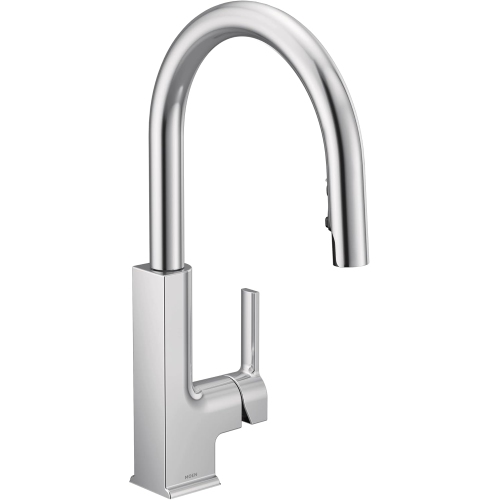
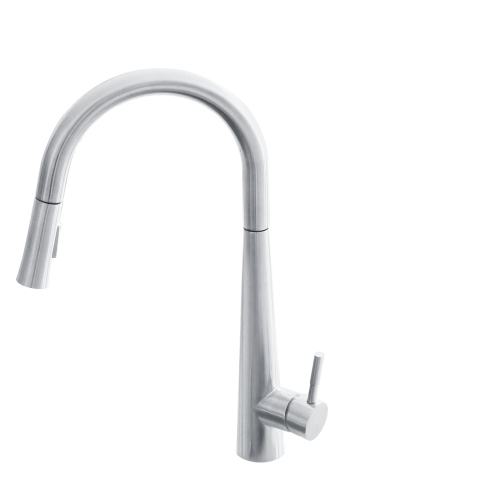
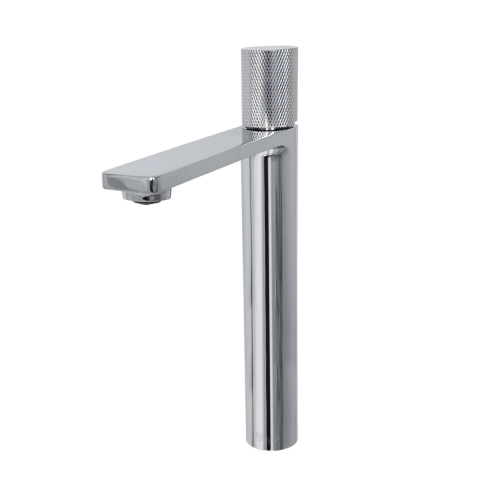
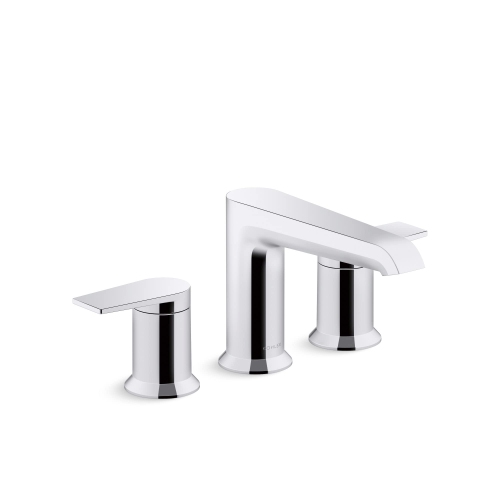
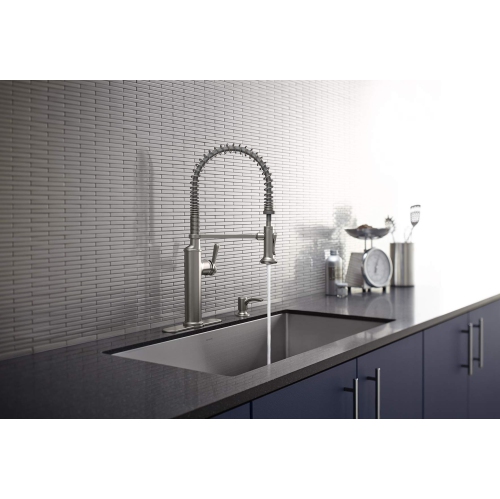
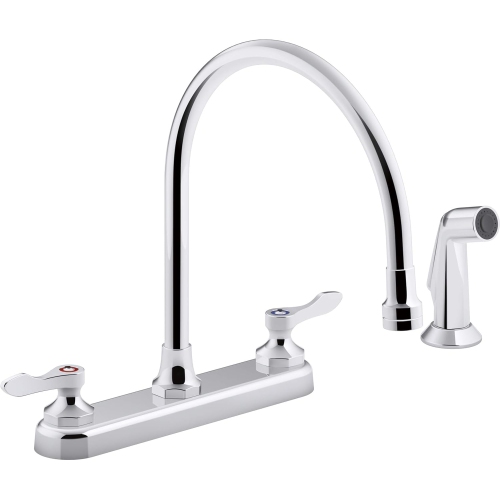
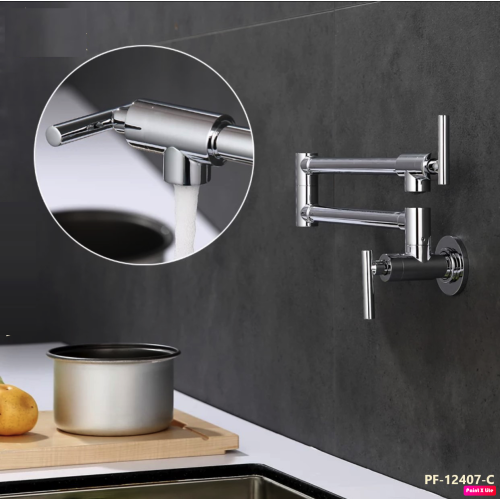
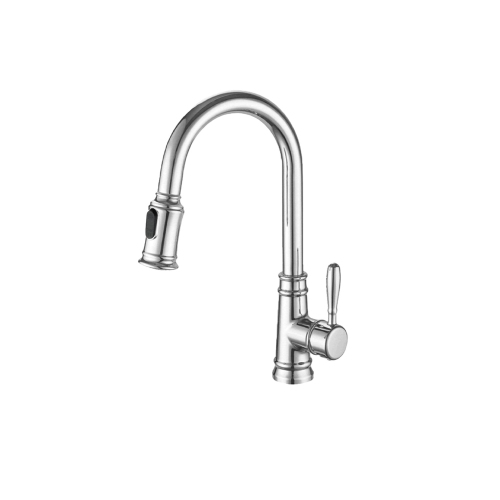
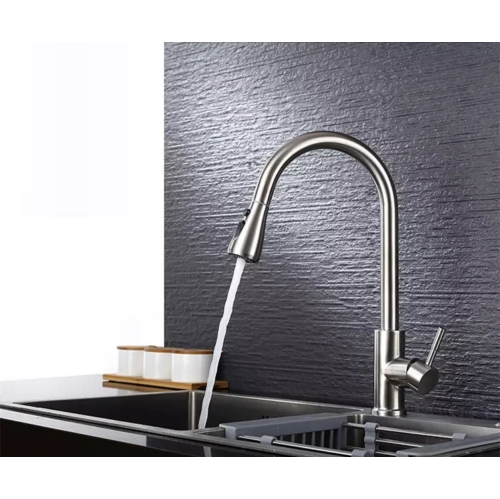
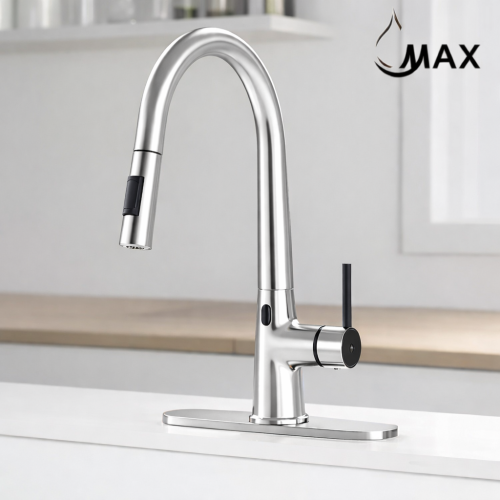
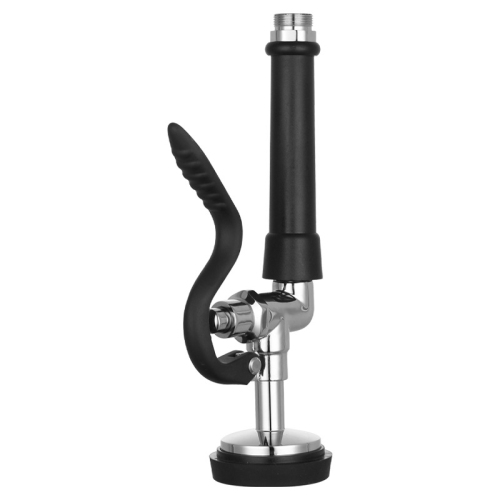
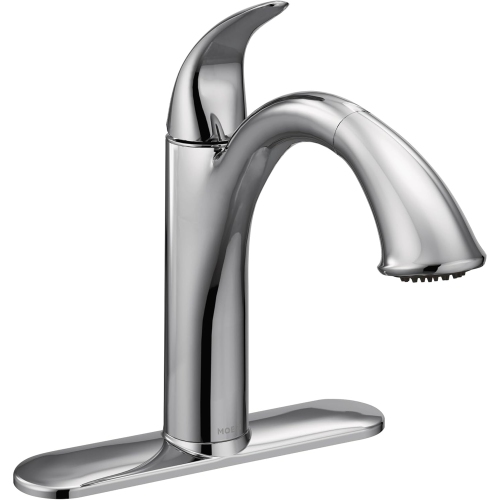
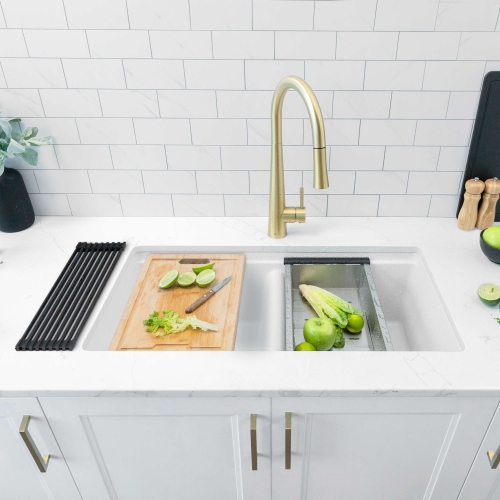
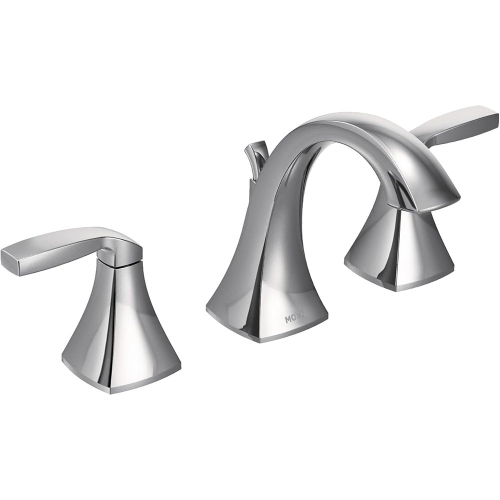
Fit determines whether a chrome faucet will work comfortably with the sink, countertop, and plumbing already in place. Bathroom sink faucets commonly use single-hole, centreset, or widespread mounting arrangements, and those formats are not interchangeable without checking the installation requirements. A centreset faucet combines the spout and handles on a shared base, while a widespread design places them separately across the sink deck or countertop. Some single-hole faucets can cover additional holes with a compatible deck plate, but whether that plate is included or suitable depends on the design. Hole spacing, maximum mounting thickness, and clearance underneath the sink all deserve attention, particularly with thick countertops or tightly packed vanity cabinets. Vessel sinks generally need a taller deck-mounted faucet or a suitably positioned wall-mounted design, whereas a low-profile basin may work better with a shorter spout. Spout reach should place the water stream comfortably within the bowl rather than against its rear edge, and the combination of outlet height, basin depth, and flow affects splashing. In the kitchen, a high-arc spout creates useful space for filling a stockpot or washing a mixing bowl, provided there is enough clearance beneath nearby shelving or cabinets. A swivelling spout can serve a double sink, but its range of movement should suit the surrounding backsplash and accessories. For kitchens where flexible reach is a priority, chrome pull down kitchen faucets combine a fixed spout with a spray head that extends towards cookware and the corners of the basin. Hose movement needs unobstructed space below the counter, where stored cleaning supplies, plumbing, or waste-sorting bins can otherwise interfere with retraction. Spray settings, docking design, and handle placement influence everyday convenience, especially when rinsing leafy vegetables or clearing residue from a deep sink. Laundry and utility sinks have different demands again: clearance for a bucket, a comfortable reach across a broad basin, and compatibility with the intended connections may take precedence over a compact silhouette. Wall-mounted faucets also require compatible plumbing placement, making them a more involved change when the existing supply connections are below the sink.
Daily comfort and long-term care help distinguish a faucet that simply fits from one that suits the household. A single lever allows flow and water temperature to be adjusted with one hand, which can be useful when the other is holding a dish or supporting a child at the basin. Separate handles offer a familiar appearance and individual control of the hot and cold supplies, though they require different movements. Handle shape, resistance, and clearance are worth considering for anyone with limited grip strength or dexterity; a broad lever may be easier to operate than a small knob. Touch-activated and hands-free designs introduce other considerations, including power requirements, sensor placement, and access for battery changes where applicable. Whatever the operating style, the faucet’s installation instructions should confirm supply connections, mounting requirements, and any additional components needed. For drinking-water applications, documented compliance with applicable standards is more informative than appearance alone. Clear warranty terms and replaceable cartridges, aerators, or spray components can also matter over years of use. Chrome is usually straightforward to maintain with a soft cloth, mild soap, and water, followed by drying to reduce visible marks. Abrasive pads and harsh cleaners can dull or damage the finish, and mineral-removal treatments should follow the manufacturer’s directions rather than relying on an all-purpose approach. Around the base and handle joints, a gentle wipe helps prevent soap residue from building up in narrow gaps. Aerators may need occasional cleaning if deposits affect the stream, while pull-down spray heads benefit from attention to their nozzles and hose movement. A persistent drip, a loose base, or water appearing beneath the sink calls for inspection rather than surface cleaning alone. From a small powder room to a hardworking kitchen, chrome faucets balance a familiar polished look with practical choices in size, controls, and construction. Matching those details to the sink and the people using it supports comfortable routines, whether that means washing hands, rinsing breakfast dishes, or filling a large pot without awkward manoeuvring.
Fit determines whether a chrome faucet will work comfortably with the sink, countertop, and plumbing already in place. Bathroom sink faucets commonly use single-hole, centreset, or widespread mounting arrangements, and those formats are not interchangeable without checking the installation requirements. A centreset faucet combines the spout and handles on a shared base, while a widespread design places them separately across the sink deck or countertop. Some single-hole faucets can cover additional holes with a compatible deck plate, but whether that plate is included or suitable depends on the design. Hole spacing, maximum mounting thickness, and clearance underneath the sink all deserve attention, particularly with thick countertops or tightly packed vanity cabinets. Vessel sinks generally need a taller deck-mounted faucet or a suitably positioned wall-mounted design, whereas a low-profile basin may work better with a shorter spout. Spout reach should place the water stream comfortably within the bowl rather than against its rear edge, and the combination of outlet height, basin depth, and flow affects splashing. In the kitchen, a high-arc spout creates useful space for filling a stockpot or washing a mixing bowl, provided there is enough clearance beneath nearby shelving or cabinets. A swivelling spout can serve a double sink, but its range of movement should suit the surrounding backsplash and accessories. For kitchens where flexible reach is a priority, chrome pull down kitchen faucets combine a fixed spout with a spray head that extends towards cookware and the corners of the basin. Hose movement needs unobstructed space below the counter, where stored cleaning supplies, plumbing, or waste-sorting bins can otherwise interfere with retraction. Spray settings, docking design, and handle placement influence everyday convenience, especially when rinsing leafy vegetables or clearing residue from a deep sink. Laundry and utility sinks have different demands again: clearance for a bucket, a comfortable reach across a broad basin, and compatibility with the intended connections may take precedence over a compact silhouette. Wall-mounted faucets also require compatible plumbing placement, making them a more involved change when the existing supply connections are below the sink.
Daily comfort and long-term care help distinguish a faucet that simply fits from one that suits the household. A single lever allows flow and water temperature to be adjusted with one hand, which can be useful when the other is holding a dish or supporting a child at the basin. Separate handles offer a familiar appearance and individual control of the hot and cold supplies, though they require different movements. Handle shape, resistance, and clearance are worth considering for anyone with limited grip strength or dexterity; a broad lever may be easier to operate than a small knob. Touch-activated and hands-free designs introduce other considerations, including power requirements, sensor placement, and access for battery changes where applicable. Whatever the operating style, the faucet’s installation instructions should confirm supply connections, mounting requirements, and any additional components needed. For drinking-water applications, documented compliance with applicable standards is more informative than appearance alone. Clear warranty terms and replaceable cartridges, aerators, or spray components can also matter over years of use. Chrome is usually straightforward to maintain with a soft cloth, mild soap, and water, followed by drying to reduce visible marks. Abrasive pads and harsh cleaners can dull or damage the finish, and mineral-removal treatments should follow the manufacturer’s directions rather than relying on an all-purpose approach. Around the base and handle joints, a gentle wipe helps prevent soap residue from building up in narrow gaps. Aerators may need occasional cleaning if deposits affect the stream, while pull-down spray heads benefit from attention to their nozzles and hose movement. A persistent drip, a loose base, or water appearing beneath the sink calls for inspection rather than surface cleaning alone. From a small powder room to a hardworking kitchen, chrome faucets balance a familiar polished look with practical choices in size, controls, and construction. Matching those details to the sink and the people using it supports comfortable routines, whether that means washing hands, rinsing breakfast dishes, or filling a large pot without awkward manoeuvring.
Top selling and popular products
-
 Your price for this item is $129.99
 -
 Your price for this item is $602
 -
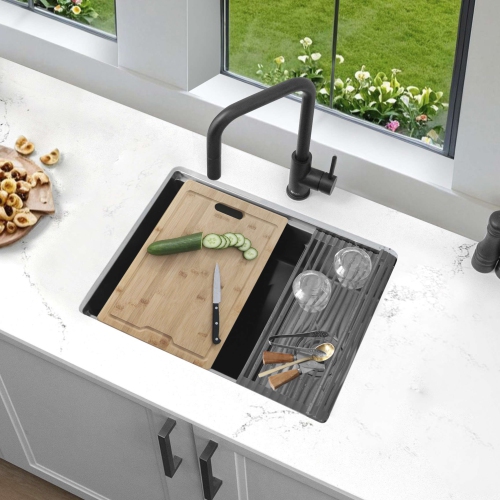 Your price for this item is $717
 -
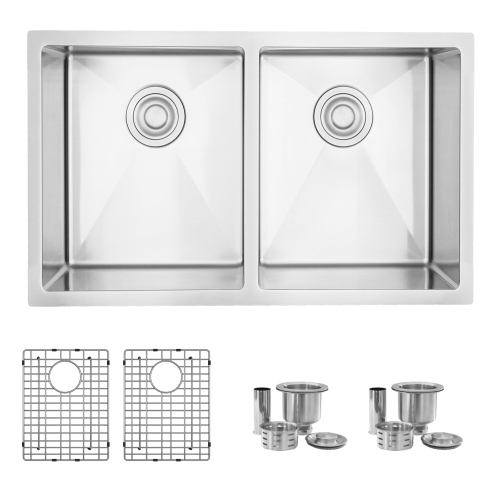 Your price for this item is $595
 -
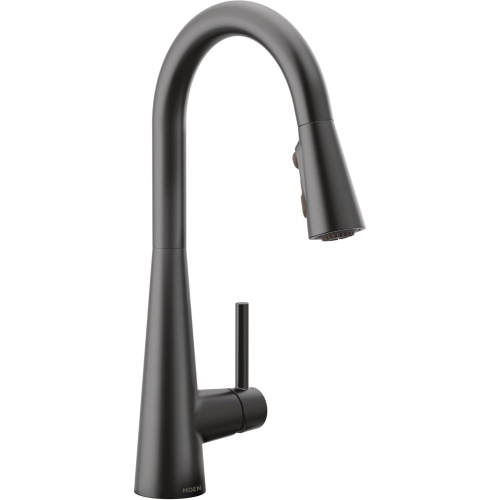 Your price for this item is $475
 -
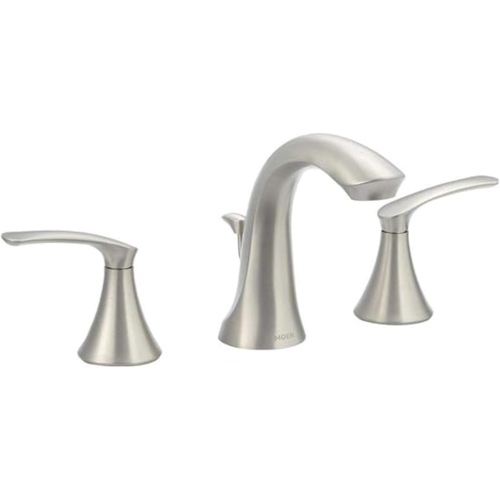 Your price for this item is $236.55
 -
 Your price for this item is $379.05
 -
 Your price for this item is $694
Discover more categories related to Chrome Faucets
Top Collections:
Pokemon Centers, Kindle Devices, Best Budget Office Chairs, Apple iPhones 16, Best Laptops for Writers, iPhone 15 Apple, Canon G7X Cameras, Refurbished Apple Laptops, Alarm Clock, Motorola Razr Phones
Some products may be subject to Environmental Handling Fees
(EHF) depending on your province.
Learn more about EHFs.