Classic Beds
Transform your bedroom into a serene sanctuary with our stunning selection of classic beds. Combining timeless design with exceptional comfort, these beds are crafted to enhance any decor style while providing a restful night's sleep. Whether you're looking for a minimalist aesthetic or a more ornate touch, our collection offers an array of options to suit your personal taste and space requirements. Dive into our curated assortment and discover the perfect centerpiece for your dream bedroom.
Sort
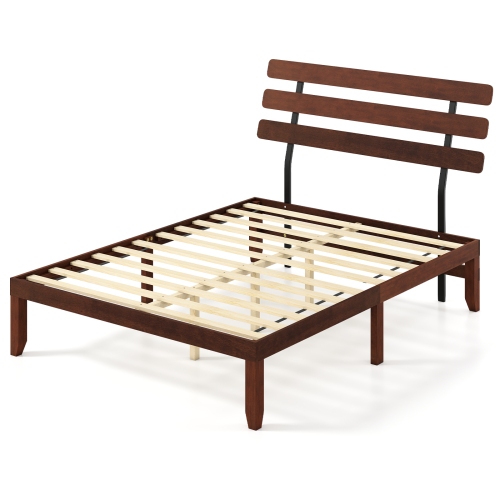
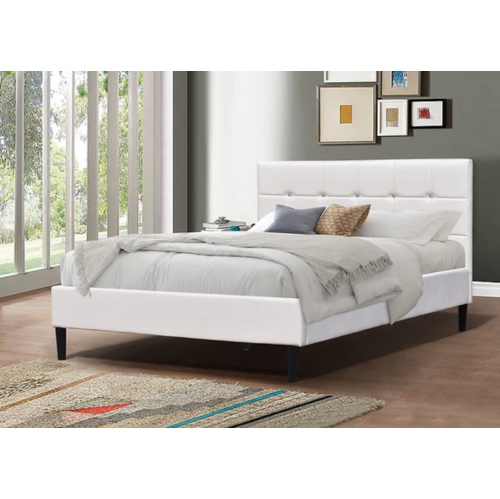
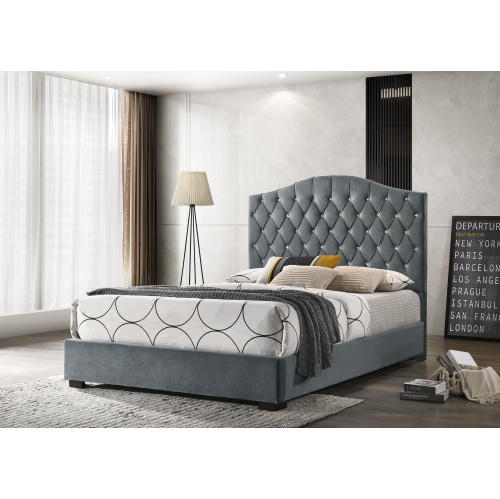

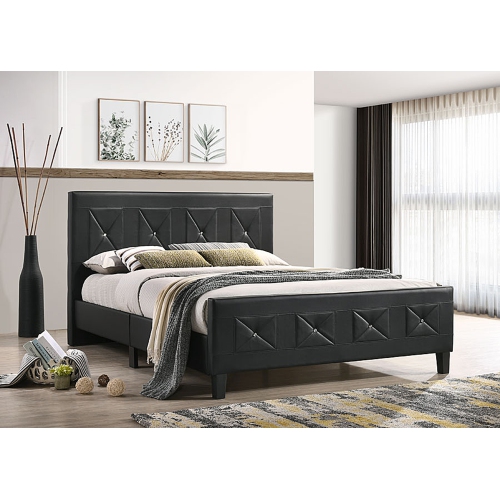
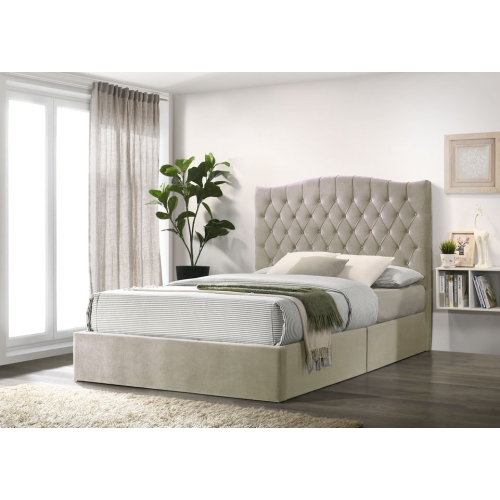
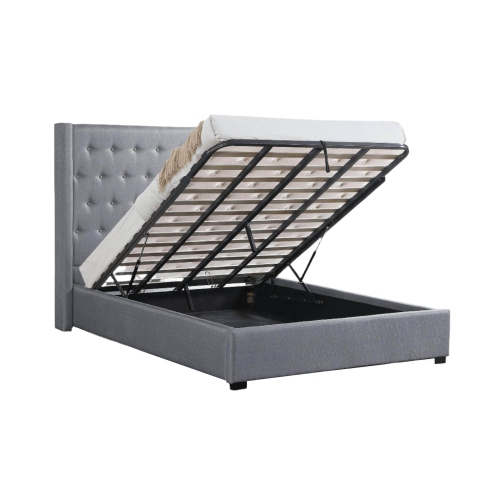
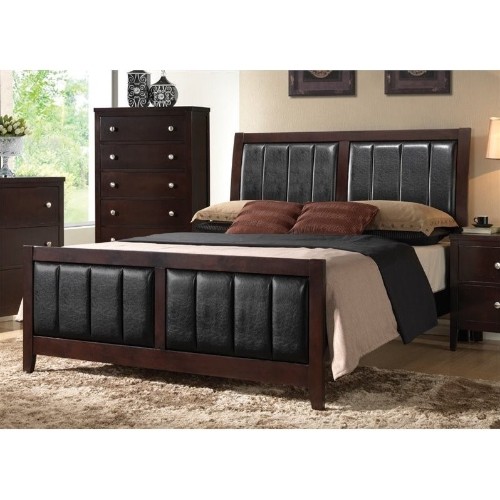
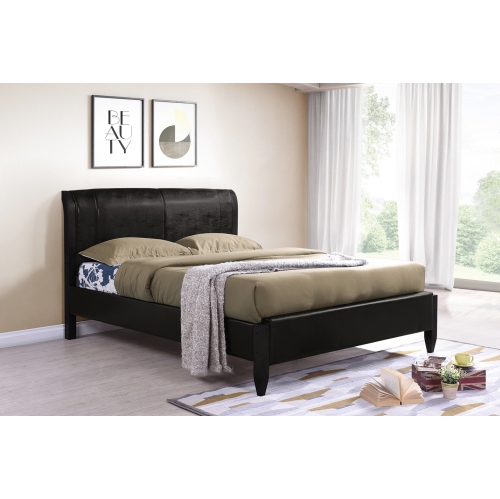
Timeless bed details that work with changing bedroom styles
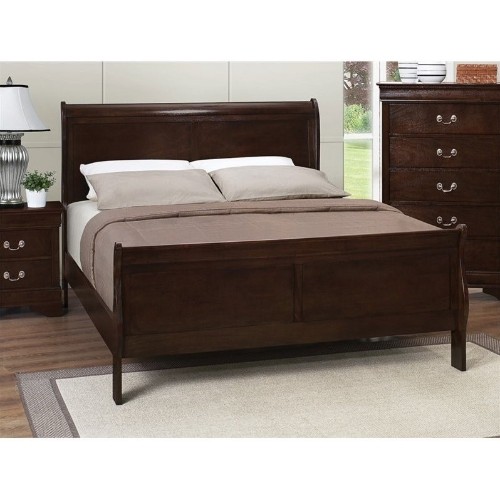
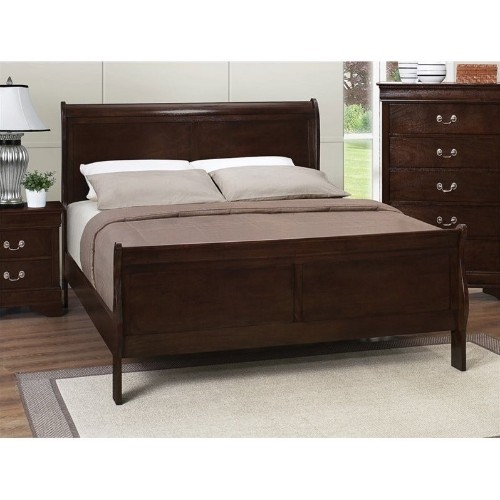
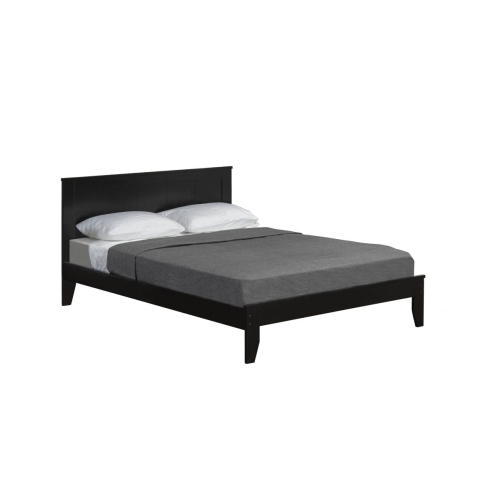
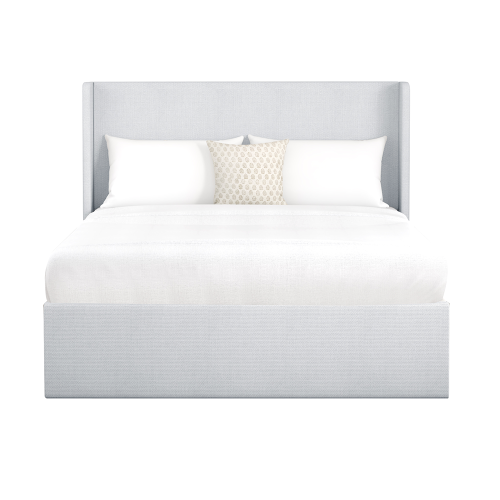
Classic beds are bed frames defined by enduring furniture details, such as panelled headboards, curved sleigh profiles, turned posts, and tailored upholstery. Rather than relying on a passing trend, these designs draw their character from balanced proportions, familiar shapes, and finishes that work with a variety of bedroom furnishings. A wooden panel bed often has recessed sections or raised moulding across the headboard, creating depth without needing elaborate ornament. Sleigh beds have outward-curving headboards and footboards inspired by traditional furniture, giving them a more substantial presence and a distinctive side profile. Upholstered beds bring a softer texture to the same classic look through button tufting, neatly finished seams, or gently arched headboards. Metal frames with slender spindles and rounded finials offer another interpretation, particularly in bedrooms with vintage-inspired dressers or simple painted furniture. Even a restrained wooden platform frame can suit a classic bedroom when its proportions and finish complement the surrounding pieces. The right style depends partly on how much visual weight the room can hold. A tall headboard can anchor a large primary bedroom, while an open metal frame or a low footboard leaves more of a compact room visible. Matching every piece of furniture is not essential: a warm wood bed can sit comfortably beside painted bedside tables when their shapes and scale feel related. Neutral upholstery makes it easy to change bedding colours, while visible wood grain adds interest to a room with plain walls and simple linens. For a broader range of bedroom looks, Beautiful Beds offers another place to explore styles alongside traditional designs. Classic beds can work equally well in a primary bedroom, a teenager’s room, or a guest room, with the frame’s size, construction, and details determining how well it suits everyday use. Their appeal is often practical as well as visual: a straightforward silhouette can remain a useful foundation as wall colours, rugs, and other furnishings change.
Materials and construction shape both the appearance of a classic bed and the attention it needs over time. Solid wood provides natural variation in grain and colour, although its resistance to dents and scratches depends on the wood species and finish. Wood veneer brings a real wood surface to a supporting core, while engineered wood can provide a smooth, consistent base for painted or wood-look finishes. These materials should be assessed as part of the complete frame rather than treated as a simple ranking of quality. Secure connections, suitable mattress support, and clearly stated weight limits matter just as much as the surface appearance. On larger frames, centre rails and support legs may help distribute weight, but the required arrangement depends on the bed’s design. Metal beds can have a visually light outline while still providing a sturdy structure; the quality of the joints and the fit of the hardware influence how stable they feel. Upholstered frames add padding where a person might lean back to read, though headboard height and cushioning vary. Woven fabrics, velvet-like finishes, and leather-look coverings each have a different feel and care routine. A tightly woven fabric may be easier to vacuum than deeply tufted upholstery, where dust can settle around buttons and folds. In a home with pets, consider how exposed fabric, carved corners, and low rails will fit with daily cleaning habits. Wood and metal surfaces generally benefit from gentle dusting with a soft cloth, followed by cleaning methods approved for their finish. Upholstery should be cleaned according to its care label, with spills addressed promptly and without soaking the padding. Periodic checks of bolts, brackets, and support legs can help keep the frame secure, especially after a move. Protective pads beneath suitable feet can reduce marks on flooring, provided they do not interfere with the bed’s stability. Durability comes from this combination of appropriate materials, sound assembly, and regular care, not from a traditional appearance alone.
Fit starts with the mattress size, but the outside dimensions of a classic bed deserve equal attention. Twin, double, queen, and king describe mattress categories rather than the complete footprint of the furniture. A sleigh frame with sweeping curves may extend well beyond the mattress at both ends, and a substantial upholstered headboard can add width. Measuring the room with those outer dimensions in mind helps preserve a comfortable path around the bed and enough space to open wardrobe doors or dresser drawers. In a narrow bedroom, a low footboard may make changing linens easier and feel less enclosing for a taller sleeper. A high footboard creates a more defined shape, but its position should be considered alongside walking space and the length of the mattress. Headboard height also needs to work with windows, wall-mounted lights, and nearby furniture. Mattress thickness changes how much of an upholstered or panelled headboard remains visible, as well as the height of the sleeping surface. For someone who finds a very low seat difficult to rise from, the combined height of the frame, any required foundation, and the mattress is especially important. Support requirements vary: some beds need a box spring or another specified foundation, while others are designed to hold a mattress directly on slats or a platform. Slat spacing and support must also meet the mattress manufacturer’s requirements, and compatibility with an adjustable base should never be assumed. Under-bed clearance can provide useful room for cleaning or storage, while built-in drawers need unobstructed space to pull out. A guest room may benefit from a frame that leaves room for luggage beside the bed; a shared bedroom may need enough clearance for both sleepers to reach their bedside tables comfortably. Before delivery, checking doorways, stairs, and tight turns helps account for large headboard sections that may not come apart. These details allow a classic bed’s decorative character to work alongside the everyday needs of the people sleeping in it.
Materials and construction shape both the appearance of a classic bed and the attention it needs over time. Solid wood provides natural variation in grain and colour, although its resistance to dents and scratches depends on the wood species and finish. Wood veneer brings a real wood surface to a supporting core, while engineered wood can provide a smooth, consistent base for painted or wood-look finishes. These materials should be assessed as part of the complete frame rather than treated as a simple ranking of quality. Secure connections, suitable mattress support, and clearly stated weight limits matter just as much as the surface appearance. On larger frames, centre rails and support legs may help distribute weight, but the required arrangement depends on the bed’s design. Metal beds can have a visually light outline while still providing a sturdy structure; the quality of the joints and the fit of the hardware influence how stable they feel. Upholstered frames add padding where a person might lean back to read, though headboard height and cushioning vary. Woven fabrics, velvet-like finishes, and leather-look coverings each have a different feel and care routine. A tightly woven fabric may be easier to vacuum than deeply tufted upholstery, where dust can settle around buttons and folds. In a home with pets, consider how exposed fabric, carved corners, and low rails will fit with daily cleaning habits. Wood and metal surfaces generally benefit from gentle dusting with a soft cloth, followed by cleaning methods approved for their finish. Upholstery should be cleaned according to its care label, with spills addressed promptly and without soaking the padding. Periodic checks of bolts, brackets, and support legs can help keep the frame secure, especially after a move. Protective pads beneath suitable feet can reduce marks on flooring, provided they do not interfere with the bed’s stability. Durability comes from this combination of appropriate materials, sound assembly, and regular care, not from a traditional appearance alone.
Fit starts with the mattress size, but the outside dimensions of a classic bed deserve equal attention. Twin, double, queen, and king describe mattress categories rather than the complete footprint of the furniture. A sleigh frame with sweeping curves may extend well beyond the mattress at both ends, and a substantial upholstered headboard can add width. Measuring the room with those outer dimensions in mind helps preserve a comfortable path around the bed and enough space to open wardrobe doors or dresser drawers. In a narrow bedroom, a low footboard may make changing linens easier and feel less enclosing for a taller sleeper. A high footboard creates a more defined shape, but its position should be considered alongside walking space and the length of the mattress. Headboard height also needs to work with windows, wall-mounted lights, and nearby furniture. Mattress thickness changes how much of an upholstered or panelled headboard remains visible, as well as the height of the sleeping surface. For someone who finds a very low seat difficult to rise from, the combined height of the frame, any required foundation, and the mattress is especially important. Support requirements vary: some beds need a box spring or another specified foundation, while others are designed to hold a mattress directly on slats or a platform. Slat spacing and support must also meet the mattress manufacturer’s requirements, and compatibility with an adjustable base should never be assumed. Under-bed clearance can provide useful room for cleaning or storage, while built-in drawers need unobstructed space to pull out. A guest room may benefit from a frame that leaves room for luggage beside the bed; a shared bedroom may need enough clearance for both sleepers to reach their bedside tables comfortably. Before delivery, checking doorways, stairs, and tight turns helps account for large headboard sections that may not come apart. These details allow a classic bed’s decorative character to work alongside the everyday needs of the people sleeping in it.
Top selling and popular products
-
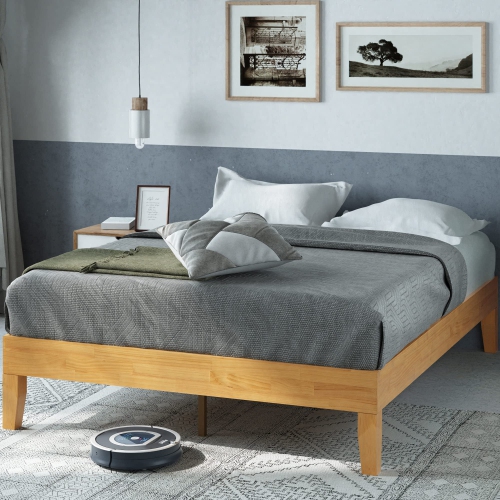 Your price for this item is $493.52
 -
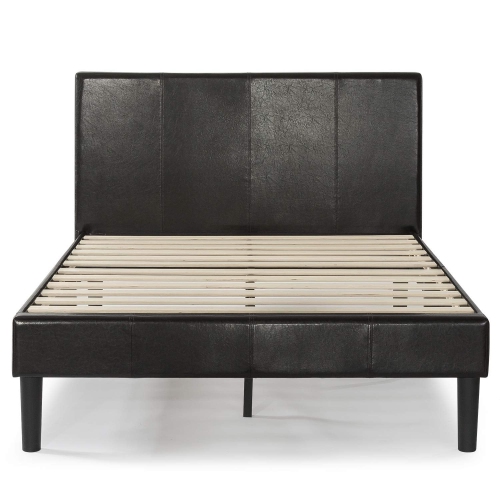 Your price for this item is $611.85
 -
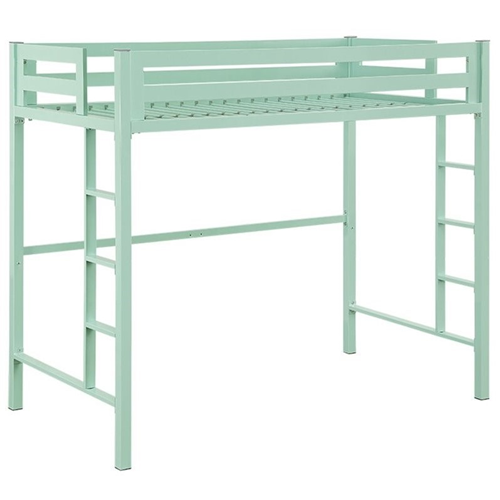 Your price for this item is $824.18
 -
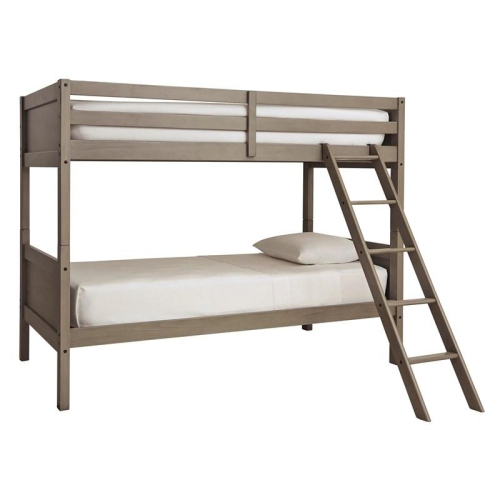 Your price for this item is $799.99
 -
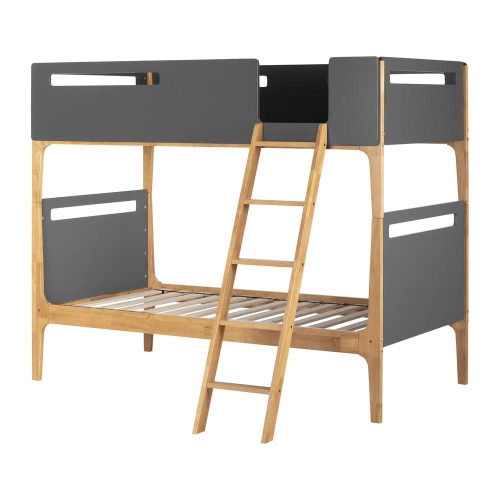 Your price for this item is $985.42
 -
 Your price for this item is $157.99
 -
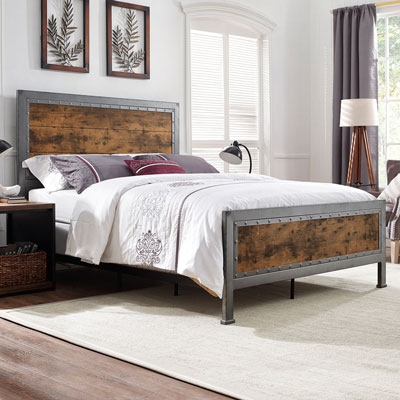 Your price for this item is $862.99
 -
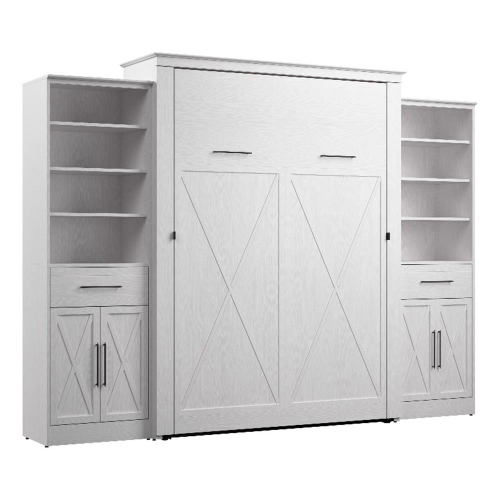 Your price for this item is $3519.99
Discover more categories related to Classic Beds
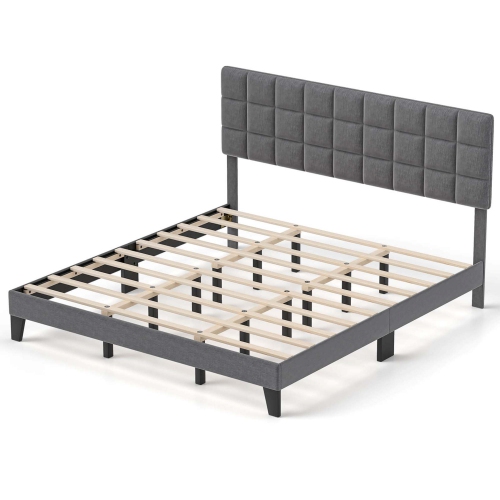


Top Collections:
Pokemon Centers, Kindle Devices, Best Budget Office Chairs, Apple iPhones 16, Best Laptops for Writers, iPhone 15 Apple, Canon G7X Cameras, Refurbished Apple Laptops, Alarm Clock, Motorola Razr Phones
Some products may be subject to Environmental Handling Fees
(EHF) depending on your province.
Learn more about EHFs.