Coat Racks for Small Spaces
Coat Racks for Small Spaces offer a stylish and practical solution for keeping entryways, hallways, or bedrooms tidy and organized. Perfect for apartments, condos, or any area where space is at a premium, these coat racks help maximize storage without sacrificing style. Discover a variety of designs that complement your décor while providing convenient spots to hang coats, hats, scarves, and bags. Find the ideal Coat Racks for Small Spaces to keep your home clutter-free and welcoming.
Sort
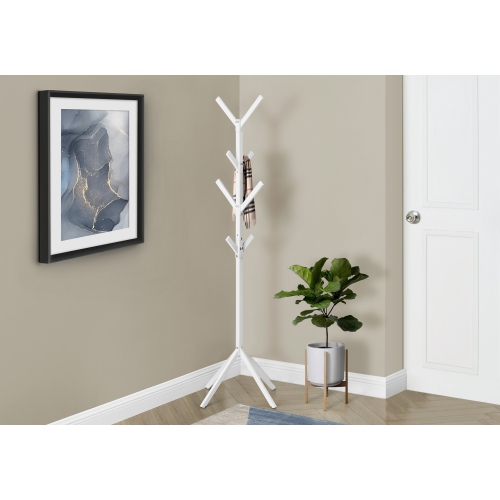
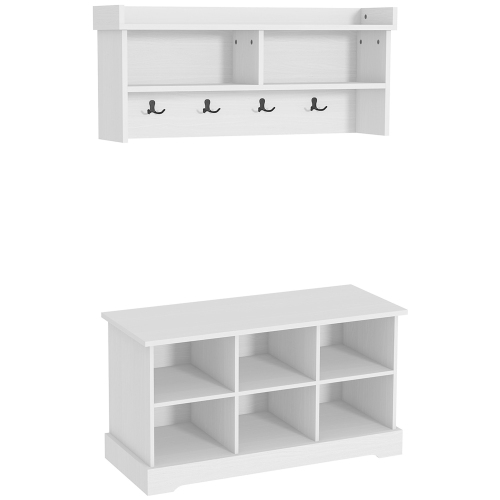

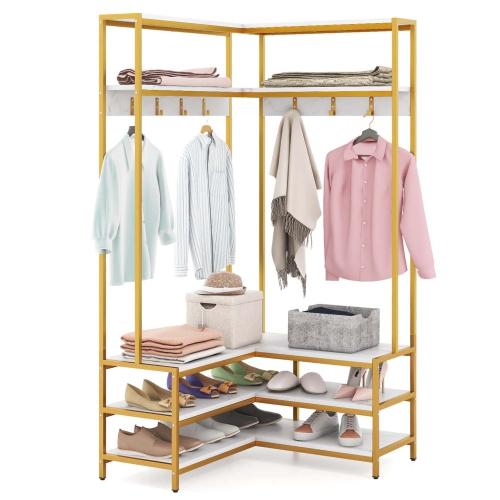
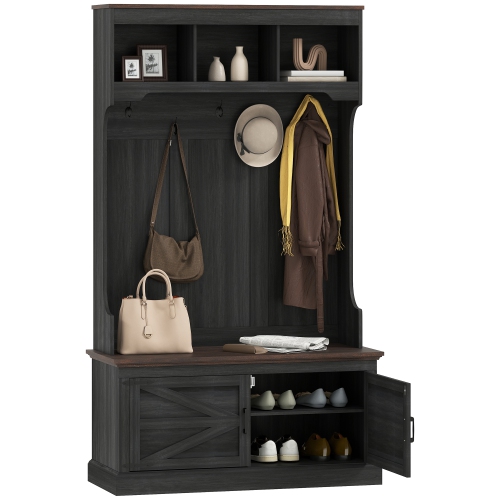
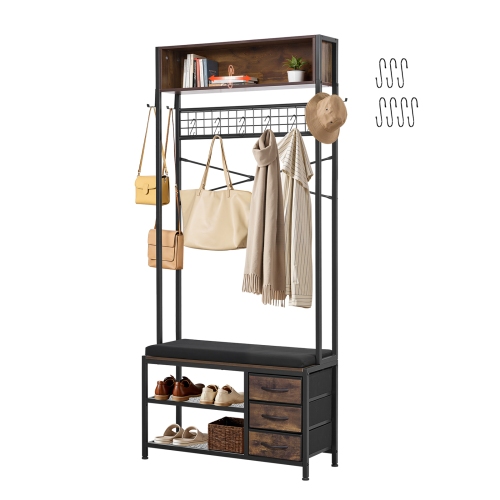
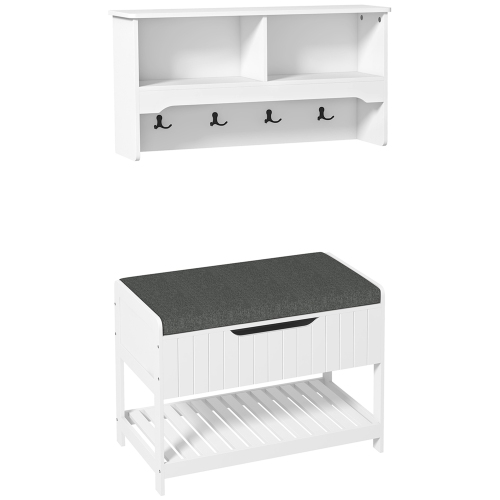
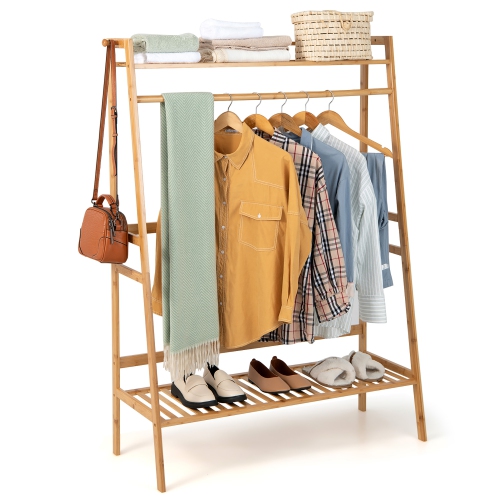
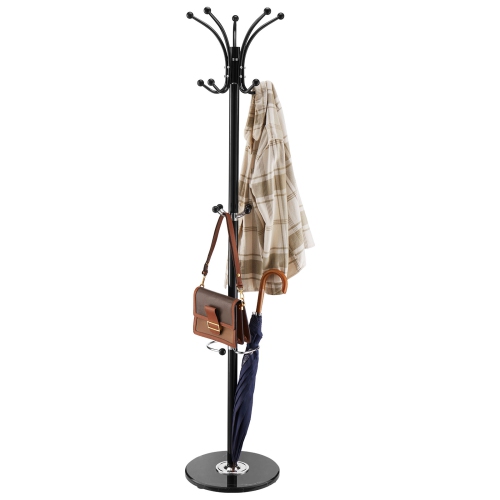
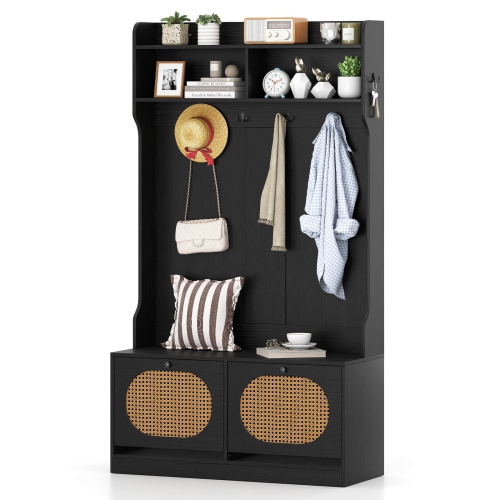
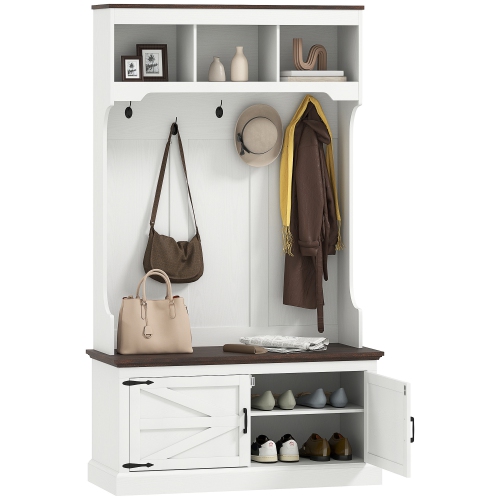
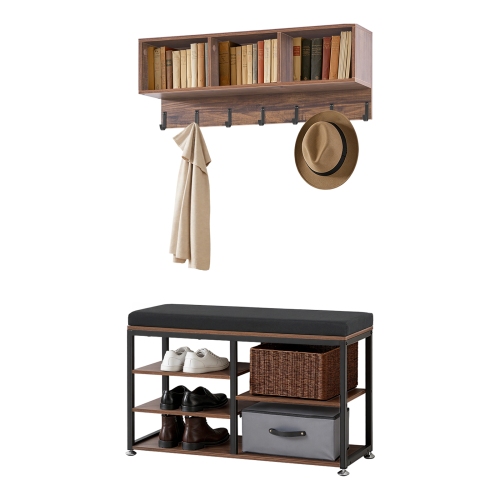
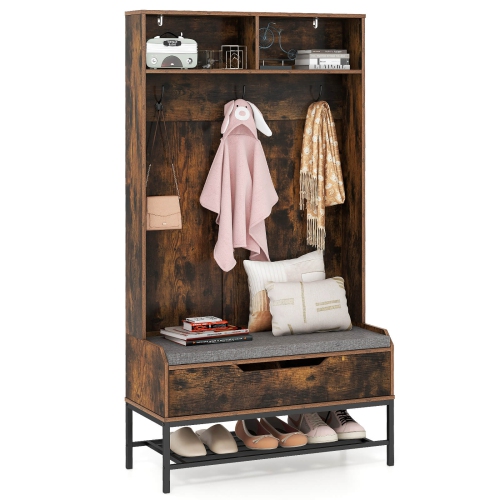
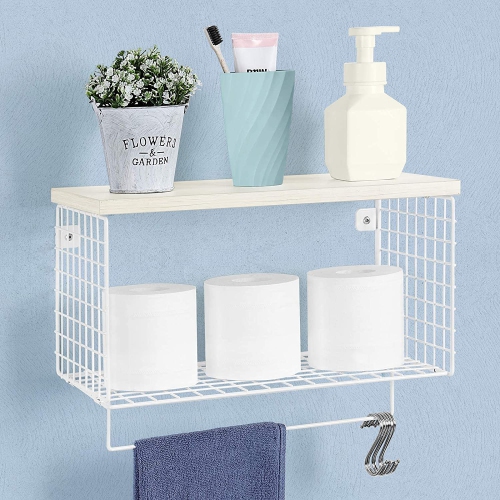
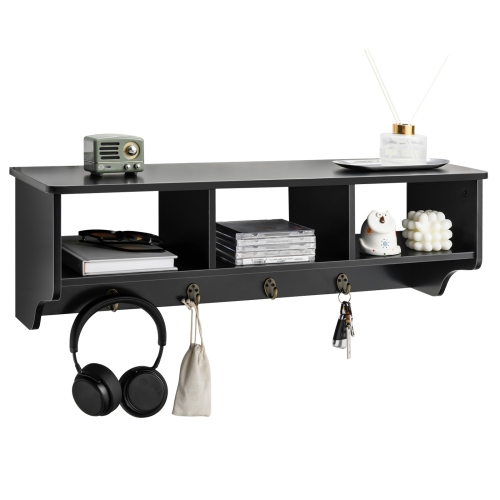
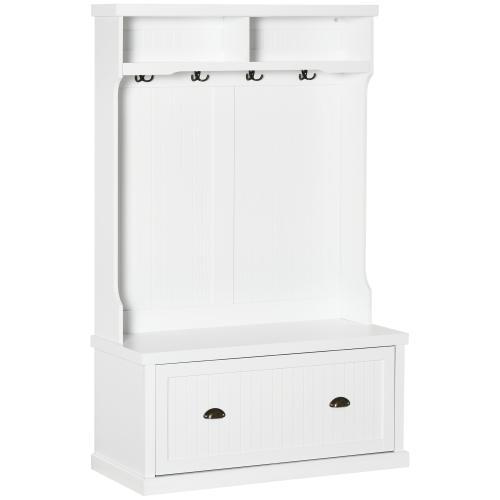
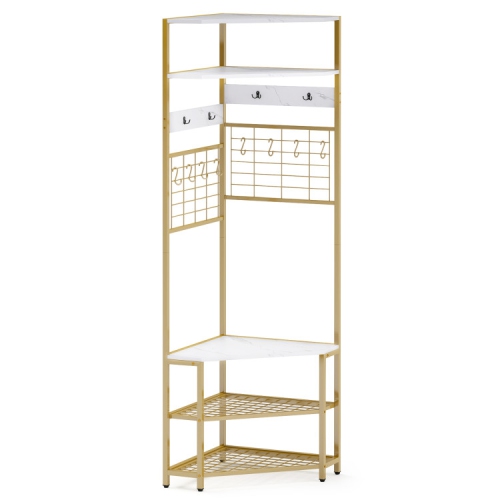
Room for your coats and room to pass
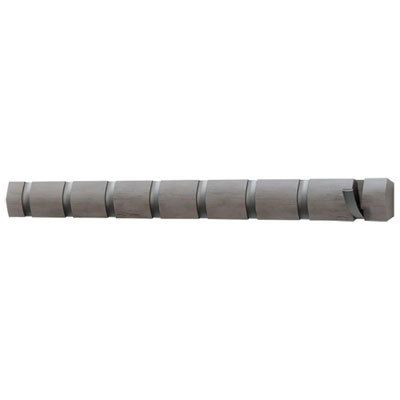
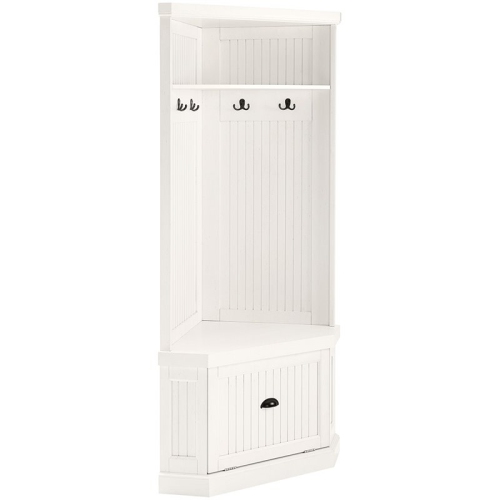
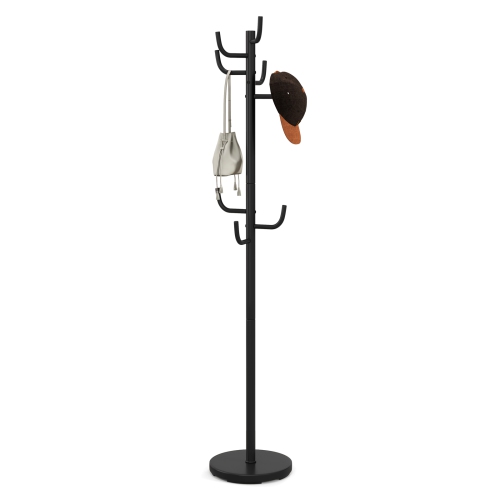
Coat racks for small spaces make everyday outerwear easier to reach without taking over an entryway, hallway, or bedroom. Wall-mounted coat racks are a strong fit for narrow passages because they use vertical space and leave the floor clear, while slim freestanding racks provide hanging storage without requiring holes in the wall. Over-the-door racks put an often-unused surface to work, and corner designs can tuck into areas that are awkward to furnish. The most useful choice depends on the space the rack occupies when loaded, not just its empty dimensions. A row of hooks may sit close to the wall, but jackets, shoulder bags, and backpacks will project farther into the room. In a compact condo entrance, that extra depth can determine whether someone can comfortably pass a hanging coat while carrying groceries. Measure the width and depth of the intended spot, check the swing of nearby doors, and leave access to light switches, outlets, and closet handles. Wall-mounted rails with folding or retractable hooks reduce projection when empty, making them useful where hanging storage is only needed occasionally. They still need enough clearance for clothing when the hooks are open. A tall coat stand concentrates storage within a small footprint, though its base must fit fully outside the walking route. Corner coat racks can make use of an empty junction between walls, provided the hooks and hanging garments do not block adjacent openings. For an over-the-door design, the bracket thickness and the clearance above the door matter as much as the number of hooks; a suitable rack should allow the door to close normally without scraping the frame. These practical differences make space-saving coat racks useful beyond the front entrance, including in a small home office for a jacket and tote, a bedroom without generous closet space, or a shared apartment where each person needs a predictable place for daily belongings.
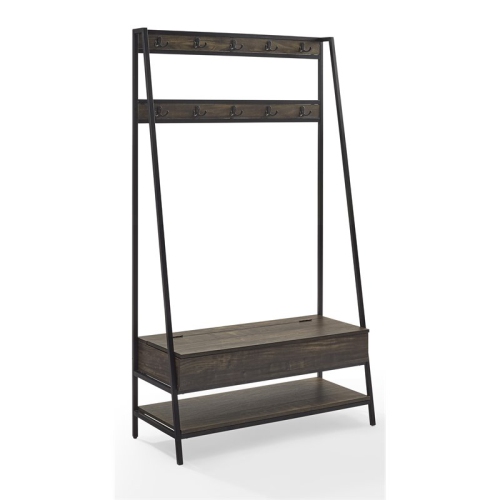
Capacity is about more than fitting as many hooks as possible onto a narrow rail. Generous spacing helps sleeves and bag straps stay separate, while staggered hooks can accommodate belongings at different heights. A compact rack with fewer well-positioned hooks may be easier to use than a crowded design that requires lifting several garments to find one underneath. Rounded hooks and smooth ends are worth considering for clothing hung by its collar or hanging loop, although delicate garments may be better supported on hangers. A narrow garment-style rack with a hanging bar offers that option, but the width of the hangers and the depth of clothing need to be included in the space calculation. For a household with children, lower hooks can make putting away a small jacket or school bag more manageable; an upper row keeps adult outerwear accessible without competing for the same spot. Hook height also matters for anyone who prefers storage within easy reach rather than overhead. Bags deserve particular attention because a compact backpack or work tote can weigh considerably more than a light jacket. Check both the total load rating and any per-hook limits, and follow the manufacturer's guidance for distributing weight. On freestanding designs, evenly balanced loads help maintain stability, especially when several belongings hang from one side. A broad or weighted base can improve steadiness, but it also takes up floor space. Designs that combine coat hooks with a small shelf or shoe storage can bring several daily routines into one footprint. An upper shelf can hold a hat or a lightweight basket, while an open lower tier provides a defined place for footwear. Where a combined unit would feel too bulky, separate wall hooks and a shallow footwear organizer offer more flexibility; Shoe Racks for Small Spaces can help keep that lower storage area proportionate to a compact entrance. Any bench-style combination intended for sitting should have a stated seating capacity rather than relying on a shelf to support body weight.
Materials, construction, and finish influence how a small-space coat rack looks and how well it stands up to repeated use. Solid wood brings visible grain and a warmer appearance to a plain hallway, with tones that can coordinate with nearby furniture or flooring. Engineered wood can provide a consistent finish for shelves and back panels, though exposed edges and joints benefit from careful handling and protection from excess moisture. Metal racks often have slim profiles that suit tight spaces, and powder-coated finishes can offer a durable surface when cared for as directed. Material alone does not establish strength: secure joints, suitable fasteners, properly attached hooks, and a stable structure all contribute to dependable use. Smooth welds and neatly finished edges are useful details wherever hands, sleeves, and straps make frequent contact. A light-coloured rack can blend into a pale wall, while black metal creates a more noticeable outline; matching the finish to door hardware can make a small entrance feel more coordinated without adding extra furnishings. Open designs preserve sightlines, although keeping the daily load modest helps prevent a slim rack from becoming a dense wall of clothing. Installation deserves equal attention. Wall-mounted coat racks need fixings appropriate to the wall construction and the intended load, with attachment to studs where required by the manufacturer. Adhesive mounting is only suitable when the rack is expressly designed for it and the surface and weight requirements are met. Renters may prefer a freestanding or compatible over-the-door option, subject to any property requirements. Routine care is generally straightforward: remove dust with a soft cloth, use cleaning methods suited to the finish, and dry any damp areas promptly. Avoid abrasive cleaners that could dull coatings or scratch visible surfaces, and periodically check assembly hardware and wall fixings for looseness. For a first apartment, student room, or downsized home, a thoughtfully sized coat rack can also make a practical housewarming gift, especially when its dimensions and installation needs are known. The goal is a clear place for the belongings used most often, with enough room left around them for comfortable daily movement.
Capacity is about more than fitting as many hooks as possible onto a narrow rail. Generous spacing helps sleeves and bag straps stay separate, while staggered hooks can accommodate belongings at different heights. A compact rack with fewer well-positioned hooks may be easier to use than a crowded design that requires lifting several garments to find one underneath. Rounded hooks and smooth ends are worth considering for clothing hung by its collar or hanging loop, although delicate garments may be better supported on hangers. A narrow garment-style rack with a hanging bar offers that option, but the width of the hangers and the depth of clothing need to be included in the space calculation. For a household with children, lower hooks can make putting away a small jacket or school bag more manageable; an upper row keeps adult outerwear accessible without competing for the same spot. Hook height also matters for anyone who prefers storage within easy reach rather than overhead. Bags deserve particular attention because a compact backpack or work tote can weigh considerably more than a light jacket. Check both the total load rating and any per-hook limits, and follow the manufacturer's guidance for distributing weight. On freestanding designs, evenly balanced loads help maintain stability, especially when several belongings hang from one side. A broad or weighted base can improve steadiness, but it also takes up floor space. Designs that combine coat hooks with a small shelf or shoe storage can bring several daily routines into one footprint. An upper shelf can hold a hat or a lightweight basket, while an open lower tier provides a defined place for footwear. Where a combined unit would feel too bulky, separate wall hooks and a shallow footwear organizer offer more flexibility; Shoe Racks for Small Spaces can help keep that lower storage area proportionate to a compact entrance. Any bench-style combination intended for sitting should have a stated seating capacity rather than relying on a shelf to support body weight.
Materials, construction, and finish influence how a small-space coat rack looks and how well it stands up to repeated use. Solid wood brings visible grain and a warmer appearance to a plain hallway, with tones that can coordinate with nearby furniture or flooring. Engineered wood can provide a consistent finish for shelves and back panels, though exposed edges and joints benefit from careful handling and protection from excess moisture. Metal racks often have slim profiles that suit tight spaces, and powder-coated finishes can offer a durable surface when cared for as directed. Material alone does not establish strength: secure joints, suitable fasteners, properly attached hooks, and a stable structure all contribute to dependable use. Smooth welds and neatly finished edges are useful details wherever hands, sleeves, and straps make frequent contact. A light-coloured rack can blend into a pale wall, while black metal creates a more noticeable outline; matching the finish to door hardware can make a small entrance feel more coordinated without adding extra furnishings. Open designs preserve sightlines, although keeping the daily load modest helps prevent a slim rack from becoming a dense wall of clothing. Installation deserves equal attention. Wall-mounted coat racks need fixings appropriate to the wall construction and the intended load, with attachment to studs where required by the manufacturer. Adhesive mounting is only suitable when the rack is expressly designed for it and the surface and weight requirements are met. Renters may prefer a freestanding or compatible over-the-door option, subject to any property requirements. Routine care is generally straightforward: remove dust with a soft cloth, use cleaning methods suited to the finish, and dry any damp areas promptly. Avoid abrasive cleaners that could dull coatings or scratch visible surfaces, and periodically check assembly hardware and wall fixings for looseness. For a first apartment, student room, or downsized home, a thoughtfully sized coat rack can also make a practical housewarming gift, especially when its dimensions and installation needs are known. The goal is a clear place for the belongings used most often, with enough room left around them for comfortable daily movement.
Top selling and popular products
-
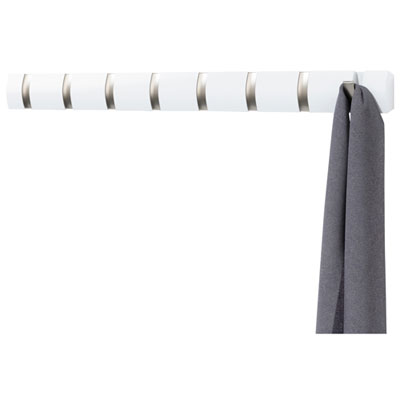 Your price for this item is $55.98
 -
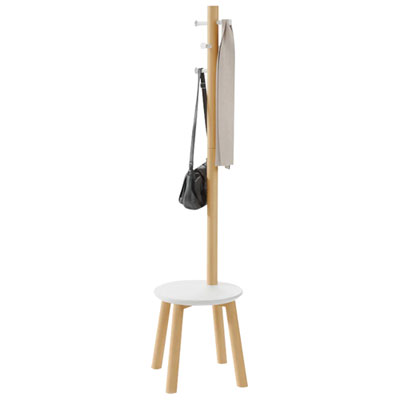 Your price for this item is $119.98
 -
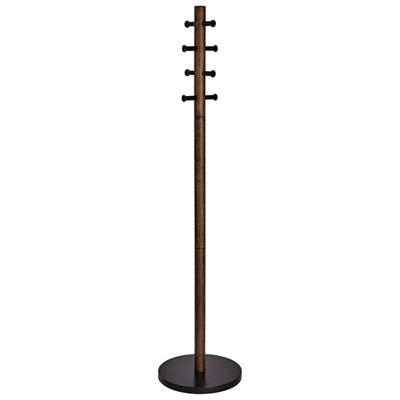 Your price for this item is $144.98
 -
 Your price for this item is $75.9
 -
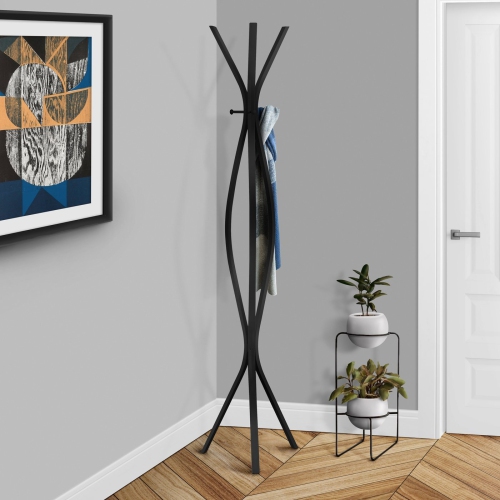 Your price for this item is $69.97
 -
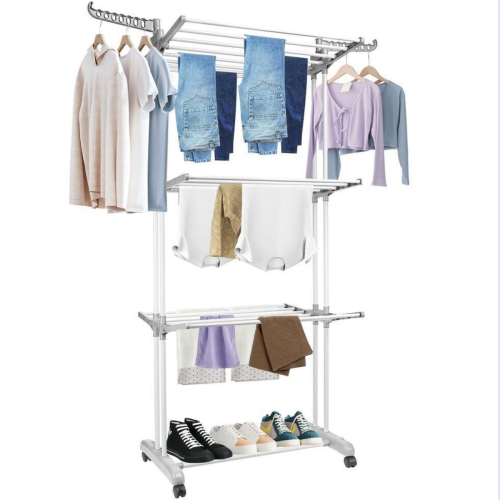 Your price for this item is $49.99
 -
 Your price for this item is $46.97
 -
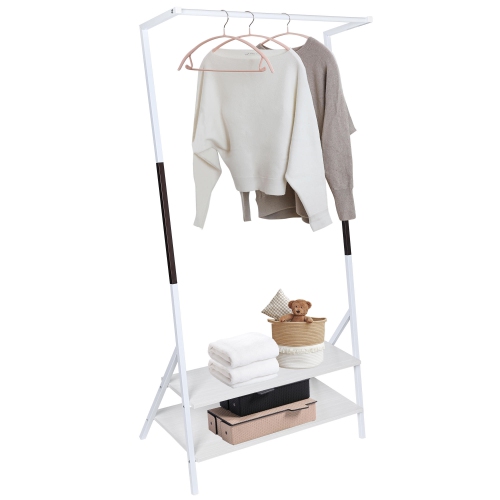 Your price for this item is $49.99
Discover more categories related to Coat Racks for Small Spaces
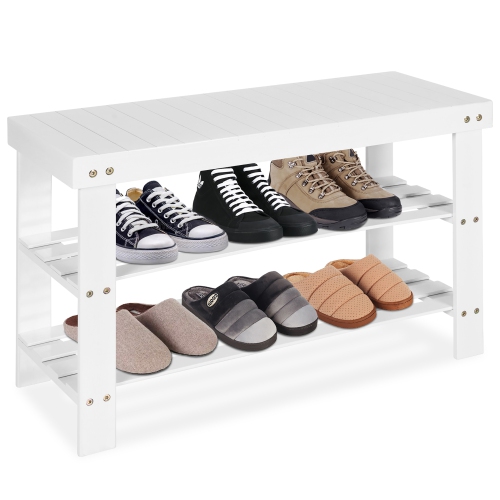
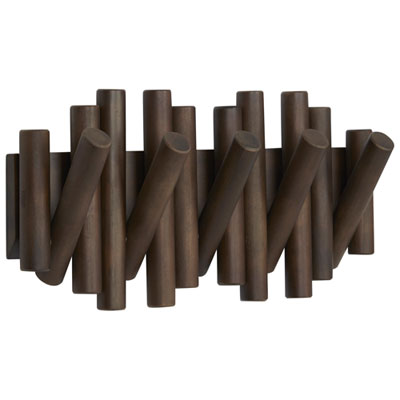
Top Collections:
Pokemon Centers, Kindle Devices, Best Budget Office Chairs, Apple iPhones 16, Canon G7X Cameras, iPhone 15 Apple, Alarm Clock, Refurbished Apple Laptops, Flip Phones, Best Laptops for Writers
Some products may be subject to Environmental Handling Fees
(EHF) depending on your province.
Learn more about EHFs.