Coat Racks for Wall
If you're looking to maximize your wall space while keeping your entryway organized and stylish, look no further than these coat racks for the wall. These functional and space-saving solutions are perfect for hanging coats, jackets, hats, scarves, and more. With a variety of designs and finishes to choose from, you can find the perfect coat rack that not only fits seamlessly into your home decor but also adds a touch of elegance to your space.
Sort


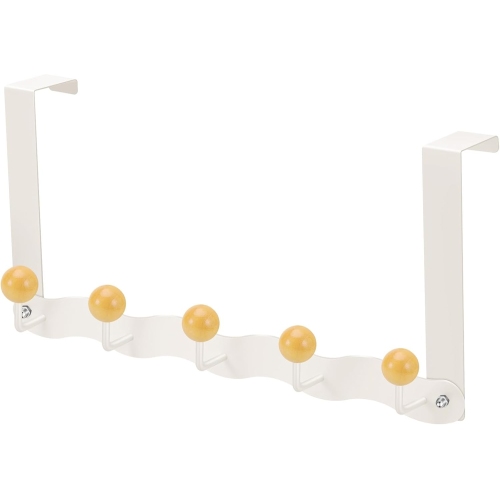
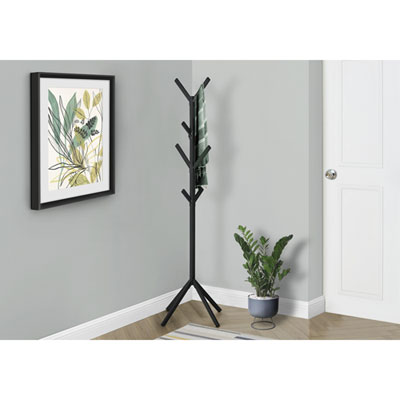
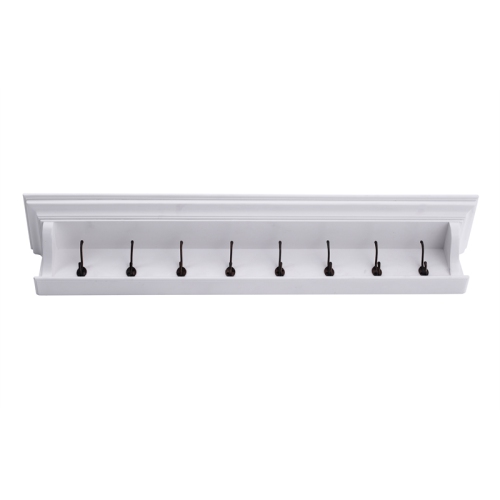
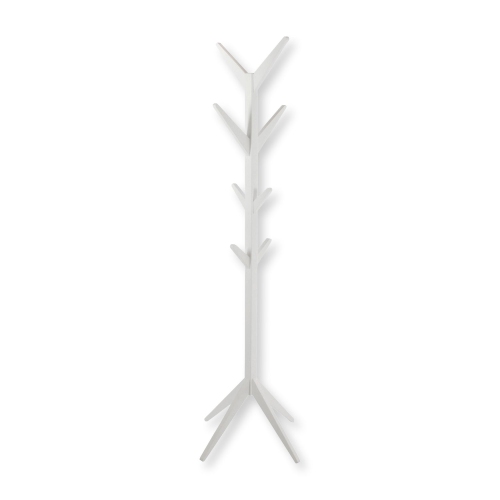
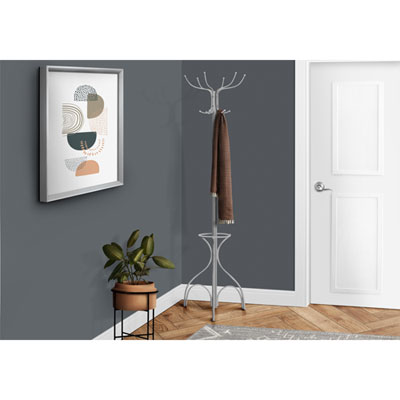
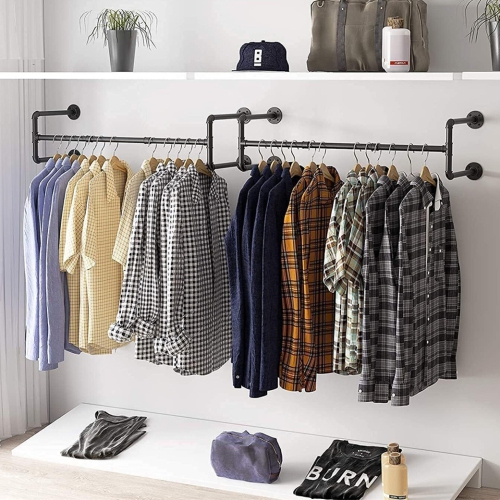
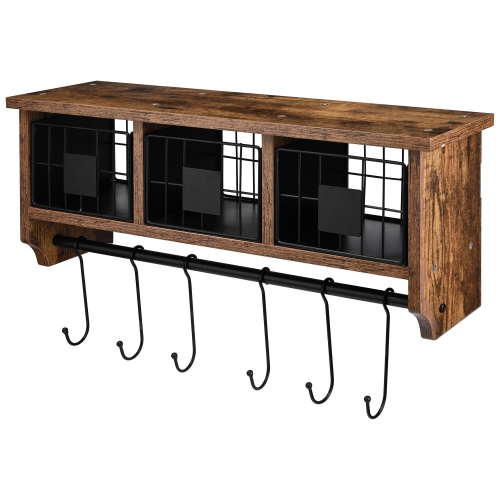
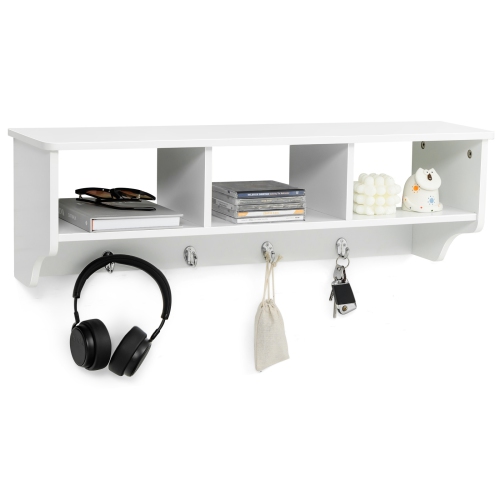


Smart sizing and installation for calmer, tidier entryways
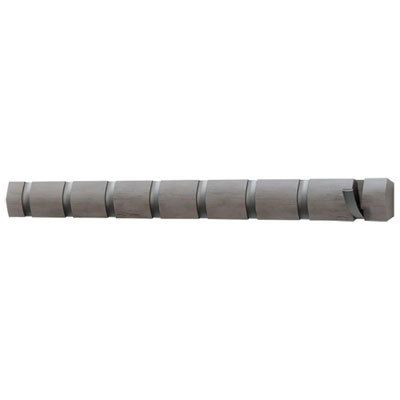
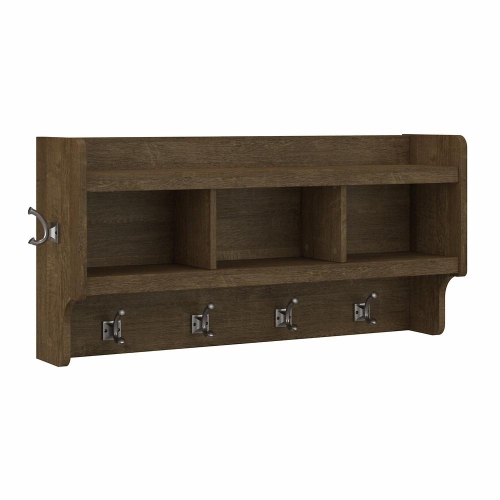
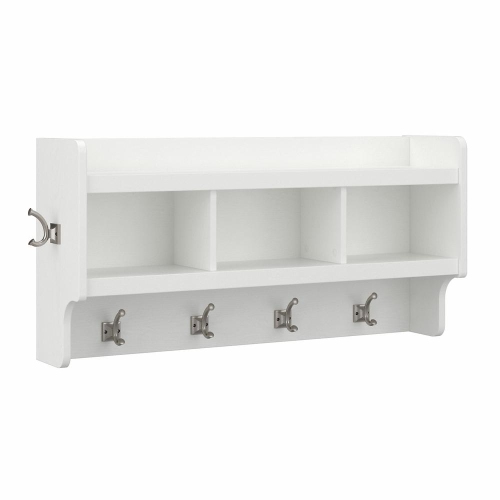
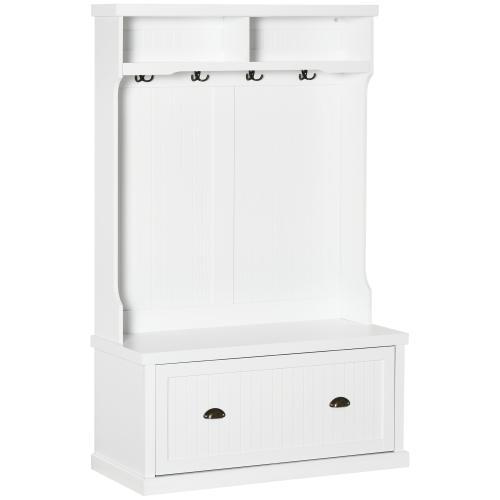
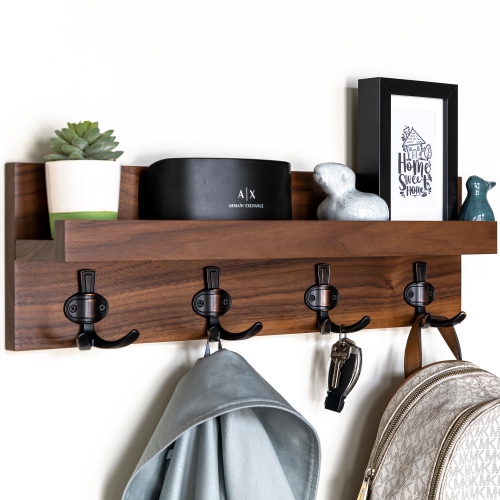
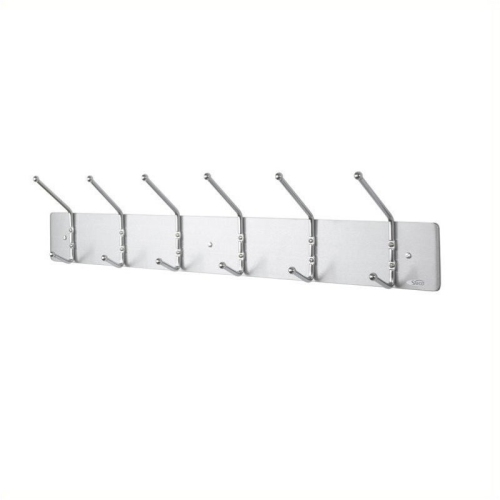
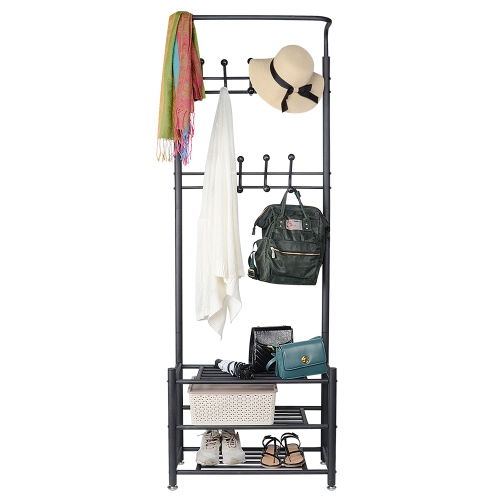
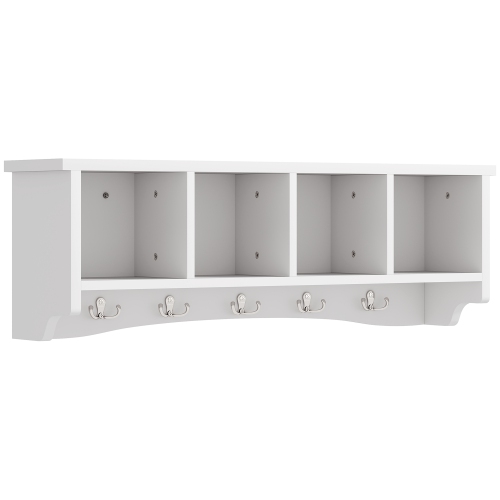
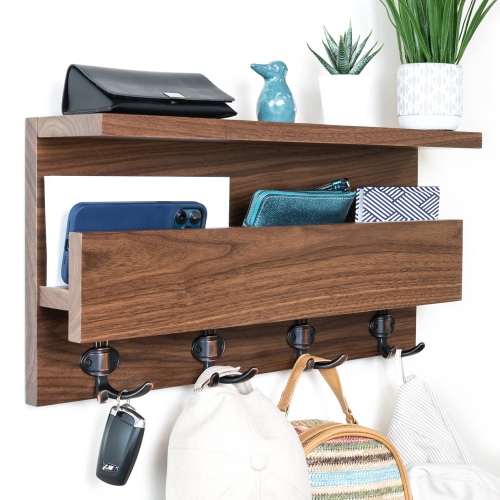
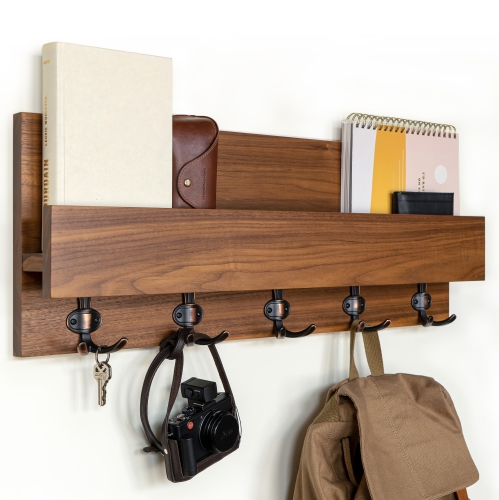
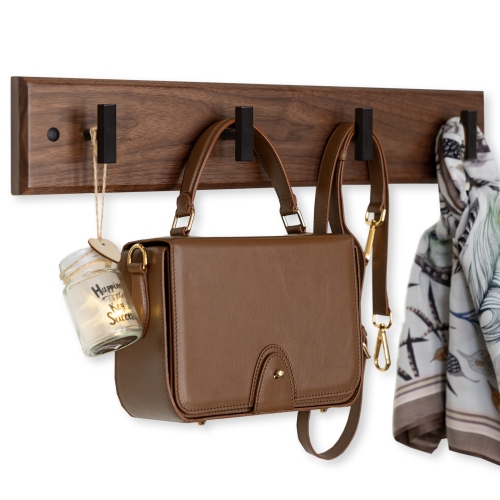
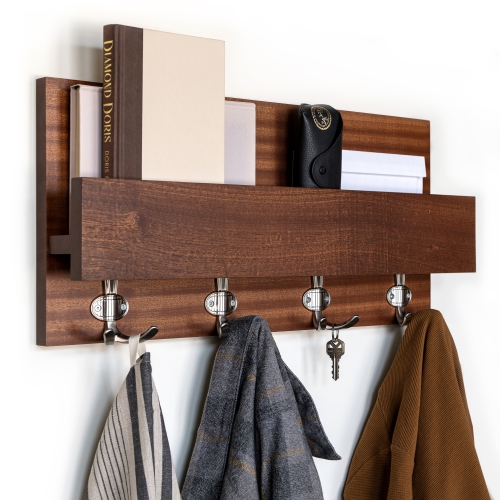
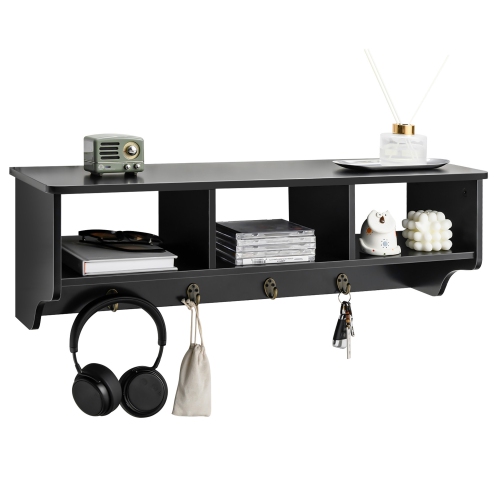
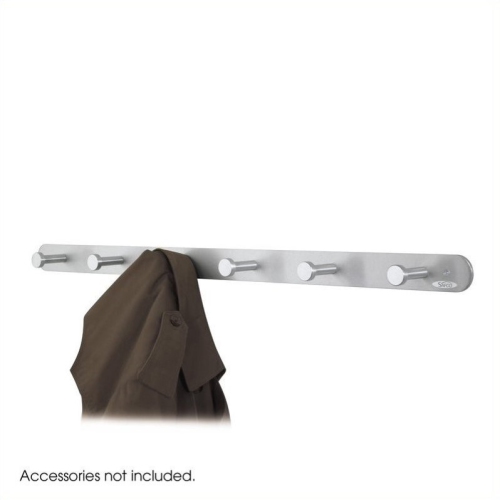
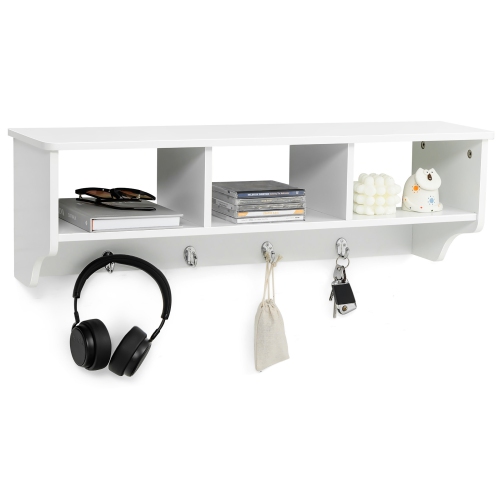
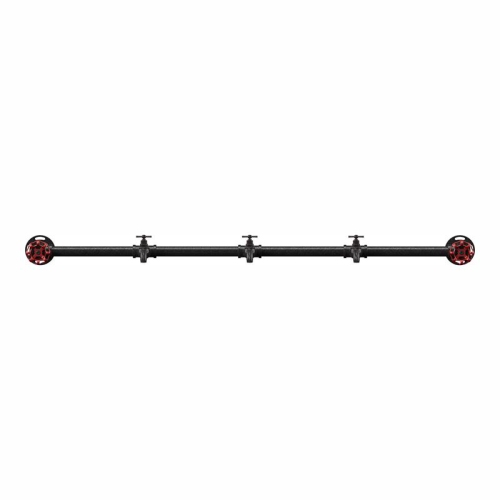
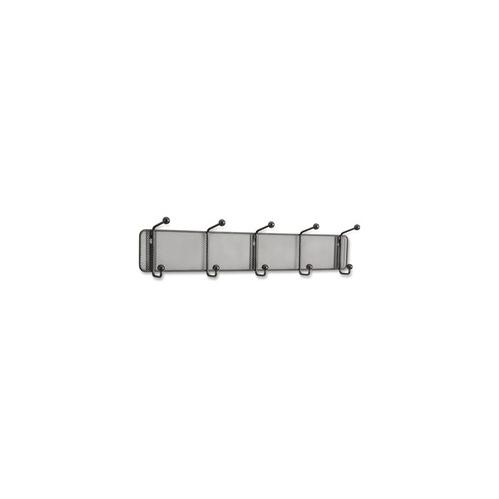
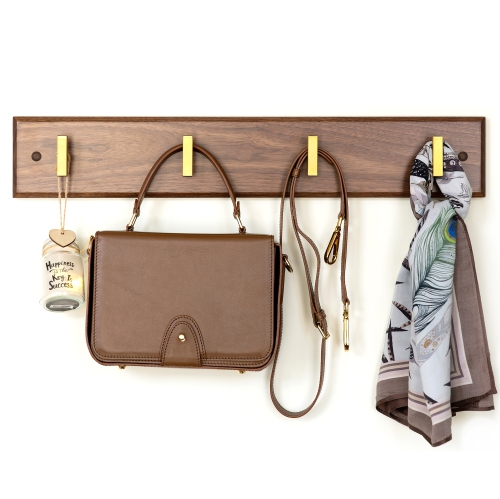
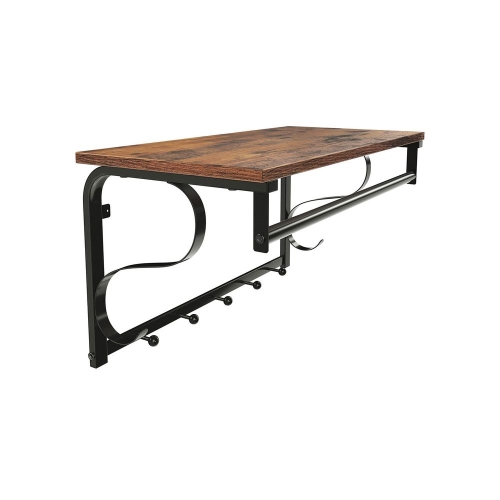
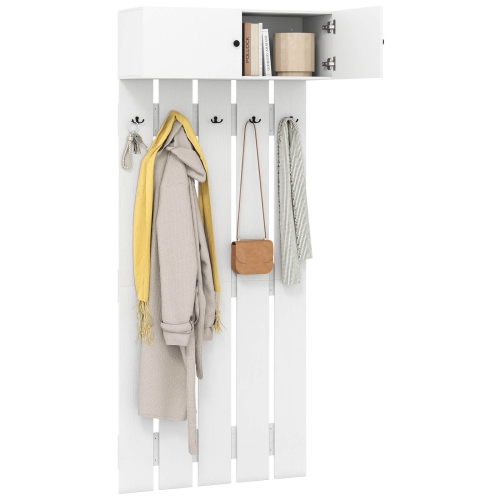
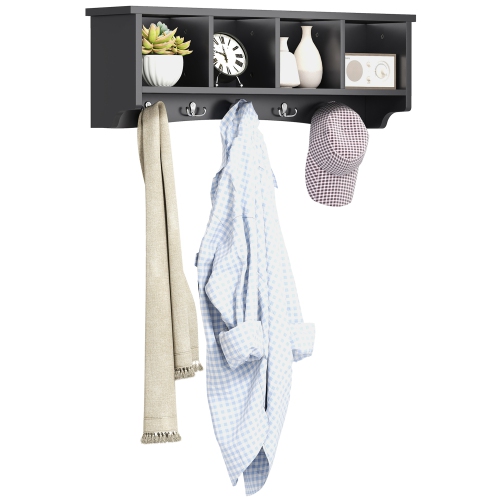
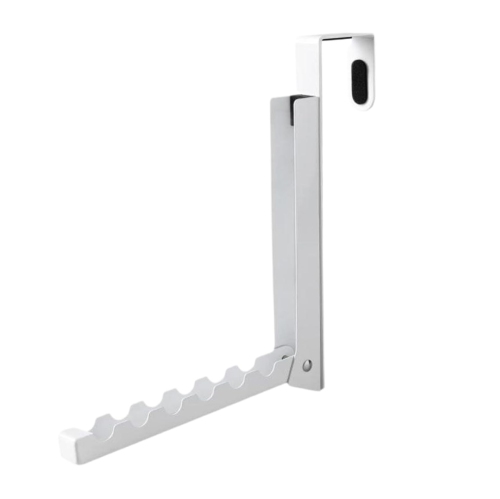
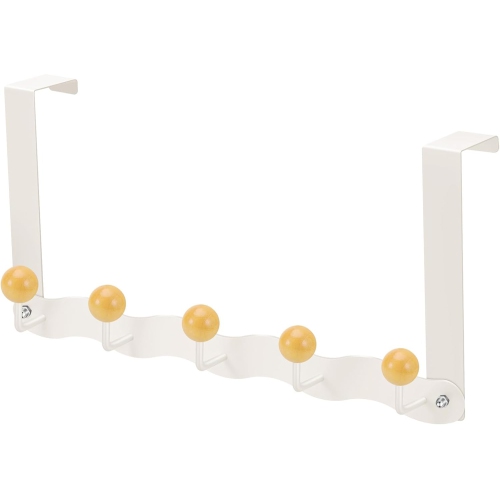
Wall-mounted coat racks bring order to the busiest part of a home without taking up valuable floor space. Instead of allowing jackets, scarves, hats, and bags to collect over the back of a chair or spill across the stairs, a well-placed rack gives each item a clear landing spot near the door. This can make a noticeable difference in a compact condo entryway, a narrow hallway, a mudroom, or a family home where several people come and go throughout the day. Designs range from simple rows of hooks to more decorative arrangements with an upper shelf, individual pegs, or fold-down hooks that sit flat when they are not needed. When browsing Wall Coat Racks, consider how much you normally need to hang and how much space is available on the wall. A small rack may suit a single occupant or a guest room, while a wider model with several hooks can help organize a family’s everyday outerwear. Racks with a shelf provide a convenient place for baskets, mittens, sunglasses, keys, or a small decorative accent, although the shelf should not be overloaded. For a clean, contemporary room, look for streamlined lines and neutral finishes that blend with the wall and surrounding furniture. Wood tones can add warmth to an entryway, while metal details may complement an industrial, minimalist, or modern interior. The rack should feel like a natural part of the room rather than an afterthought, especially when it is installed in a high-traffic area where it will be seen every time someone enters the home.
The right size and layout depend on the people using the rack and the items it will hold. A household that regularly hangs thick winter coats, backpacks, and heavier bags should prioritize sturdy construction, generous spacing between hooks, and a clearly stated weight capacity. Closely spaced hooks can look tidy when empty but become difficult to use once bulky parkas and scarves are added. A shelf may be useful for lighter accessories, but it should not be treated as a substitute for a dedicated storage cabinet if it will carry heavy bins or packed bags. For everyday adult use, the hook area is commonly positioned about 60 to 72 inches from the floor, with approximately 66 inches often serving as a practical reference point; the most comfortable height may vary depending on the household and the height of the wall. Lower hooks, around 36 to 48 inches from the floor, can make it easier for children to hang their own jackets and school bags, encouraging a simple routine after coming home. In a shared space, a combination of adult-height and child-height storage can work well, provided the wall layout remains clear and easy to move around. Wall-mounted coat racks can also be thoughtful gifts for someone moving into a first apartment, setting up a home office, furnishing a cottage, or preparing a nursery or playroom. They are useful housewarming gifts because they combine practical storage with a visible design element, and a compact rack can be especially helpful for someone working with a small foyer or rental-friendly layout. During the cooler months, when coats become thicker and wet accessories need a place to dry, having hooks close to the entrance can prevent damp clothing from being left on furniture or gathered on the floor.
Installation deserves as much attention as appearance. Before choosing a location, measure the wall, door swing, nearby furniture, and the length of the garments you plan to hang. A rack placed too close to a door frame may be awkward to use, while one installed above a bench may leave too little room for long coats. Use a level to keep the rack straight, mark the mounting points carefully, and check whether screws can be secured into wall studs. Fastening directly into studs generally provides the strongest support, particularly for racks holding several heavy coats or bags. If the preferred position does not line up with studs, select wall anchors that are rated for the wall material and the expected load. Drywall, plaster, and wood surfaces require different mounting approaches, and the capacity listed for a rack can change depending on the hardware and installation method. Drywall anchors may support less weight than a stud-mounted installation, so avoid assuming that the maximum advertised capacity applies in every situation. A stud finder, pencil, level, drill or screwdriver, measuring tape, and suitable screws or anchors are commonly useful for the job. In older homes with plaster walls, take care while drilling to reduce the chance of cracking, and confirm that the supplied hardware is appropriate before beginning. Once installed, distribute weight across the hooks rather than placing every heavy item on one point, and periodically check that the screws remain snug. With the right placement, construction, and mounting method, a wall coat rack can keep an entryway feeling calm and welcoming as routines shift between lighter layers and bulky outerwear.
The right size and layout depend on the people using the rack and the items it will hold. A household that regularly hangs thick winter coats, backpacks, and heavier bags should prioritize sturdy construction, generous spacing between hooks, and a clearly stated weight capacity. Closely spaced hooks can look tidy when empty but become difficult to use once bulky parkas and scarves are added. A shelf may be useful for lighter accessories, but it should not be treated as a substitute for a dedicated storage cabinet if it will carry heavy bins or packed bags. For everyday adult use, the hook area is commonly positioned about 60 to 72 inches from the floor, with approximately 66 inches often serving as a practical reference point; the most comfortable height may vary depending on the household and the height of the wall. Lower hooks, around 36 to 48 inches from the floor, can make it easier for children to hang their own jackets and school bags, encouraging a simple routine after coming home. In a shared space, a combination of adult-height and child-height storage can work well, provided the wall layout remains clear and easy to move around. Wall-mounted coat racks can also be thoughtful gifts for someone moving into a first apartment, setting up a home office, furnishing a cottage, or preparing a nursery or playroom. They are useful housewarming gifts because they combine practical storage with a visible design element, and a compact rack can be especially helpful for someone working with a small foyer or rental-friendly layout. During the cooler months, when coats become thicker and wet accessories need a place to dry, having hooks close to the entrance can prevent damp clothing from being left on furniture or gathered on the floor.
Installation deserves as much attention as appearance. Before choosing a location, measure the wall, door swing, nearby furniture, and the length of the garments you plan to hang. A rack placed too close to a door frame may be awkward to use, while one installed above a bench may leave too little room for long coats. Use a level to keep the rack straight, mark the mounting points carefully, and check whether screws can be secured into wall studs. Fastening directly into studs generally provides the strongest support, particularly for racks holding several heavy coats or bags. If the preferred position does not line up with studs, select wall anchors that are rated for the wall material and the expected load. Drywall, plaster, and wood surfaces require different mounting approaches, and the capacity listed for a rack can change depending on the hardware and installation method. Drywall anchors may support less weight than a stud-mounted installation, so avoid assuming that the maximum advertised capacity applies in every situation. A stud finder, pencil, level, drill or screwdriver, measuring tape, and suitable screws or anchors are commonly useful for the job. In older homes with plaster walls, take care while drilling to reduce the chance of cracking, and confirm that the supplied hardware is appropriate before beginning. Once installed, distribute weight across the hooks rather than placing every heavy item on one point, and periodically check that the screws remain snug. With the right placement, construction, and mounting method, a wall coat rack can keep an entryway feeling calm and welcoming as routines shift between lighter layers and bulky outerwear.
Top selling and popular products
-
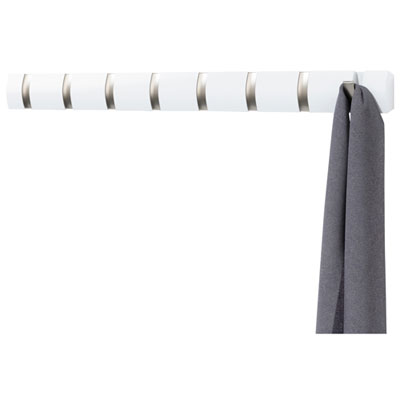 Your price for this item is $55.98
 -
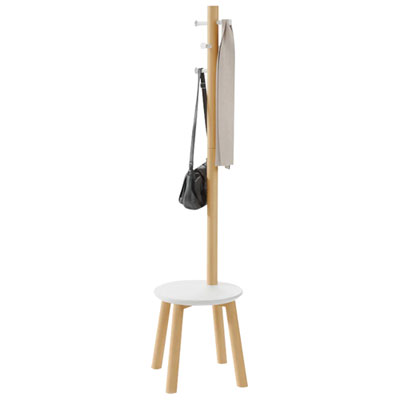 Your price for this item is $119.98
 -
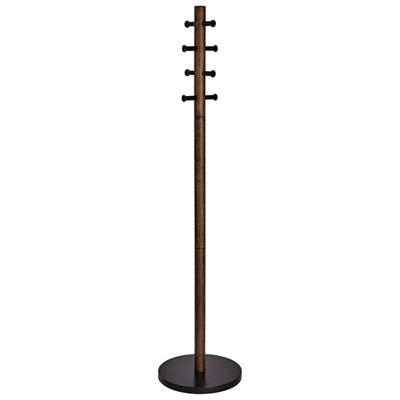 Your price for this item is $144.98
 -
 Your price for this item is $75.9
 -
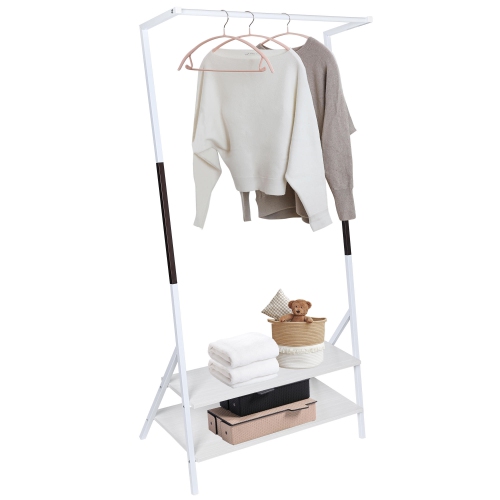 Your price for this item is $49.99
 -
 Your price for this item is $46.97
 -
 Your price for this item is $69.97
 -
 Your price for this item is $49.99
Discover more categories related to Coat Racks for Wall
Top Collections:
Pokemon Centers, Kindle Devices, Best Budget Office Chairs, Apple iPhones 16, Best Laptops for Writers, iPhone 15 Apple, Canon G7X Cameras, Refurbished Apple Laptops, Alarm Clock, Motorola Razr Phones
Some products may be subject to Environmental Handling Fees
(EHF) depending on your province.
Learn more about EHFs.