Comfortable Modern Office Chairs
If you spend a lot of time at your desk, it's important to have an office chair that is comfortable and supportive. A good chair will help you maintain good posture, which can reduce back pain and fatigue. It will also help you sit more comfortably for hours on end, which can make a big difference in your overall well-being. Here are some of the best modern office chairs on the market.
Sort
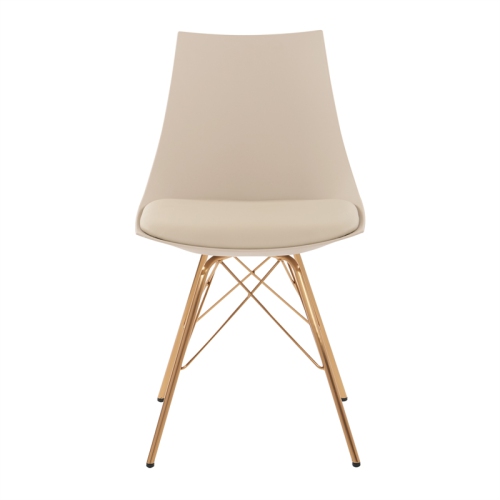
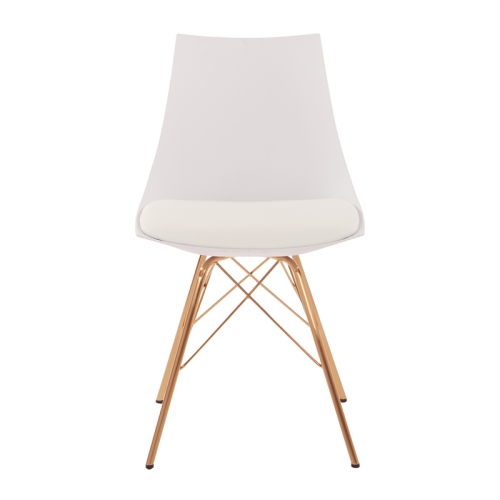
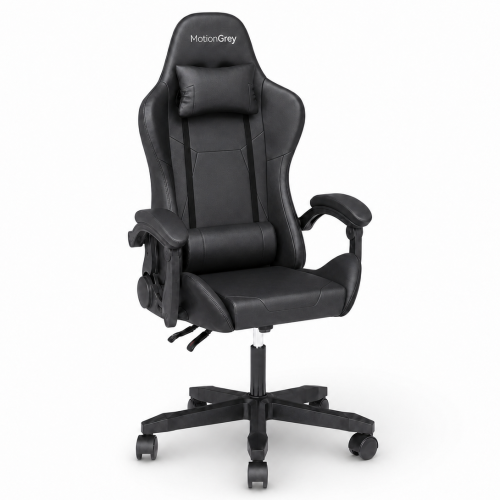
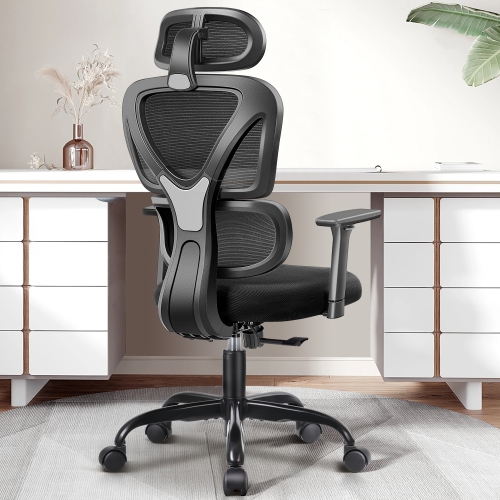
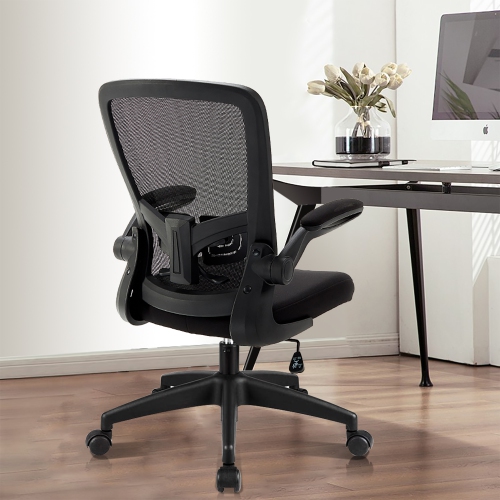
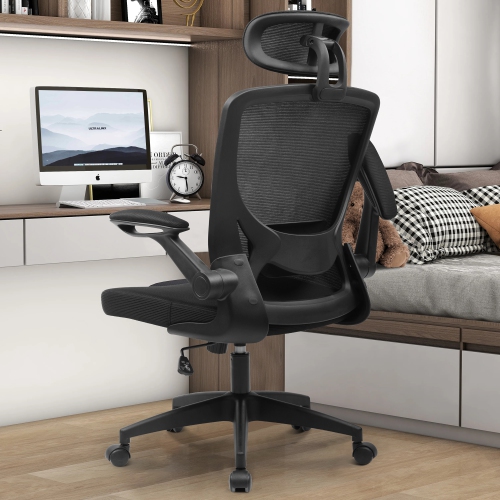
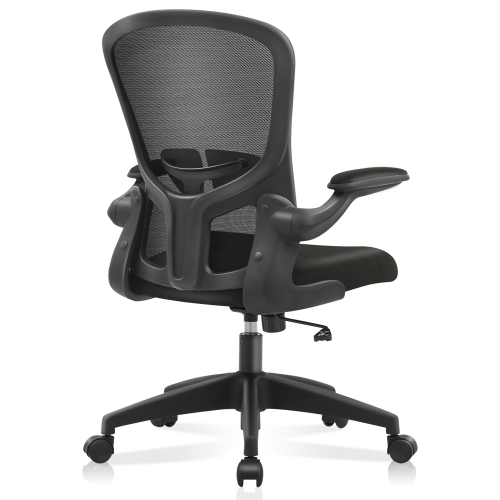
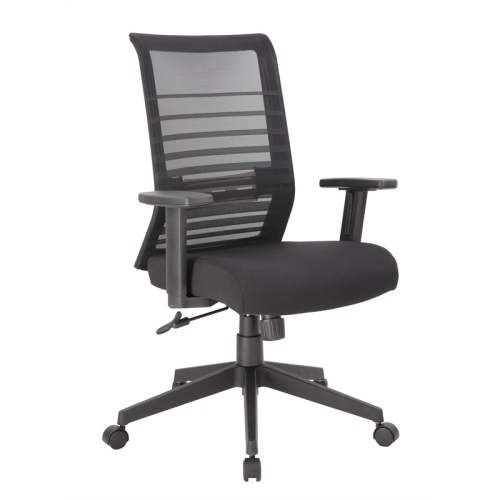
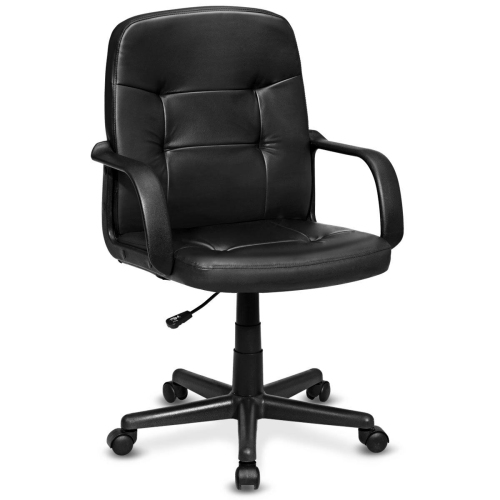
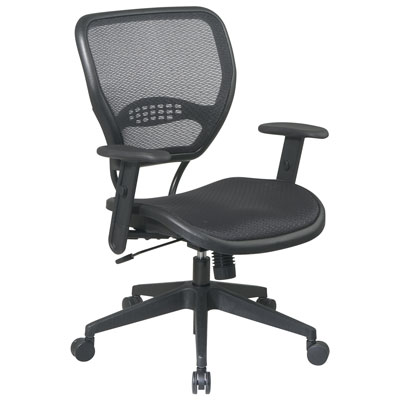
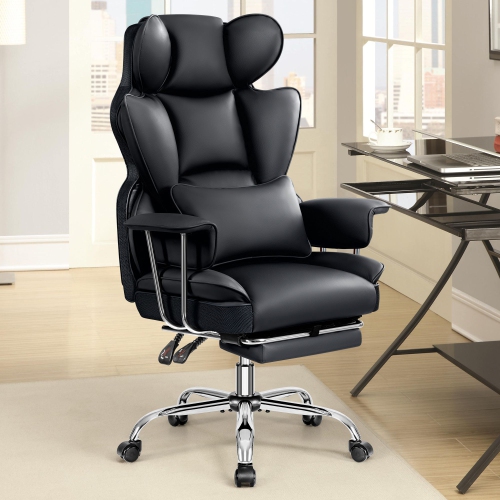
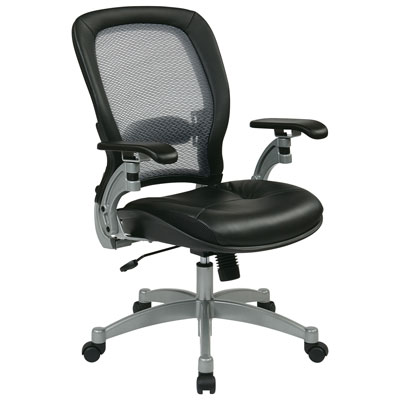
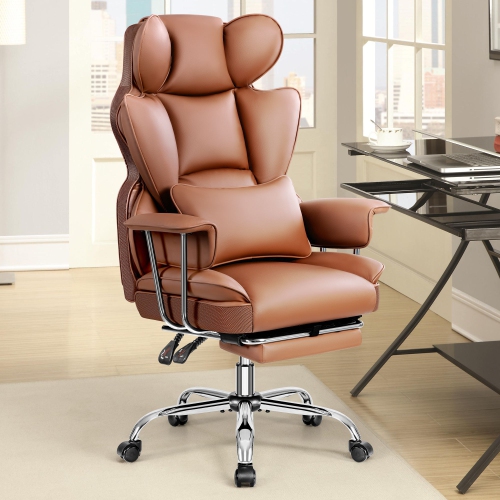
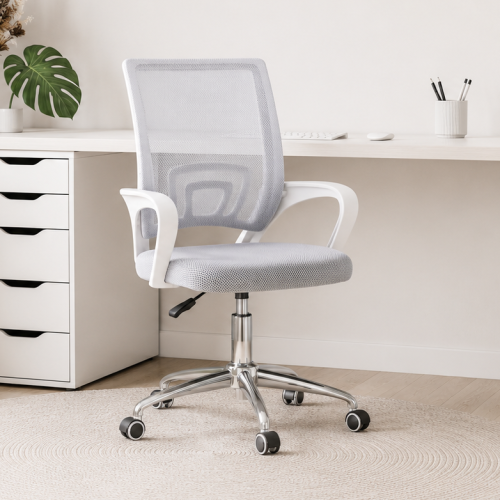
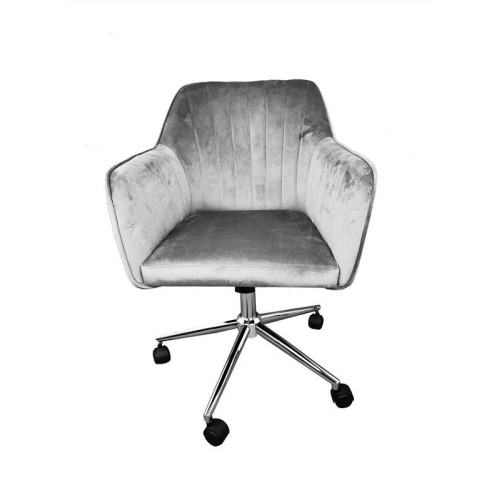
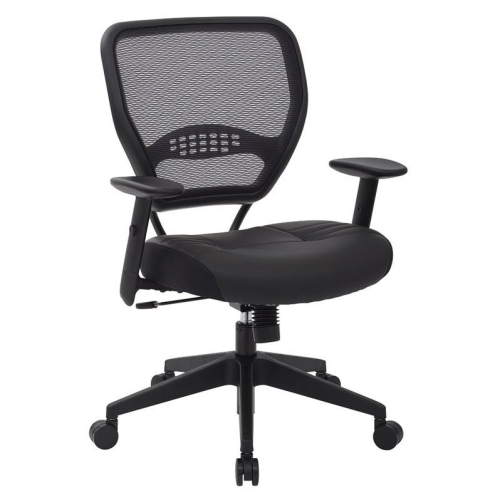
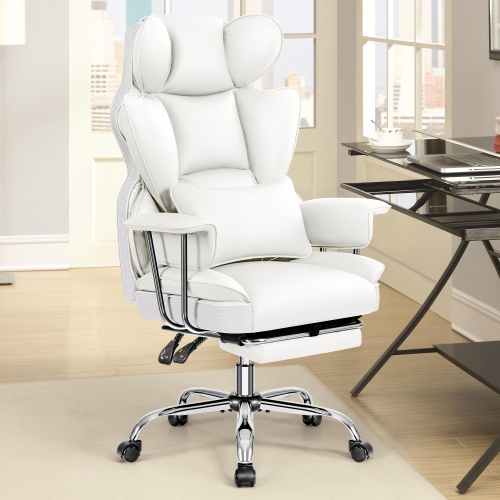
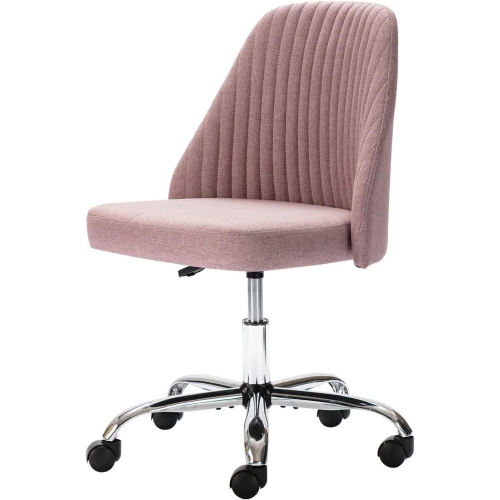
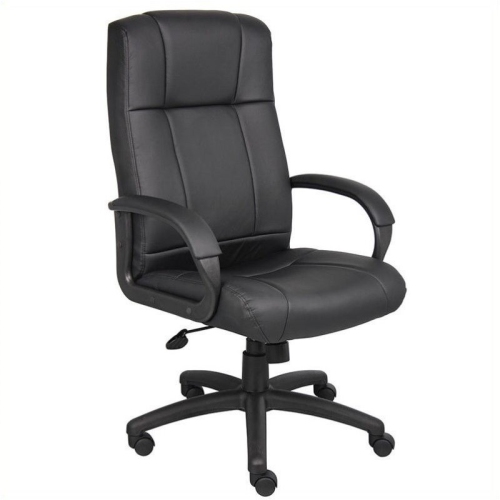
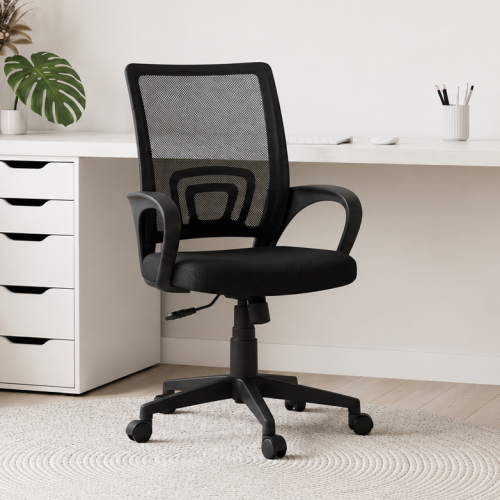
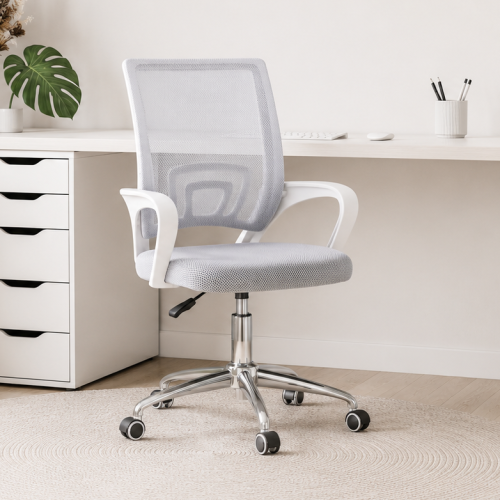
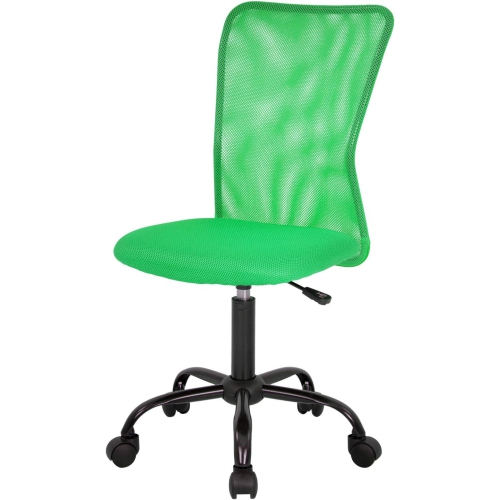
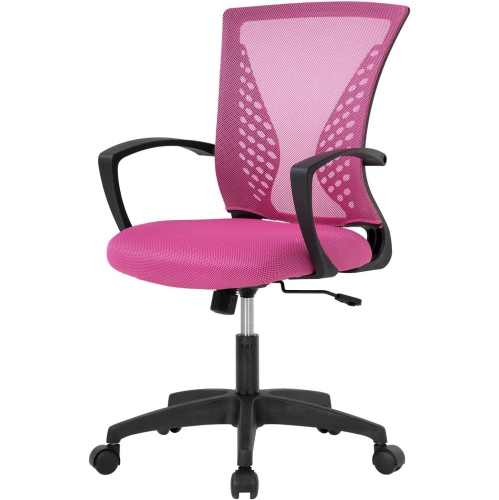
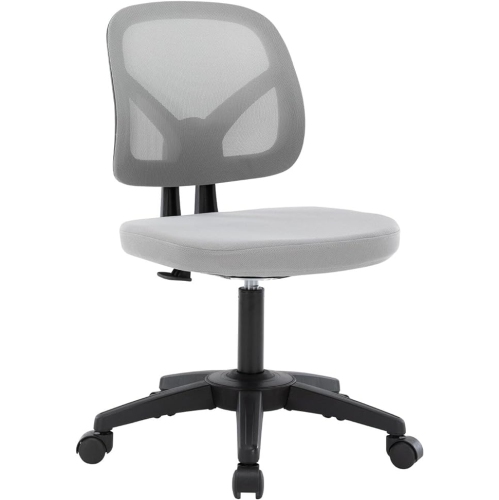
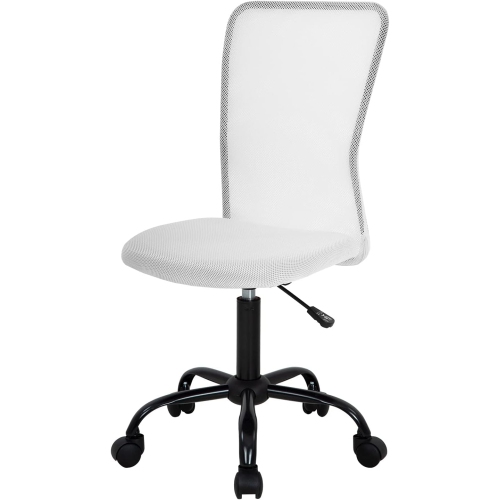
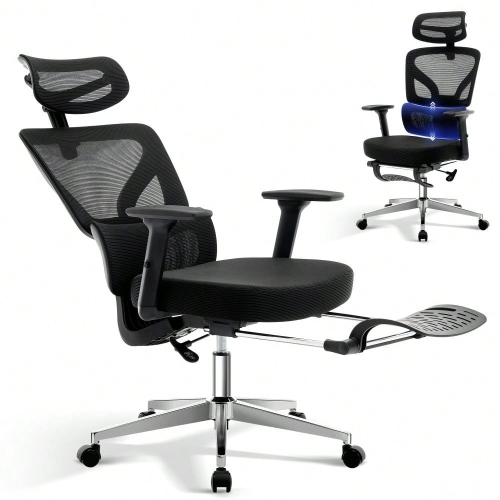
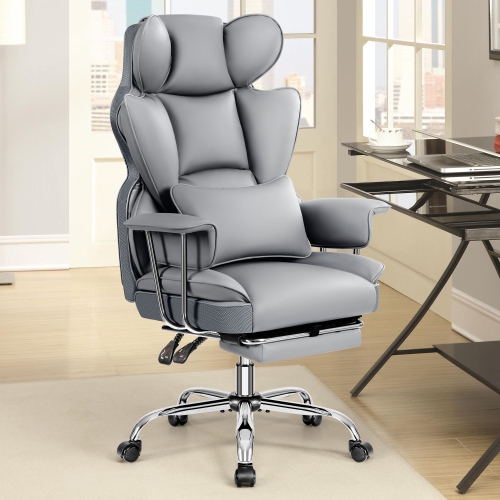
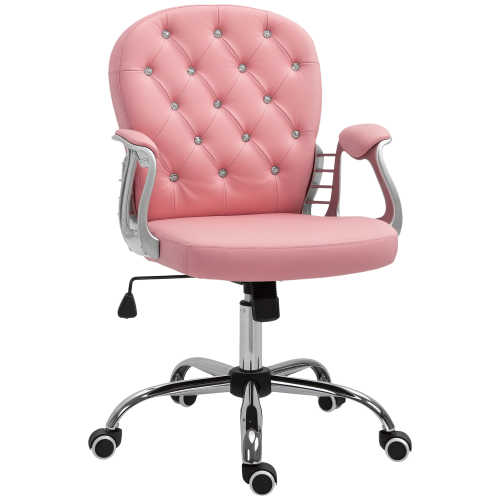
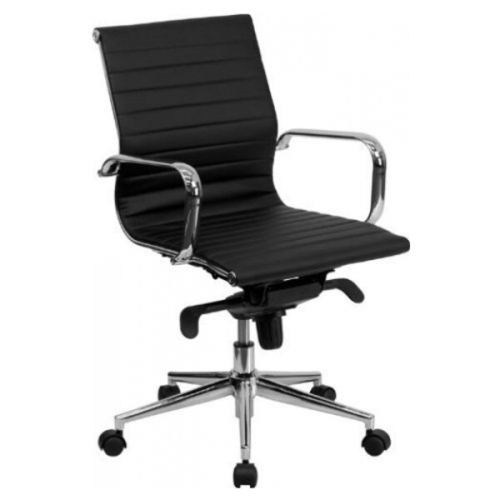

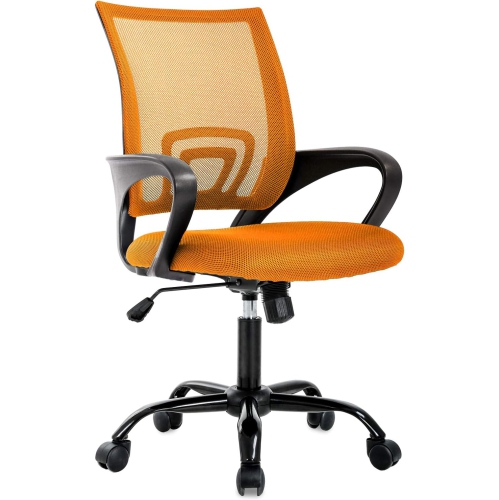
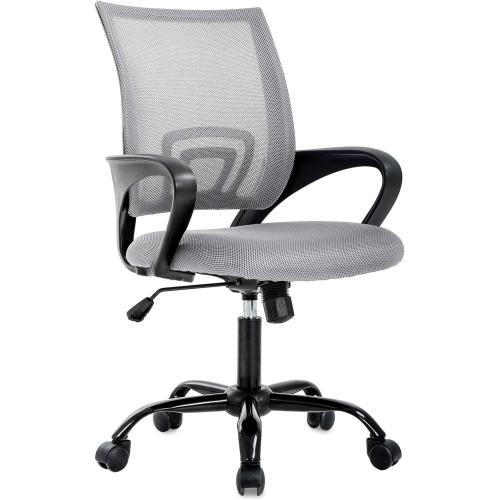
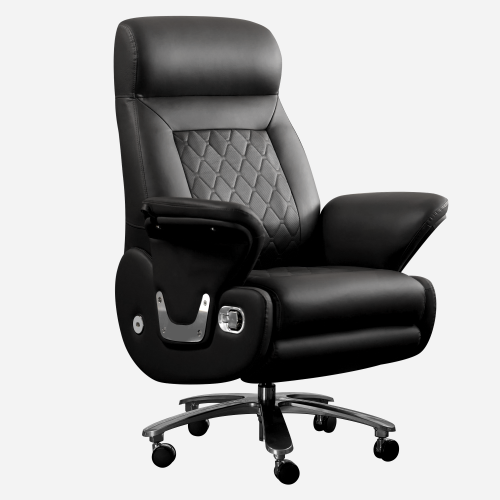
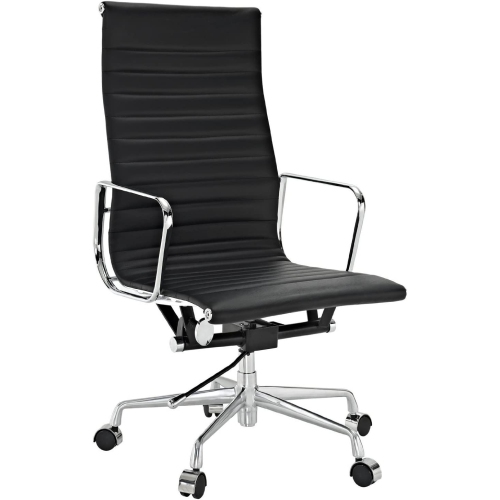

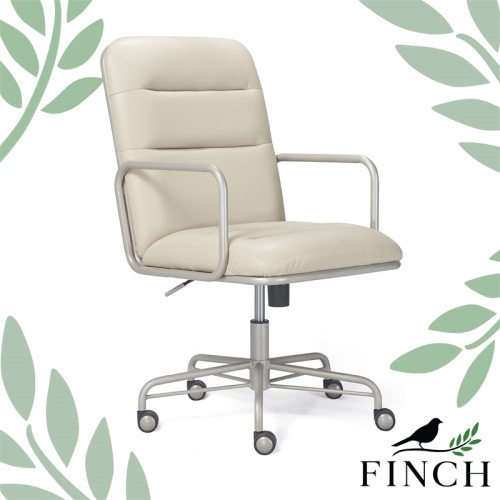
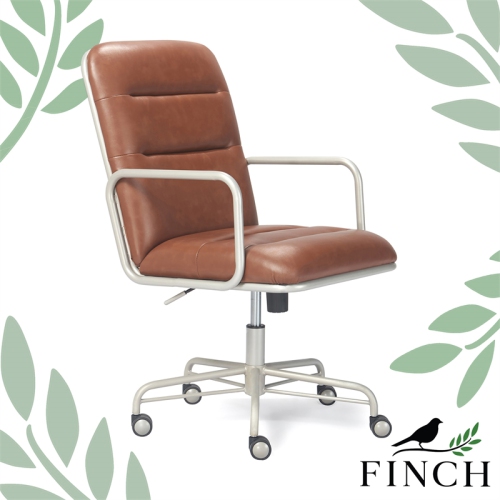
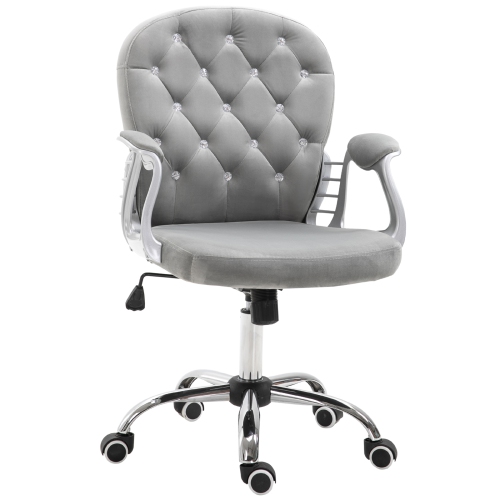
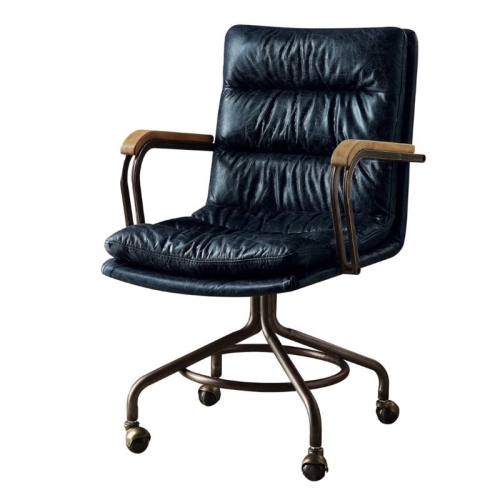

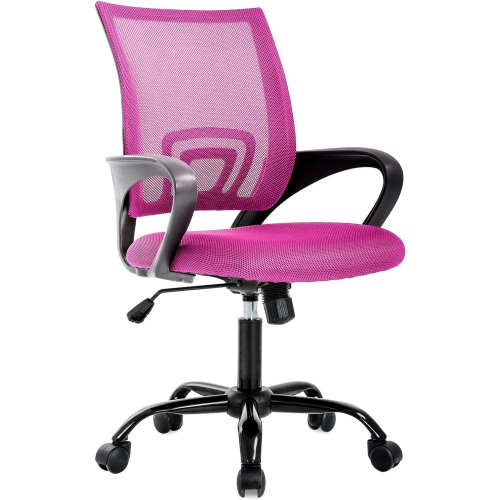
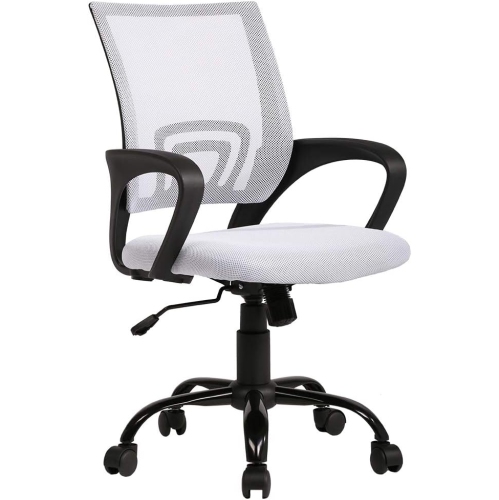
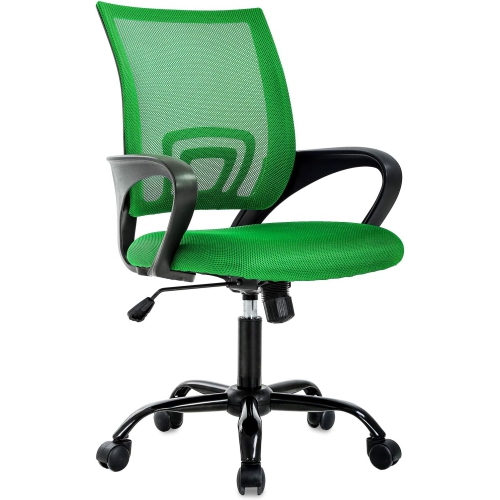
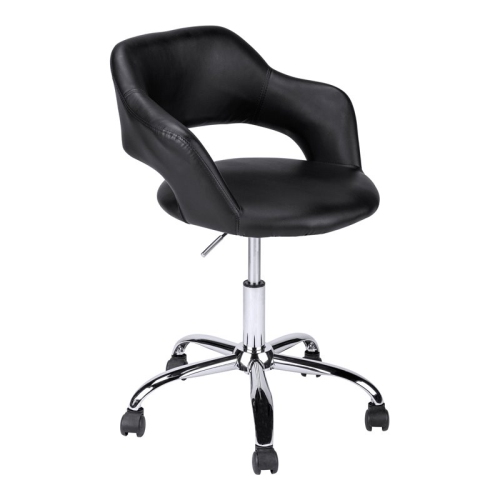
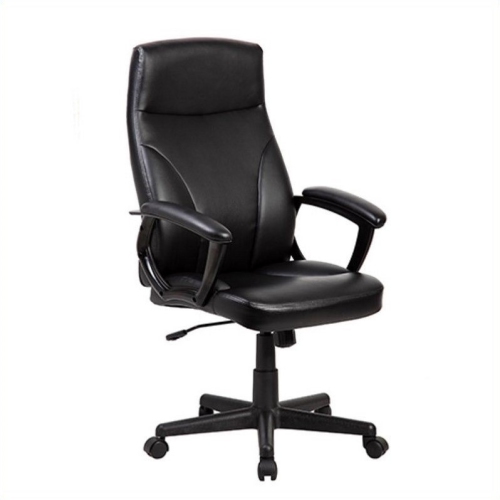
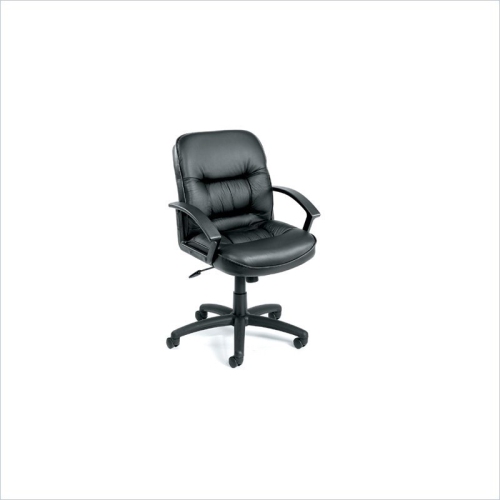
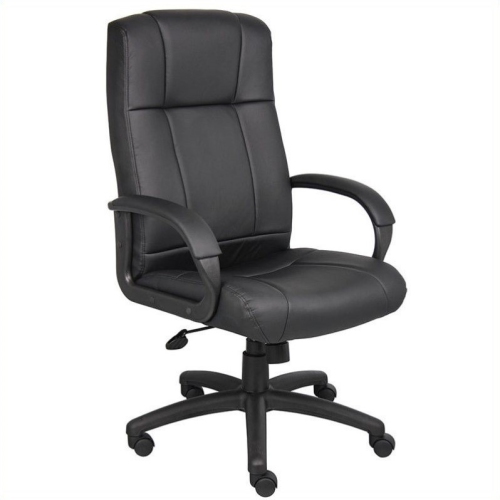
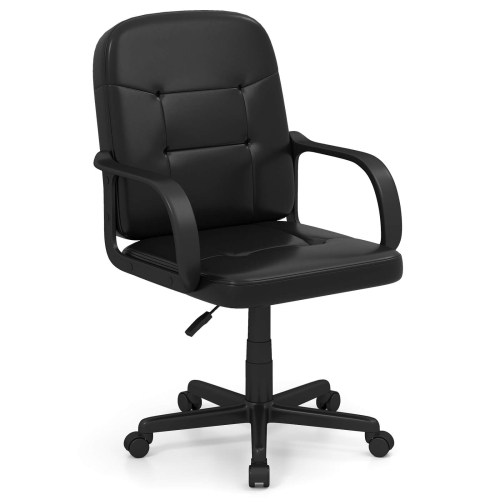
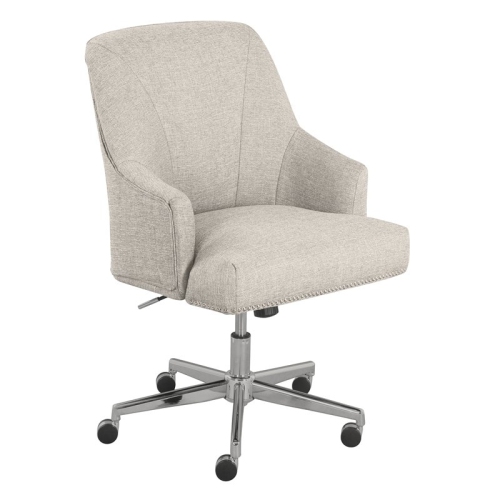
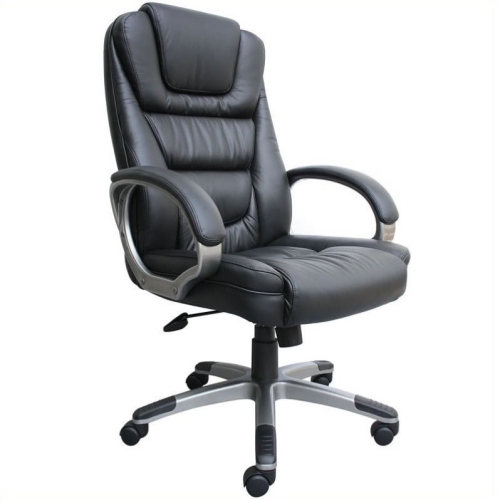

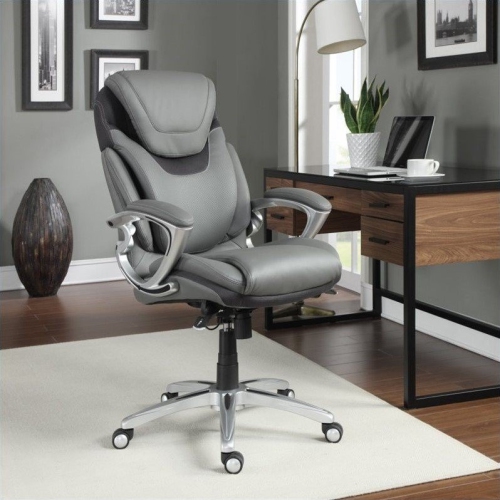
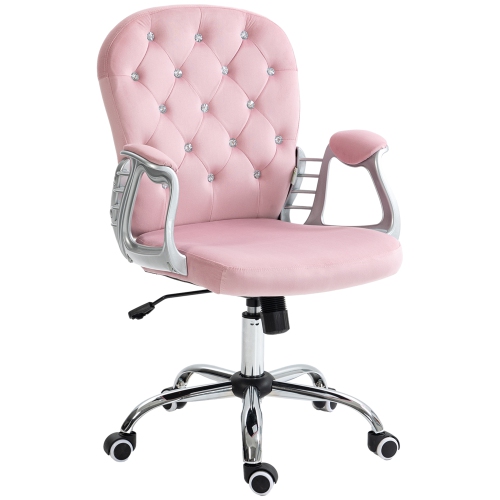
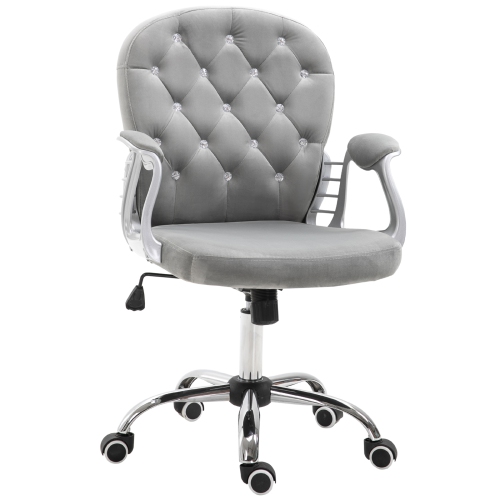
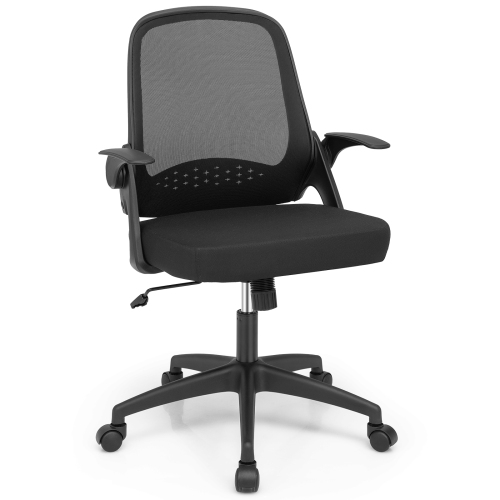
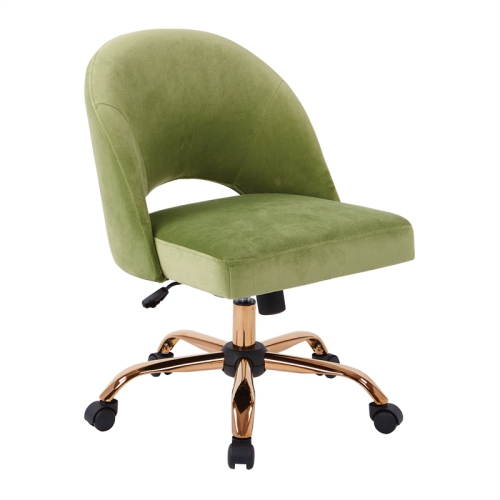
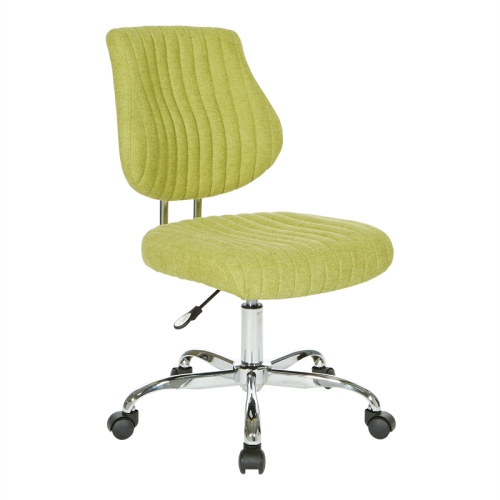

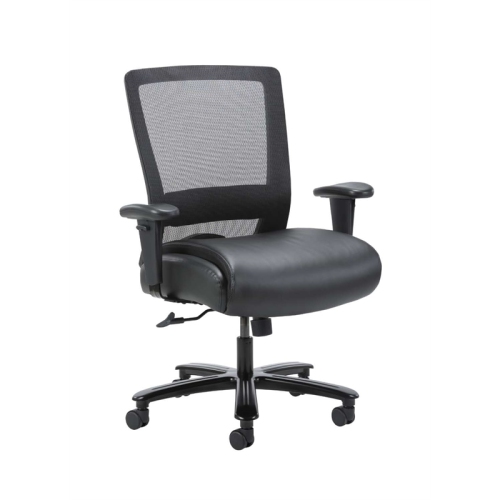
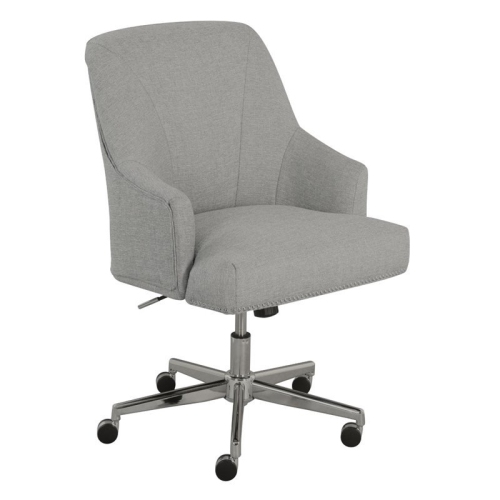
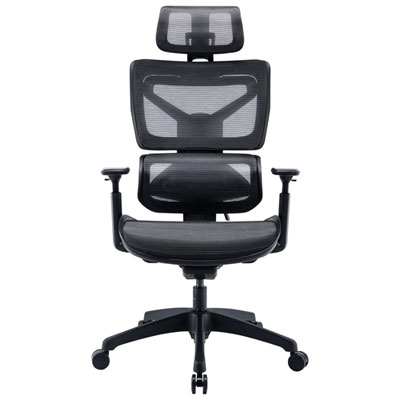
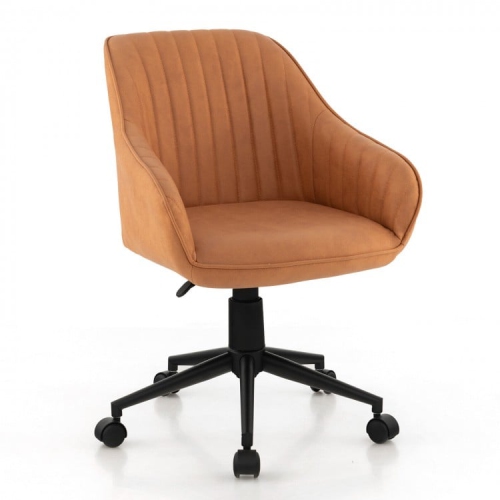
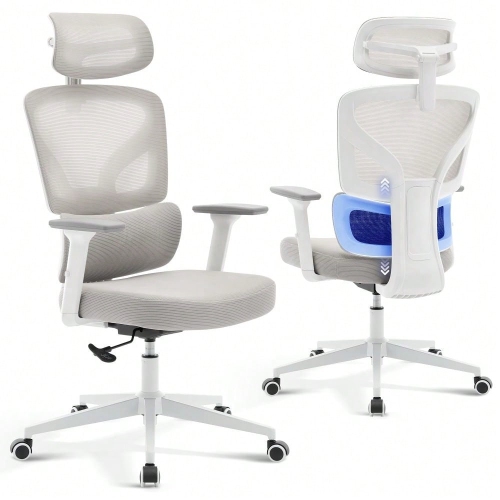
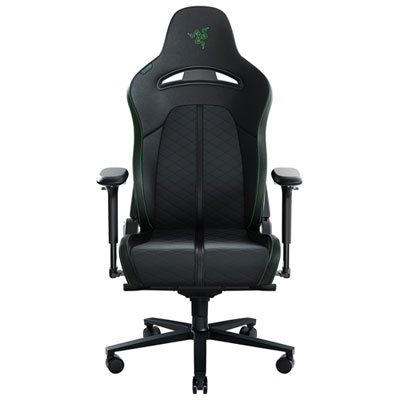
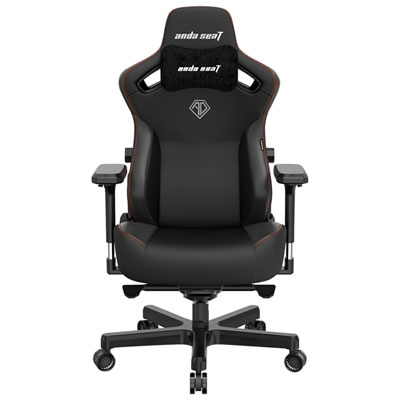
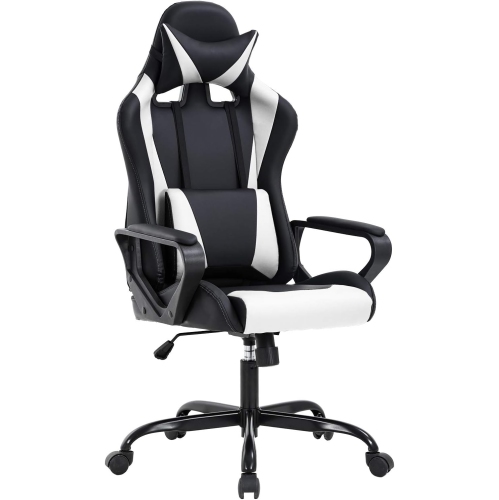
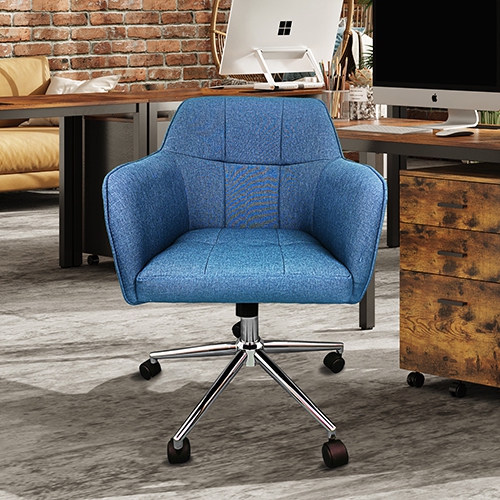
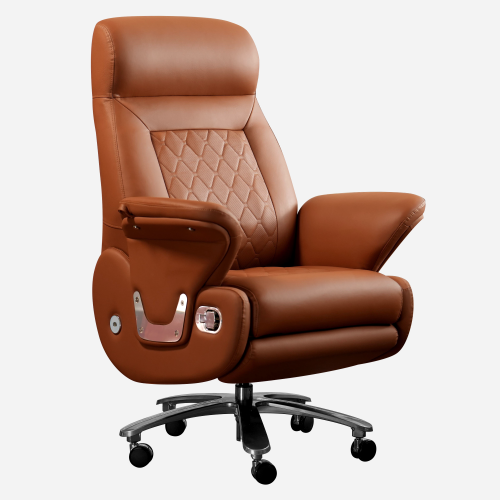
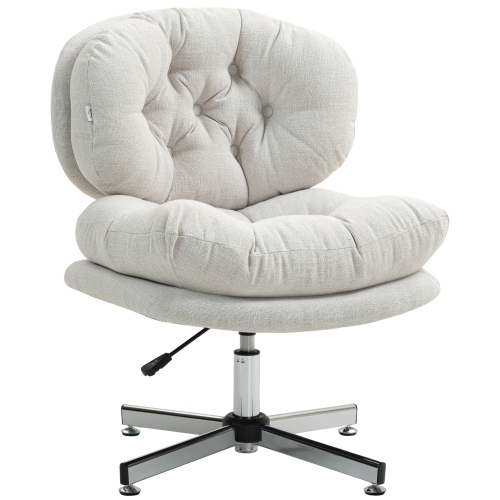
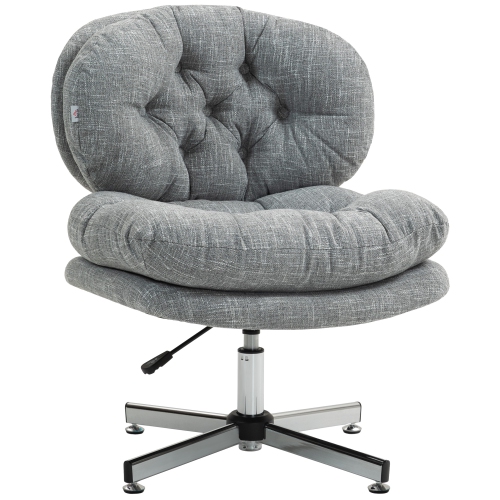
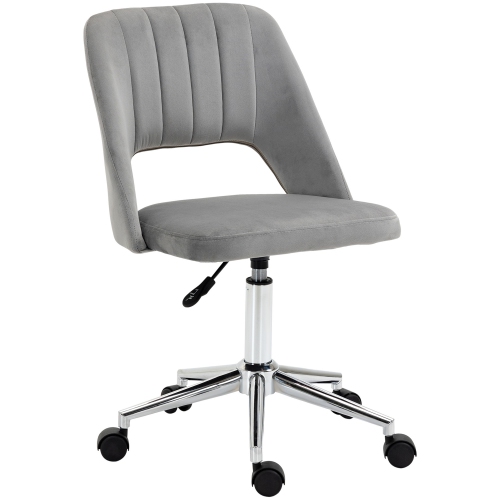
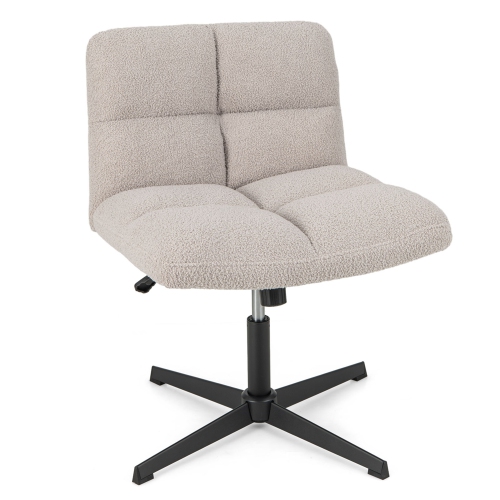
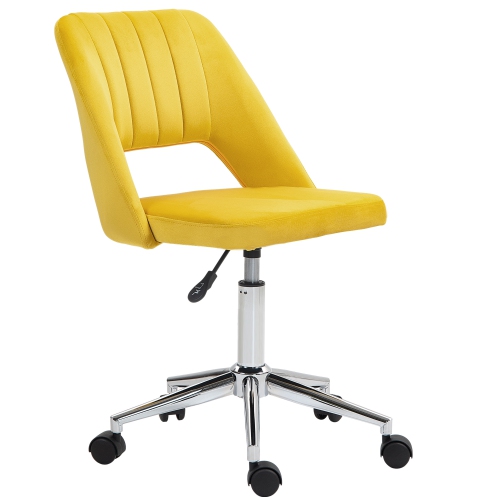
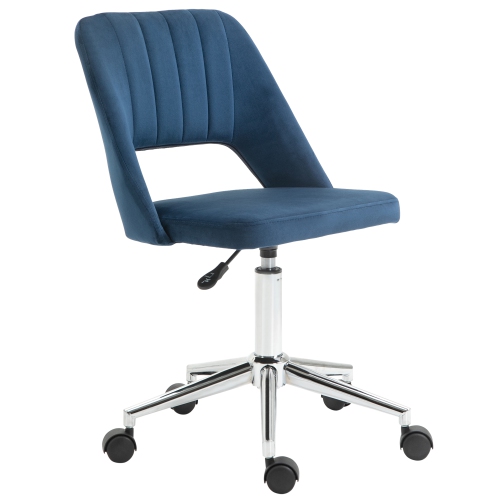
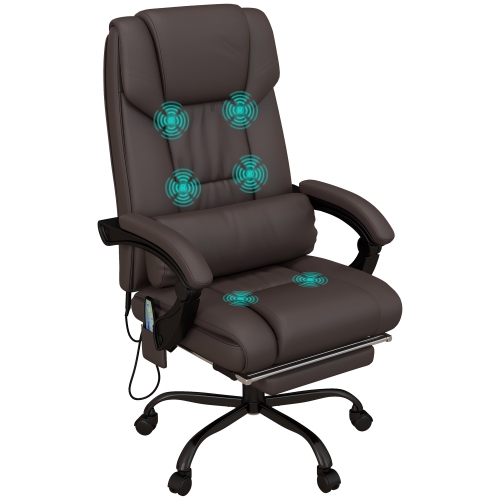
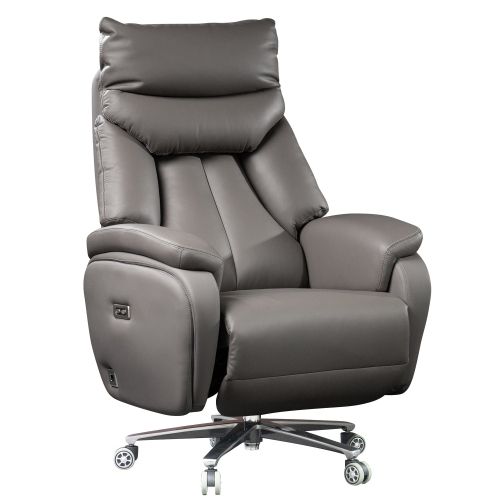

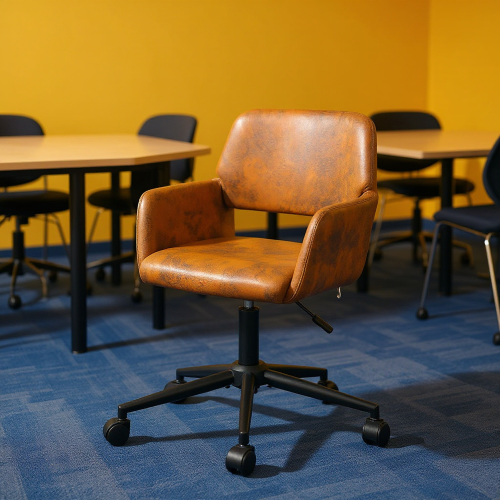
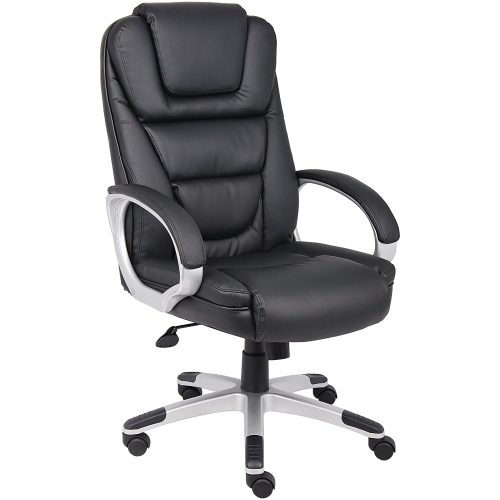
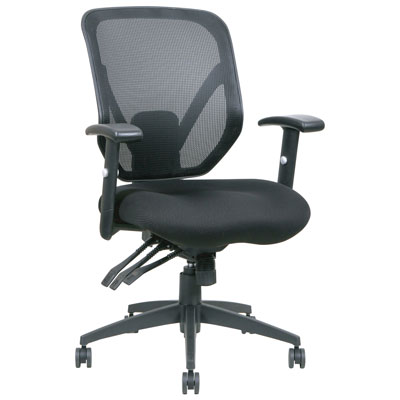
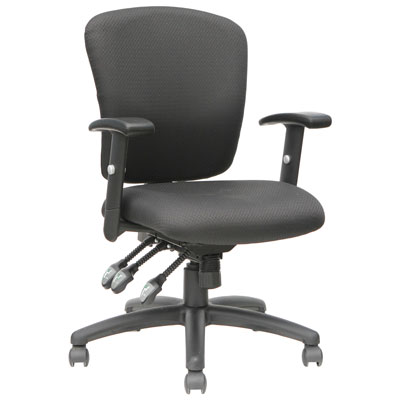
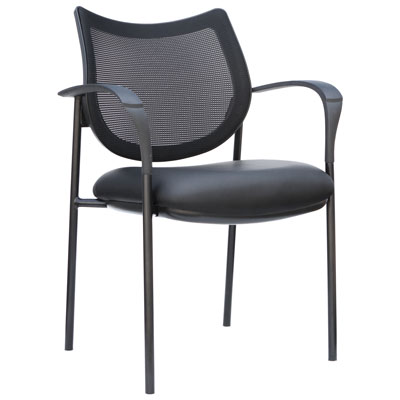
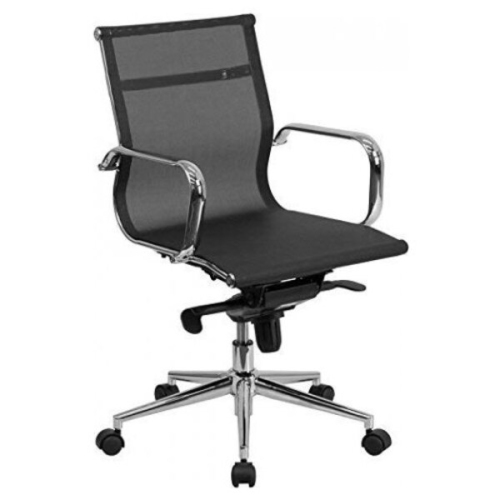

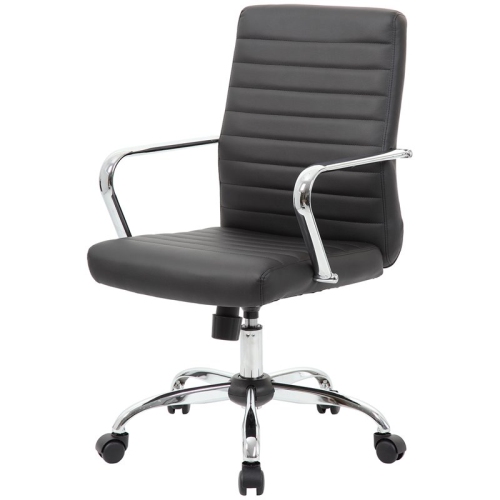
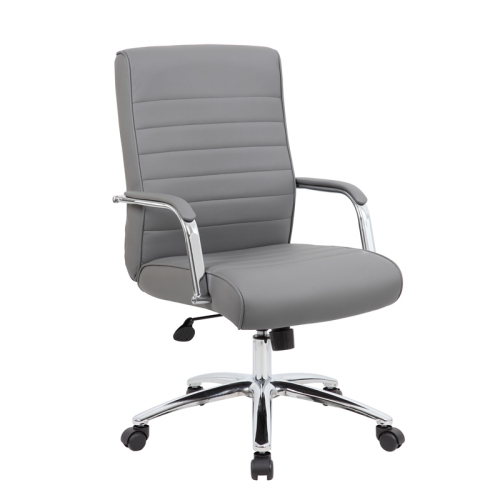
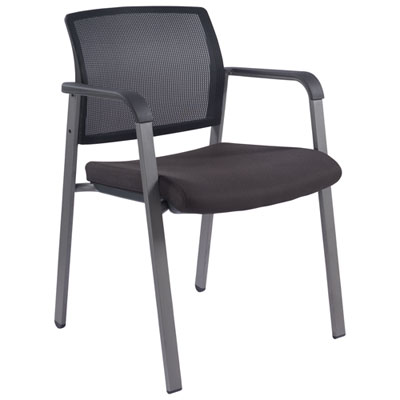
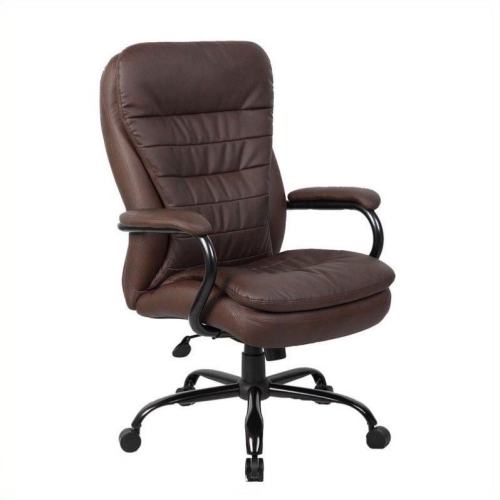
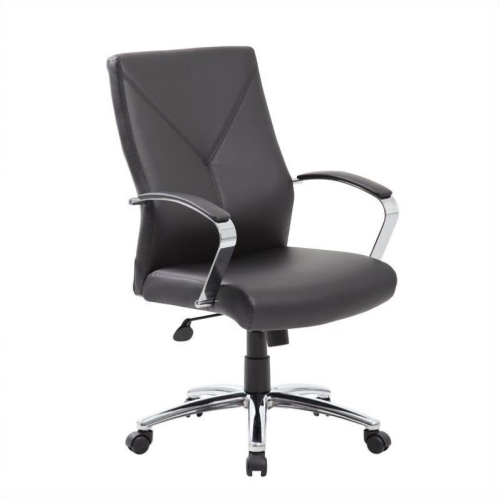
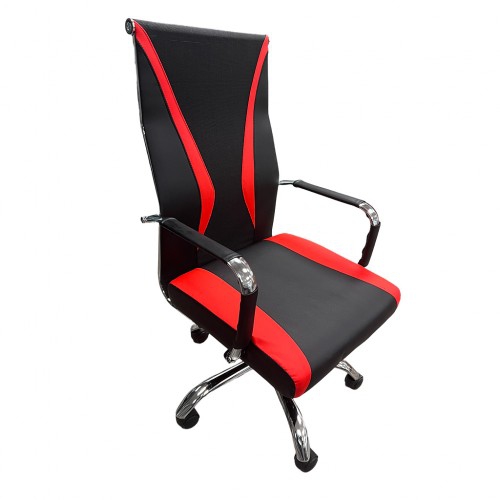
Supportive seating for focused work and flexible home spaces
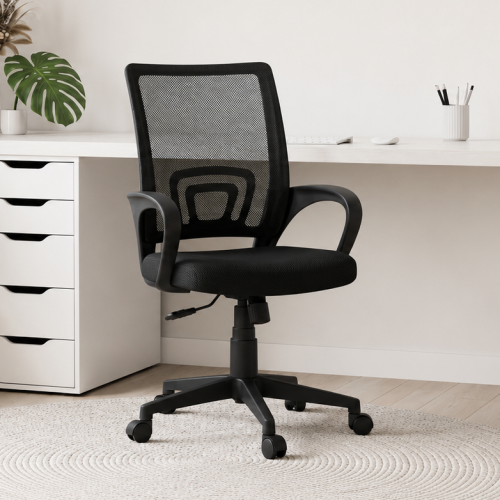
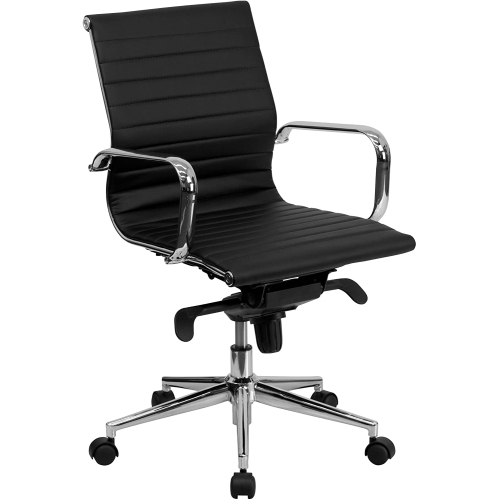
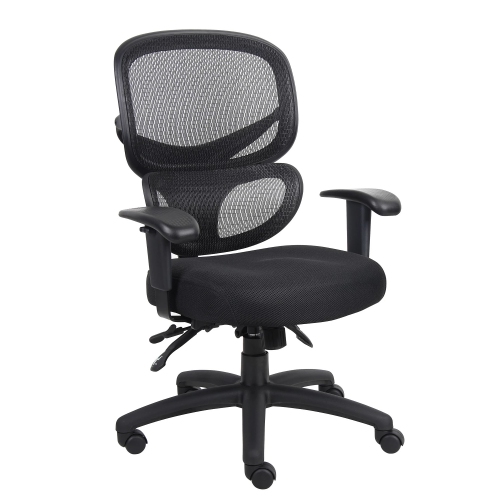
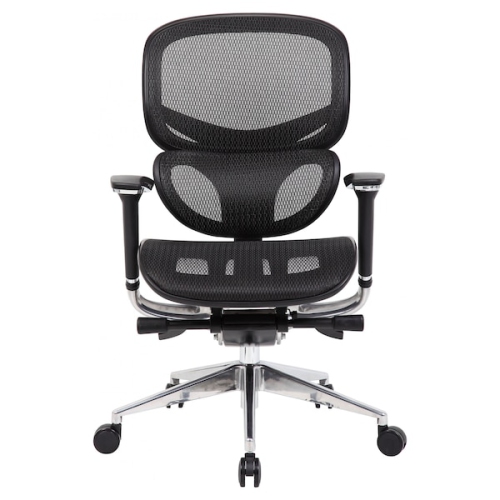
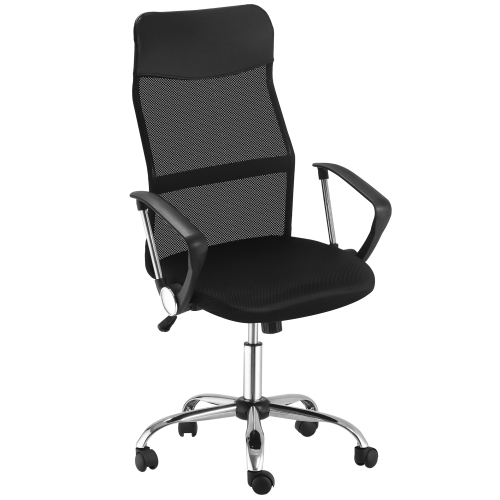
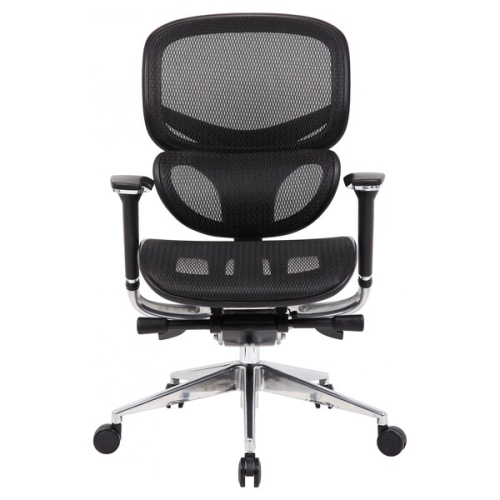
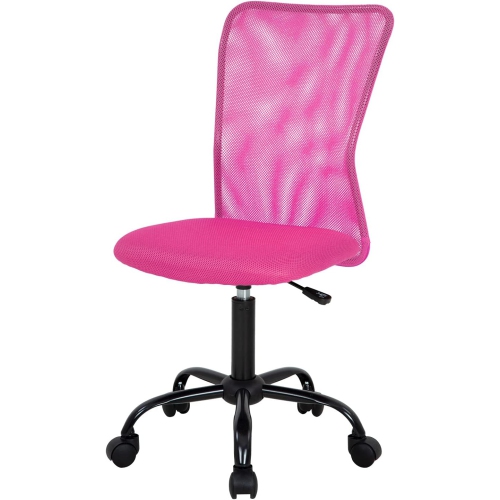
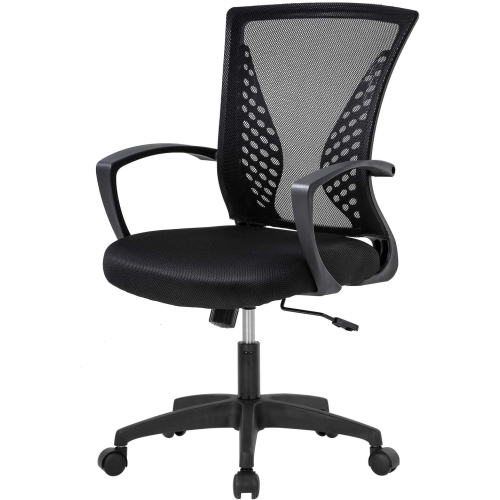
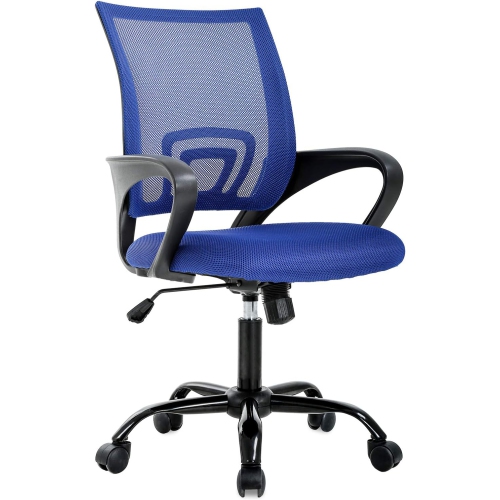
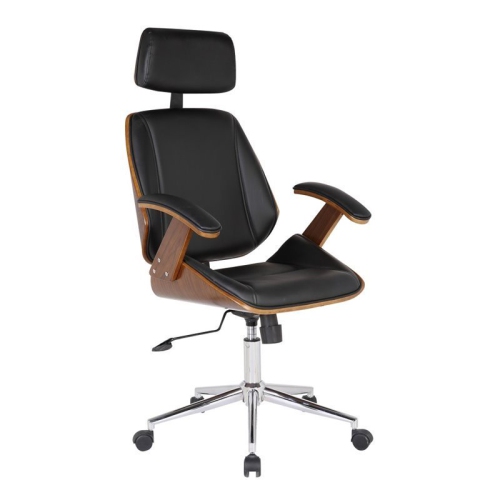
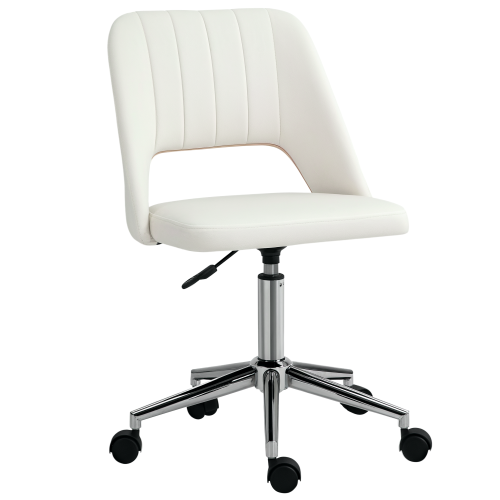
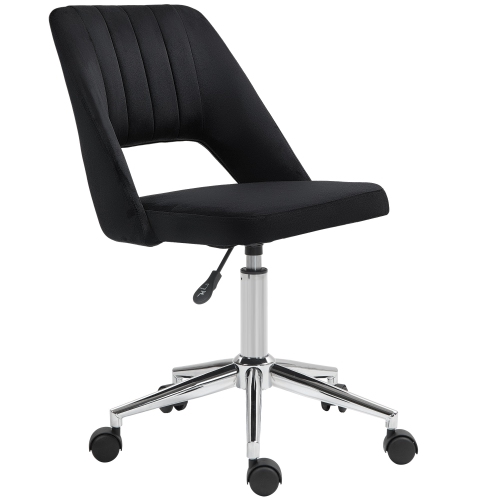
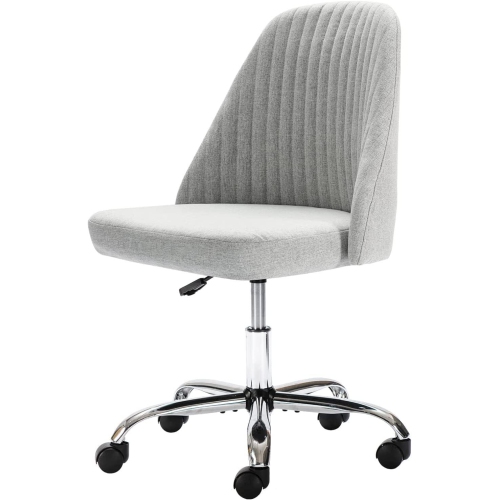
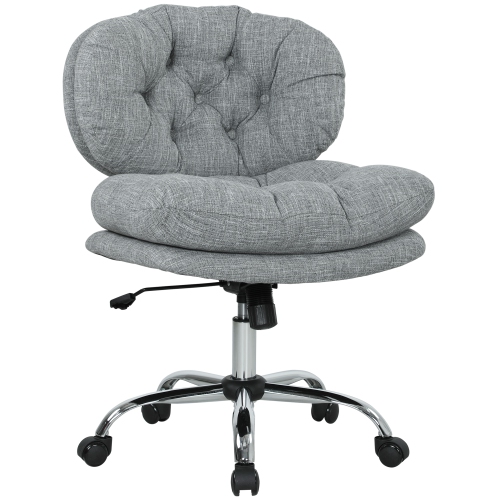
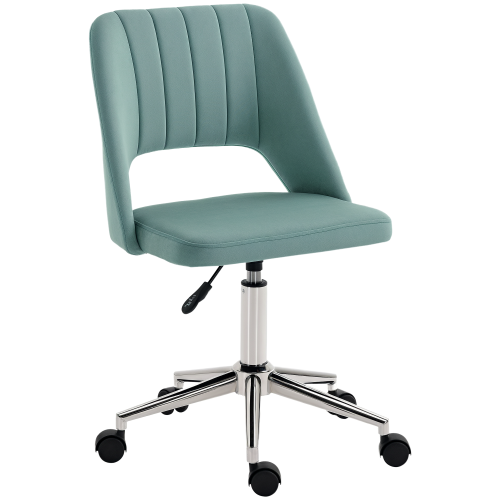
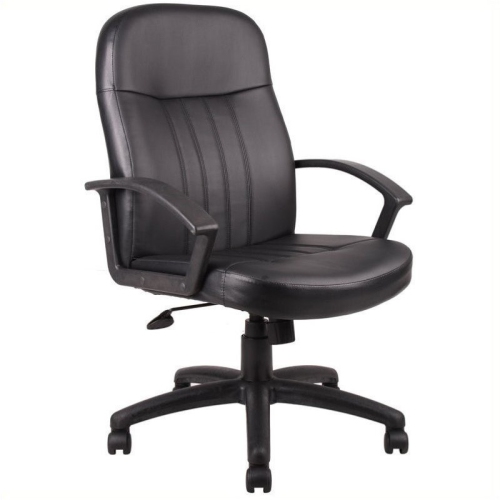
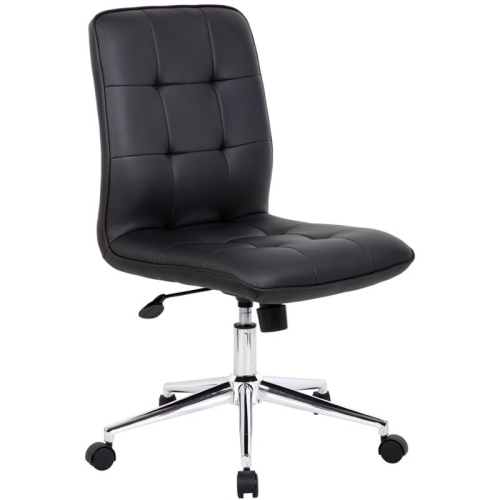
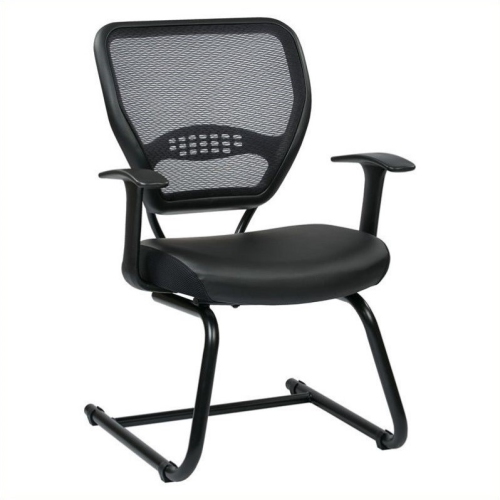
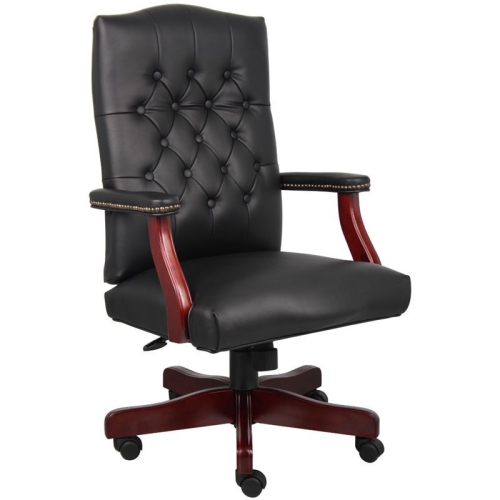
Comfortable modern office chairs bring together supportive seating and a polished look that works just as well in a dedicated office as it does in a living room corner, bedroom workspace, or multipurpose study. They are designed for people who spend meaningful time at a desk, whether that means answering emails between meetings, attending online classes, managing a household, editing photographs, gaming after work, or handling a full day of focused tasks. Compared with a basic dining chair or a rigid task chair, a comfortable office chair can make the desk feel more inviting by supporting the lower back, encouraging a balanced sitting position, and allowing you to adjust the fit to your body. A modern profile may include clean lines, a streamlined base, gently curved contours, and upholstery that adds warmth without looking overly formal. For a softer appearance, explore Modern Fabric Office Chairs, which can complement wood desks, light finishes, bookcases, and other home décor. When comparing styles, look beyond the silhouette and consider how the chair will feel after several hours. A breathable mesh or knit back can help air circulate, while a padded seat with supportive foam can provide a comfortable foundation for longer sessions. Fabric upholstery may offer a warmer, more residential feel, and smooth surfaces can be easier to wipe clean when the chair is placed in a busy family space. The right choice should feel comfortable when you first sit down, but it should also remain supportive when you lean forward to type, sit upright during a video call, or recline briefly while reading.
Adjustability is one of the most useful features to look for when choosing a modern office chair. Seat height should allow your feet to rest flat on the floor, with your knees positioned comfortably and your thighs supported without pressure behind them. A chair with a height range that suits both your desk and your body can help prevent awkward reaching and raised shoulders. Adjustable armrests can keep your elbows close to your sides while you work, although a compact desk may call for armrests that lower or move out of the way. Lumbar support is valuable for maintaining a more neutral posture, especially during long work periods, and some chairs allow the support to move vertically or change in firmness. A reclining back with tension control can make it easier to shift positions rather than remain fixed in one posture all day. Look for a seat that is wide and deep enough to support you without forcing you to perch at the edge, while still allowing your back to rest against the backrest. Weight capacity, chair dimensions, and the amount of available space around the desk are also important. Measure the desk area, doorway, and any space beneath the desktop before ordering, particularly if the chair has a broad back or substantial base. A five-point base with smooth-rolling casters can make it easier to move between a monitor, filing cabinet, and nearby shelf, while stable construction helps the chair feel secure as you sit down or stand up. For a shared workspace, simple controls and a broad range of adjustments make it easier for different people to use the same chair comfortably. Assembly requirements, warranty coverage, upholstery care, and the availability of replacement components are practical details worth reviewing before making a decision. A modern chair should look intentional in the room, but its most important job is to support the way you actually work.
These chairs can be especially useful for remote workers and hybrid employees who have created a workstation in a dining area, spare room, or quiet corner of the home. During the cooler months, when more time may be spent indoors, a well-fitted chair can make a compact workspace feel more comfortable and functional without requiring a complete room redesign. It can also be a thoughtful gift for a student moving into a new residence, a graduate setting up a first home office, or anyone replacing an old chair that has lost its cushioning or stability. For a student, features such as easy height adjustment, durable upholstery, and smooth mobility can support everything from reading and note-taking to online lectures. For a professional, a contoured back, adjustable lumbar support, and a recline function may be more important for managing a full schedule of calls and concentrated screen time. Creative users may appreciate a chair that allows easy movement while working at a larger desk, while households with limited space may prefer a design with a smaller footprint that tucks neatly beneath the work surface. Before choosing, think about the chair’s daily surroundings: a light, textured finish may suit a bright home office, a darker fabric can coordinate with existing furniture, and a clean, understated shape can transition easily if the workspace moves later. Keep the monitor near eye level, position the keyboard so your shoulders can relax, and use the chair’s adjustments to bring the desk setup toward you instead of leaning forward for hours. Even the most supportive chair works best when you change position, stand periodically, and organize frequently used items within easy reach. With the right combination of comfort, adjustability, materials, and modern styling, an office chair can turn a rarely used desk into a welcoming place for productive mornings, creative afternoons, and relaxed evening tasks.
Adjustability is one of the most useful features to look for when choosing a modern office chair. Seat height should allow your feet to rest flat on the floor, with your knees positioned comfortably and your thighs supported without pressure behind them. A chair with a height range that suits both your desk and your body can help prevent awkward reaching and raised shoulders. Adjustable armrests can keep your elbows close to your sides while you work, although a compact desk may call for armrests that lower or move out of the way. Lumbar support is valuable for maintaining a more neutral posture, especially during long work periods, and some chairs allow the support to move vertically or change in firmness. A reclining back with tension control can make it easier to shift positions rather than remain fixed in one posture all day. Look for a seat that is wide and deep enough to support you without forcing you to perch at the edge, while still allowing your back to rest against the backrest. Weight capacity, chair dimensions, and the amount of available space around the desk are also important. Measure the desk area, doorway, and any space beneath the desktop before ordering, particularly if the chair has a broad back or substantial base. A five-point base with smooth-rolling casters can make it easier to move between a monitor, filing cabinet, and nearby shelf, while stable construction helps the chair feel secure as you sit down or stand up. For a shared workspace, simple controls and a broad range of adjustments make it easier for different people to use the same chair comfortably. Assembly requirements, warranty coverage, upholstery care, and the availability of replacement components are practical details worth reviewing before making a decision. A modern chair should look intentional in the room, but its most important job is to support the way you actually work.
These chairs can be especially useful for remote workers and hybrid employees who have created a workstation in a dining area, spare room, or quiet corner of the home. During the cooler months, when more time may be spent indoors, a well-fitted chair can make a compact workspace feel more comfortable and functional without requiring a complete room redesign. It can also be a thoughtful gift for a student moving into a new residence, a graduate setting up a first home office, or anyone replacing an old chair that has lost its cushioning or stability. For a student, features such as easy height adjustment, durable upholstery, and smooth mobility can support everything from reading and note-taking to online lectures. For a professional, a contoured back, adjustable lumbar support, and a recline function may be more important for managing a full schedule of calls and concentrated screen time. Creative users may appreciate a chair that allows easy movement while working at a larger desk, while households with limited space may prefer a design with a smaller footprint that tucks neatly beneath the work surface. Before choosing, think about the chair’s daily surroundings: a light, textured finish may suit a bright home office, a darker fabric can coordinate with existing furniture, and a clean, understated shape can transition easily if the workspace moves later. Keep the monitor near eye level, position the keyboard so your shoulders can relax, and use the chair’s adjustments to bring the desk setup toward you instead of leaning forward for hours. Even the most supportive chair works best when you change position, stand periodically, and organize frequently used items within easy reach. With the right combination of comfort, adjustability, materials, and modern styling, an office chair can turn a rarely used desk into a welcoming place for productive mornings, creative afternoons, and relaxed evening tasks.
Top selling and popular products
-
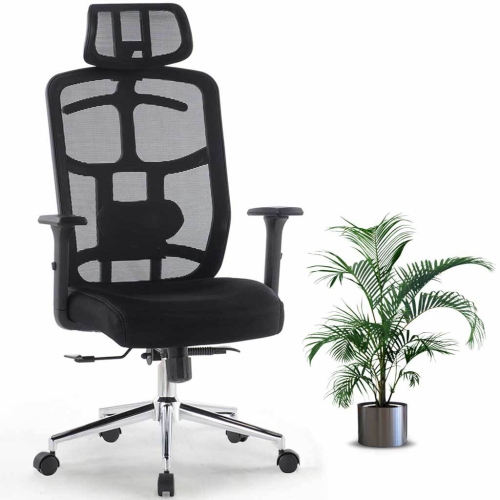 Your price for this item is $114.99
 -
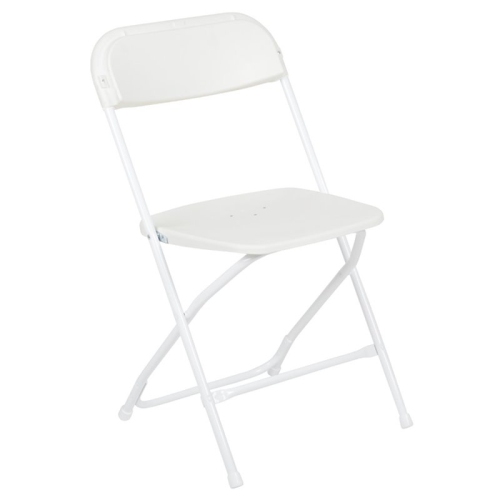 Your price for this item is $123
 -
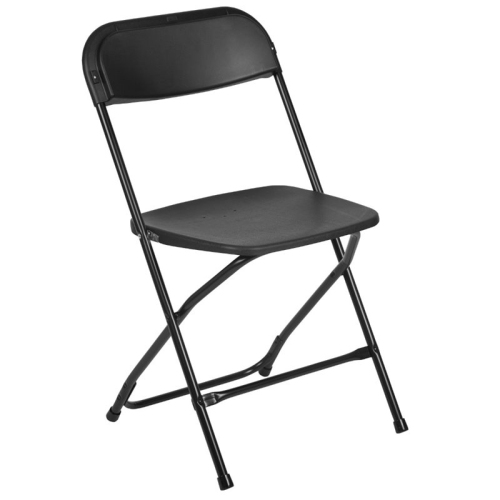 Your price for this item is $139.99
 -
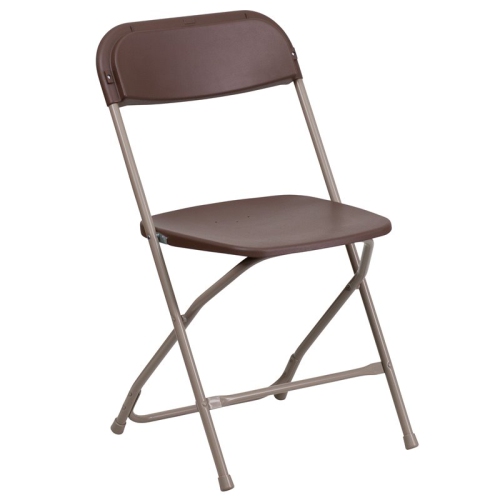 Your price for this item is $139.99
 -
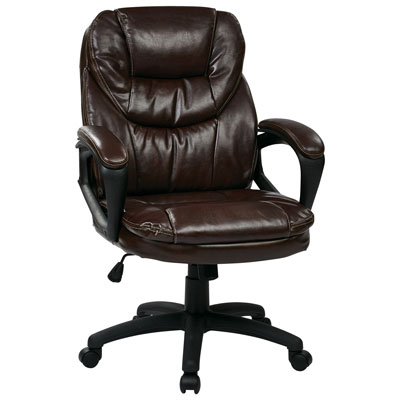 Your price for this item is $203.98
 -
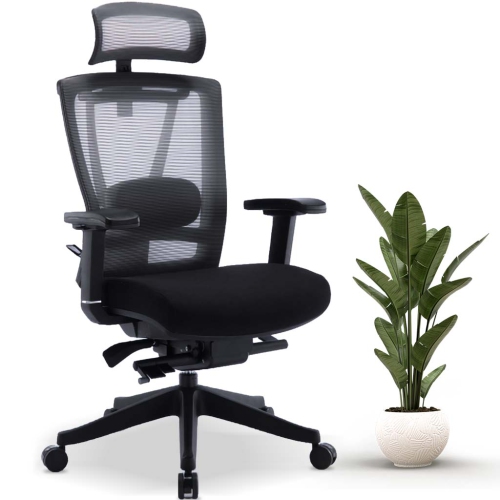 Your price for this item is $379.99
 -
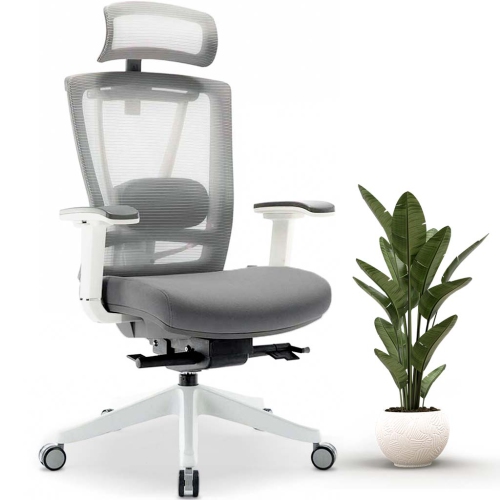 Your price for this item is $379.99
 -
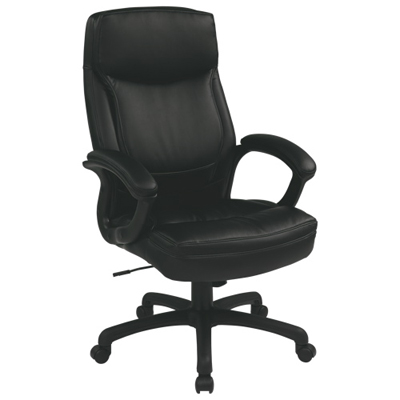 Your price for this item is $594.99
Discover more categories related to Comfortable Modern Office Chairs
Top Collections:
Pokemon Centers, Kindle Devices, Best Budget Office Chairs, Apple iPhones 16, Best Laptops for Writers, iPhone 15 Apple, Canon G7X Cameras, Refurbished Apple Laptops, Alarm Clock, Motorola Razr Phones
Some products may be subject to Environmental Handling Fees
(EHF) depending on your province.
Learn more about EHFs.