Compact Dining Tables
Compact dining tables are an ideal choice for small spaces. These tables are designed to fit into tight spaces while still providing ample seating for a dinner party. Whether you live in a studio apartment, townhouse, or small home, compact dining tables are an ideal solution for creating a comfortable and stylish dining area. Here are some great options available.
Sort
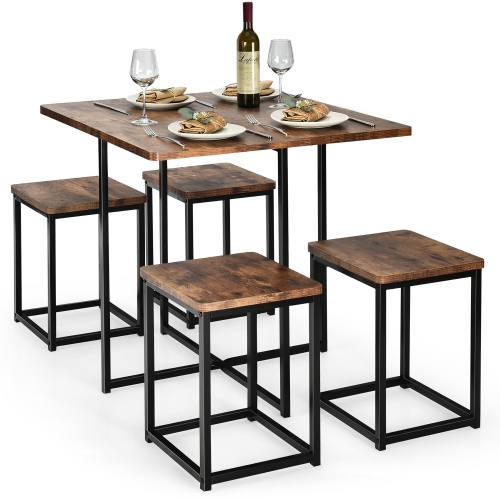
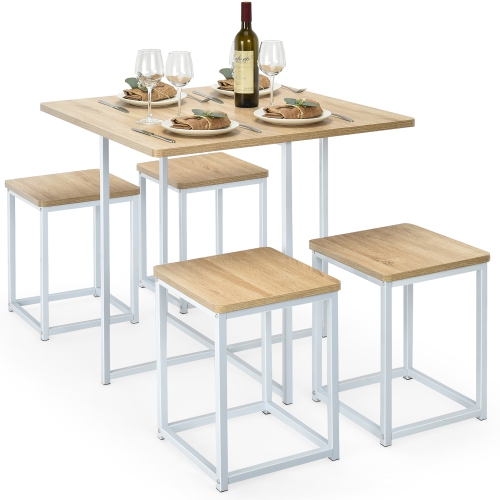
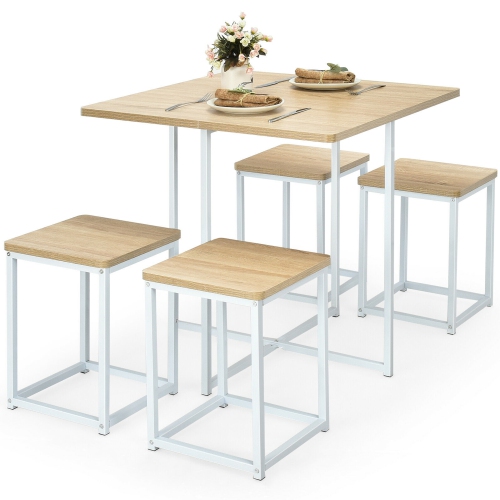
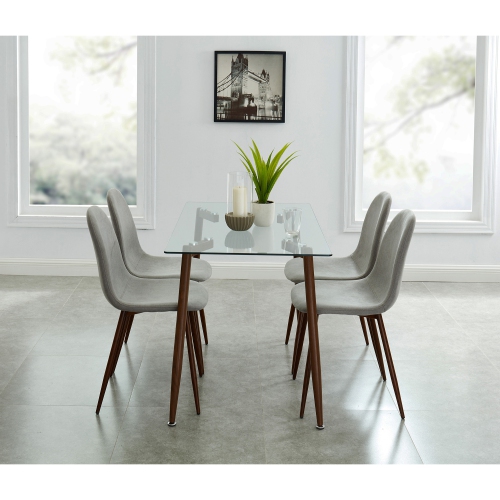
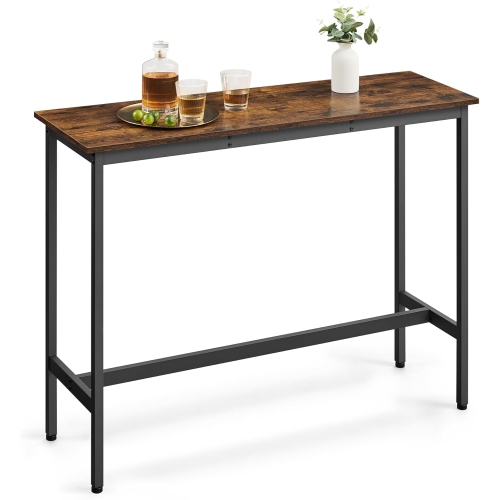
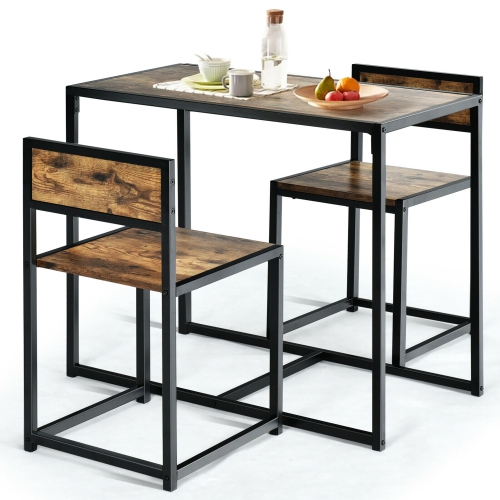
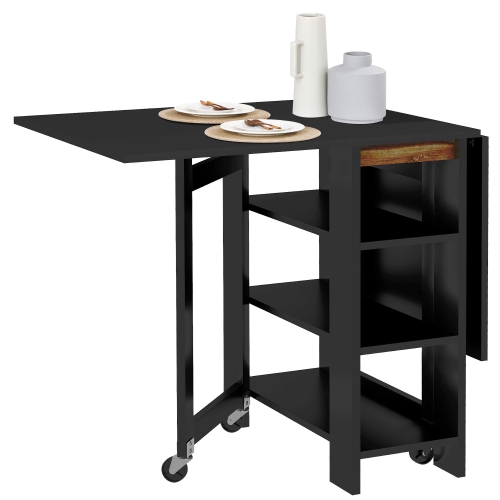
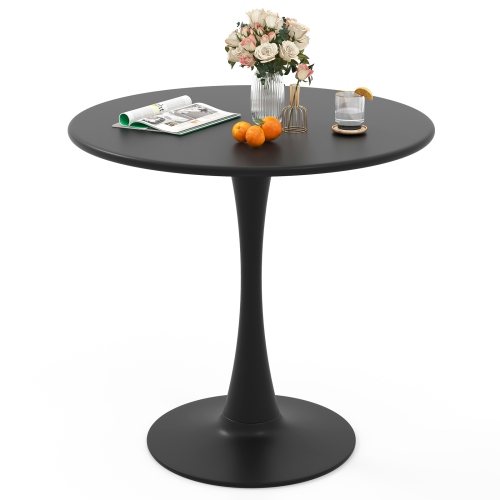
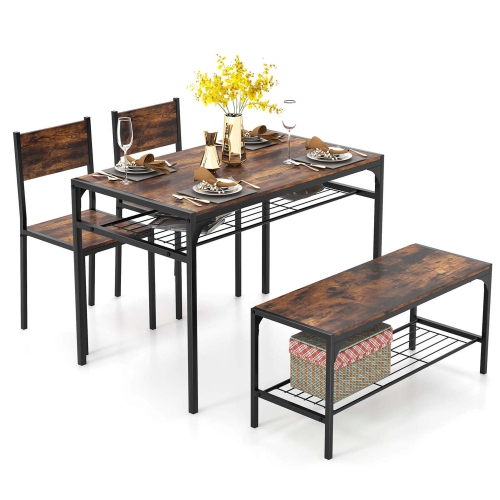
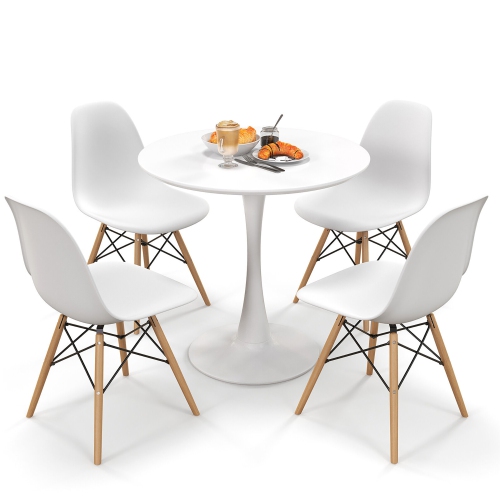
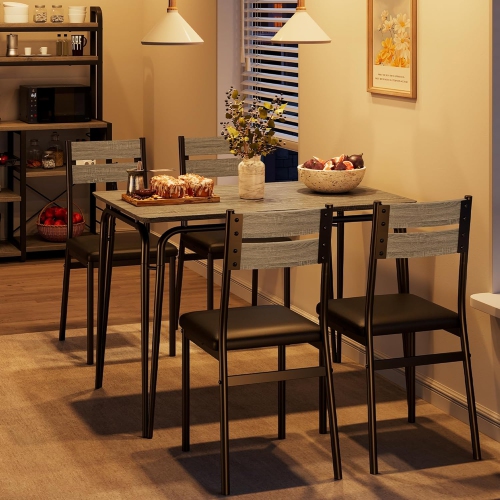
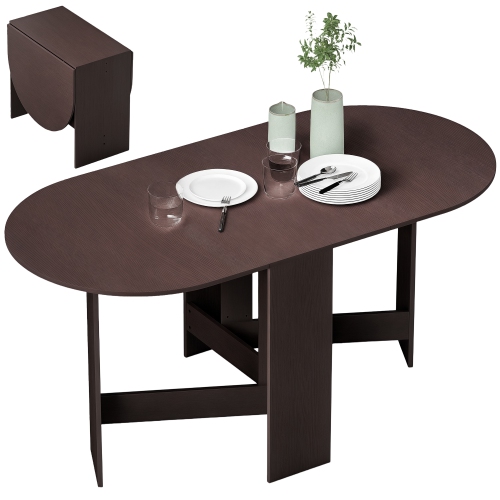
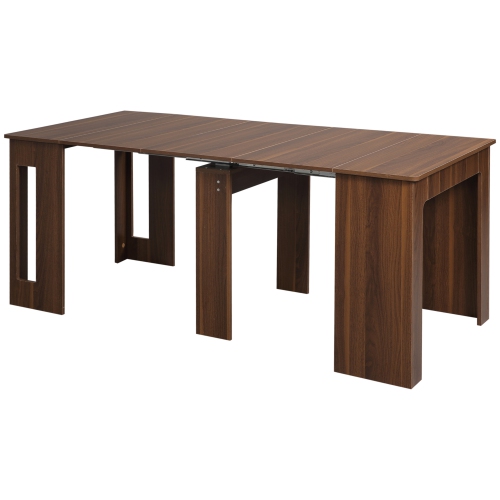
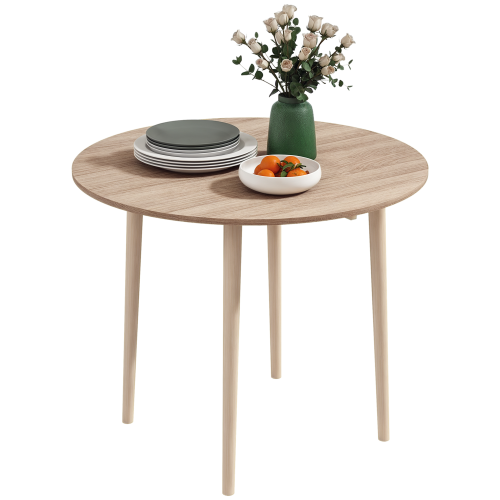
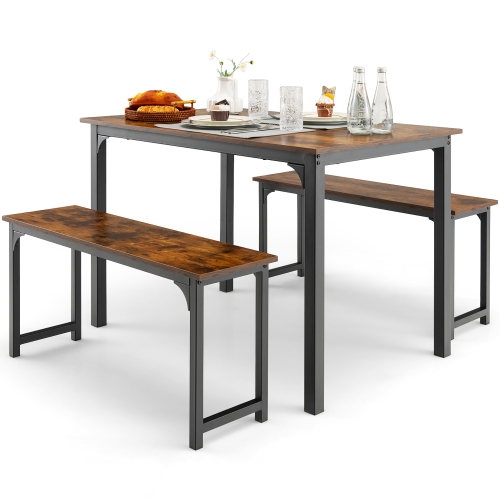
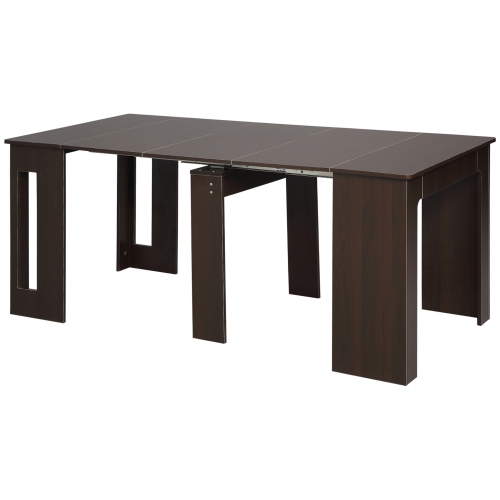
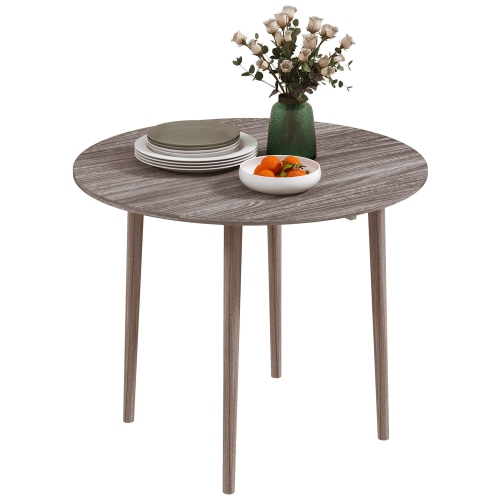
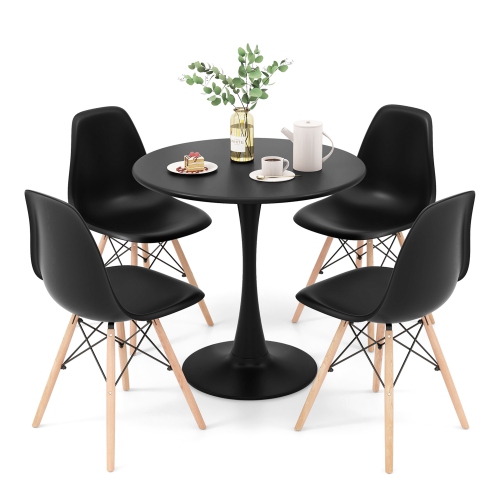
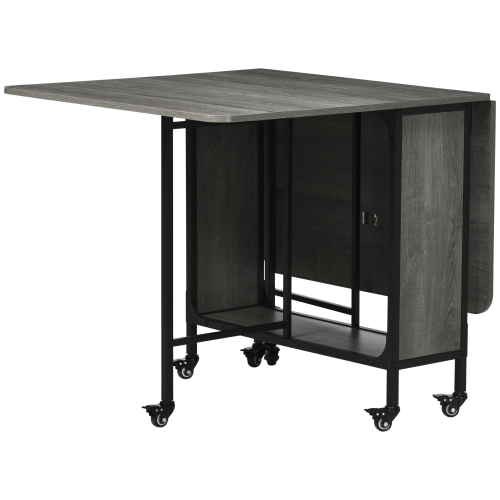
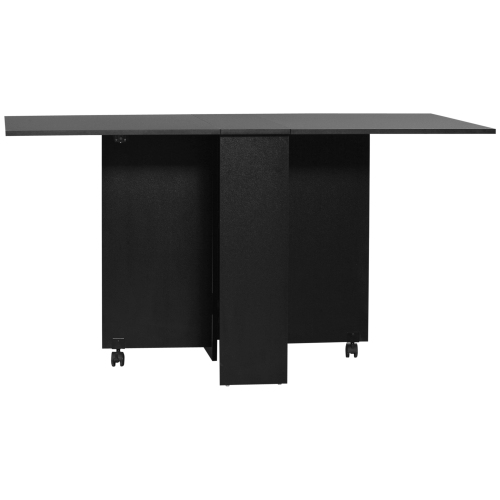
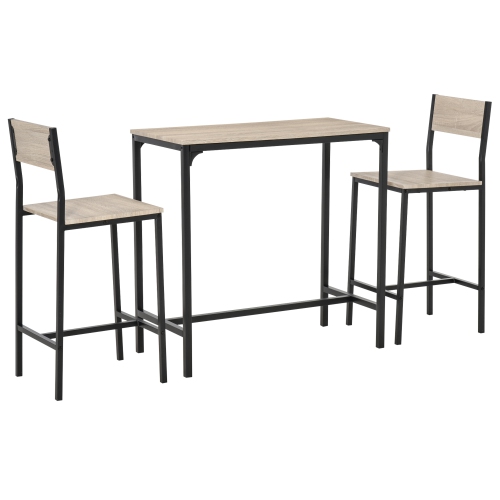
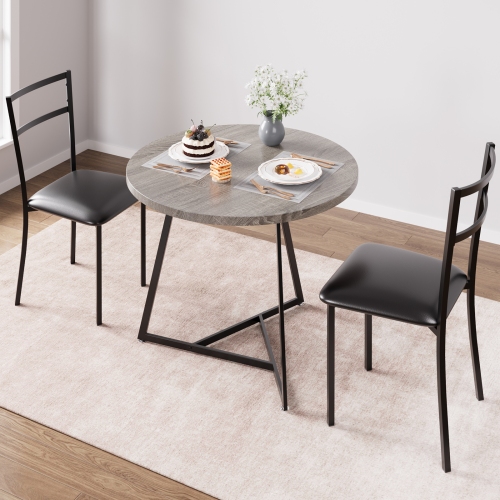
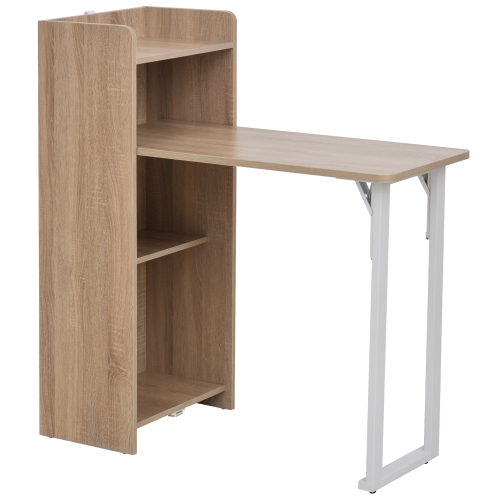
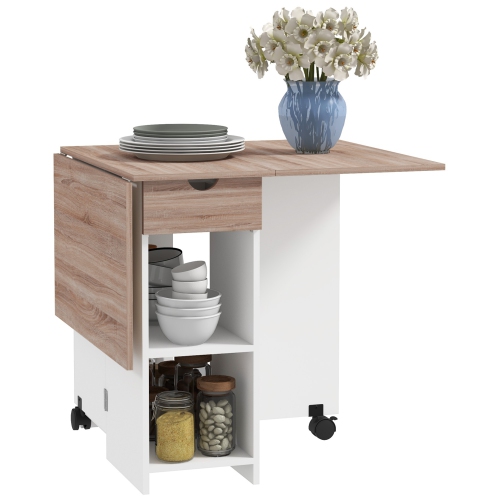
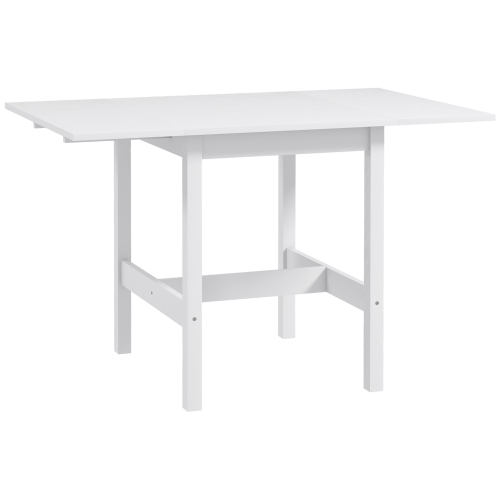
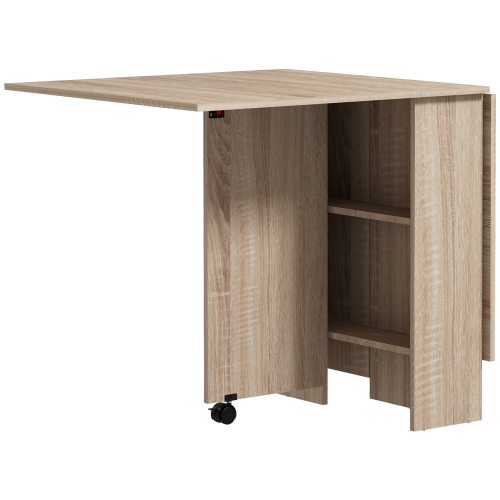
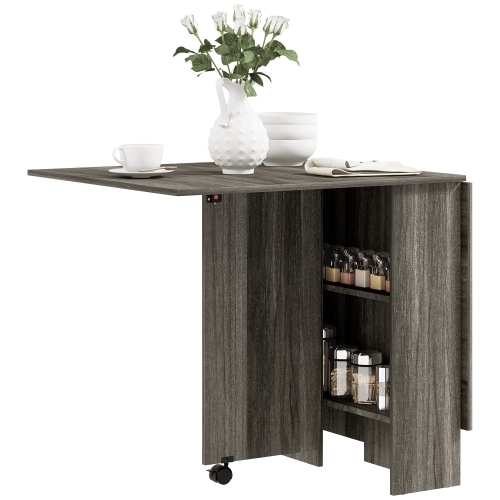
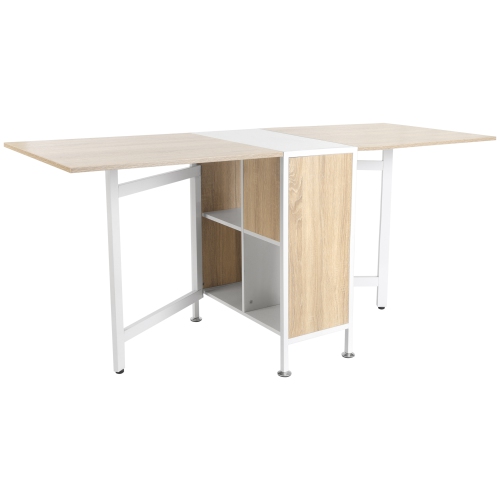
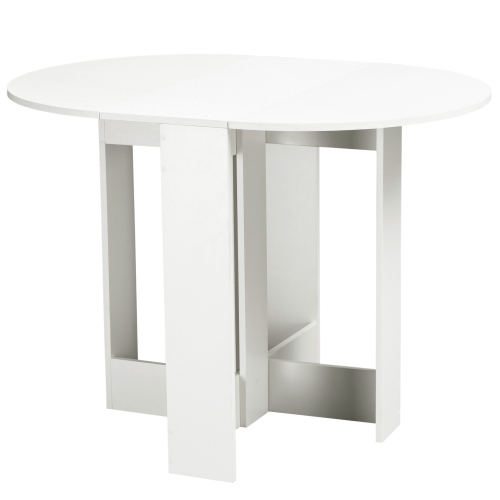
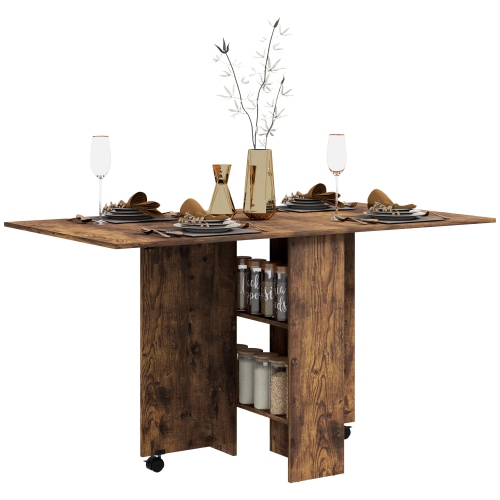
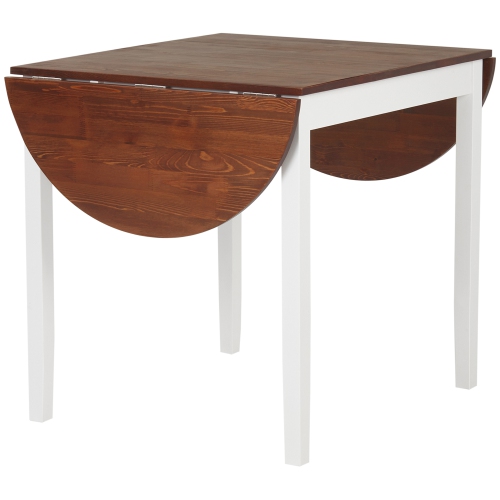
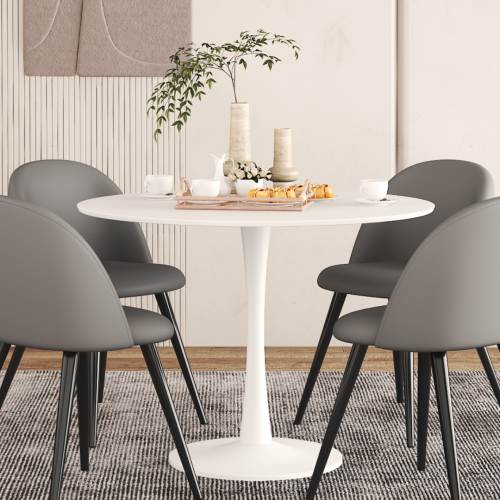
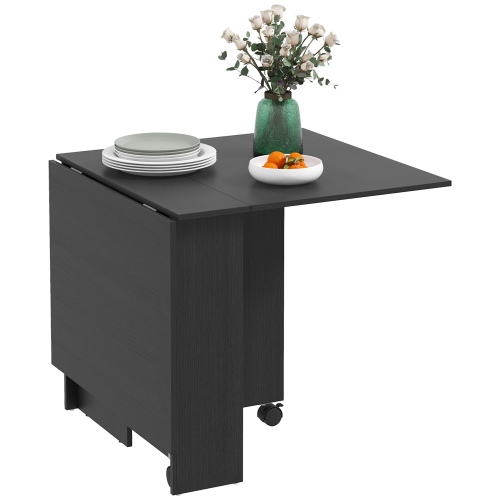
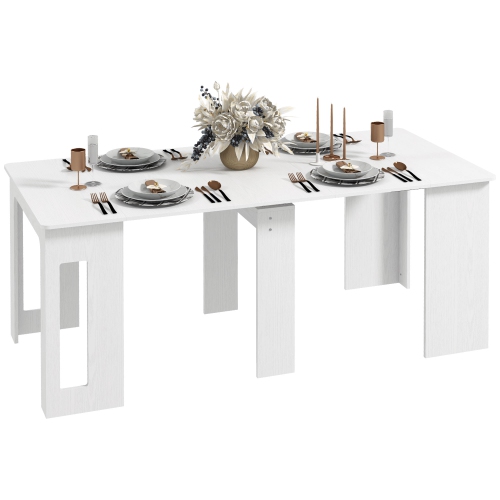

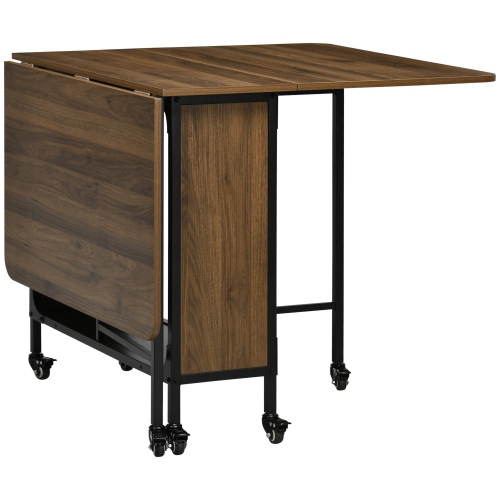
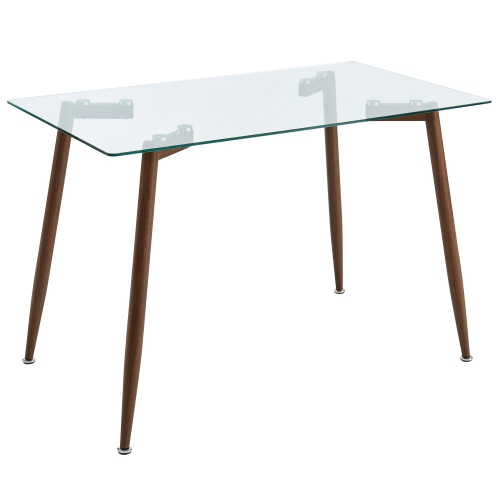
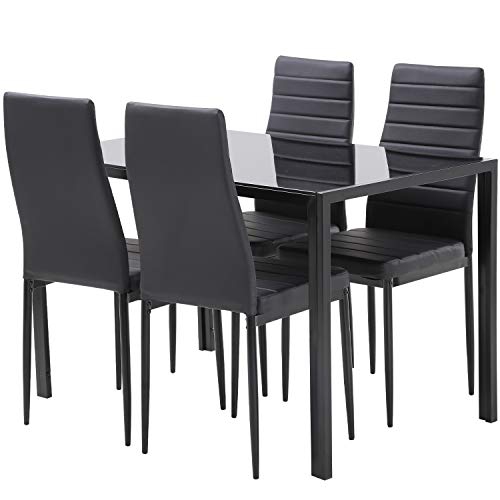
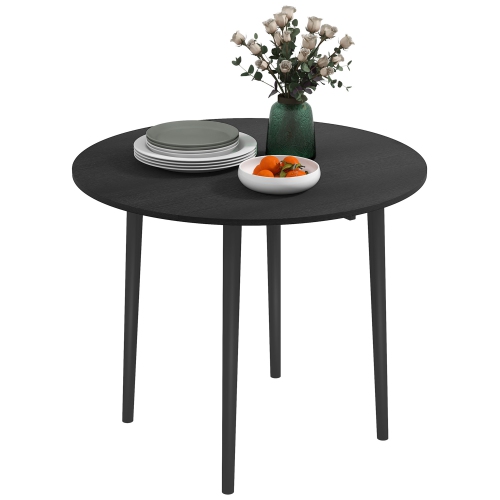
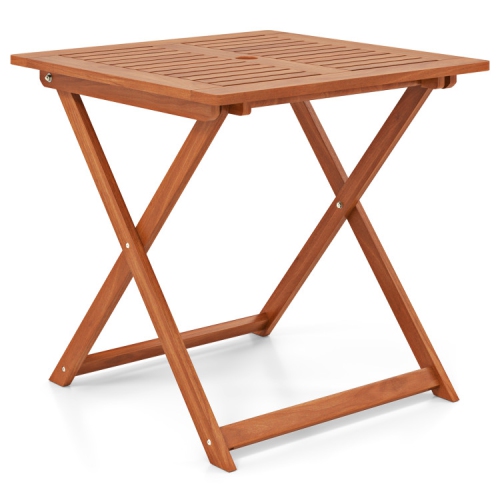
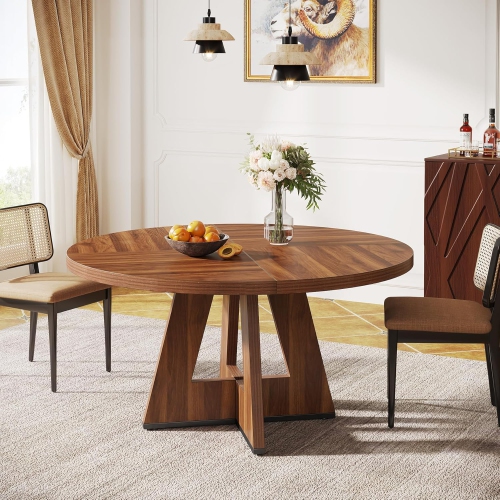
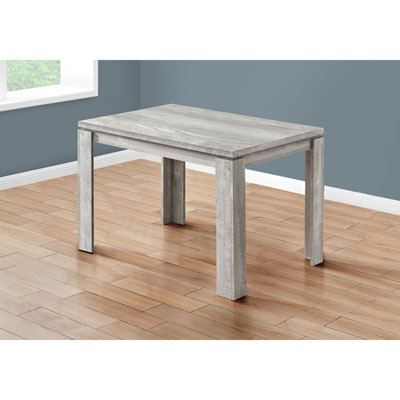
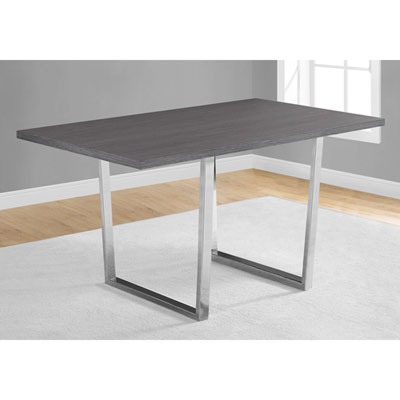
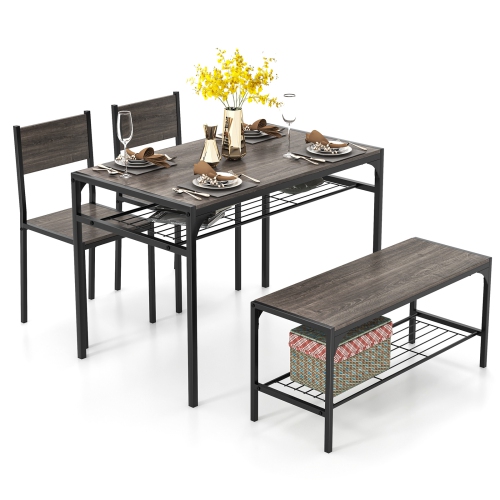
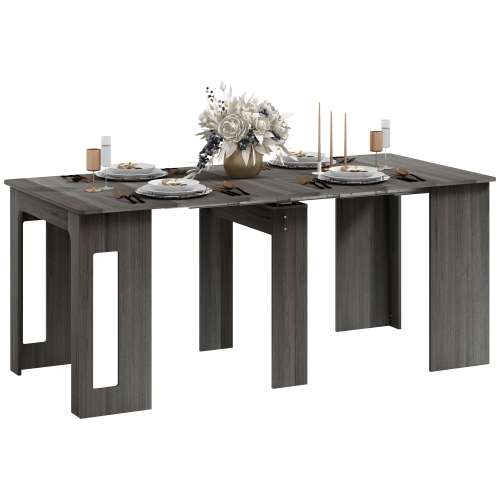
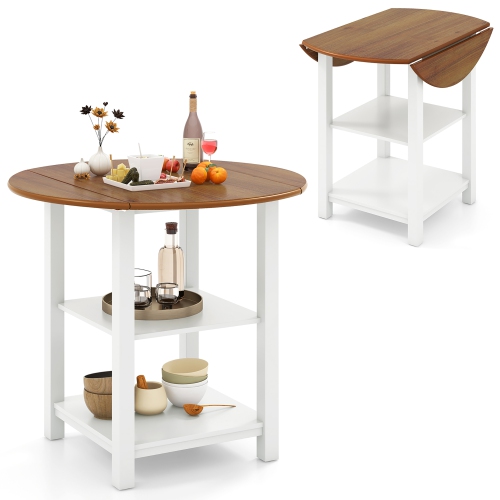
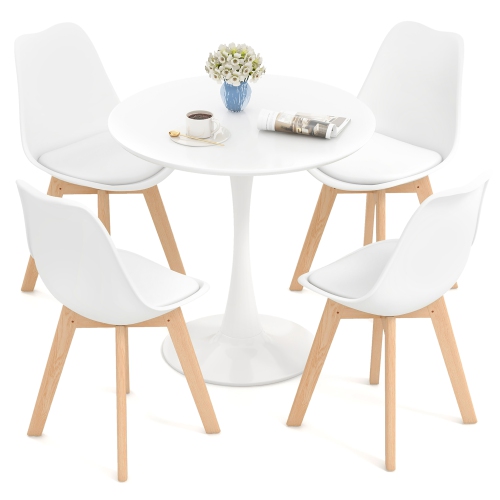
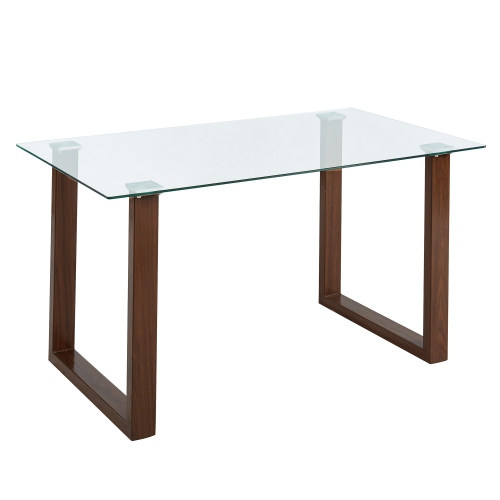
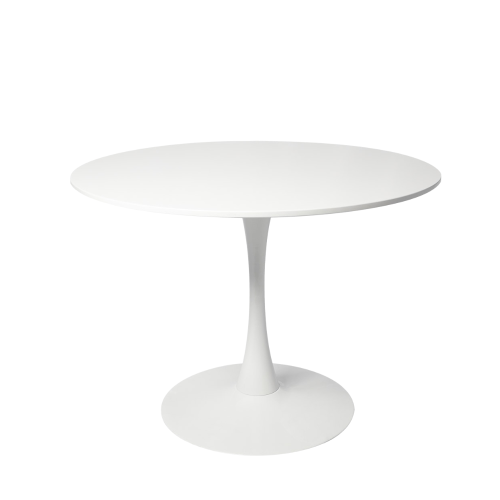
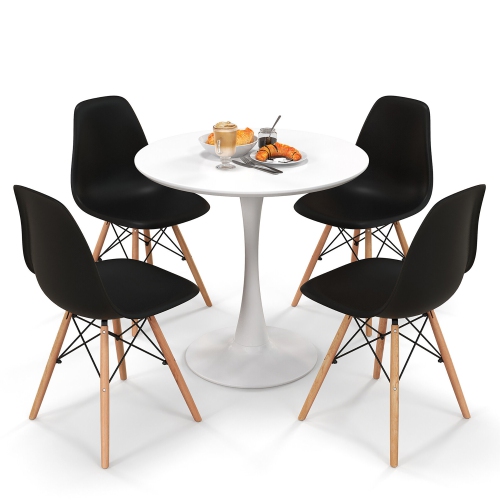
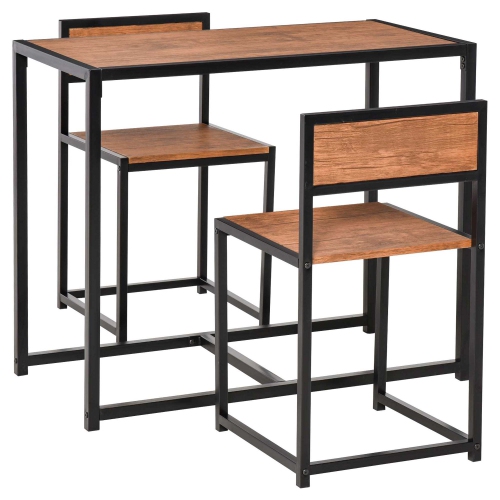

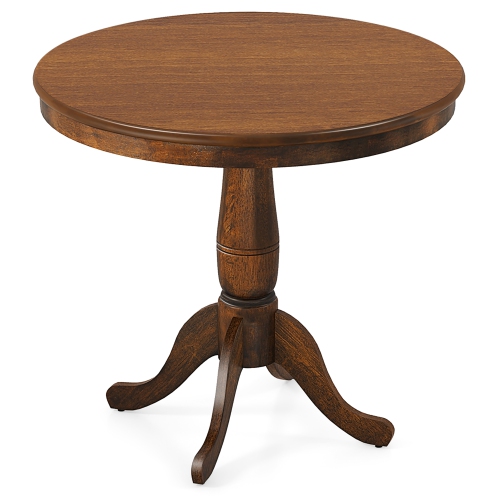
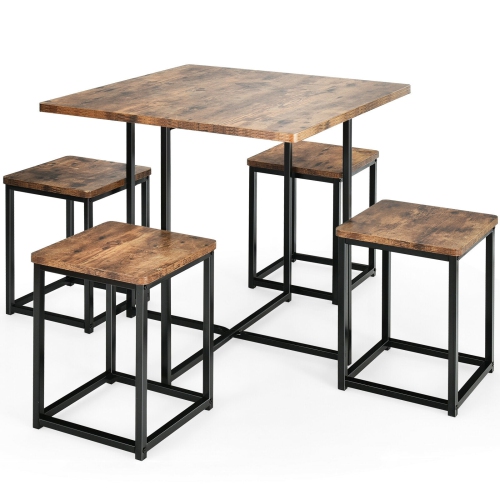
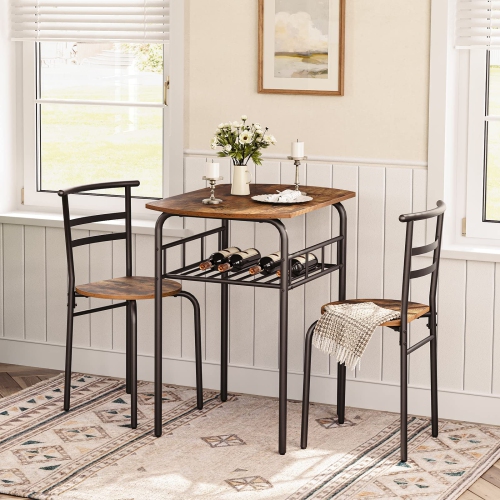
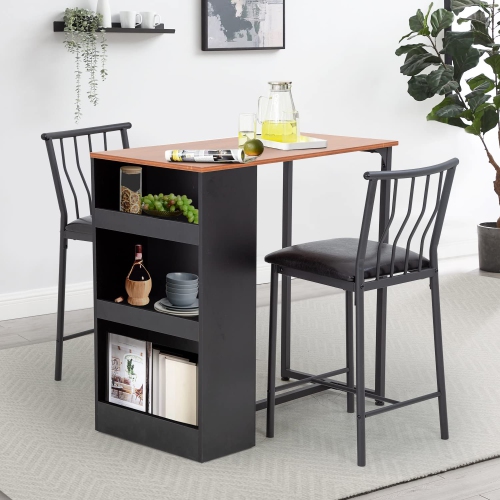
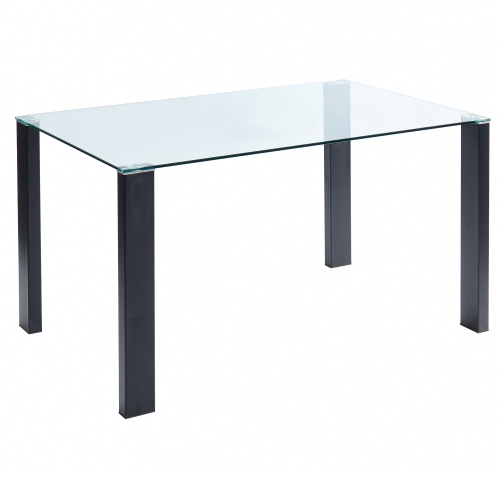
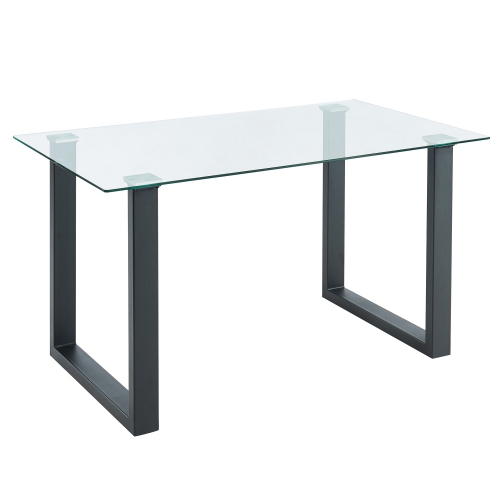
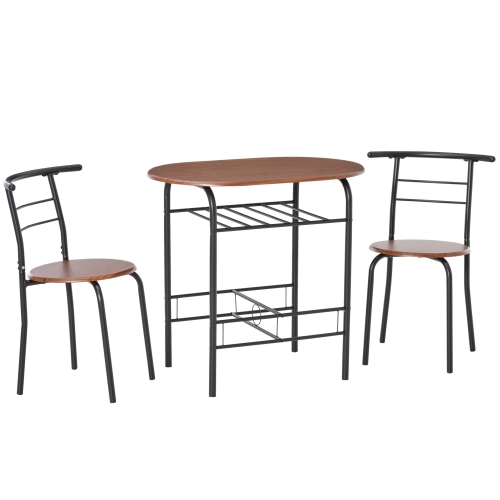
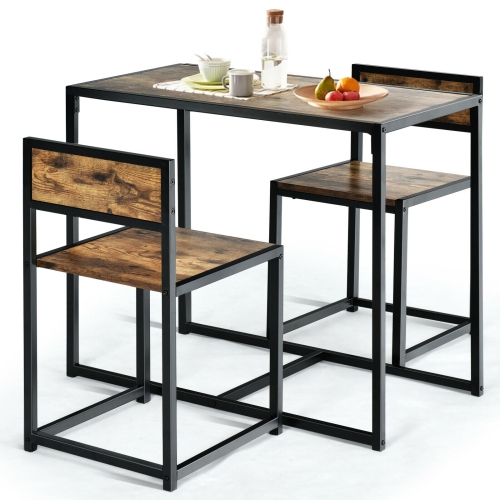
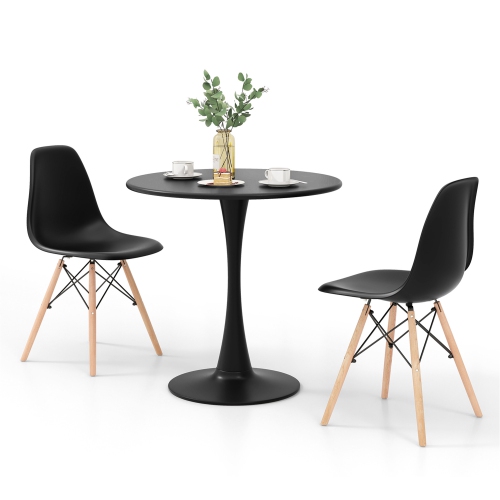
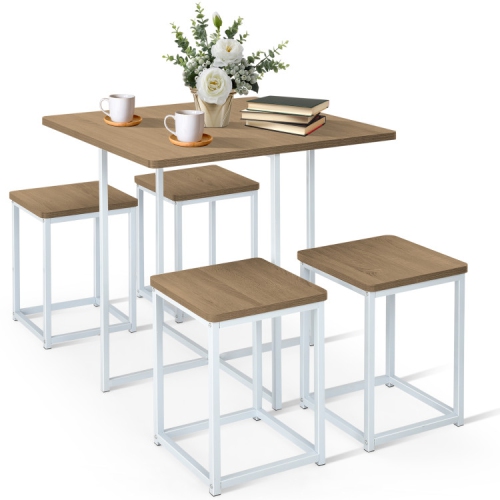
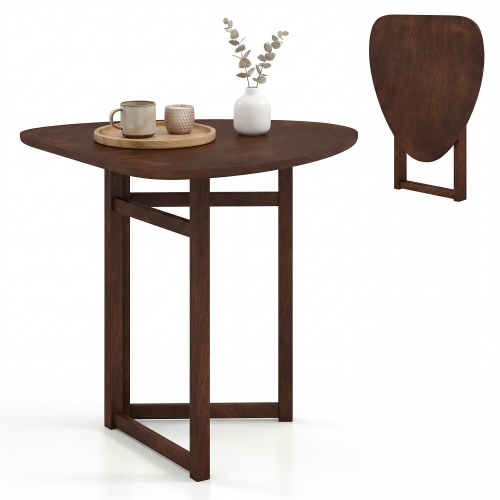
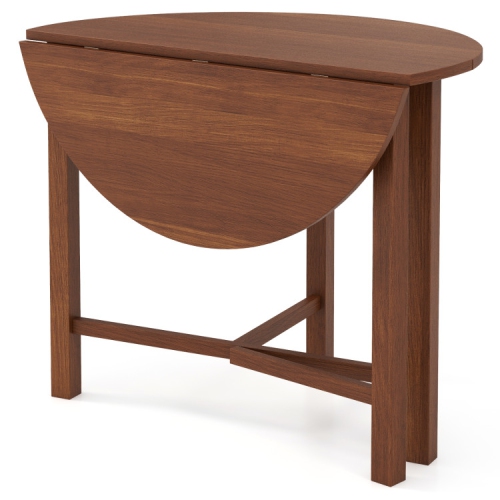
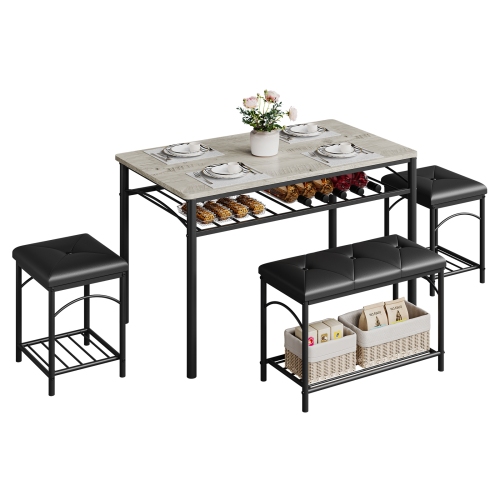
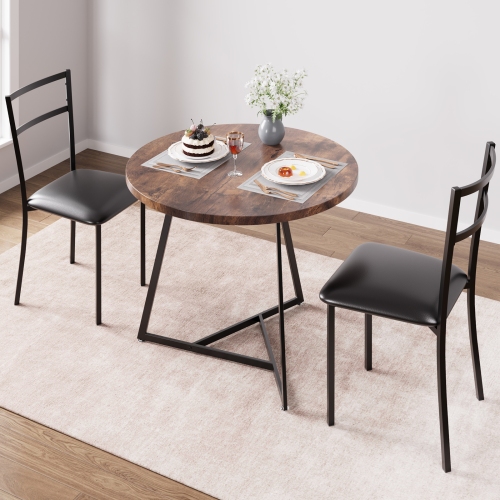
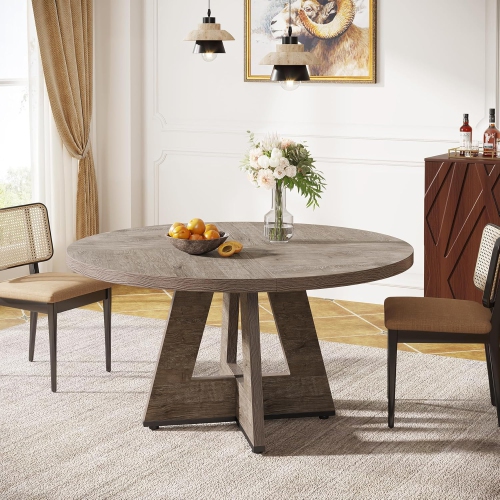
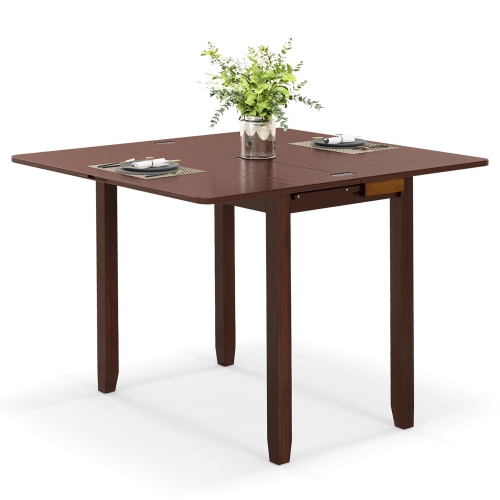
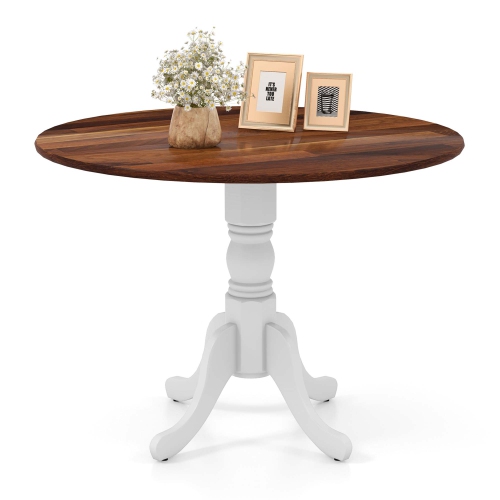
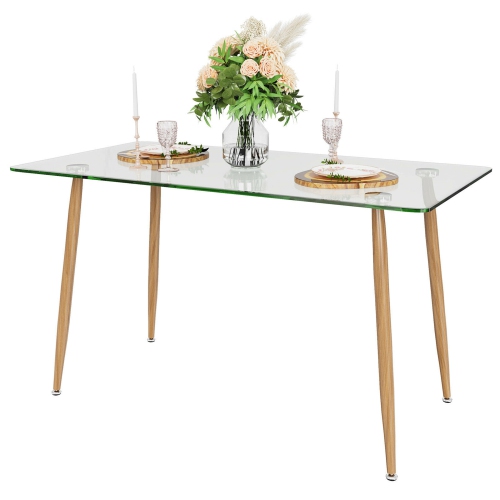
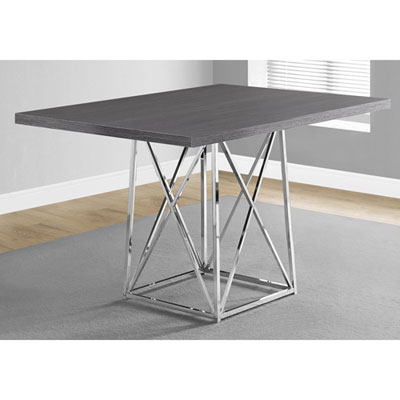
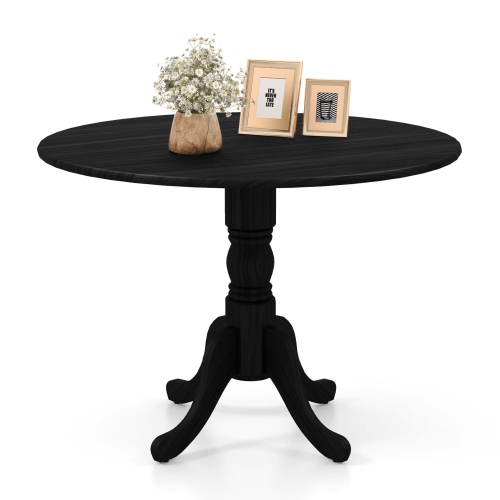
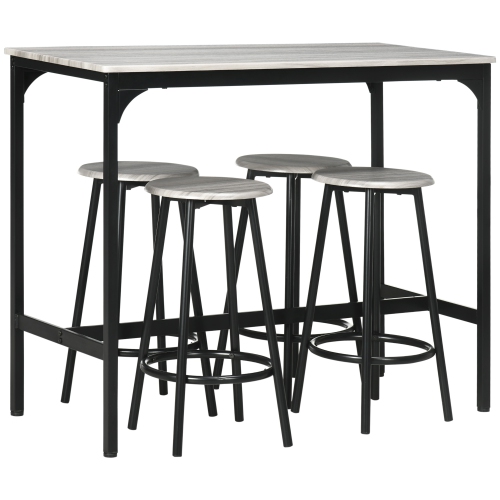
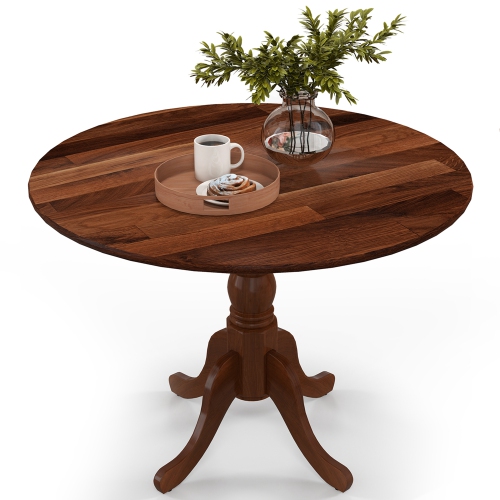
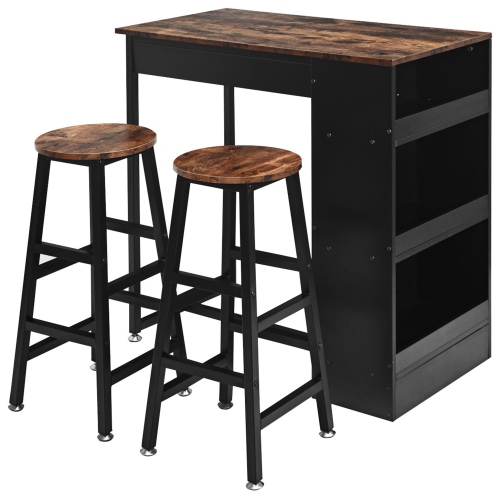
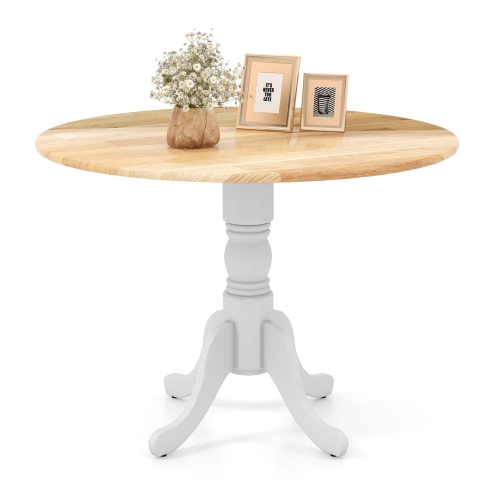
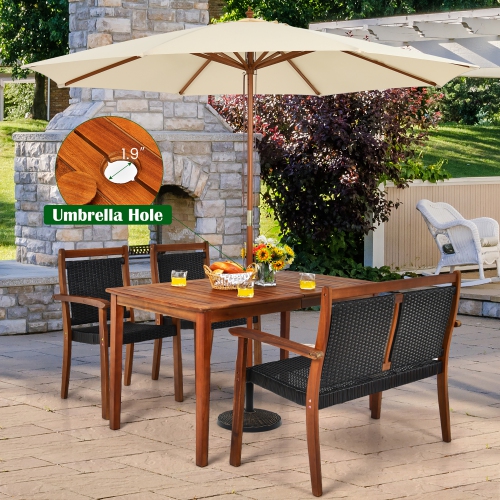
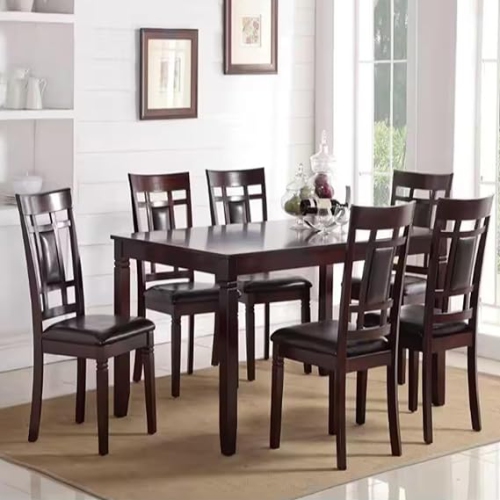
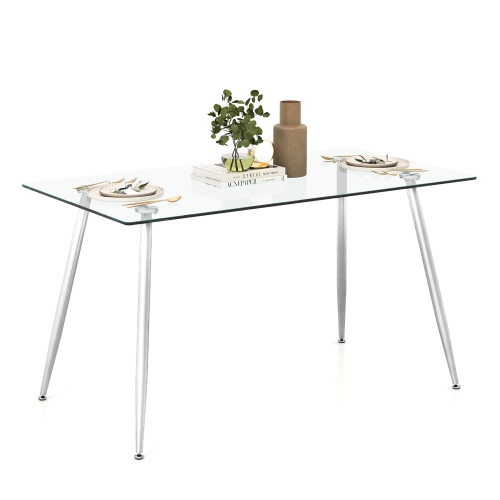
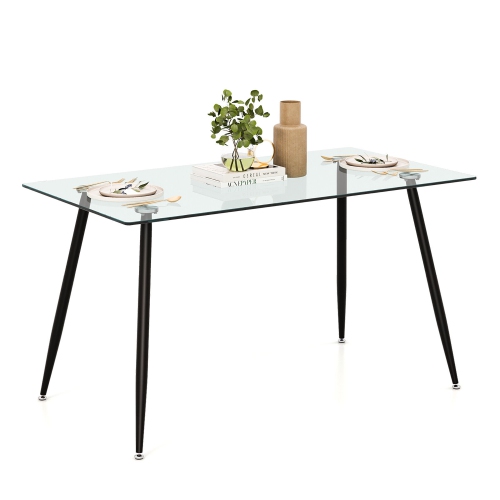
Small-space dining with room to pull up a chair
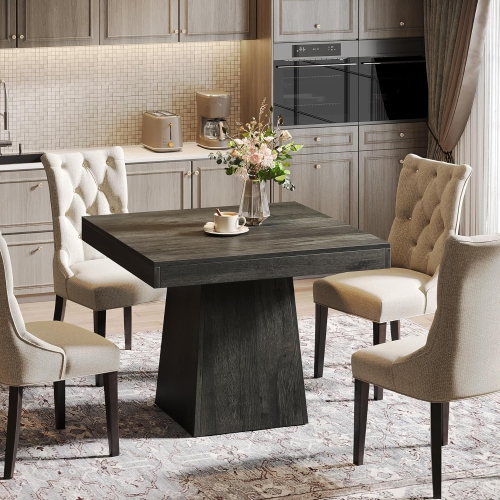
Compact dining tables bring a comfortable place to eat into kitchens, condos, studio apartments, and smaller dining rooms without letting one piece of furniture dominate the space. Their appeal lies in a smaller footprint, but the most useful designs also leave room for chairs, everyday movement, and the activities that happen between meals. A table for two might hold breakfast and coffee in the morning, a laptop during the day, and dinner plates in the evening. Rectangular compact tables often fall within a range of about 30 to 48 inches long and 24 to 36 inches wide, though dimensions vary considerably by design. Small round dining tables commonly measure about 30 to 36 inches across and can create an inviting spot for two people, with seating capacity depending on the base, chair size, and place settings. A round top removes projecting corners from a tight layout, while a square table can sit neatly against a wall when only two sides are needed. Narrow rectangular tables work well along a kitchen wall or beside an open-plan living area, where their straight edges help define a dining space. The tabletop dimensions are only part of the fit: chairs need space to slide out, and people need a clear route past anyone seated. About 36 inches between the table edge and a wall or nearby furniture is a useful starting point for chair movement, with more room needed along busy walkways or for mobility access. A paper or tape outline on the floor can make that footprint easier to picture before furniture is moved into place. Seating comfort also depends on what sits below the top. Corner legs may limit how closely chairs can sit together, while a pedestal base can offer more flexibility, provided its foot does not interfere with chair legs or feet. These details matter in a breakfast nook where every seat gets daily use.
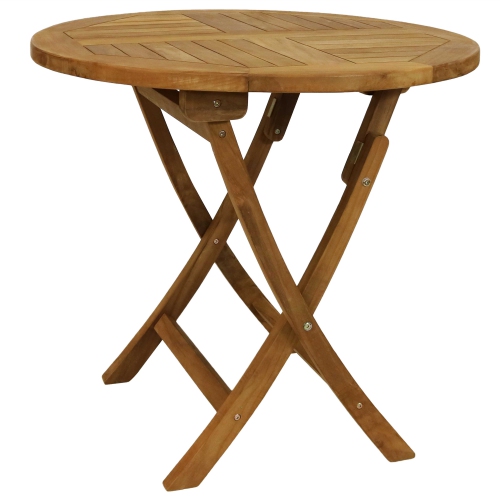
Space-saving dining tables take several forms, from fixed two-person tables to designs that expand when an extra place setting is needed. Drop-leaf tables have hinged tabletop sections that lower at the sides, allowing the surface to stay narrow for everyday use and open out for meals. Some have one leaf, while others have two that can be raised independently. Gateleg tables use swinging support legs beneath folding leaves; the position of those supports affects both stability and where diners can sit. Extendable dining tables add surface area through an insert, a sliding section, or a folding leaf, depending on the mechanism. A self-storing leaf keeps the extra section with the table, while a separate insert needs a suitable storage spot elsewhere. In a small apartment, that difference can be as important as the expanded seating capacity. Small Folding Dining Tables offer another approach where the dining surface needs to fold away or occupy less room between uses. With any adjustable design, the closed and fully opened dimensions both matter, as does the space needed to operate the mechanism. An expanded top is only useful if chairs still fit comfortably around it. Tables with shelves, drawers, or lower racks can keep placemats and napkins close at hand, although storage beneath the tabletop may reduce knee room. Wheeled designs can be easier to reposition, but secure locking castors are important during meals or other seated activities. Chairs that tuck under the top help keep a compact dining area open; their overall width, arm height, and back shape determine whether they actually fit. A bench may slide beneath a rectangular table, though diners still need room to get in and out. For a couple who occasionally hosts a friend, a flexible tabletop can provide enough extra space without requiring a permanently larger table. For someone dining alone most days, a simple fixed table may offer a more straightforward fit with fewer moving parts.
Materials and construction influence how compact dining tables look, feel, and stand up to everyday use. Solid wood brings visible grain and natural variation, and some finishes can be repaired or refinished when wear appears. It can also respond to moisture, so spills deserve prompt attention and hot dishes need protective mats. Wood veneer provides a real wood surface over a supporting core, but its thin outer layer requires care because deep scratches and aggressive sanding can damage it. Laminate and melamine surfaces are often practical for frequent wiping, with durability depending on the surface quality, edge treatment, and underlying construction. Standing liquid can affect seams or exposed edges, particularly where the core is particleboard or MDF. Glass tops can make a small dining area feel visually lighter, although fingerprints show readily and edges need protection from hard impacts. Where glass is used, tempered glass is a useful safety feature to confirm in the specifications. Metal frames can provide a slim profile and firm support; secure joints, a suitable finish, and feet that sit evenly on the floor all contribute to daily comfort. A table should feel steady when someone cuts food, writes a note, or rests their forearms on the edge. Adjustable levelling feet can help on slightly uneven floors, while protective pads can reduce floor marks when compatible with the flooring. Routine care usually means a soft cloth, prompt spill cleanup, and cleaning products suited to the specific finish rather than abrasive scrubbers. Pale wood tones, simple legs, and light-coloured tops can help a dining corner feel less crowded, while darker finishes can give a small table a distinct presence beside lighter cabinetry. Rounded edges may be appealing in households with young children, but a stable base and properly secured folding parts remain important. Whether used for shared meals, homework, puzzles, or a quiet cup of tea, a compact table earns its place through comfortable proportions, dependable construction, and a surface that suits the way the household lives.
Space-saving dining tables take several forms, from fixed two-person tables to designs that expand when an extra place setting is needed. Drop-leaf tables have hinged tabletop sections that lower at the sides, allowing the surface to stay narrow for everyday use and open out for meals. Some have one leaf, while others have two that can be raised independently. Gateleg tables use swinging support legs beneath folding leaves; the position of those supports affects both stability and where diners can sit. Extendable dining tables add surface area through an insert, a sliding section, or a folding leaf, depending on the mechanism. A self-storing leaf keeps the extra section with the table, while a separate insert needs a suitable storage spot elsewhere. In a small apartment, that difference can be as important as the expanded seating capacity. Small Folding Dining Tables offer another approach where the dining surface needs to fold away or occupy less room between uses. With any adjustable design, the closed and fully opened dimensions both matter, as does the space needed to operate the mechanism. An expanded top is only useful if chairs still fit comfortably around it. Tables with shelves, drawers, or lower racks can keep placemats and napkins close at hand, although storage beneath the tabletop may reduce knee room. Wheeled designs can be easier to reposition, but secure locking castors are important during meals or other seated activities. Chairs that tuck under the top help keep a compact dining area open; their overall width, arm height, and back shape determine whether they actually fit. A bench may slide beneath a rectangular table, though diners still need room to get in and out. For a couple who occasionally hosts a friend, a flexible tabletop can provide enough extra space without requiring a permanently larger table. For someone dining alone most days, a simple fixed table may offer a more straightforward fit with fewer moving parts.
Materials and construction influence how compact dining tables look, feel, and stand up to everyday use. Solid wood brings visible grain and natural variation, and some finishes can be repaired or refinished when wear appears. It can also respond to moisture, so spills deserve prompt attention and hot dishes need protective mats. Wood veneer provides a real wood surface over a supporting core, but its thin outer layer requires care because deep scratches and aggressive sanding can damage it. Laminate and melamine surfaces are often practical for frequent wiping, with durability depending on the surface quality, edge treatment, and underlying construction. Standing liquid can affect seams or exposed edges, particularly where the core is particleboard or MDF. Glass tops can make a small dining area feel visually lighter, although fingerprints show readily and edges need protection from hard impacts. Where glass is used, tempered glass is a useful safety feature to confirm in the specifications. Metal frames can provide a slim profile and firm support; secure joints, a suitable finish, and feet that sit evenly on the floor all contribute to daily comfort. A table should feel steady when someone cuts food, writes a note, or rests their forearms on the edge. Adjustable levelling feet can help on slightly uneven floors, while protective pads can reduce floor marks when compatible with the flooring. Routine care usually means a soft cloth, prompt spill cleanup, and cleaning products suited to the specific finish rather than abrasive scrubbers. Pale wood tones, simple legs, and light-coloured tops can help a dining corner feel less crowded, while darker finishes can give a small table a distinct presence beside lighter cabinetry. Rounded edges may be appealing in households with young children, but a stable base and properly secured folding parts remain important. Whether used for shared meals, homework, puzzles, or a quiet cup of tea, a compact table earns its place through comfortable proportions, dependable construction, and a surface that suits the way the household lives.
Top selling and popular products
-
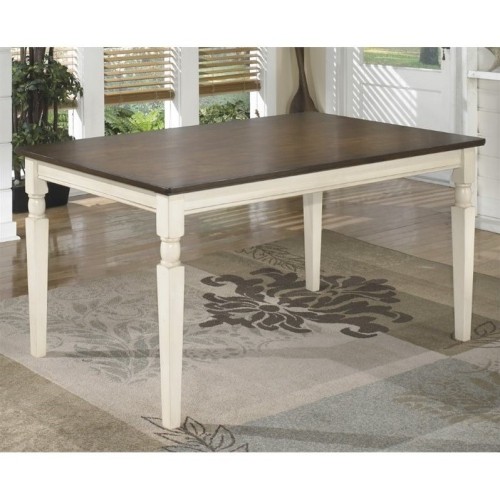 Your price for this item is $399
 -
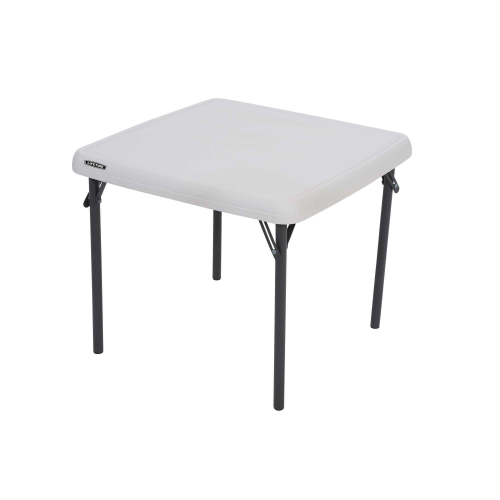 Your price for this item is $71.99
 -
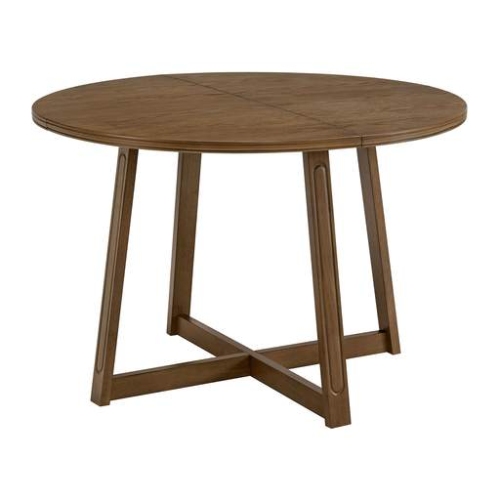 Your price for this item is $752.99
 -
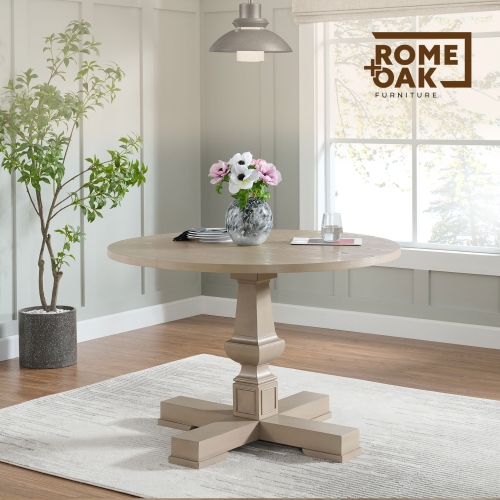 Your price for this item is $917.99
 -
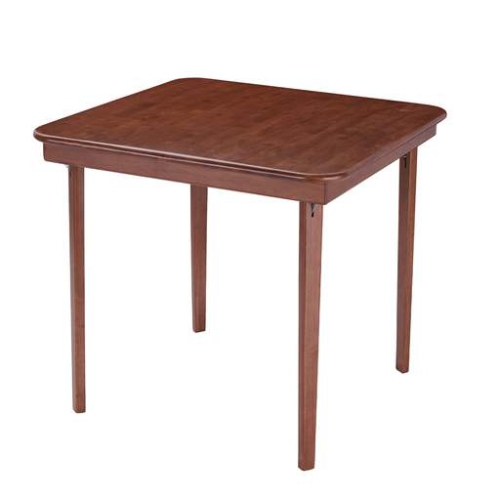 Your price for this item is $385.99
 -
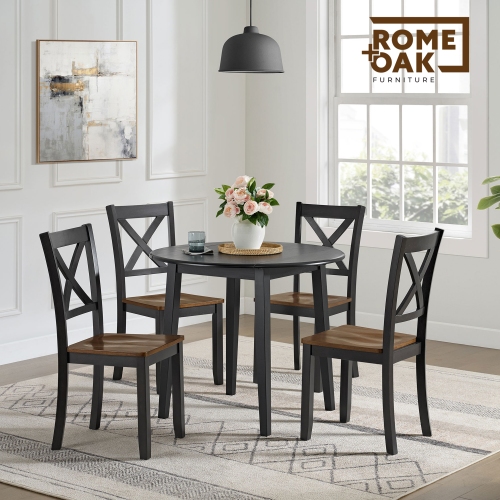 Your price for this item is $317.99
 -
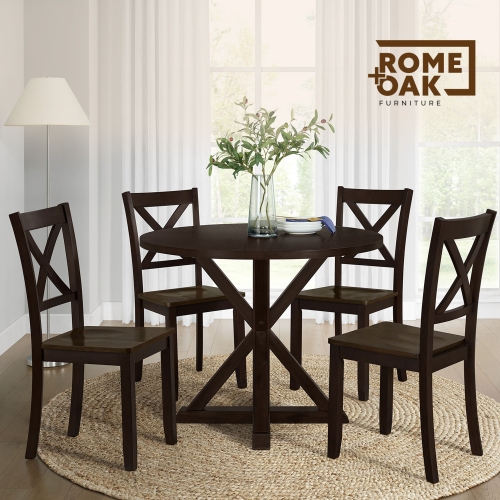 Your price for this item is $782.99
 -
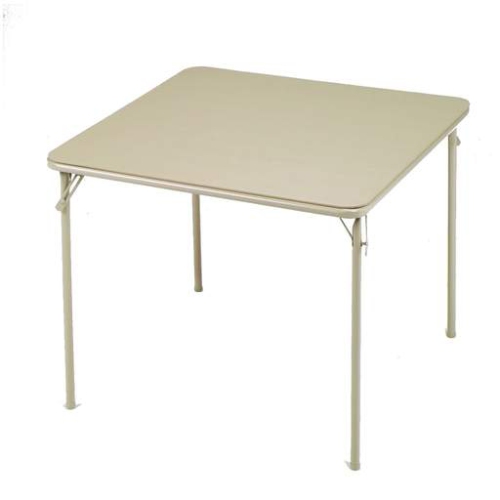 Your price for this item is $228.99
Discover more categories related to Compact Dining Tables
Top Collections:
Pokemon Centers, Kindle Devices, Best Budget Office Chairs, Apple iPhones 16, Samsung Galaxy Phones, Canon G7X Cameras, iPhone 15 Apple, Flip Phones, Best Laptops for Writers, Alarm Clock
Some products may be subject to Environmental Handling Fees
(EHF) depending on your province.
Learn more about EHFs.