Compact Kitchen Dining Sets
Compact Kitchen Dining Sets offer a smart solution for making the most of your dining space without sacrificing style or comfort. Perfect for apartments, condos, or cozy breakfast nooks, these sets are designed to fit seamlessly into smaller areas while providing a functional spot for meals, gatherings, or casual coffee breaks. Explore a variety of finishes and designs to find the ideal Compact Kitchen Dining Set that complements your home and suits your lifestyle.
Sort

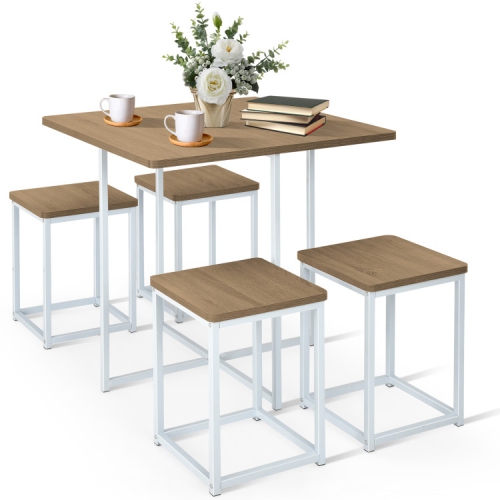

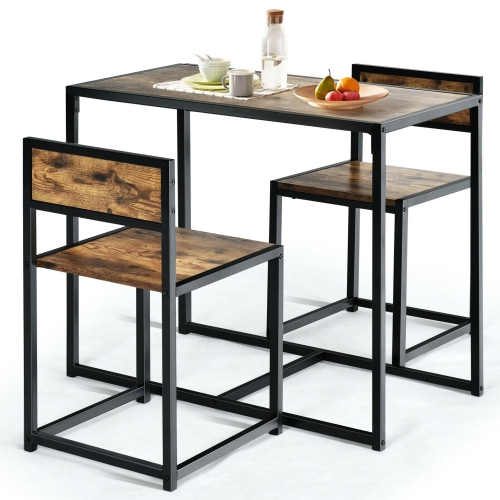
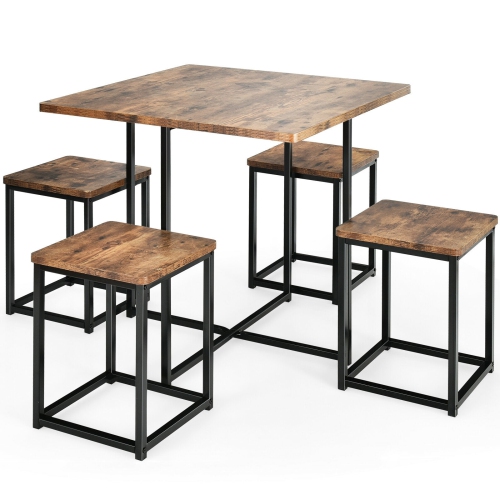

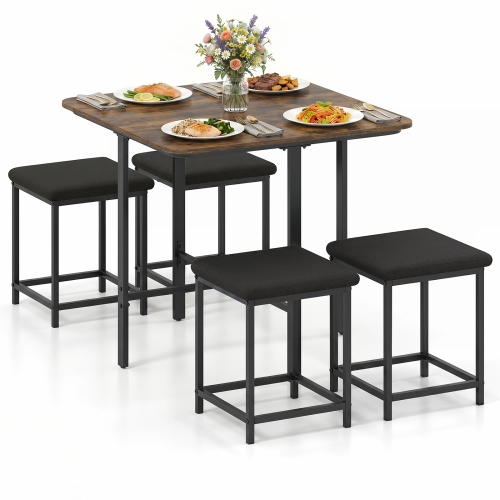
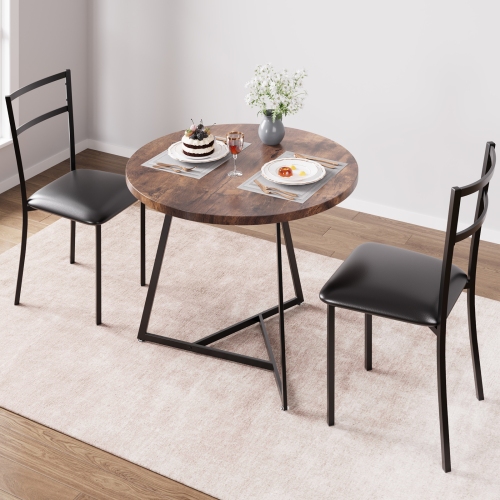
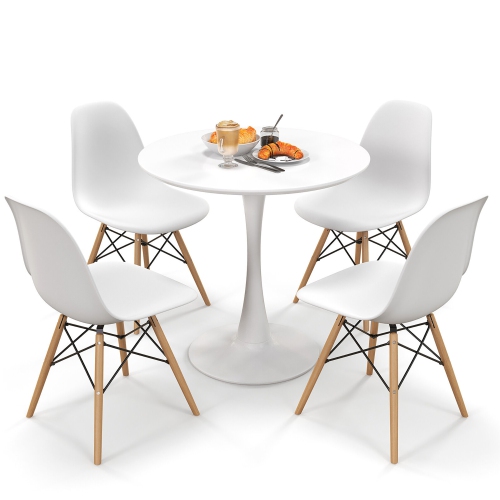


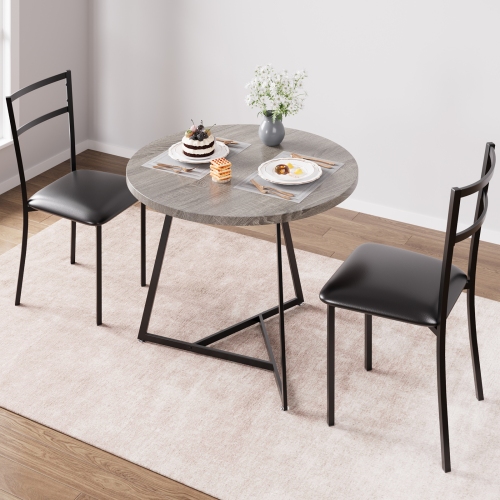

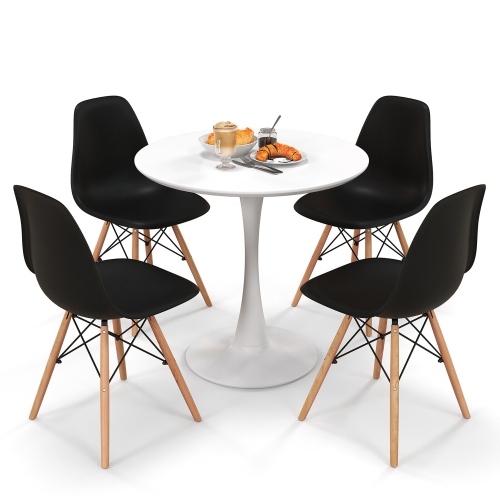

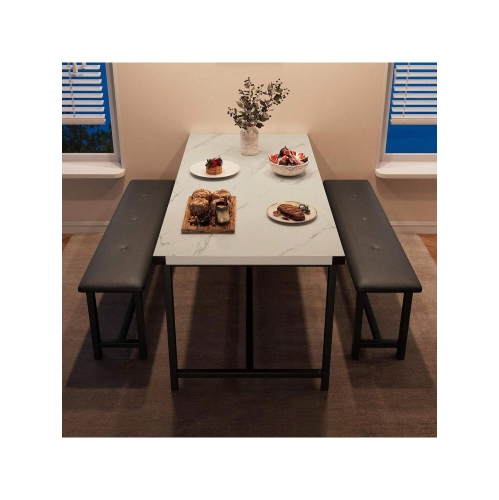
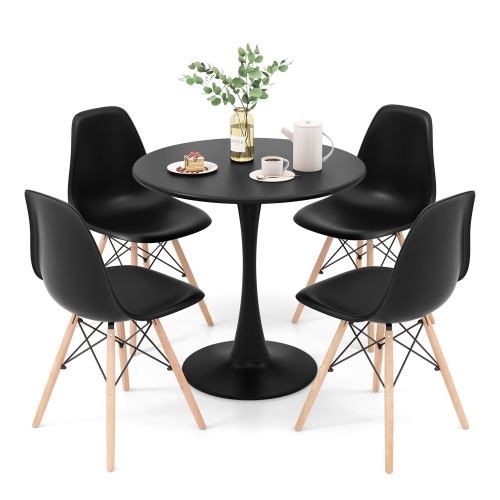


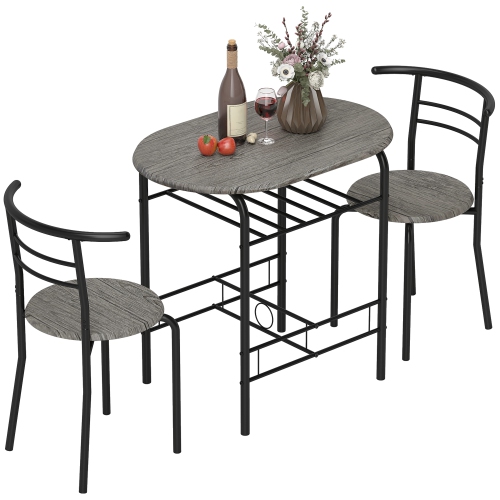
Room for everyday meals without crowding the kitchen
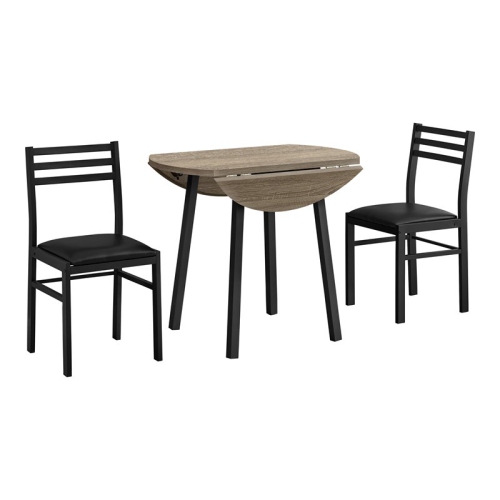
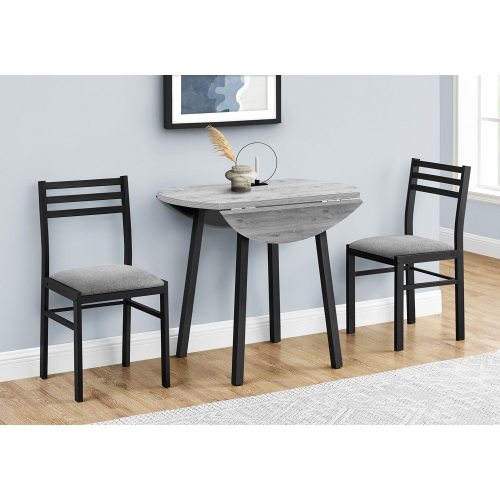
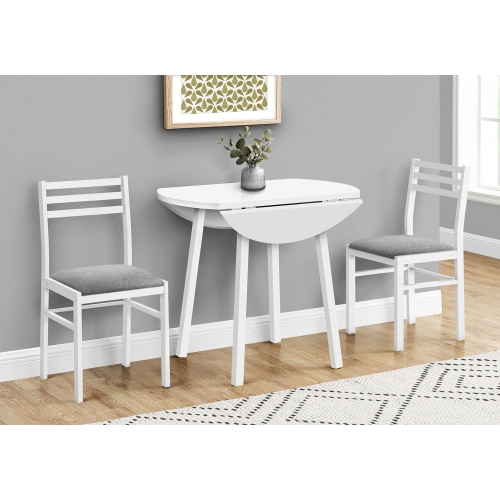
Compact kitchen dining sets combine a small dining table with coordinated seating to create a dedicated place for meals without taking over the room. They suit apartment kitchens, condo dining nooks, breakfast areas, and open-plan homes where cooking, eating, and everyday activities share the same floor space. A three-piece set typically includes a table and two chairs, while a five-piece set generally pairs a table with four chairs. Other arrangements combine chairs with a bench, making the seating layout as important as the tabletop size. For one person or a couple, a two-seat arrangement can provide enough room for breakfast, a laptop, or a relaxed evening meal. A household that regularly eats together may need four comfortable places, even when the dining area is narrow. Compact does not have to mean a surface barely large enough for two plates: a useful table also leaves space for drinking glasses, cutlery, and shared dishes. Drop-leaf tables offer a flexible footprint, with one or both sides lowered between meals and raised when more surface area is needed. Extendable designs serve a similar purpose, although their expanded dimensions and the storage required for any removable leaves deserve attention. Folding chairs and seats that tuck fully beneath the table can free up floor space after meals, provided the table supports do not obstruct them. A bench can slide neatly under a rectangular tabletop, but it may be less convenient for someone who needs to get up frequently while others remain seated. These sets also work well for renters establishing a first home, students furnishing a separate eating area, and people moving to a smaller residence who still want a comfortable place to sit down for meals. When the kitchen table doubles as a workspace or homework spot, a stable surface and supportive seating matter as much as a compact footprint. The most practical arrangement accommodates ordinary routines, from setting out two bowls of cereal to clearing space for a shared puzzle, without requiring the room to be rearranged each time.
The fit of a compact dining set depends on the space around it, not just the dimensions of the table. Measuring the usable floor area helps account for cabinet doors, appliance doors, nearby drawers, and the route between the kitchen and adjoining rooms. A table may fit against a wall while still leaving too little room to pull out a chair or walk behind someone who is seated. Around 36 inches between a table edge and a wall or other obstruction is a useful starting point for chair movement, with more space helpful along a busy walkway. Each person generally benefits from about 24 inches of table edge, though wide chairs, armrests, and substantial table legs can increase the room needed. Seat height also needs to suit the tabletop: roughly 10 to 12 inches between the seat and the underside of the table is a common starting point, with any apron beneath the tabletop reducing knee clearance. Round tables remove projecting corners and can make movement through a small eating area feel less awkward. A central pedestal may offer more freedom for chair placement, although its base still needs to leave comfortable foot space. Square tables work naturally in corners or against a wall, while rectangular tables often suit long, narrow kitchens and bench seating. Rounded edges can soften the outline of either shape. Counter-height sets create a taller dining surface, but they need suitable stools or chairs and may be harder for young children or people with limited mobility to use comfortably. Backrests, footrests, seat depth, and the ease of moving each chair all affect everyday comfort. Upholstered seats offer cushioning for longer meals, whereas smooth, unpadded seats are generally simpler to wipe clean. For shared households, seating that can be moved independently may be more convenient than a bench. Checking the full arrangement with chairs pulled out, leaves extended, and nearby doors open gives a clearer picture of how the dining area will function.
Materials and construction influence how a compact kitchen dining set looks, feels, and holds up to regular use. Solid wood brings visible grain and a warm appearance, with differences in hardness and finish affecting its resistance to marks. Wood veneer provides a real wood surface over a supporting core, while laminate and other finished engineered-wood surfaces can offer a uniform appearance and straightforward cleaning. Their edges and joins still need protection from standing water, especially where spills could reach the material beneath the finish. Metal frames can create a slim outline, although the quality of the joints, protective finish, and floor contact points matters more than appearance alone. Glass tabletops can keep a small dining area visually open, but fingerprints and crumbs are more noticeable, and edges need careful handling. Glass intended for dining furniture should meet the manufacturer's specifications for that use. Fabric upholstery adds texture, while smooth, wipeable upholstery may be more practical where meals often involve sticky fingers or spilled drinks; cleaning requirements vary by material. A light finish can coordinate with pale cabinetry, and White Kitchen Dining Sets offer another direction for a bright, cohesive dining area. Darker finishes can provide contrast, while natural wood tones introduce warmth alongside tile, painted cabinets, or metal fixtures. Consistent care helps preserve both the finish and the stability of the set. Promptly wiping spills, using coasters and heat-resistant mats, and following the recommended cleaning method can prevent avoidable damage. Abrasive cleaners may scratch or dull surfaces, and excess moisture can affect wood-based materials. Protective pads beneath chair and table legs help reduce floor scratches, particularly when seating moves several times a day. Fasteners may need periodic checking in accordance with the assembly instructions, and folding mechanisms or extension supports should be secured before use. Durable, comfortable dining furniture earns its place through these everyday details: chairs that sit evenly, a table that stays steady, and surfaces that remain manageable through meals, conversation, and daily use.
Top selling and popular products
-
 Your price for this item is $174.99
-
 Your price for this item is $219.97
-
 Your price for this item is $219.97
-
 Your price for this item is $219.97
-
 Your price for this item is $176.99
-
 Your price for this item is $243.99
-
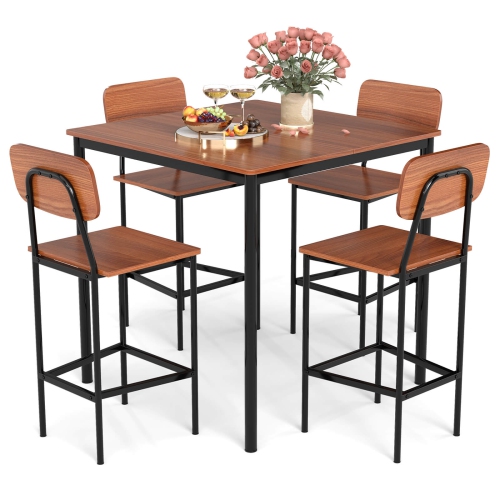 Your price for this item is $265.99
-
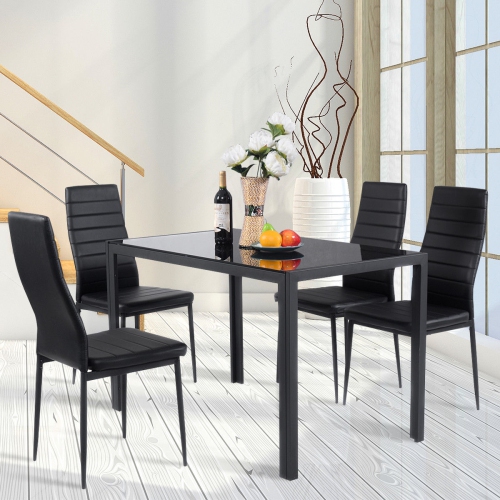 Your price for this item is $325.99
Discover more categories related to Compact Kitchen Dining Sets


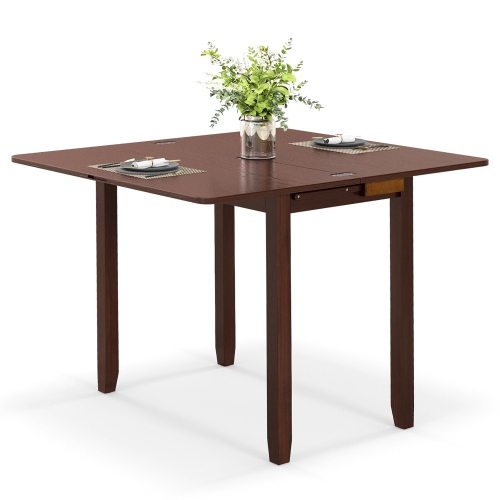
Top Collections:
Pokemon Centers, Best Black Friday Deals This Year, Best Black Friday Deals On Electronics, Kindle Devices, Best Budget Office Chairs, Best Black Friday Deals On Apple Products, Best Cameras for Sports Photography, Pokémon 30th Celebration Cards, Dyson Airwrap, Canon G7X Cameras
Some products may be subject to Environmental Handling Fees
(EHF) depending on your province.
Learn more about EHFs.