Compact Outdoor Furniture
If you're looking for a new outdoor furniture set, you'll want to consider compact outdoor furniture. These sets are designed to be easy to assemble and store, making them perfect for small spaces or limited storage space. Here are some of the best options available.
Sort
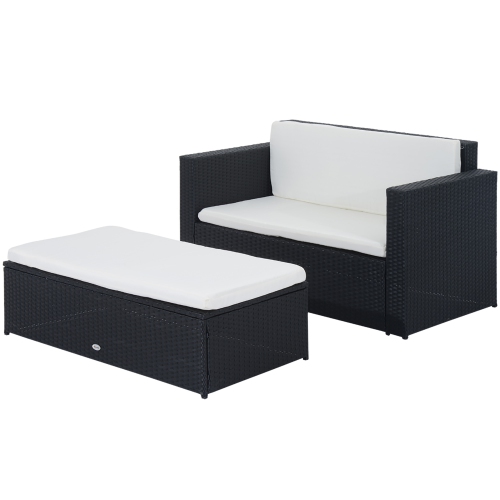
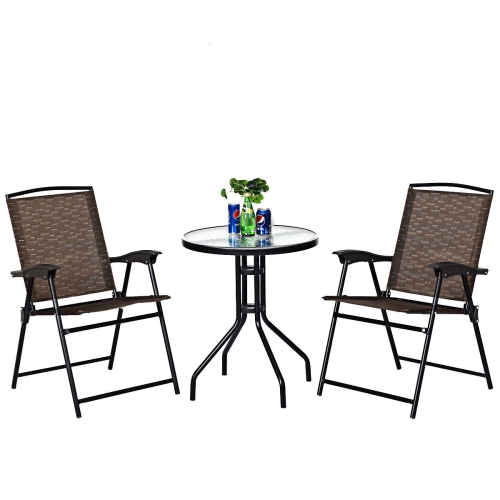
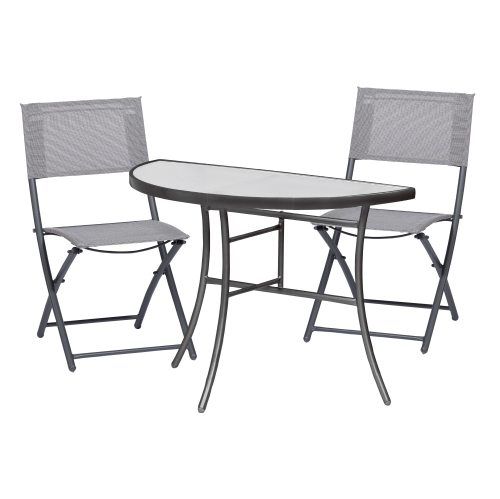
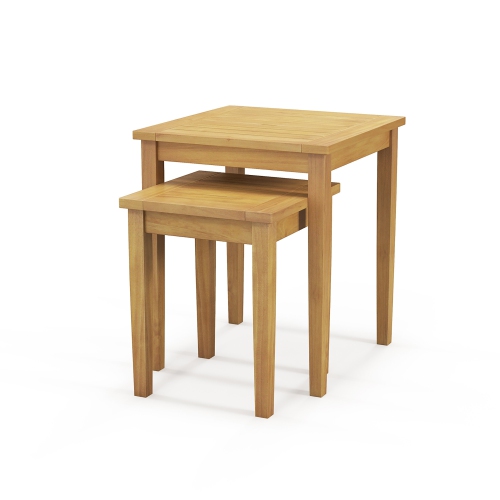
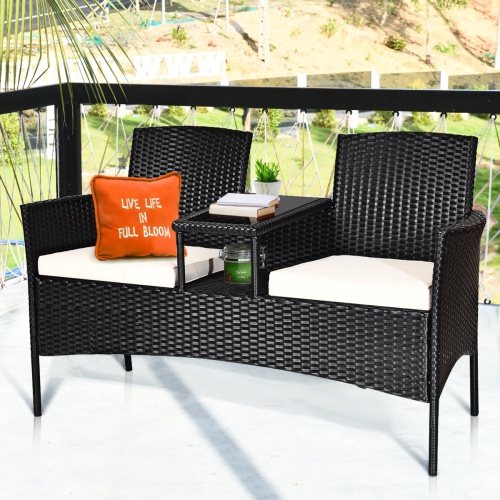
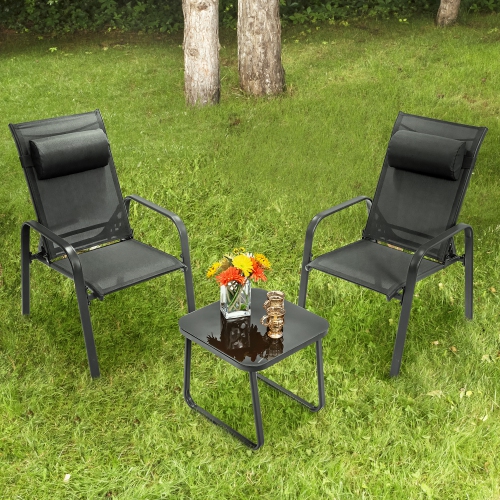
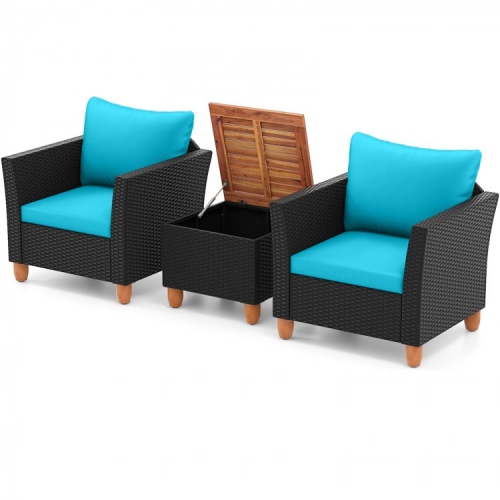
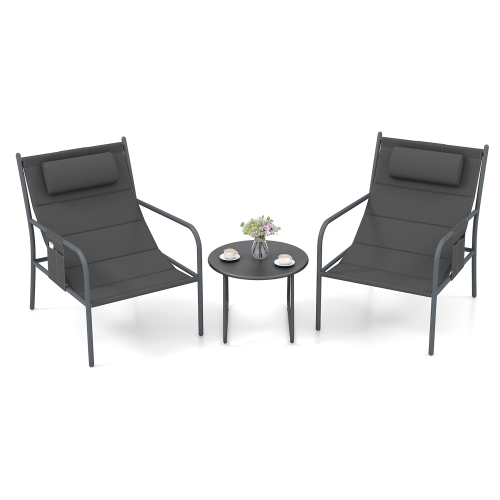
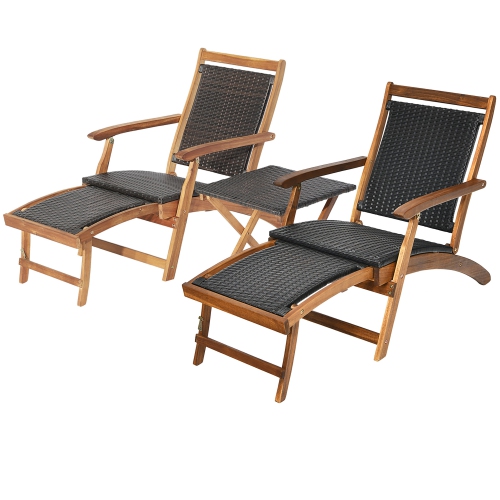
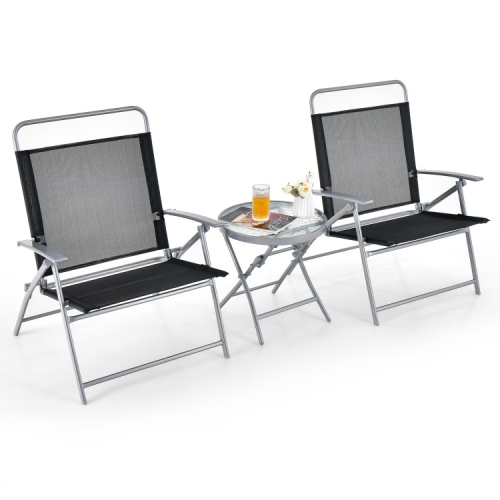
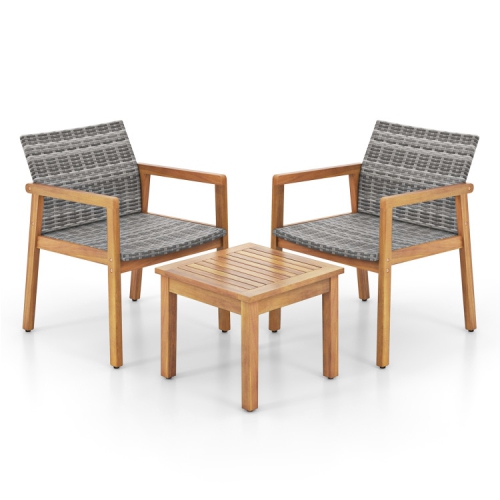
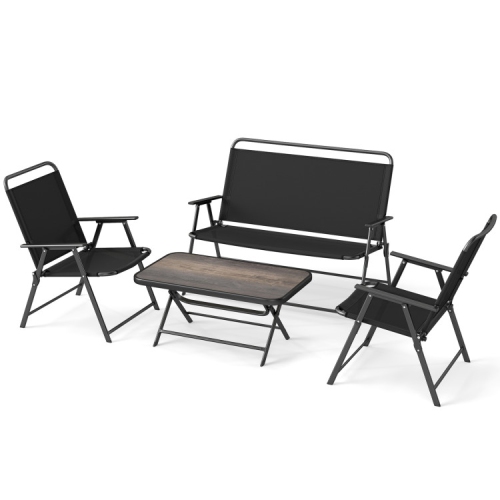
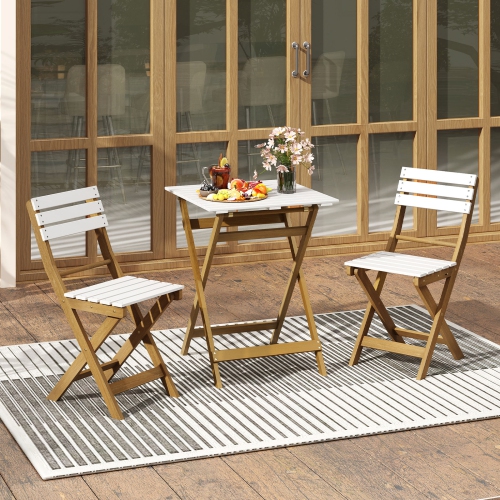
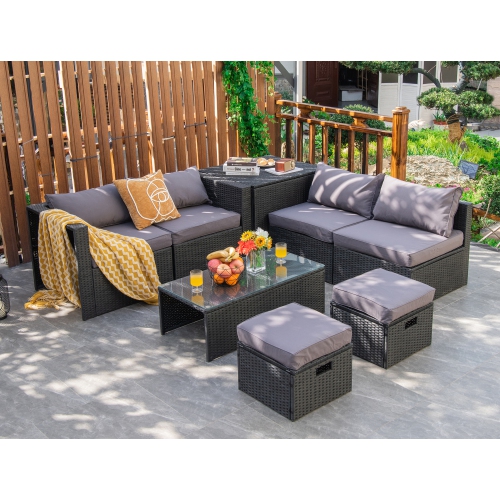
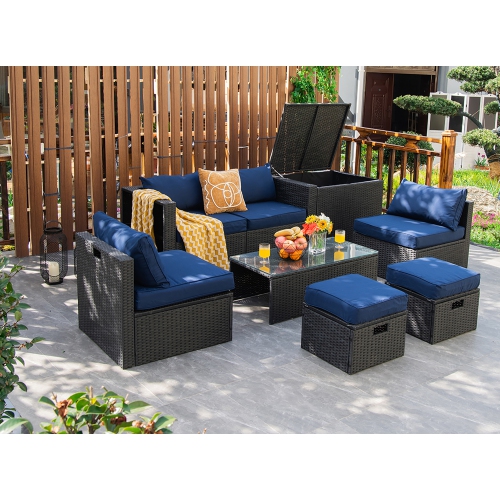
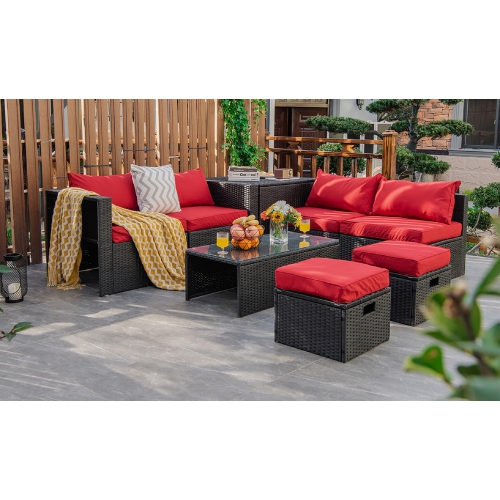
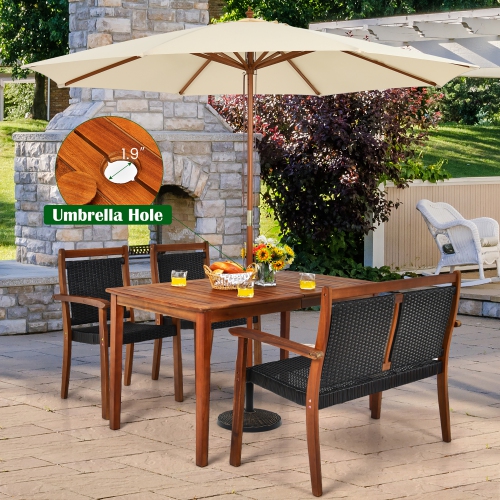

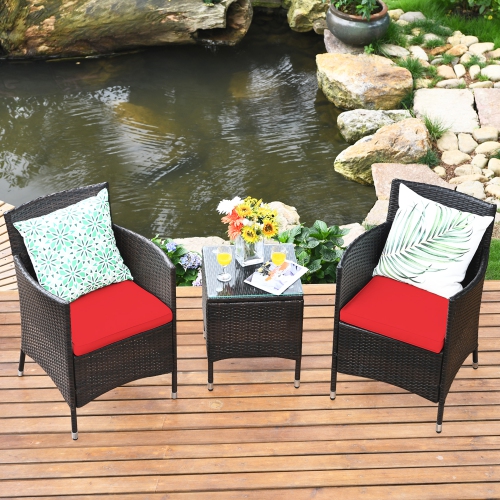
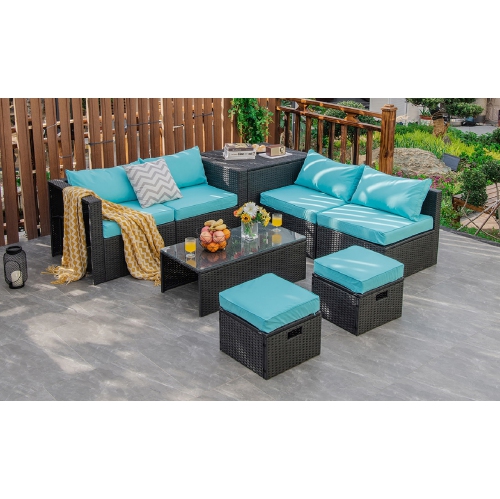
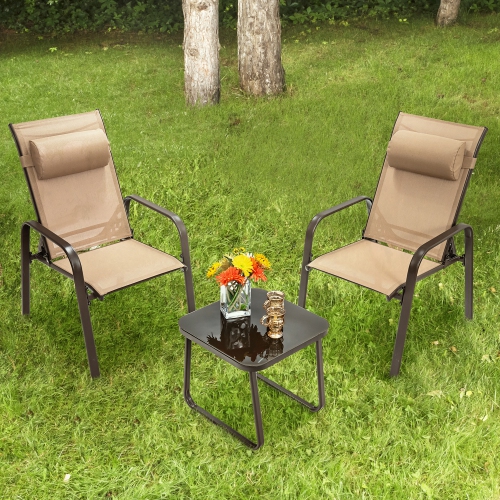
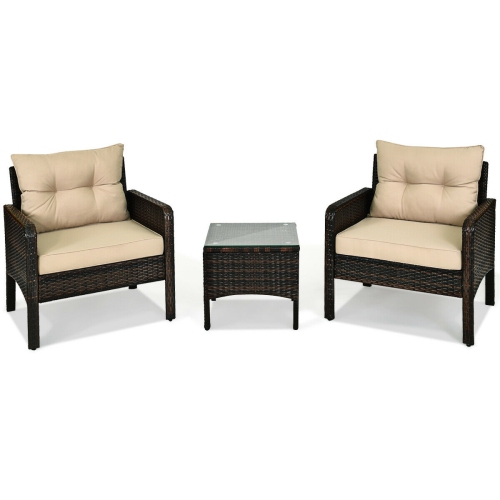
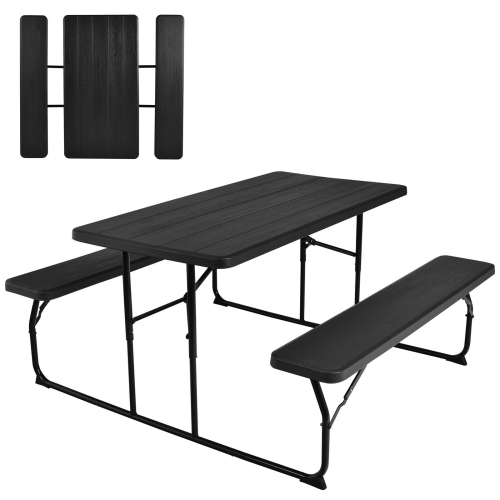
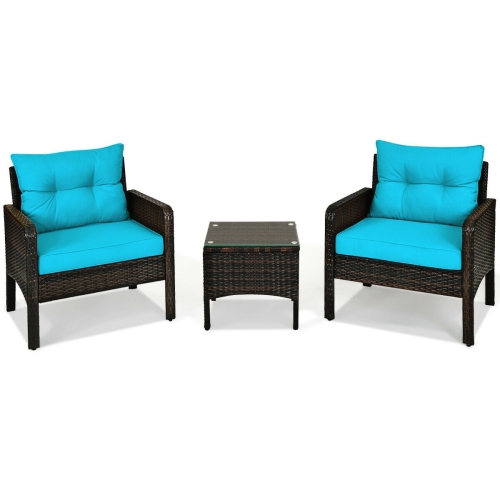

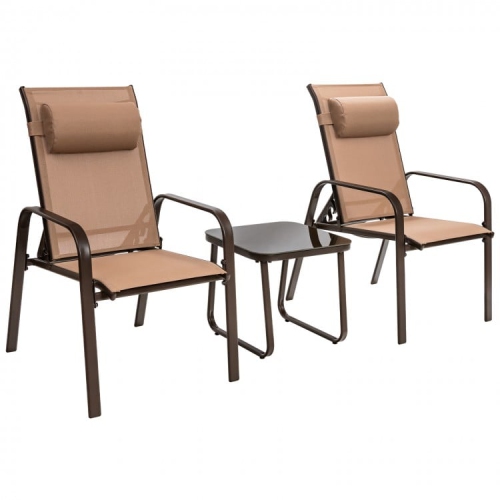
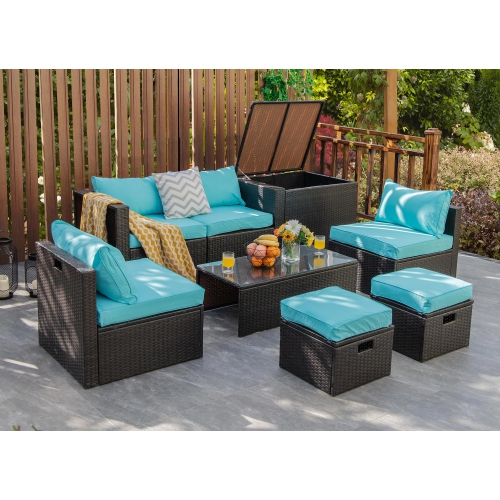
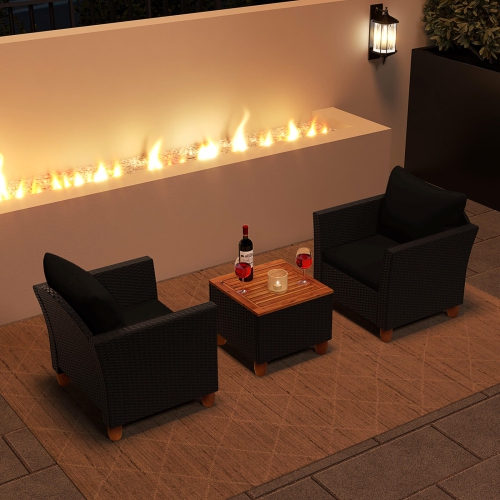
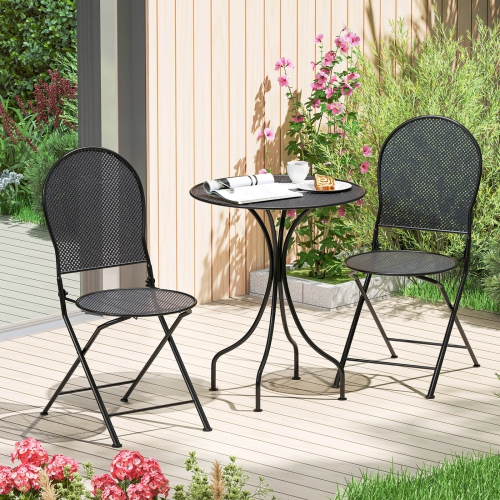
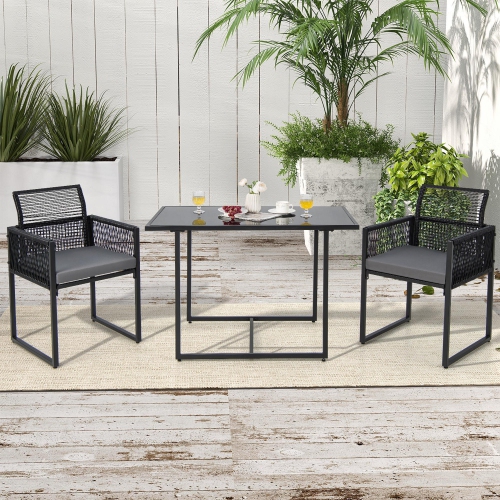
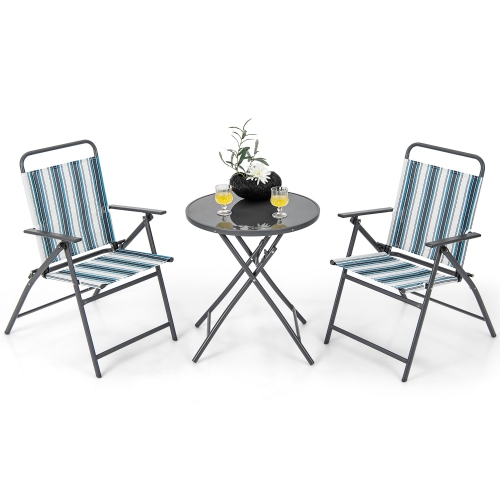
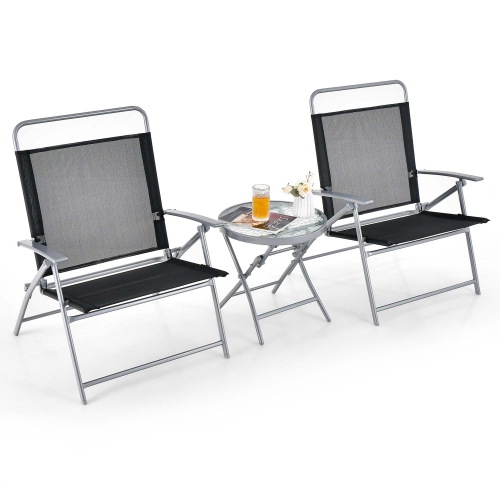
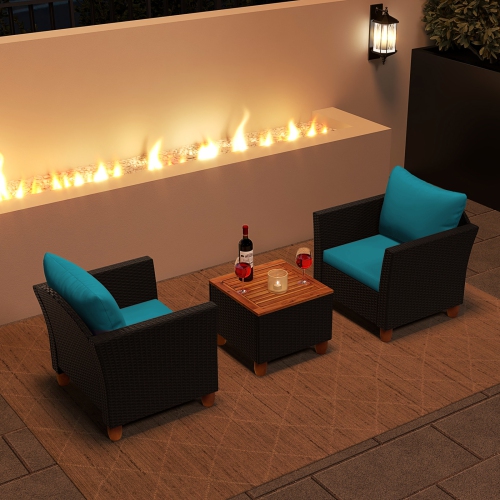
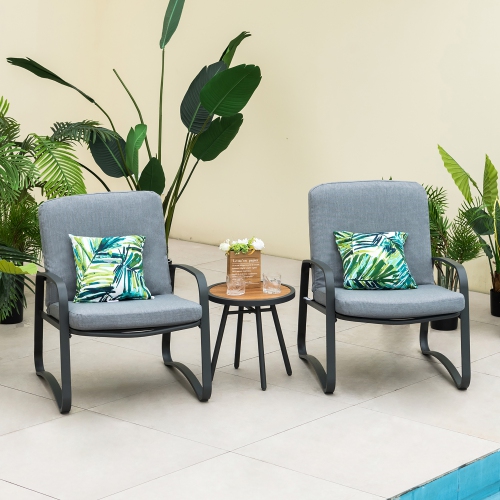
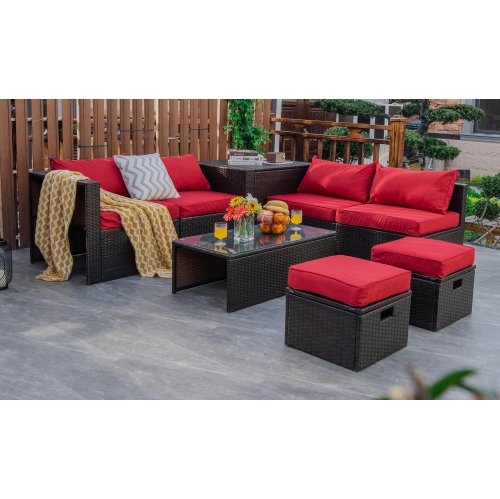
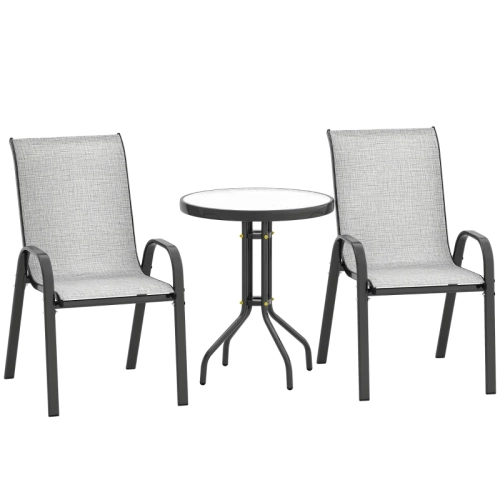
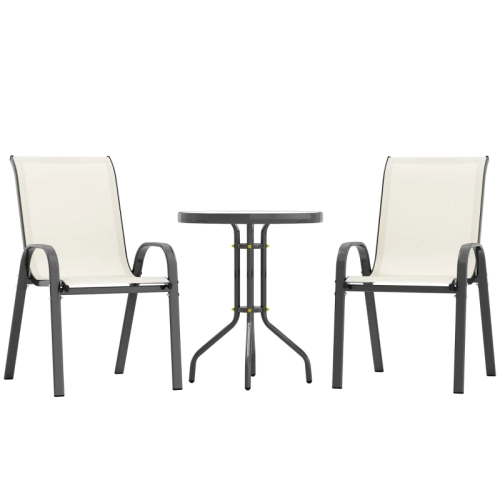
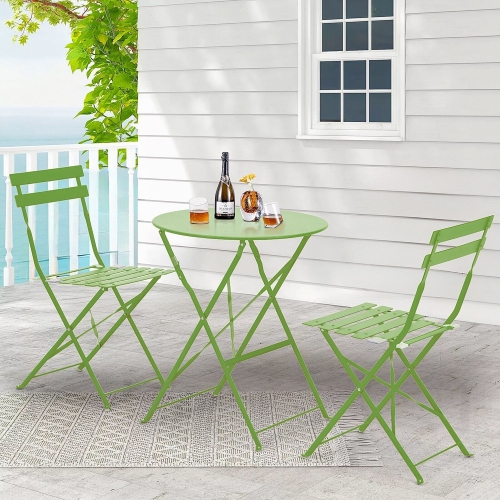
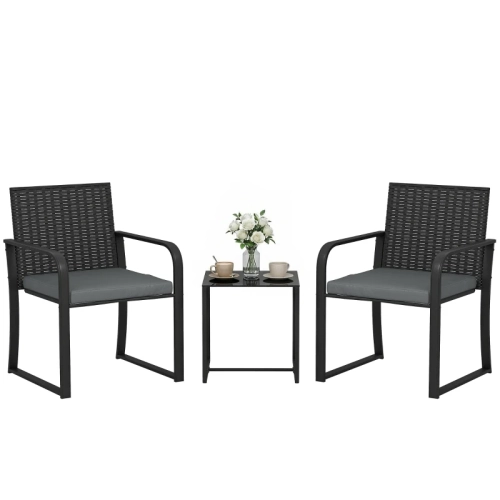
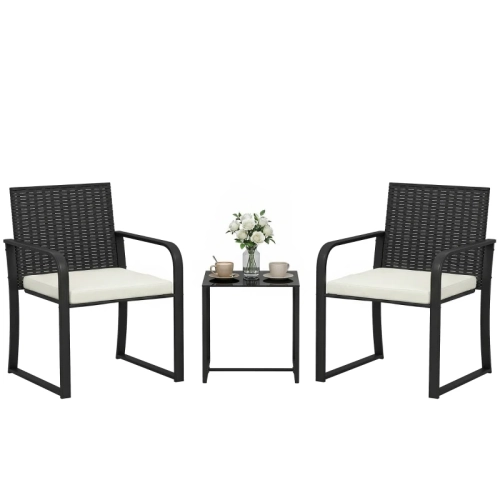
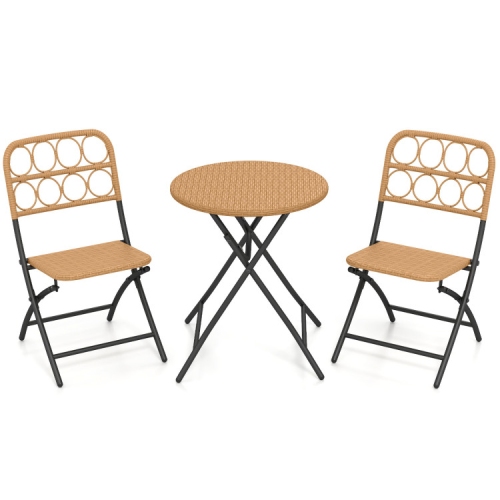
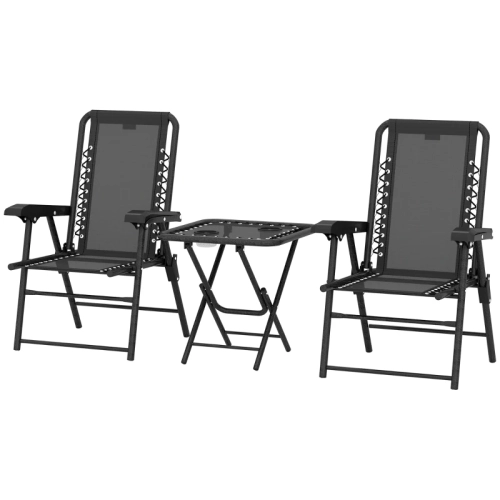
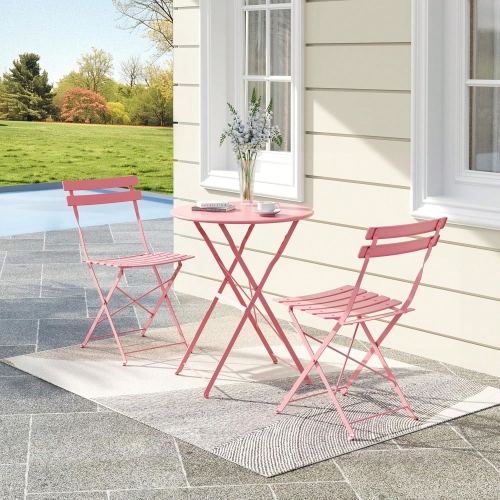
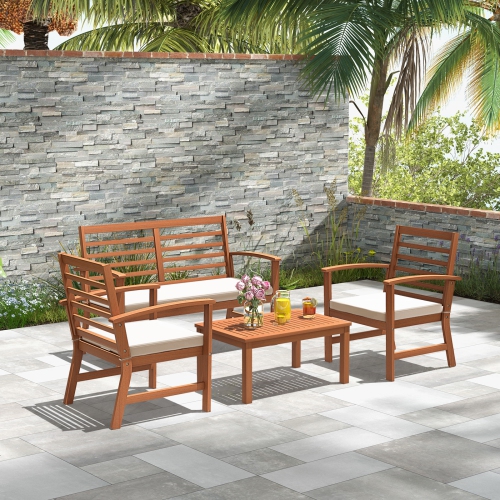
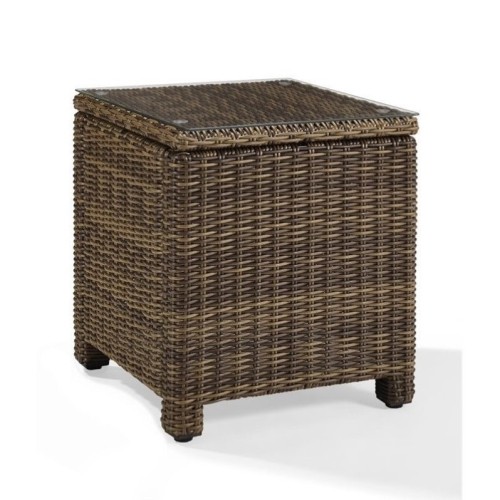
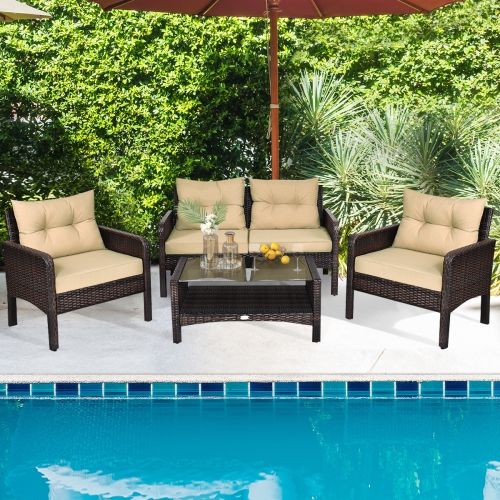
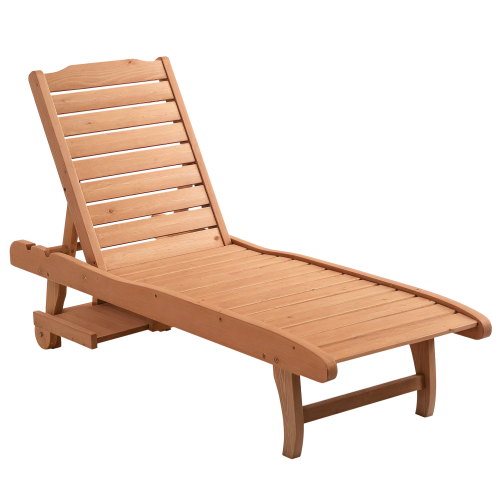
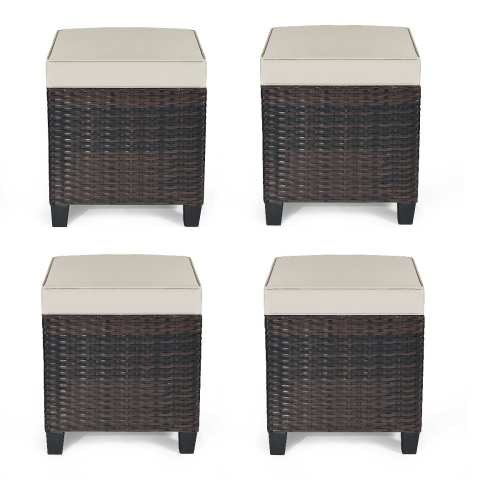
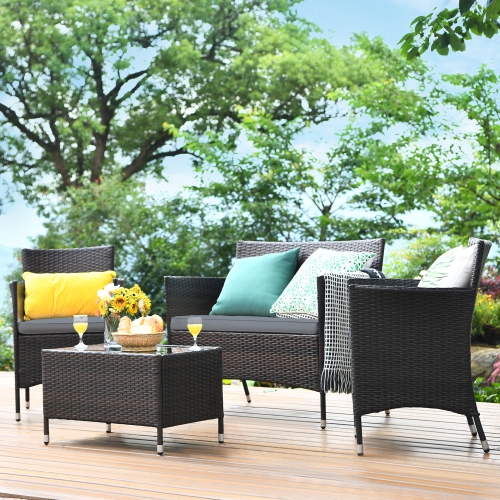
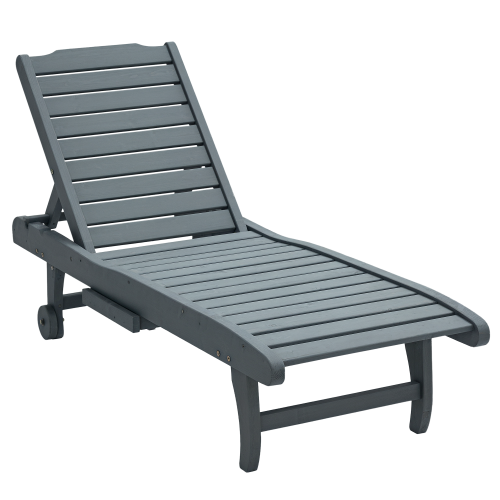
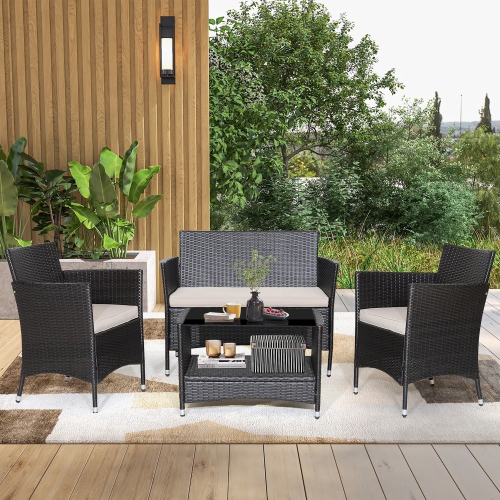
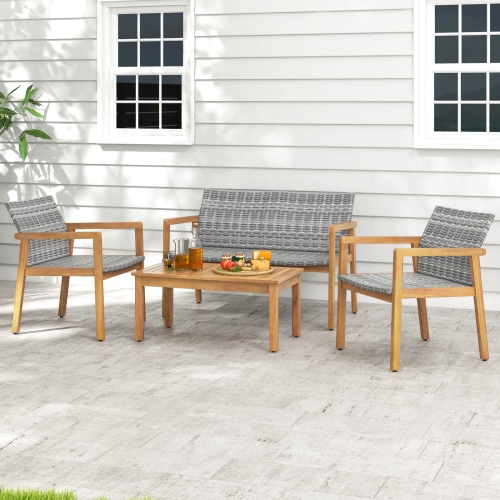
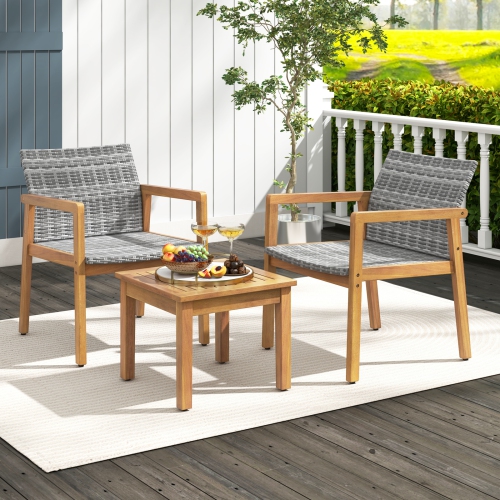
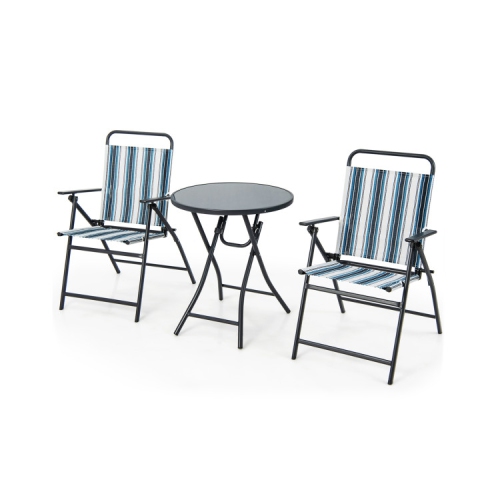
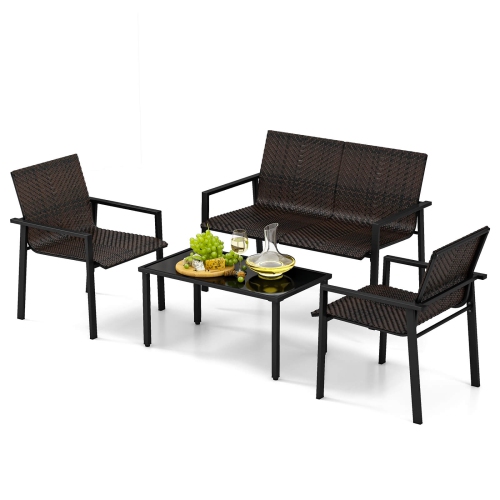


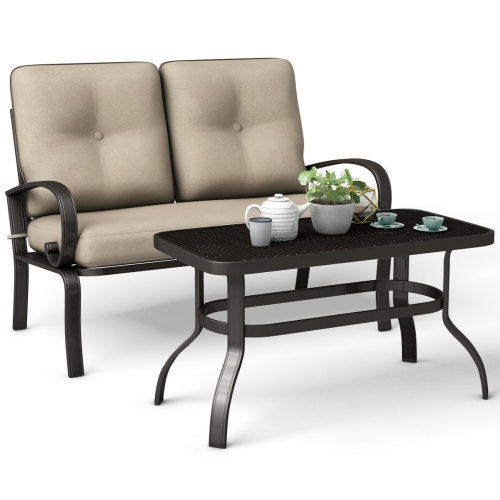
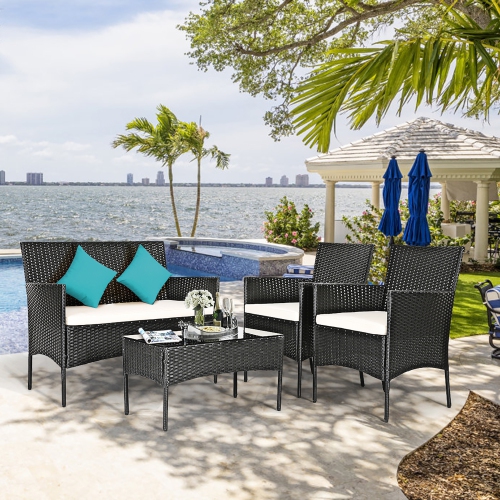

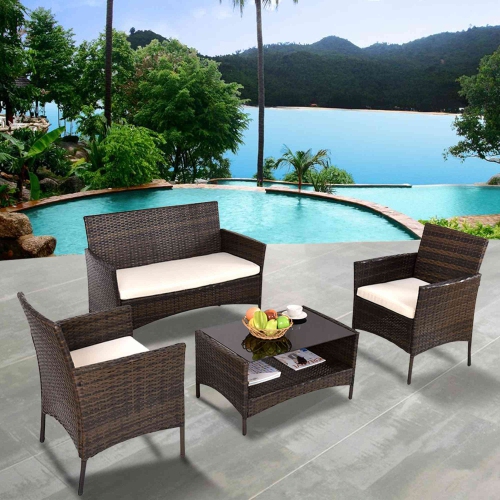
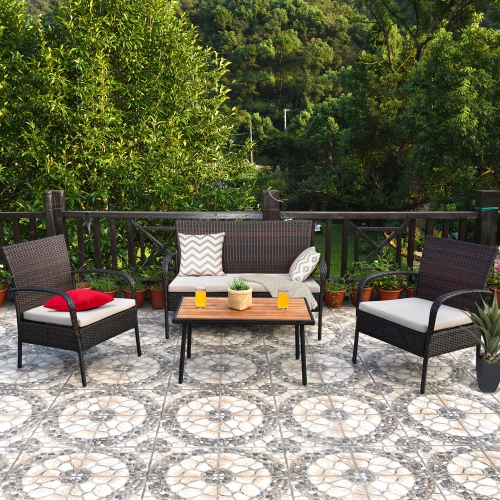
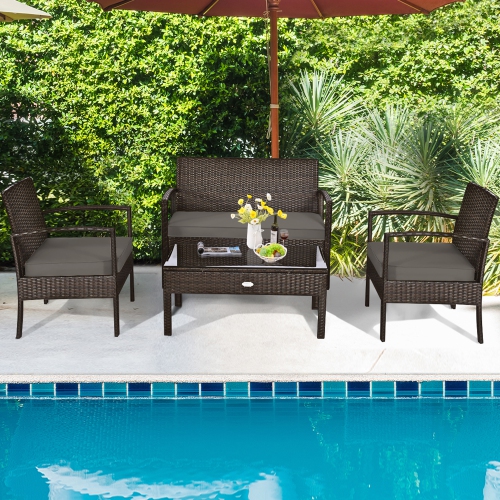
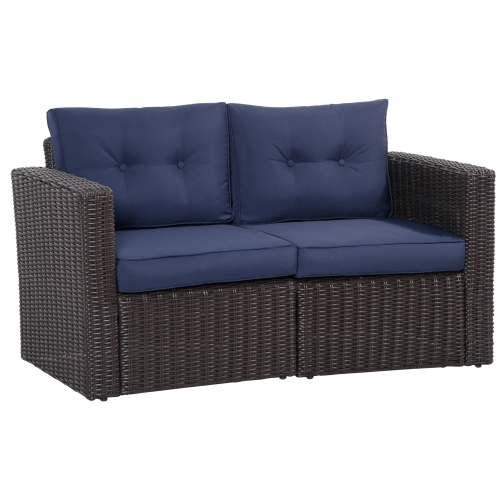
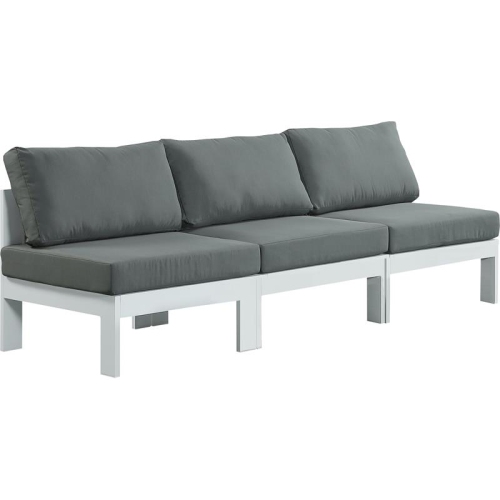
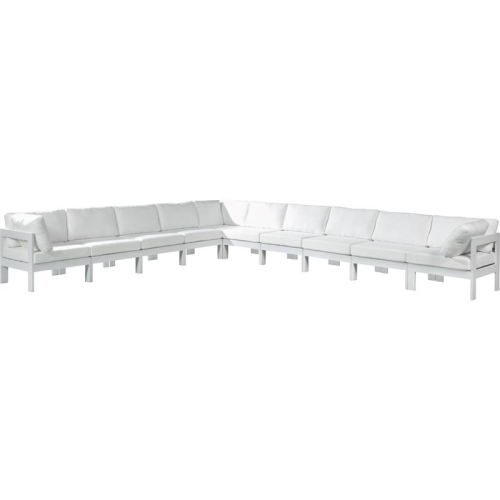
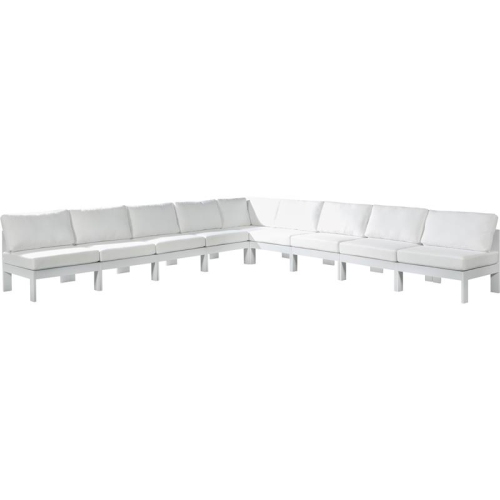
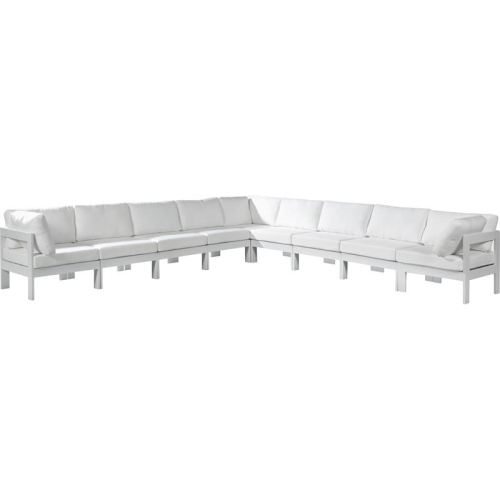

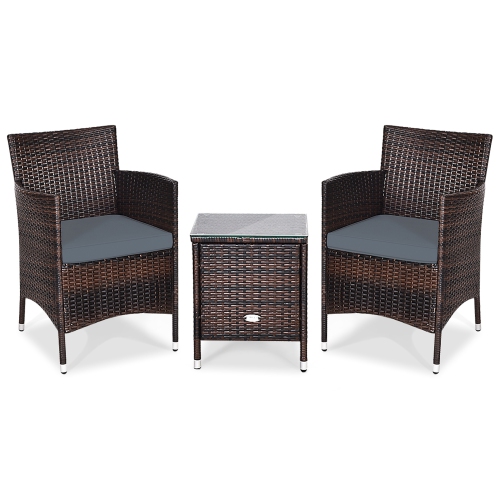
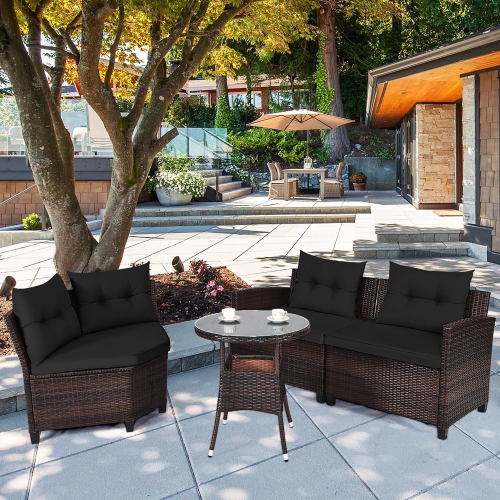
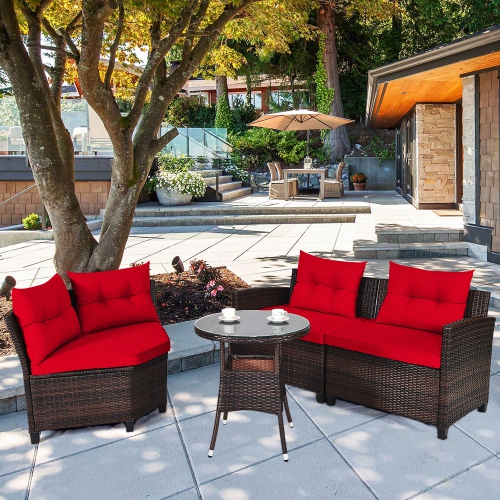
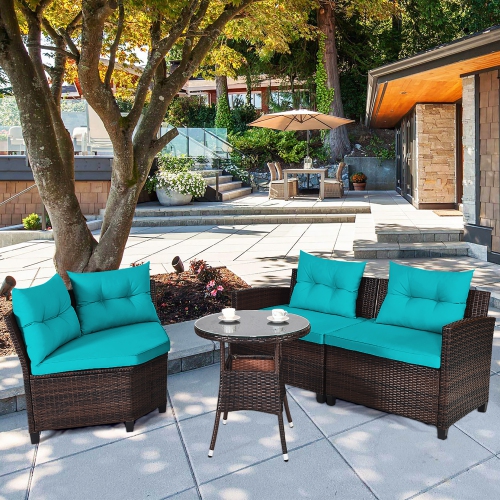
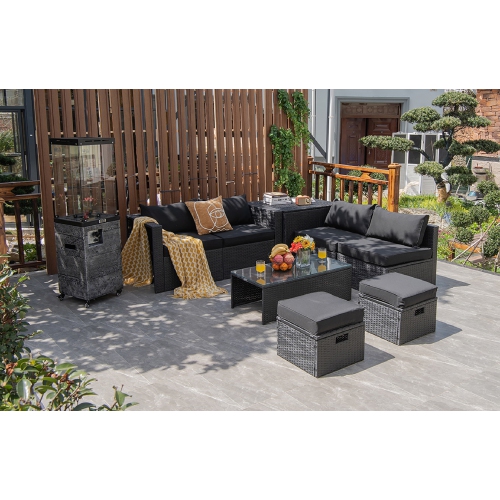

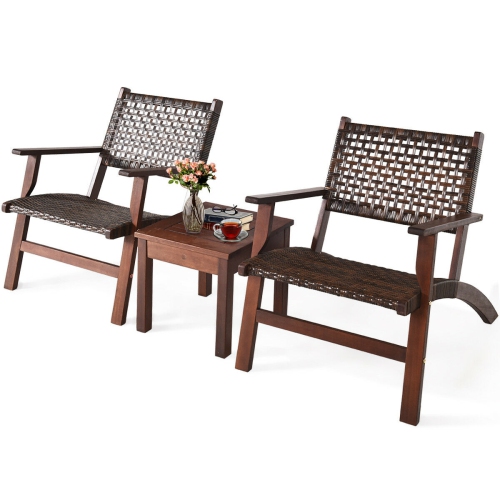
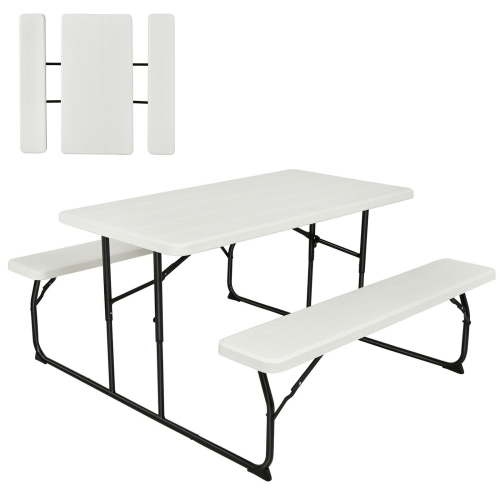
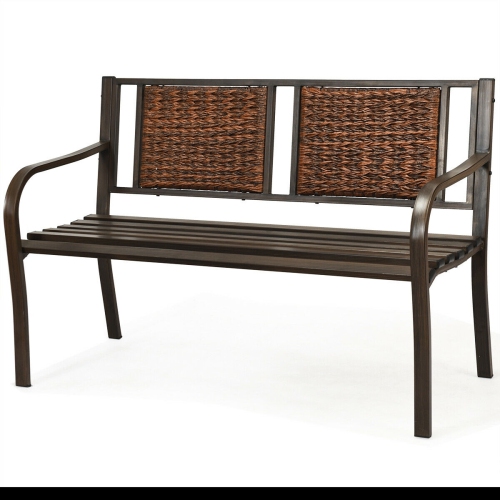
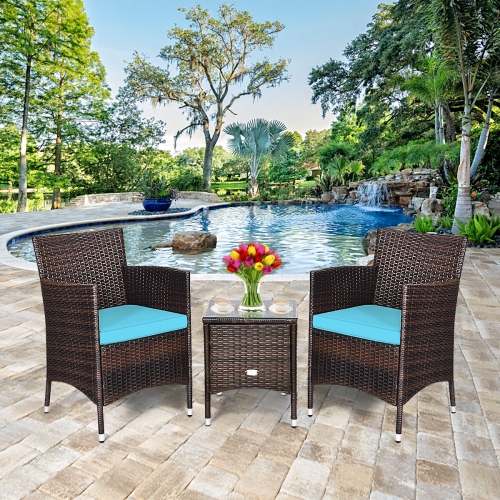
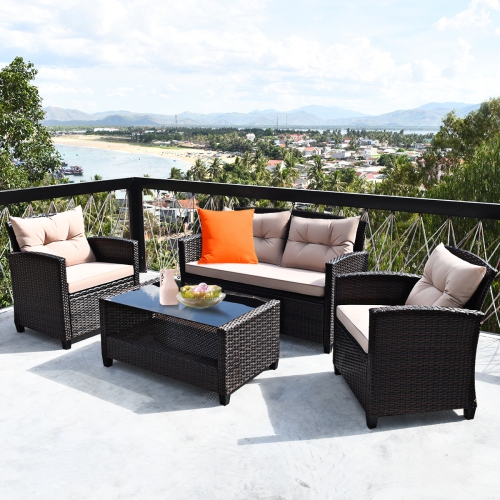
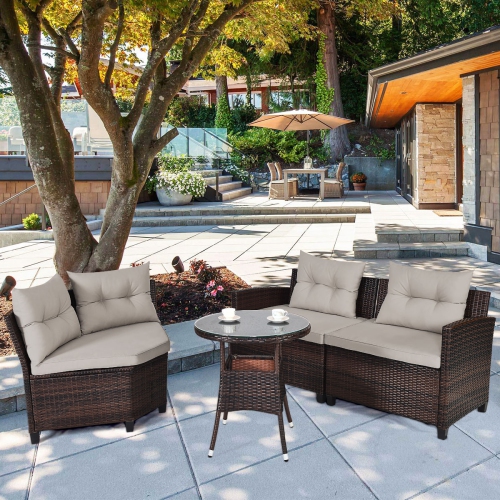
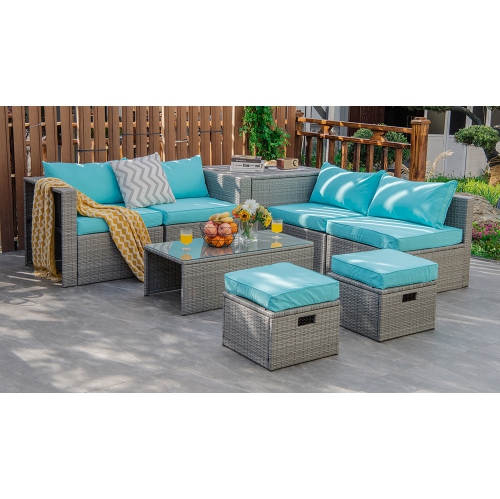
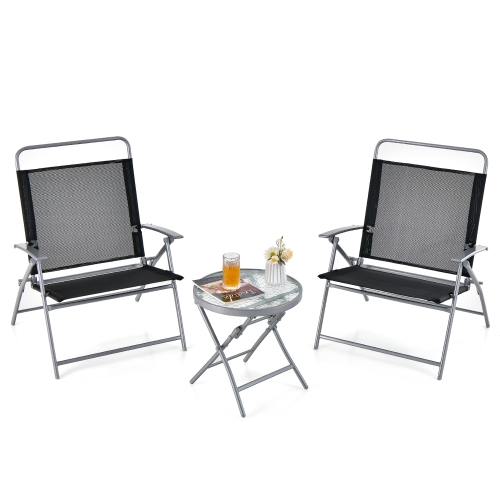
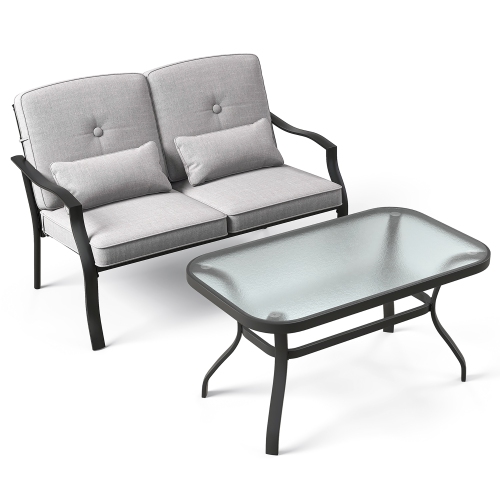
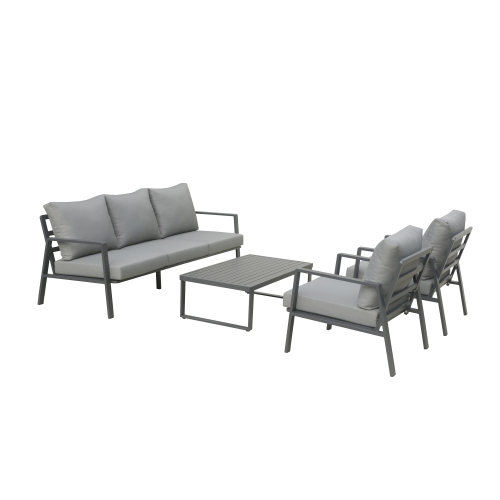
Breakfast seating that folds away when you need space
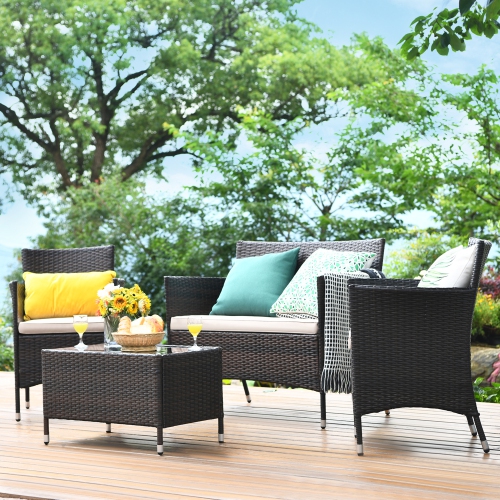
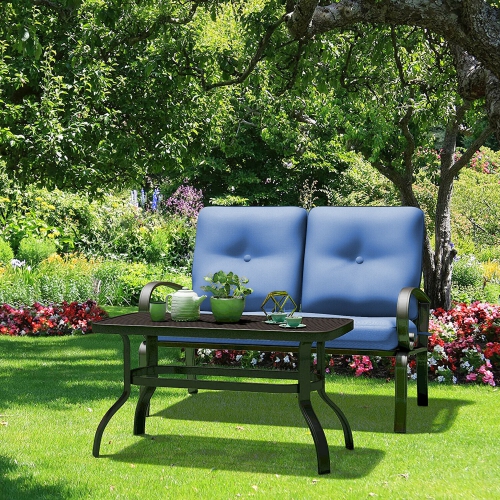
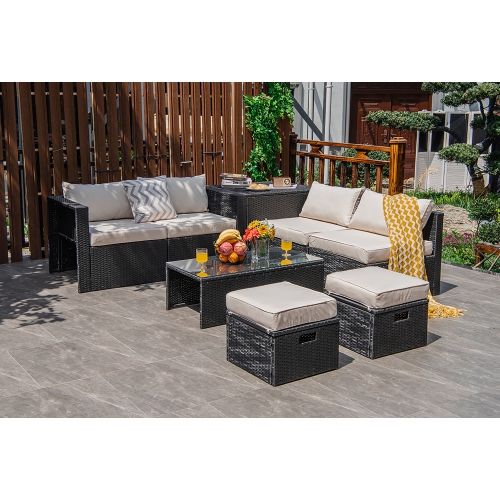
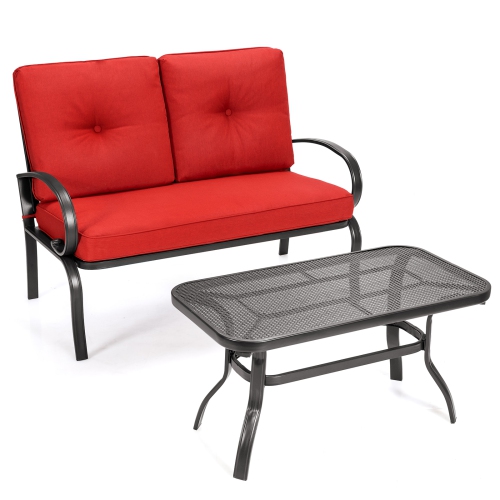
Compact outdoor furniture brings practical seating, dining, and lounging space to small balconies, patios, decks, and courtyards without overwhelming the available floor area. Its usefulness comes from more than a smaller footprint: folding frames, stackable seats, nesting tables, and pieces with built-in storage let one outdoor area serve several purposes. A balcony might hold a quiet breakfast spot in the morning and leave room for stretching or tending plants once the furniture is tucked away. On a narrow townhouse deck, a shallow bench and a small table can create a place to sit while keeping the route to the door clear. Bistro-style arrangements suit coffee, light meals, and conversation for two, while compact lounge seating offers a more relaxed setting for reading or putting your feet up. The right fit depends on how furniture works when occupied, not just how neatly it sits against a wall. Chairs need room to pull out, knees need clearance beneath tabletops, and doors must open without catching an armrest or table edge. Measuring the usable floor area, door swing, and access route helps distinguish a comfortable arrangement from one that only fits on paper. A round tabletop removes projecting corners from tight layouts, although its base still needs to leave space for feet. Square tables can sit neatly beside a wall, and drop-leaf designs provide extra surface area when needed without taking up that full footprint all the time. Related Space Saving Patio Furniture offers another way to explore arrangements built around limited room. For apartment residents, renters, and households with smaller outdoor sitting areas, flexibility often matters as much as seating capacity. Furniture that can move easily between a dining arrangement and a tucked-away position makes a modest space more useful, while a stable surface for a mug, a book, or a shared plate keeps the setting comfortable rather than crowded.
Materials influence how compact outdoor furniture feels, how easily it moves, and the attention it needs over time. Aluminium frames are generally lightweight and resist rust, making them practical for chairs that are frequently repositioned or carried into storage. Powder-coated steel can provide a sturdy feel, but scratches or chips in its protective finish should be addressed according to the manufacturer’s directions to help limit corrosion. Solid wood brings visible grain and a warmer feel to tabletops and armrests. Its care requirements depend on the species and finish; some wood furniture needs periodic oiling or sealing, while other finishes call for a different maintenance routine. Acacia, for example, should not be treated as maintenance-free simply because it is used outdoors. Synthetic wicker creates a woven appearance over a supporting frame, with durability depending on the quality of both the weave and the structure beneath it. Outdoor-rated plastic and polypropylene designs can be easy to wipe clean, though resistance to fading and brittleness varies by formulation and exposure. These differences matter on an uncovered patio, where rain and sunlight reach furniture directly, as well as on a sheltered balcony where wind can still carry moisture onto cushions and frames. Weather-resistant construction does not mean furniture is unaffected by prolonged exposure. Drainage openings, protected hardware, and finishes intended for outdoor use can all contribute to dependable performance, but care instructions remain important. Cushions add softness to slim seats, and removable covers can simplify cleaning when their washing instructions allow it. Water-repellent fabric may shed light moisture without making the cushion underneath waterproof, so letting cushions dry thoroughly before storing them helps prevent trapped dampness. Routine care often involves removing grit, wiping suitable surfaces with mild soap and water, and drying joints or crevices where moisture collects. Breathable, properly fitted covers and dry storage during extended periods of non-use help protect furniture; snow, ice, and repeated freezing can require additional precautions specified by the manufacturer.
Comfort and everyday handling are especially important when furniture has to earn its place in a small outdoor area. A narrow chair is not necessarily comfortable for every person, and a low lounge seat serves a different purpose from an upright dining chair. Seat width, depth, back angle, arm support, and stated weight capacity provide a clearer picture of suitability than overall dimensions alone. Someone who enjoys lingering over breakfast may appreciate a supportive back and a table at a comfortable eating height, while a person who finds low seating difficult may prefer a higher, firmer seat with arms. Folding furniture is useful where floor space needs to be cleared often, but the folded dimensions matter too: a chair that closes flat still needs somewhere accessible to rest. Secure locking mechanisms help keep folding frames steady during use, and moving parts should be handled carefully to avoid pinching fingers. Stackable chairs make occasional extra seating easier to store, provided the stack remains manageable and follows the manufacturer’s limits. Nesting tables can separate when guests visit, then slide together afterwards, while a storage bench may hold cushions or outdoor accessories if its compartment is suitable for that purpose. Storage compartments are not automatically watertight, so fabric contents may need additional protection. On exposed balconies, lightweight pieces should be secured or brought inside when strong winds are expected, without blocking exits or relying on railings for support. Building rules may also affect balcony layouts and furniture use. Visual details help the finished arrangement feel settled: slender frames preserve open sightlines, coordinated colours connect separate pieces, and cushions add texture without requiring more floor space. For a housewarming gift, compact outdoor furniture can be thoughtful when the recipient’s measurements, seating preferences, and storage options are known. Whether intended for solitary reading, a shared meal, or an extra place for visitors to sit, a well-proportioned arrangement leaves enough room to move comfortably and enjoy the outdoor space around it.
Materials influence how compact outdoor furniture feels, how easily it moves, and the attention it needs over time. Aluminium frames are generally lightweight and resist rust, making them practical for chairs that are frequently repositioned or carried into storage. Powder-coated steel can provide a sturdy feel, but scratches or chips in its protective finish should be addressed according to the manufacturer’s directions to help limit corrosion. Solid wood brings visible grain and a warmer feel to tabletops and armrests. Its care requirements depend on the species and finish; some wood furniture needs periodic oiling or sealing, while other finishes call for a different maintenance routine. Acacia, for example, should not be treated as maintenance-free simply because it is used outdoors. Synthetic wicker creates a woven appearance over a supporting frame, with durability depending on the quality of both the weave and the structure beneath it. Outdoor-rated plastic and polypropylene designs can be easy to wipe clean, though resistance to fading and brittleness varies by formulation and exposure. These differences matter on an uncovered patio, where rain and sunlight reach furniture directly, as well as on a sheltered balcony where wind can still carry moisture onto cushions and frames. Weather-resistant construction does not mean furniture is unaffected by prolonged exposure. Drainage openings, protected hardware, and finishes intended for outdoor use can all contribute to dependable performance, but care instructions remain important. Cushions add softness to slim seats, and removable covers can simplify cleaning when their washing instructions allow it. Water-repellent fabric may shed light moisture without making the cushion underneath waterproof, so letting cushions dry thoroughly before storing them helps prevent trapped dampness. Routine care often involves removing grit, wiping suitable surfaces with mild soap and water, and drying joints or crevices where moisture collects. Breathable, properly fitted covers and dry storage during extended periods of non-use help protect furniture; snow, ice, and repeated freezing can require additional precautions specified by the manufacturer.
Comfort and everyday handling are especially important when furniture has to earn its place in a small outdoor area. A narrow chair is not necessarily comfortable for every person, and a low lounge seat serves a different purpose from an upright dining chair. Seat width, depth, back angle, arm support, and stated weight capacity provide a clearer picture of suitability than overall dimensions alone. Someone who enjoys lingering over breakfast may appreciate a supportive back and a table at a comfortable eating height, while a person who finds low seating difficult may prefer a higher, firmer seat with arms. Folding furniture is useful where floor space needs to be cleared often, but the folded dimensions matter too: a chair that closes flat still needs somewhere accessible to rest. Secure locking mechanisms help keep folding frames steady during use, and moving parts should be handled carefully to avoid pinching fingers. Stackable chairs make occasional extra seating easier to store, provided the stack remains manageable and follows the manufacturer’s limits. Nesting tables can separate when guests visit, then slide together afterwards, while a storage bench may hold cushions or outdoor accessories if its compartment is suitable for that purpose. Storage compartments are not automatically watertight, so fabric contents may need additional protection. On exposed balconies, lightweight pieces should be secured or brought inside when strong winds are expected, without blocking exits or relying on railings for support. Building rules may also affect balcony layouts and furniture use. Visual details help the finished arrangement feel settled: slender frames preserve open sightlines, coordinated colours connect separate pieces, and cushions add texture without requiring more floor space. For a housewarming gift, compact outdoor furniture can be thoughtful when the recipient’s measurements, seating preferences, and storage options are known. Whether intended for solitary reading, a shared meal, or an extra place for visitors to sit, a well-proportioned arrangement leaves enough room to move comfortably and enjoy the outdoor space around it.
Top selling and popular products
-
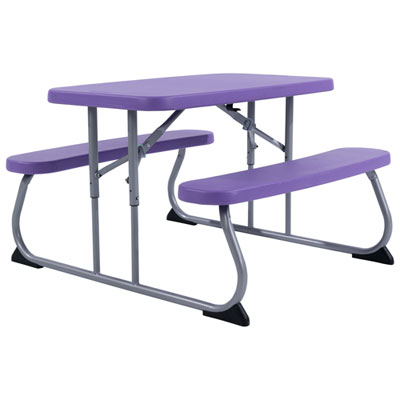 Your price for this item is $123.98
 -
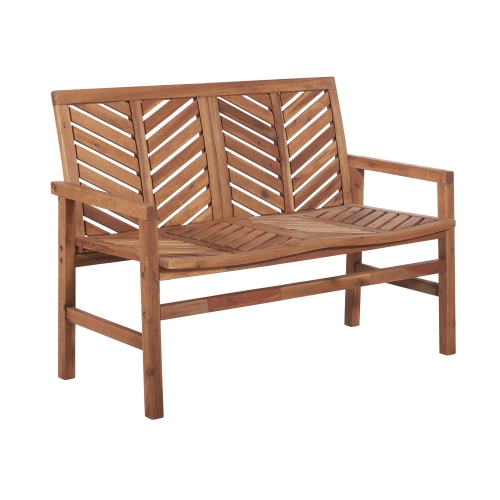 Your price for this item is $481.58
 -
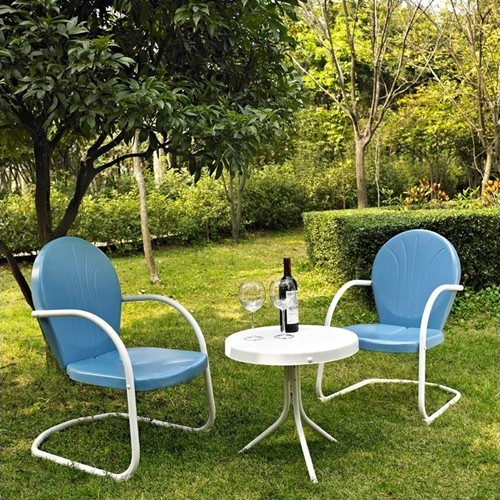 Your price for this item is $815.42
 -
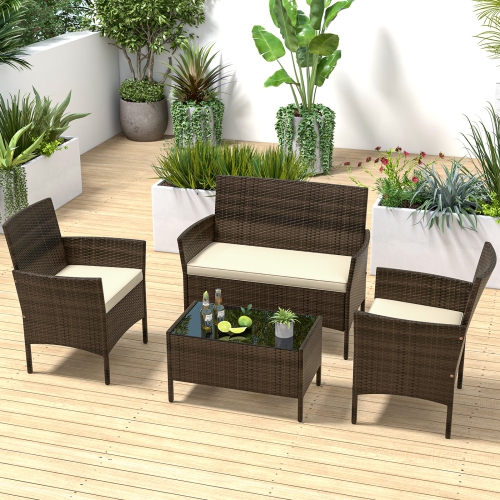 Your price for this item is $246.99
 -
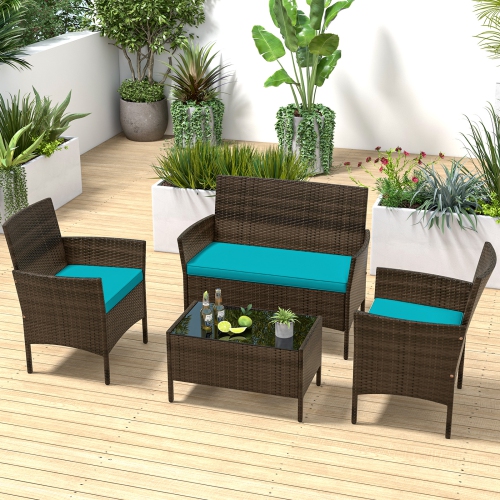 Your price for this item is $232.99
 -
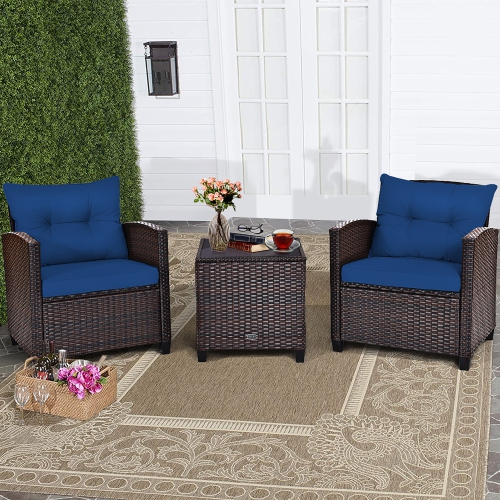 Your price for this item is $229.99
 -
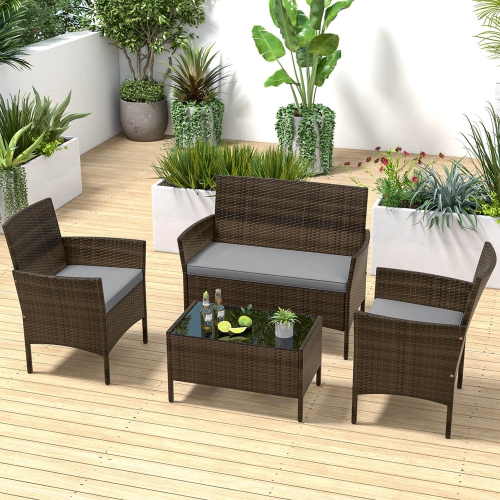 Your price for this item is $236.99
 -
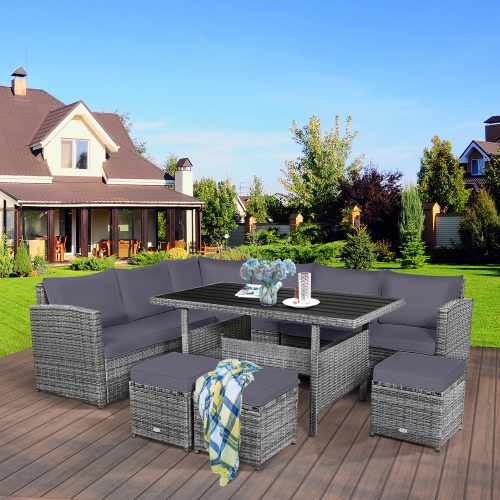 Your price for this item is $899.99
Discover more categories related to Compact Outdoor Furniture
Top Collections:
Pokemon Centers, Kindle Devices, Best Budget Office Chairs, Apple iPhones 16, Best Laptops for Writers, iPhone 15 Apple, Canon G7X Cameras, Refurbished Apple Laptops, Alarm Clock, Motorola Razr Phones
Some products may be subject to Environmental Handling Fees
(EHF) depending on your province.
Learn more about EHFs.