Condo Living Room Furniture
If you're looking for a way to spruce up your condo living room, you're in luck. There are many different types of furniture that can work well in this space, from modern to traditional. Here are some of the best options for your living room furniture needs.
Sort
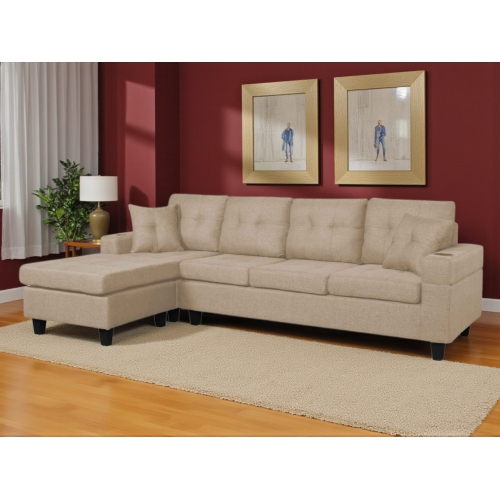
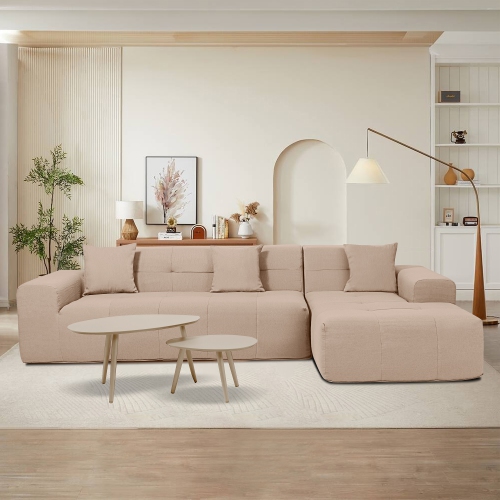
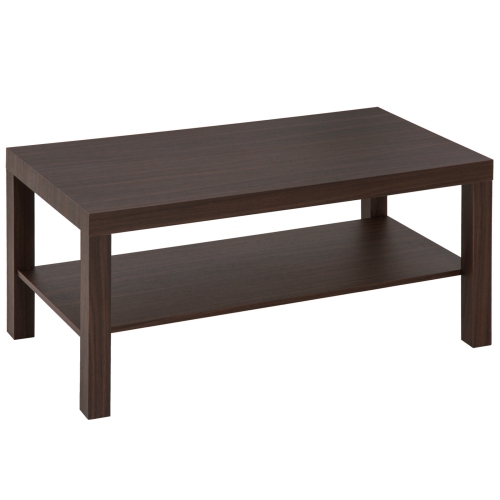
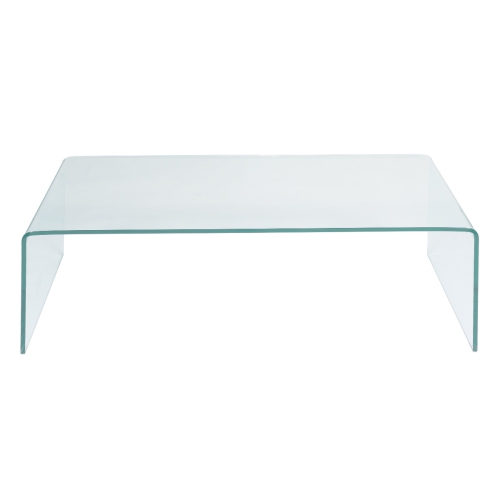
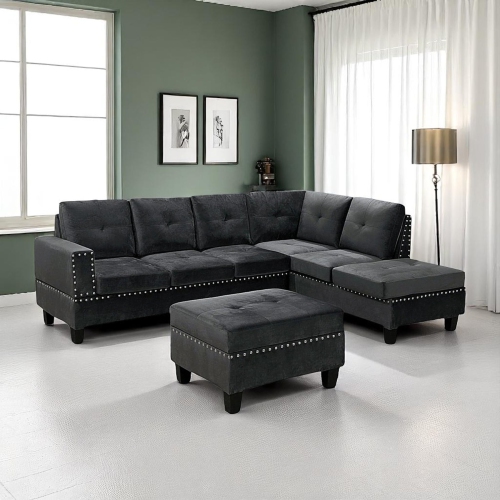
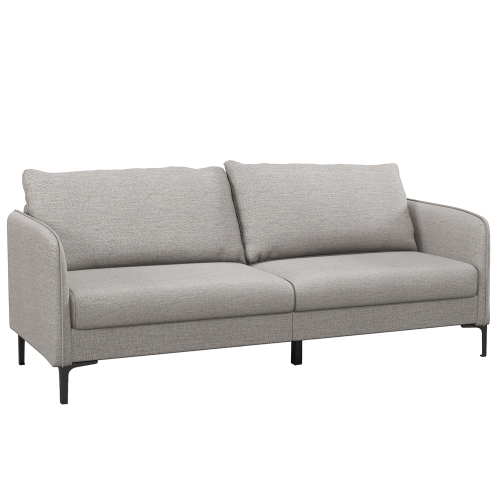
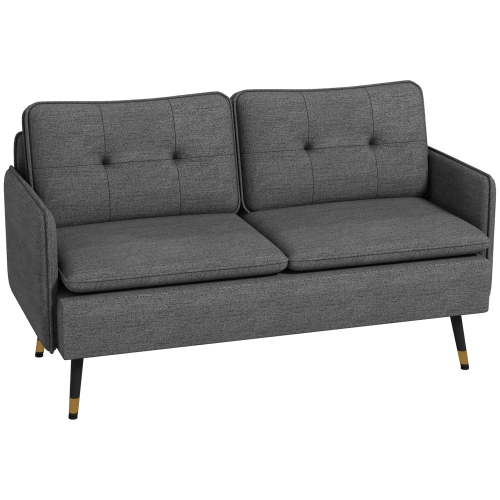
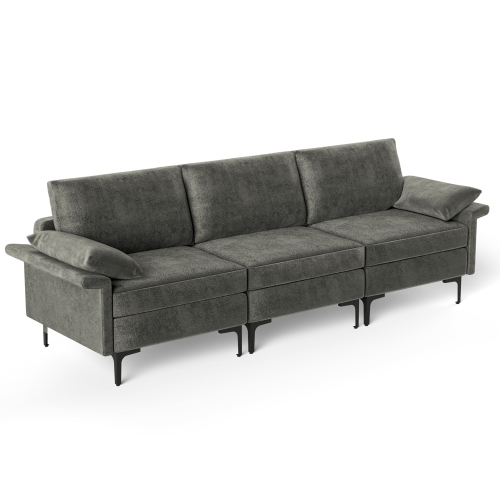

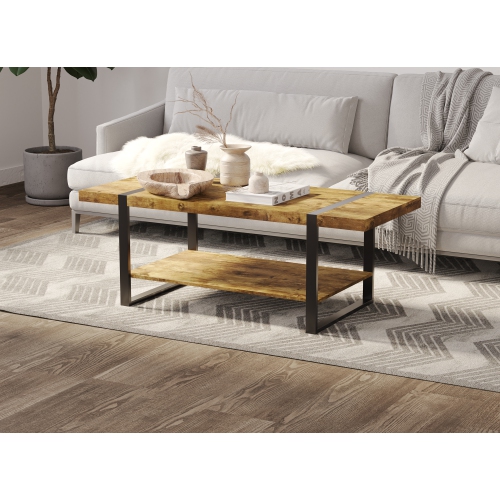

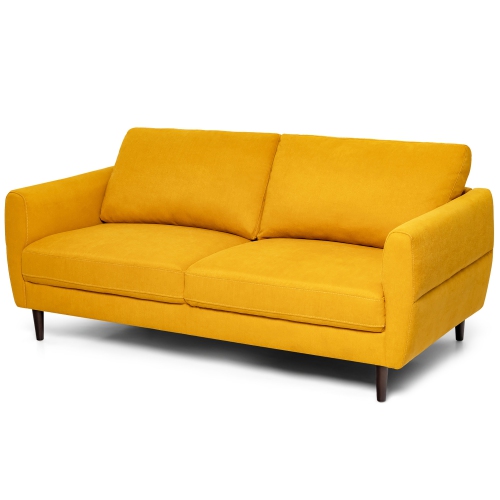
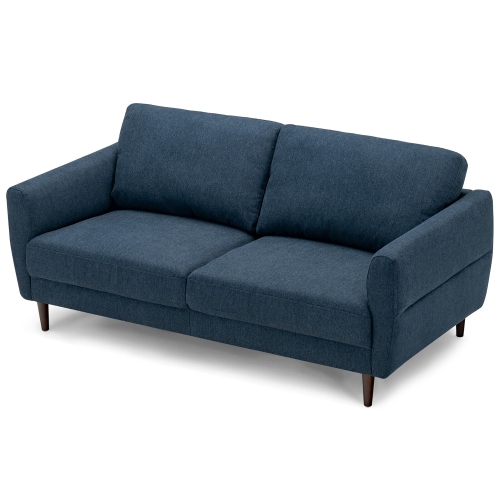
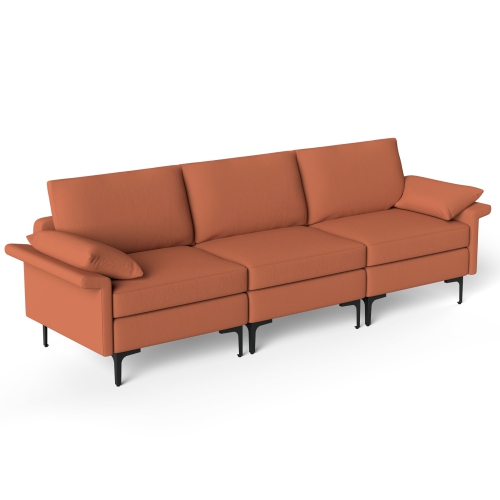
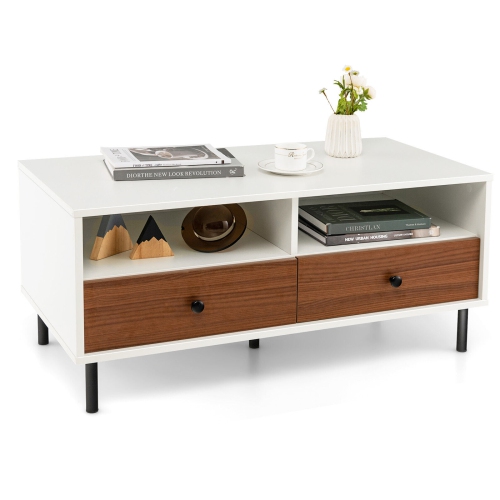
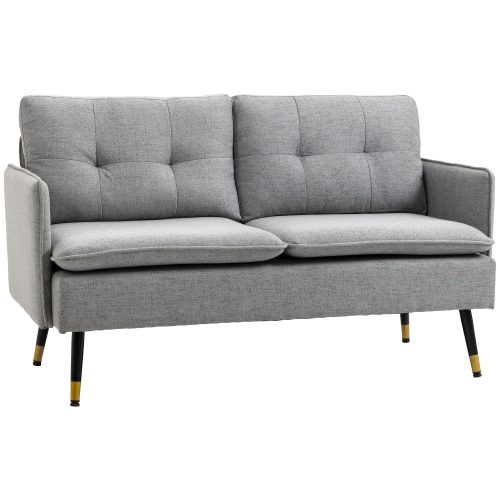

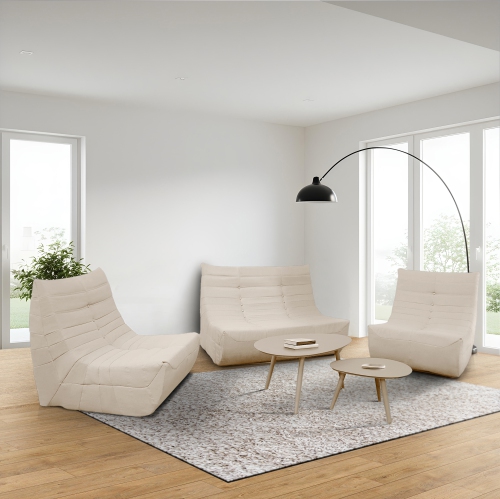
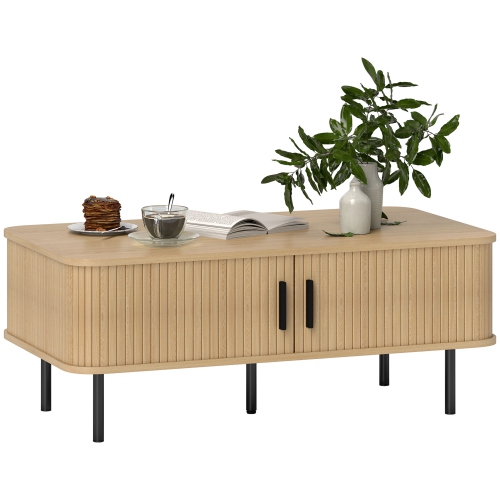
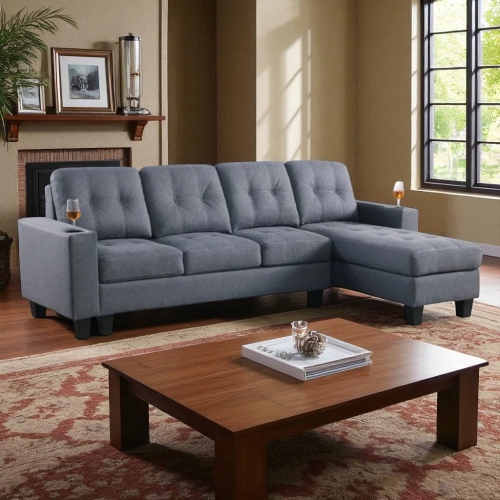
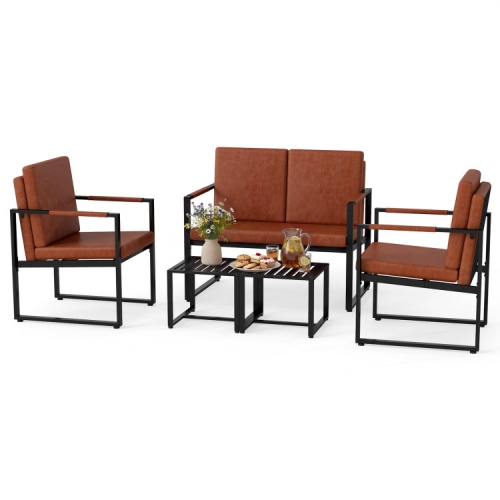
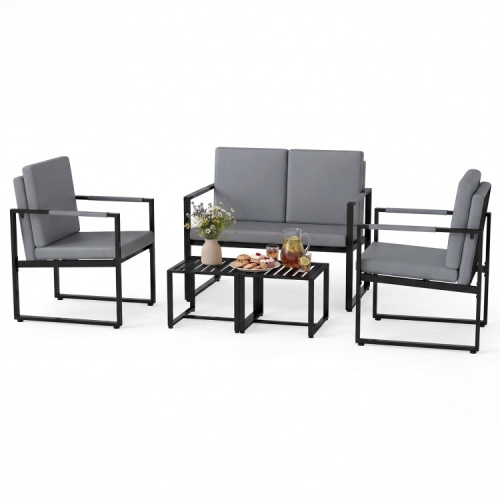
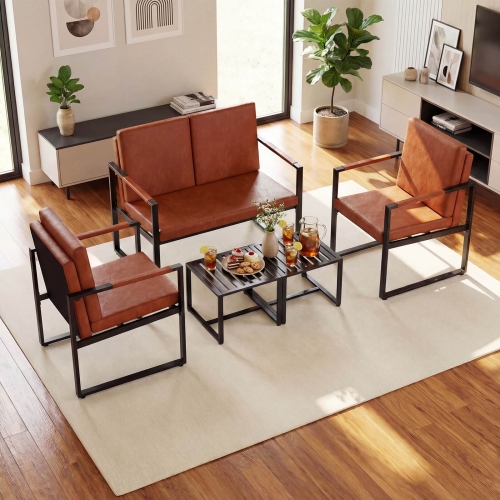
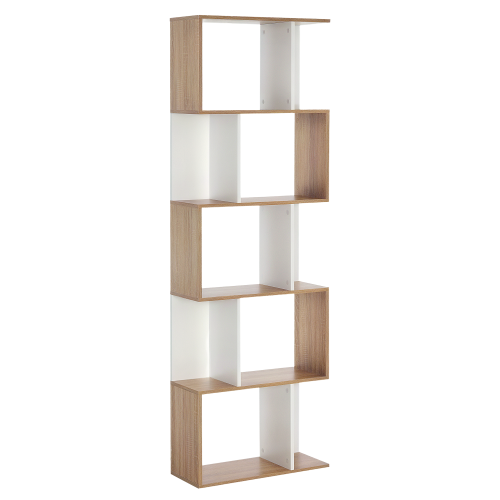
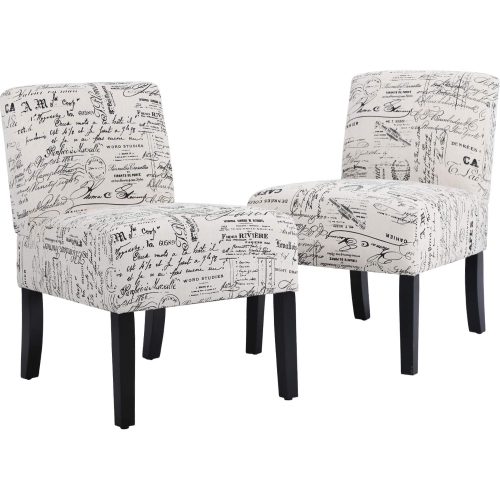
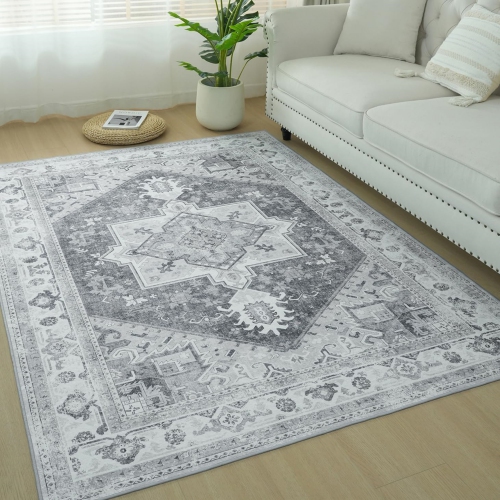
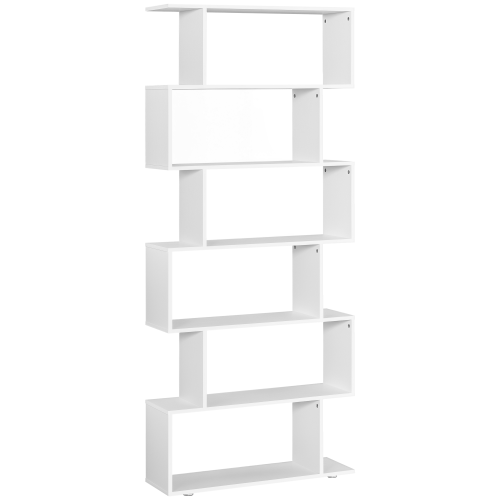
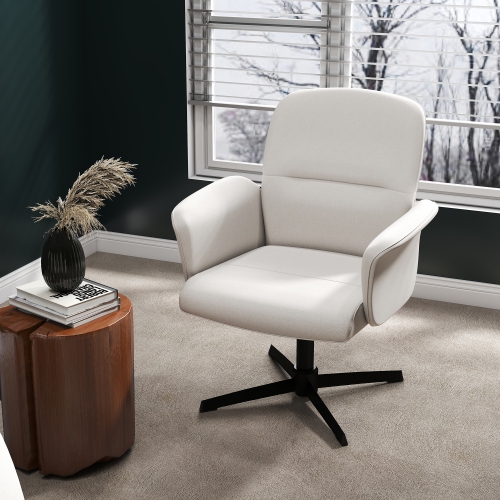
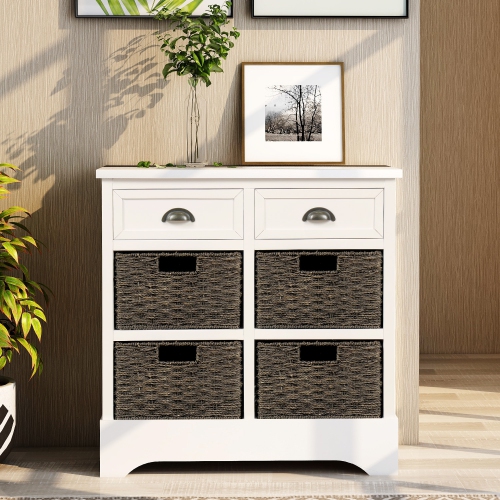
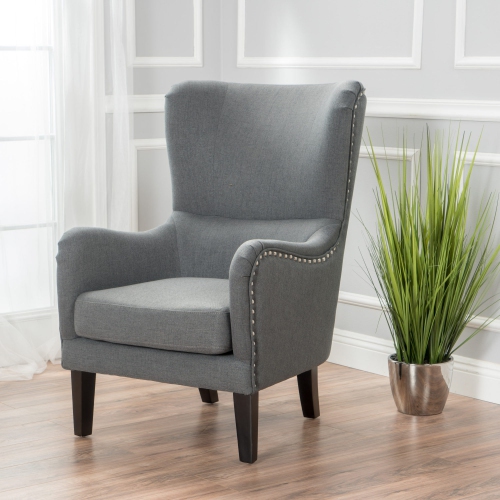
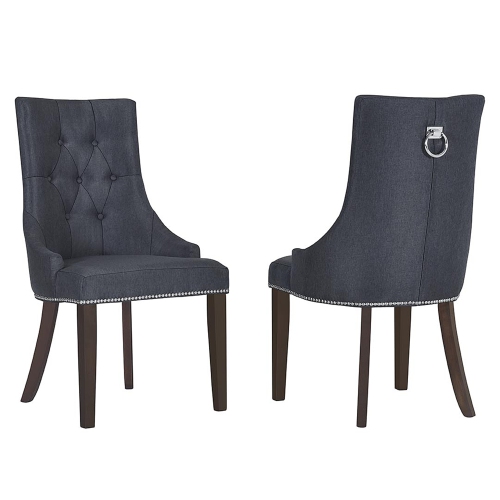
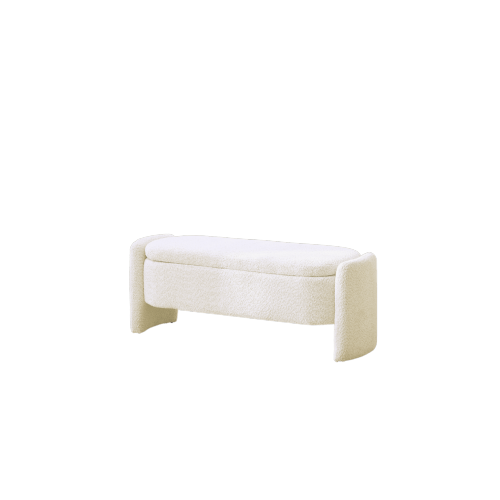
Room to relax without crowding your living space
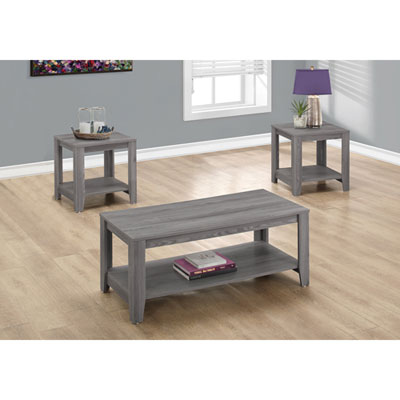
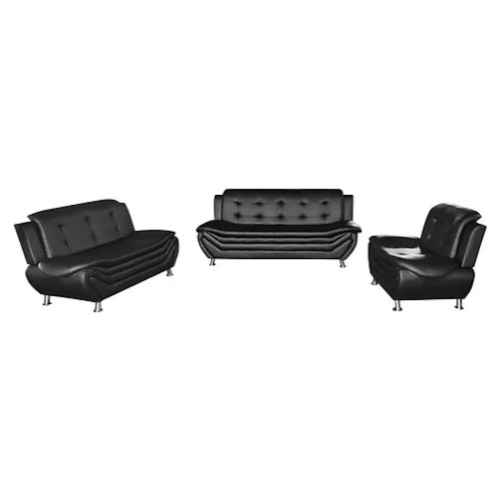
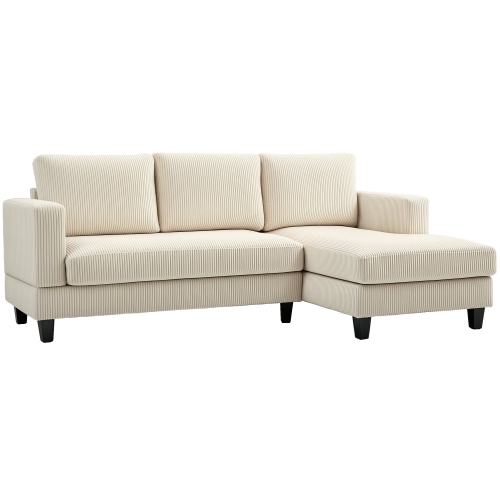
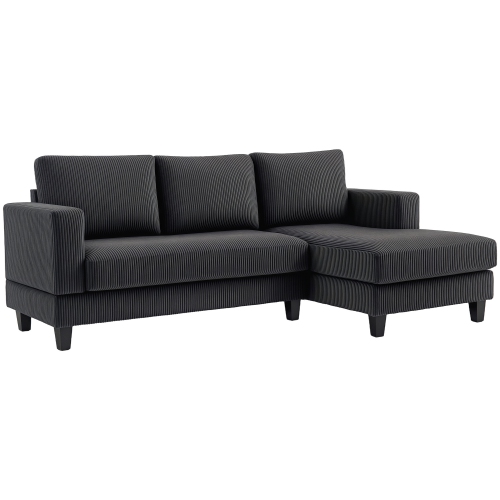
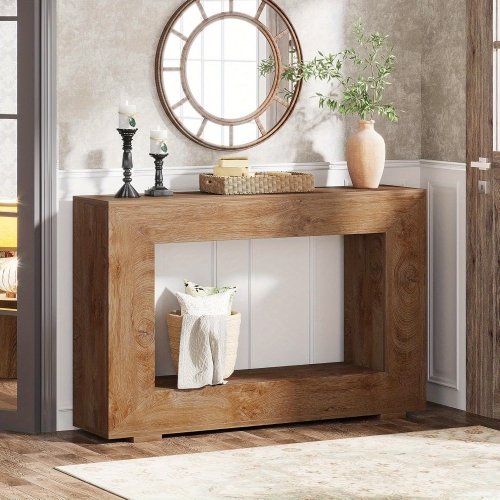
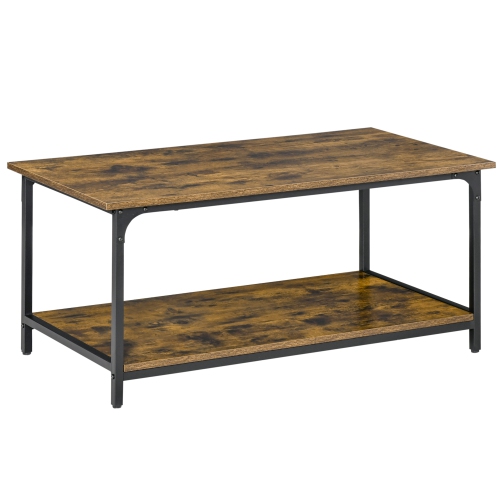
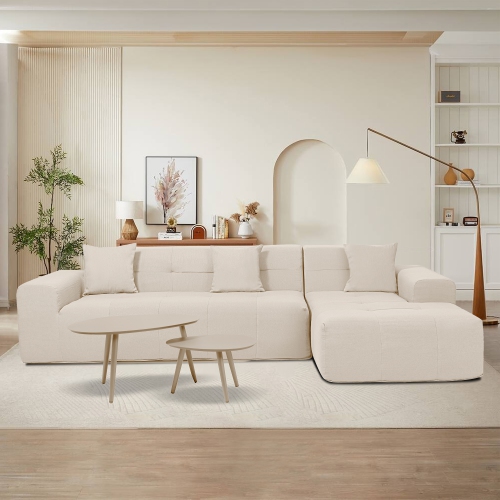
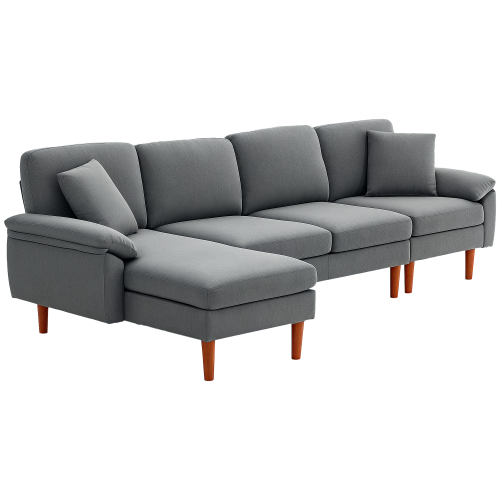
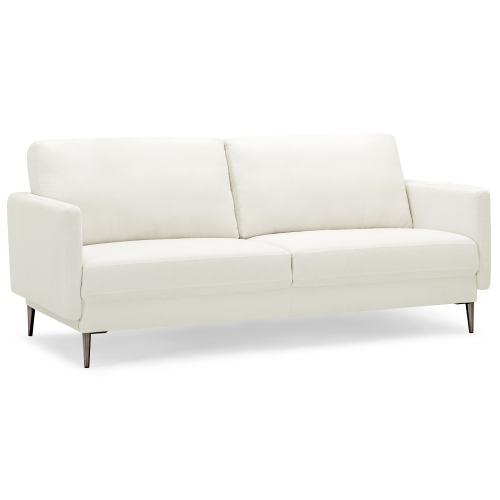
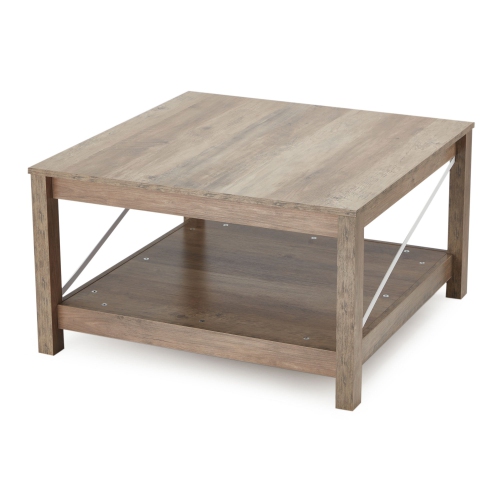
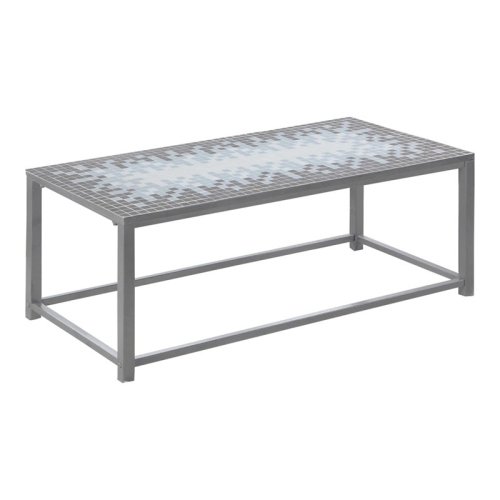
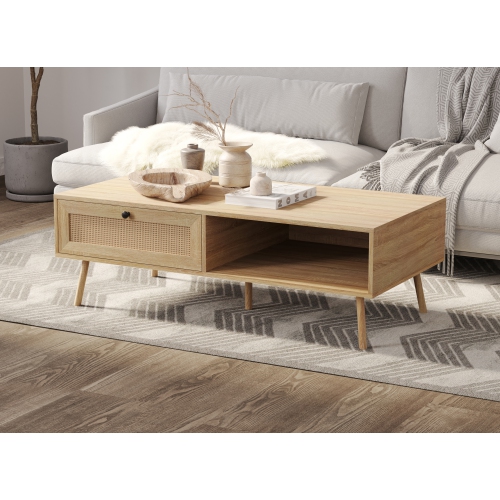
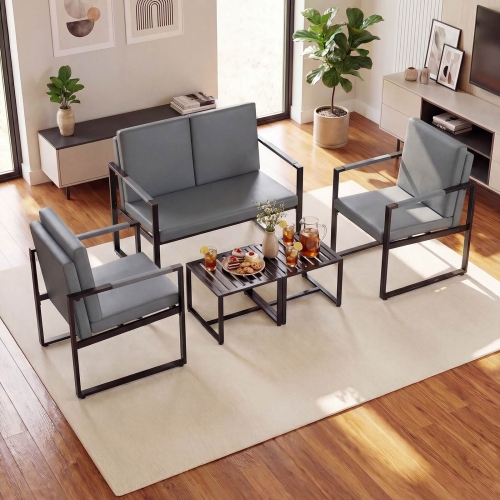
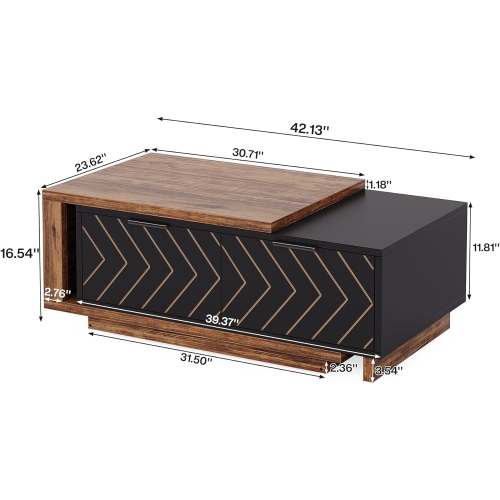
Condo living room furniture brings comfortable seating, useful surfaces, and everyday storage into a space where each piece needs to earn its place. Compact sofas, loveseats, apartment-sized sectionals, and slim accent chairs can provide room to relax without crowding the route between the entrance, kitchen, and balcony. The most useful measure of condo-sized furniture is its actual footprint, not simply the label: a sofa with narrow arms may offer a similar seating width to a larger design while taking up less floor space. Seat depth matters, too. Deep cushions suit stretching out for a movie, while a shallower seat can feel more supportive for conversation and leave extra room in front of the sofa. Exposed legs reveal more of the floor beneath seating and tables, which can help a small living room feel less visually crowded. Low-profile backs can preserve sightlines across an open-plan layout, although taller backs may better suit someone who prefers more upper-body support. A compact L-shaped sectional makes use of a corner, and a reversible chaise can offer layout flexibility when its construction allows the chaise to switch sides. That flexibility is particularly useful for renters or anyone whose next home may have a different floor plan. Furniture fit also extends beyond the finished room. Overall width, depth, and height need to work with the building entrance, elevator, hallway turns, and suite doorway, including any restrictions created by packaging or fixed legs. Inside the condo, enough clearance to open doors, pull out drawers, and walk around seating keeps the room comfortable to use. A rounded coffee table can soften a tight route through the seating area, while a narrow side table may provide a convenient place for a mug without occupying the centre of the room. Light grey, ivory, and beige upholstery can create a quieter visual backdrop, but deeper colours also work when furniture proportions, lighting, and the surrounding finishes feel balanced.
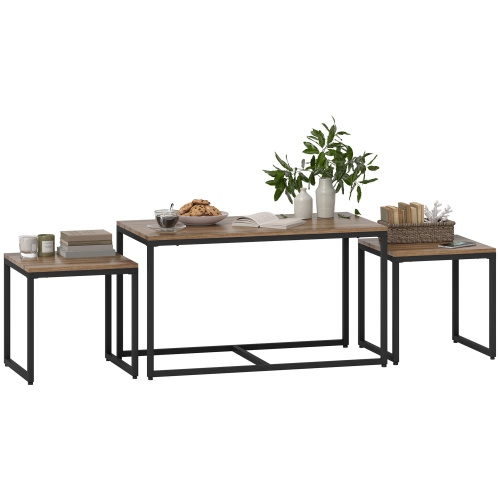
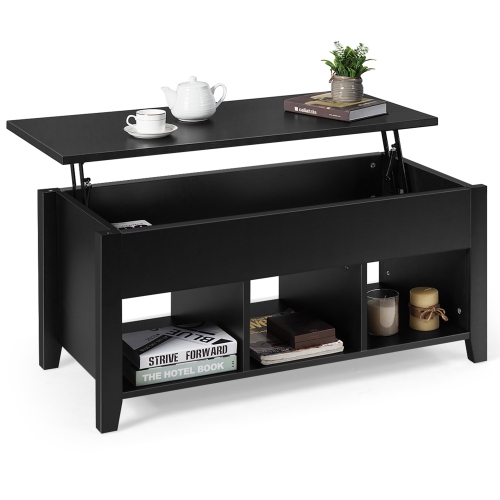
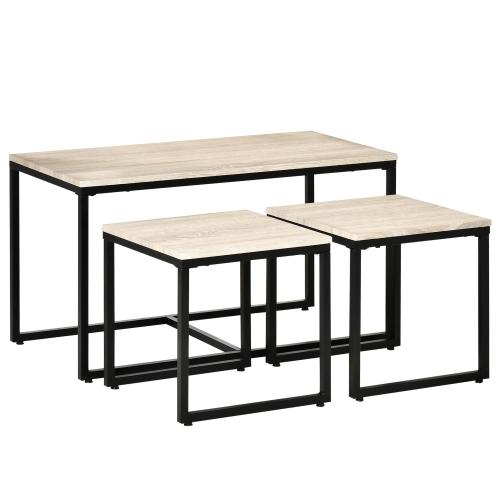
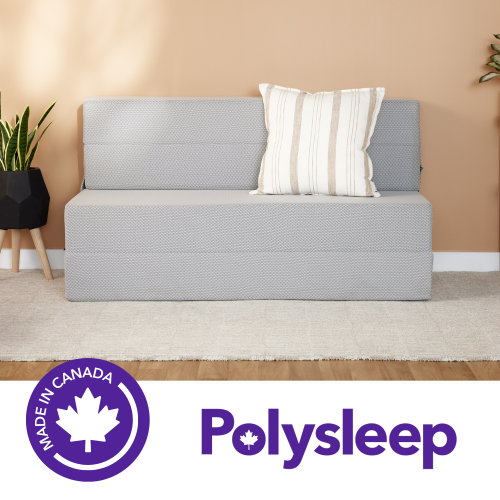
Multi-functional living room furniture is especially practical when the same space serves as a lounge, occasional workspace, and place for guests to sleep. A sofa bed adds a sleeping surface without requiring a separate guest room, but its open dimensions matter just as much as its closed footprint. There needs to be space for the bed mechanism to extend and for a guest to get in and out comfortably. Mattress construction, sleeping-surface dimensions, and the effort required to open and close the frame are worth comparing when overnight visits are frequent rather than occasional. A storage ottoman offers a different kind of flexibility, keeping throws, board games, or spare cushions close at hand while providing a footrest. Some designs also function as occasional seating, provided their stated weight capacity and intended use support it. For households with children, lid supports and the way a storage compartment closes deserve attention. Nesting tables can tuck together between visits and separate when friends need somewhere to set drinks. A lift-top coffee table may bring a surface closer for a short laptop session or casual meal, although it is not a substitute for a properly fitted desk during a full workday. Closed cabinets help contain charging cables, controllers, and paperwork, while a modest amount of open shelving leaves room for books and personal objects. Media units should suit both the television’s support requirements and the equipment stored underneath, with appropriate ventilation and access for cables. In an open-plan condo, a finished sofa back or low shelving unit can help define the living area without creating a tall barrier between zones. Taller storage furniture should be secured according to the manufacturer’s instructions, using fixings appropriate for the wall. These details make a difference in ordinary moments: a drawer that opens without hitting the sofa, a charging cable that reaches without crossing a walkway, or a table that moves aside easily when the sofa bed is needed. Flexible layouts work best when their moving parts have enough room to be used.
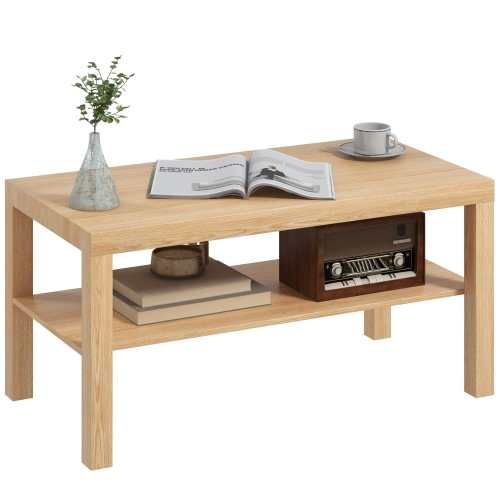
Materials and construction influence how condo living room furniture looks, feels, and holds up to daily routines. Solid wood brings natural grain variation and can often be refinished, depending on the piece and its finish, while wood veneer offers a real-wood surface over a supporting core. Engineered wood with a laminate finish can provide a consistent appearance and an easy-to-wipe surface, though edges and joins should be protected from standing moisture. Metal frames can create a slender profile, and glass tabletops allow views through to the floor, but glass also shows fingerprints readily and requires care around exposed edges. Upholstered seating deserves a closer look at fabric texture, cushion support, frame construction, and care instructions. Tightly woven fabrics may be easier to manage in a busy household than loose weaves that can catch on claws or jewellery, although performance varies by material. Removable cushion covers are useful only when their cleaning instructions suit the household; a zipper does not necessarily mean a cover is machine washable. Leather and leather-look upholstery have different care requirements, so cleaning methods should match the stated material rather than its appearance. Regular vacuuming with a suitable attachment, prompt attention to spills, and cushion rotation where permitted can help preserve comfort and appearance. Felt pads or other floor protectors appropriate to the flooring can reduce marks when chairs and tables move, while secure joints and fittings help furniture remain steady. Style can be personal without filling every corner. A textured chair, a curved table, or a cabinet with distinctive handles can give a compact room character alongside simpler seating. For a more individual mix of shapes and finishes, Unique Living Room Furniture offers a related direction to explore. Whether furnishing a first condo, sharing a smaller home, or downsizing from a larger space, the strongest combination balances comfortable seating, accessible storage, and clear floor space. A room feels welcoming when furniture supports how people actually spend time there, from reading with their feet up to sharing conversation without having to rearrange the entire room.
Multi-functional living room furniture is especially practical when the same space serves as a lounge, occasional workspace, and place for guests to sleep. A sofa bed adds a sleeping surface without requiring a separate guest room, but its open dimensions matter just as much as its closed footprint. There needs to be space for the bed mechanism to extend and for a guest to get in and out comfortably. Mattress construction, sleeping-surface dimensions, and the effort required to open and close the frame are worth comparing when overnight visits are frequent rather than occasional. A storage ottoman offers a different kind of flexibility, keeping throws, board games, or spare cushions close at hand while providing a footrest. Some designs also function as occasional seating, provided their stated weight capacity and intended use support it. For households with children, lid supports and the way a storage compartment closes deserve attention. Nesting tables can tuck together between visits and separate when friends need somewhere to set drinks. A lift-top coffee table may bring a surface closer for a short laptop session or casual meal, although it is not a substitute for a properly fitted desk during a full workday. Closed cabinets help contain charging cables, controllers, and paperwork, while a modest amount of open shelving leaves room for books and personal objects. Media units should suit both the television’s support requirements and the equipment stored underneath, with appropriate ventilation and access for cables. In an open-plan condo, a finished sofa back or low shelving unit can help define the living area without creating a tall barrier between zones. Taller storage furniture should be secured according to the manufacturer’s instructions, using fixings appropriate for the wall. These details make a difference in ordinary moments: a drawer that opens without hitting the sofa, a charging cable that reaches without crossing a walkway, or a table that moves aside easily when the sofa bed is needed. Flexible layouts work best when their moving parts have enough room to be used.
Materials and construction influence how condo living room furniture looks, feels, and holds up to daily routines. Solid wood brings natural grain variation and can often be refinished, depending on the piece and its finish, while wood veneer offers a real-wood surface over a supporting core. Engineered wood with a laminate finish can provide a consistent appearance and an easy-to-wipe surface, though edges and joins should be protected from standing moisture. Metal frames can create a slender profile, and glass tabletops allow views through to the floor, but glass also shows fingerprints readily and requires care around exposed edges. Upholstered seating deserves a closer look at fabric texture, cushion support, frame construction, and care instructions. Tightly woven fabrics may be easier to manage in a busy household than loose weaves that can catch on claws or jewellery, although performance varies by material. Removable cushion covers are useful only when their cleaning instructions suit the household; a zipper does not necessarily mean a cover is machine washable. Leather and leather-look upholstery have different care requirements, so cleaning methods should match the stated material rather than its appearance. Regular vacuuming with a suitable attachment, prompt attention to spills, and cushion rotation where permitted can help preserve comfort and appearance. Felt pads or other floor protectors appropriate to the flooring can reduce marks when chairs and tables move, while secure joints and fittings help furniture remain steady. Style can be personal without filling every corner. A textured chair, a curved table, or a cabinet with distinctive handles can give a compact room character alongside simpler seating. For a more individual mix of shapes and finishes, Unique Living Room Furniture offers a related direction to explore. Whether furnishing a first condo, sharing a smaller home, or downsizing from a larger space, the strongest combination balances comfortable seating, accessible storage, and clear floor space. A room feels welcoming when furniture supports how people actually spend time there, from reading with their feet up to sharing conversation without having to rearrange the entire room.
Top selling and popular products
-
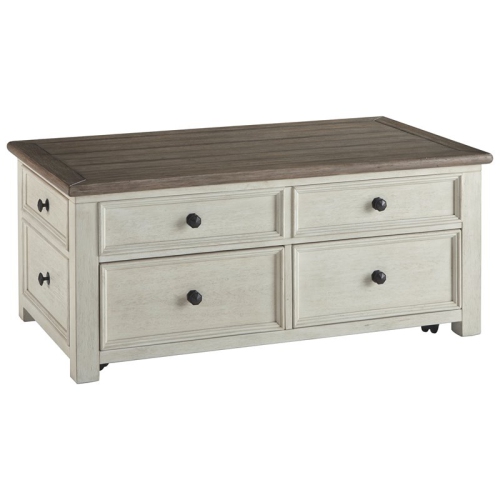 Your price for this item is $949
 -
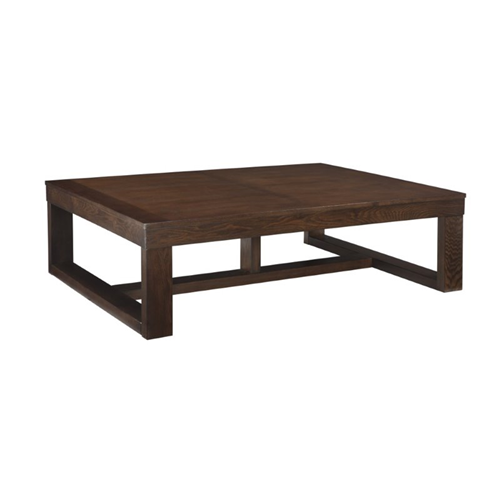 Your price for this item is $449
 -
 Your price for this item is $649
 -
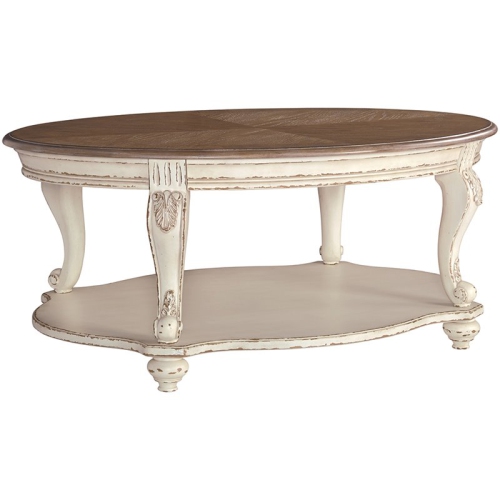 Your price for this item is $599
 -
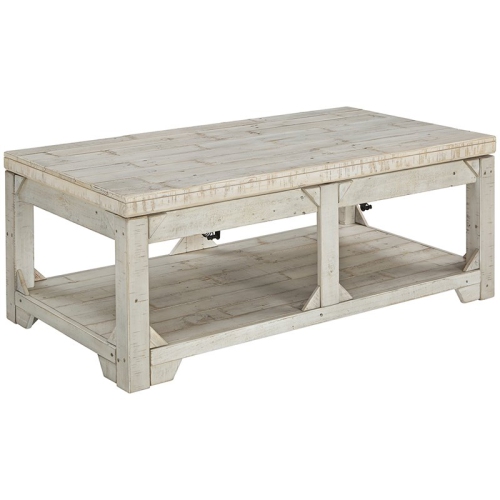 Your price for this item is $549
 -
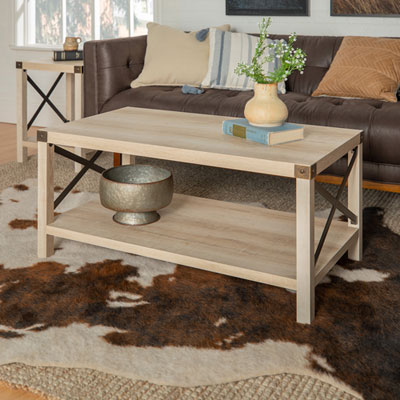 Your price for this item is $311.99
 -
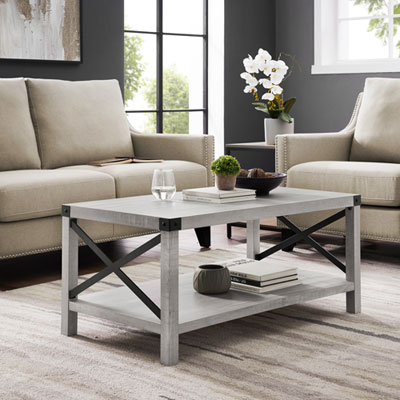 Your price for this item is $249.99
 -
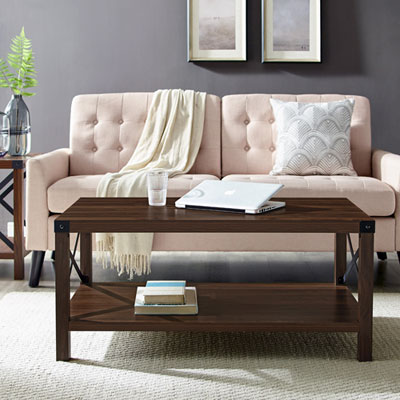 Your price for this item is $311.99
Discover more categories related to Condo Living Room Furniture

Top Collections:
Pokemon Centers, Kindle Devices, Best Budget Office Chairs, Apple iPhones 16, Samsung Galaxy Phones, Canon G7X Cameras, iPhone 15 Apple, Flip Phones, Best Laptops for Writers, Alarm Clock
Some products may be subject to Environmental Handling Fees
(EHF) depending on your province.
Learn more about EHFs.