Console Tables for Living Room
Enhance your living room with a stylish and functional console table. Whether you're looking to add a touch of elegance or need extra storage space, our collection of console tables is designed to elevate your home decor. From sleek modern designs to rustic charm, these versatile pieces are perfect for displaying your favorite accents, organizing essentials, or creating a welcoming entryway. Explore our wide selection of console tables and find the perfect match for your living room's aesthetic and needs.
Sort
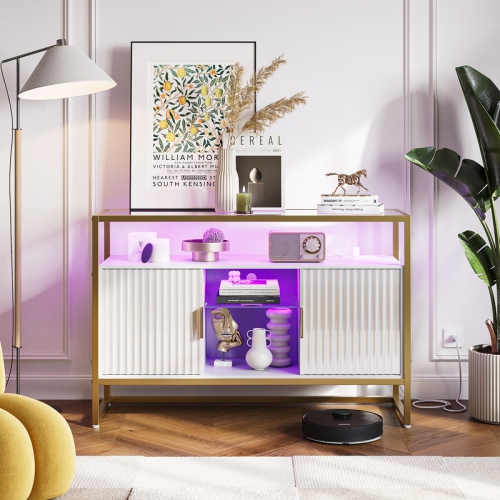


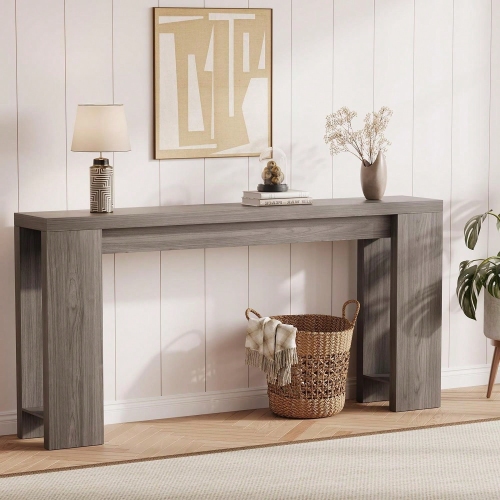
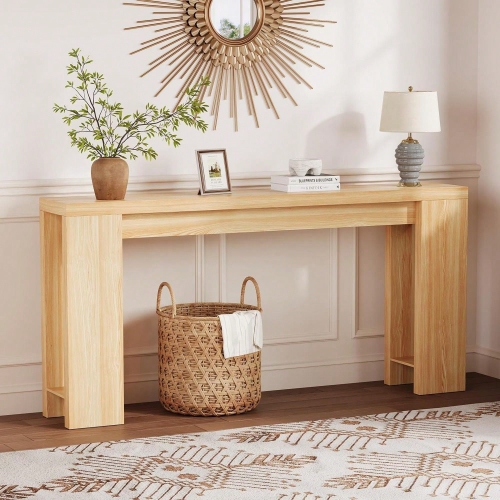

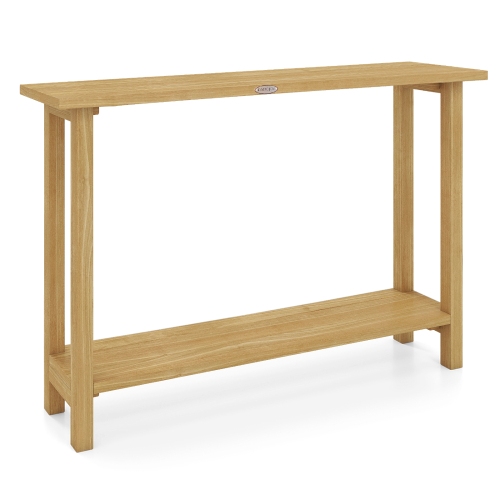

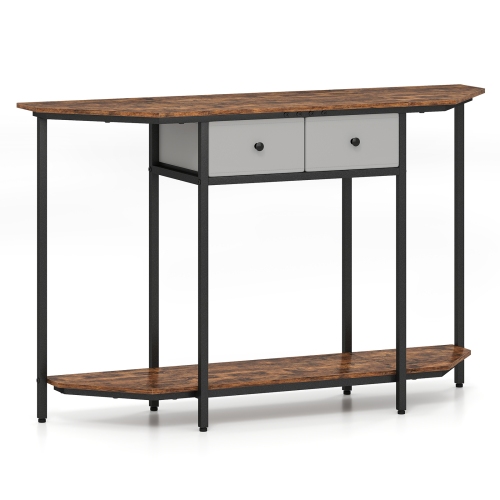
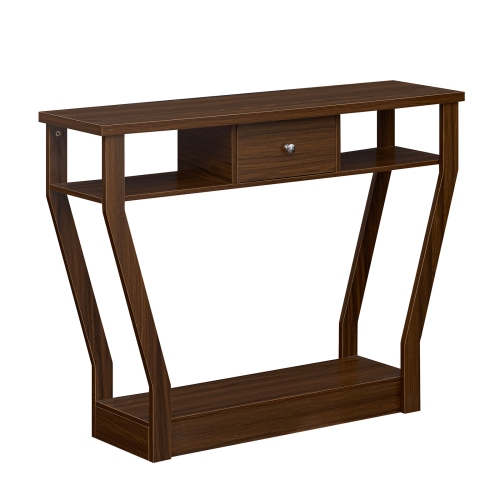
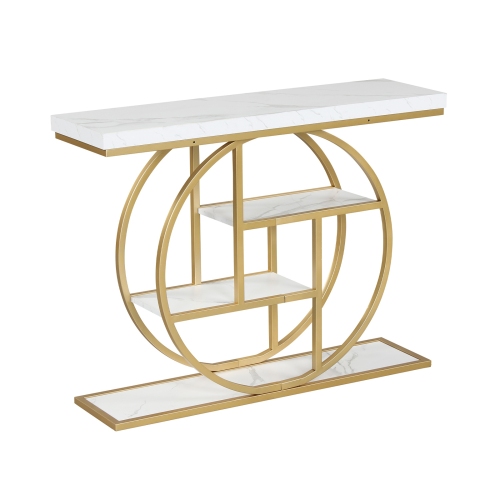
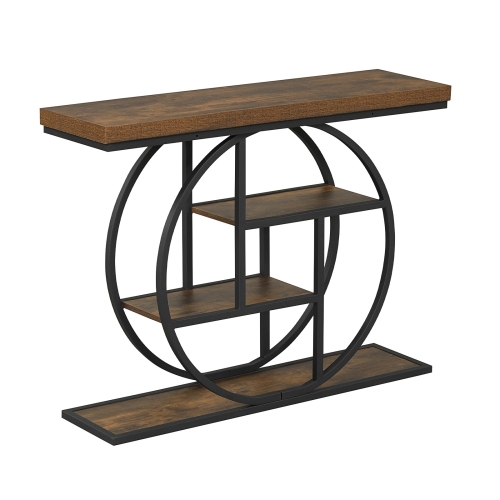
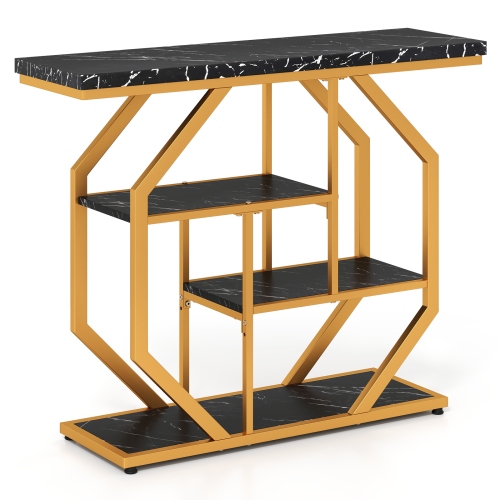


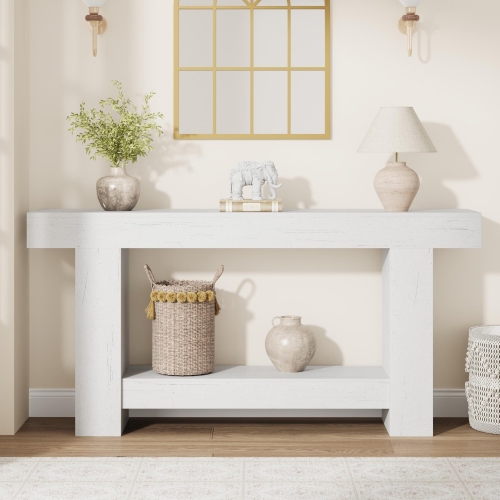
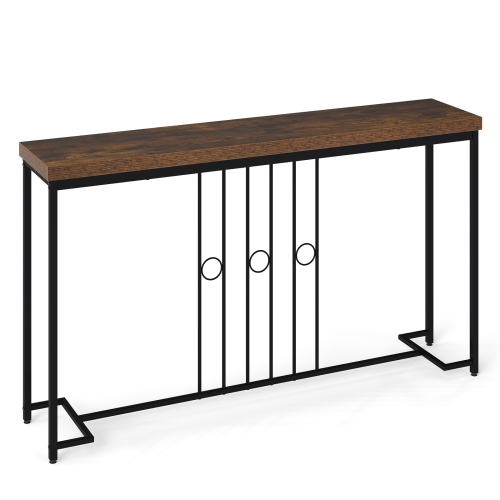
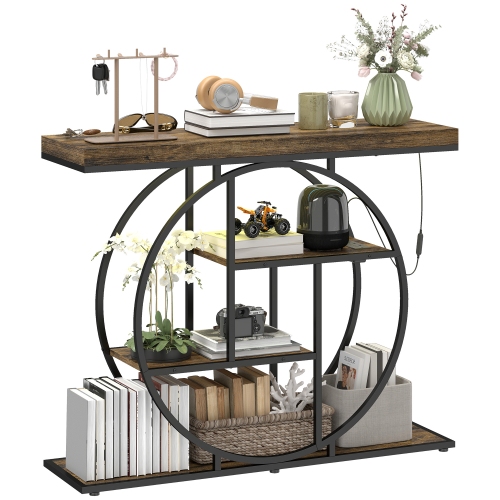


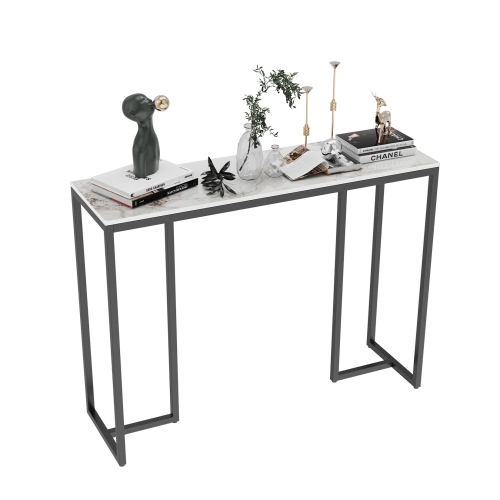
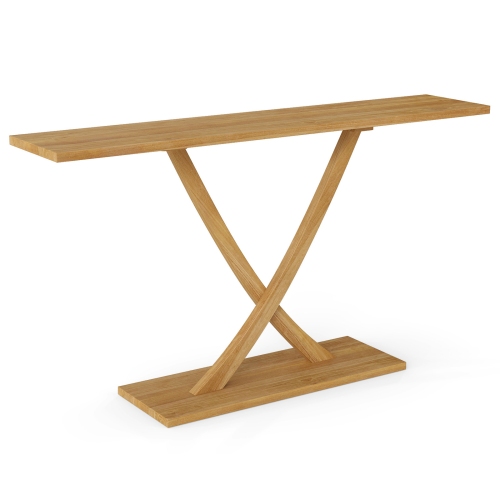
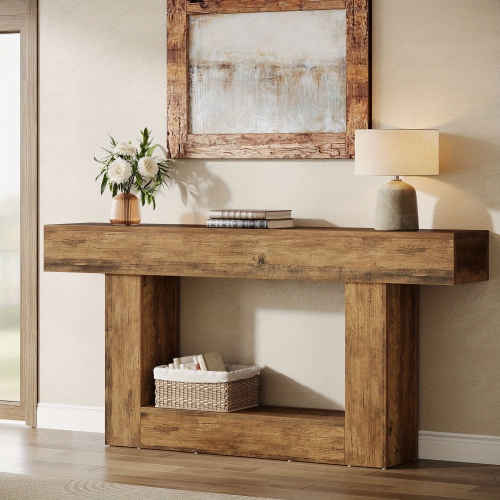
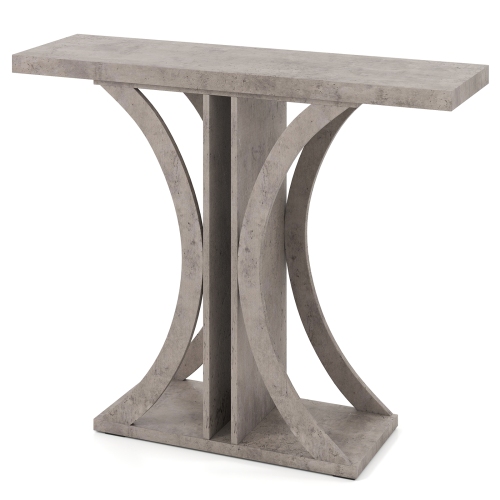
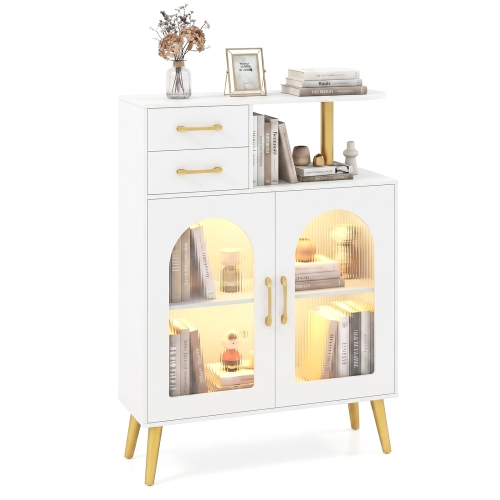

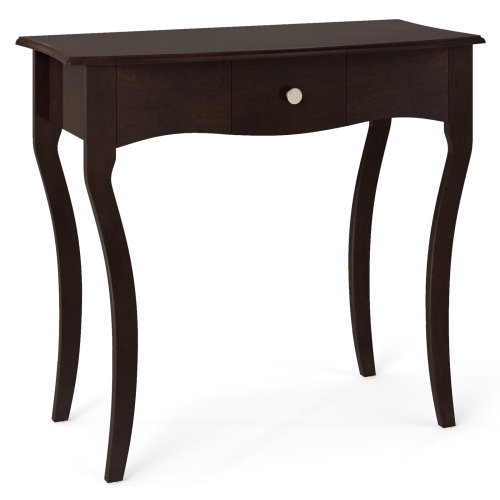

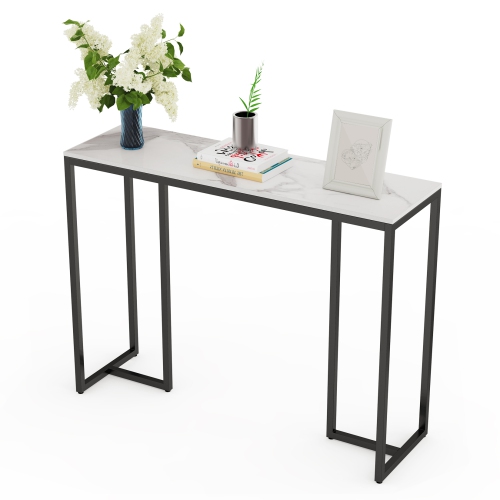

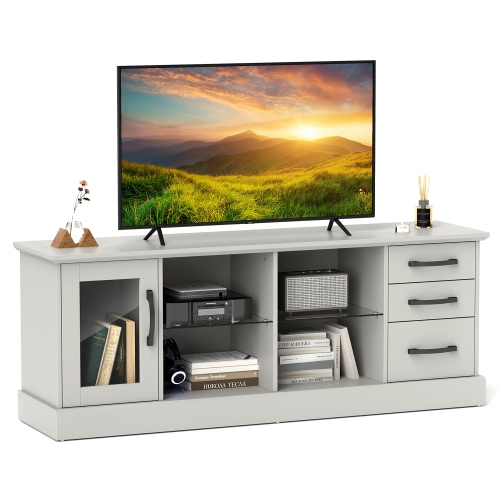
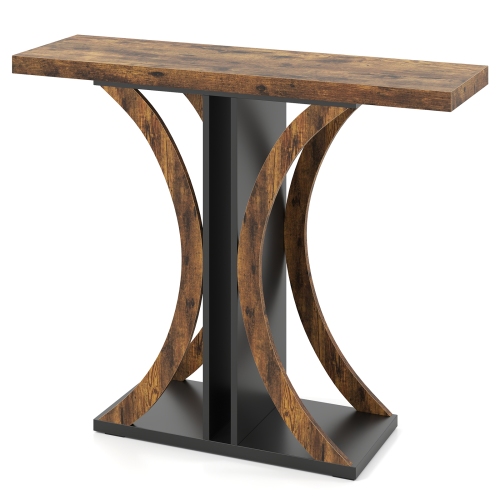


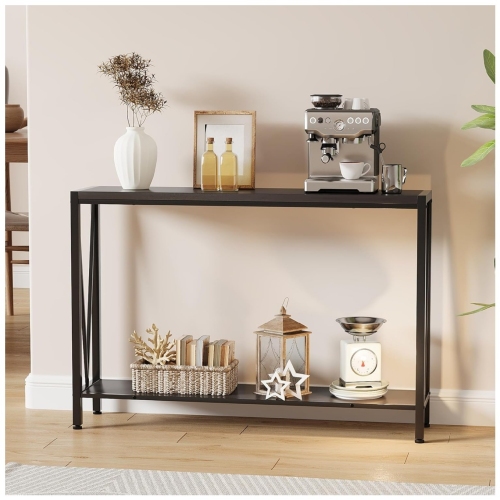


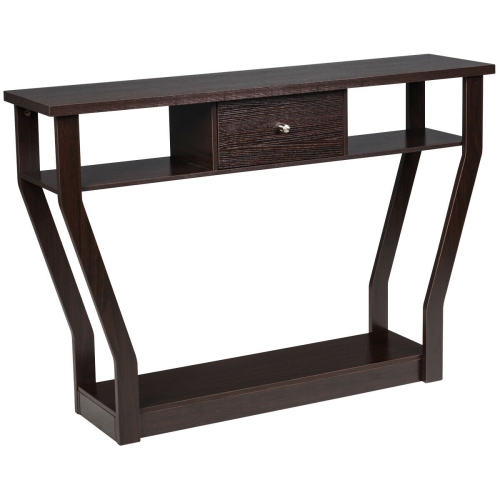

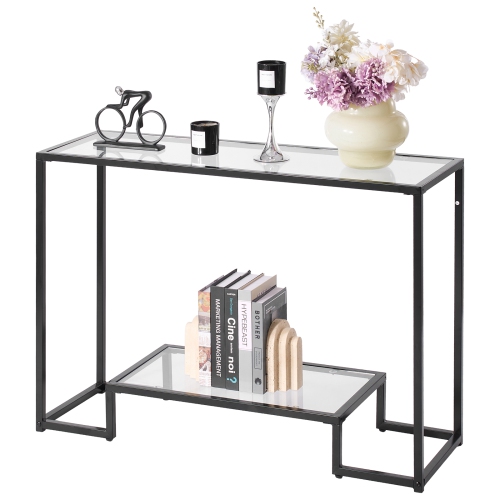


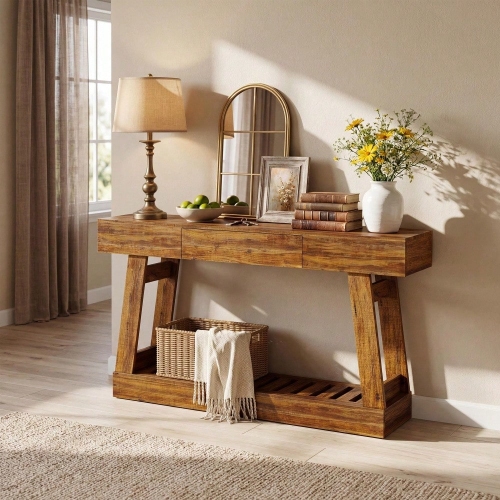


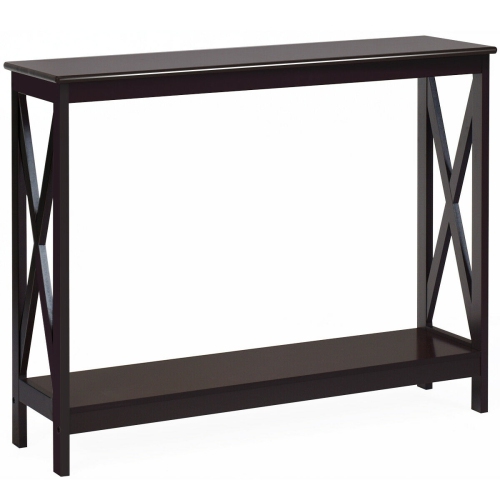


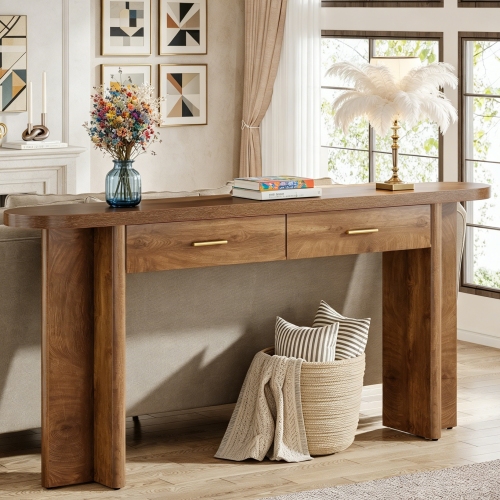

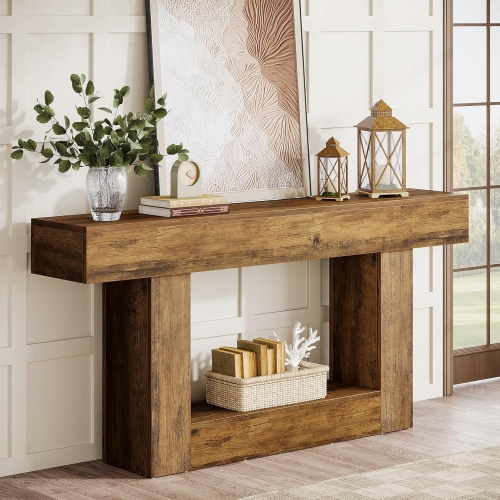
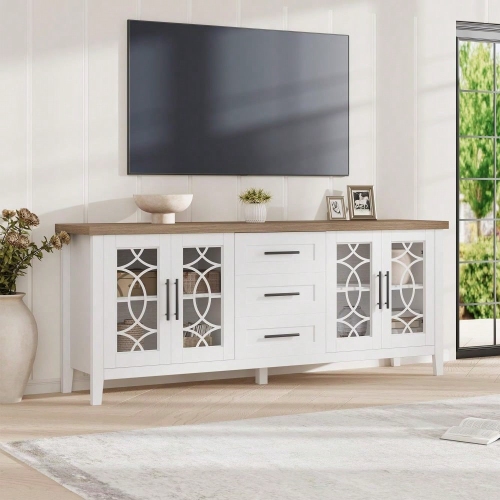


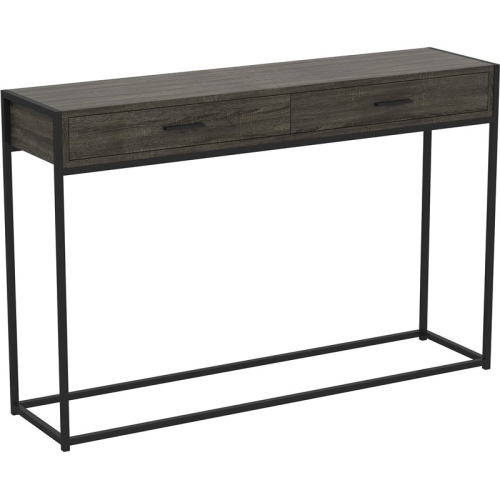


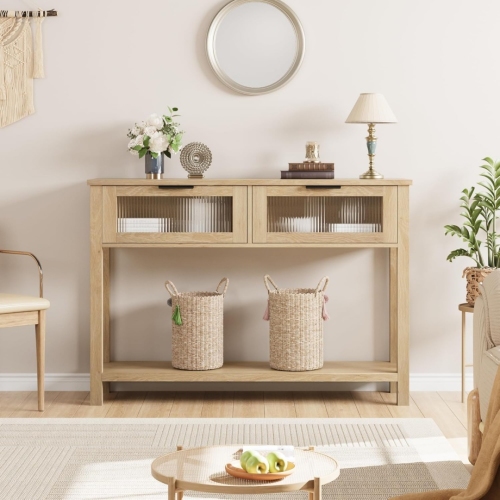
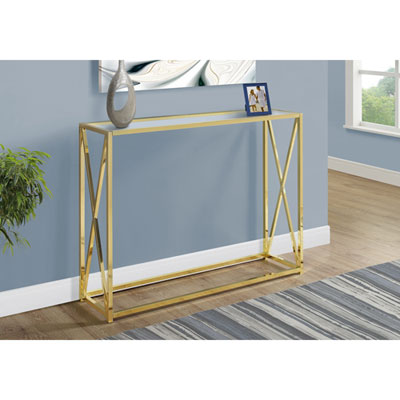


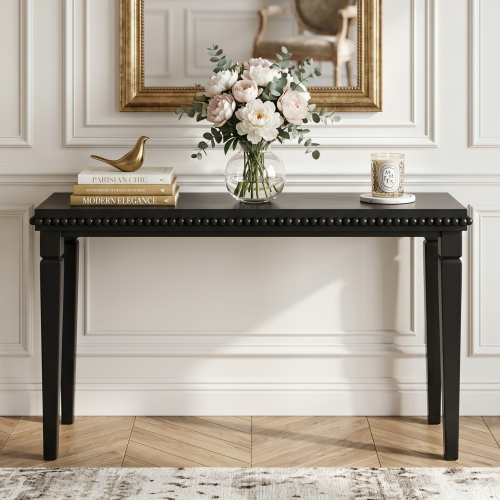


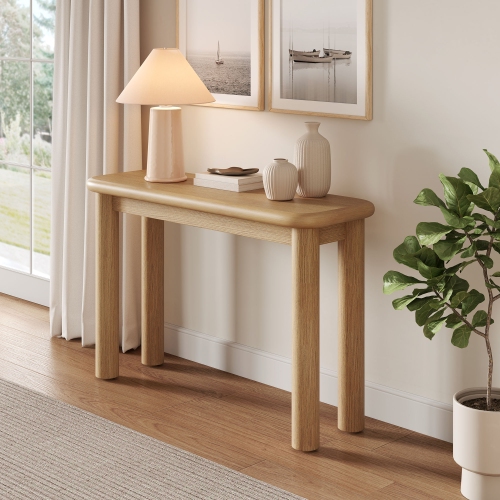
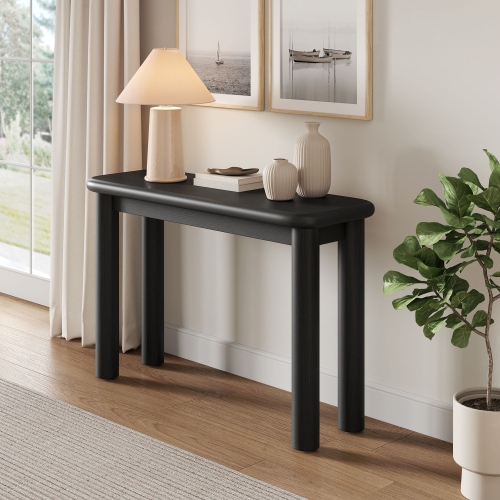


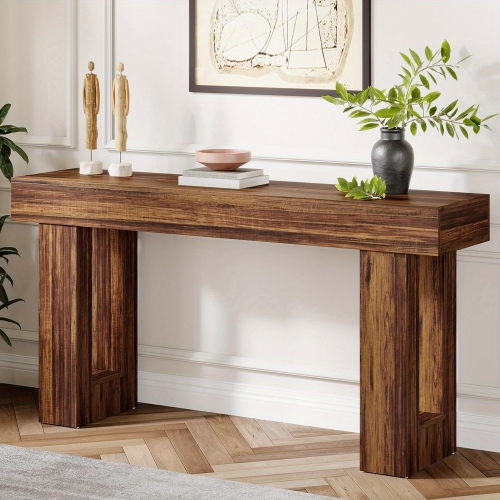

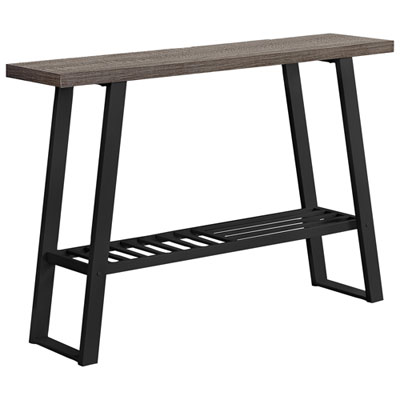


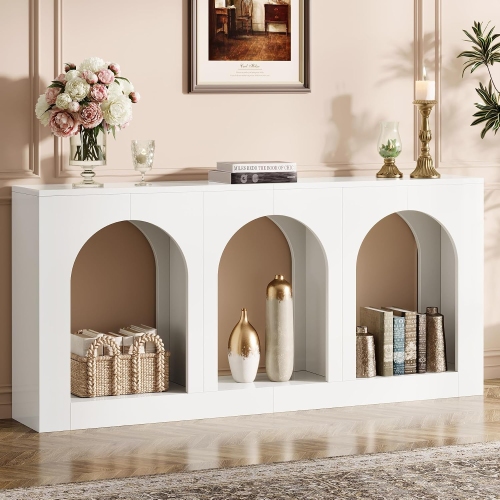
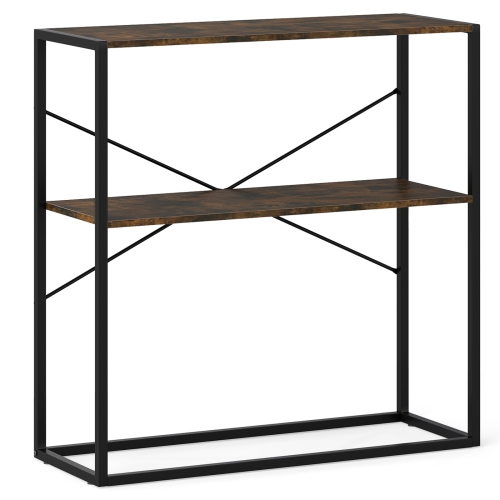
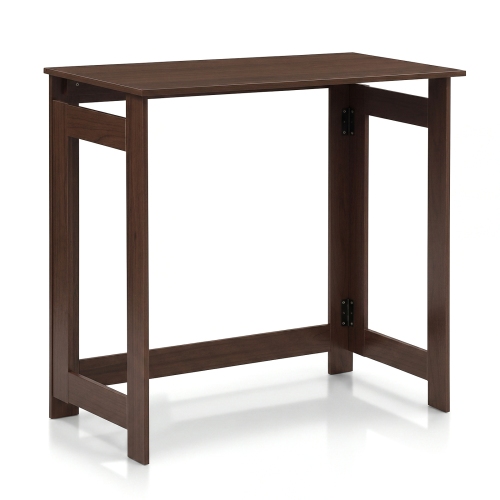


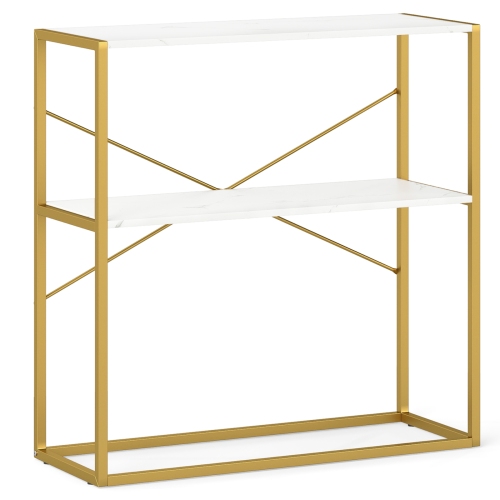


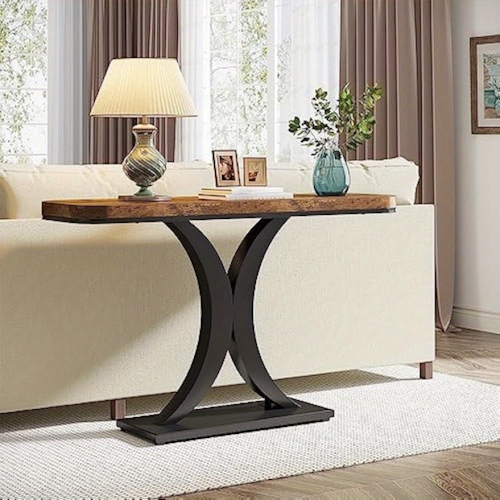

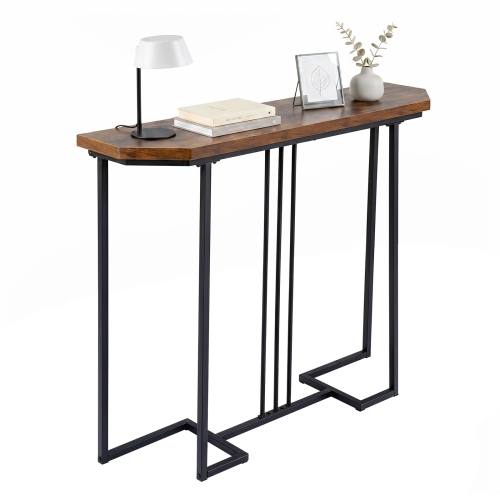


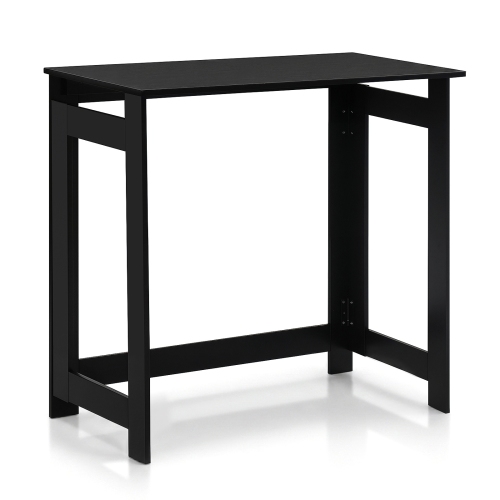
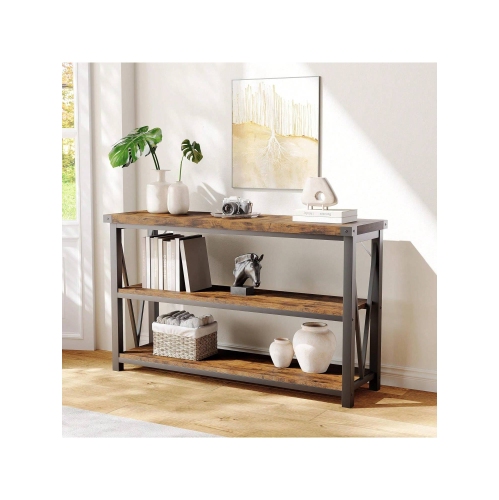

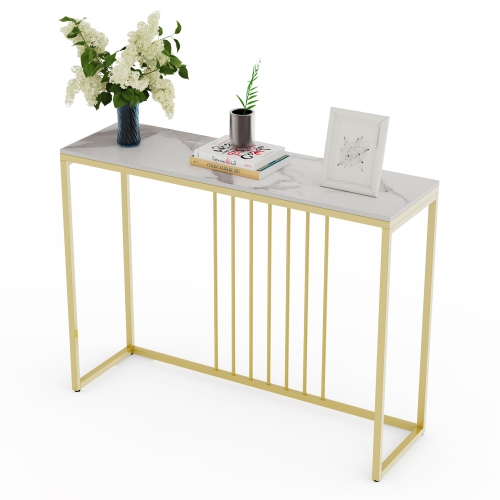

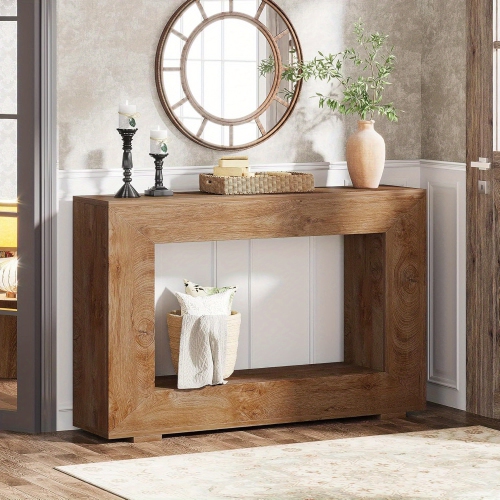


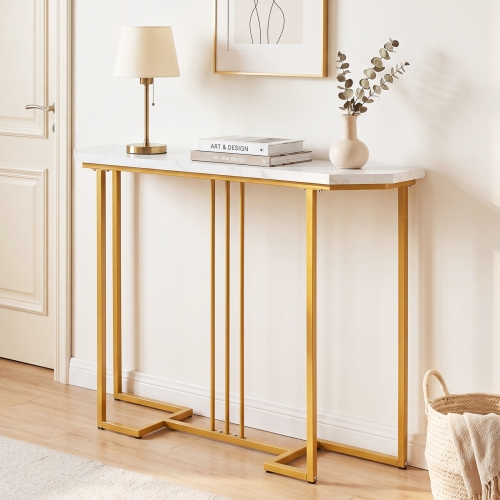

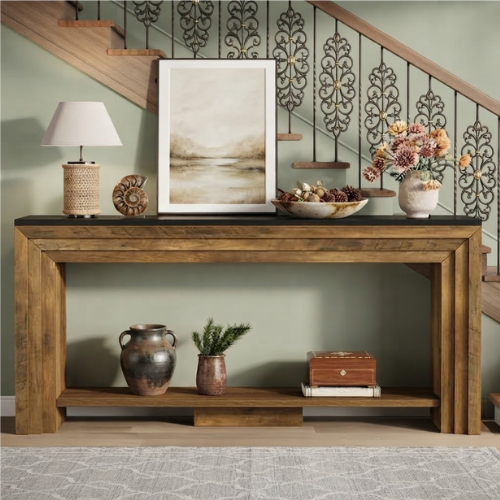


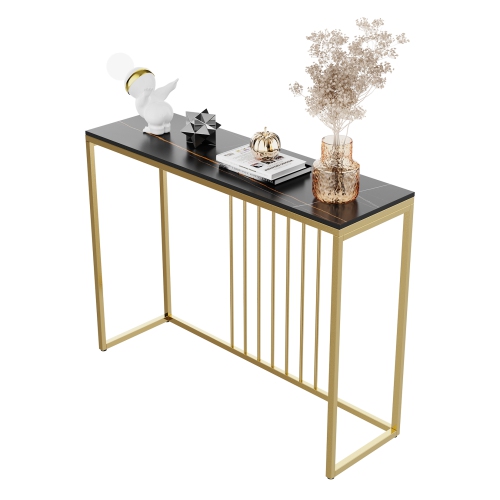


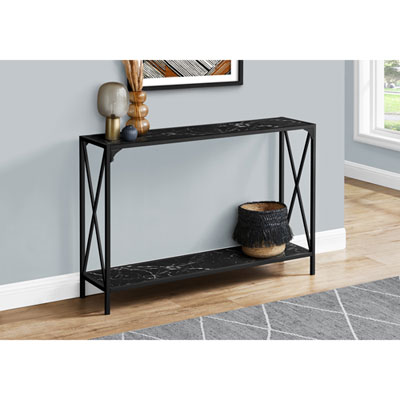
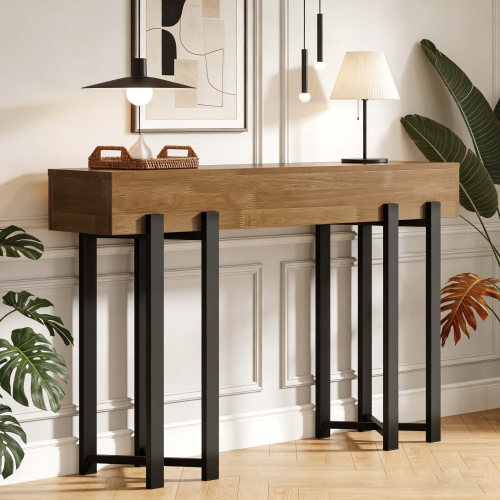
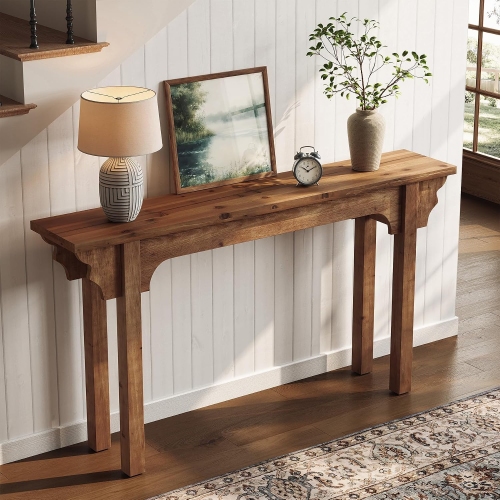


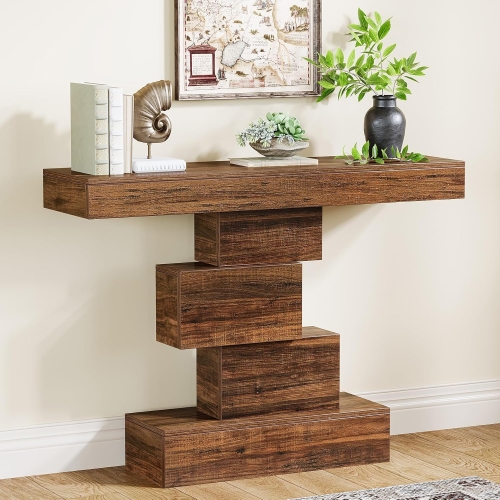


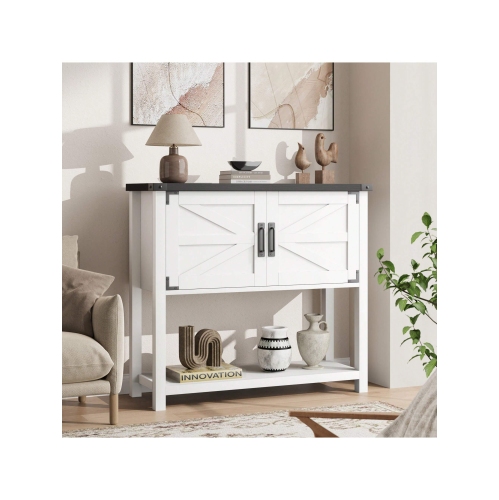


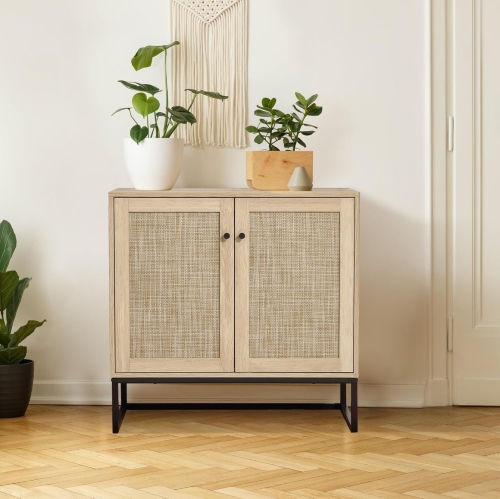


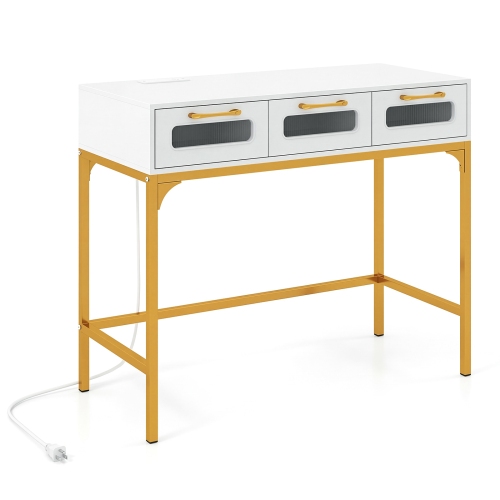
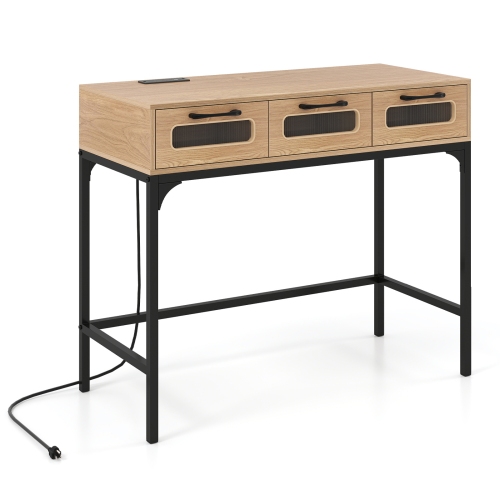


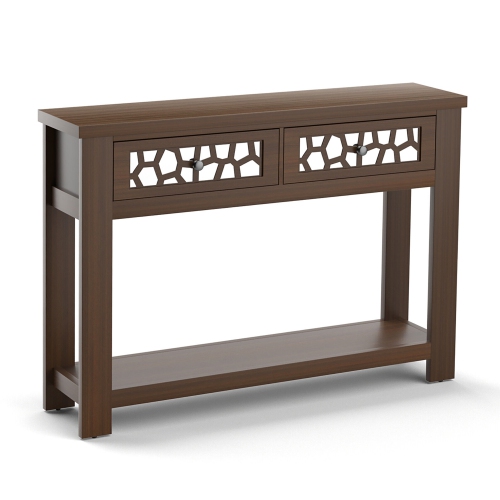


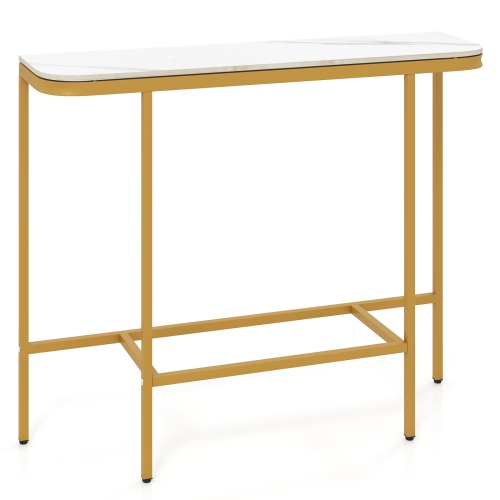


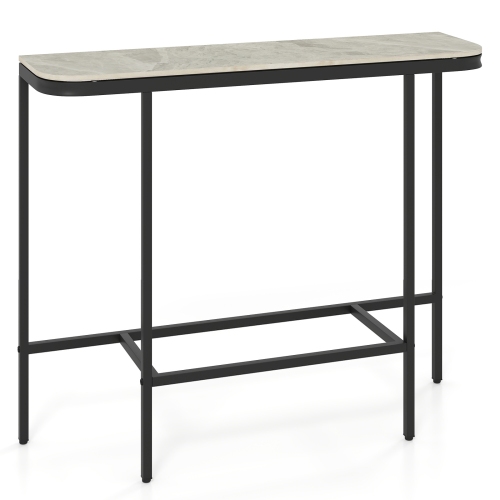

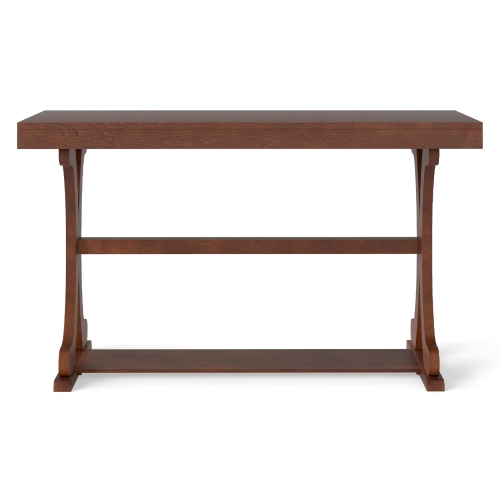
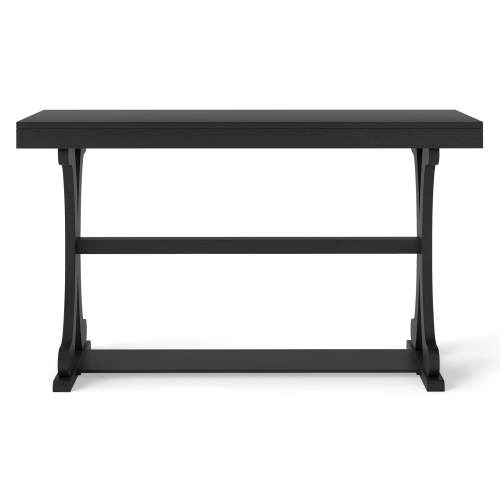
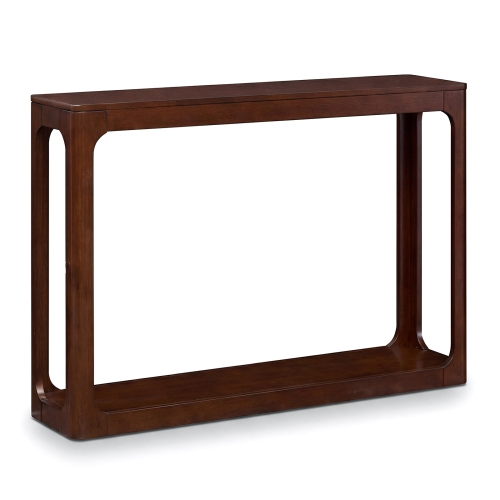
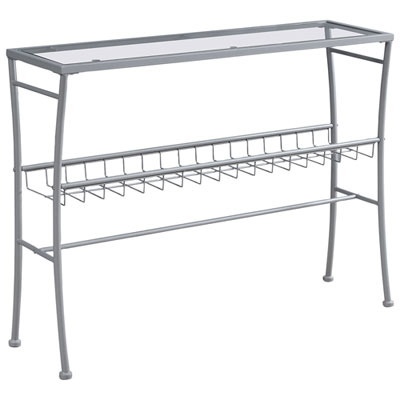

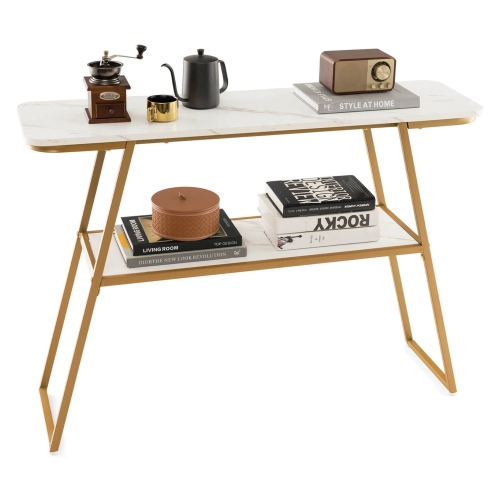


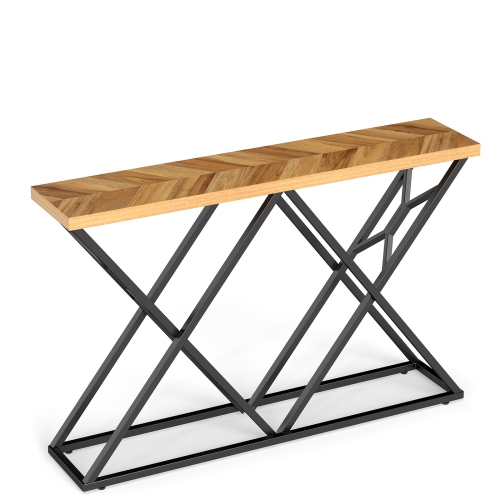


Slim surfaces that put overlooked living room spaces to work
Console tables for living rooms bring a useful surface to places where a coffee table or side table may not fit: a narrow wall beside a doorway, the space behind a floating sofa, or an empty stretch beneath artwork. Their shallow profile makes room for lighting, display, and everyday storage without taking up the floor space of a deeper cabinet. Many console tables measure roughly 30 to 36 inches tall and 12 to 18 inches deep, though the best fit depends on the furniture and walking routes around them. Behind a sofa, a tabletop that sits level with or slightly below the sofa back generally looks balanced and keeps objects within comfortable reach. A table around two-thirds of the sofa’s length can be a useful starting point for proportions, rather than a fixed requirement. A longer design may suit a wide sectional, while a shorter one can leave breathing room beside an armchair. Measure the usable space at floor level and account for baseboards, nearby outlets, curtains, and doors that swing into the room. Leave enough clearance for people to pass comfortably, including when a drawer is open or someone is seated nearby. In a compact apartment, a slim console against the wall can hold a lamp and a catch-all tray while leaving the centre of the room open. In an open-plan home, a console behind the sofa can help define the seating area without creating a tall visual barrier. Its rear finish matters in this position because the back of the table remains visible from the adjoining space. A wall placement offers a different opportunity: a low arrangement of books and pottery beneath a large print can give an otherwise bare area a clear purpose. Where the living room flows directly into the entrance, Console Tables for Foyer can offer a useful point of comparison for similarly narrow spaces, especially when a surface needs to serve both arriving guests and the main seating area.
Materials influence both the appearance of a living room console table and how it handles daily use. Solid wood brings natural grain and variation, with finishes that range from pale and understated to deep and richly coloured. Its surface can develop marks over time, and its care needs depend on the finish; coasters and protective pads help prevent damage from drinks, lamps, and rough-bottomed accessories. Wood veneer offers a real-wood surface over a supporting core, but it still needs protection from standing moisture and may have limited options for refinishing. Laminate and other manufactured finishes can provide a consistent look and straightforward upkeep, although resistance to scratches, heat, and moisture varies by construction. Metal frames suit slim profiles and can add crisp lines to a room, while the quality of joints, protective coatings, and leg supports contributes to lasting stability. Glass tops keep sightlines open, making them a good visual match for smaller rooms or seating arrangements with substantial upholstered furniture. They also show fingerprints and dust readily, so they suit households comfortable with regular wiping. For glass furniture, check the stated glass type, edge treatment, and care requirements rather than assuming every surface has the same strength. Stone tops can bring weight and texture, but natural stone may need sealing or particular cleaning products, depending on the material. The combination matters as much as any single component: a substantial top needs a suitably supportive base, and an open metal frame should feel steady rather than flexible. Style can follow the room without matching every piece exactly. A warm wood console can soften a room with dark metal lighting, while a simple glass-and-metal design can sit quietly beside a textured sofa. Rounded corners may be practical along a frequently used passage, and a pedestal or inset base can reduce the number of legs near a walking route. Repeating one colour, finish, or shape from nearby furniture often creates a more connected look than trying to make every surface identical.
Storage and surface layout determine how useful a console table becomes once it is part of daily life. A tabletop-only design suits a room that needs little more than a lamp, a framed photograph, and a place to set down a book. Drawers give remote controls, charging leads, and small household essentials a home out of sight, while lower shelves leave books and baskets easy to reach. Check internal drawer measurements when a particular object needs to fit, and consider whether handles project into a narrow passage. Cabinets provide more enclosed storage, but their doors need room to open without hitting the sofa or blocking access. For shared living rooms, a combination of drawers and open shelving can separate small accessories from larger objects used by everyone. A console behind the seating area can also put a reading lamp within reach without requiring a side table at each end of the sofa. If charging is important, designs with integrated outlets or USB ports may reduce the need for separate adapters, provided the connections suit the devices being used. Plan a safe cable route to the wall outlet, keeping cords away from walking paths and moving furniture. Console tables are generally intended for display and light household storage, not sitting or standing, so follow the stated weight limits for the top, shelves, and drawers. A decorative console should not be treated as a television stand unless it is specifically designed and rated for that use. Follow assembly instructions carefully, check fasteners as recommended, and use any specified wall restraints, particularly in homes with children or pets. For routine care, remove dust with a soft cloth, wipe spills promptly, and use cleaning products appropriate to the surface. Keeping the display manageable makes that upkeep easier: a lamp at one end, a shallow tray nearby, and a small group of favourite objects can leave useful clear space. The result is furniture that contributes to the room’s character while supporting the ordinary routines of reading, relaxing, and spending time together.
Top selling and popular products
-
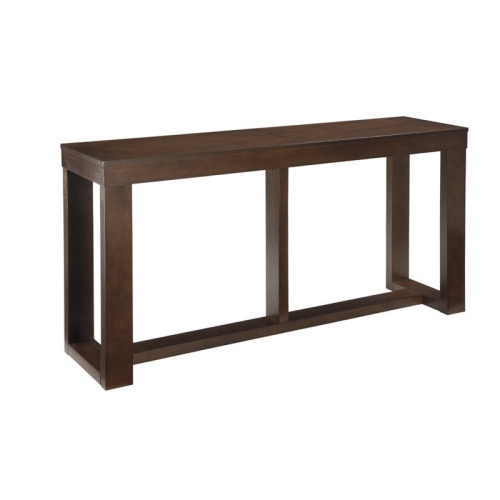 Your price for this item is $349
-
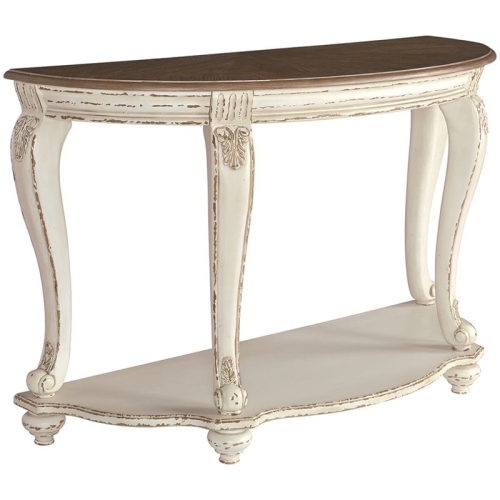 Your price for this item is $499
-
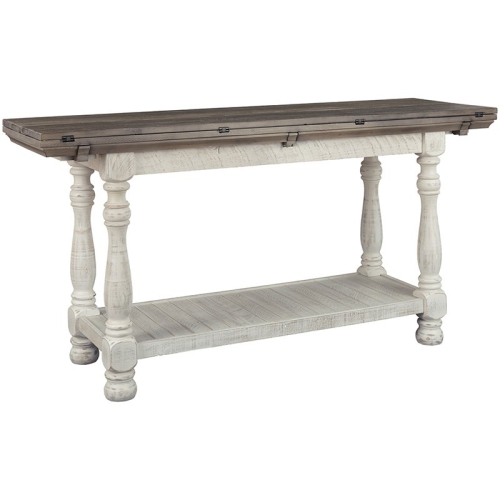 Your price for this item is $799
-
 Your price for this item is $629
-
 Your price for this item is $374.99
-
 Your price for this item is $369.99
-
 Your price for this item is $284.99
-
 Your price for this item is $284.99
Discover more categories related to Console Tables for Living Room

Top Collections:
Pokemon Centers, Kindle Devices, Best Budget Office Chairs, Canon G7X Cameras, Apple iPhones 16, Samsung Galaxy Phones, Refurbished Apple Laptops, Laptops for Students, iPhone 15 Apple, Budget Smartphones
Some products may be subject to Environmental Handling Fees
(EHF) depending on your province.
Learn more about EHFs.