Console Tables for Small Spaces
Console Tables for Small Spaces are the perfect solution for adding style and functionality to compact areas. Whether you’re looking to enhance your entryway, living room, or hallway, these versatile tables offer a smart way to maximize your space without sacrificing design. With a variety of shapes, finishes, and sizes available, it’s easy to find the right console table to fit your small space and complement your existing décor. Discover options that help you keep essentials organized while making the most of every inch.
Sort


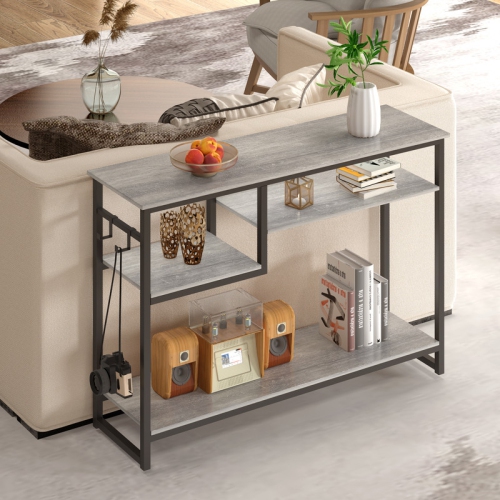


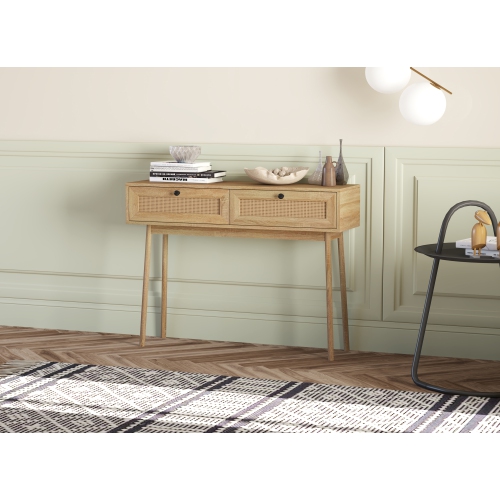


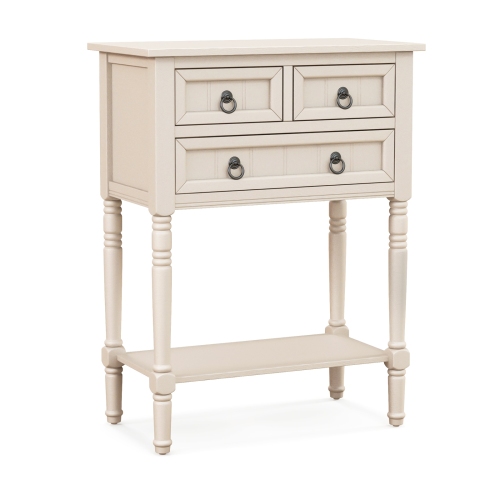
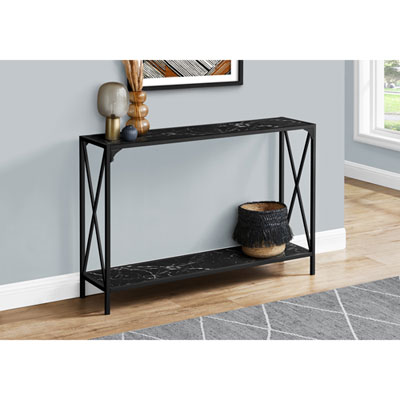
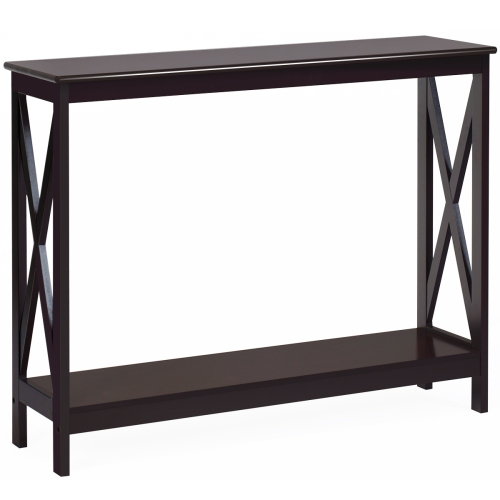

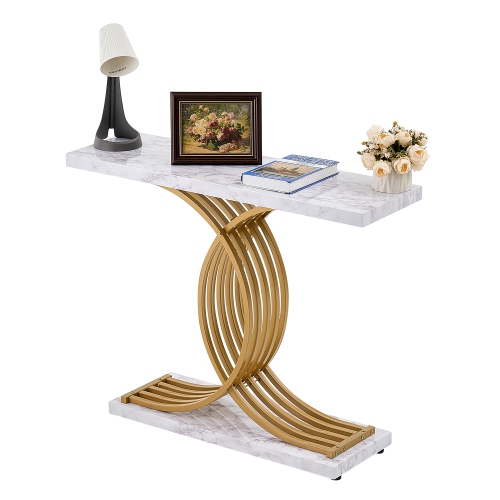


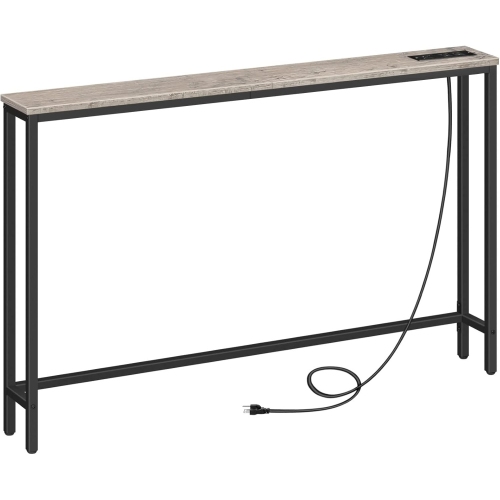
Everyday essentials within reach without crowding your walkway
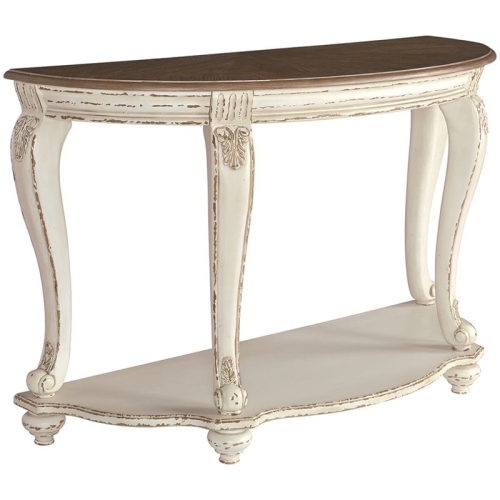
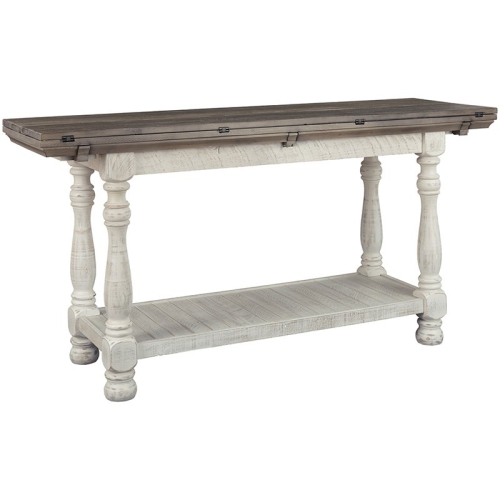
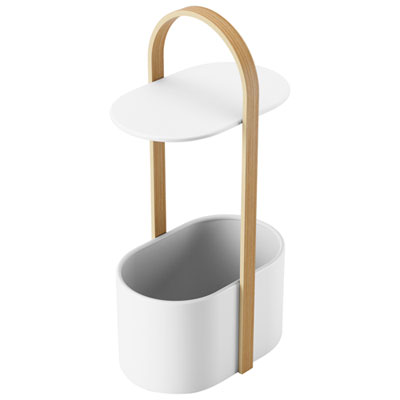
Console tables for small spaces are narrow accent tables that provide a useful surface without taking up the floor area of a desk, cabinet, or dining table. They suit compact entryways, condo living rooms, apartment hallways, and the space behind a sofa, where a shallow tabletop can hold everyday essentials or a few decorative pieces. For tight layouts, tables less than 12 inches deep are a useful starting point, although the right depth depends on the walking space that remains once the table is in place. A slim table beside the front door can give keys, mail, and a small lamp a proper home while leaving room to step inside and remove shoes. Behind a sofa, it can create a finished edge between the seating area and an adjoining room without the bulk of a larger storage unit. Depth matters most in a narrow passage, but width and height also shape how comfortably the table fits. A short table may sit neatly along a small section of wall, while a longer, shallow design can make better use of an otherwise empty stretch behind seating. The full footprint includes projecting handles, angled legs, and anything stored underneath, not just the tabletop measurements. Door swings, nearby drawers, baseboards, and access to electrical outlets also affect placement. In a busy entryway, enough clearance for someone carrying grocery bags or moving a stroller is more useful than a table that fills every available inch. Behind a couch, a tabletop at or slightly below the sofa back generally creates a balanced appearance and keeps decorative objects from intruding into the seating area. Against a wall, its height can work with the position of a mirror or artwork. An open base, slender legs, or a visible strip of floor beneath the table can make the arrangement feel less crowded. Even a very narrow console needs enough usable surface for its intended purpose: a shallow dish for keys takes less room than a lamp with a broad base.
Materials influence both the appearance of a small console table and how it stands up to everyday use. Solid wood brings natural grain and variation, with finishes that can range from pale and understated to rich and dark. Its surface benefits from protection against moisture, hot objects, and repeated scraping, and wood can respond to changes in indoor humidity. Engineered wood offers a different construction, often paired with a veneer, laminate, or painted finish. The quality of the surface, edge treatment, and joints matters more than appearance alone, especially in an entryway where bags and shoes may brush against the furniture. A wood veneer provides a real wood surface over a core, while laminate can offer a smooth, practical finish; care requirements depend on the specific construction. Metal frames lend themselves to slim profiles and open bases, making them well suited to compact layouts. A powder-coated finish can help protect the frame, though impacts may still leave marks or chips. Glass tops keep sightlines open and allow the floor or lower shelf to remain visible, but fingerprints tend to show, and the edges deserve attention in a high-traffic area. Tempered glass, where specified, has different breakage characteristics from ordinary glass, but it still requires careful handling. Rounded corners can be more comfortable beside a frequently used walkway, regardless of material. Durability also comes from secure connections, stable legs, and a design suited to the weight it will carry. A lightweight-looking table is not necessarily fragile, and a substantial-looking table is not necessarily suitable for heavy objects. The stated load limits for the top and shelves remain important, particularly when adding books or larger decorative pieces. Narrow furniture may need wall anchoring according to the manufacturer’s instructions, especially in homes with children or pets. Routine care is usually straightforward: a soft cloth for dust, prompt attention to spills, and cleaning products appropriate to the finish. Coasters, felt pads, and a tray beneath frequently handled objects help reduce rings and scratches without covering the entire surface.
Storage and styling determine whether a console table feels useful or simply becomes another place for clutter. A drawer can keep keys, charging cables, and small accessories out of sight, while a lower shelf gives baskets or neatly arranged books a defined place. In a narrow hallway, drawer clearance matters: a drawer that opens directly into the walkway needs space for someone to stand in front of it. Open shelving can preserve a lighter appearance, but its contents remain visible, so a few well-sized containers often look calmer than several mismatched piles. A lower shelf may also reduce room for taller baskets or shoes, depending on its position. Tables without shelves leave more open floor space and can suit rooms where easy cleaning and a less crowded appearance are priorities. The tabletop works best when the arrangement reflects daily use. In an entryway, a catchall tray and one decorative object can leave space to set down a phone; behind a sofa, a modest lamp and a few books may be enough. Lamp bases need to sit fully on the surface, with cords routed away from walking paths and kept clear of drawers. Colour and shape can help the table settle into the room rather than compete with it. A finish close to the wall colour can create a quiet backdrop, while darker wood or metal can define a small landing area. Repeating a finish already present in nearby shelving or seating helps separate pieces feel connected without requiring an exact match. Console tables are particularly useful for apartment dwellers, people furnishing a first home, and households looking to make an overlooked wall work harder. They can also make thoughtful housewarming gifts when the recipient’s measurements and style preferences are known. Where the main need is a surface directly in front of seating rather than along a wall or behind a sofa, Coffee Tables for Small Spaces serve a different purpose. A console is most effective when its narrow proportions, storage, and finish support the way the room is actually used.
Top selling and popular products
-
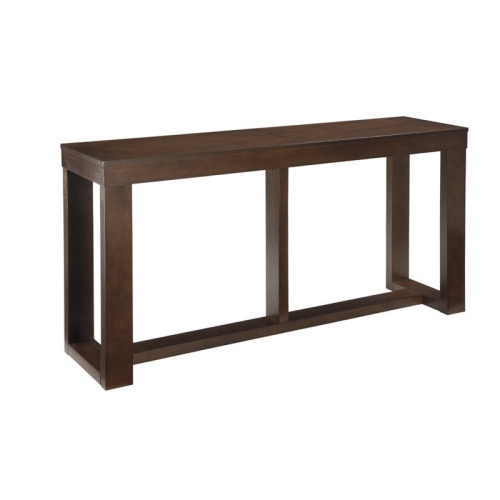 Your price for this item is $349
-
 Your price for this item is $499
-
 Your price for this item is $799
-
 Your price for this item is $629
-
 Your price for this item is $374.99
-
 Your price for this item is $369.99
-
 Your price for this item is $284.99
-
 Your price for this item is $284.99
Discover more categories related to Console Tables for Small Spaces

Top Collections:
Pokemon Centers, Kindle Devices, Best Budget Office Chairs, Canon G7X Cameras, Apple iPhones 16, Samsung Galaxy Phones, Refurbished Apple Laptops, Laptops for Students, iPhone 15 Apple, Budget Smartphones
Some products may be subject to Environmental Handling Fees
(EHF) depending on your province.
Learn more about EHFs.