Contemporary Geometric Area Rugs
Contemporary Geometric Area Rugs bring a modern edge to any living space, infusing rooms with bold patterns and striking shapes. Perfect for creating a focal point or complementing existing décor, these rugs offer a versatile solution for updating your home’s style. Explore a wide selection of Contemporary Geometric Area Rugs to find the perfect piece that reflects your unique taste and enhances the ambiance of your favorite rooms.
Sort
Why rug pattern scale matters as much as colour
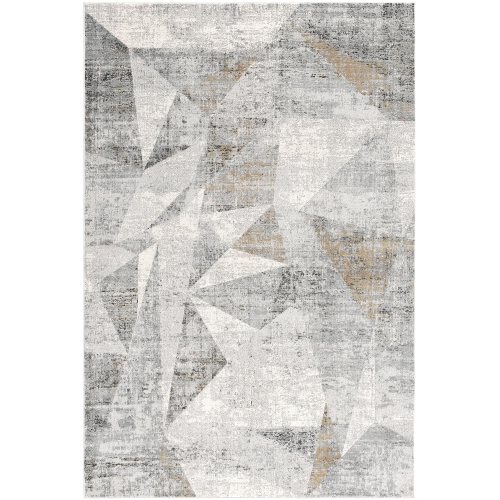
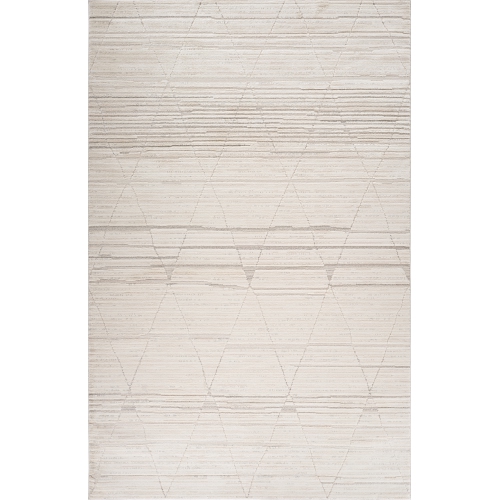
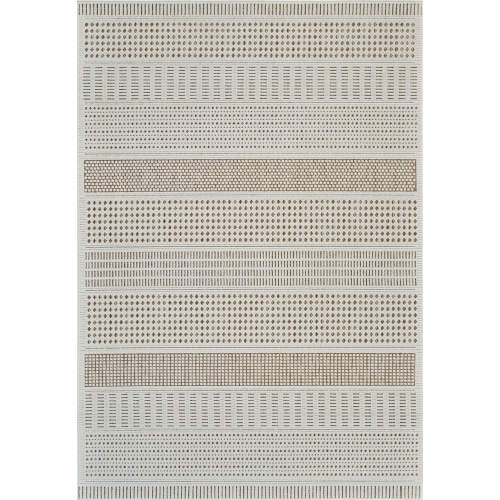
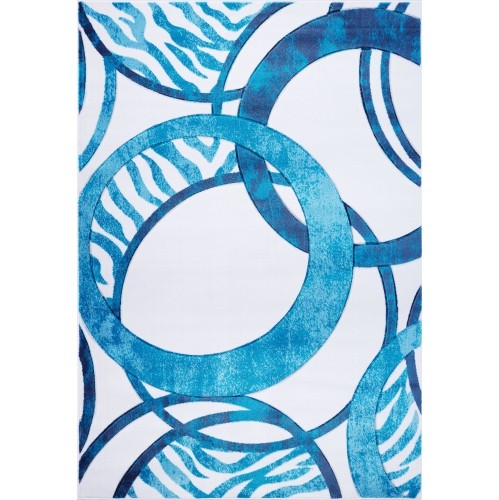
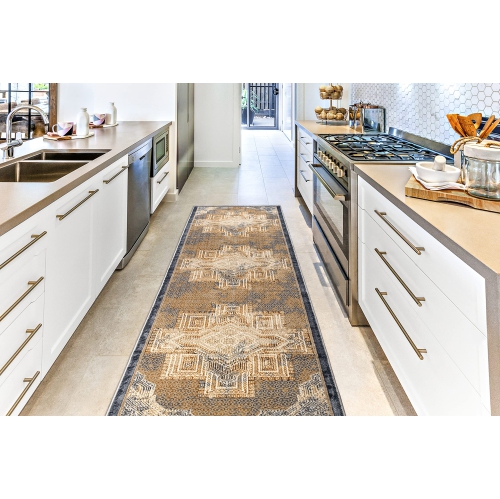
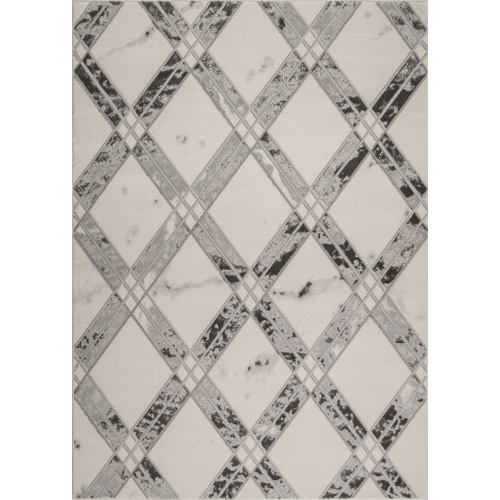
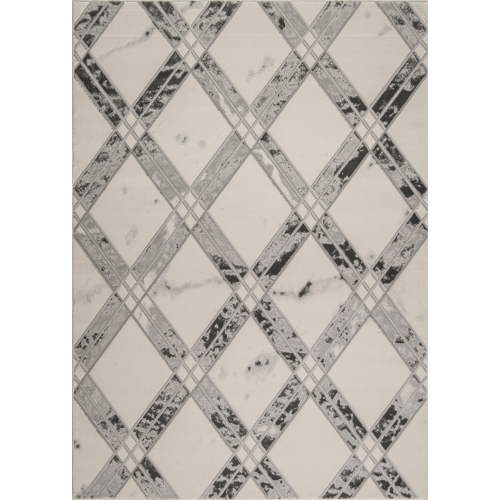
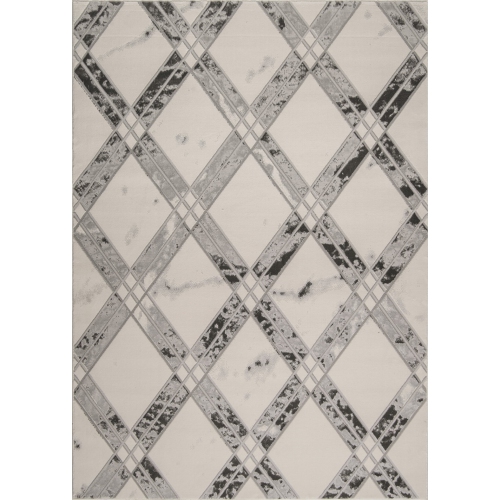
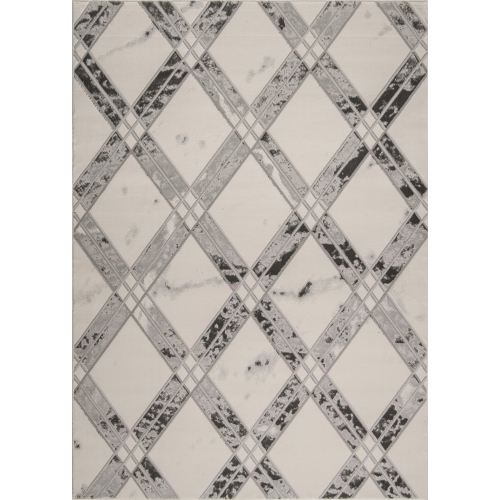
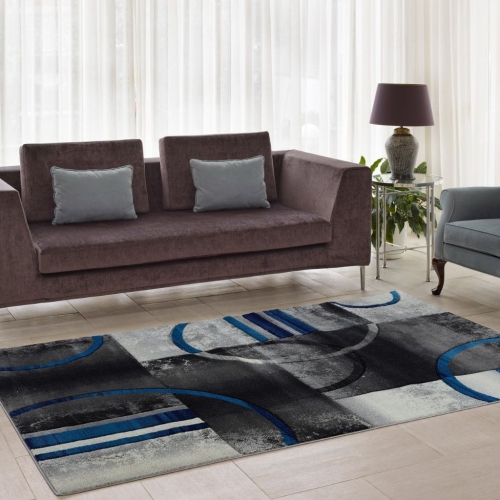
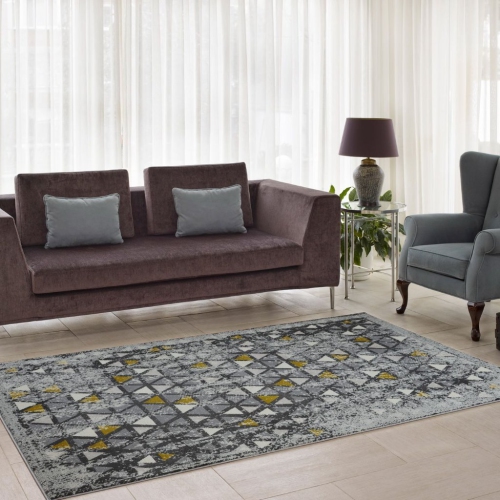
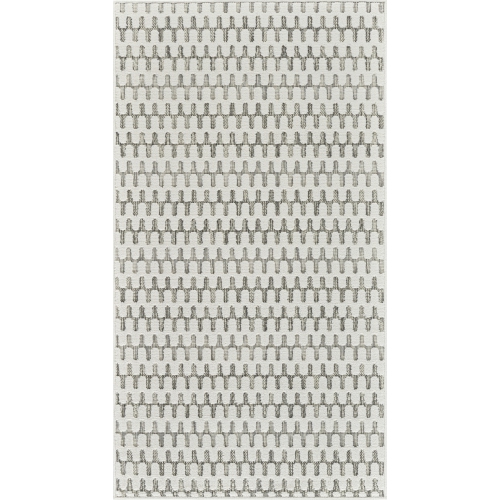
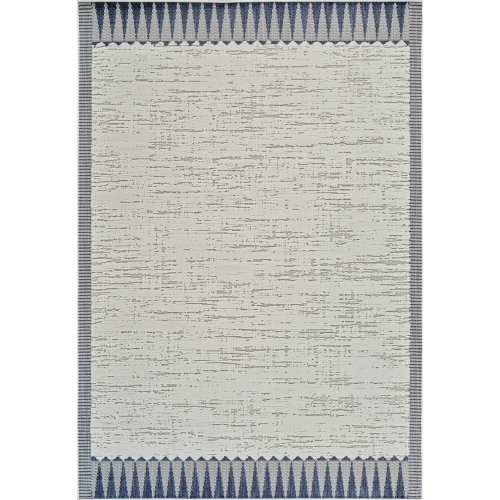
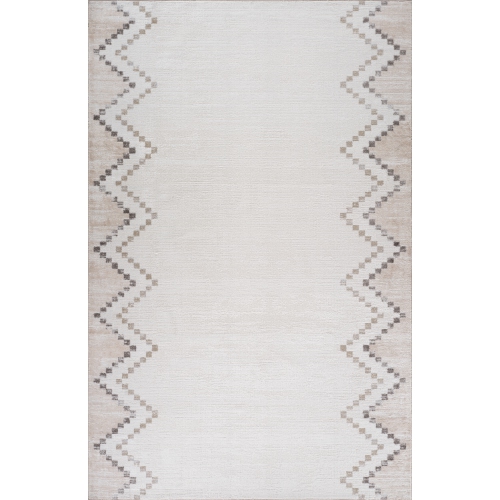
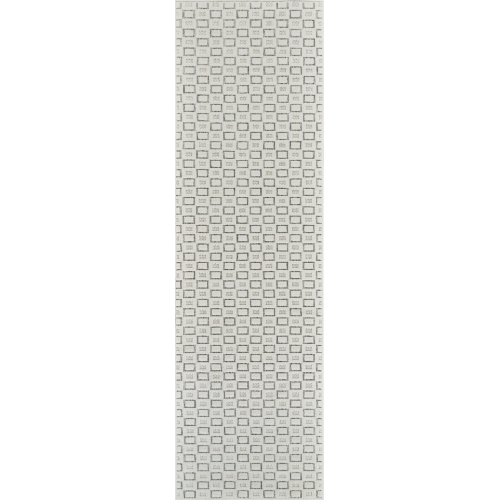
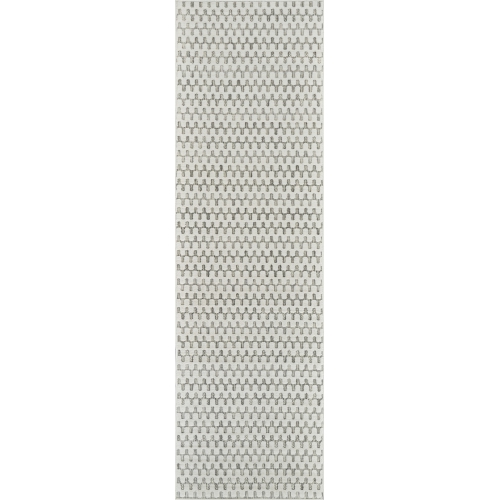
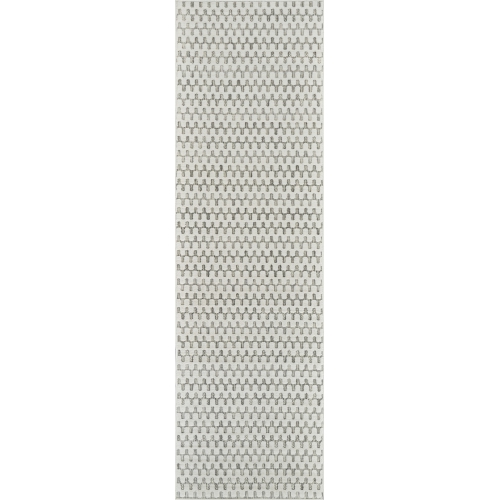
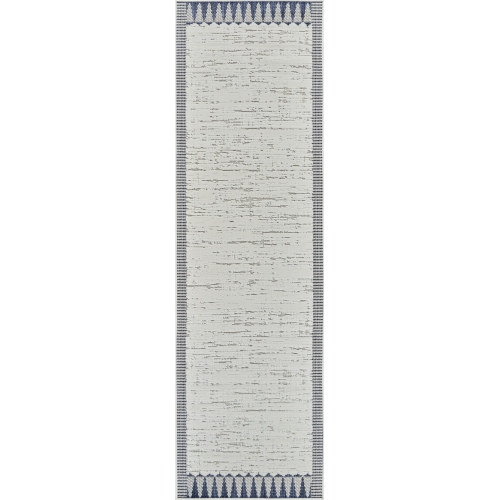
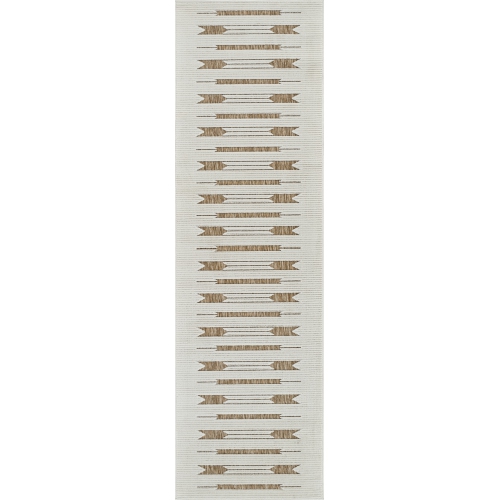
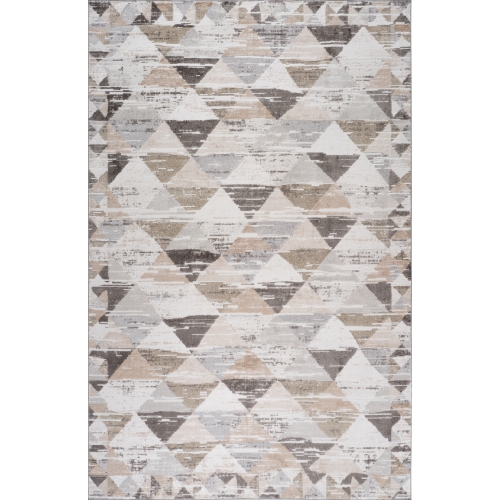
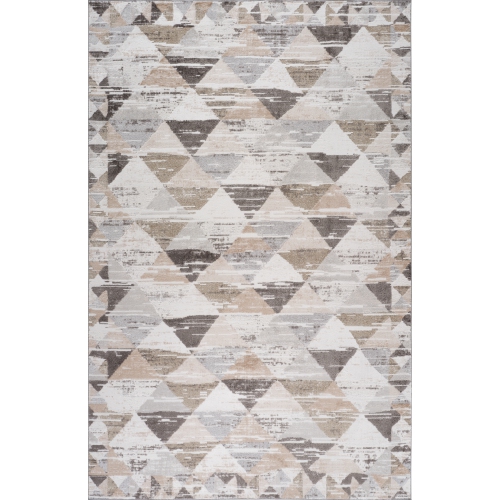
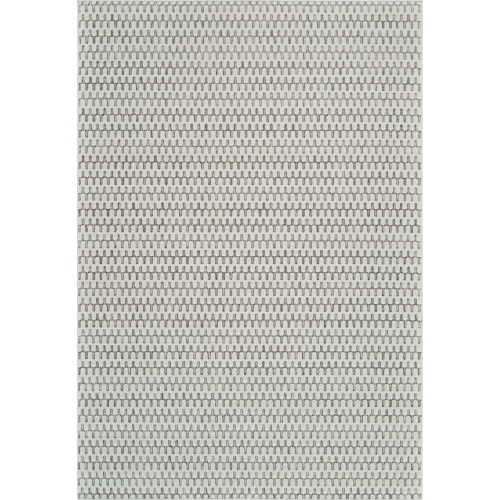
Contemporary geometric area rugs bring structure to a room through clean lines, repeating shapes, and patterns that range from precise grids to loose, hand-drawn diamonds. Their defining feature is the use of geometry as a design element: triangles, hexagons, intersecting bands, offset rectangles, and curved arches can all create a modern look without making a space feel stark. A rug with broad ivory and charcoal blocks has a different presence from one covered in small, closely spaced motifs, even when both use the same colours. Large shapes tend to read clearly across a room, while finer patterns add visual texture that becomes more noticeable up close. This makes pattern scale just as important as colour when considering how a rug will sit beside a sofa, beneath a dining table, or at the foot of a bed. In a living room with plain upholstery and simple shelving, a bold geometric pattern can provide the main focal point. Where patterned cushions, artwork, and richly grained wood already add detail, a softer tonal design can connect those elements without competing with them. Contrast matters, too: black lines on a cream background create a sharper effect than overlapping shades of beige, grey, or muted blue. Repeating one or two rug colours in cushions, curtains, or wall art helps the room feel connected without requiring every piece to match. Geometric designs also work well alongside rounded furniture, where a circular coffee table or curved armchair can soften a strongly angular layout. Within the broader range of contemporary rugs, geometric styles offer a distinct way to define seating areas and give open floor plans a sense of order. They suit minimalist rooms, but they can also sit comfortably with warm wood, textured fabrics, and well-loved furniture. The overall effect depends on the balance of pattern, texture, and open space rather than on a single decorating style.
Size and placement determine whether an area rug feels like part of the room or a separate object resting on the floor. In a seating area, a rug that reaches beneath the front legs of the sofa and nearby chairs usually creates a stronger connection between the furniture than one that sits entirely under the coffee table. A 5 by 7 foot rug may suit a compact arrangement, while an 8 by 10 foot or larger rug can accommodate a more generous furniture grouping; actual fit depends on the room and the furniture footprint. Marking the proposed outline with removable tape makes it easier to judge the proportions before settling on dimensions. Leave enough visible flooring around the edges to frame the rug, and check that it does not interrupt door movement or extend awkwardly into a busy walkway. Beneath a dining table, allow room for chairs to remain on the rug when pulled out for sitting. An extension of approximately 24 to 30 inches beyond each side of the tabletop is a useful starting point, though deep chairs may need more space. Low-pile and flatwoven constructions generally make chair movement easier than thick, plush surfaces. In a bedroom, the useful coverage is often beside the bed and beyond its foot, where feet naturally land, rather than beneath furniture that hides most of the pattern. Round geometric rugs can echo a round dining table or distinguish a reading corner, while rectangular shapes often follow the lines of sofas and beds. Pattern placement deserves attention as well: a central motif may disappear beneath a large table, whereas an all-over grid remains visible around furniture. For a home office, a firm, low-profile surface may be more practical than a deep pile, but rolling-chair suitability should be checked in the rug’s specifications. Thickness also affects clearance beneath doors, particularly when a rug pad adds another layer. These details help a rug serve everyday routines as well as the room’s appearance.
Materials and construction shape how contemporary geometric area rugs feel underfoot, how clearly their patterns appear, and how much care they need. Wool offers a resilient fibre with a naturally springy feel, although some shedding can occur, particularly when a rug is new. Polypropylene is often used for its resistance to moisture absorption and many common stains, while polyester can provide a soft feel and clear colour definition; neither material is immune to staining, crushing, or wear. Cotton rugs can feel relaxed and flexible, but washing methods vary by construction, backing, and size. Viscose can produce a subtle sheen and changes in tone as the pile catches the light, though it is generally better suited to spaces where spills and heavy use are less likely. Fibre blends bring different qualities together, so the full composition matters more than the appearance alone. A raised geometric pattern adds tactile depth, with lines or shapes standing above the background, but those height differences can collect crumbs and may be less convenient beneath moving chairs. Flatwoven rugs have little or no pile, giving their patterns a crisp appearance and making them practical where a lower profile is useful. For households with children or pets, tightly constructed surfaces, manageable pile height, and clear cleaning instructions are worth considering; loose loops or fringe may catch claws or attract playful pulling. A washable label should be checked against the care directions and the capacity of the washing machine, since not every washable rug is suitable for every household machine. Routine care usually includes vacuuming with a setting appropriate to the fibres, attending to spills promptly, and rotating the rug periodically to distribute wear. Blot spills rather than rubbing them, and test any permitted cleaning solution in an inconspicuous spot first. A correctly sized rug pad can help limit shifting and add cushioning, provided its material is compatible with the flooring beneath it. Keep edges flat, avoid covering floor vents, and follow both rug and flooring care instructions. Together, these practical considerations help preserve the pattern’s definition and make the rug a comfortable, useful part of the home.
Size and placement determine whether an area rug feels like part of the room or a separate object resting on the floor. In a seating area, a rug that reaches beneath the front legs of the sofa and nearby chairs usually creates a stronger connection between the furniture than one that sits entirely under the coffee table. A 5 by 7 foot rug may suit a compact arrangement, while an 8 by 10 foot or larger rug can accommodate a more generous furniture grouping; actual fit depends on the room and the furniture footprint. Marking the proposed outline with removable tape makes it easier to judge the proportions before settling on dimensions. Leave enough visible flooring around the edges to frame the rug, and check that it does not interrupt door movement or extend awkwardly into a busy walkway. Beneath a dining table, allow room for chairs to remain on the rug when pulled out for sitting. An extension of approximately 24 to 30 inches beyond each side of the tabletop is a useful starting point, though deep chairs may need more space. Low-pile and flatwoven constructions generally make chair movement easier than thick, plush surfaces. In a bedroom, the useful coverage is often beside the bed and beyond its foot, where feet naturally land, rather than beneath furniture that hides most of the pattern. Round geometric rugs can echo a round dining table or distinguish a reading corner, while rectangular shapes often follow the lines of sofas and beds. Pattern placement deserves attention as well: a central motif may disappear beneath a large table, whereas an all-over grid remains visible around furniture. For a home office, a firm, low-profile surface may be more practical than a deep pile, but rolling-chair suitability should be checked in the rug’s specifications. Thickness also affects clearance beneath doors, particularly when a rug pad adds another layer. These details help a rug serve everyday routines as well as the room’s appearance.
Materials and construction shape how contemporary geometric area rugs feel underfoot, how clearly their patterns appear, and how much care they need. Wool offers a resilient fibre with a naturally springy feel, although some shedding can occur, particularly when a rug is new. Polypropylene is often used for its resistance to moisture absorption and many common stains, while polyester can provide a soft feel and clear colour definition; neither material is immune to staining, crushing, or wear. Cotton rugs can feel relaxed and flexible, but washing methods vary by construction, backing, and size. Viscose can produce a subtle sheen and changes in tone as the pile catches the light, though it is generally better suited to spaces where spills and heavy use are less likely. Fibre blends bring different qualities together, so the full composition matters more than the appearance alone. A raised geometric pattern adds tactile depth, with lines or shapes standing above the background, but those height differences can collect crumbs and may be less convenient beneath moving chairs. Flatwoven rugs have little or no pile, giving their patterns a crisp appearance and making them practical where a lower profile is useful. For households with children or pets, tightly constructed surfaces, manageable pile height, and clear cleaning instructions are worth considering; loose loops or fringe may catch claws or attract playful pulling. A washable label should be checked against the care directions and the capacity of the washing machine, since not every washable rug is suitable for every household machine. Routine care usually includes vacuuming with a setting appropriate to the fibres, attending to spills promptly, and rotating the rug periodically to distribute wear. Blot spills rather than rubbing them, and test any permitted cleaning solution in an inconspicuous spot first. A correctly sized rug pad can help limit shifting and add cushioning, provided its material is compatible with the flooring beneath it. Keep edges flat, avoid covering floor vents, and follow both rug and flooring care instructions. Together, these practical considerations help preserve the pattern’s definition and make the rug a comfortable, useful part of the home.
Top selling and popular products
-
 Your price for this item is $130.55
 -
 Your price for this item is $129.15
 -
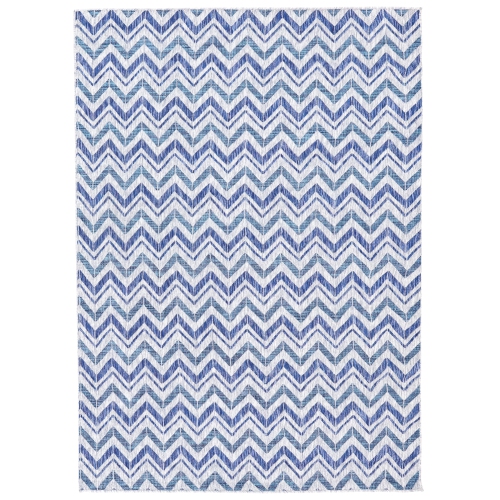 Your price for this item is $129.15
 -
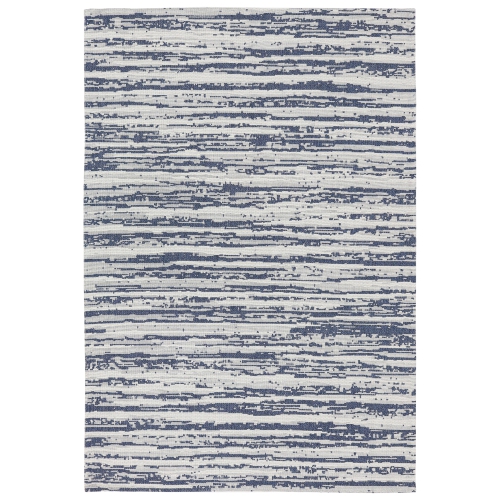 Your price for this item is $130.55
 -
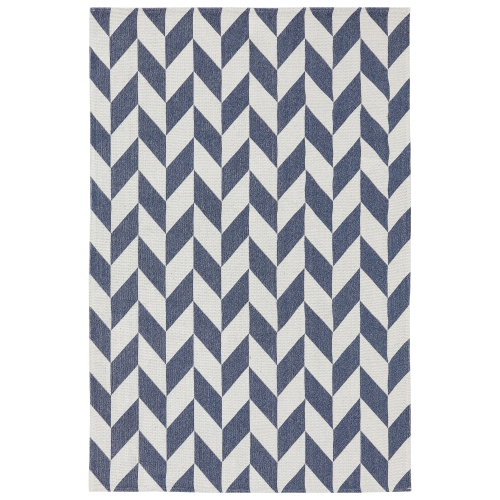 Your price for this item is $130.55
 -
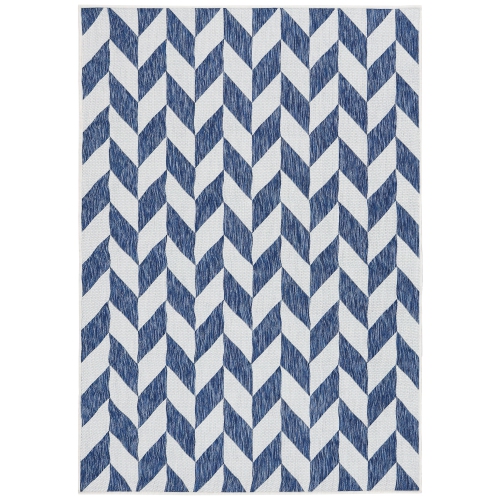 Your price for this item is $129.15
 -
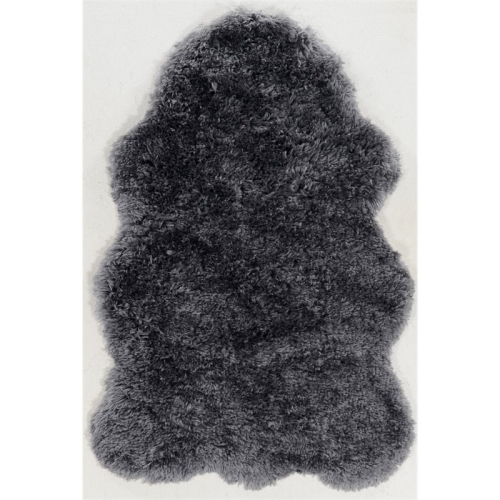 Your price for this item is $269.46
 -
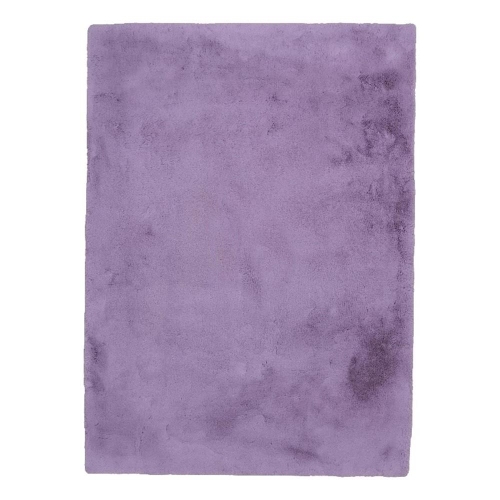 Your price for this item is $219.8
Discover more categories related to Contemporary Geometric Area Rugs
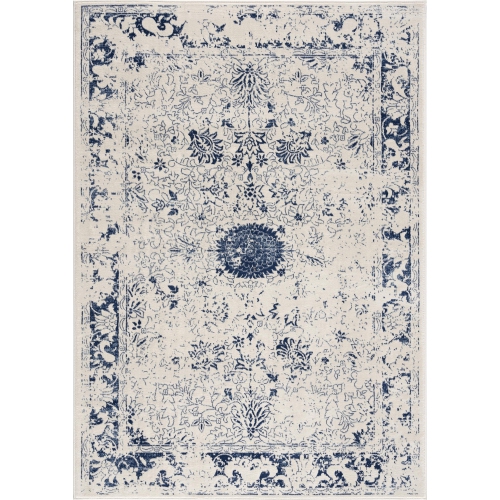
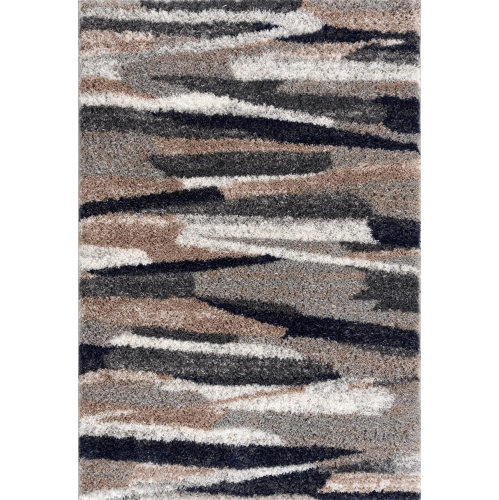
Top Collections:
Pokemon Centers, Kindle Devices, Best Budget Office Chairs, Apple iPhones 16, Best Laptops for Writers, iPhone 15 Apple, Canon G7X Cameras, Refurbished Apple Laptops, Alarm Clock, Motorola Razr Phones
Some products may be subject to Environmental Handling Fees
(EHF) depending on your province.
Learn more about EHFs.