Contemporary Kitchen Ceiling Lights
Elevate your kitchen’s style with Contemporary Kitchen Ceiling Lights that blend modern design with everyday functionality. Whether you’re updating your space or completing a new renovation, these lighting options add a fresh, sophisticated touch to your home. Discover a wide range of finishes, shapes, and sizes to complement any kitchen décor and create a bright, inviting atmosphere for cooking, dining, and gathering. Find the perfect Contemporary Kitchen Ceiling Lights to enhance your space and illuminate every moment.
Sort

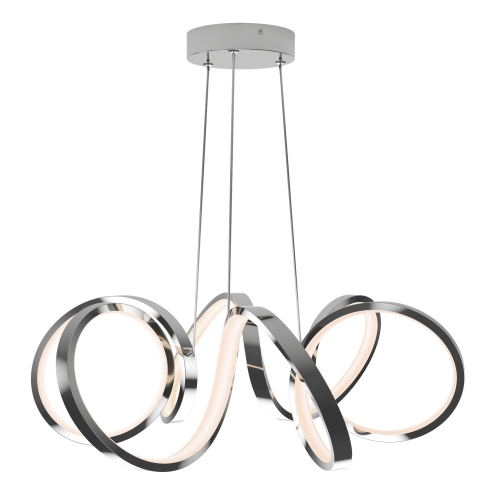
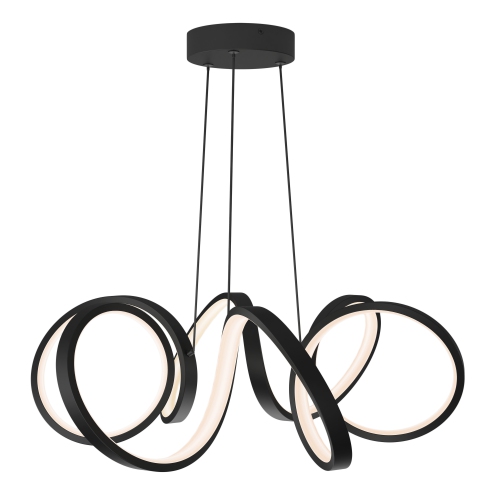
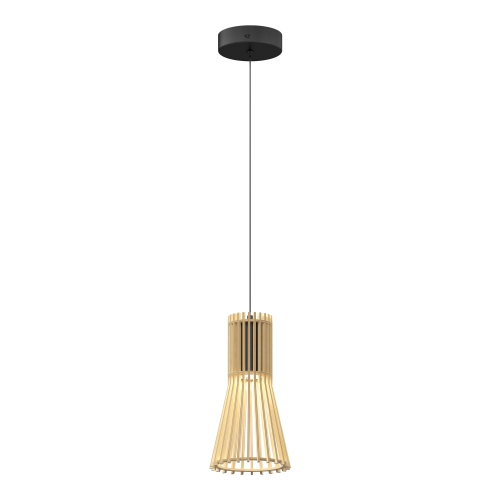
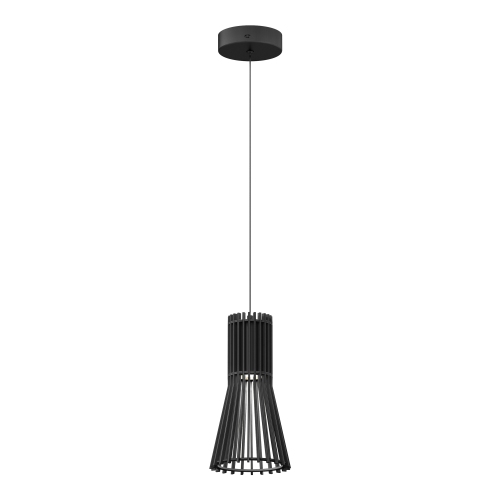

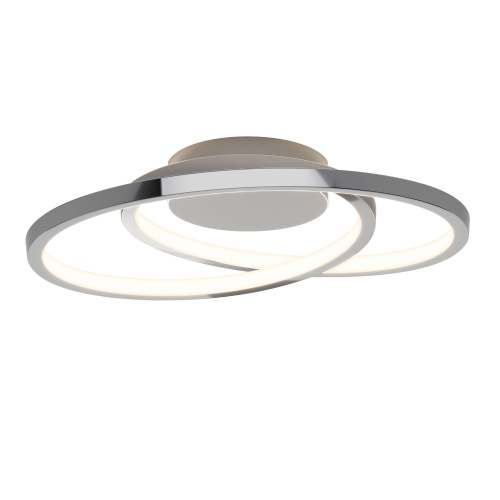
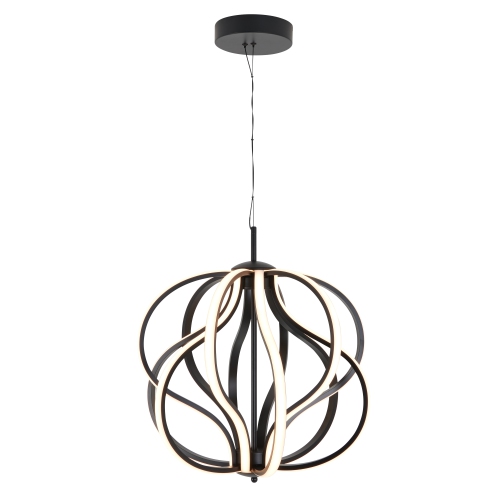
How fixture shape affects light across your kitchen
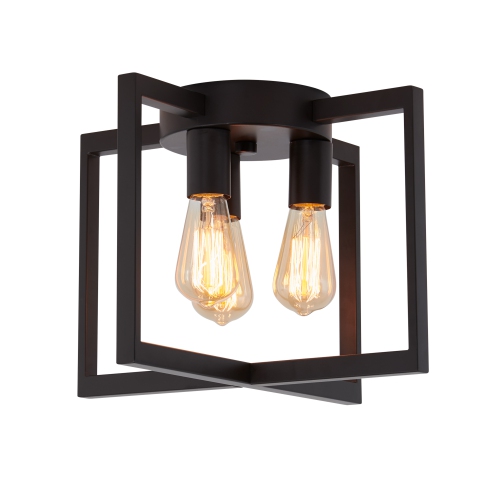
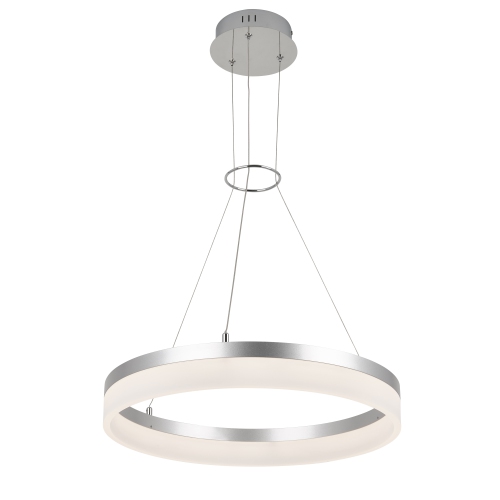
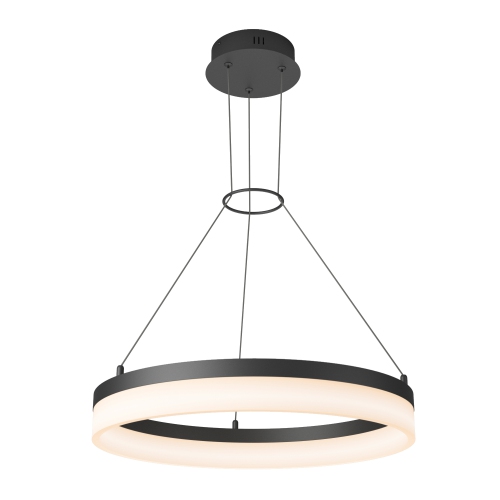
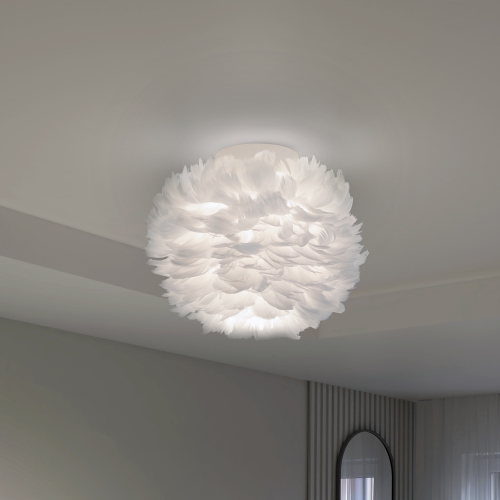
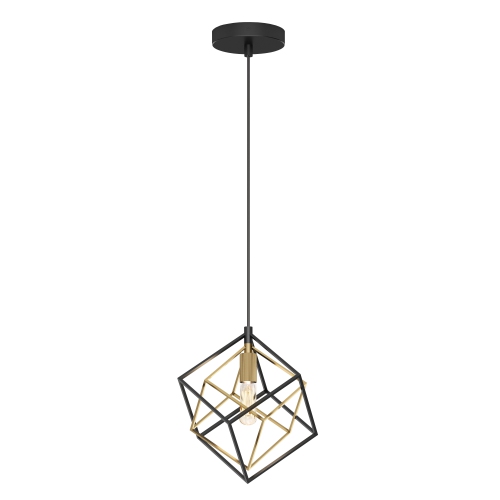
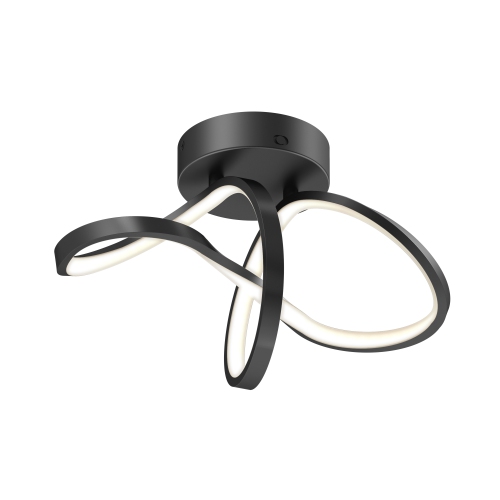
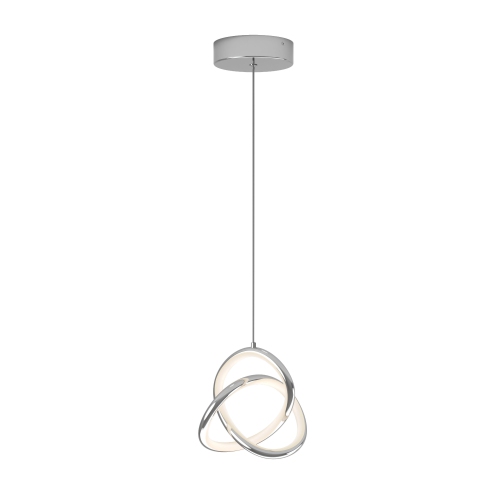
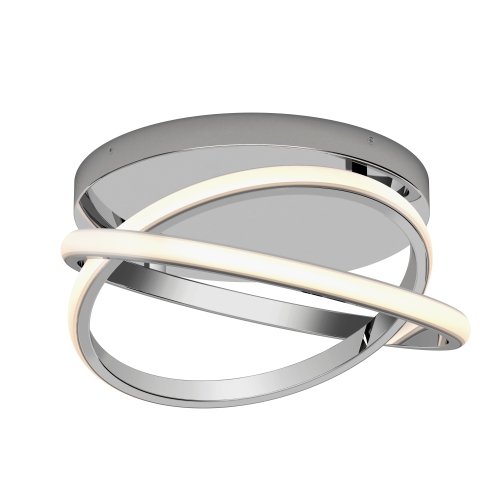
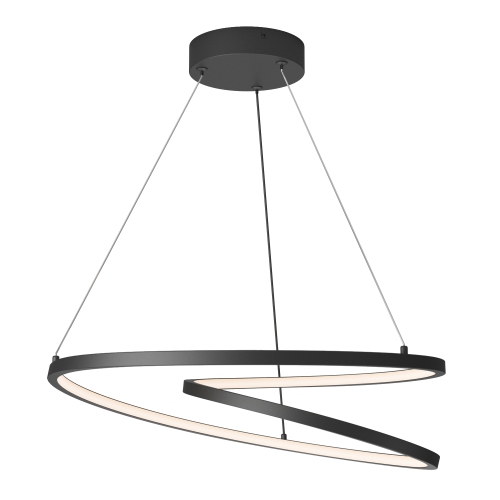
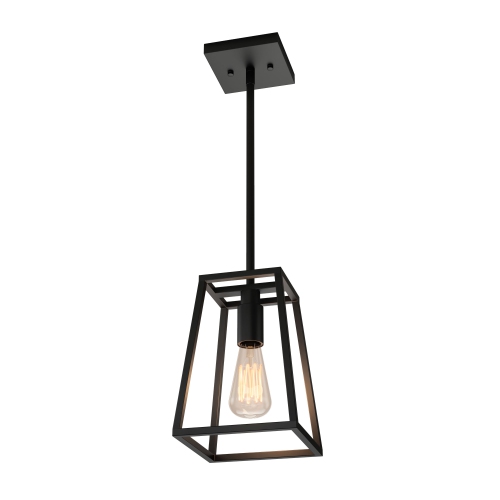
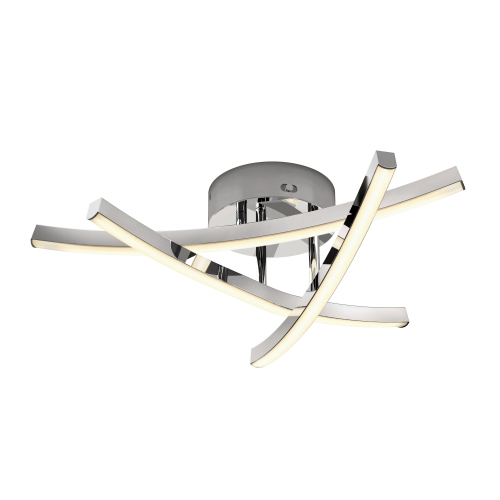
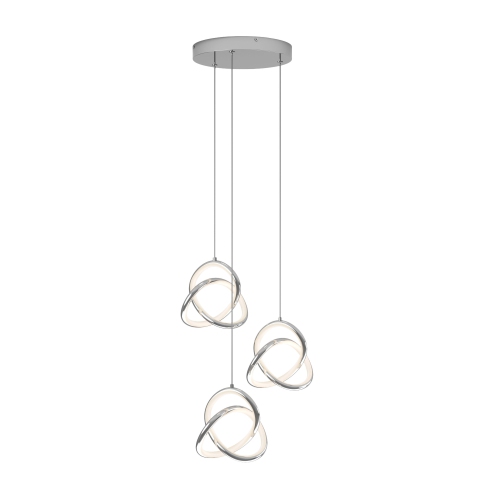
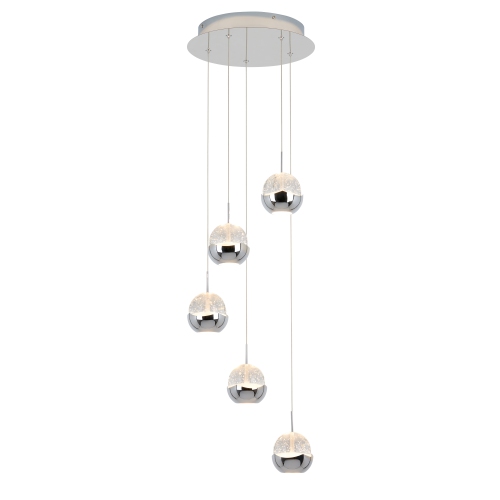
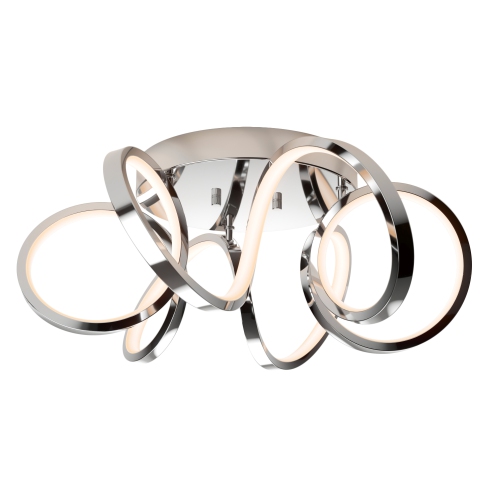
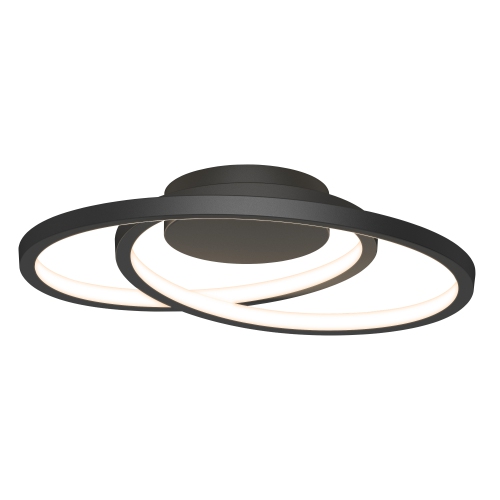
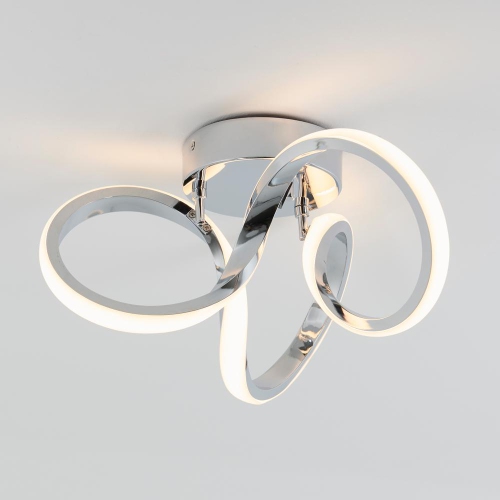
Contemporary kitchen ceiling lights bring clean shapes and practical illumination to a room that often serves as a cooking space, gathering spot, and everyday workspace. Their defining features include streamlined profiles, restrained detailing, and finishes that sit comfortably alongside cabinetry, appliances, and countertops. Flush-mount lights fit close to the ceiling, making them useful in kitchens where headroom is limited or a hanging fixture would interrupt a clear view. Semi-flush mounts leave a small gap between the fixture and ceiling, adding depth without the longer drop of a pendant. Pendant lights create a more distinct focal point above an island or peninsula, while linear fixtures suit elongated surfaces such as breakfast bars. Recessed lights keep the ceiling visually quiet, and adjustable track heads can direct light towards selected work areas. Each format plays a different role: a broad diffuser can soften general illumination, while a downward-facing shade concentrates more light on the surface beneath it. Materials influence both appearance and everyday practicality. Metal housings offer crisp edges and sturdy construction; glass shades can feel light and open; acrylic diffusers can spread illumination while keeping fixture weight relatively low. Clear glass reveals the bulb and creates sharper highlights, whereas opal or frosted glass softens the view of the light source. Matte black adds definition against pale cabinetry, brushed nickel blends with many appliance finishes, and brass-toned accents introduce warmth without elaborate ornament. Textured ceramic, wood accents, and softly rounded forms can also suit a contemporary kitchen, particularly where flat cabinet fronts and stone surfaces need a little visual contrast. The most comfortable fit is not necessarily a perfectly matched set of finishes. A ceiling light can repeat the shape of cabinet pulls, pick up a metal tone used elsewhere, or introduce a rounded outline above a rectangular island. In an open-plan home, a fixture with an airy profile can define the kitchen while preserving sightlines to the dining and living areas.
Light quality matters as much as the fixture’s silhouette, especially when the same kitchen hosts food preparation, homework, and relaxed meals. General ceiling lighting provides a foundation, but it does not automatically illuminate every work surface evenly. Someone standing between an overhead light and a perimeter counter can cast a shadow directly onto a chopping board. Layering ceiling lights with dedicated task lighting, such as under-cabinet strips, helps make those areas easier to use. Island pendants can contribute useful task light when their output, shade design, and placement suit the counter below; a decorative shade with a narrow opening may provide a smaller pool of light than its overall size suggests. Brightness is measured in lumens, while watts describe power consumption, so wattage alone is not a reliable comparison between different light sources. The amount of light a kitchen needs depends on its dimensions, ceiling height, surface colours, and how the illumination is distributed. Dark cabinets absorb more light than pale ones, while glossy tile and polished counters can reflect an exposed bulb into someone’s eyes. Diffusers and shielded light sources help manage that glare. Colour temperature, measured in kelvins, describes whether white light looks warmer or cooler. Around 2700K to 3000K typically gives a warm appearance, while 3500K to 4000K offers a more neutral look; 5000K produces a cooler, daylight-like effect. Fixtures with selectable colour temperatures allow the appearance to be set during installation, while tunable models may support adjustment during use, depending on their controls. A colour rendering index of 90 or higher can help food, cabinetry, and finishes appear more natural. For a broader view of streamlined fixtures using this light source, Contemporary LED Ceiling Lights includes designs suited to different rooms and ceiling layouts. Dimmable lighting adds flexibility for kitchens used beyond meal preparation, although the fixture, bulb where applicable, and dimmer must be compatible. Separate controls for general lighting and island fixtures also make it easier to brighten a working area without lighting the entire room to the same level.
Proportion and installation details determine how comfortably contemporary kitchen ceiling lights fit into daily routines. A fixture should relate to the space it serves rather than simply filling an empty patch of ceiling. Above an island, several smaller pendants create a repeated rhythm, while a single linear fixture offers a continuous shape with fewer separate hanging points. Neither arrangement is automatically brighter; light output and distribution remain the deciding factors. For pendants over a counter, a common starting point is approximately 30 to 36 inches between the countertop and the bottom of the fixture, with adjustments for ceiling height, shade dimensions, sightlines, and manufacturer requirements. Spacing depends on fixture width and beam spread, so a fixed distance between pendants will not suit every kitchen. Clear views across the island matter for conversation, and fixtures should not interfere with cabinet doors or everyday movement. Adjustable cords and downrods provide flexibility, but their permitted minimum and maximum lengths still need to suit the room. Sloped ceilings may require a compatible canopy or mounting adapter. The existing electrical box, its support capacity, and the fixture’s mounting requirements also affect fit, particularly with heavier glass or metal designs. Installation by a qualified electrician helps address wiring, secure support, and applicable local requirements; electrical certification accepted in Canada is another important consideration. For long-term ownership, replaceable-bulb fixtures offer straightforward lamp changes, while integrated LED designs make rated lifespan, warranty coverage, and access to serviceable components worth considering. Kitchen fixtures also collect dust and airborne cooking residue, making smooth shades and accessible surfaces practical for regular care. With power switched off and the fixture cool, gentle cleaning according to the manufacturer’s directions helps protect finishes and diffusers. Abrasive pads and strong cleaners can damage coatings, while deeply textured shades may need more careful dusting. For busy households, keen home cooks, and compact condo kitchens alike, a well-proportioned ceiling light combines comfortable illumination with materials and details that remain manageable through everyday use.
Light quality matters as much as the fixture’s silhouette, especially when the same kitchen hosts food preparation, homework, and relaxed meals. General ceiling lighting provides a foundation, but it does not automatically illuminate every work surface evenly. Someone standing between an overhead light and a perimeter counter can cast a shadow directly onto a chopping board. Layering ceiling lights with dedicated task lighting, such as under-cabinet strips, helps make those areas easier to use. Island pendants can contribute useful task light when their output, shade design, and placement suit the counter below; a decorative shade with a narrow opening may provide a smaller pool of light than its overall size suggests. Brightness is measured in lumens, while watts describe power consumption, so wattage alone is not a reliable comparison between different light sources. The amount of light a kitchen needs depends on its dimensions, ceiling height, surface colours, and how the illumination is distributed. Dark cabinets absorb more light than pale ones, while glossy tile and polished counters can reflect an exposed bulb into someone’s eyes. Diffusers and shielded light sources help manage that glare. Colour temperature, measured in kelvins, describes whether white light looks warmer or cooler. Around 2700K to 3000K typically gives a warm appearance, while 3500K to 4000K offers a more neutral look; 5000K produces a cooler, daylight-like effect. Fixtures with selectable colour temperatures allow the appearance to be set during installation, while tunable models may support adjustment during use, depending on their controls. A colour rendering index of 90 or higher can help food, cabinetry, and finishes appear more natural. For a broader view of streamlined fixtures using this light source, Contemporary LED Ceiling Lights includes designs suited to different rooms and ceiling layouts. Dimmable lighting adds flexibility for kitchens used beyond meal preparation, although the fixture, bulb where applicable, and dimmer must be compatible. Separate controls for general lighting and island fixtures also make it easier to brighten a working area without lighting the entire room to the same level.
Proportion and installation details determine how comfortably contemporary kitchen ceiling lights fit into daily routines. A fixture should relate to the space it serves rather than simply filling an empty patch of ceiling. Above an island, several smaller pendants create a repeated rhythm, while a single linear fixture offers a continuous shape with fewer separate hanging points. Neither arrangement is automatically brighter; light output and distribution remain the deciding factors. For pendants over a counter, a common starting point is approximately 30 to 36 inches between the countertop and the bottom of the fixture, with adjustments for ceiling height, shade dimensions, sightlines, and manufacturer requirements. Spacing depends on fixture width and beam spread, so a fixed distance between pendants will not suit every kitchen. Clear views across the island matter for conversation, and fixtures should not interfere with cabinet doors or everyday movement. Adjustable cords and downrods provide flexibility, but their permitted minimum and maximum lengths still need to suit the room. Sloped ceilings may require a compatible canopy or mounting adapter. The existing electrical box, its support capacity, and the fixture’s mounting requirements also affect fit, particularly with heavier glass or metal designs. Installation by a qualified electrician helps address wiring, secure support, and applicable local requirements; electrical certification accepted in Canada is another important consideration. For long-term ownership, replaceable-bulb fixtures offer straightforward lamp changes, while integrated LED designs make rated lifespan, warranty coverage, and access to serviceable components worth considering. Kitchen fixtures also collect dust and airborne cooking residue, making smooth shades and accessible surfaces practical for regular care. With power switched off and the fixture cool, gentle cleaning according to the manufacturer’s directions helps protect finishes and diffusers. Abrasive pads and strong cleaners can damage coatings, while deeply textured shades may need more careful dusting. For busy households, keen home cooks, and compact condo kitchens alike, a well-proportioned ceiling light combines comfortable illumination with materials and details that remain manageable through everyday use.
Top selling and popular products
-
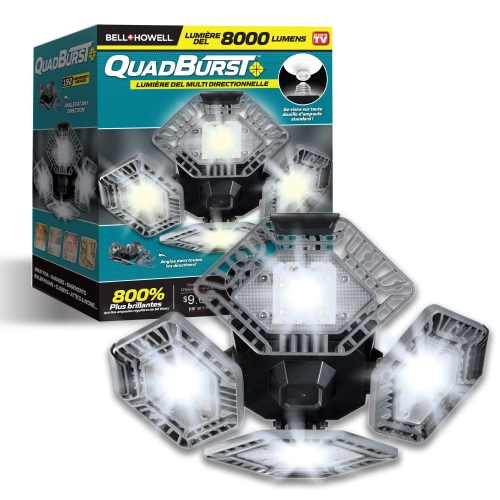 Your price for this item is $49.95
 -
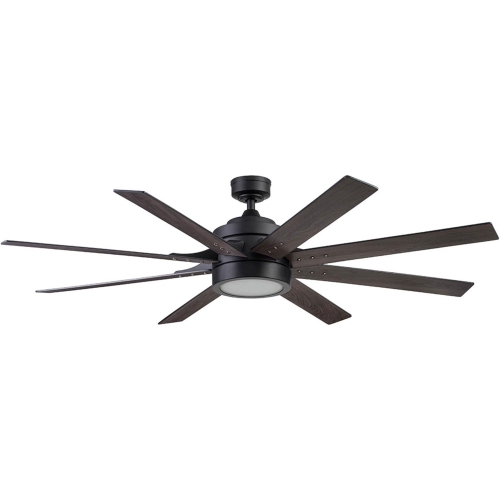 Your price for this item is $424.99
 -
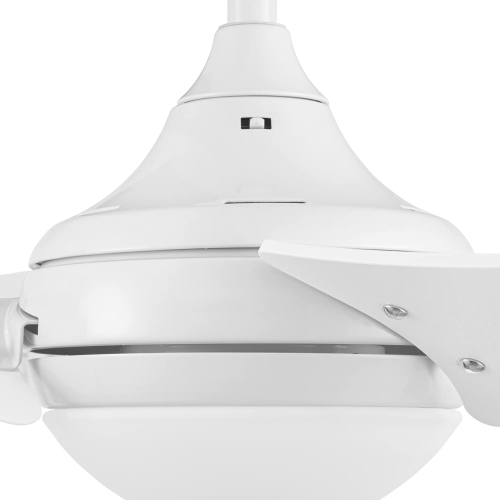 Your price for this item is $205.99
 -
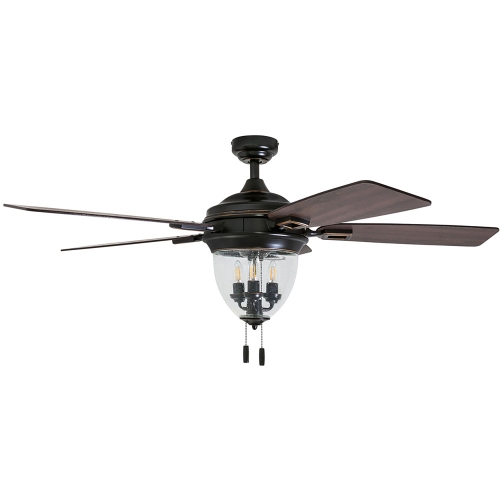 Your price for this item is $287.99
 -
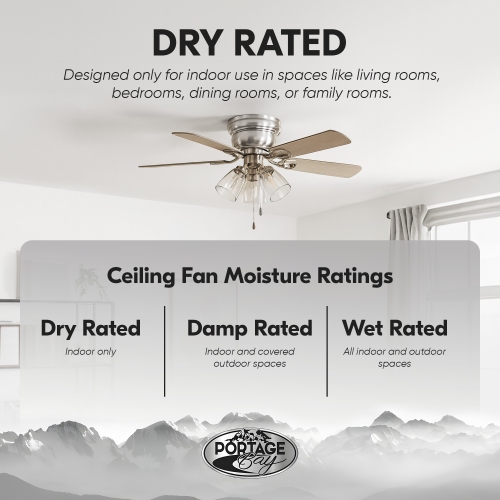 Your price for this item is $184.99
 -
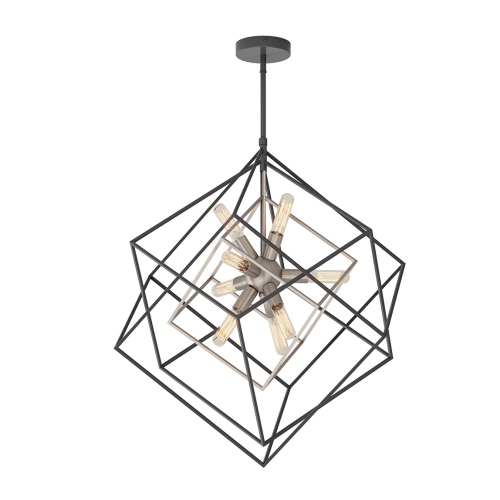 Your price for this item is $299
 -
 Your price for this item is $193.99
 -
 Your price for this item is $176.99
Discover more categories related to Contemporary Kitchen Ceiling Lights
Top Collections:
Pokemon Centers, Kindle Devices, Best Budget Office Chairs, Apple iPhones 16, Best Laptops for Writers, iPhone 15 Apple, Canon G7X Cameras, Refurbished Apple Laptops, Alarm Clock, Motorola Razr Phones
Some products may be subject to Environmental Handling Fees
(EHF) depending on your province.
Learn more about EHFs.