Contemporary Platform Beds
If you're looking for a modern yet timeless bed design, consider a contemporary platform bed. These types of beds are characterized by their low profile and minimalistic design. By utilizing a platform design, they are able to provide a supportive sleeping surface. This makes them ideal for those who prefer a firmer mattress, as the platform eliminates the need for a box spring. Here are some of the great options.
Sort

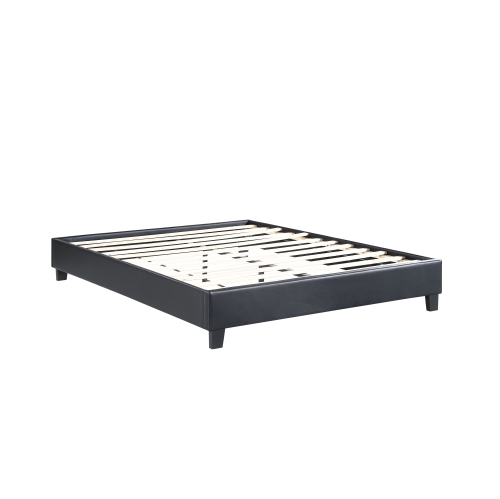
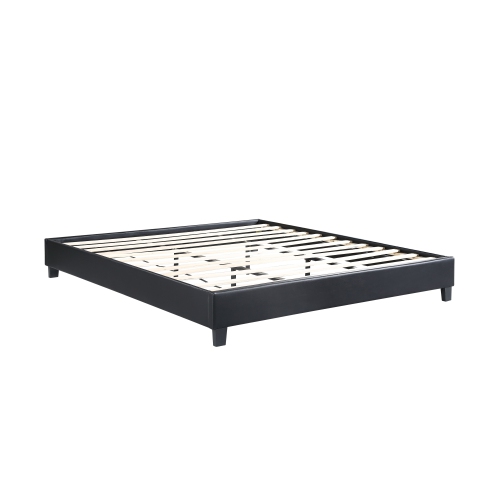
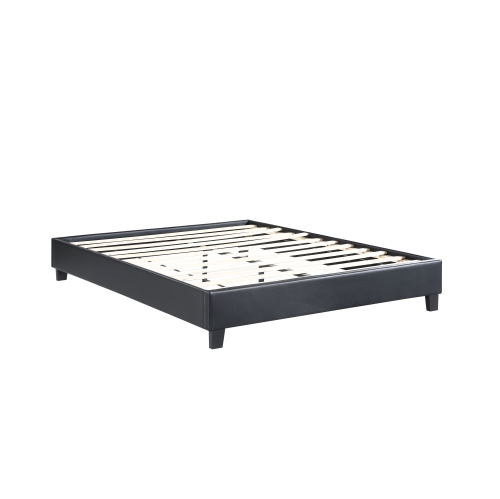
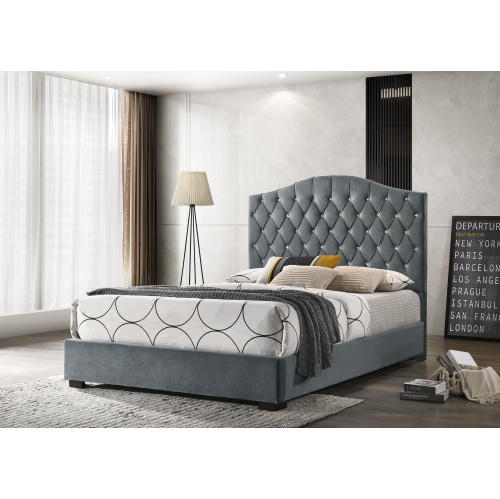
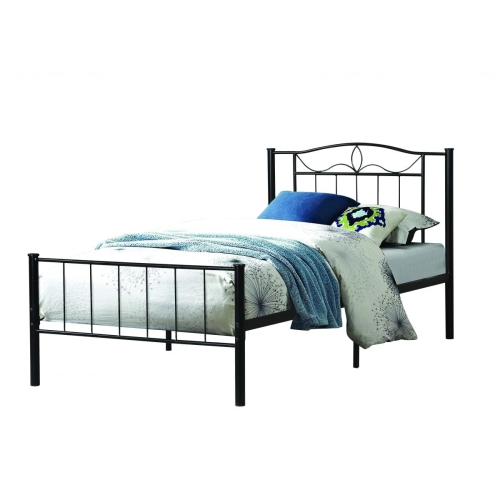
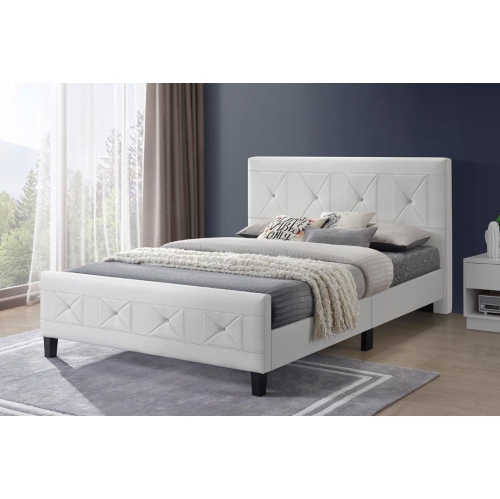
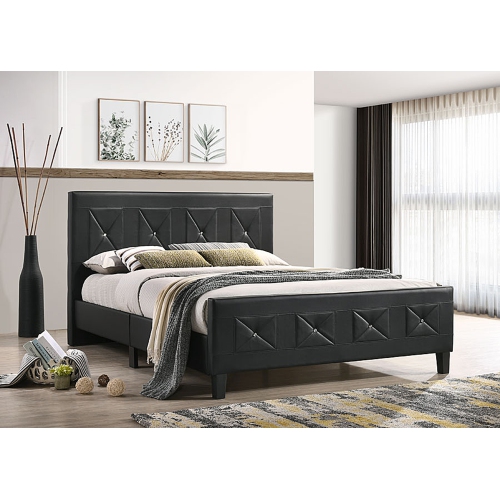
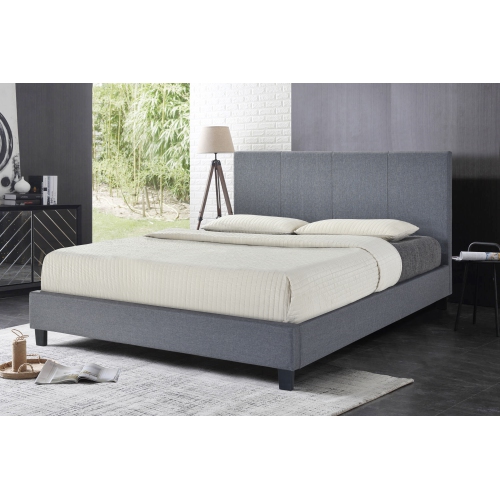

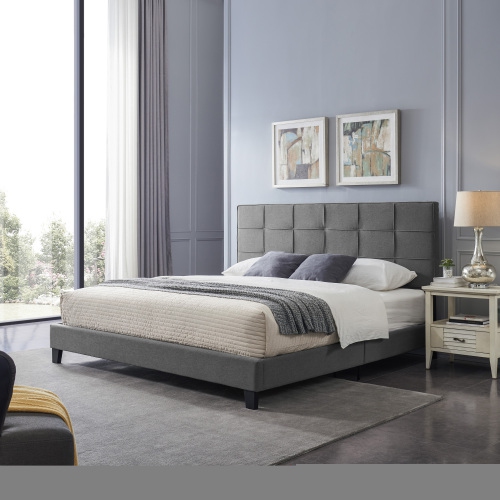
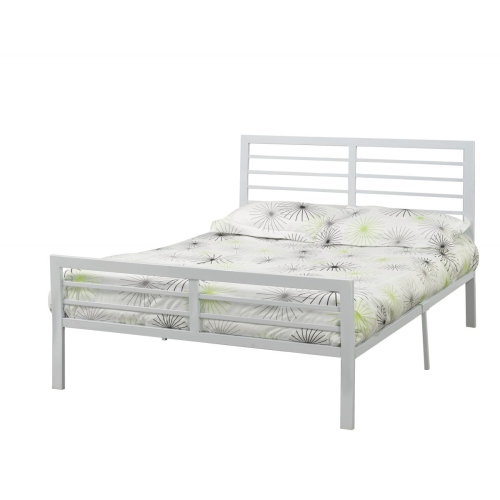
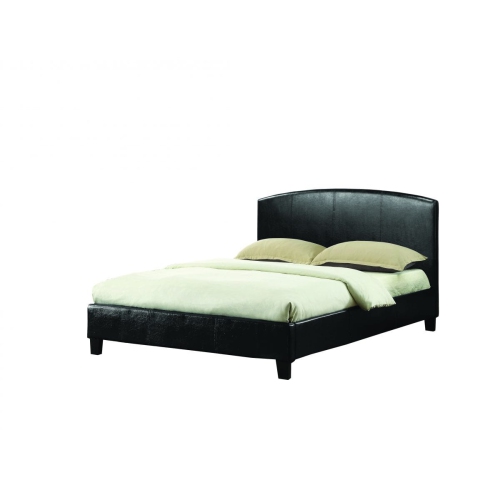
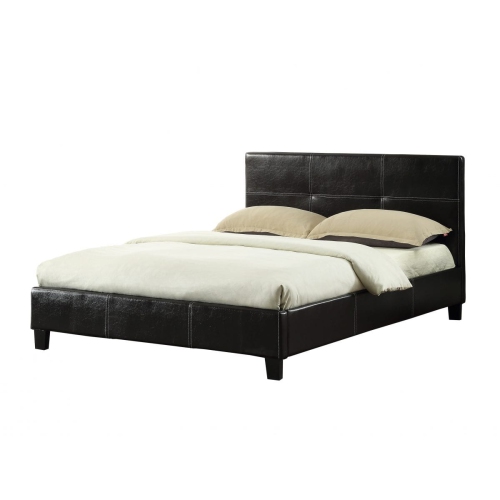
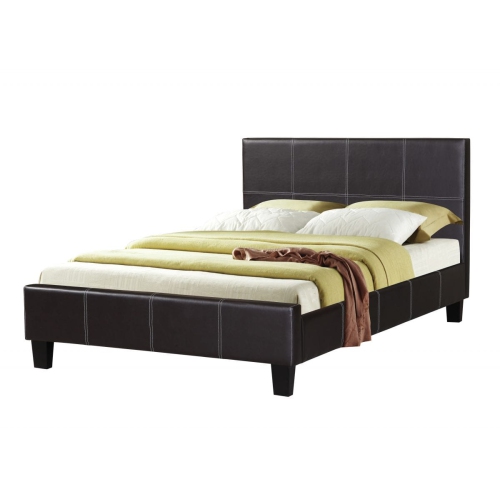
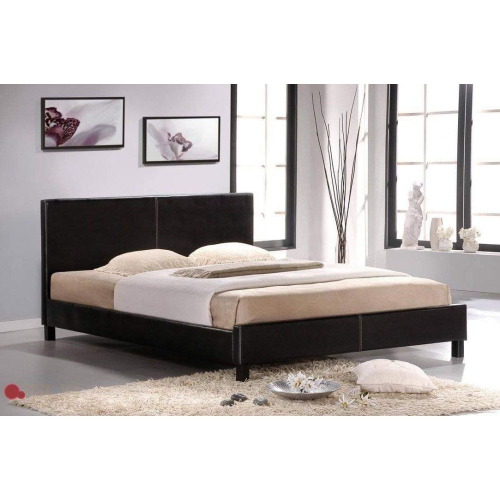
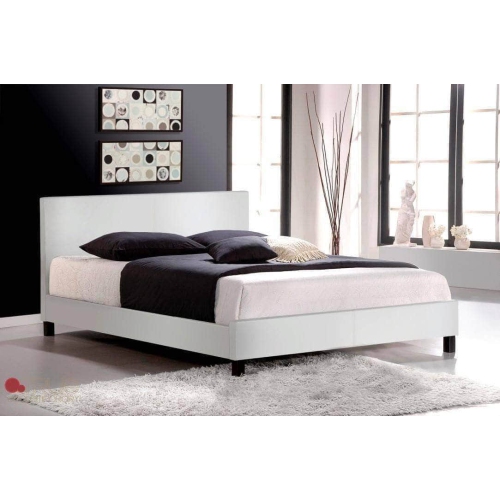
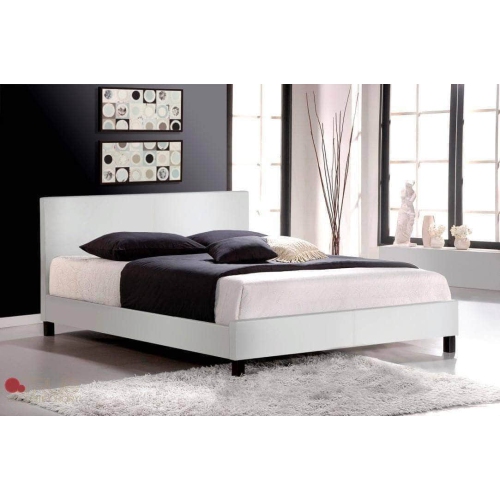
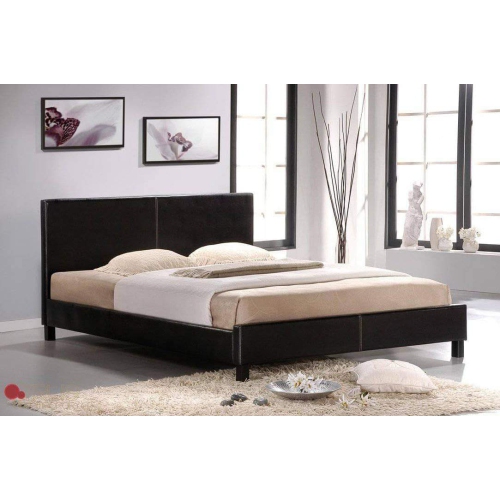
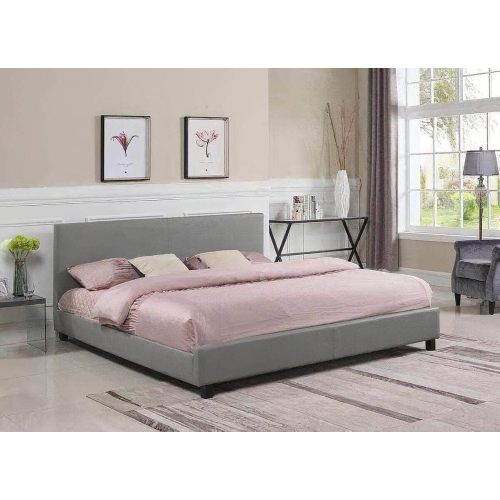
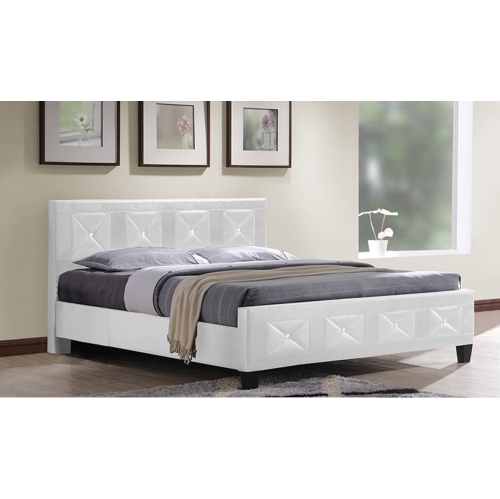
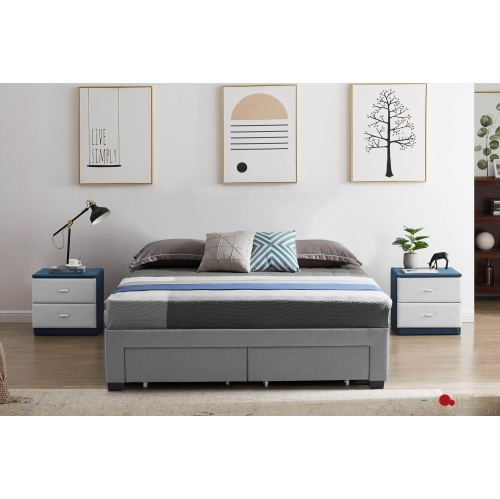
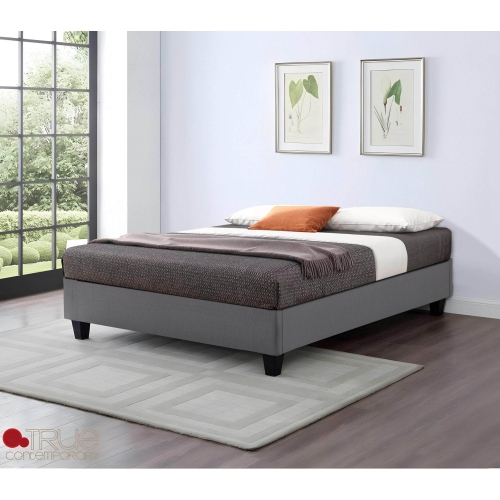
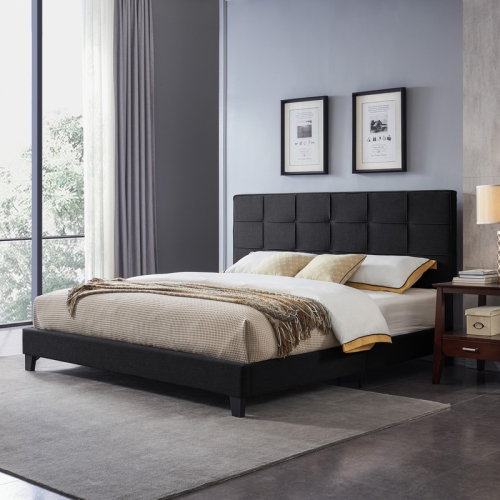
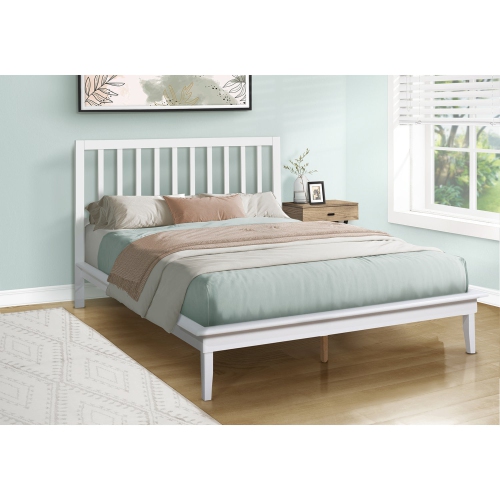
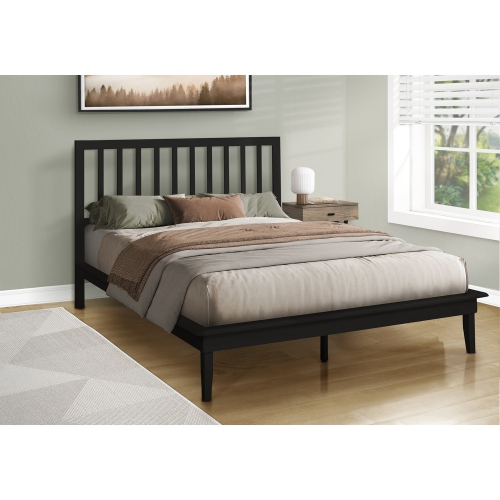
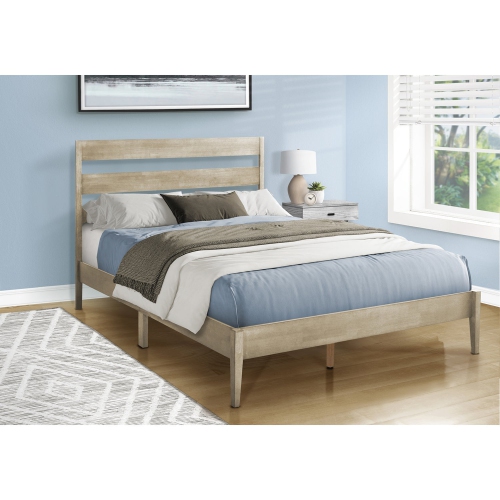
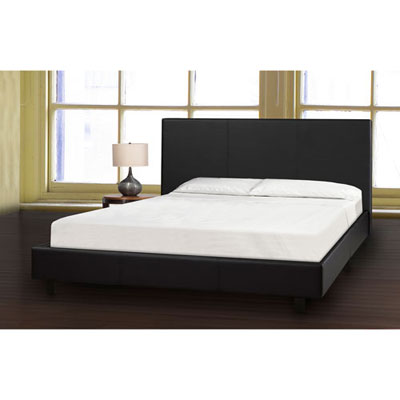
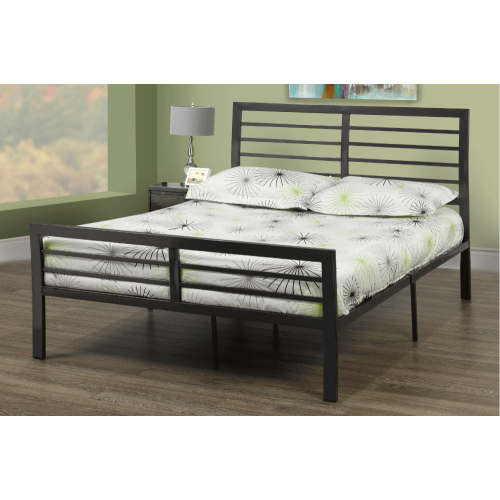
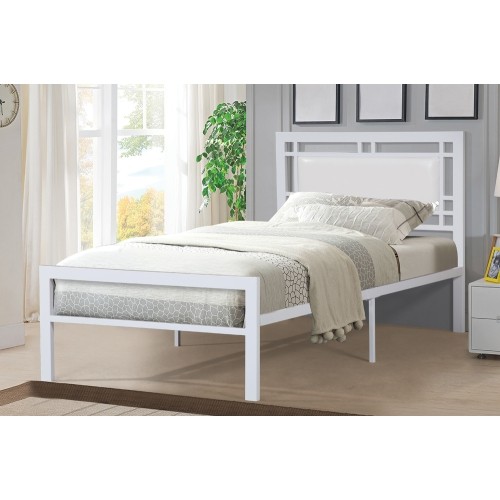
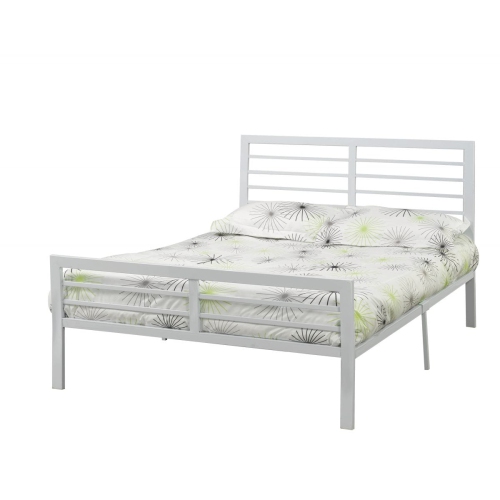
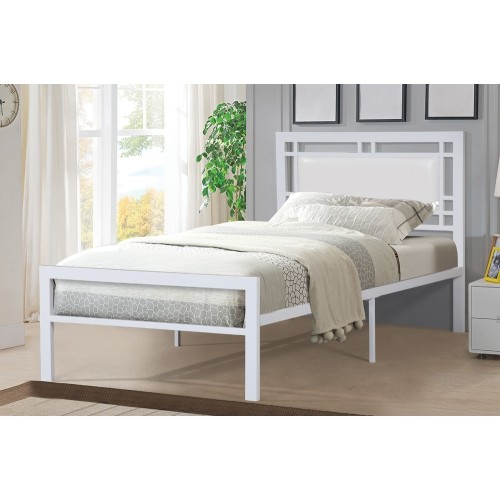
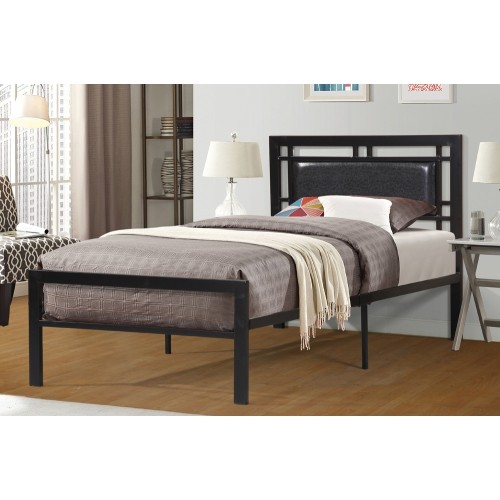
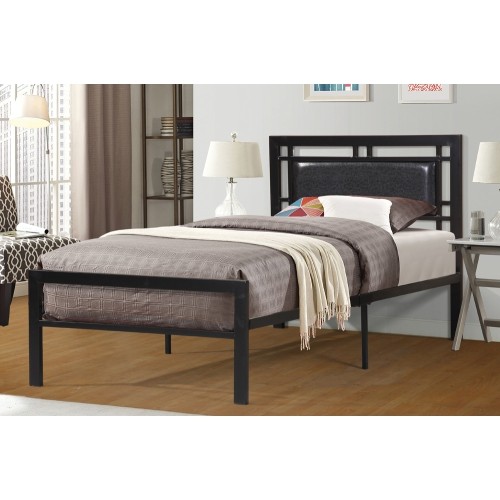
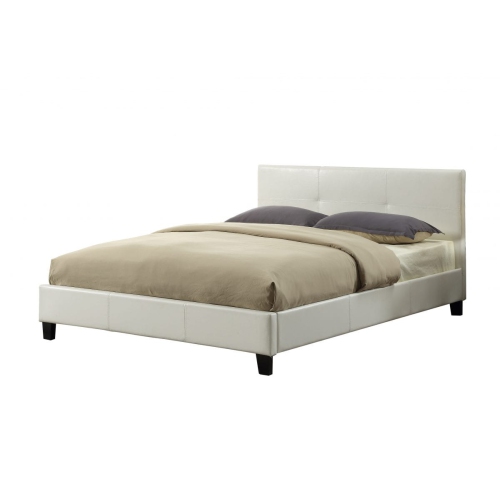
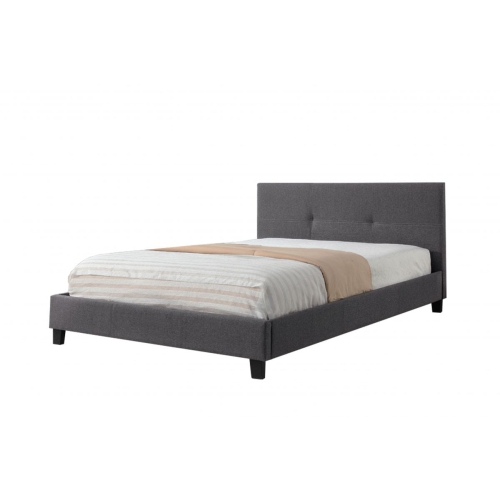

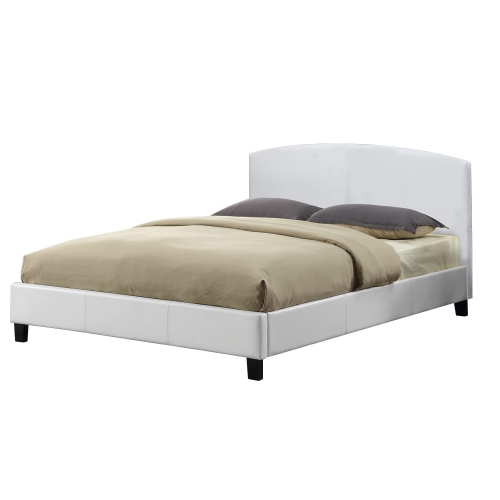
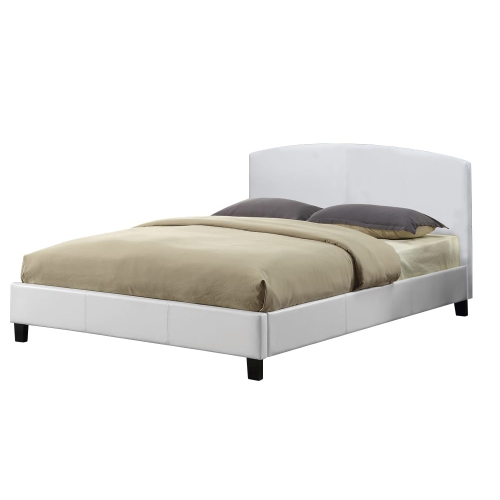
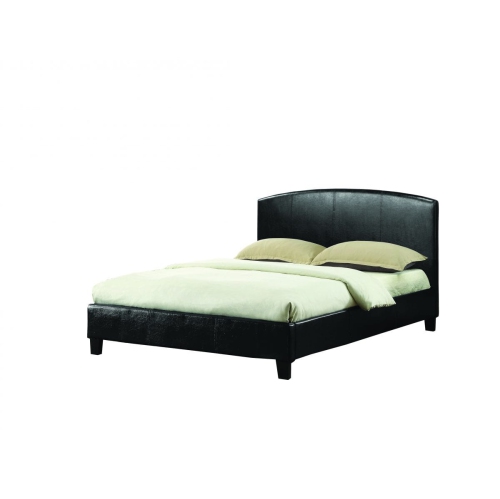
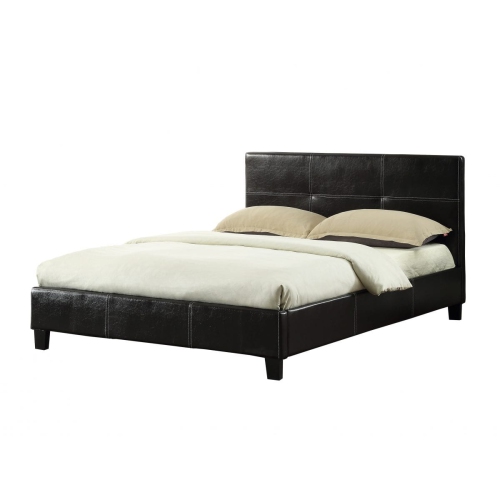
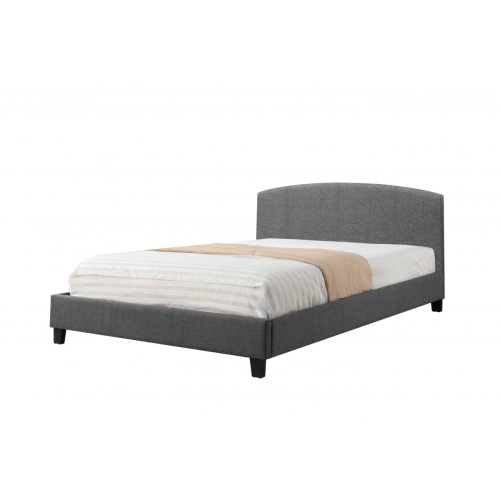
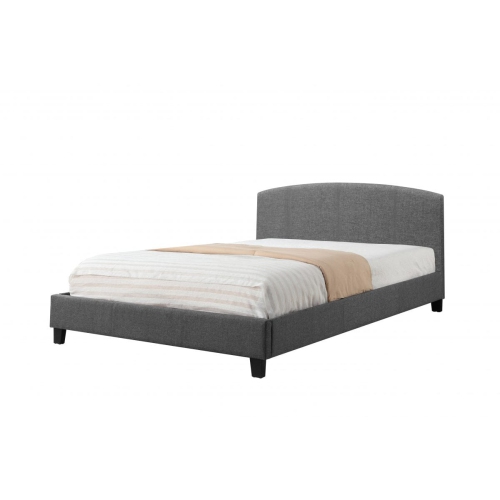

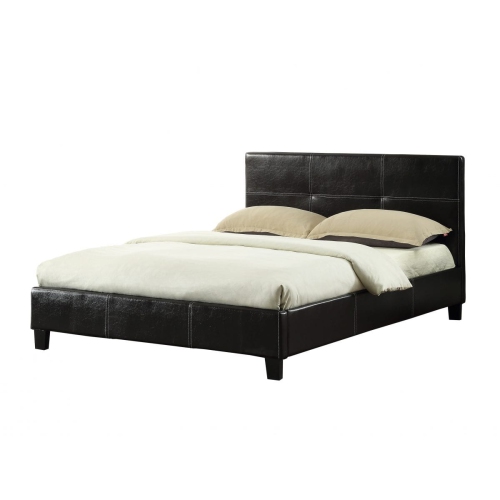
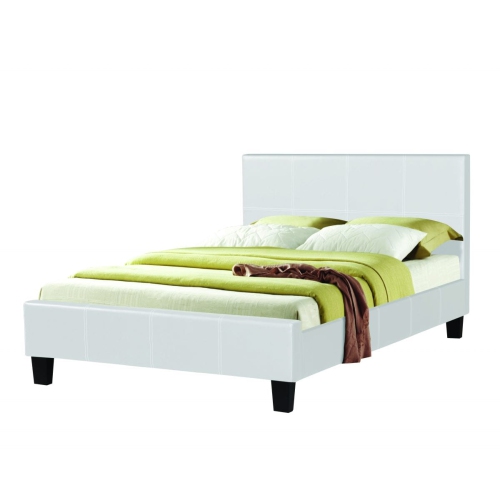

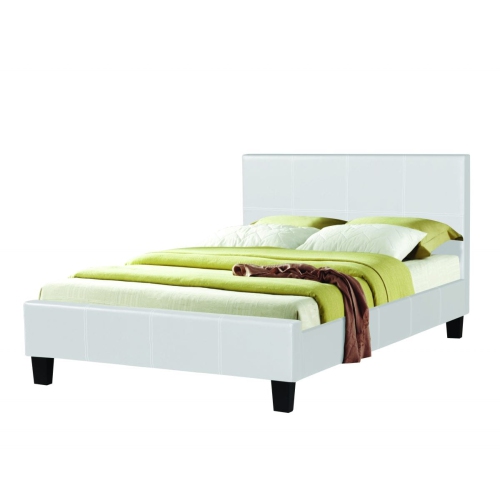
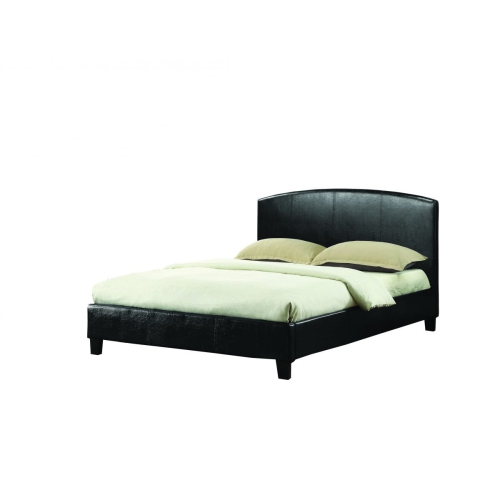
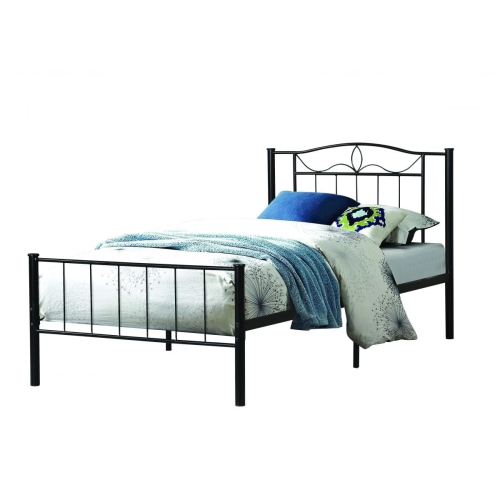
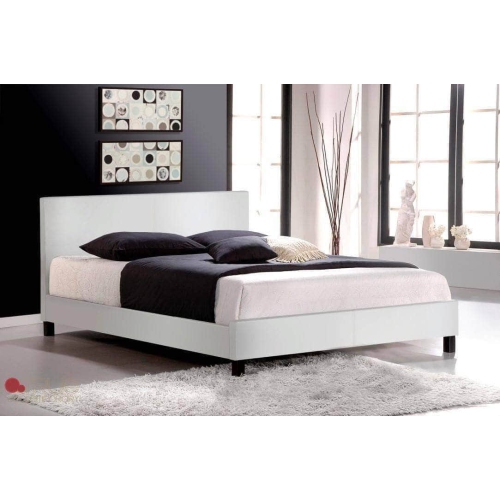
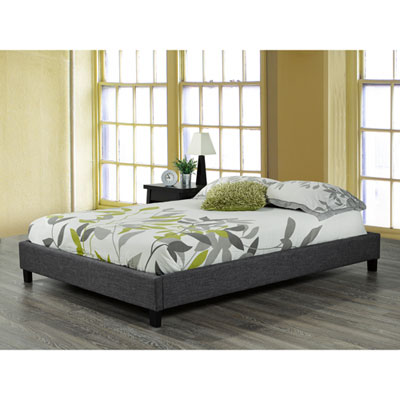
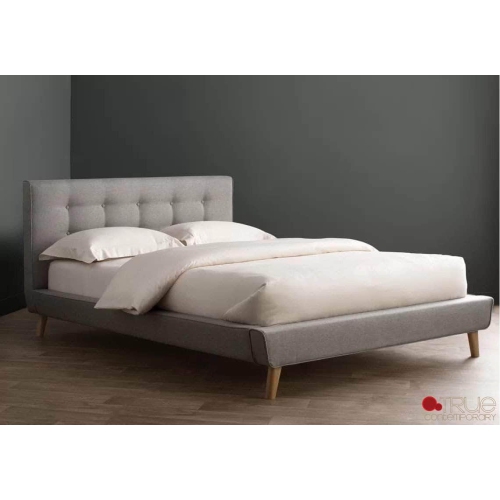
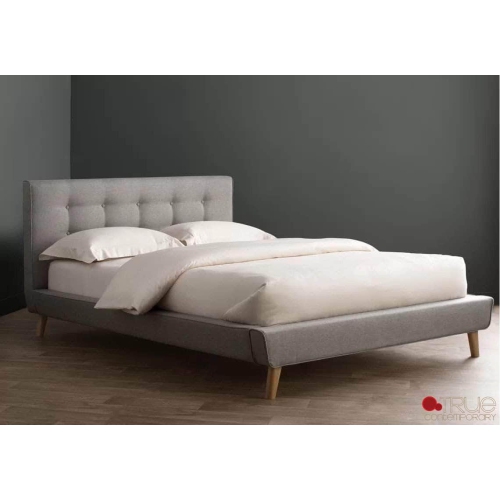
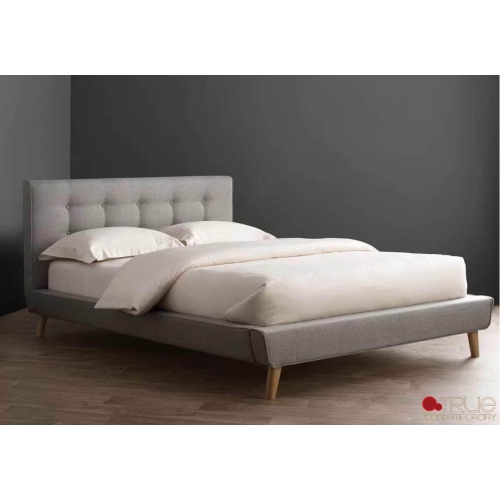
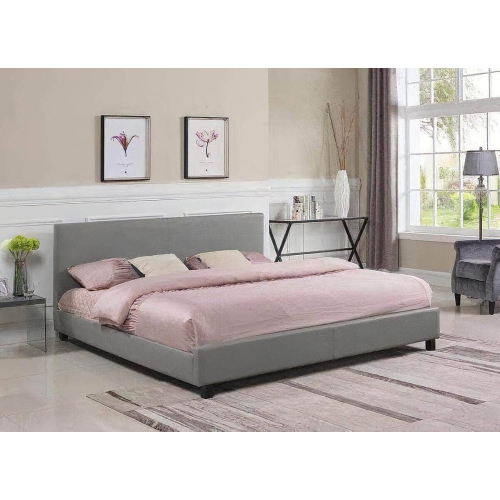
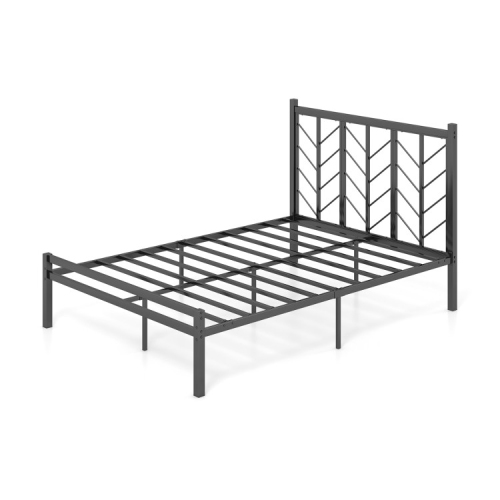
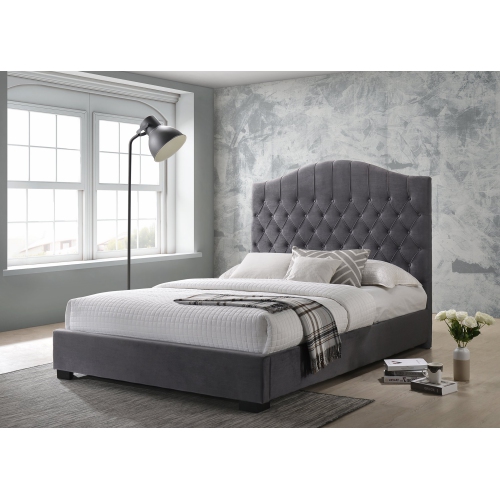
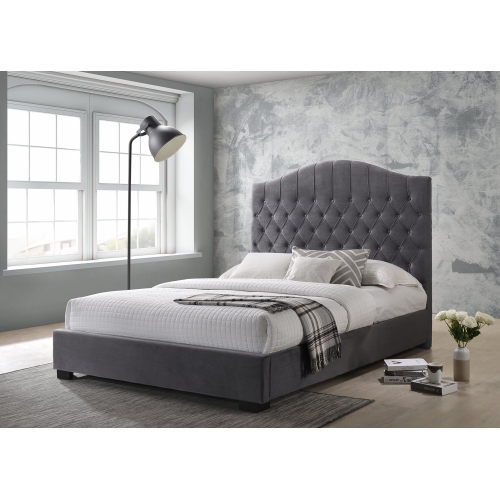
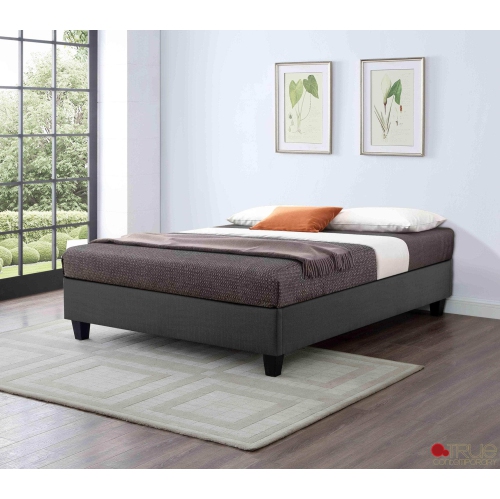
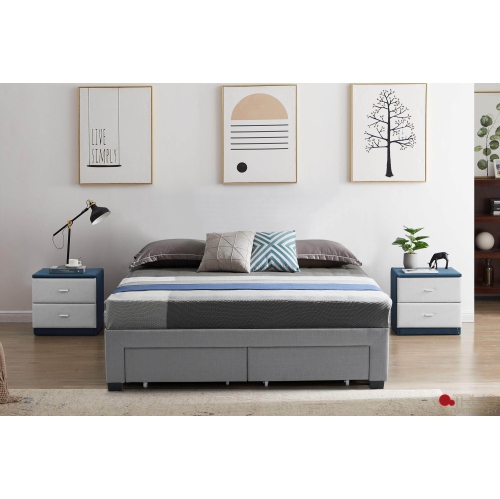

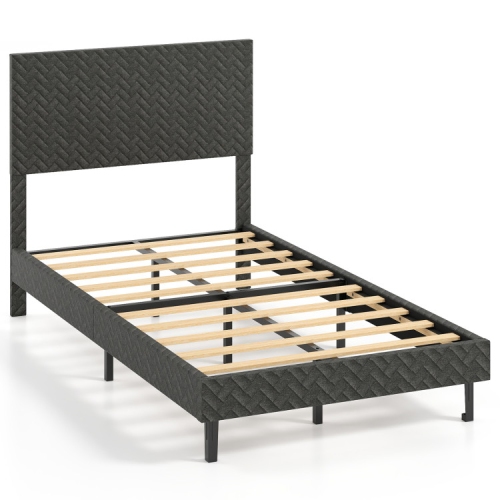
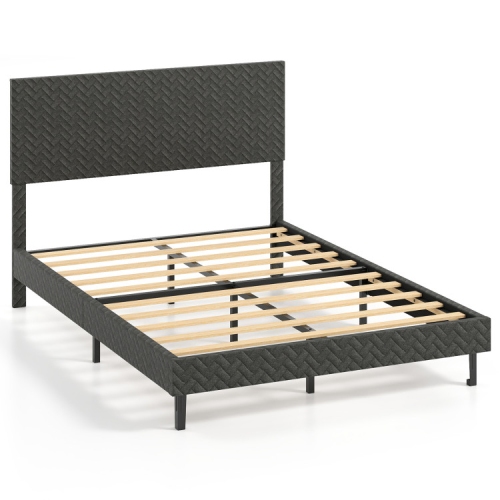
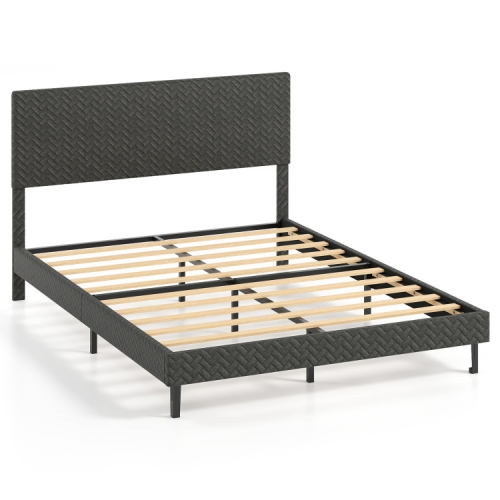
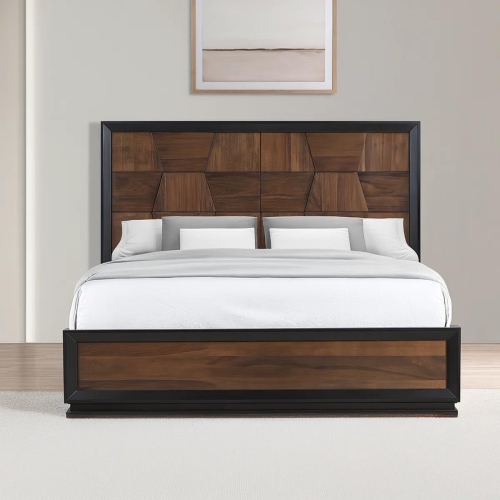
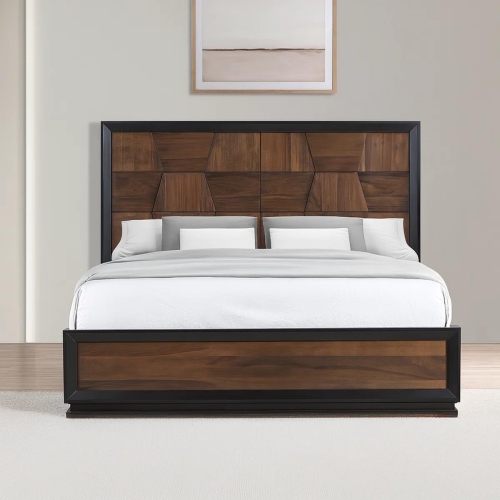
Clean lines meet built-in mattress support
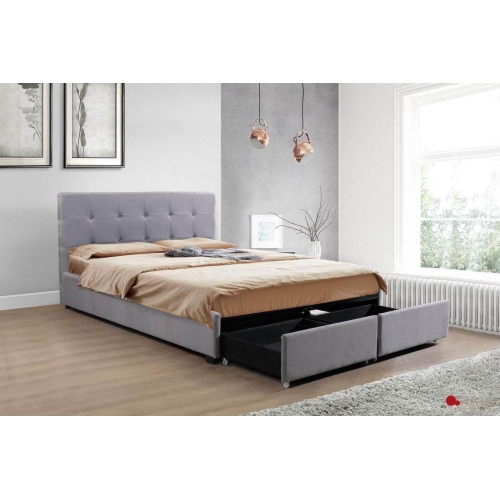
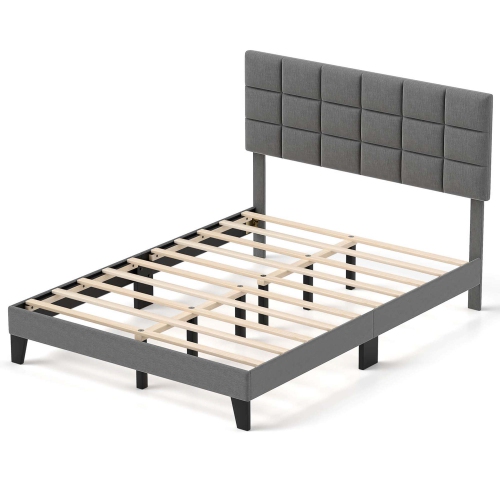
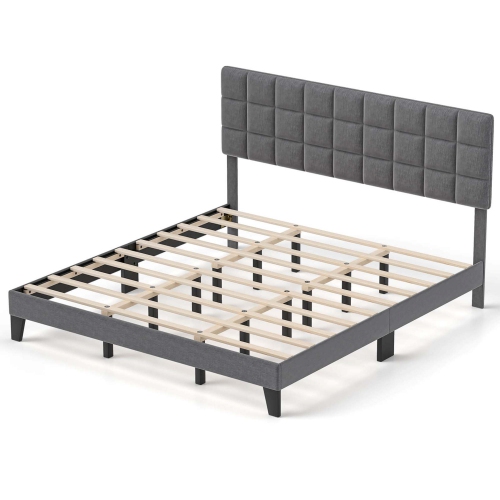
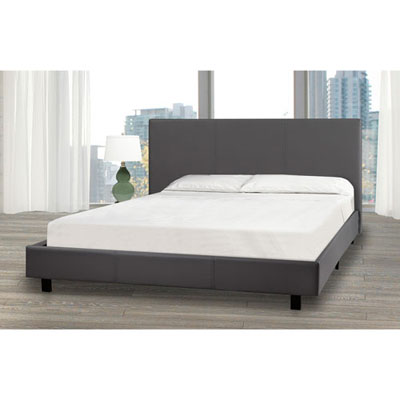
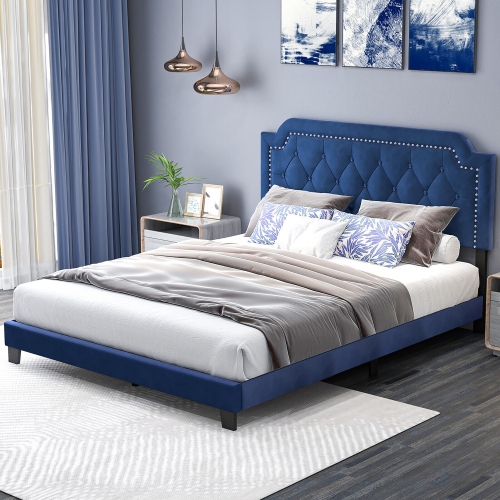
Contemporary platform beds pair a clean-lined frame with an integrated mattress-supporting base, creating a streamlined alternative to a traditional bed frame and box spring. Most use closely spaced slats or a solid platform to support a compatible mattress directly, although the mattress manufacturer’s foundation requirements still apply. Their defining feature is the support system rather than a particular height: many have a low-profile silhouette, but others sit higher to accommodate drawers or leave space beneath the frame. This range makes contemporary platform beds suited to primary bedrooms, guest rooms, and smaller spaces where furniture needs to feel visually light without sacrificing everyday function. A recessed base can give the bed a floating appearance, while slim legs reveal more of the floor and make a compact room feel less crowded. Broad, floor-hugging frames create a more grounded look, especially alongside simple bedside tables and softly textured bedding. Headboards also shape the room’s character. A flat wooden headboard brings crisp definition, an upholstered panel offers a softer surface to lean against, and rounded corners soften the outline of an otherwise angular space. Textured fabrics such as bouclé add visual depth, while smooth woven upholstery offers a more understated finish. Platform construction does not dictate one particular style, so the category can include warm wood tones, pared-back metalwork, and fully padded designs. For a wider view of related silhouettes, Contemporary Bed Frames includes the broader style category, where mattress-support arrangements may differ. Within the platform category, the most useful distinction is how a frame combines its appearance with the way the bedroom is used. Someone who reads in bed may appreciate a supportive padded headboard, while a guest room may benefit from a straightforward frame that leaves room for luggage. In a shared bedroom, a balanced layout with access on both sides can matter more than an especially wide headboard or projecting platform edge.
Materials influence both the appearance of a contemporary platform bed and how it holds up to daily use. Solid wood brings natural grain variation and can develop small marks over time; the finish and wood species affect how noticeable those marks become. Wood veneer offers a real wood surface over a supporting core, while engineered wood can provide smooth, consistent panels and neatly integrated storage. Construction quality matters as much as the material name, particularly at side-rail joints, centre supports, and drawer runners. Metal frames can achieve slender profiles, though secure connections and a well-supported slat system are important for stability and quiet use. Upholstered beds introduce another layer of practical considerations. A pale fabric creates an airy look but may show everyday marks more readily, while a textured weave can catch pet claws or collect lint. Removable covers, where included, can simplify care, but their washing instructions should always be checked rather than assumed. For routine upkeep, a soft vacuum attachment helps lift dust from fabric seams, and a dry or lightly damp cloth is often suitable for finished wood when permitted by the care instructions. Spills are best addressed promptly using the cleaning method specified for the material; soaking upholstery or leaving moisture on panel edges can cause damage. Durability also depends on what sits beneath the mattress. Slat spacing, slat attachment, centre rails, and support legs all contribute to the frame’s performance. Queen and king sizes often need additional support through the middle, and any floor-contacting legs should be adjusted as directed during assembly. Published weight limits deserve attention, including whether the stated capacity accounts for the mattress as well as sleepers. Foam, latex, and hybrid mattresses can have different requirements for slat gaps and base construction, so a platform bed should not be treated as universally compatible. Matching those requirements helps maintain the intended support and avoids relying on appearance alone when choosing a frame for nightly use.
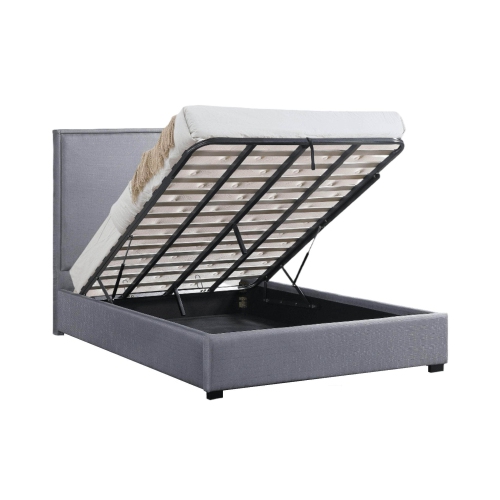
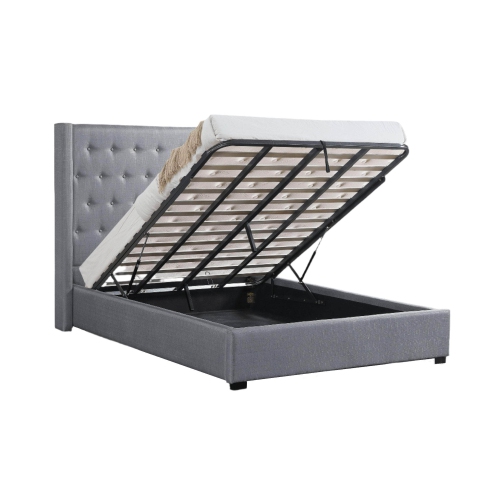
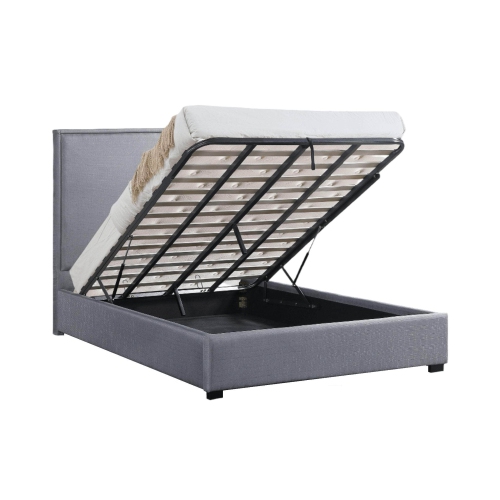
Fit starts with the complete frame dimensions, not simply the mattress size printed in the description. A queen platform bed may extend beyond the mattress on every side, and a winged headboard or attached bedside surface can add substantial width. Measuring the room with the full footprint in mind makes it easier to preserve a comfortable route between the bed, wardrobe, and doorway. In a narrow bedroom, even a modest projecting edge can become something to brush against during the morning routine. The finished sleeping height matters just as much: the platform height and mattress thickness together determine how far someone needs to lower themselves to sit down and how easily they can stand again. A very low bed may suit a minimalist room but be less comfortable for someone with limited mobility. Headboard proportions also change once the mattress and pillows are in place, so a thick mattress can conceal much of a shorter upholstered panel. Storage platform beds make use of space that might otherwise sit empty, with drawers for spare sheets, folded clothing, or extra blankets during the cooler months. Drawer access needs to be considered alongside bedside tables and nearby walls; a drawer that opens smoothly in an empty room may be obstructed once the room is furnished. Lift-up storage offers another arrangement, but the lifting mechanism, mattress weight limits, and operating instructions need careful attention. Open space beneath a raised frame can accommodate separate storage containers and make floor cleaning easier, provided there is enough clearance. Assembly and delivery access are practical parts of fit as well, especially in condos, upstairs rooms, or homes with tight stair turns. Large headboards and long side rails need a clear route into the bedroom. Once assembled, a frame should sit level, with connections checked periodically according to its instructions. The right combination of scale, support, materials, and usable storage allows a contemporary platform bed to serve as both the room’s visual centre and a dependable foundation for everyday rest.
Materials influence both the appearance of a contemporary platform bed and how it holds up to daily use. Solid wood brings natural grain variation and can develop small marks over time; the finish and wood species affect how noticeable those marks become. Wood veneer offers a real wood surface over a supporting core, while engineered wood can provide smooth, consistent panels and neatly integrated storage. Construction quality matters as much as the material name, particularly at side-rail joints, centre supports, and drawer runners. Metal frames can achieve slender profiles, though secure connections and a well-supported slat system are important for stability and quiet use. Upholstered beds introduce another layer of practical considerations. A pale fabric creates an airy look but may show everyday marks more readily, while a textured weave can catch pet claws or collect lint. Removable covers, where included, can simplify care, but their washing instructions should always be checked rather than assumed. For routine upkeep, a soft vacuum attachment helps lift dust from fabric seams, and a dry or lightly damp cloth is often suitable for finished wood when permitted by the care instructions. Spills are best addressed promptly using the cleaning method specified for the material; soaking upholstery or leaving moisture on panel edges can cause damage. Durability also depends on what sits beneath the mattress. Slat spacing, slat attachment, centre rails, and support legs all contribute to the frame’s performance. Queen and king sizes often need additional support through the middle, and any floor-contacting legs should be adjusted as directed during assembly. Published weight limits deserve attention, including whether the stated capacity accounts for the mattress as well as sleepers. Foam, latex, and hybrid mattresses can have different requirements for slat gaps and base construction, so a platform bed should not be treated as universally compatible. Matching those requirements helps maintain the intended support and avoids relying on appearance alone when choosing a frame for nightly use.
Fit starts with the complete frame dimensions, not simply the mattress size printed in the description. A queen platform bed may extend beyond the mattress on every side, and a winged headboard or attached bedside surface can add substantial width. Measuring the room with the full footprint in mind makes it easier to preserve a comfortable route between the bed, wardrobe, and doorway. In a narrow bedroom, even a modest projecting edge can become something to brush against during the morning routine. The finished sleeping height matters just as much: the platform height and mattress thickness together determine how far someone needs to lower themselves to sit down and how easily they can stand again. A very low bed may suit a minimalist room but be less comfortable for someone with limited mobility. Headboard proportions also change once the mattress and pillows are in place, so a thick mattress can conceal much of a shorter upholstered panel. Storage platform beds make use of space that might otherwise sit empty, with drawers for spare sheets, folded clothing, or extra blankets during the cooler months. Drawer access needs to be considered alongside bedside tables and nearby walls; a drawer that opens smoothly in an empty room may be obstructed once the room is furnished. Lift-up storage offers another arrangement, but the lifting mechanism, mattress weight limits, and operating instructions need careful attention. Open space beneath a raised frame can accommodate separate storage containers and make floor cleaning easier, provided there is enough clearance. Assembly and delivery access are practical parts of fit as well, especially in condos, upstairs rooms, or homes with tight stair turns. Large headboards and long side rails need a clear route into the bedroom. Once assembled, a frame should sit level, with connections checked periodically according to its instructions. The right combination of scale, support, materials, and usable storage allows a contemporary platform bed to serve as both the room’s visual centre and a dependable foundation for everyday rest.
Top selling and popular products
-
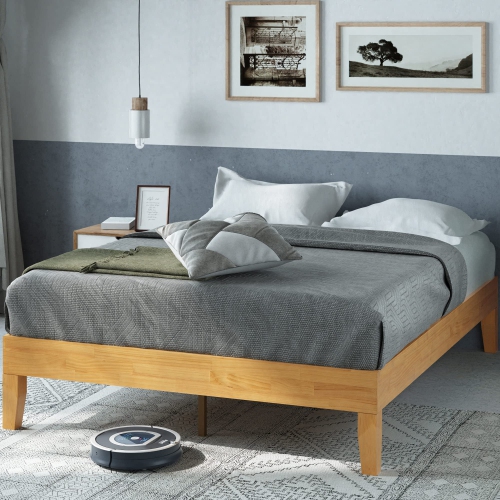 Your price for this item is $493.52
 -
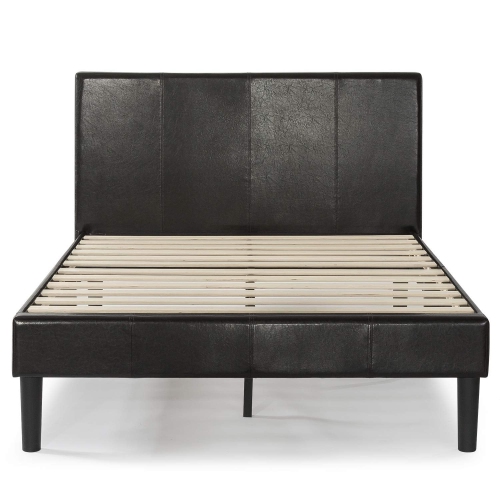 Your price for this item is $611.85
 -
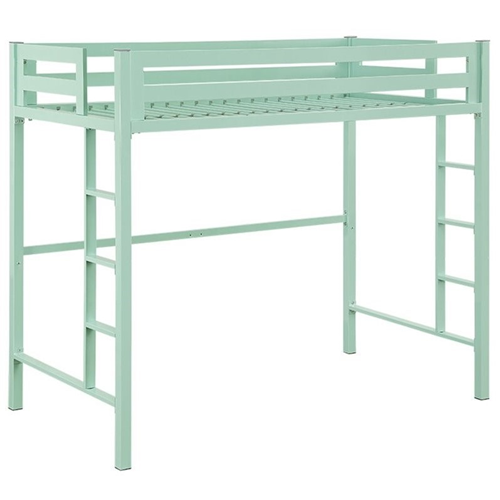 Your price for this item is $824.18
 -
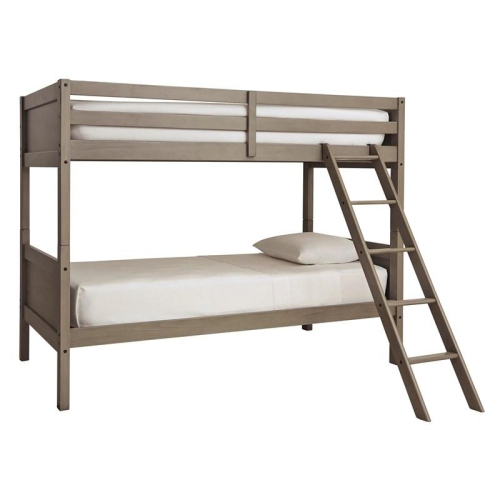 Your price for this item is $799.99
 -
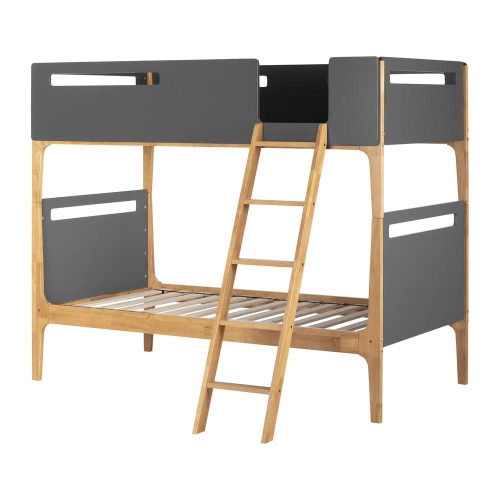 Your price for this item is $985.42
 -
 Your price for this item is $157.99
 -
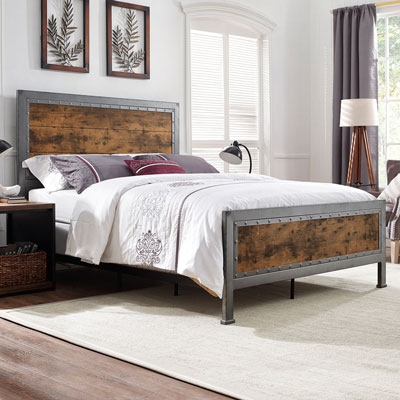 Your price for this item is $862.99
 -
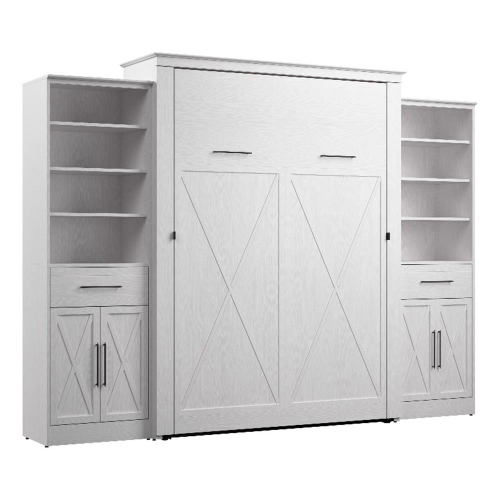 Your price for this item is $3519.99
Discover more categories related to Contemporary Platform Beds
Top Collections:
Pokemon Centers, Kindle Devices, Best Budget Office Chairs, Apple iPhones 16, Best Laptops for Writers, iPhone 15 Apple, Canon G7X Cameras, Refurbished Apple Laptops, Alarm Clock, Motorola Razr Phones
Some products may be subject to Environmental Handling Fees
(EHF) depending on your province.
Learn more about EHFs.