Convertible Furniture
Upgrade your living space with the ultimate versatility and functionality of convertible furniture. Transform your home with pieces that effortlessly adapt to your changing needs, providing innovative solutions for maximizing space without compromising on style. Whether you're looking to optimize a small apartment or add multifunctionality to a larger home, our selection of convertible furniture offers a range of options to suit your lifestyle and design preferences. Explore the possibilities of modern living with furniture that seamlessly transitions to meet the demands of your dynamic day-to-day routine.
Sort


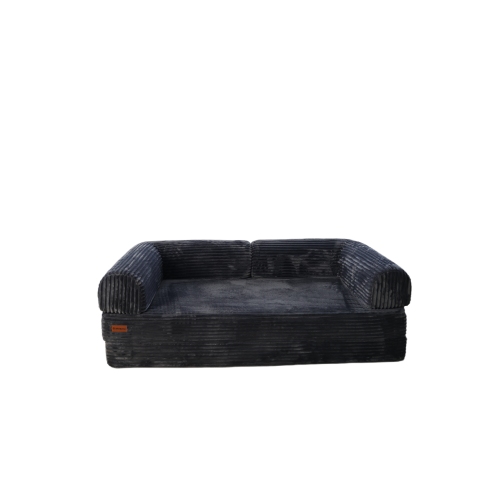
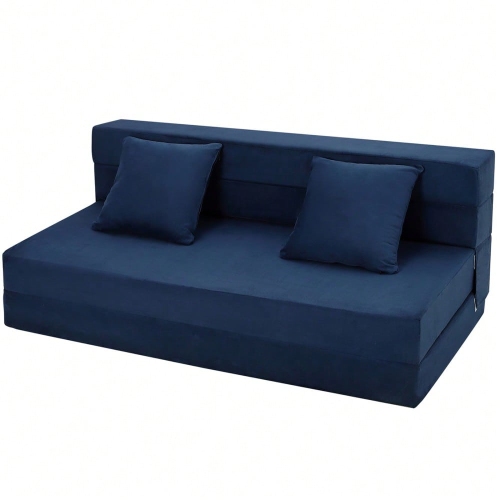
![YINXI [Convertible Sleeper Sofa Bed] Folding Floor Couch With Memory Foam | Foldable Lounge Sofa Bed for Living Room, Guest Room & Small Spaces](https://multimedia.bbycastatic.ca/multimedia/products/500x500/195/19580/19580273.webp)


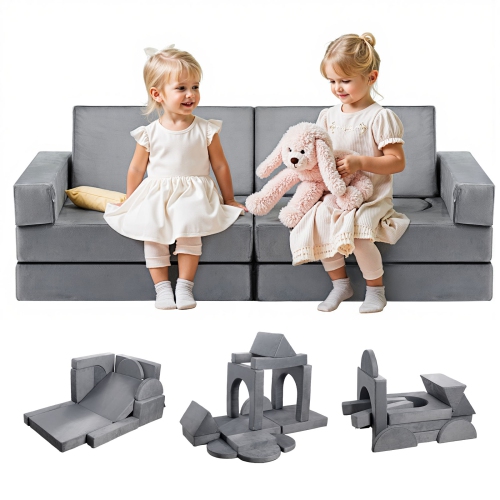
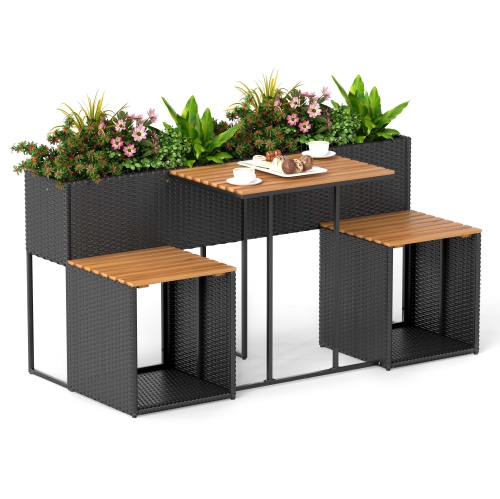
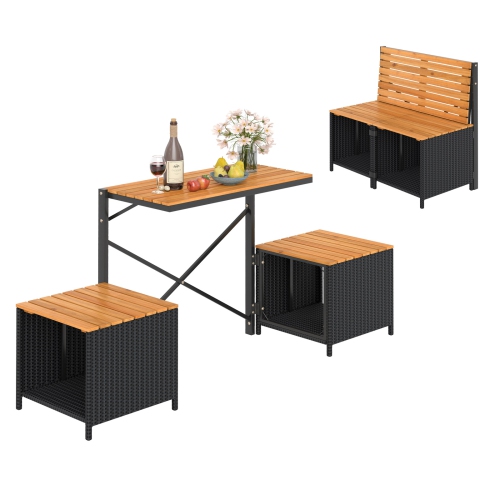
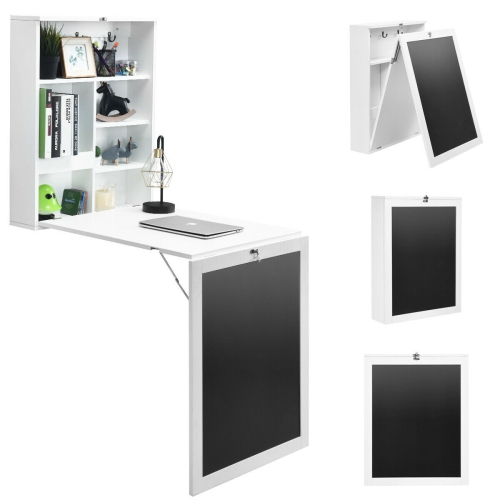

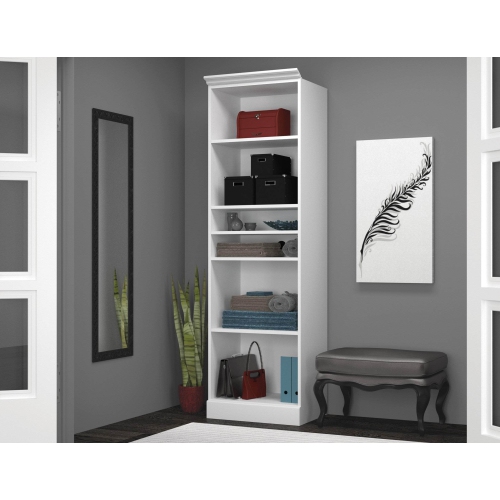

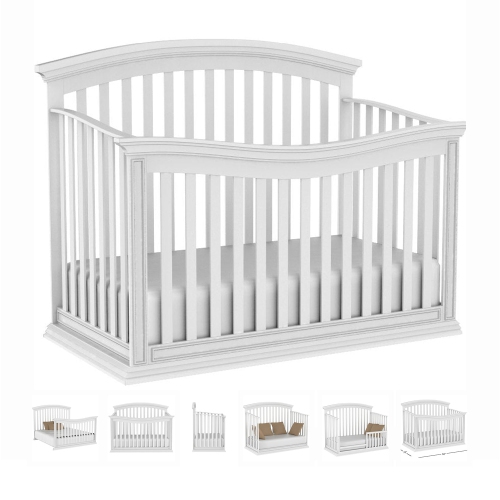
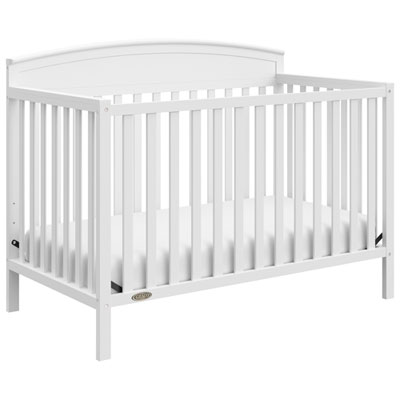
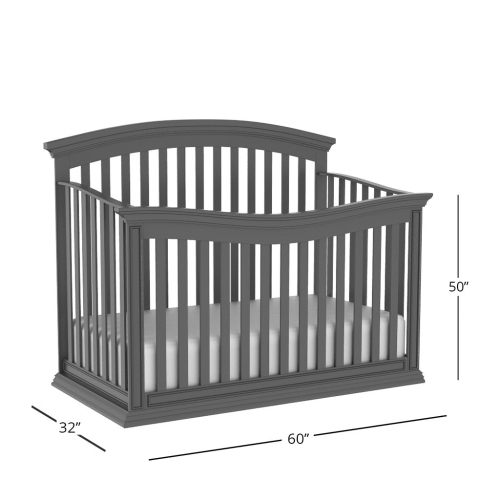
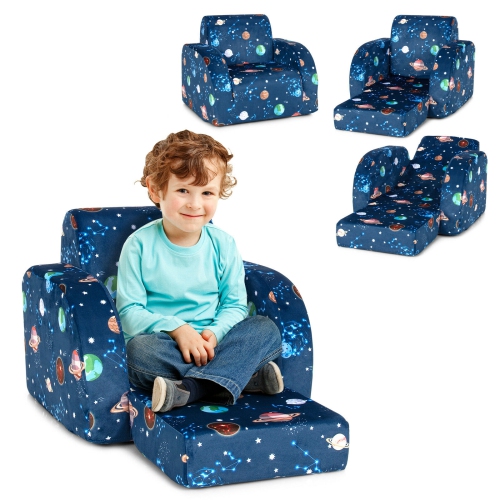
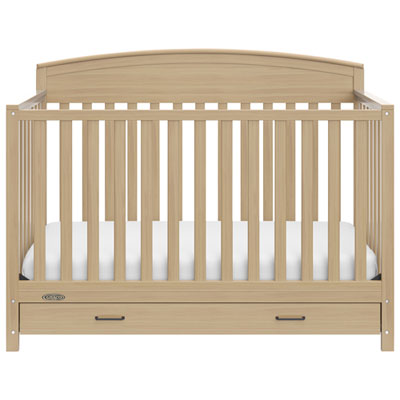
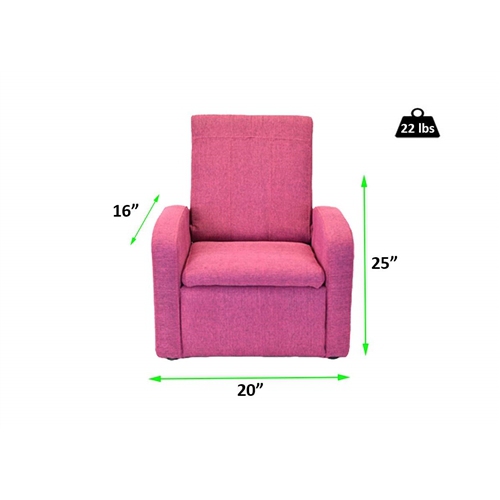
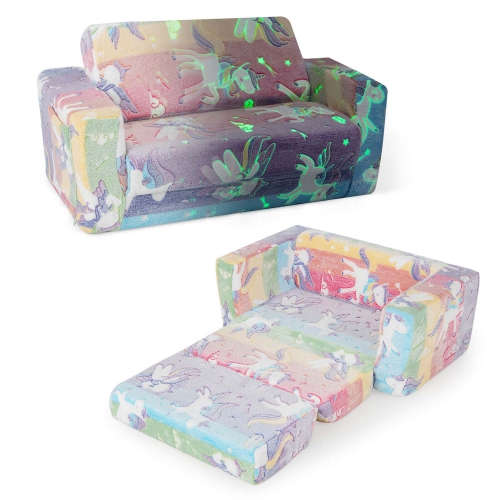
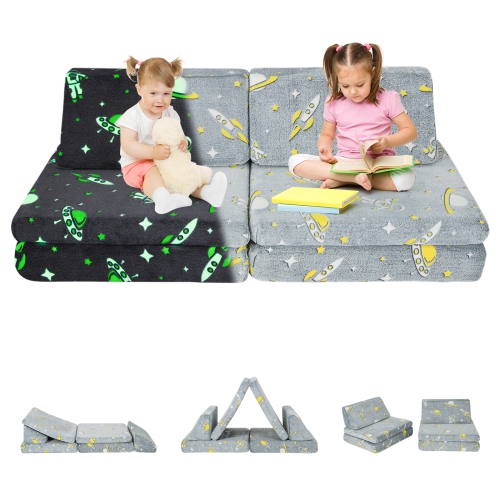
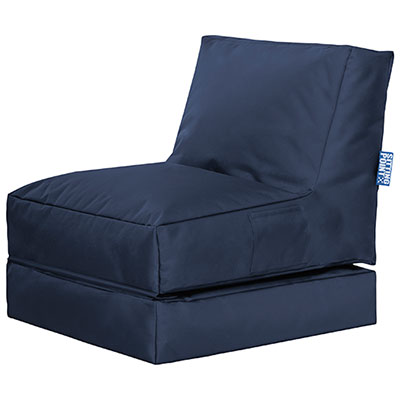
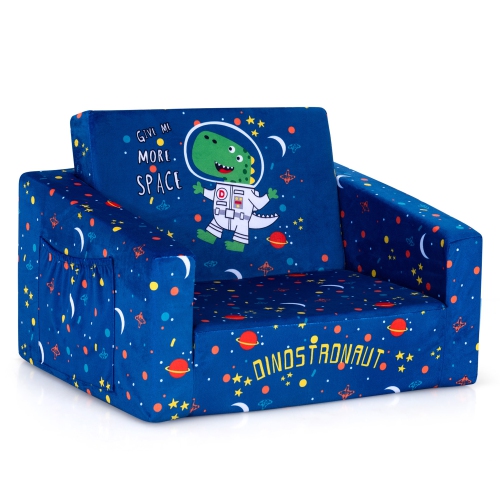
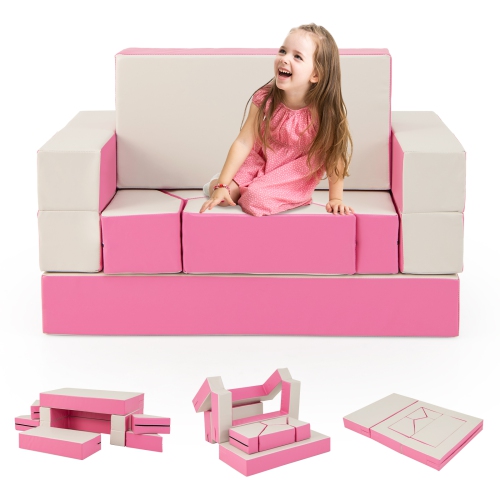
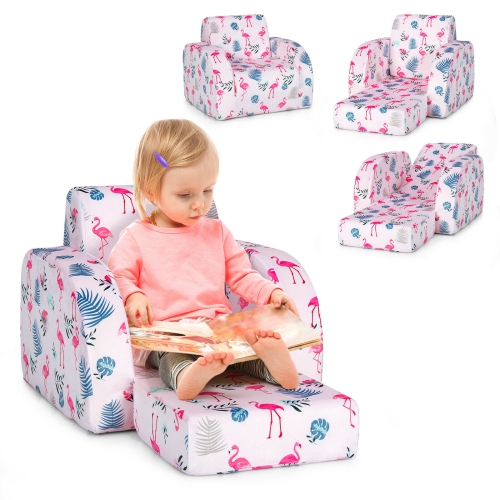

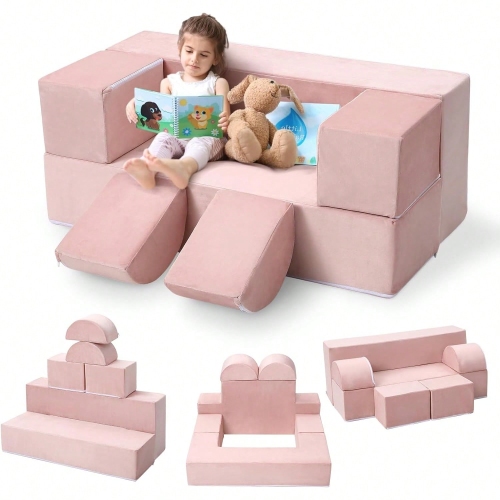
Flexible furniture for rooms that change throughout the day
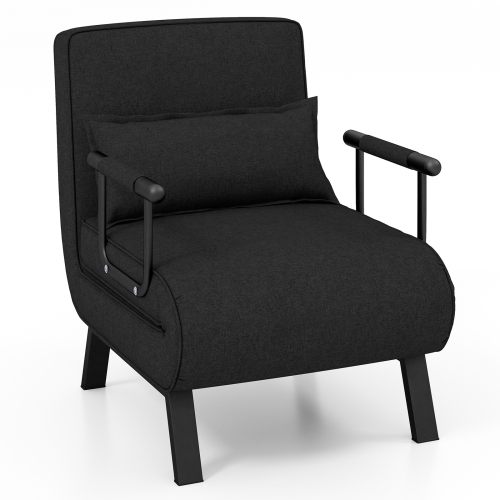
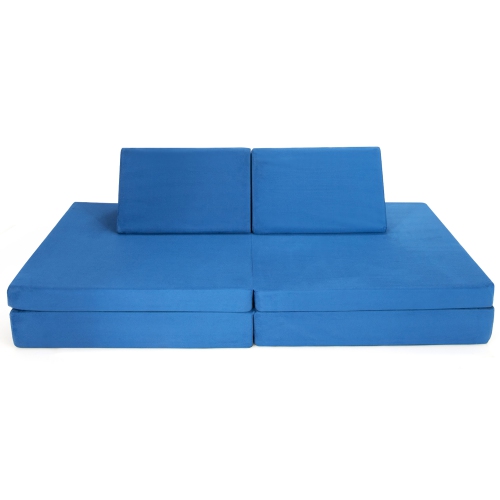
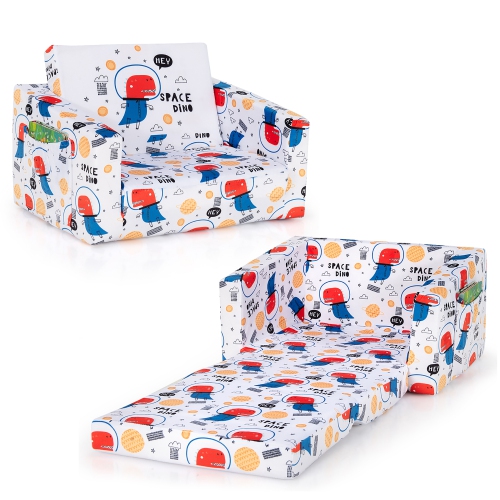
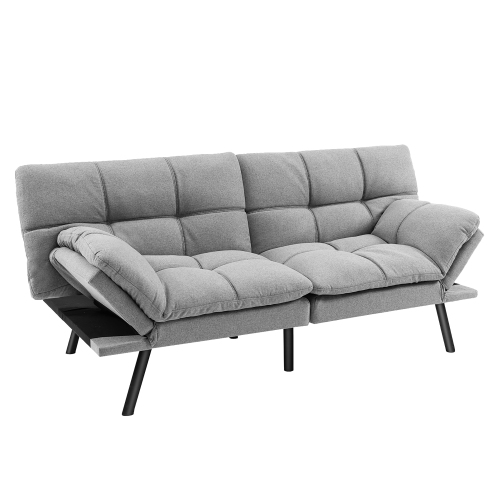
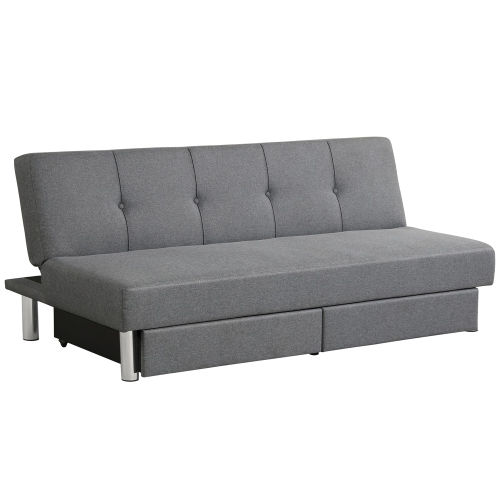
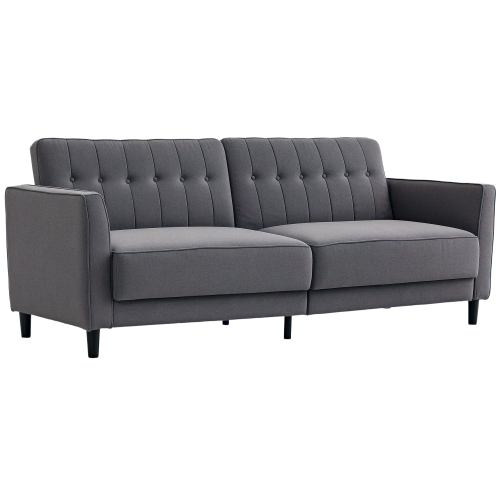
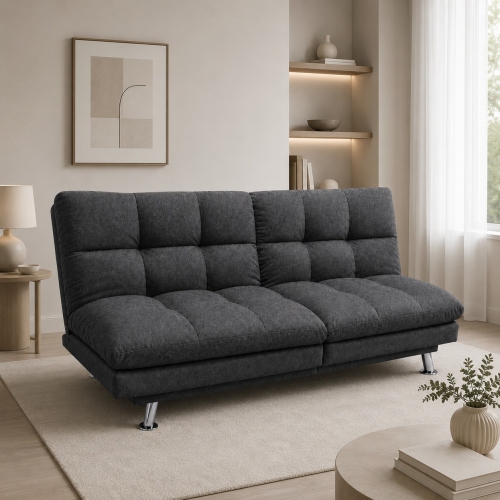
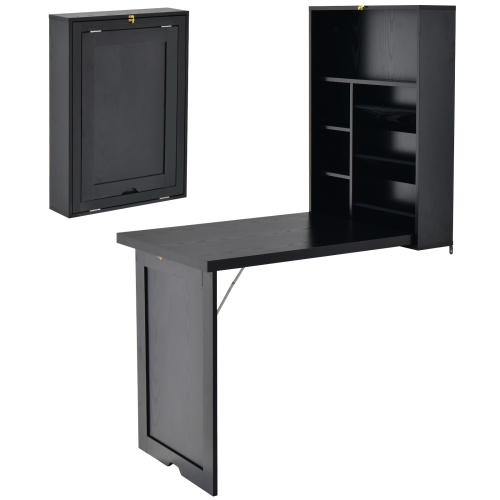
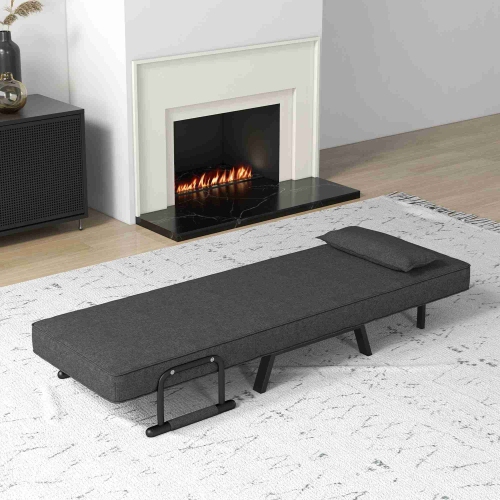
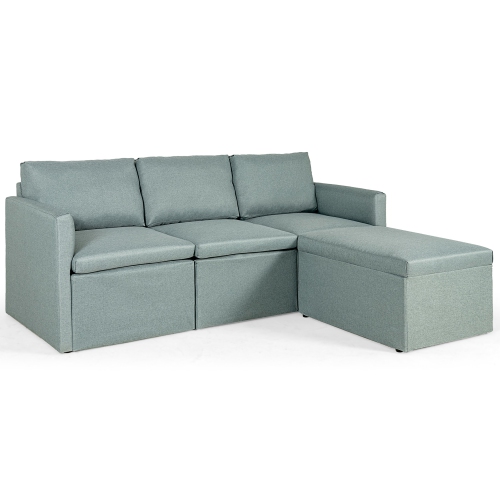
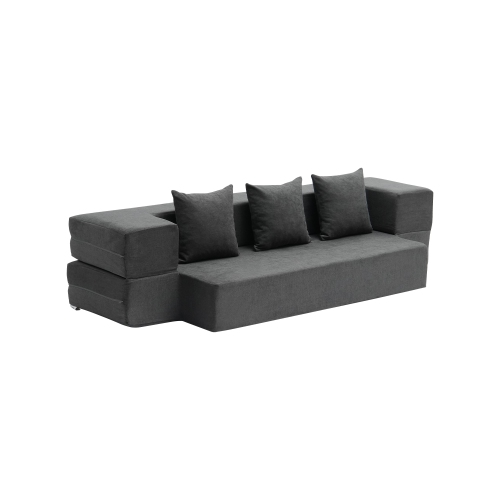
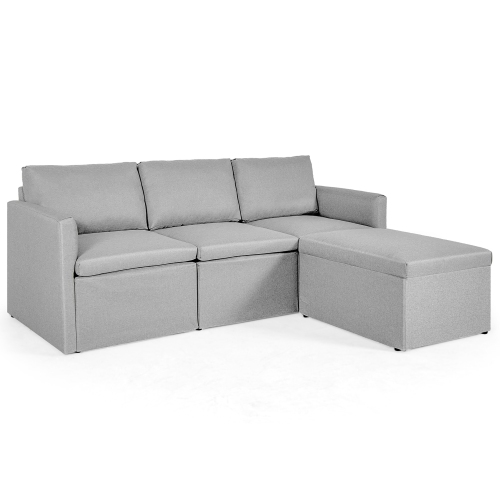
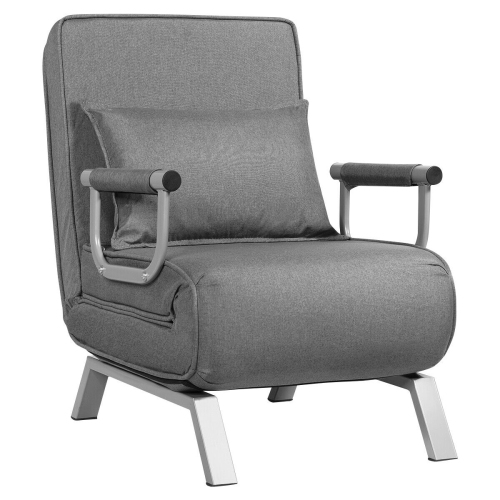
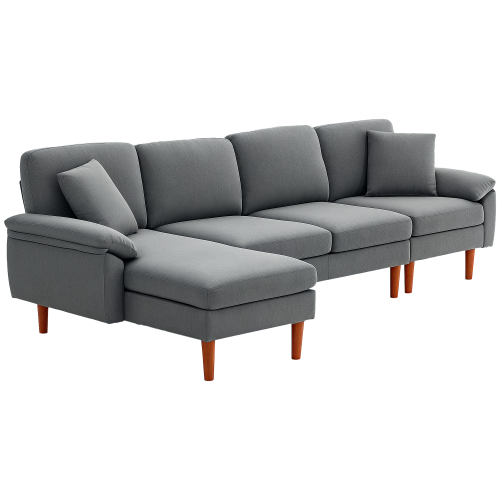
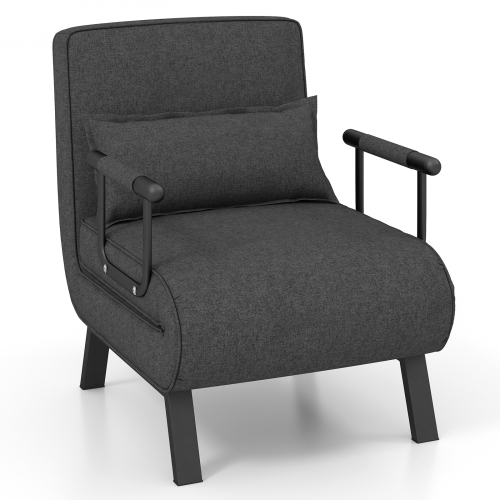
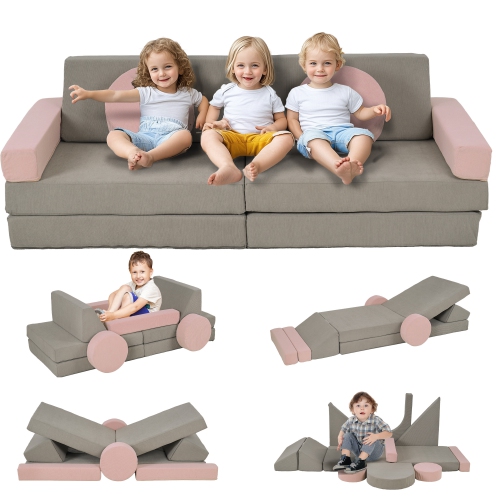
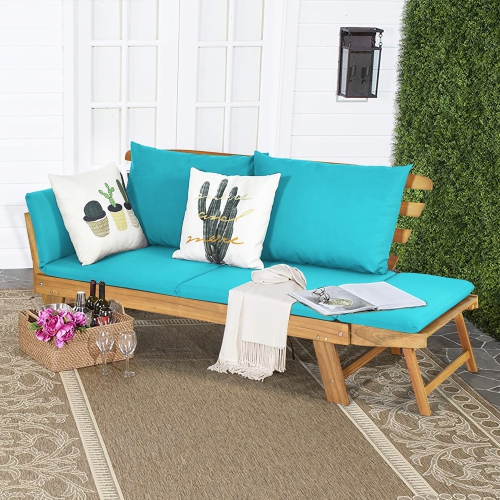
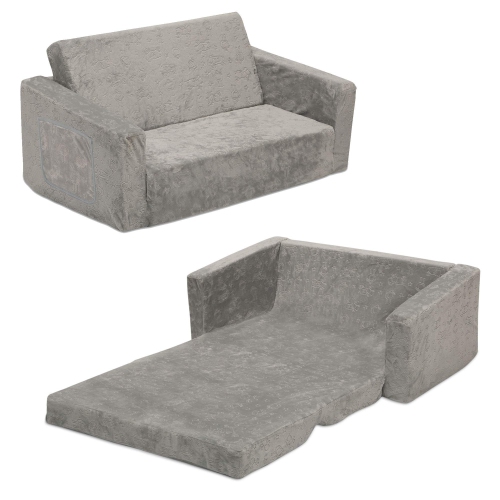
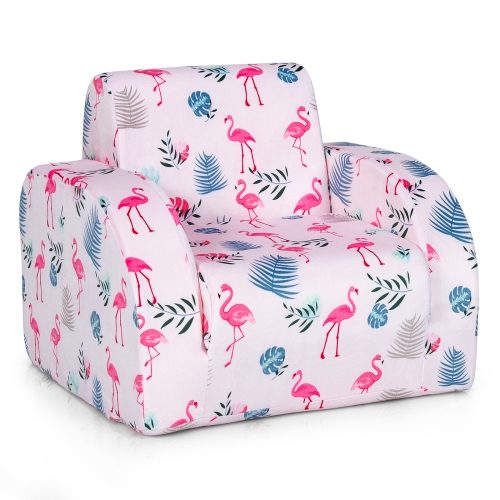
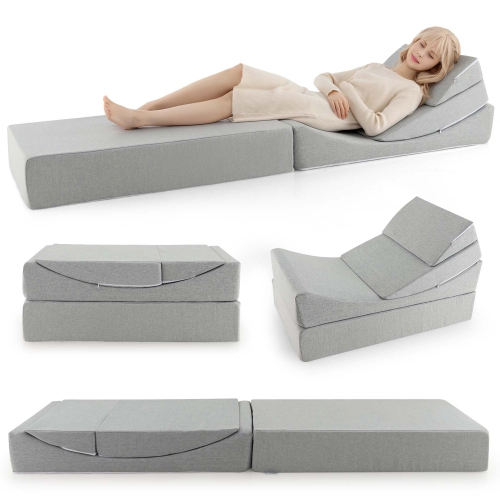
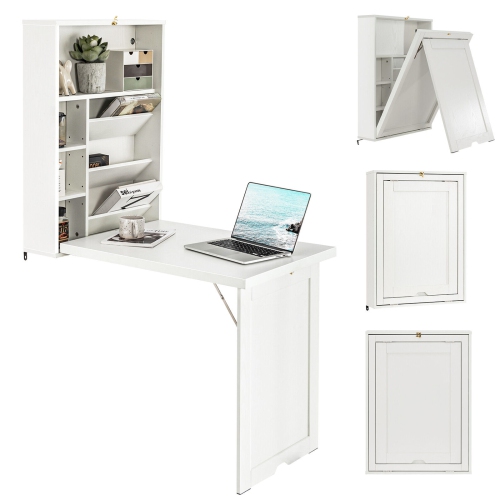
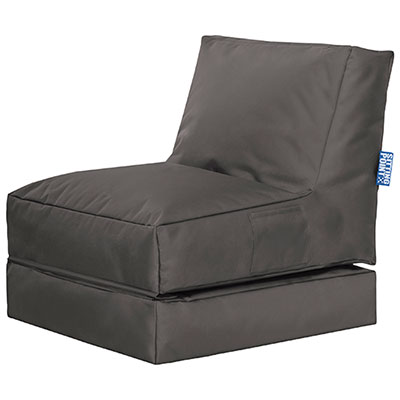
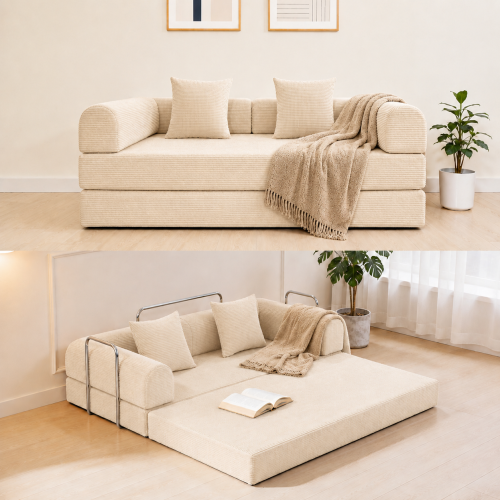
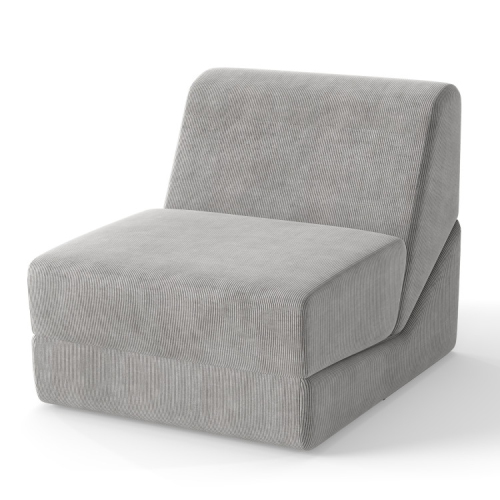
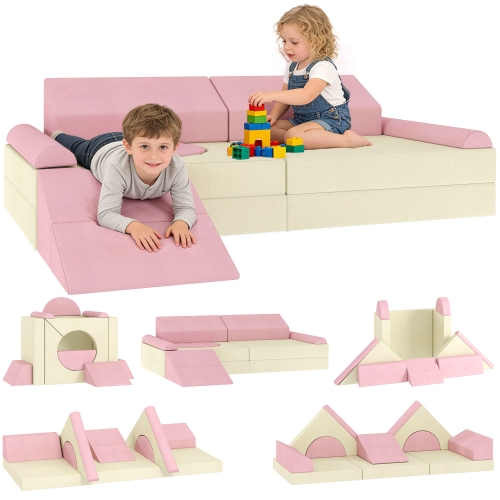
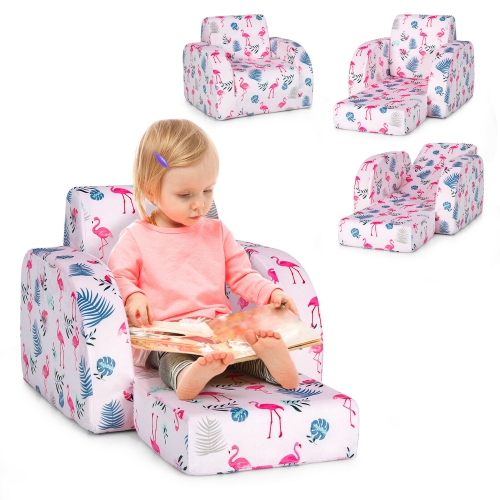
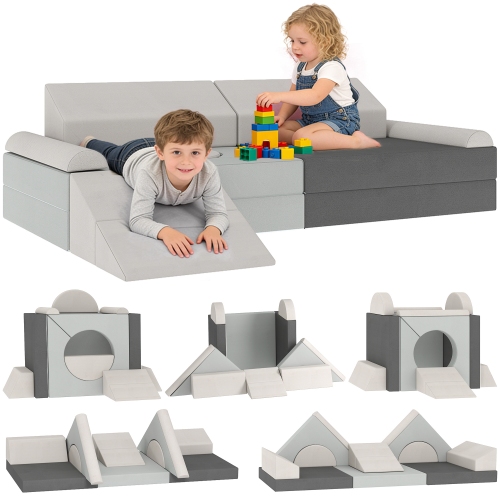
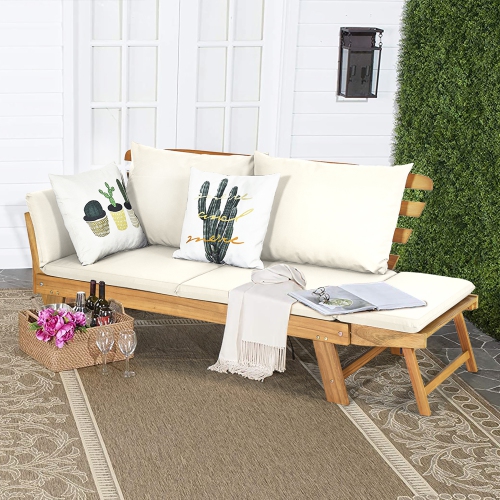
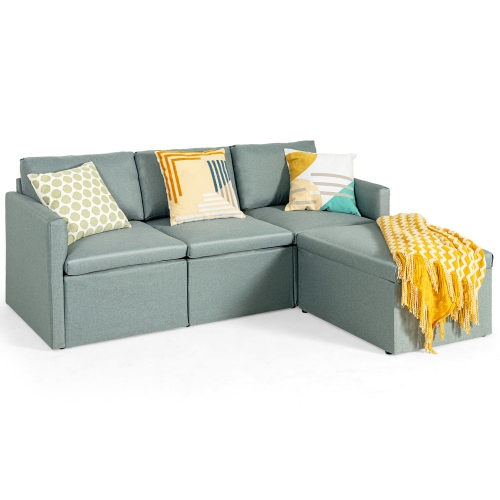
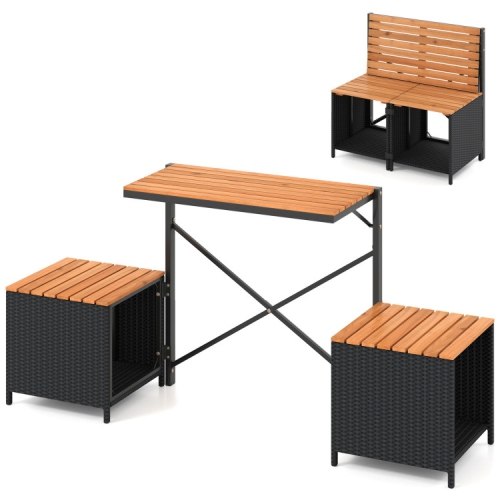
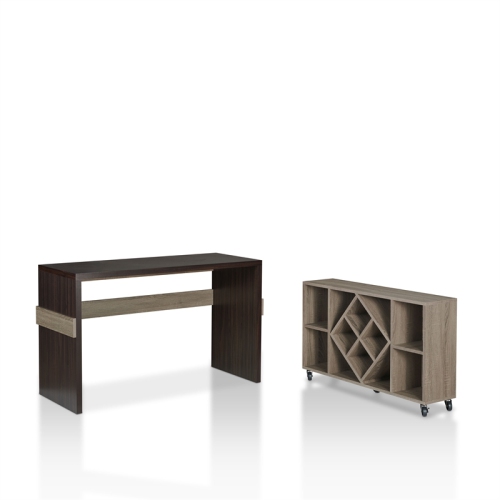
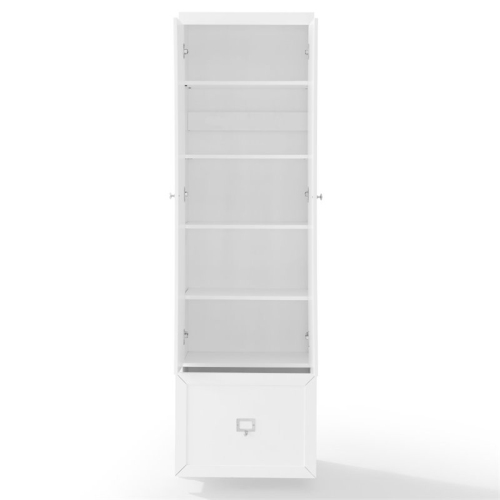
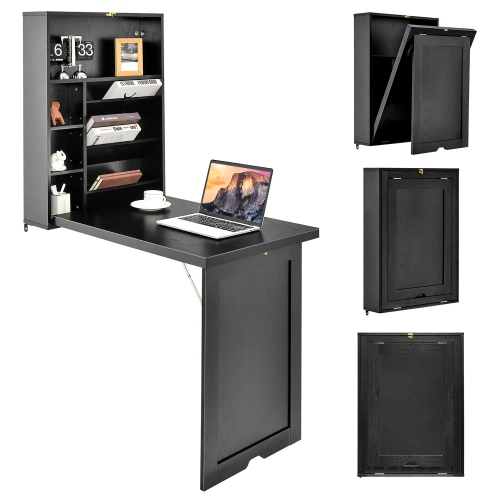
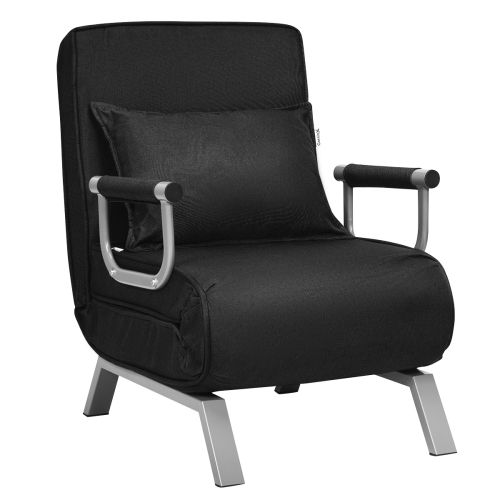
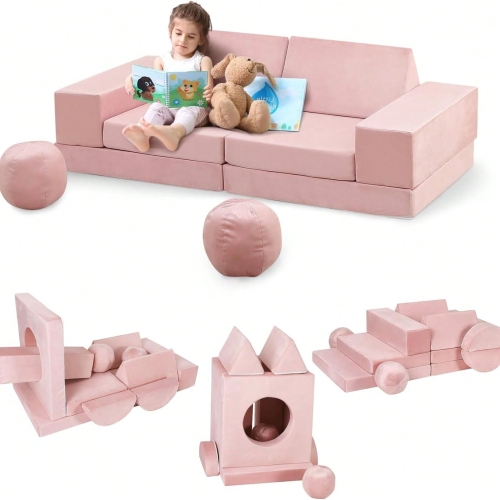
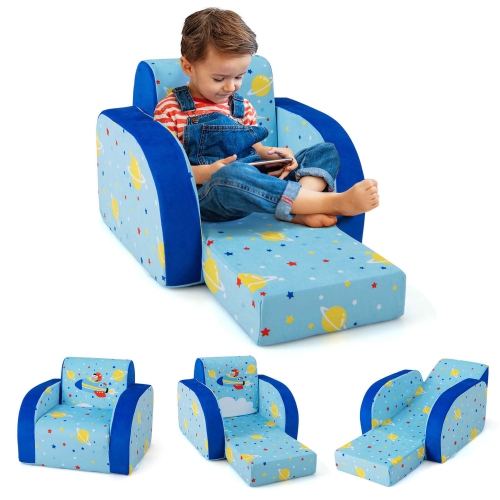
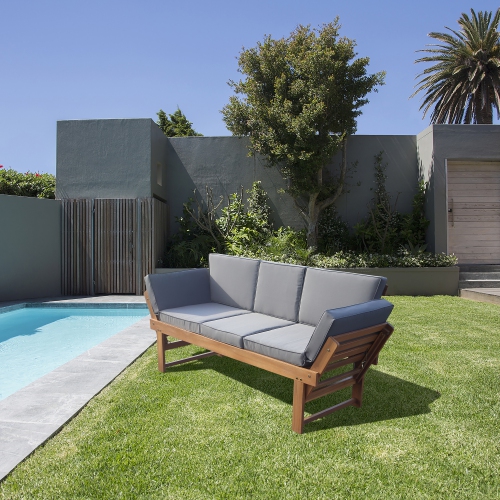
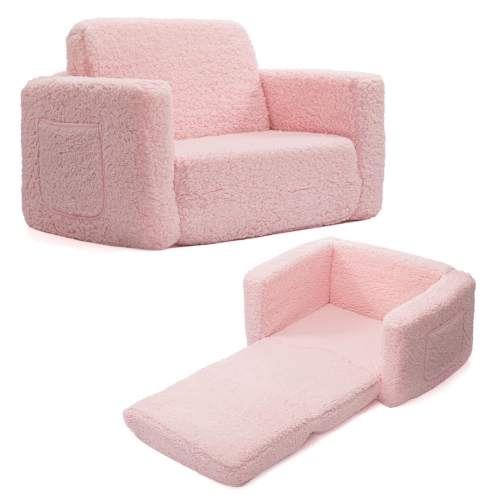
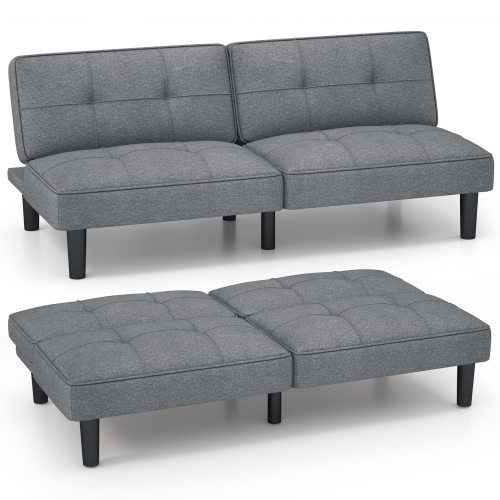
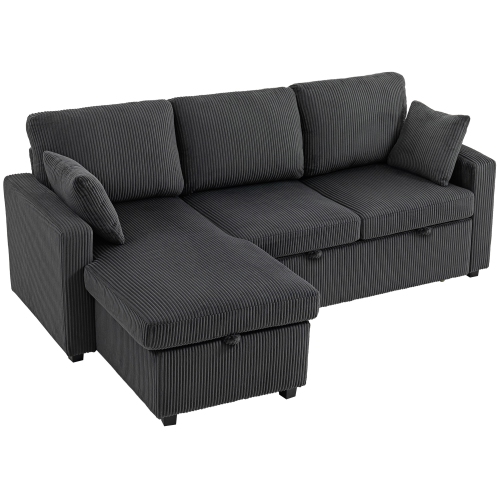
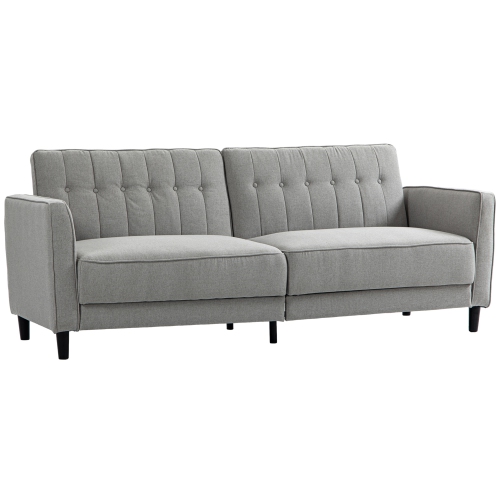
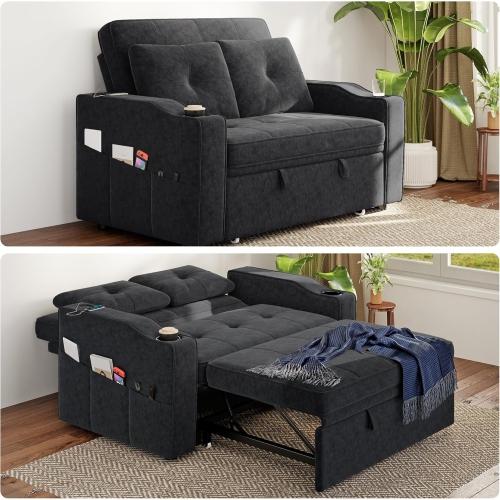
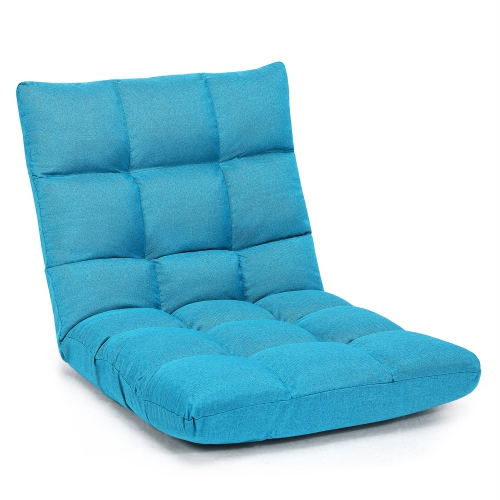
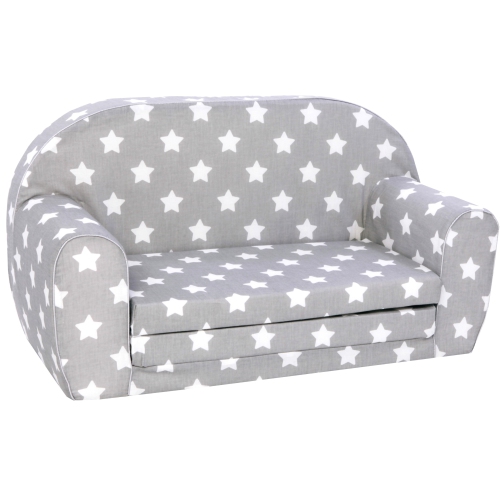
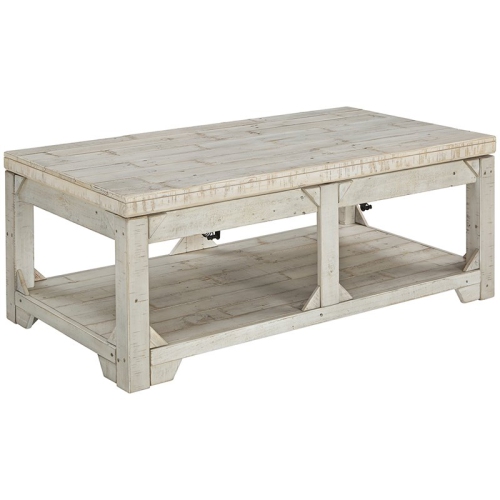
Convertible furniture brings flexibility to rooms that need to do more than one job. A sofa can become a sleeping space, a coffee table can rise into a work surface, and a wall bed can keep a bedroom feeling open when it is not in use. These adaptable pieces are especially useful in apartments, condos, studios, guest rooms, home offices and multipurpose family spaces where every square foot matters. Rather than arranging a room around a single function, convertible furniture lets you change the layout as your needs shift throughout the day. A compact living room might serve as a place for morning coffee, homework and evening relaxation, then transform into a comfortable guest area when friends or relatives stay overnight. In a smaller home, a lift-top table can provide a practical desk without permanently taking over the room, while an expanding table can remain compact for everyday meals and offer more seating when company arrives. Sofa beds, futons, convertible chairs and loveseats are popular choices for homes that need occasional sleeping space without dedicating an entire room to guests. Wall beds and other vertical storage solutions can be helpful in a bedroom, den or office, folding away to reveal more open floor space during the day. For younger family members, Convertible Kids Couches can offer a comfortable spot for reading, relaxing or imaginative play while adapting to changing activities. These pieces can also make thoughtful gifts for someone moving into a first apartment, setting up a student residence, furnishing a new home or preparing a welcoming guest space. Their value is not limited to occasional use; the best designs become part of a daily routine, making it easier to shift from work to rest, from solo time to entertaining or from ordinary evenings to overnight visits.
When choosing convertible furniture, begin with the room’s measurements and the space required in every position, not just the footprint when the piece is folded or closed. A sofa bed may fit neatly against a wall, but it also needs enough clearance for the bed to open fully and for people to move around it. A wall bed requires careful attention to ceiling height, surrounding furniture and the wall area needed for installation. Extendable tables need room for chairs and comfortable walkways, while lift-top tables should rise to a height that suits the way you plan to work, dine or use a laptop. Measuring doorways, stairwells, elevators and tight corners before ordering can prevent unpleasant surprises on delivery day. Comfort is equally important. For seating that converts into a bed, consider the mattress thickness, sleeping surface, frame support and ease of opening. If guests may use it for several nights, look for a design that feels supportive rather than simply convenient. Sit on the furniture in both its everyday and converted forms when possible, and pay attention to cushions, armrests, edge support and the amount of effort needed to make the change. Smooth mechanisms are useful for daily transitions, particularly when a piece will be adjusted by one person. Storage compartments can help keep bedding, pillows, blankets or work accessories close at hand, reducing the need to search through closets each time the room changes purpose. Upholstery, colour and shape also deserve consideration. A neutral design can blend into a living room or office, while a more playful piece may suit a child’s room or activity area. During the warmer seasons, an open, uncluttered layout can make a small room feel more breathable; during the cooler months, the same furniture can create a cosy setting for reading, hosting or overnight stays without requiring a permanent guest room.
The most practical convertible furniture is furniture that you will enjoy using in its primary form and feel confident changing when needed. Check the conversion process before making a decision: handles should be easy to reach, hinges and supports should feel secure, and the finished configuration should remain stable on the floor. Think about who will operate it, especially in a family home where children, older adults or guests may be using the piece. A heavy mechanism or complicated sequence can become frustrating if the furniture is expected to change every day. Look for clear care instructions and choose materials that suit the room’s traffic level, whether that means a frequently used family room, a quiet guest area or a home office. Removable or easy-to-clean covers can be helpful around children and pets, while durable surfaces may be preferable for tables used for meals, crafts and computer work. Consider the full experience of hosting as well: bedding should be easy to store, lighting should remain accessible after the furniture is opened, and nearby outlets should not be blocked by a bed or extended table. Convertible furniture can also support changing household needs over time. A compact table may begin as a work surface in a first home and later become a dining table, while a convertible seat can move from a playroom to a bedroom or reading corner. The right piece creates more possibilities without making a room feel crowded. By balancing dimensions, comfort, construction, appearance and the effort involved in each transformation, you can choose flexible furniture that feels natural in everyday life and ready for the occasional change of pace.
When choosing convertible furniture, begin with the room’s measurements and the space required in every position, not just the footprint when the piece is folded or closed. A sofa bed may fit neatly against a wall, but it also needs enough clearance for the bed to open fully and for people to move around it. A wall bed requires careful attention to ceiling height, surrounding furniture and the wall area needed for installation. Extendable tables need room for chairs and comfortable walkways, while lift-top tables should rise to a height that suits the way you plan to work, dine or use a laptop. Measuring doorways, stairwells, elevators and tight corners before ordering can prevent unpleasant surprises on delivery day. Comfort is equally important. For seating that converts into a bed, consider the mattress thickness, sleeping surface, frame support and ease of opening. If guests may use it for several nights, look for a design that feels supportive rather than simply convenient. Sit on the furniture in both its everyday and converted forms when possible, and pay attention to cushions, armrests, edge support and the amount of effort needed to make the change. Smooth mechanisms are useful for daily transitions, particularly when a piece will be adjusted by one person. Storage compartments can help keep bedding, pillows, blankets or work accessories close at hand, reducing the need to search through closets each time the room changes purpose. Upholstery, colour and shape also deserve consideration. A neutral design can blend into a living room or office, while a more playful piece may suit a child’s room or activity area. During the warmer seasons, an open, uncluttered layout can make a small room feel more breathable; during the cooler months, the same furniture can create a cosy setting for reading, hosting or overnight stays without requiring a permanent guest room.
The most practical convertible furniture is furniture that you will enjoy using in its primary form and feel confident changing when needed. Check the conversion process before making a decision: handles should be easy to reach, hinges and supports should feel secure, and the finished configuration should remain stable on the floor. Think about who will operate it, especially in a family home where children, older adults or guests may be using the piece. A heavy mechanism or complicated sequence can become frustrating if the furniture is expected to change every day. Look for clear care instructions and choose materials that suit the room’s traffic level, whether that means a frequently used family room, a quiet guest area or a home office. Removable or easy-to-clean covers can be helpful around children and pets, while durable surfaces may be preferable for tables used for meals, crafts and computer work. Consider the full experience of hosting as well: bedding should be easy to store, lighting should remain accessible after the furniture is opened, and nearby outlets should not be blocked by a bed or extended table. Convertible furniture can also support changing household needs over time. A compact table may begin as a work surface in a first home and later become a dining table, while a convertible seat can move from a playroom to a bedroom or reading corner. The right piece creates more possibilities without making a room feel crowded. By balancing dimensions, comfort, construction, appearance and the effort involved in each transformation, you can choose flexible furniture that feels natural in everyday life and ready for the occasional change of pace.
Top selling and popular products
-
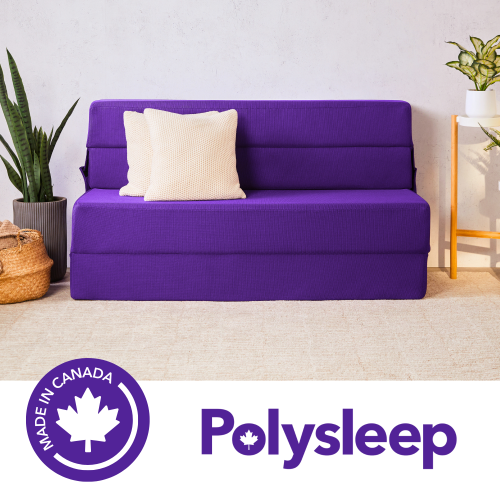 Your price for this item is $995
 -
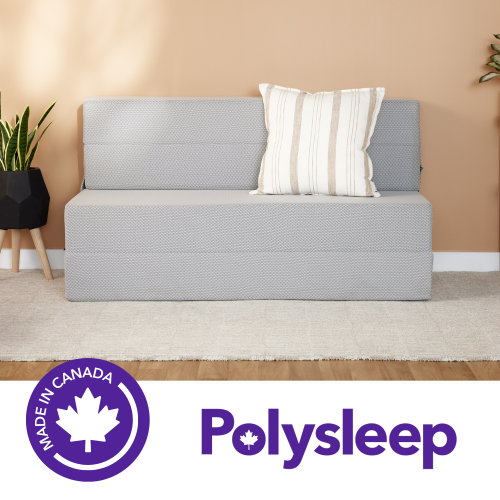 Your price for this item is $995
 -
 Your price for this item is $995
 -
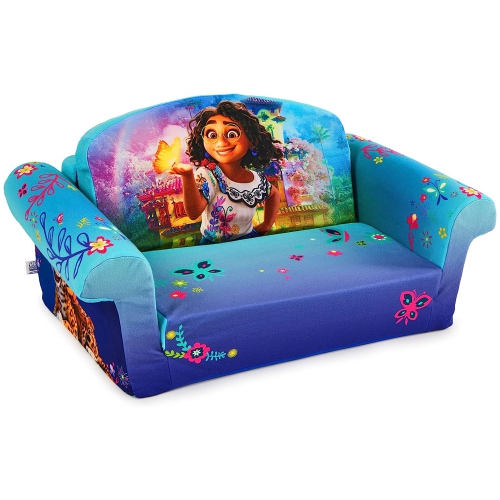 Your price for this item is $85.99
 -
 Your price for this item is $311.99
 -
 Your price for this item is $684.99
 -
 Your price for this item is $499.99
 -
 Your price for this item is $499.99
Discover more categories related to Convertible Furniture
Top Collections:
Pokemon Centers, Kindle Devices, Best Budget Office Chairs, Apple iPhones 16, Best Laptops for Writers, iPhone 15 Apple, Canon G7X Cameras, Refurbished Apple Laptops, Alarm Clock, Motorola Razr Phones
Some products may be subject to Environmental Handling Fees
(EHF) depending on your province.
Learn more about EHFs.