Cooking Apron
Are you tired of getting your clothes stained while cooking up a storm in the kitchen? Look no further than our collection of cooking aprons! Whether you're a seasoned chef or just starting out a high-quality apron is an essential tool to protect your clothing from spills, splatters, and stains. With a variety of styles, materials, and designs to choose from, we have the perfect cooking apron to suit your needs and personal style. Say goodbye to ruined clothes and hello to a clean and stylish cooking experience with our wide range of cooking aprons.
Sort
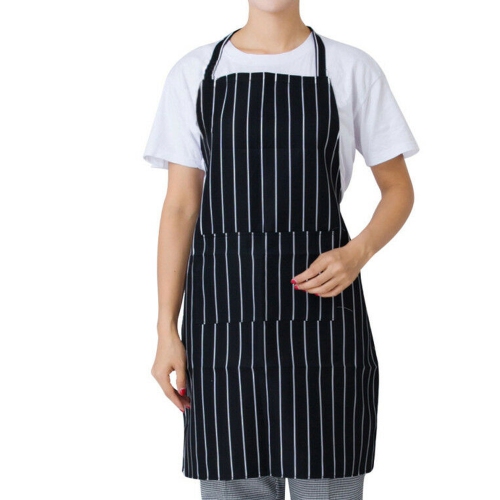
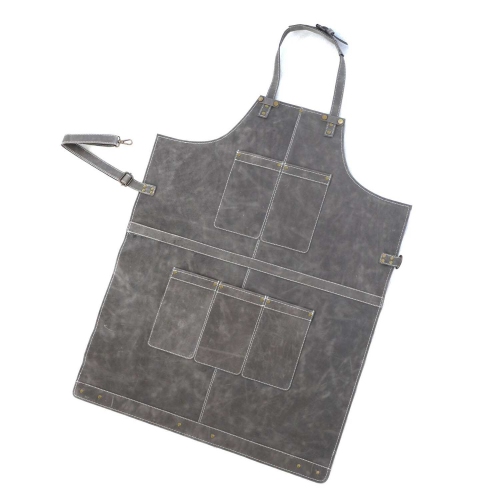
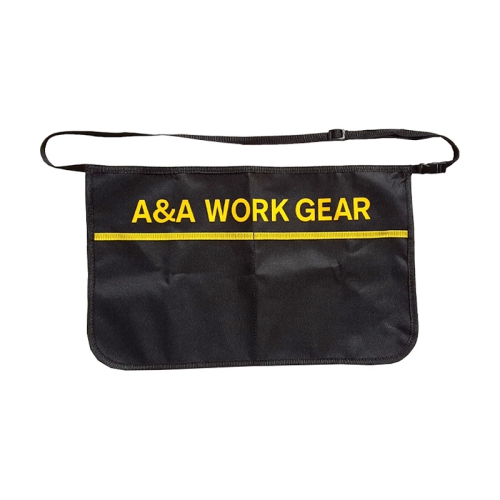
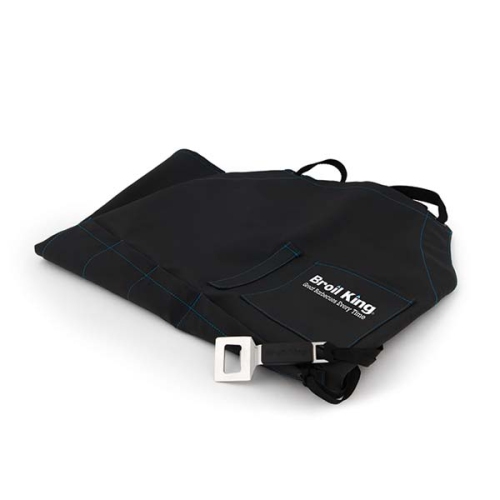
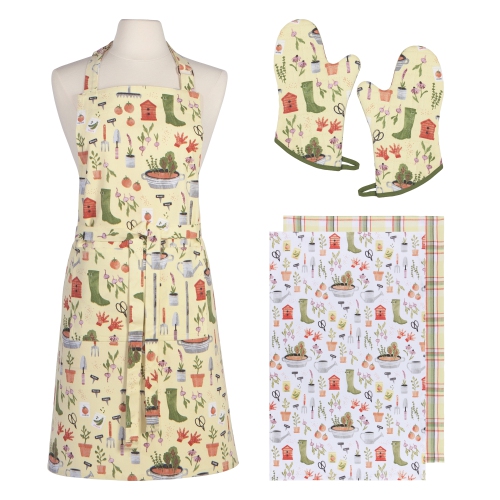
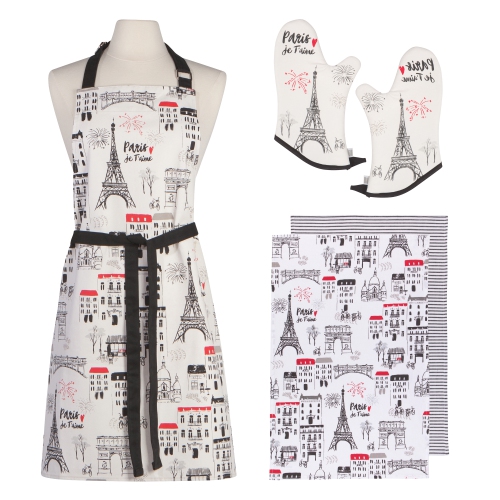
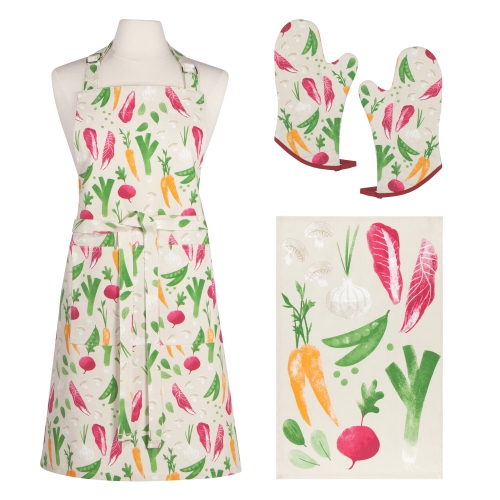
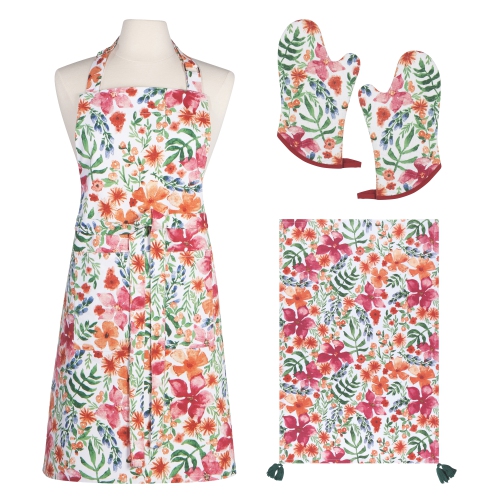
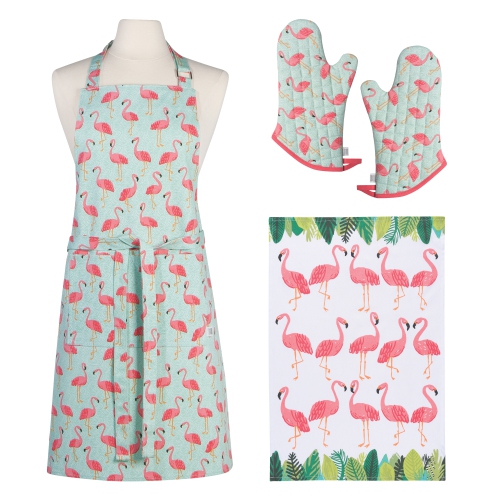
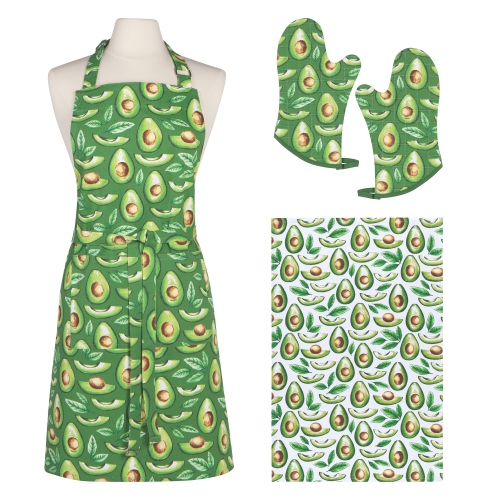
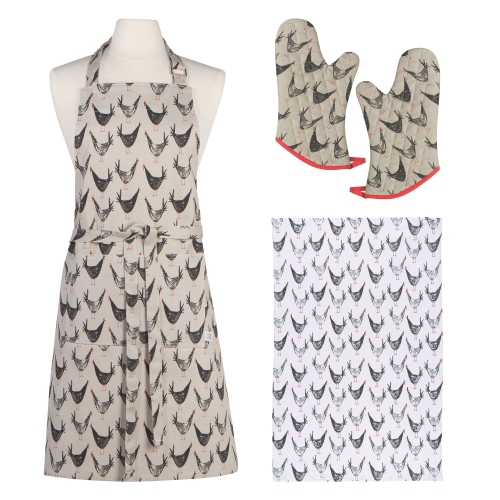
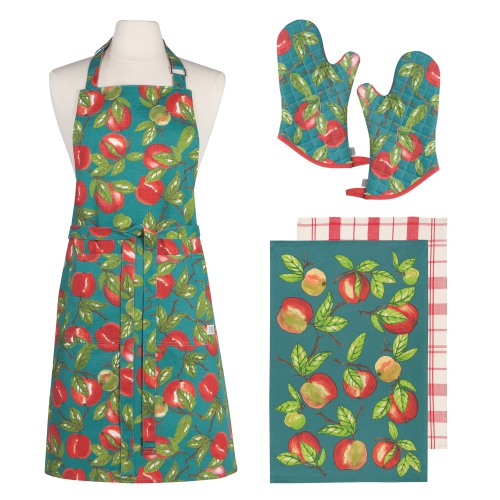
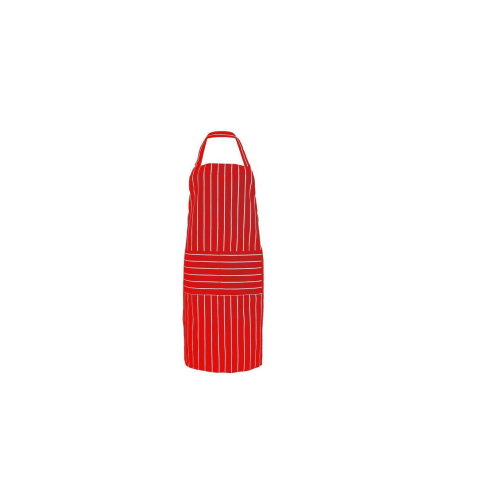
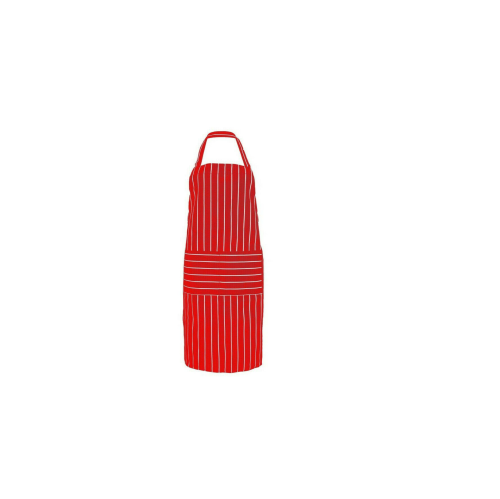
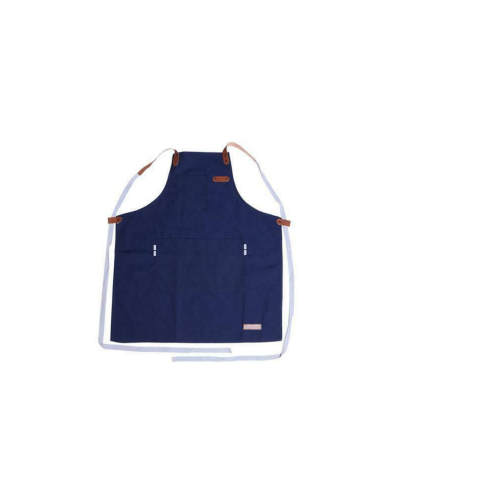

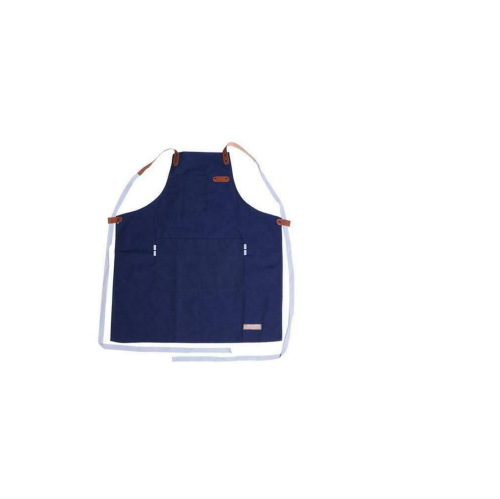
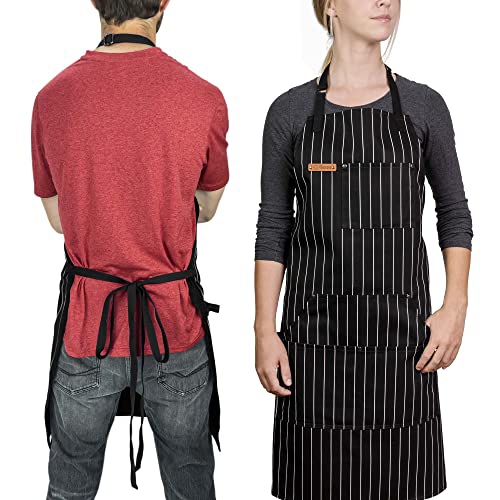
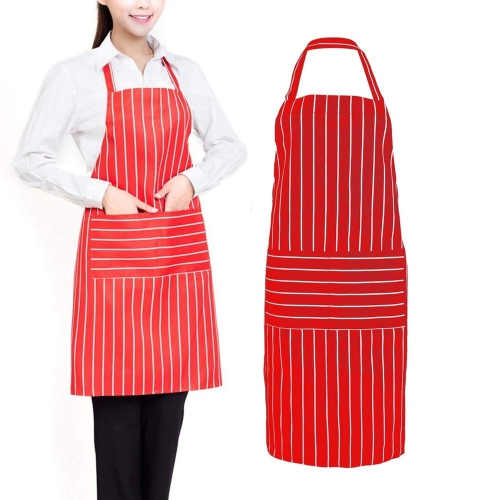
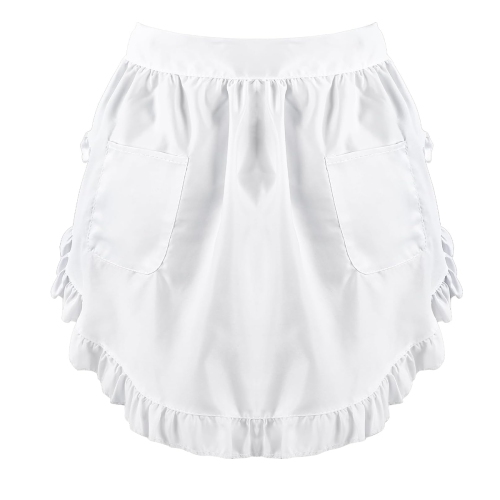
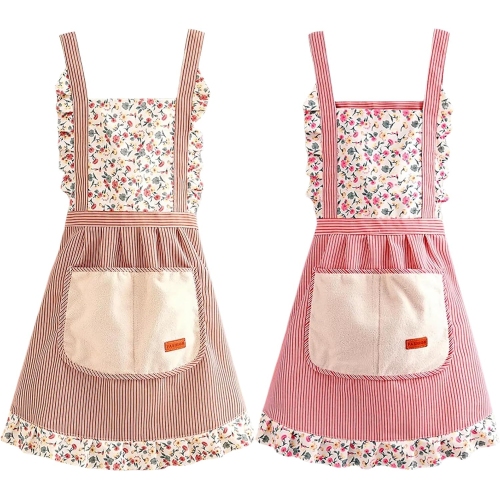
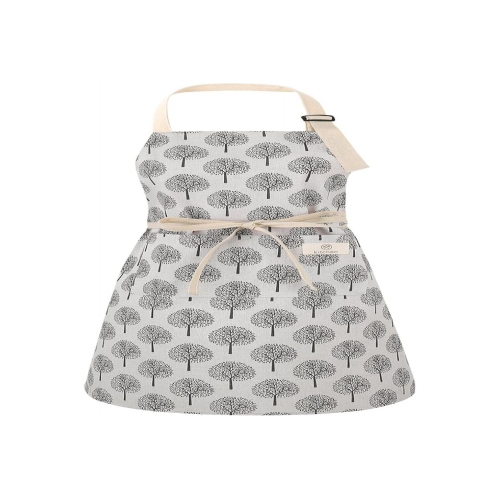
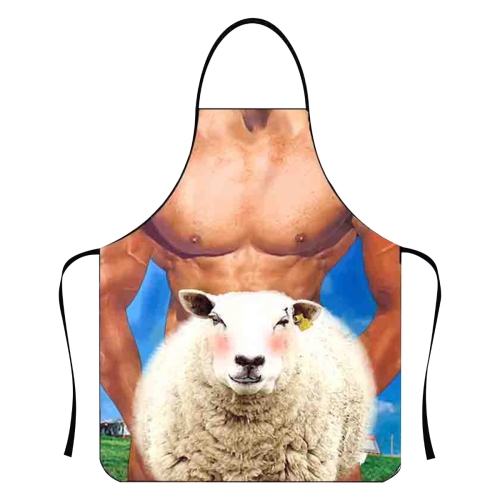
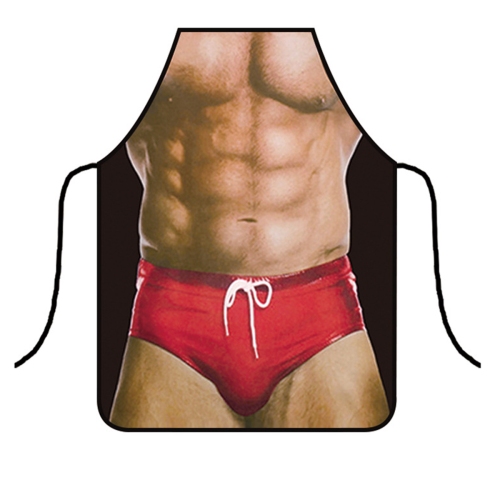
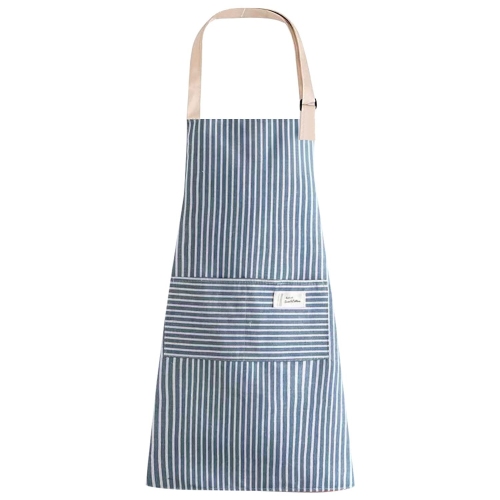
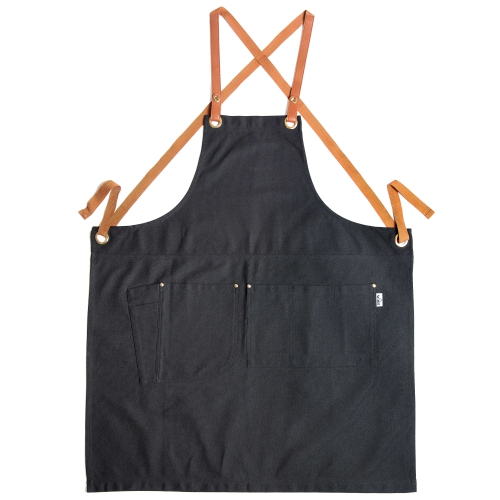
Comfortable coverage for flour spills and sauce splashes
A cooking apron adds a practical layer between clothing and the spills, splashes, and flour that come with preparing food. Its main job is to help keep everyday clothes cleaner, whether the task is kneading bread, stirring tomato sauce, or portioning ingredients for several meals. The most useful design depends on how much coverage is needed, how the apron fits, and how easily its fabric can be washed. Bib aprons cover the chest and extend over the waist and thighs, making them well suited to baking, mixing batters, and other tasks that can send ingredients beyond the countertop. Waist aprons cover the lower front of the body without a chest panel, offering a lighter option for serving, assembling dishes, or keeping small tools close at hand. Neither style replaces oven mitts or other protection when handling hot cookware. For everyday home cooking, soft fabric and an adjustable fit can matter more than a long list of features. Someone who makes pasta from scratch may appreciate a broad front panel that catches flour, while a keen baker may prefer pockets that keep a timer within reach. For longer sessions at the counter, an apron should allow comfortable movement when reaching into a cupboard, bending to retrieve a mixing bowl, or carrying plates to the table. Length is worth considering alongside width: a longer apron provides more clothing coverage, but a hem that hangs too low can interfere with walking or crouching. A shorter apron can feel less restrictive, though it leaves more of the legs exposed to spills. Home cooks, frequent hosts, culinary students, and people who enjoy trying new recipes can all make regular use of a well-fitting cooking apron. It can also make a thoughtful gift for a housewarming, a wedding, or someone setting up a kitchen, particularly when its shape and care requirements suit the recipient’s habits. A simple, comfortable apron is often the one that gets worn for quick breakfasts as readily as ambitious dinners.
Fabric affects an apron’s feel, weight, and response to everyday messes. Cotton is a familiar choice because it is generally soft, breathable, and suitable for frequent washing when the care label allows it. It can absorb liquid rather than keep it from reaching clothing, so a cotton apron should not be assumed to be waterproof. Linen offers a breathable feel with a distinctive texture, although it tends to crease and may need different care depending on the weave and construction. Cotton and polyester blends can balance softness with easier wrinkle care, while polyester fabrics often dry relatively quickly. Performance varies by fabric weight and finish, and the fibre name alone does not establish resistance to water, oil, or stains. Canvas describes a sturdy weave rather than a single fibre; cotton canvas aprons often have more structure than lightweight cotton and can suit frequent kitchen use. Denim provides another substantial option, with a familiar woven texture that may soften with washing. Heavier materials can feel reassuringly durable, but they also add weight, especially when pockets are filled. Water-resistant finishes may help small splashes bead on the surface, but water-resistant and waterproof are not interchangeable terms. Coatings and treatments can also change how an apron must be cleaned, so the care instructions are important for anyone who expects to put it through a regular laundry routine. An apron used for bread dough and flour may need different attention from one exposed to cooking oil or richly coloured sauces. Prompt stain treatment, using a method suitable for the fabric, can help prevent marks from setting; checking the stain before tumble drying is useful because heat can make some stains harder to remove. Dark colours and patterned fabrics may make minor marks less noticeable, while lighter shades make it easier to spot areas that need washing. Whichever colour is preferred, visible cleanliness is not a substitute for laundering. Aprons should be changed when soiled, particularly after contact with raw meat juices, and should not be used as hand towels during food preparation.
Fit and construction often make the biggest difference once an apron is worn for more than a few minutes. An adjustable neck loop allows the bib to sit at a useful height without pulling the waist section upward. Cross-back straps distribute some of the apron’s weight across the shoulders rather than concentrating it at the neck, which may feel more comfortable during extended preparation or baking. Strap width, fabric stiffness, and the position of buckles or sliders all affect comfort. Waist ties should be long enough to fasten securely without leaving excessive loose ends near burners or moving equipment. Size descriptions are only a starting point; the apron’s actual length, panel width, and strap adjustment range give a clearer sense of coverage, particularly for taller wearers or anyone seeking a roomier fit. For shared kitchens, easy adjustments help the same apron fit different people, while a properly sized child’s apron can keep younger helpers more comfortable during supervised mixing and measuring. Pockets are useful when their layout matches the work. A divided front pocket can separate a small notebook from a timer, while a chest pocket may keep a pen accessible, provided it holds the contents securely when bending forward. Overloaded pockets can pull the bib out of position, and sharp knives should never be carried loose in apron pockets. Reinforced stitching at pocket corners and strap attachment points helps these frequently stressed areas withstand repeated use; neatly finished seams and secure hardware are also worth attention. For cooks who divide their time between the kitchen and the grill, BBQ Aprons offer a related apron style to consider for food preparation and serving around a barbecue. Any apron used near heat should fit securely, with loose fabric kept away from flames, and should not be treated as flame-resistant unless specifically rated for that purpose. Across cooking routines, the best match is an apron that combines appropriate coverage, comfortable straps, useful storage, and care requirements that are easy to maintain.
Fabric affects an apron’s feel, weight, and response to everyday messes. Cotton is a familiar choice because it is generally soft, breathable, and suitable for frequent washing when the care label allows it. It can absorb liquid rather than keep it from reaching clothing, so a cotton apron should not be assumed to be waterproof. Linen offers a breathable feel with a distinctive texture, although it tends to crease and may need different care depending on the weave and construction. Cotton and polyester blends can balance softness with easier wrinkle care, while polyester fabrics often dry relatively quickly. Performance varies by fabric weight and finish, and the fibre name alone does not establish resistance to water, oil, or stains. Canvas describes a sturdy weave rather than a single fibre; cotton canvas aprons often have more structure than lightweight cotton and can suit frequent kitchen use. Denim provides another substantial option, with a familiar woven texture that may soften with washing. Heavier materials can feel reassuringly durable, but they also add weight, especially when pockets are filled. Water-resistant finishes may help small splashes bead on the surface, but water-resistant and waterproof are not interchangeable terms. Coatings and treatments can also change how an apron must be cleaned, so the care instructions are important for anyone who expects to put it through a regular laundry routine. An apron used for bread dough and flour may need different attention from one exposed to cooking oil or richly coloured sauces. Prompt stain treatment, using a method suitable for the fabric, can help prevent marks from setting; checking the stain before tumble drying is useful because heat can make some stains harder to remove. Dark colours and patterned fabrics may make minor marks less noticeable, while lighter shades make it easier to spot areas that need washing. Whichever colour is preferred, visible cleanliness is not a substitute for laundering. Aprons should be changed when soiled, particularly after contact with raw meat juices, and should not be used as hand towels during food preparation.
Fit and construction often make the biggest difference once an apron is worn for more than a few minutes. An adjustable neck loop allows the bib to sit at a useful height without pulling the waist section upward. Cross-back straps distribute some of the apron’s weight across the shoulders rather than concentrating it at the neck, which may feel more comfortable during extended preparation or baking. Strap width, fabric stiffness, and the position of buckles or sliders all affect comfort. Waist ties should be long enough to fasten securely without leaving excessive loose ends near burners or moving equipment. Size descriptions are only a starting point; the apron’s actual length, panel width, and strap adjustment range give a clearer sense of coverage, particularly for taller wearers or anyone seeking a roomier fit. For shared kitchens, easy adjustments help the same apron fit different people, while a properly sized child’s apron can keep younger helpers more comfortable during supervised mixing and measuring. Pockets are useful when their layout matches the work. A divided front pocket can separate a small notebook from a timer, while a chest pocket may keep a pen accessible, provided it holds the contents securely when bending forward. Overloaded pockets can pull the bib out of position, and sharp knives should never be carried loose in apron pockets. Reinforced stitching at pocket corners and strap attachment points helps these frequently stressed areas withstand repeated use; neatly finished seams and secure hardware are also worth attention. For cooks who divide their time between the kitchen and the grill, BBQ Aprons offer a related apron style to consider for food preparation and serving around a barbecue. Any apron used near heat should fit securely, with loose fabric kept away from flames, and should not be treated as flame-resistant unless specifically rated for that purpose. Across cooking routines, the best match is an apron that combines appropriate coverage, comfortable straps, useful storage, and care requirements that are easy to maintain.
Top selling and popular products
-
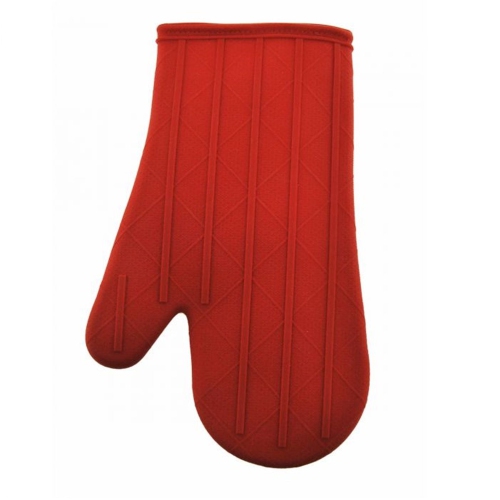 Your price for this item is $21.97
 -
 Your price for this item is $191.15
 -
 Your price for this item is $44.65
 -
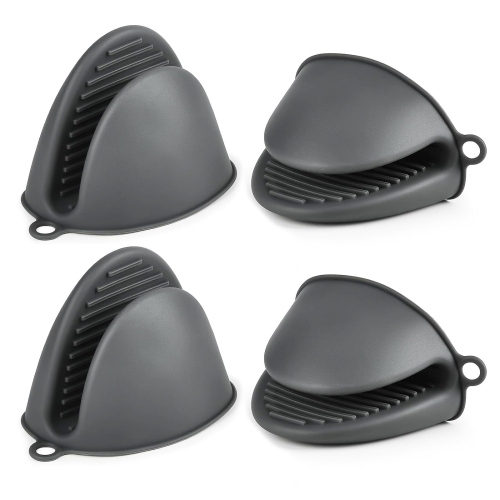 Your price for this item is $22.13
 -
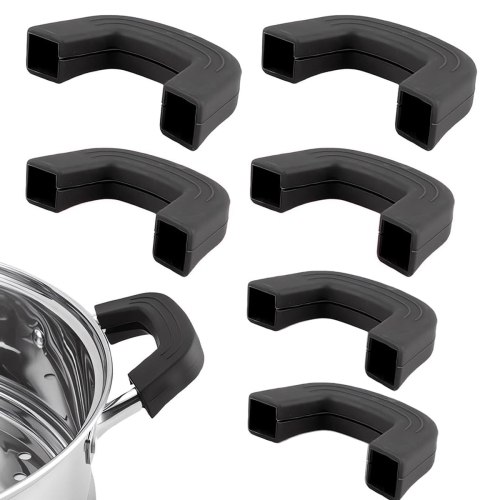 Your price for this item is $21.01
 -
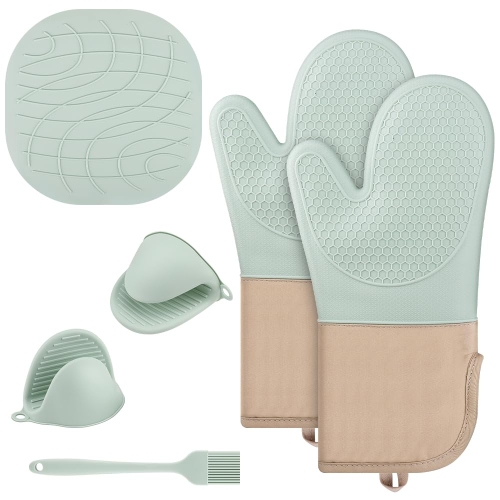 Your price for this item is $32.03
 -
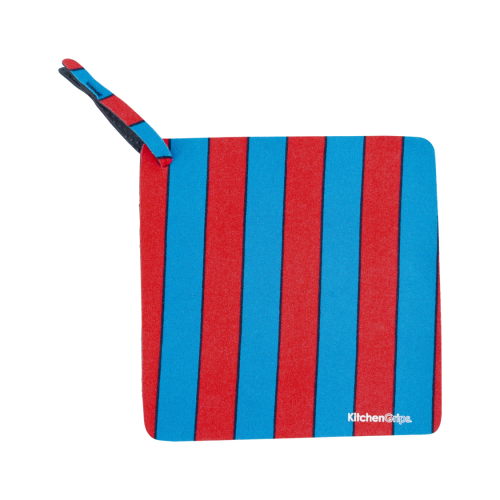 Your price for this item is $19.99
 -
 Your price for this item is $14.97
Discover more categories related to Cooking Apron
Top Collections:
Pokemon Centers, Kindle Devices, Best Budget Office Chairs, Apple iPhones 16, Canon G7X Cameras, iPhone 15 Apple, Alarm Clock, Refurbished Apple Laptops, Flip Phones, Best Laptops for Writers
Some products may be subject to Environmental Handling Fees
(EHF) depending on your province.
Learn more about EHFs.