Cookware Frying Pans
Upgrade your kitchen with these high-quality frying pans. Whether you're a seasoned chef or just starting out, these versatile pans are essential for any culinary enthusiast. From searing steaks to sautéing vegetables, our wide range of frying pans will help you achieve perfect results every time. With durable construction and innovative features, these cookware frying pans are designed to withstand the demands of everyday cooking.
Sort

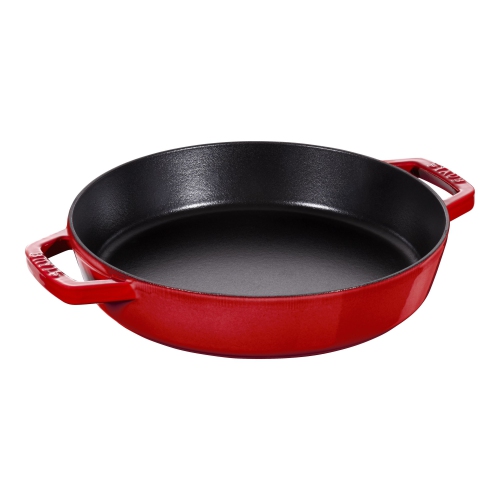
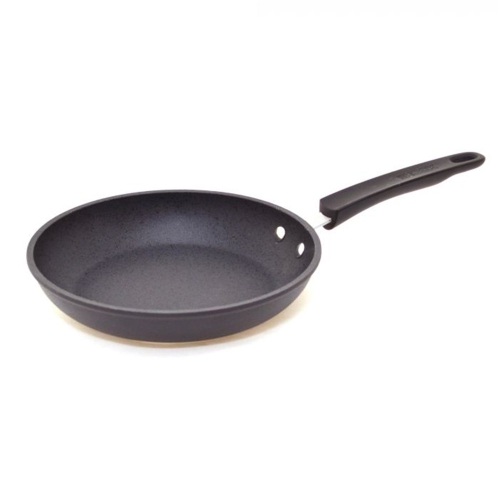
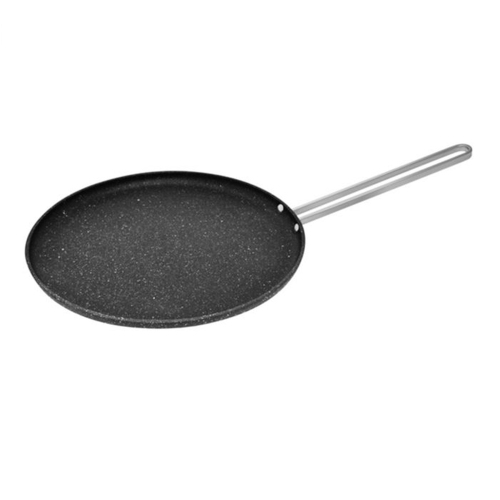
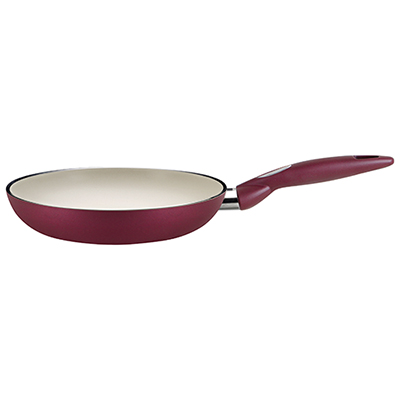
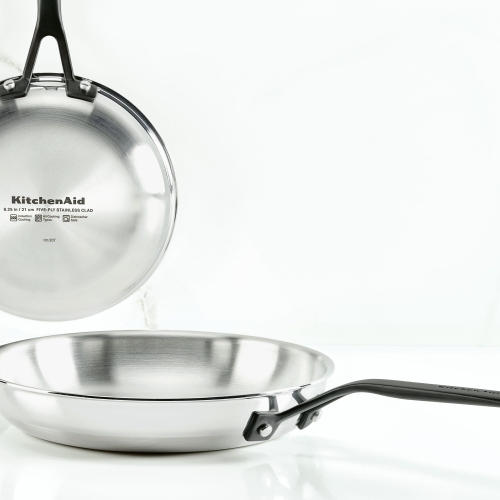
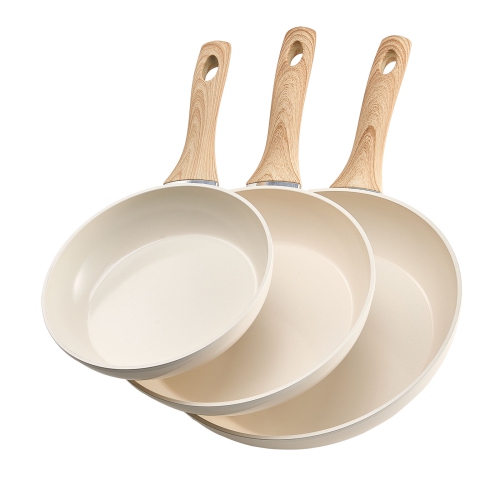
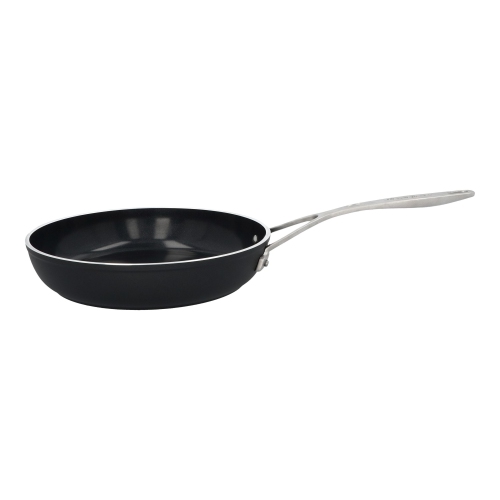
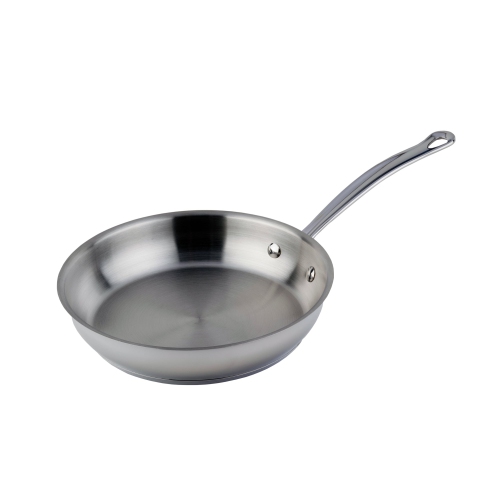

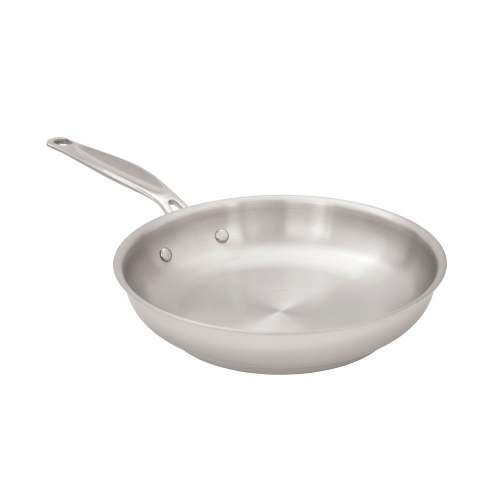
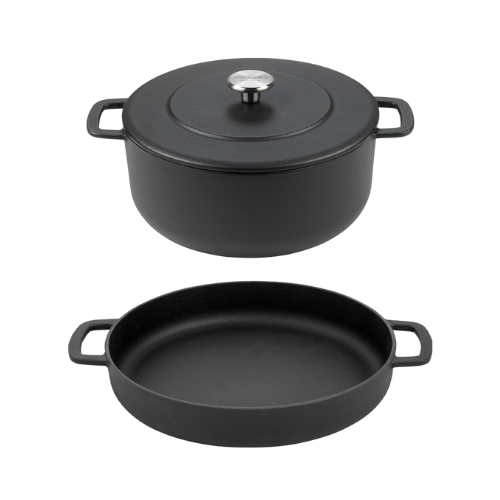
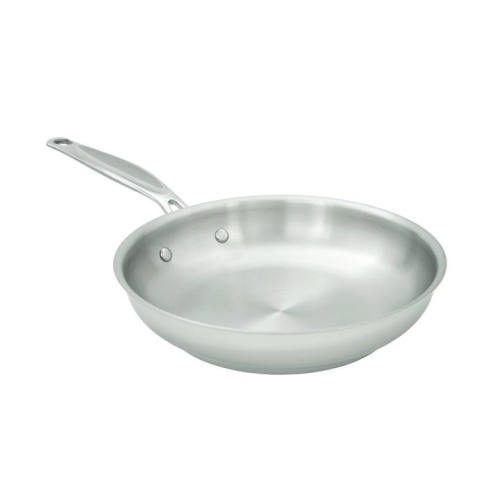
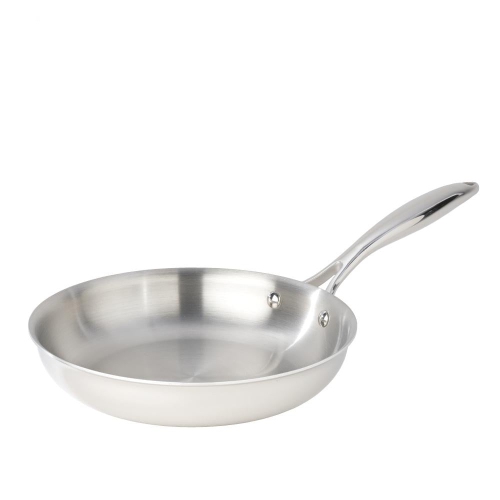
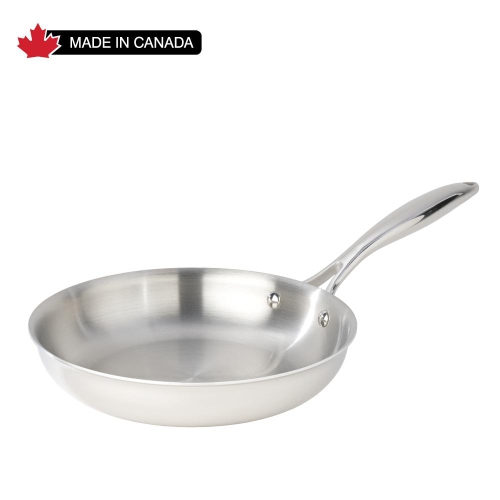
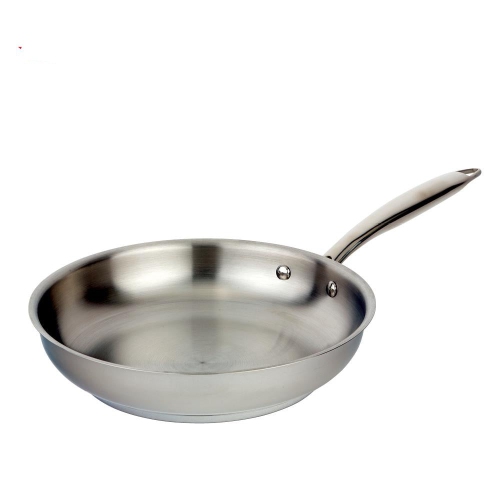
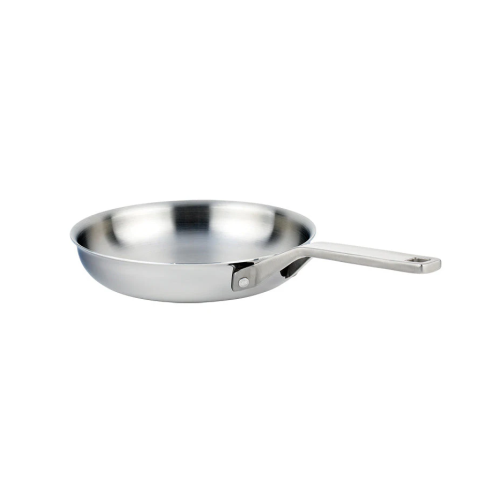
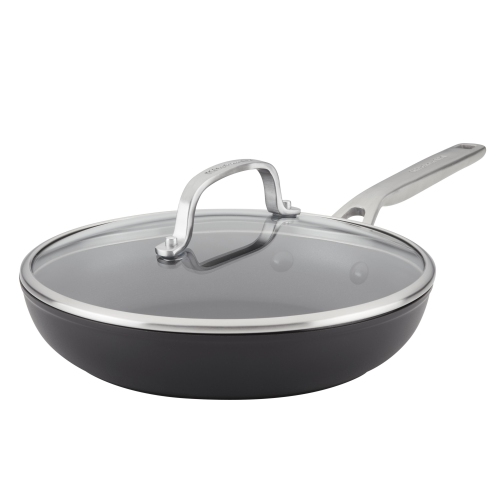

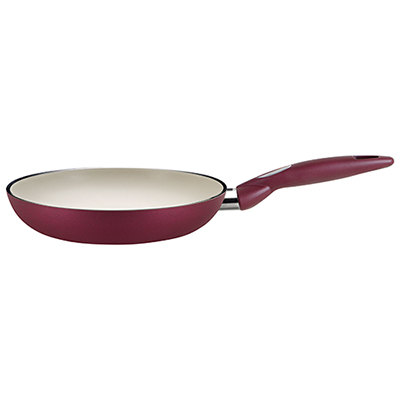
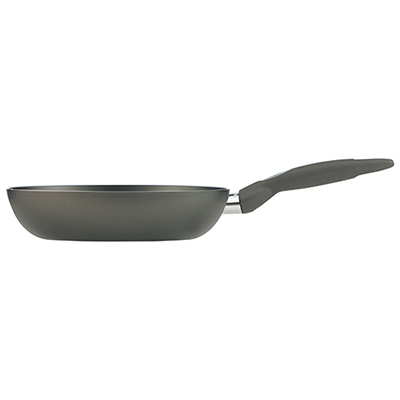
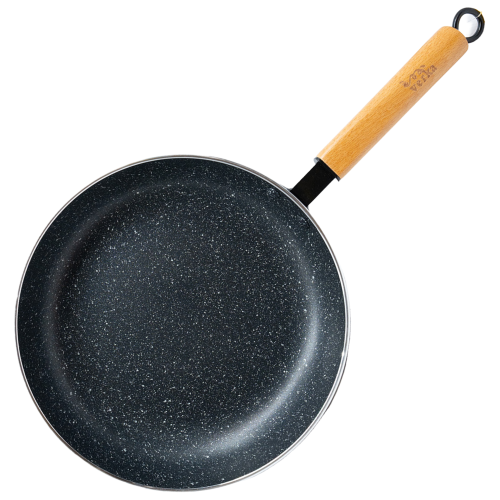


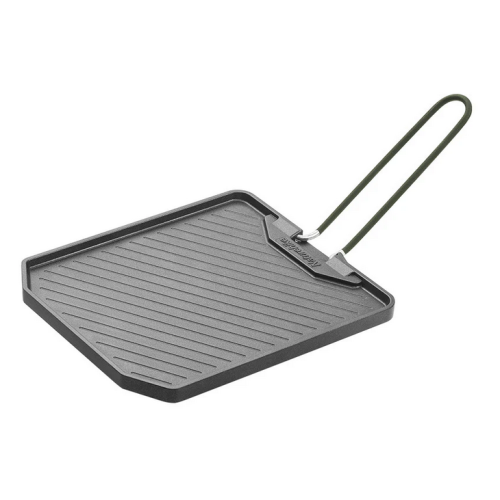
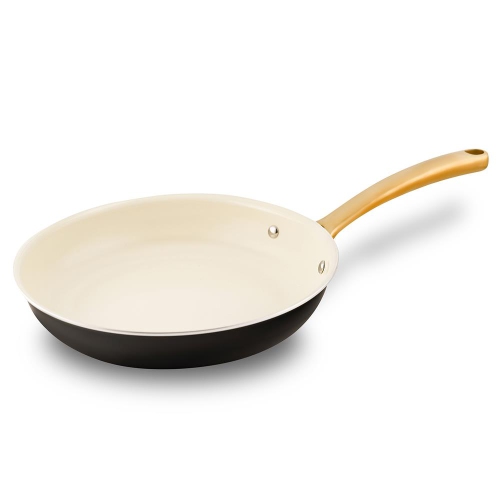
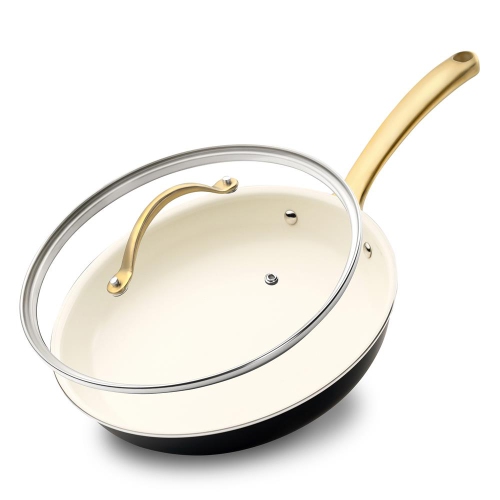
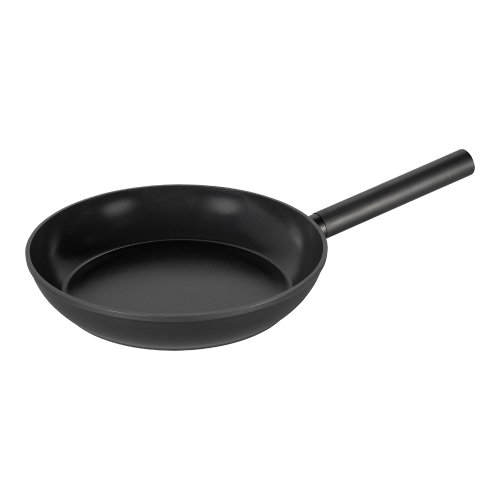
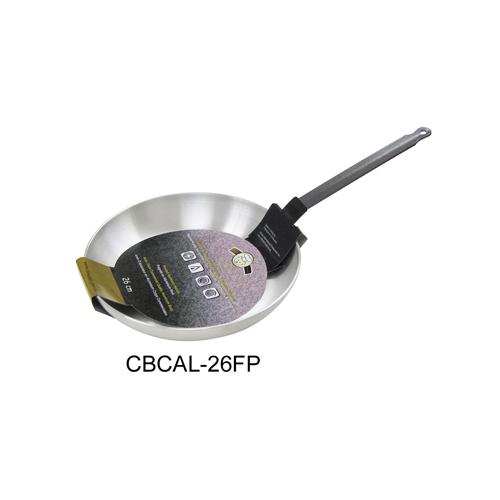
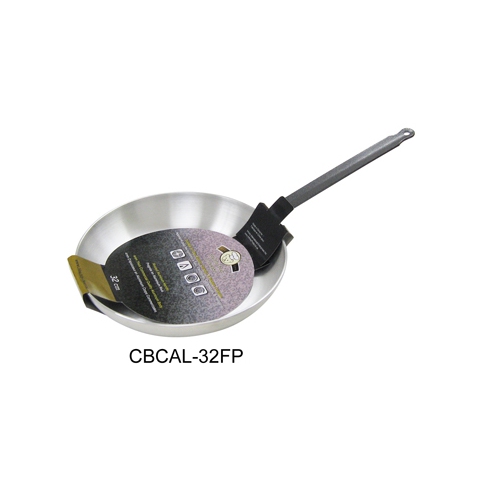
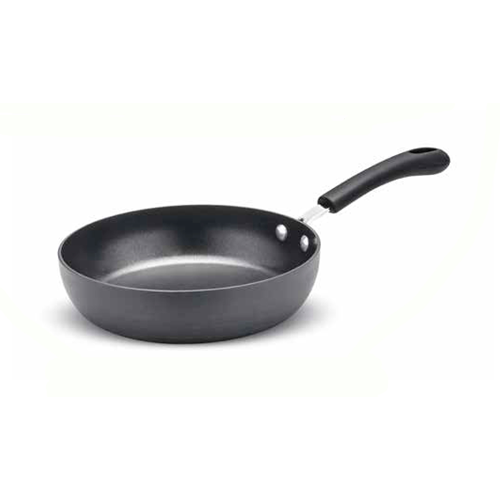
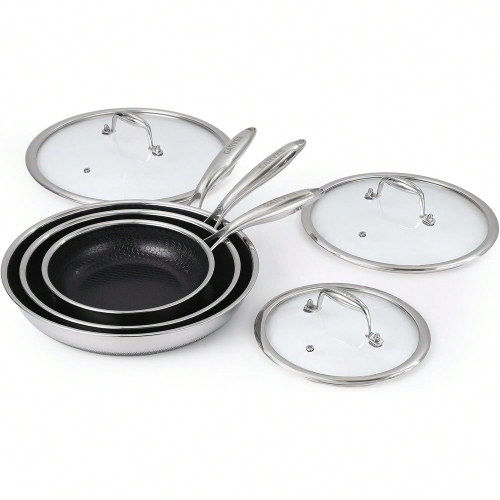
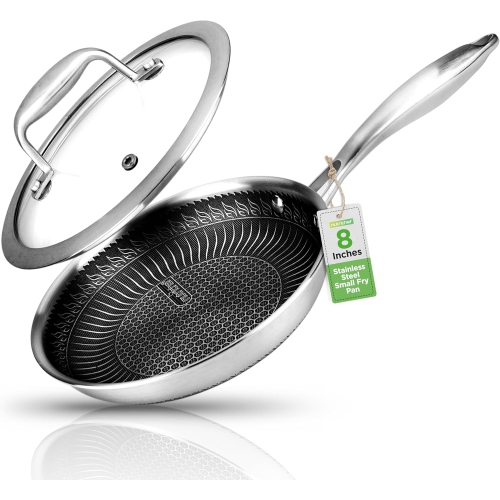
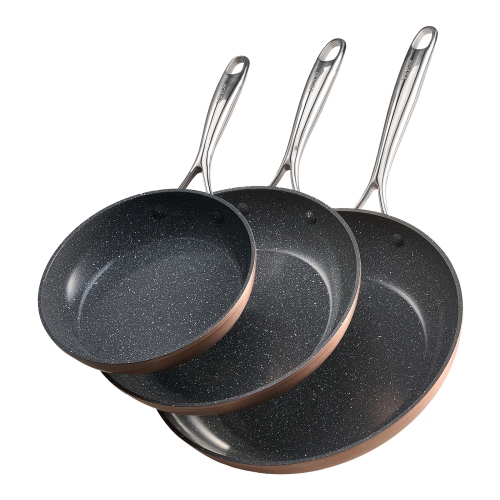
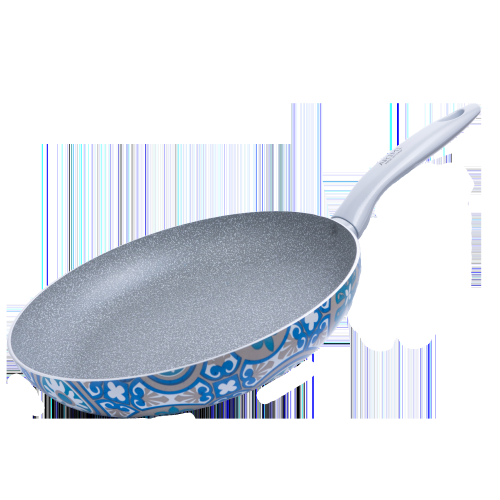
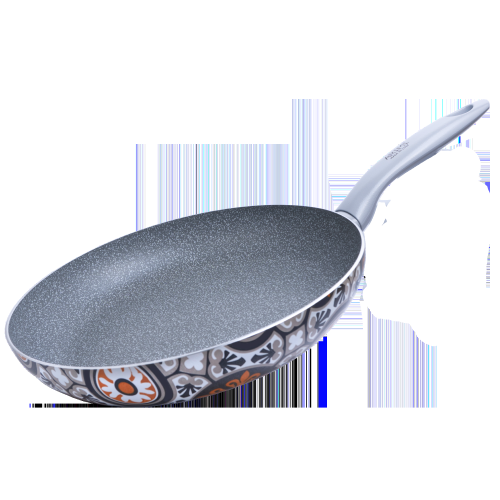
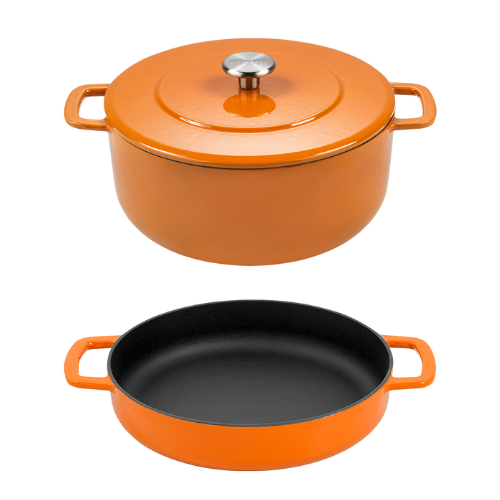


How size, materials and care shape everyday cooking
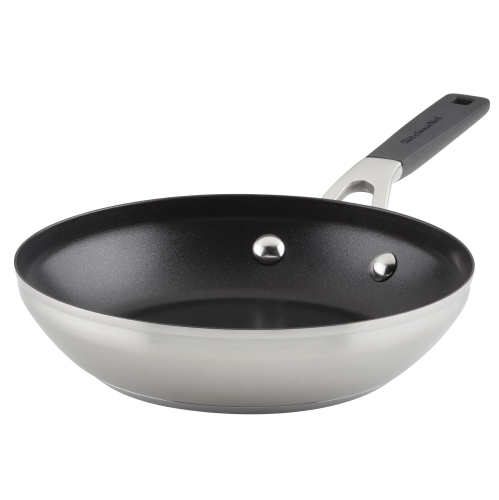
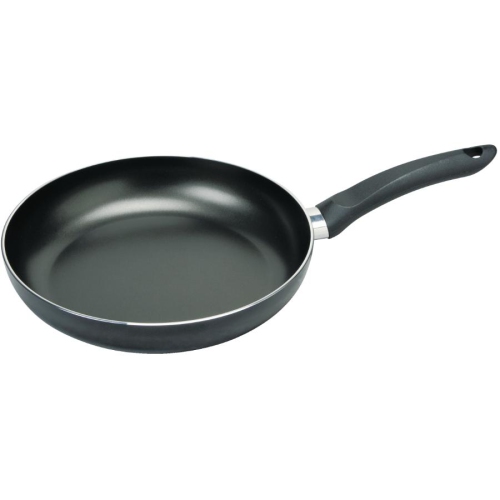
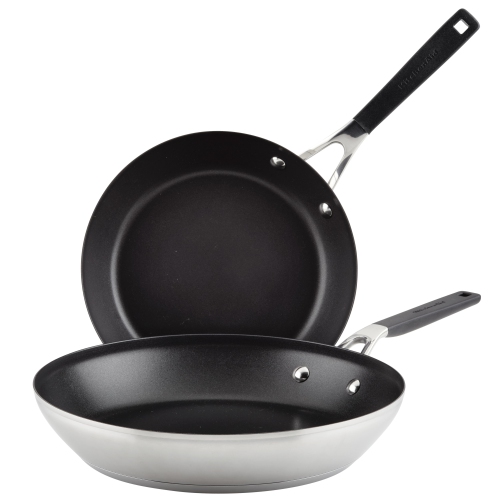
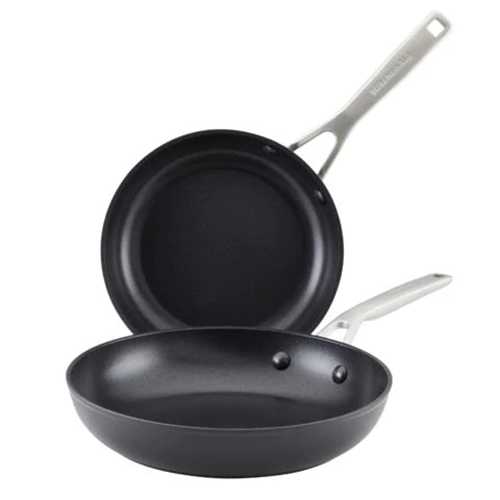
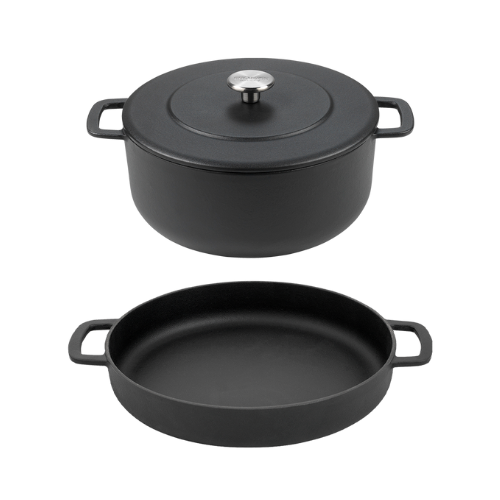
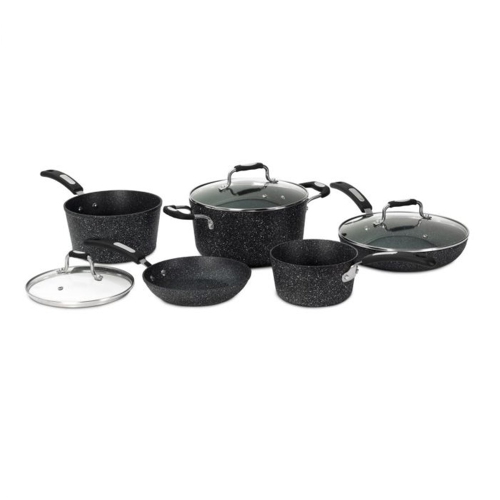
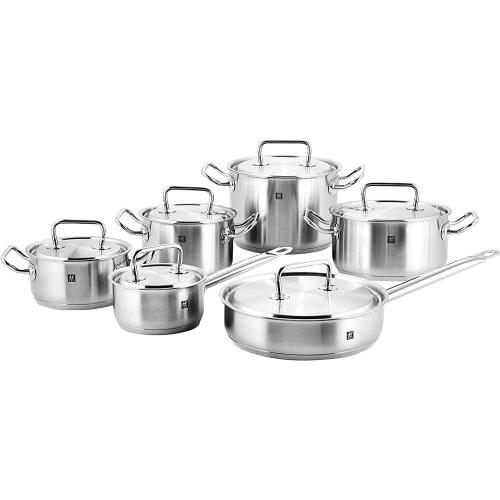
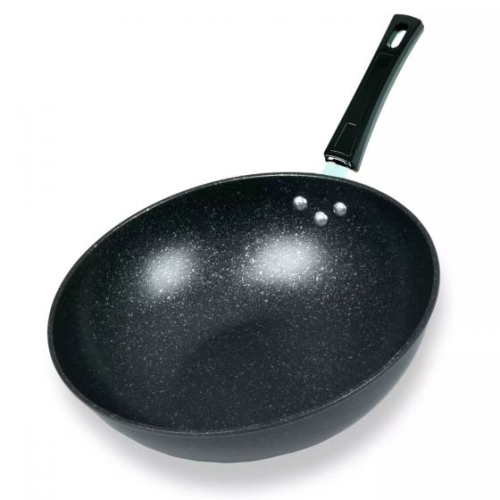
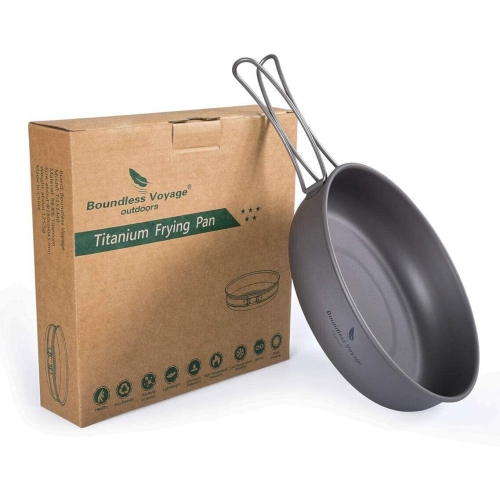
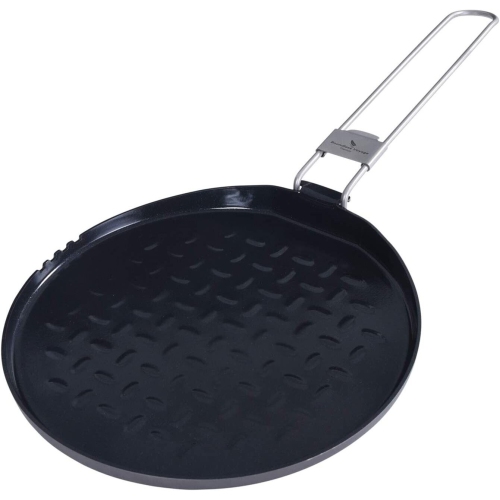
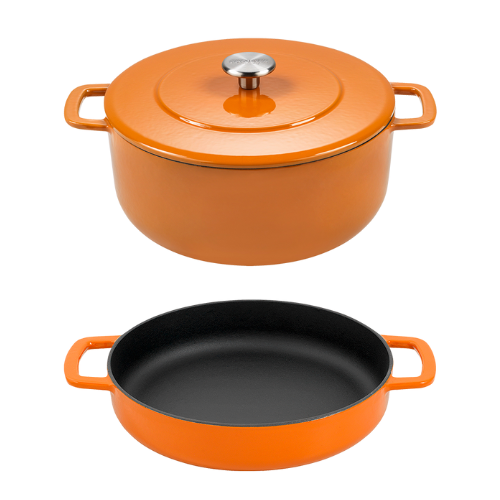
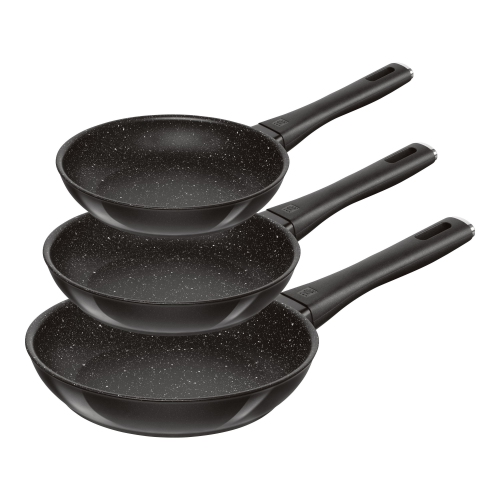
Cookware frying pans are among the most frequently used pieces in a kitchen, handling everything from a quick breakfast to a carefully prepared dinner. A dependable pan can brown vegetables, sear meat, crisp potatoes, warm leftovers, reduce sauces and cook delicate foods such as eggs or fish. When choosing a frying pan, start with the size that fits your usual cooking habits. A pan around 12 inches is often a practical all-around option because it provides enough surface area to cook several portions without overcrowding, while a smaller pan can be more convenient for one person, compact portions or tasks such as frying an egg. Larger pans are useful for family meals, stir-fries and recipes that need room for ingredients to spread out. Sets that include more than one size can help cover everyday cooking needs, especially in a new kitchen or when replacing several older pans. Consider the pan’s weight as well: a heavier design may feel steady on the cooktop and retain heat well, while a lighter pan is easier to lift, move and clean during a busy meal preparation. The right choice often depends on who will use it, how much food they prepare and how much storage space is available.
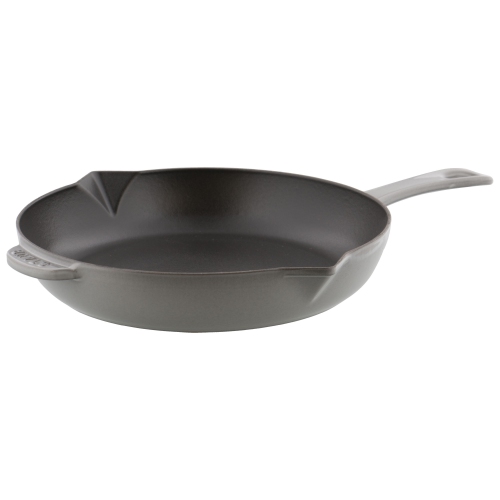
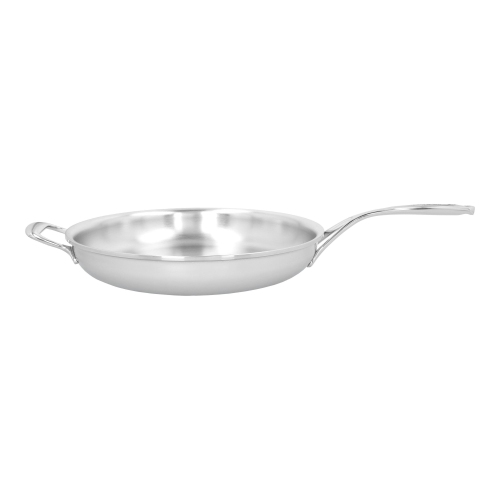
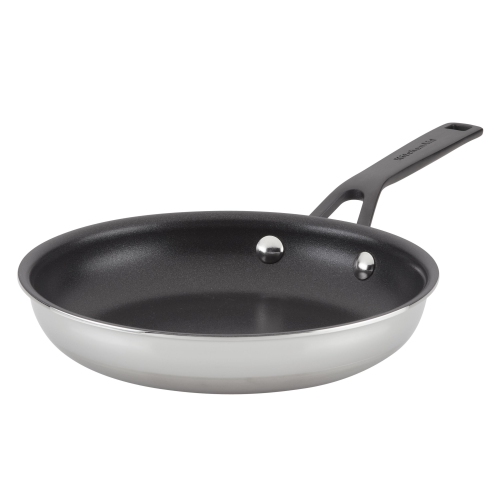
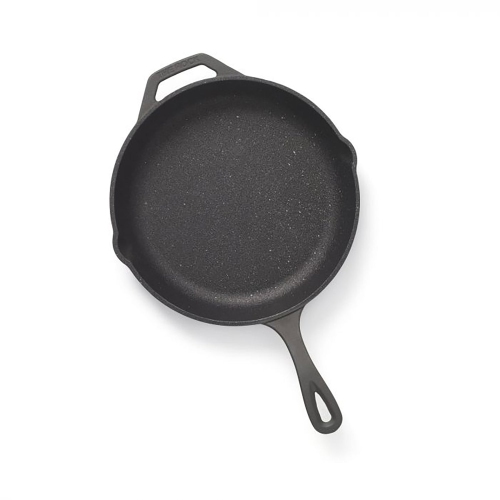
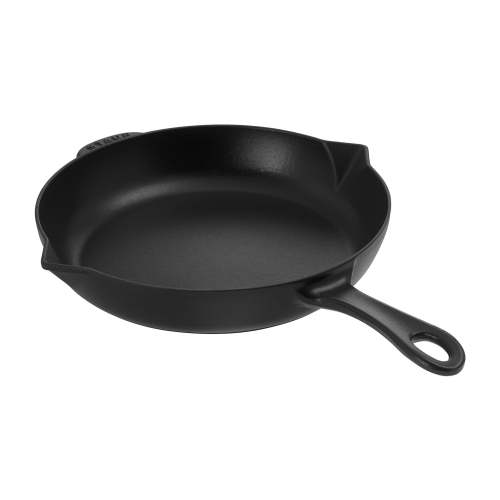
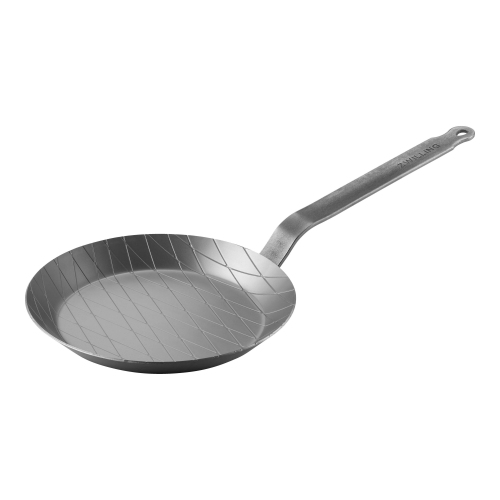
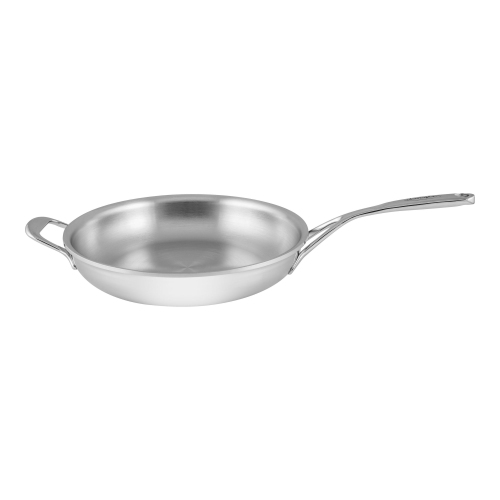
Frying pans are made from a range of materials, and each one brings a different cooking experience. Aluminum heats quickly and spreads heat efficiently, making it convenient for everyday meals and responsive temperature changes. Stainless steel is tough and versatile, and it can be a good fit for cooks who want a pan suited to browning, sautéing and pan sauces; because stainless steel does not conduct heat as readily on its own, a bonded or multi-layer construction can help distribute warmth more evenly. For shoppers comparing finishes, Stainless Steel Frying Pans offer a range of options for different cooking styles and kitchen setups. Cast iron heats more gradually but holds heat exceptionally well, making it useful for searing and recipes that move from the stovetop to the oven. Carbon steel offers a similar ability to develop a deep sear while generally feeling lighter than cast iron. Non-stick frying pans are especially helpful for eggs, pancakes, fish and other foods that can cling to the cooking surface, while also making cleanup simpler. When selecting any pan, check whether it is compatible with your cooktop, including induction, gas, electric or glass surfaces, and review the manufacturer’s guidance for oven use. A comfortable handle, balanced weight, secure grip and a rim that makes pouring easier can make a noticeable difference when cooking several times a week. Lids are also useful for simmering, steaming and keeping food warm, although not every frying pan includes one.
These pans can suit a wide range of cooks, from someone furnishing a first apartment to an experienced home chef refining a well-used kitchen. They also make practical gifts for newlyweds, new homeowners, students moving into their first residence or anyone who enjoys preparing meals at home. A versatile pan can become part of a familiar routine: onions softening in butter before supper, chicken browning evenly for a weeknight dish, or a stack of pancakes appearing on the table during a relaxed weekend breakfast. To help maintain a pan, use the heat level recommended for its material and avoid unnecessarily high temperatures, particularly with non-stick coatings. Medium heat is often sufficient for everyday cooking and can help protect the cooking surface. Use wood, silicone or other non-abrasive utensils when recommended, rather than metal tools that may scratch certain finishes. Allow a hot pan to cool before washing, and follow the care instructions for hand washing, dishwasher use, seasoning or storage. A soft sponge is generally suitable for routine cleaning, while cast iron and carbon steel may require drying and a light application of cooking oil to help maintain their surface. Stacking pans with protective layers can help prevent scuffs, and hanging them can keep handles and cooking surfaces accessible. Whether used for simple meals, batch cooking during the cooler months or special dishes shared with family and friends, the right frying pan should feel comfortable in your hand, match your cooktop and support the way you naturally cook.
Frying pans are made from a range of materials, and each one brings a different cooking experience. Aluminum heats quickly and spreads heat efficiently, making it convenient for everyday meals and responsive temperature changes. Stainless steel is tough and versatile, and it can be a good fit for cooks who want a pan suited to browning, sautéing and pan sauces; because stainless steel does not conduct heat as readily on its own, a bonded or multi-layer construction can help distribute warmth more evenly. For shoppers comparing finishes, Stainless Steel Frying Pans offer a range of options for different cooking styles and kitchen setups. Cast iron heats more gradually but holds heat exceptionally well, making it useful for searing and recipes that move from the stovetop to the oven. Carbon steel offers a similar ability to develop a deep sear while generally feeling lighter than cast iron. Non-stick frying pans are especially helpful for eggs, pancakes, fish and other foods that can cling to the cooking surface, while also making cleanup simpler. When selecting any pan, check whether it is compatible with your cooktop, including induction, gas, electric or glass surfaces, and review the manufacturer’s guidance for oven use. A comfortable handle, balanced weight, secure grip and a rim that makes pouring easier can make a noticeable difference when cooking several times a week. Lids are also useful for simmering, steaming and keeping food warm, although not every frying pan includes one.
These pans can suit a wide range of cooks, from someone furnishing a first apartment to an experienced home chef refining a well-used kitchen. They also make practical gifts for newlyweds, new homeowners, students moving into their first residence or anyone who enjoys preparing meals at home. A versatile pan can become part of a familiar routine: onions softening in butter before supper, chicken browning evenly for a weeknight dish, or a stack of pancakes appearing on the table during a relaxed weekend breakfast. To help maintain a pan, use the heat level recommended for its material and avoid unnecessarily high temperatures, particularly with non-stick coatings. Medium heat is often sufficient for everyday cooking and can help protect the cooking surface. Use wood, silicone or other non-abrasive utensils when recommended, rather than metal tools that may scratch certain finishes. Allow a hot pan to cool before washing, and follow the care instructions for hand washing, dishwasher use, seasoning or storage. A soft sponge is generally suitable for routine cleaning, while cast iron and carbon steel may require drying and a light application of cooking oil to help maintain their surface. Stacking pans with protective layers can help prevent scuffs, and hanging them can keep handles and cooking surfaces accessible. Whether used for simple meals, batch cooking during the cooler months or special dishes shared with family and friends, the right frying pan should feel comfortable in your hand, match your cooktop and support the way you naturally cook.
Top selling and popular products
-
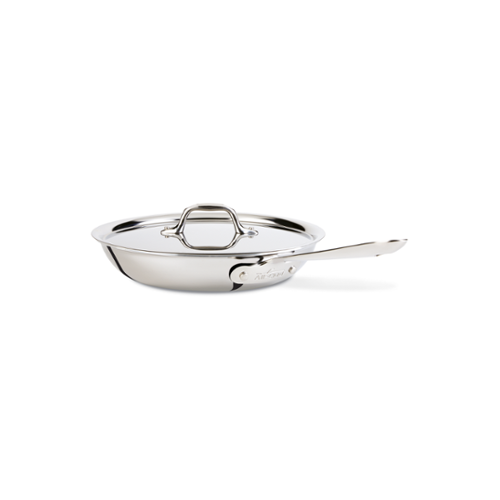 Your price for this item is $137.7
 -
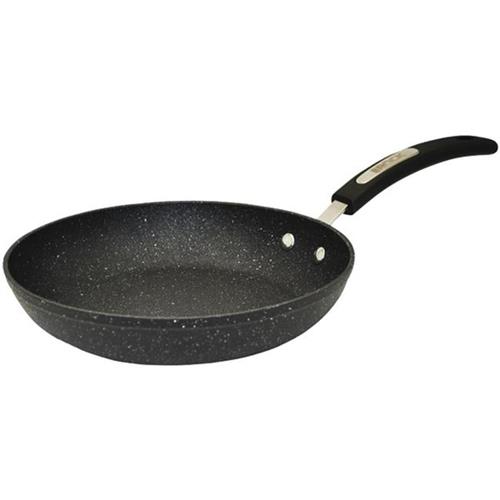 Your price for this item is $33.97
 -
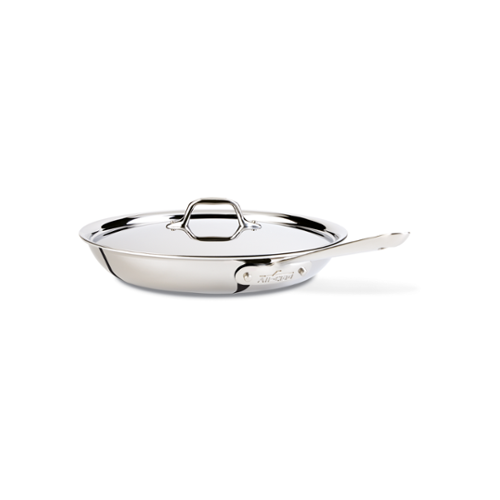 Your price for this item is $289.04
 -
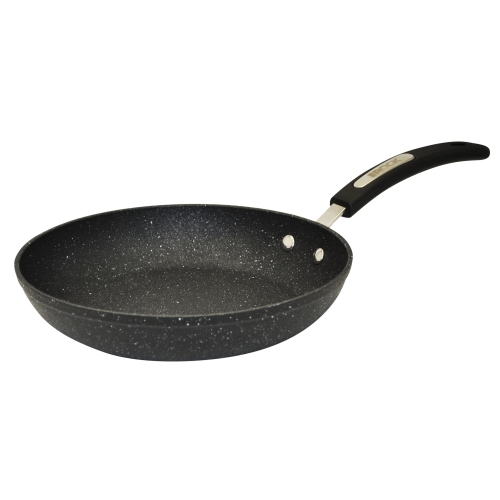 Your price for this item is $29.99
 -
 Your price for this item is $139.53
 -
 Your price for this item is $100.73
 -
 Your price for this item is $49.99
 -
 Your price for this item is $399
Discover more categories related to Cookware Frying Pans

Top Collections:
Pokemon Centers, Kindle Devices, Best Budget Office Chairs, Apple iPhones 16, Best Laptops for Writers, iPhone 15 Apple, Canon G7X Cameras, Refurbished Apple Laptops, Alarm Clock, Motorola Razr Phones
Some products may be subject to Environmental Handling Fees
(EHF) depending on your province.
Learn more about EHFs.