Cordless Snow Blowers

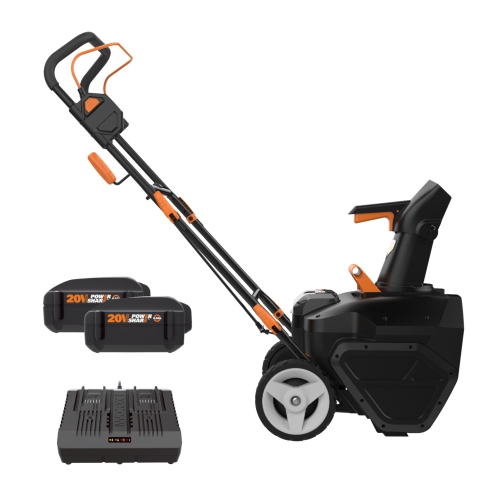
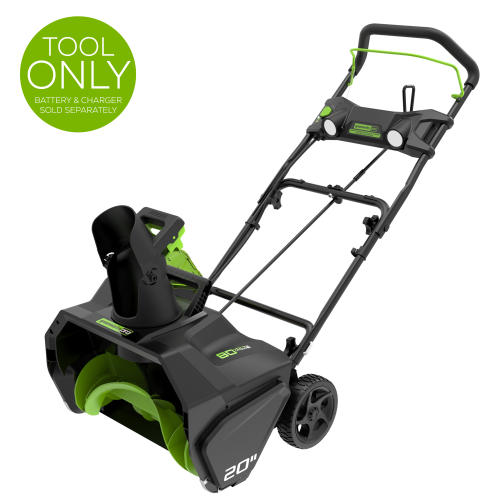
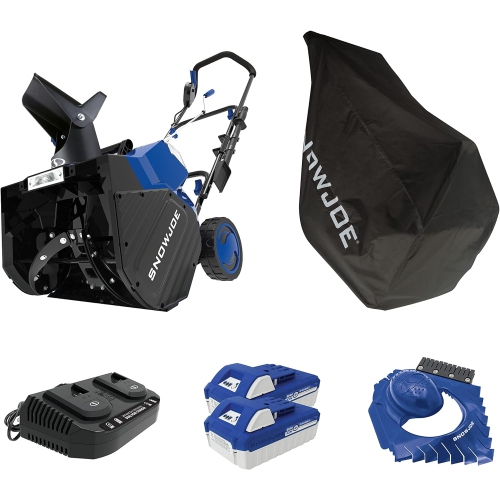
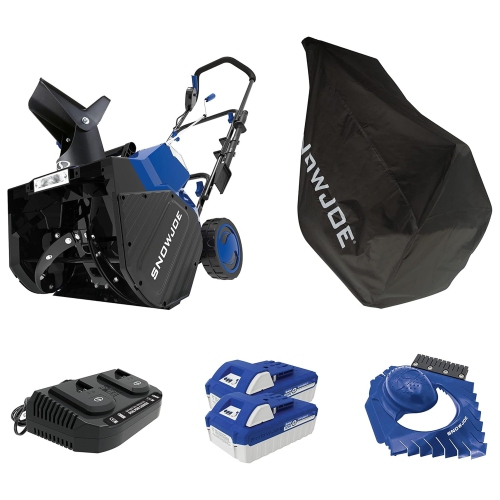
Cordless snow blowers offer battery-powered snow clearing for driveways and walkways without a power cord or petrol engine. Compare clearing widths, battery requirements, and handling to find a model suited to your space and typical snowfall, and check whether a battery and charger are included.
Read More

Sort

How snow conditions shape your snow blower options

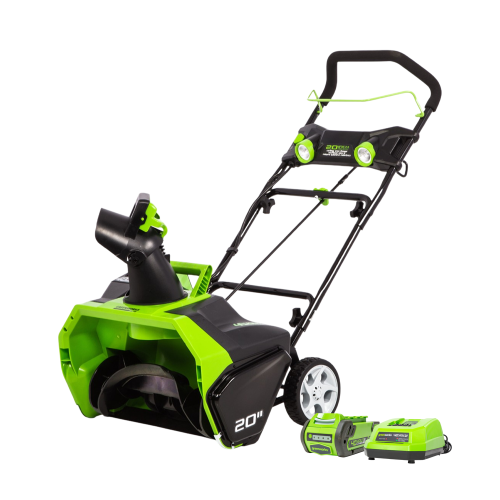
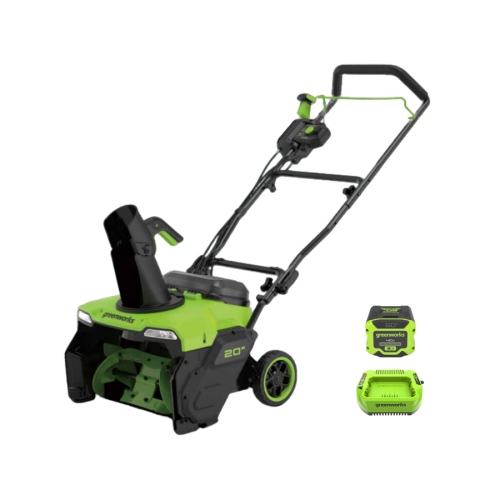
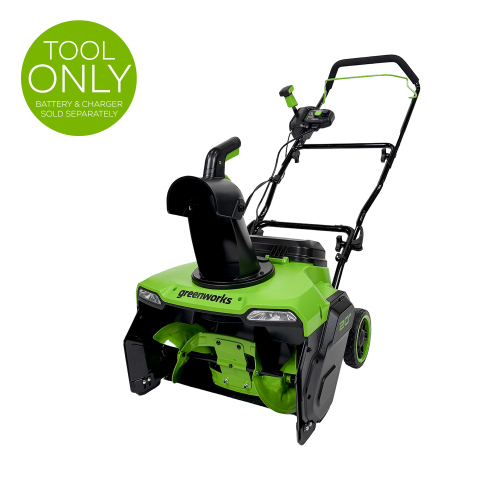
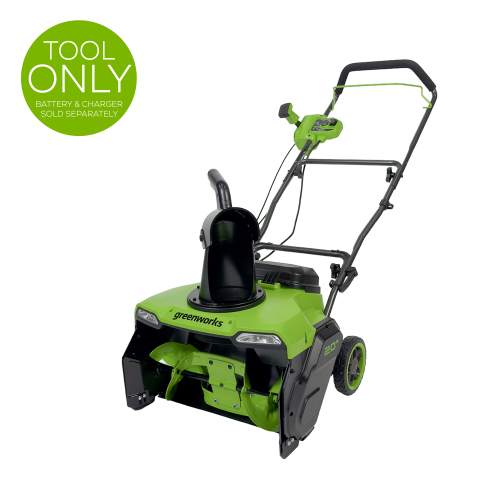
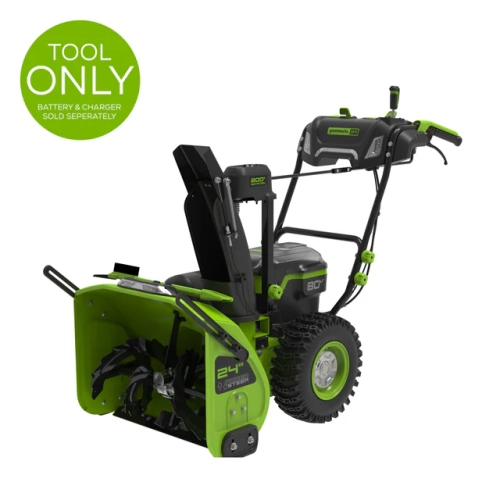
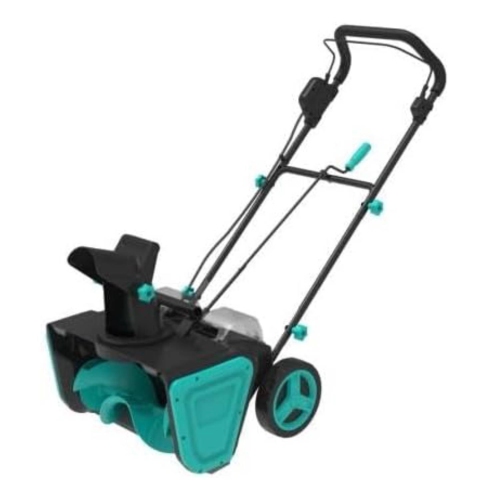
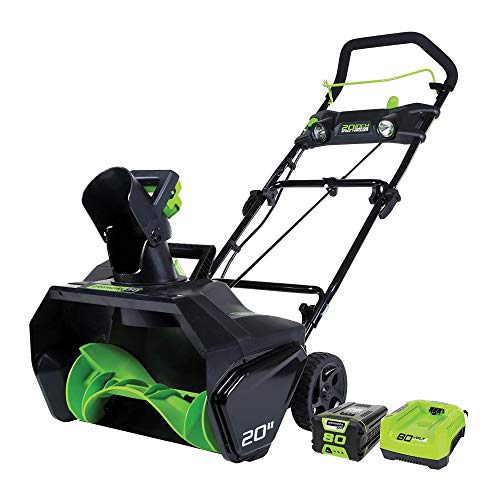
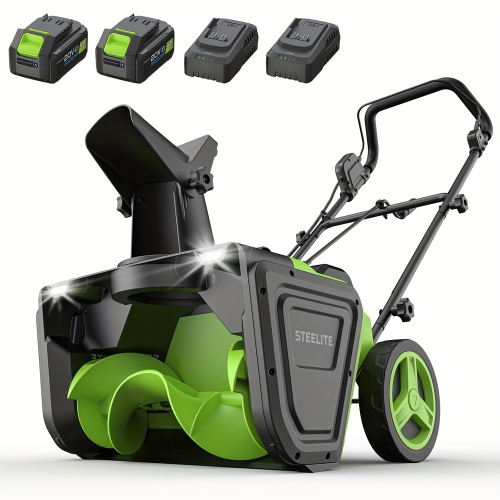
Cordless snow blowers use rechargeable batteries to clear snow without a power cord or gasoline engine, making them a practical option for driveways, sidewalks, and paths around the home. Their usefulness depends on the amount and texture of the snow, the size of the area, and the machine’s clearing system. Single-stage cordless snow blowers use an auger to gather and discharge snow in one motion. These generally lighter, more compact machines suit smaller paved areas and light to moderate accumulations, especially when snow is cleared before it becomes heavily packed. Two-stage cordless snow blowers use an auger to collect snow and a separate impeller to propel it through the chute. They are typically better suited to larger driveways, deeper snowfall, and heavier accumulations, although performance varies with the machine and conditions. A fresh layer of powder across a short driveway presents a different task from the dense ridge left at the curb by a snowplow. Wet, compacted snow puts more demand on both the clearing mechanism and the battery, and may require slower travel or narrower passes. Clearing width helps determine how much ground a machine covers with each pass, while intake height indicates the size of its opening rather than a guarantee that it can clear every accumulation of that depth. A wide clearing path can reduce passes across an open driveway, but a narrower body may fit more comfortably through a gate or along a walkway beside parked vehicles. Throw distance also varies with snow weight, wind, and chute position; the maximum stated distance is not what every snowfall will produce. For homeowners maintaining access between the front door, garage, and pavement, the best fit is a machine that matches the property’s usual workload while remaining manageable to turn, move, and store. Larger dimensions alone do not make a snow blower more suitable for a tight urban driveway or a winding garden path.

Battery capacity, charging arrangements, and handling features all influence how a cordless snow blower fits into a snow-clearing routine. Battery voltage and amp-hour ratings describe different aspects of a battery system, and neither figure alone establishes how effectively a machine will clear a driveway. Within a compatible platform, a higher amp-hour battery generally stores more charge than a lower-capacity battery at the same voltage, but actual runtime depends on snow depth, moisture, travel speed, and the load on the motor. Cold batteries can also deliver less usable power. A machine working through loose snow on a level path may run substantially longer than the same machine pushing into slushy piles. Some designs require multiple batteries to operate, while others use additional batteries to extend working time, so the required battery arrangement matters as much as the number of battery slots. Battery and charger compatibility is specific to the manufacturer’s system; similar-looking packs are not necessarily interchangeable. Charging time and the number of batteries a charger can charge at once can affect the pause between clearing sessions. Beyond the battery system, self-propelled drive can reduce the effort needed to move a heavier machine, particularly over a long driveway, although steering and turning still require control. Variable travel speeds help match the pace to the snow, and reverse assistance can be useful when backing out of a narrow space. Handle height, grip shape, and controls that can be operated with winter gloves contribute to comfort. Headlights improve visibility along dim paths, while adjustable chute direction and discharge angle help place snow away from doors, vehicles, and already-cleared sections. Tire tread supports traction, but no tire removes the slipping risk on ice. For someone with limited storage or a short path to maintain, weight and manoeuvrability may matter more than a broad intake. Smaller clearing tasks can also suit Cordless Snow Shovels, which offer a compact format for areas where a full-size wheeled machine would be awkward, subject to the tool’s intended surfaces and operating limits.

Construction and care have a direct bearing on how well cordless snow blowers stand up to repeated use. Housings may combine metal and impact-resistant plastic, while auger designs can include steel, rubber paddles, or other materials suited to the clearing system. Each component has a different job: the housing supports the mechanism, the auger moves snow, and the scraper edge helps determine what remains on the surface. On many single-stage machines, the paddles work close to or in contact with pavement, which makes surface condition important. Raised paving stones, loose gravel, and uneven joints can create problems for a machine designed for smooth, hard surfaces. Some two-stage models have adjustable skid shoes that provide clearance beneath the scraper bar and may permit use on gravel when configured according to the manufacturer’s directions. That does not make every two-stage machine suitable for every loose or uneven surface. Replaceable scraper bars, paddles, skid shoes, and other wear parts can help support a longer service life, provided replacements are compatible with the machine. Battery operation removes gasoline storage and engine oil changes from routine care, but the auger, chute, fasteners, tires, and safety controls still need attention. Before snowfall covers the ground, removing stones, branches, toys, and other loose objects from the clearing area helps reduce the chance of damage or thrown debris. After use, clearing away residual snow as directed and allowing the machine to dry before storage can limit ice buildup and prolonged moisture exposure. A blocked chute requires particular care: turn the machine off, remove the battery packs as instructed, wait for all moving parts to stop, and use the designated clearing tool rather than hands. Batteries should be stored and charged within their specified temperature ranges, away from direct heat, with terminals kept clean and dry. Folding handles can ease storage, but sufficient space is still needed to move the machine safely. For households that regularly clear their own access routes, a well-matched cordless snow blower brings together suitable clearing ability, comfortable operation, and upkeep that fits the way the property is used.
Read More

FAQ

Some products may be subject to Environmental Handling Fees (EHF) depending on your province. Learn more about EHFs.