Corner Cabinets
Organize and maximize your living space with this selection of versatile corner cabinets. Perfect for optimizing those often underutilized corners in your home, these cabinets offer both functionality and style. Whether you're looking to store books, display decorative items, or declutter a room, our range of corner cabinets provides the perfect solution. Explore various sizes, finishes, and designs to find the ideal fit for your space and elevate your home decor effortlessly.
Sort

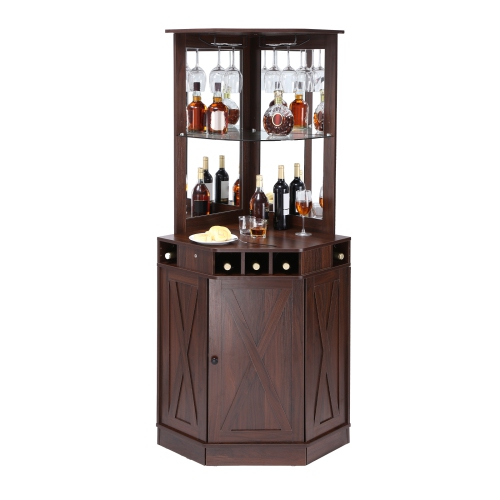
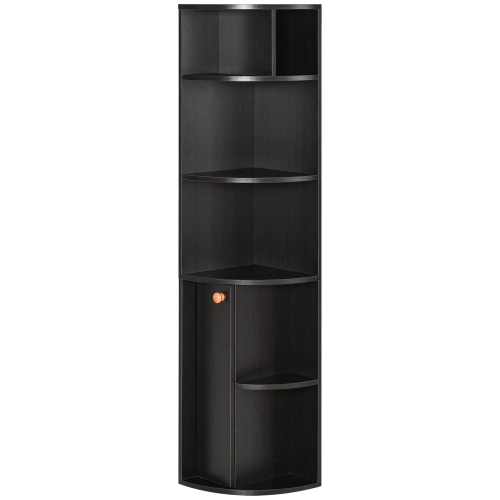
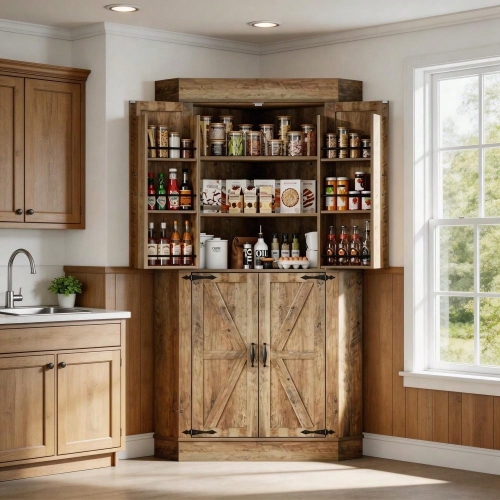
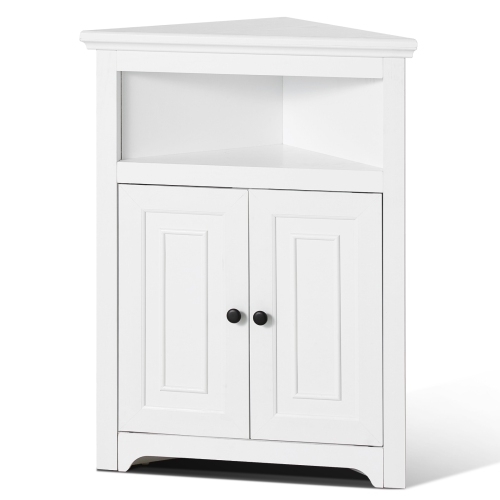
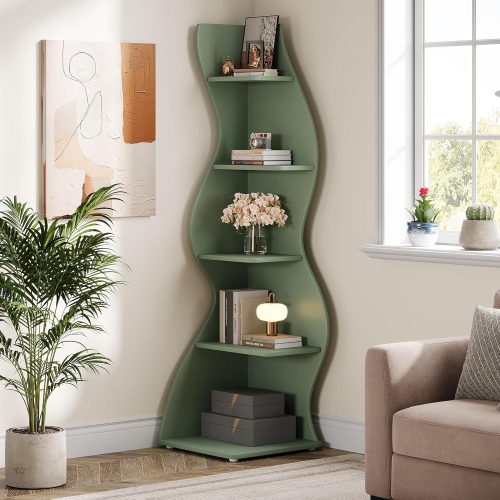
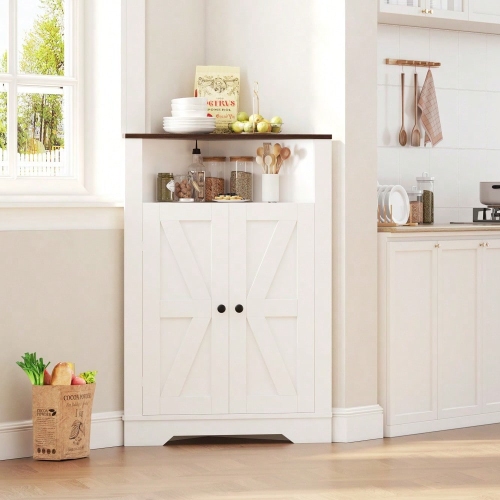
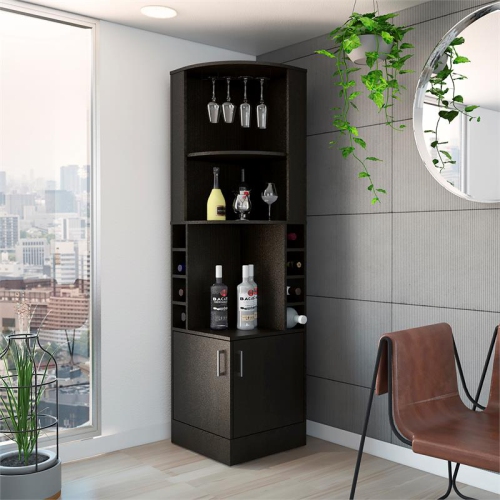
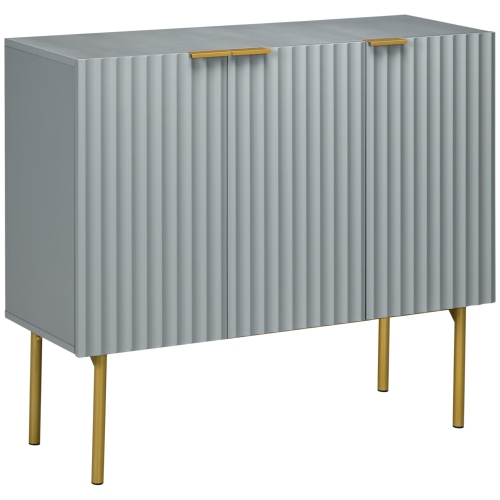
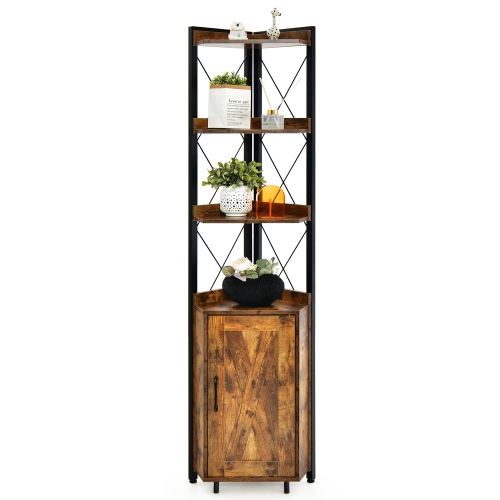
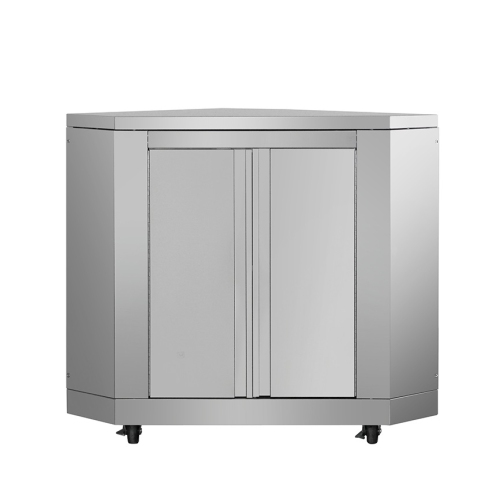
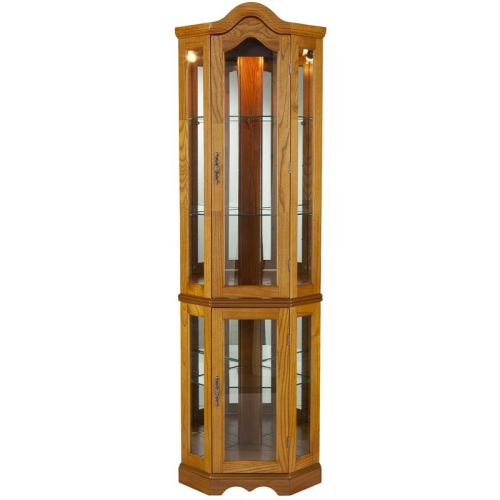
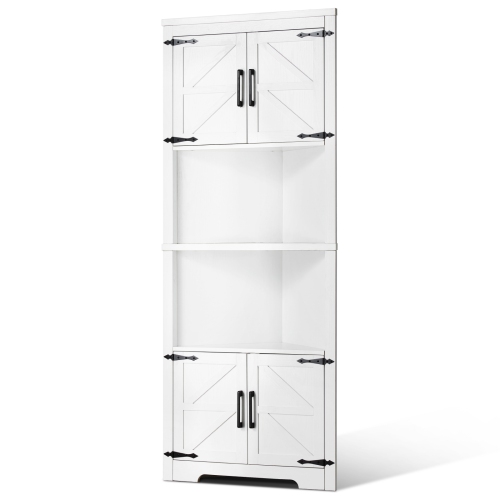
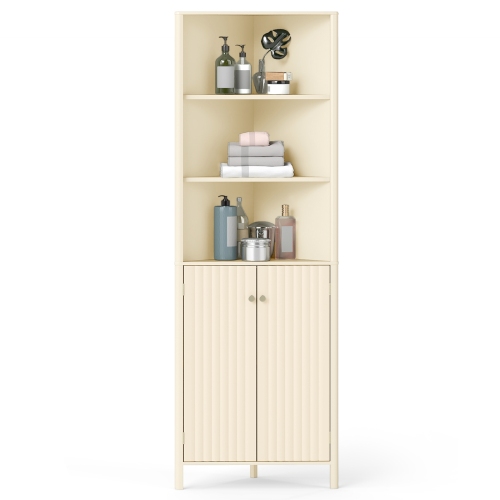
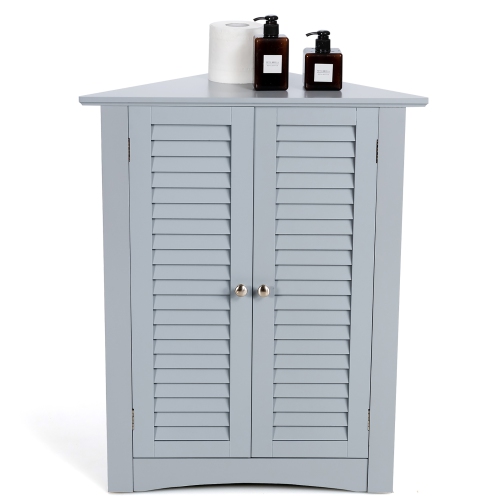
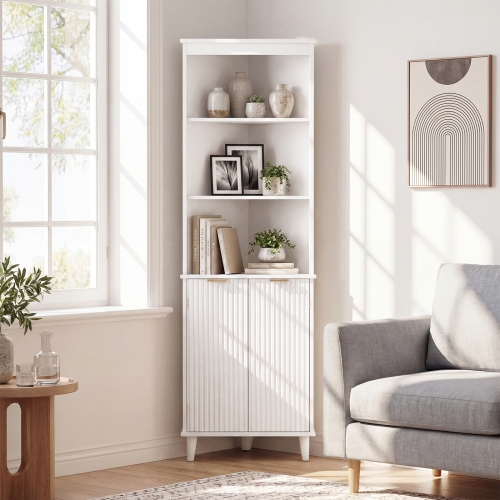
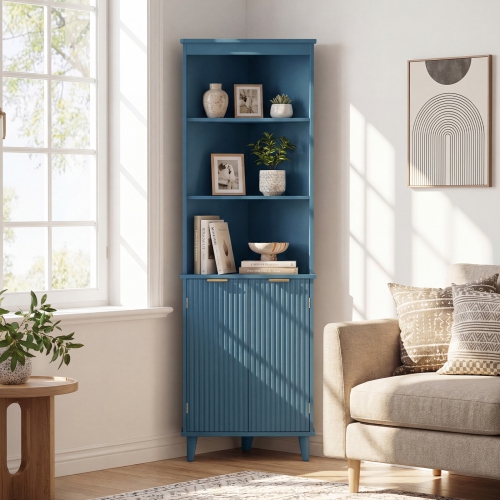
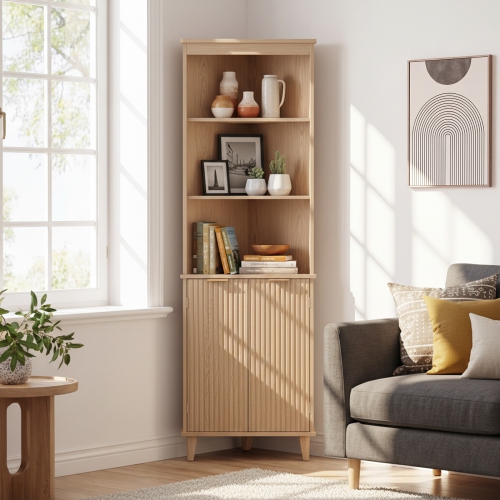
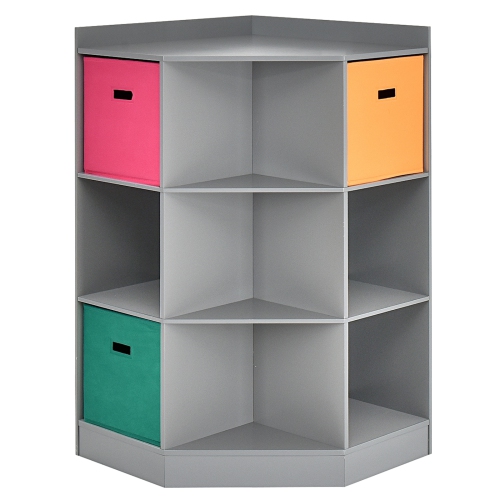
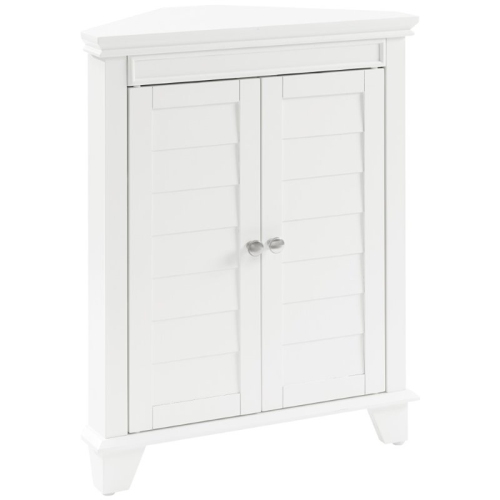
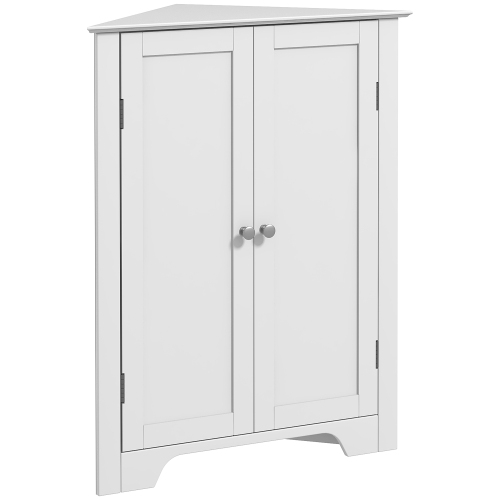
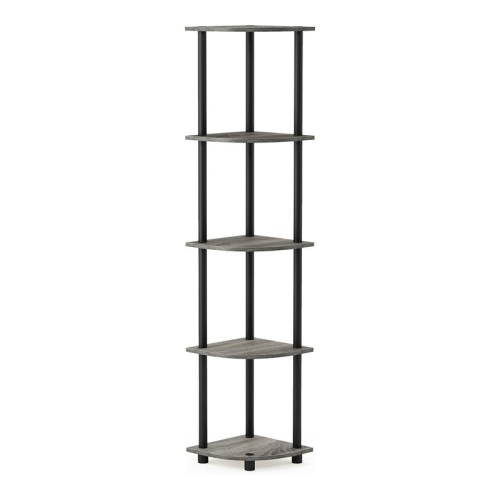
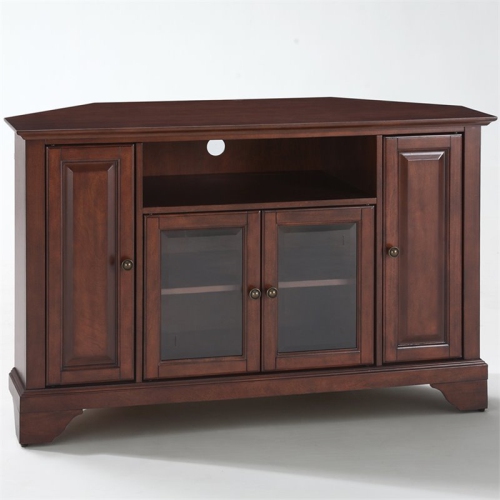

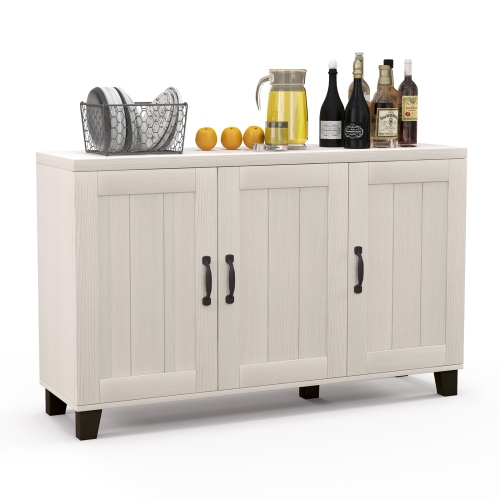
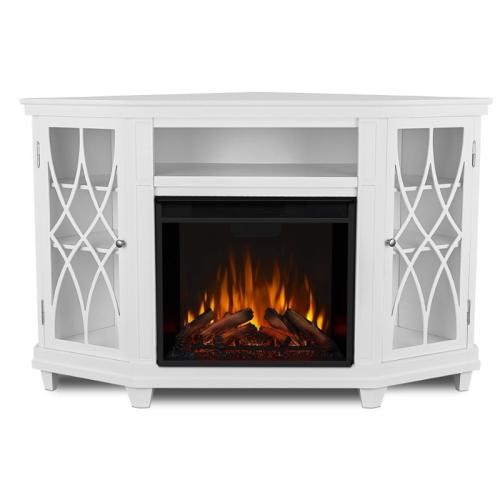
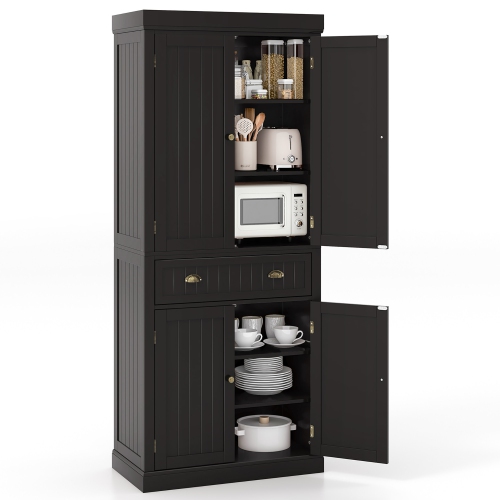
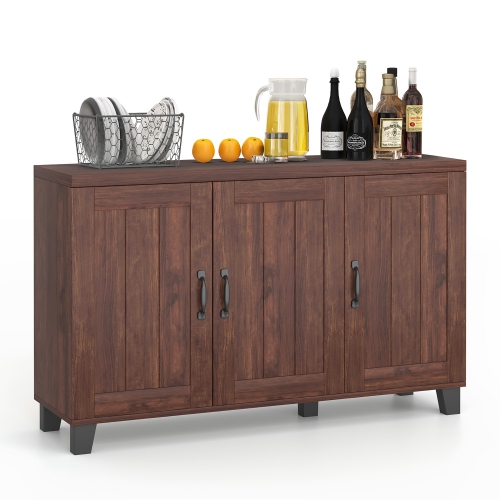
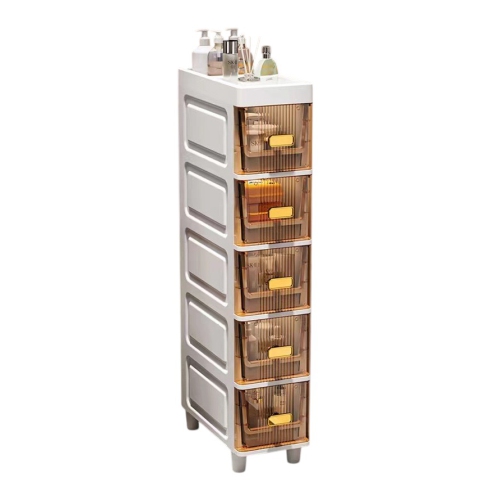
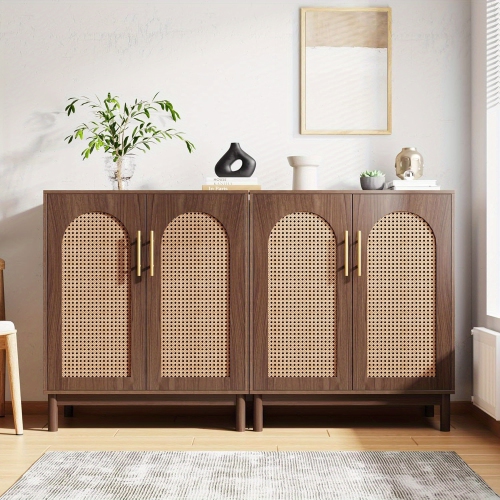
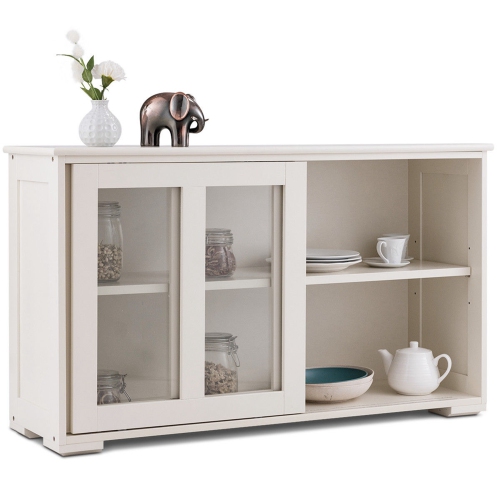

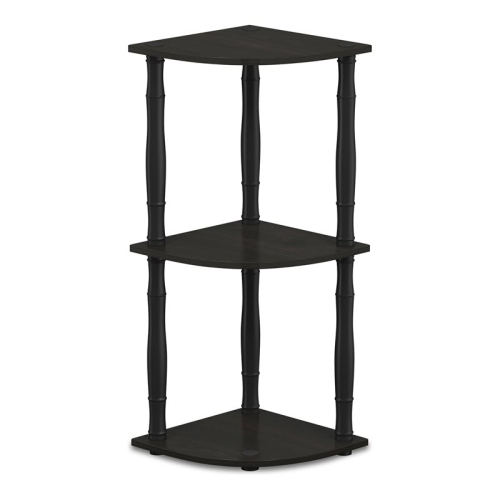
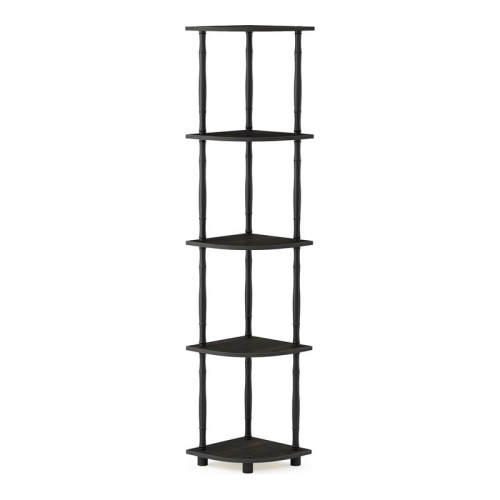
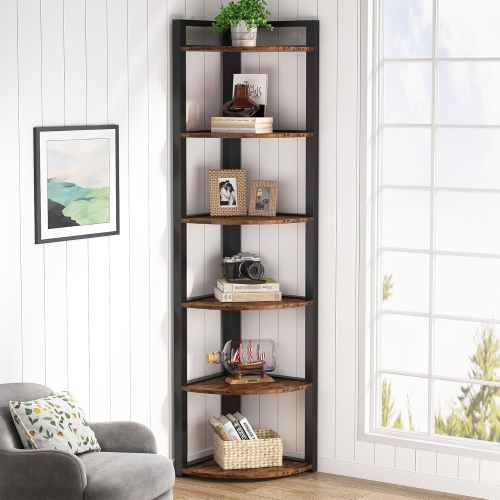
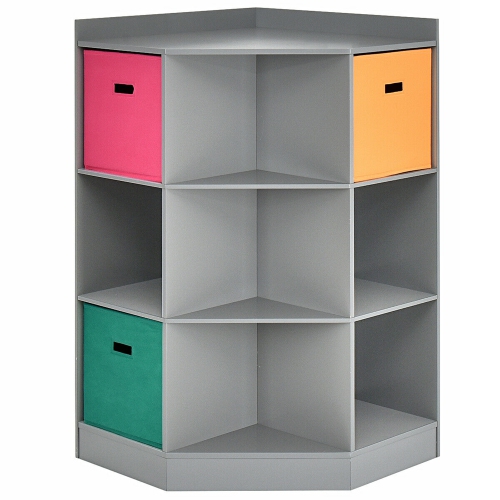
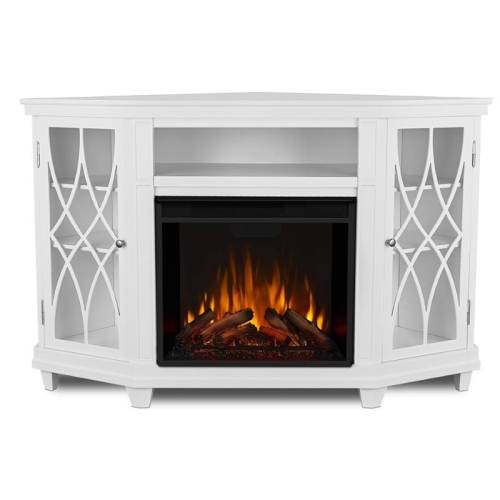
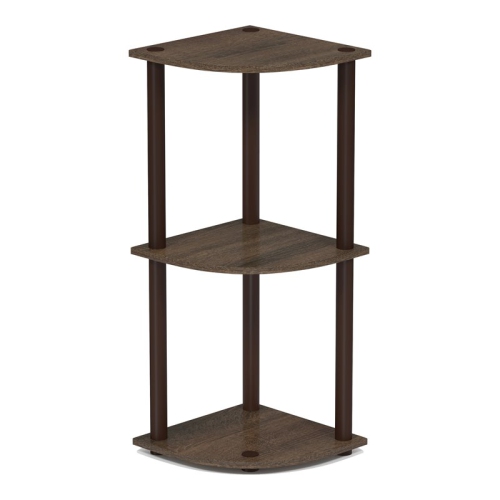
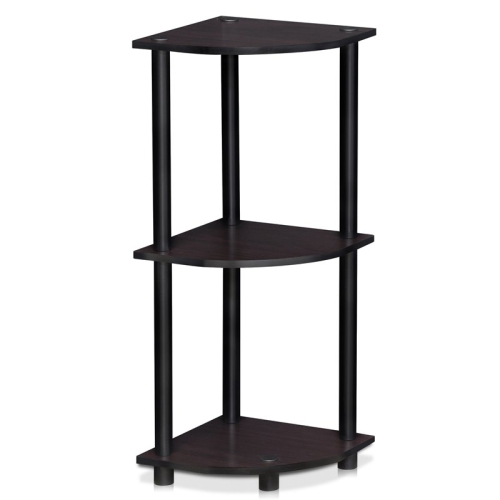
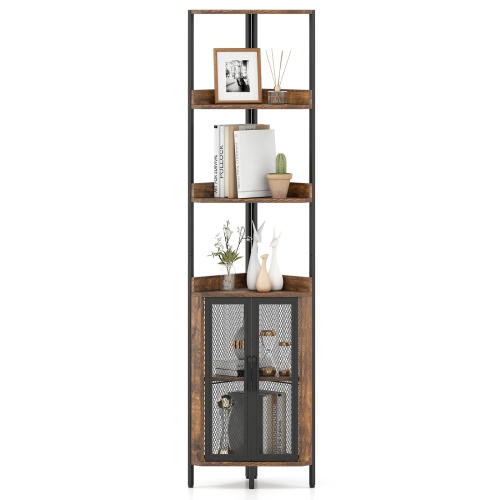
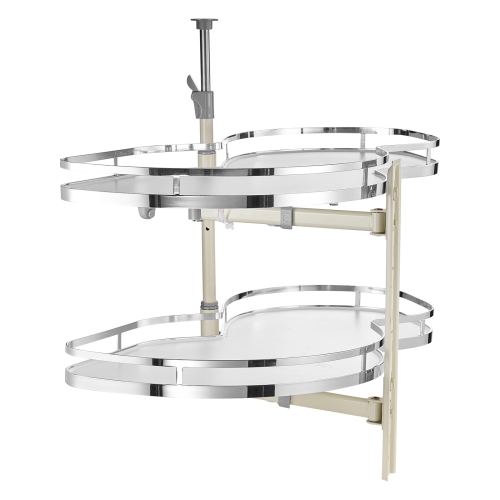
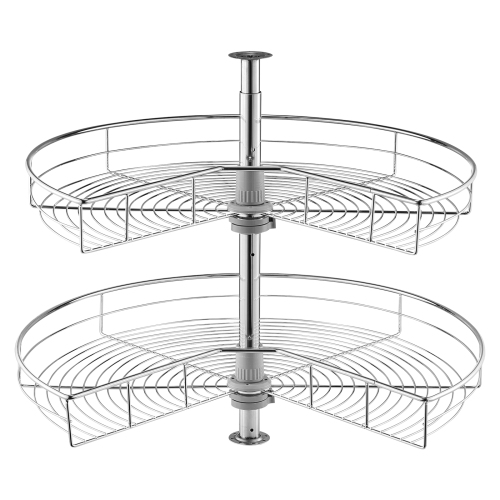
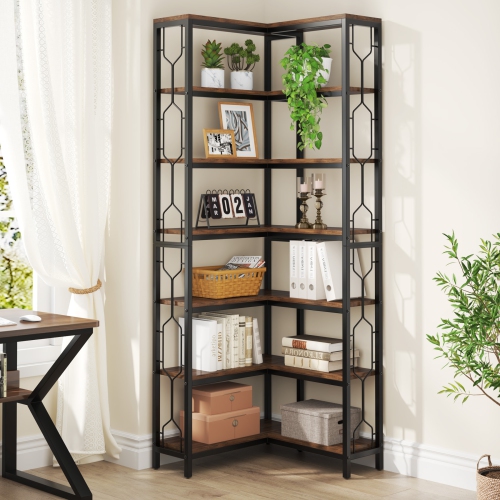
Practical storage solutions for hard-to-reach corners
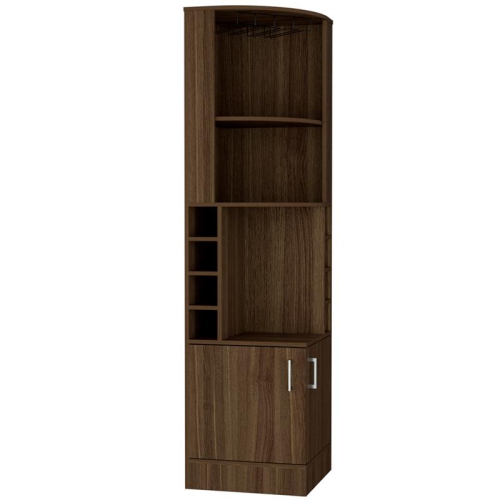
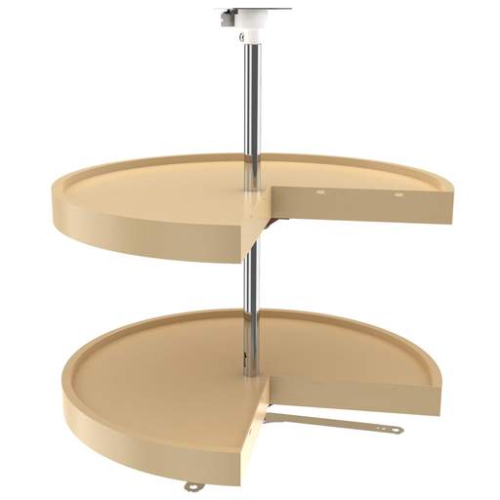
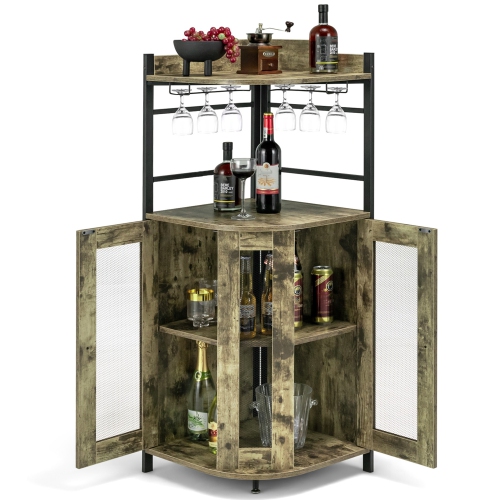
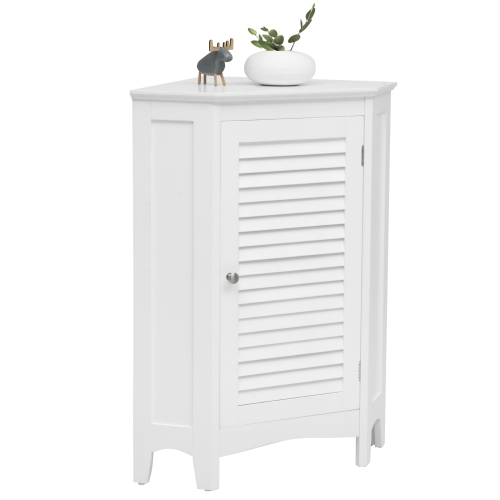
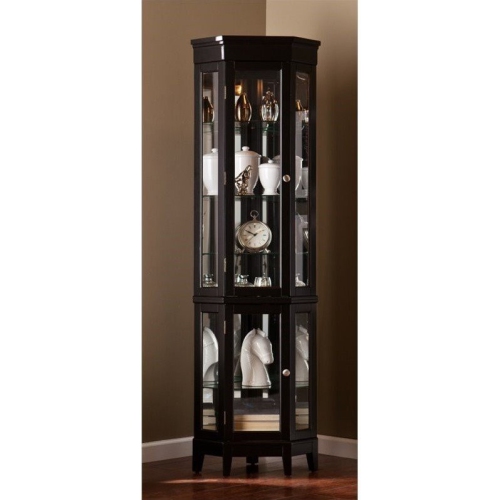
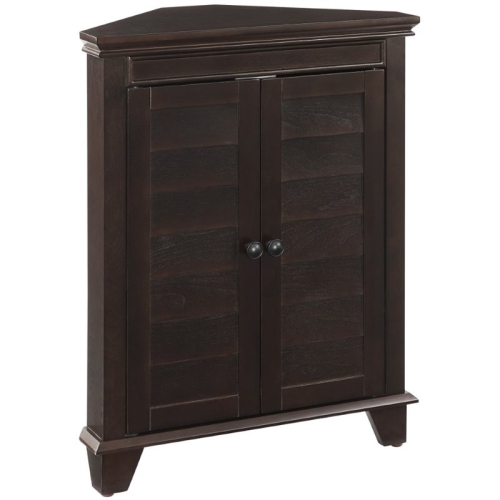
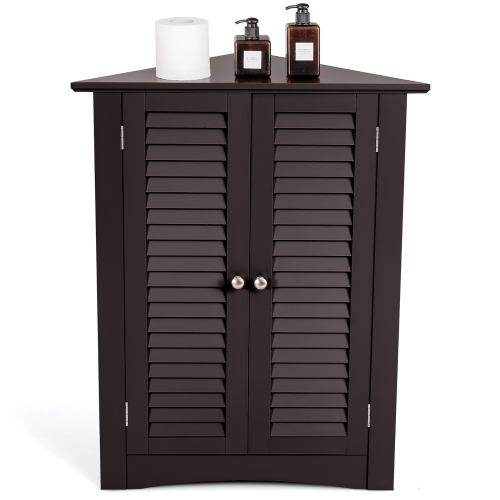
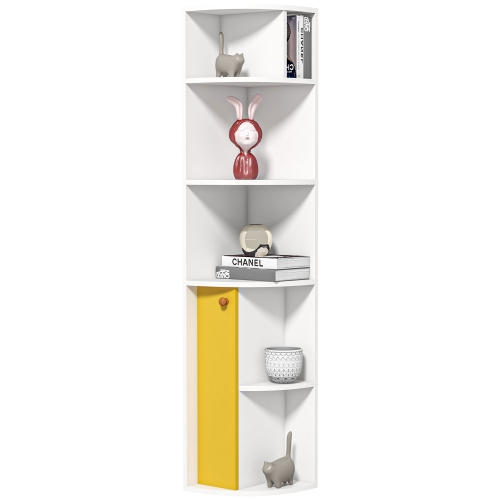
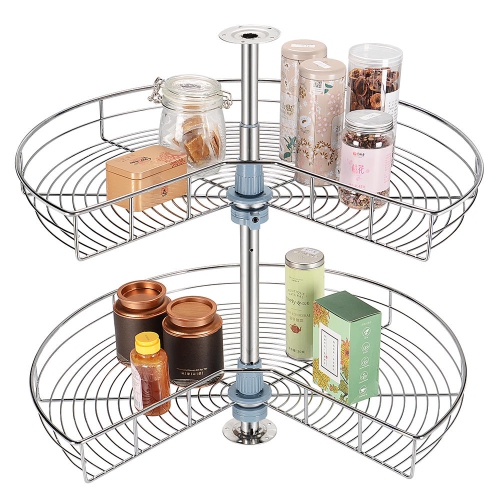
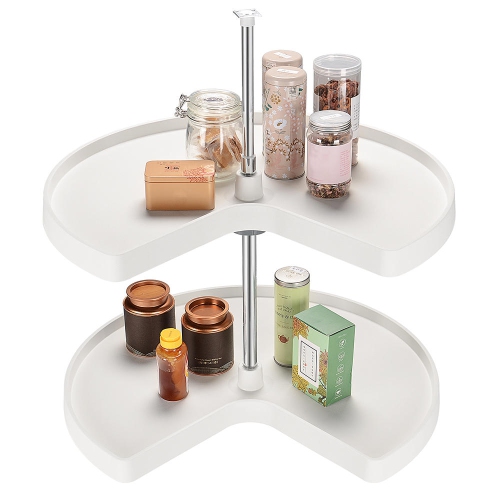
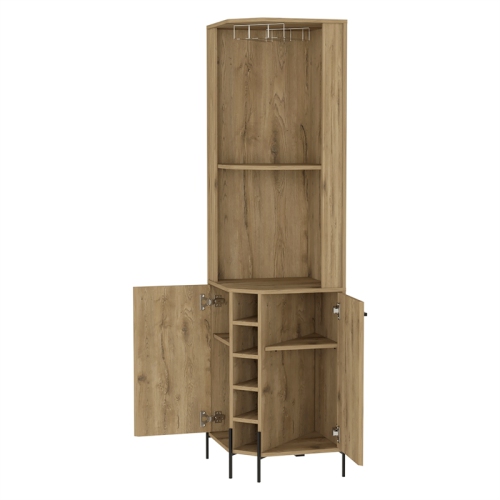
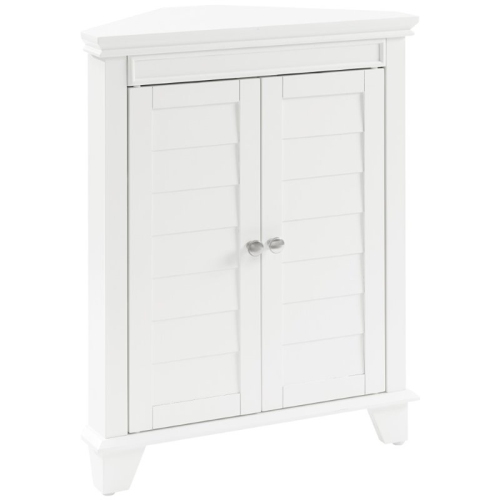
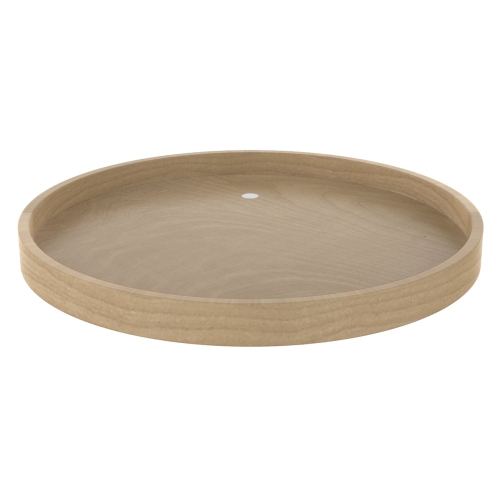
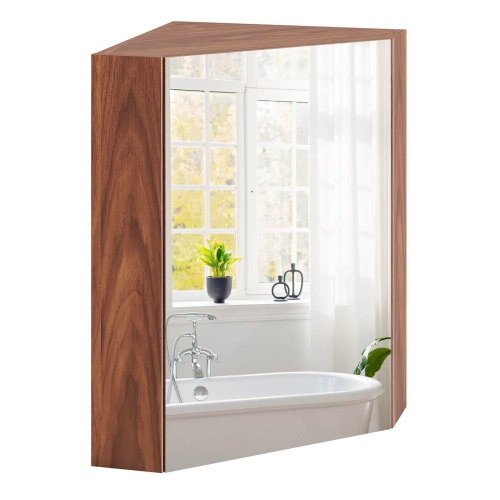
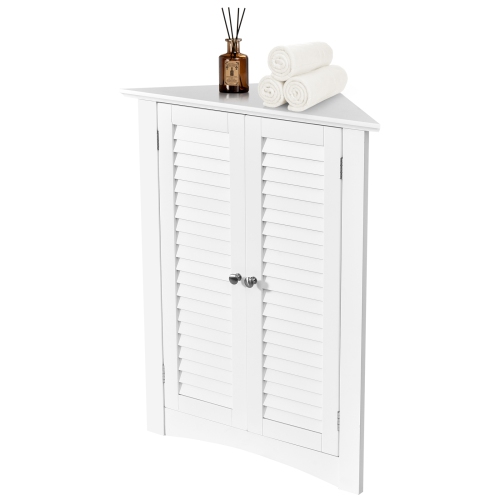
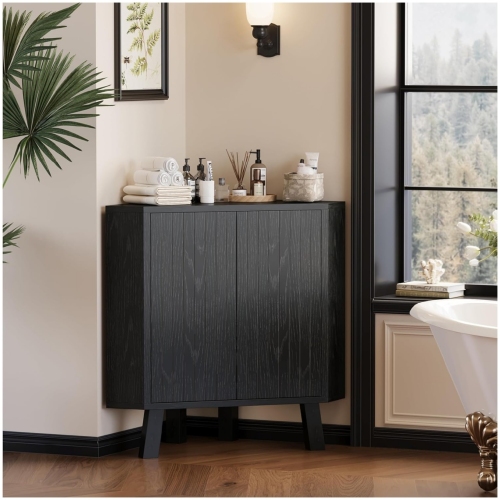
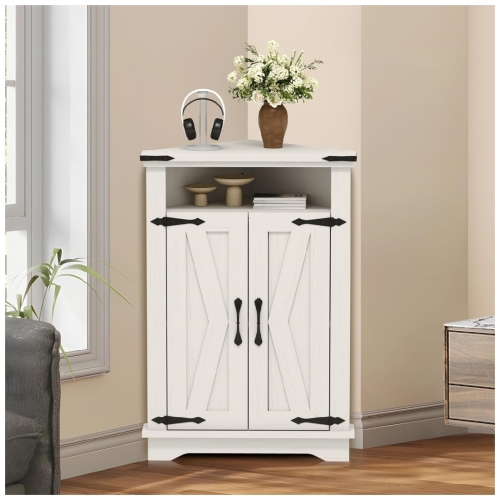
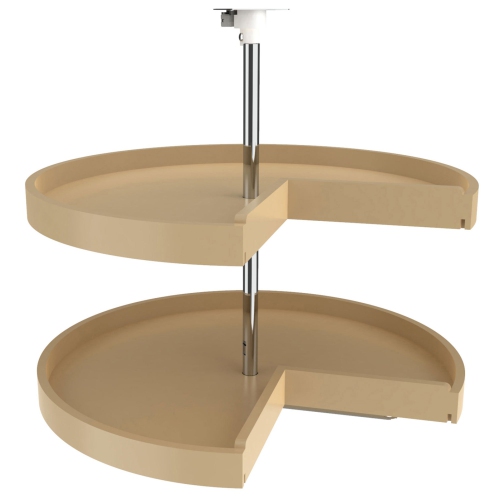
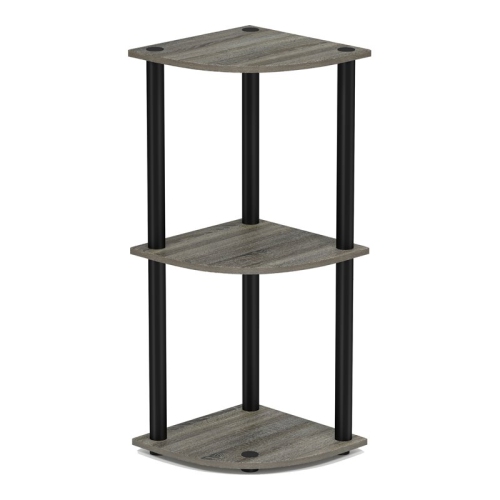
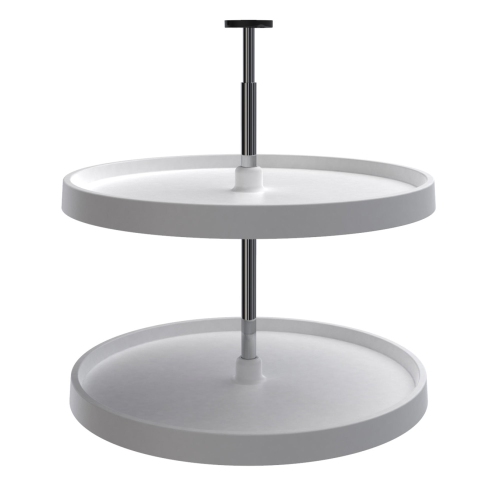
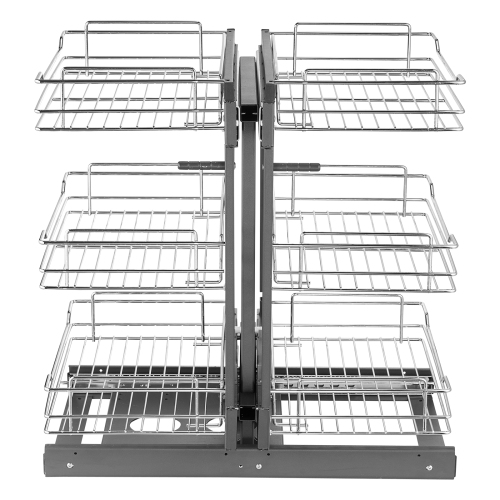
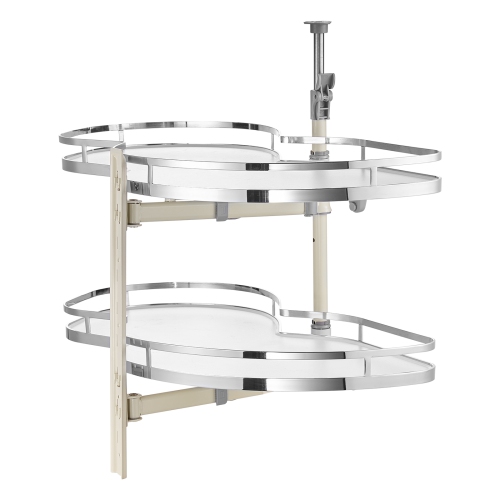
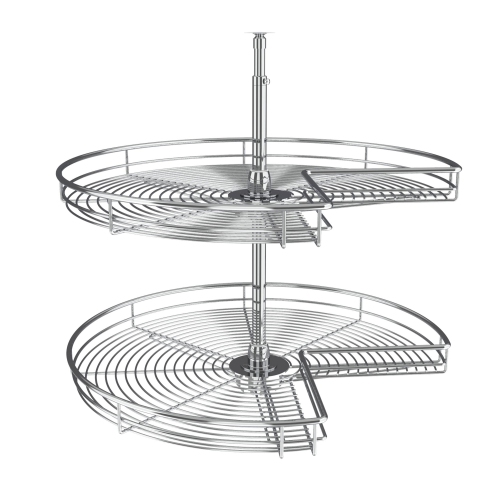
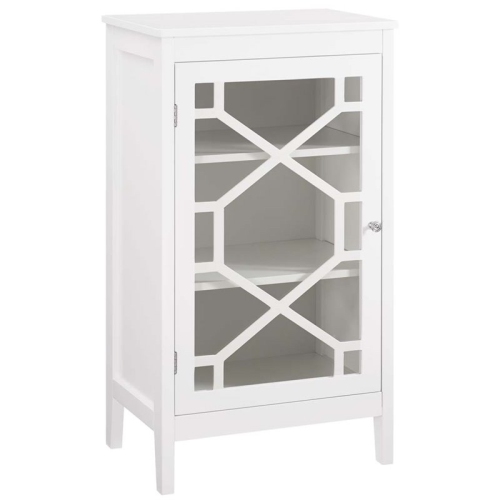
Corner cabinets make practical use of one of the most challenging areas in a kitchen, bathroom, dining room, laundry room, home office or living space. Rather than leaving a deep corner difficult to reach, these cabinets turn that unused area into valuable storage for cookware, dishes, small appliances, cleaning supplies, linens, books, décor and everyday household essentials. Their shapes and layouts vary, so the right choice depends on the room, the adjoining cabinets and the items you want to keep inside. A blind base corner cabinet extends behind a neighbouring cabinet, creating a spacious interior that can hold larger items, although a pull-out shelf or sliding system may make the back easier to access. A diagonal corner cabinet has a front that sits at an angle and can offer a roomy interior with a more open feel. Some designs include circular rotating shelves, commonly called Lazy Susans, which bring stored items forward with a simple turn. Angled-front cabinets may also be used with corner sinks, while compact corner units with drawers can provide convenient access to smaller items such as utensils, stationery, toiletries or folded accessories. In a dining area, a corner cabinet can display glassware or provide a place for serving pieces; in a living room, it can help keep games, media accessories and throws neatly contained. The vertical design also makes sense in smaller rooms where floor space is limited but an unused corner is available.
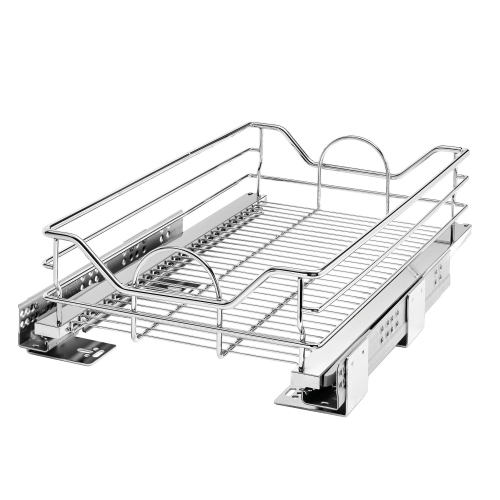
When comparing corner cabinets, begin by measuring the available width, depth and height, including the space needed for doors, drawers and nearby walkways. Check the location of baseboards, plumbing, electrical outlets and appliances before choosing a cabinet for a kitchen or laundry area. A cabinet that fits neatly on paper may be difficult to use if an adjacent door cannot open fully or if a handle interferes with a drawer. Interior shelf height matters as well. Adjustable shelves can accommodate tall bottles, mixing bowls, cookware or stacks of folded fabric, while fixed shelves may offer a more stable home for heavier items. Rotating trays are useful when you want to see everything at a glance, and pull-out shelves can reduce the need to reach deep into the cabinet. For a corner sink layout, confirm that the basin, plumbing connections and surrounding counter space are compatible with the cabinet’s dimensions. In a freestanding room, consider whether the cabinet will sit flush against the wall and whether its finish complements the furniture already in place. Wood-look finishes can bring warmth to a dining or living space, painted surfaces can create a clean, coordinated appearance, and glass-front sections can make favourite dishes or decorative pieces part of the room. Pay attention to construction details such as smooth drawer movement, sturdy hinges, shelf weight capacity, easy-to-clean surfaces and secure hardware. Corner cabinets with specialized storage features may require more careful installation than standard cabinets, particularly when they form part of a fitted kitchen. Reviewing assembly requirements, mounting instructions and the recommended tools ahead of time can help the project go smoothly. For additional ways to improve access and arrange hard-to-reach storage, explore Corner Cabinet Organizers.
Corner cabinets suit households that value an orderly room without giving up useful floor space. They can help a busy cook keep baking supplies, serving dishes or countertop appliances close at hand, while a family may use one to separate everyday tableware from less frequently used entertaining pieces. In a bathroom, a narrow corner unit can hold towels, grooming supplies and spare toiletries; in an entryway, it can provide a home for gloves, scarves, footwear accessories and other items that tend to collect near the door during cooler months. A home office corner cabinet can keep paper, chargers and craft materials together, leaving the desk clear for work. These cabinets can also be thoughtful gifts for someone moving into a new home, refreshing a kitchen, organizing a compact apartment or preparing a guest room. The most useful choice will reflect the recipient’s space and habits: a rotating interior may suit someone who wants quick visibility, while deep shelves may be better for storing large serving pieces or seasonal linens. Think about how often the contents will be used, whether children or older adults need easy access, and whether the cabinet should conceal clutter or showcase selected belongings. During the transition from warmer days to cooler months, an organized corner can make room for extra dishes, comforting textiles, pantry supplies or household equipment that comes into regular use. With the right size, layout and interior features, a corner cabinet can make an awkward area feel intentional while adding storage that supports the way each room is used.
When comparing corner cabinets, begin by measuring the available width, depth and height, including the space needed for doors, drawers and nearby walkways. Check the location of baseboards, plumbing, electrical outlets and appliances before choosing a cabinet for a kitchen or laundry area. A cabinet that fits neatly on paper may be difficult to use if an adjacent door cannot open fully or if a handle interferes with a drawer. Interior shelf height matters as well. Adjustable shelves can accommodate tall bottles, mixing bowls, cookware or stacks of folded fabric, while fixed shelves may offer a more stable home for heavier items. Rotating trays are useful when you want to see everything at a glance, and pull-out shelves can reduce the need to reach deep into the cabinet. For a corner sink layout, confirm that the basin, plumbing connections and surrounding counter space are compatible with the cabinet’s dimensions. In a freestanding room, consider whether the cabinet will sit flush against the wall and whether its finish complements the furniture already in place. Wood-look finishes can bring warmth to a dining or living space, painted surfaces can create a clean, coordinated appearance, and glass-front sections can make favourite dishes or decorative pieces part of the room. Pay attention to construction details such as smooth drawer movement, sturdy hinges, shelf weight capacity, easy-to-clean surfaces and secure hardware. Corner cabinets with specialized storage features may require more careful installation than standard cabinets, particularly when they form part of a fitted kitchen. Reviewing assembly requirements, mounting instructions and the recommended tools ahead of time can help the project go smoothly. For additional ways to improve access and arrange hard-to-reach storage, explore Corner Cabinet Organizers.
Corner cabinets suit households that value an orderly room without giving up useful floor space. They can help a busy cook keep baking supplies, serving dishes or countertop appliances close at hand, while a family may use one to separate everyday tableware from less frequently used entertaining pieces. In a bathroom, a narrow corner unit can hold towels, grooming supplies and spare toiletries; in an entryway, it can provide a home for gloves, scarves, footwear accessories and other items that tend to collect near the door during cooler months. A home office corner cabinet can keep paper, chargers and craft materials together, leaving the desk clear for work. These cabinets can also be thoughtful gifts for someone moving into a new home, refreshing a kitchen, organizing a compact apartment or preparing a guest room. The most useful choice will reflect the recipient’s space and habits: a rotating interior may suit someone who wants quick visibility, while deep shelves may be better for storing large serving pieces or seasonal linens. Think about how often the contents will be used, whether children or older adults need easy access, and whether the cabinet should conceal clutter or showcase selected belongings. During the transition from warmer days to cooler months, an organized corner can make room for extra dishes, comforting textiles, pantry supplies or household equipment that comes into regular use. With the right size, layout and interior features, a corner cabinet can make an awkward area feel intentional while adding storage that supports the way each room is used.
Top selling and popular products
-
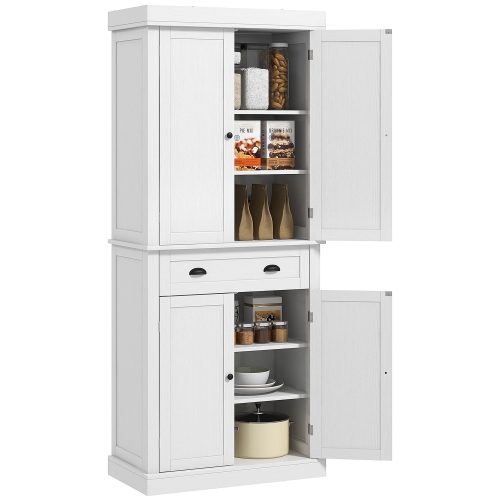 Your price for this item is $267.79
 -
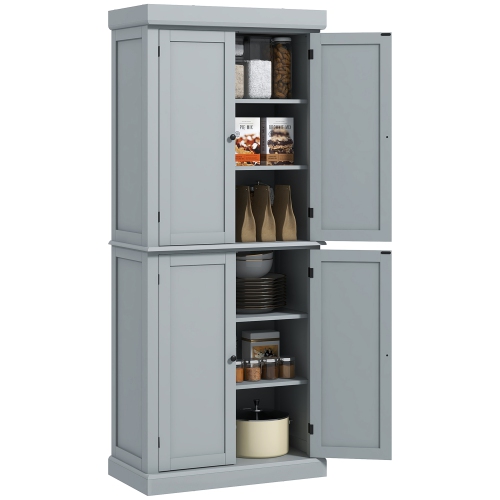 Your price for this item is $299.99
 -
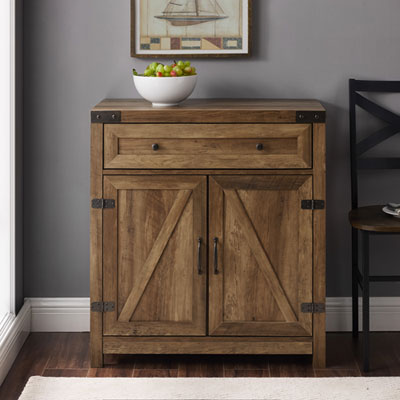 Your price for this item is $401.99
 -
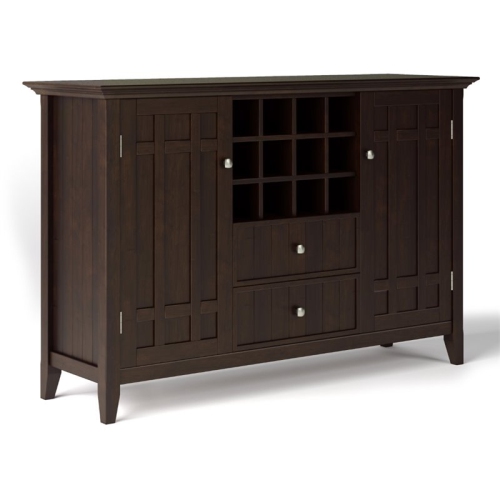 Your price for this item is $1449.04
 -
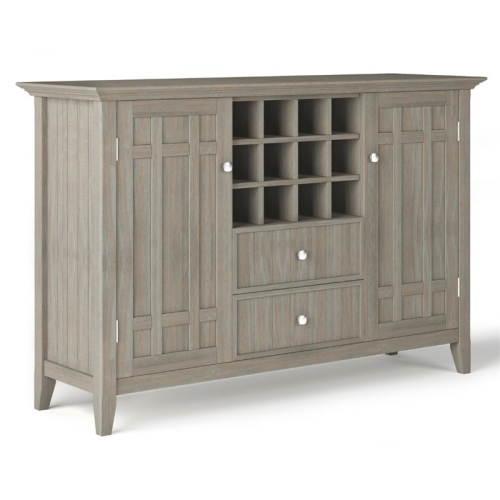 Your price for this item is $1463.19
 -
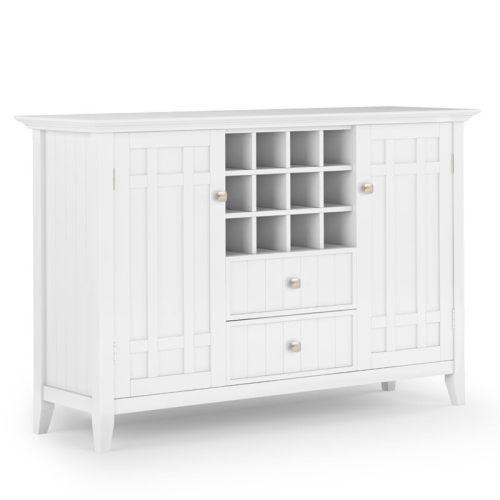 Your price for this item is $1454.75
 -
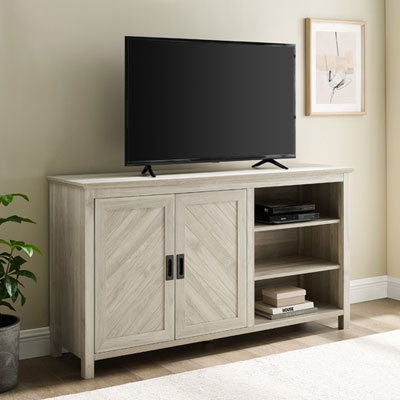 Your price for this item is $593.99
 -
 Your price for this item is $382.68
Discover more categories related to Corner Cabinets
Top Collections:
Pokemon Centers, Kindle Devices, Best Budget Office Chairs, Apple iPhones 16, Best Laptops for Writers, iPhone 15 Apple, Canon G7X Cameras, Refurbished Apple Laptops, Alarm Clock, Motorola Razr Phones
Some products may be subject to Environmental Handling Fees
(EHF) depending on your province.
Learn more about EHFs.