Courtesy Lights
Illuminate your space with this wide selection of courtesy lights. Whether you want to add a touch of elegance to your home, enhance the safety of your outdoor areas, or create a welcoming ambiance in your car, these versatile lights are designed to meet your needs. From sleek and modern designs to energy-efficient options, our collection offers a variety of styles and functionalities to suit any space or occasion. Discover the perfect courtesy lights for your home, garden, or vehicle and bring a warm glow to every corner.
Sort
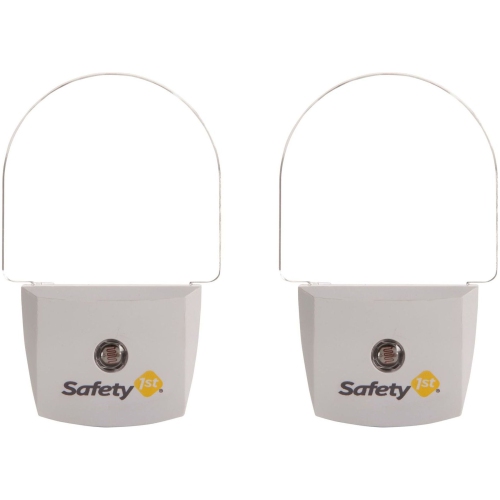


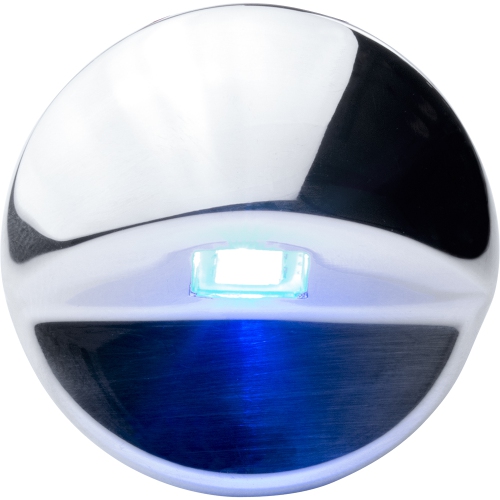

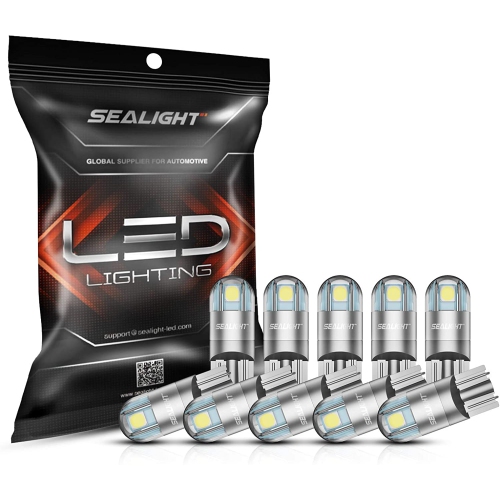
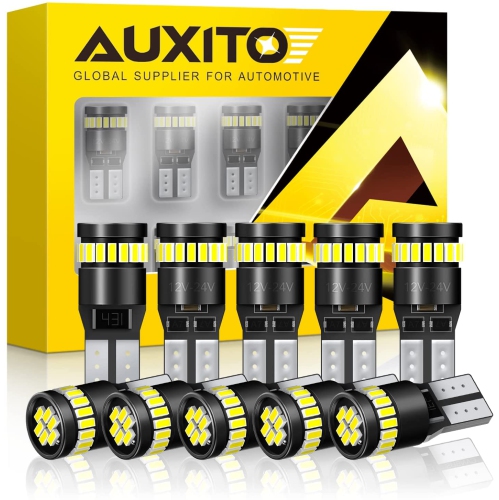
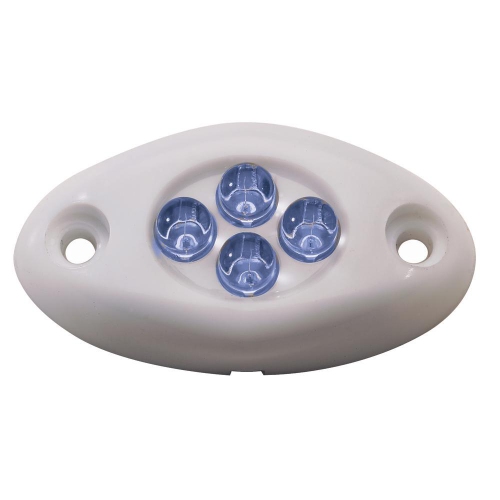
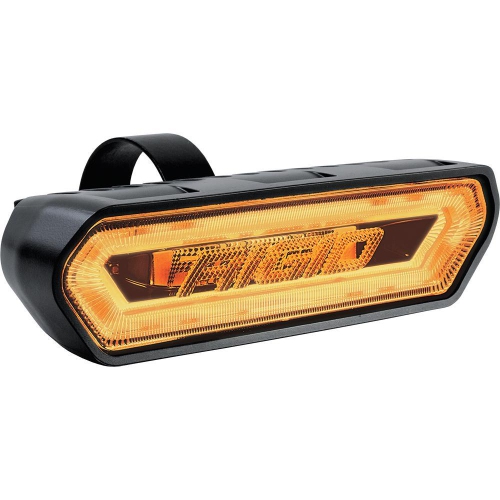
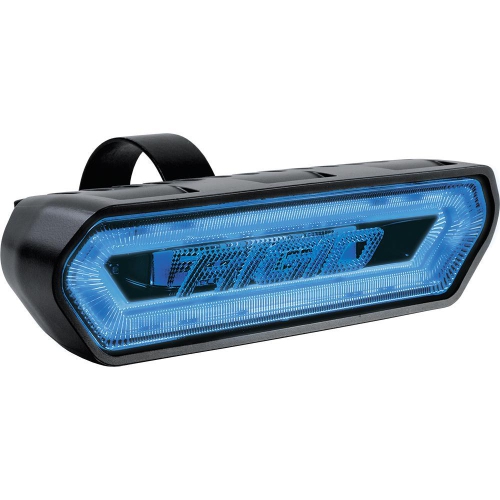
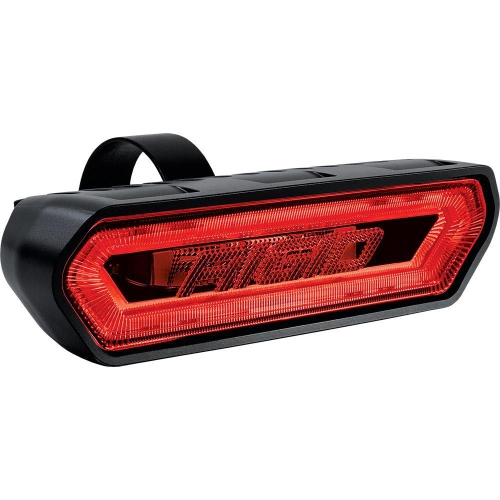

How placement, power, and brightness shape nighttime visibility
Courtesy lights are low-intensity interior or auxiliary lights designed to make entry, movement, and everyday tasks easier in a vehicle or mobile space. They are commonly installed near door footwells, beneath dashboards, inside glove compartments, along cabin floors, beside steps, or near passageways. Some turn on automatically when a door, hatch, or compartment is opened, while others are controlled by a manual switch. Their soft illumination helps passengers find a seat, locate a dropped item, read a label, or see where to place their feet without relying on a bright overhead lamp. Courtesy lights are especially useful in cars, trucks, vans, boats, recreational vehicles, and other enclosed spaces where visibility can change quickly. During the cooler months, when darkness arrives earlier and wet or muddy footwear is more common, a well-positioned light can make getting in and out feel more controlled and comfortable. When choosing a courtesy light, start by considering where it will be installed and how it will be used. A light intended for a vehicle door area may need a compact housing and a wide beam, while one fitted beside RV steps or a marine companionway may benefit from a more directional design that concentrates illumination on the walking surface. Check the available space, mounting surface, wire routing, and power connection before making a selection. Many automotive, marine, and RV courtesy lights operate on 12V DC power, but the required voltage and wiring method can vary by application, so compatibility with the vehicle or vessel’s electrical system is important. If the light will be exposed to splashes, condensation, road spray, or changing temperatures, look for construction and sealing suited to that setting. A suitable level of brightness is also worth considering: the light should make steps and cabin features visible without creating glare that interferes with driving, docking, or moving through a dark interior.
LED courtesy lights are a popular choice for many installations because they provide clear, consistent illumination in a compact format and are available in a range of shapes, colours, and beam patterns. Traditional incandescent options may be appropriate when matching an existing fixture or maintaining a particular appearance, but the bulb type, socket, wattage, and available clearance should all match the original installation. For replacement projects, compare the old light with the new one by checking dimensions, mounting holes, connector style, polarity, and the way the switch is activated. A courtesy light may be connected to a door-jamb switch, hatch switch, manual toggle, or a combination of automatic and manual controls. This means that a light can come on when a door opens, remain available through a dashboard control, or be switched off when the vehicle or boat is parked for an extended period. Installation can be straightforward when replacing a like-for-like fixture, but any work involving vehicle, RV, or marine wiring should be completed with the power disconnected and the correct fuse protection in place. Take care around existing wiring, airbag components, fuel systems, and other sensitive equipment, and follow the instructions supplied with the light. On boats and RVs, check that connections are secure and positioned appropriately for vibration and moisture. A clean installation should leave wires protected, fasteners tight, and the light aimed where it is most useful rather than directly into someone’s eyes. For a broader selection of lighting for indoor spaces at home, explore Room Lights.
Courtesy lights can be a practical upgrade for anyone who spends time travelling after sunset or using a vehicle as more than a way to get from one place to another. Drivers and passengers may appreciate easier entry in a dim parking area, while families can use low-level cabin lighting to help children find their belongings without turning on a harsh dome light. They can also be helpful for people who regularly load equipment, check cargo, or make stops along poorly lit roads. RV owners may use them to define steps, aisles, storage areas, and sleeping spaces, making it easier to move around without disturbing others. On boats, low-glare lighting can help illuminate companionways and cabin floors while preserving a comfortable atmosphere. A compact courtesy light can also make a thoughtful gift for someone who has recently purchased a vehicle, restored a classic interior, started travelling in an RV, or spends weekends on the water. Before buying for someone else, confirm the type of vehicle or vessel, the electrical system, the available mounting area, and whether the recipient wants a replacement fixture or an additional light in a new location. Think about the environment as well: a dry glove compartment has different requirements from an exterior-facing step or a cabin near spray. Colour temperature and lens colour can affect the feel of the space, with warmer tones creating a subdued atmosphere and neutral or cooler tones making details easier to see. In every case, the best courtesy light is one that fits the available space, works with the existing controls, provides useful illumination without distraction, and is built for the conditions where it will be used. A little planning before installation can make nighttime arrivals, departures, loading, and moving through a cabin noticeably simpler throughout the changing seasons.
Top selling and popular products
-
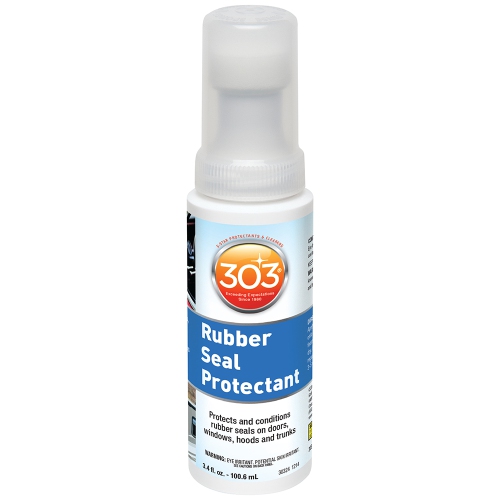 Your price for this item is $31.34
-
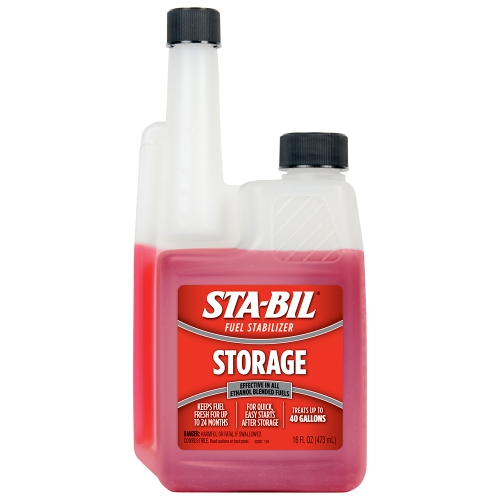 Your price for this item is $30.54
-
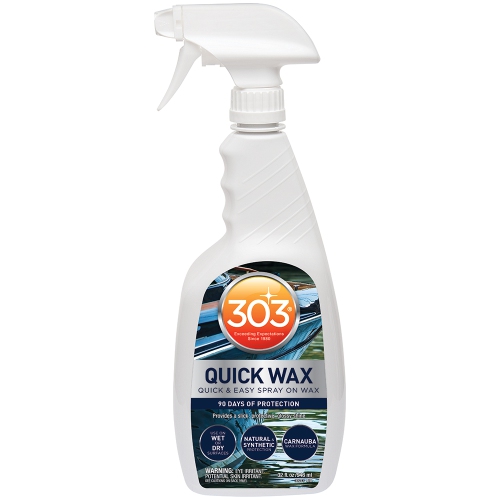 Your price for this item is $38.85
-
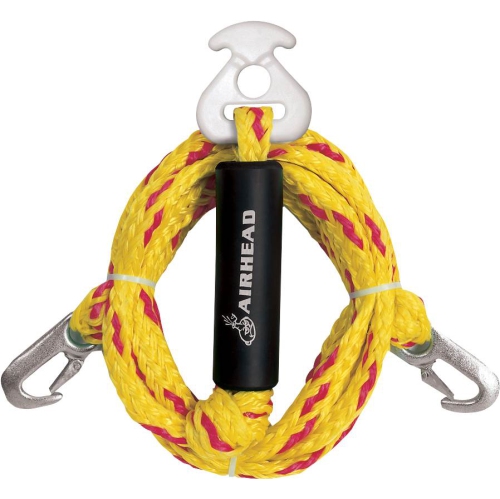 Your price for this item is $63.99
-
 Your price for this item is $917.79
-
 Your price for this item is $844.31
-
 Your price for this item is $31.38
-
 Your price for this item is $35.35
Discover more categories related to Courtesy Lights
Top Collections:
Pokemon Centers, Kindle Devices, Best Budget Office Chairs, Canon G7X Cameras, Apple iPhones 16, Samsung Galaxy Phones, Refurbished Apple Laptops, Laptops for Students, iPhone 15 Apple, Budget Smartphones
Some products may be subject to Environmental Handling Fees
(EHF) depending on your province.
Learn more about EHFs.