Craft Storage Cabinets
Transform your creative space into an organized haven with a versatile craft storage cabinet. Perfect for hobbyists and professionals alike, these cabinets offer a stylish solution to keep your supplies neatly arranged and easily accessible. Whether you need compartments for yarn, shelves for paints, or drawers for tools, a craft storage cabinet can accommodate a variety of needs while enhancing the aesthetic of your workspace. Discover how the right storage solution can streamline your crafting process and inspire endless creativity.
Sort

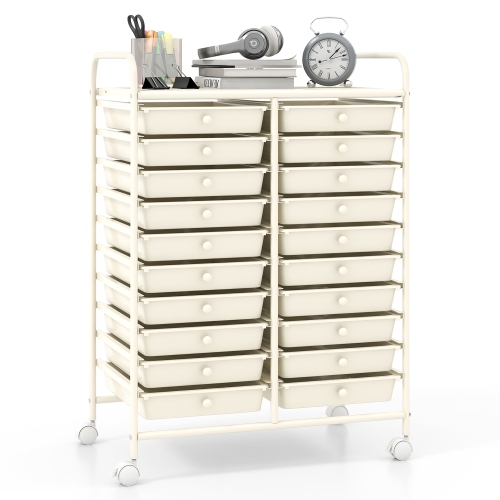
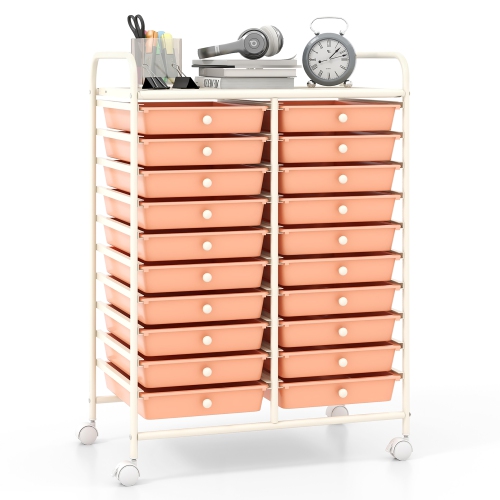
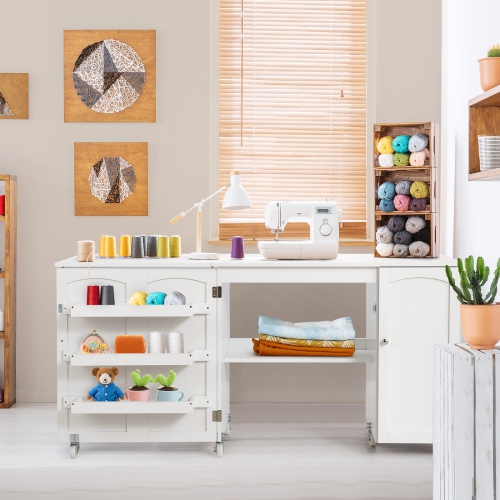
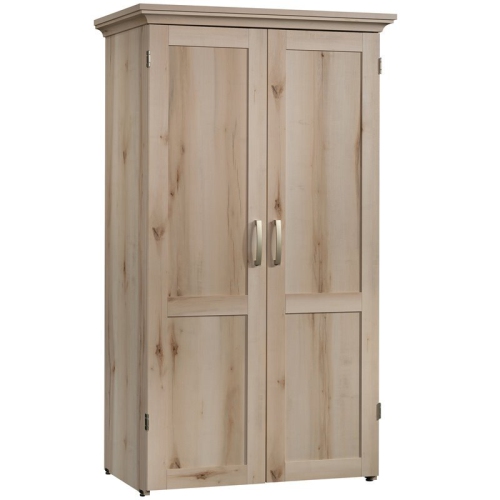
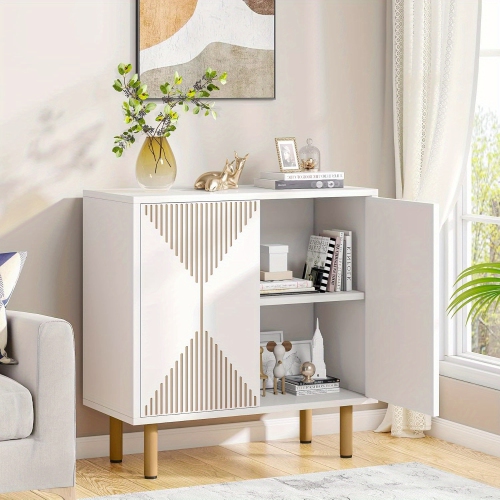
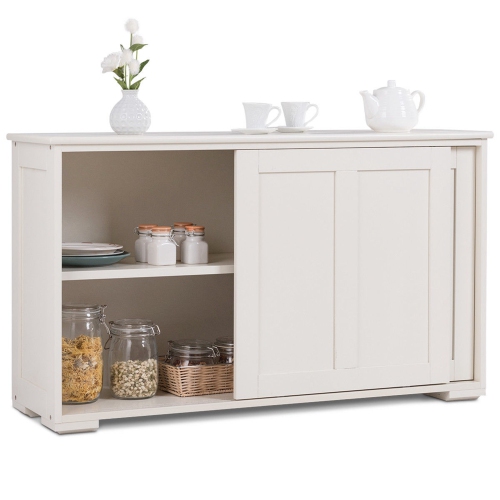
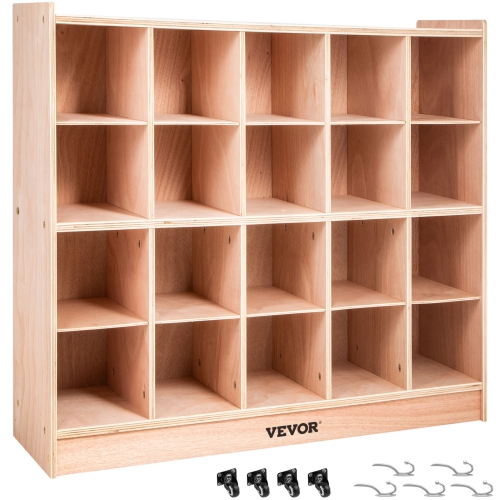
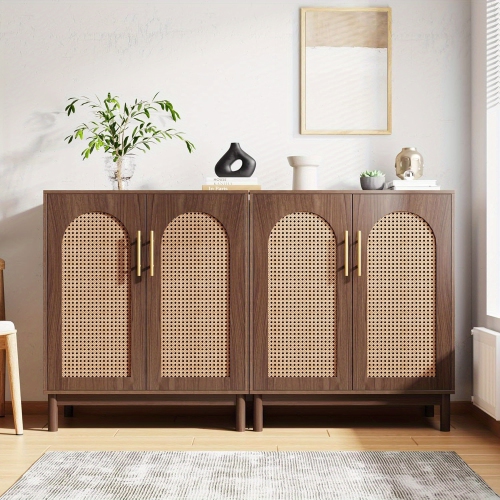
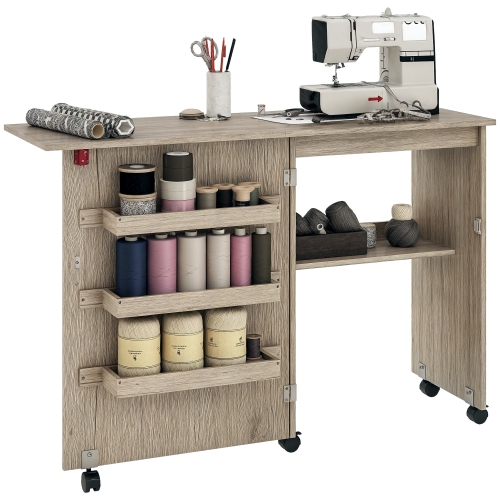
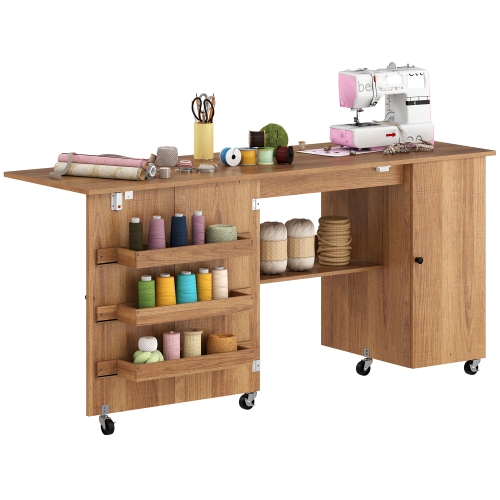
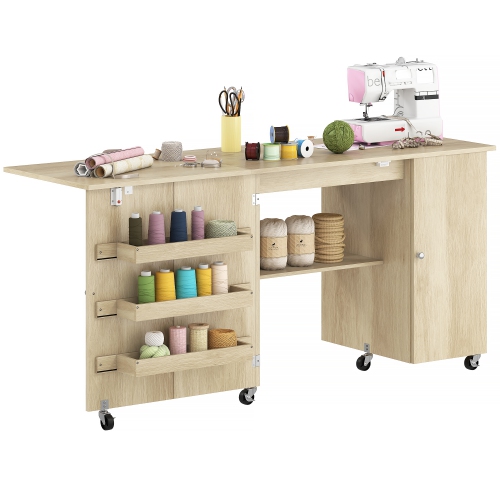
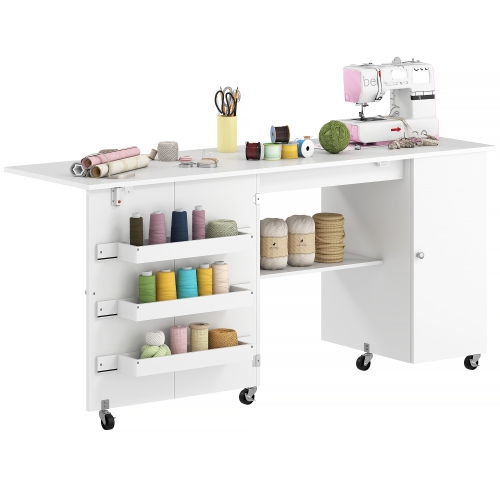
Room for small supplies and projects in progress
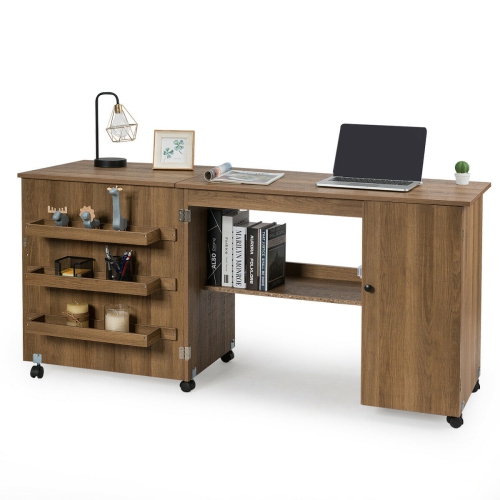
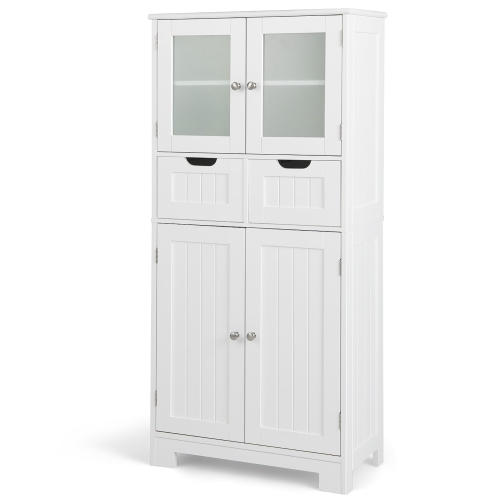
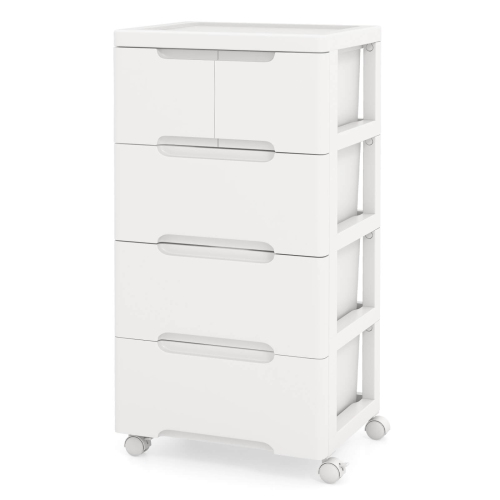
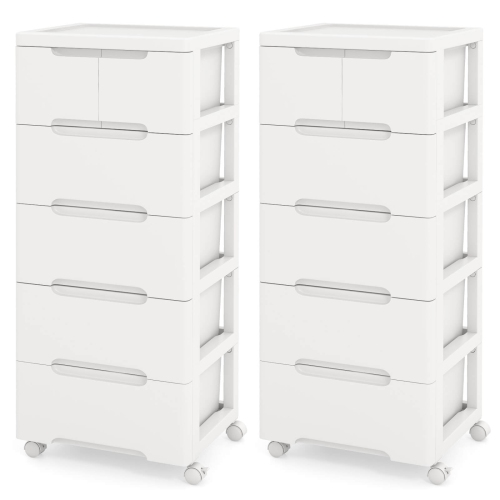
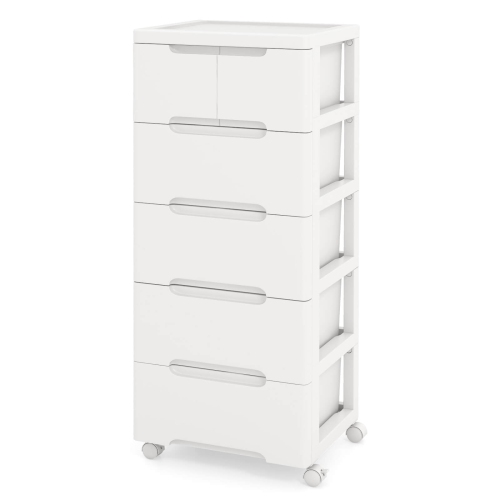
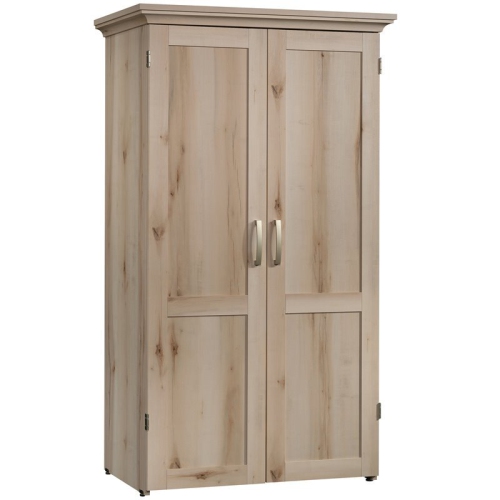
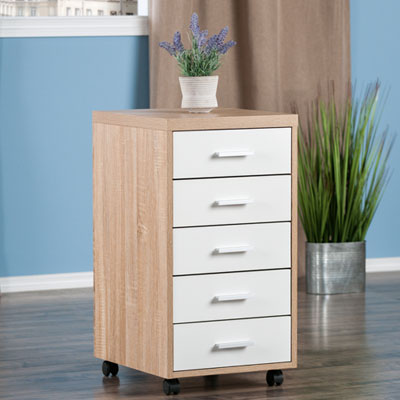
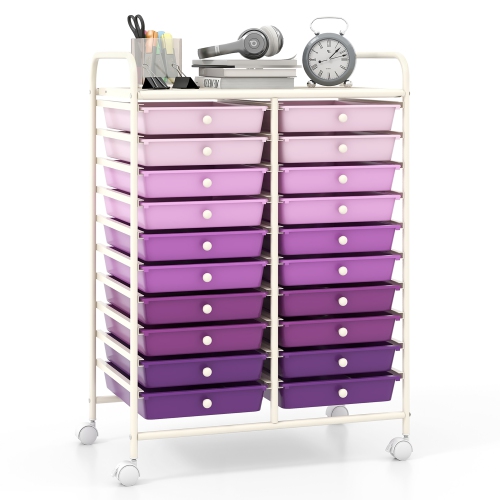
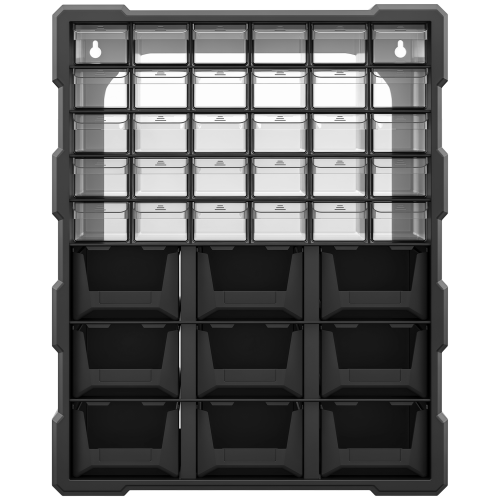
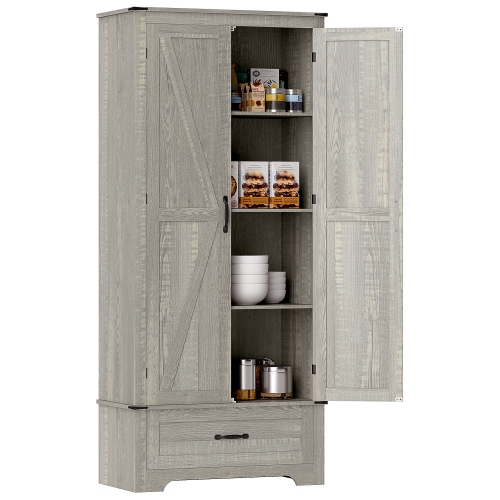
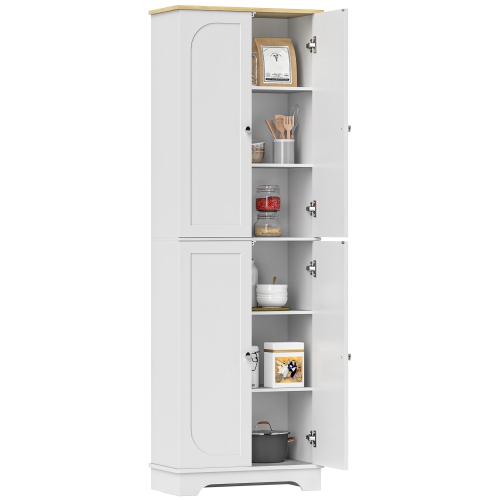
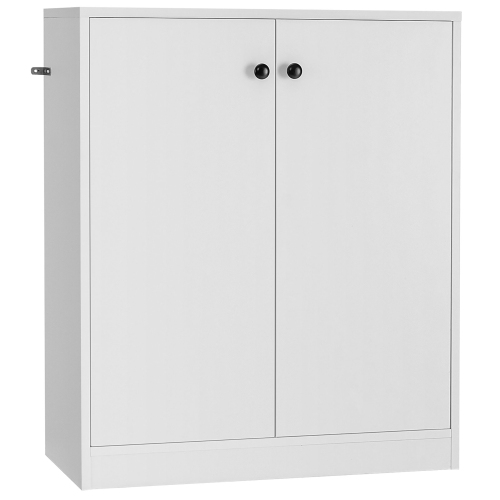
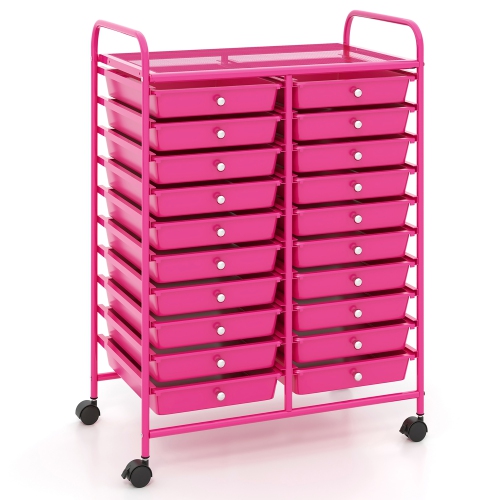
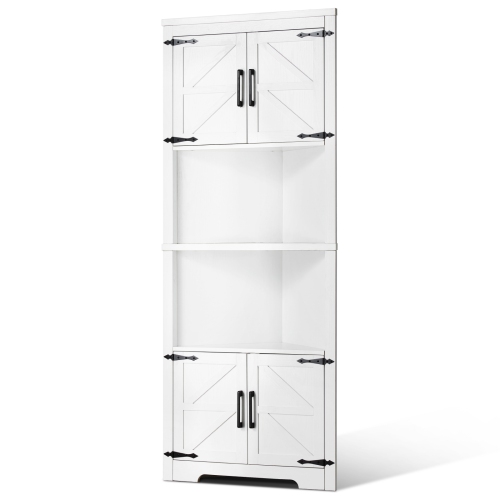
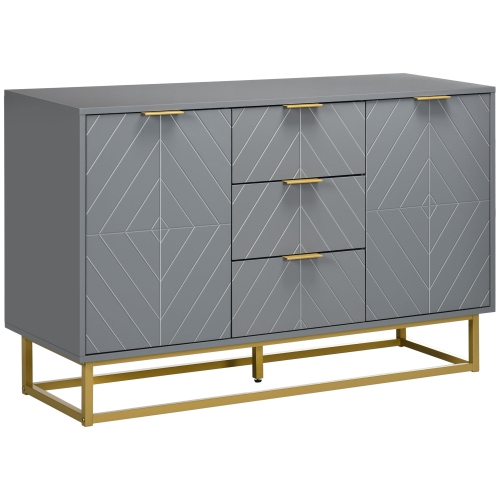
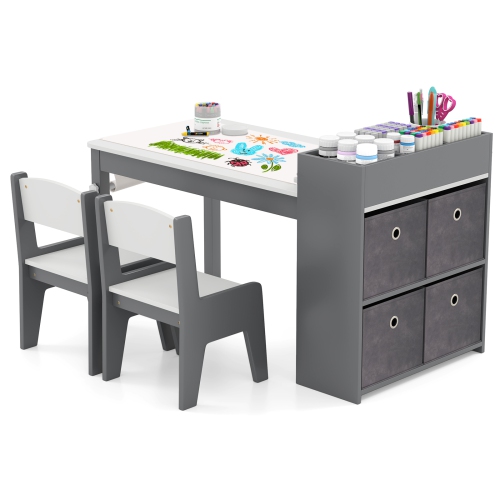
Craft storage cabinets bring tools, materials, and works in progress into one organized space, with compartments suited to the way different crafts take shape. Unlike a general-purpose cupboard, a craft cabinet may combine shallow drawers for small supplies, adjustable shelves for containers, vertical sections for rolled materials, and a surface for preparing projects. The most useful layout depends on what needs a home: flat paper storage serves card making and scrapbooking, while deeper compartments accommodate folded fabric, yarn, and sewing accessories. Small drawers keep beads, buttons, and thread from disappearing behind larger supplies, and divided sections help separate delicate materials from heavier tools. For someone who works at a dining table, a cabinet can hold a project between sessions without leaving every surface covered. In a dedicated craft room, it can anchor separate areas for cutting, assembly, and finishing. Closed doors give shared living spaces a quieter appearance and help limit dust on stored materials, while open shelves make frequently used supplies easier to spot and return. Transparent drawer fronts offer a middle ground, keeping contents visible without leaving everything exposed. Cabinet depth matters as much as overall size: a deep shelf holds bulky supplies, but smaller containers may get lost at the back unless they slide out easily. Shallow storage often makes better use of space for stamps, ink pads, and other small tools. A mix of compartment sizes also accommodates the uneven rhythm of making things, from a single embroidery project to several paper crafts underway at once. For households where hobbies share space with homework or office tasks, keeping supplies together makes it easier to clear the table without dismantling an entire project. A cabinet with room for both everyday essentials and occasional tools can support a familiar routine while leaving some flexibility for a new technique or a growing collection of materials. That flexibility is especially useful when the same space serves several makers whose supplies differ in size and shape.
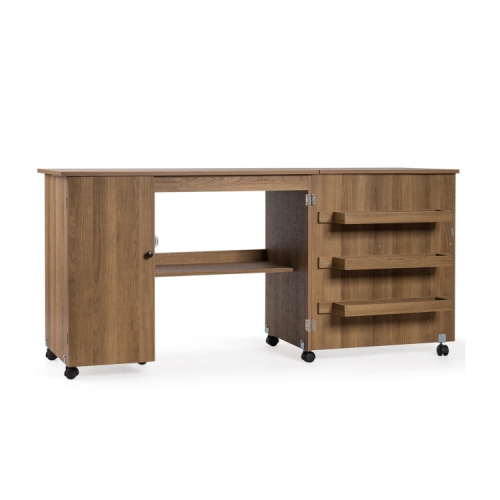
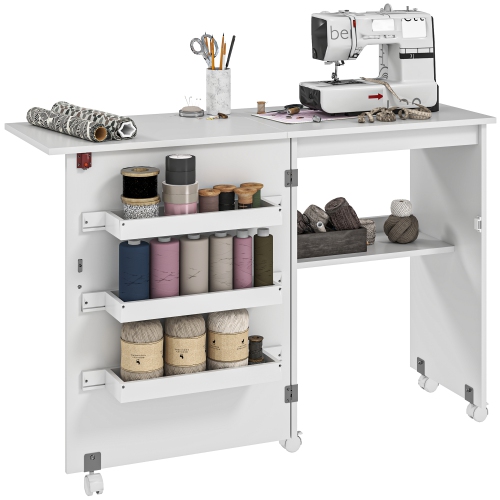
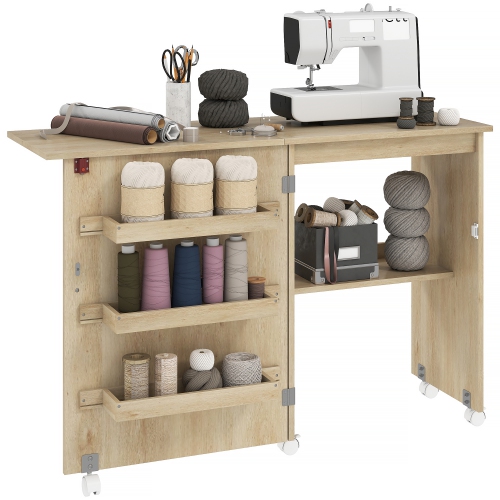
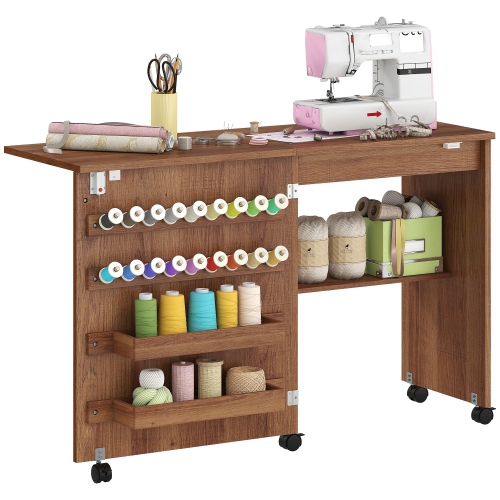
The fit of a craft storage cabinet involves its footprint, its interior dimensions, and the space needed to use it comfortably. A narrow, upright cabinet makes use of wall height, while a lower, wider design can provide a landing place beside an existing worktable. Exterior measurements alone do not show whether a machine or paper tray will fit; door hinges, shelf supports, and drawer sides all reduce usable interior space. Large sheets of cardstock need enough room to lie flat without curled edges, and fabric benefits from compartments that allow it to be lifted out without pulling an entire stack along. Cabinets intended to hold a cutting machine or sewing machine need suitable shelf dimensions and weight capacity. Storage space and operating space are different, too: a machine that fits inside a compartment may still need to sit elsewhere during use, with clearance for moving material, cords, and access to controls. Fold-out surfaces can extend a small workspace, provided there is enough room to open them fully without blocking a doorway or walkway. Their stated load limits matter, particularly when a task involves vibration or downward pressure. Rolling craft storage cabinets offer flexibility for shared rooms, allowing supplies to move closer to the work area and return to a designated spot afterward. Smooth-rolling castors, a stable frame, and wheel locks suited to the intended use are important details; flooring transitions and thick rugs can make movement harder. Inside the cabinet, removable containers can group materials by craft, colour, or project, so an entire set of supplies comes out together. Craft Storage Bins can help divide larger shelves into manageable sections, with container dimensions matched to the shelf opening rather than just its depth. Space above each bin allows hands to reach in or lift it free. Comfortable access also depends on placement: frequently used supplies belong within easy reach, heavier equipment sits more securely lower down, and occasional materials can occupy upper shelves.
Materials, hardware, and finishes influence how a craft cabinet stands up to repeated use. Solid wood can offer a substantial feel, though its care needs depend on the finish. Engineered wood panels with laminate or melamine surfaces often provide a smooth finish that is straightforward to wipe clean, but exposed edges and seams need protection from moisture. Metal cabinets can suit busy work areas, with attention to the quality of the finish and the construction of shelves and drawers. Plastic drawers or inserts are lightweight and useful for sorting, although their load ratings matter when storing dense materials such as beads or tools. Durability is not simply a matter of choosing one material over another: secure joints, properly fitted back panels, reliable hinges, and drawer runners rated for the load all contribute to steady everyday use. Drawers should move smoothly when filled, and shelves should support their contents without exceeding the manufacturer's limits. A storage cabinet's top is not automatically a cutting or heat-resistant surface; protective mats and separate heat-safe work areas help prevent damage from blades, adhesives, and heated tools. Routine care generally involves removing loose fibres and paper scraps, wiping surfaces with a soft cloth as directed, and drying spills promptly. Harsh cleaners can affect finishes, so care instructions remain important even on a surface that appears hard-wearing. Tall cabinets may require wall anchoring, and mobile designs need particular attention to stability when drawers are extended. In family spaces, scissors, blades, needles, and craft chemicals need storage appropriate to their risks, separate from supplies children can access independently. A closed door alone does not provide secure storage. For sewing enthusiasts, paper crafters, jewellery makers, and mixed-media hobbyists, a well-matched cabinet makes materials easier to find and projects easier to pause. It can also be a thoughtful gift when the recipient's room measurements, preferred crafts, and storage needs are known. The lasting value lies in an arrangement that feels natural to use: thread beside sewing notions, paper supported flat, and unfinished work kept together until the next creative session.
The fit of a craft storage cabinet involves its footprint, its interior dimensions, and the space needed to use it comfortably. A narrow, upright cabinet makes use of wall height, while a lower, wider design can provide a landing place beside an existing worktable. Exterior measurements alone do not show whether a machine or paper tray will fit; door hinges, shelf supports, and drawer sides all reduce usable interior space. Large sheets of cardstock need enough room to lie flat without curled edges, and fabric benefits from compartments that allow it to be lifted out without pulling an entire stack along. Cabinets intended to hold a cutting machine or sewing machine need suitable shelf dimensions and weight capacity. Storage space and operating space are different, too: a machine that fits inside a compartment may still need to sit elsewhere during use, with clearance for moving material, cords, and access to controls. Fold-out surfaces can extend a small workspace, provided there is enough room to open them fully without blocking a doorway or walkway. Their stated load limits matter, particularly when a task involves vibration or downward pressure. Rolling craft storage cabinets offer flexibility for shared rooms, allowing supplies to move closer to the work area and return to a designated spot afterward. Smooth-rolling castors, a stable frame, and wheel locks suited to the intended use are important details; flooring transitions and thick rugs can make movement harder. Inside the cabinet, removable containers can group materials by craft, colour, or project, so an entire set of supplies comes out together. Craft Storage Bins can help divide larger shelves into manageable sections, with container dimensions matched to the shelf opening rather than just its depth. Space above each bin allows hands to reach in or lift it free. Comfortable access also depends on placement: frequently used supplies belong within easy reach, heavier equipment sits more securely lower down, and occasional materials can occupy upper shelves.
Materials, hardware, and finishes influence how a craft cabinet stands up to repeated use. Solid wood can offer a substantial feel, though its care needs depend on the finish. Engineered wood panels with laminate or melamine surfaces often provide a smooth finish that is straightforward to wipe clean, but exposed edges and seams need protection from moisture. Metal cabinets can suit busy work areas, with attention to the quality of the finish and the construction of shelves and drawers. Plastic drawers or inserts are lightweight and useful for sorting, although their load ratings matter when storing dense materials such as beads or tools. Durability is not simply a matter of choosing one material over another: secure joints, properly fitted back panels, reliable hinges, and drawer runners rated for the load all contribute to steady everyday use. Drawers should move smoothly when filled, and shelves should support their contents without exceeding the manufacturer's limits. A storage cabinet's top is not automatically a cutting or heat-resistant surface; protective mats and separate heat-safe work areas help prevent damage from blades, adhesives, and heated tools. Routine care generally involves removing loose fibres and paper scraps, wiping surfaces with a soft cloth as directed, and drying spills promptly. Harsh cleaners can affect finishes, so care instructions remain important even on a surface that appears hard-wearing. Tall cabinets may require wall anchoring, and mobile designs need particular attention to stability when drawers are extended. In family spaces, scissors, blades, needles, and craft chemicals need storage appropriate to their risks, separate from supplies children can access independently. A closed door alone does not provide secure storage. For sewing enthusiasts, paper crafters, jewellery makers, and mixed-media hobbyists, a well-matched cabinet makes materials easier to find and projects easier to pause. It can also be a thoughtful gift when the recipient's room measurements, preferred crafts, and storage needs are known. The lasting value lies in an arrangement that feels natural to use: thread beside sewing notions, paper supported flat, and unfinished work kept together until the next creative session.
Top selling and popular products
-
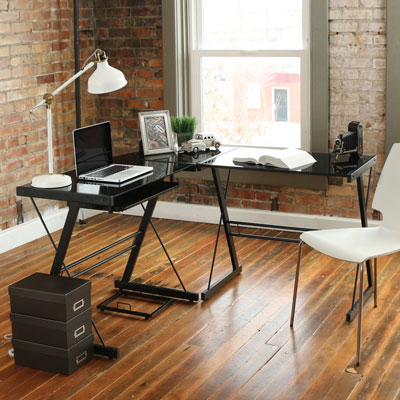 Your price for this item is $304.99
 -
 Your price for this item is $93.99
 -
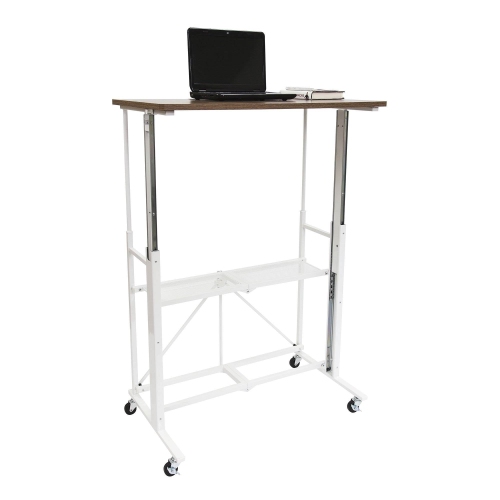 Your price for this item is $248.99
 -
 Your price for this item is $83.99
 -
 Your price for this item is $108.99
 -
 Your price for this item is $94.99
 -
 Your price for this item is $74.97
 -
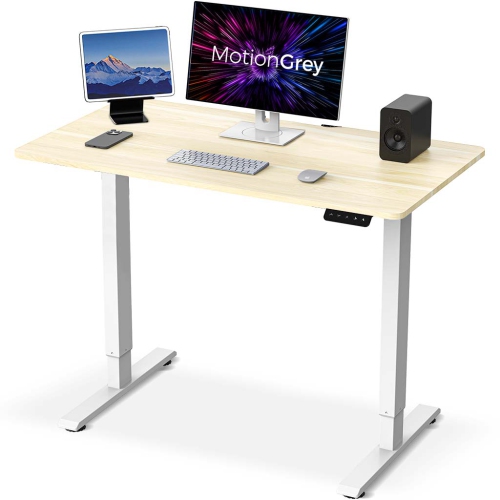 Your price for this item is $83.95
Discover more categories related to Craft Storage Cabinets
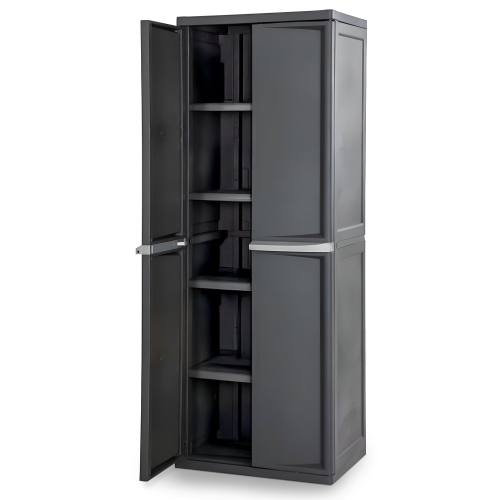
Top Collections:
Pokemon Centers, Kindle Devices, Best Budget Office Chairs, Apple iPhones 16, Best Laptops for Writers, iPhone 15 Apple, Canon G7X Cameras, Refurbished Apple Laptops, Alarm Clock, Motorola Razr Phones
Some products may be subject to Environmental Handling Fees
(EHF) depending on your province.
Learn more about EHFs.