Daylight Bulbs
Upgrade your lighting with daylight bulbs, designed to bring natural, bright light into your home or workspace. Say goodbye to dull, yellow lighting and hello to a more vibrant and energizing atmosphere. Whether you're looking to enhance productivity in your office, create a cozy reading nook, or simply brighten up any room, daylight bulbs are the perfect solution. Explore our range of options to find the ideal bulb for your needs and start enjoying the benefits of clear, crisp illumination today.
Sort
Why cooler light does not always mean brighter light
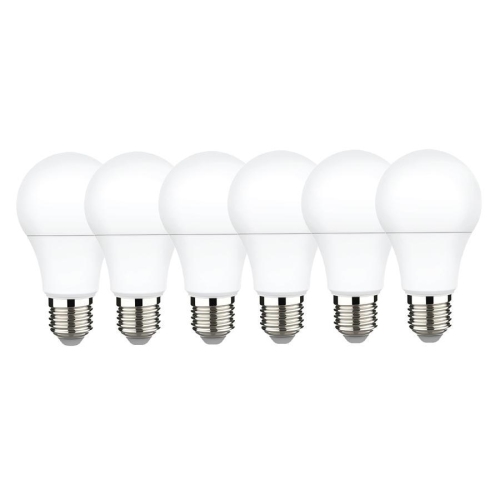
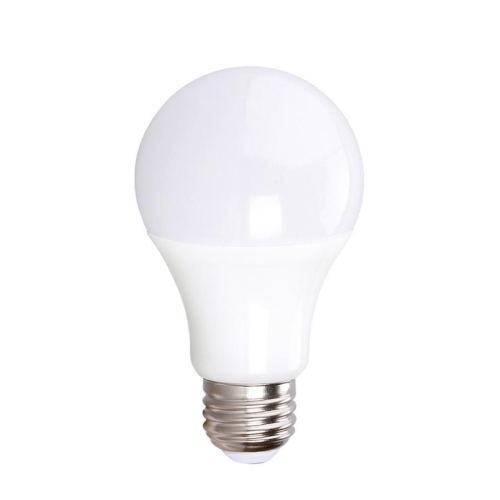
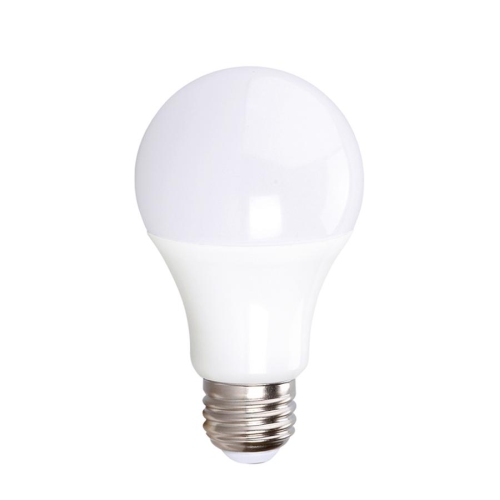
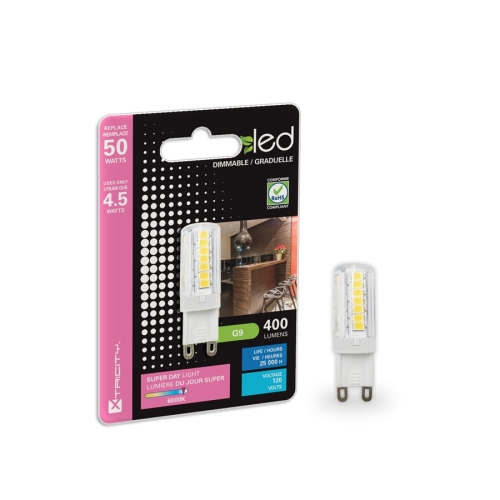
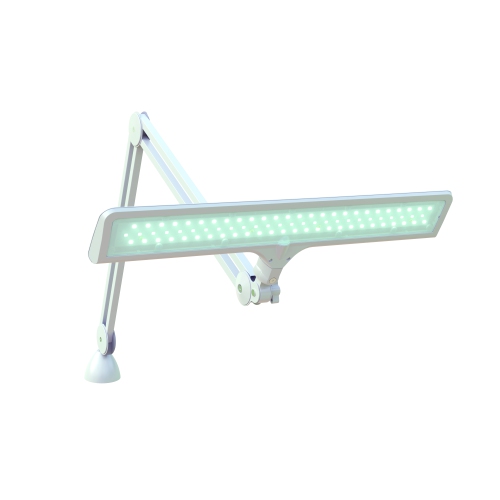
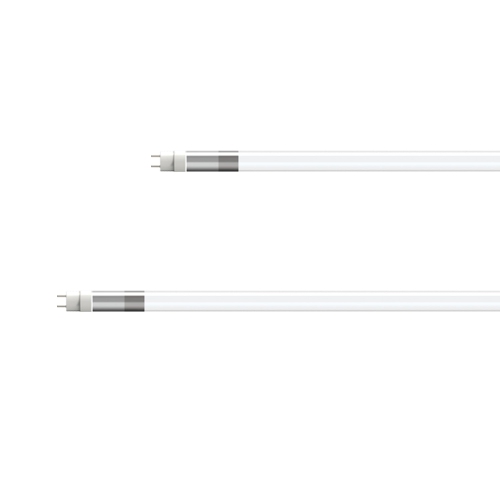
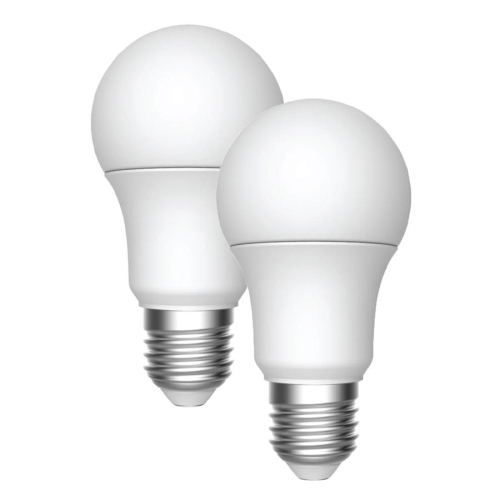
Daylight bulbs produce crisp, cool-white light, typically with a colour temperature between 5000K and 6500K. Their appearance resembles the cooler tones of natural daylight, making them a practical choice for kitchens, home offices, bathrooms, garages, and other spaces where clear visibility matters. Compared with the yellowish glow of a soft white bulb, usually around 2700K, daylight light bulbs create a whiter look that can take on a noticeable blue cast toward the higher end of the range. That distinction is about the colour of the light, not its brightness: colour temperature is measured in kelvins, while light output is measured in lumens. Two bulbs with the same lumen rating can deliver a similar amount of light even when one looks warm and the other looks cool. Around 800 lumens is a familiar output for a bulb intended to replace a traditional 60-watt incandescent, although the right brightness depends on the fixture, room size, shade, and distance from the work surface. A small desk lamp may need less output than an overhead fixture lighting a basement laundry area. Daylight LED bulbs suit tasks such as reading printed instructions, sorting dark clothing, preparing ingredients, or finding small hardware on a workbench. They do not reproduce every property of sunlight, and the daylight label alone does not establish how accurately colours will appear. For colour-sensitive activities, such as matching fabric or applying makeup, the colour rendering index, or CRI, provides another useful detail; a rating of 90 or higher generally indicates stronger colour fidelity than a lower rating. For a closer look at the differences in light appearance, Daylight Light Bulb Colors adds context to the shades of white associated with this category. Together, colour temperature, lumen output, and colour rendering give a more complete picture of how a bulb will look in everyday use than a wattage comparison on its own.
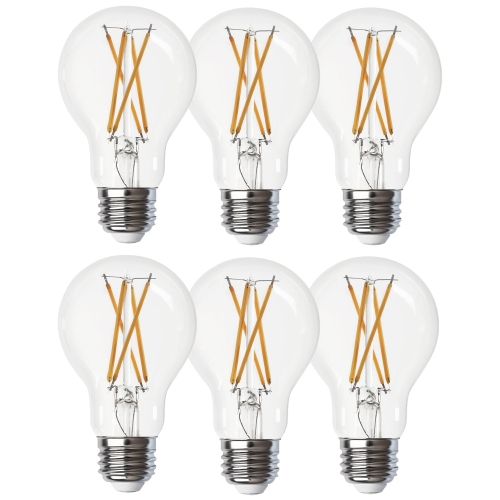
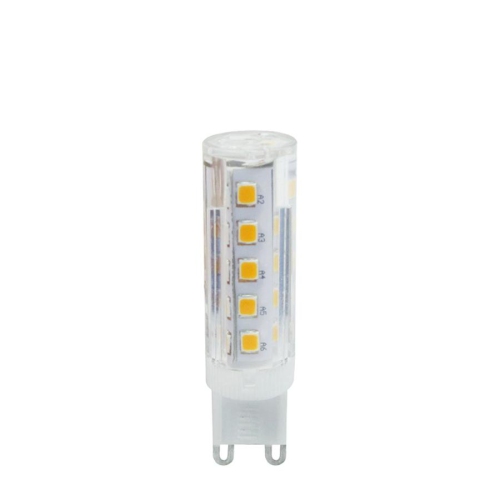
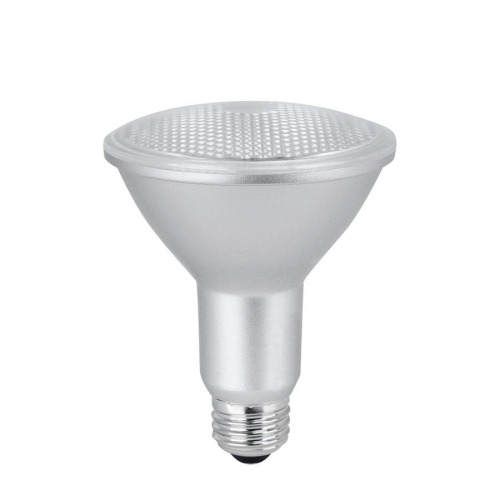
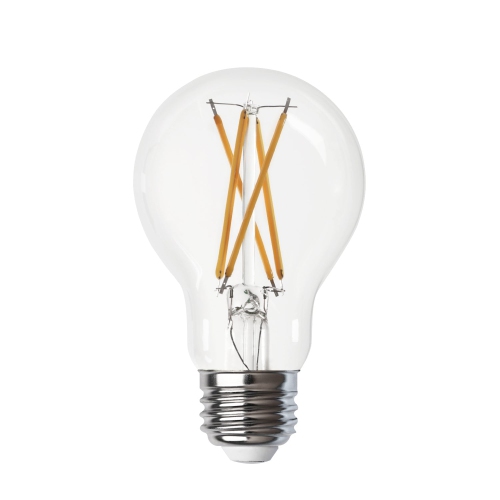
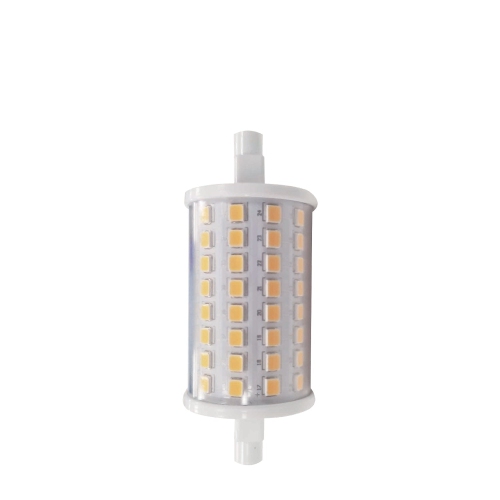
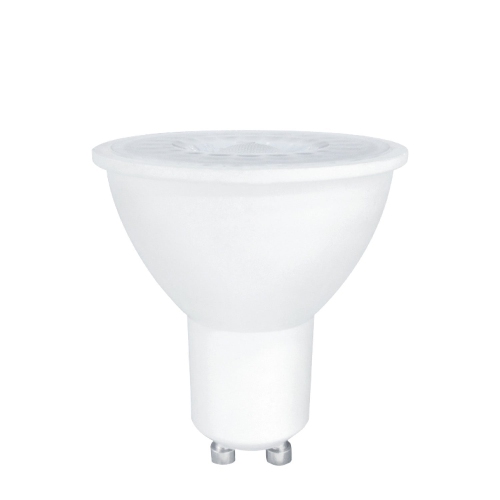
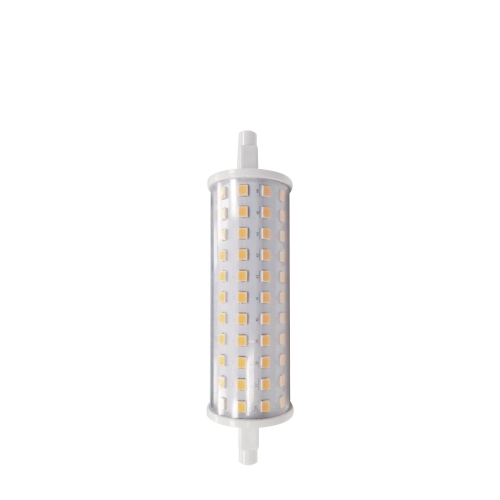
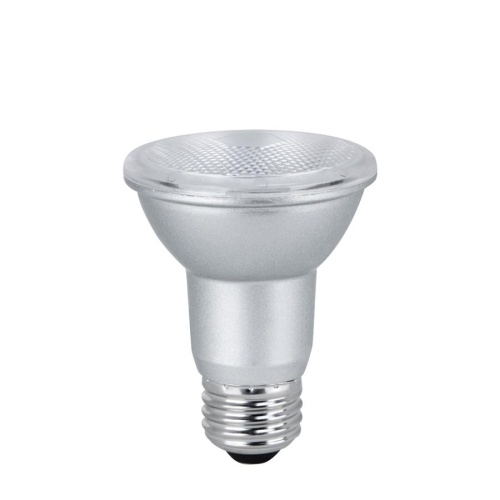
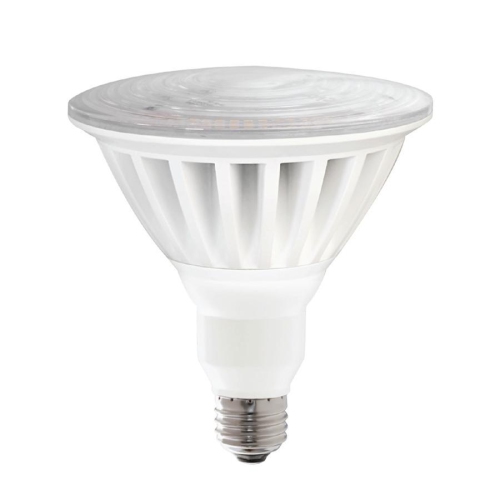
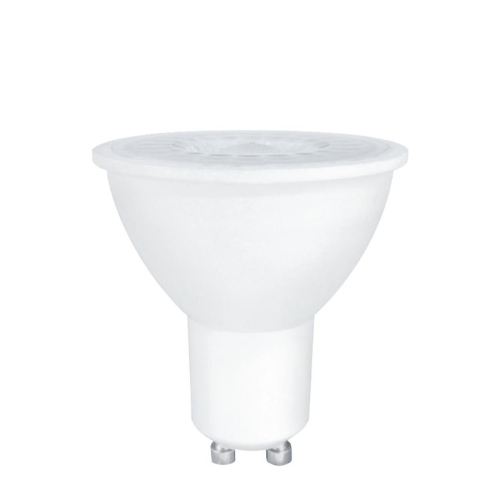
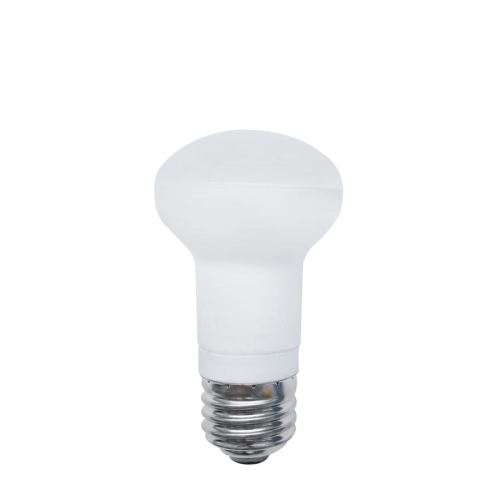
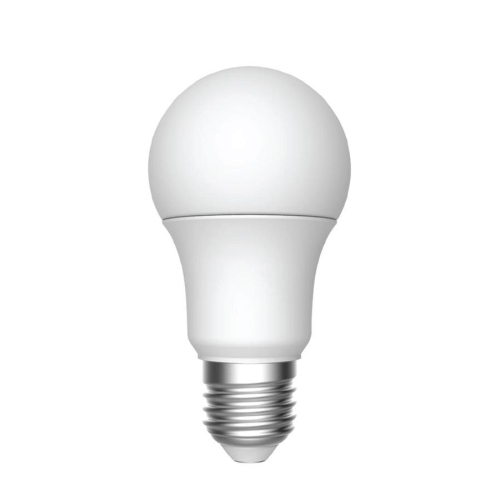
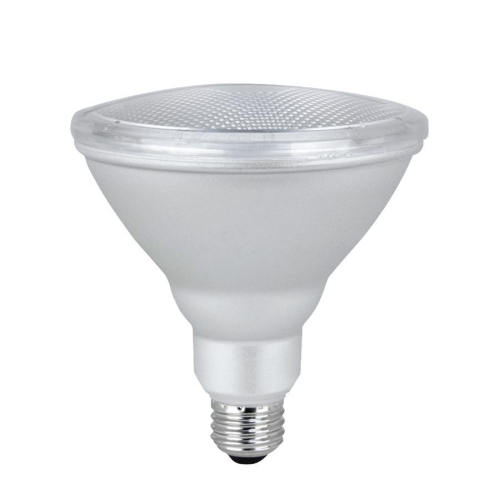
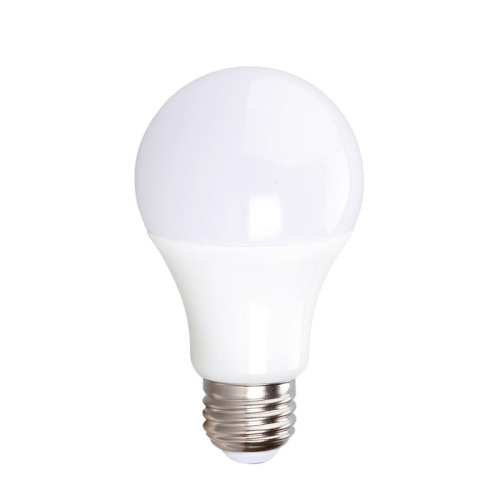
Daylight bulbs come in different shapes, base styles, and beam patterns, so physical fit matters as much as light appearance. The familiar rounded household bulb often uses an E26 medium screw base, while smaller fixtures may require an E12 candelabra base or a different connection altogether. Shape codes and base codes describe different features: an A19 designation refers to the bulb’s shape and size, not the socket it fits. Matching the existing base is only part of the fit, since a wider globe or longer bulb may extend beyond a shade, interfere with a cover, or sit too close to the fixture housing. Fixture dimensions and the manufacturer’s permitted bulb types help establish a suitable match. A broad light distribution works well in many table lamps and ceiling fixtures, whereas a directional reflector bulb can concentrate light over a counter or work area. Clear glass, frosted glass, and plastic diffusers also change how the light is presented. A frosted surface helps soften the visible light source, while a clear bulb can create sharper highlights, particularly when it is exposed rather than concealed by a shade. Glass can chip or break if knocked; plastic diffusers are generally less prone to shattering, though either construction still needs careful handling. Durability also depends on where the bulb operates. LED electronics produce heat, and a bulb used inside a fully enclosed ceiling fitting needs an explicit rating for that application. Damp-location and wet-location ratings are distinct considerations for bathrooms, covered exterior fixtures, and places exposed to water; a general-purpose indoor bulb is not automatically suitable. Dimming requires similar compatibility. A dimmable daylight LED bulb needs a compatible dimmer, and older controls designed for incandescent lighting may cause flicker, buzzing, or an uneven dimming range. Standard dimmable daylight bulbs generally retain their cool-white character as the output drops, while bulbs designed to change colour temperature behave differently. These details influence both the finished look and reliable day-to-day operation.
The appeal of daylight lighting is often clearest in rooms with specific jobs to do. In a kitchen, it can make a chopping board, measuring jug, and handwritten recipe easier to see when fixtures provide enough light without casting shadows across the counter. In a home office, a shaded daylight desk lamp can illuminate paperwork beside a screen, with placement playing an important role in limiting reflections. Students, people working from home, hobbyists, and anyone who spends time on close-up tasks may appreciate that defined pool of light. A sewing table, model-building bench, or utility sink can benefit from focused illumination without requiring every light in the room to have the same cool tone. In bathrooms, light distributed around the mirror usually gives a more even view of the face than a single bright source directly overhead. A windowless basement may feel more clearly lit with daylight bulbs, but adequate fixture spacing and output still matter; a cool colour temperature cannot compensate for too little light. Pale walls and reflective tiles can intensify the crisp effect, while dark paint, wood finishes, and heavy lampshades absorb more light and change the overall impression. Matching the colour temperature of bulbs within a multi-socket fixture helps avoid an uneven mix of yellow-white and blue-white light. Separate fixtures offer more flexibility, with daylight task lighting for detailed work and warmer light elsewhere for quieter evening activities. During the cooler months, when indoor lighting may be used for longer stretches, that separation can make a multipurpose room feel more adaptable. Care is usually straightforward: switch off the power, allow the bulb to cool, and remove dust with a soft, dry cloth according to the manufacturer’s instructions. Dust on a bulb or shade can reduce useful illumination, while trapped heat and unsuitable fixtures can shorten service life. Published LED lifespan figures are estimates rather than guarantees, with operating temperature, usage, and electrical compatibility affecting longevity. A well-matched daylight bulb combines the desired cool-white appearance with appropriate brightness, comfortable light distribution, and a construction suited to its fixture.
Daylight bulbs come in different shapes, base styles, and beam patterns, so physical fit matters as much as light appearance. The familiar rounded household bulb often uses an E26 medium screw base, while smaller fixtures may require an E12 candelabra base or a different connection altogether. Shape codes and base codes describe different features: an A19 designation refers to the bulb’s shape and size, not the socket it fits. Matching the existing base is only part of the fit, since a wider globe or longer bulb may extend beyond a shade, interfere with a cover, or sit too close to the fixture housing. Fixture dimensions and the manufacturer’s permitted bulb types help establish a suitable match. A broad light distribution works well in many table lamps and ceiling fixtures, whereas a directional reflector bulb can concentrate light over a counter or work area. Clear glass, frosted glass, and plastic diffusers also change how the light is presented. A frosted surface helps soften the visible light source, while a clear bulb can create sharper highlights, particularly when it is exposed rather than concealed by a shade. Glass can chip or break if knocked; plastic diffusers are generally less prone to shattering, though either construction still needs careful handling. Durability also depends on where the bulb operates. LED electronics produce heat, and a bulb used inside a fully enclosed ceiling fitting needs an explicit rating for that application. Damp-location and wet-location ratings are distinct considerations for bathrooms, covered exterior fixtures, and places exposed to water; a general-purpose indoor bulb is not automatically suitable. Dimming requires similar compatibility. A dimmable daylight LED bulb needs a compatible dimmer, and older controls designed for incandescent lighting may cause flicker, buzzing, or an uneven dimming range. Standard dimmable daylight bulbs generally retain their cool-white character as the output drops, while bulbs designed to change colour temperature behave differently. These details influence both the finished look and reliable day-to-day operation.
The appeal of daylight lighting is often clearest in rooms with specific jobs to do. In a kitchen, it can make a chopping board, measuring jug, and handwritten recipe easier to see when fixtures provide enough light without casting shadows across the counter. In a home office, a shaded daylight desk lamp can illuminate paperwork beside a screen, with placement playing an important role in limiting reflections. Students, people working from home, hobbyists, and anyone who spends time on close-up tasks may appreciate that defined pool of light. A sewing table, model-building bench, or utility sink can benefit from focused illumination without requiring every light in the room to have the same cool tone. In bathrooms, light distributed around the mirror usually gives a more even view of the face than a single bright source directly overhead. A windowless basement may feel more clearly lit with daylight bulbs, but adequate fixture spacing and output still matter; a cool colour temperature cannot compensate for too little light. Pale walls and reflective tiles can intensify the crisp effect, while dark paint, wood finishes, and heavy lampshades absorb more light and change the overall impression. Matching the colour temperature of bulbs within a multi-socket fixture helps avoid an uneven mix of yellow-white and blue-white light. Separate fixtures offer more flexibility, with daylight task lighting for detailed work and warmer light elsewhere for quieter evening activities. During the cooler months, when indoor lighting may be used for longer stretches, that separation can make a multipurpose room feel more adaptable. Care is usually straightforward: switch off the power, allow the bulb to cool, and remove dust with a soft, dry cloth according to the manufacturer’s instructions. Dust on a bulb or shade can reduce useful illumination, while trapped heat and unsuitable fixtures can shorten service life. Published LED lifespan figures are estimates rather than guarantees, with operating temperature, usage, and electrical compatibility affecting longevity. A well-matched daylight bulb combines the desired cool-white appearance with appropriate brightness, comfortable light distribution, and a construction suited to its fixture.
Top selling and popular products
-
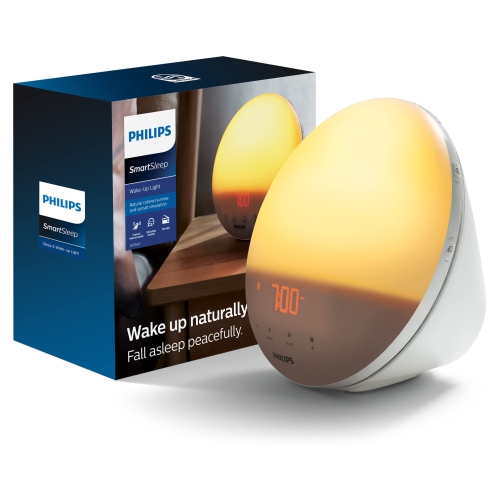 Your price for this item is $250
 -
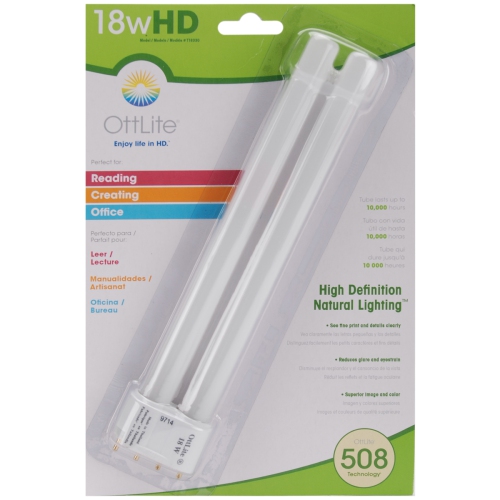 Your price for this item is $55
 -
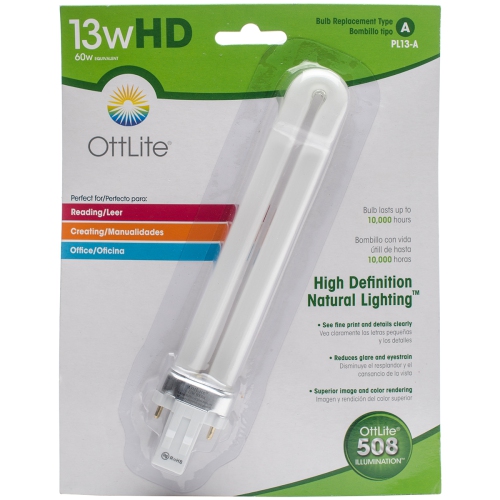 Your price for this item is $55
 -
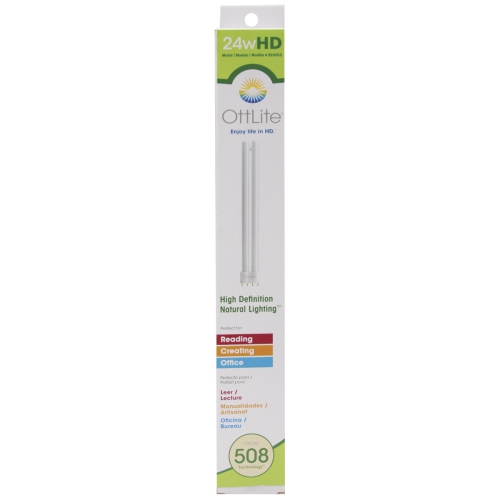 Your price for this item is $55
 -
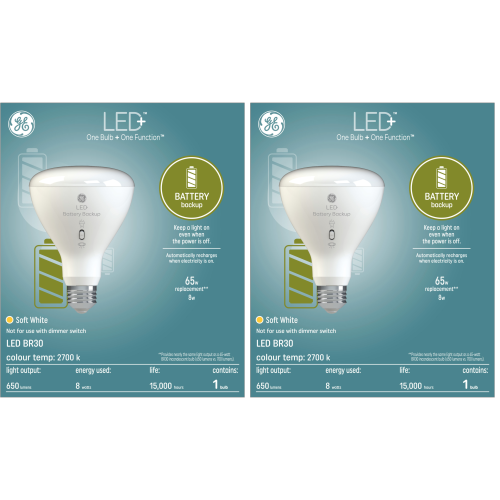 Your price for this item is $45.98
 -
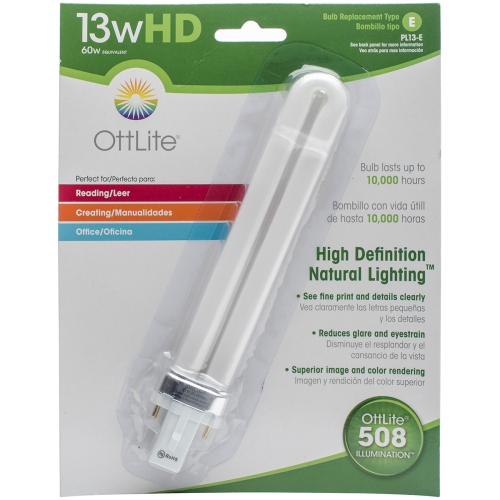 Your price for this item is $55
 -
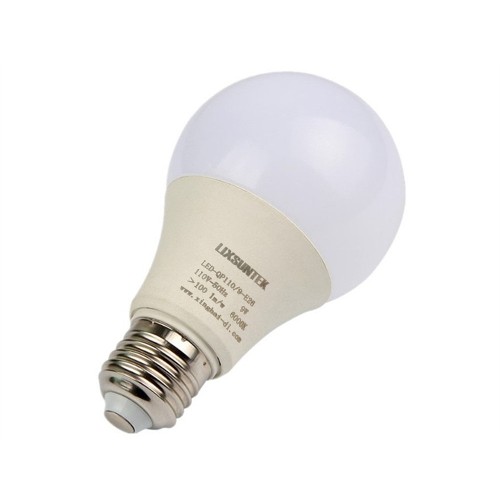 Your price for this item is $9.99
 -
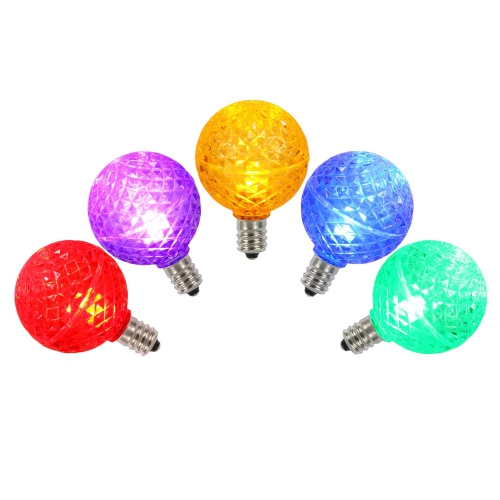 Your price for this item is $74.99
Discover more categories related to Daylight Bulbs
Top Collections:
Pokemon Centers, Kindle Devices, Best Budget Office Chairs, Apple iPhones 16, Best Laptops for Writers, iPhone 15 Apple, Canon G7X Cameras, Refurbished Apple Laptops, Alarm Clock, Motorola Razr Phones
Some products may be subject to Environmental Handling Fees
(EHF) depending on your province.
Learn more about EHFs.