Deck Hammocks
Transform your outdoor space into a cozy oasis with our selection of deck hammocks. Perfect for relaxing under the sun or stars, these hammocks provide a comfortable and stylish way to unwind after a long day. Whether you're looking to add a touch of luxury to your backyard or create a tranquil retreat on your balcony, our deck hammocks offer the perfect blend of comfort and relaxation. Browse our range of hammocks to find the ideal option to elevate your outdoor lounging experience
Sort

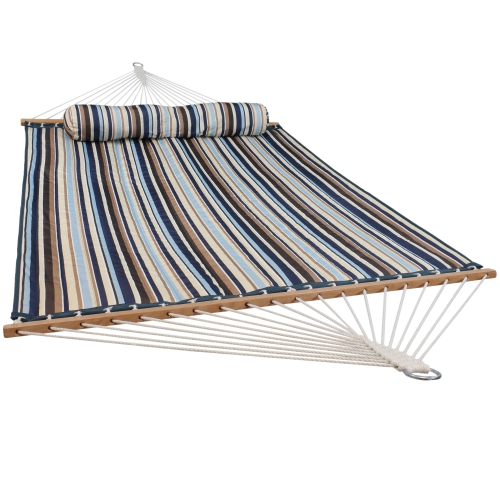
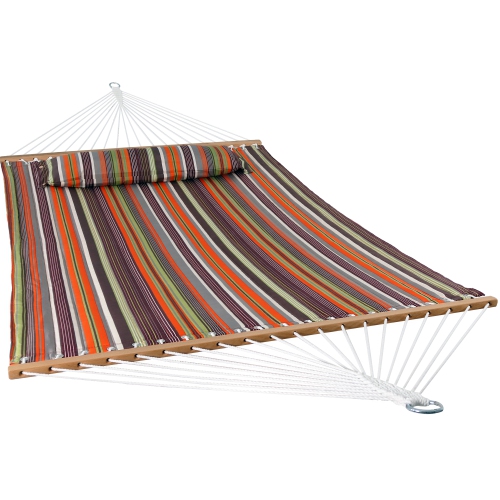
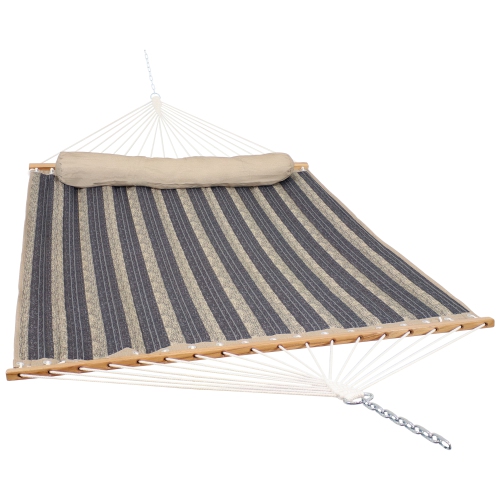

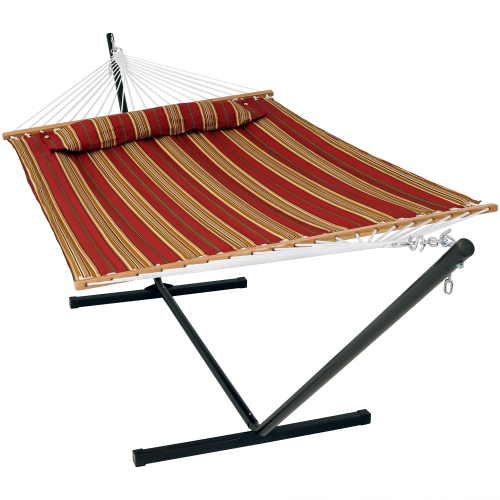
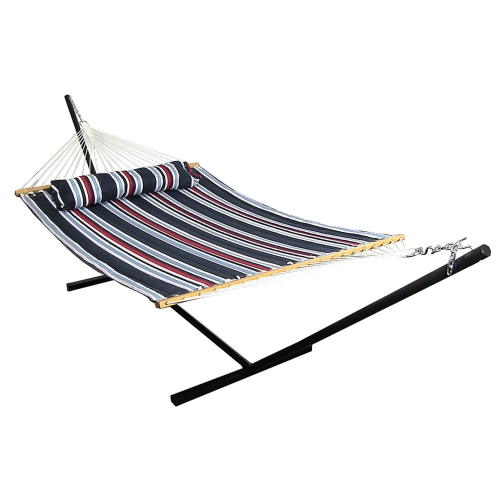
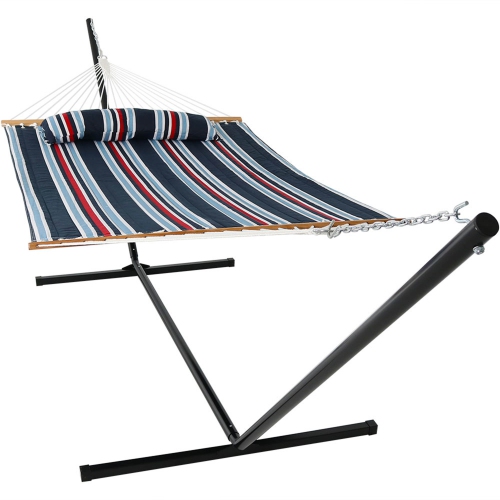
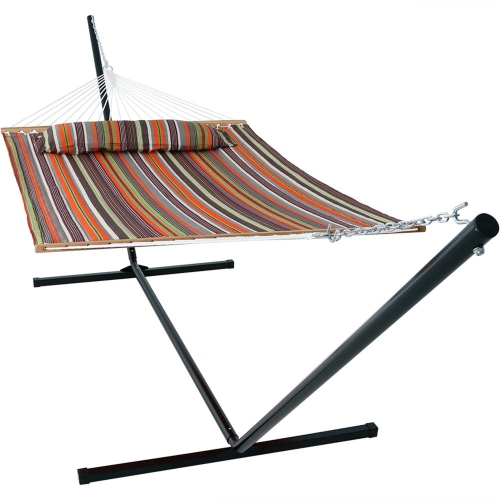
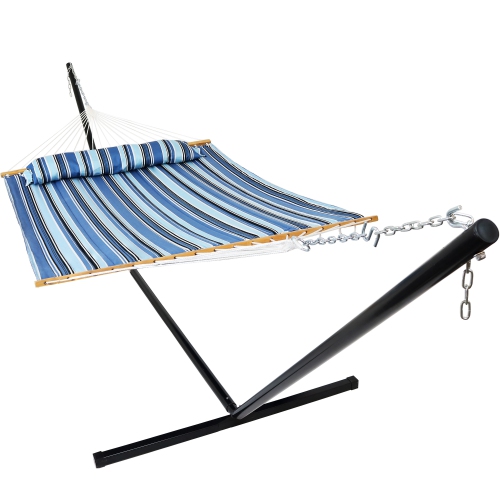

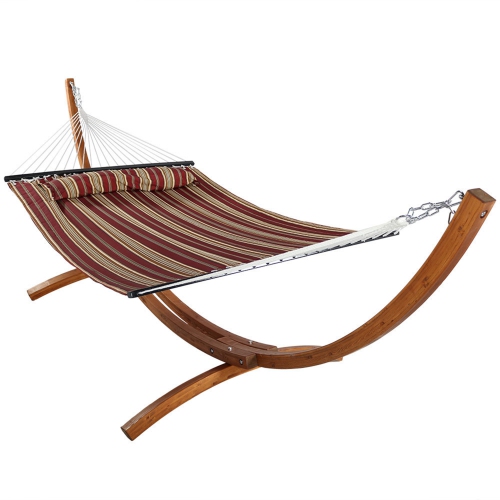
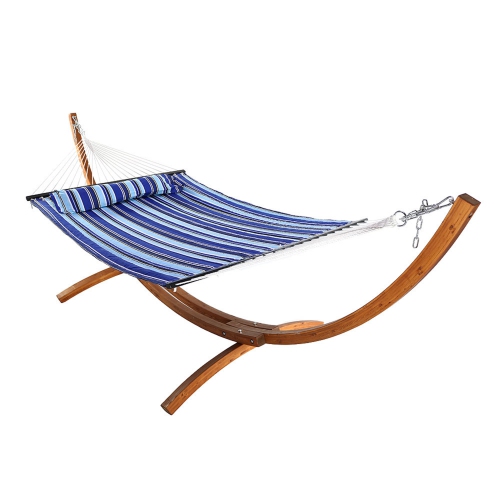
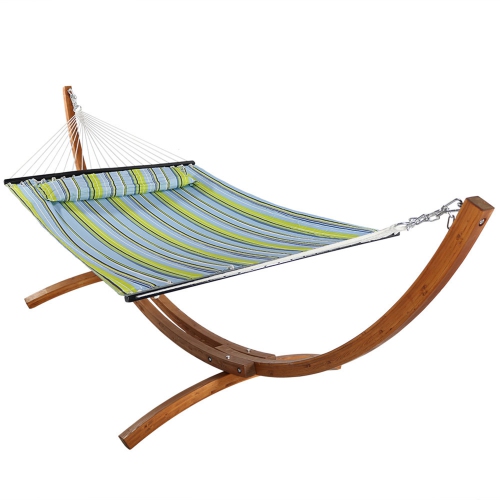
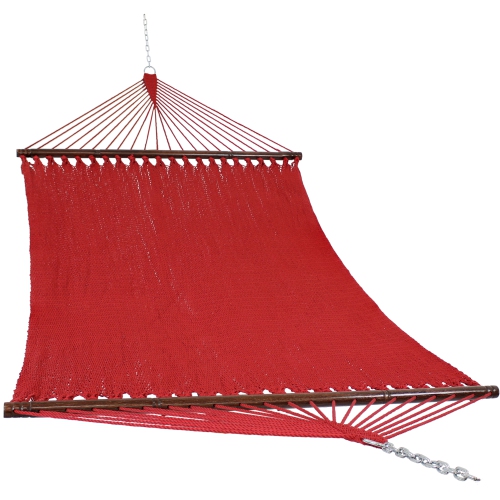
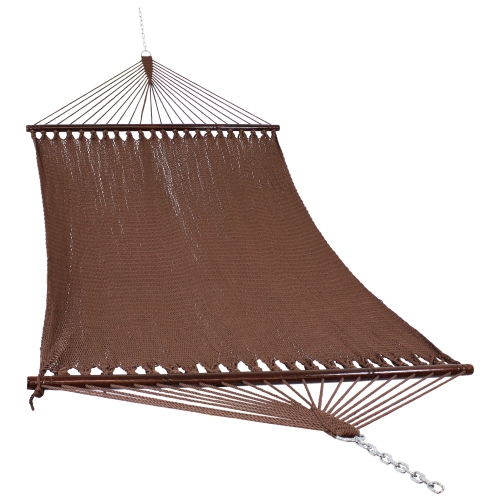
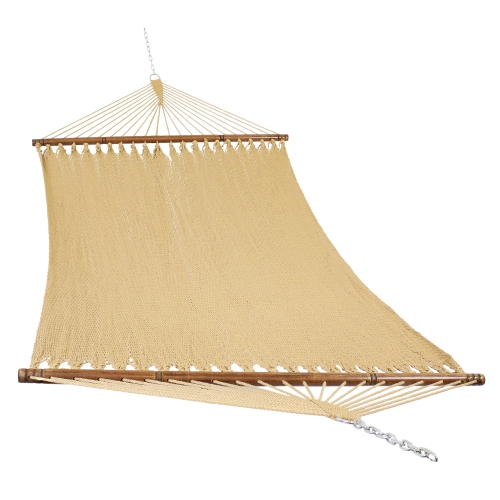
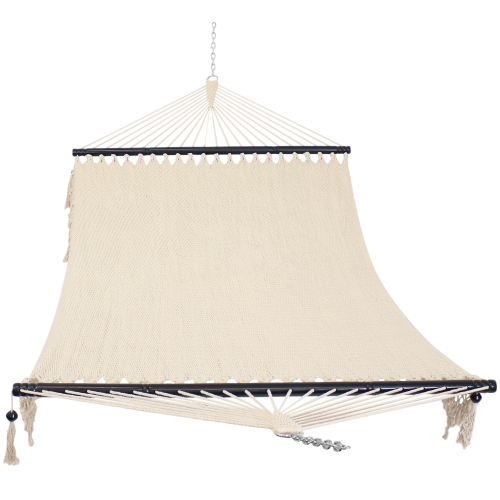
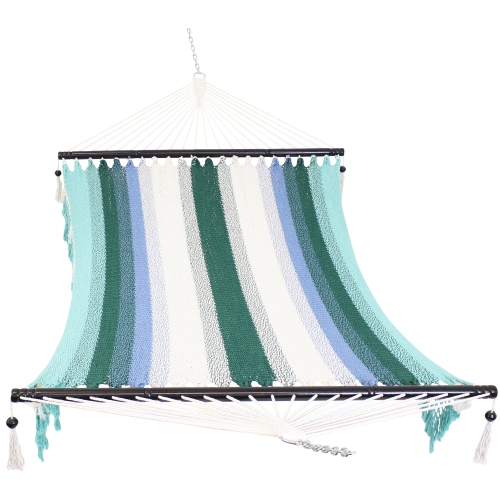
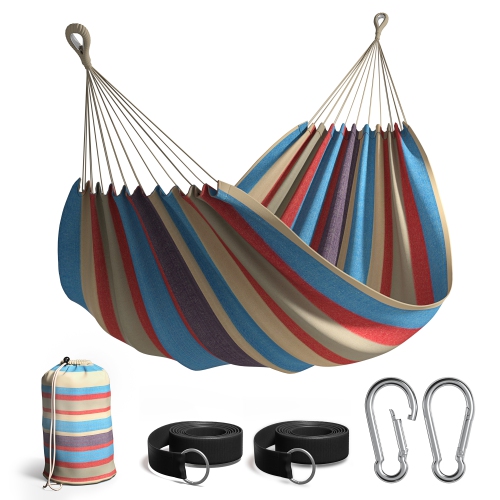
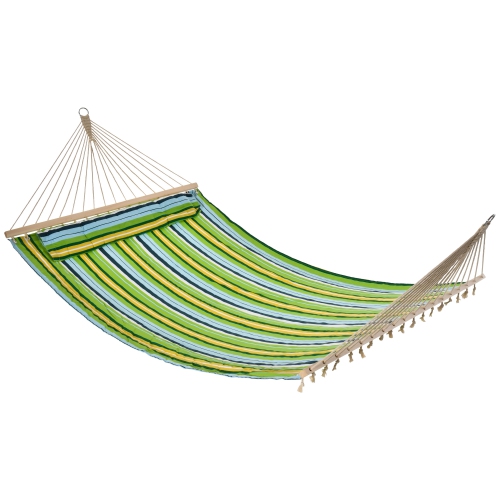
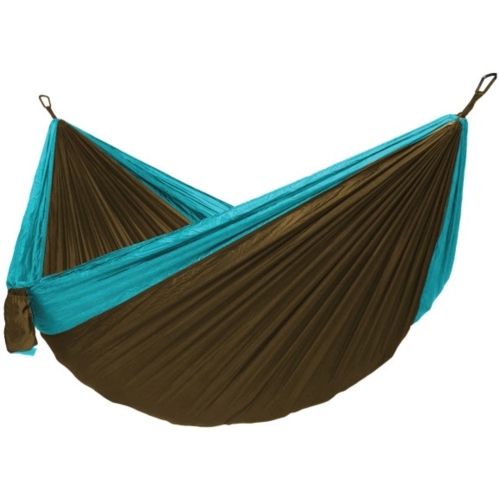
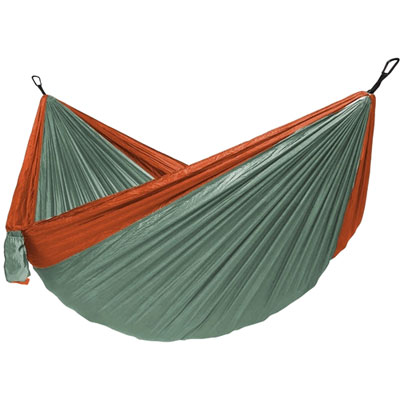
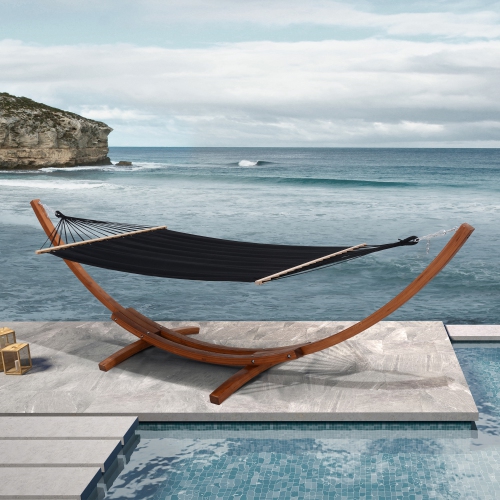
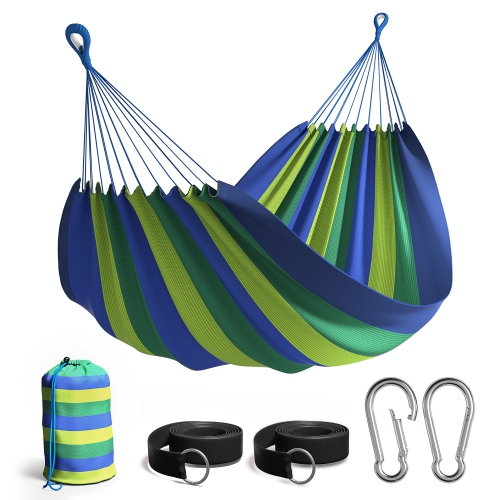
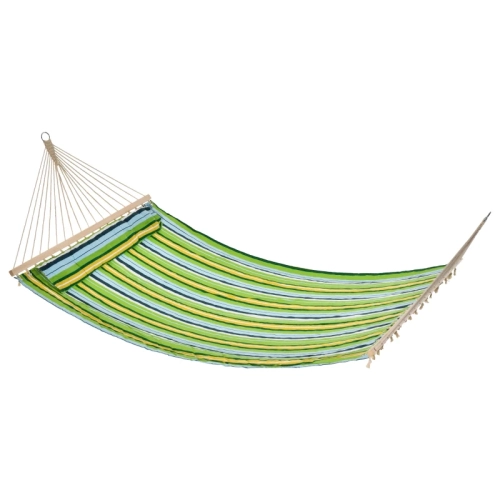
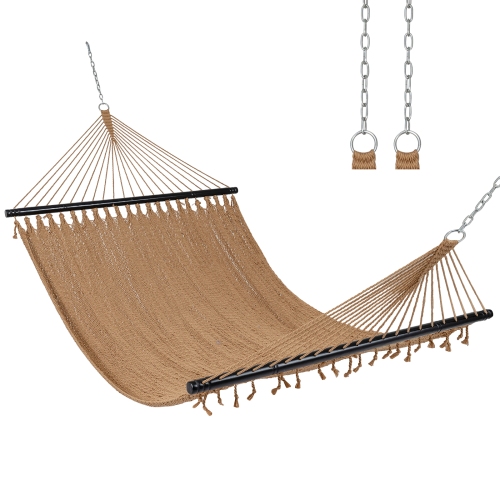
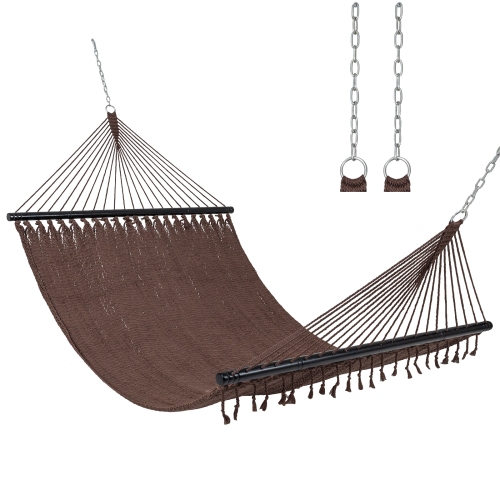
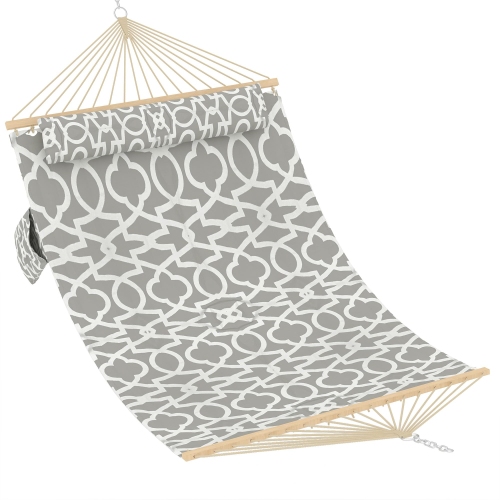
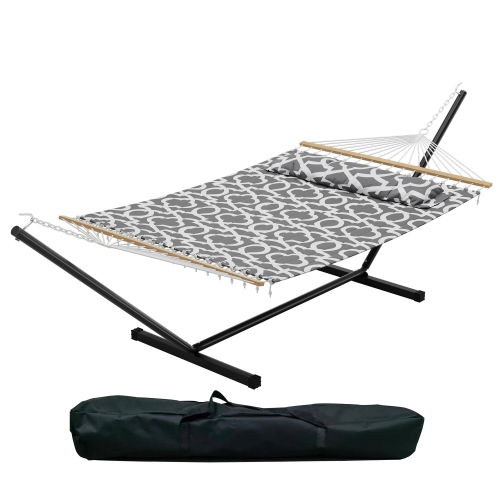
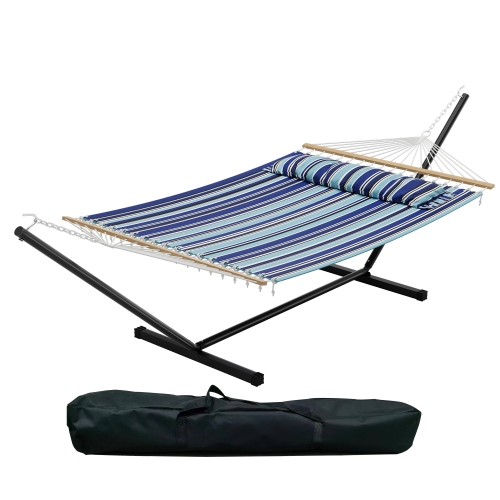
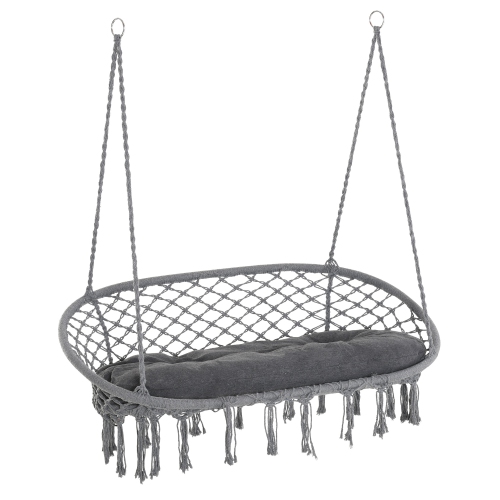
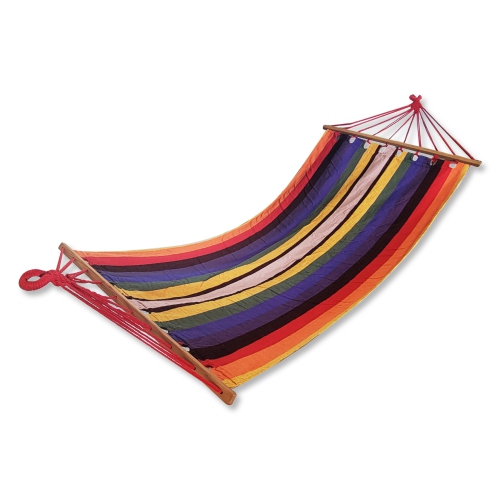
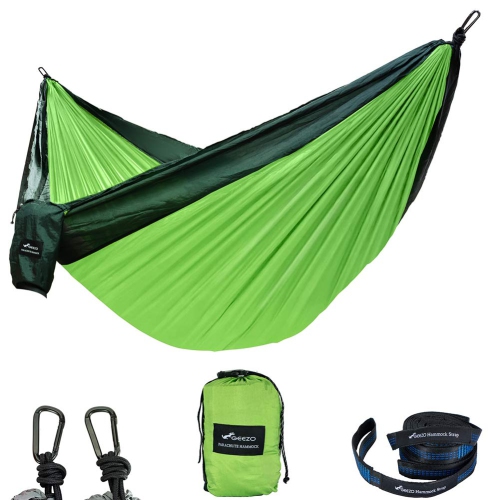
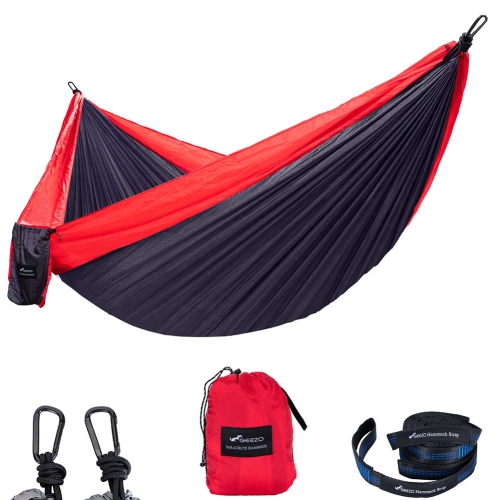
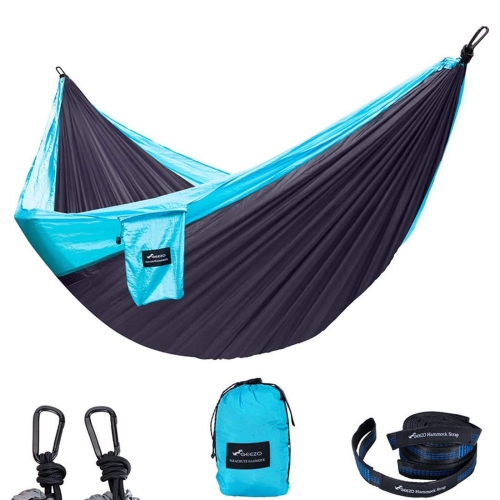
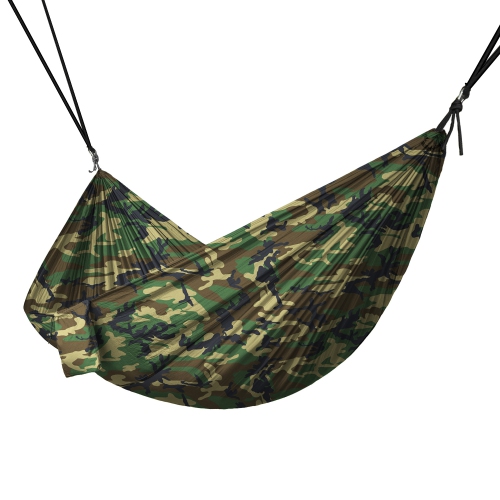
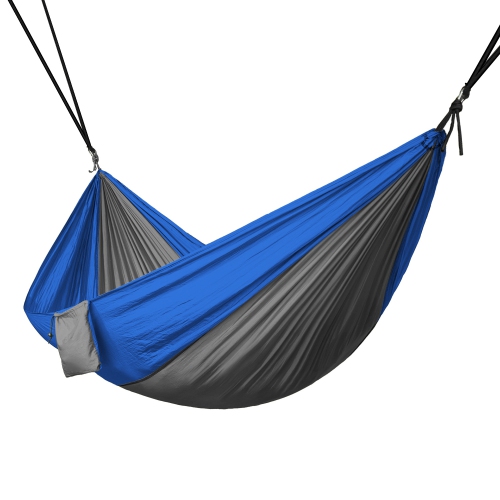

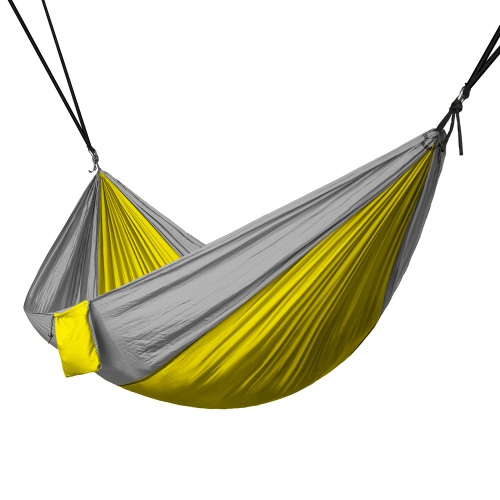
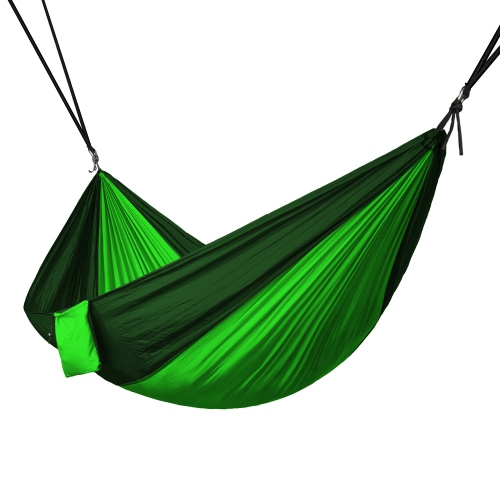
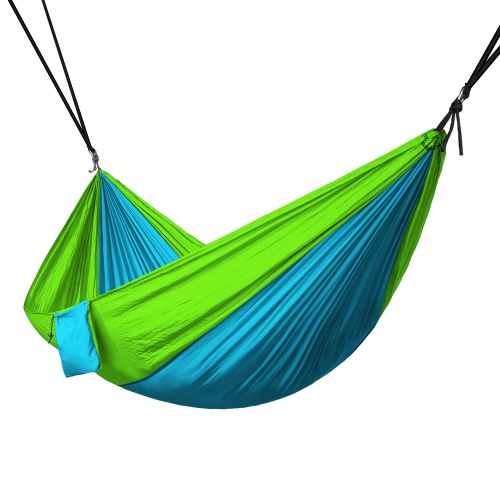
Comfortable outdoor lounging with proper space, support, and care
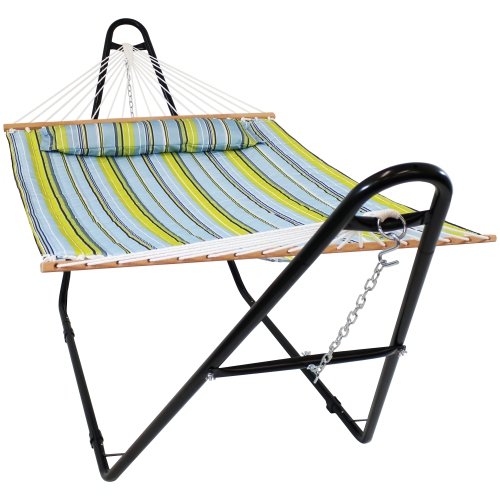
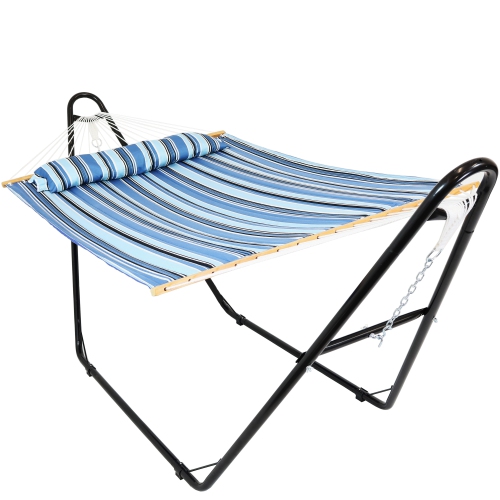
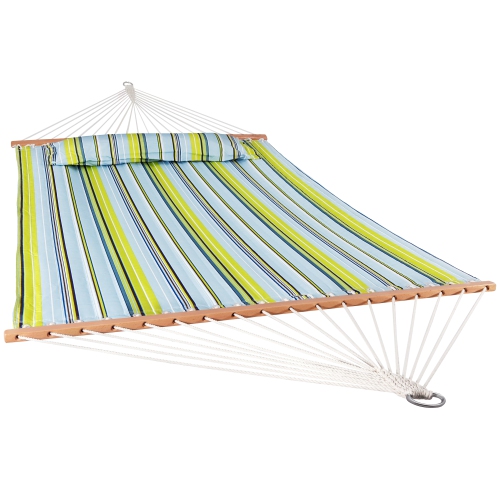
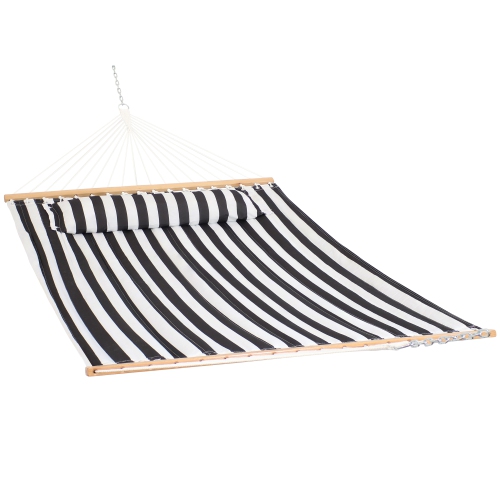
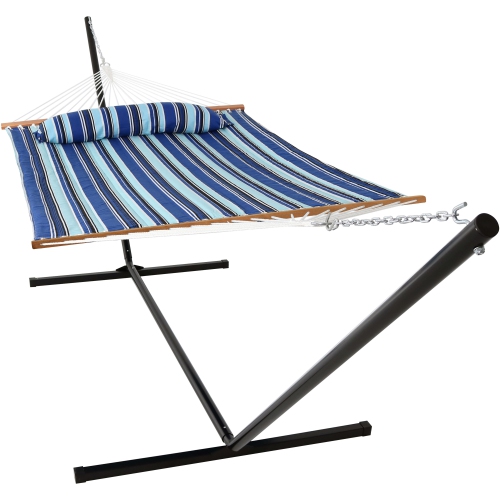
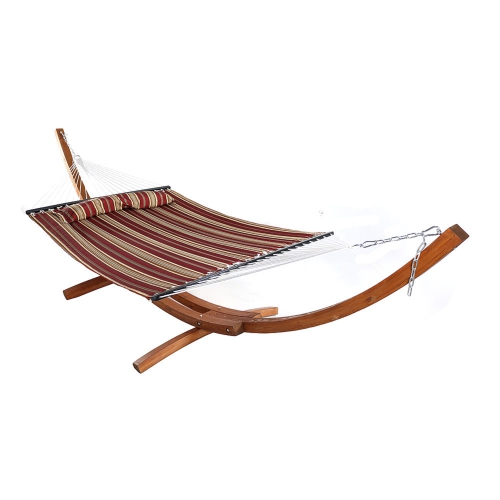
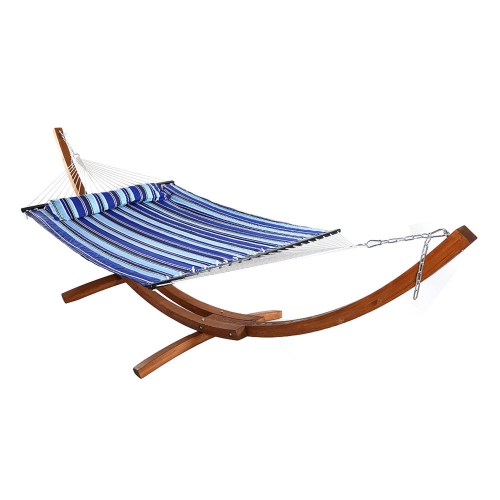
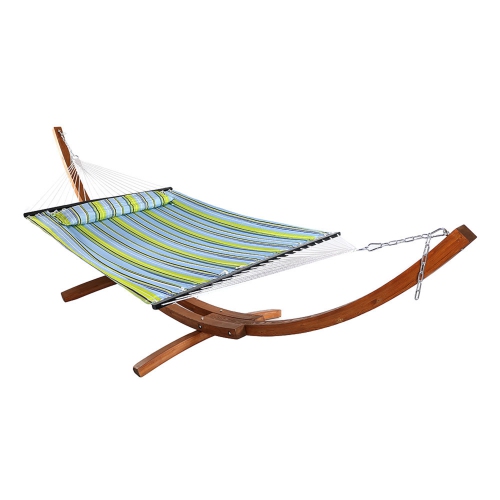
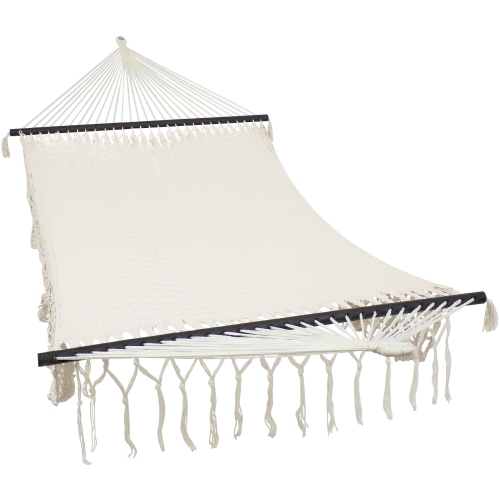
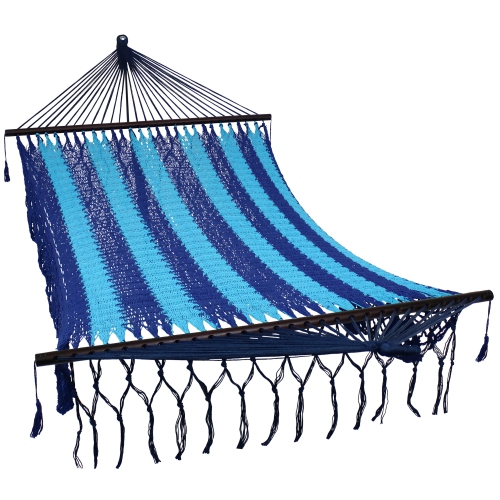
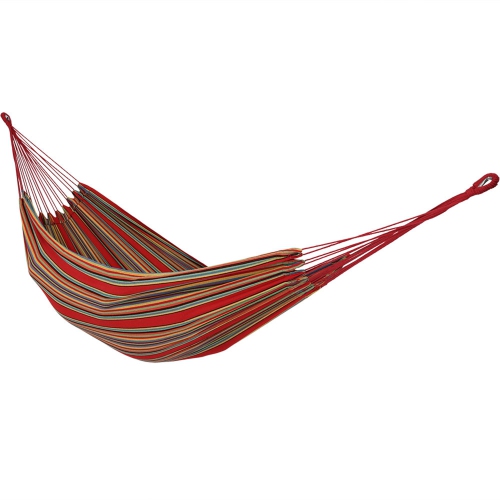
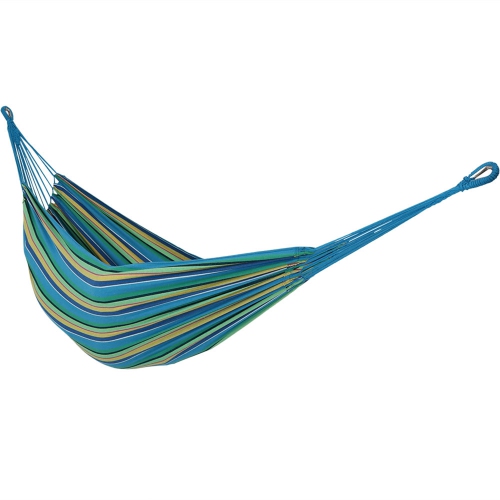
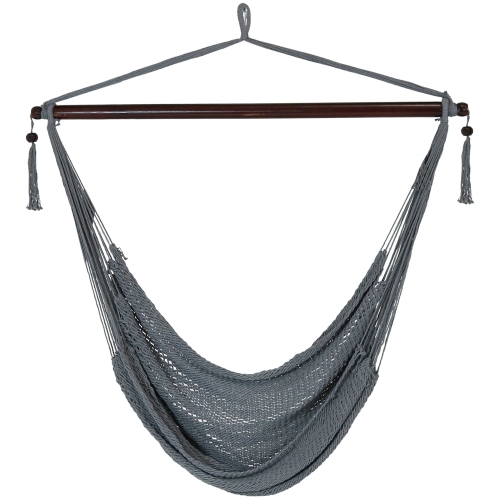
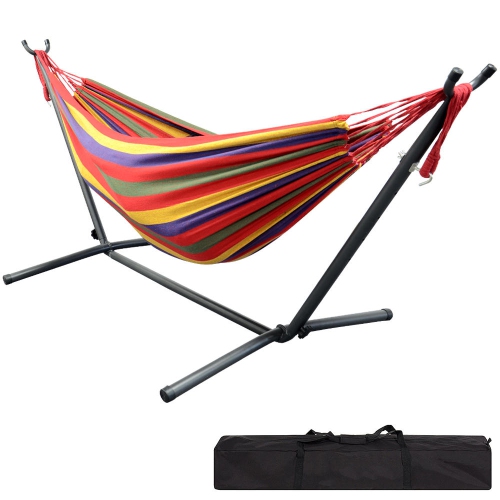
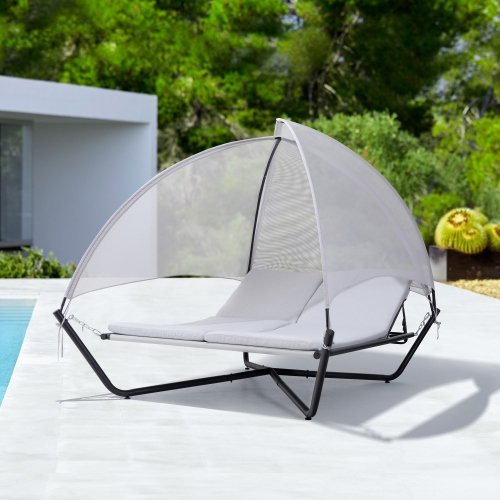
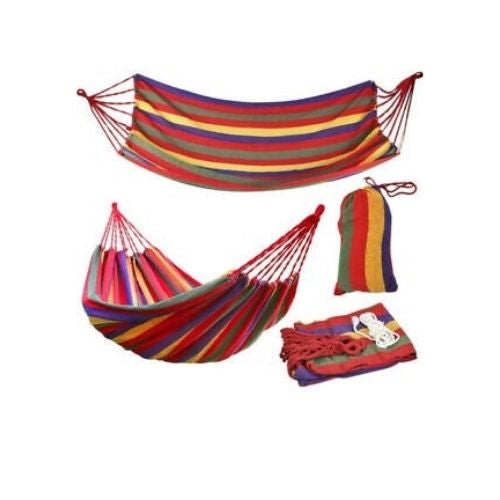
Deck hammocks offer a comfortable way to make better use of an outdoor living area, especially when there are no mature trees in the right location. They can turn a quiet corner of a deck, balcony-style platform, screened porch, or covered patio into a place for reading, relaxing, listening to music, or enjoying a coffee while the day gets started. Unlike traditional hammocks that depend on two trees or permanent wall attachments, many deck-friendly designs use a freestanding stand that can be positioned where it suits the space. Stands are commonly made from metal or wood and may provide a span of roughly 9 to 12 feet, although the exact footprint varies by design. A compact frame can work well on a smaller deck, while a longer double hammock may be more comfortable for two people or for anyone who likes extra room to stretch out. Fabric styles range from gently supportive woven cotton to quick-drying polyester and weather-resistant mesh, with each material offering a different feel. Cotton can provide a soft, familiar texture, while synthetic fabrics are often convenient for outdoor use and easier to wipe clean after exposure to dust, pollen, or light moisture. Some models include spreader bars for a flatter, more open lounging position, while gathered hammocks cradle the body in a deeper curve. A hanging chair or single hammock can suit solo relaxation, whereas a double design may be useful for sharing space, supervising children nearby, or giving one person room to settle in with a book and blanket. For additional outdoor comfort, shoppers may also wish to browse Garden Hammocks when comparing styles intended for yards, patios, and other garden settings.
Choosing the right deck hammock begins with measuring the available area rather than relying only on the product dimensions. Check the full length and width of the stand, then allow extra clearance around it so the hammock can move without striking railings, stairs, planters, tables, or outdoor seating. The hammock should have enough room to hang naturally and should not be forced against a wall or positioned where someone could step into its path. On a raised deck, pay particular attention to railings and edges, since a rocking or shifting hammock needs to remain well inside the safe lounging area. Weight capacity is another essential consideration. Look for the maximum supported weight of the hammock, stand, or mounting hardware, and make sure it covers the combined weight of everyone who may use it along with blankets, cushions, or other items. A double hammock often supports more than a single model, but capacities differ and should never be estimated from appearance alone. For a freestanding option, place the feet on a firm, level surface and confirm that the stand sits evenly before use. Protective foot caps can help reduce scuffing on some deck surfaces, while adjustable chains, hooks, or hanging points make it easier to find a comfortable height. Permanent installations require more planning. A hammock mounted to deck posts or beams should be attached only to sound, structural wood or another support approved for the load. Decorative railings, thin trim, privacy screens, and non-structural boards are not suitable anchors. Heavy-duty eye bolts, hooks, straps, and other hardware must be rated for outdoor use and installed according to the manufacturer’s instructions. Drilling into a post or beam can affect its integrity if done incorrectly, so a qualified professional may be appropriate for complex installations, pergola frames, or custom deck net systems. Inspect all attachment points before each use, particularly after periods of strong wind, heavy rain, freezing temperatures, or other severe weather.
Deck hammocks can be useful for a wide range of households and routines. A single model may become a favourite spot for a quiet afternoon, a comfortable place to watch children play, or a convenient seat for conversation when the deck is being used for entertaining. A double hammock can create a shared lounging space for couples, siblings, or friends, although users should follow the stated capacity and avoid sudden movements that could destabilize a stand. Hammocks can also make thoughtful gifts for new homeowners, cottage owners, apartment dwellers with outdoor space, or anyone who enjoys creating a more relaxed retreat at home. During the warmer part of the year, a shaded deck hammock can provide a pleasant place to unwind after gardening, outdoor exercise, or a long day at work. As the weather becomes cooler, it can still be useful under a covered area with a throw blanket, provided the fabric and frame are suitable for the conditions and the user remains comfortable. When rain, snow, strong wind, or freezing temperatures are expected, bring removable fabric indoors or use the recommended cover and storage method. Leaving fabric damp for extended periods can lead to odours or deterioration, while moisture trapped around metal hardware may contribute to corrosion. Wipe down the hammock as recommended, check stitching and seams for fraying, and examine chains, straps, hooks, stands, and fasteners for wear before setting it up again. Keep the area clear of sharp furniture edges, heat sources, open flames, and anything that could catch on the fabric. With suitable clearance, secure support, an appropriate weight rating, and regular care, a deck hammock can provide a simple, inviting place to pause through changing seasons without taking over the rest of the outdoor space.
Choosing the right deck hammock begins with measuring the available area rather than relying only on the product dimensions. Check the full length and width of the stand, then allow extra clearance around it so the hammock can move without striking railings, stairs, planters, tables, or outdoor seating. The hammock should have enough room to hang naturally and should not be forced against a wall or positioned where someone could step into its path. On a raised deck, pay particular attention to railings and edges, since a rocking or shifting hammock needs to remain well inside the safe lounging area. Weight capacity is another essential consideration. Look for the maximum supported weight of the hammock, stand, or mounting hardware, and make sure it covers the combined weight of everyone who may use it along with blankets, cushions, or other items. A double hammock often supports more than a single model, but capacities differ and should never be estimated from appearance alone. For a freestanding option, place the feet on a firm, level surface and confirm that the stand sits evenly before use. Protective foot caps can help reduce scuffing on some deck surfaces, while adjustable chains, hooks, or hanging points make it easier to find a comfortable height. Permanent installations require more planning. A hammock mounted to deck posts or beams should be attached only to sound, structural wood or another support approved for the load. Decorative railings, thin trim, privacy screens, and non-structural boards are not suitable anchors. Heavy-duty eye bolts, hooks, straps, and other hardware must be rated for outdoor use and installed according to the manufacturer’s instructions. Drilling into a post or beam can affect its integrity if done incorrectly, so a qualified professional may be appropriate for complex installations, pergola frames, or custom deck net systems. Inspect all attachment points before each use, particularly after periods of strong wind, heavy rain, freezing temperatures, or other severe weather.
Deck hammocks can be useful for a wide range of households and routines. A single model may become a favourite spot for a quiet afternoon, a comfortable place to watch children play, or a convenient seat for conversation when the deck is being used for entertaining. A double hammock can create a shared lounging space for couples, siblings, or friends, although users should follow the stated capacity and avoid sudden movements that could destabilize a stand. Hammocks can also make thoughtful gifts for new homeowners, cottage owners, apartment dwellers with outdoor space, or anyone who enjoys creating a more relaxed retreat at home. During the warmer part of the year, a shaded deck hammock can provide a pleasant place to unwind after gardening, outdoor exercise, or a long day at work. As the weather becomes cooler, it can still be useful under a covered area with a throw blanket, provided the fabric and frame are suitable for the conditions and the user remains comfortable. When rain, snow, strong wind, or freezing temperatures are expected, bring removable fabric indoors or use the recommended cover and storage method. Leaving fabric damp for extended periods can lead to odours or deterioration, while moisture trapped around metal hardware may contribute to corrosion. Wipe down the hammock as recommended, check stitching and seams for fraying, and examine chains, straps, hooks, stands, and fasteners for wear before setting it up again. Keep the area clear of sharp furniture edges, heat sources, open flames, and anything that could catch on the fabric. With suitable clearance, secure support, an appropriate weight rating, and regular care, a deck hammock can provide a simple, inviting place to pause through changing seasons without taking over the rest of the outdoor space.
Top selling and popular products
-
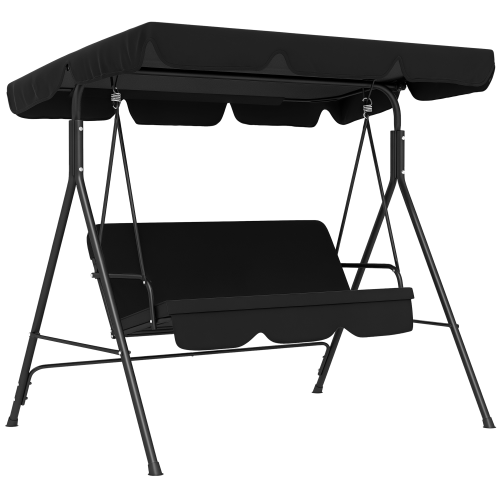 Your price for this item is $133
 -
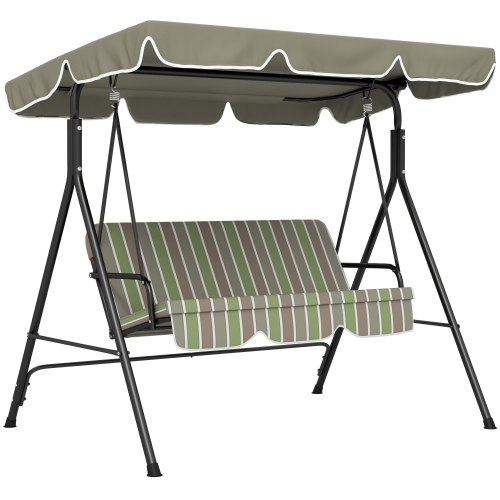 Your price for this item is $154.99
 -
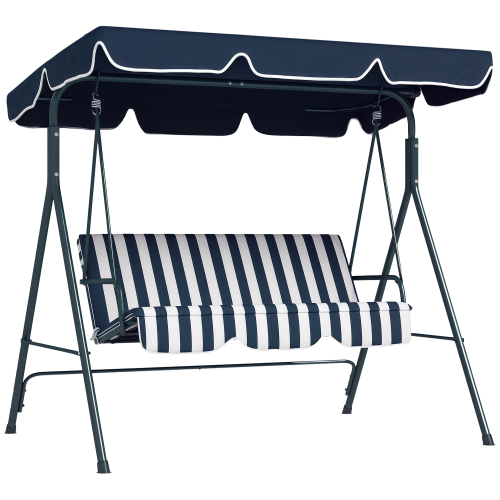 Your price for this item is $149.99
 -
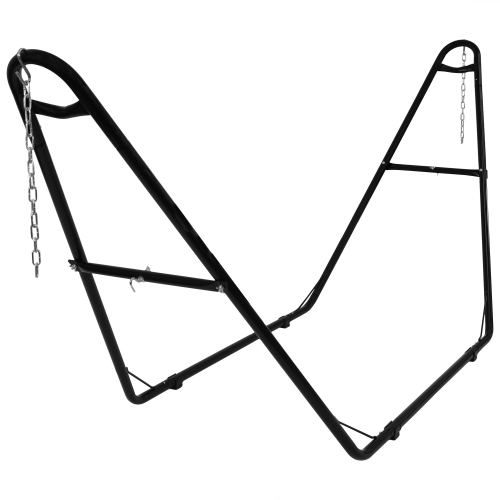 Your price for this item is $182.55
 -
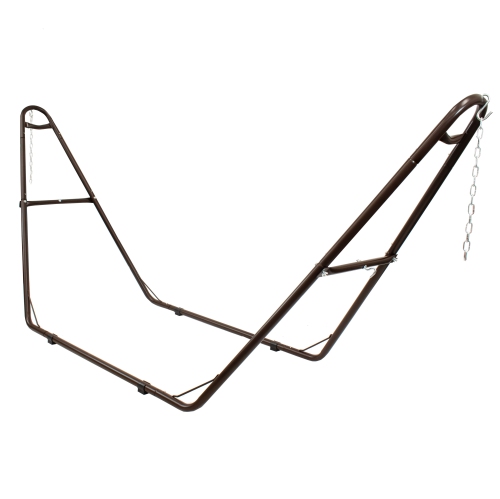 Your price for this item is $182.55
 -
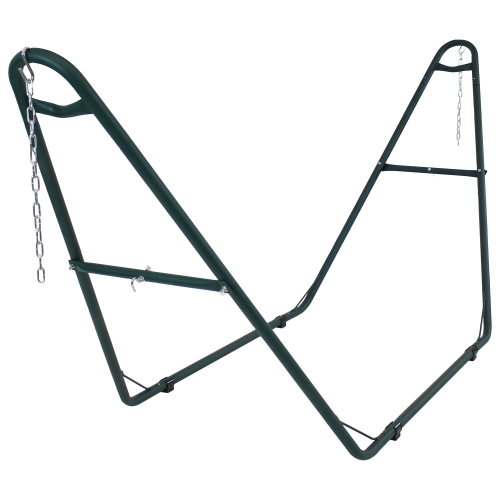 Your price for this item is $182.55
 -
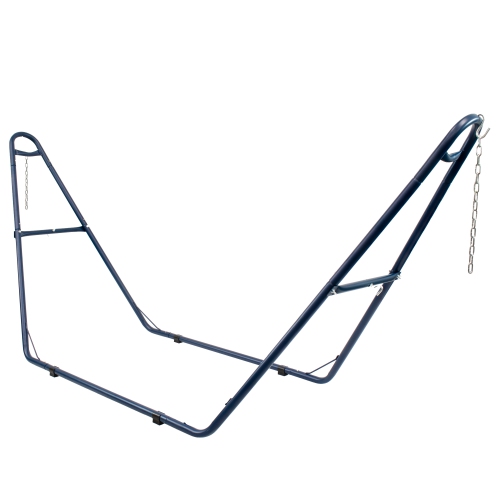 Your price for this item is $182.55
 -
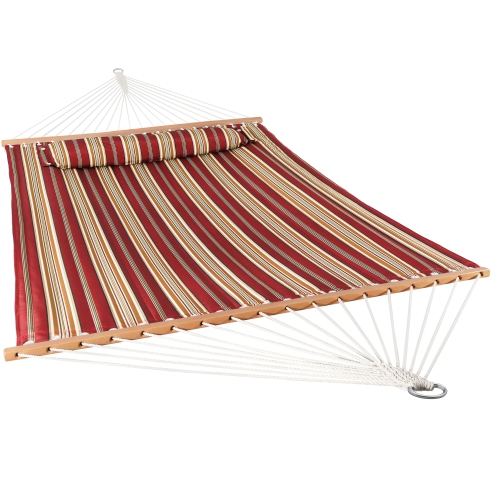 Your price for this item is $139.65
Discover more categories related to Deck Hammocks
Top Collections:
Pokemon Centers, Kindle Devices, Best Budget Office Chairs, Apple iPhones 16, Best Laptops for Writers, iPhone 15 Apple, Canon G7X Cameras, Refurbished Apple Laptops, Alarm Clock, Motorola Razr Phones
Some products may be subject to Environmental Handling Fees
(EHF) depending on your province.
Learn more about EHFs.