Decorative Bar Carts
Elevate your home entertaining experience with our collection of decorative bar carts. Perfect for showcasing your favorite spirits and glassware, these stylish and functional pieces are a must-have for any host or hostess looking to impress guests in style. From sleek modern designs to vintage-inspired classics, find the perfect bar cart to complement your home decor and make a statement at your next gathering. Browse our selection today and add a touch of sophistication to your entertaining space.
Sort
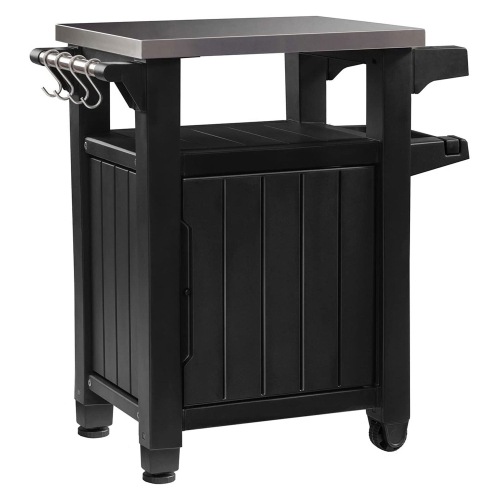
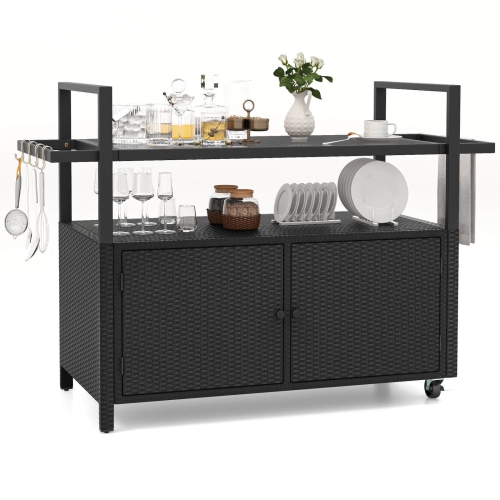
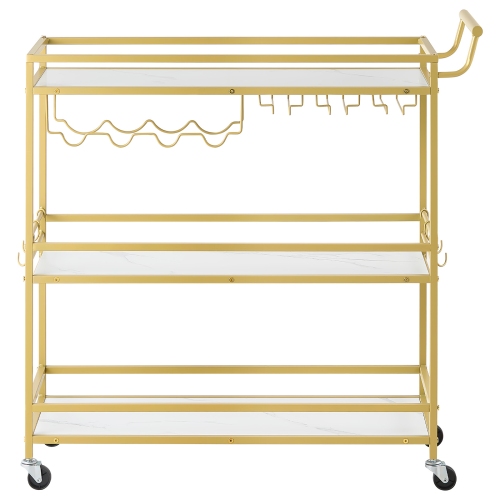
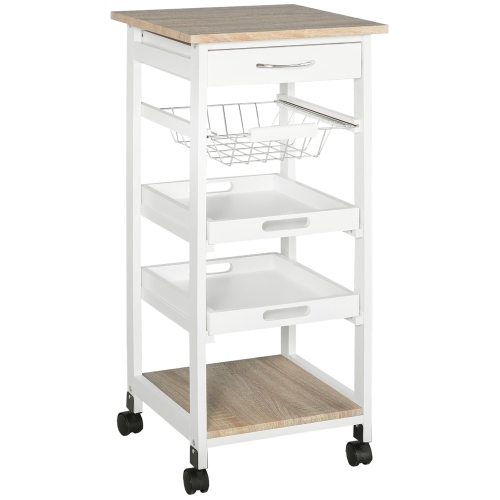

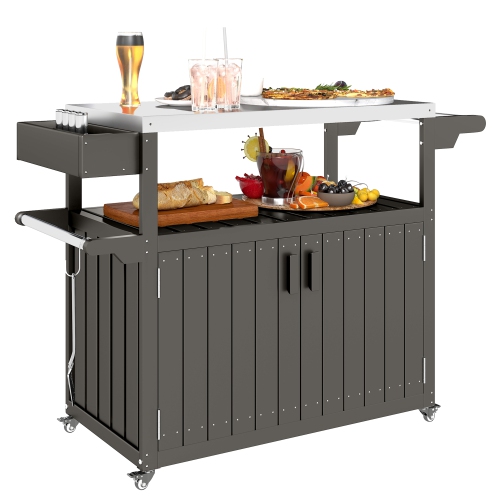
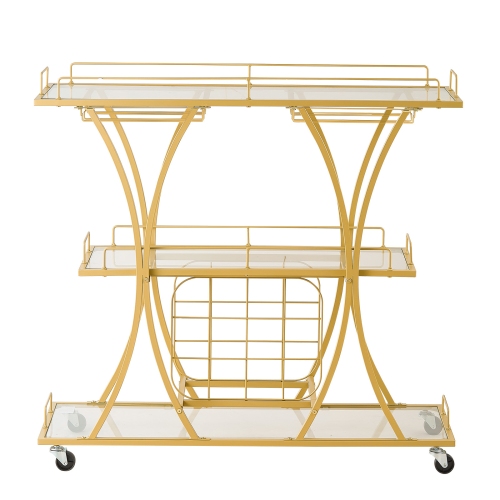
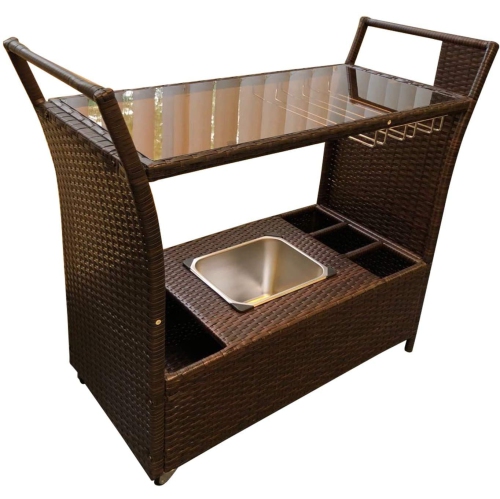
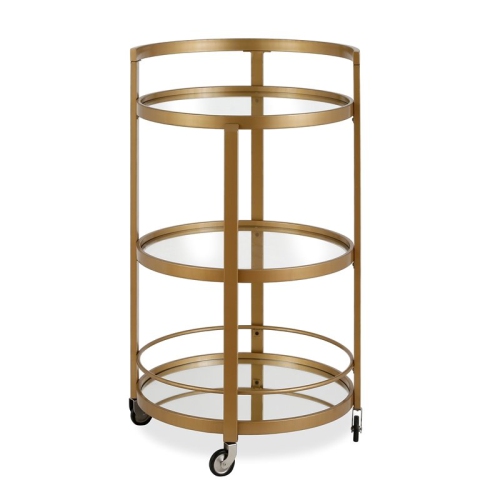
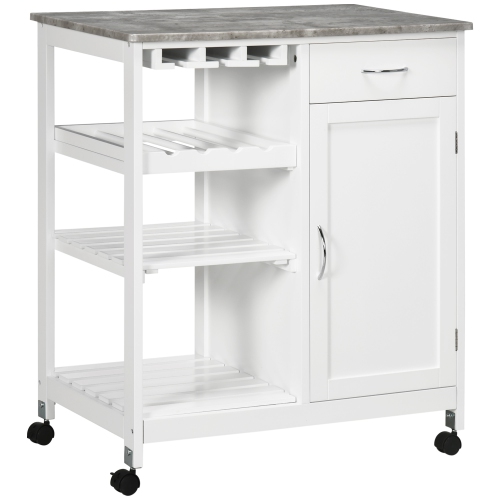
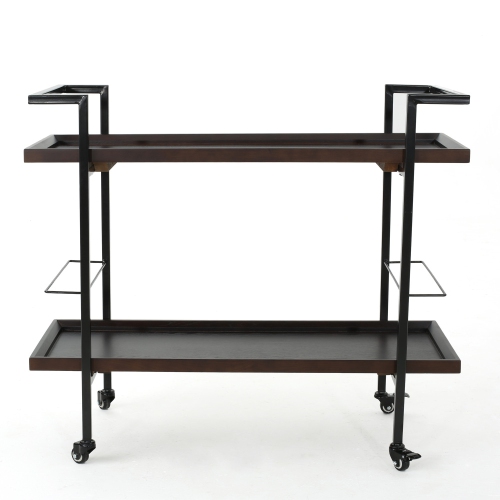
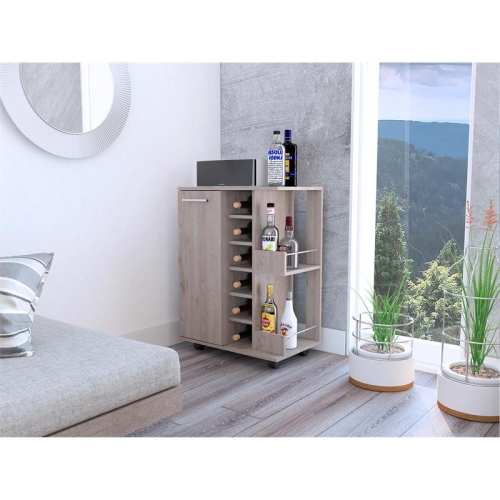
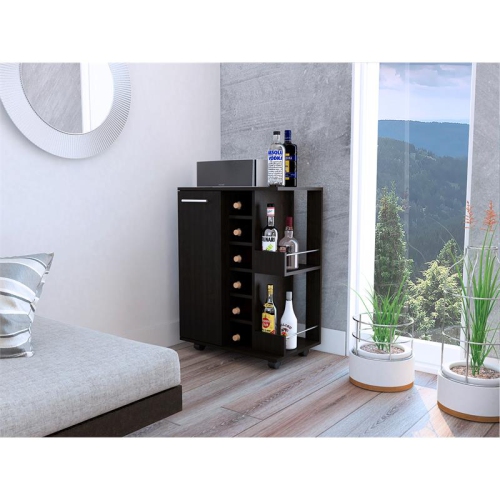
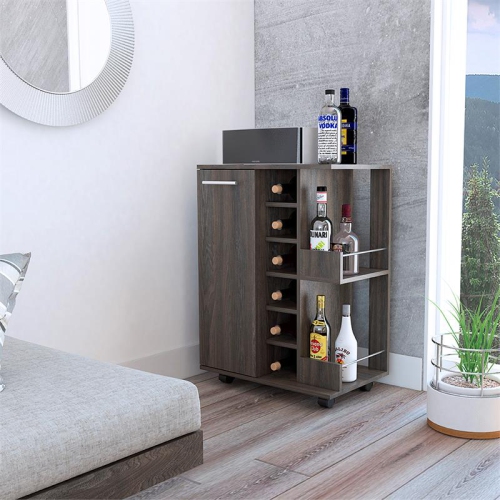
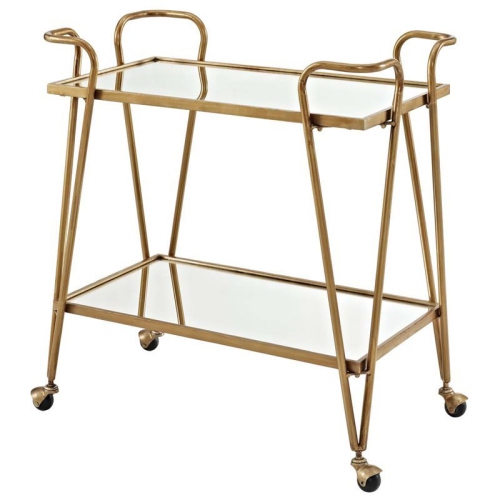

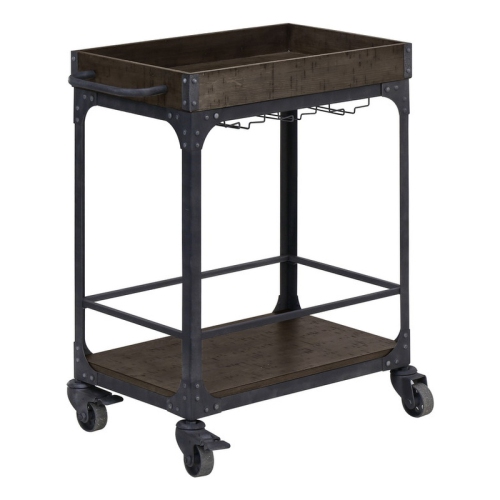
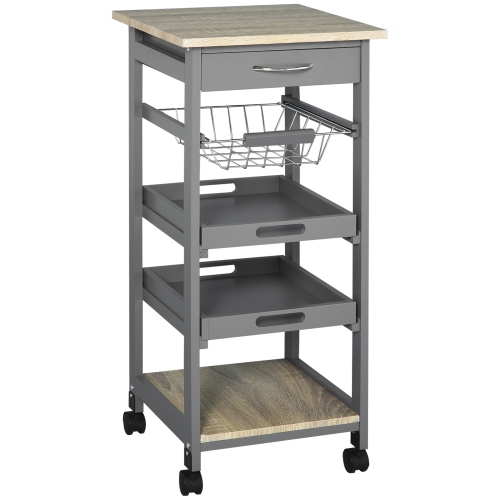
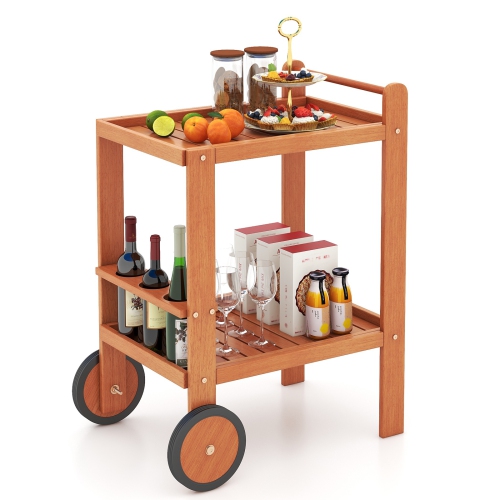
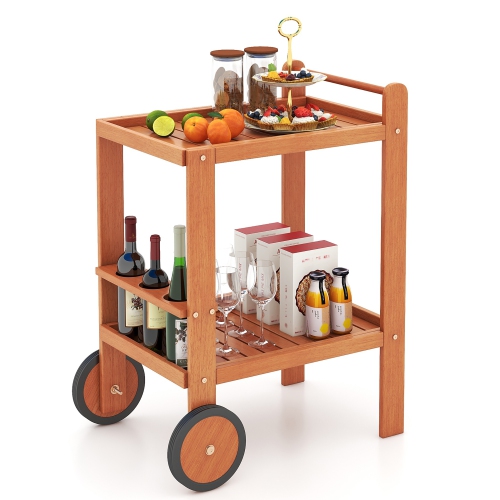
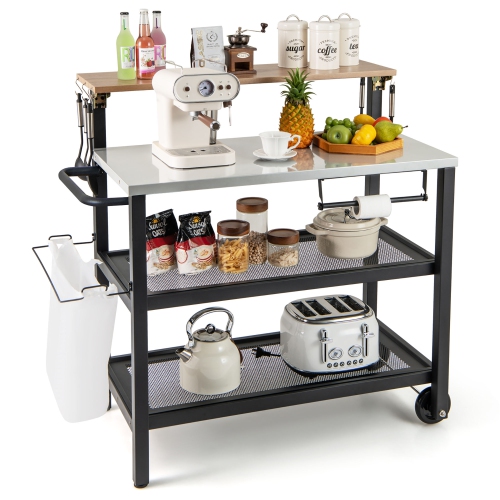

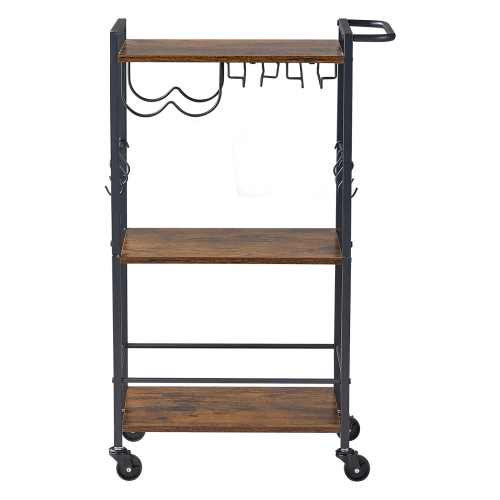
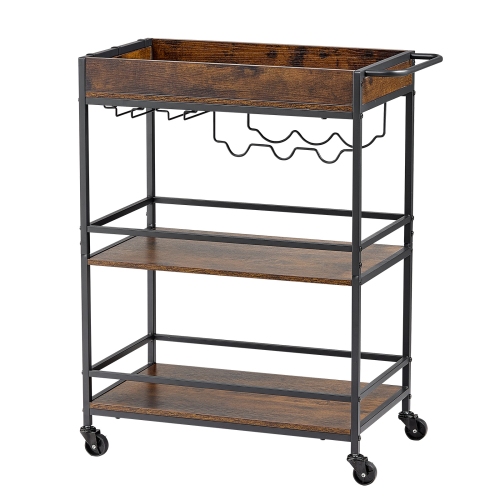
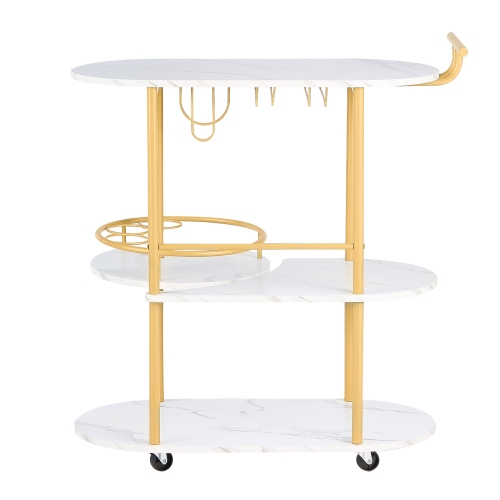
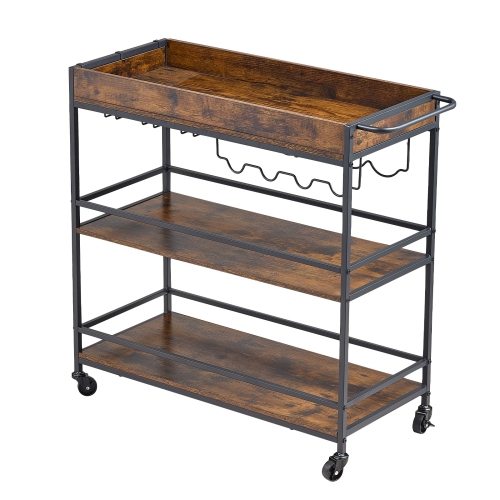
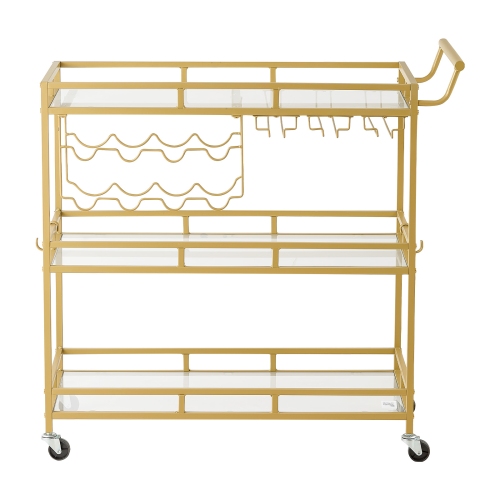
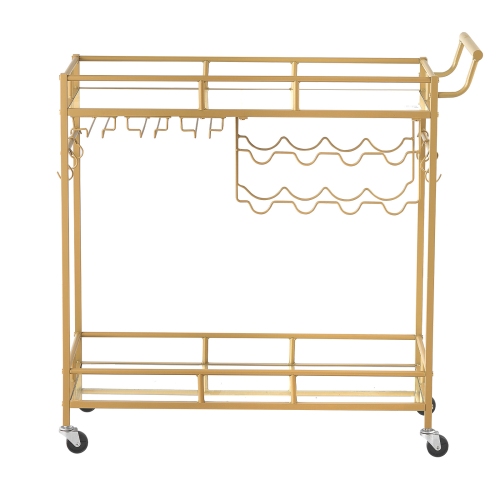
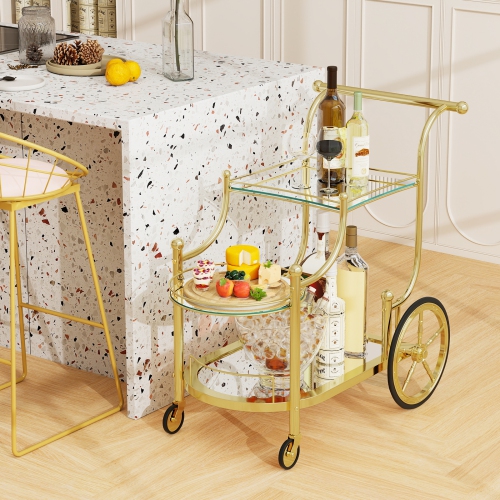

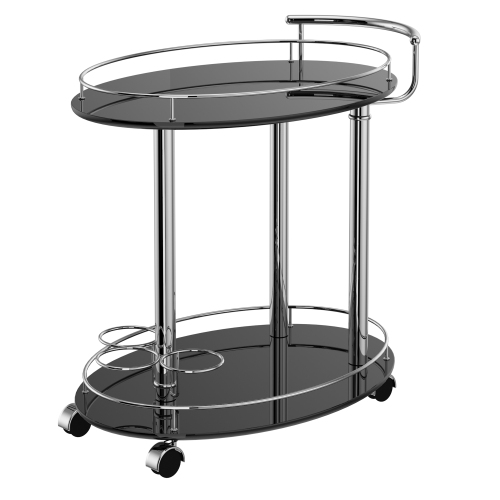
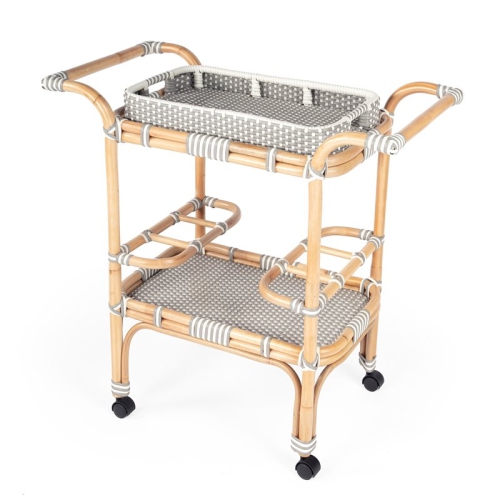
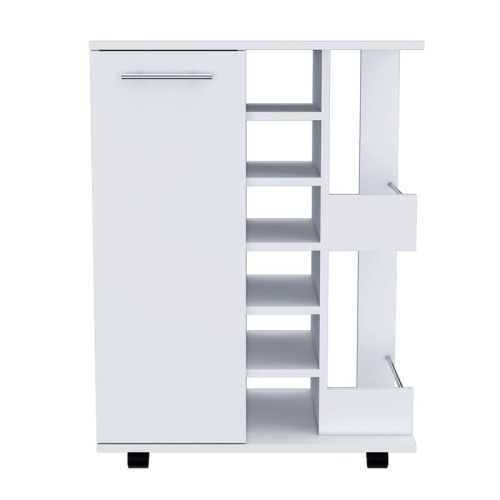
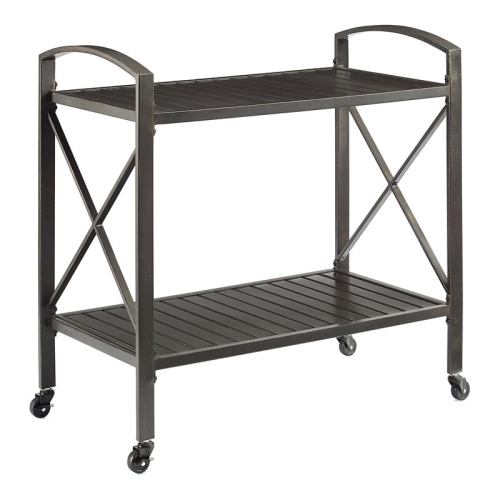
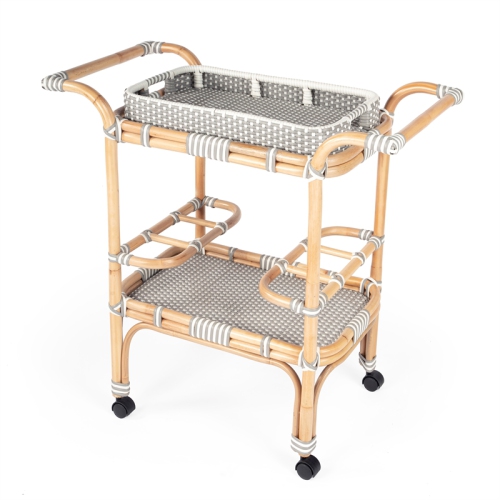

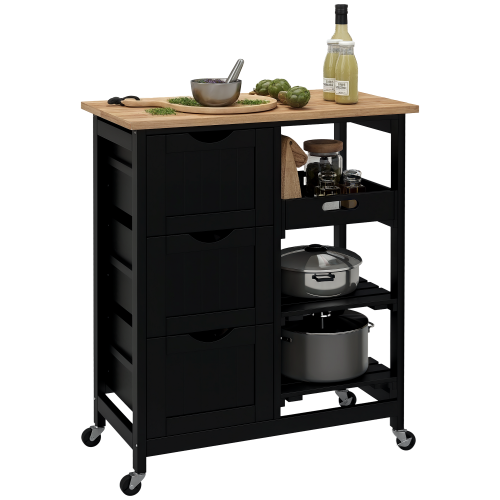
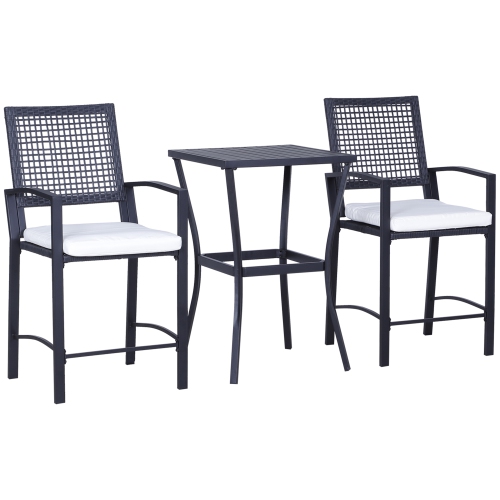
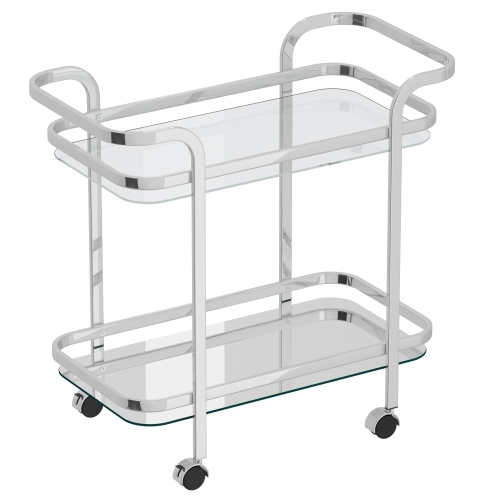
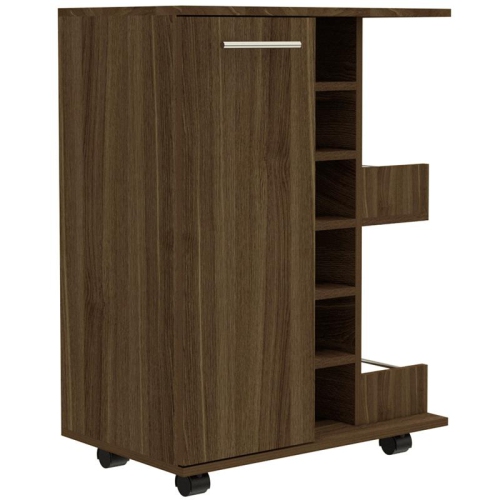
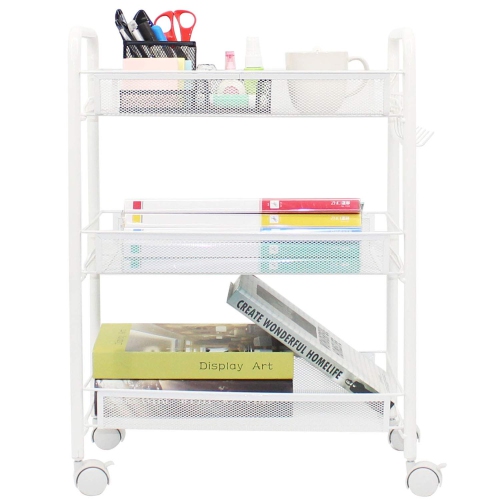
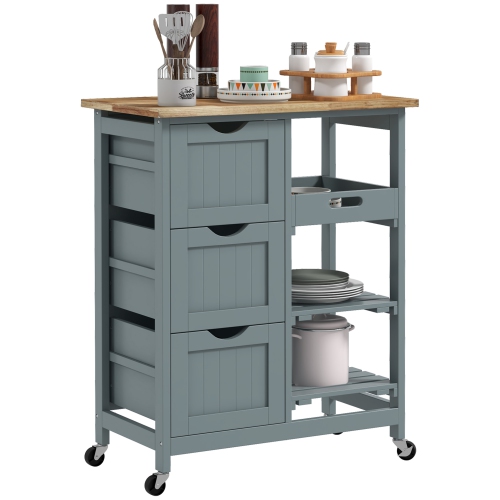

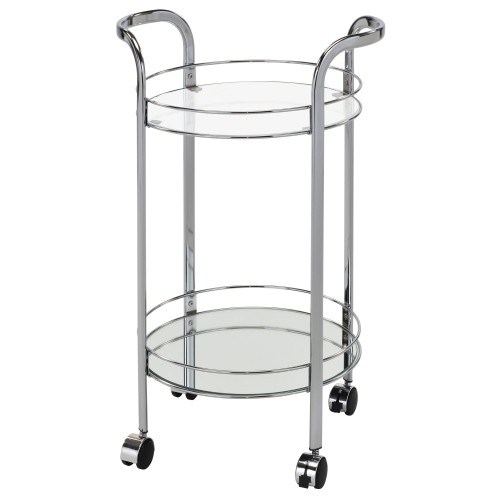
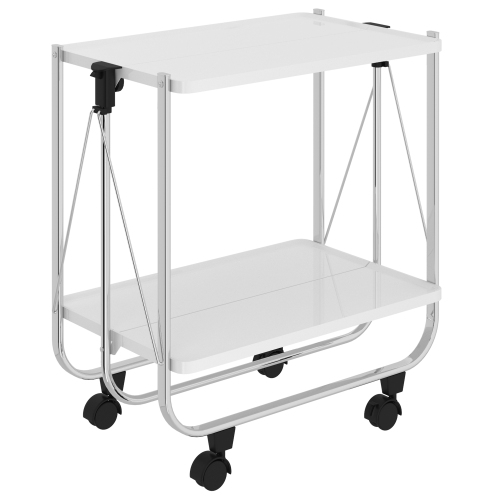
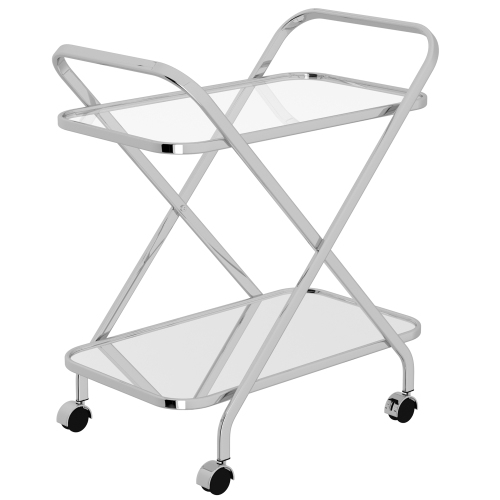
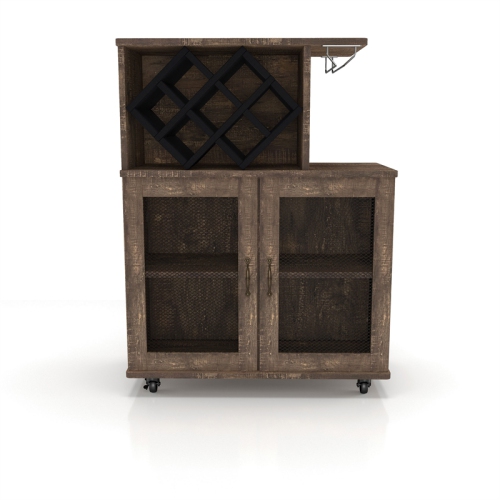
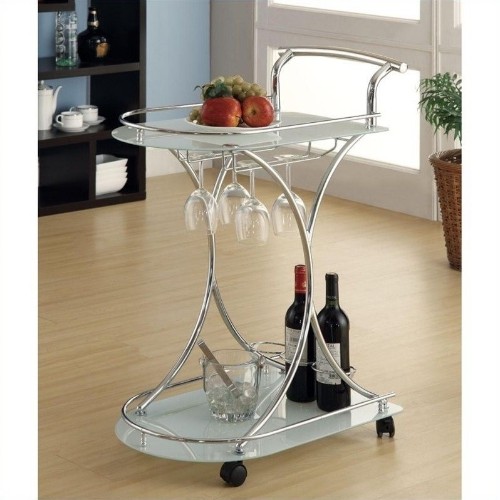
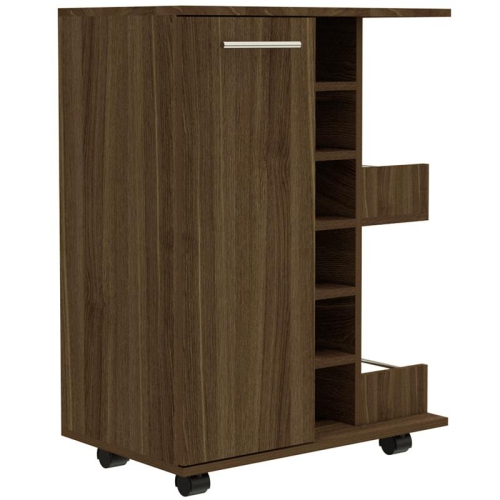
A stylish display with room to pour
Decorative bar carts bring a sense of occasion to everyday living spaces, combining the display appeal of an accent table with the practical storage of a small serving station. Their open shelves give glassware, bottles, and serving accessories a place of their own, while the frame, finish, and proportions help establish the mood of a room. A slender metal frame with clear glass shelves can feel light and unobtrusive beside a sofa; a wood cart with deeper shelves can add visual warmth to a dining area. Brass-toned finishes pair naturally with rich colours and curved furniture, while black metal offers a crisp outline against pale walls. Mirrored surfaces catch light and highlight the shapes of whatever sits above them, creating a more dressed-up look without requiring a large piece of furniture. For spaces that favour streamlined silhouettes and restrained detailing, Contemporary Bar Carts offer a related direction to explore. The most natural fit usually shares something with the surrounding furniture, whether that is a rounded profile, a wood tone, or the finish on nearby cabinet hardware, rather than matching every detail. Styling can remain simple: a tray that groups drink essentials, a few glasses with an interesting texture, and enough open space to set down a pitcher. That breathing room matters because a cart is both furniture and a working surface. An arrangement that looks attractive from across the room should also leave room to pour a drink without moving several objects first. Decorative bar carts are not limited to cocktail service, either. They can hold sparkling water and tumblers for a dinner gathering, tea accessories near a reading chair, or cups and packaged coffee supplies beside a breakfast nook. This flexibility makes them appealing to hosts, apartment dwellers, and anyone who enjoys giving everyday essentials a more considered place in the home. Their compact scale also allows a distinctive finish or sculptural handle to add character without becoming the room’s dominant feature.
Materials and construction influence how a decorative bar cart feels in use as much as how it looks. Glass shelves create an airy appearance and make it easy to see what is stored below, though fingerprints and water spots tend to show. Tempered glass, where specified, offers greater resistance to impact than ordinary glass, but shelf edges still deserve care when loading heavy bottles or moving the cart past furniture. Mirrored shelves have a similar need for gentle handling, with the added consideration that reflections make clutter more noticeable. Wood and wood-veneer surfaces offer texture and depth, while their protective finish determines how well they tolerate occasional splashes. Veneer is not the same as solid wood, and both benefit from prompt attention to spills and a barrier beneath damp glassware. Metal frames can provide a slim, supportive structure, although joints, shelf supports, and overall assembly are just as important as the material itself. A cart should feel steady under its intended load, with weight distributed according to the manufacturer’s limits for each shelf. Heavier contents generally belong on the lower level when the design permits, helping keep the centre of gravity low. Fit involves more than finding a vacant patch of floor. Overall width and depth need to account for handles, projecting rails, and wheels, while shelf clearance determines whether taller bottles, pitchers, or upright accessories will fit comfortably. A narrow cart may tuck neatly beside a dining cabinet but leave little room for preparing drinks; a broader top can serve more easily but needs a generous parking spot. In a condo living area, leaving clear access to a balcony door or a frequently used drawer is more useful than filling every available gap. Raised edges can help contain small objects, and dedicated stemware holders or bottle racks may free up shelf space, provided their dimensions suit the glassware and containers they will hold. Those details distinguish a cart used mainly for display from one that will regularly support serving and storage.
Wheels add convenience, but the easiest cart to live with is one whose mobility suits the room. Smooth-rolling casters and an accessible handle can make repositioning simpler on a level floor, while rugs, thresholds, and narrow turns may make frequent movement less practical. Locking casters, when included, help keep the cart in position during use; they are not a substitute for placing it on a stable, level surface. A cart intended to stay beside a dining table may need only occasional repositioning for cleaning, whereas one brought closer to guests benefits from a clear route and a top that remains easy to reach. Before moving a loaded cart, loose glassware and open containers are best removed or secured, and the manufacturer’s directions should determine whether it can be moved while carrying contents. Everyday care is usually straightforward when matched to the materials: soft cloths help avoid scratching, spills should be wiped up promptly, and abrasive pads or harsh cleaners can damage decorative finishes. Cleaning products suitable for glass may not be suitable for adjacent painted metal, wood, or mirrored edges, so surface-specific care instructions matter. Coasters and removable trays help contain drips, while protective pads beneath accessories can reduce scuffing. For homes with children or pets, accessible glassware and alcohol require careful placement, and an open cart does not offer the security of a locked cabinet. Where floor space is shared with play or busy household traffic, a tucked-away serving position may be more suitable than an exposed corner. As a housewarming or wedding gift, a decorative bar cart can suit someone who enjoys hosting, provided its dimensions and style work with their home. Its lasting usefulness comes from adapting to familiar routines: keeping dinner-party essentials together, offering guests a convenient place to help themselves to water, or turning an unused dining-room corner into an attractive, organized serving area.
Materials and construction influence how a decorative bar cart feels in use as much as how it looks. Glass shelves create an airy appearance and make it easy to see what is stored below, though fingerprints and water spots tend to show. Tempered glass, where specified, offers greater resistance to impact than ordinary glass, but shelf edges still deserve care when loading heavy bottles or moving the cart past furniture. Mirrored shelves have a similar need for gentle handling, with the added consideration that reflections make clutter more noticeable. Wood and wood-veneer surfaces offer texture and depth, while their protective finish determines how well they tolerate occasional splashes. Veneer is not the same as solid wood, and both benefit from prompt attention to spills and a barrier beneath damp glassware. Metal frames can provide a slim, supportive structure, although joints, shelf supports, and overall assembly are just as important as the material itself. A cart should feel steady under its intended load, with weight distributed according to the manufacturer’s limits for each shelf. Heavier contents generally belong on the lower level when the design permits, helping keep the centre of gravity low. Fit involves more than finding a vacant patch of floor. Overall width and depth need to account for handles, projecting rails, and wheels, while shelf clearance determines whether taller bottles, pitchers, or upright accessories will fit comfortably. A narrow cart may tuck neatly beside a dining cabinet but leave little room for preparing drinks; a broader top can serve more easily but needs a generous parking spot. In a condo living area, leaving clear access to a balcony door or a frequently used drawer is more useful than filling every available gap. Raised edges can help contain small objects, and dedicated stemware holders or bottle racks may free up shelf space, provided their dimensions suit the glassware and containers they will hold. Those details distinguish a cart used mainly for display from one that will regularly support serving and storage.
Wheels add convenience, but the easiest cart to live with is one whose mobility suits the room. Smooth-rolling casters and an accessible handle can make repositioning simpler on a level floor, while rugs, thresholds, and narrow turns may make frequent movement less practical. Locking casters, when included, help keep the cart in position during use; they are not a substitute for placing it on a stable, level surface. A cart intended to stay beside a dining table may need only occasional repositioning for cleaning, whereas one brought closer to guests benefits from a clear route and a top that remains easy to reach. Before moving a loaded cart, loose glassware and open containers are best removed or secured, and the manufacturer’s directions should determine whether it can be moved while carrying contents. Everyday care is usually straightforward when matched to the materials: soft cloths help avoid scratching, spills should be wiped up promptly, and abrasive pads or harsh cleaners can damage decorative finishes. Cleaning products suitable for glass may not be suitable for adjacent painted metal, wood, or mirrored edges, so surface-specific care instructions matter. Coasters and removable trays help contain drips, while protective pads beneath accessories can reduce scuffing. For homes with children or pets, accessible glassware and alcohol require careful placement, and an open cart does not offer the security of a locked cabinet. Where floor space is shared with play or busy household traffic, a tucked-away serving position may be more suitable than an exposed corner. As a housewarming or wedding gift, a decorative bar cart can suit someone who enjoys hosting, provided its dimensions and style work with their home. Its lasting usefulness comes from adapting to familiar routines: keeping dinner-party essentials together, offering guests a convenient place to help themselves to water, or turning an unused dining-room corner into an attractive, organized serving area.
Top selling and popular products
-
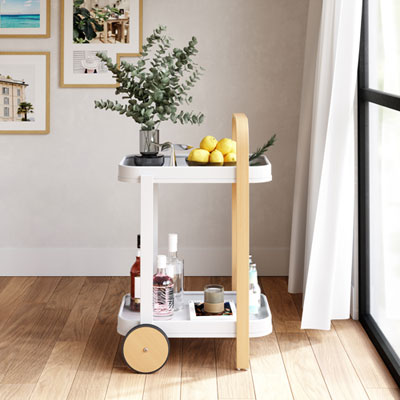 Your price for this item is $169.98
 -
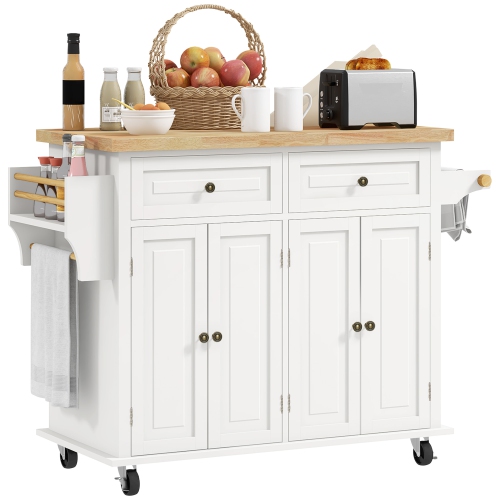 Your price for this item is $219.99
 -
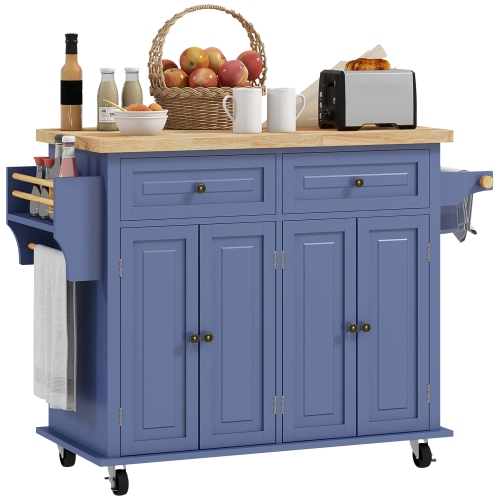 Your price for this item is $219.99
 -
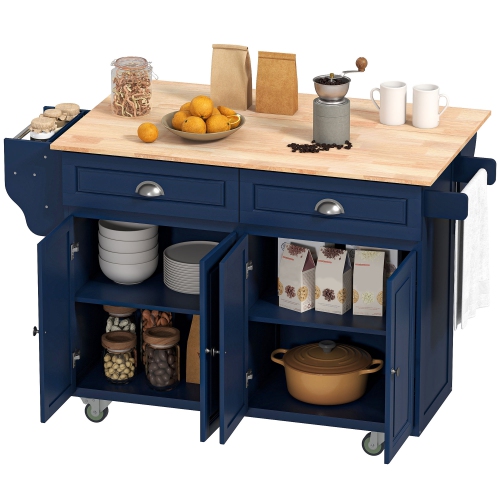 Your price for this item is $359.99
 -
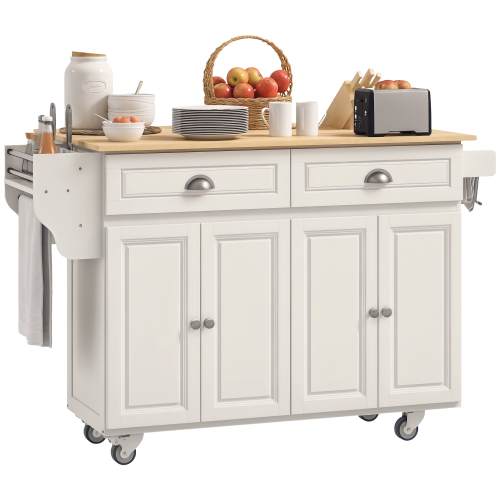 Your price for this item is $360.49
 -
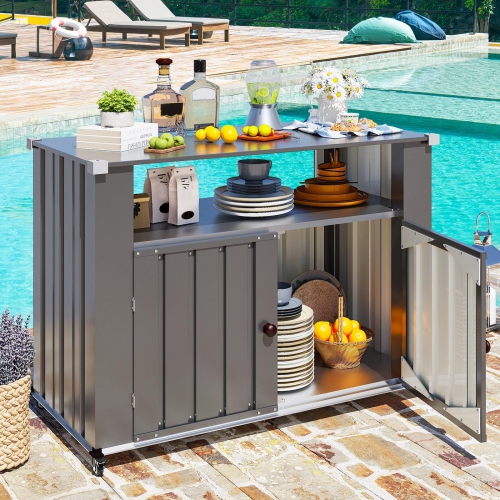 Your price for this item is $149.99
 -
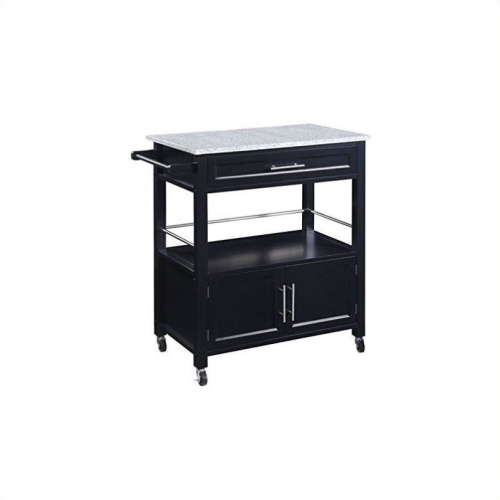 Your price for this item is $482.86
 -
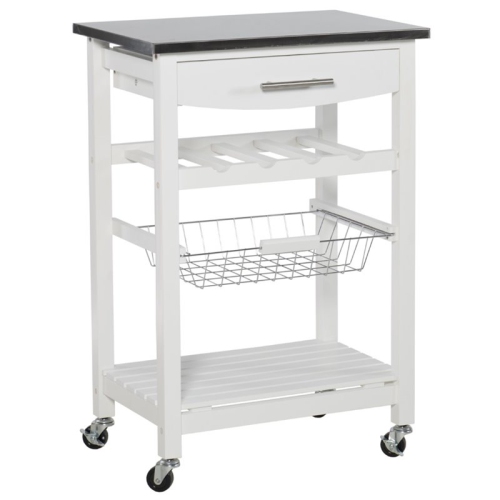 Your price for this item is $305.66
Discover more categories related to Decorative Bar Carts
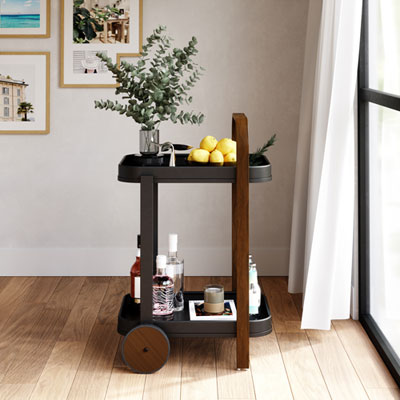
Top Collections:
Pokemon Centers, Kindle Devices, Best Budget Office Chairs, Apple iPhones 16, Best Laptops for Writers, iPhone 15 Apple, Canon G7X Cameras, Refurbished Apple Laptops, Alarm Clock, Motorola Razr Phones
Some products may be subject to Environmental Handling Fees
(EHF) depending on your province.
Learn more about EHFs.