Decorative Figurines
Add a touch of personality and charm to any space with decorative figurines that beautifully blend art and style. Whether you're looking to enhance your living room, add a whimsical touch to your garden, or find the perfect gift for a loved one, these artistic pieces offer endless possibilities. With a diverse range of designs and materials, from classic sculptures to modern abstracts, there's a figurine to match every taste and décor theme. Discover how these small yet impactful accents can transform your home into a reflection of your unique aesthetic and creativity.
Sort
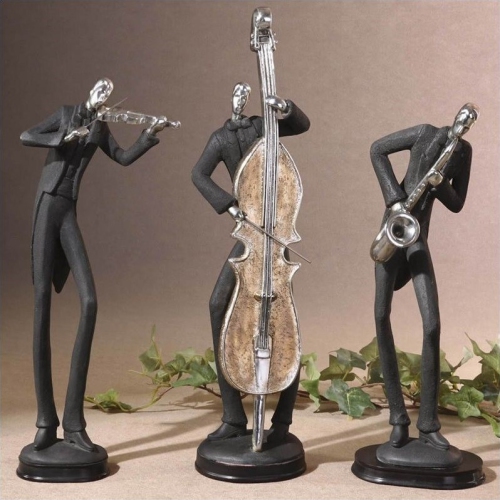

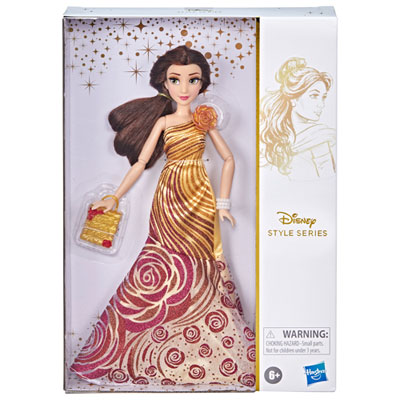
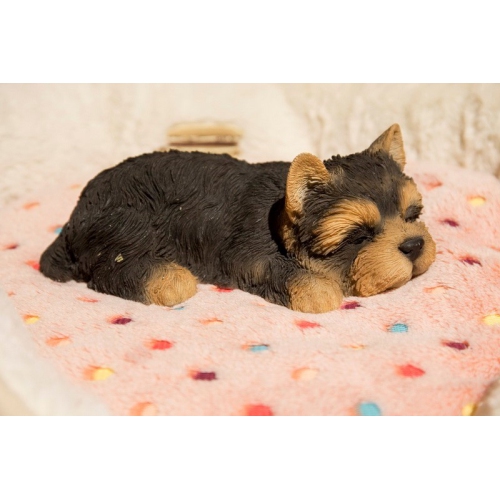
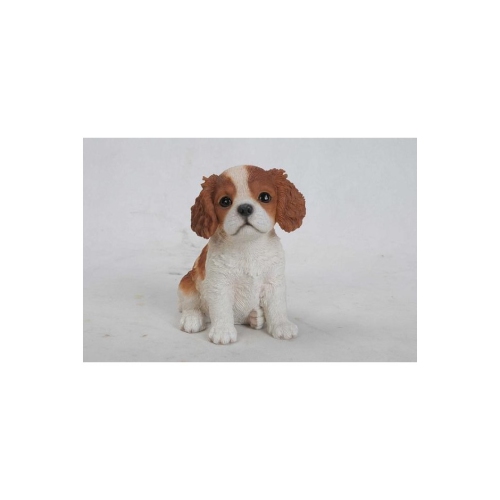






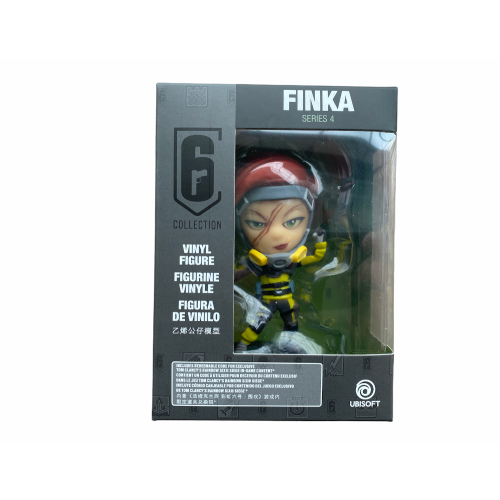

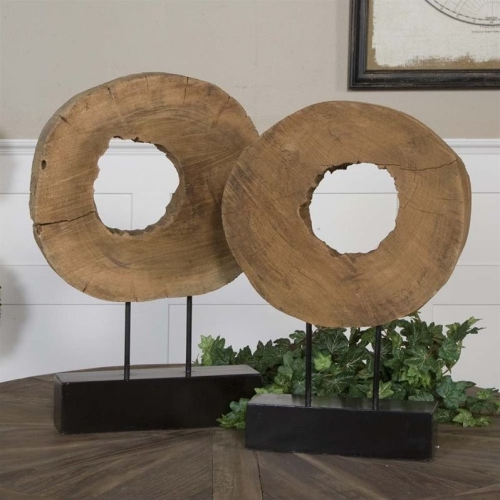
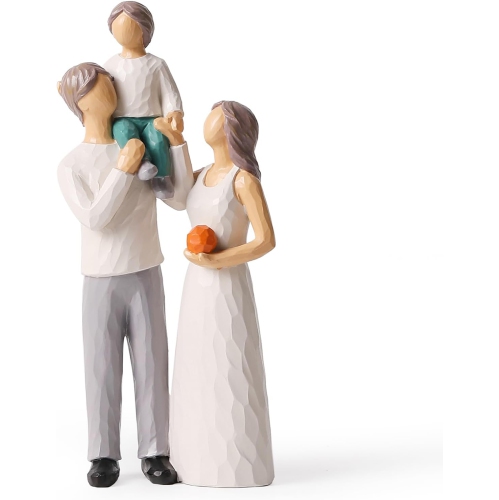
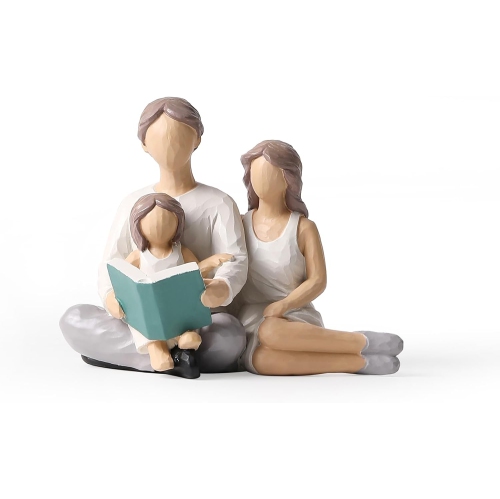
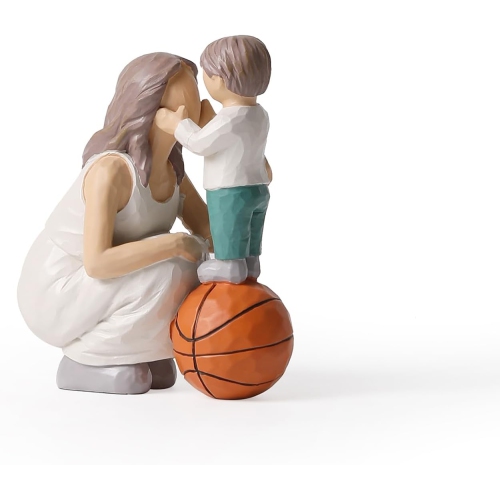
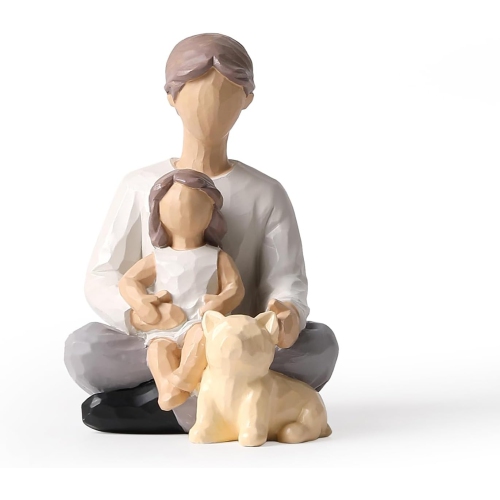


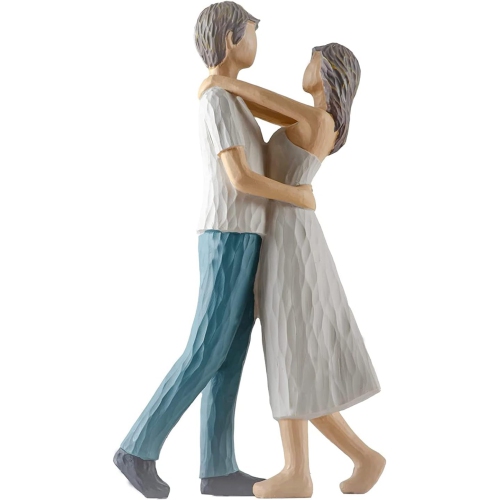
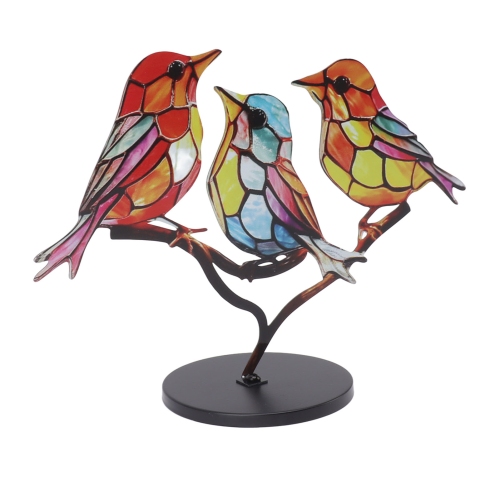
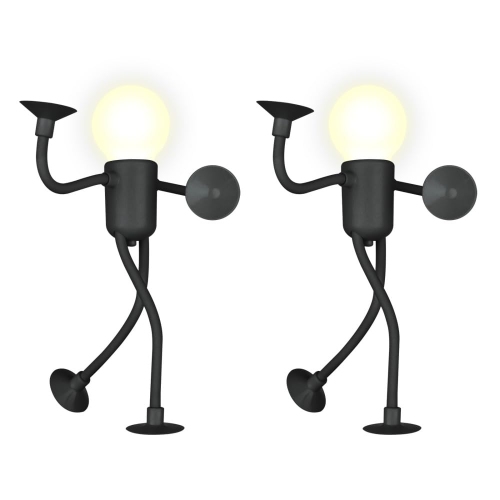
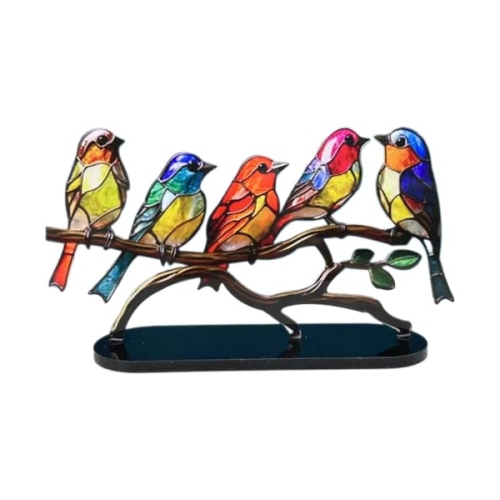
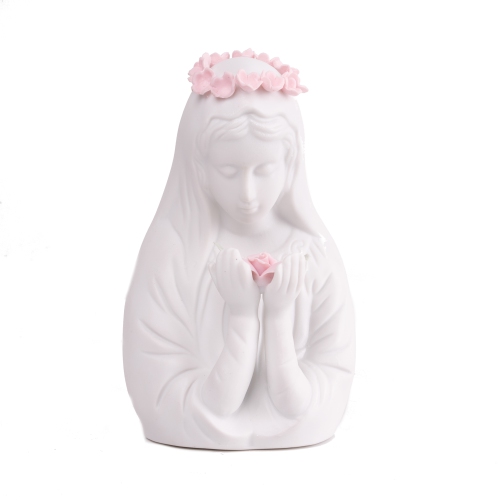
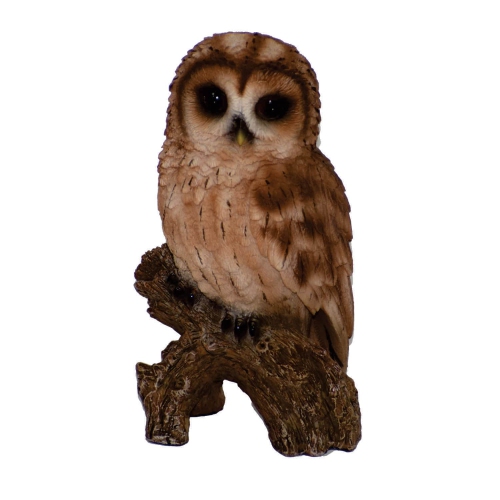
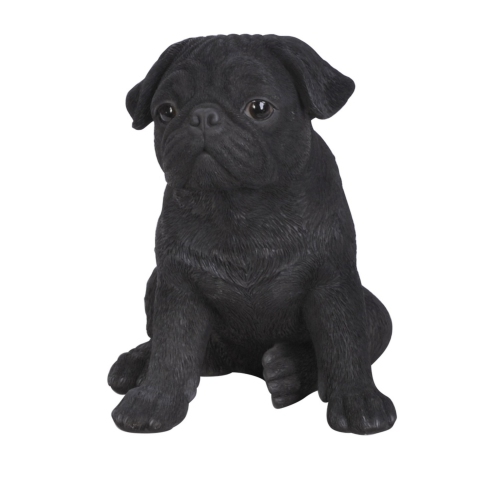
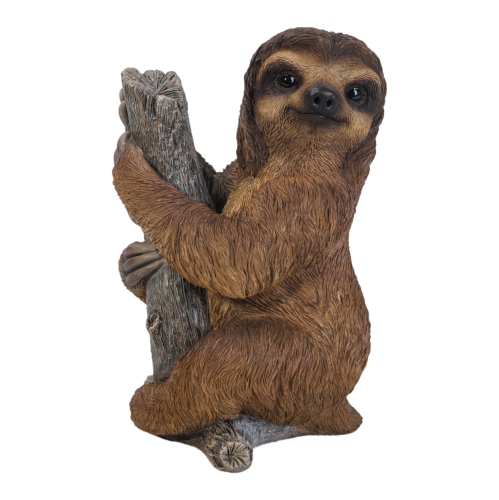
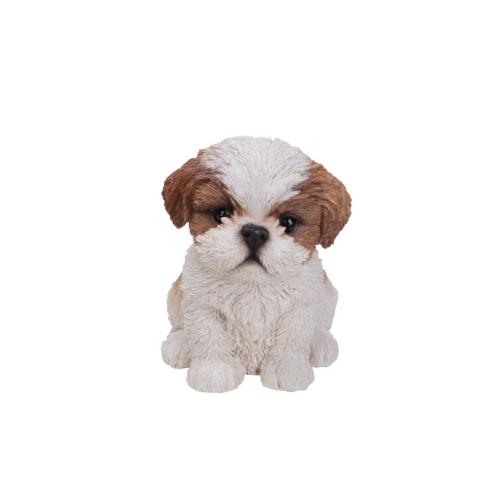
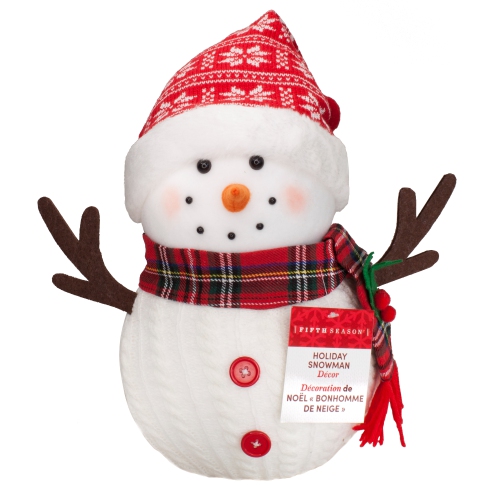

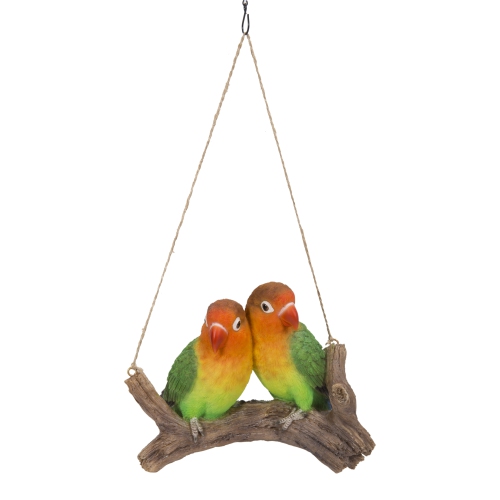
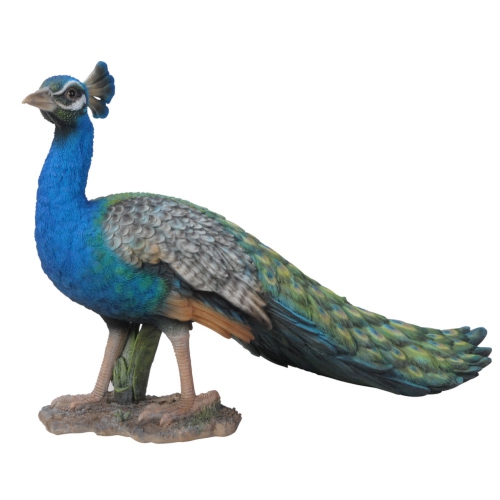

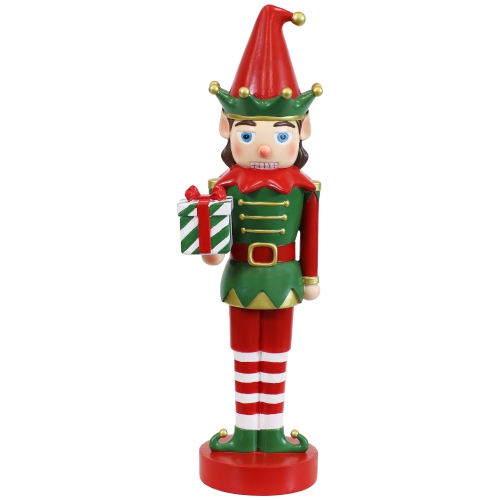
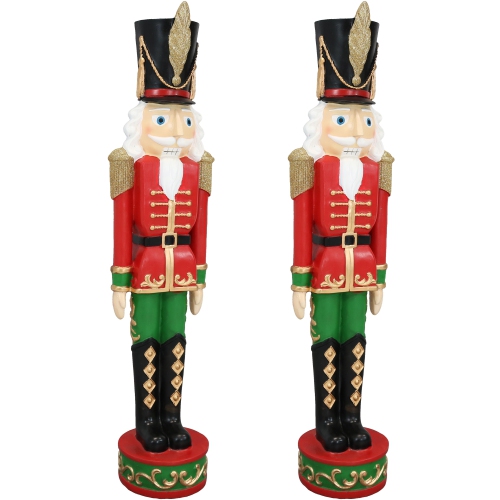




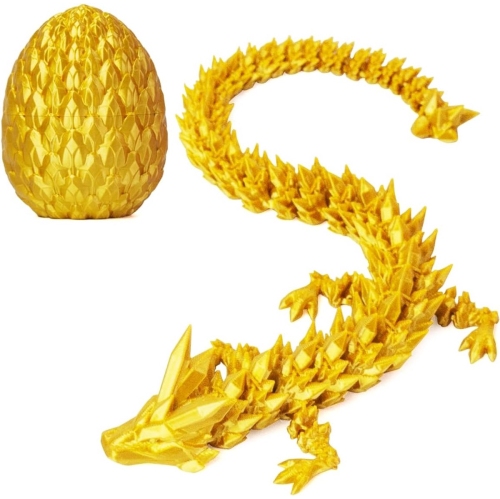
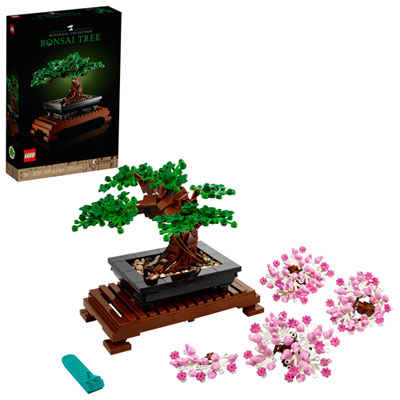
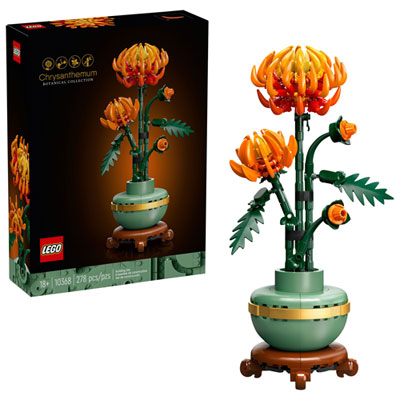
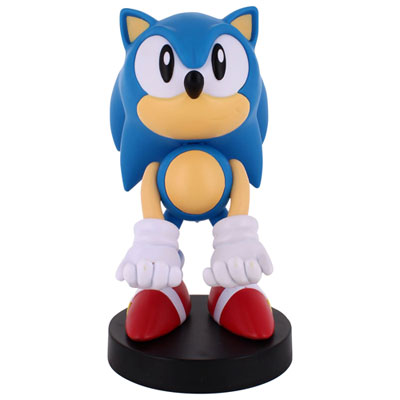
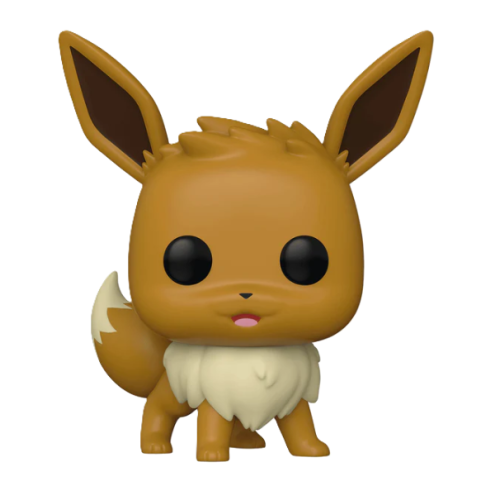

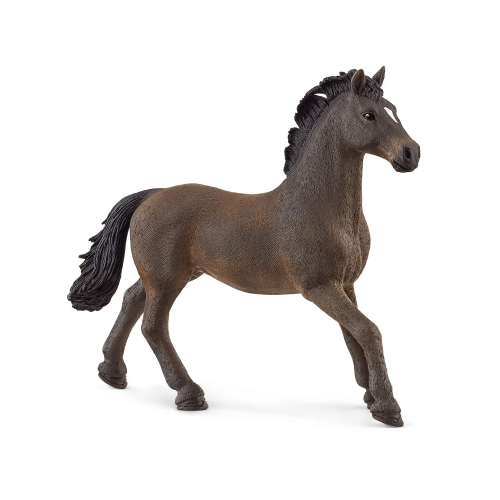
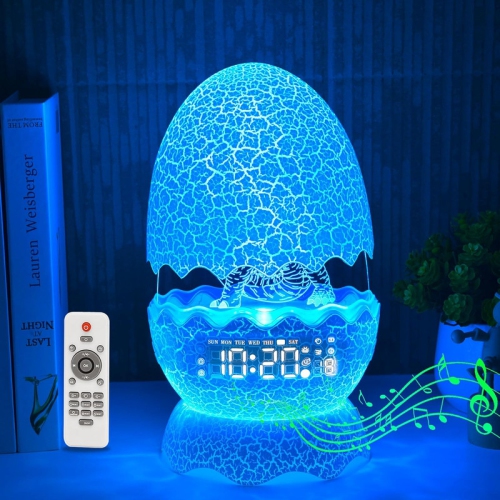


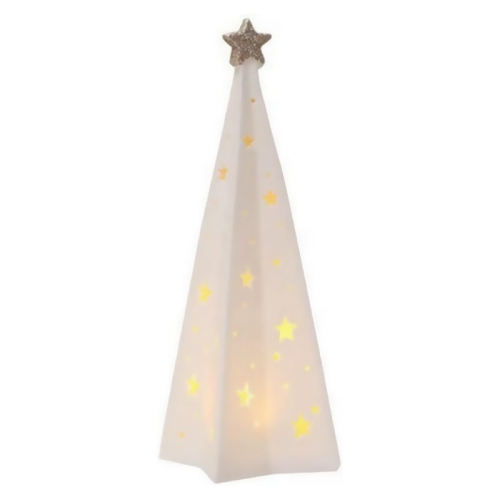






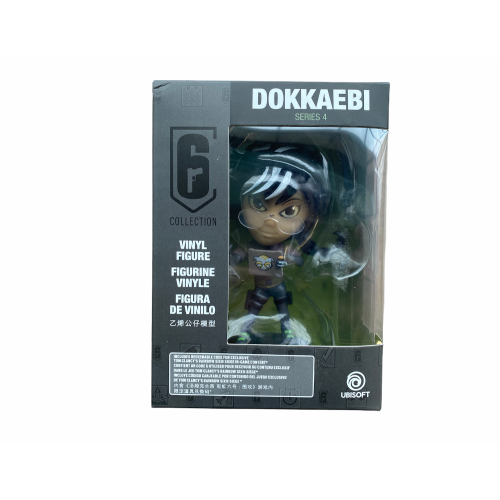
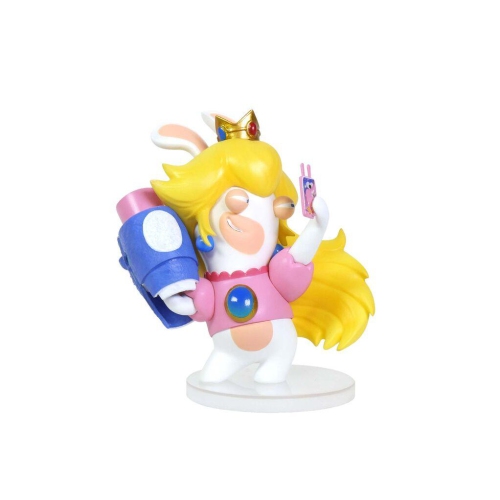
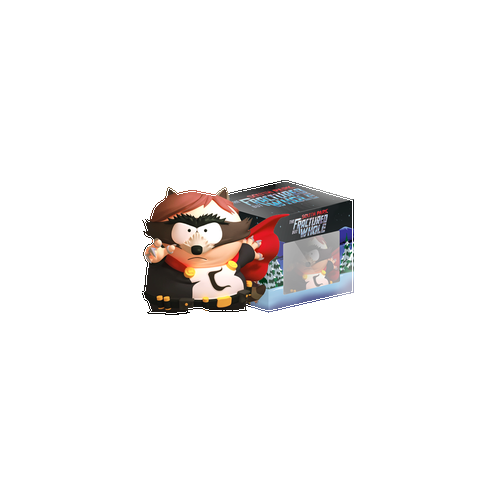
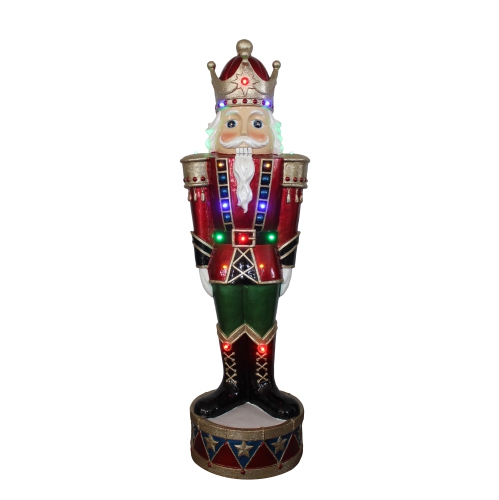
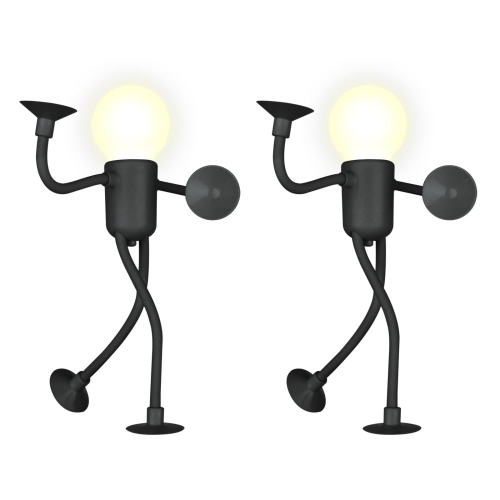
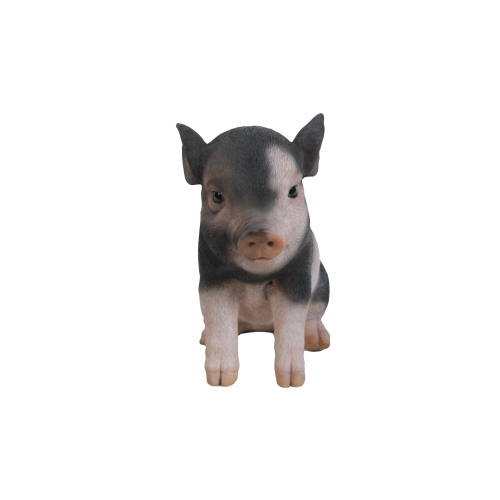
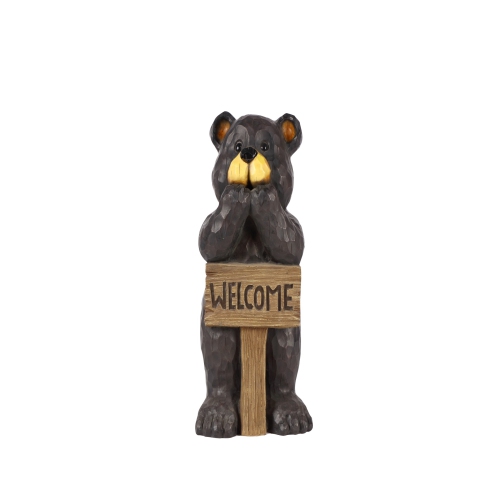
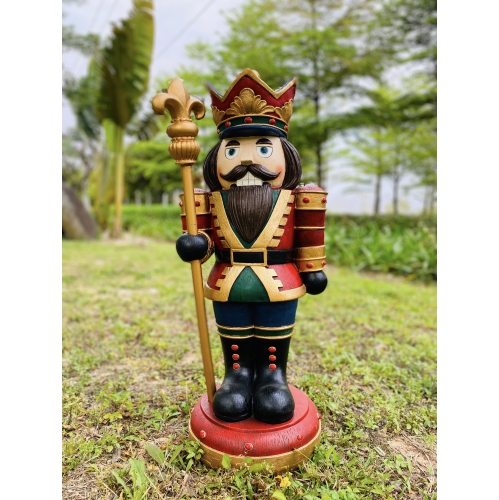
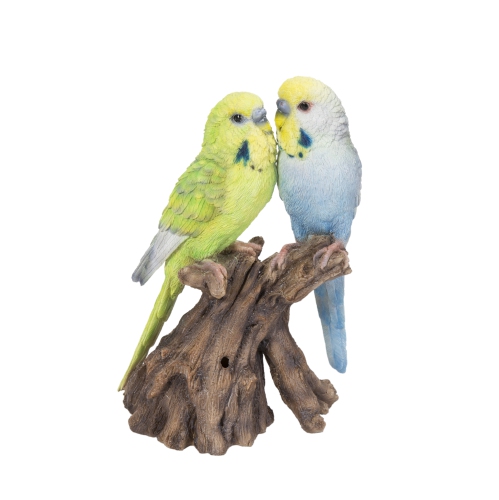
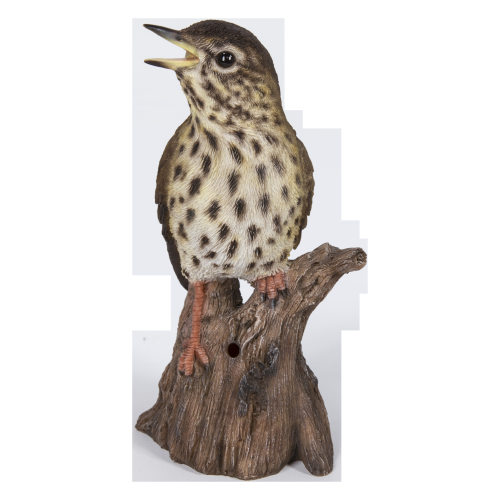
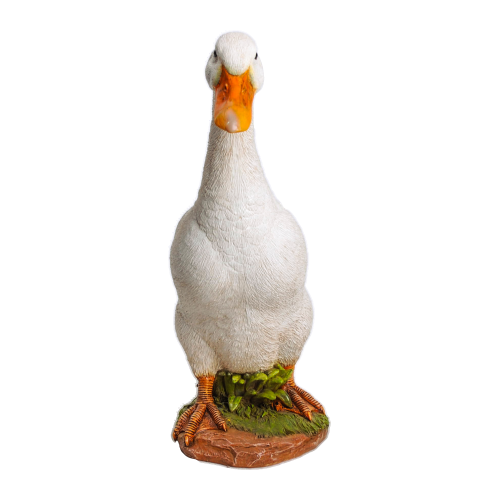

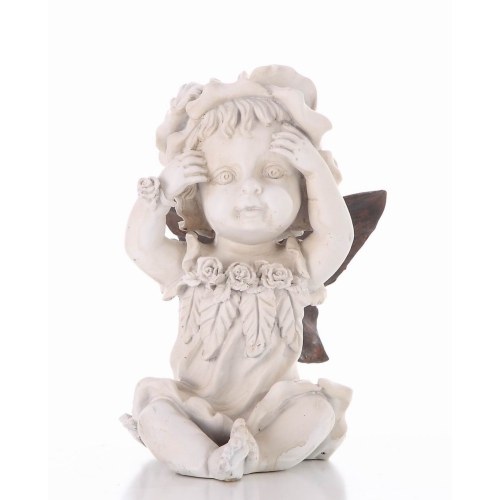

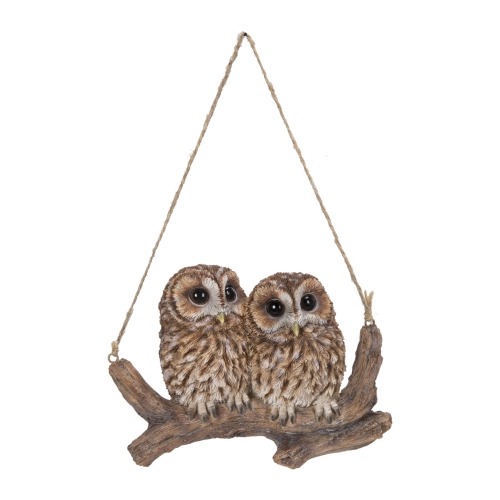
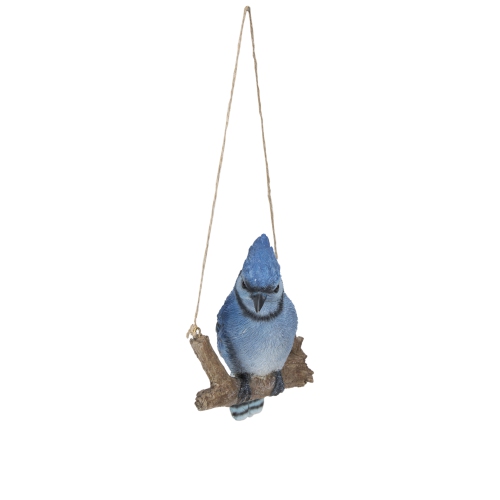
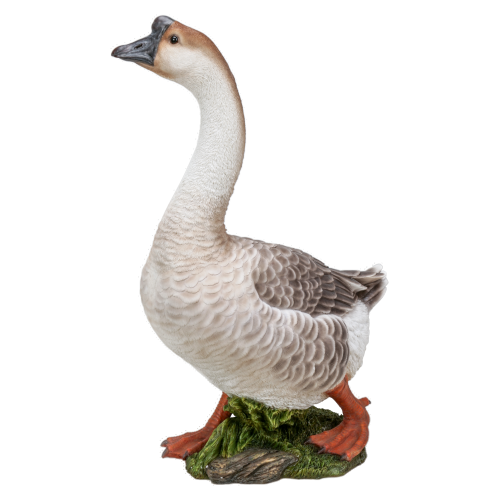
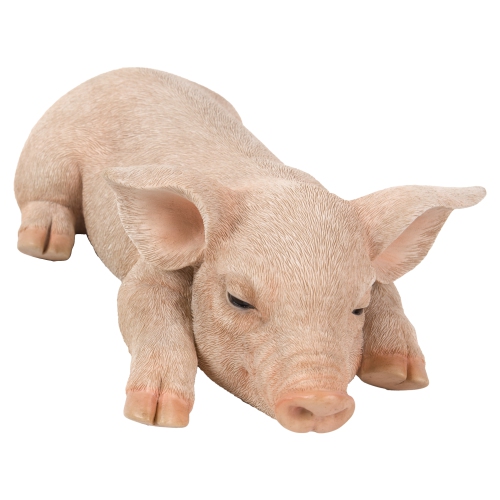
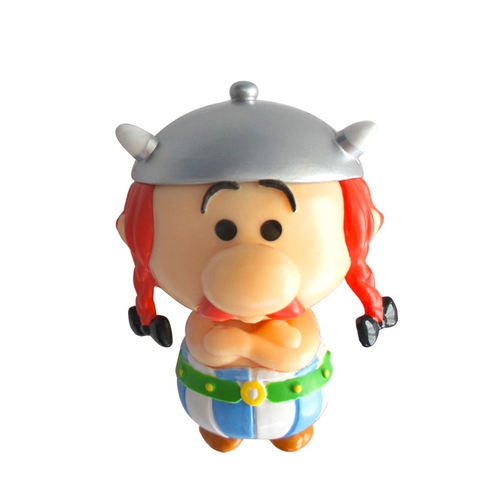
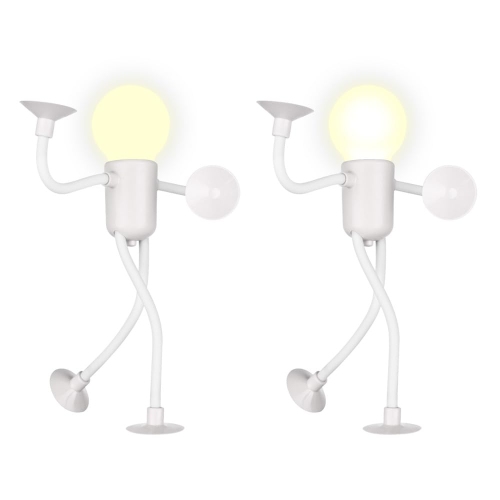
Small sculptures that give everyday spaces a personal touch
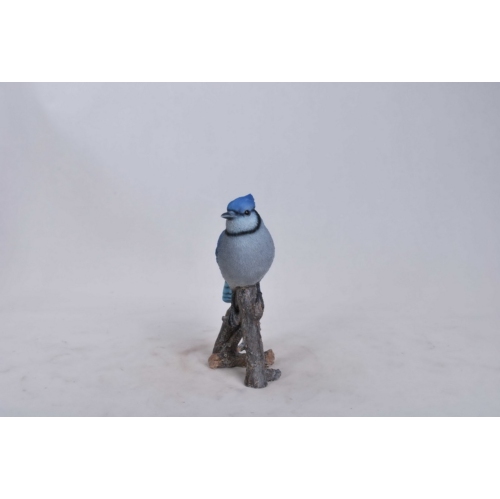
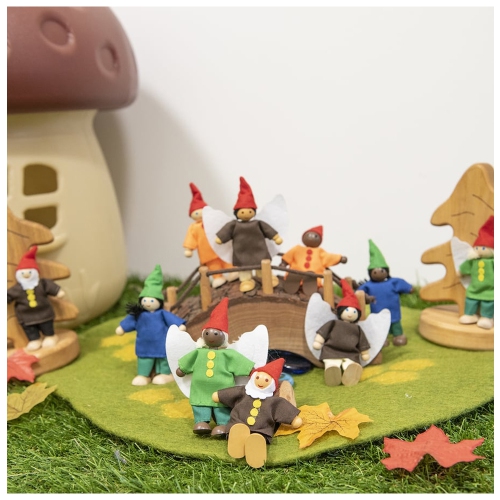
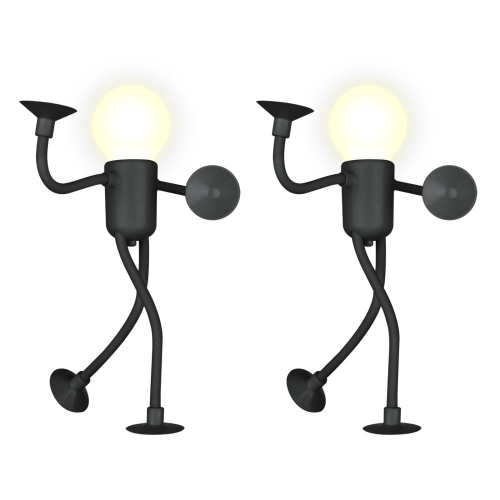
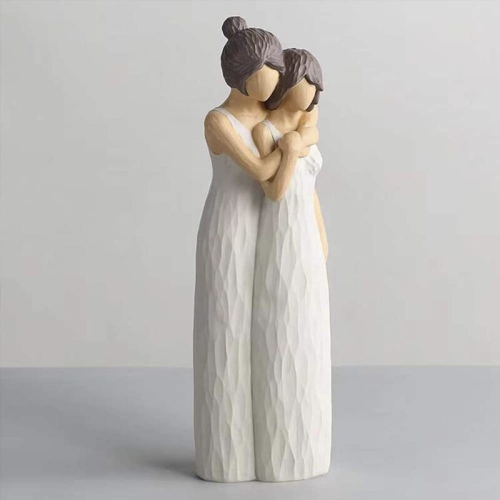
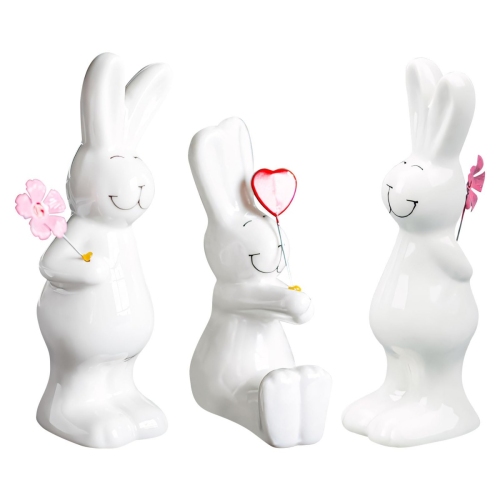
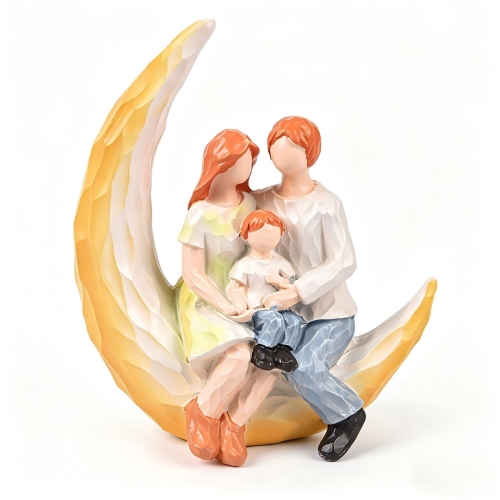
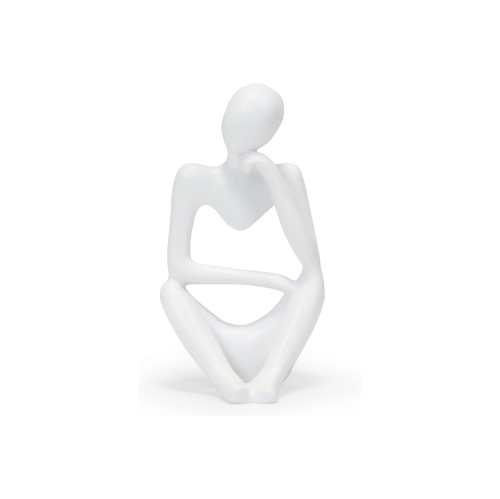
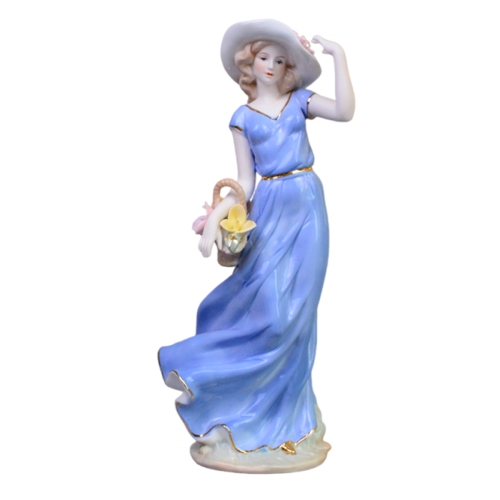
Decorative figurines are small, freestanding sculptures that add shape, texture, and personality to shelves, tables, mantels, and other display surfaces. Unlike accents chosen mainly for storage or lighting, their purpose is visual: a curved silhouette can soften a row of books, a sculpted animal can reflect a favourite interest, and an abstract form can give a quiet corner a focal point. Styles range from recognizable people, wildlife, and botanical shapes to geometric forms that emphasize balance, movement, or negative space. That variety makes figurines suitable for many interiors, whether the room features clean-lined furniture, traditional wood finishes, or a mix of collected pieces. Smooth ceramic forms tend to sit comfortably among simple furnishings, while carved textures and softly irregular surfaces add depth to a more layered arrangement. A glossy finish catches light and draws attention to contours; a matte finish creates a subtler effect, particularly against a contrasting background. Colour matters just as much as subject. A neutral figurine can connect with nearby upholstery or stone, while a stronger colour can repeat a small detail from artwork without overwhelming the room. The best fit is often an accent that feels connected to the space but is still distinct enough to notice. Figurines can also bring a sense of playfulness to adult living spaces, home offices, and personal collections without making the whole room feel themed. For softer expressions, friendly animal shapes, and other lighthearted accents, Cute Figurines offer a related direction. Subject matter can make these objects especially personal: a familiar creature, a thoughtful pose, or an expressive shape may recall a place, interest, or shared memory. Some displays centre on one meaningful sculpture; others bring together several forms linked by a material, colour, or visual theme. Either approach gives a small object a clear place within the larger room.
Material influences a decorative figurine’s appearance, weight, durability, and care requirements. Ceramic and porcelain can capture crisp details and smooth curves, with glazed surfaces that range from understated to reflective. They are also vulnerable to chips and breakage, particularly around narrow projections, so a stable display surface is important. Cast resin allows for detailed textures and complex shapes and is often lighter than a similarly sized stone sculpture, although its strength and weight vary with construction. Painted resin surfaces can scratch, and thin sections may still break if dropped. Metal figurines offer a different character, from sharply defined modern profiles to textured cast surfaces. Their finish may be polished, brushed, painted, or deliberately aged, and a metallic appearance does not necessarily mean the piece is solid metal. Solid brass, plated metal, and metallic-painted resin have different handling and cleaning needs, making the stated material and finish useful details to check. Wood adds visible grain and natural variation, with differences in tone that can make otherwise similar forms look distinct. Stone can provide substantial weight and a tactile surface, but edges may chip and porous varieties may absorb liquids. Glass brings transparency and reflected light, though delicate extensions and narrow bases call for careful placement. For any material, the underside deserves attention: a rough base can mark furniture, while a suitable protective pad can help cushion contact without making the figurine unstable. Routine care usually starts with gentle dusting using a clean, soft cloth or a soft brush for recessed details. Water, cleaning sprays, abrasive pads, and metal polish are not appropriate for every finish, especially painted, porous, or intentionally aged surfaces. Manufacturer care directions take priority, and moisture should not be allowed to collect in seams or hollow sections. Long exposure to direct sunlight can fade some colours, while placement near sinks or cooking areas may introduce splashes and residue. Figurines intended for indoor display should not be assumed suitable for outdoor use unless their product details specifically support it.
Size and placement determine how comfortably decorative figurines fit into everyday life. Height alone does not tell the whole story: width, depth, base dimensions, and any outstretched details affect the space a sculpture needs. On a bookshelf, enough clearance above and beside the form helps keep its outline visible rather than lost among book spines. A shallow shelf calls for a base that sits fully on the surface, with no overhanging parts that could be caught by a passing sleeve. On a coffee table, a low profile leaves sightlines open and keeps the arrangement from competing with conversation or the television. A sideboard or console can accommodate a taller accent, provided it does not interfere with drawers, doors, or frequently used objects. Leaving a little open space around a figurine makes its shape easier to appreciate and simplifies dusting. Groups feel more connected when they share an element such as colour or texture, while differences in height prevent the display from looking flat. Repeating every detail is not necessary; a smooth form beside a textured one can create contrast without visual clutter. In homes with children or pets, weight and stability matter, but a heavy piece can also cause injury if pulled down. Fragile sculptures and small detachable components belong out of reach, and decorative figurines should not be treated as toys unless they are expressly designed and labelled for play. For gift giving, the recipient’s interests and available display space are useful starting points. A compact accent may suit a desk or apartment shelf, while someone with an established collection may appreciate a subject or finish that complements it. Housewarmings, birthdays, anniversaries, and personal milestones can all be fitting occasions for a thoughtfully chosen figurine. Its lasting appeal often comes from that connection between form and meaning: an object that looks at home in the room and feels particular to the person who lives there.
Material influences a decorative figurine’s appearance, weight, durability, and care requirements. Ceramic and porcelain can capture crisp details and smooth curves, with glazed surfaces that range from understated to reflective. They are also vulnerable to chips and breakage, particularly around narrow projections, so a stable display surface is important. Cast resin allows for detailed textures and complex shapes and is often lighter than a similarly sized stone sculpture, although its strength and weight vary with construction. Painted resin surfaces can scratch, and thin sections may still break if dropped. Metal figurines offer a different character, from sharply defined modern profiles to textured cast surfaces. Their finish may be polished, brushed, painted, or deliberately aged, and a metallic appearance does not necessarily mean the piece is solid metal. Solid brass, plated metal, and metallic-painted resin have different handling and cleaning needs, making the stated material and finish useful details to check. Wood adds visible grain and natural variation, with differences in tone that can make otherwise similar forms look distinct. Stone can provide substantial weight and a tactile surface, but edges may chip and porous varieties may absorb liquids. Glass brings transparency and reflected light, though delicate extensions and narrow bases call for careful placement. For any material, the underside deserves attention: a rough base can mark furniture, while a suitable protective pad can help cushion contact without making the figurine unstable. Routine care usually starts with gentle dusting using a clean, soft cloth or a soft brush for recessed details. Water, cleaning sprays, abrasive pads, and metal polish are not appropriate for every finish, especially painted, porous, or intentionally aged surfaces. Manufacturer care directions take priority, and moisture should not be allowed to collect in seams or hollow sections. Long exposure to direct sunlight can fade some colours, while placement near sinks or cooking areas may introduce splashes and residue. Figurines intended for indoor display should not be assumed suitable for outdoor use unless their product details specifically support it.
Size and placement determine how comfortably decorative figurines fit into everyday life. Height alone does not tell the whole story: width, depth, base dimensions, and any outstretched details affect the space a sculpture needs. On a bookshelf, enough clearance above and beside the form helps keep its outline visible rather than lost among book spines. A shallow shelf calls for a base that sits fully on the surface, with no overhanging parts that could be caught by a passing sleeve. On a coffee table, a low profile leaves sightlines open and keeps the arrangement from competing with conversation or the television. A sideboard or console can accommodate a taller accent, provided it does not interfere with drawers, doors, or frequently used objects. Leaving a little open space around a figurine makes its shape easier to appreciate and simplifies dusting. Groups feel more connected when they share an element such as colour or texture, while differences in height prevent the display from looking flat. Repeating every detail is not necessary; a smooth form beside a textured one can create contrast without visual clutter. In homes with children or pets, weight and stability matter, but a heavy piece can also cause injury if pulled down. Fragile sculptures and small detachable components belong out of reach, and decorative figurines should not be treated as toys unless they are expressly designed and labelled for play. For gift giving, the recipient’s interests and available display space are useful starting points. A compact accent may suit a desk or apartment shelf, while someone with an established collection may appreciate a subject or finish that complements it. Housewarmings, birthdays, anniversaries, and personal milestones can all be fitting occasions for a thoughtfully chosen figurine. Its lasting appeal often comes from that connection between form and meaning: an object that looks at home in the room and feels particular to the person who lives there.
Top selling and popular products
-
 Your price for this item is $74.99
 -
 Your price for this item is $99.99
 -
 Your price for this item is $77.99
 -
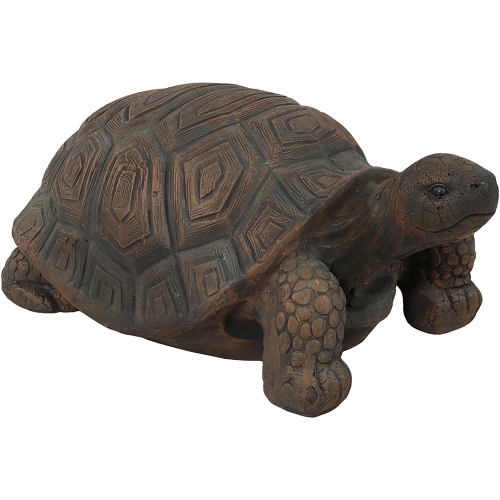 Your price for this item is $217.05
 -
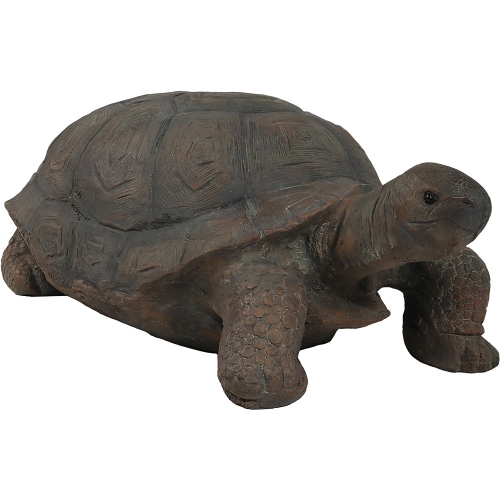 Your price for this item is $340.25
 -
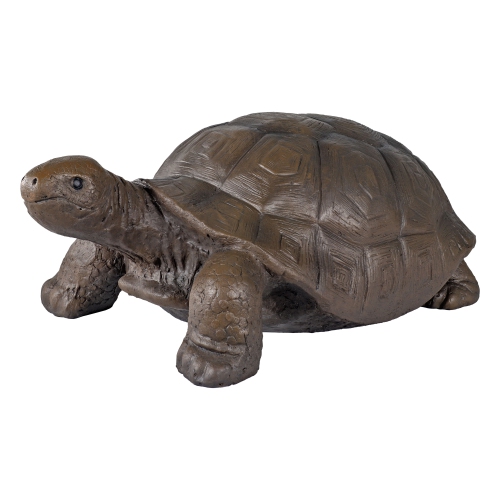 Your price for this item is $340.25
 -
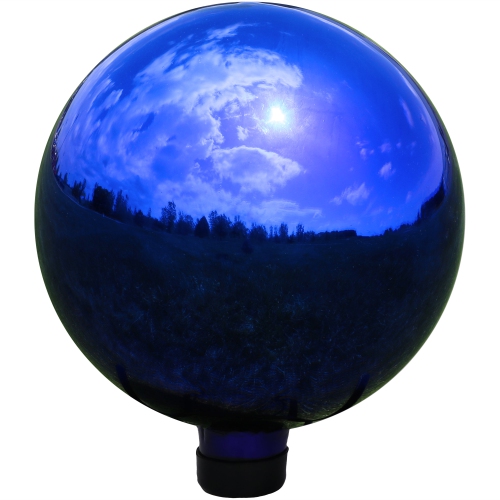 Your price for this item is $90.65
 -
 Your price for this item is $124.25
Discover more categories related to Decorative Figurines
Top Collections:
Pokemon Centers, Kindle Devices, Best Budget Office Chairs, Apple iPhones 16, Best Laptops for Writers, iPhone 15 Apple, Canon G7X Cameras, Refurbished Apple Laptops, Alarm Clock, Motorola Razr Phones
Some products may be subject to Environmental Handling Fees
(EHF) depending on your province.
Learn more about EHFs.