Decorative Trees
Enhance the ambiance of your living space with our selection of decorative trees, perfect for adding a touch of nature and elegance to any room. Whether you're looking to bring a pop of greenery into your home or create a cozy atmosphere during the holidays, our range of decorative trees offers versatility and style to suit your preferences. From realistic faux options to whimsical designs, these trees are sure to elevate your decor and bring a breath of fresh air into your surroundings.
Sort
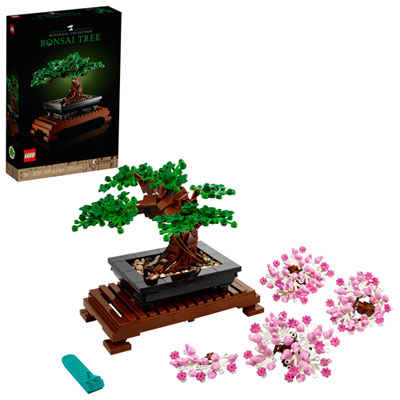
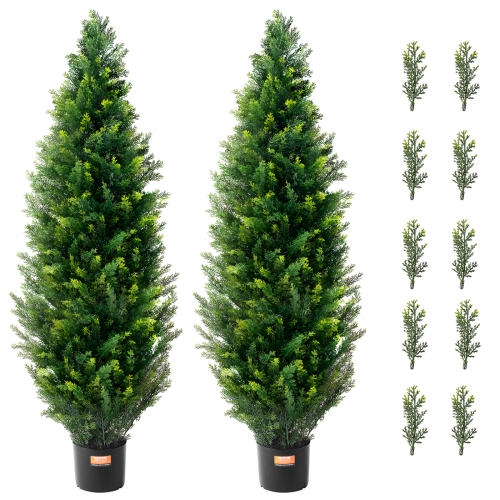

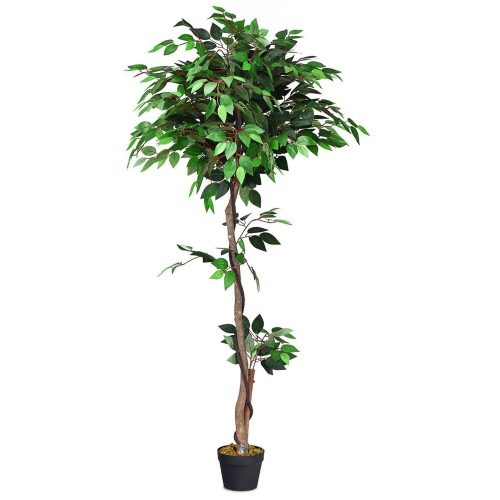
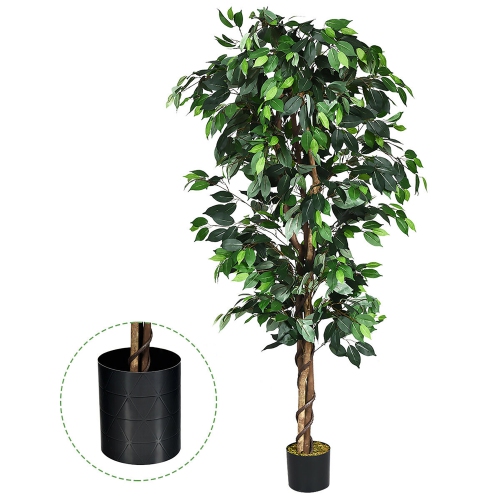

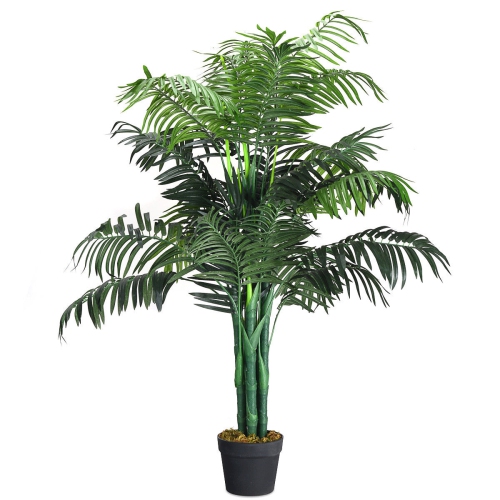
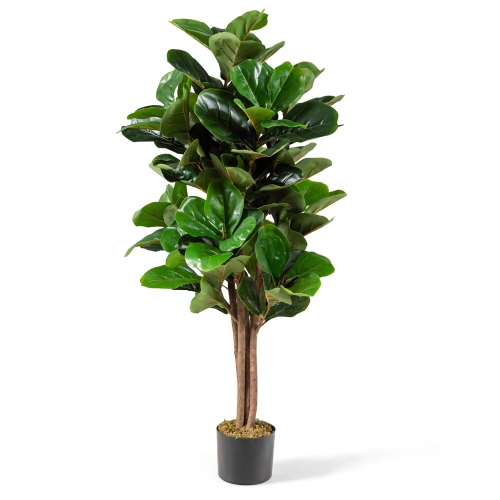
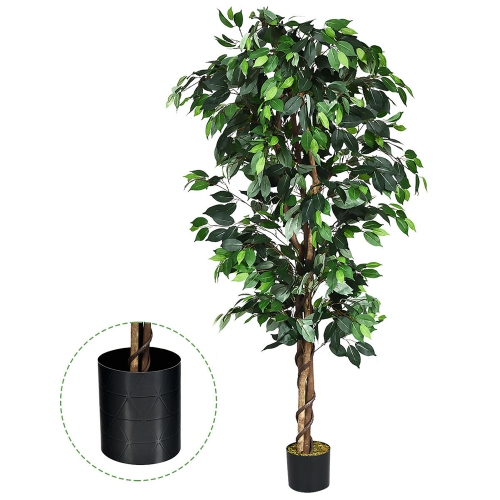
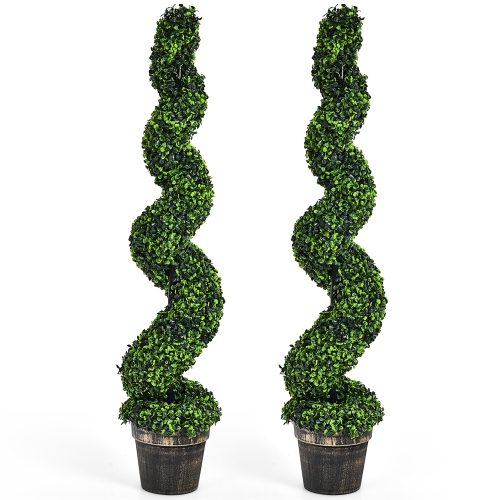
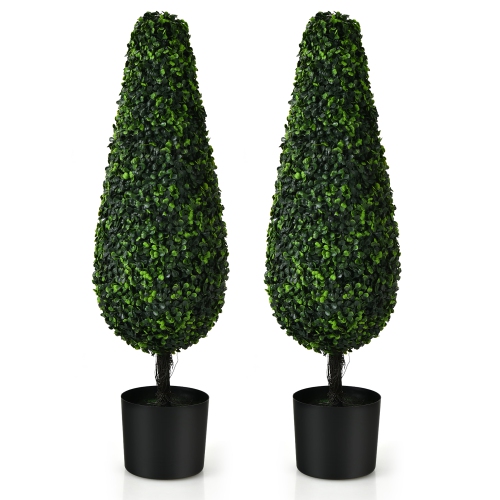
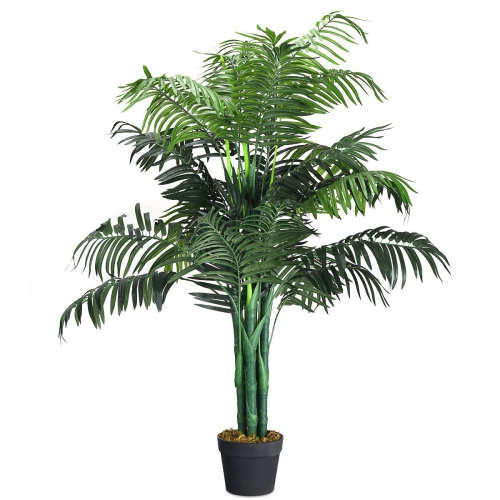
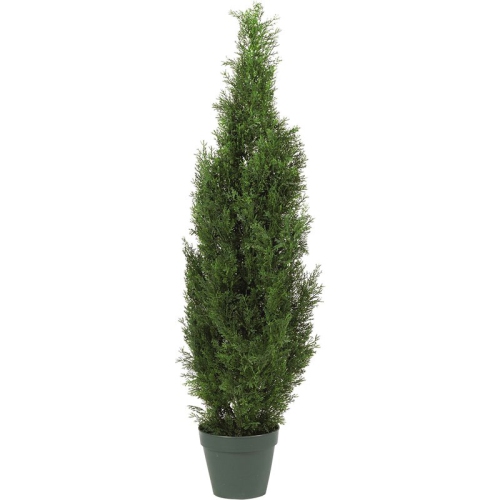
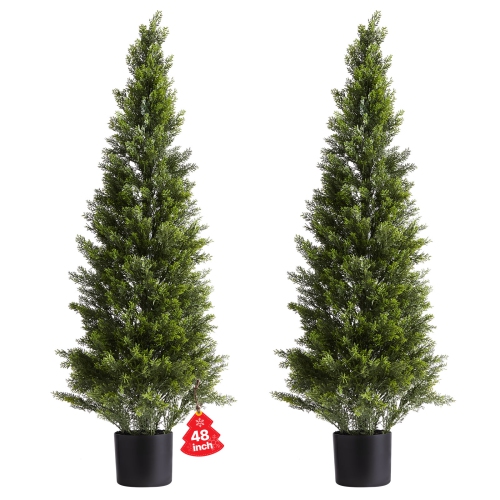
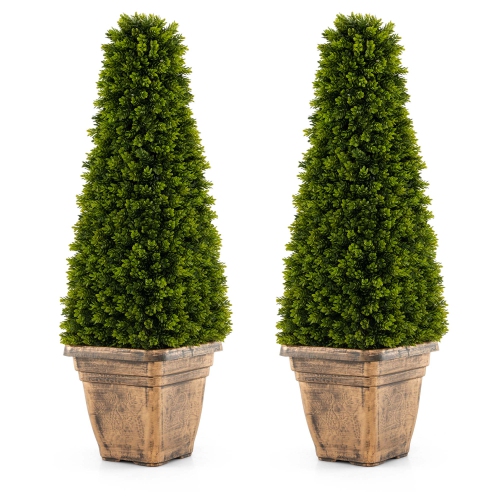
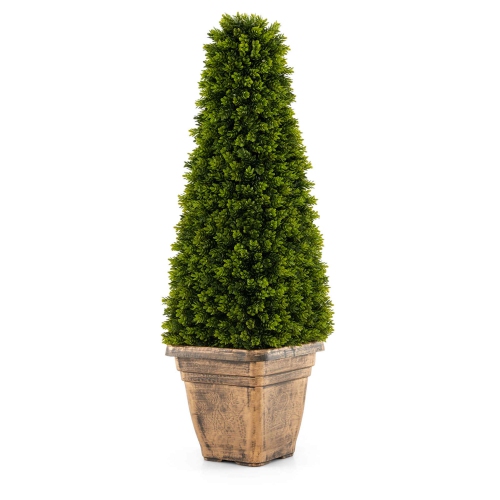
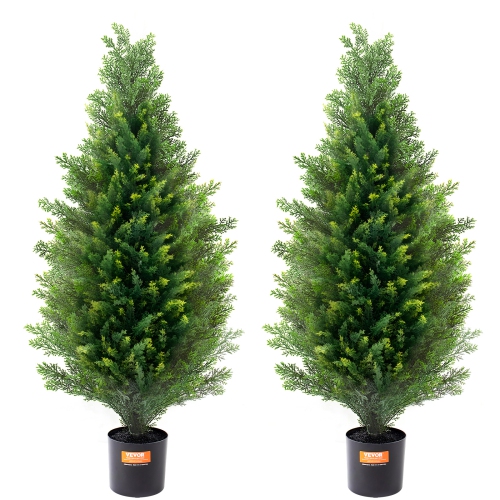
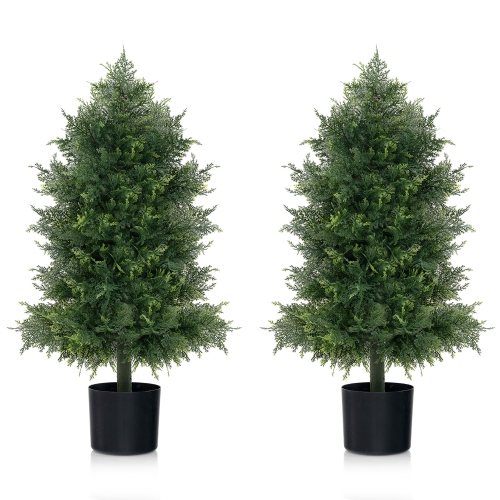
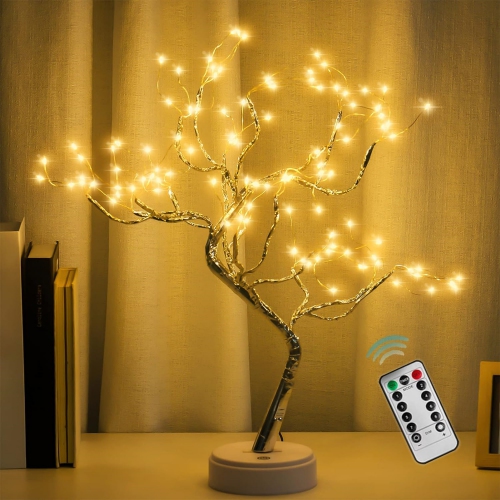
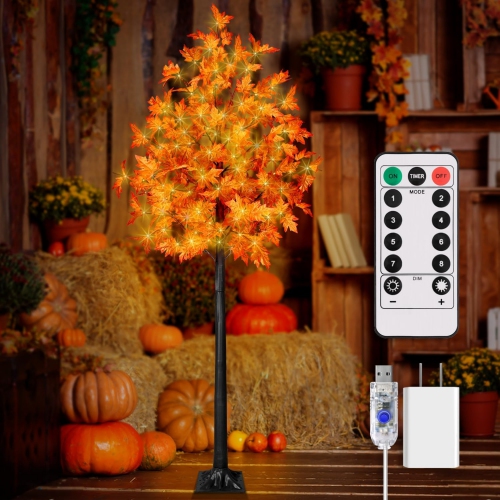

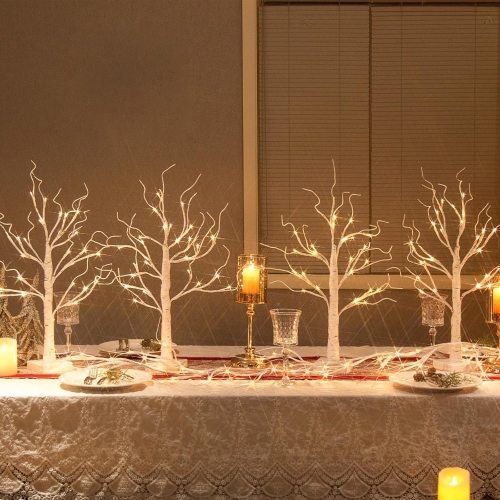
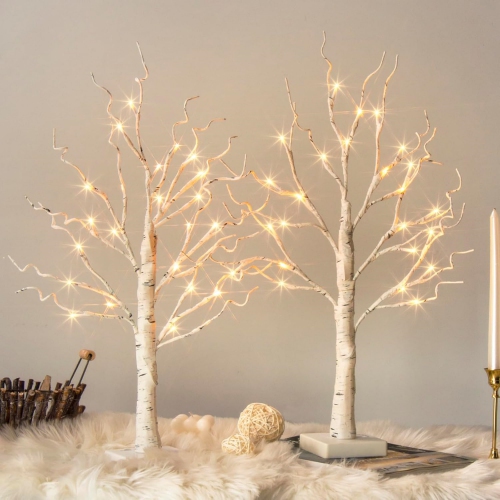
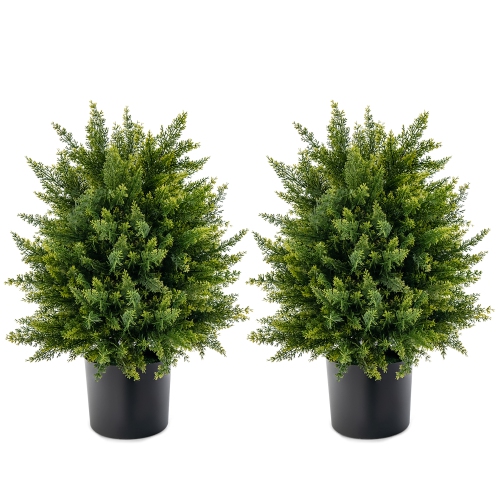
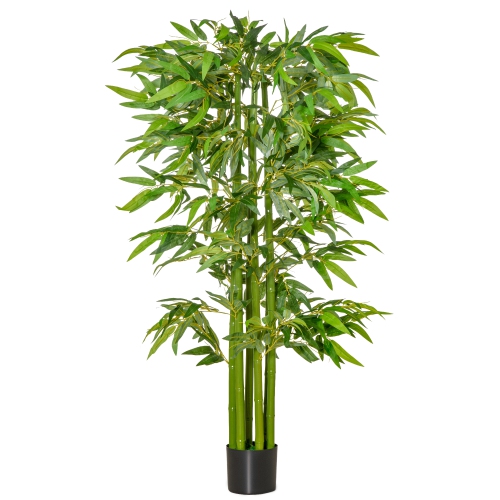
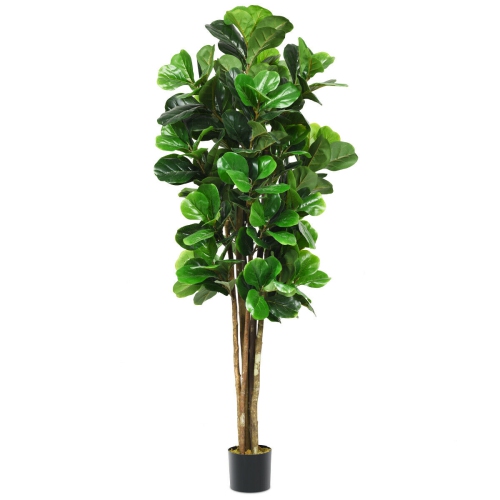
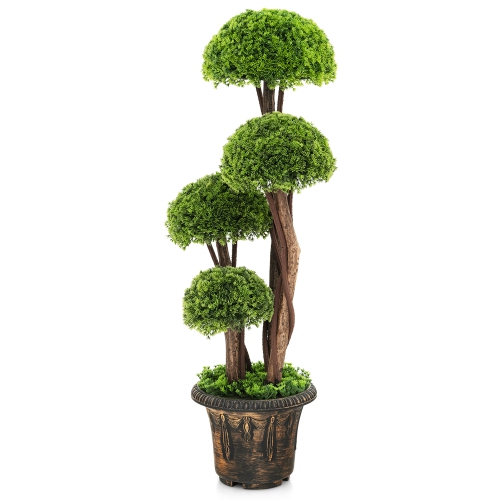
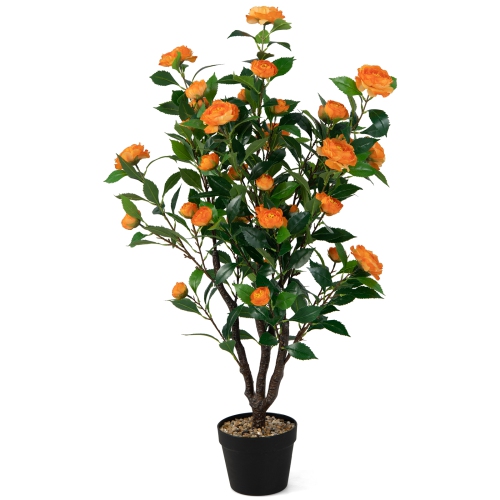
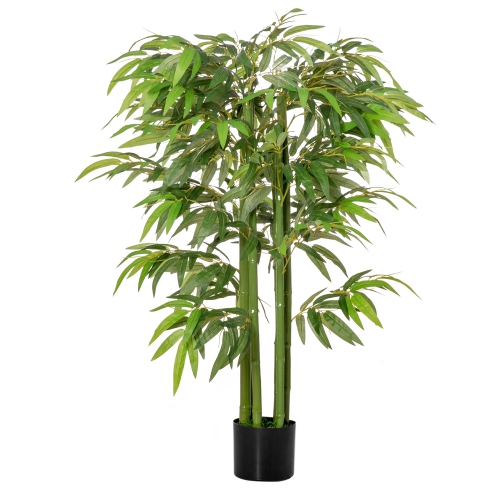
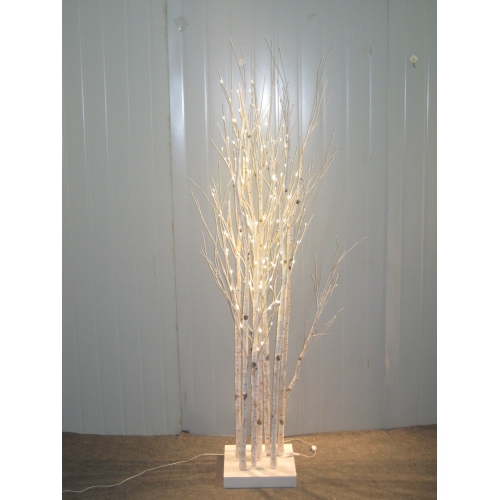
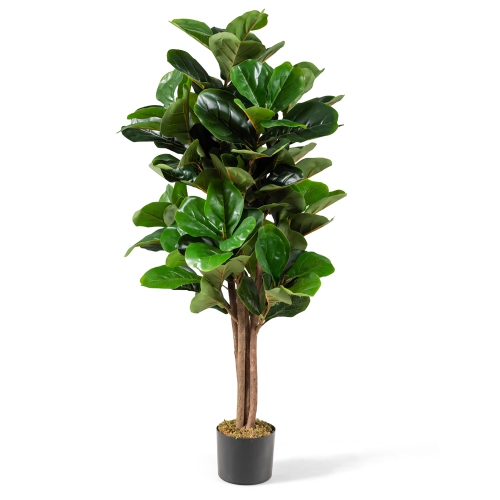
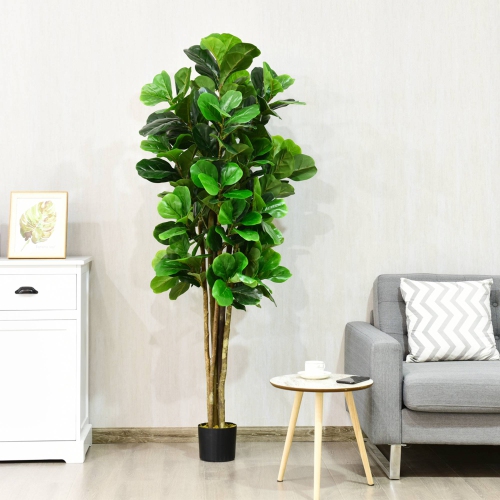
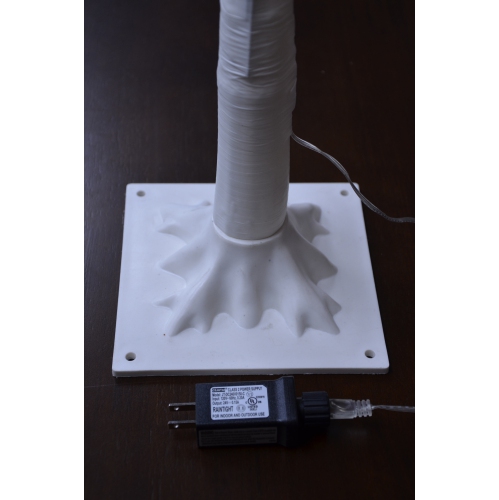
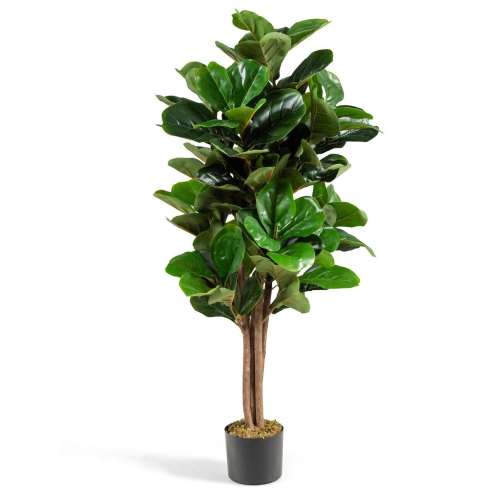
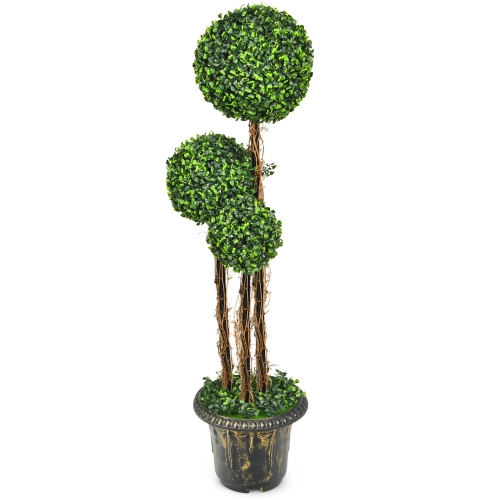
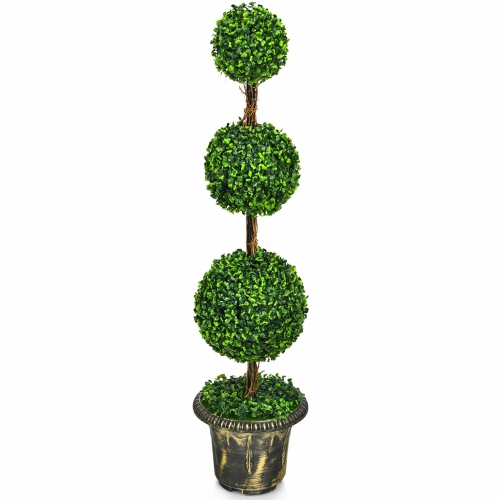
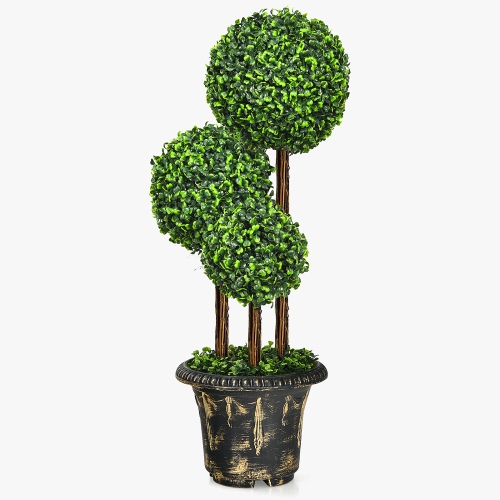
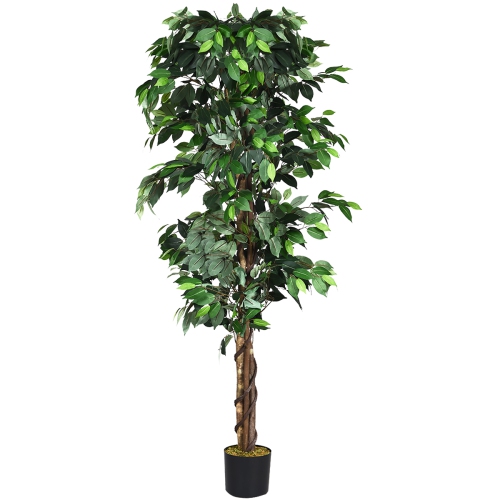
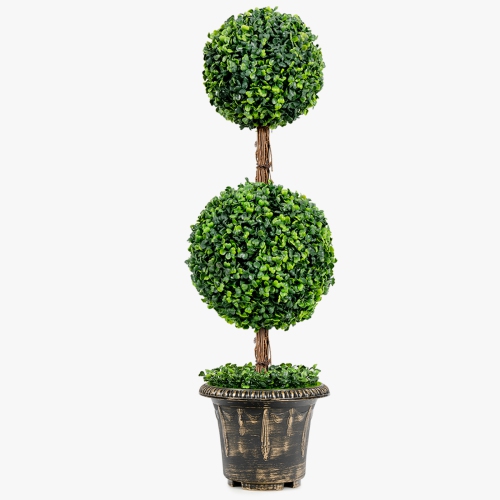

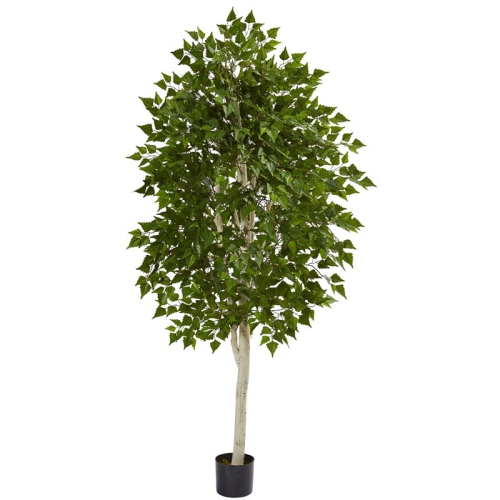
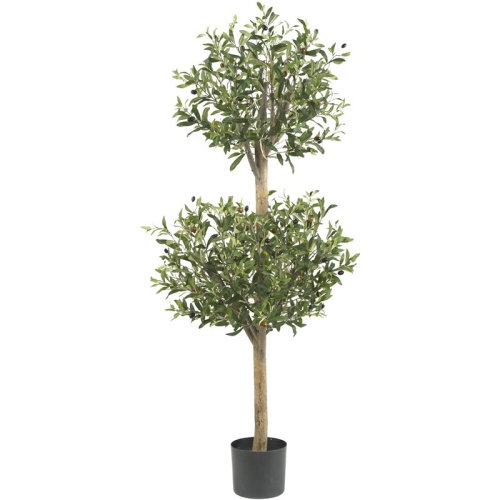
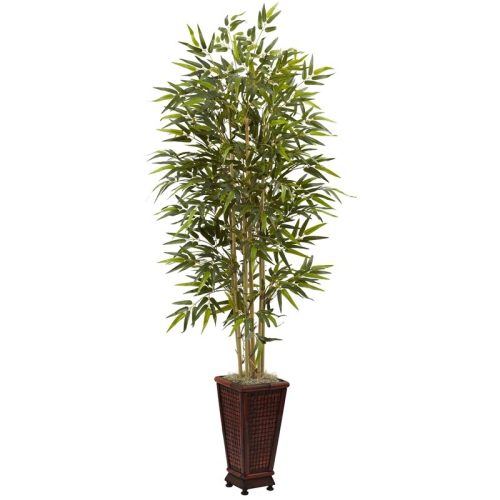
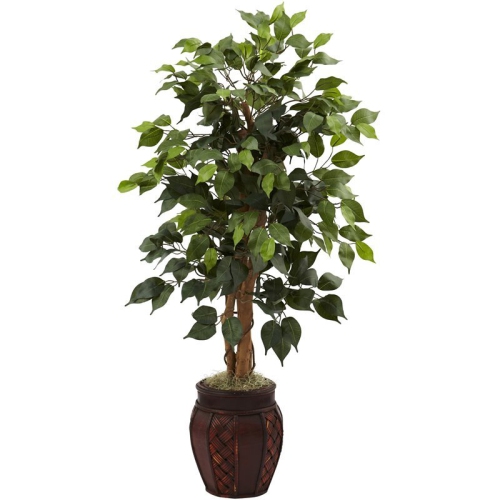
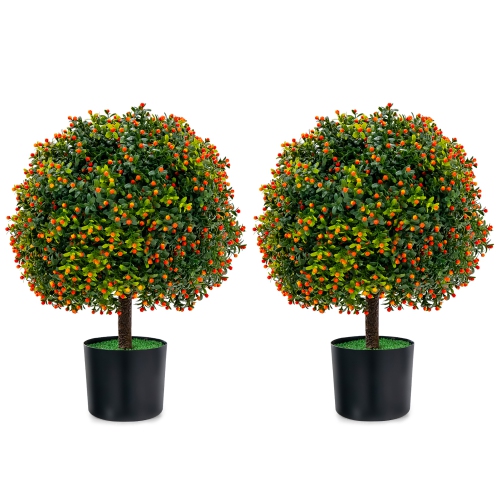
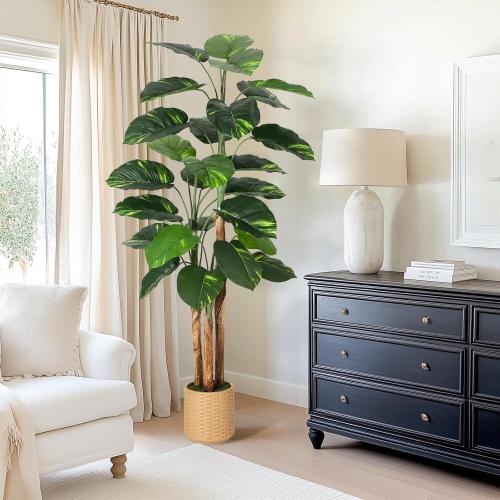
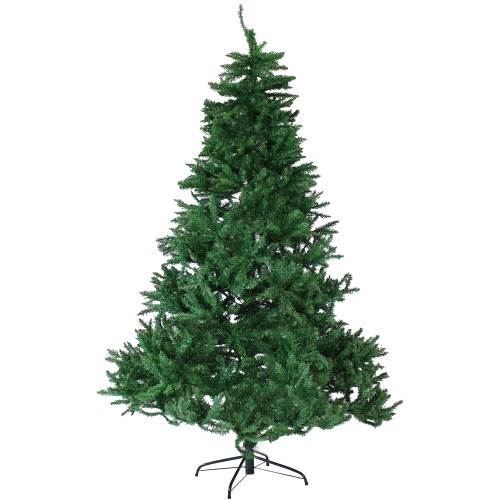
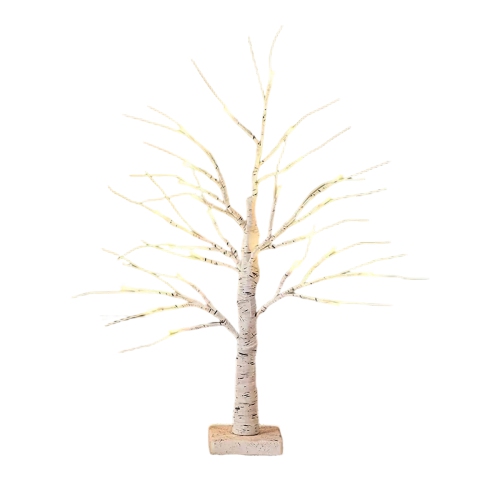
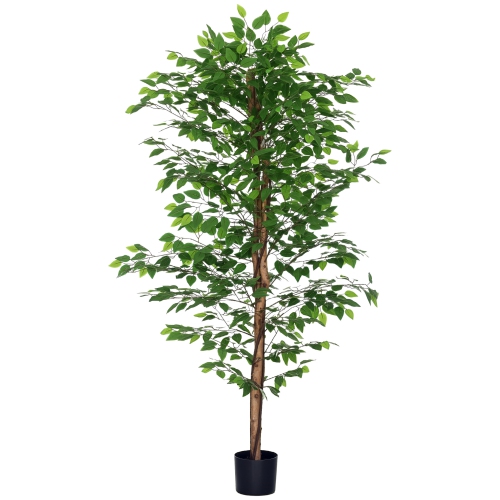
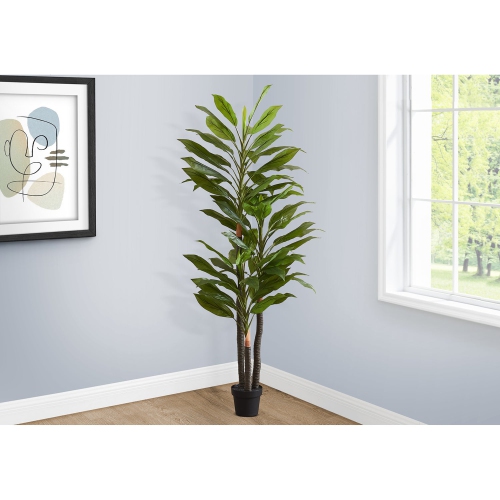
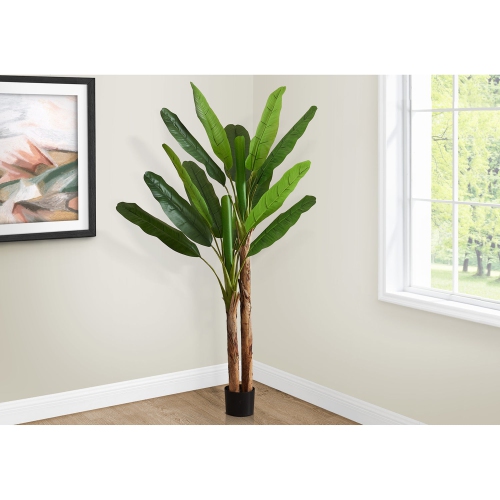
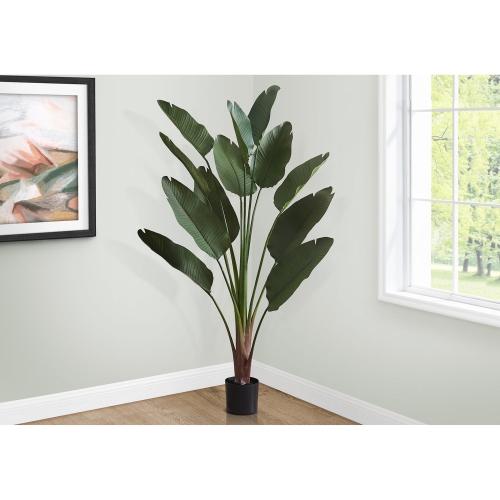
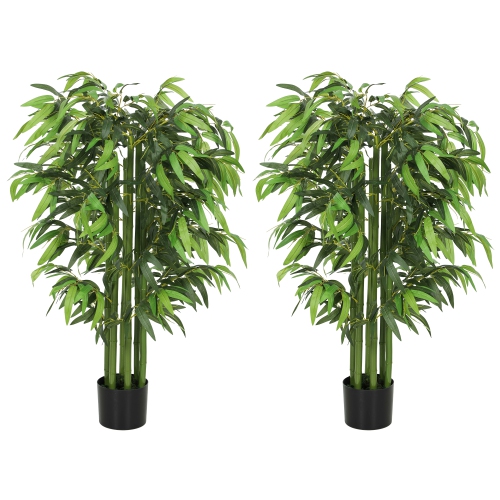
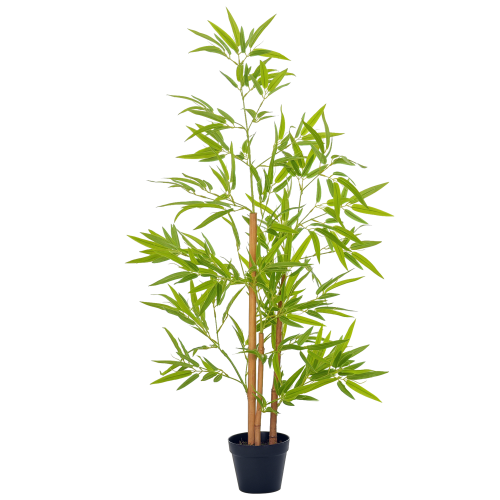
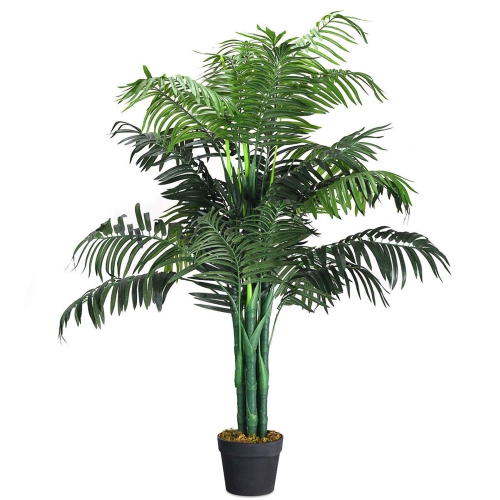
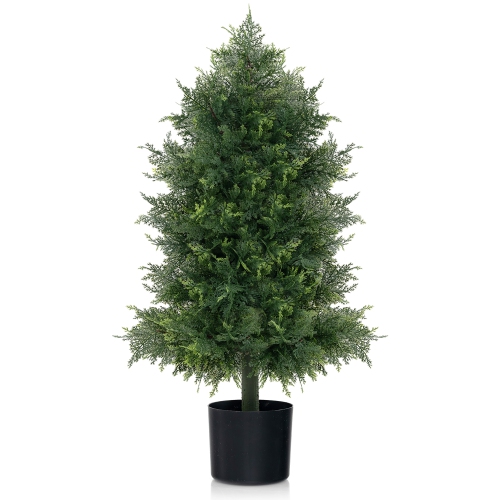
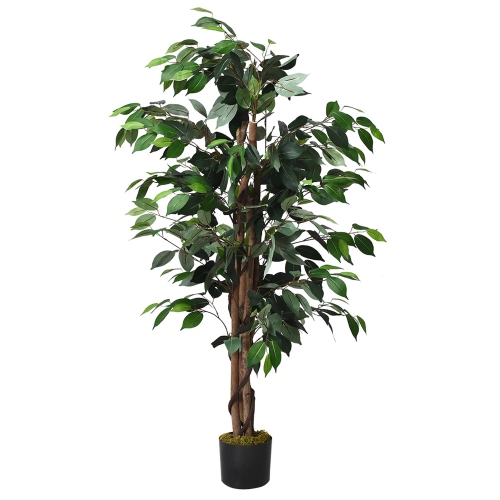
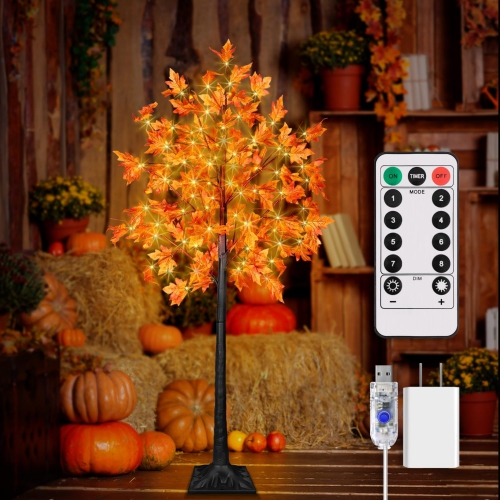
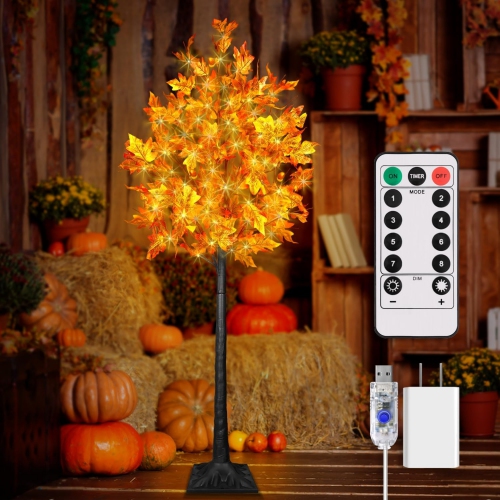
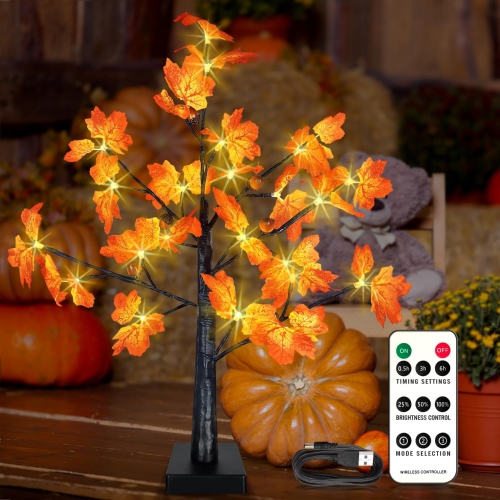
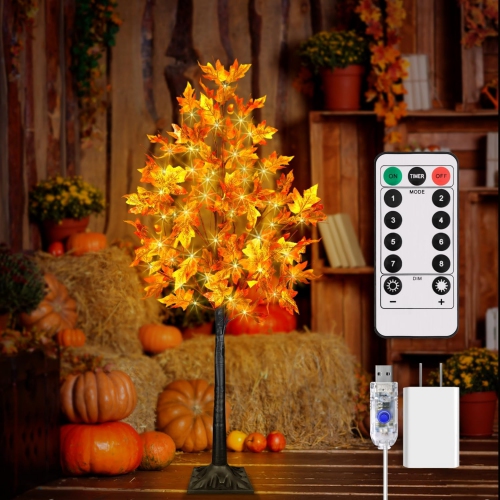
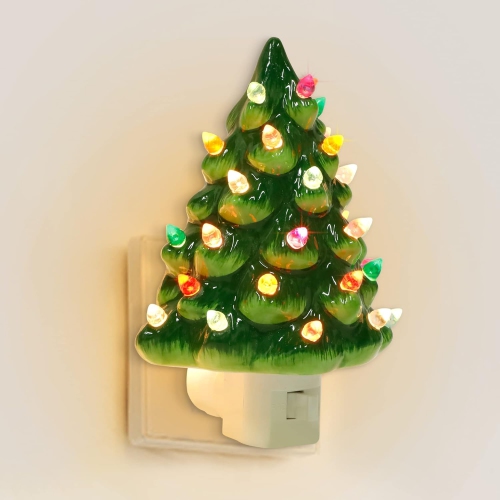
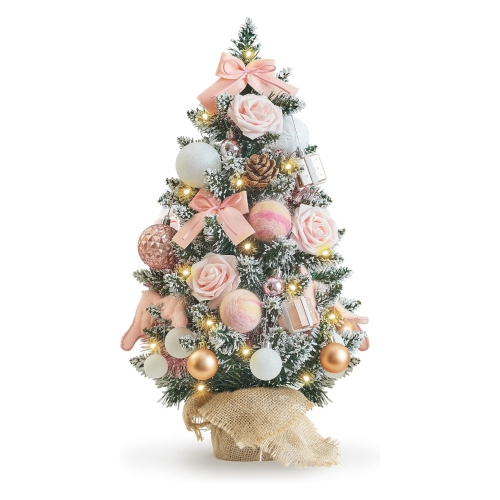

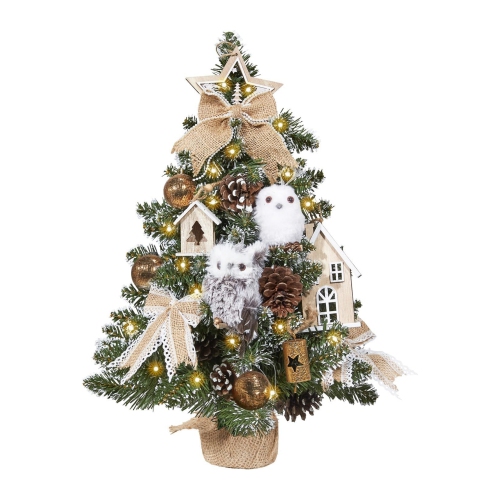
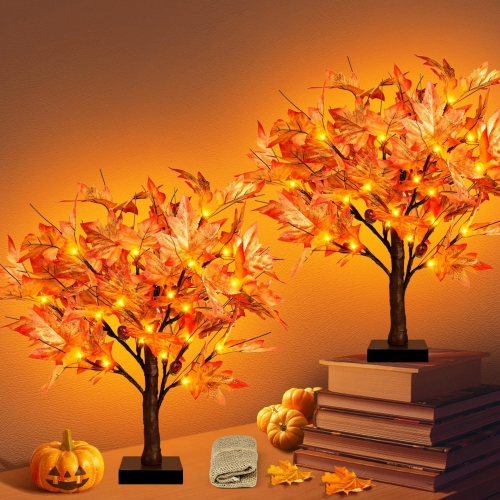

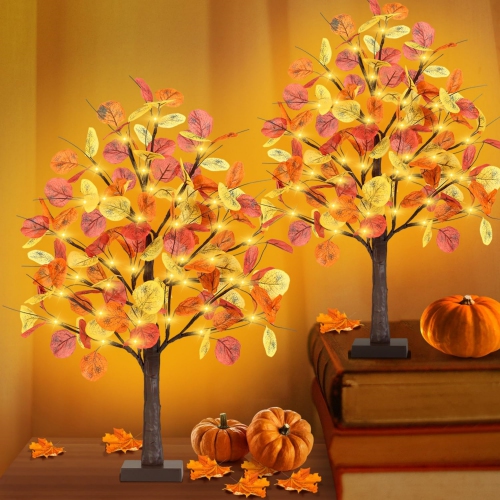
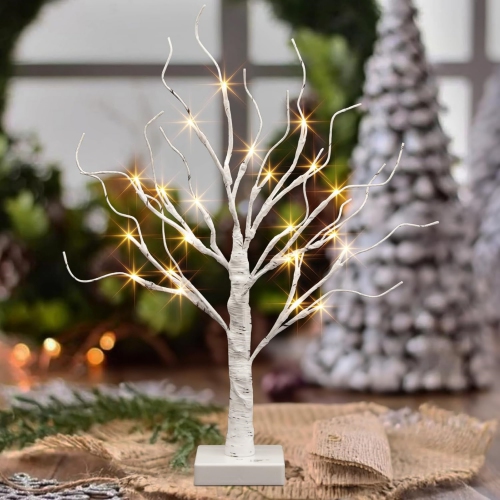
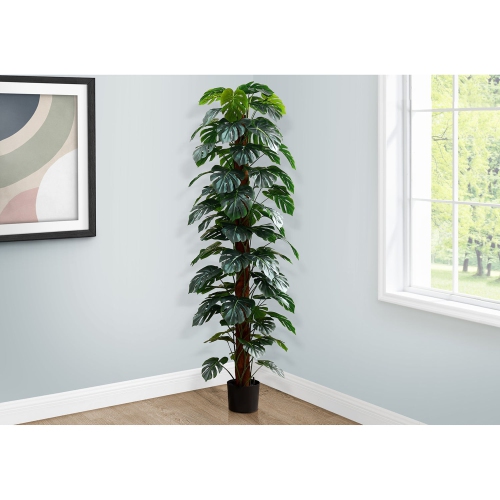
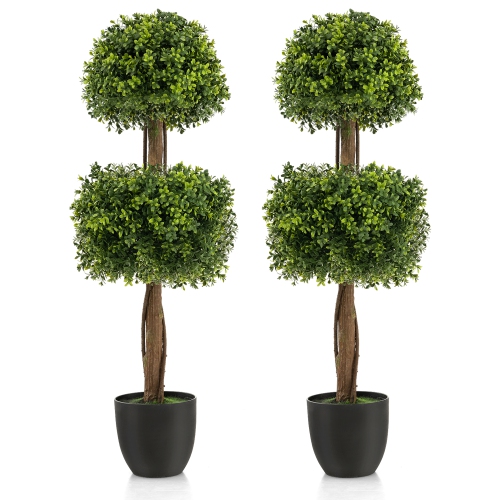

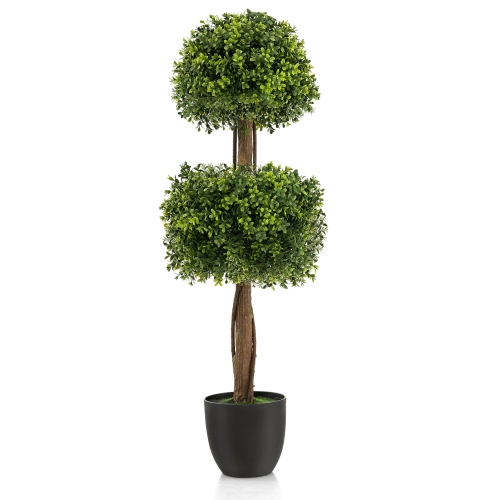
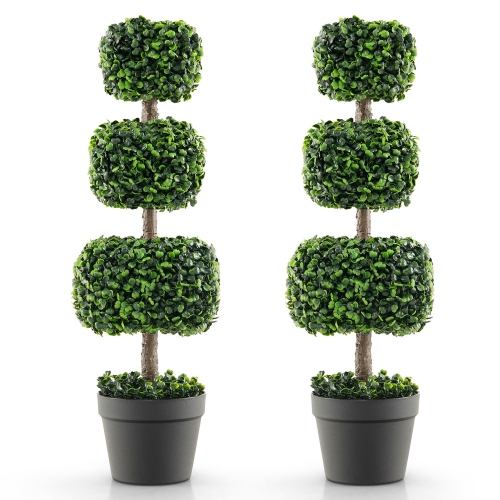
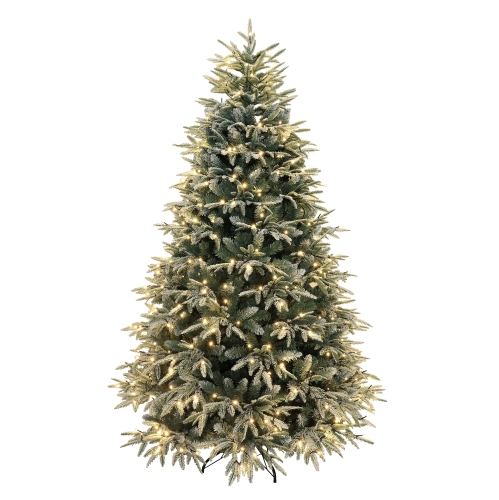
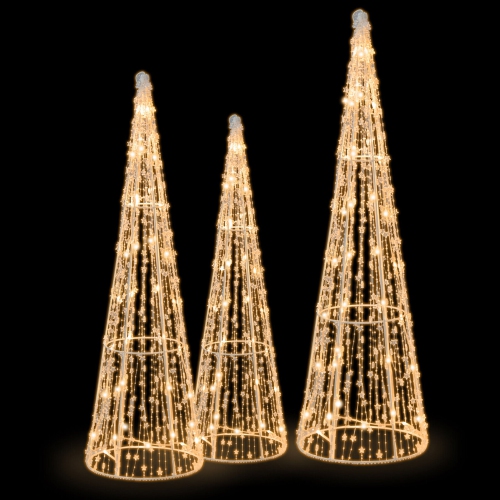
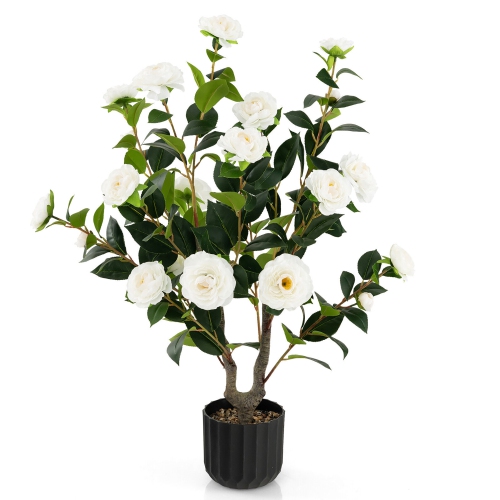
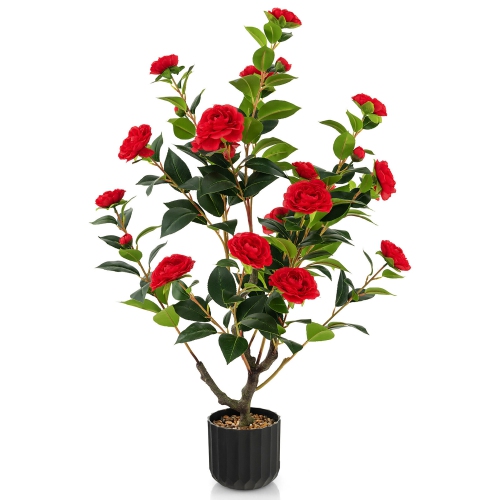
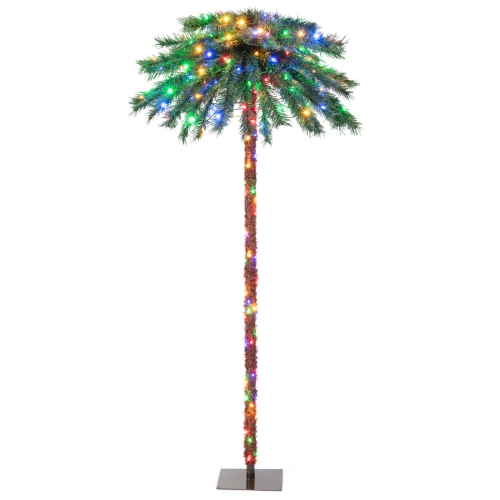
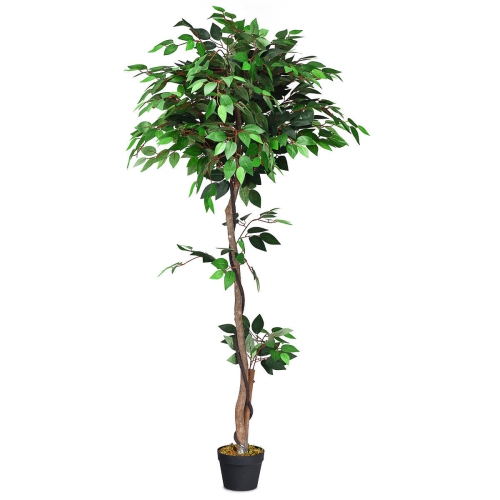
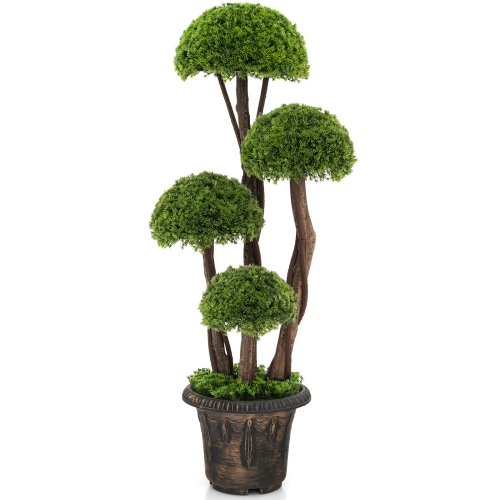

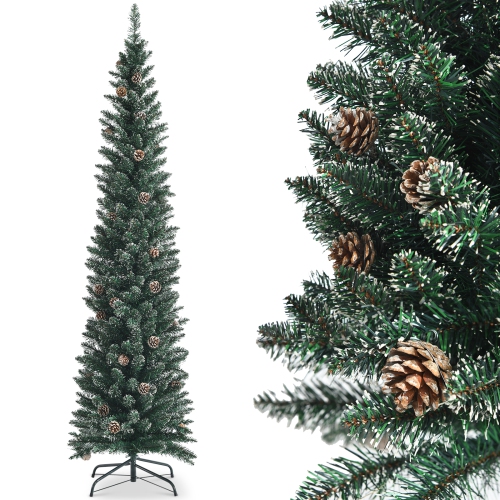
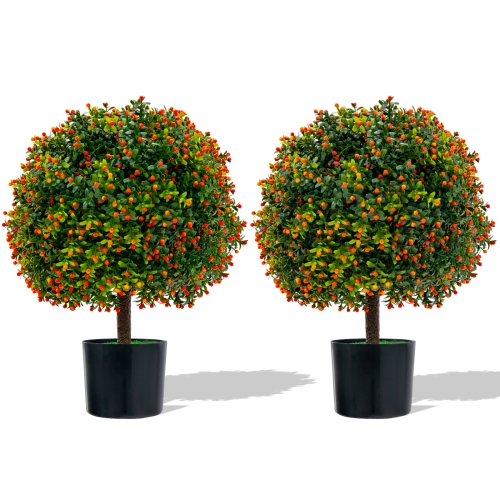
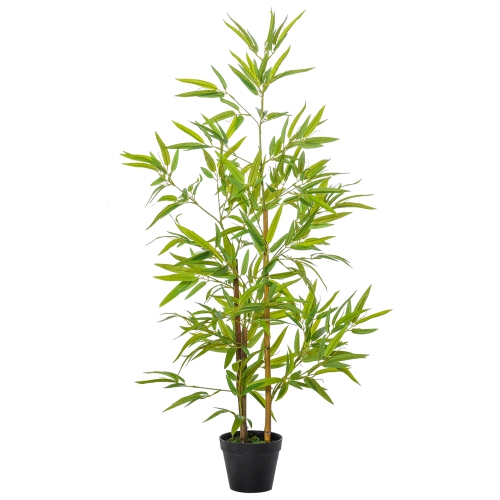
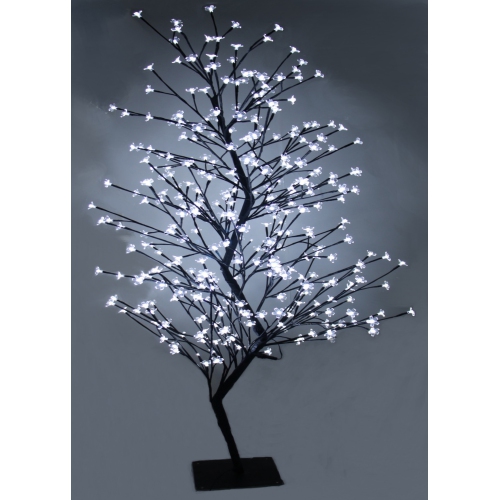
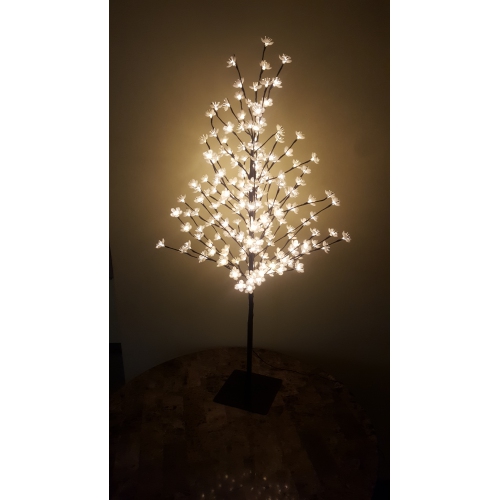
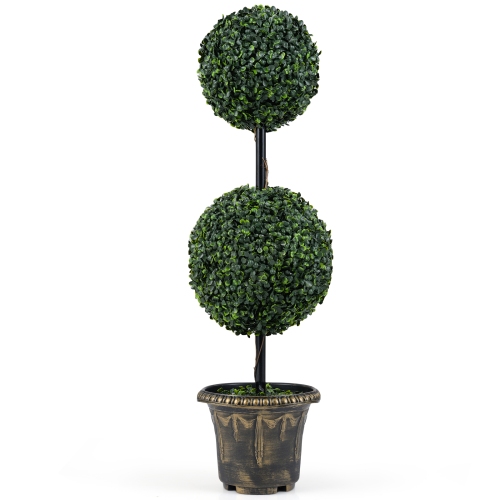
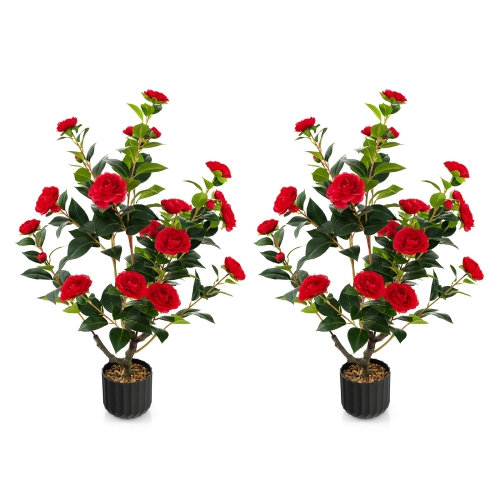

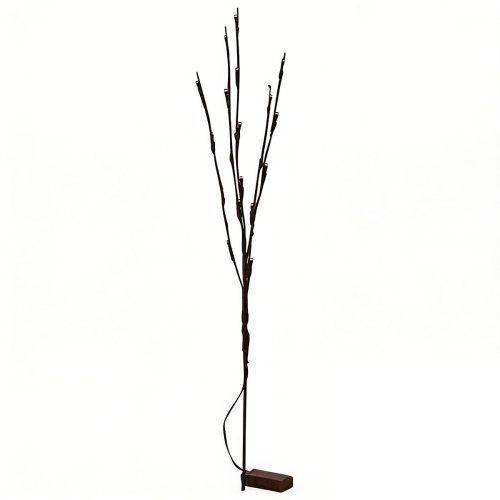
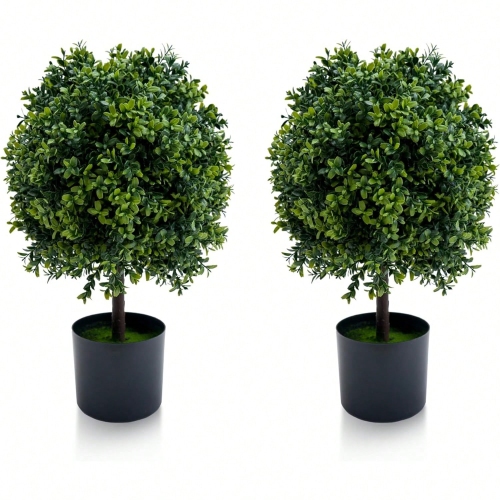
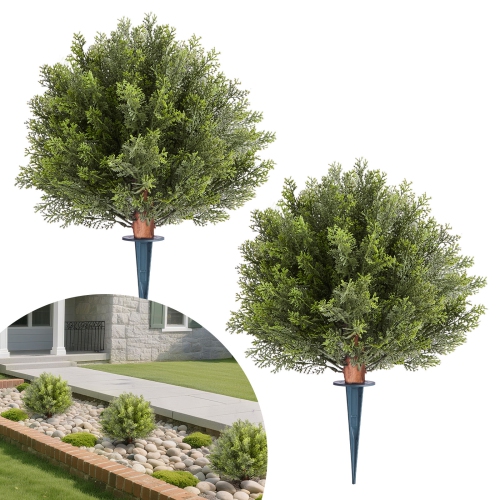
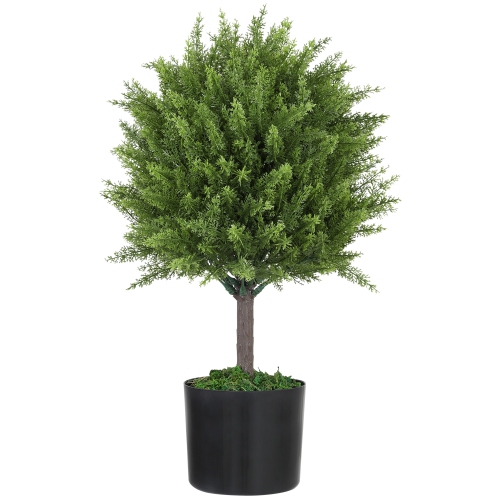
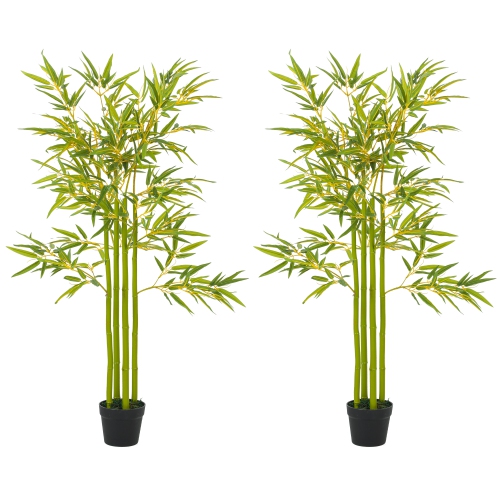
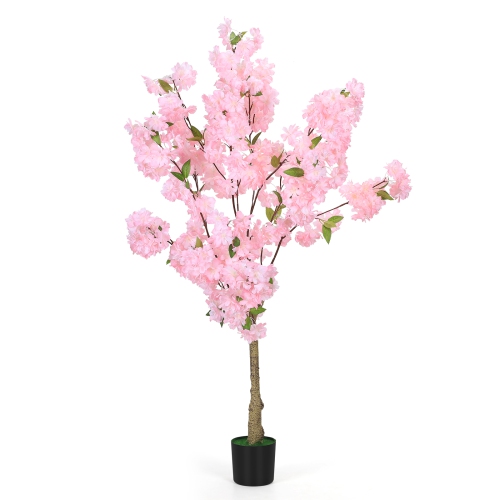
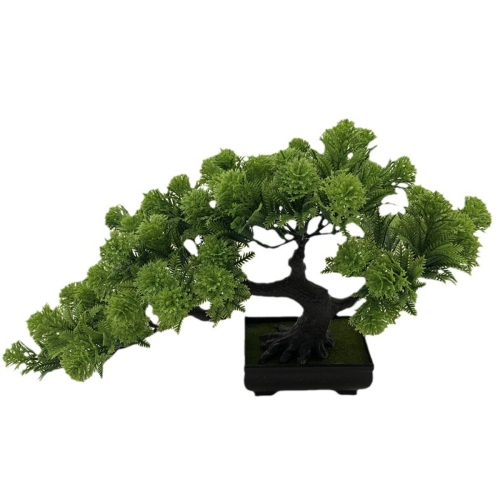
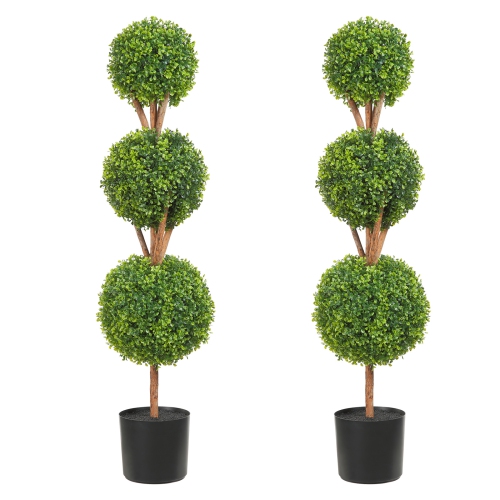
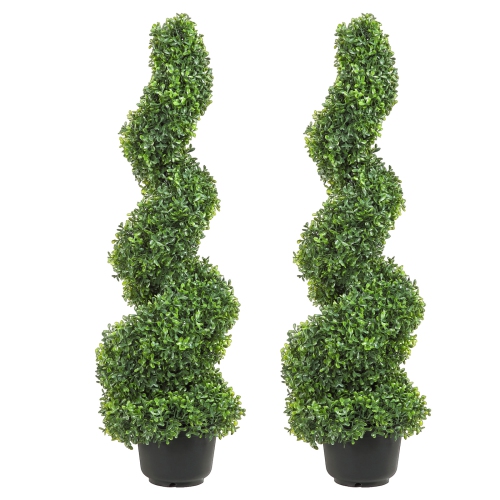

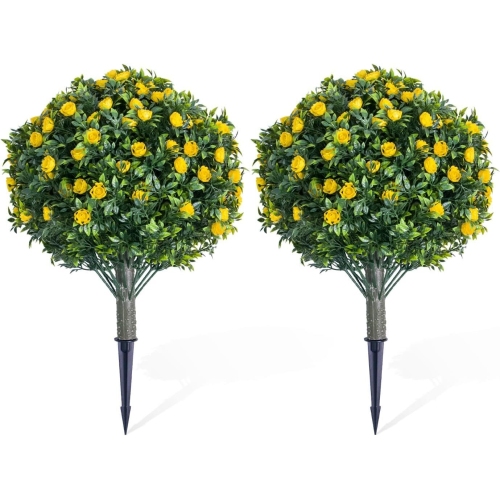
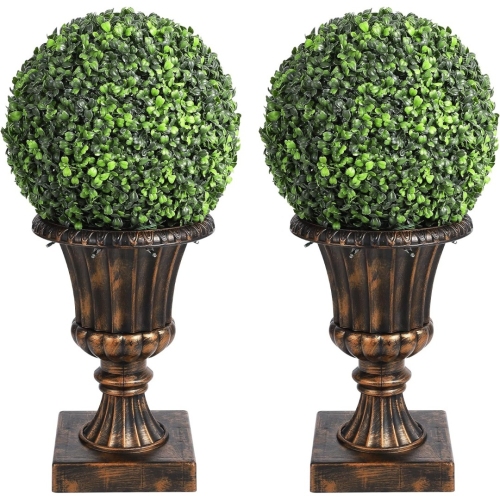
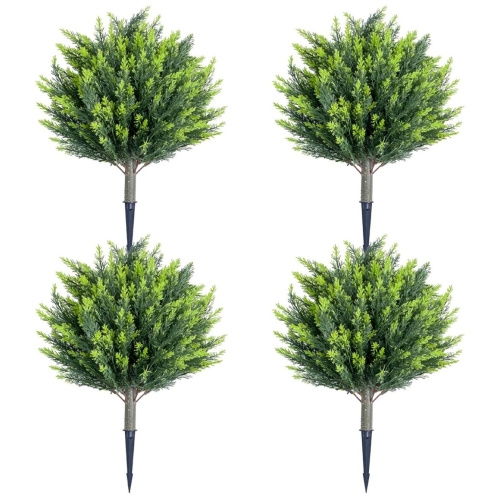
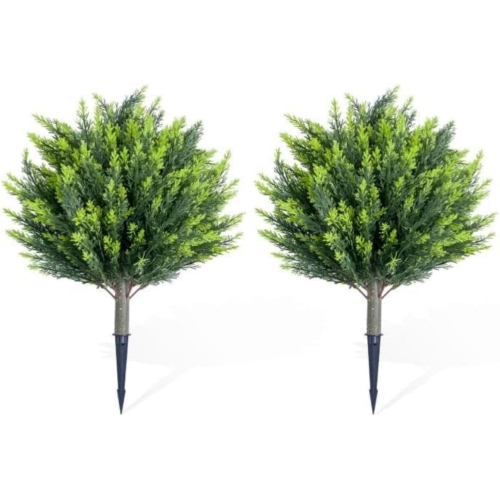
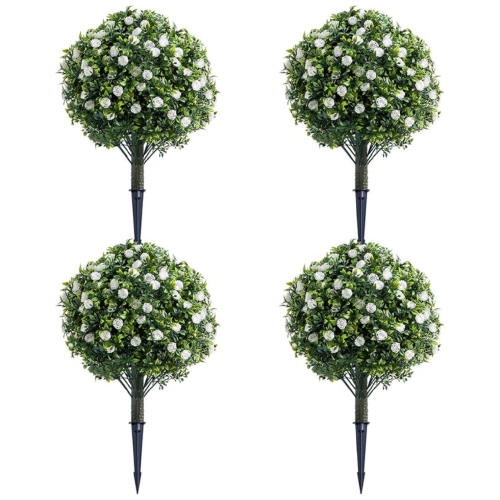
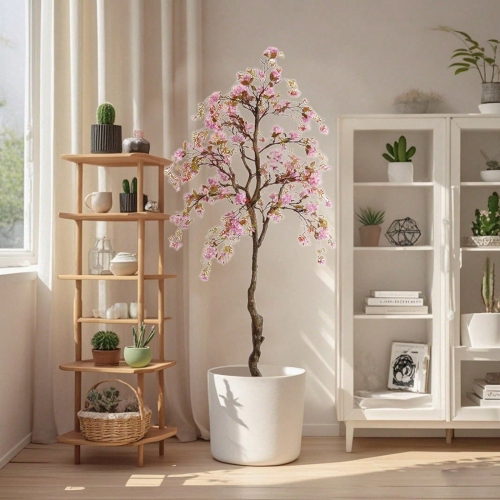
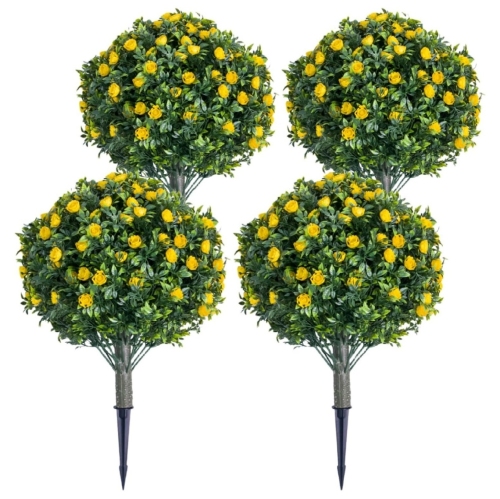
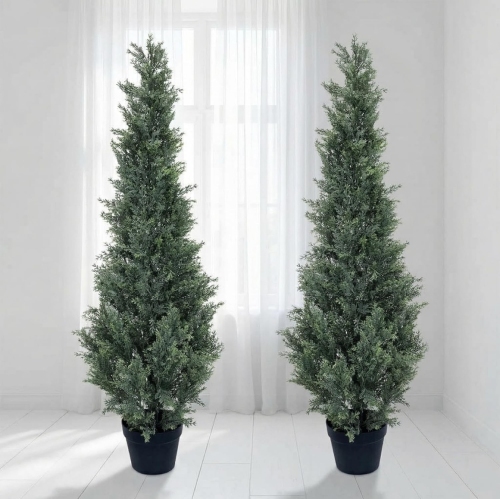
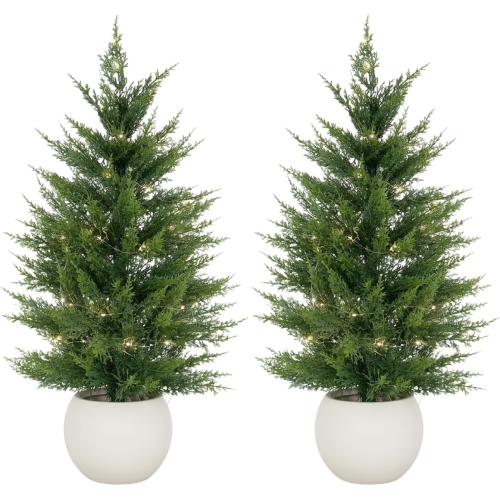
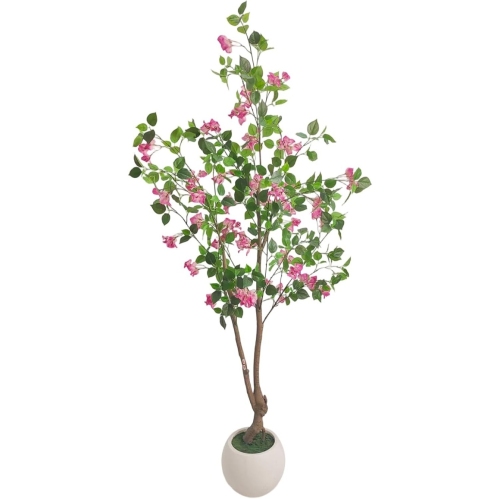
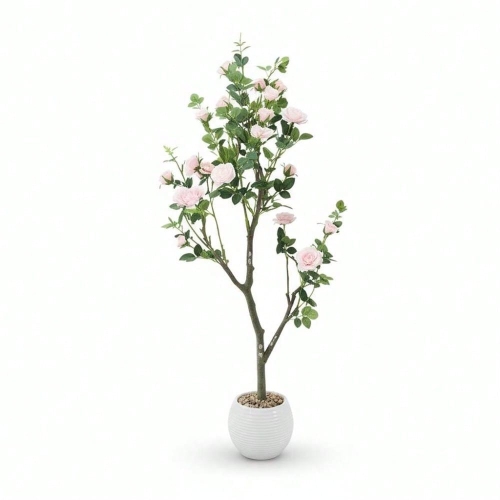
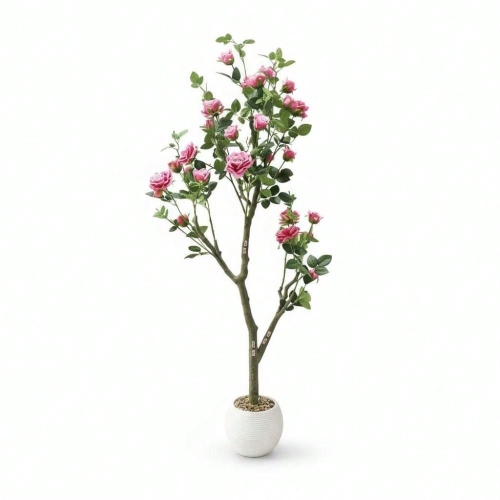
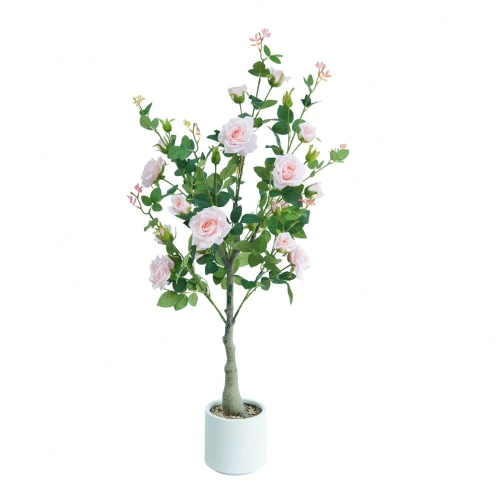
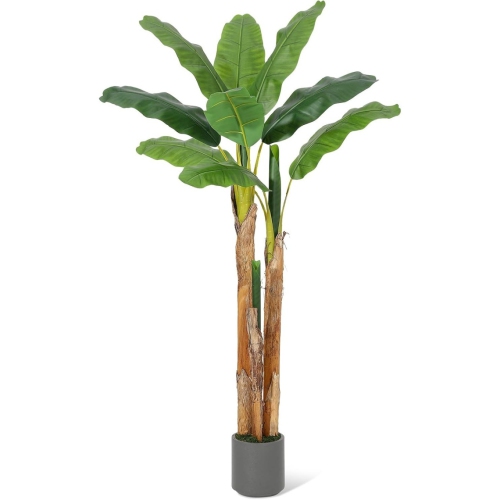
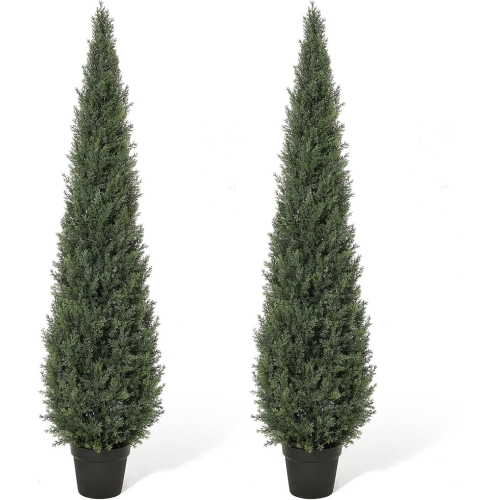
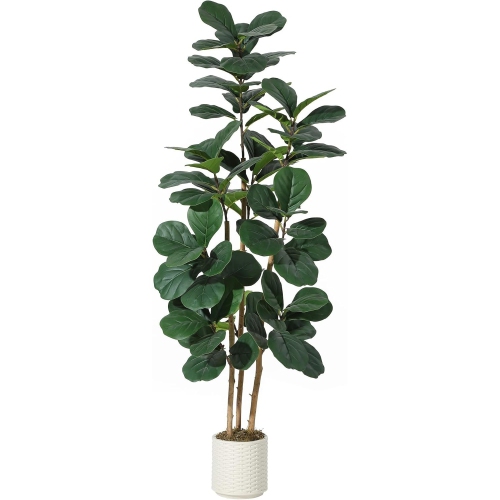
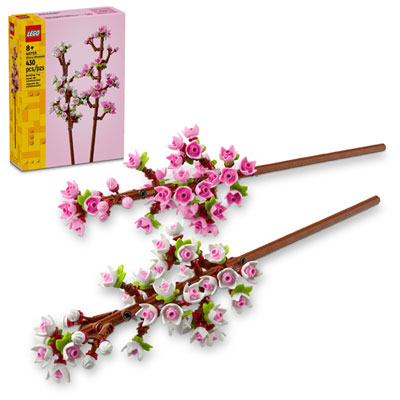
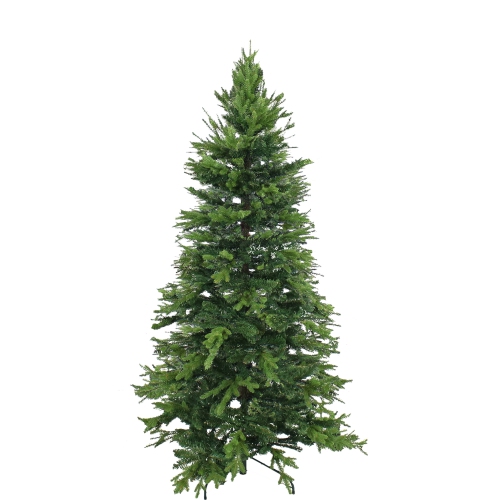
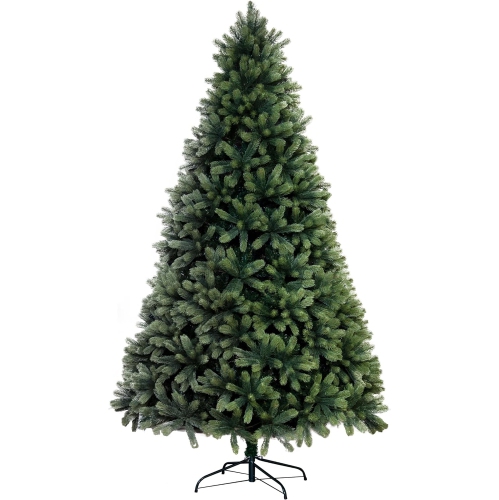
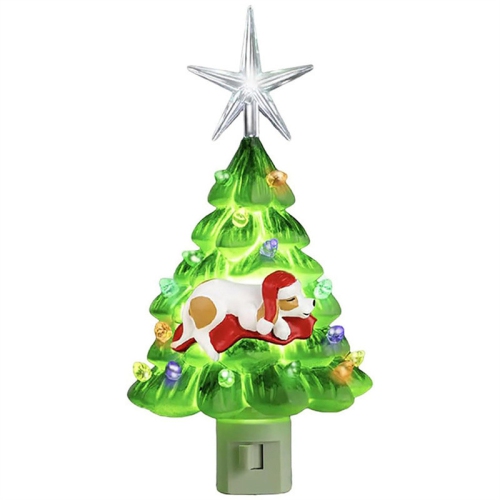
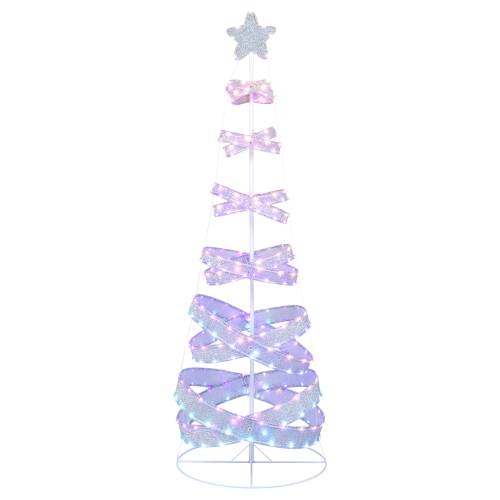



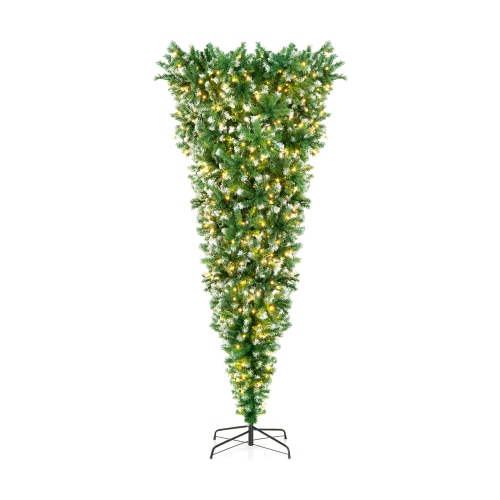
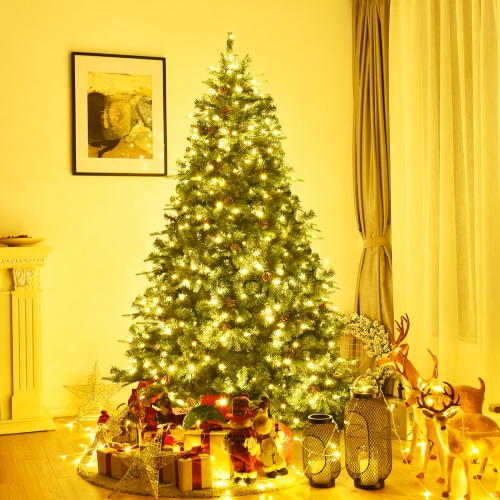
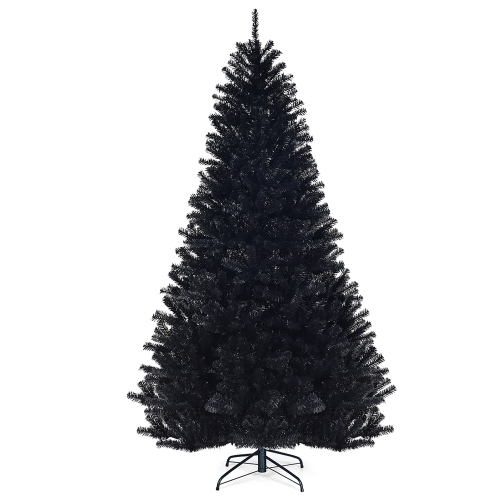
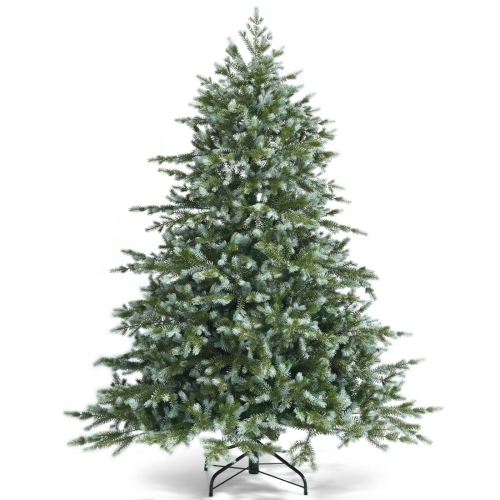
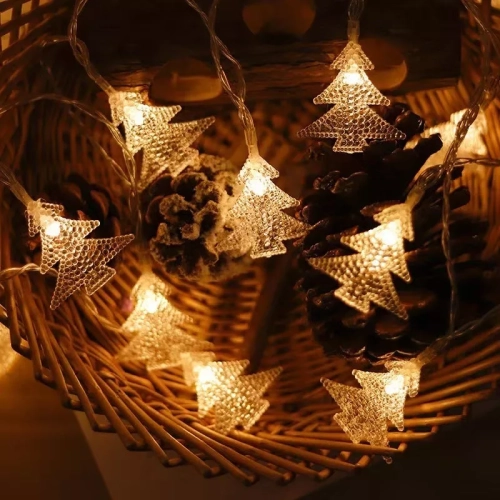
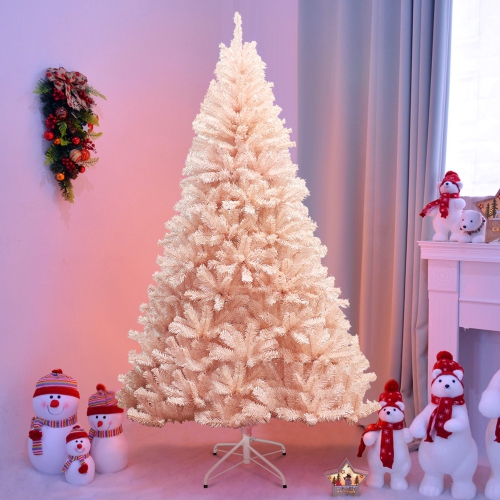
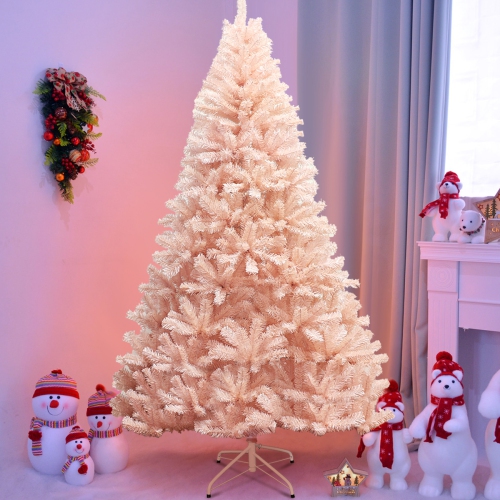
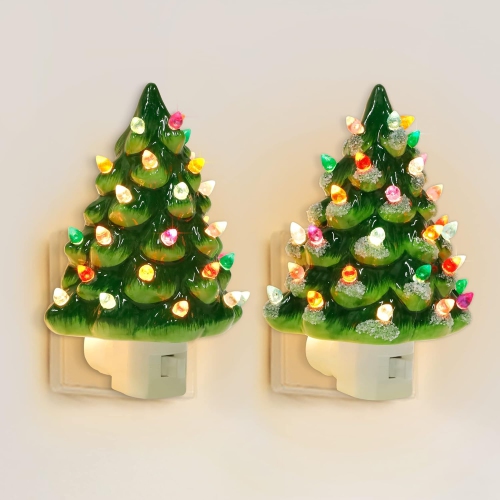
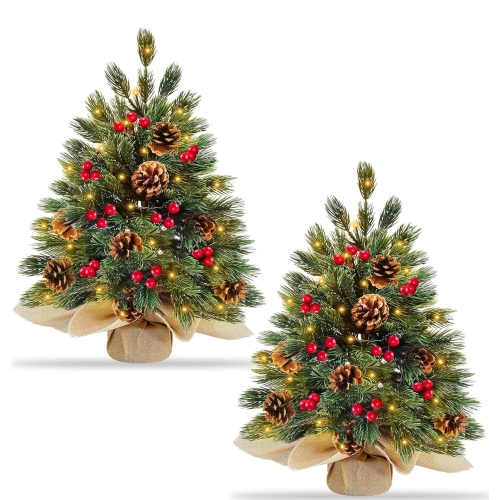
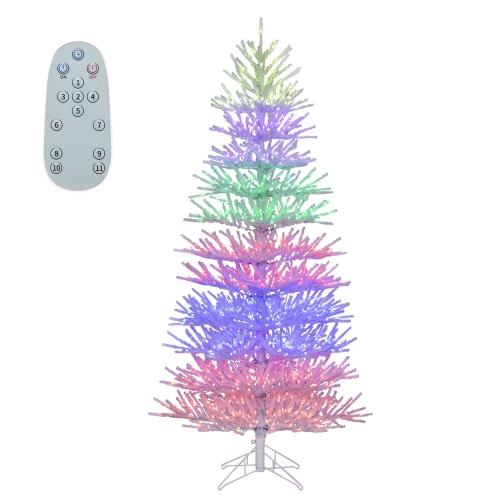
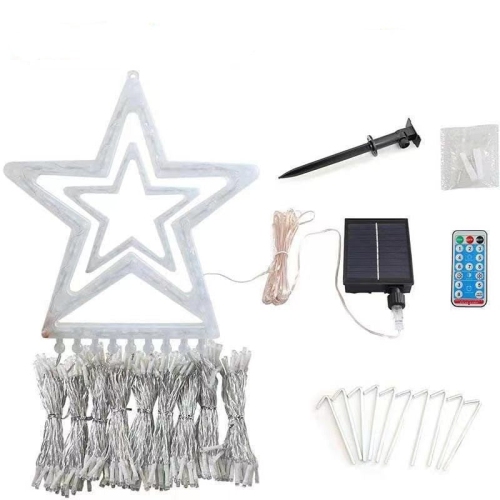
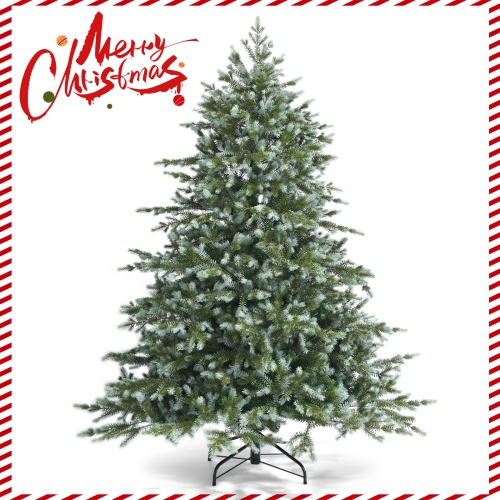

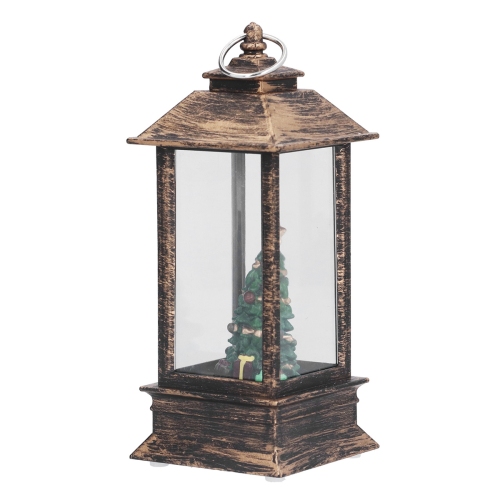
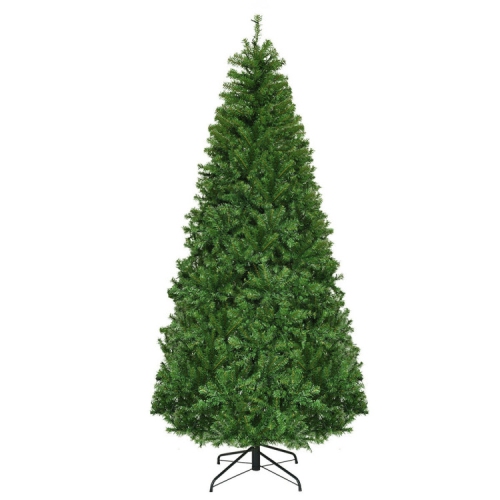
How tree silhouettes soften corners and shape a room
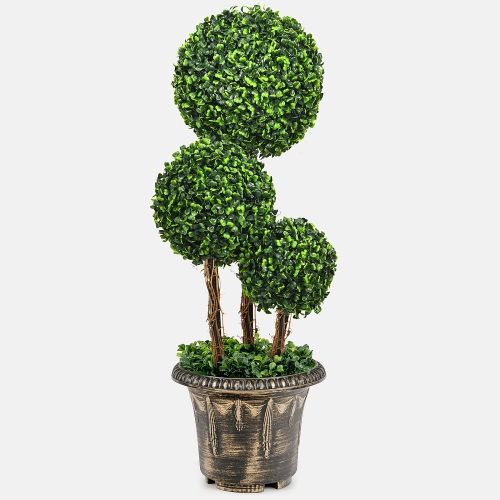
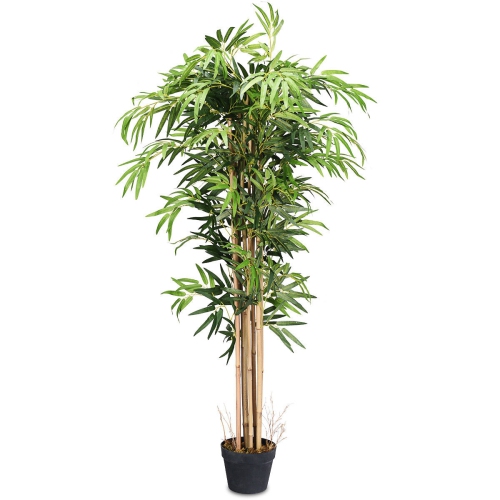
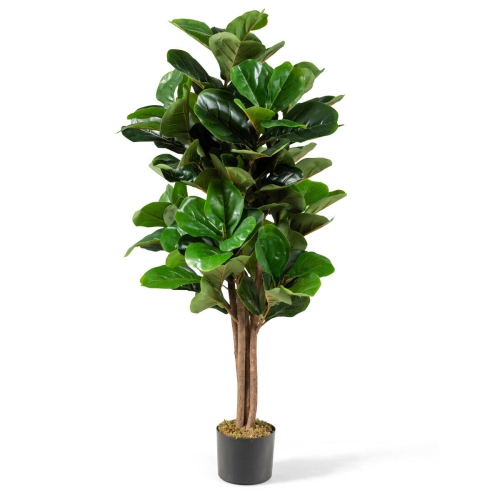
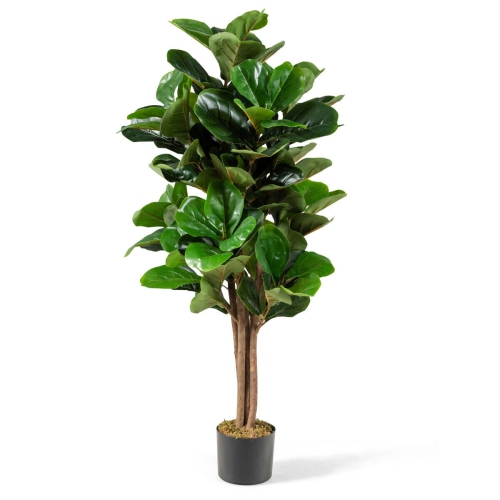
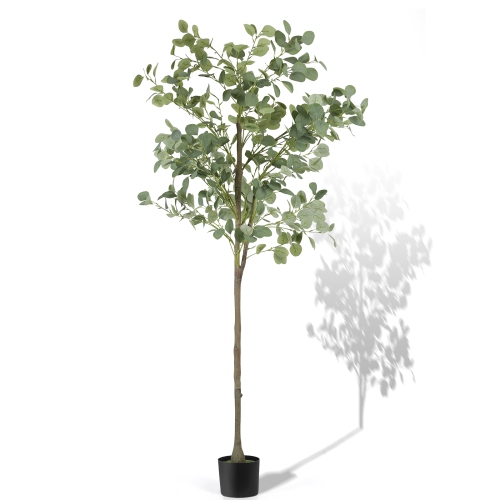
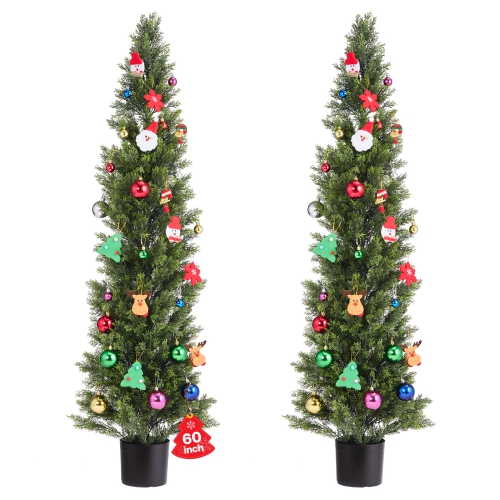
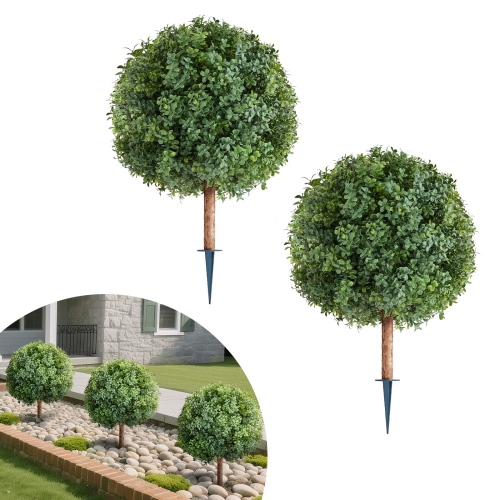
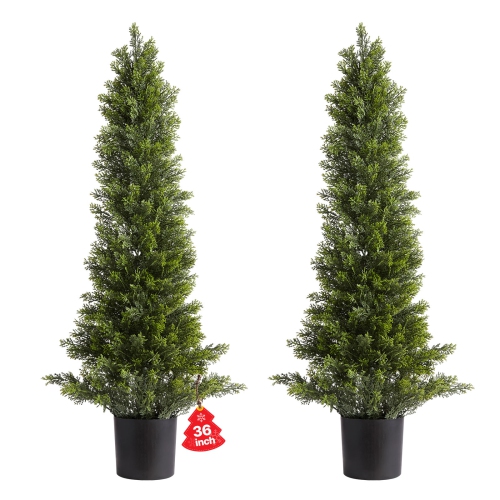
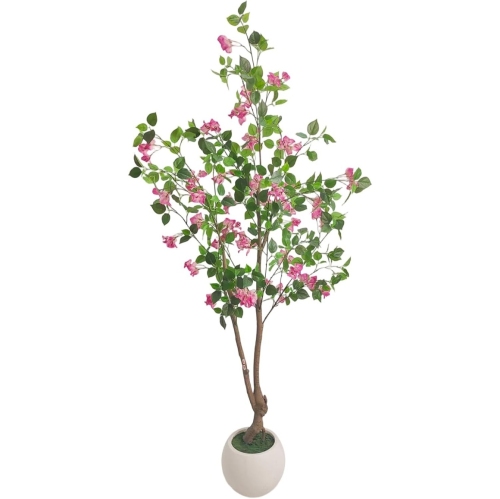
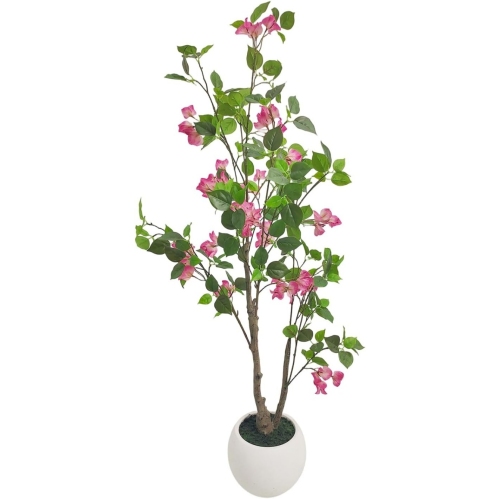
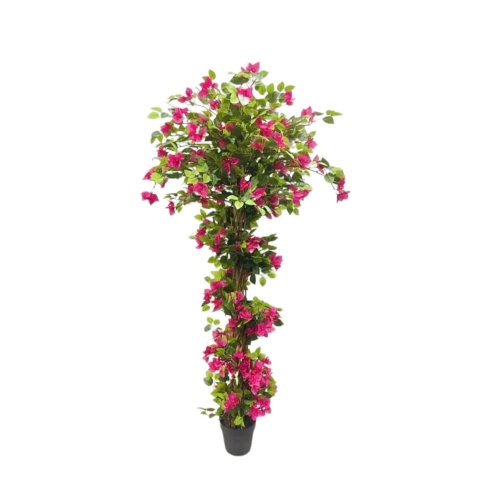
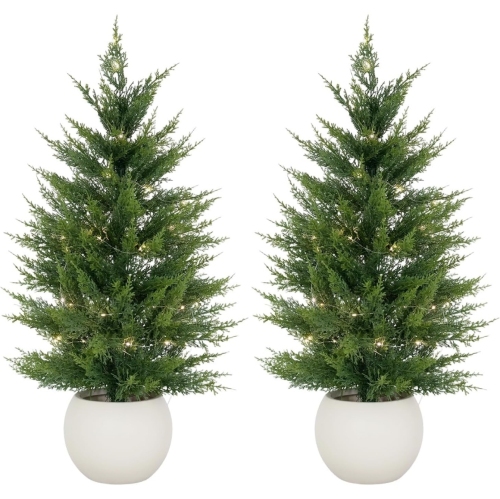
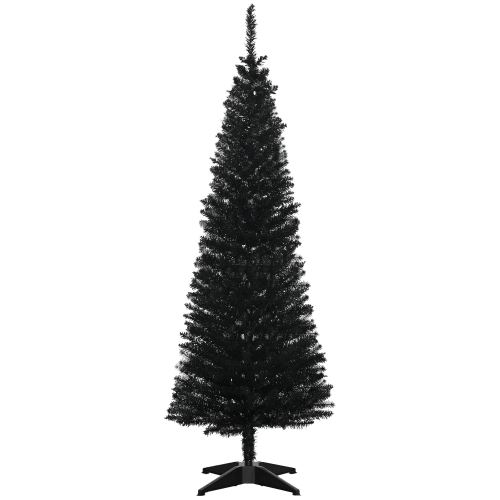
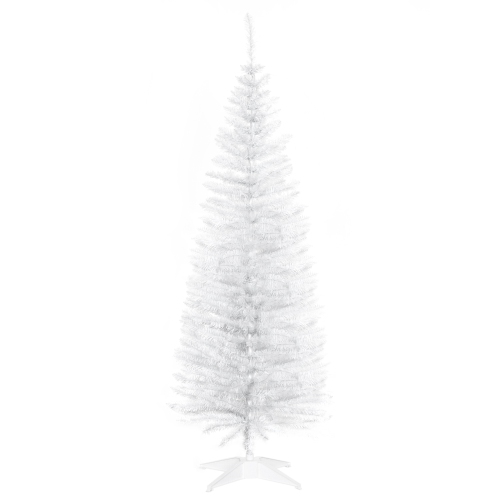
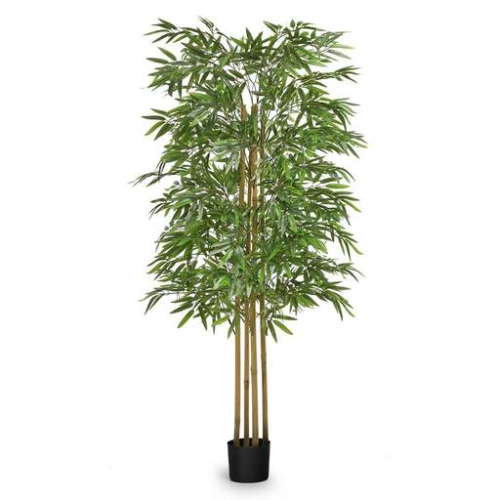
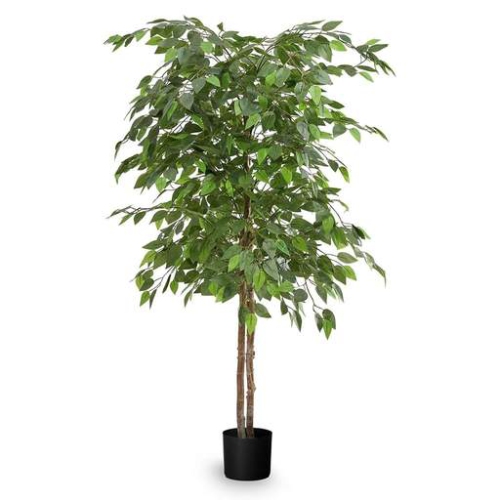
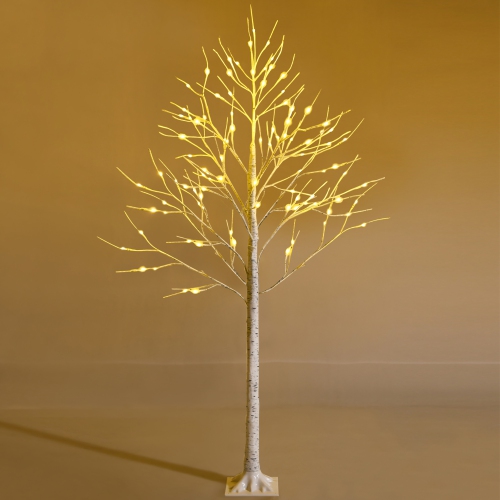
Decorative trees bring height, texture, and a sense of shape to a space, whether they frame an entryway, soften a bare living room corner, or add a festive touch beside a mantel. The term can describe both living ornamental trees used in gardens and tree-shaped accents made for home display. For indoor decorating, artificial foliage trees, slender branch trees, and illuminated designs offer different ways to introduce that familiar silhouette without the watering and pruning required by living plants. Their effect depends as much on their outline as on their colour: a full, leafy canopy creates a softer backdrop, while exposed branches have a lighter appearance that suits a narrow corner or a simple arrangement. Evergreen shapes feel especially at home during the cooler months, though an understated tree in a neutral planter can remain part of a room well beyond a seasonal celebration. Materials help establish the character of each style. Moulded plastic foliage can give needles or leaves dimension, fabric leaves can create a softer finish, and wood or wood-look trunks add visual texture. Metal branches tend to produce a more graphic outline, particularly when paired with small lights. These details are worth considering at the distance from which the tree will usually be seen. A display beside an armchair invites a closer look at leaf edges, branch joints, and trunk texture; one across a large room relies more on its overall fullness and proportions. Colour also changes the mood. Deep green sits comfortably beside warm wood furniture, muted foliage blends with pale upholstery, and white or metallic branches can stand out against a darker wall. A tree does not have to dominate the room to feel intentional. Even a modest silhouette can connect furniture of different heights, fill the visual gap beside a bookcase, or give an otherwise plain landing a welcoming focal point.
The best fit comes from matching the tree’s complete dimensions to its intended position, not simply choosing by height. The widest part of the canopy, the footprint of the stand, and the space needed to spread the branches all affect how comfortably it sits in a room. In a condo entryway, a narrow tree can add interest without crowding the route between the door and a coat cupboard. Beside a sofa, a fuller shape may work well if its lower branches stay clear of a side table and do not brush against anyone seated nearby. Ceiling height matters too, especially when a tree has an upright tip or will hold a topper. A useful way to picture the footprint is to mark its width on the floor before deciding where it belongs. The base deserves equal attention: it needs to support the tree securely on the intended surface, and any outer basket or planter must have enough room for the stand without forcing it out of position. Tall designs should be placed where they are unlikely to be knocked, with particular care in homes with children or pets. For a tabletop display, the surface should be level, sturdy, and deep enough to hold the entire base. Lighting introduces another layer of practical detail. Warm white lights create a gentle glow beside reading chairs and upholstered furniture, while coloured lights bring a more playful note to a family gathering space. Check whether a lit design uses a wall outlet or batteries, where its controls sit, and whether the cord can reach its power source without crossing a walkway. A timer can simplify an evening routine when included, but lighting features vary by design. Trees displayed on a covered porch still need an explicit rating for that use; shelter alone does not make an indoor tree suitable for moisture or freezing temperatures.
Care and construction influence how well decorative trees retain their appearance through repeated use. Branches with internal wire supports can often be shaped to create a balanced outline, but adjustment should follow the manufacturer’s directions rather than involve sharp bends or repeated twisting. Hinged or sectional construction may make larger trees easier to assemble and put away, while a one-piece design can be convenient for smaller displays. Secure branch attachments, a steady base, and well-finished edges are useful details to assess, particularly for a tree that will be moved between rooms or packed away after a celebration. Artificial foliage usually benefits from gentle dusting with a soft cloth or brush, working from the top down so loose dust does not settle on already cleaned branches. Cleaning methods depend on the materials: flocked surfaces, fabric leaves, painted finishes, and built-in lights may require different handling, so water or cleaning sprays should only be used where permitted. Lit trees should be switched off and unplugged before cleaning, and cords should be checked for damage before the next display. Keep trees away from fireplaces, candles, radiators, and other heat sources, and avoid prolonged direct sunlight if the care information warns of fading. When packing a tree away, protect delicate tips and light covers, avoid compressing branches more than necessary, and store detachable parts together in a dry place. Styling can remain just as straightforward. A textured planter, a few coordinated ornaments, or a restrained grouping of nearby accents often gives a tree enough presence without obscuring its shape. For a traditional evergreen look, Decorative Pines offer a related direction for seasonal displays. Not every branch is designed to support hanging ornaments, so added accents should stay within the stated limits. Decorative trees can also make thoughtful housewarming or holiday gifts for someone who enjoys arranging their home, especially when the scale suits their living space and storage needs. A compact, easy-to-place design may be more practical for a small apartment than a tall statement piece. Whether used for a festive gathering or as an everyday accent, a well-proportioned tree adds a finishing touch while leaving the room comfortable to live in.
The best fit comes from matching the tree’s complete dimensions to its intended position, not simply choosing by height. The widest part of the canopy, the footprint of the stand, and the space needed to spread the branches all affect how comfortably it sits in a room. In a condo entryway, a narrow tree can add interest without crowding the route between the door and a coat cupboard. Beside a sofa, a fuller shape may work well if its lower branches stay clear of a side table and do not brush against anyone seated nearby. Ceiling height matters too, especially when a tree has an upright tip or will hold a topper. A useful way to picture the footprint is to mark its width on the floor before deciding where it belongs. The base deserves equal attention: it needs to support the tree securely on the intended surface, and any outer basket or planter must have enough room for the stand without forcing it out of position. Tall designs should be placed where they are unlikely to be knocked, with particular care in homes with children or pets. For a tabletop display, the surface should be level, sturdy, and deep enough to hold the entire base. Lighting introduces another layer of practical detail. Warm white lights create a gentle glow beside reading chairs and upholstered furniture, while coloured lights bring a more playful note to a family gathering space. Check whether a lit design uses a wall outlet or batteries, where its controls sit, and whether the cord can reach its power source without crossing a walkway. A timer can simplify an evening routine when included, but lighting features vary by design. Trees displayed on a covered porch still need an explicit rating for that use; shelter alone does not make an indoor tree suitable for moisture or freezing temperatures.
Care and construction influence how well decorative trees retain their appearance through repeated use. Branches with internal wire supports can often be shaped to create a balanced outline, but adjustment should follow the manufacturer’s directions rather than involve sharp bends or repeated twisting. Hinged or sectional construction may make larger trees easier to assemble and put away, while a one-piece design can be convenient for smaller displays. Secure branch attachments, a steady base, and well-finished edges are useful details to assess, particularly for a tree that will be moved between rooms or packed away after a celebration. Artificial foliage usually benefits from gentle dusting with a soft cloth or brush, working from the top down so loose dust does not settle on already cleaned branches. Cleaning methods depend on the materials: flocked surfaces, fabric leaves, painted finishes, and built-in lights may require different handling, so water or cleaning sprays should only be used where permitted. Lit trees should be switched off and unplugged before cleaning, and cords should be checked for damage before the next display. Keep trees away from fireplaces, candles, radiators, and other heat sources, and avoid prolonged direct sunlight if the care information warns of fading. When packing a tree away, protect delicate tips and light covers, avoid compressing branches more than necessary, and store detachable parts together in a dry place. Styling can remain just as straightforward. A textured planter, a few coordinated ornaments, or a restrained grouping of nearby accents often gives a tree enough presence without obscuring its shape. For a traditional evergreen look, Decorative Pines offer a related direction for seasonal displays. Not every branch is designed to support hanging ornaments, so added accents should stay within the stated limits. Decorative trees can also make thoughtful housewarming or holiday gifts for someone who enjoys arranging their home, especially when the scale suits their living space and storage needs. A compact, easy-to-place design may be more practical for a small apartment than a tall statement piece. Whether used for a festive gathering or as an everyday accent, a well-proportioned tree adds a finishing touch while leaving the room comfortable to live in.
Top selling and popular products
-
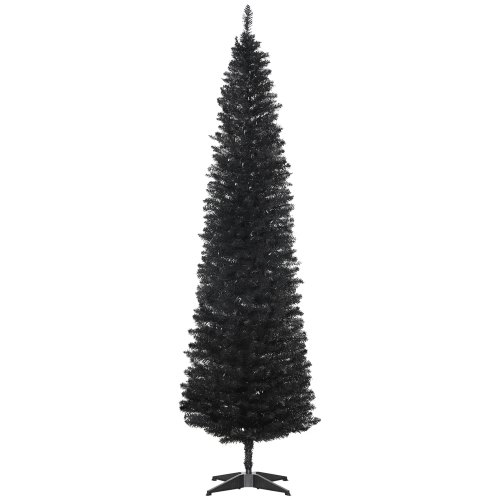 Your price for this item is $79
 -
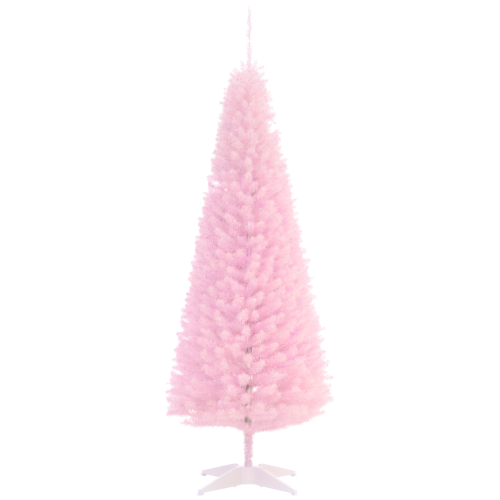 Your price for this item is $48
 -
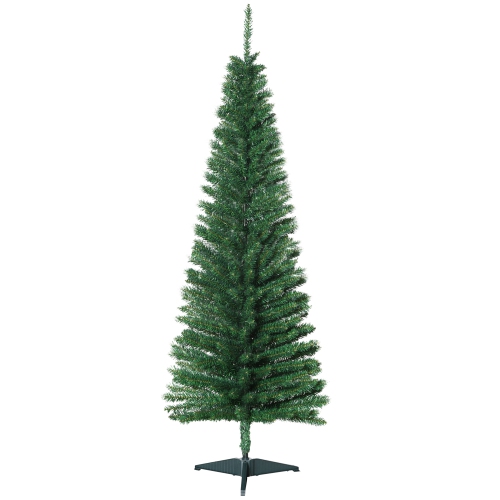 Your price for this item is $44.99
 -
 Your price for this item is $54.99
 -
 Your price for this item is $49.99
 -
 Your price for this item is $137.99
 -
 Your price for this item is $146.99
 -
 Your price for this item is $114.99
Discover more categories related to Decorative Trees
Top Collections:
Pokemon Centers, Budget 4K TVs, Best Budget Office Chairs, Kindle Devices, Canon G7X Cameras, Apple iPhones 16, iPhone 15 Apple, Laptops for Business Work, Xiaomi Phones, Flip Phones
Some products may be subject to Environmental Handling Fees
(EHF) depending on your province.
Learn more about EHFs.