Decorative Wall Decals
Enhance the ambiance of any room with our stunning selection of decorative wall decals. These versatile and eye-catching designs allow you to effortlessly transform your living space, adding a touch of personality and style. Whether you're looking to create a whimsical nursery, a serene bedroom retreat, or a vibrant living area, our collection of wall decals offers endless possibilities. From elegant florals to playful patterns, each decal is crafted with meticulous attention to detail, ensuring a seamless integration into your existing decor. Explore our wide range of options and let your creativity take flight as you reimagine your walls as canvases for self-expression.
Sort








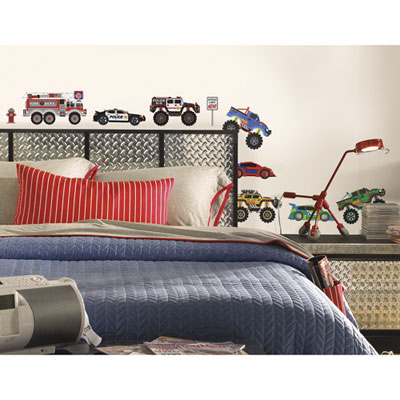



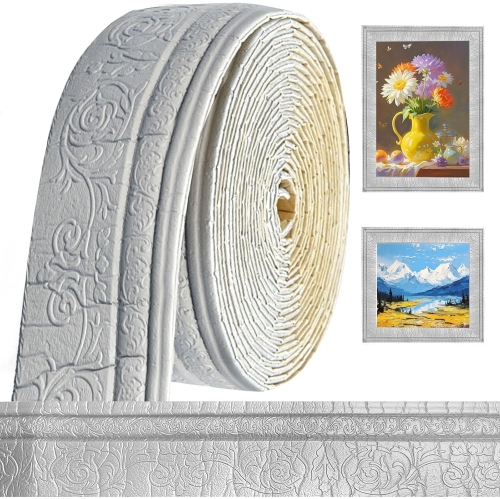

How adhesive designs give plain walls distinct character
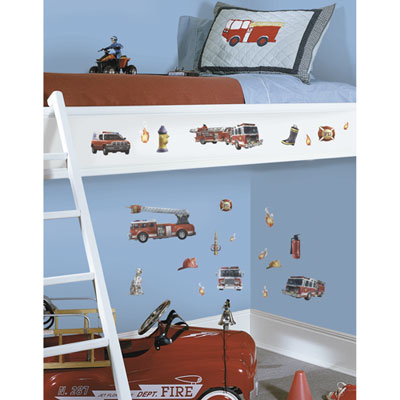
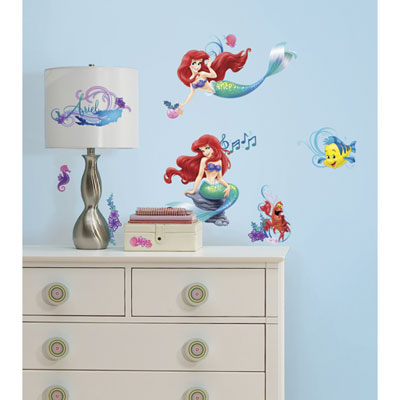
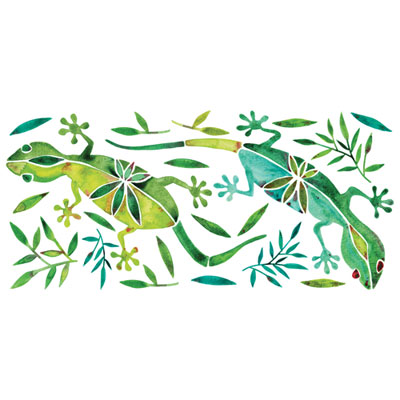
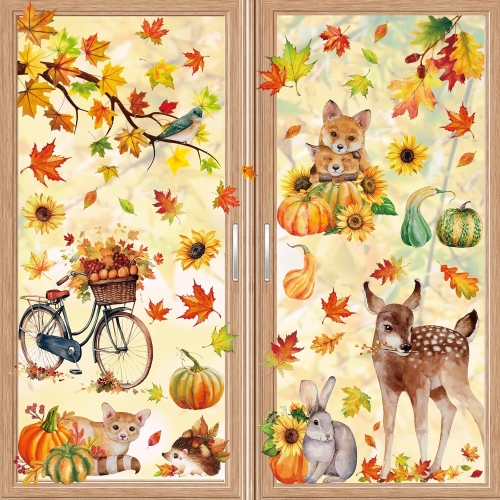
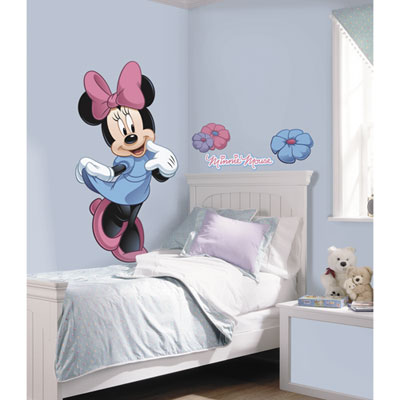
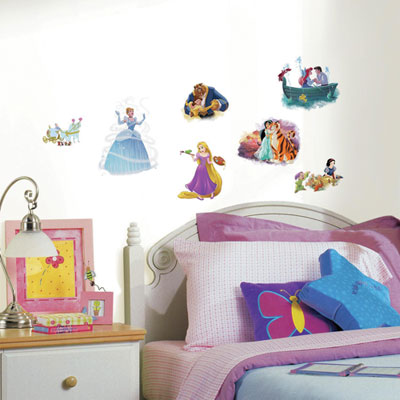
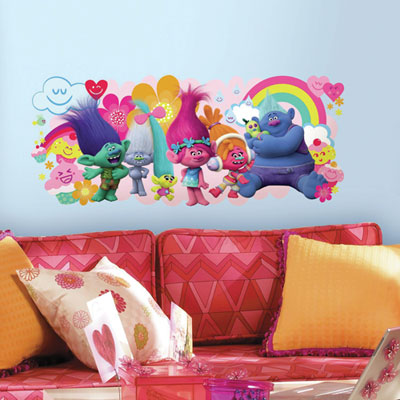
Decorative wall decals are adhesive designs that add colour, pattern, lettering, or illustrations to walls without the full coverage of wallpaper. Often made from vinyl or fabric, they range from small, individually placed shapes to large compositions that become a room’s focal point. Many use a peel-and-stick backing, while some intricate lettering and cut-out designs use transfer tape to hold the pieces in position during application. Removable and repositionable options offer flexibility, although those terms mean different things: a removable decal is designed to come off under specified conditions, while a repositionable decal allows placement adjustments within the limits described by its manufacturer. Neither description guarantees damage-free removal from every painted surface. The appeal is the ability to give an otherwise plain space a distinct character. A sweep of leafy branches can frame a reading chair, scattered dots can bring rhythm to a playroom, and a restrained geometric arrangement can define the wall behind a desk. Floral, botanical, abstract, animal, and typographic designs suit different tastes, from quiet accents to lively feature walls. Unlike framed artwork, decals sit close to the surface and generally do not require nails or hanging hardware. Their visual effect depends on both the artwork and the space around it. A few generously spaced shapes can feel airy, while a tightly grouped arrangement creates a stronger block of pattern. Colour is equally important: pale designs may be subtle against a light wall, while deeper shades create a more pronounced silhouette. Transparent sections usually allow the existing wall colour to show through, so the finished appearance may differ from an image shown against a white background. For a coordinated room, repeating one or two colours already present in cushions, curtains, or bedding can help the wall treatment feel connected to the furnishings rather than separate from them.
Materials, finish, and dimensions influence how decorative wall decals look and how well they suit a particular location. Vinyl often provides a smooth surface with crisp outlines, while fabric-based decals may have a softer, lightly textured appearance. A matte finish tends to look less reflective under lamps and overhead lighting; a glossy finish can catch the light and make colours appear more pronounced. Washability, opacity, adhesive strength, and suitability for repeated placement vary, so material alone does not establish how a decal will perform. Size descriptions also deserve attention. The dimensions of the backing sheet may not equal the size of the completed arrangement, particularly when a design contains separate leaves, stars, letters, or other elements. Some layouts have a fixed finished size, while others allow pieces to spread across a wider area. The width of a sofa, headboard, or console provides a useful point of reference when judging scale. Small motifs can disappear on an expansive wall, whereas an oversized design may feel crowded between a doorway and a bookcase. Wall texture and paint condition are just as significant as the measurements. Smooth, clean, dry surfaces are commonly recommended, but compatibility depends on the decal’s adhesive and the wall finish. Heavy texture, flaking paint, dust, and some stain-resistant coatings can interfere with adhesion. Fresh paint needs to cure fully, not simply feel dry; the appropriate waiting period comes from the paint and decal manufacturers rather than a single rule for every wall. A discreet test area can help reveal adhesion or removal concerns before a larger arrangement is applied. Designs spanning several pieces also benefit from enough open wall space to establish alignment without crowding switches, outlets, or trim. In a shared room, the best placement takes everyday furniture use into account, leaving the artwork visible when doors open, chairs move, or a desk fills with books and equipment.
Intended use helps narrow the choice between a playful decorative accent and a more structured wall composition. In children’s bedrooms and play spaces, animal shapes, alphabet motifs, or illustrated scenes can reflect a child’s interests without requiring a complete room redesign. These decorations are not toys, and loose pieces should remain out of reach of young children; placement near a cot or bed needs particular care. A home office may suit simple lines or an understated botanical arrangement that adds interest without making a video-call background feel busy. An entrance or dining nook can accommodate a compact design where deeper wall-mounted decor might get in the way. For food-themed artwork and accents suited to eating areas, kitchen wall decals offer a more focused decorative direction. Suitability near sinks, cooking surfaces, or appliances depends on the stated resistance to moisture, grease, and heat; an ordinary wall decal should not be treated as a protective backsplash. Care is usually straightforward, but cleaning instructions differ by material and print finish. Where permitted, a soft cloth and gentle wiping can remove surface dust, while abrasive scrubbing, strong cleaners, or soaking may affect the image or loosen the edges. Decals in frequently touched areas can show wear sooner than those positioned away from hands, furniture, and routine cleaning. Direct sunlight may also affect colour over time unless the material is rated for that exposure. Removal methods matter, too: following the manufacturer’s directions and working slowly can reduce stress on the paint, but weak or poorly bonded finishes may still lift. For renters, removable designs can be appealing, provided the wall finish is compatible and the lease permits adhesive decorations. As a gift, wall decals work best when the recipient’s preferred style, room dimensions, and surface suitability are known. Someone furnishing a first apartment might appreciate a versatile pattern, while a child’s room refresh could call for a favourite subject. The most satisfying choice balances the look of the design with the practical realities of the wall, giving a personal touch that fits naturally into daily life.
Materials, finish, and dimensions influence how decorative wall decals look and how well they suit a particular location. Vinyl often provides a smooth surface with crisp outlines, while fabric-based decals may have a softer, lightly textured appearance. A matte finish tends to look less reflective under lamps and overhead lighting; a glossy finish can catch the light and make colours appear more pronounced. Washability, opacity, adhesive strength, and suitability for repeated placement vary, so material alone does not establish how a decal will perform. Size descriptions also deserve attention. The dimensions of the backing sheet may not equal the size of the completed arrangement, particularly when a design contains separate leaves, stars, letters, or other elements. Some layouts have a fixed finished size, while others allow pieces to spread across a wider area. The width of a sofa, headboard, or console provides a useful point of reference when judging scale. Small motifs can disappear on an expansive wall, whereas an oversized design may feel crowded between a doorway and a bookcase. Wall texture and paint condition are just as significant as the measurements. Smooth, clean, dry surfaces are commonly recommended, but compatibility depends on the decal’s adhesive and the wall finish. Heavy texture, flaking paint, dust, and some stain-resistant coatings can interfere with adhesion. Fresh paint needs to cure fully, not simply feel dry; the appropriate waiting period comes from the paint and decal manufacturers rather than a single rule for every wall. A discreet test area can help reveal adhesion or removal concerns before a larger arrangement is applied. Designs spanning several pieces also benefit from enough open wall space to establish alignment without crowding switches, outlets, or trim. In a shared room, the best placement takes everyday furniture use into account, leaving the artwork visible when doors open, chairs move, or a desk fills with books and equipment.
Intended use helps narrow the choice between a playful decorative accent and a more structured wall composition. In children’s bedrooms and play spaces, animal shapes, alphabet motifs, or illustrated scenes can reflect a child’s interests without requiring a complete room redesign. These decorations are not toys, and loose pieces should remain out of reach of young children; placement near a cot or bed needs particular care. A home office may suit simple lines or an understated botanical arrangement that adds interest without making a video-call background feel busy. An entrance or dining nook can accommodate a compact design where deeper wall-mounted decor might get in the way. For food-themed artwork and accents suited to eating areas, kitchen wall decals offer a more focused decorative direction. Suitability near sinks, cooking surfaces, or appliances depends on the stated resistance to moisture, grease, and heat; an ordinary wall decal should not be treated as a protective backsplash. Care is usually straightforward, but cleaning instructions differ by material and print finish. Where permitted, a soft cloth and gentle wiping can remove surface dust, while abrasive scrubbing, strong cleaners, or soaking may affect the image or loosen the edges. Decals in frequently touched areas can show wear sooner than those positioned away from hands, furniture, and routine cleaning. Direct sunlight may also affect colour over time unless the material is rated for that exposure. Removal methods matter, too: following the manufacturer’s directions and working slowly can reduce stress on the paint, but weak or poorly bonded finishes may still lift. For renters, removable designs can be appealing, provided the wall finish is compatible and the lease permits adhesive decorations. As a gift, wall decals work best when the recipient’s preferred style, room dimensions, and surface suitability are known. Someone furnishing a first apartment might appreciate a versatile pattern, while a child’s room refresh could call for a favourite subject. The most satisfying choice balances the look of the design with the practical realities of the wall, giving a personal touch that fits naturally into daily life.
Top selling and popular products
-
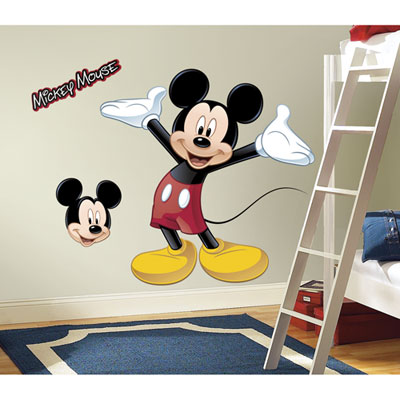 Your price for this item is $28.99
 -
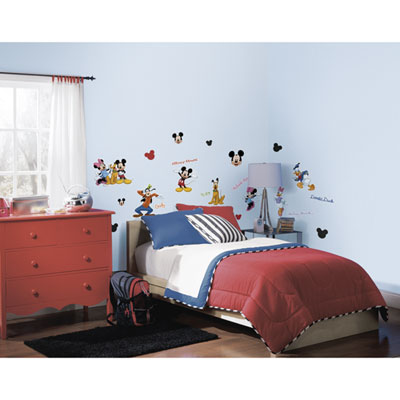 Your price for this item is $17.99
 -
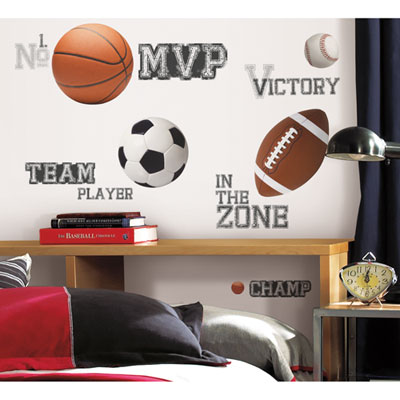 Your price for this item is $12.98
 -
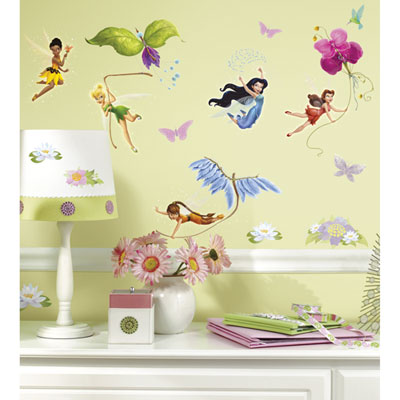 Your price for this item is $19.99
 -
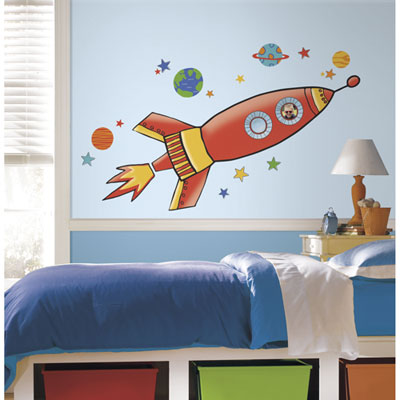 Your price for this item is $22.99
 -
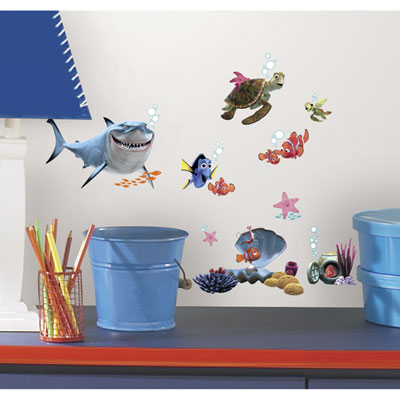 Your price for this item is $7.98
 -
 Your price for this item is $192.99
 -
 Your price for this item is $17.99
Discover more categories related to Decorative Wall Decals

Top Collections:
Pokemon Centers, Kindle Devices, Best Budget Office Chairs, Apple iPhones 16, Best Laptops for Writers, iPhone 15 Apple, Canon G7X Cameras, Refurbished Apple Laptops, Alarm Clock, Motorola Razr Phones
Some products may be subject to Environmental Handling Fees
(EHF) depending on your province.
Learn more about EHFs.