Desk Risers
Looking to level up your workspace? Look no further than our selection of desk risers. These versatile accessories are designed to elevate your desk, quite literally, by providing an adjustable platform for your computer monitor, laptop, or even dual monitors. With the ability to raise and lower the height of your workstation, desk risers offer ergonomic benefits that can help improve posture and reduce strain on your neck, back, and shoulders. Whether you're working from home or in a traditional office setting, desk risers are sure to have the perfect solution to suit your needs.
Sort

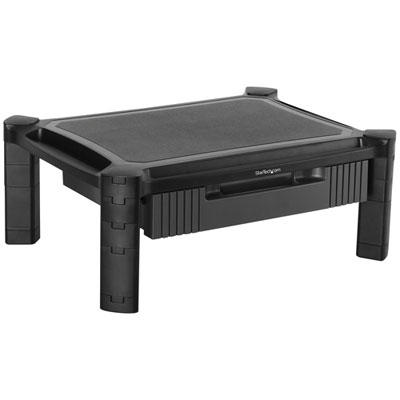
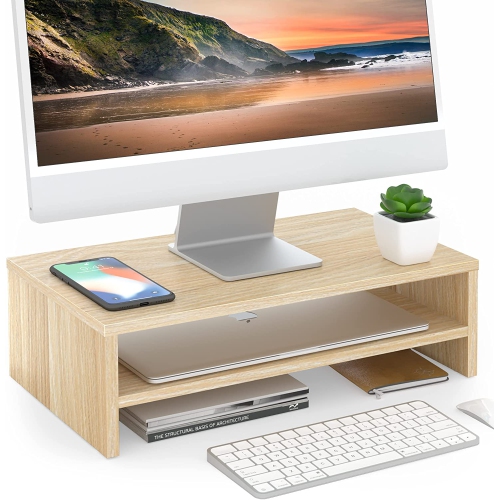
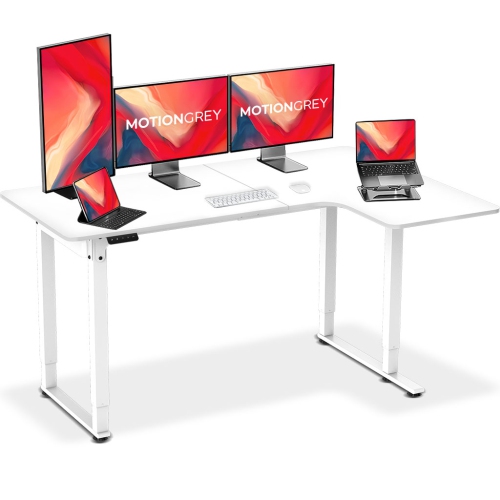
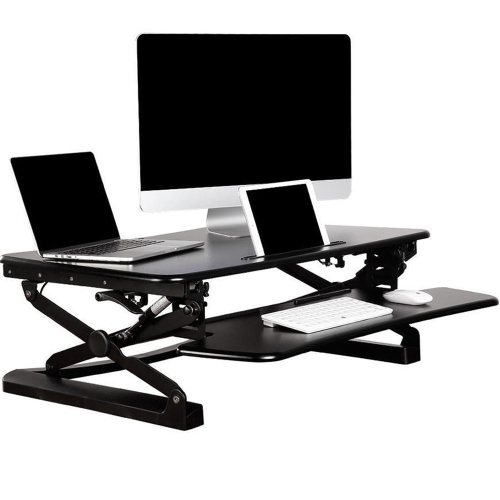
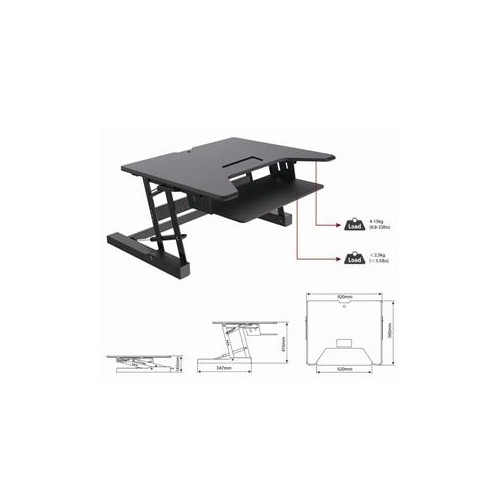
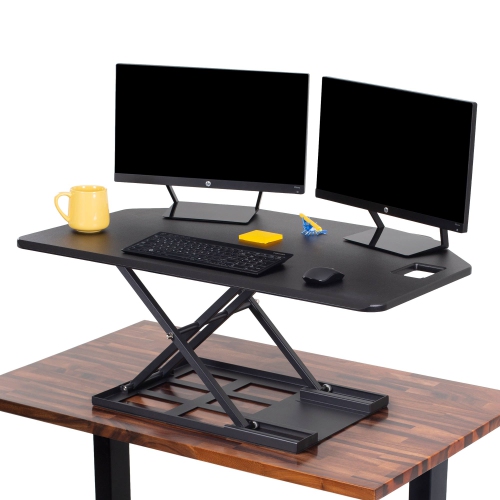
![AMER NETWORKS Height Adjustable Sit/stand Desk Computer Riser [30" Width] With Keyboard Tray](https://multimedia.bbycastatic.ca/multimedia/products/500x500/124/12421/12421869.jpeg)
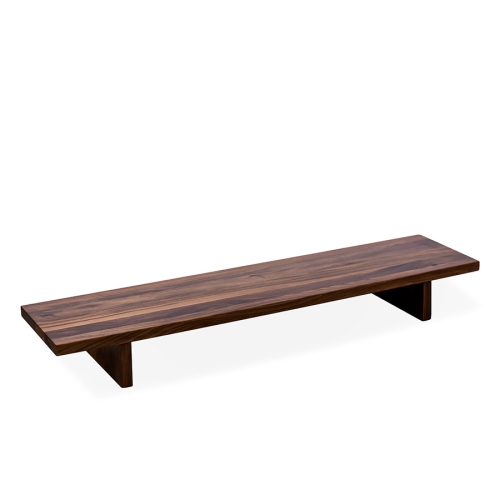
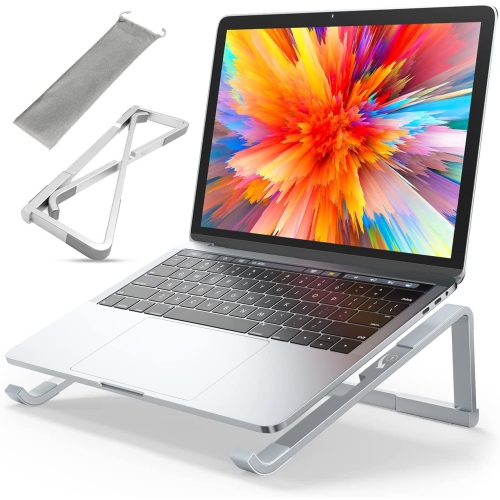
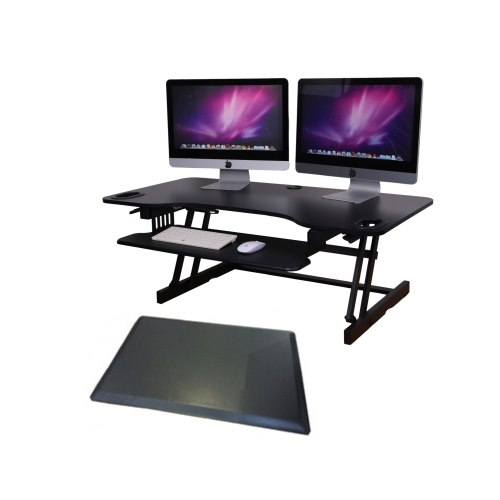
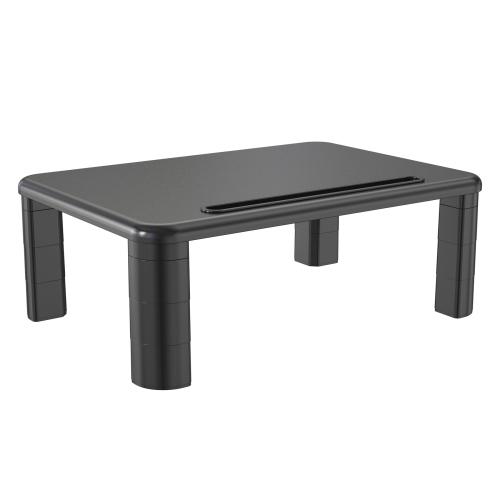
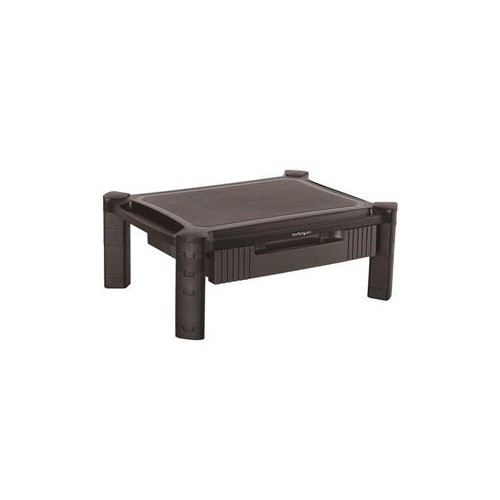
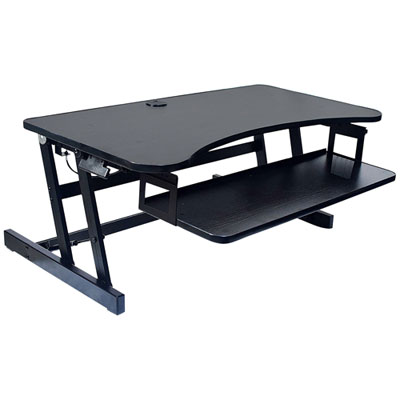
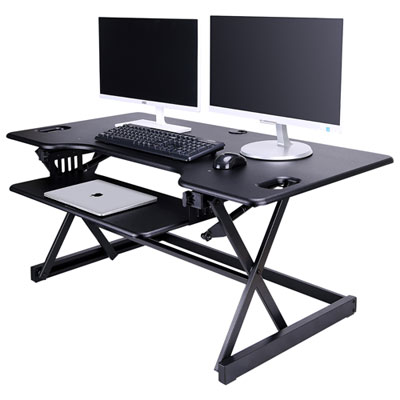
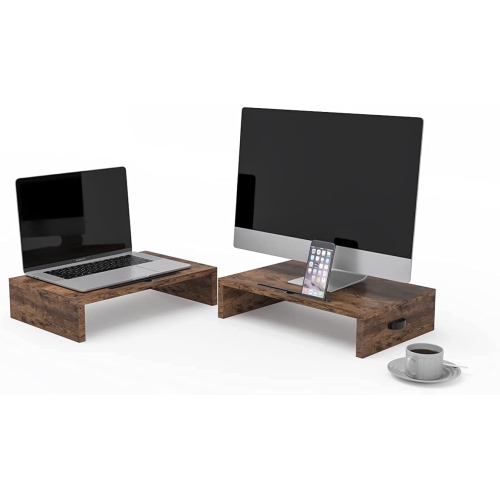
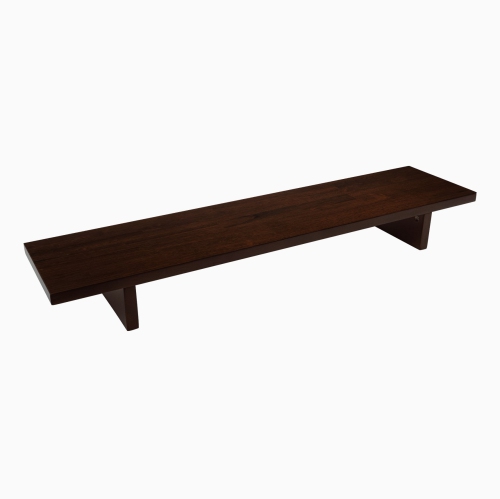
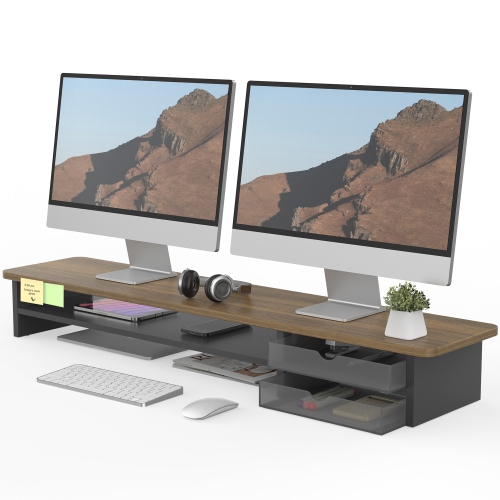
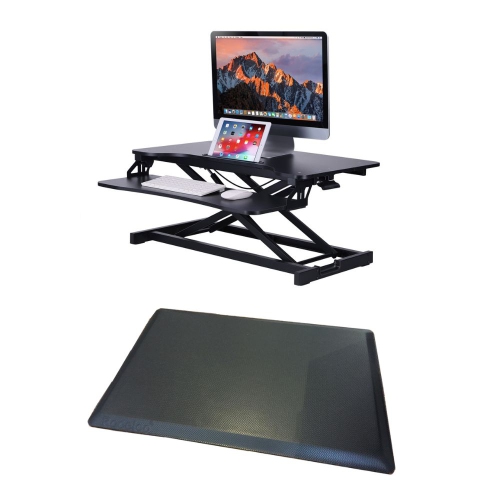

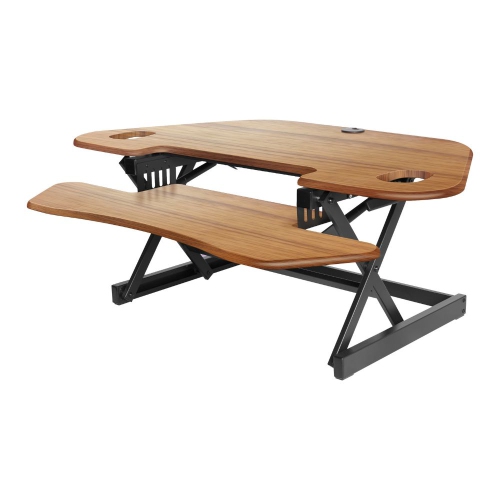
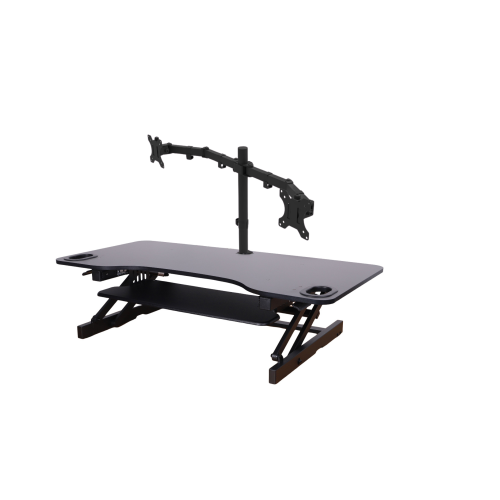
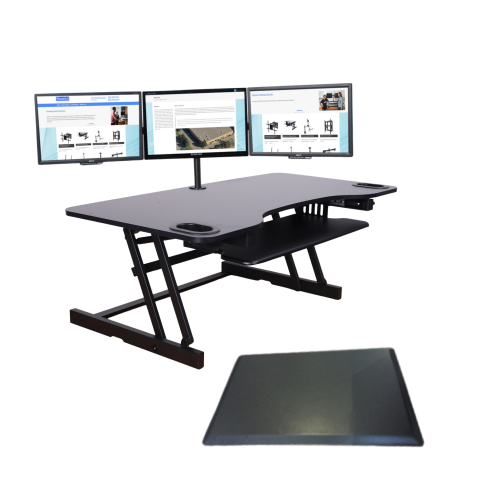
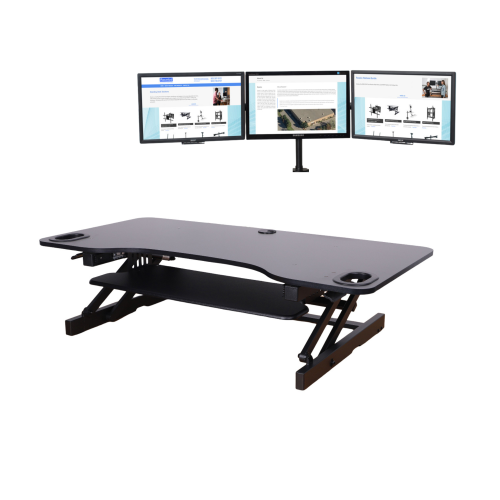
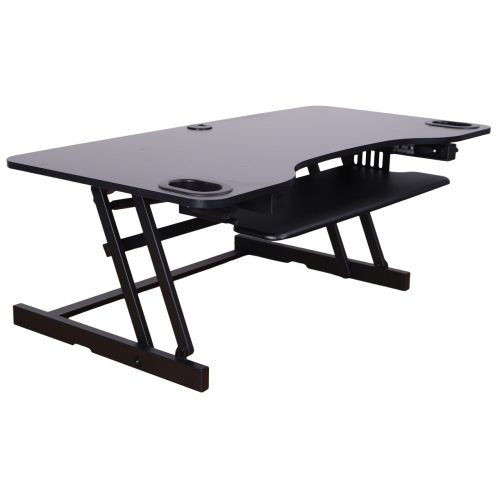
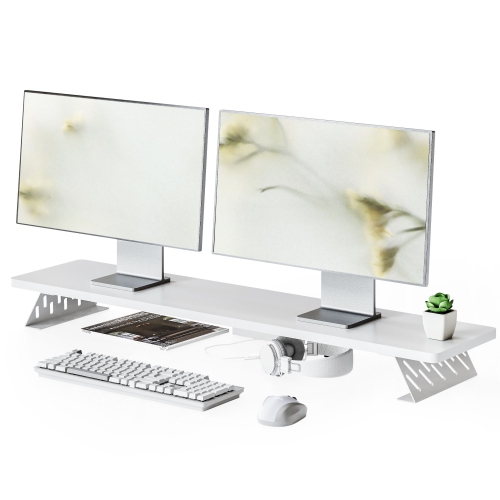
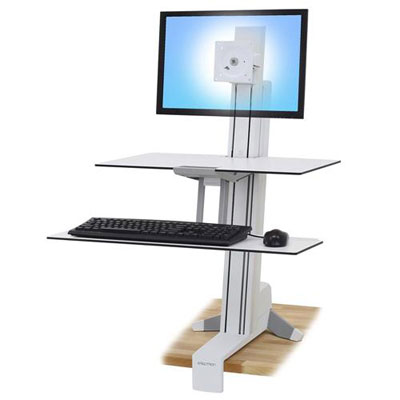
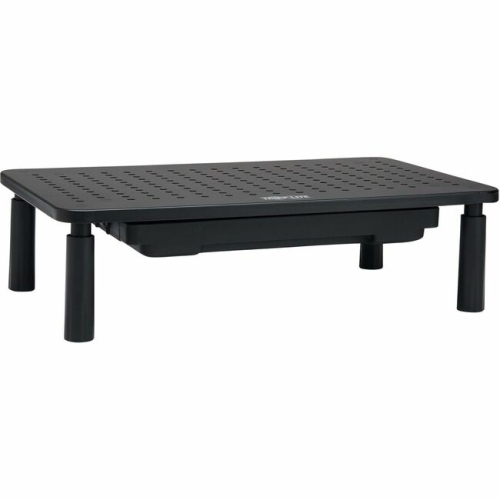
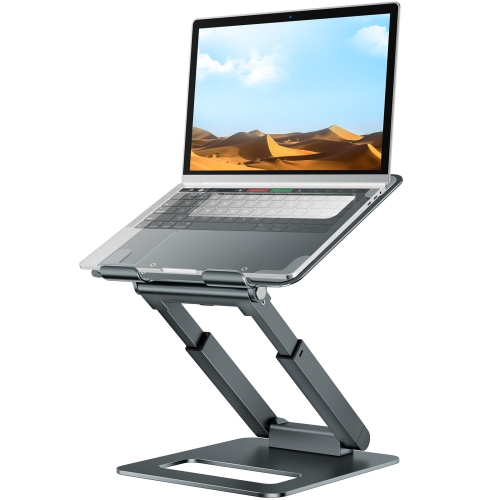
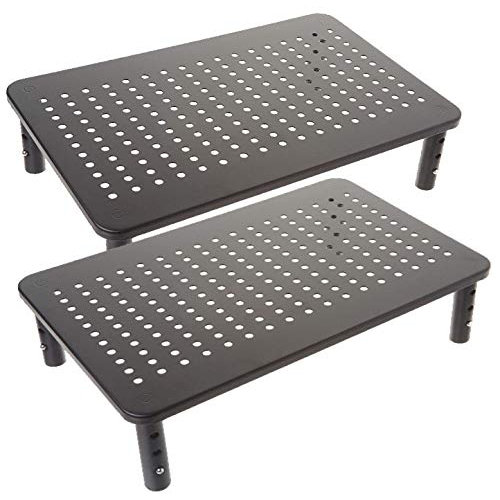
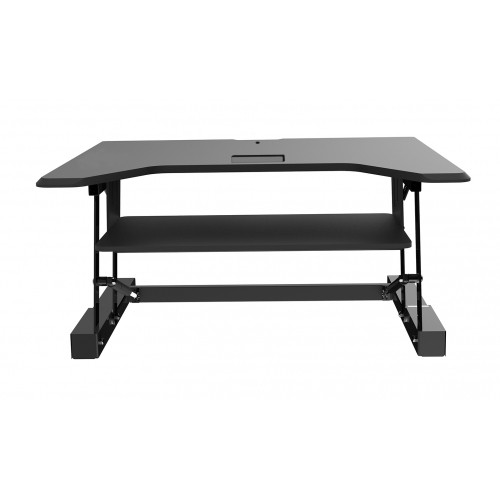
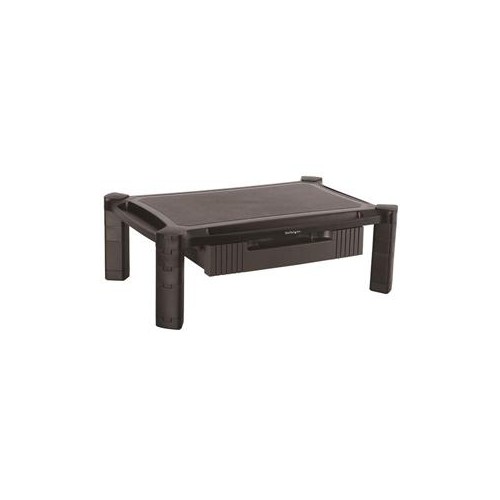
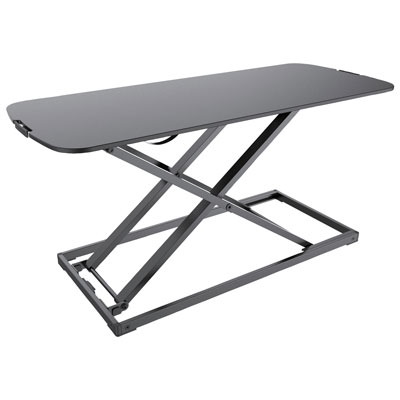
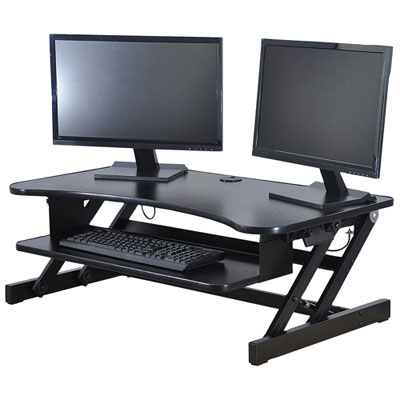
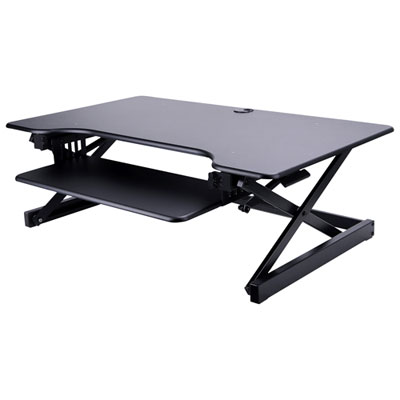
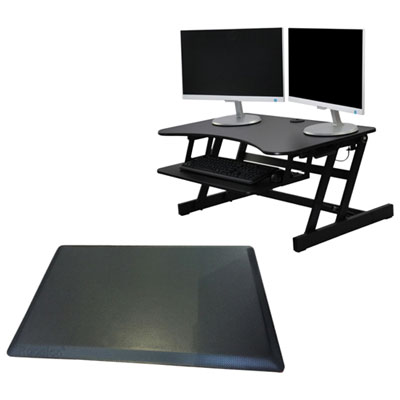
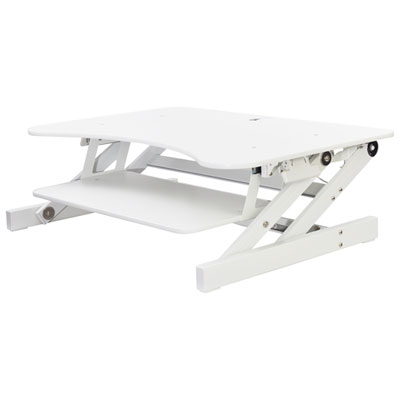
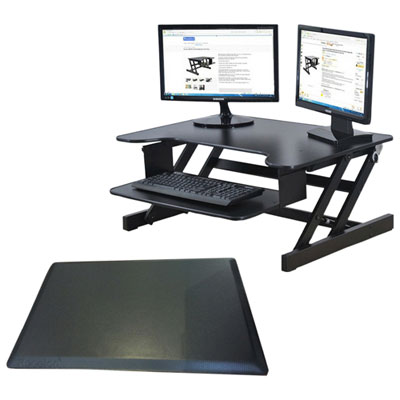
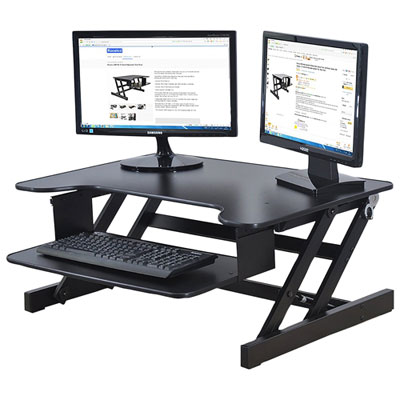
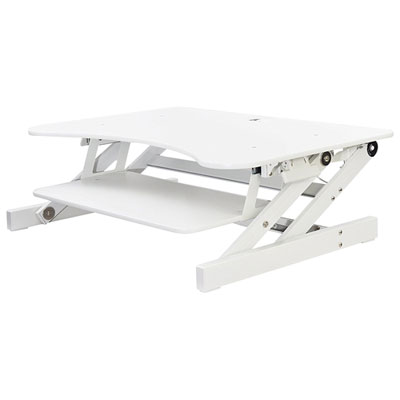
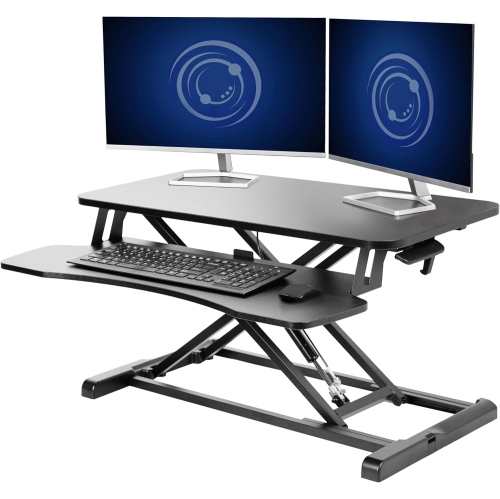
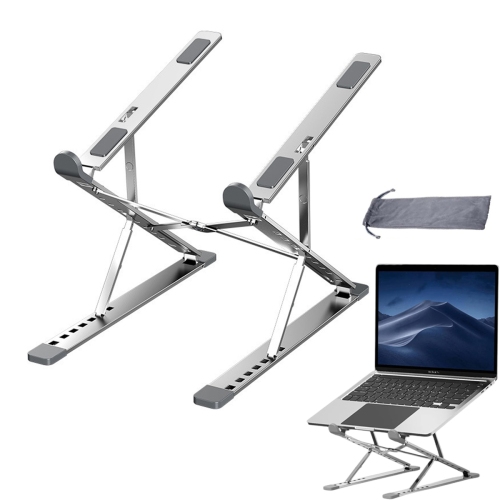
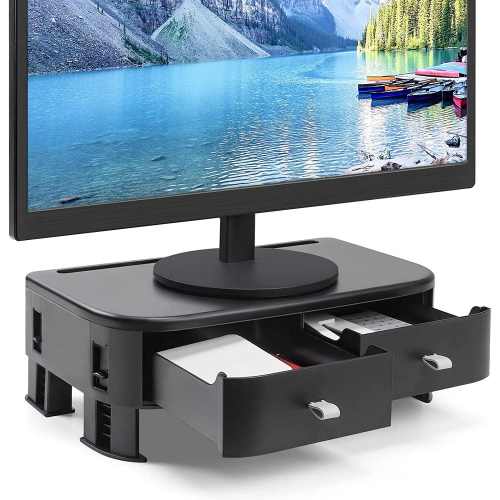
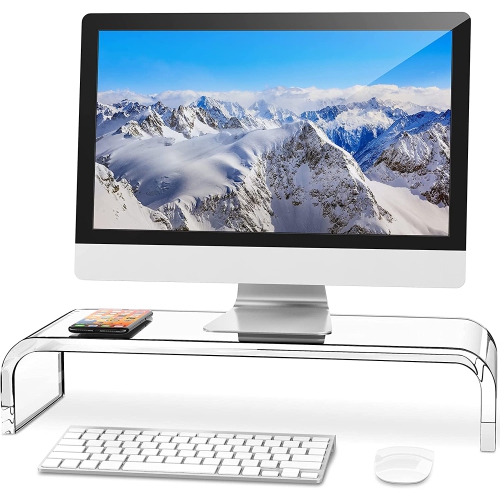
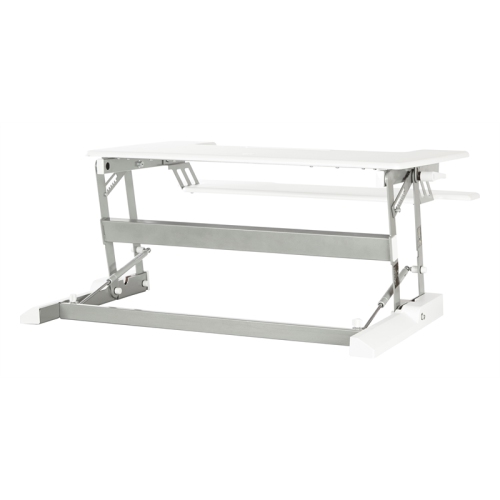
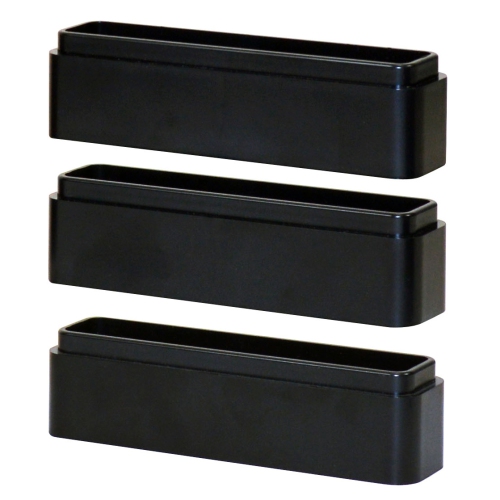
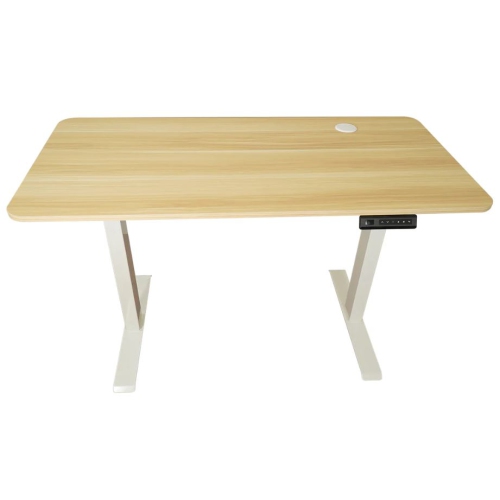
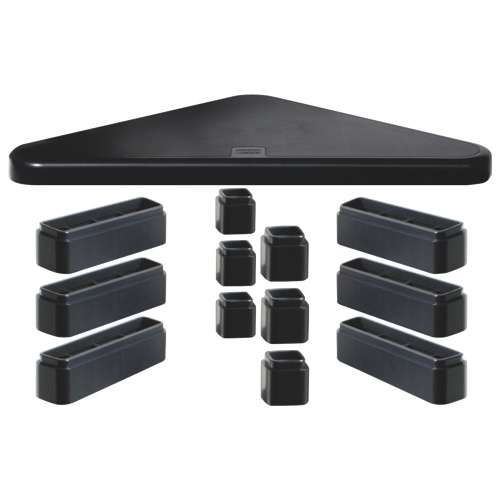
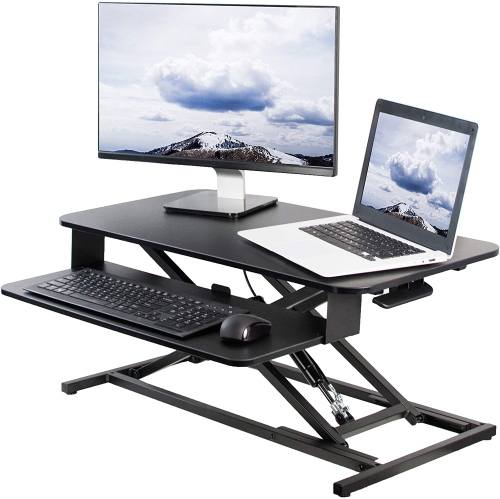
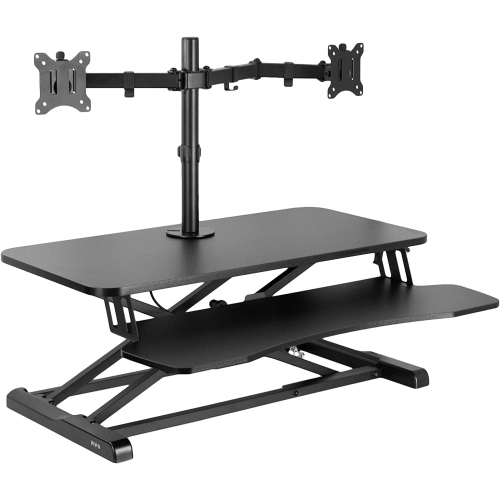
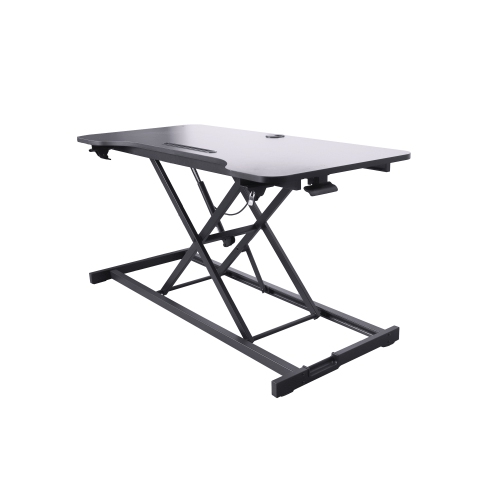
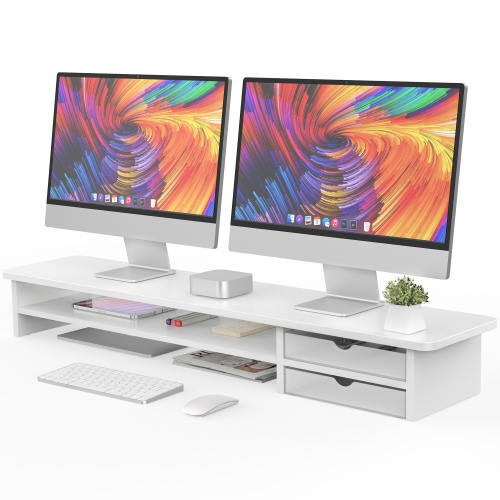
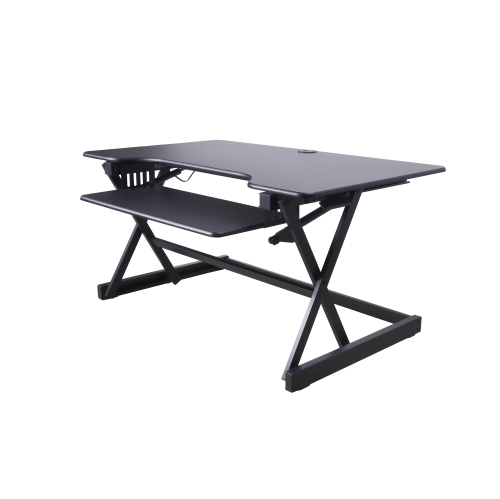
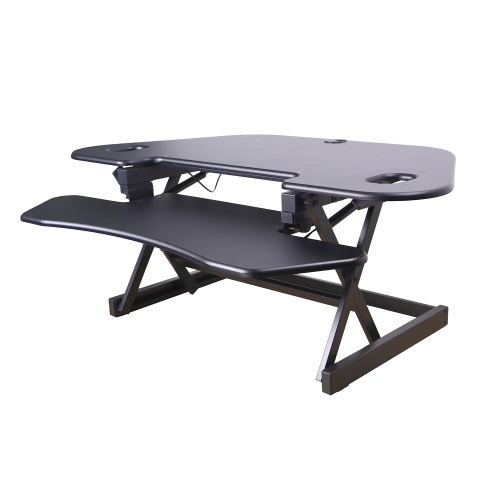
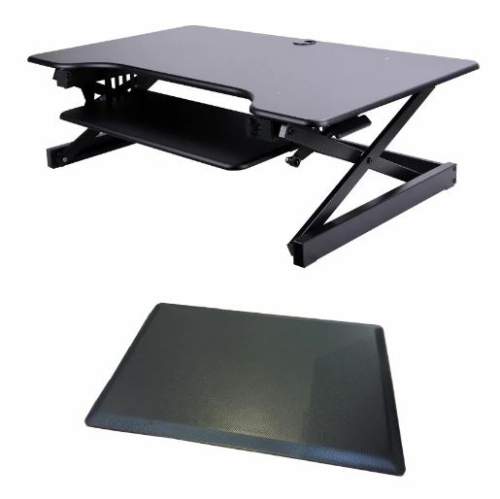
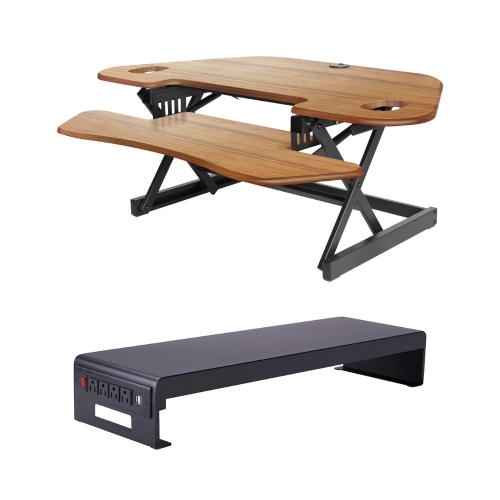
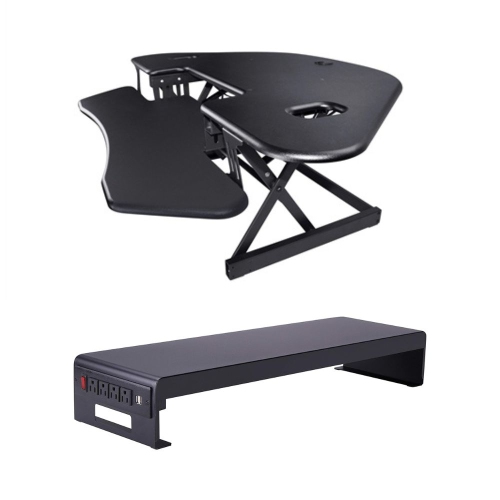
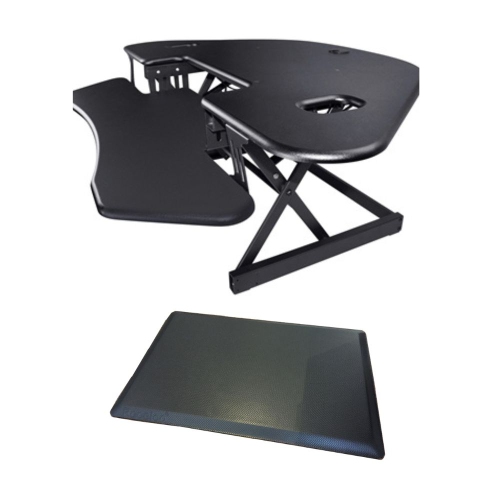
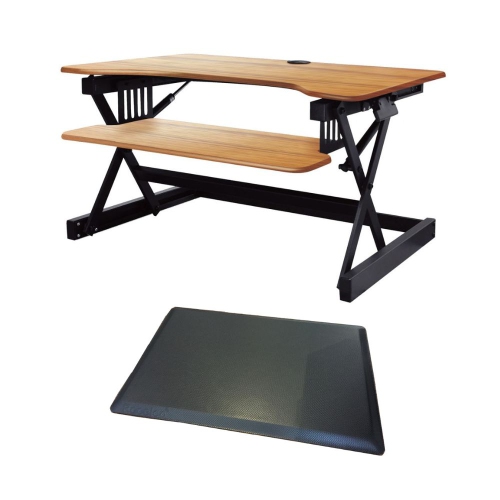
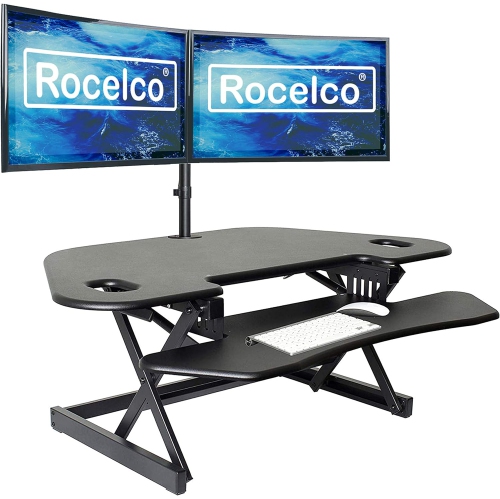
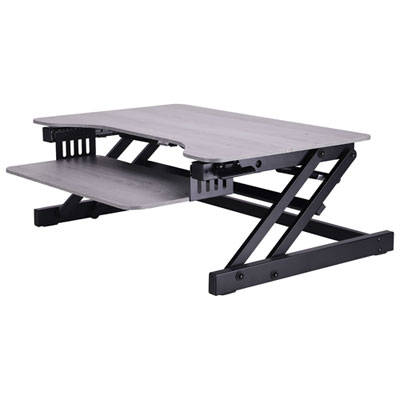
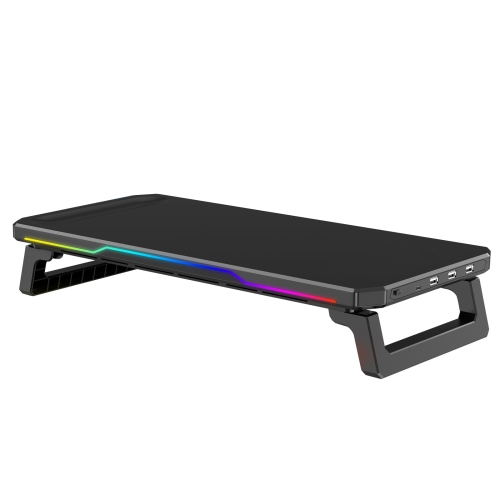
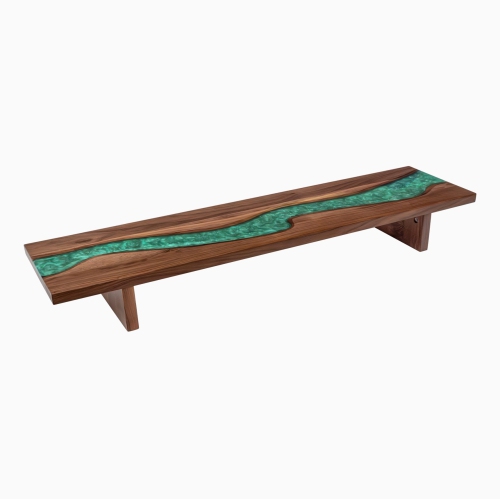
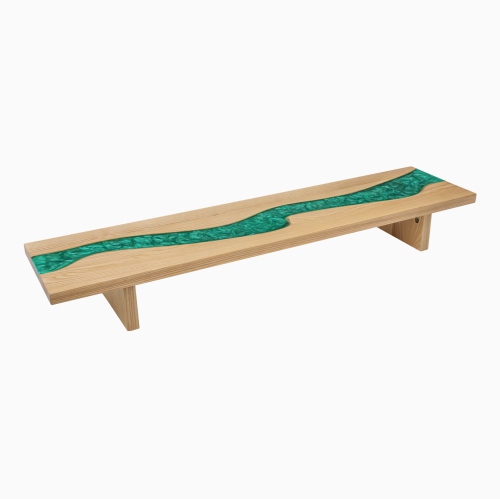
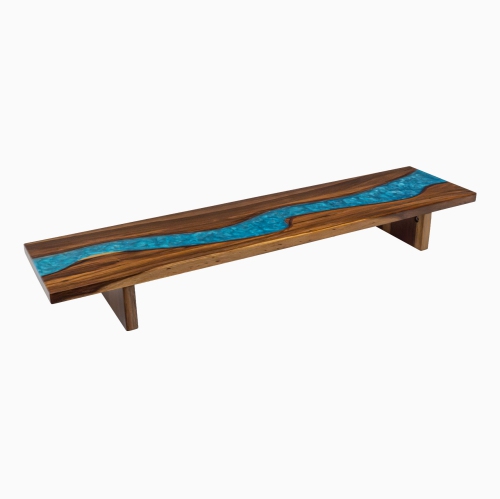
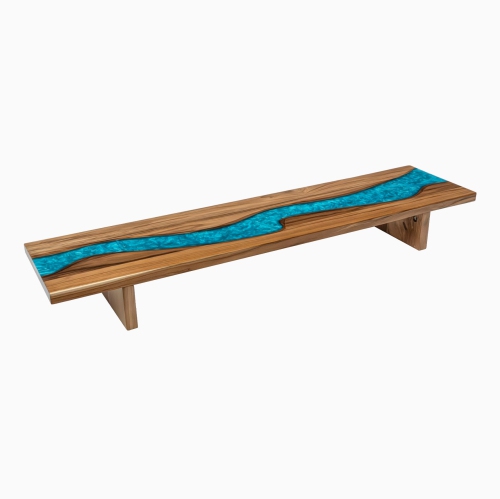
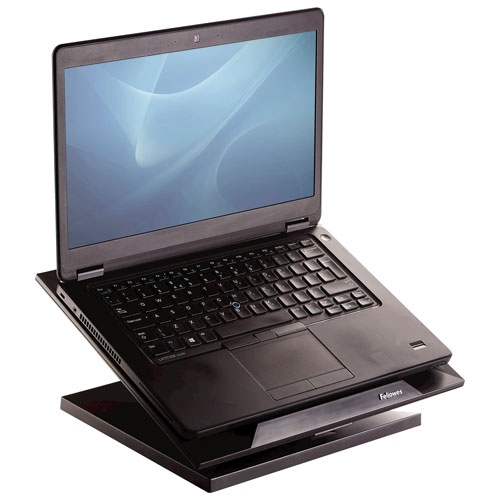
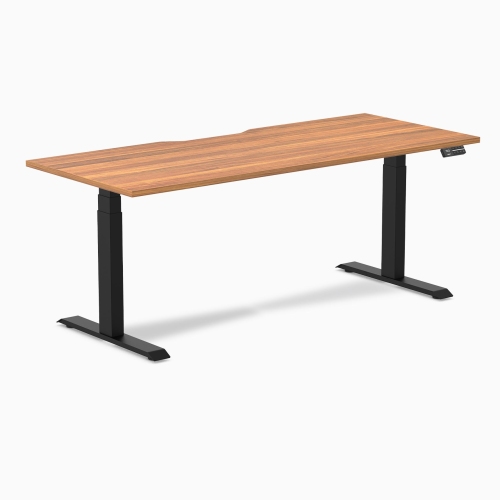
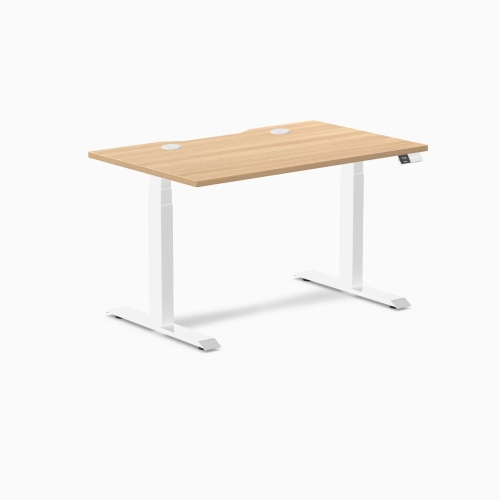
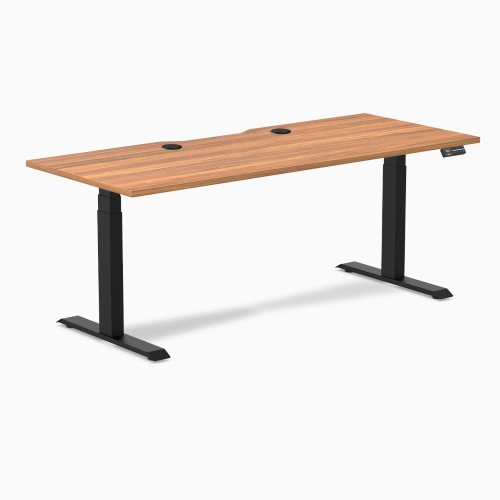
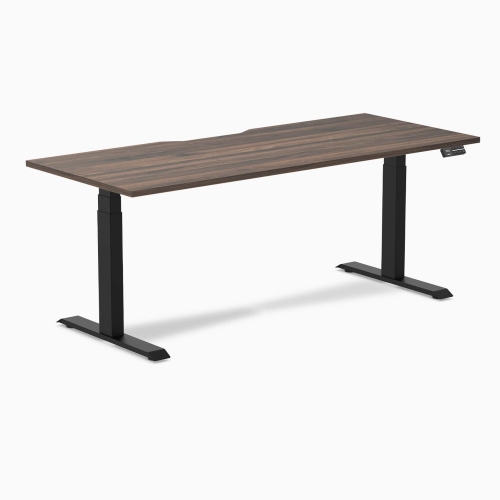
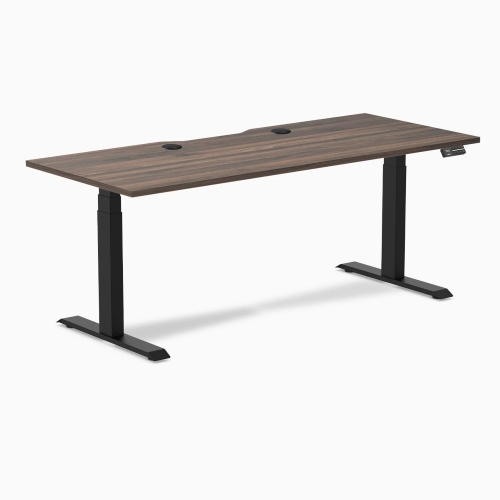
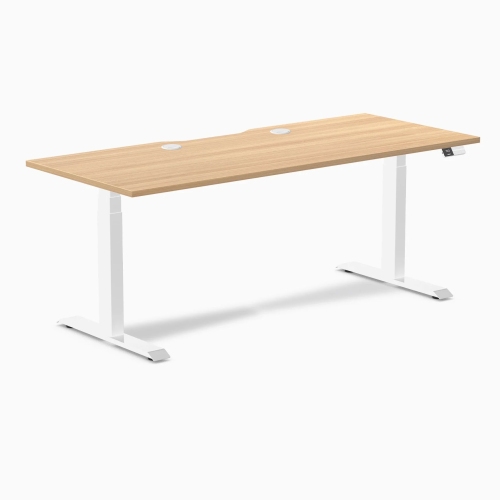
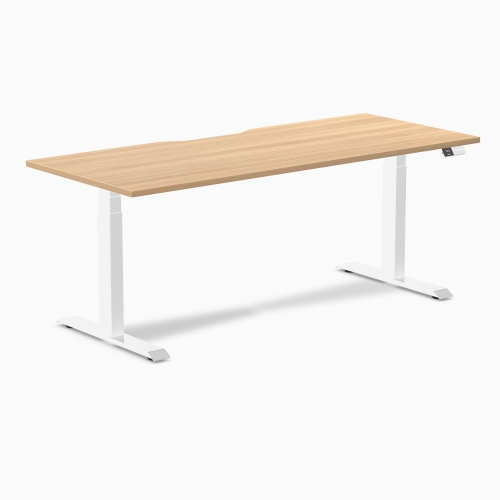
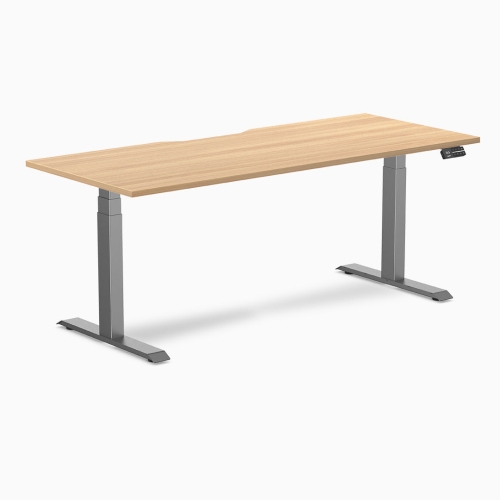
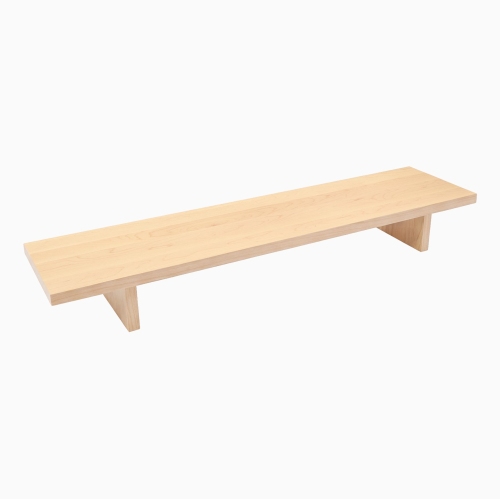
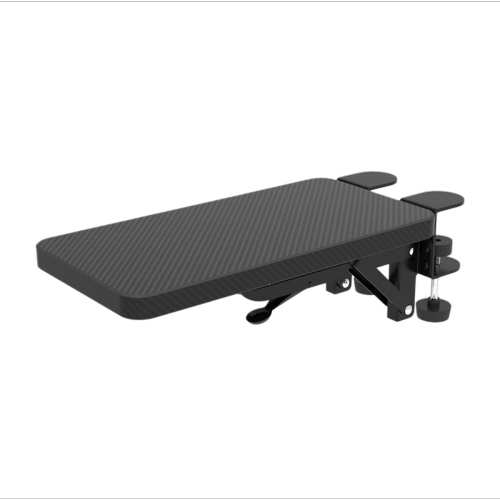
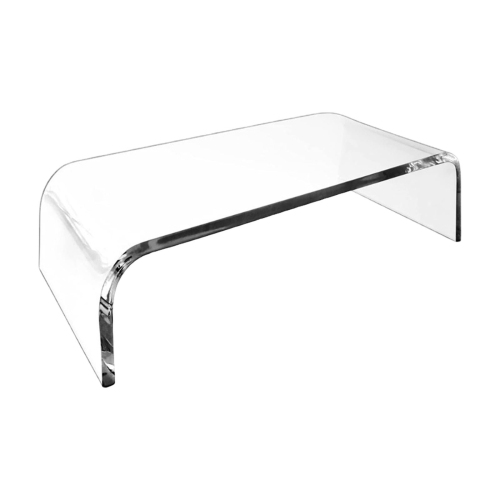
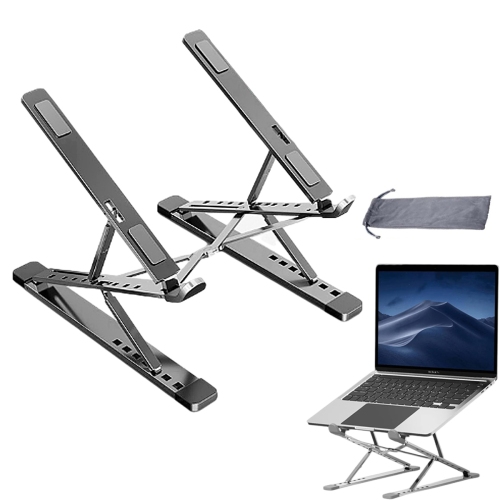
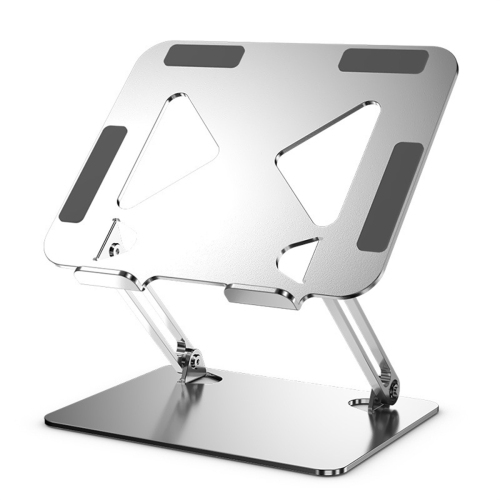
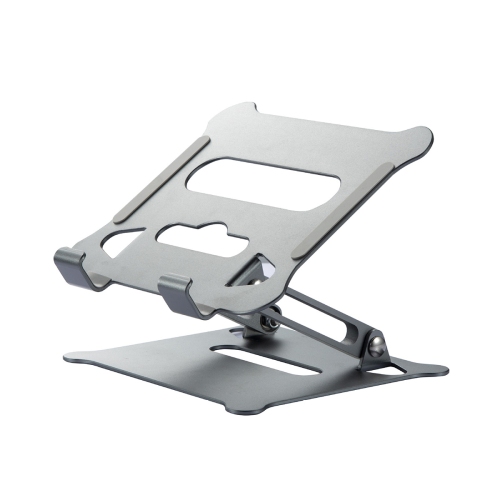
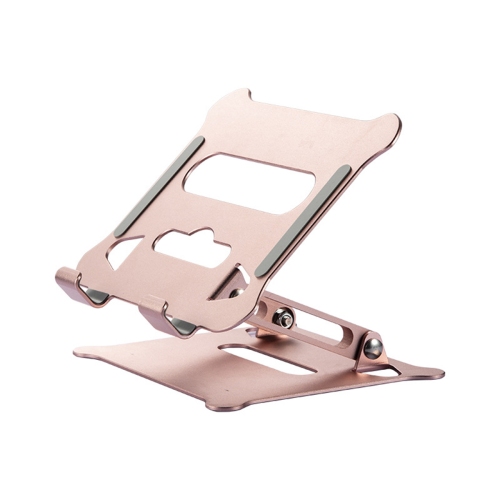
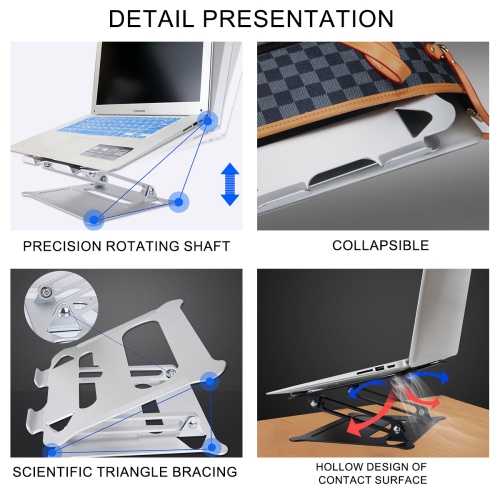
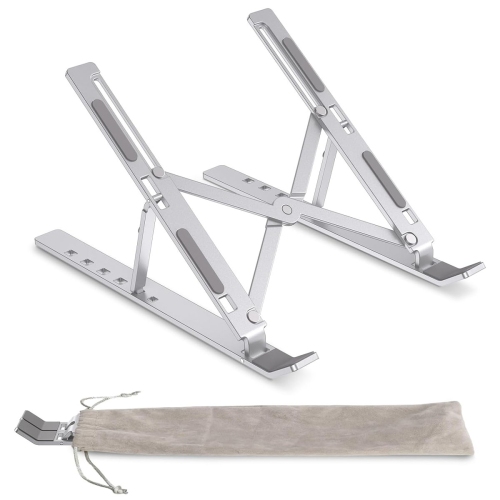
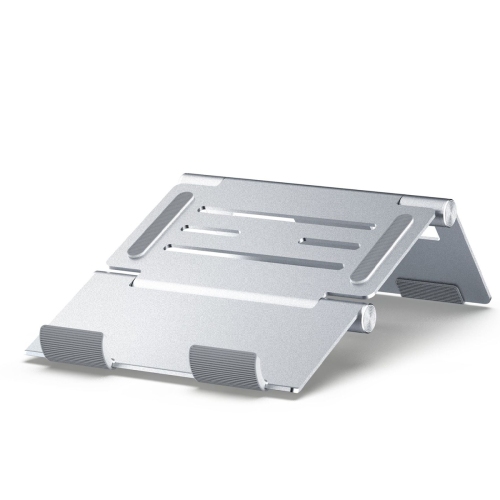
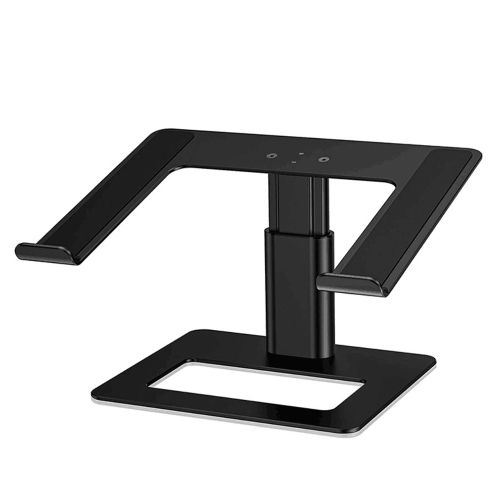
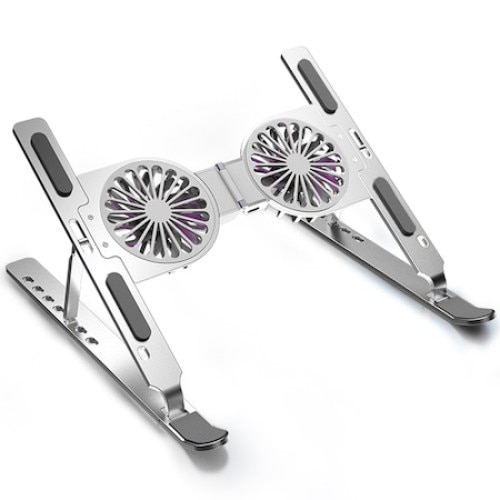
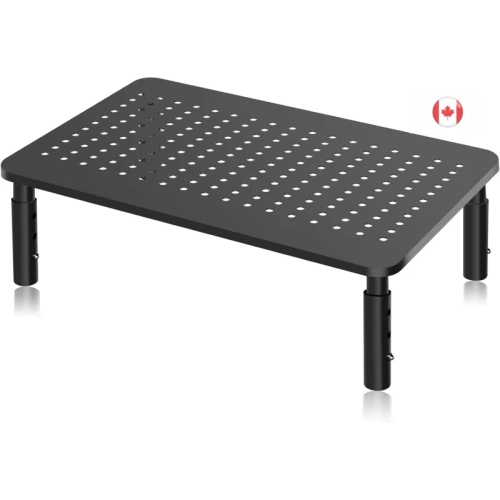
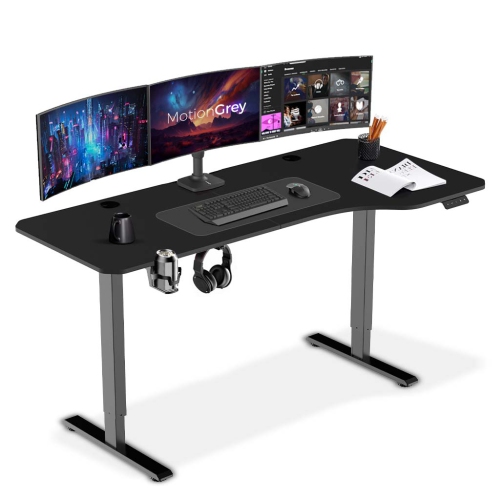
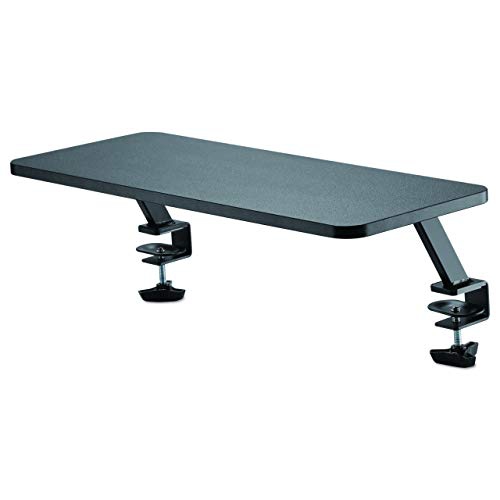
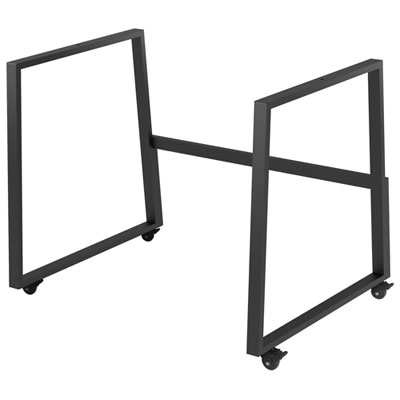
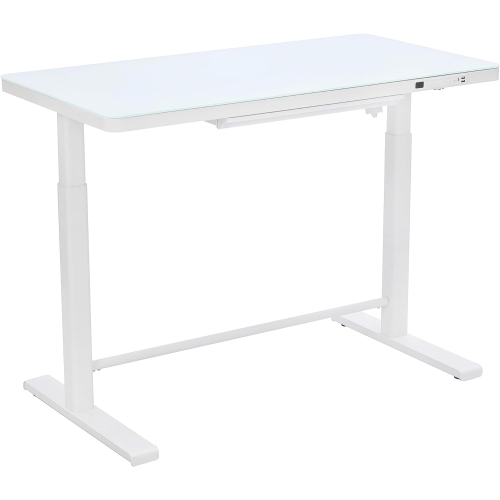
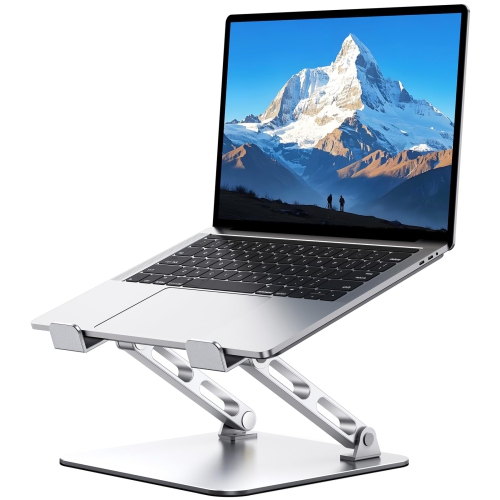

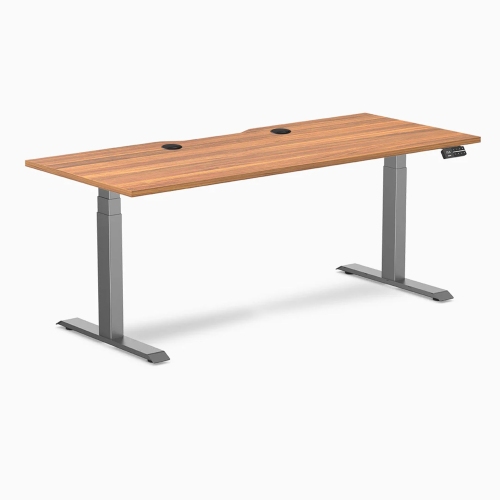
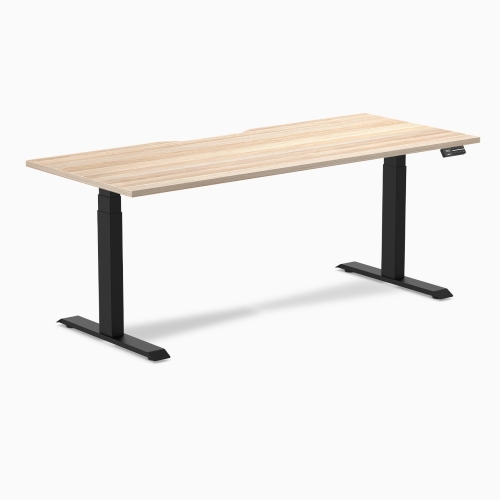
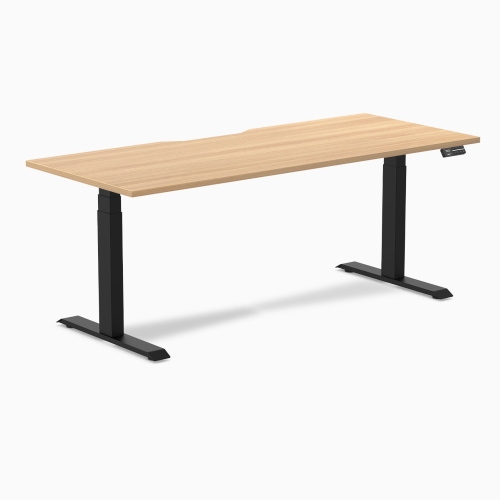
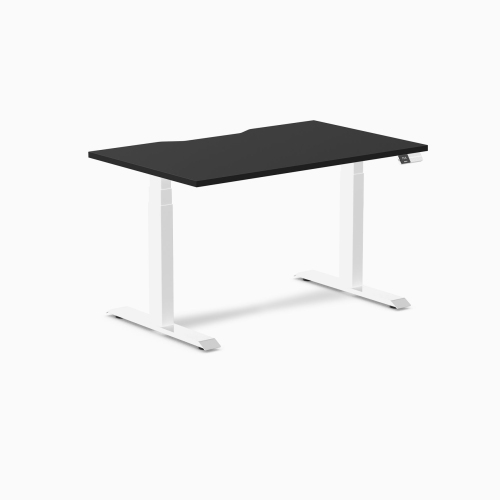
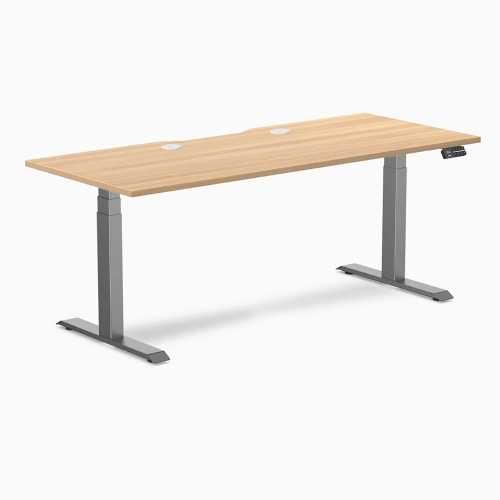
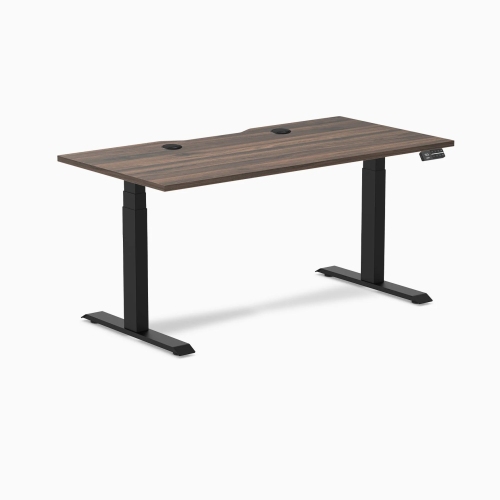
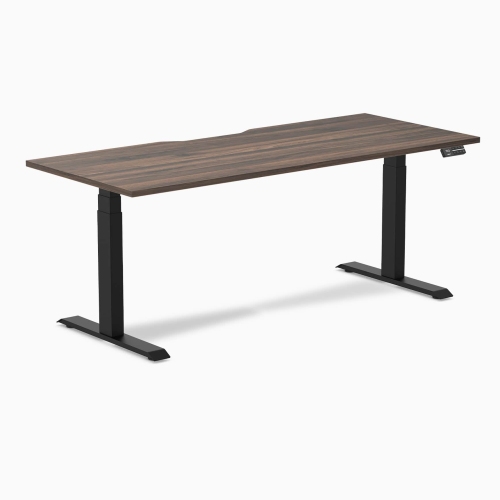
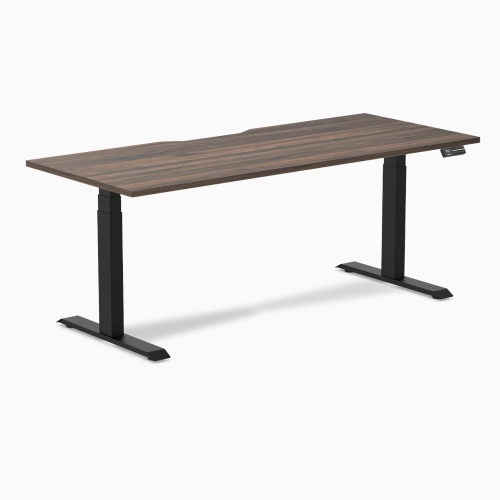
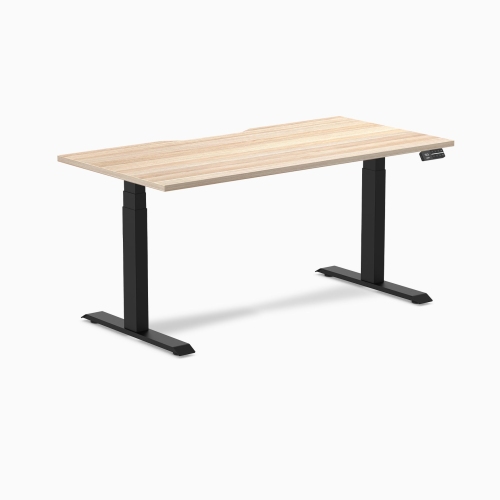
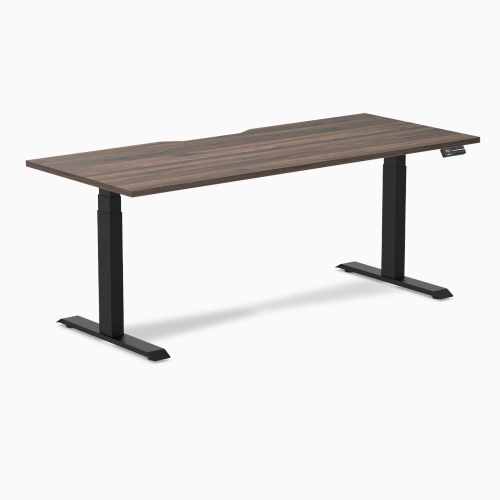
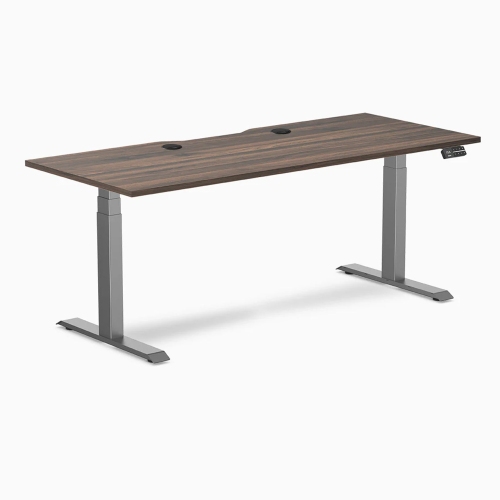
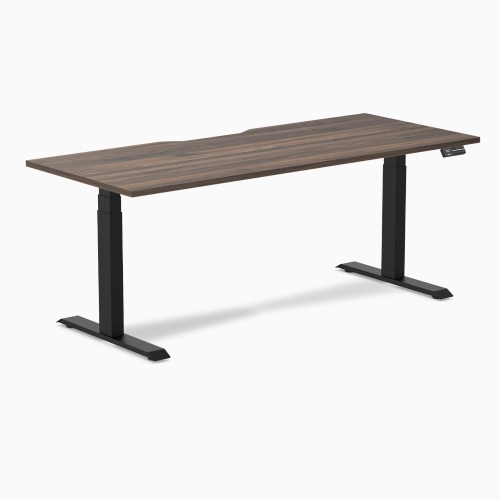
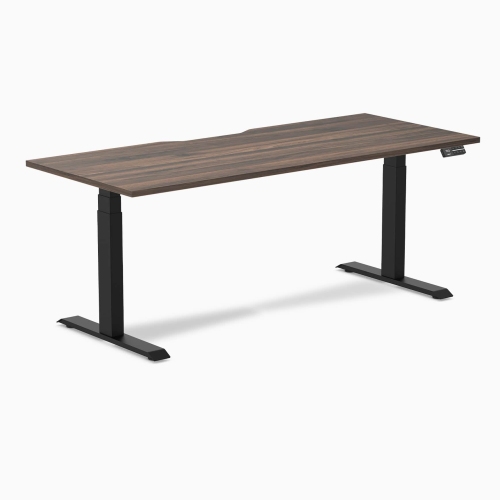
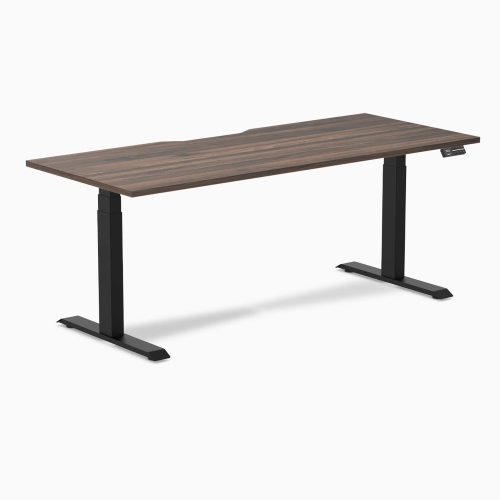
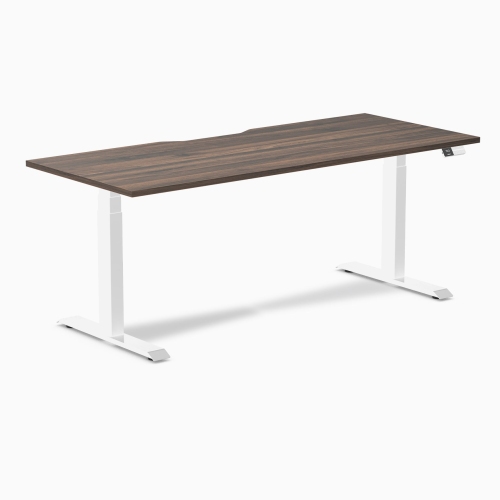
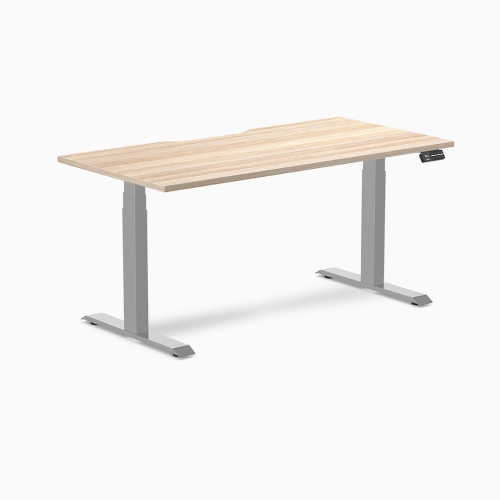
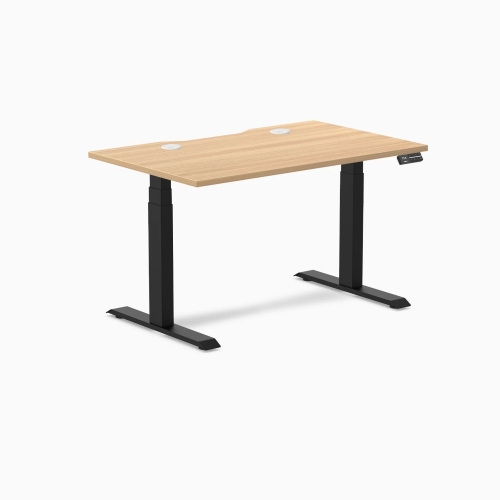
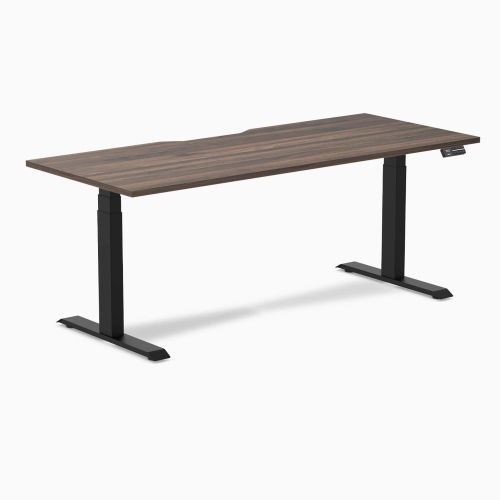
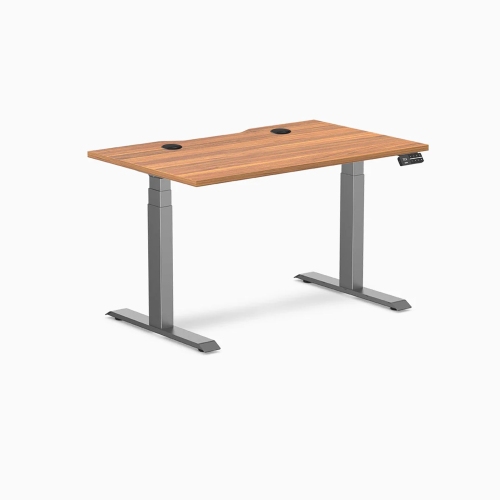
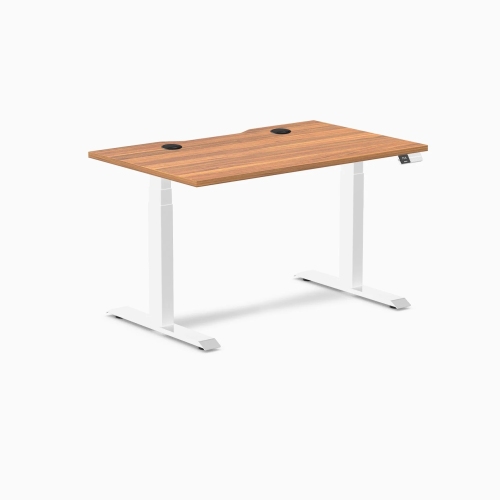
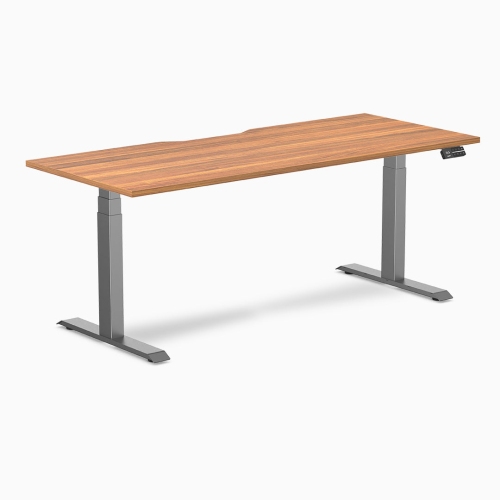
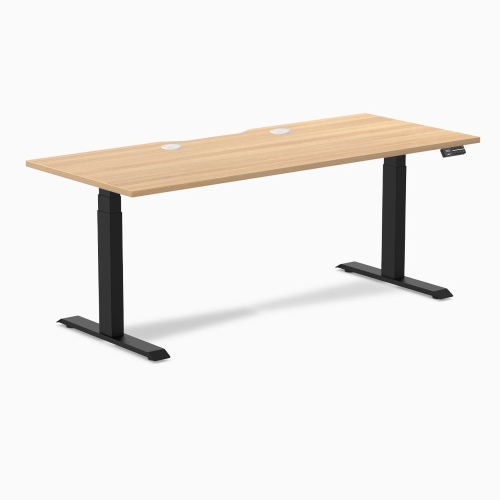
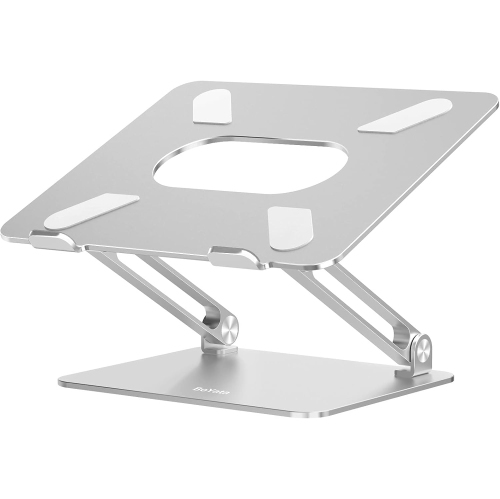
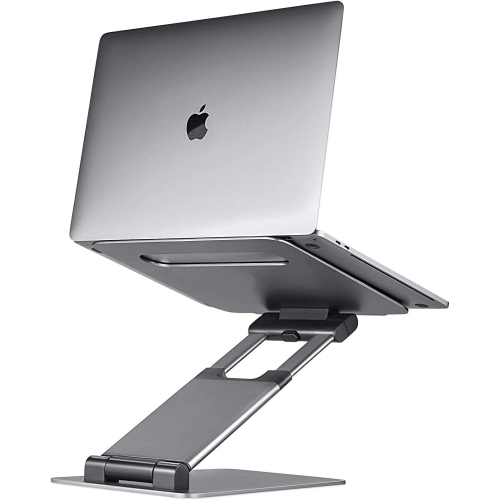
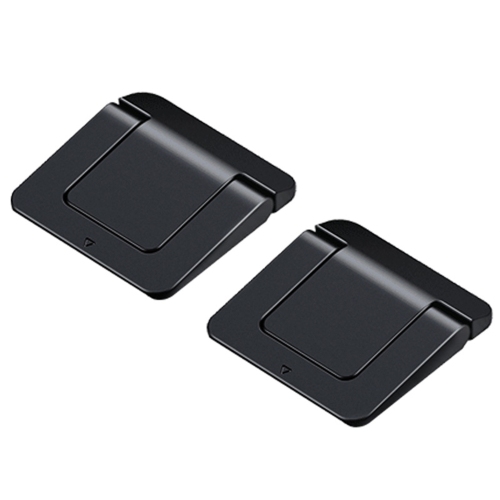
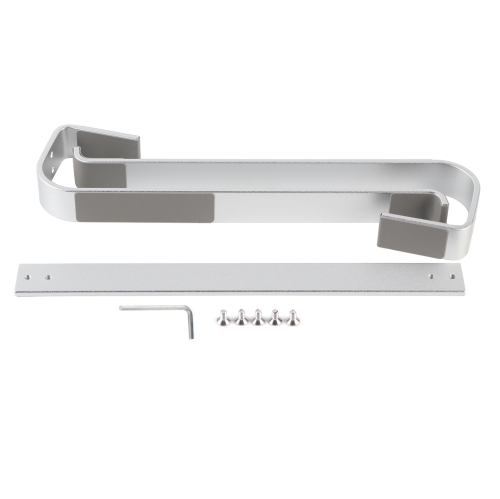
A more adaptable workstation without replacing your entire desk
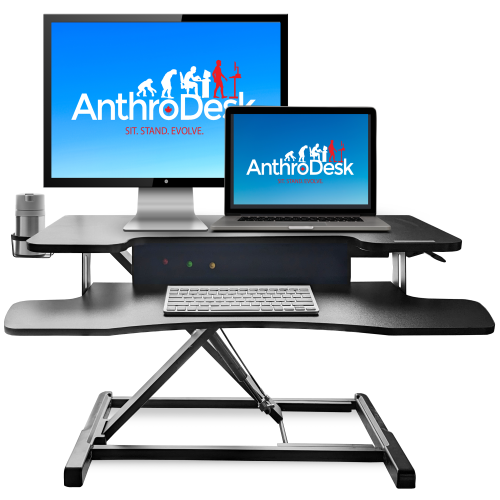
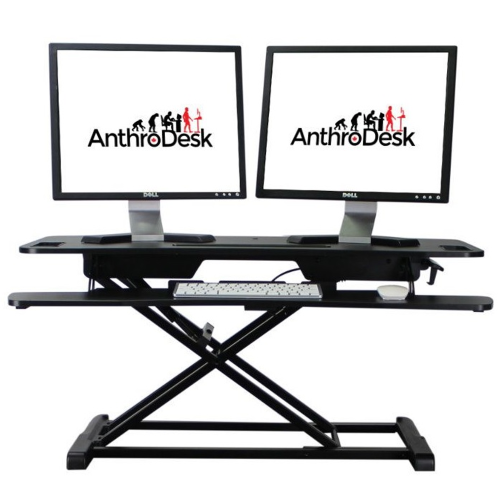
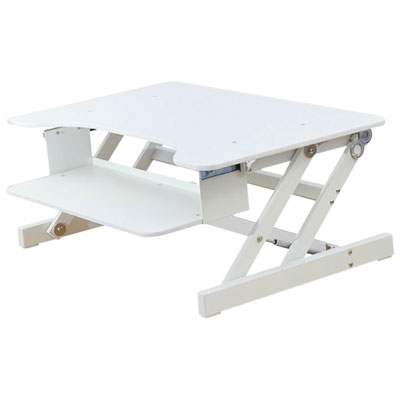
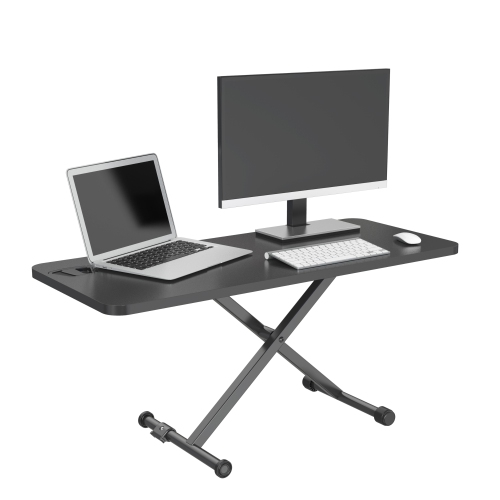
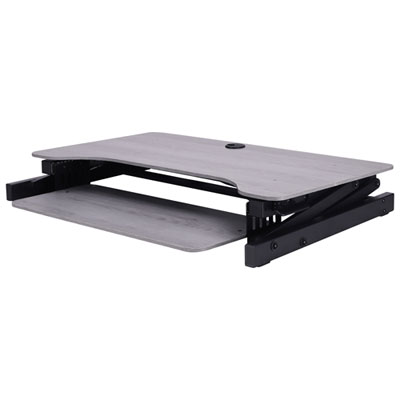
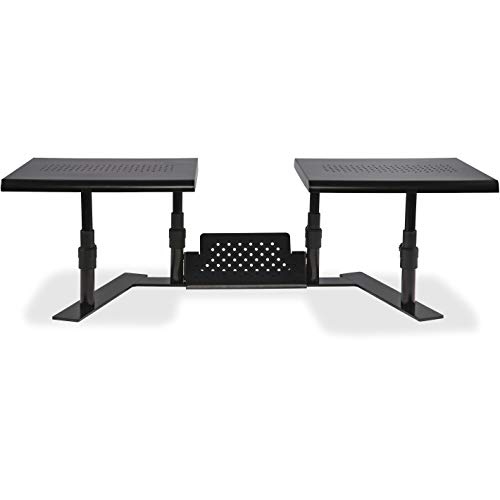
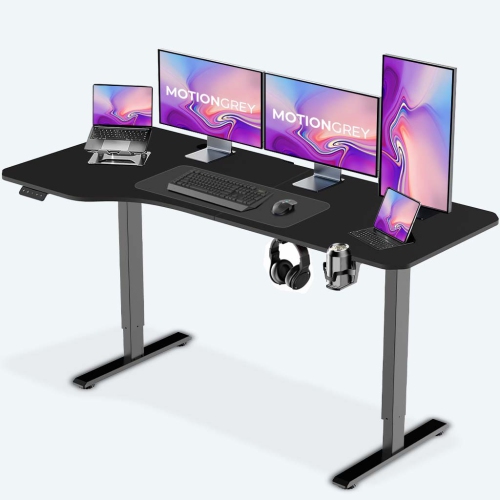
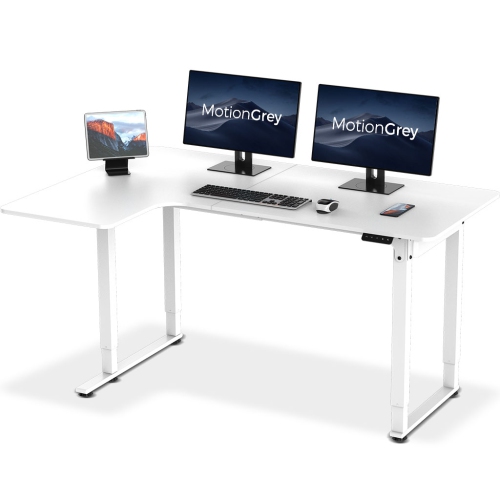
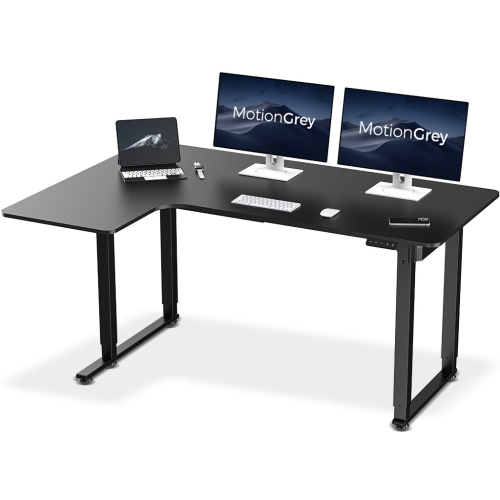
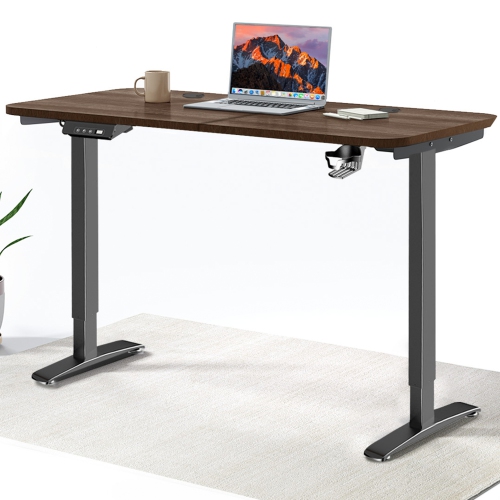
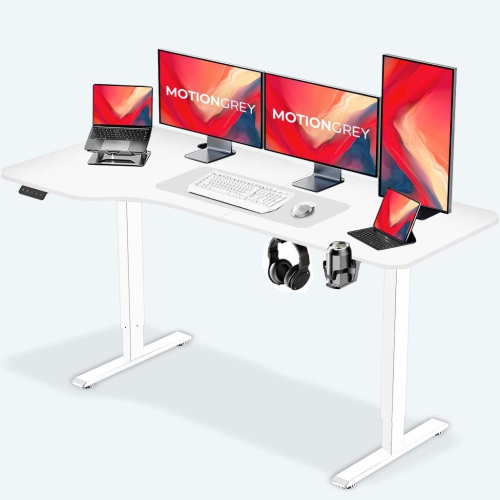
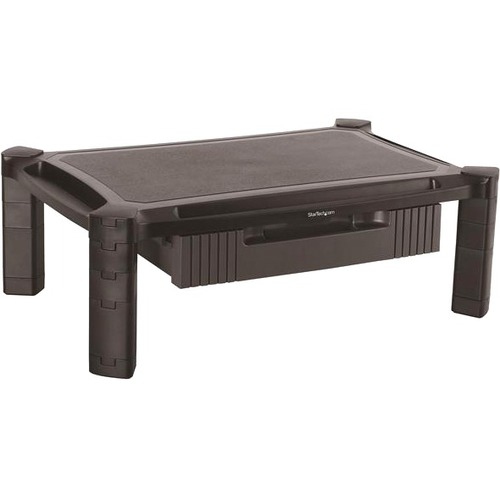
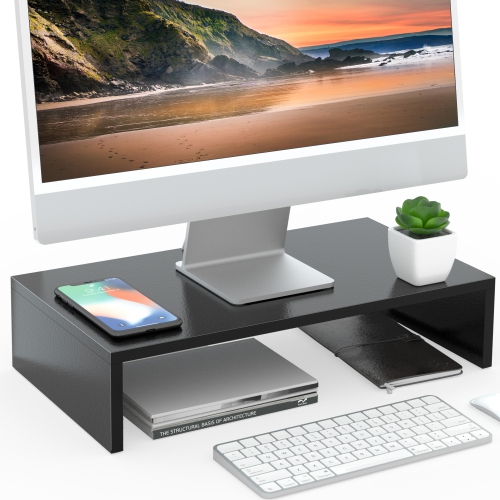
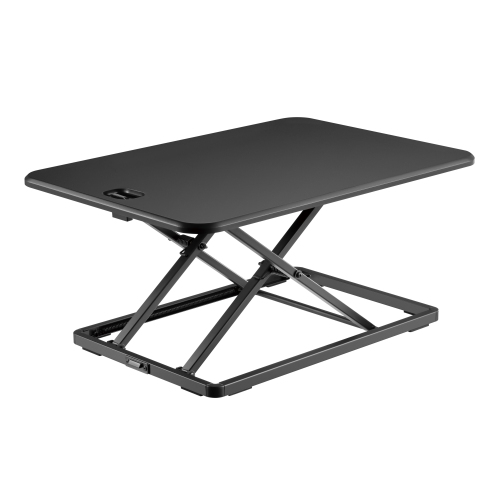
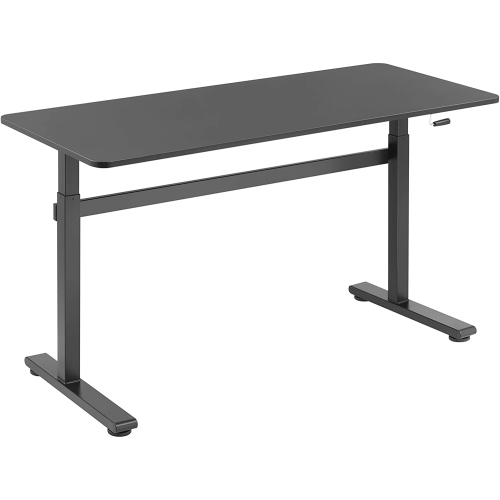
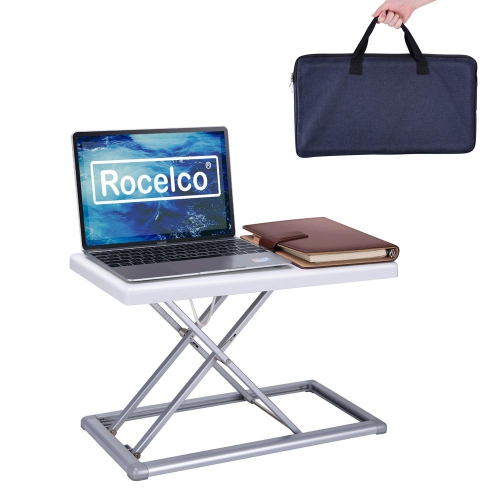
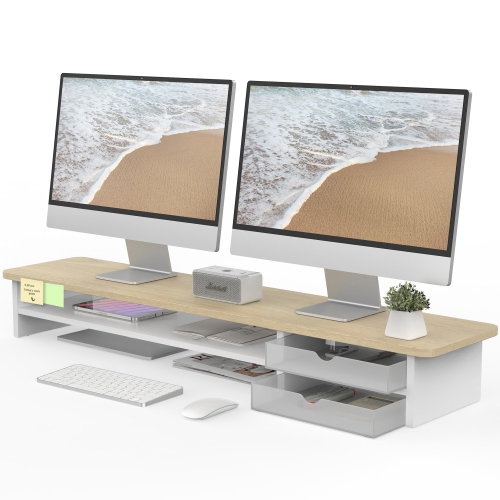
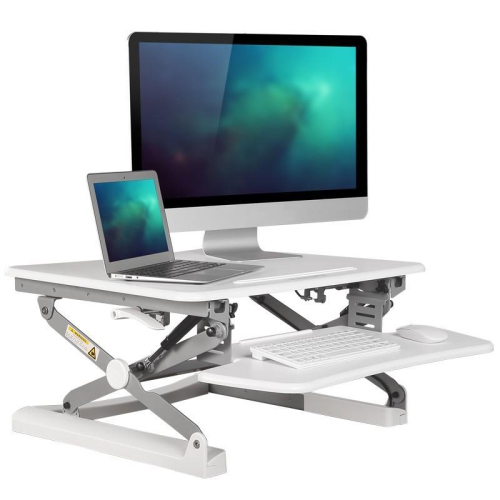
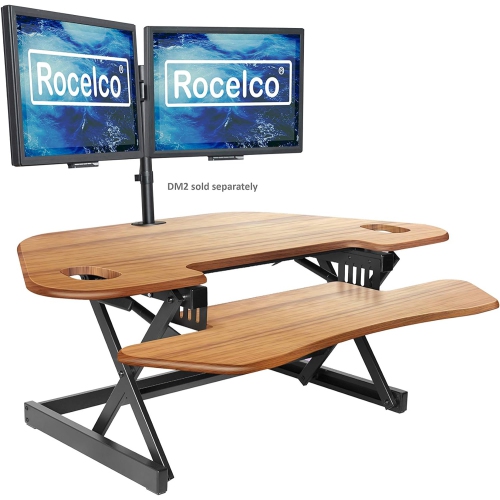
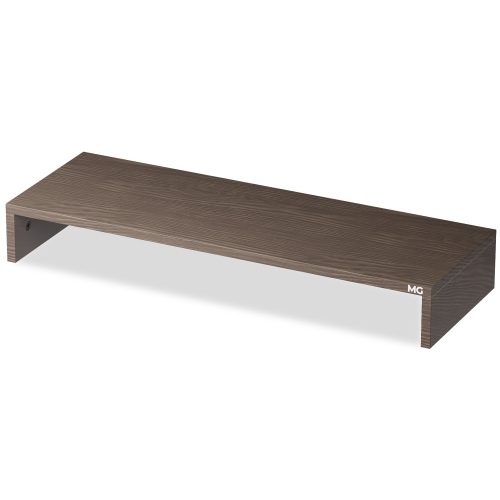
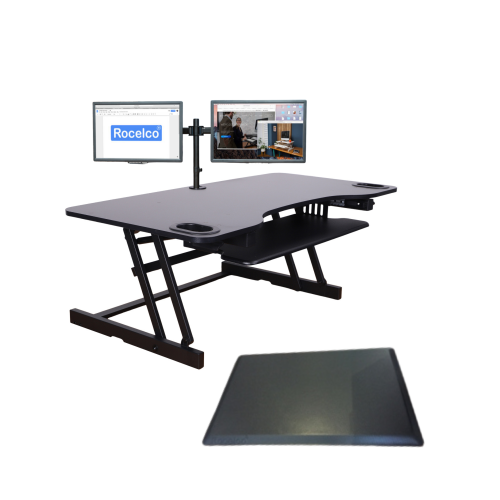
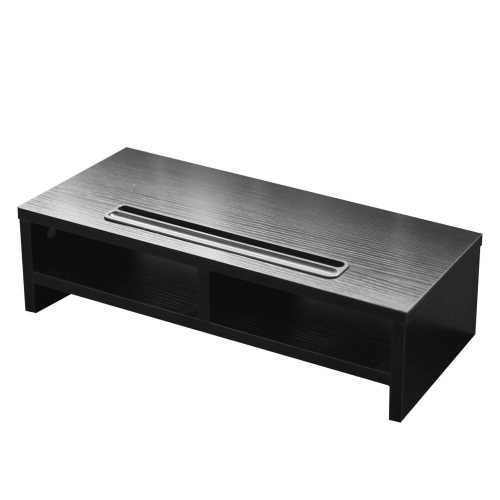
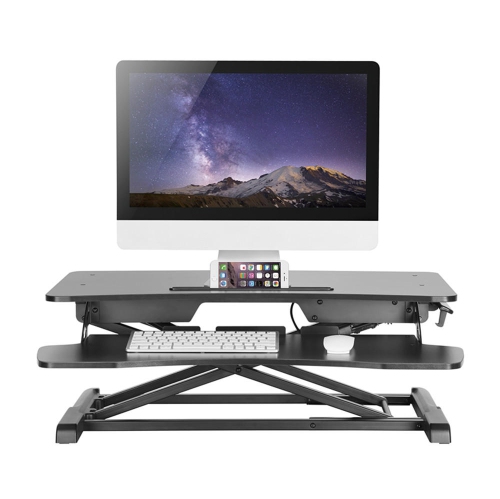
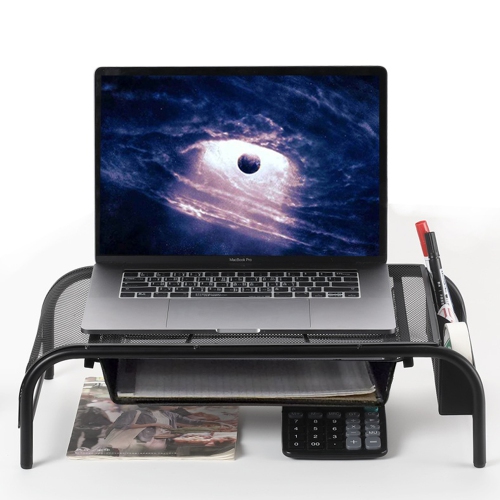
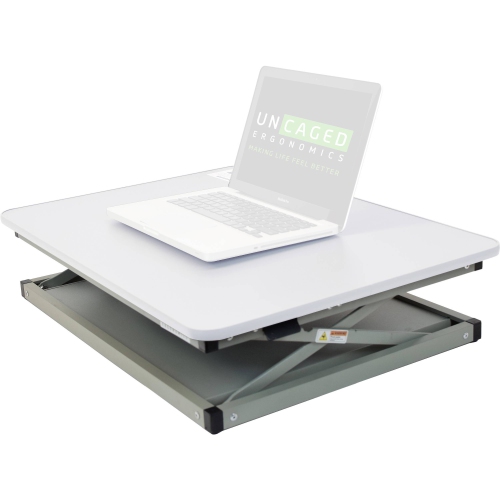
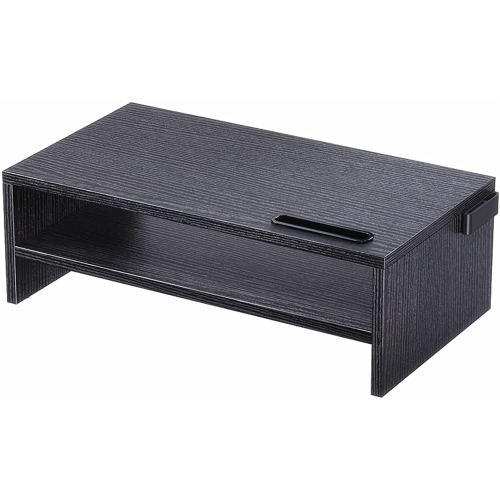
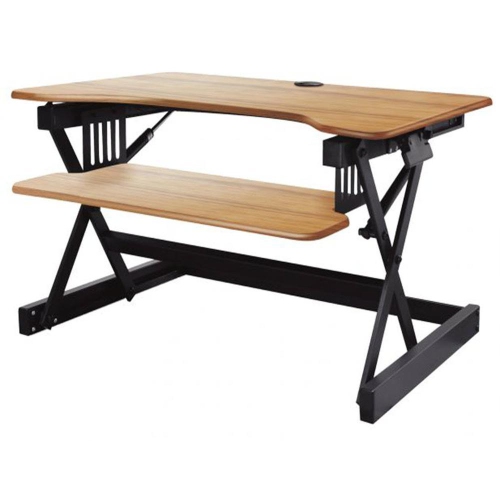
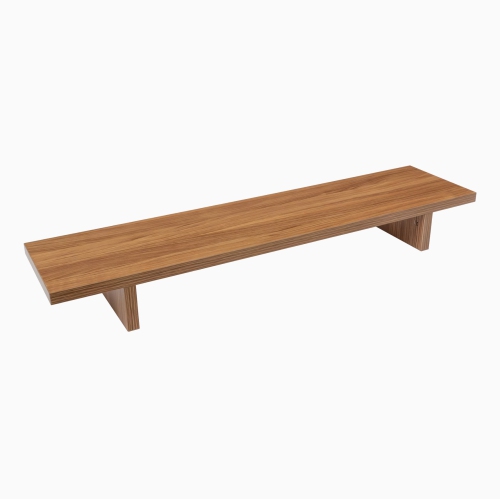
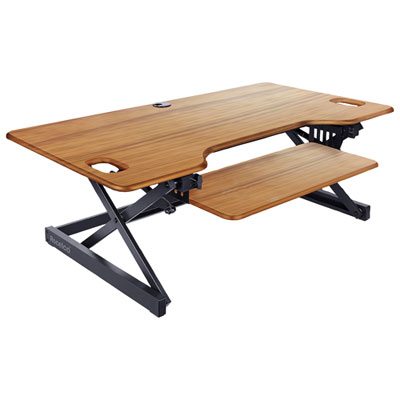
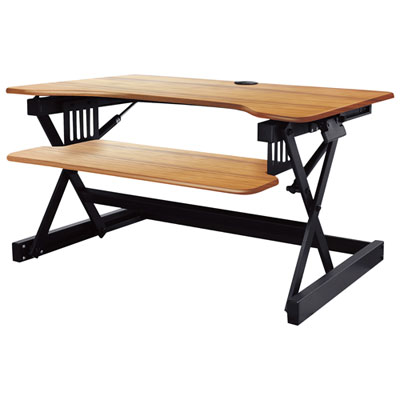
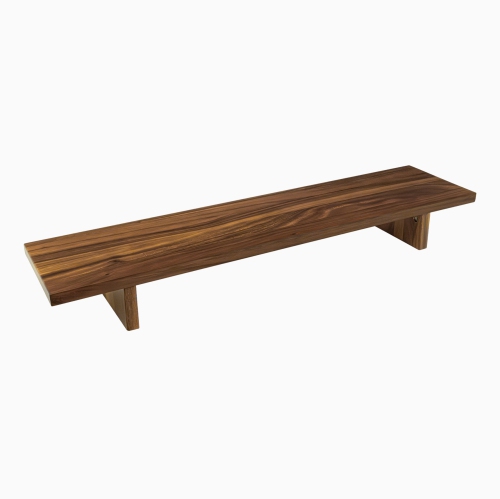
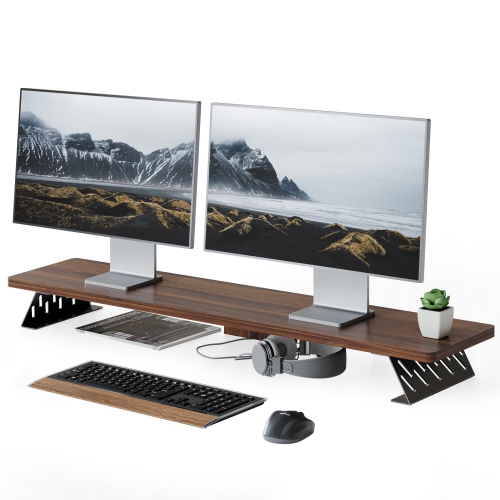
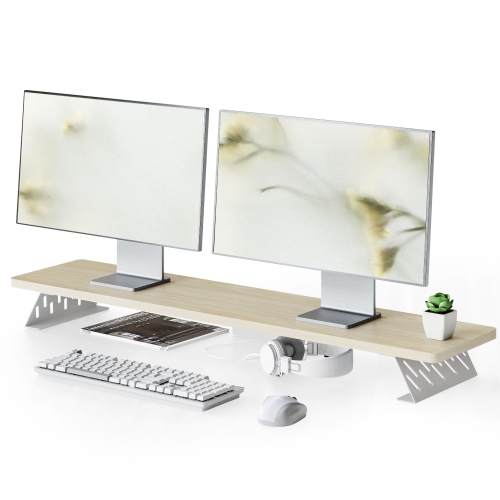
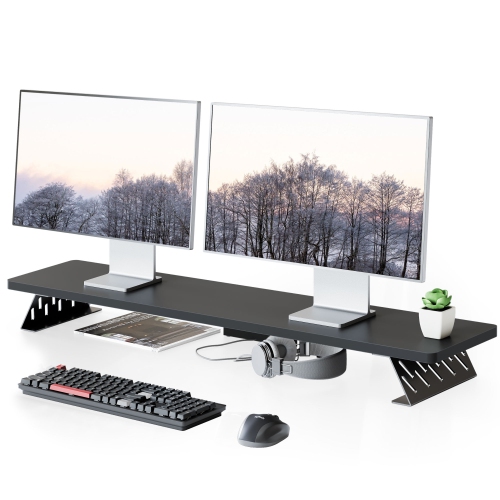
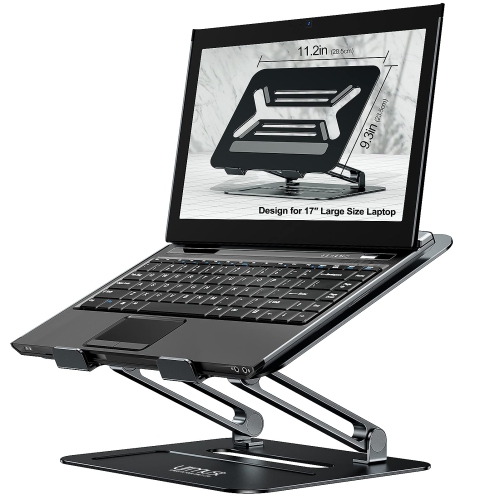
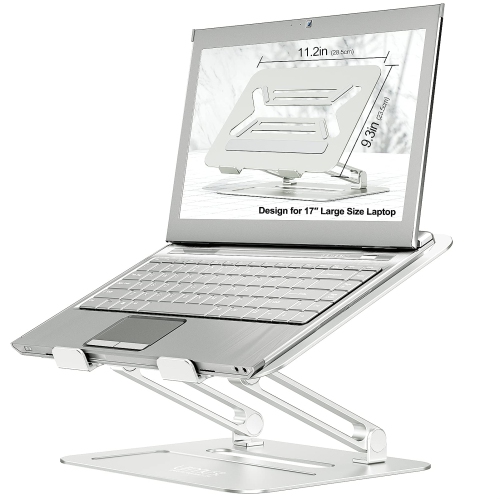
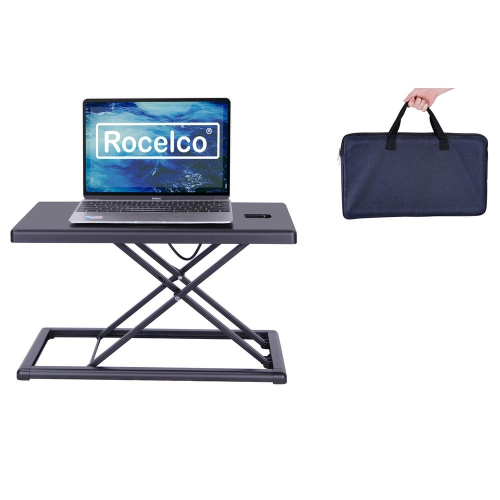
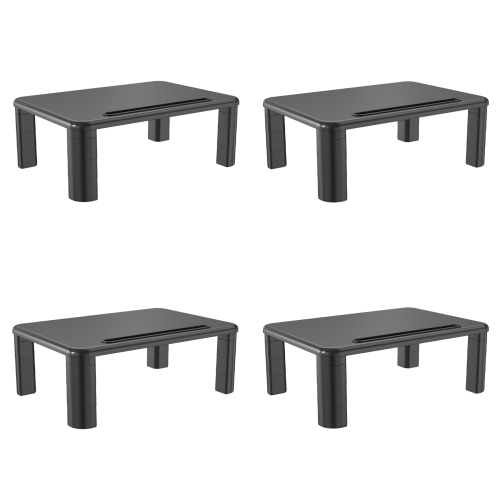
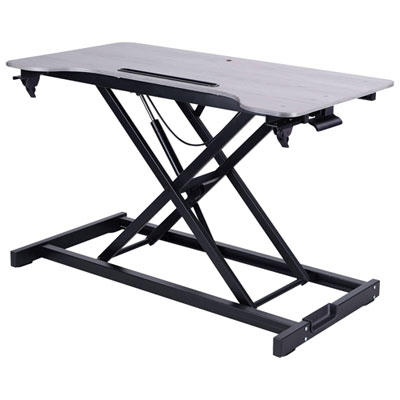
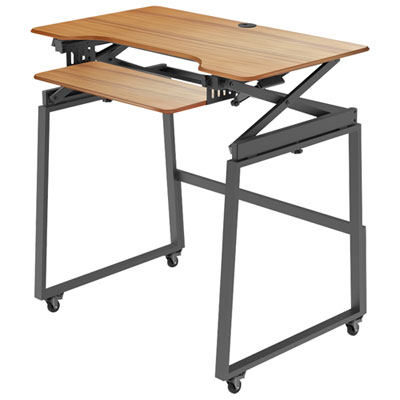
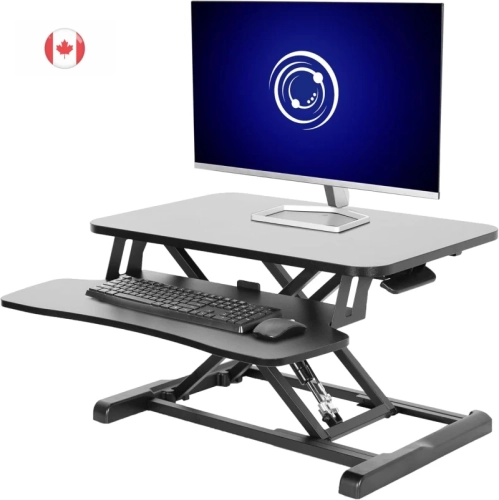
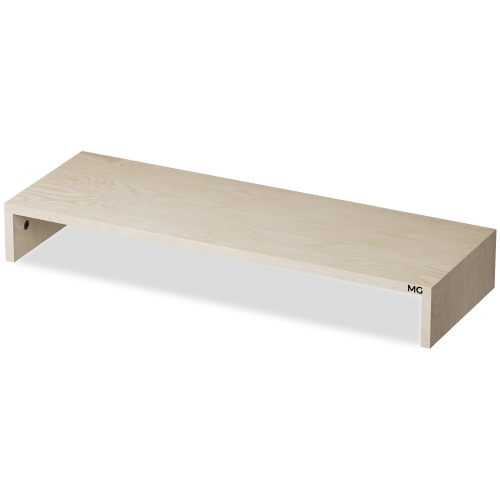
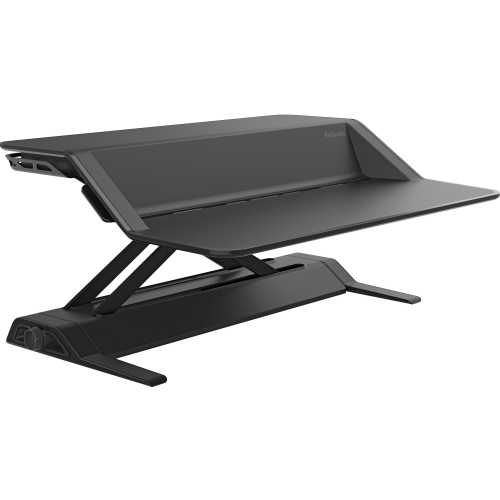
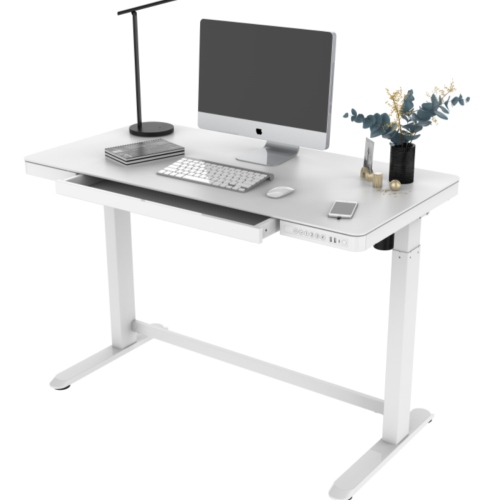
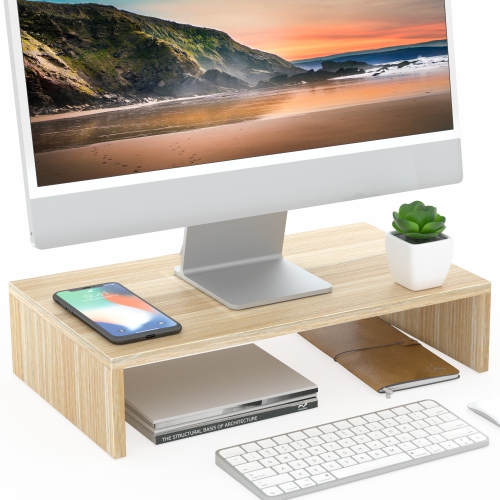
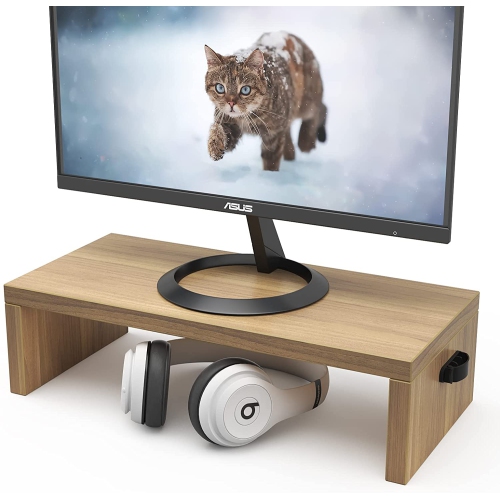
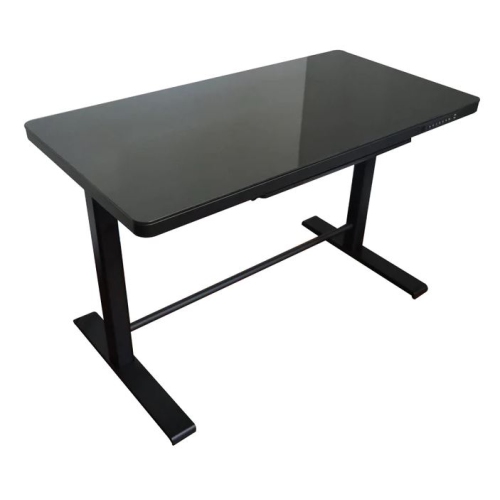
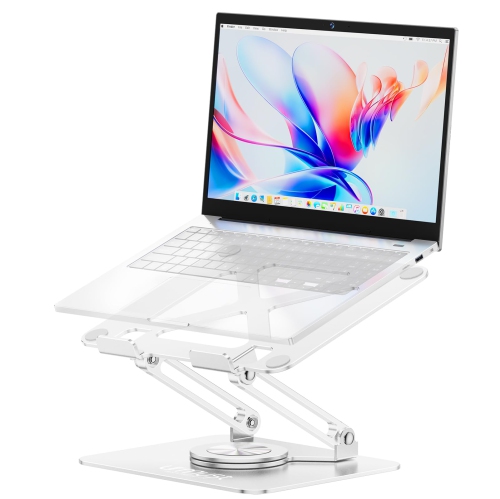
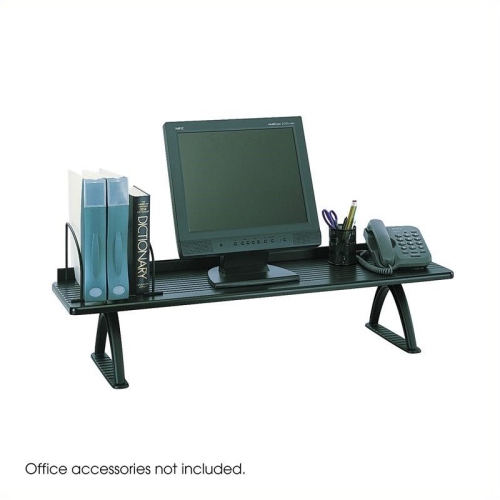
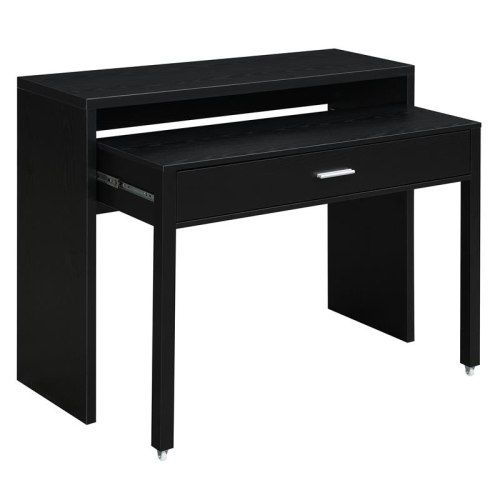
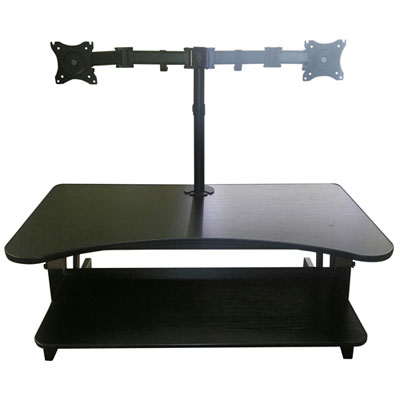
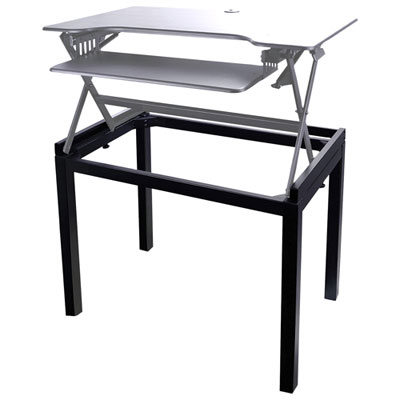
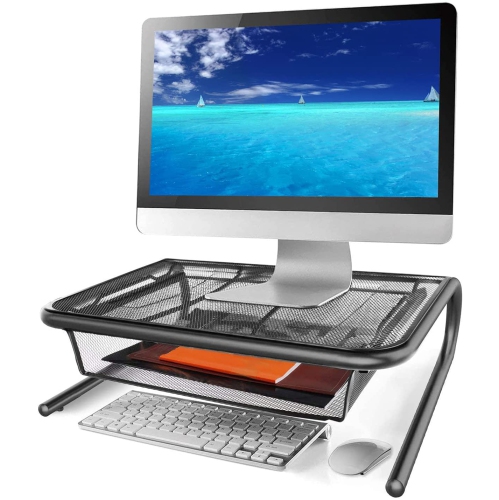
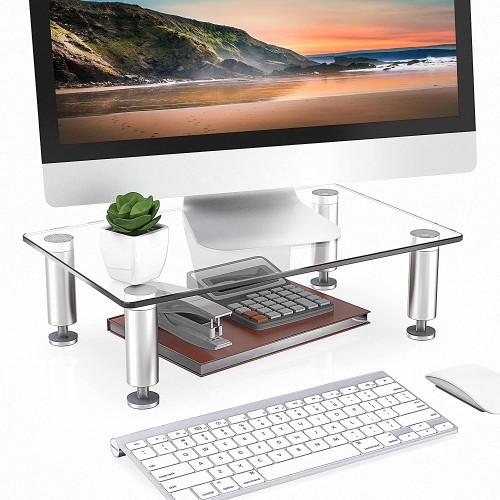
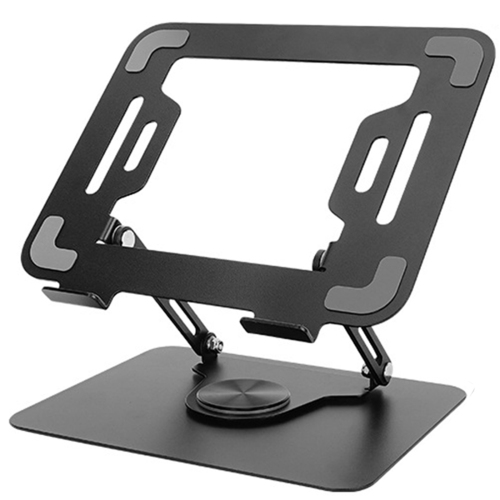
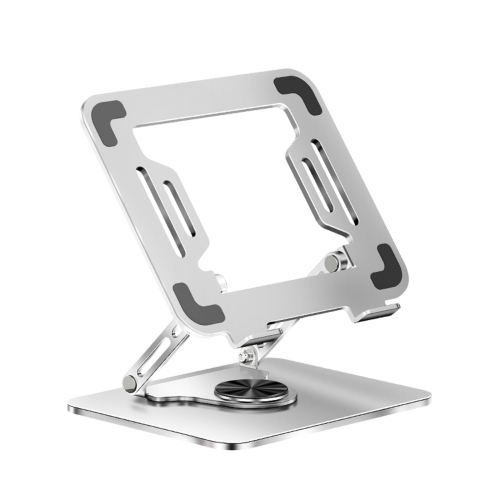
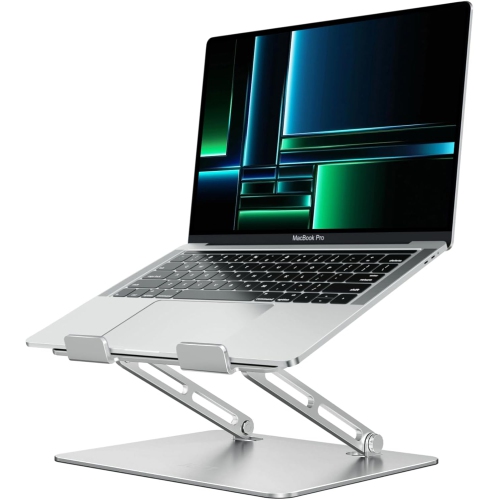
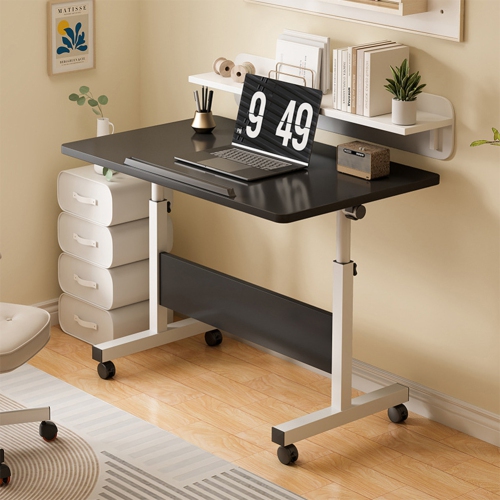
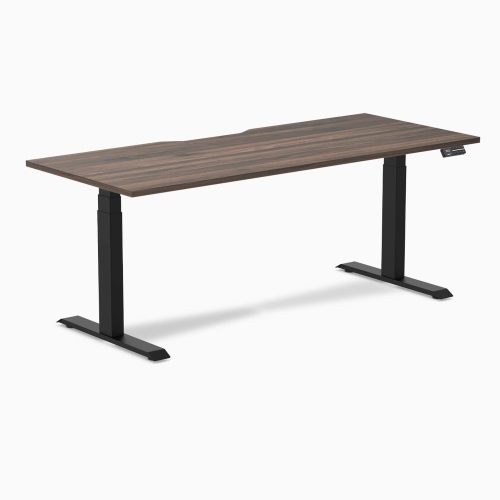
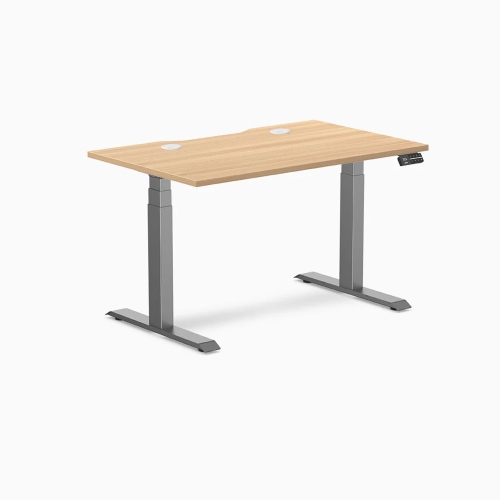
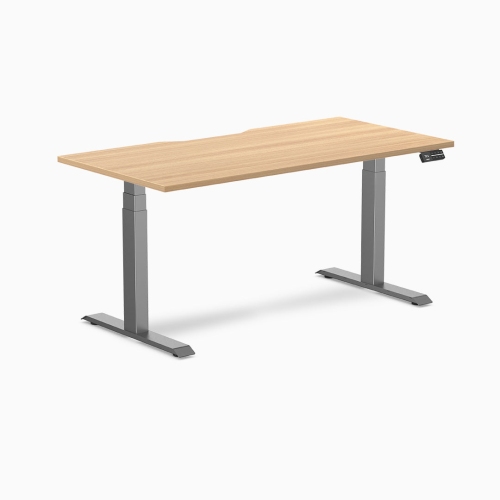
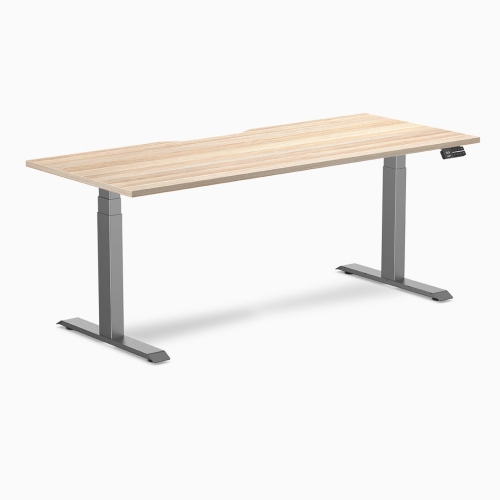
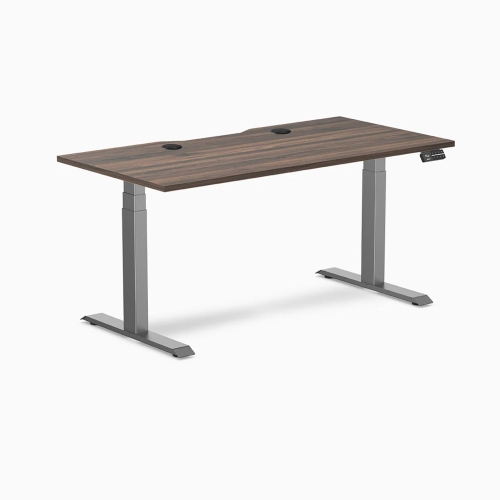
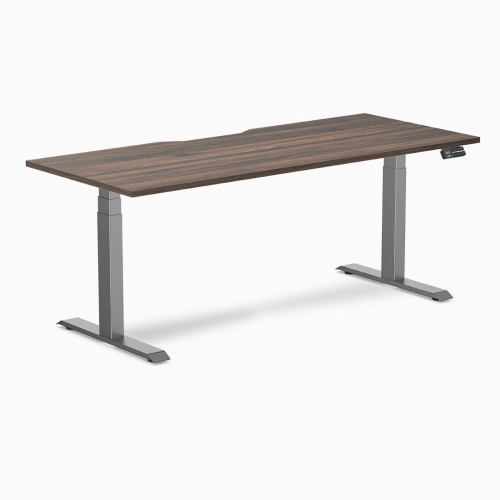
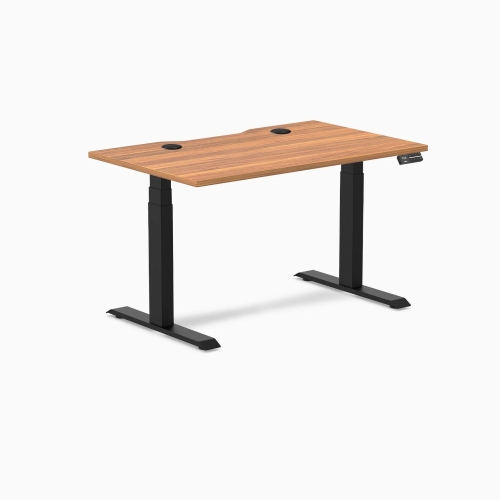
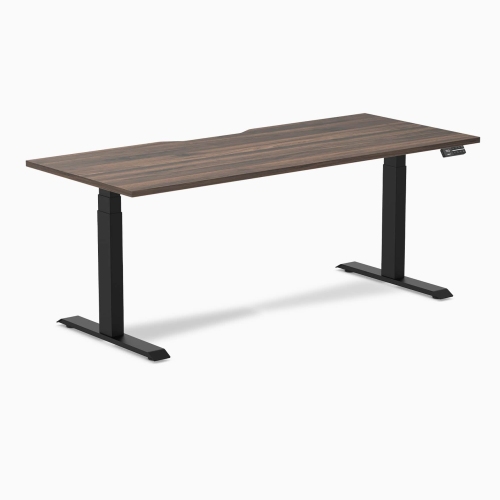
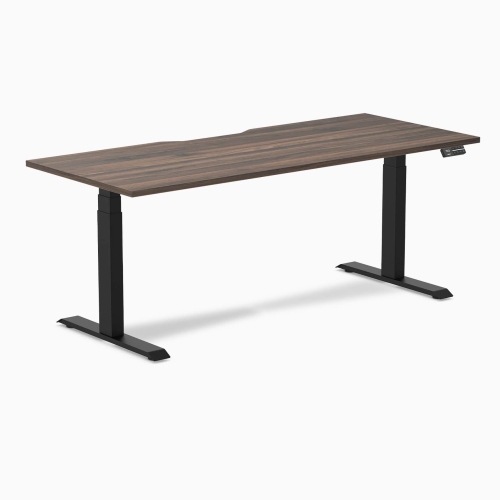
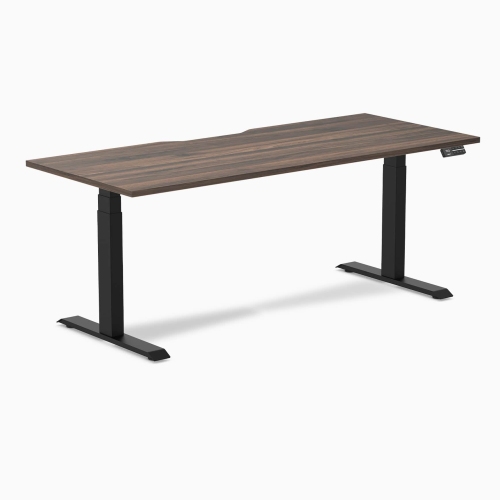
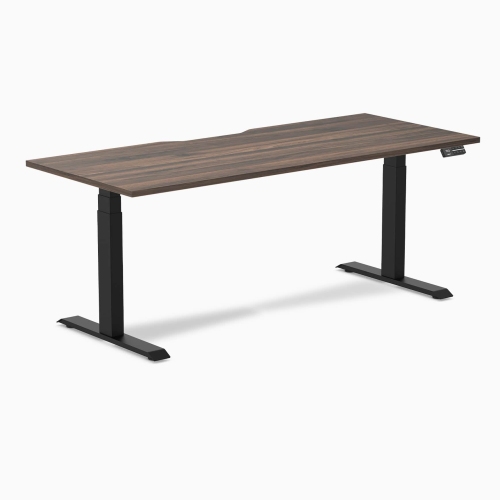
Desk risers turn an ordinary flat table, workstation, kitchen counter, or home office surface into a more flexible sit-to-stand setup without replacing the entire desk. Designed to sit directly on an existing surface, they provide a raised platform for one or more monitors, a laptop, keyboard, mouse, and other everyday accessories. This makes them a practical option for home offices, study spaces, shared work areas, reception desks, creative studios, and compact rooms where a full standing desk may not fit. A desk riser can also be useful when a workspace needs to serve more than one person, since the height can be adjusted to suit different users. During the cooler months, when more time may be spent working, studying, or managing household tasks indoors, having the flexibility to change position throughout the day can make a workstation feel more comfortable and adaptable. Some people use a riser for focused computer work, then lower it when writing by hand or sorting paperwork, while others prefer alternating between sitting and standing during meetings, online classes, gaming, or creative projects. The best choice depends on the available surface, the equipment being placed on top, and how frequently the height will be changed. For shoppers comparing options, Adjustable Height Desk Risers offer a useful way to explore designs intended for a more personalized workspace. A wider platform may be suitable for dual monitors or a monitor and laptop combination, while a smaller footprint can leave room for notebooks, speakers, a lamp, or other desk essentials. Measure the depth and width of the existing desk before choosing, and consider where the riser will sit in relation to the front edge, wall, and nearby shelves. A stable base is important, especially when the surface holds a larger display, a keyboard, and accessories. It is also worth checking the maximum weight capacity and ensuring the combined weight of all equipment remains within the recommended limit.
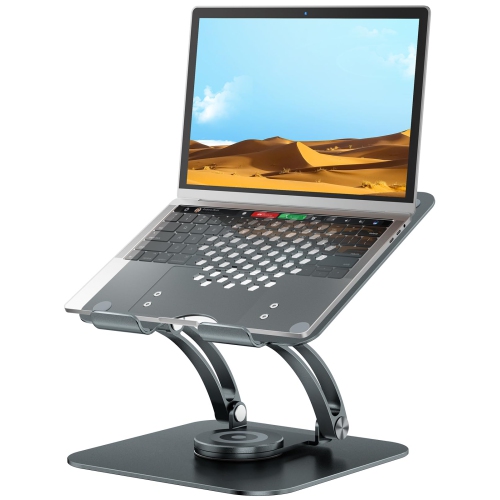
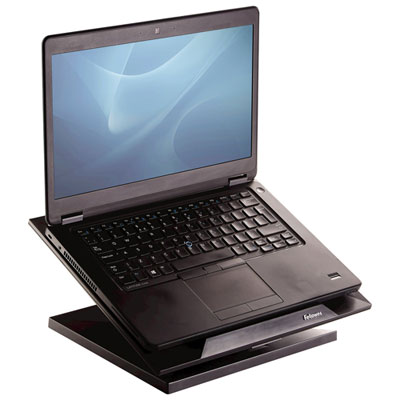
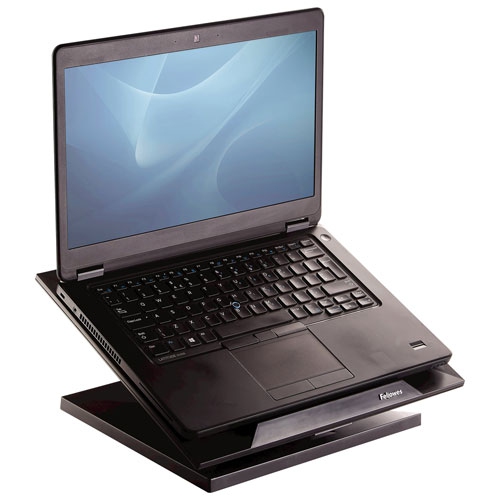
Height adjustment is one of the most important features to compare. Manual risers may use a handle, lever, or a series of preset positions, allowing the user to select a comfortable working level and return to it easily. Gas-spring or pneumatic mechanisms can make raising and lowering a loaded platform smoother, although the ease of movement depends on the total weight placed on the riser. Look for a range that allows the monitor or laptop screen to sit near eye level while the shoulders remain relaxed and the elbows stay comfortably close to the body. When standing, the keyboard should be positioned so the wrists are not sharply bent; when sitting, the riser should lower enough to avoid forcing the shoulders upward. A separate monitor arm, laptop stand, keyboard tray, or external keyboard may help fine-tune the arrangement, particularly when the built-in platform does not suit every device. Cable management is another useful consideration. Power and display cables should have enough slack for the full range of movement without pulling on ports or becoming tangled behind the desk. Some risers include a dedicated keyboard area, while others provide a single open surface that can be arranged to suit the user’s equipment. Assembly requirements vary as well: a pre-assembled design may be convenient for a quick home office update, while a model requiring some setup may offer more flexibility in how accessories are positioned. Desk risers can make thoughtful gifts for students settling into a new study area, remote workers refining a home office, family members who spend long periods at a computer, or anyone looking to make better use of an existing desk. They are also helpful for shared spaces because the same workstation can be adjusted for different heights and tasks. Before purchasing, consider the user’s primary device, monitor count, desk dimensions, preferred adjustment style, storage needs, and available clearance. With the right combination of size, stability, height range, and weight support, a desk riser can create a more versatile workspace that changes easily from a seated morning task to a standing afternoon session.
Height adjustment is one of the most important features to compare. Manual risers may use a handle, lever, or a series of preset positions, allowing the user to select a comfortable working level and return to it easily. Gas-spring or pneumatic mechanisms can make raising and lowering a loaded platform smoother, although the ease of movement depends on the total weight placed on the riser. Look for a range that allows the monitor or laptop screen to sit near eye level while the shoulders remain relaxed and the elbows stay comfortably close to the body. When standing, the keyboard should be positioned so the wrists are not sharply bent; when sitting, the riser should lower enough to avoid forcing the shoulders upward. A separate monitor arm, laptop stand, keyboard tray, or external keyboard may help fine-tune the arrangement, particularly when the built-in platform does not suit every device. Cable management is another useful consideration. Power and display cables should have enough slack for the full range of movement without pulling on ports or becoming tangled behind the desk. Some risers include a dedicated keyboard area, while others provide a single open surface that can be arranged to suit the user’s equipment. Assembly requirements vary as well: a pre-assembled design may be convenient for a quick home office update, while a model requiring some setup may offer more flexibility in how accessories are positioned. Desk risers can make thoughtful gifts for students settling into a new study area, remote workers refining a home office, family members who spend long periods at a computer, or anyone looking to make better use of an existing desk. They are also helpful for shared spaces because the same workstation can be adjusted for different heights and tasks. Before purchasing, consider the user’s primary device, monitor count, desk dimensions, preferred adjustment style, storage needs, and available clearance. With the right combination of size, stability, height range, and weight support, a desk riser can create a more versatile workspace that changes easily from a seated morning task to a standing afternoon session.
Top selling and popular products
-
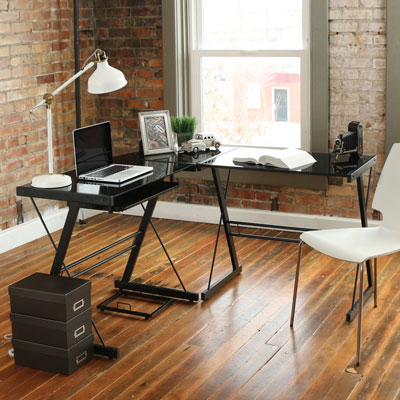 Your price for this item is $304.99
 -
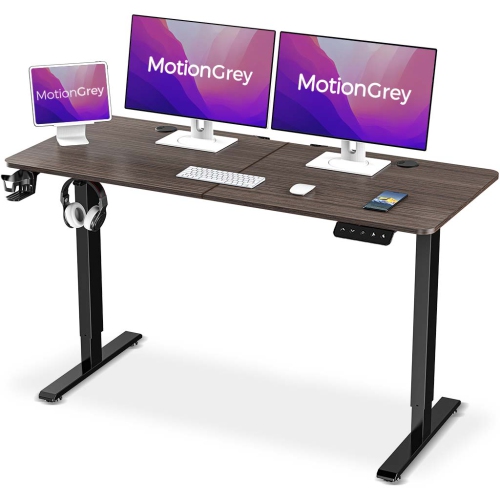 Your price for this item is $93.99
 -
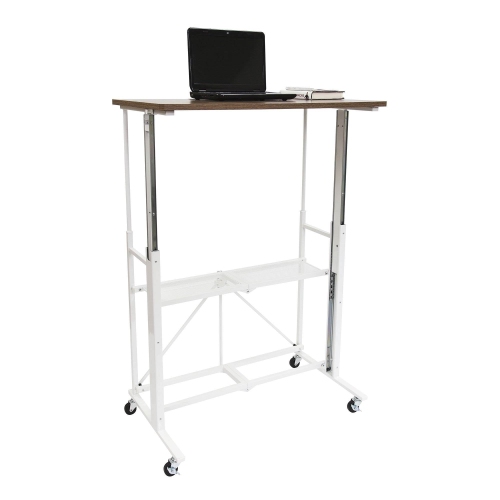 Your price for this item is $248.99
 -
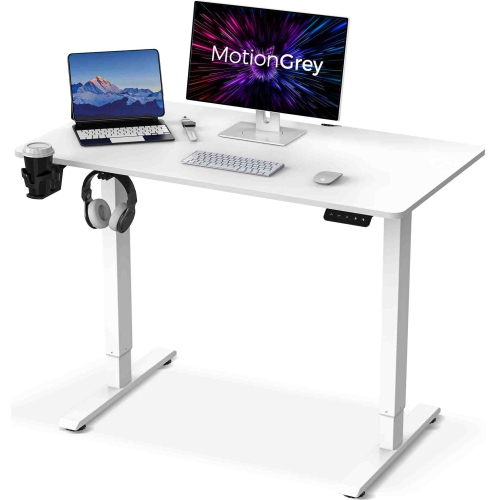 Your price for this item is $83.99
 -
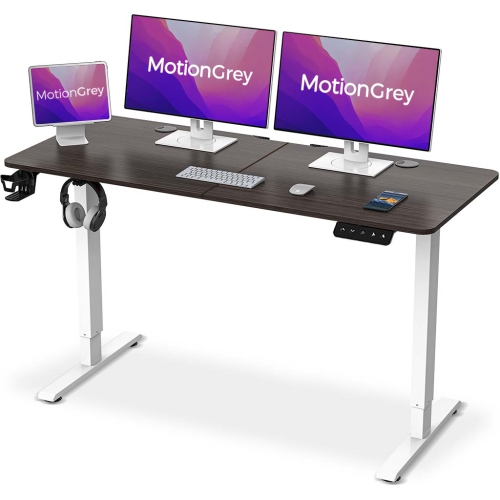 Your price for this item is $108.99
 -
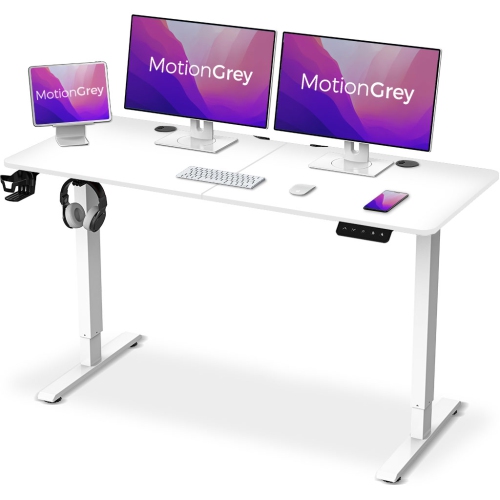 Your price for this item is $94.99
 -
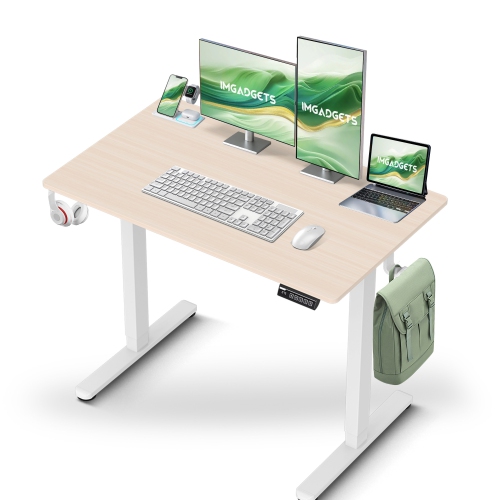 Your price for this item is $74.97
 -
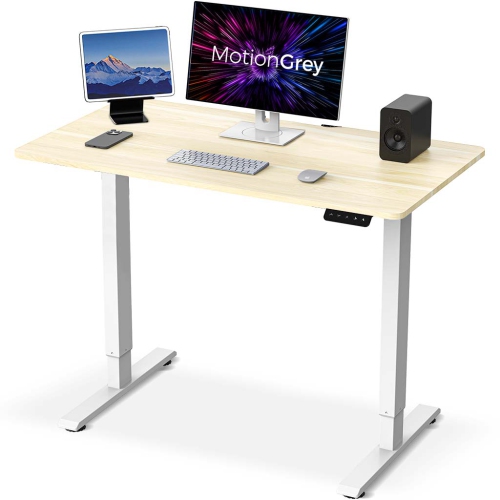 Your price for this item is $83.95
Discover more categories related to Desk Risers
Top Collections:
Pokemon Centers, Kindle Devices, Best Budget Office Chairs, Apple iPhones 16, Best Laptops for Writers, iPhone 15 Apple, Canon G7X Cameras, Refurbished Apple Laptops, Alarm Clock, Motorola Razr Phones
Some products may be subject to Environmental Handling Fees
(EHF) depending on your province.
Learn more about EHFs.