Desks for Designers
Are you a designer looking to elevate your workspace with a stylish and functional desk? Look no further than our curated collection of desks tailored for designers. Whether you prefer a minimalist modern design, a spacious L-shaped desk for ample workspace, or a sleek standing desk to keep you energized throughout the day, we have the perfect desk to inspire your creativity. Explore our selection of desks that blend form and function seamlessly, designed to enhance your productivity and complement your unique design aesthetic.
Sort
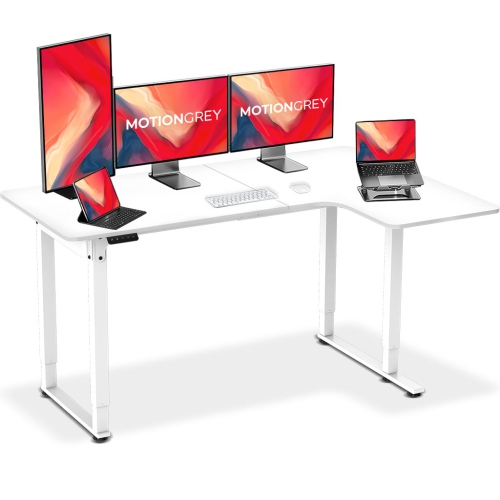


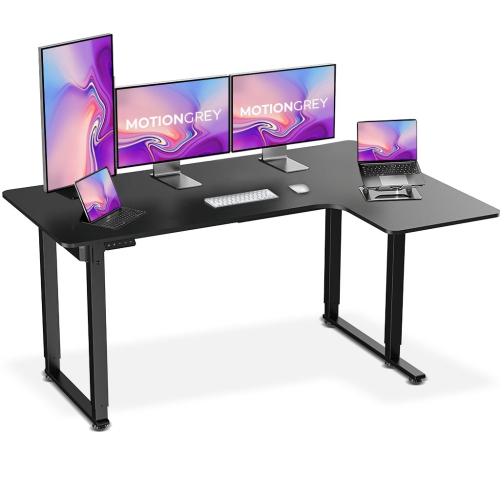

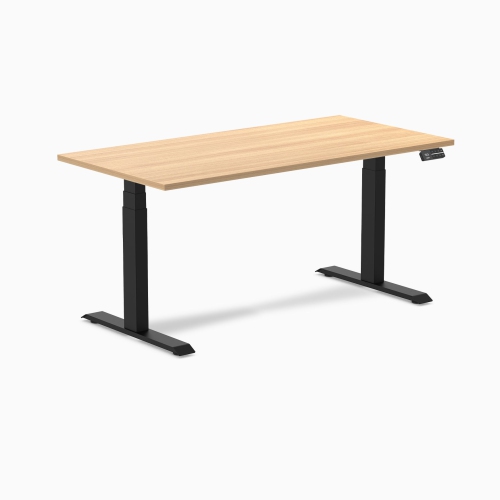


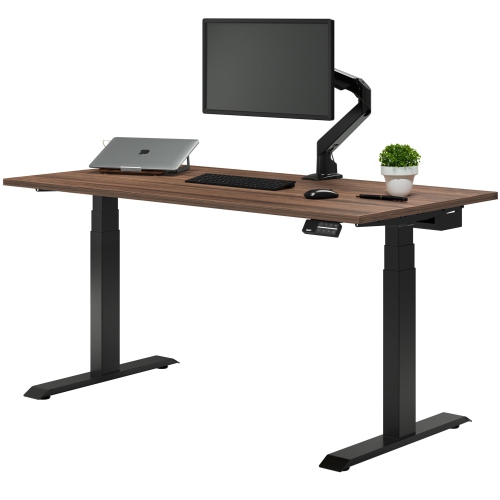


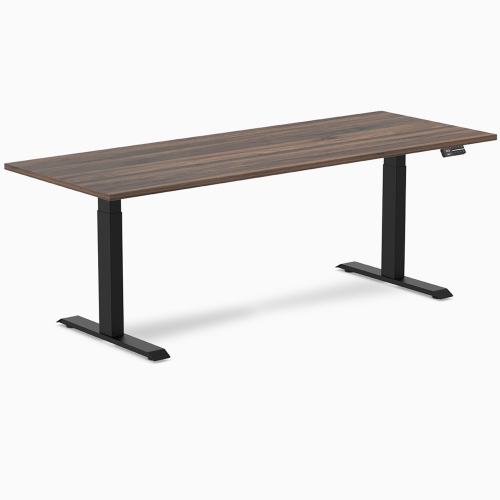
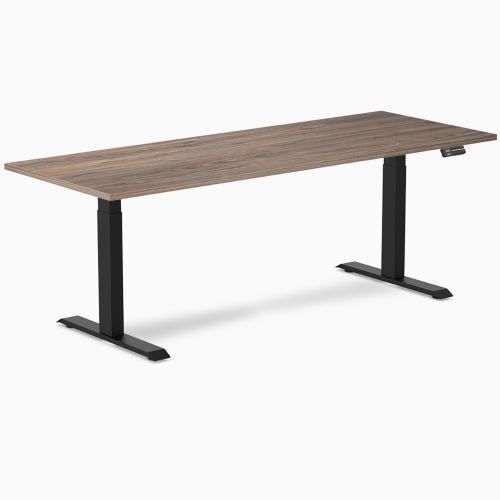
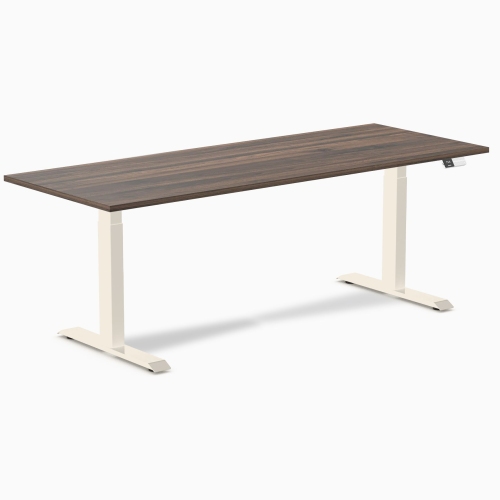


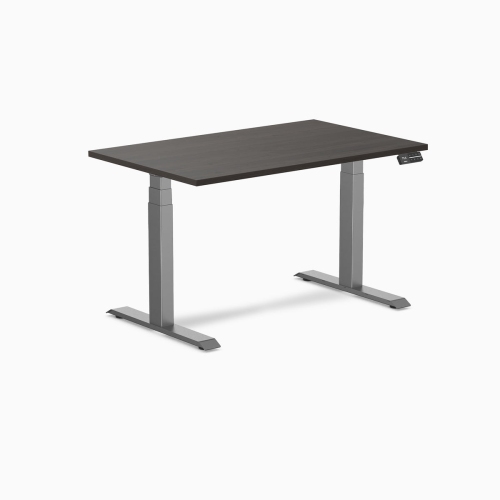

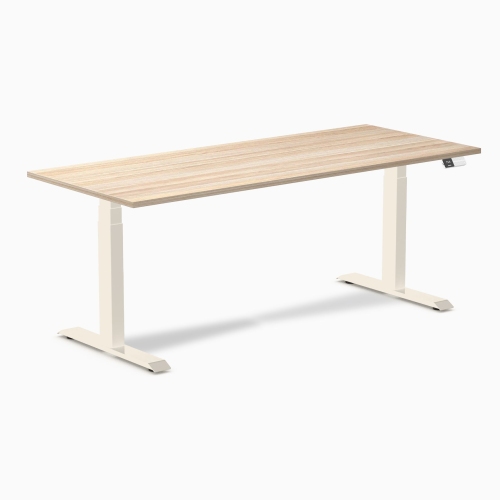
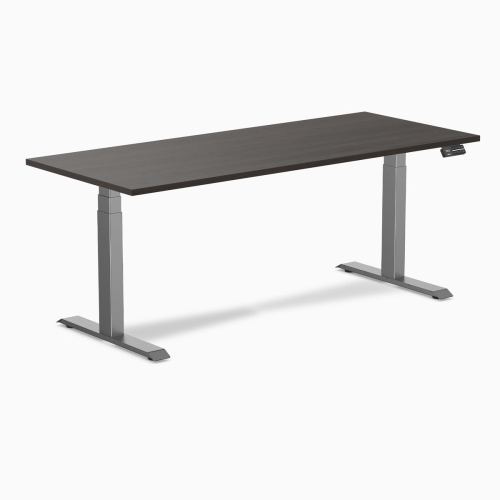


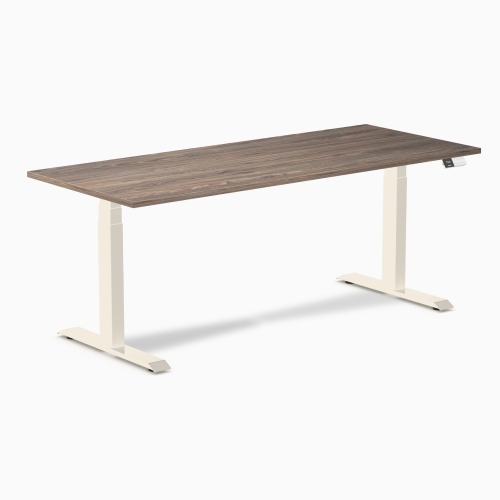


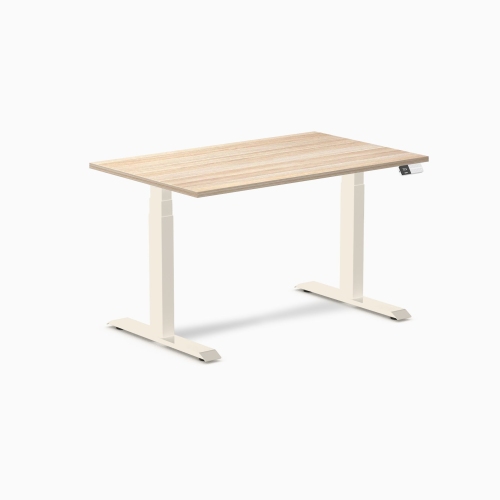

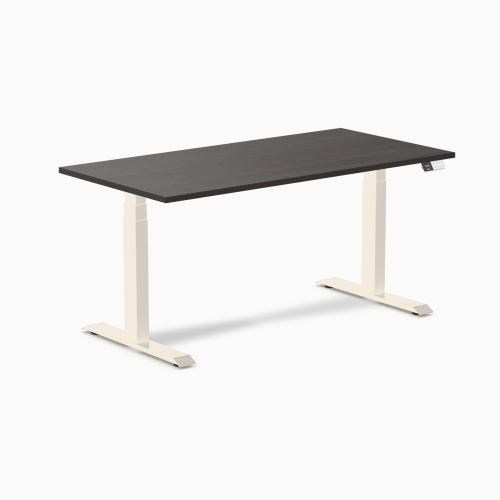

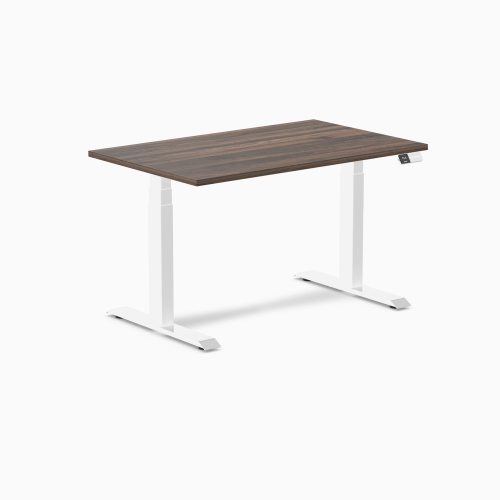
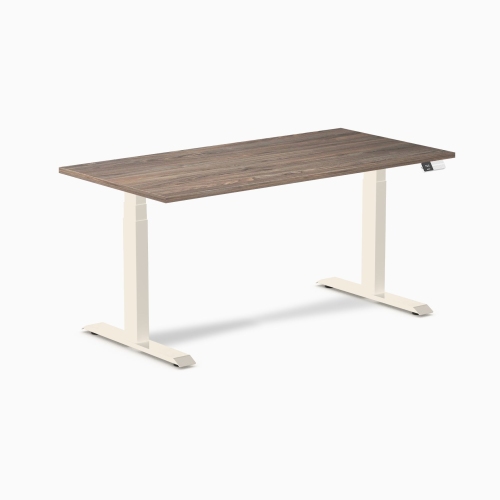
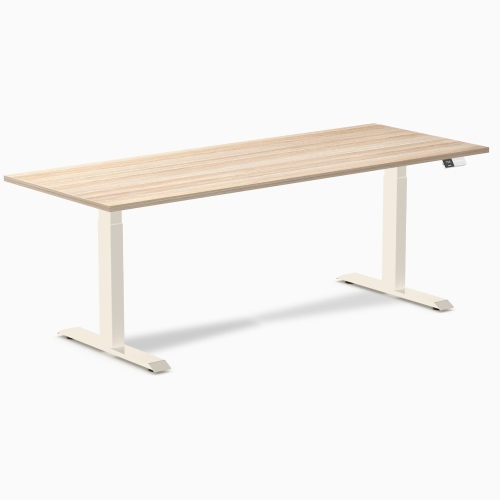
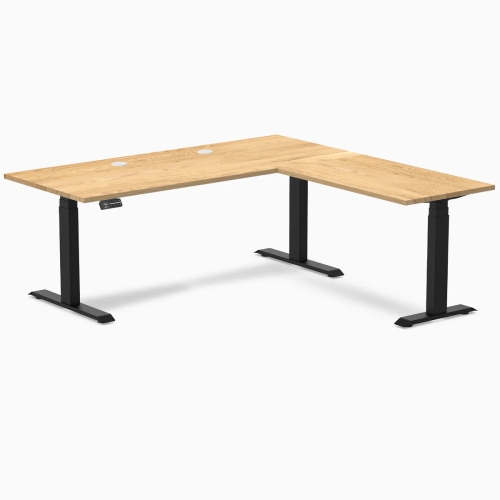
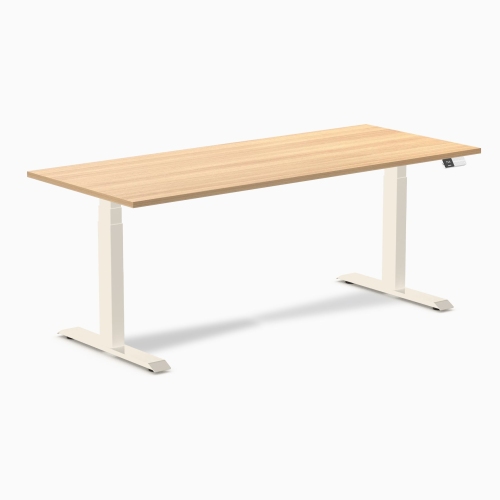
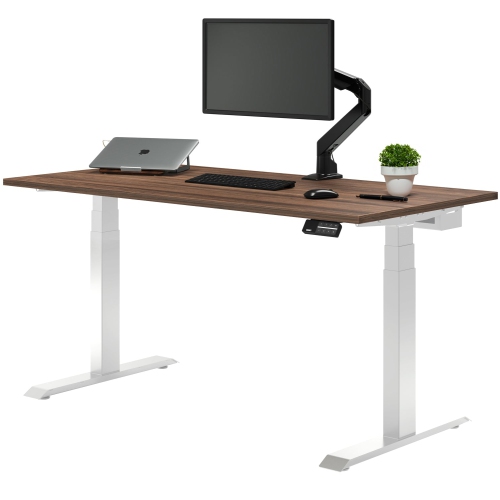
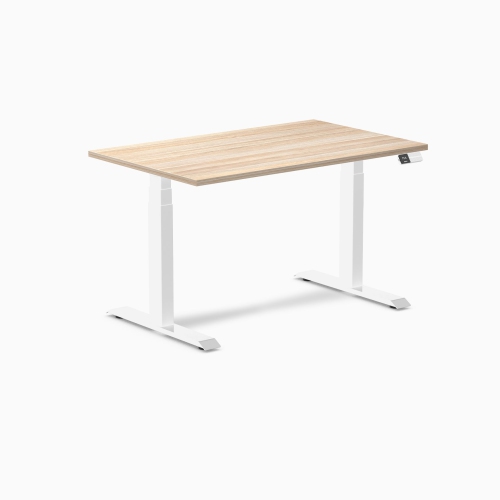
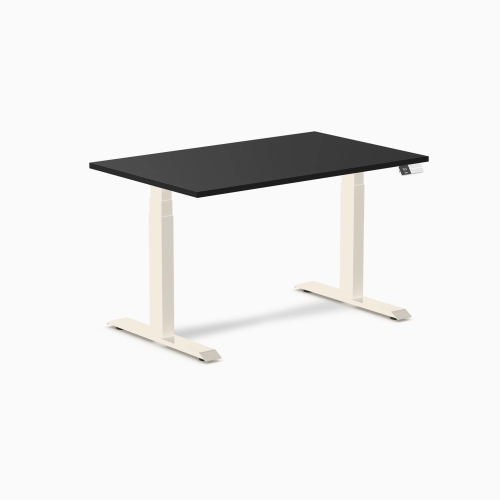
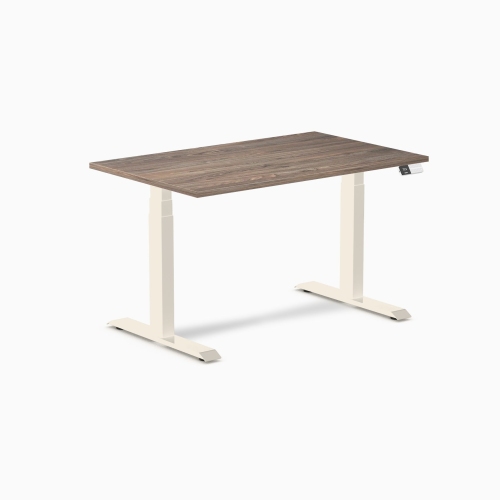
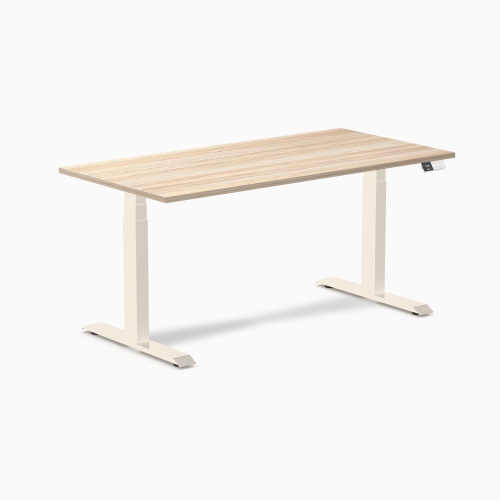
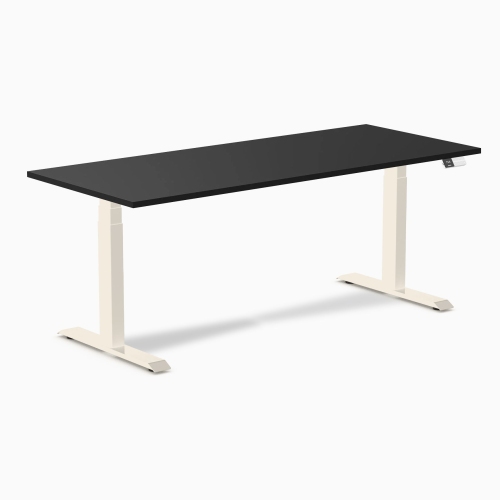

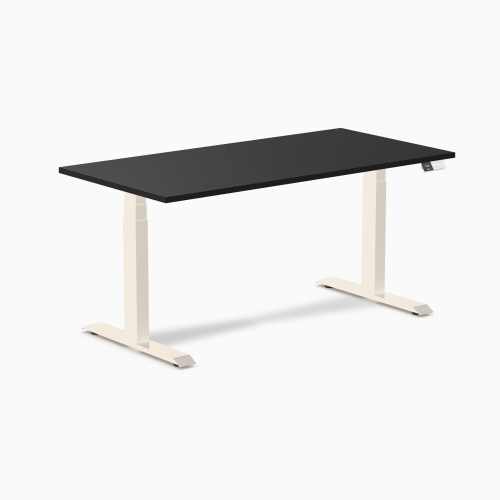

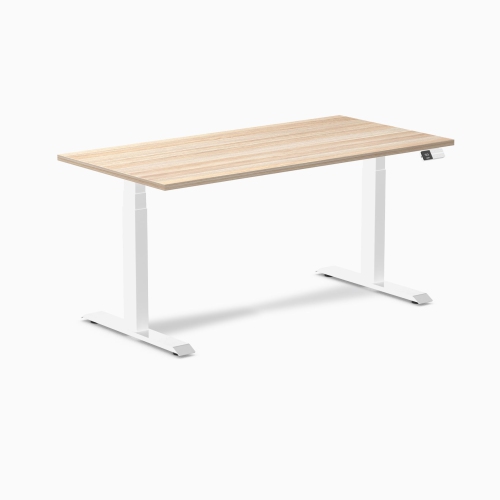
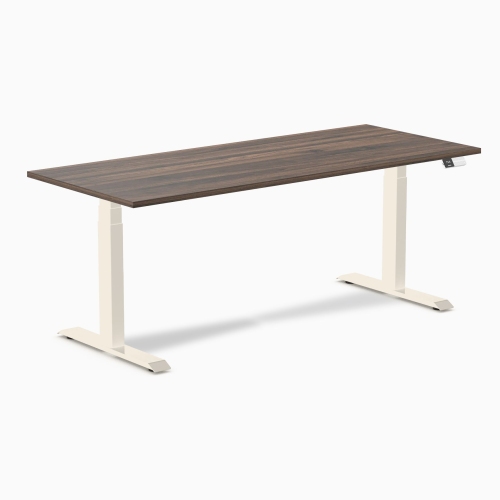

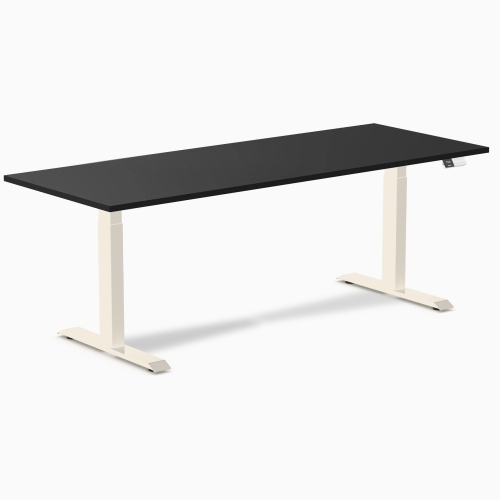
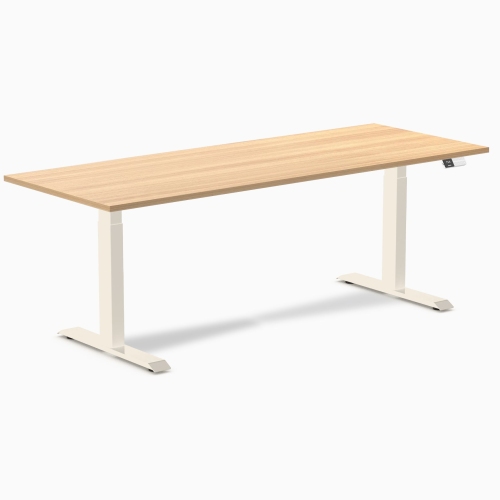
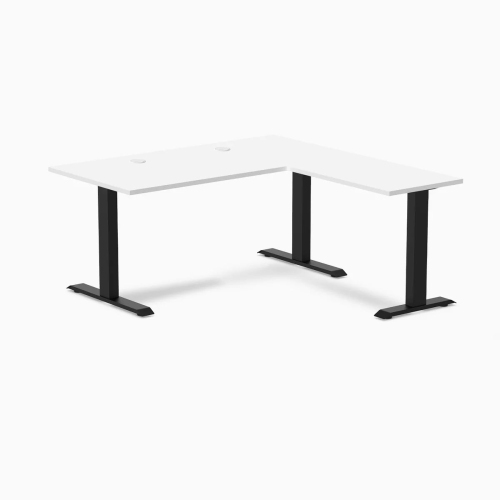

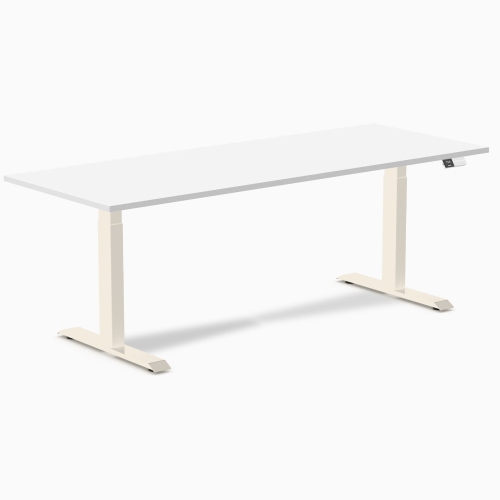

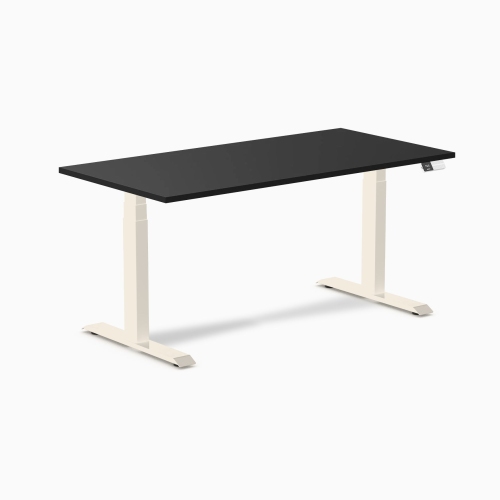

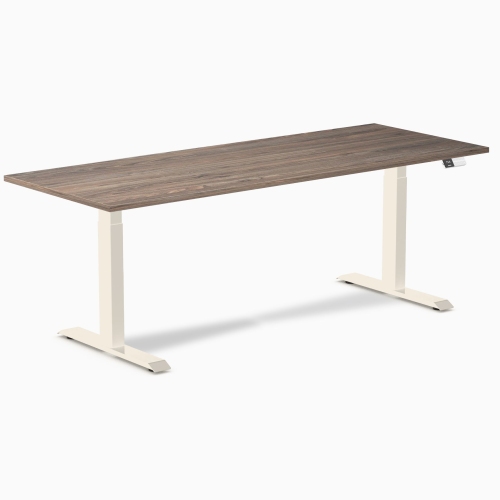
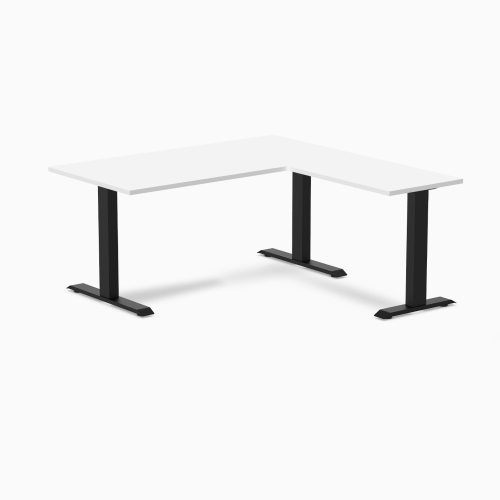
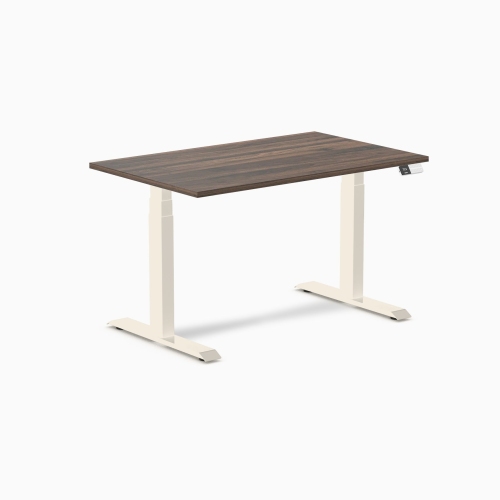
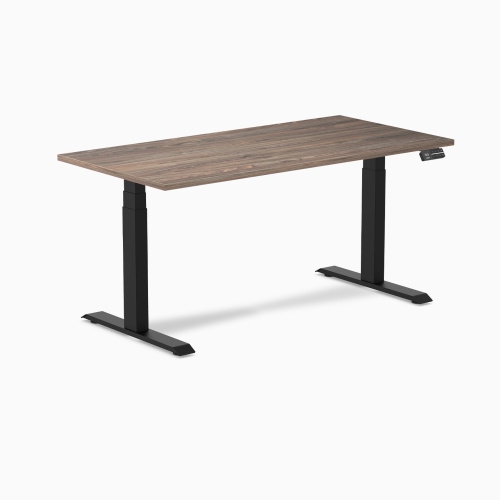
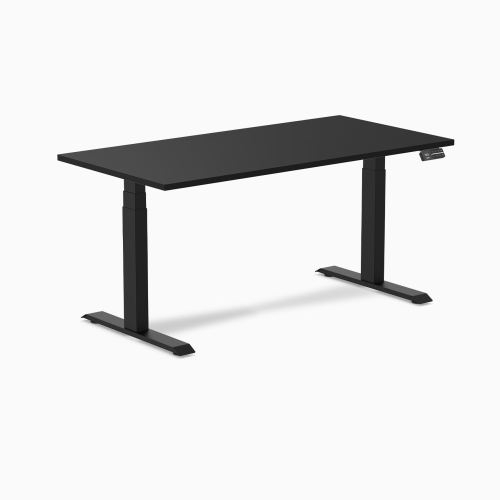
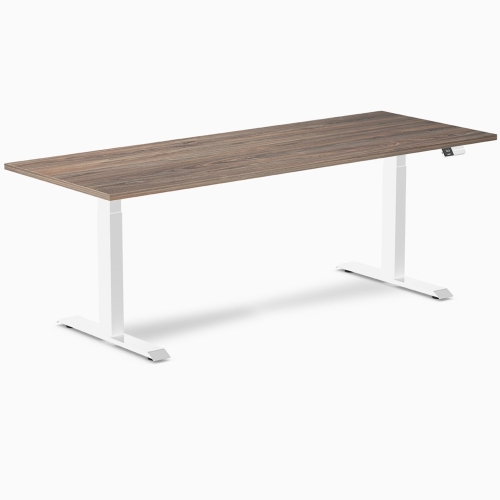
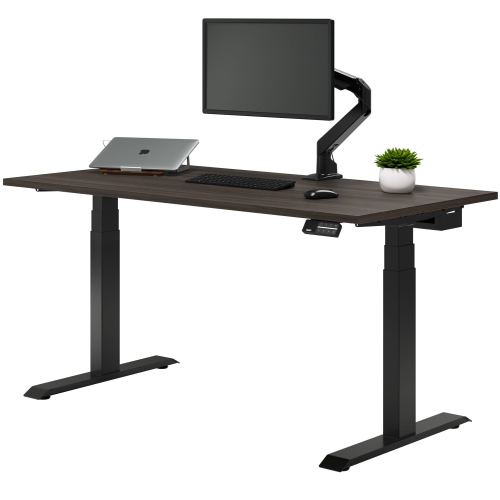
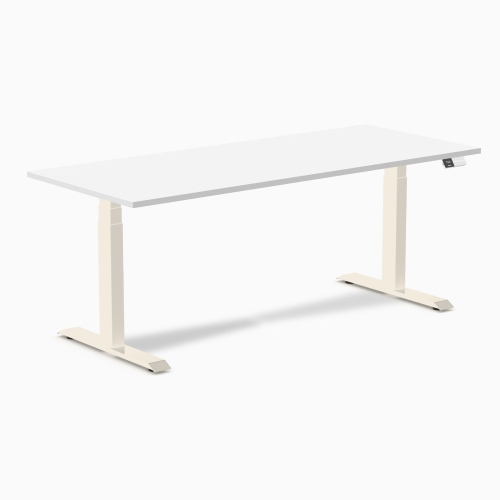
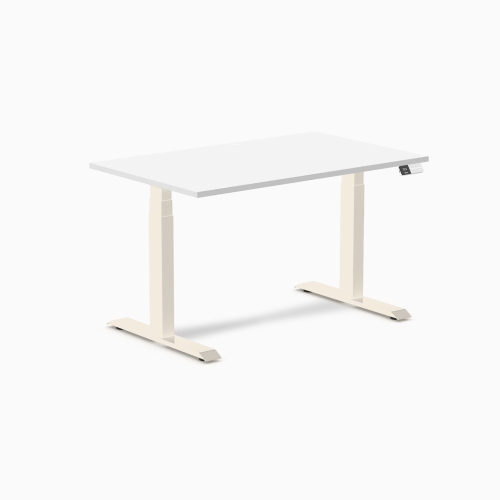
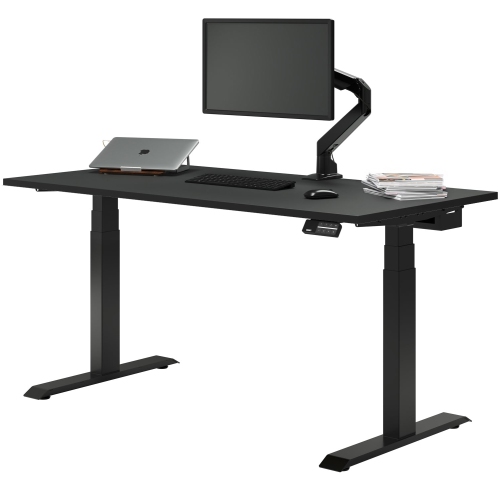


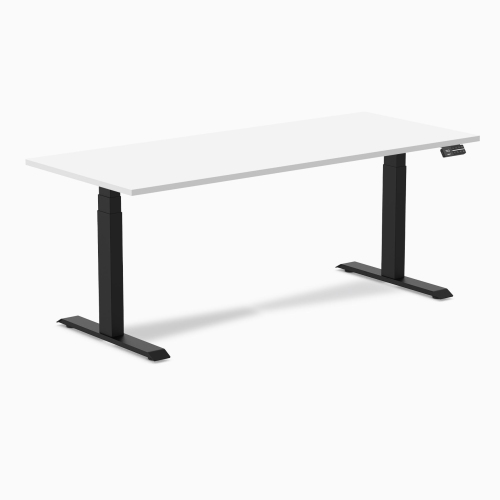
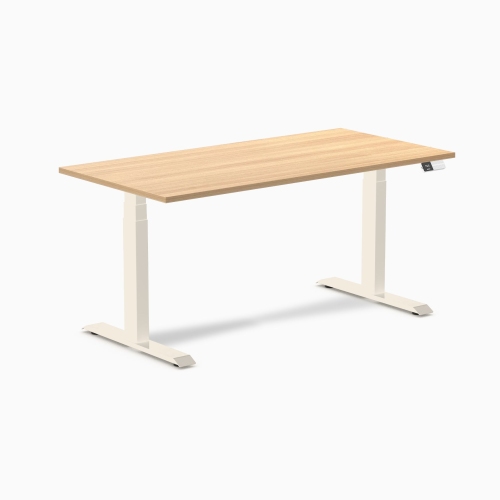

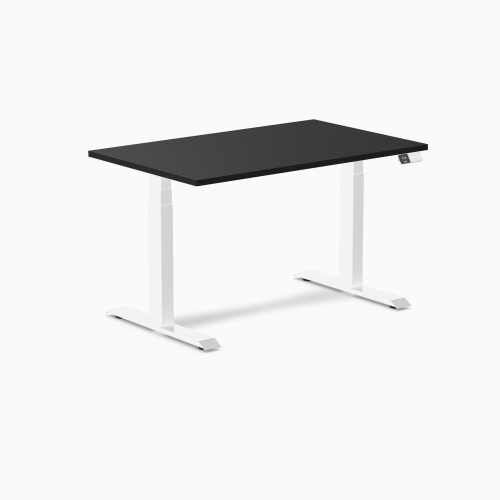


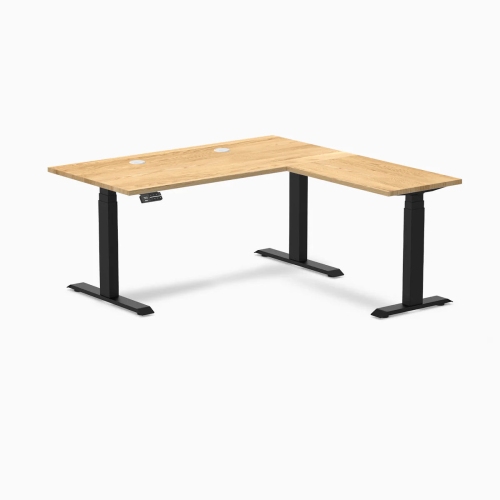
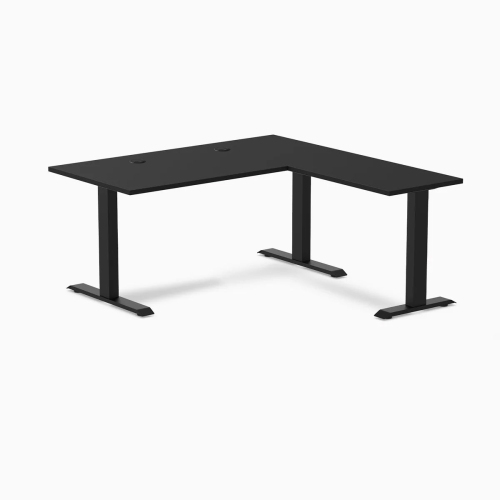

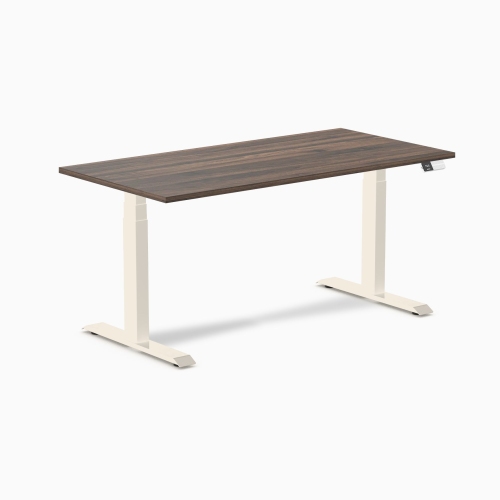
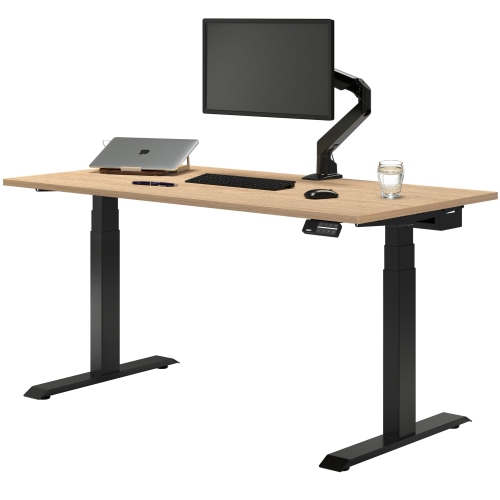
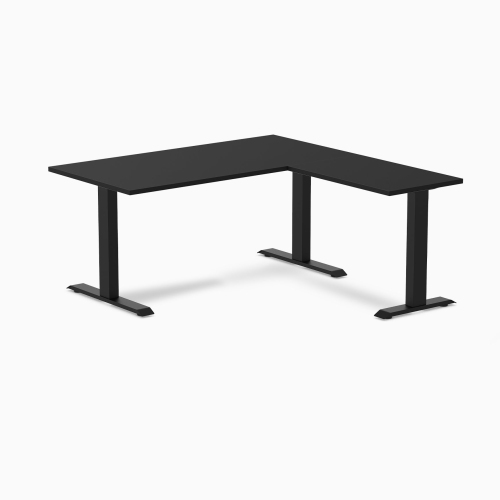
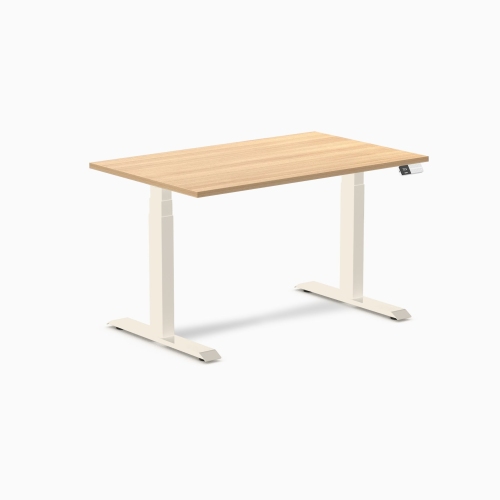


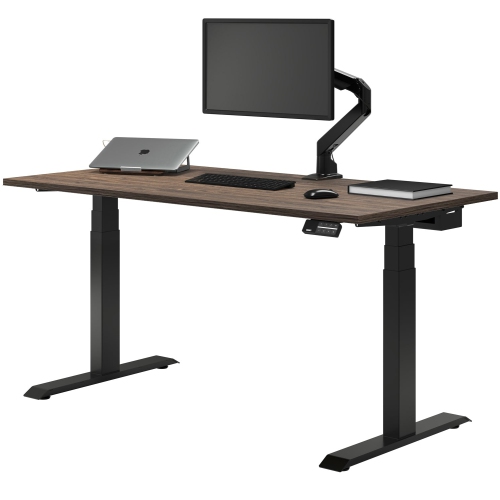

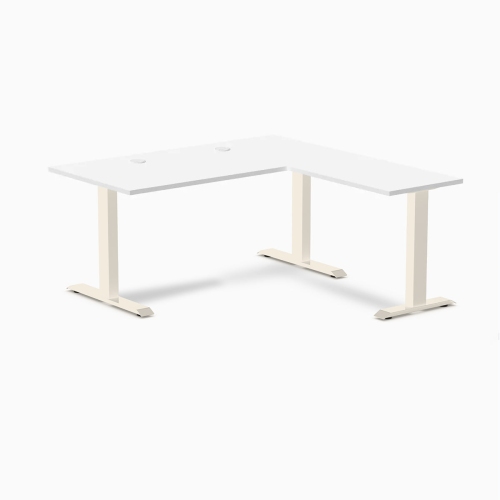
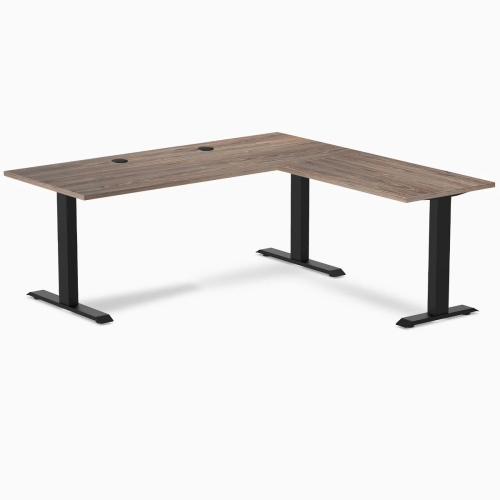

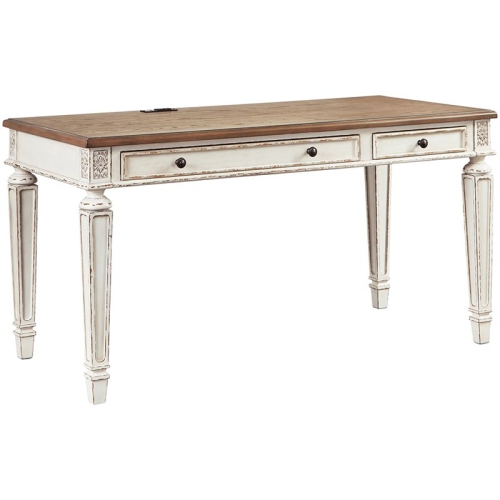
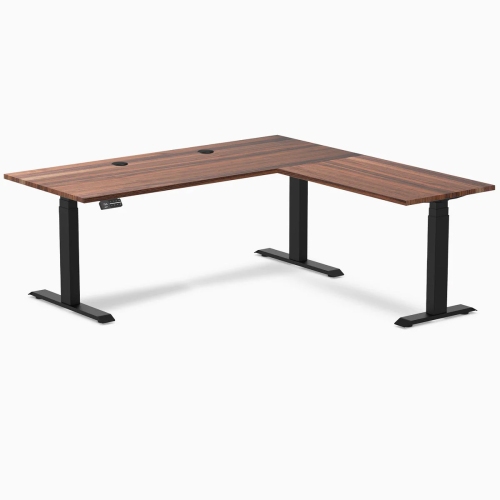
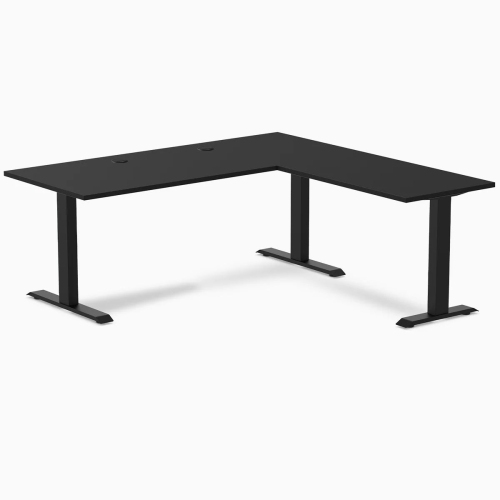
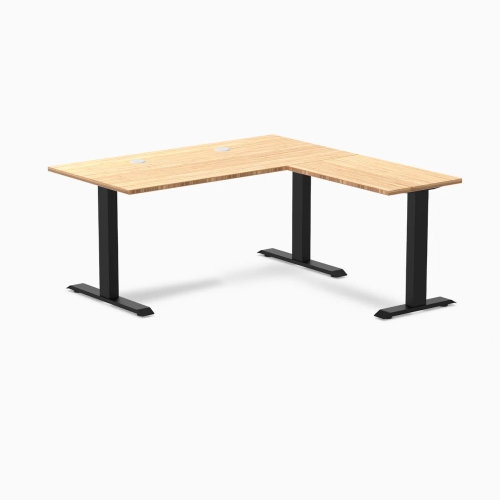
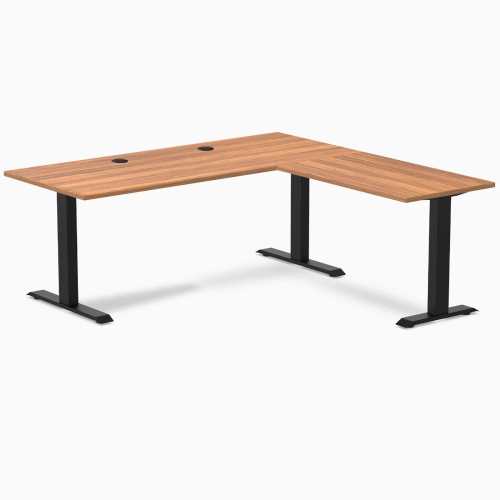
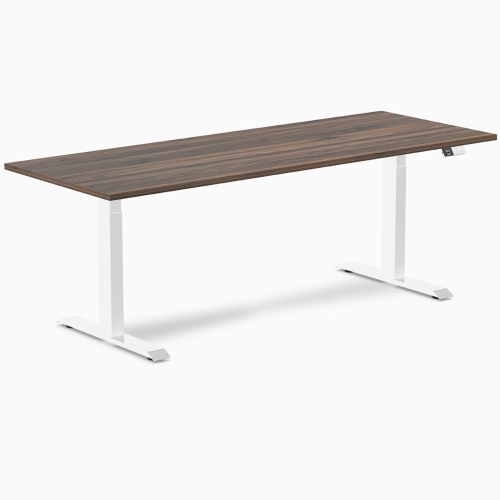
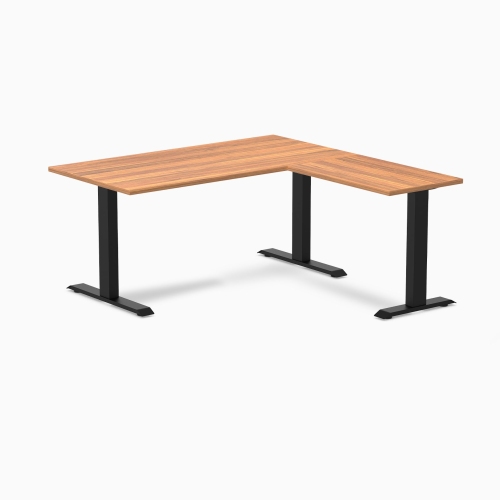


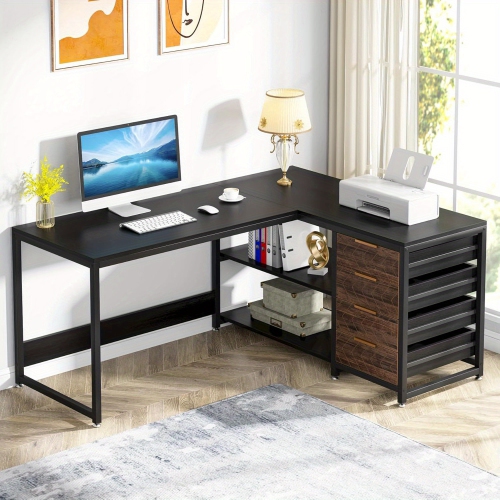
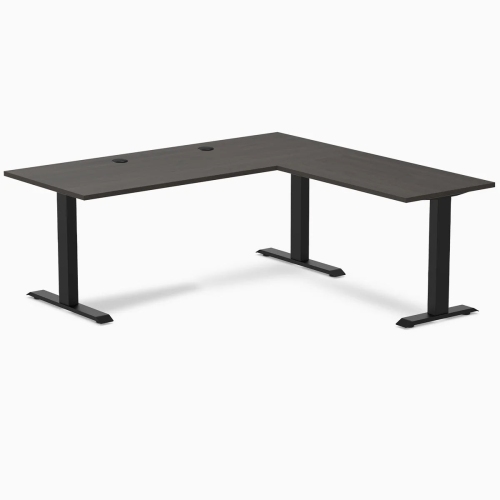

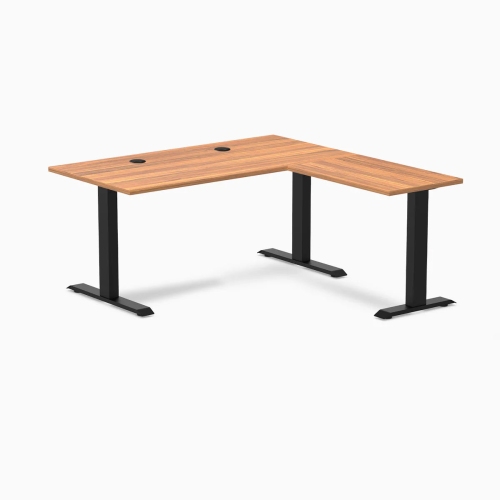
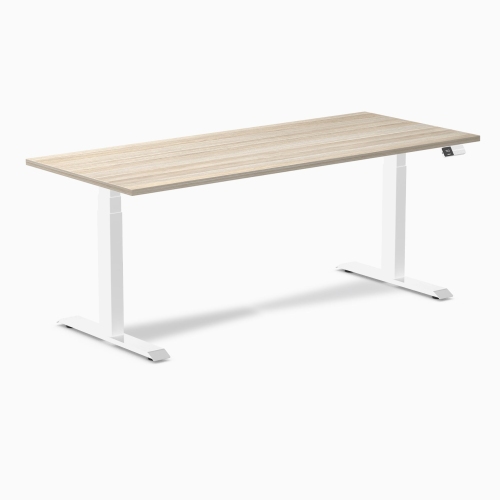

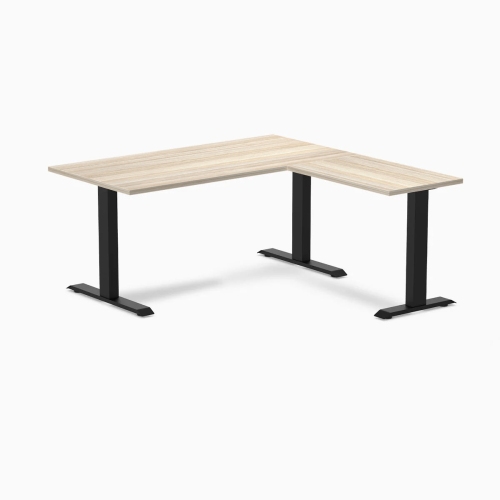

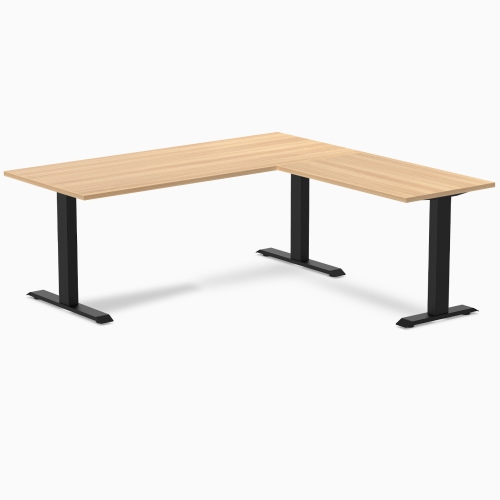

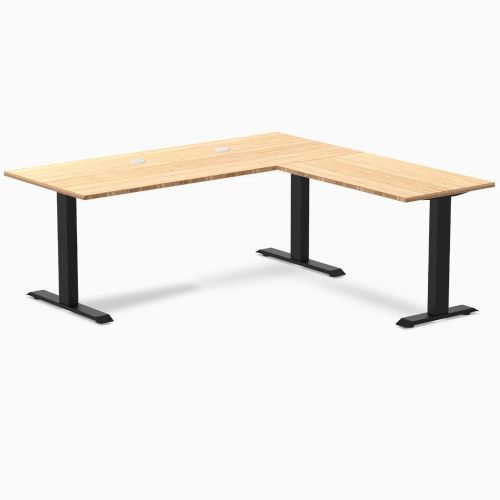
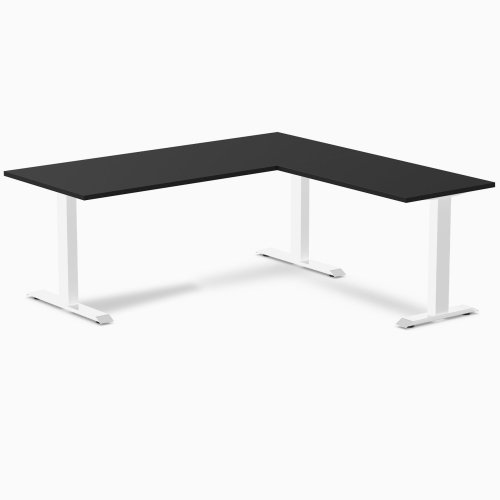
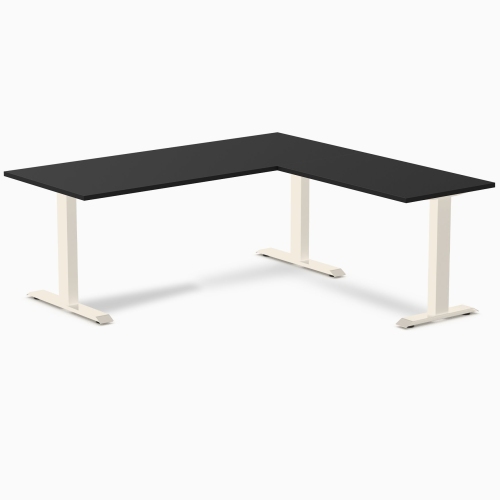


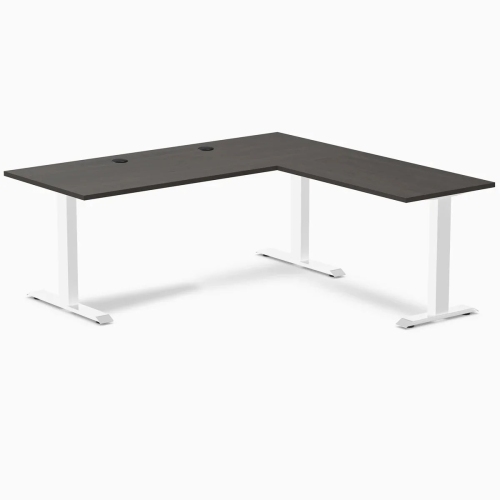


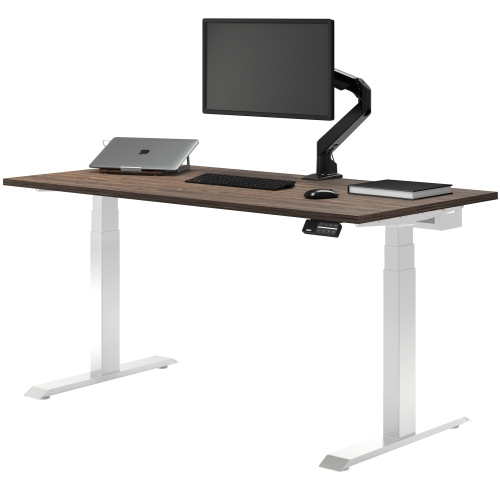

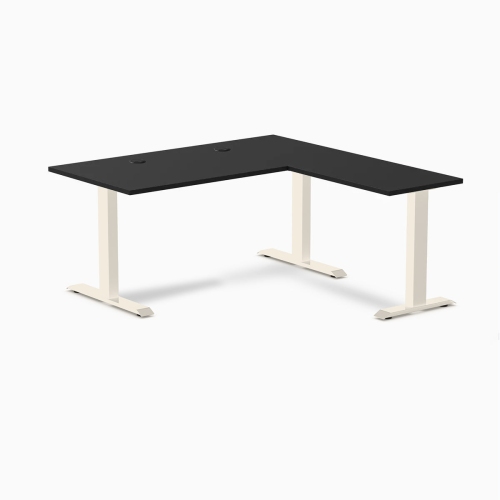

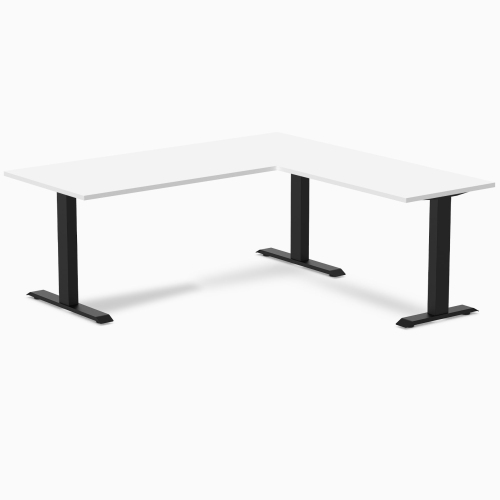

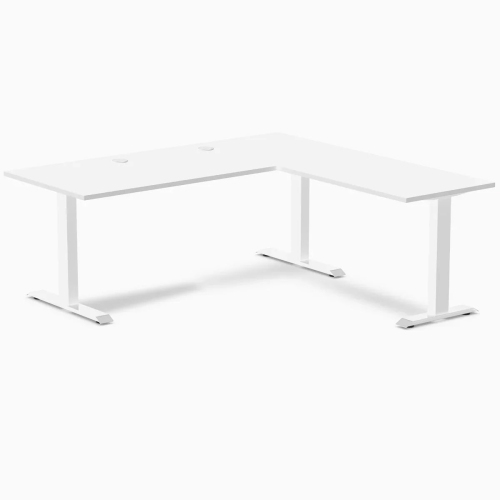

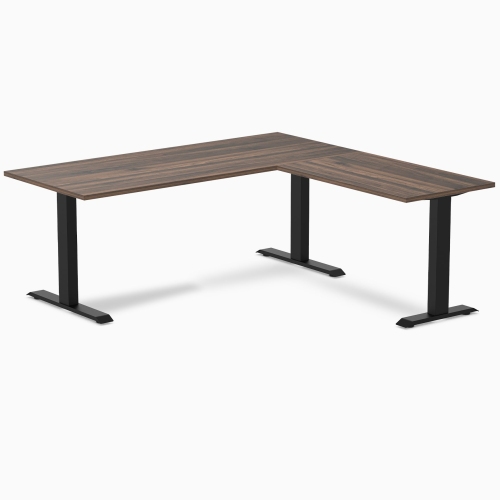

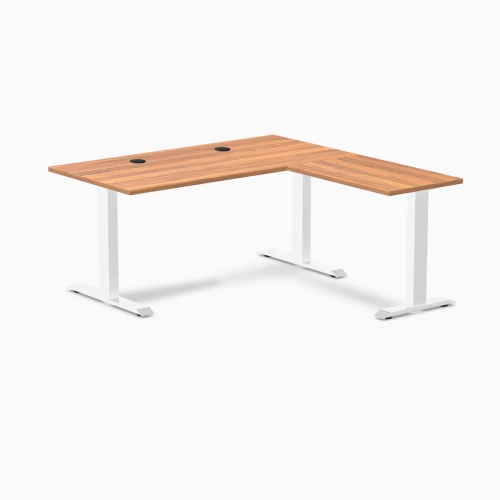
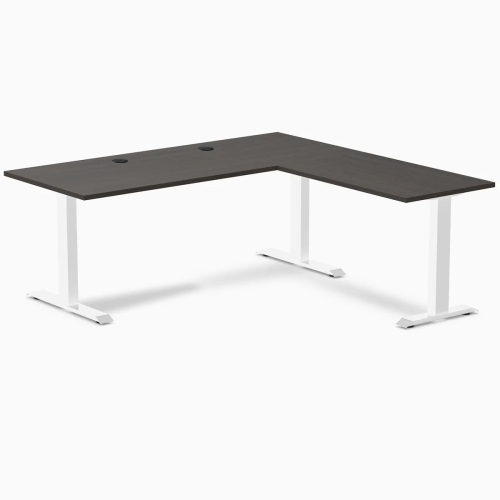
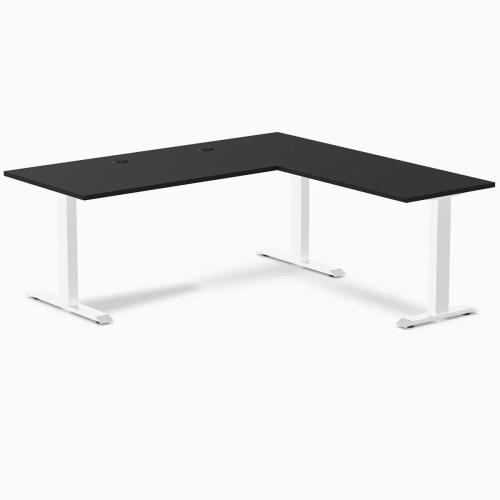
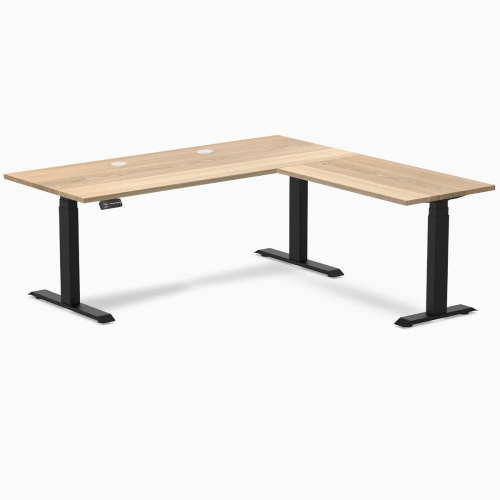
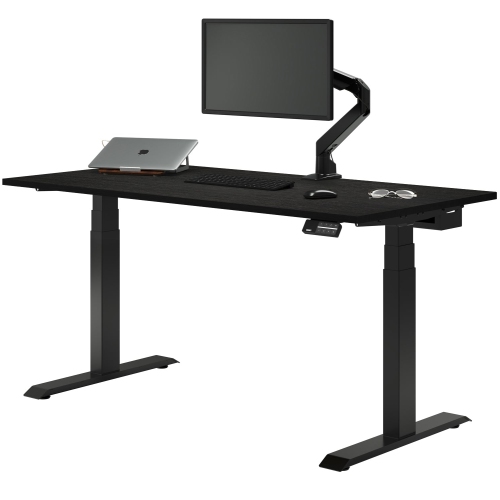

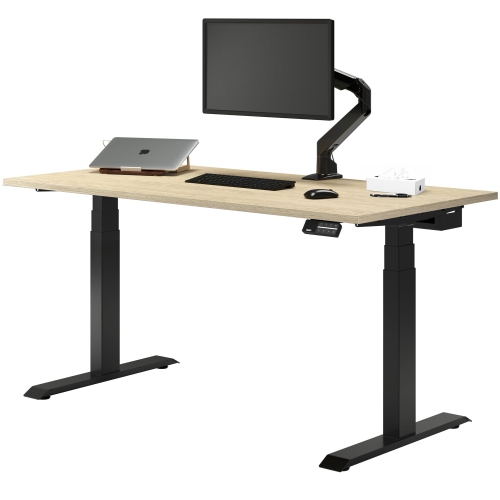
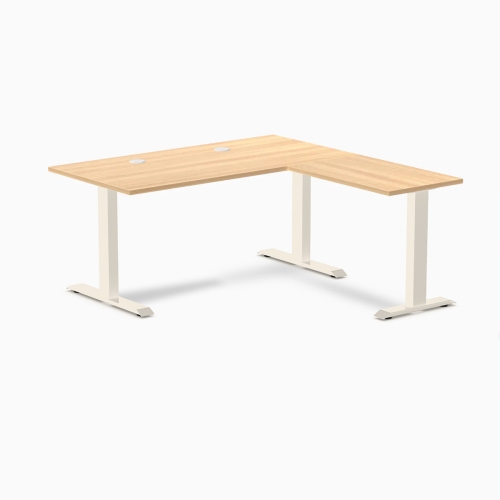


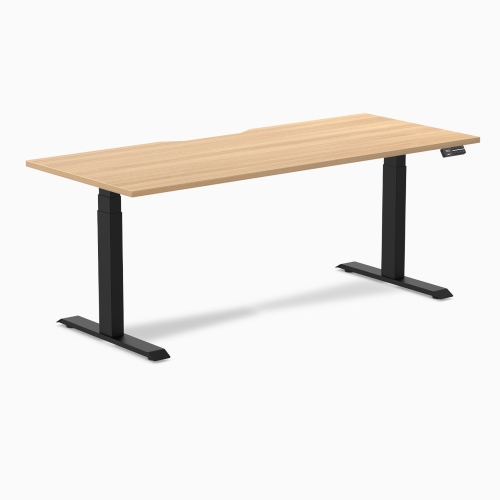






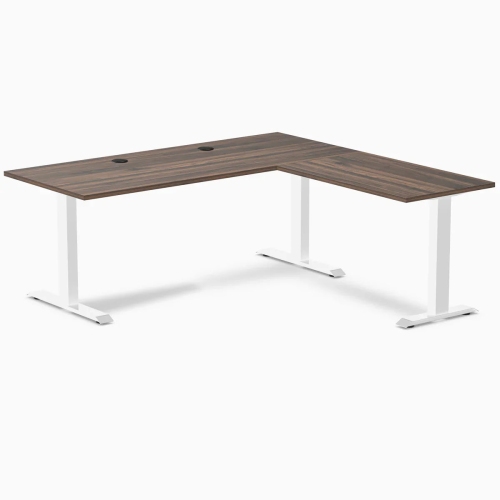


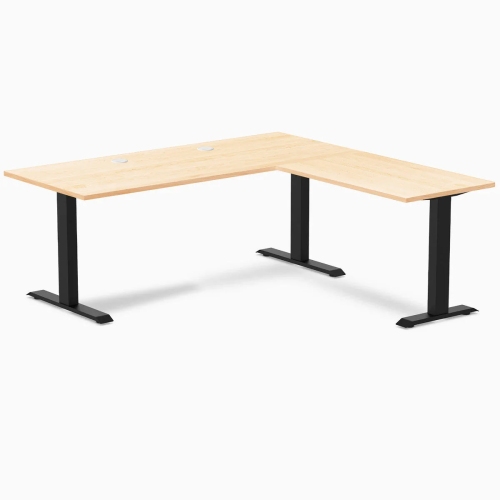

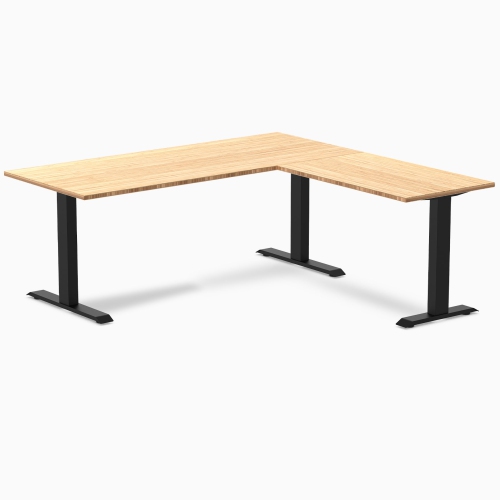
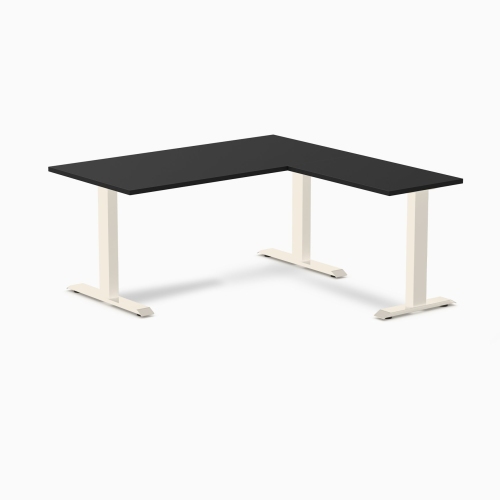
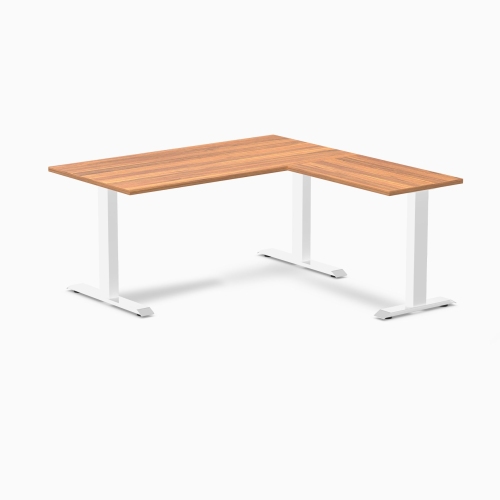
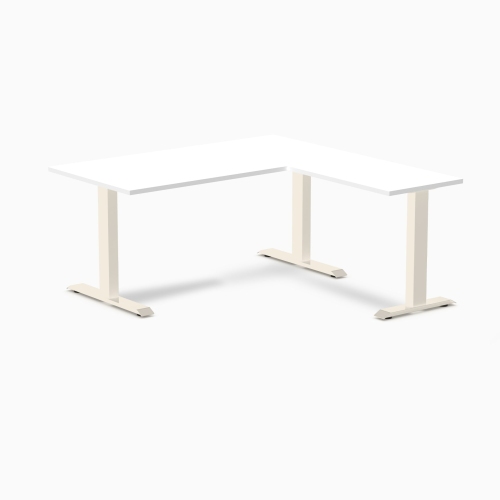
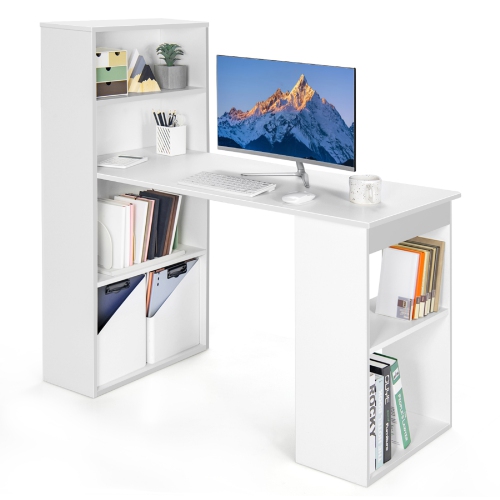
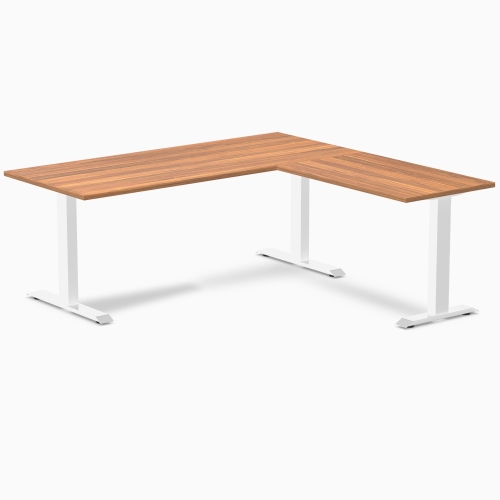

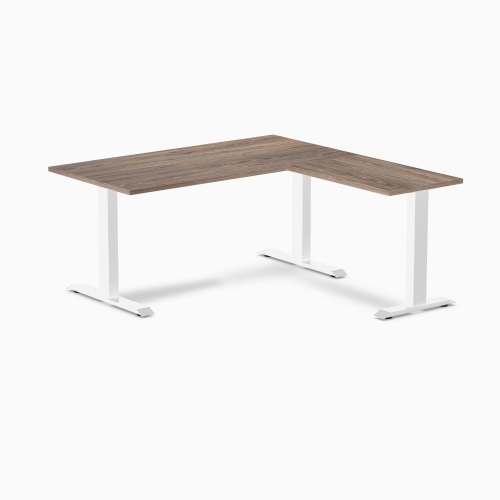

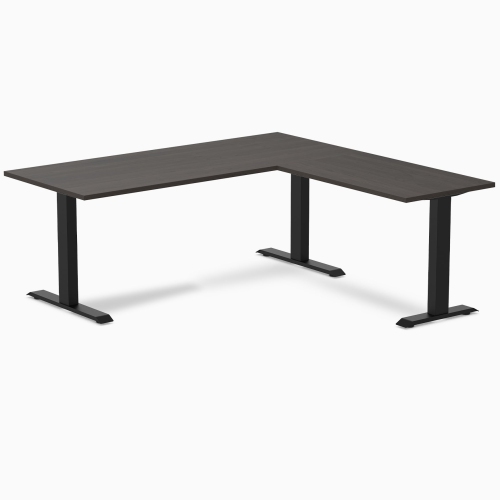

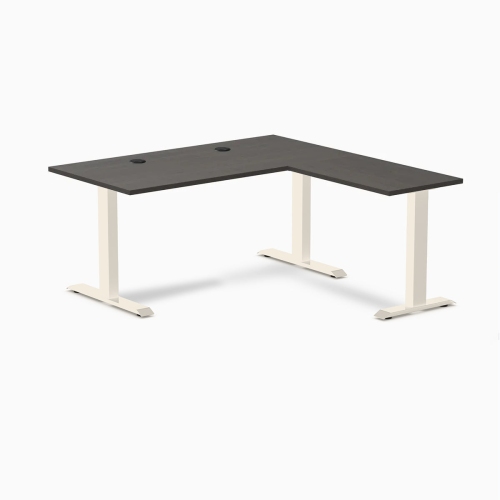
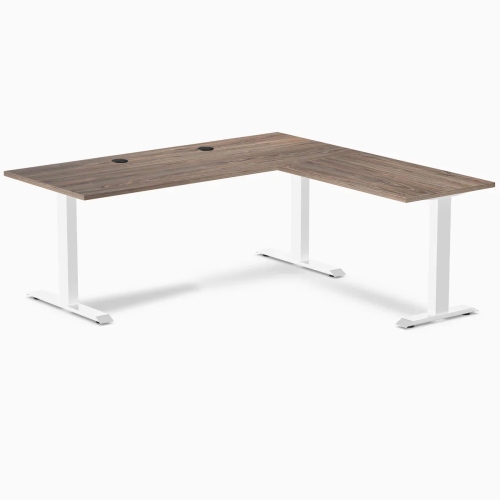
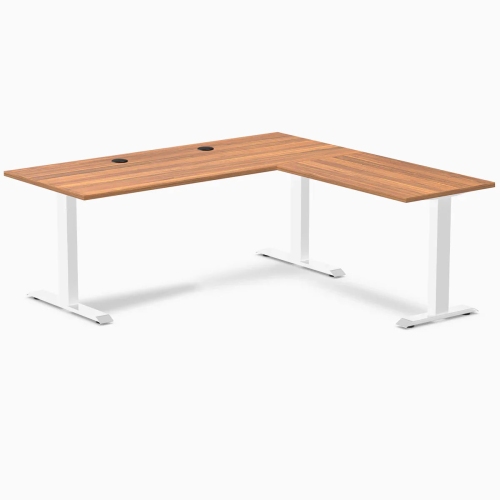

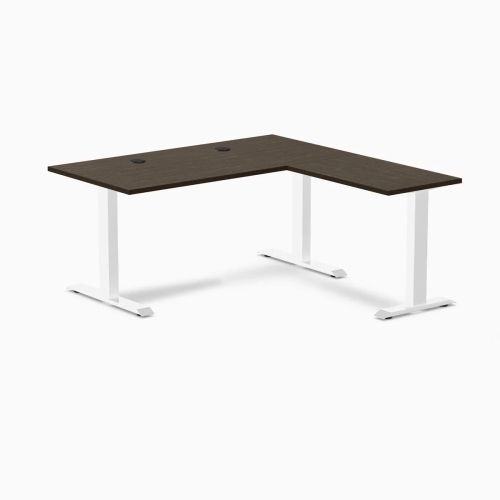


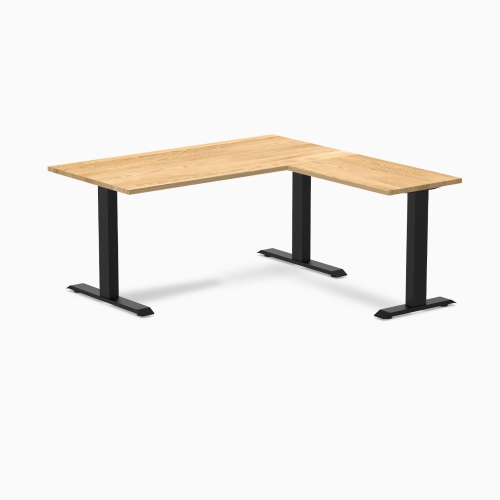
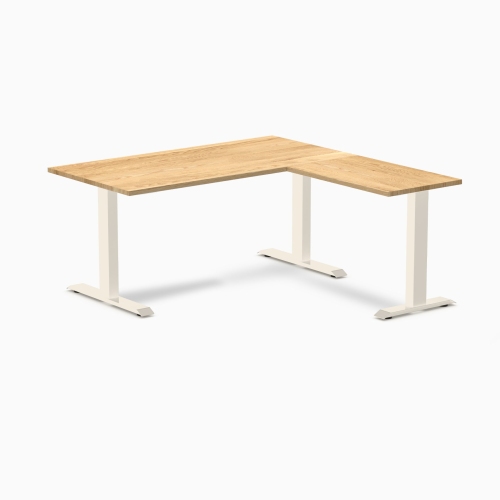
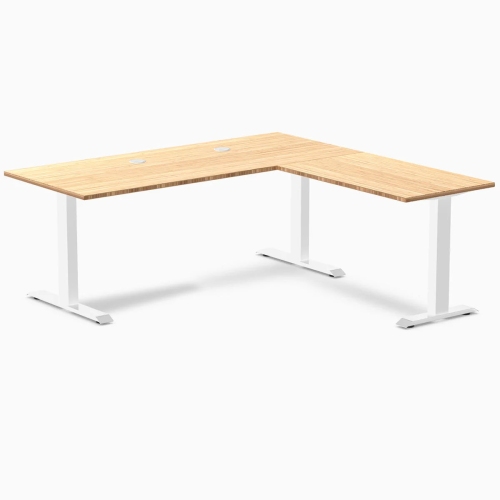
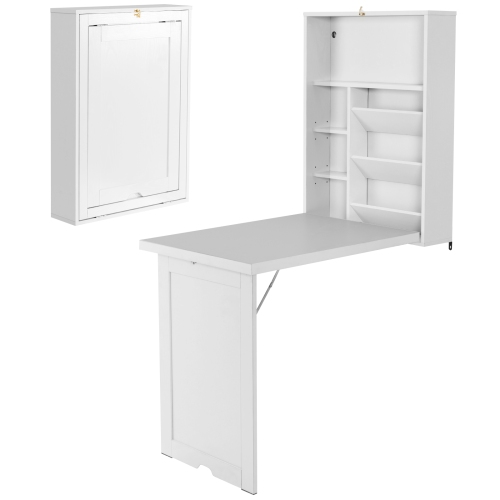
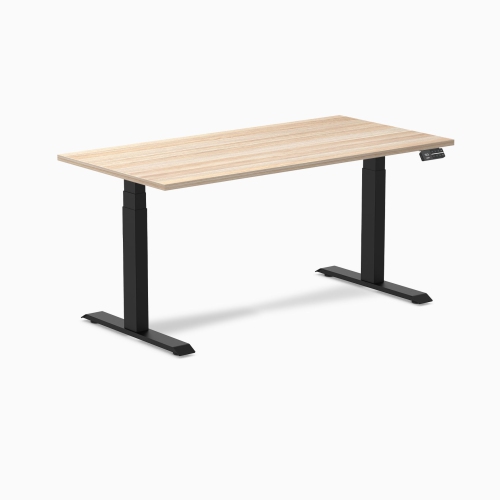


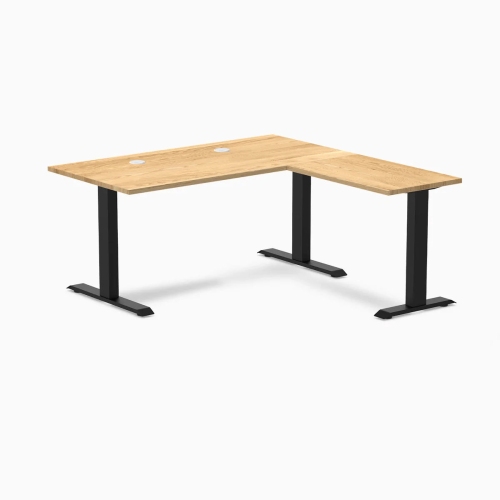


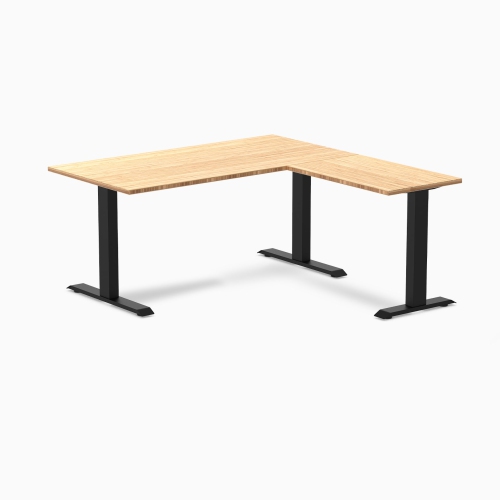
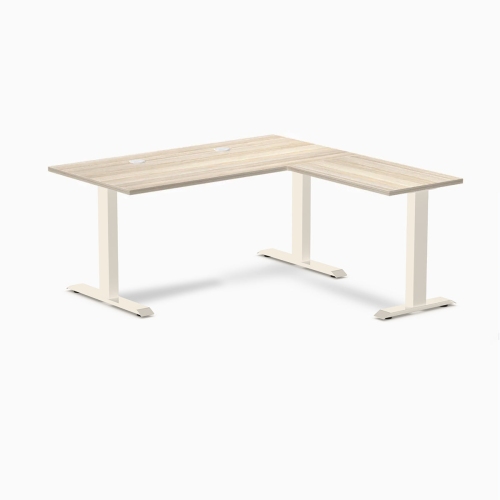

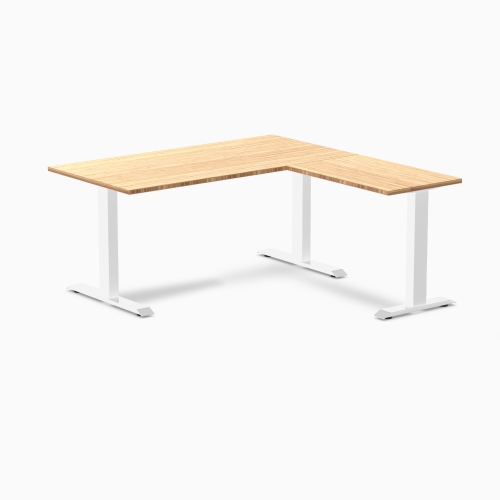
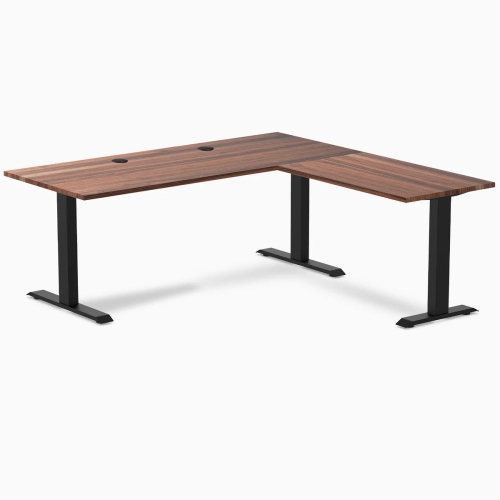
Space, stability, and flexibility for every design workflow
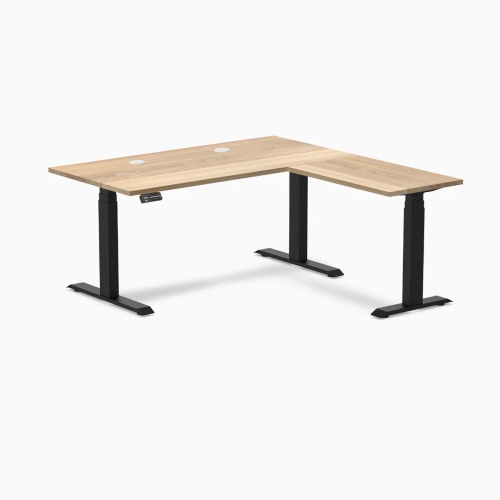
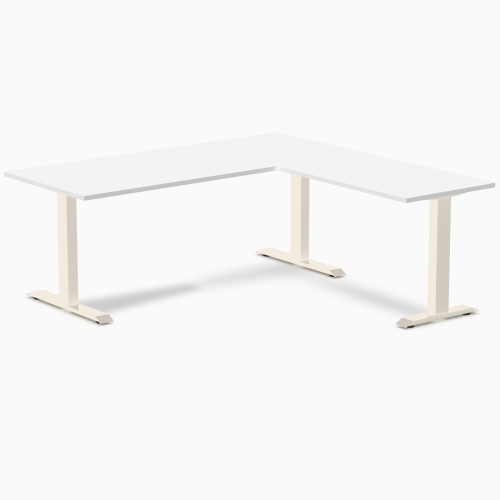
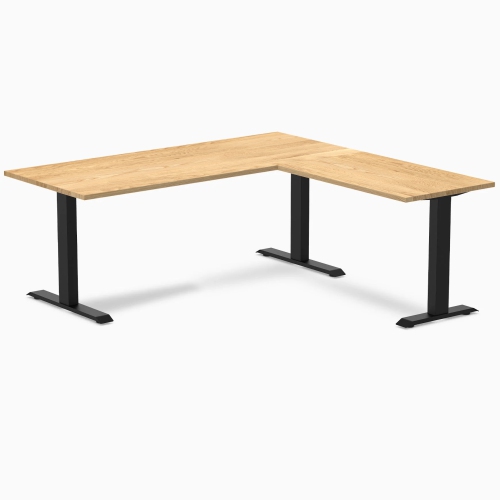
A desk for a designer needs to do more than fill an empty corner. It should support the way creative work actually happens: several applications open at once, reference images spread across the surface, a drawing tablet beside a keyboard, and a notebook or sample swatch within easy reach. A spacious desktop measuring roughly 48 to 72 inch wide can provide room for a multi-monitor setup without making the workspace feel cramped, while greater depth helps keep screens at a comfortable viewing distance and leaves space for creative tools in front of them. Look for a stable frame that stays firm when you are using a stylus, adjusting a monitor arm, or making precise movements with a mouse. A surface with a smooth, low-glare finish can be especially useful for digital design, photography, illustration, and layout work, where reflections may make it harder to judge colours and details. Solid wood, durable laminate, linoleum, and other hard-wearing finishes each bring a different look and feel, so consider how the desk will fit with the rest of the room as well as how it will stand up to everyday use. Designers often move between focused screen work and more hands-on tasks, making practical details just as important as appearance. Drawers, shelves, modesty panels, and open storage can keep sketchbooks, cables, notebooks, and accessories close by without covering the main work area. If the desk will be placed in a shared room, a cleaner silhouette and enclosed storage can help it blend into a living space once the workday is over. For a dedicated studio, a broader worktop or a corner configuration may be more valuable, particularly when the setup includes a large display, colour reference materials, a printer, speakers, or other equipment.
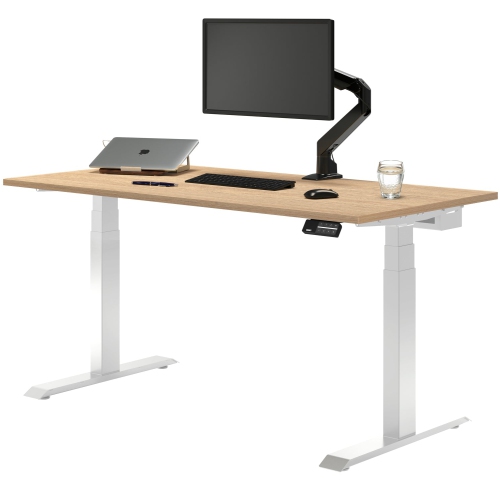
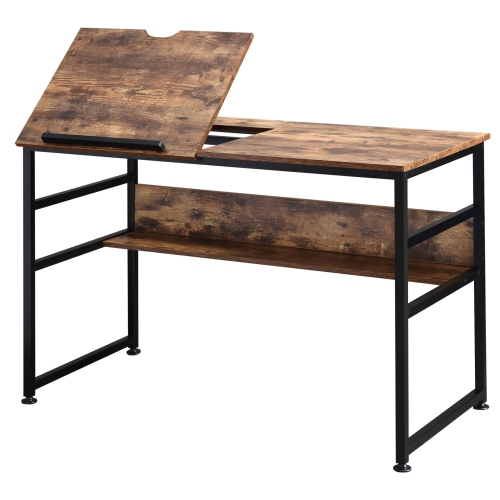
Height flexibility can make a meaningful difference during long design sessions. A sit-to-stand desk allows you to alternate between seated and standing positions, which can help bring movement into a day spent at a computer. Electronic adjustment is convenient when you need to change positions frequently, while a manual crank or fixed-height design may suit a simpler workspace. Pay attention to the adjustment range and make sure it accommodates the people who will use the desk, especially in a shared studio or home office. The desk should pair comfortably with an adjustable chair, and your forearms should rest naturally when typing or drawing. A sturdy base, quiet movement, and programmable height settings are useful features for anyone who shifts between brainstorming, production, and video calls. Cable management also deserves careful consideration. Built-in channels, rear openings, cable trays, and front-access panels can guide monitor, docking station, lighting, and charging cables away from the floor and the front edge of the desk. Keeping power cords organized is not only visually appealing; it also makes it easier to move equipment, clean the workspace, and troubleshoot a connection when a display or peripheral stops responding. Designers who work with physical media may prefer a drafting or multi-function table with an adjustable surface that tilts for sketching, lettering, painting, or reviewing printed layouts. A flat, steady section can still hold a computer or reference materials, while a raised angle may reduce the need to lean over detailed work. Those looking for related workspace ideas can also explore Desks for Artists for designs suited to hands-on creative projects.
The right desk can serve different kinds of designers, from a student building a first portfolio to an experienced professional refining brand layouts, 3D models, animations, architectural plans, or product concepts. It can also be a thoughtful gift for someone setting up a home studio, moving into a new apartment, or turning a spare room into a creative workspace. When choosing one for another person, consider their preferred workflow before focusing on style: a digital illustrator may value a wide, uncluttered surface and easy access to power, while a photographer or video editor may need room for multiple displays and external drives. Someone who works with paper, models, or tools may benefit more from a deeper top, raised shelf, drawers, or a tilting work area. Measure the available room carefully, including clearance for chairs, drawers, doors, monitor arms, and standing positions. It is also worth checking the desk’s weight capacity if it will support several monitors, a computer tower, speakers, task lighting, or heavy equipment. A clean white, black, wood-look, or neutral finish can create a different atmosphere, but durability and maintenance should remain part of the decision, particularly in a busy studio where ink, dust, coffee, and adhesive notes are part of the daily landscape. During the cooler months, when more creative work may move indoors, a well-organized desk can make a home office feel inviting rather than temporary. Add a comfortable chair, focused lighting, an appropriate monitor position, and a few carefully chosen organizers to create a setup that supports concentration without feeling sterile. Whether the goal is a polished professional studio, a compact workstation, or a flexible desk for evening projects, prioritizing stability, surface area, ergonomic adjustment, and cable control can make the workspace easier to use from the first sketch of the day through the final detail.
Top selling and popular products
-
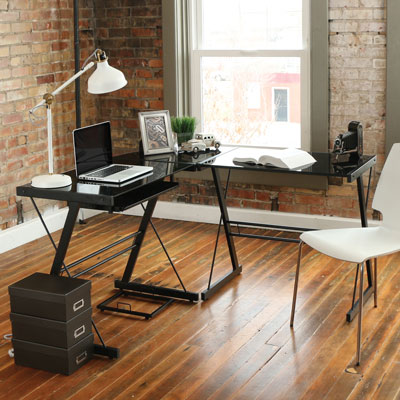 Your price for this item is $304.99
-
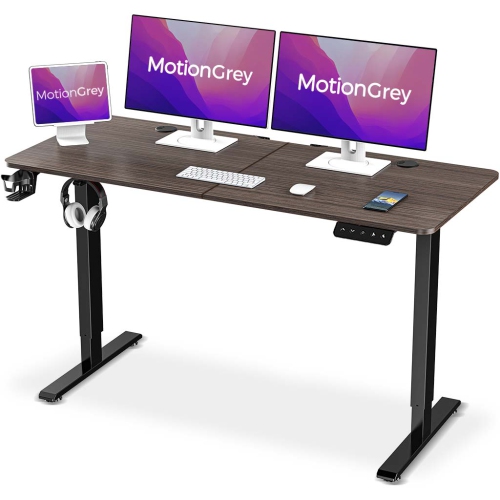 Your price for this item is $142.94
-
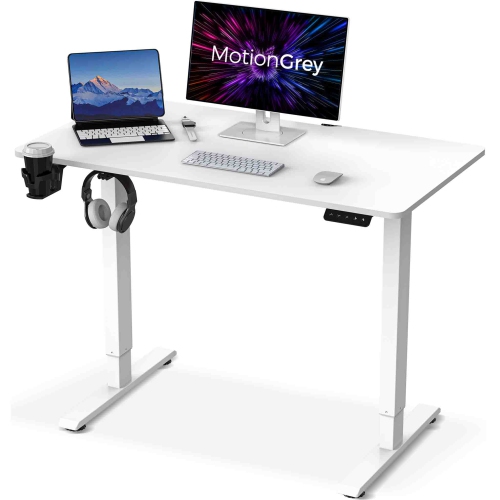 Your price for this item is $133.91
-
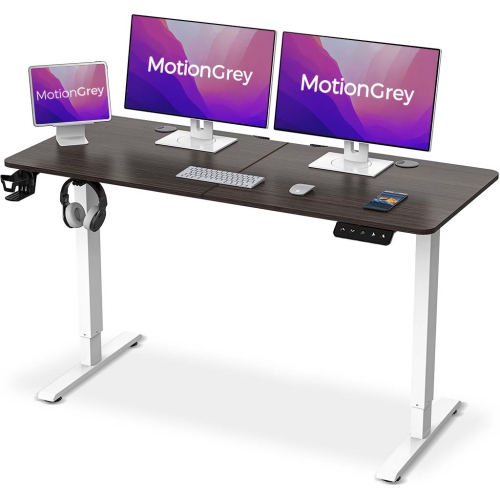 Your price for this item is $158.99
-
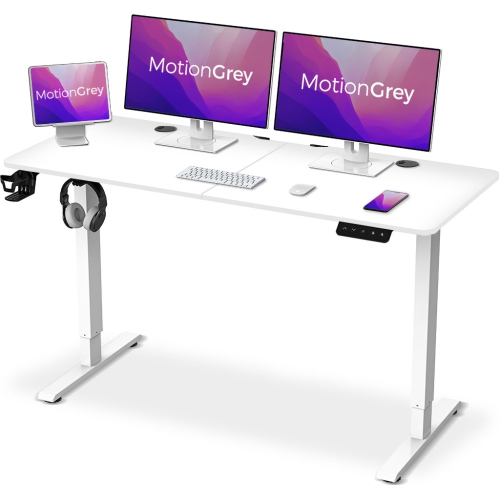 Your price for this item is $142.94
-
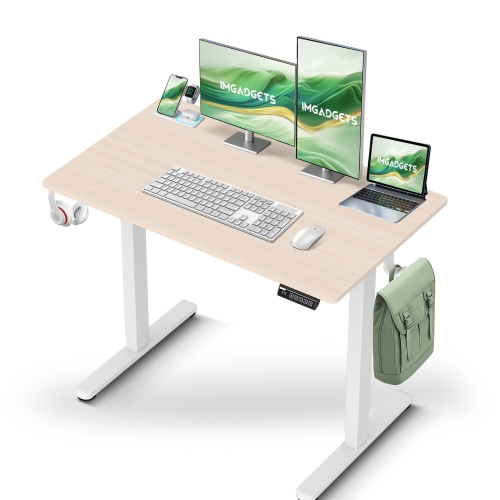 Your price for this item is $119.99
-
 Your price for this item is $133.91
-
 Your price for this item is $142.94
Discover more categories related to Desks for Designers
Top Collections:
Pokemon Centers, Kindle Devices, Best Budget Office Chairs, Canon G7X Cameras, Apple iPhones 16, Samsung Galaxy Phones, Refurbished Apple Laptops, Laptops for Students, iPhone 15 Apple, Budget Smartphones
Some products may be subject to Environmental Handling Fees
(EHF) depending on your province.
Learn more about EHFs.