Dining Room Semi Flush Mount Lights
Dining Room Semi Flush Mount Lights offer a stylish and practical way to enhance your dining space. These versatile lighting fixtures provide the perfect balance between form and function, adding a touch of elegance while illuminating your meals and gatherings. With a variety of designs and finishes available, it's easy to find options that complement your décor and create an inviting atmosphere. Explore the selection of Dining Room Semi Flush Mount Lights to discover the ideal choice for your home.
Sort
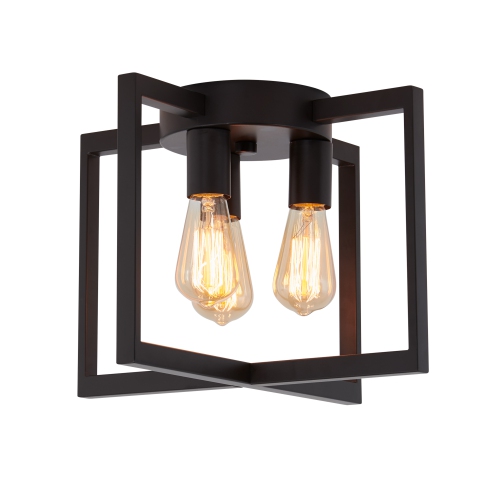
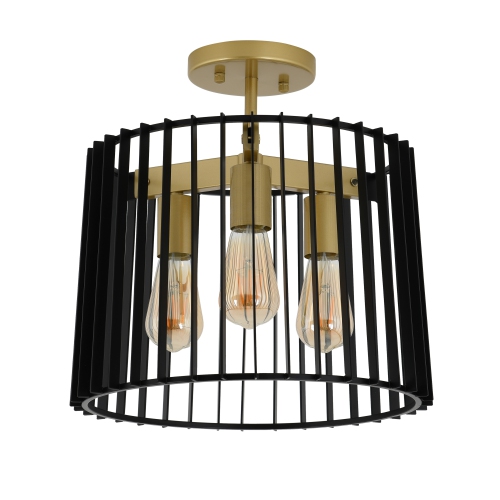
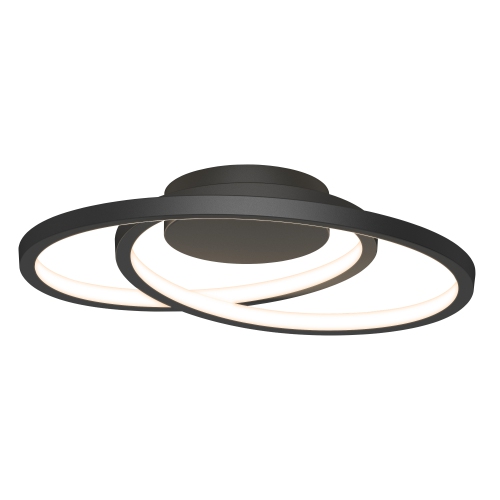
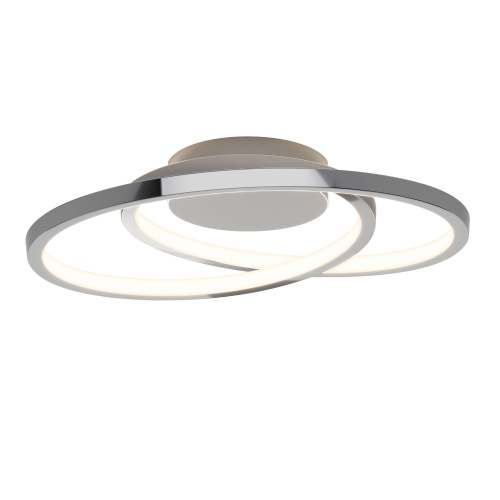
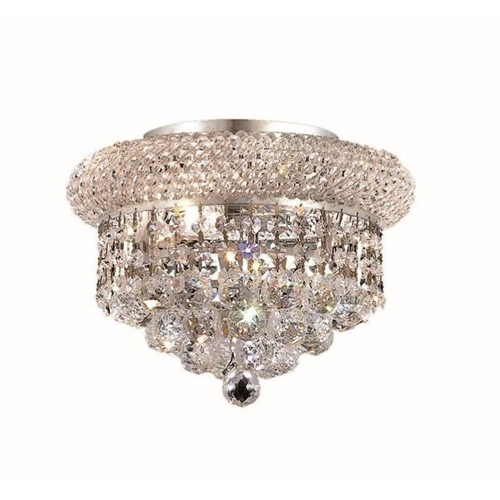
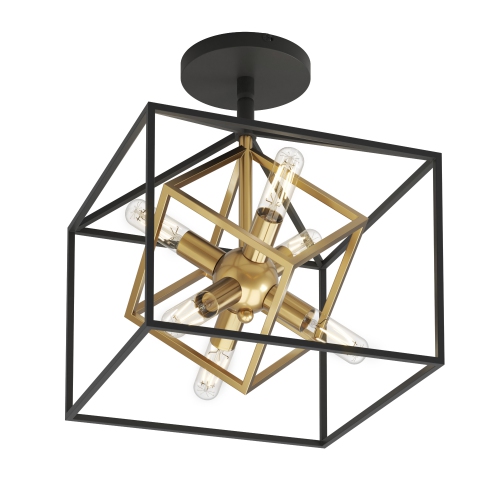
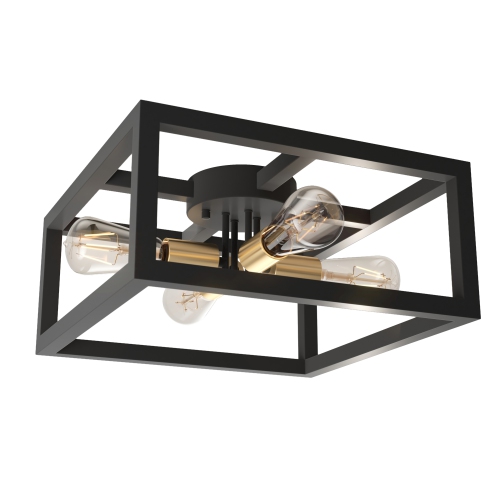
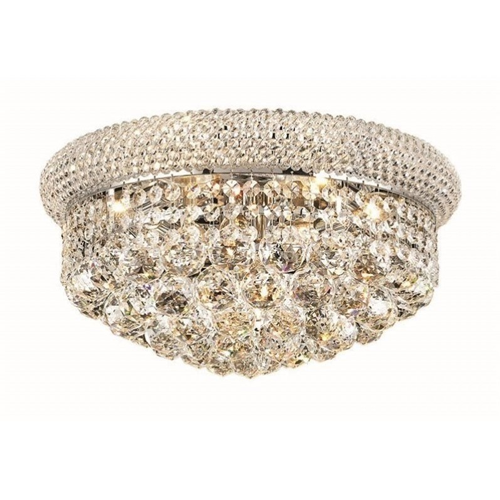
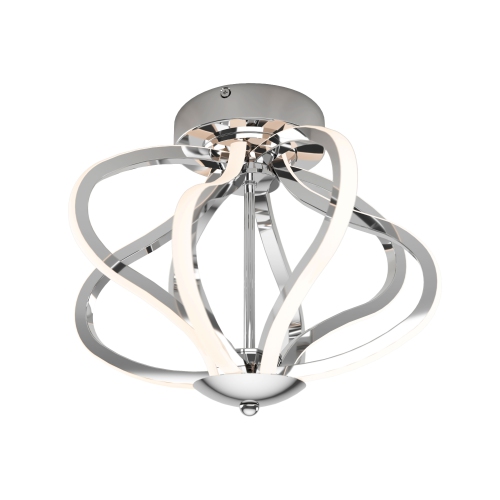
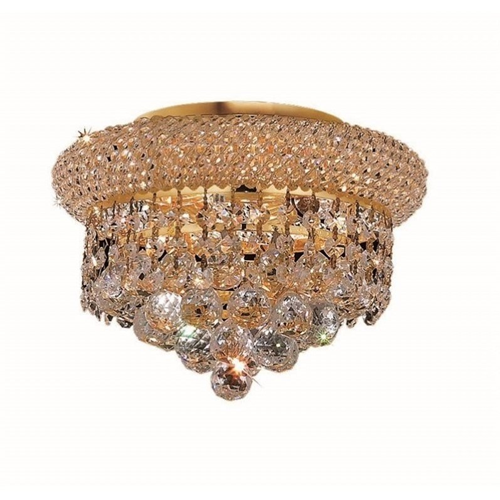
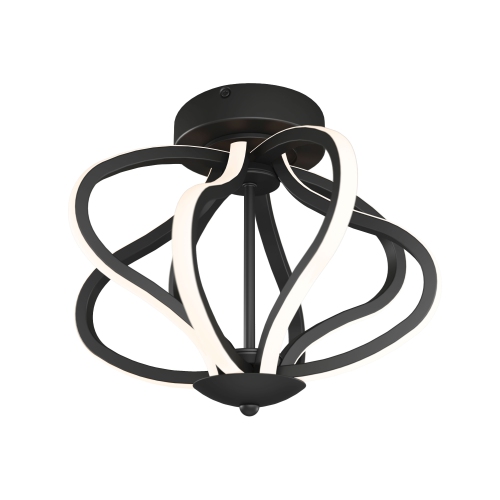
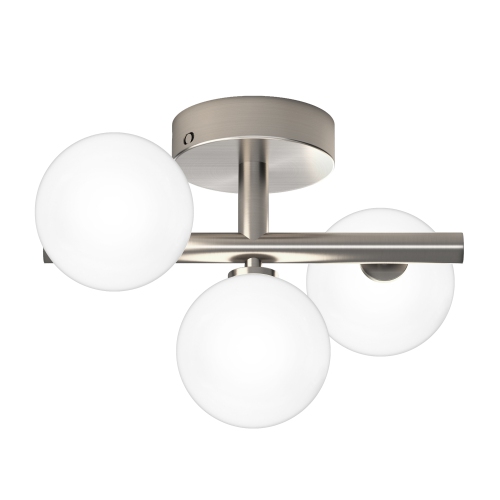
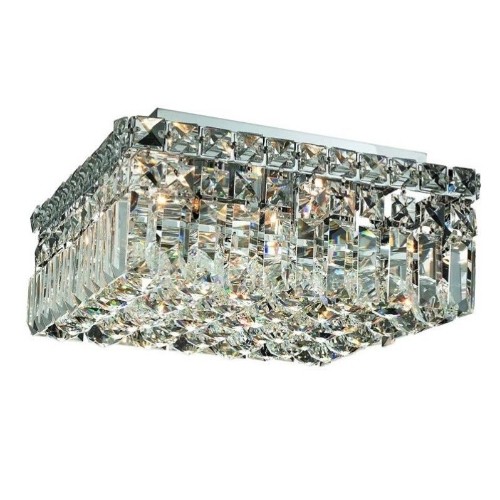
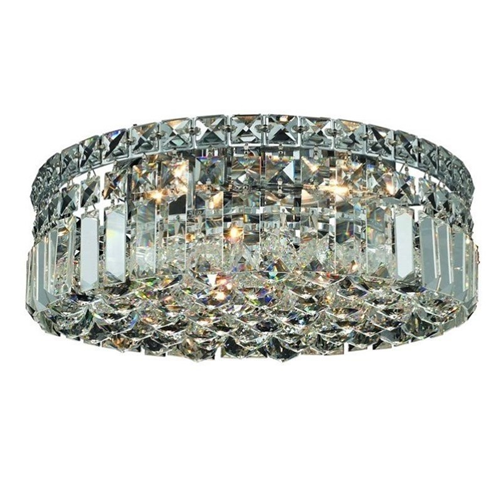
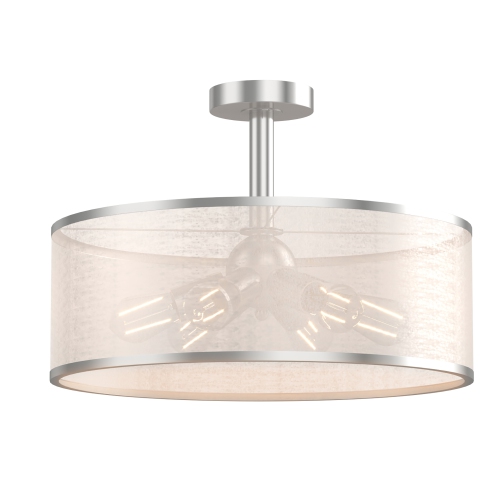
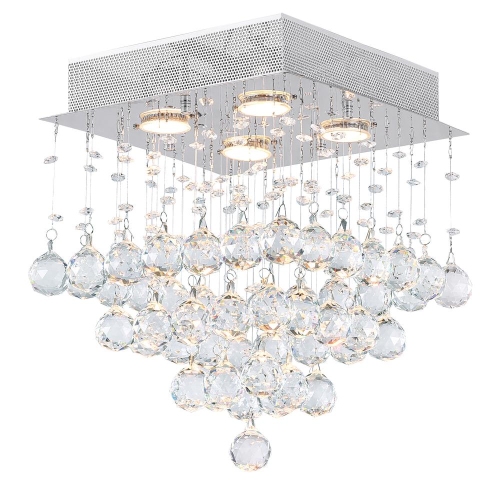
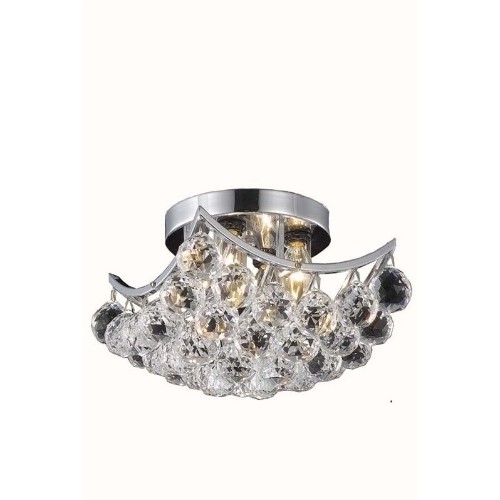


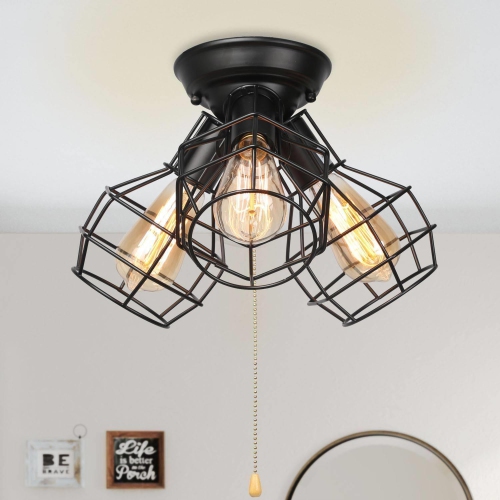
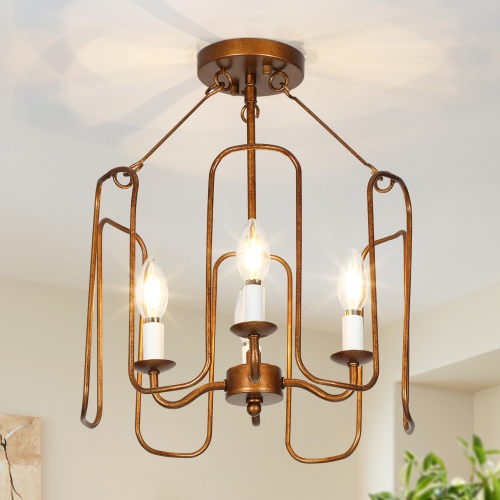
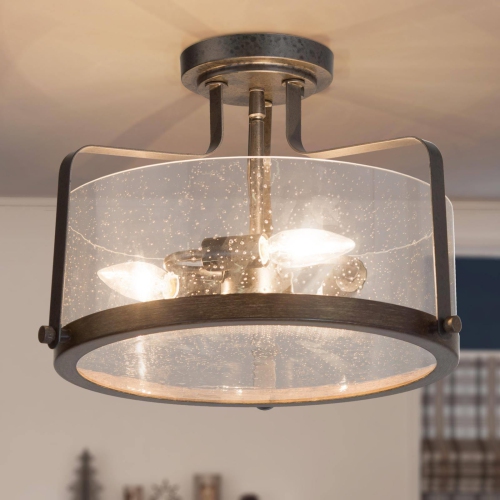
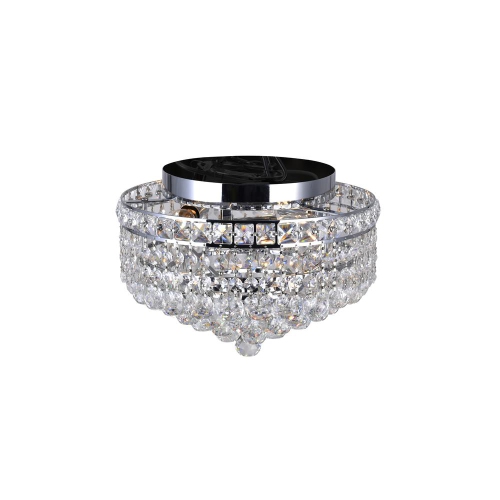
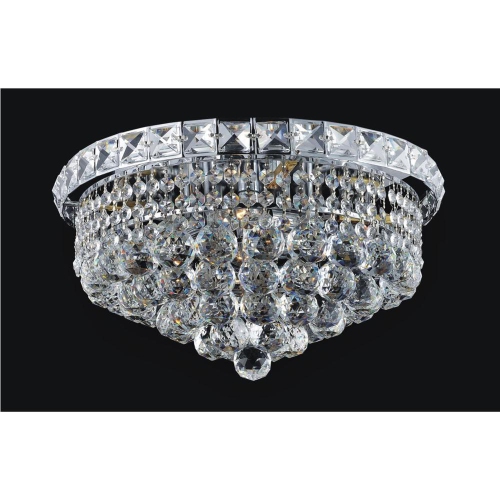
Dining lights with character without the long drop
Dining room semi-flush mount lights are ceiling fixtures suspended on a short stem or support, leaving a small gap between the light and the ceiling. They offer a middle ground between close-fitting flush mounts and longer pendants or chandeliers: enough depth to bring shape and character to a room without the same hanging length. That compact profile can suit dining rooms with low or standard-height ceilings, provided the fixture’s overall drop leaves suitable clearance above the table and nearby walkways. Depending on the shade and construction, light can travel down towards the dining surface, out across the room, and upwards onto the ceiling. An open-top shade, for example, can create a gentle wash of light overhead, while a frosted bowl softens the view of the bulbs from below. Not every design distributes light in the same way, so the shade opening and bulb placement matter as much as the silhouette. Over a round breakfast table, a curved glass shade can feel balanced and unobtrusive; in a separate dining room, a wider fixture with several arms can give the table a stronger visual centre. Semi-flush lighting also works well in multipurpose dining spaces, where the table may host a family meal in the evening and homework, a puzzle, or paperwork earlier in the day. The light stays close to the ceiling rather than occupying the space directly above everyone’s sightlines. During the cooler months, when more meals take place after sunset, that combination of useful illumination and a welcoming glow can make the dining area feel comfortable without overwhelming it. These fixtures are particularly appealing in compact homes, condos, and dining nooks where every element needs to feel proportionate, although a larger semi-flush design can also hold its own in a more spacious room.
Materials and finishes give dining room semi-flush mount lighting much of its personality, while influencing how the light looks once switched on. Clear glass keeps the fixture visually open and makes exposed bulbs part of the design, which can complement simple furniture or a room with strong architectural lines. Because the bulbs remain visible, their shape and brightness deserve attention, especially from the seated position where glare can be more noticeable. Opal or frosted glass diffuses light for a softer appearance, while ribbed or textured glass adds surface detail and can cast subtle patterns nearby. Fabric drum shades introduce a gentler texture that sits comfortably alongside upholstered chairs, curtains, and wood tables, though the fabric’s colour and density can affect how much light reaches the room. Metal shades tend to direct light more deliberately, with the pattern depending on whether the sides and top are open or enclosed. Black finishes create a crisp outline against a pale ceiling and can connect visually with dark chair frames, window trim, or cabinet handles. For a cohesive contrast, Black Semi Flush Mount Ceiling Lights can complement both understated dining spaces and rooms with more pronounced industrial details. Brushed metallic finishes offer a softer sheen than highly polished surfaces, while warm-toned metal can sit naturally beside oak, walnut, and woven accents. Matching every finish exactly is not essential; repeating one tone in a nearby detail often gives the room enough continuity. For lasting appearance, construction and finish quality matter alongside material choice. Secure shade fittings, evenly applied coatings, and accessible bulb positions all contribute to everyday practicality. Smooth glass and simple metal frames are generally easier to wipe clean than intricate arrangements with numerous small parts, an important distinction in open-plan dining areas where airborne cooking residue may settle on nearby surfaces. A shade that can be safely removed according to the manufacturer’s directions can also make occasional cleaning less awkward.
Fit involves more than ceiling height. A fixture’s width should relate to the table, the surrounding furniture, and the room itself, so a light that looks substantial in an empty space does not feel crowded once chairs, artwork, and a sideboard are in place. Over a long rectangular table, a small central fixture may leave the ends comparatively dim; a broader light pattern or additional room lighting can help create a more even result. The location of the existing ceiling box also matters, particularly when the table is not centred in the room. A semi-flush mount sits near its electrical connection and usually offers less freedom to shift the light’s position than a suspended arrangement designed for that purpose. On sloped ceilings, compatibility needs to be confirmed rather than assumed. Brightness, bulb type, and dimming options are equally important to everyday use. Warm white light, often around 2700 K to 3000 K, tends to feel inviting at dinner, while sufficient overall output helps with reading or working at the table. Lumens describe light output more directly than wattage, although the shade, ceiling colour, and room layout will influence how bright the space feels. A dimmable fixture can move from clearer task lighting to a quieter evening setting, but the bulbs, fixture, and wall dimmer must be compatible. For replaceable-bulb designs, the specified base, bulb dimensions, and maximum wattage should all be checked; enclosed shades may also require bulbs rated for enclosed use. Integrated LED designs have their own light-output and service details, making those specifications worth reviewing before installation. Where colour accuracy matters, a higher colour rendering index can help food, fabrics, and wood finishes appear more natural. Installation should follow the manufacturer’s instructions and applicable electrical requirements, with a qualified electrician handling wiring or support concerns. Once fitted, regular dusting with the power off and the fixture cool helps maintain a clear, even glow. Gentle cleaning methods suited to the shade and finish preserve the details that make semi-flush dining room lights feel like a considered part of the room.
Materials and finishes give dining room semi-flush mount lighting much of its personality, while influencing how the light looks once switched on. Clear glass keeps the fixture visually open and makes exposed bulbs part of the design, which can complement simple furniture or a room with strong architectural lines. Because the bulbs remain visible, their shape and brightness deserve attention, especially from the seated position where glare can be more noticeable. Opal or frosted glass diffuses light for a softer appearance, while ribbed or textured glass adds surface detail and can cast subtle patterns nearby. Fabric drum shades introduce a gentler texture that sits comfortably alongside upholstered chairs, curtains, and wood tables, though the fabric’s colour and density can affect how much light reaches the room. Metal shades tend to direct light more deliberately, with the pattern depending on whether the sides and top are open or enclosed. Black finishes create a crisp outline against a pale ceiling and can connect visually with dark chair frames, window trim, or cabinet handles. For a cohesive contrast, Black Semi Flush Mount Ceiling Lights can complement both understated dining spaces and rooms with more pronounced industrial details. Brushed metallic finishes offer a softer sheen than highly polished surfaces, while warm-toned metal can sit naturally beside oak, walnut, and woven accents. Matching every finish exactly is not essential; repeating one tone in a nearby detail often gives the room enough continuity. For lasting appearance, construction and finish quality matter alongside material choice. Secure shade fittings, evenly applied coatings, and accessible bulb positions all contribute to everyday practicality. Smooth glass and simple metal frames are generally easier to wipe clean than intricate arrangements with numerous small parts, an important distinction in open-plan dining areas where airborne cooking residue may settle on nearby surfaces. A shade that can be safely removed according to the manufacturer’s directions can also make occasional cleaning less awkward.
Fit involves more than ceiling height. A fixture’s width should relate to the table, the surrounding furniture, and the room itself, so a light that looks substantial in an empty space does not feel crowded once chairs, artwork, and a sideboard are in place. Over a long rectangular table, a small central fixture may leave the ends comparatively dim; a broader light pattern or additional room lighting can help create a more even result. The location of the existing ceiling box also matters, particularly when the table is not centred in the room. A semi-flush mount sits near its electrical connection and usually offers less freedom to shift the light’s position than a suspended arrangement designed for that purpose. On sloped ceilings, compatibility needs to be confirmed rather than assumed. Brightness, bulb type, and dimming options are equally important to everyday use. Warm white light, often around 2700 K to 3000 K, tends to feel inviting at dinner, while sufficient overall output helps with reading or working at the table. Lumens describe light output more directly than wattage, although the shade, ceiling colour, and room layout will influence how bright the space feels. A dimmable fixture can move from clearer task lighting to a quieter evening setting, but the bulbs, fixture, and wall dimmer must be compatible. For replaceable-bulb designs, the specified base, bulb dimensions, and maximum wattage should all be checked; enclosed shades may also require bulbs rated for enclosed use. Integrated LED designs have their own light-output and service details, making those specifications worth reviewing before installation. Where colour accuracy matters, a higher colour rendering index can help food, fabrics, and wood finishes appear more natural. Installation should follow the manufacturer’s instructions and applicable electrical requirements, with a qualified electrician handling wiring or support concerns. Once fitted, regular dusting with the power off and the fixture cool helps maintain a clear, even glow. Gentle cleaning methods suited to the shade and finish preserve the details that make semi-flush dining room lights feel like a considered part of the room.
Top selling and popular products
-
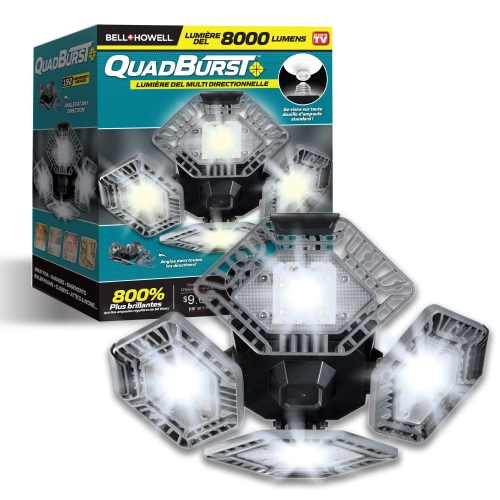 Your price for this item is $49.95
 -
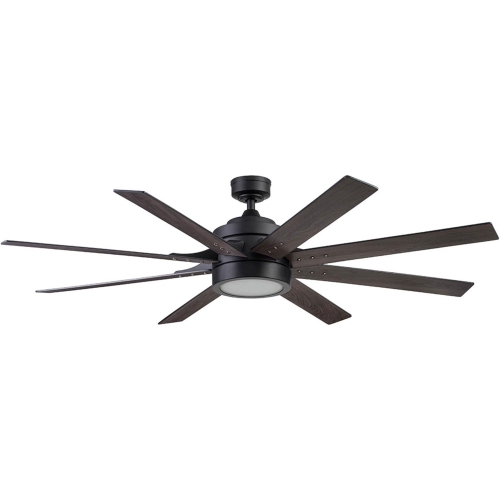 Your price for this item is $424.99
 -
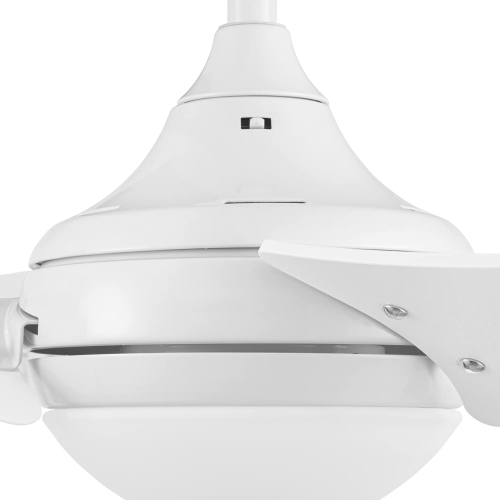 Your price for this item is $205.99
 -
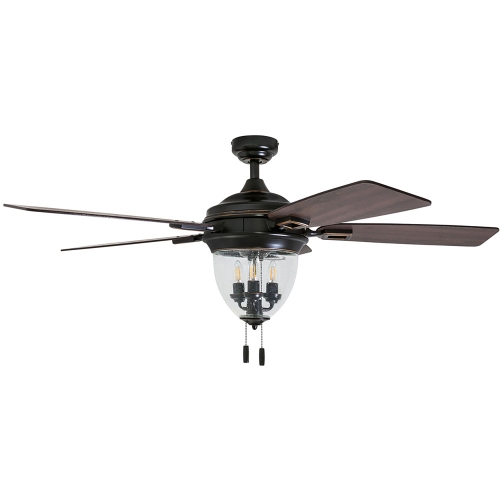 Your price for this item is $287.99
 -
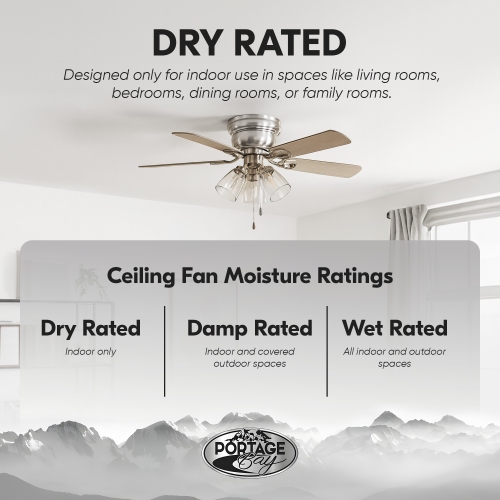 Your price for this item is $184.99
 -
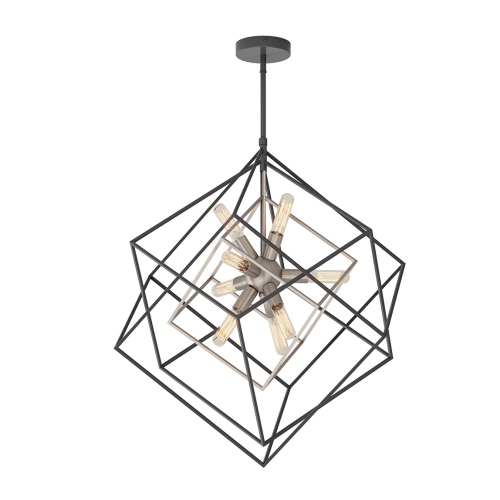 Your price for this item is $299
 -
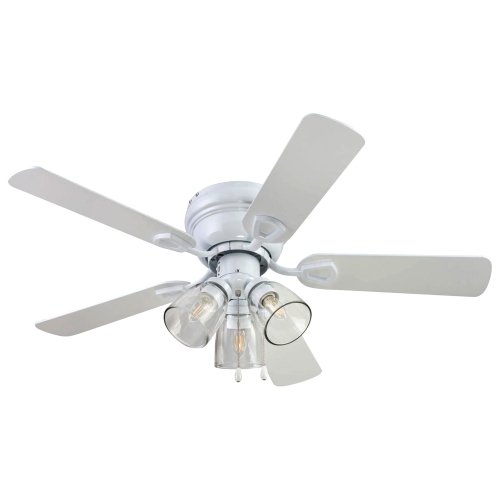 Your price for this item is $193.99
 -
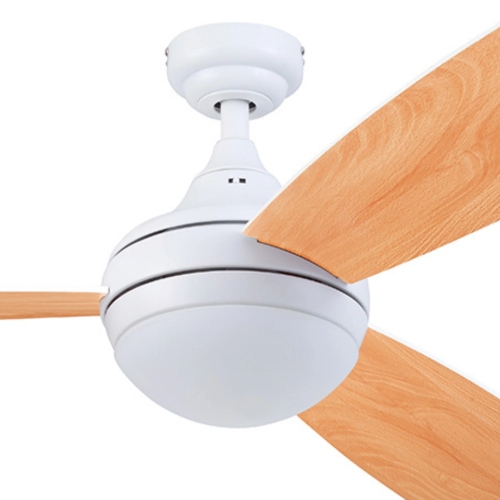 Your price for this item is $176.99
Discover more categories related to Dining Room Semi Flush Mount Lights
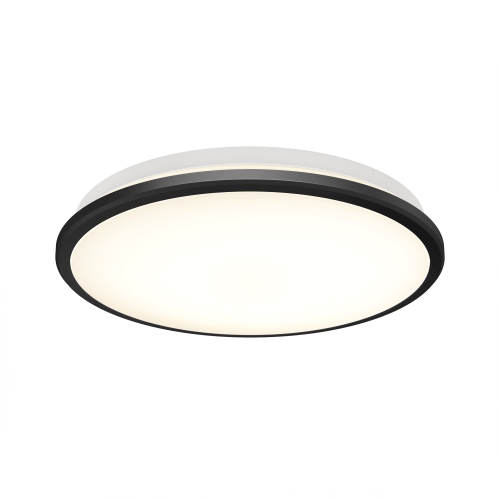
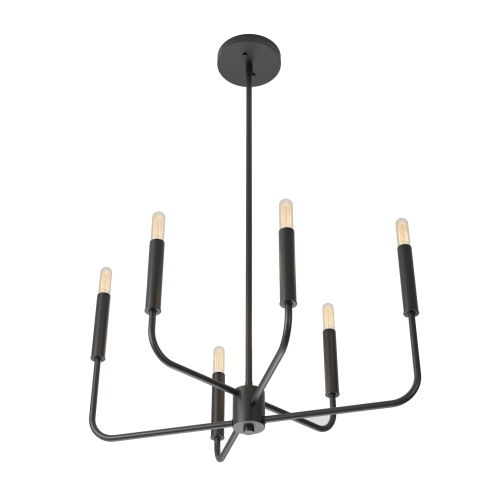
Top Collections:
Pokemon Centers, Kindle Devices, Best Budget Office Chairs, Apple iPhones 16, Best Laptops for Writers, iPhone 15 Apple, Canon G7X Cameras, Refurbished Apple Laptops, Alarm Clock, Motorola Razr Phones
Some products may be subject to Environmental Handling Fees
(EHF) depending on your province.
Learn more about EHFs.