Dining Table Placemat Sets
Dining Table Placemat Sets add a stylish touch to any mealtime setting, enhancing both everyday dining and special occasions. These versatile sets help create a coordinated look for your table, making it easy to refresh your dining space with minimal effort. With a variety of designs, colors, and materials to choose from, finding the perfect Dining Table Placemat Sets to complement your decor is simple. Explore options that suit casual family meals or elegant dinner parties, and enjoy a polished dining experience every time you gather around the table.
Sort
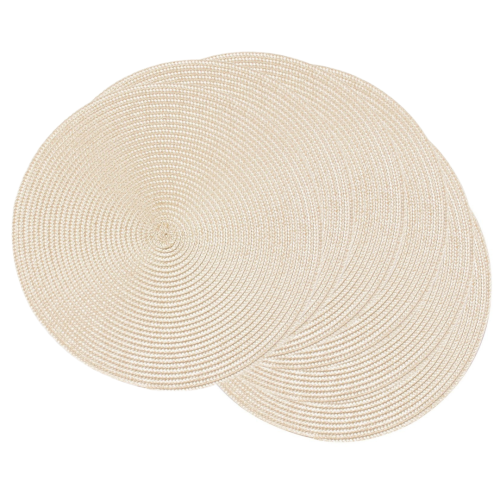
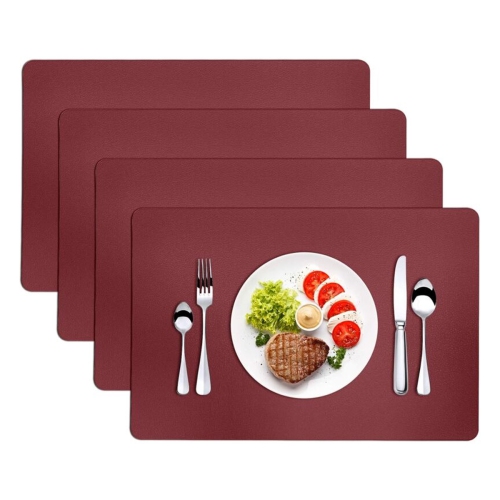
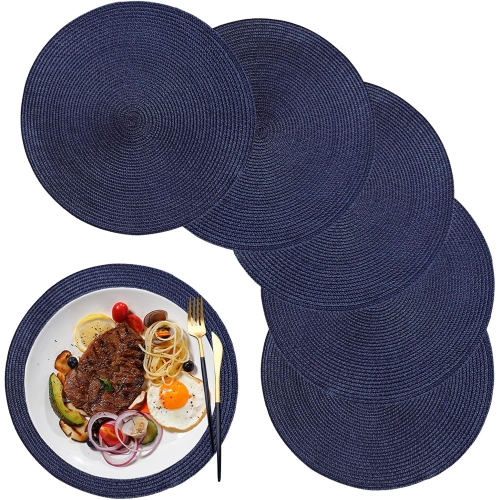
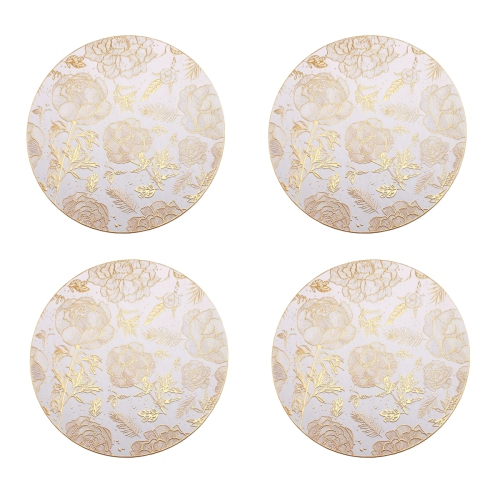
Coordinated place settings that let your tabletop show
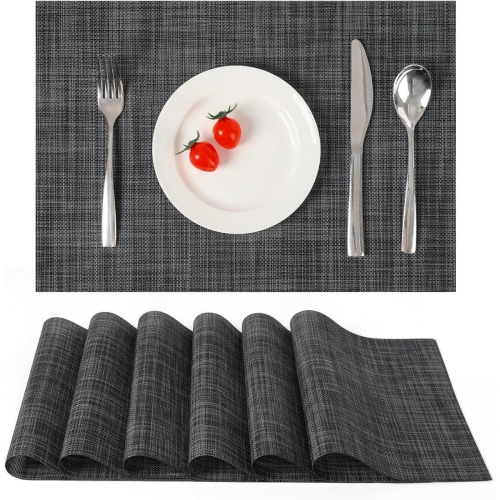
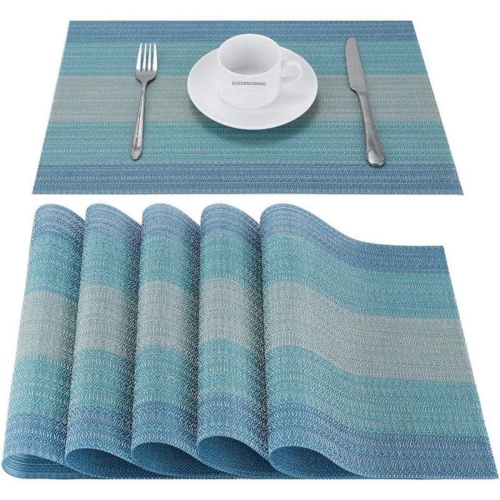
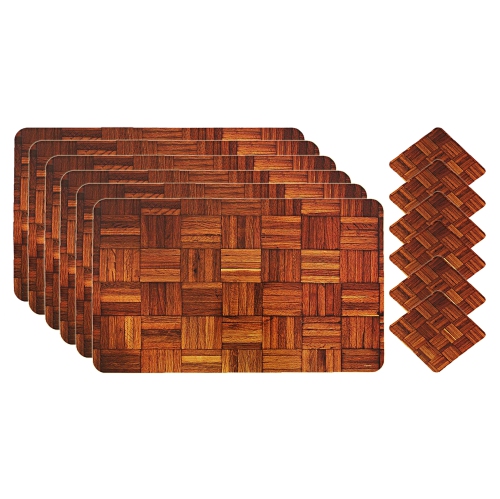
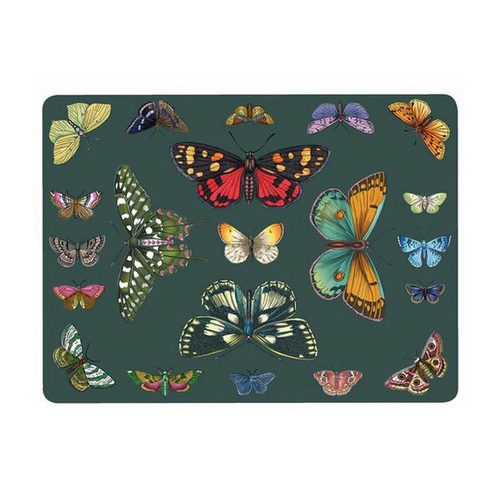
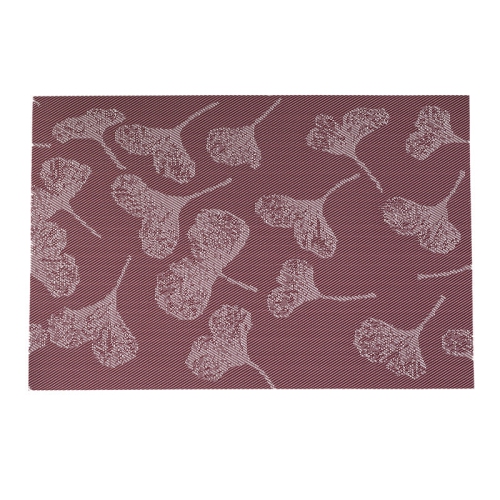
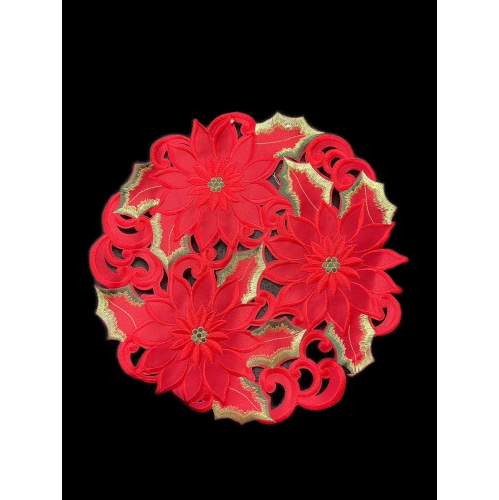
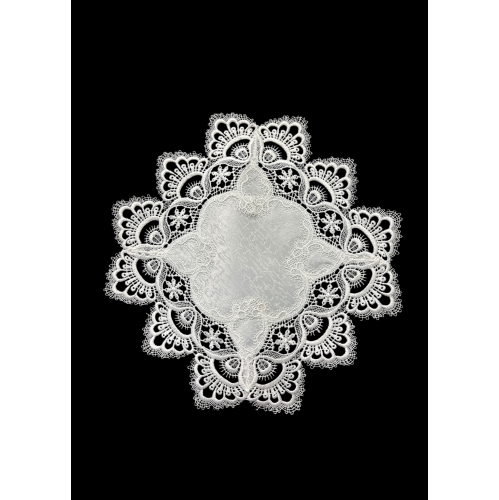
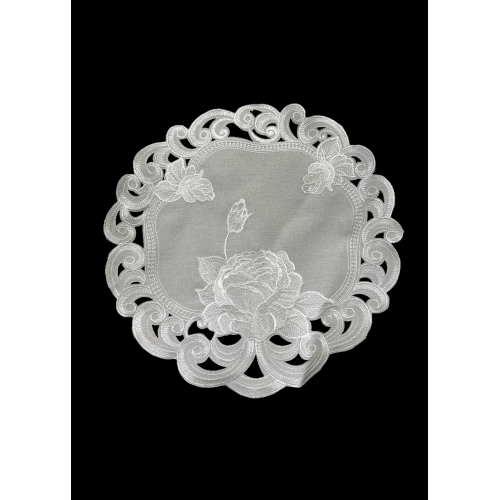
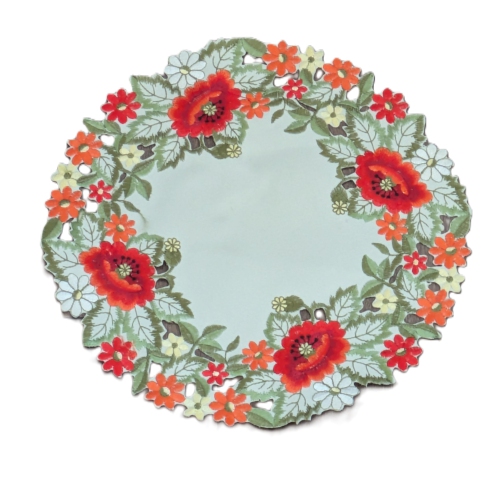
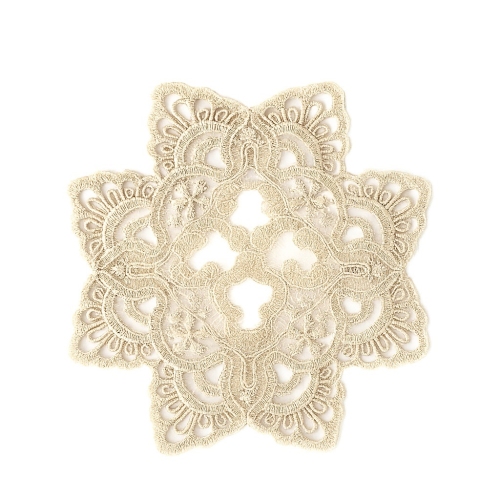
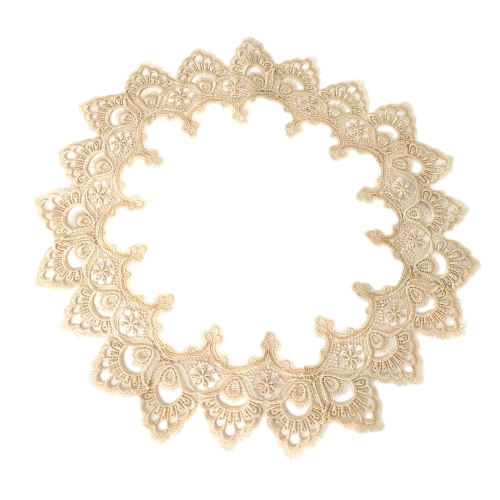
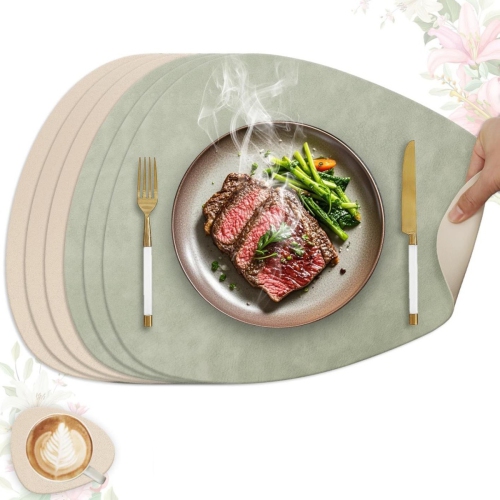
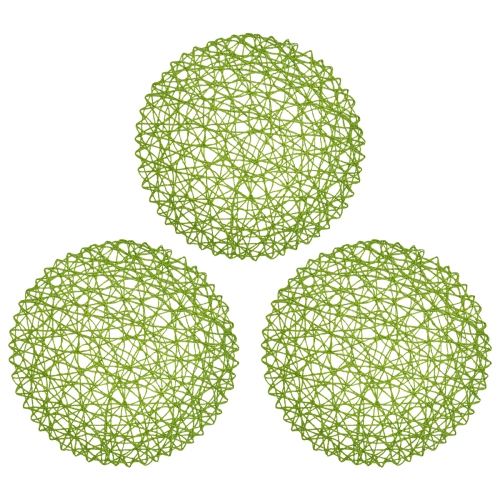
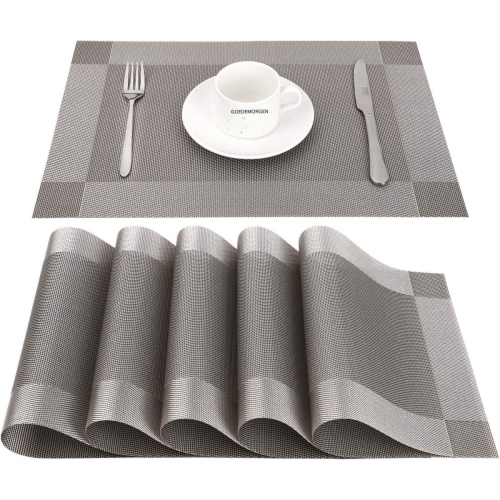
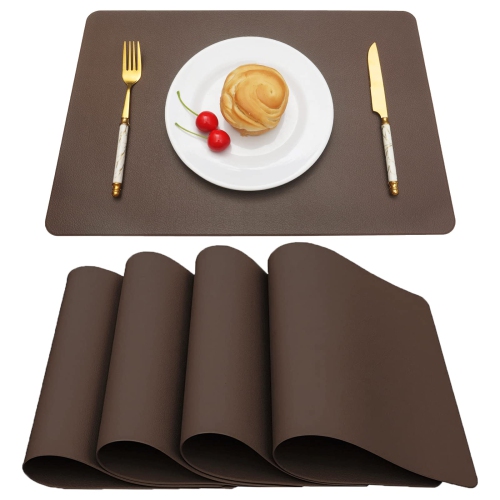
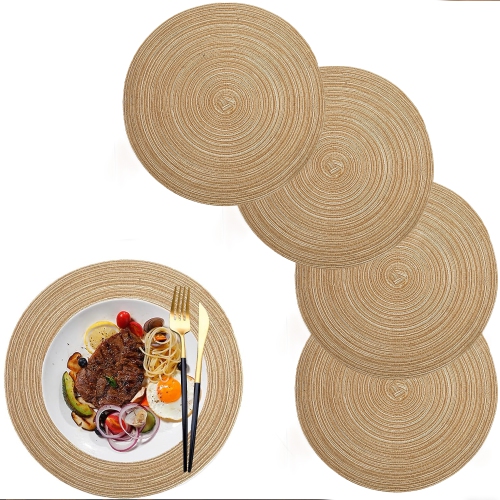
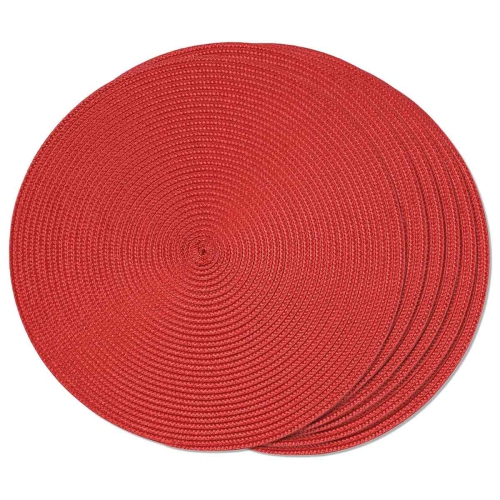
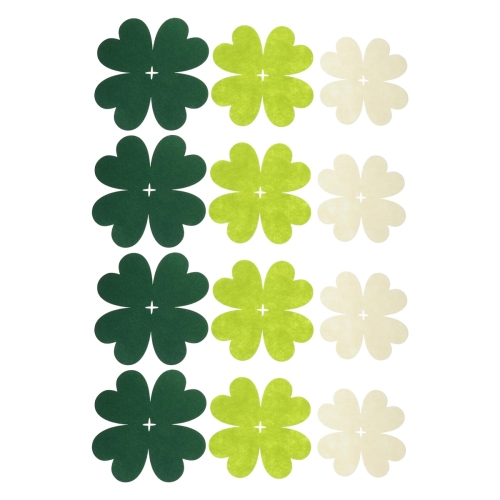
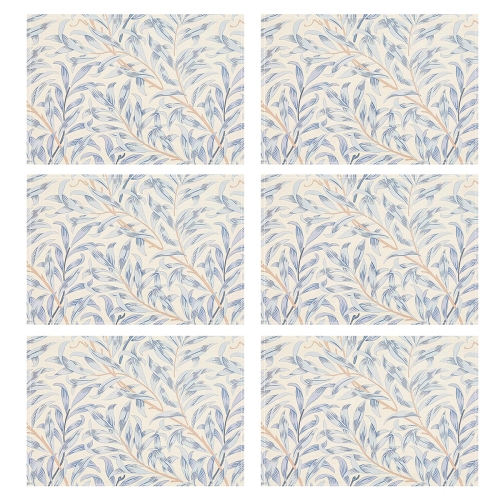
Dining table placemat sets give each place setting a defined space while adding colour, texture, and a practical layer between everyday meals and the tabletop. A coordinated set can make a quick breakfast feel put together or bring consistency to a table arranged for guests, without covering the entire surface with a tablecloth. The material makes a noticeable difference to both the look and the daily routine. Cotton placemats have a soft, relaxed feel and often suit households that prefer washable table linens, although washing and drying instructions vary. Linen offers a more textured finish, with natural creasing that can feel at home alongside stoneware plates or polished cutlery. Woven vinyl and PVC options are often easy to wipe clean, making them useful for frequent meals where crumbs, sauce, and drink splashes are part of the picture. An open weave may still allow liquid to reach the surface beneath, so a wipeable material does not necessarily mean a spill-proof barrier. Silicone placemats can provide a flexible, easy-clean surface, while cork brings a firmer feel and a distinctive grain. Bamboo and other rigid materials create a structured setting, but their suitability for moisture and cleaning depends on the finish and construction. A fabric mat can soften the sound of a plate being set down; a smooth, wipeable mat may be more convenient when the same table hosts breakfast, homework, and dinner. Sets are especially useful when a consistent appearance matters, whether the table seats two people each day or a larger household at every meal. Within the broader range of table mats, dining placemat sets focus on individual place settings, allowing the wood grain, glass, or other tabletop finish to remain visible between seats. Their appeal is as much about the rhythm of everyday dining as it is about presentation: enough space for a plate and cutlery, a comfortable surface beneath them, and a coordinated look that does not require an elaborate arrangement.
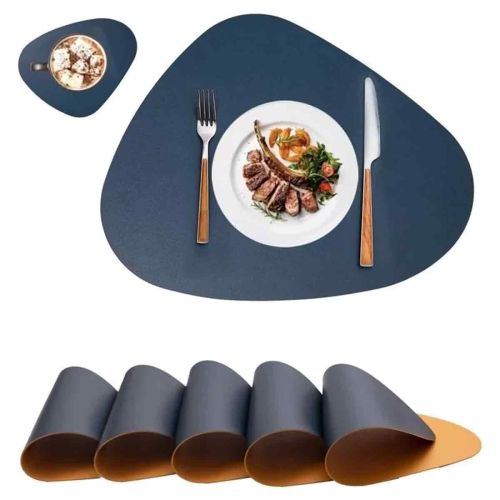
Shape, dimensions, and the number of mats in a set determine how comfortably placemats work with a particular dining table. Rectangular placemats provide a familiar layout for a dinner plate with cutlery on either side, while round and oval shapes can complement curved tables or help separate settings where corners would otherwise meet. A rectangular mat measuring 13 by 19 inches, for example, may accommodate a generous place setting but feel crowded on a narrow table once serving dishes are added. Comparing mat dimensions with the actual space at each seat is more useful than judging size from a photograph. There should be room for diners to move their cutlery without catching an edge, and neighbouring mats should sit comfortably without overlapping. On a round table, the space narrows towards the centre, so a shape that looks spacious at the outer edge may leave little room for shared bowls. Glassware also needs consideration: some settings keep the drinking glass on the placemat, while others place it above the mat on a separate coaster. Set size is worth matching to both daily seating and the way the household entertains. Four mats may cover a small dining area, while six or eight can suit larger tables; extra matching mats can be useful when fabric pieces are in the wash. Thickness affects storage as well as appearance. Slim fabric mats usually stack neatly in a drawer, while firmer mats need enough flat storage space to avoid bending or damaged corners. Colour and pattern can connect the table setting to nearby upholstery, cabinetry, or dishes without making every element match. A textured neutral leaves room for patterned plates, while a stronger colour can give plain white dinnerware more presence. Reversible designs may offer two looks, provided both sides are intended for use. For a table that already has a runner, placemats with a complementary texture can define individual seats while keeping the centre clear for serving.
Care and durability matter most once placemats become part of the daily meal routine. Machine-washable fabric can be convenient for frequent use, but the care label should confirm the wash cycle, drying method, and whether ironing is suitable. Cotton and linen may shrink or crease depending on their construction and treatment, and dark or richly coloured fabrics may need separate washing. Wipe-clean mats still benefit from prompt attention to spills, particularly around stitched edges, textured grooves, and woven openings where food can settle. A damp cloth and an appropriate mild cleaner may be enough for some materials, while soaking, abrasive pads, or dishwasher cleaning could damage others. Cork, bamboo, and backed designs can have specific moisture limits, so their care requirements are worth considering before choosing them for a busy family table. Drying mats fully before stacking helps prevent trapped moisture, and cleaning the tabletop beneath them is just as important as cleaning the visible surface. For durability, neatly finished edges, secure stitching, and a surface that lies flat are useful details to look for. A non-slip backing may reduce movement, although its grip and compatibility depend on the table finish; delicate wood, lacquer, and glass surfaces can have different care requirements. Heat resistance also varies by material and construction. A placemat intended for warm dinner plates should not be assumed to protect against cookware taken straight from the oven or hob, and hot serving dishes generally need a suitable trivet. These practical differences help distinguish a set for occasional entertaining from one that will be wiped or washed after every meal. Families with young children may appreciate easy-clean surfaces and manageable sizes, while frequent hosts may prefer fabric mats that coordinate with napkins and can be prepared together before guests arrive. Placemat sets can also make thoughtful housewarming or wedding gifts, particularly when the recipient’s table size, preferred colours, and care habits are known. A well-suited set feels comfortable to use, stores without fuss, and brings a consistent finish to meals ranging from a bowl of soup at the kitchen table to a full dinner shared with friends.
Shape, dimensions, and the number of mats in a set determine how comfortably placemats work with a particular dining table. Rectangular placemats provide a familiar layout for a dinner plate with cutlery on either side, while round and oval shapes can complement curved tables or help separate settings where corners would otherwise meet. A rectangular mat measuring 13 by 19 inches, for example, may accommodate a generous place setting but feel crowded on a narrow table once serving dishes are added. Comparing mat dimensions with the actual space at each seat is more useful than judging size from a photograph. There should be room for diners to move their cutlery without catching an edge, and neighbouring mats should sit comfortably without overlapping. On a round table, the space narrows towards the centre, so a shape that looks spacious at the outer edge may leave little room for shared bowls. Glassware also needs consideration: some settings keep the drinking glass on the placemat, while others place it above the mat on a separate coaster. Set size is worth matching to both daily seating and the way the household entertains. Four mats may cover a small dining area, while six or eight can suit larger tables; extra matching mats can be useful when fabric pieces are in the wash. Thickness affects storage as well as appearance. Slim fabric mats usually stack neatly in a drawer, while firmer mats need enough flat storage space to avoid bending or damaged corners. Colour and pattern can connect the table setting to nearby upholstery, cabinetry, or dishes without making every element match. A textured neutral leaves room for patterned plates, while a stronger colour can give plain white dinnerware more presence. Reversible designs may offer two looks, provided both sides are intended for use. For a table that already has a runner, placemats with a complementary texture can define individual seats while keeping the centre clear for serving.
Care and durability matter most once placemats become part of the daily meal routine. Machine-washable fabric can be convenient for frequent use, but the care label should confirm the wash cycle, drying method, and whether ironing is suitable. Cotton and linen may shrink or crease depending on their construction and treatment, and dark or richly coloured fabrics may need separate washing. Wipe-clean mats still benefit from prompt attention to spills, particularly around stitched edges, textured grooves, and woven openings where food can settle. A damp cloth and an appropriate mild cleaner may be enough for some materials, while soaking, abrasive pads, or dishwasher cleaning could damage others. Cork, bamboo, and backed designs can have specific moisture limits, so their care requirements are worth considering before choosing them for a busy family table. Drying mats fully before stacking helps prevent trapped moisture, and cleaning the tabletop beneath them is just as important as cleaning the visible surface. For durability, neatly finished edges, secure stitching, and a surface that lies flat are useful details to look for. A non-slip backing may reduce movement, although its grip and compatibility depend on the table finish; delicate wood, lacquer, and glass surfaces can have different care requirements. Heat resistance also varies by material and construction. A placemat intended for warm dinner plates should not be assumed to protect against cookware taken straight from the oven or hob, and hot serving dishes generally need a suitable trivet. These practical differences help distinguish a set for occasional entertaining from one that will be wiped or washed after every meal. Families with young children may appreciate easy-clean surfaces and manageable sizes, while frequent hosts may prefer fabric mats that coordinate with napkins and can be prepared together before guests arrive. Placemat sets can also make thoughtful housewarming or wedding gifts, particularly when the recipient’s table size, preferred colours, and care habits are known. A well-suited set feels comfortable to use, stores without fuss, and brings a consistent finish to meals ranging from a bowl of soup at the kitchen table to a full dinner shared with friends.
Top selling and popular products
-
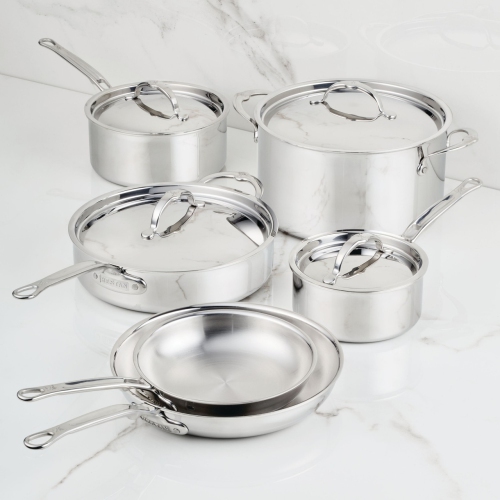 Your price for this item is $1459.99
 -
 Your price for this item is $79.34
 -
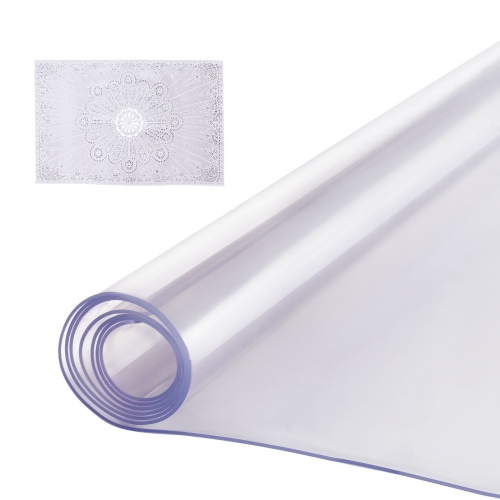 Your price for this item is $41.9
 -
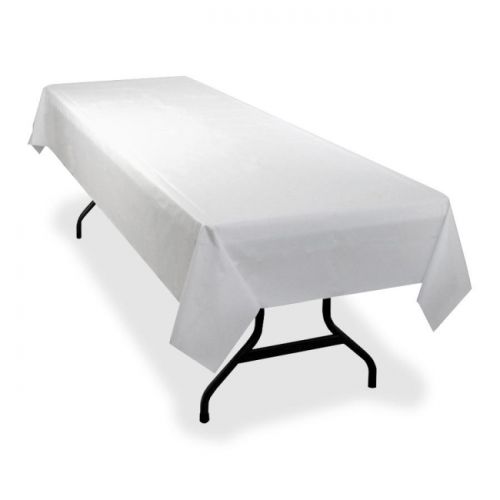 Your price for this item is $40.99
 -
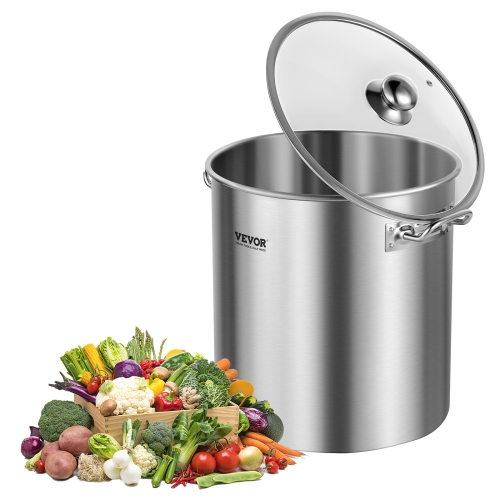 Your price for this item is $96.9
 -
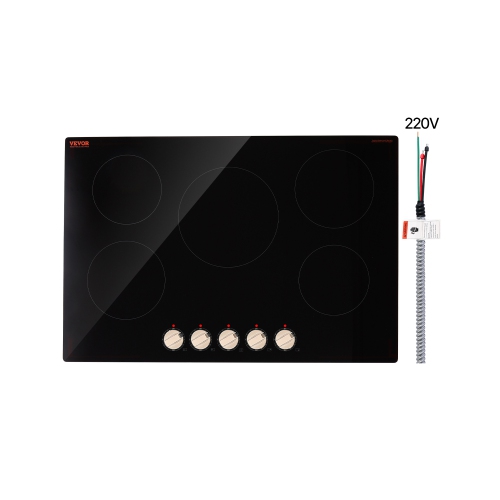 Your price for this item is $435.2
 -
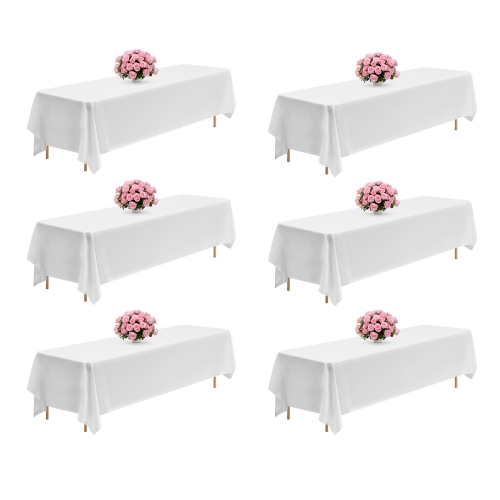 Your price for this item is $72.9
 -
 Your price for this item is $19.65
Discover more categories related to Dining Table Placemat Sets
Top Collections:
Pokemon Centers, Kindle Devices, Best Budget Office Chairs, Apple iPhones 16, Canon G7X Cameras, iPhone 15 Apple, Alarm Clock, Refurbished Apple Laptops, Flip Phones, Best Laptops for Writers
Some products may be subject to Environmental Handling Fees
(EHF) depending on your province.
Learn more about EHFs.