DIY Shelves
Looking to add some stylish storage solutions to your space? Our DIY shelves are the perfect way to showcase your creativity while organizing your home. Whether you're a seasoned DIY enthusiast or just starting out, these versatile shelves offer endless possibilities for customization. From sleek minimalist designs to rustic farmhouse charm, you'll find everything you need to elevate your decor and stay organized in style. Explore our collection of DIY shelves today and get ready to transform your space with ease.
Sort

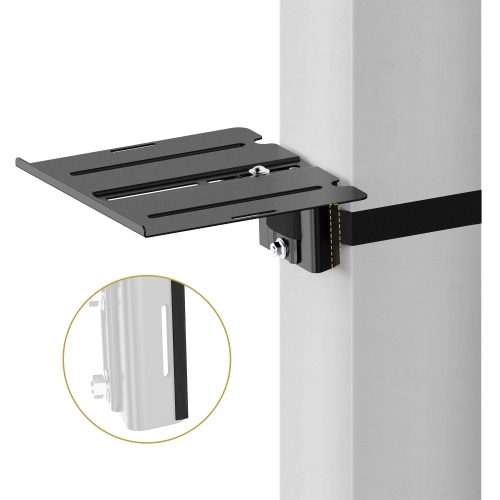
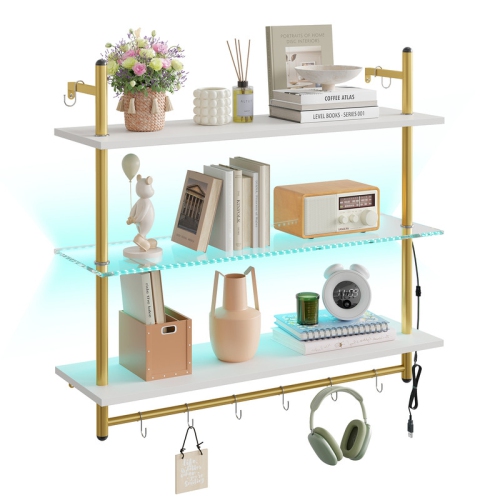
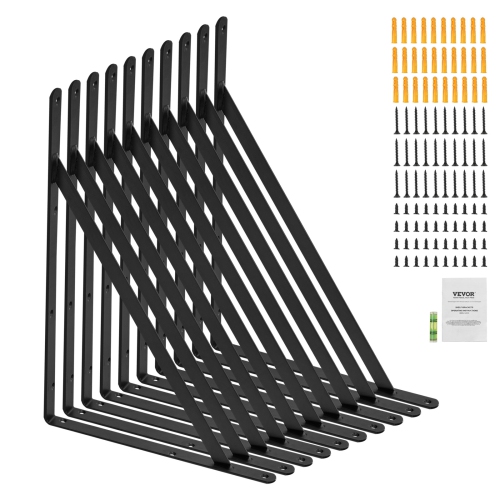
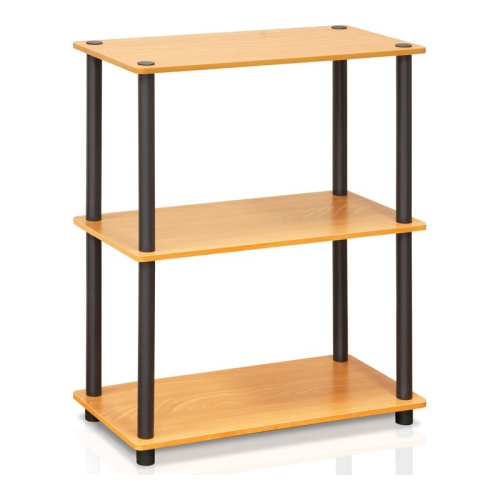
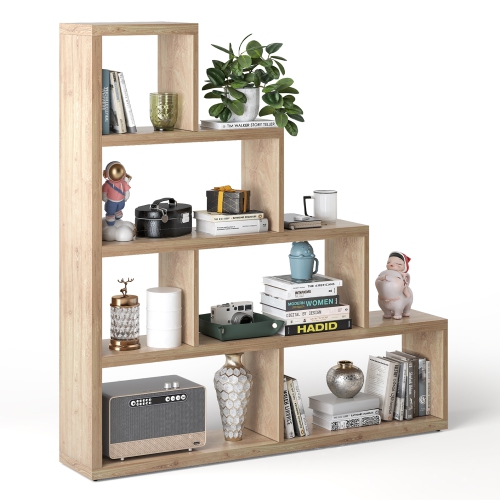
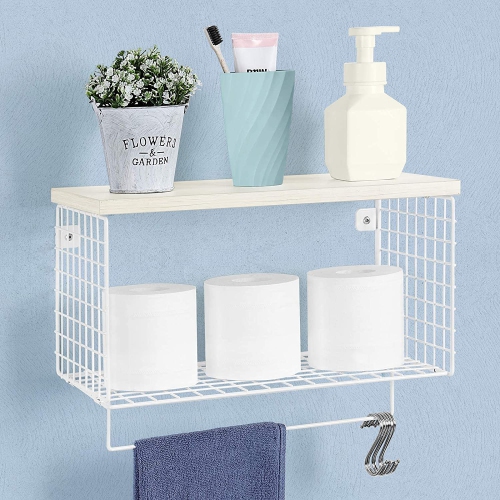
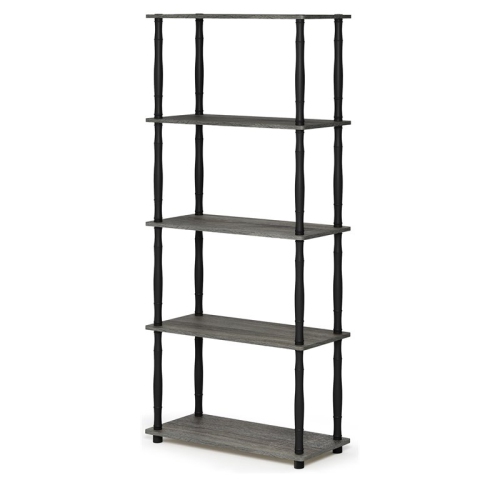
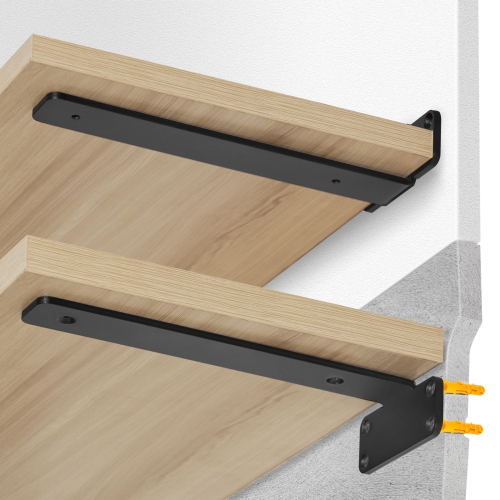
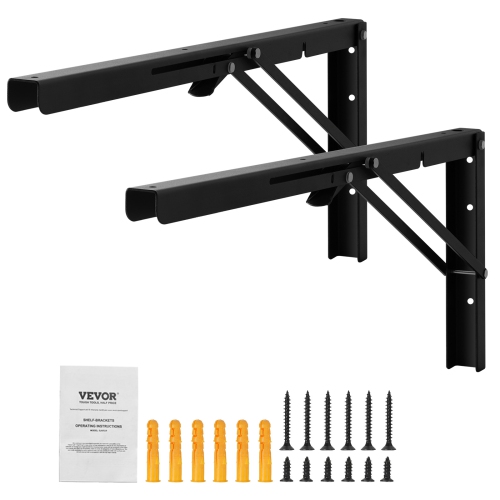
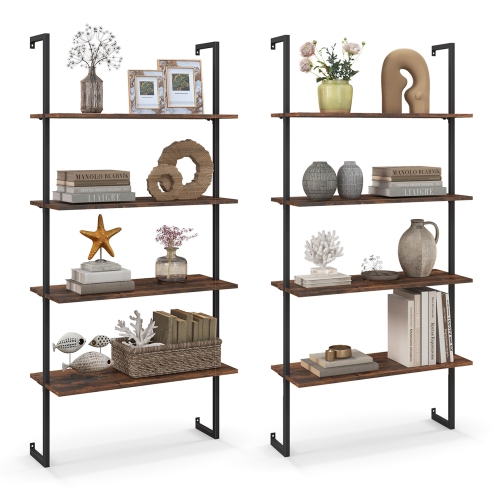
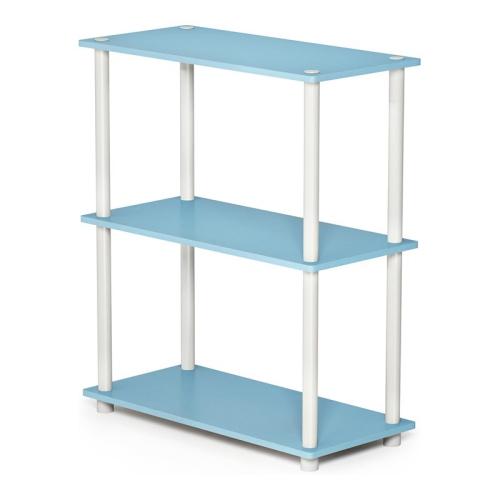
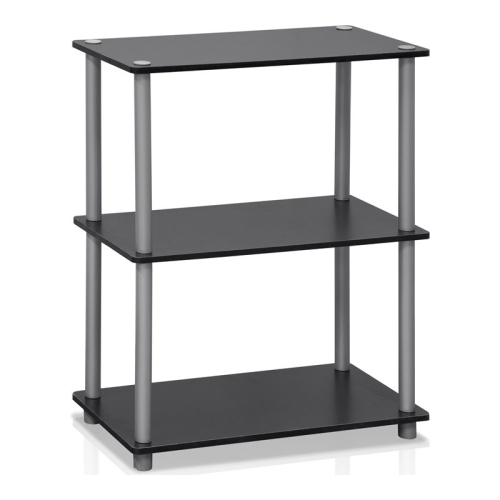
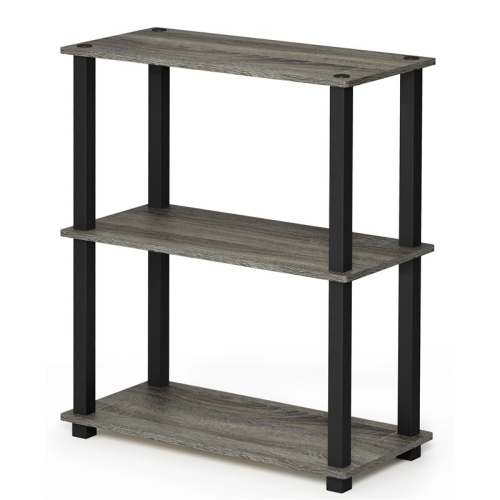
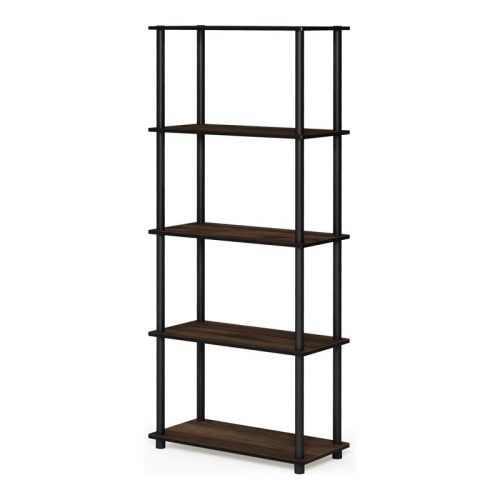
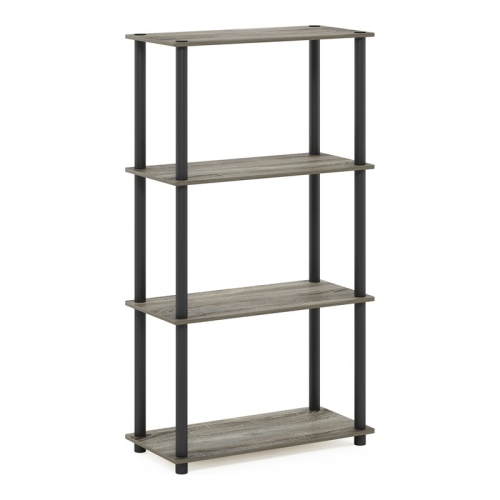
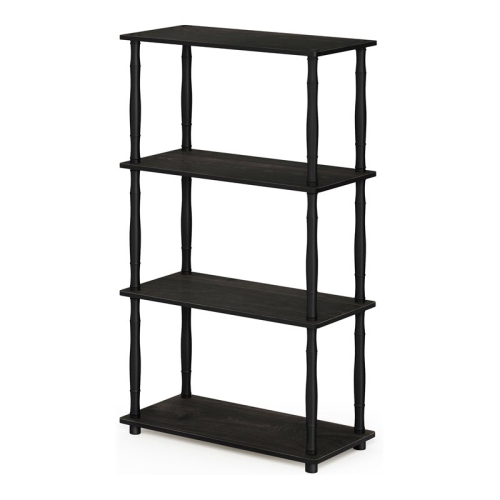
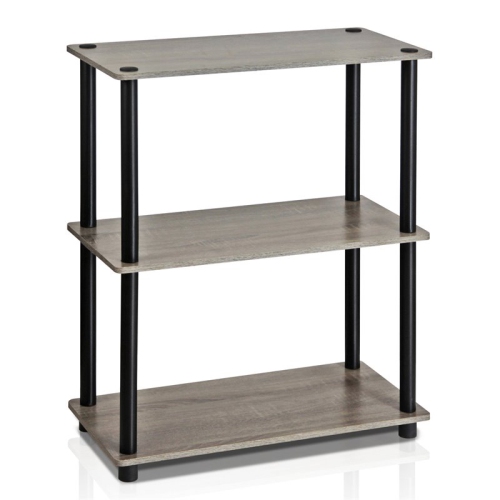

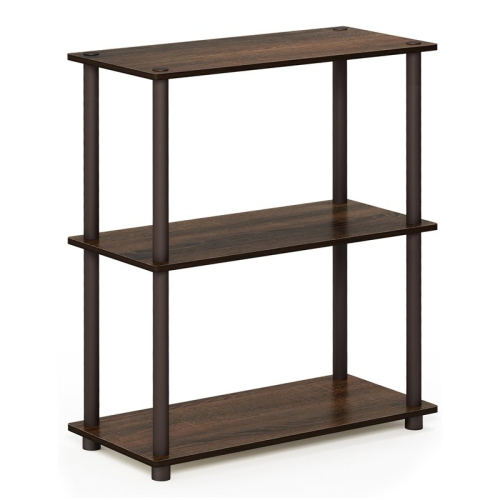
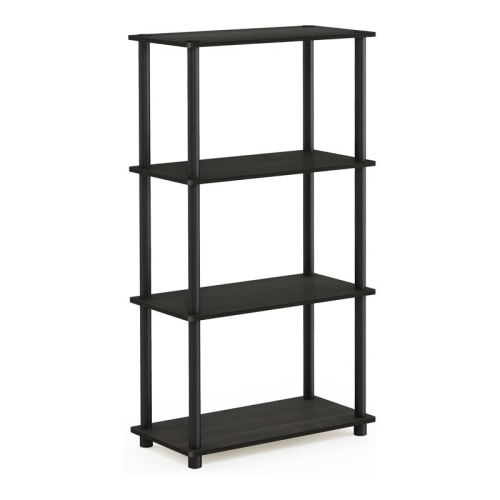
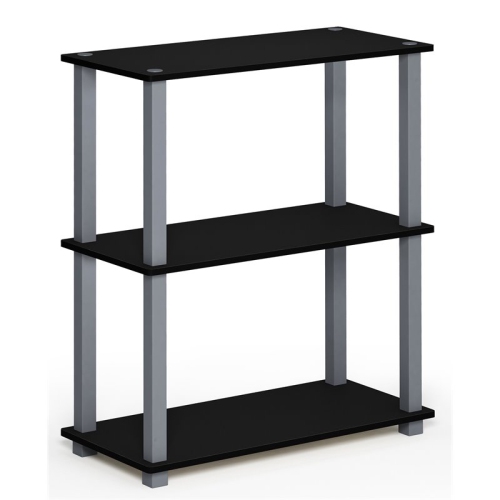
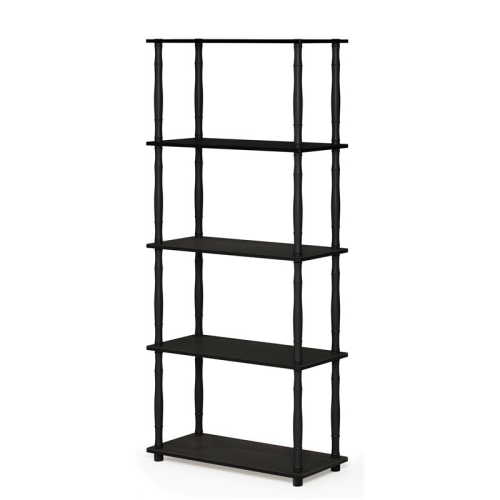
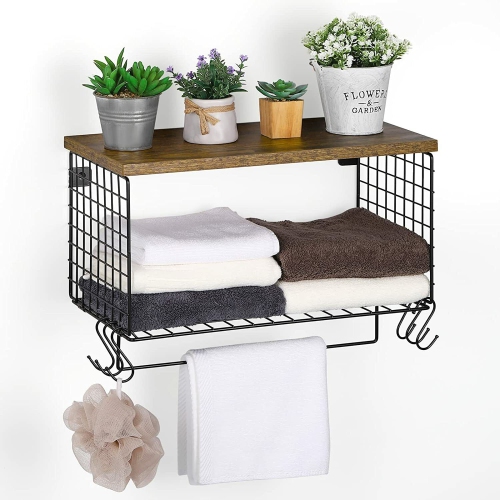
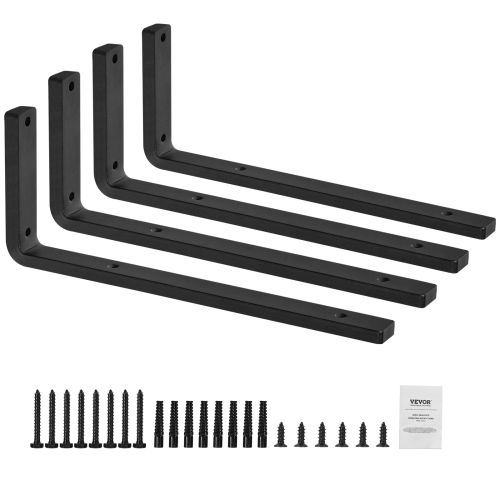
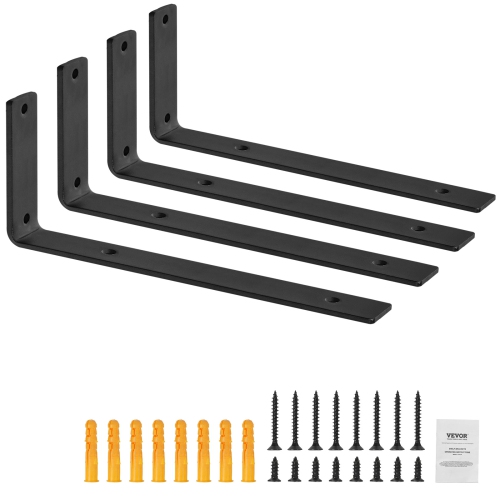
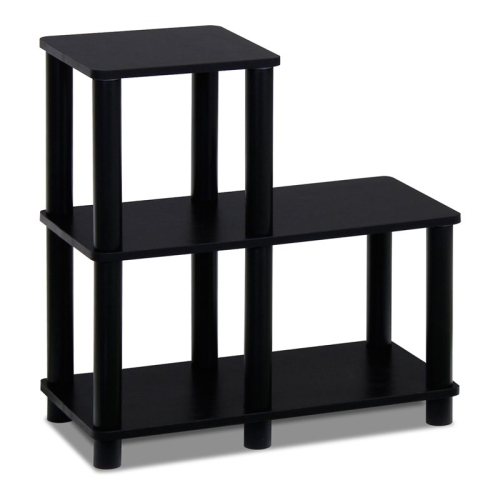
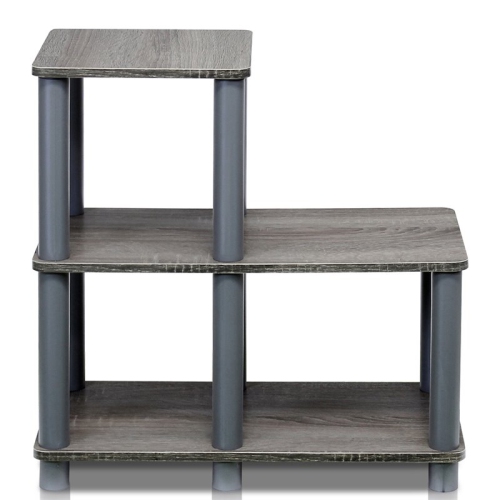
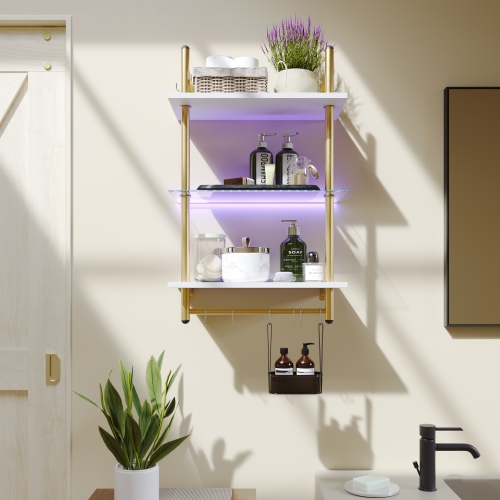
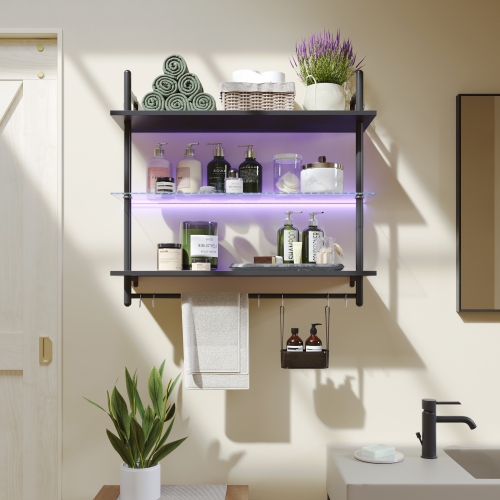
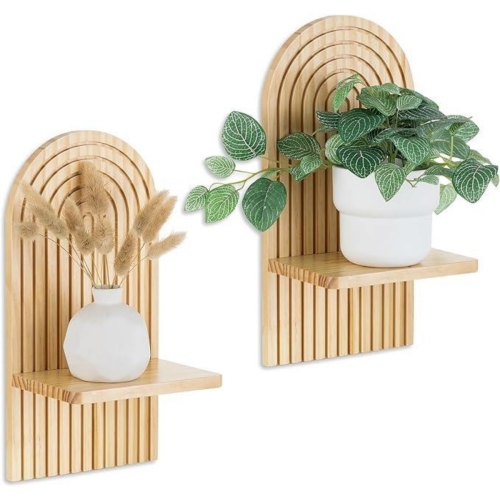
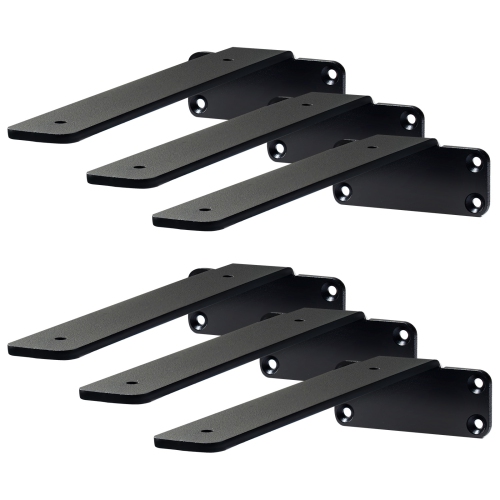
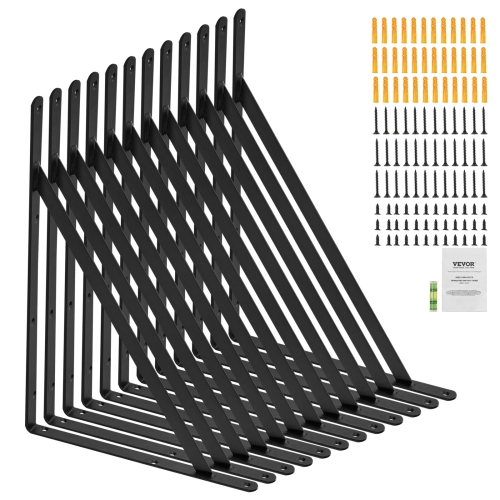
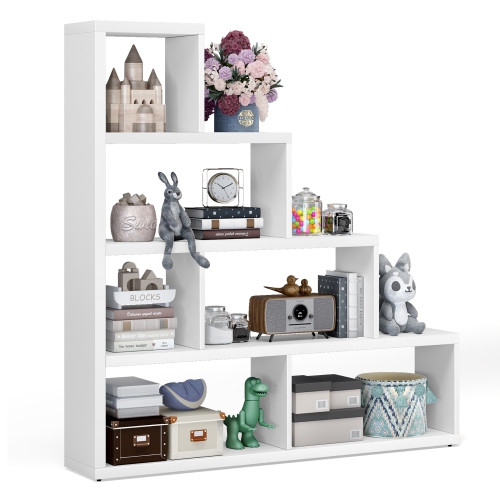
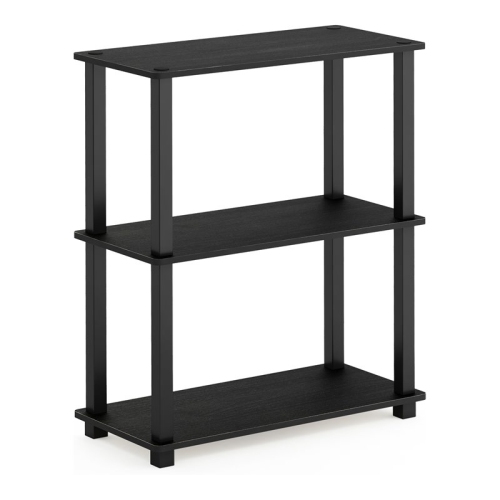
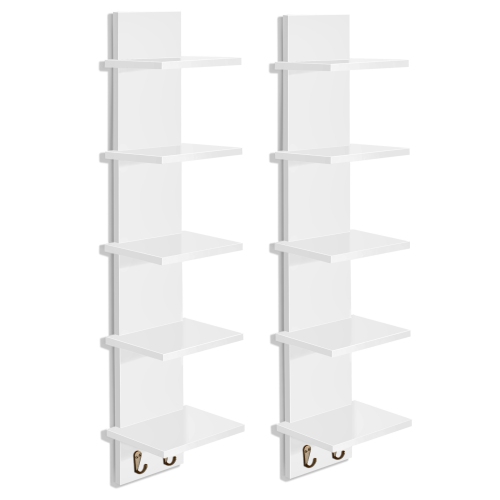
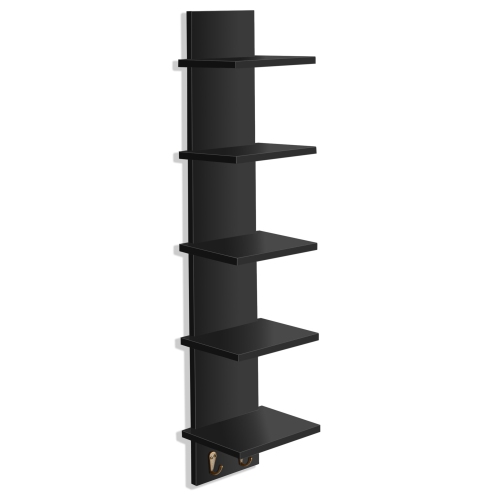
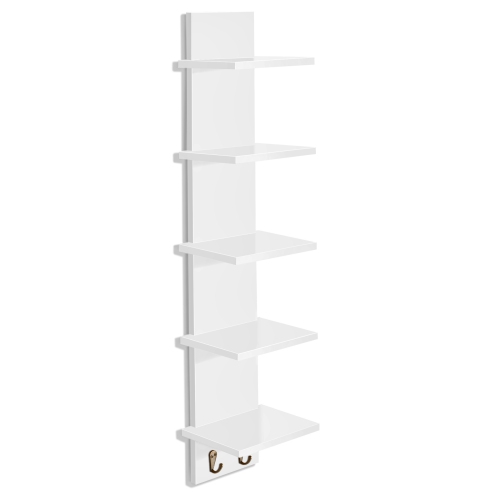
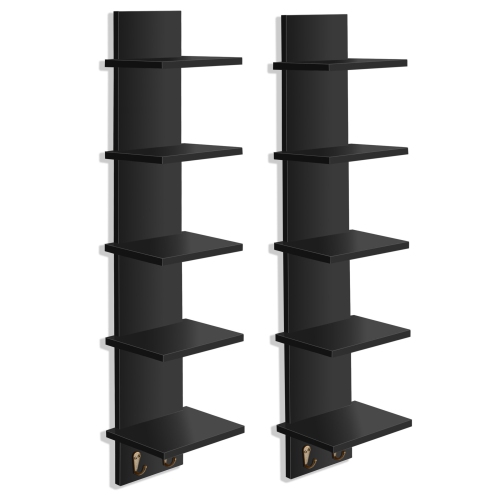
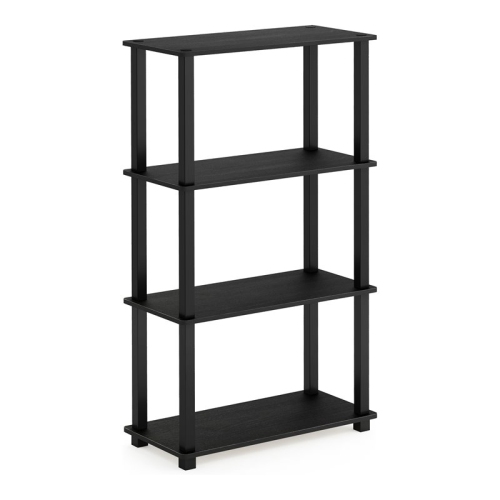
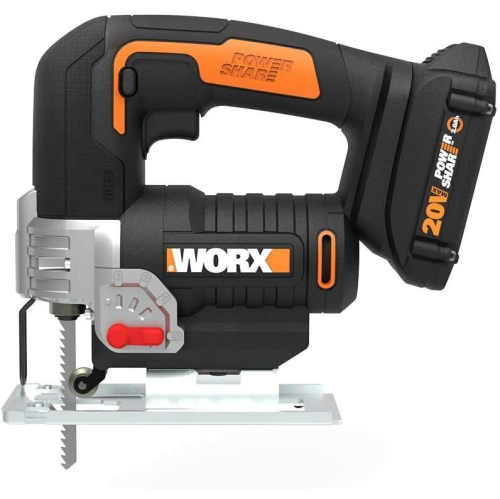
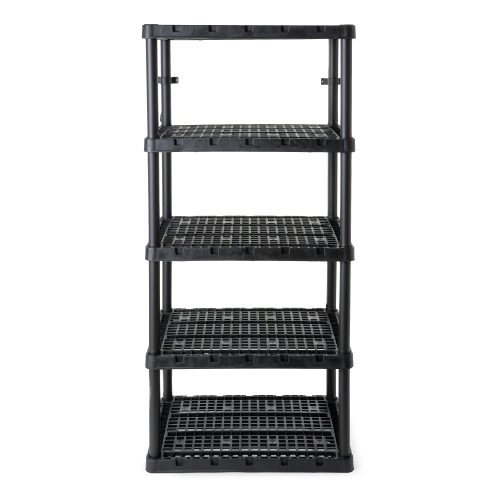
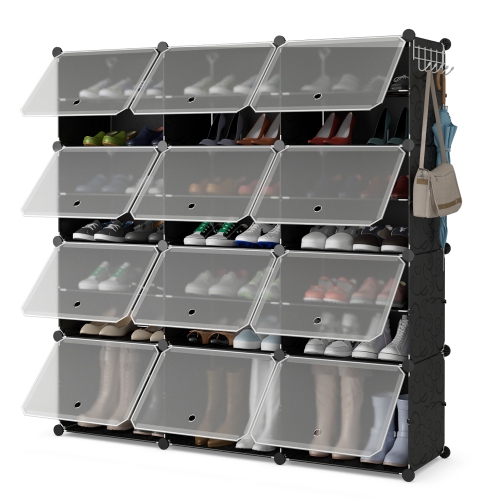
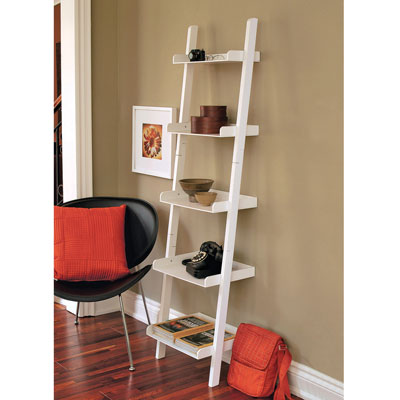
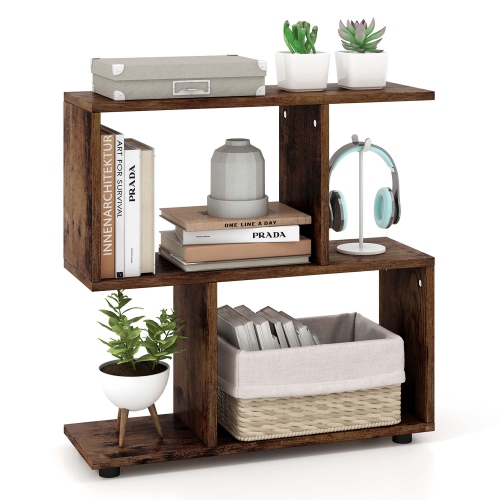
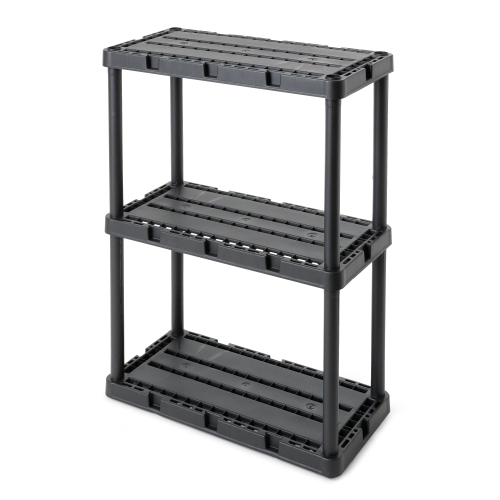
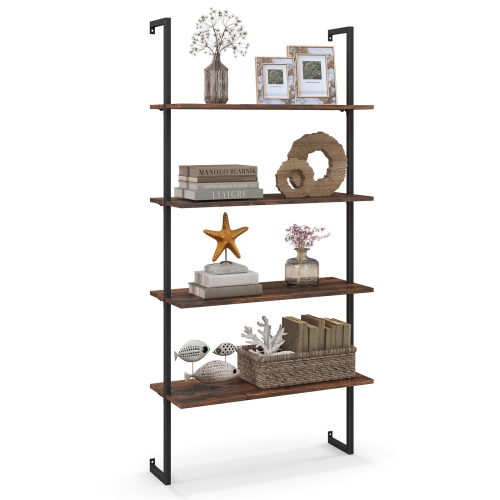
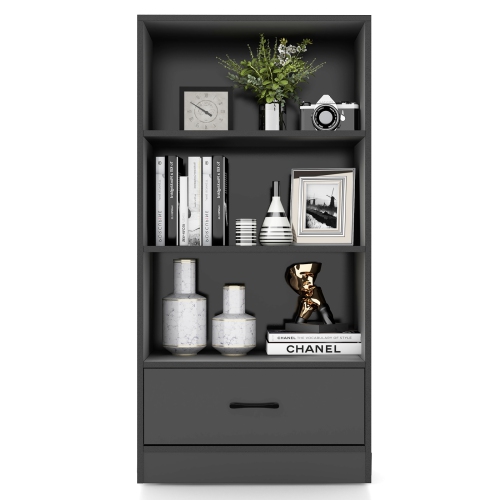
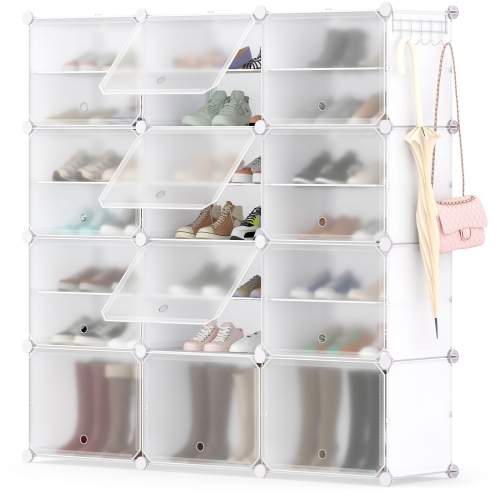

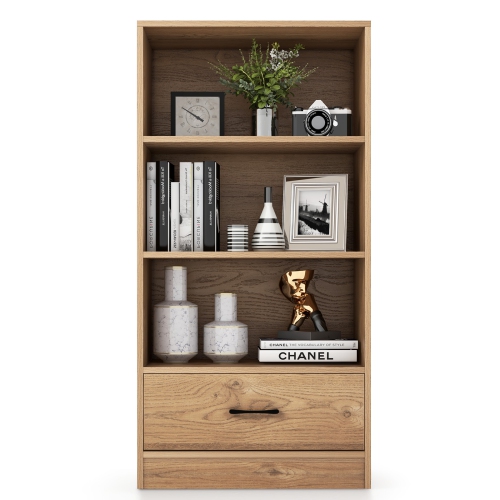
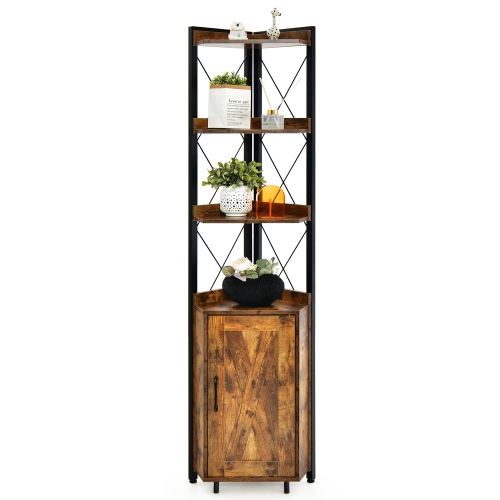
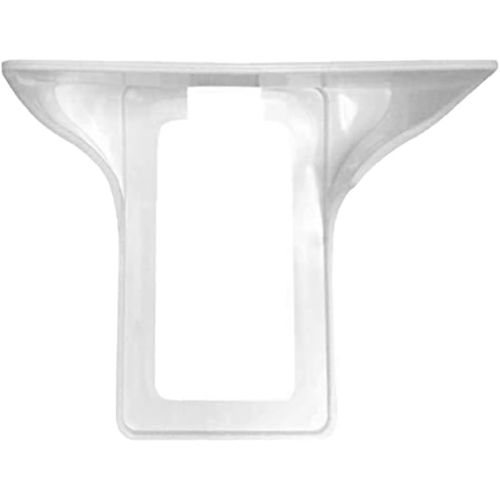
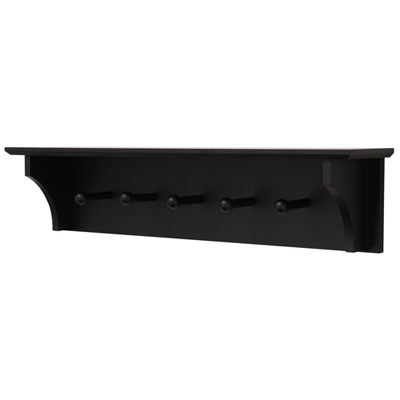
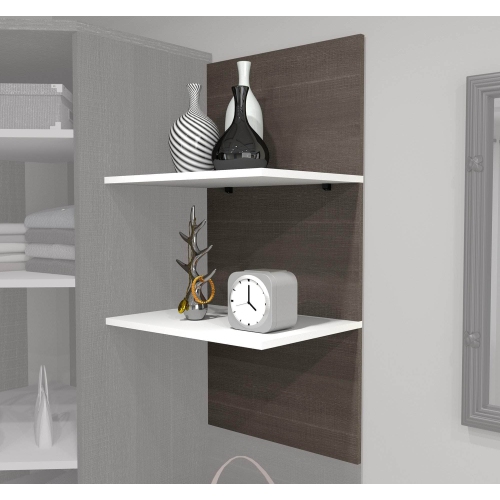
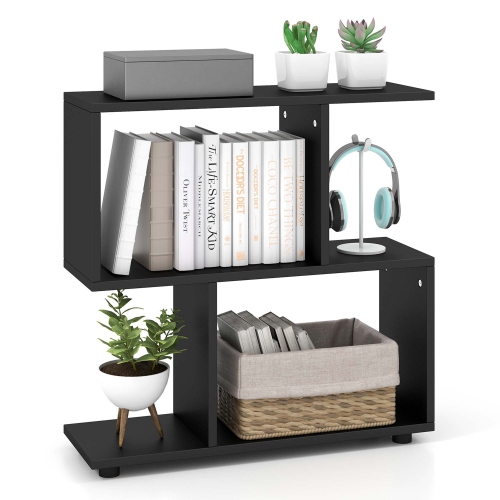
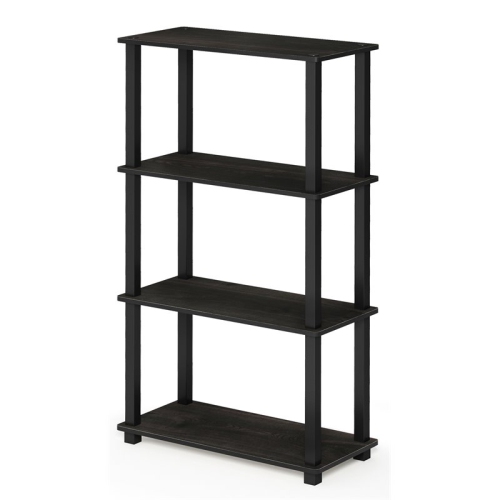
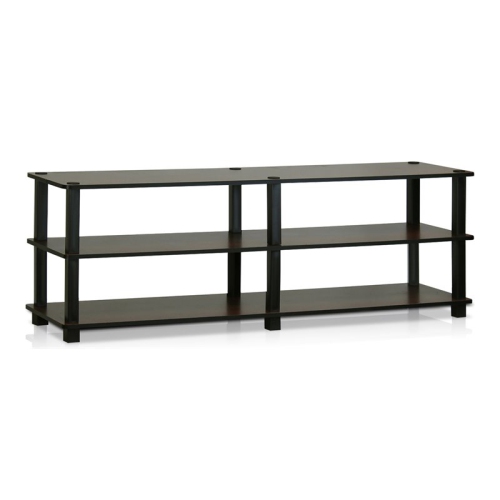
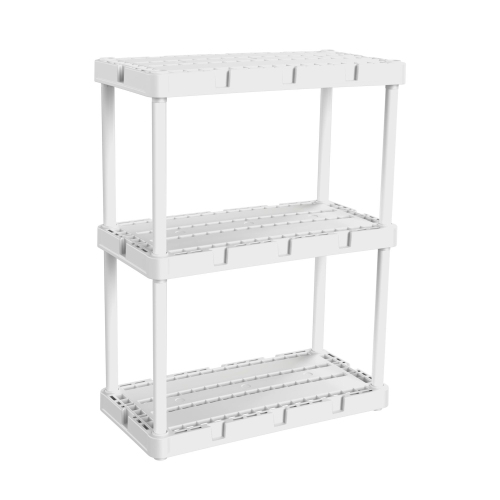
Practical storage solutions for unused walls and awkward corners
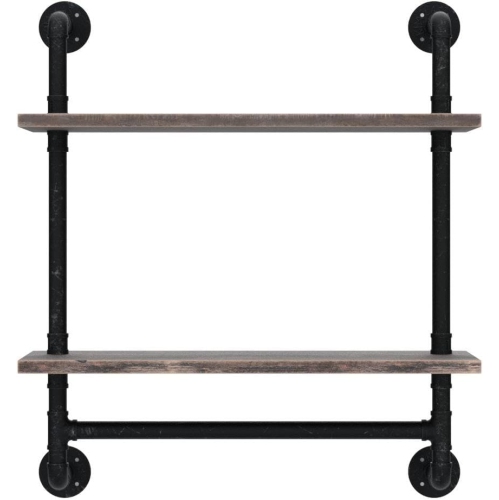
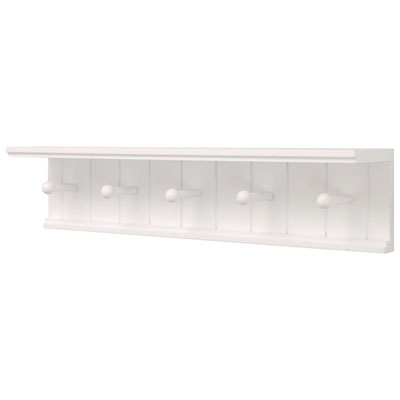
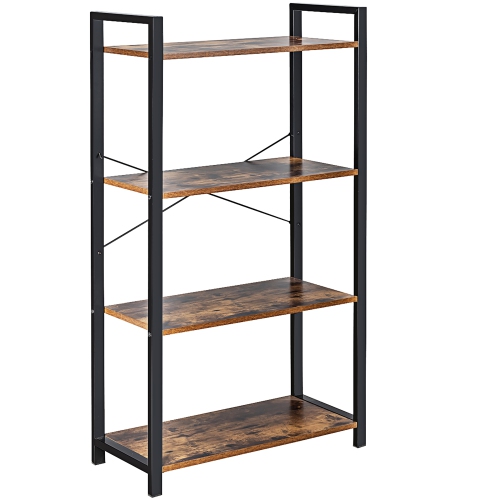
DIY shelves offer a practical way to add storage and display space while giving a room a more personal, finished look. The right materials and hardware can help turn an unused wall, awkward corner, closet, workshop, laundry area, or home office into useful space for everyday items. Depending on the project, DIY shelving may include floating shelf components, wall-mounted brackets, shelf boards, modular storage pieces, fastening hardware, and accessories for organizing the finished installation. Wood shelves can bring warmth to a living room or bedroom, while metal supports and durable shelf surfaces are well suited to utility rooms, garages, basements, and workspaces. Before choosing products, consider what the shelves will hold, how much space is available, and whether the installation needs to support light decorative objects or heavier bins, books, tools, small appliances, and equipment. A narrow shelf can keep mail, keys, and small essentials from collecting on a counter, while deeper shelves can provide a home for pantry supplies, folded linens, craft materials, or storage containers. For displays, explore complementary options such as Decor Shelves to bring together practical storage and decorative accents.
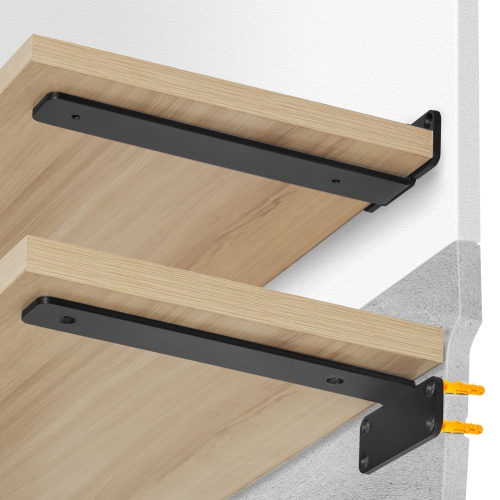
The wall and the intended load are two of the most important details when selecting DIY shelf components. Drywall, wood studs, concrete, brick, and other surfaces require different anchors and fastening methods, so check the installation requirements before making a purchase. Finding the position of wall studs can provide stronger support for shelves carrying substantial weight, while suitable anchors can help with installations where studs are not located exactly where the shelf needs to go. Shelf length and depth also affect stability: longer spans may need a centre bracket, additional support, or a sturdier material to help prevent bending over time. For a straightforward woodworking project, common materials may include solid lumber, plywood, or engineered wood panels, along with screws, brackets, dowels, corner supports, and wall anchors. A 2x6 board can work for a robust, straightforward shelf surface, while 3/4-inch plywood or a similar panel can be used with a framed support structure for broader storage. Some floating shelf designs use a concealed support system, with a mounting strip secured to the wall and rods or dowels fitted into the shelf. Other styles use visible brackets that become part of the design and make the shelf easier to remove or adjust. When preparing wood, smooth edges with progressively finer sandpaper, remove dust before applying a finish, and allow painted or stained surfaces to dry fully before loading them. A level, measuring tape, drill, screwdriver, stud finder, saw, and suitable bits can make the work more accurate, while clamps can help keep components aligned during assembly.
DIY shelves can suit a wide range of households and experience levels, from someone organizing a first apartment to an experienced maker planning a full storage wall. They can be especially useful for renters and homeowners who want to make better use of vertical space, although renters should confirm what kinds of wall modifications are permitted before installing permanent hardware. In a child’s room, properly secured shelves can hold books, toys, and labelled bins; in a home office, they can keep notebooks, chargers, and supplies within reach without crowding the desk. A kitchen or pantry installation can make frequently used ingredients easier to see, while a garage or workshop setup can separate fasteners, hand tools, paint supplies, and seasonal equipment. During the cooler months, shelves can also help create a tidier entryway for boots, bags, hats, and other items that tend to gather near the door. DIY shelving components can make a thoughtful gift for a new homeowner, student setting up a study area, hobbyist, or anyone preparing a workspace, particularly when the recipient enjoys choosing the final arrangement and finish. Look for products that match the project’s measurements, weight requirements, wall type, and visual style, and keep heavier items on lower shelves whenever possible. Confirm that brackets, anchors, screws, boards, and accessories are compatible before beginning, then distribute weight evenly and inspect the installation periodically for loosened hardware, shifting, or signs of strain. With the right combination of materials and support, DIY shelves can make unused wall space feel intentional while keeping everyday belongings visible, accessible, and easier to organize.
The wall and the intended load are two of the most important details when selecting DIY shelf components. Drywall, wood studs, concrete, brick, and other surfaces require different anchors and fastening methods, so check the installation requirements before making a purchase. Finding the position of wall studs can provide stronger support for shelves carrying substantial weight, while suitable anchors can help with installations where studs are not located exactly where the shelf needs to go. Shelf length and depth also affect stability: longer spans may need a centre bracket, additional support, or a sturdier material to help prevent bending over time. For a straightforward woodworking project, common materials may include solid lumber, plywood, or engineered wood panels, along with screws, brackets, dowels, corner supports, and wall anchors. A 2x6 board can work for a robust, straightforward shelf surface, while 3/4-inch plywood or a similar panel can be used with a framed support structure for broader storage. Some floating shelf designs use a concealed support system, with a mounting strip secured to the wall and rods or dowels fitted into the shelf. Other styles use visible brackets that become part of the design and make the shelf easier to remove or adjust. When preparing wood, smooth edges with progressively finer sandpaper, remove dust before applying a finish, and allow painted or stained surfaces to dry fully before loading them. A level, measuring tape, drill, screwdriver, stud finder, saw, and suitable bits can make the work more accurate, while clamps can help keep components aligned during assembly.
DIY shelves can suit a wide range of households and experience levels, from someone organizing a first apartment to an experienced maker planning a full storage wall. They can be especially useful for renters and homeowners who want to make better use of vertical space, although renters should confirm what kinds of wall modifications are permitted before installing permanent hardware. In a child’s room, properly secured shelves can hold books, toys, and labelled bins; in a home office, they can keep notebooks, chargers, and supplies within reach without crowding the desk. A kitchen or pantry installation can make frequently used ingredients easier to see, while a garage or workshop setup can separate fasteners, hand tools, paint supplies, and seasonal equipment. During the cooler months, shelves can also help create a tidier entryway for boots, bags, hats, and other items that tend to gather near the door. DIY shelving components can make a thoughtful gift for a new homeowner, student setting up a study area, hobbyist, or anyone preparing a workspace, particularly when the recipient enjoys choosing the final arrangement and finish. Look for products that match the project’s measurements, weight requirements, wall type, and visual style, and keep heavier items on lower shelves whenever possible. Confirm that brackets, anchors, screws, boards, and accessories are compatible before beginning, then distribute weight evenly and inspect the installation periodically for loosened hardware, shifting, or signs of strain. With the right combination of materials and support, DIY shelves can make unused wall space feel intentional while keeping everyday belongings visible, accessible, and easier to organize.
Top selling and popular products
-
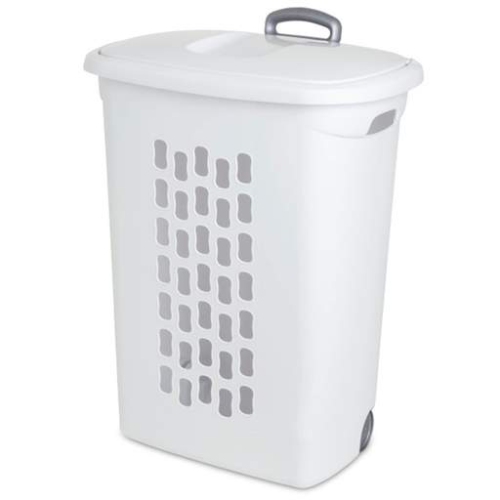 Your price for this item is $1089.99
 -
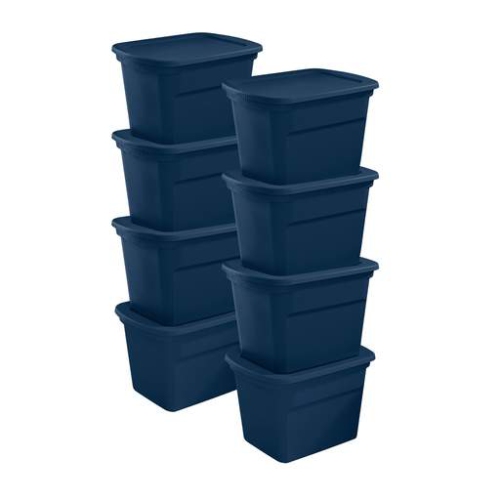 Your price for this item is $246.99
 -
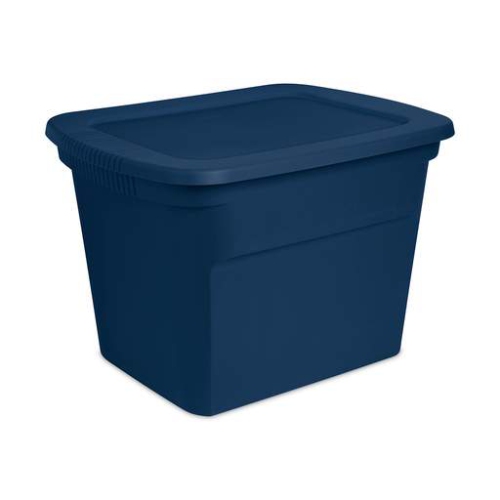 Your price for this item is $679.99
 -
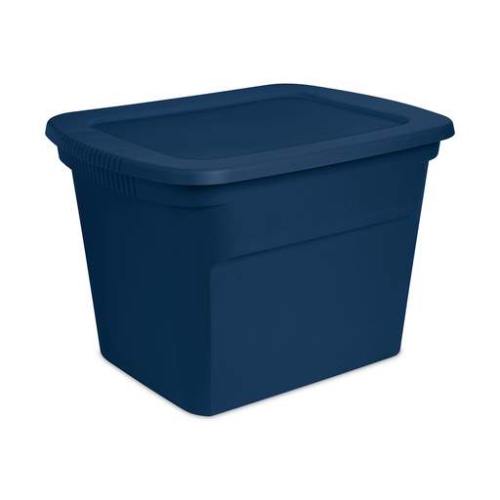 Your price for this item is $906.99
 -
 Your price for this item is $452.99
 -
 Your price for this item is $133.99
 -
 Your price for this item is $264.99
 -
 Your price for this item is $64.98
Discover more categories related to DIY Shelves

Top Collections:
Pokemon Centers, Kindle Devices, Best Budget Office Chairs, Apple iPhones 16, Best Laptops for Writers, iPhone 15 Apple, Canon G7X Cameras, Refurbished Apple Laptops, Alarm Clock, Motorola Razr Phones
Some products may be subject to Environmental Handling Fees
(EHF) depending on your province.
Learn more about EHFs.